Not my last blog of the year, but the last from the RA where I have had the rare pleasure of working in the library, using the wonderful resource of the early manuscript Minutes of Council and General Assembly, some of the surviving manuscripts, including Fuseli’s draft notes of his lecture about Leonardo’s Last Supper, and a host of early printed books, which are available as they were, more or less in the same form, to the early students:-
Dean Street
My last formal meeting of the year was held in the new Soho House for a change (I am not a member). It gave me a chance to check that the last remaining rococo shopfront, dating from 1791, remains intact on a stationers and newsagents at No.88, Dean Street:-
St. Paul’s Cathedral (2)
The more time I spend in Blackfriars, the more I realise how the area round St. Paul’s has been wrecked by big monolithic and characterless office blocks which have invaded the area and destroyed the integrity of the medieval streetscape, which is presumably partly why it is now much cheaper to occupy offices in the City than Mayfair. But it has made me love and admire the architecture of St. Paul’s the more and understand why it was such an emblematic building in the Second World War – so stolid in its understated grandiosity. This morning I walked out of breakfast in Bread Street and there it was in the morning sun, flanked by the tower of St. Augustine, Watling Street and One New Change:-
St. Dunstan’s, Stepney
I don’t know if it was the wintry atmosphere or the sudden glimpse of the church tower through the trees which made me pay more attention to St. Dunstan’s than I usually do and appreciate the strange sense of it still being a rural parish church on the edge of a big city.
This was the view of the church through the trees:-
The back door:-
Stepney Meeting Ground
My eye was caught by the fragment of a tomb on the path I take every Sunday morning through the old burial ground of Stepney Meeting House:-
The burial ground is the residue of a Meeting first established in 1644 during the Civil War. A meeting house was built nearby in 1674 by Matthew Mead, the Puritan pastor and former morning lecturer at St. Dunstan’s (he was the father of Richard Mead, the great doctor and collector). The burial ground was opened in 1774 together with almshouses and a charity school. The almshouses were destroyed in the war:-
Lilias Buchanan
We went to the ICA to hear Lilias Buchanan play with the Graphite Set in the party to mark the end of fig-2, the sequence of weekly, one-off exhibitions by young artists. I’ve always liked her low husky Scottish voice, but haven’t heard her sing since she performed in a pub on the top of Brixton Hill. I was told that she began with a homage to Grayson Perry who first came to fame in fig-1, but this was misinformation:-
Shoreditch
It’s been a while since I’ve walked through Shoreditch. What struck me today and when I walked from St John Bread and Wine up to Old Street roundabout last weekend is the extreme rapidity of the process of urban change, the number of large vacant sites occupying spaces of buildings which were not especially memorable, but when gone leave a large hole. I am not anti-development. London, and most especially the east end, has benefitted from a process of rapid urban improvement and change, first begun long ago under the LDDC. But it’s the speed of it which is disarming and the way big new office and apartment buildings damage the ecology of mixed neighbourhoods. Artists move in. Then small fashion boutiques. Now there’s a branch of J. Crew in Redchurch Street. It happened long ago in Chelsea. Now it’s happening in Shoreditch:-
Hackney Road
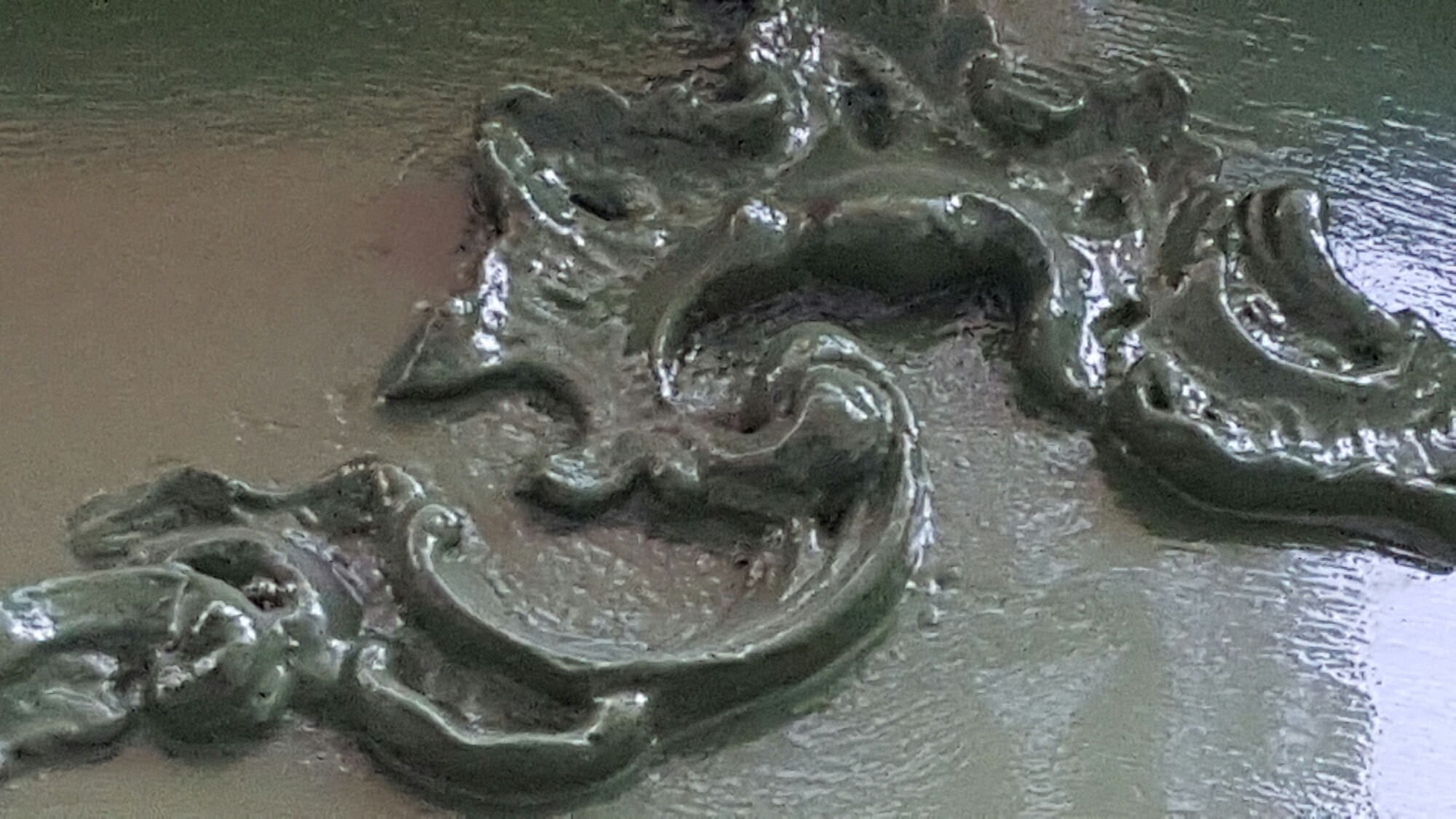
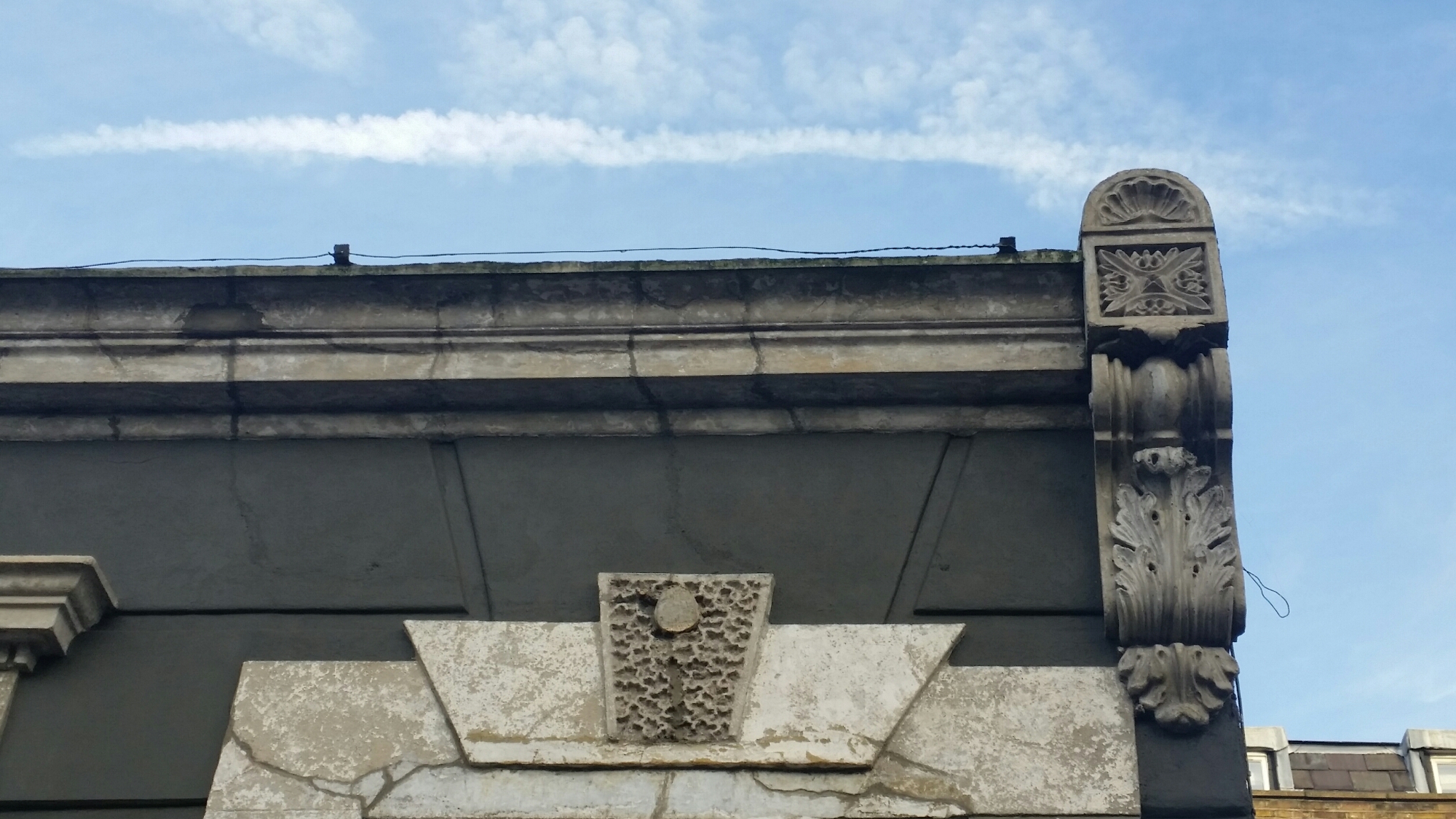
I walked down the Hackney Road which shows all the signs of being gentrified, with new cafés at every street corner. I liked the decoration on the old doctor’s surgery:-
Broadway Market
It being the weekend before Christmas, I set off in search of Christmas shopping to Broadway Market:-
The market is getting smarter and smarter, not just a pseudo-old fashioned butcher called Hill & Szrok:-
Ron Arad RA
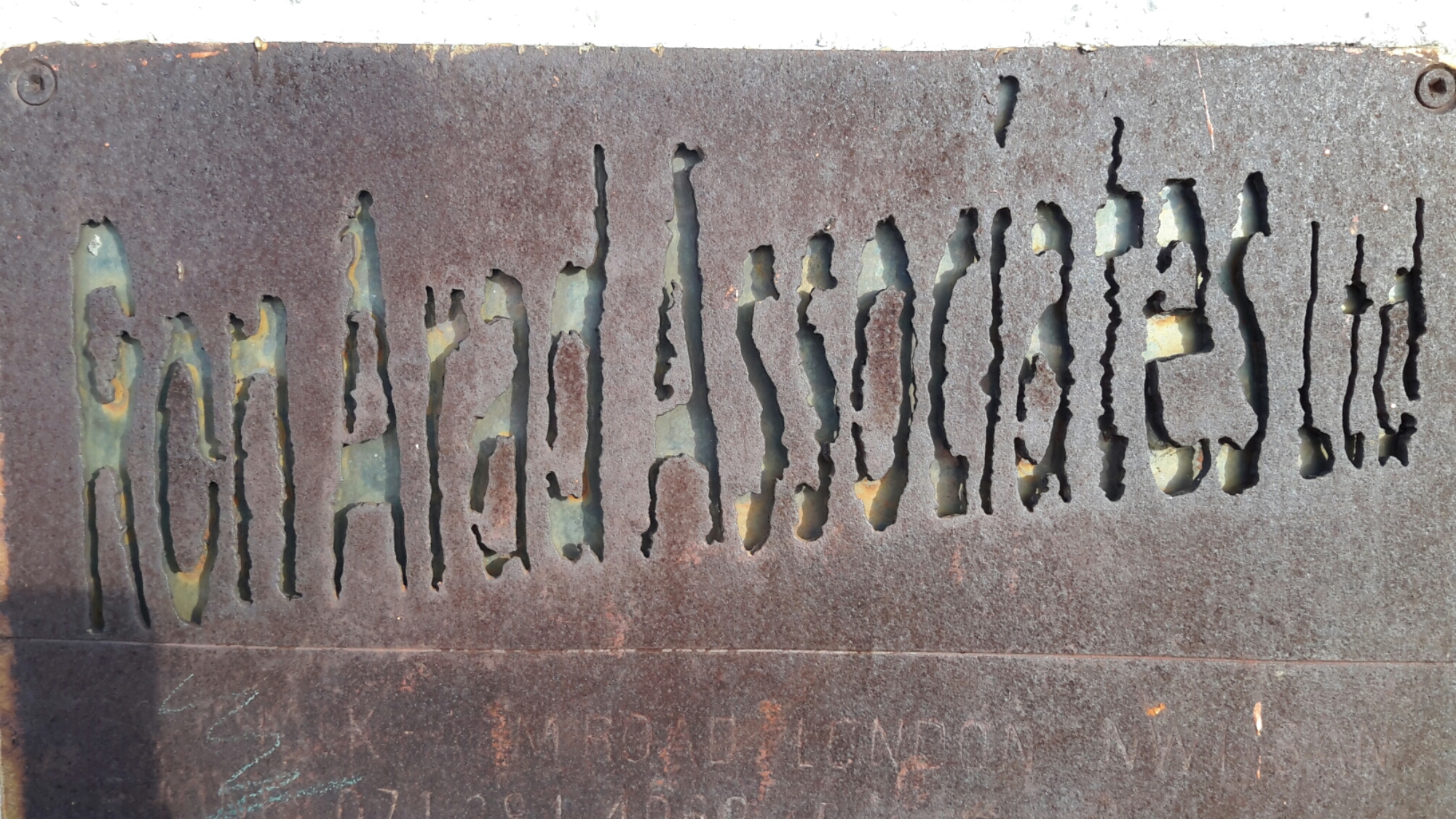
I went to Ron Arad’s studio in Chalk Farm this morning to see the huge range of work that he is doing, from a new range of spectacles to a forthcoming installation in St. Pancras Station, a project that he is planning n the RA’s courtyard for this year’s Summer Exhibition, Fiat motor cars flattened in a workshop in Groningen and exhibited in Turin, the interiors of the Watergate Hotel in Washington and a Cancer Hospital near Nazareth in Israel. All the projects are marked by his fluid imagination and interest in material invention which date back to Alvin Boyarsky’s era at the Architectural Association where he was taught by Peter Cook in the year below Zaha Hadid:-


You must be logged in to post a comment.