La Ribaute

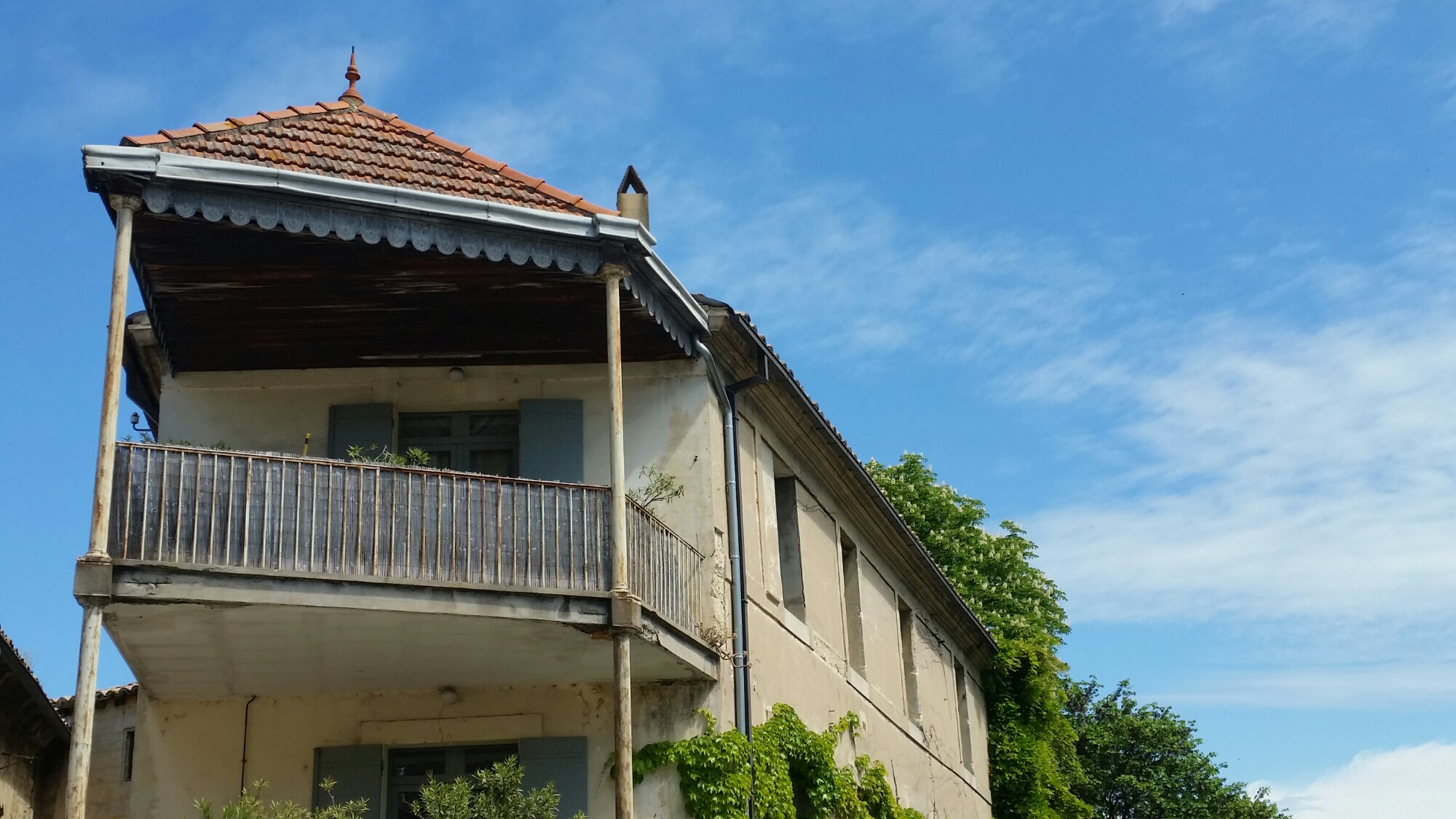
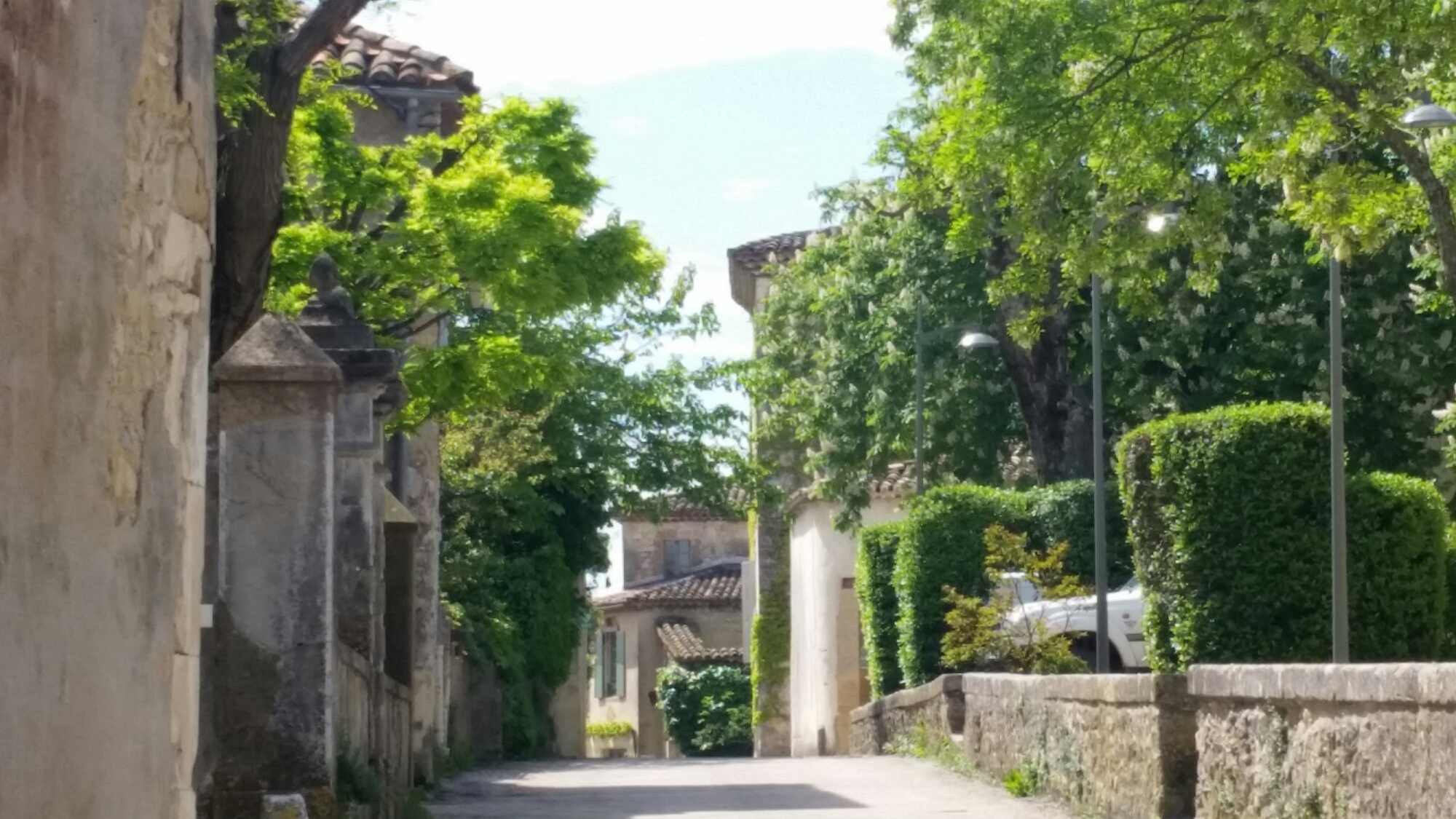
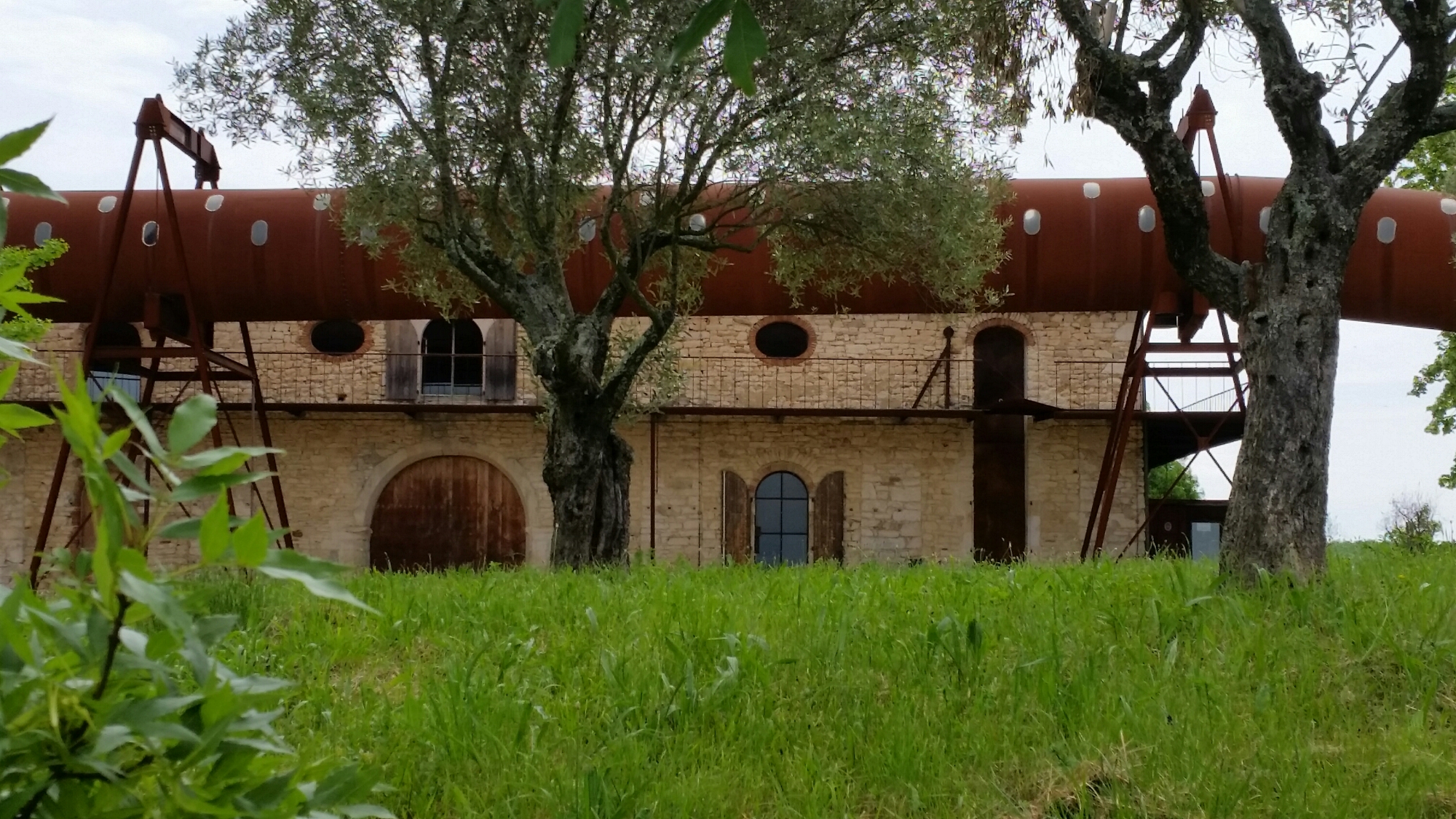
It was spectacularly hot and sultry as we walked round the grounds of La Ribaute, the silk mill where Anselm Kiefer lived and worked for a period of fifteen years before moving to the warehouse of La Samaritaine in the outskirts of Paris.   I had forgotten the intensity of its classicism, the names of gods defining the experience of the ruins.   We walked further and saw more than on our previous visit last summer, conducted through the fields and installations by the silent gardien as it got hotter and hotter.   I had not registered the intensity of the experience of the natural environment, the ants invading the lead, the orchids and herons, the artificial lakes, the birdsong.   It is reminiscent of an eighteenth-century landscape park, like Stourhead or Stowe, the natural environment elaborated to balance the artworks placed in a circuit to be experienced in sequence.

There is talk of La Ribaute being taken over by the French and German government jointly.   I don’t know anywhere so expressive of late twentieth-century historical sensibility, much more so than most museums.

This is the converted silk mill:-
image
Continue reading

Standard

Pont du Gard

I had low expectations of the Pont du Gard, being a bit sceptical of 3 star sites in the Michelin guide.   But it’s hard not to be impressed by the scale of its engineering, making it possible to bring water from the Eure to Nîmes forty miles to the south, across the valley of the Gardon and making the feats of Telford in the nineteenth century look purile:-

image

image Continue reading

Standard

Uzès

We stopped to buy a picnic lunch in Uzès, a centre of Huguenot, and later Catholic, silk production in the barren countryside north of Nîmes.   This proved nearly impossible.   Was it because it was Monday ?  Or a bank holiday ?  Or just lunch-time ?  We only caught glimpses of the inner town, with its medieval bell tower attached to a more modern cathedral, the dusty streets, the adjacent bishop’s palace and ducal castle:-

image

image Continue reading

Standard

Lussan

We drove through the empty countryside south of Barjac through the lush fields and green landscapes of the northern Pays du Gard, stopping only to investigate the small fortified village of Lusson, with its churches and late medieval castle:-

image

image Continue reading

Standard

Pays du Gard

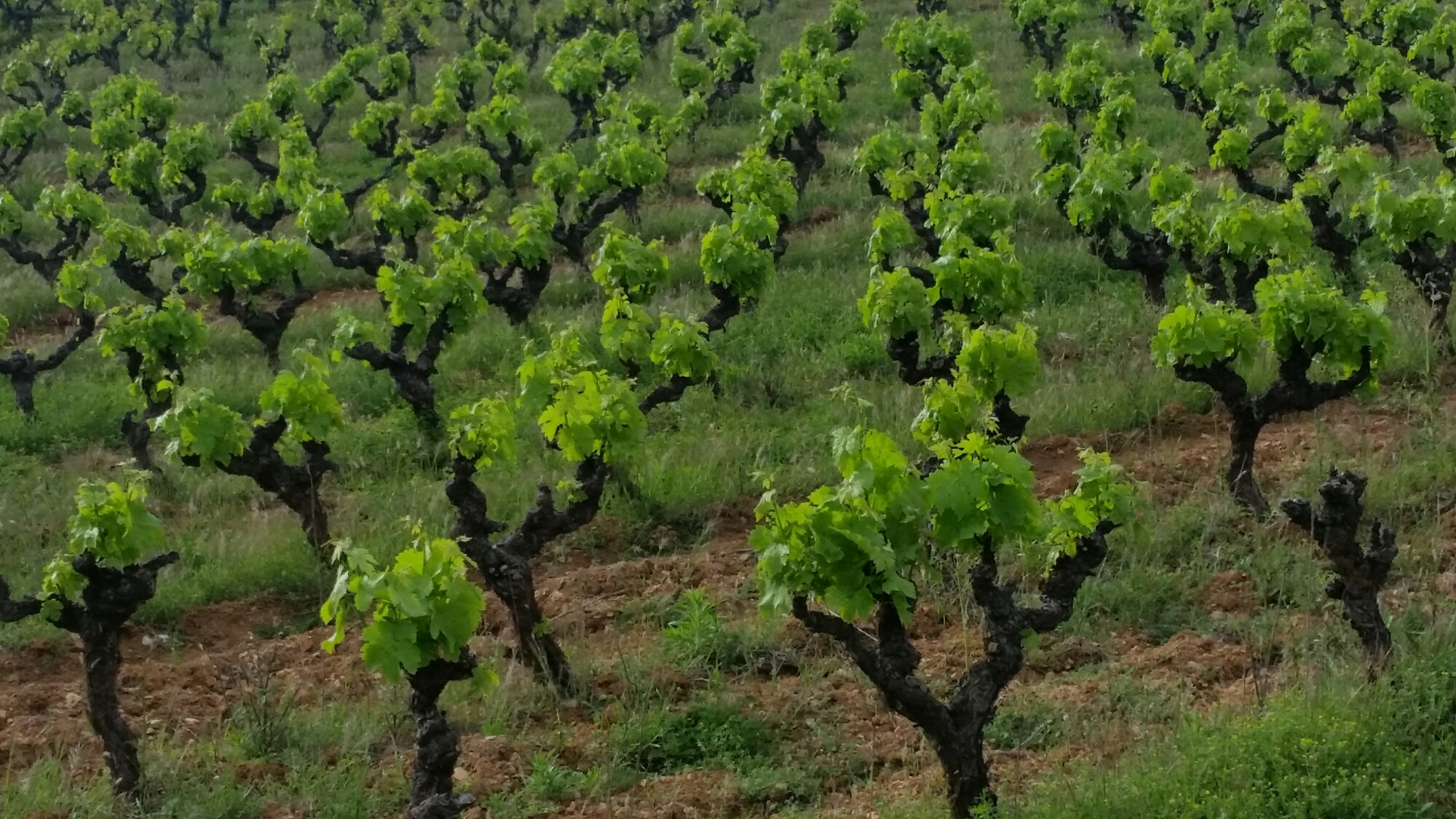
We left the valley of the Rhône at Pont St. Esprit and climbed into the hills and vineyards of the Pays du Gard just south of the Ardèche until arriving near Barjac:-

image

Standard

Lincoln’s Inn

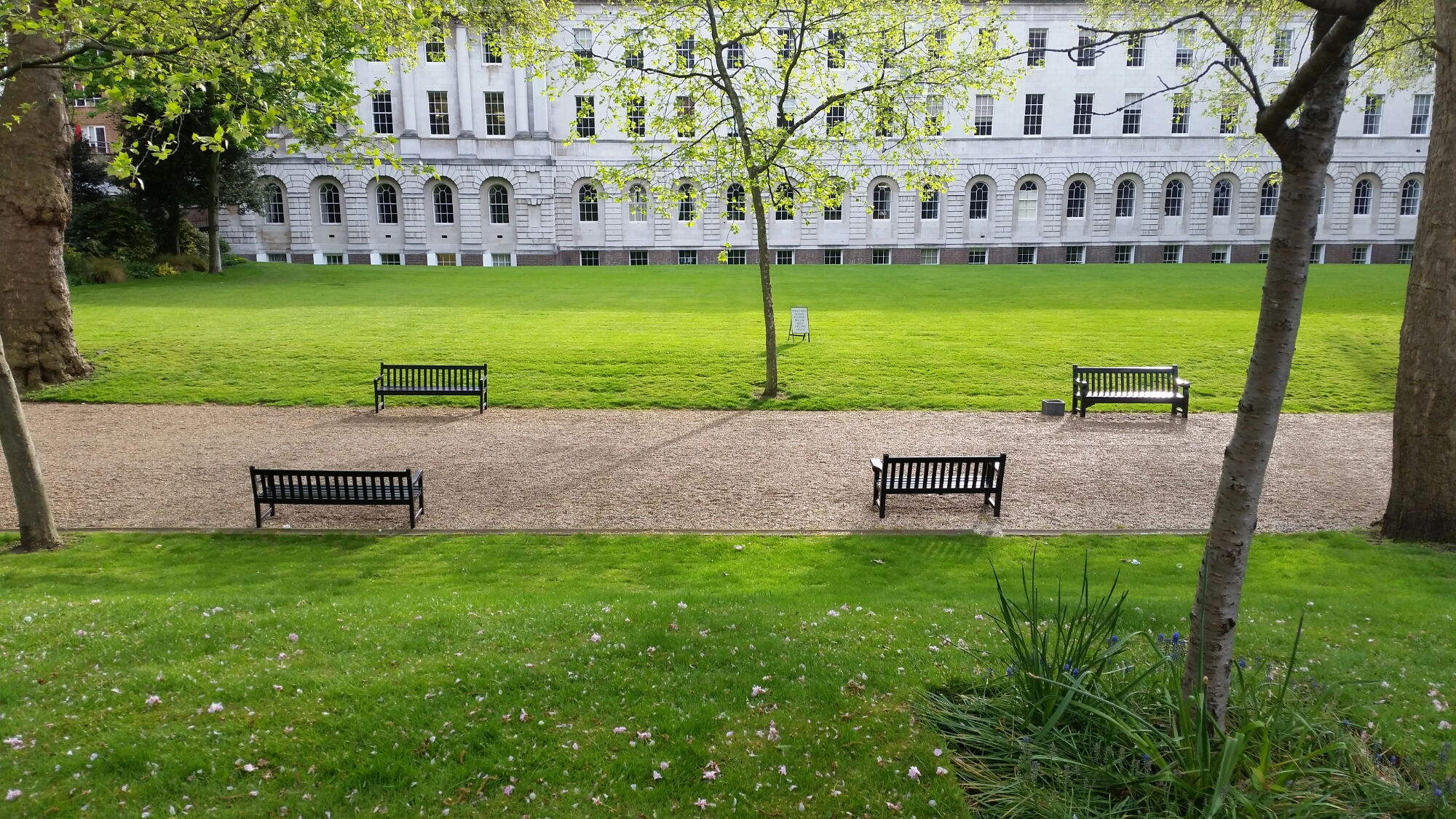
I had dinner last night in the Lincoln’s Inn Great Hall with the upper echelons of the legal profession in white tie and decorations.   I have sometimes walked through Lincoln’s Inn with its mowed lawns and atmosphere of academic seclusion, but had never penetrated the Great Hall, which makes Oxbridge dining halls look small-scale and has a huge and not wholly successful fresco by G.F. Watts depicting A Hemicycle of Lawgivers, including Moses, Confucius and King Alfred, as well as Tennyson impersonating Minos.

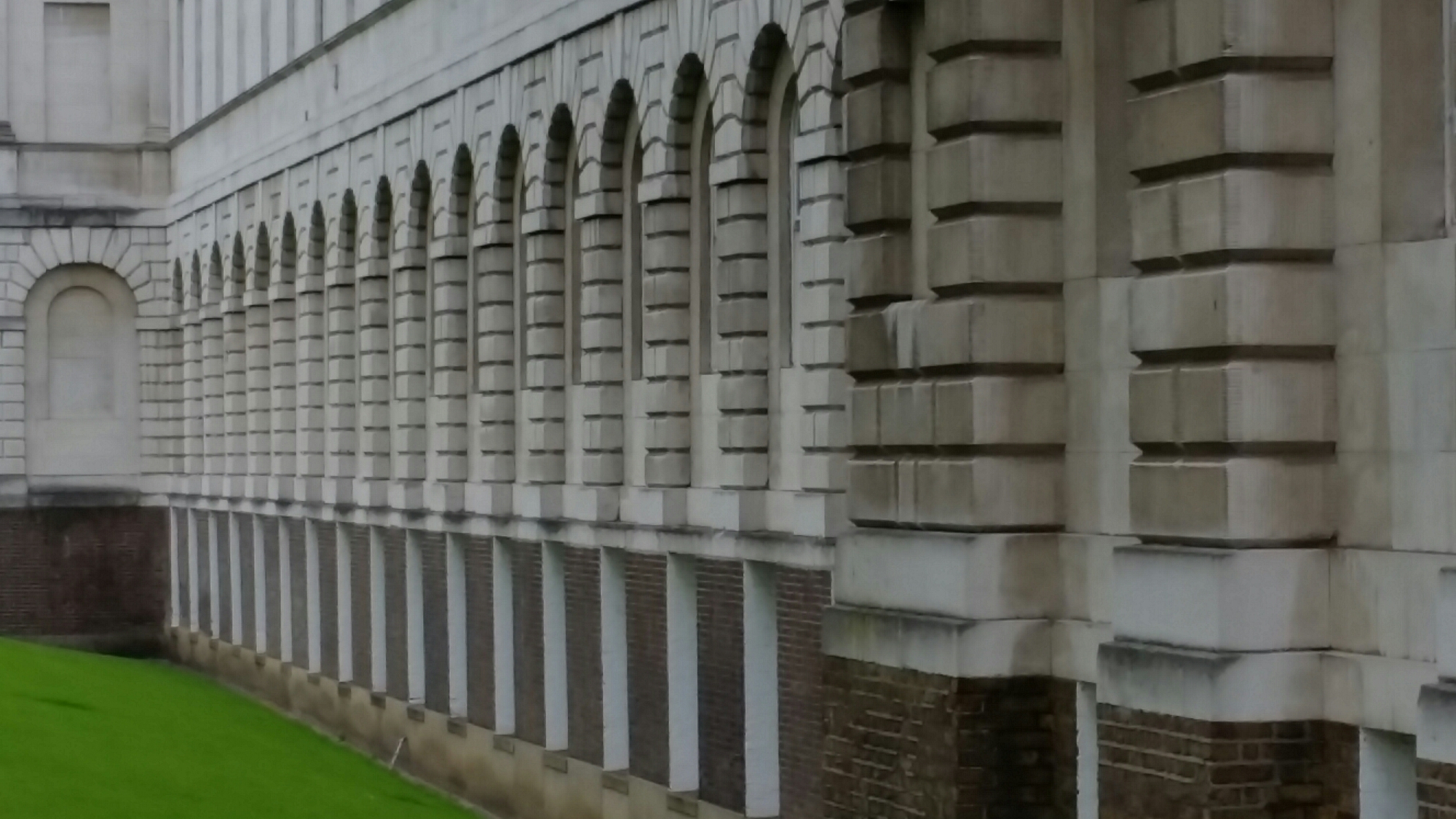
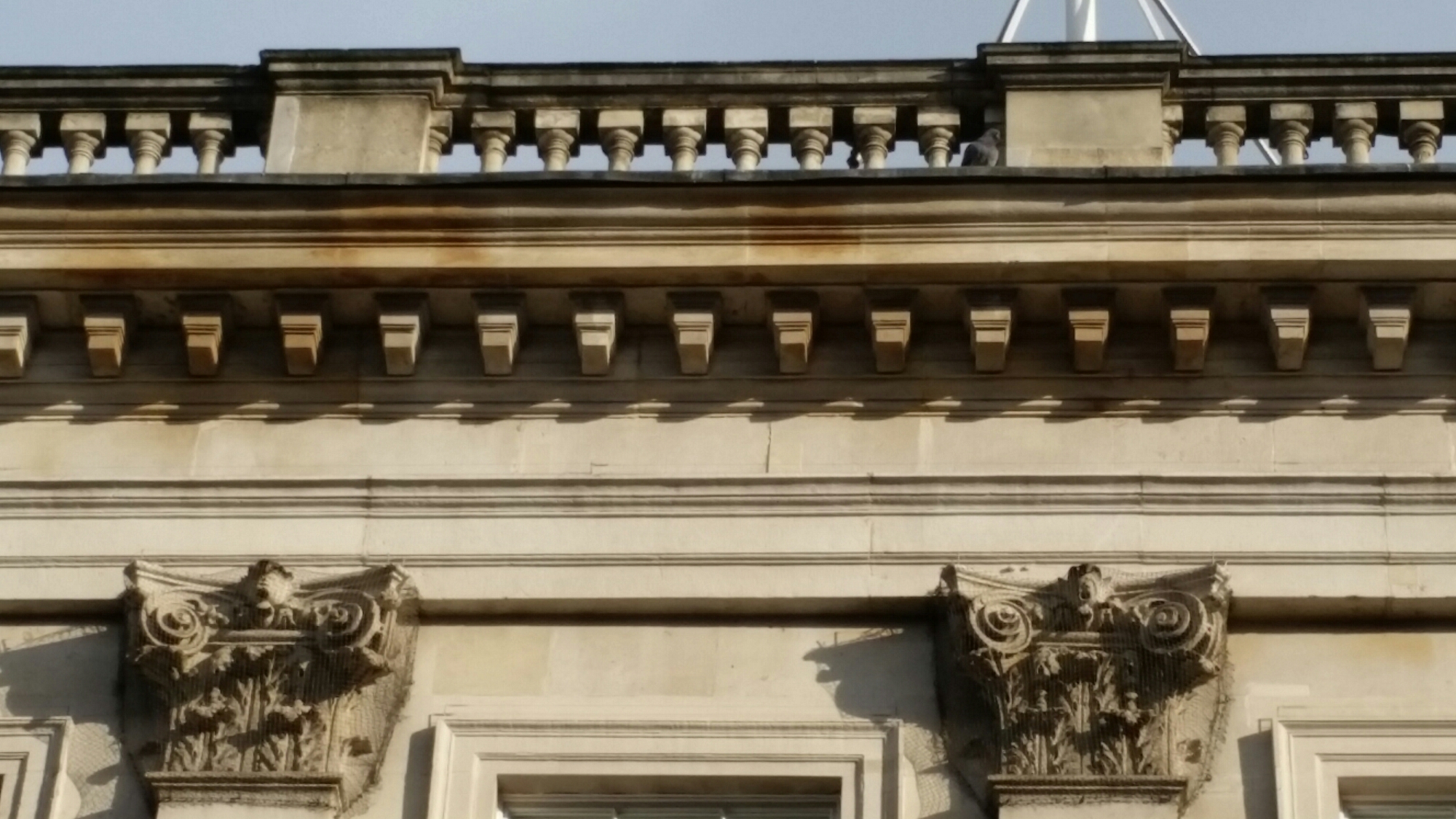
This morning I went to check out the architecture of the Stone Buildings with their grand neoclassical façade, designed by Sir Robert Taylor:-

image

image Continue reading

Standard

Abercrombie and Fitch

My eye was caught this morning by the façade of Abercrombie and Fitch which looked fleetingly like the American Embassy, flying the American flag in the morning sun.   Once upon a time it was Queensberry House, the town house of Charles Douglas, the Marquess of Queensberry, although it was originally designed in 1721 for John Bligh, an Irish peer, by the Venetian architect, Giacomo Leoni.   According to Leoni, he showed the design to Lord Burlington who ‘gave leave to the person who executed it, to set the Front towards his own garden’.   Constructed by a Chelsea bricklayer, John Witt, it was later remodelled by John Vardy for the Earl of Uxbridge.   In the nineteenth century it became a branch of the Bank of England.   So it is perhaps not surprising that it looks more like an Embassy than a fashion store:-

image

image

Standard

Michael Craig-Martin RA

There was a book launch tonight for not one, but two new books by Michael Craig-Martin:  one a book which I couldn’t afford on DRAWING and another, which I could, On Being an Artist, which consists of a whole series of short texts which he has written over the years, some published, many of them notes or computerised aide-memoires.   He writes with admirable simplicity and clarity about his life, his experiences, and his attitudes to the practice of art.

Standard

The Back Road

I have always thought that the back road which runs alongside the Royal Academy, behind the Society of Antiquaries, is one of the more mysterious spaces of central London, a phantom space unused for most of the year, like Down Street, the forgotten stop of the Piccadilly Line.   But the road is opened once a year to allow for the delivery of sculpture to the Summer Exhibition, so tonight there was a view down what may be the longest unadorned wall in Europe to the gate which was open onto Piccadilly:-

image

Standard

The Election

Unusually, I was at a dinner in which there was discussion about the likely outcome of the election and its consequences, to the extent that we were each required to write down the number of votes cast for the winning party.   The majority of people who cast their votes before me thought that Cameron will win by a greater margin than currently predicted.   This is based on an assumption that, in the poll booth, there will be a vote for economic stability, as opposed to the constitutional uncertainty of a coalition with the Scottish Nationalists.   This may be wishful thinking.   I am more cautious, only because I think that people underestimate the hostility to economic inequality and the desire to protect public services and that this will swing votes in the other direction.

Standard