Hoxton

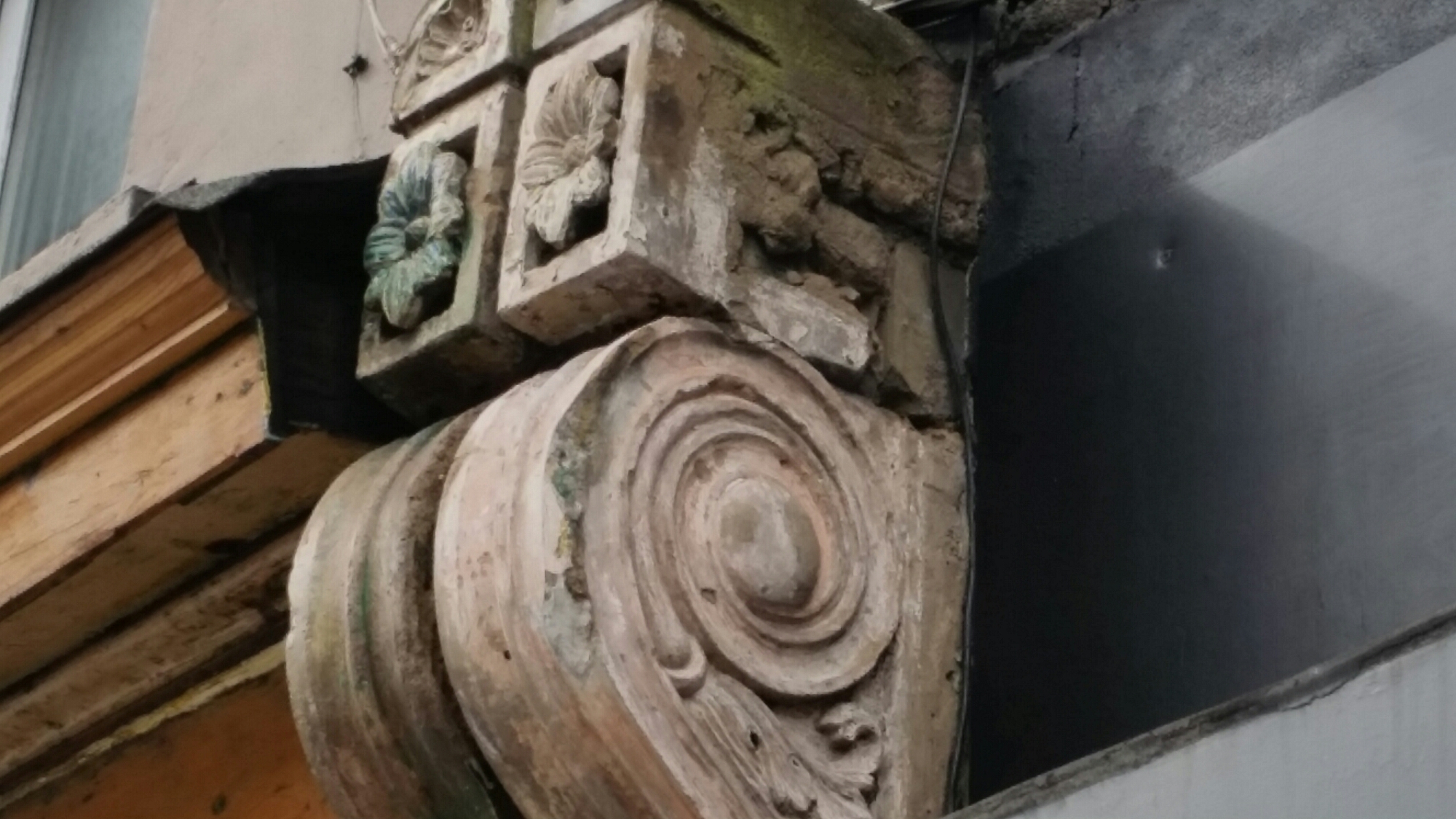
I went on a Saturday morning mooch round Hoxton having been told during the week how über-trendy the Kingsland Road now is.   All I could find on the Kingsland Road was some nice detailing:-

image

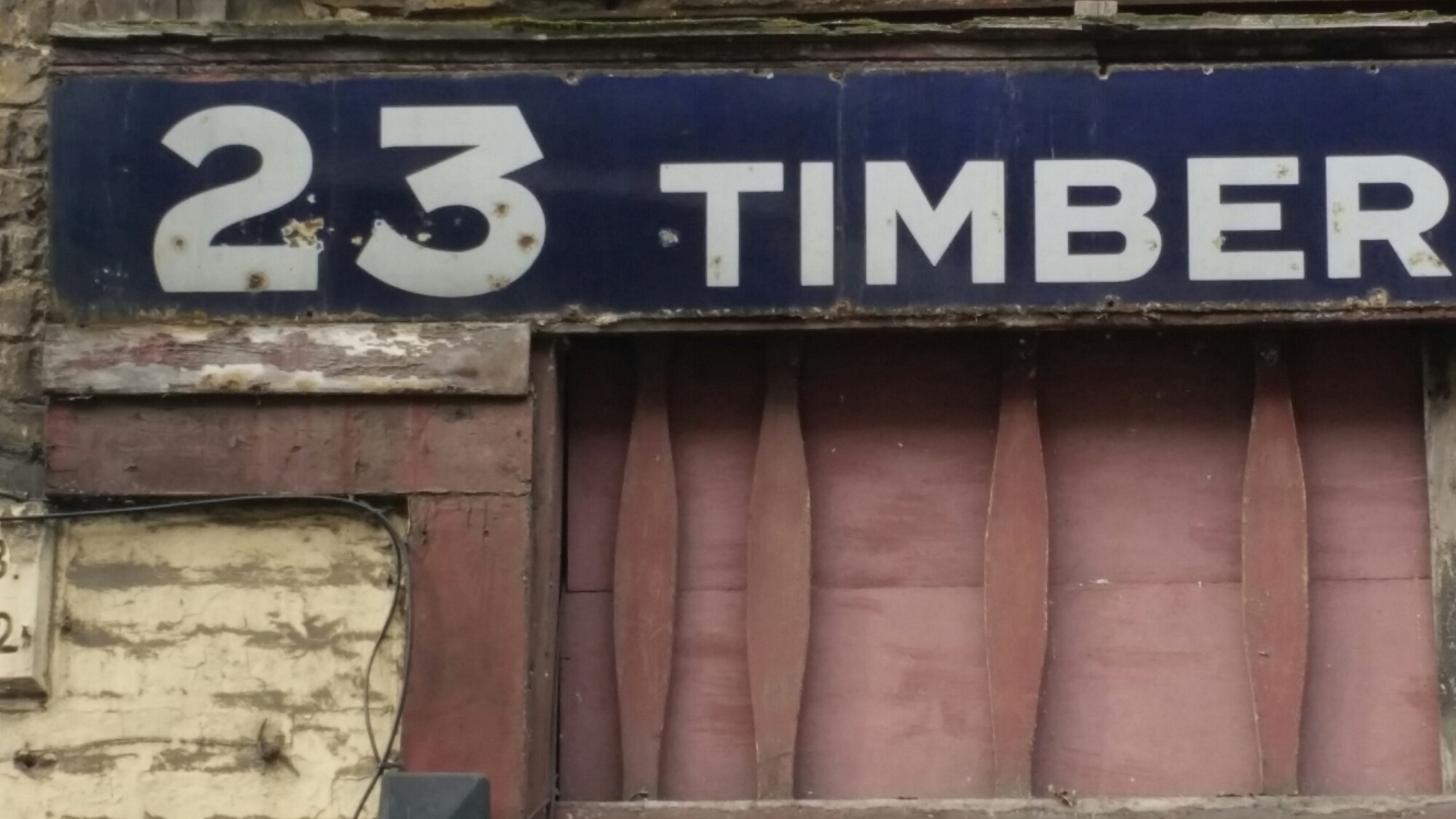
There are the remains of an old timber yard at the bottom end of Hoxton Street:-

image Continue reading

Standard

Eighteenth-century Drawing Schools

I spent the day at a conference in the Royal Academy Schools which explored the great variety of eighteenth-century drawing schools, mostly in London, but also the Foulis Academy, which was founded in Glasgow some time before the Royal Academy. What struck me was the range of opportunities which were on offer in eighteenth-century London for someone to learn to draw. There were drawing masters employed by the major schools, including Alexander Cozens at Christ’s Hospital and Eton. There was a movement to establish drawing schools at the ancient universities. There were individuals who advertised themselves as drawing masters. There were drawing prizes offered by the Society of Arts for girls as well as for boys. And the Duke of Richmond decided that it would be a good thing to offer facilities for boys to learn to draw at his newly established sculpture gallery on Whitehall. Why this great emphasis on drawing ? Part of it was a public recognition that for Britain to compete as a trading nation was going to need people who were good at designing objects and ornament, clocks, fabrics and all the things that stocked the shops on the Strand. Part of it was an understanding that drawing lay at the heart of all the fine arts, as was emphasised by Joshua Reynolds in his Discourses. But there was more to it. People understood that good quality drawing improved skills of invention, understanding and interpreting the world, as well as recording it for posterity.

Standard

Thomas Heatherwick (2)

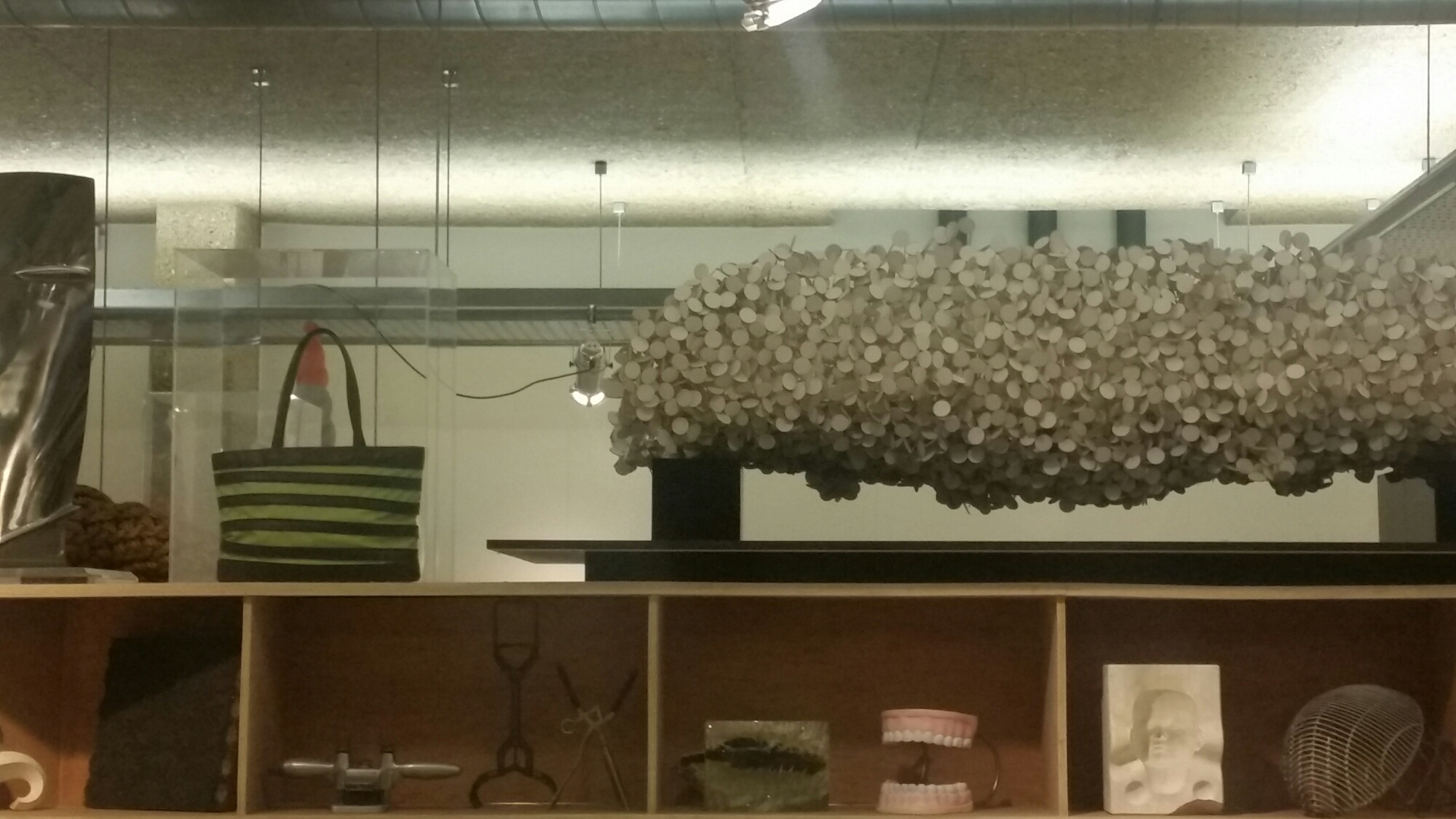
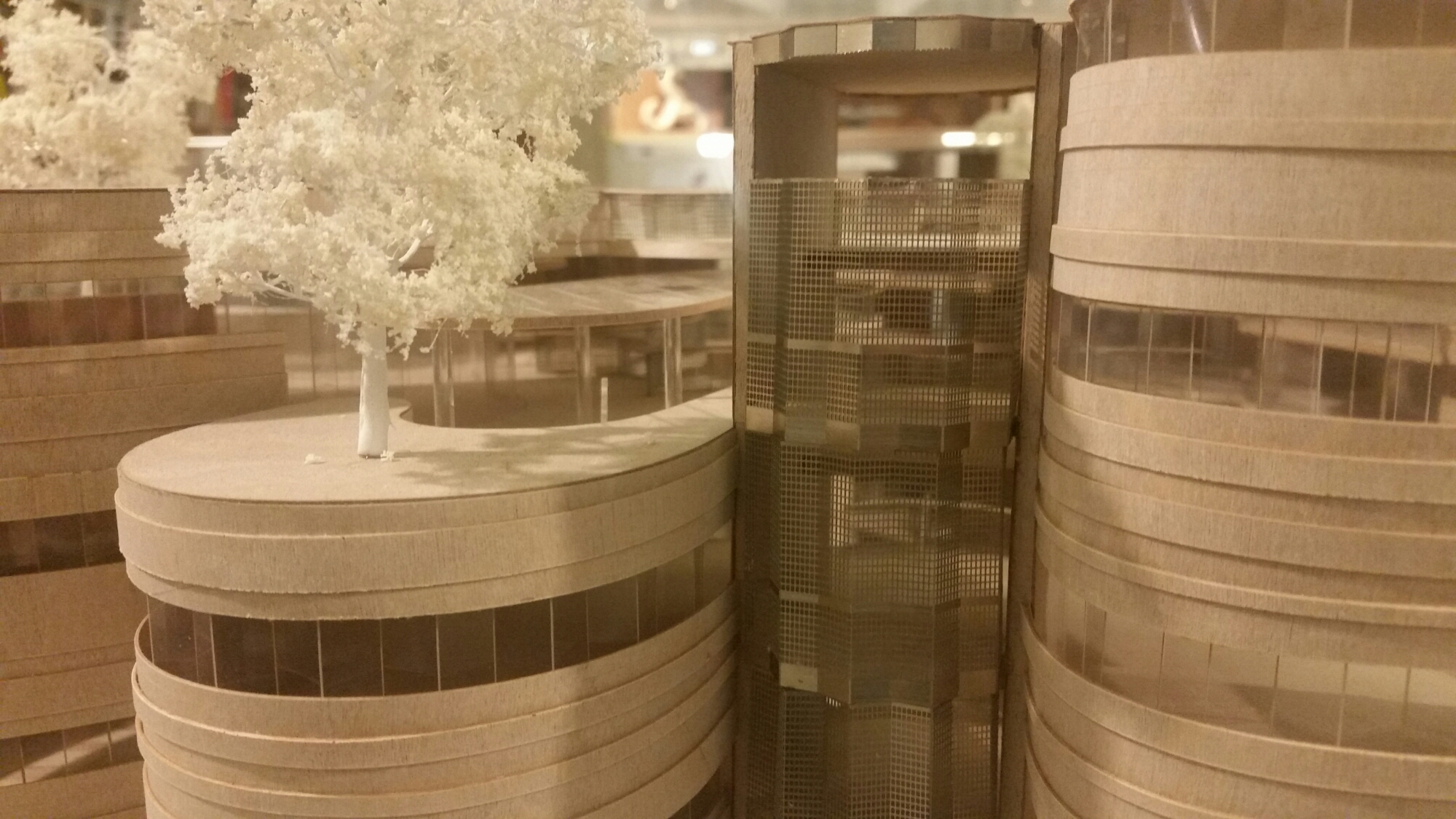
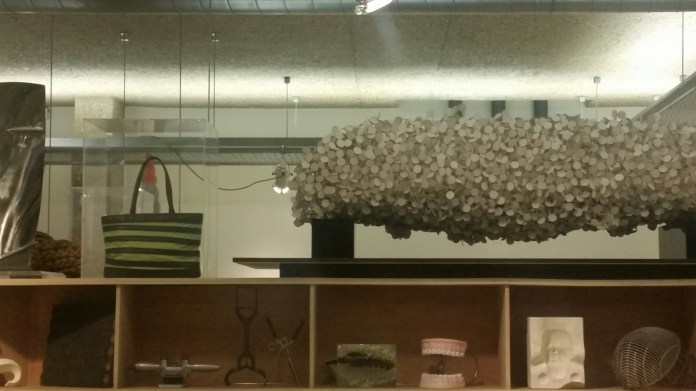
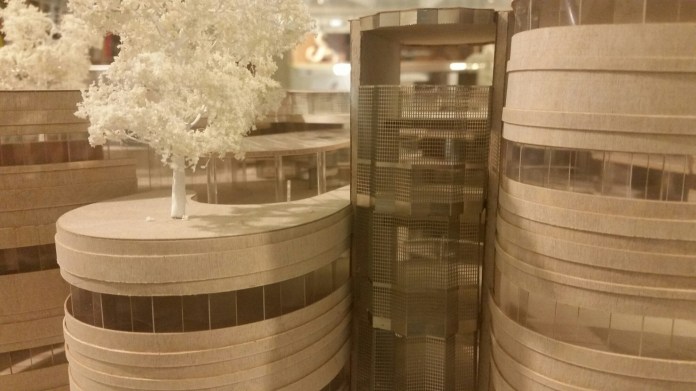
I went to a talk at the Thomas Heatherwick studio, hidden behind a Travelodge just south of King’s Cross.   I missed the introduction by Thomas himself, but arrived in time for a presentation of the full range of their recent projects, including the seed bank for the World Trade Fair in Shanghai (‘The Seed Cathedral’), based on the Sitooterie Thomas designed for Belsay in Northumberland, the building they have recently done for Bombay Sapphire at Laverstoke in Hampshire, the new Zeitz Museum of Contemporary Art in South Africa, a garden projecting into the Hudson River by the new Whitney in New York and, most recently, a new spatially organic building for Nanyang Technology University in Singapore.   And the great cauldron for the opening of the Olympic Games.   And the Garden Bridge.   I liked the sense of controlled anarchy in the studio, of making as well as design, not a procedure of strict problem-solving as was described, but more of left field project disruption:-
image

image

Standard

Queen Mary

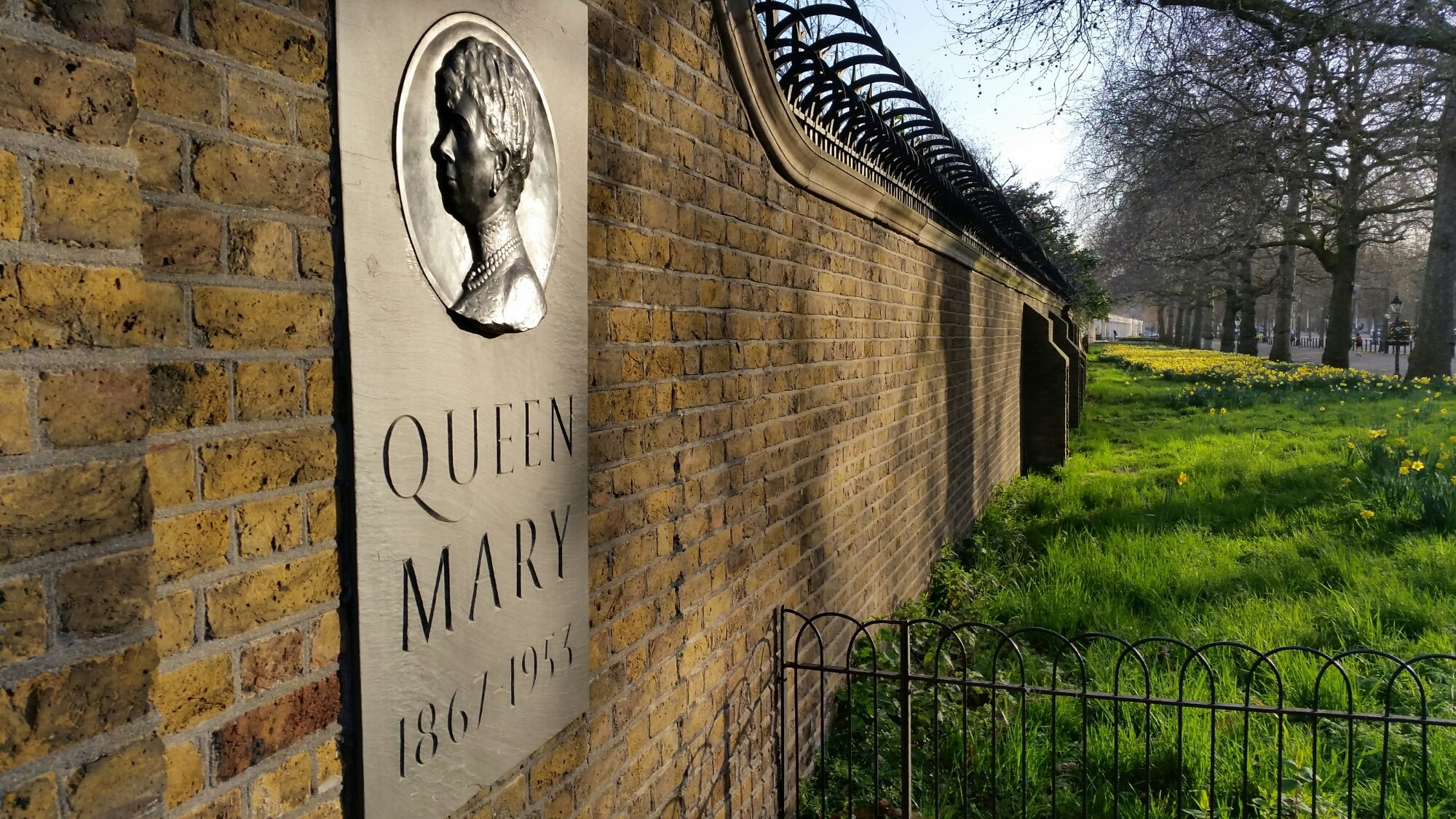
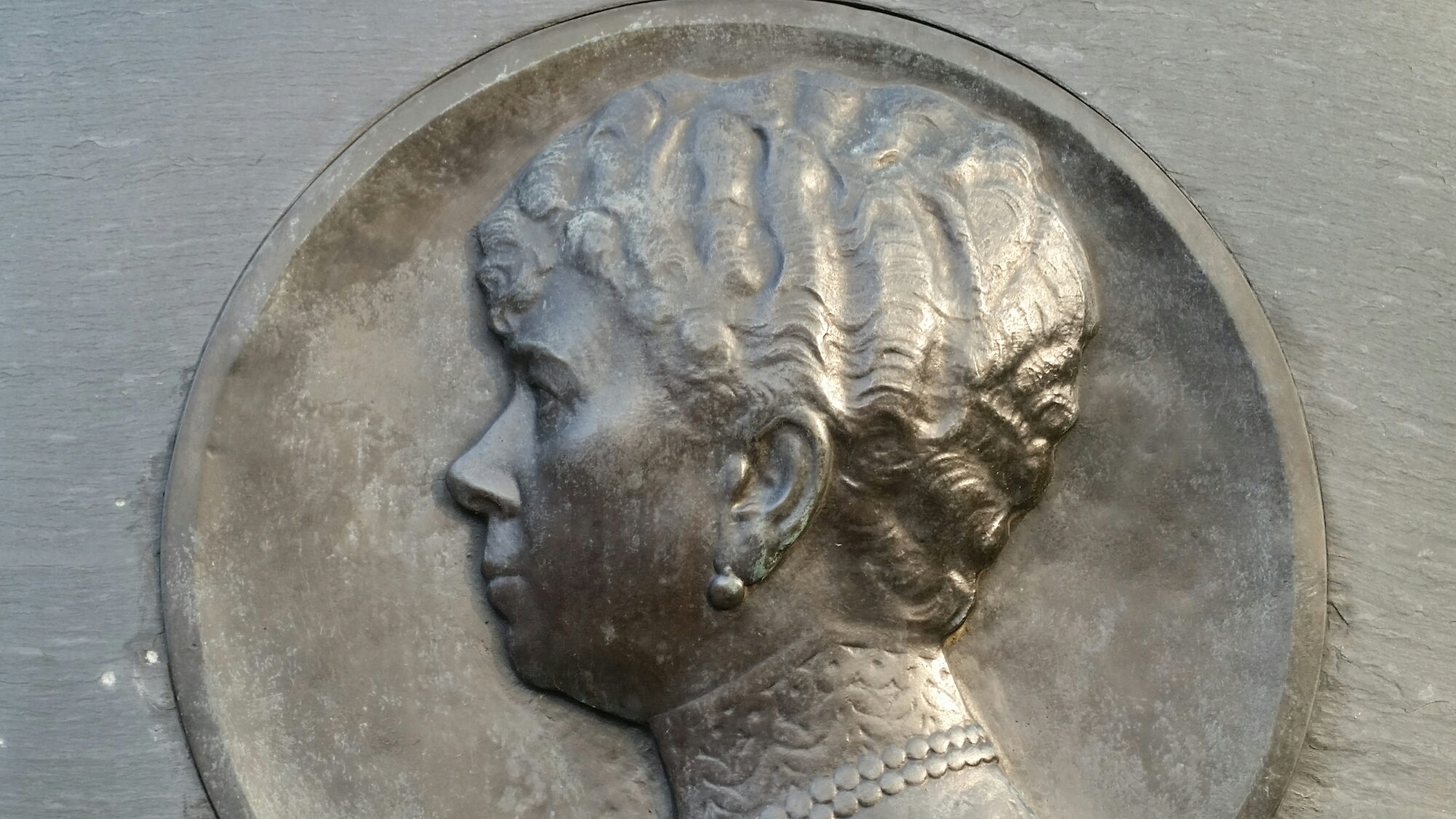
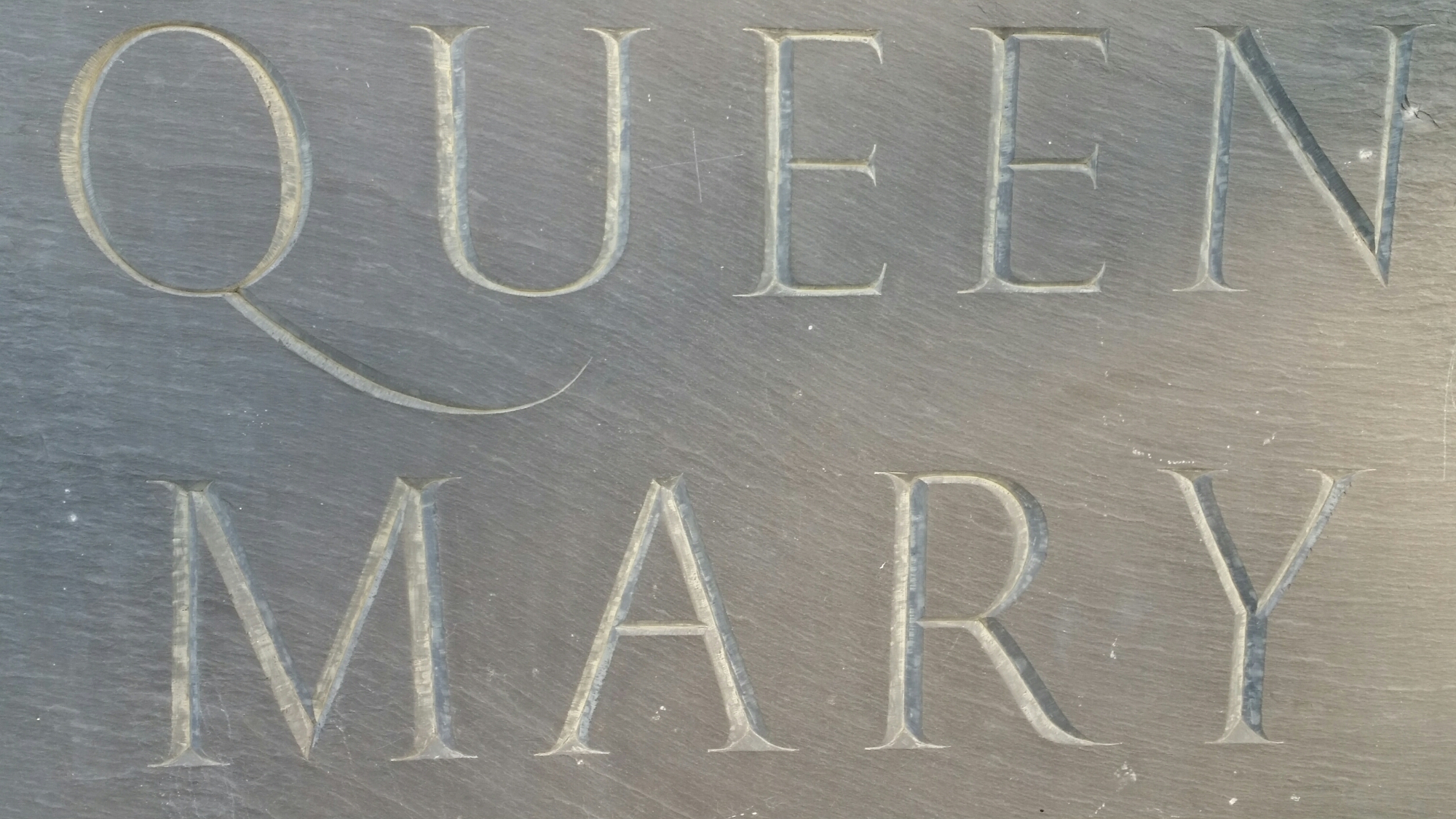
Set into the garden wall of Marlborough House at the junction to The Mall is a shallow relief bust of Queen Mary, who lived in Marlborough House.   It was done by Sir William Reid Dick, one of those forgotten RAs of the mid-century, reponsible for innumerable war memorials, President of the Royal Society of British Sculptors, a Trustee of the Tate, and the Queen’s Sculptor, responsible for a bronze bust of her now in the NPG and this rather successful plaque with its slate lettering which was only unveiled in 1967, on the centenary of her birth and after Reid Dick’s death:-

image

image

image

Standard

Usher

We had an event in the RA Schools in which Usher, an American R&B star, talked to a large group about his experiences in life.   He was surprisingly soft spoken, deeply thoughtful, with the intonations of the church choir.   He came to the RA first for the Hockney exhibition, then for the Summer Exhibition (which he sees as providing unique opportunities for emerging artists), now supporting our learning programmes, interested in art and influencing the young for good.   Emotion, illusion, delusion, these were his descriptions of the experience of art.

Standard

Marlborough House

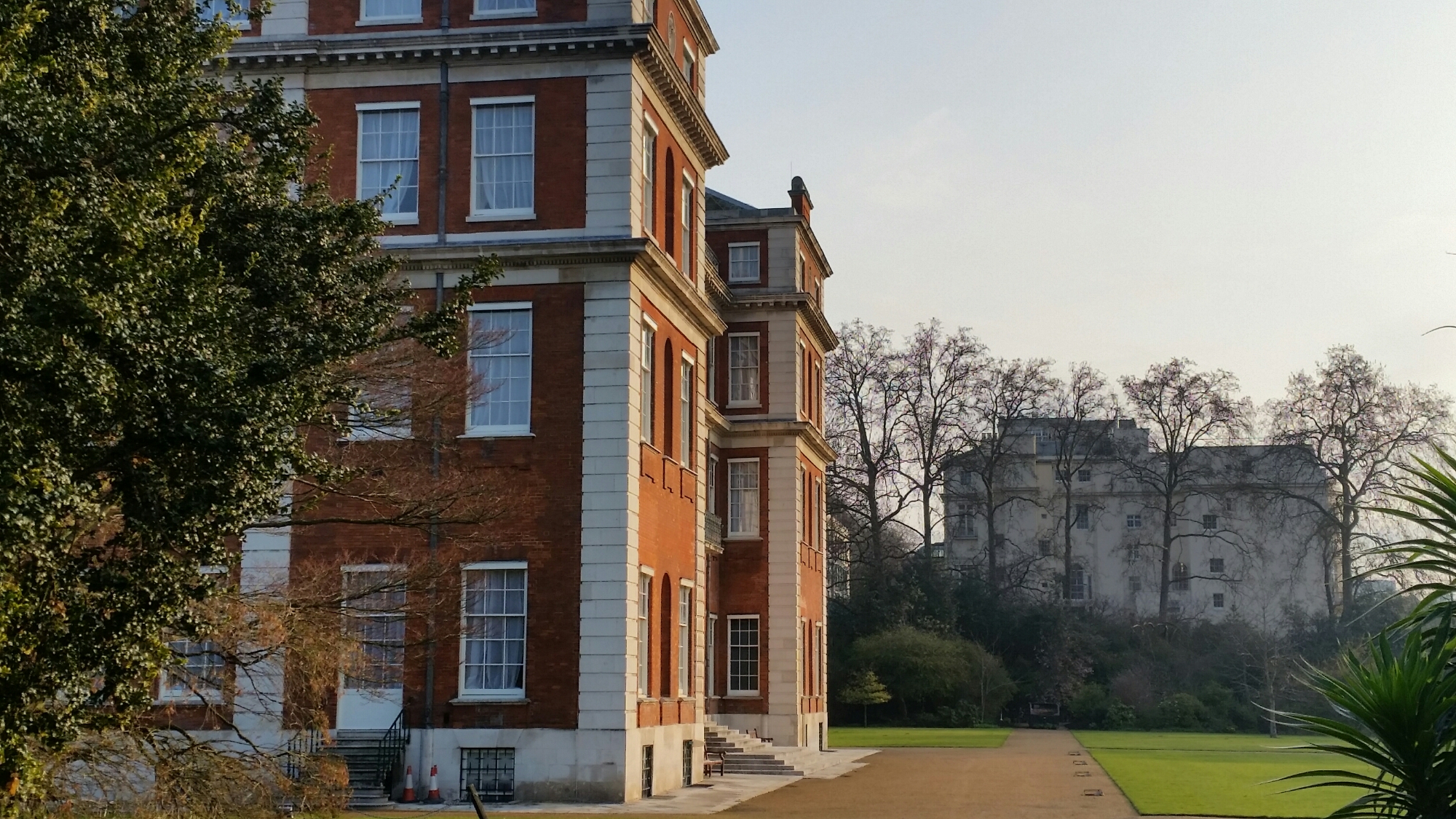
The gates were open to Marlborough House this morning, one of the more mysterious of the grand houses flanking the Mall.   It was built for the Duke and Duchess of Marlborough with a stipulation by the Duchess that it should be ‘strong, plain, convenient and good’ (her use of language is a reflection of her detestation of Vanbrugh’s designs for Blenheim).   Designed by Christopher Wren the younger with help from his father, the Duchess ended up supervising the construction herself.   It was taken over by the Crown in 1817 and used in the 1850s for the so-called Museum of Manufactures (later the V&A) and the National Art Training School.   Adapted in the 1860s by James Pennethorne as a residence for the then Prince of Wales, it now houses the Commonwealth Secretariat:-

image

Standard

Schools Auction

We had the Schools Auction last night.   Each year it gets bigger and better and smarter, with this year over 300 people all bidding for work in order to help the RA Schools and its students.   Michael Craig-Martin spoke with great conviction about the importance of maintaining a system of free postgraduate education whereby a relatively small number of students can develop as artists by having studio space, access to workshops, and the active support and advice of practising artists, as well as each other.

Standard

Hauser and Wirth, Somerset (2)

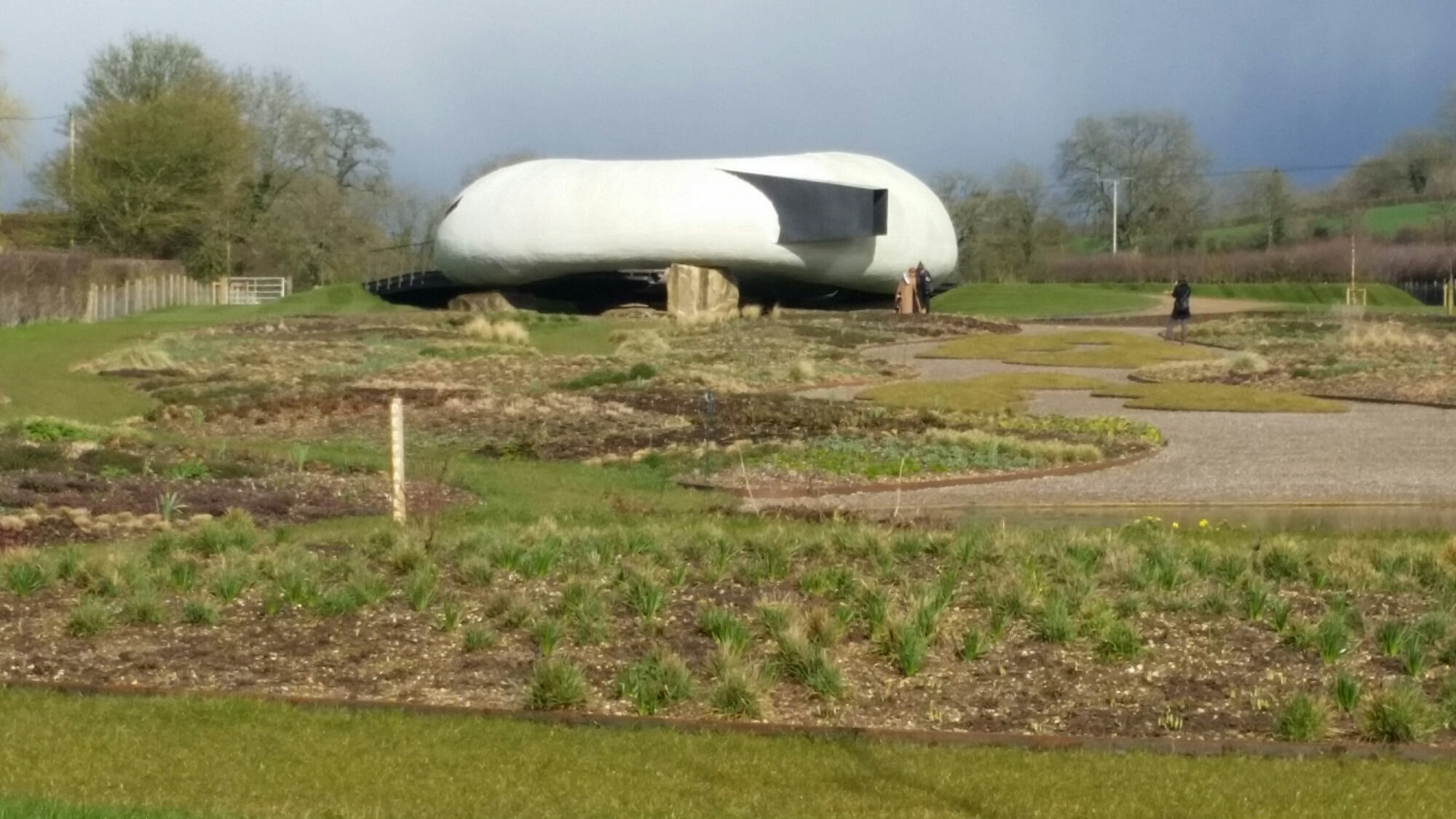
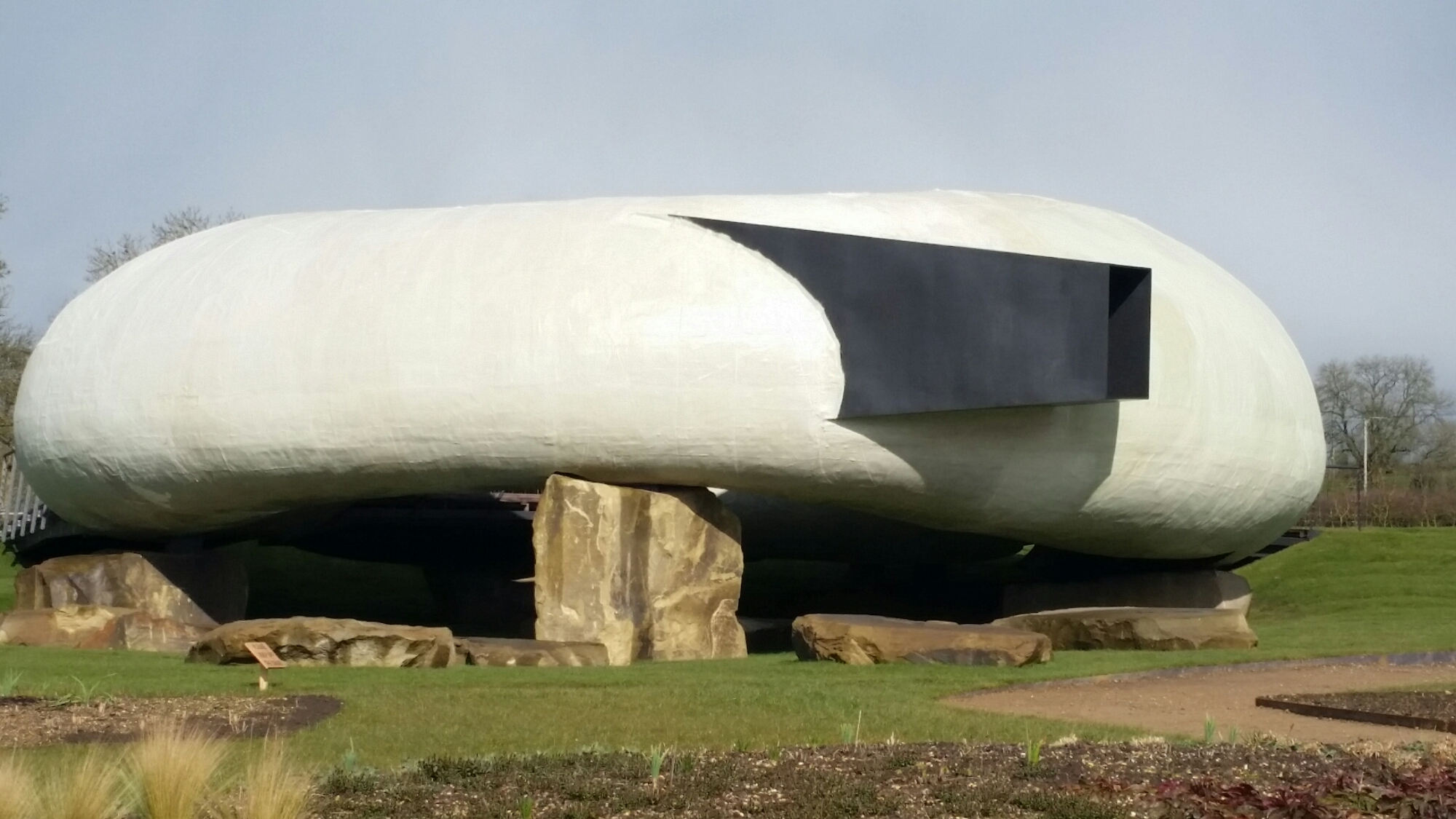
We had a long day trip to Somerset for a meeting of the Royal Academy’s Trust,  invited by Iwan Wirth, one of our Trustees.   The renovation of Durslade Farm has been spectacularly successful (90,000 visitors).   In between the March showers, we were able to enjoy the newly arrived Serpentine Pavilion by Smiljan Radiç:-

image

image Continue reading

Standard

John Nost the younger

I thought I should know more about John Van Nost (or Ost) so looked him up in my elderly card index.   There were two of them.   John Van Nost the elder who came to London from Flanders, was foreman to Arnold Quellin, married his widow and took over the family firm.   Following his death in 1710, his cousin, John Van Nost the younger, took over.   They both specialised in supplying lead statues to country house gardens.   Nost the younger supplied an equestrian statue of George I to Cannons, as well as to Grosvenor Square;  a golden statue of the Duke of Chandos, the owner of Cannons;  lead statues of History with a table & pen and Fame sounding a trumpet, which were arranged along the parapet;  and lead statues in the pleasure grounds, including the statue of George II, which cannot date from before 1727, the date of the King’s accession.   Nost the younger was described by George Vertue as having driven ‘on the business but never studied – nor did himself anything tolerable’.   This may explain why his statue of George II is so bad.

Standard

George II

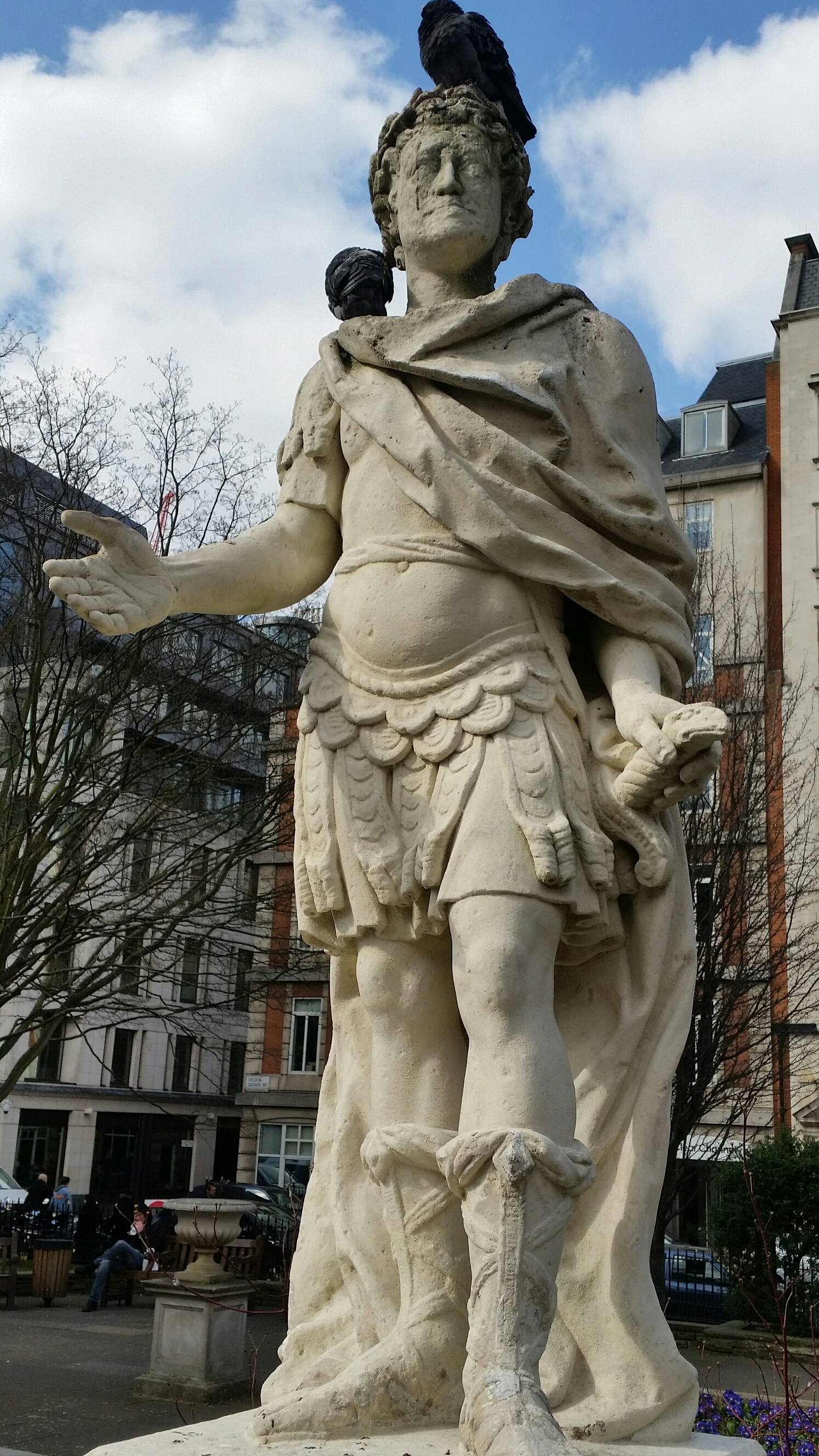
In walking across Golden Square at lunch-time today, I noticed that the rather manky statue of George II was cleaner than usual.   It’s unusual to see George II commemorated as he was not a particularly popular monarch and indeed some people think it is Charles II, who was.   The answer seems to be that it was an anonymous statue designed by John van Nost for Cannons in Middlesex, sold at auction in 1747, bought by an anonymous bidder (apparently accidentally) who then presented it to Golden Square in 1753 in honour of the then King:-

image

image

Standard