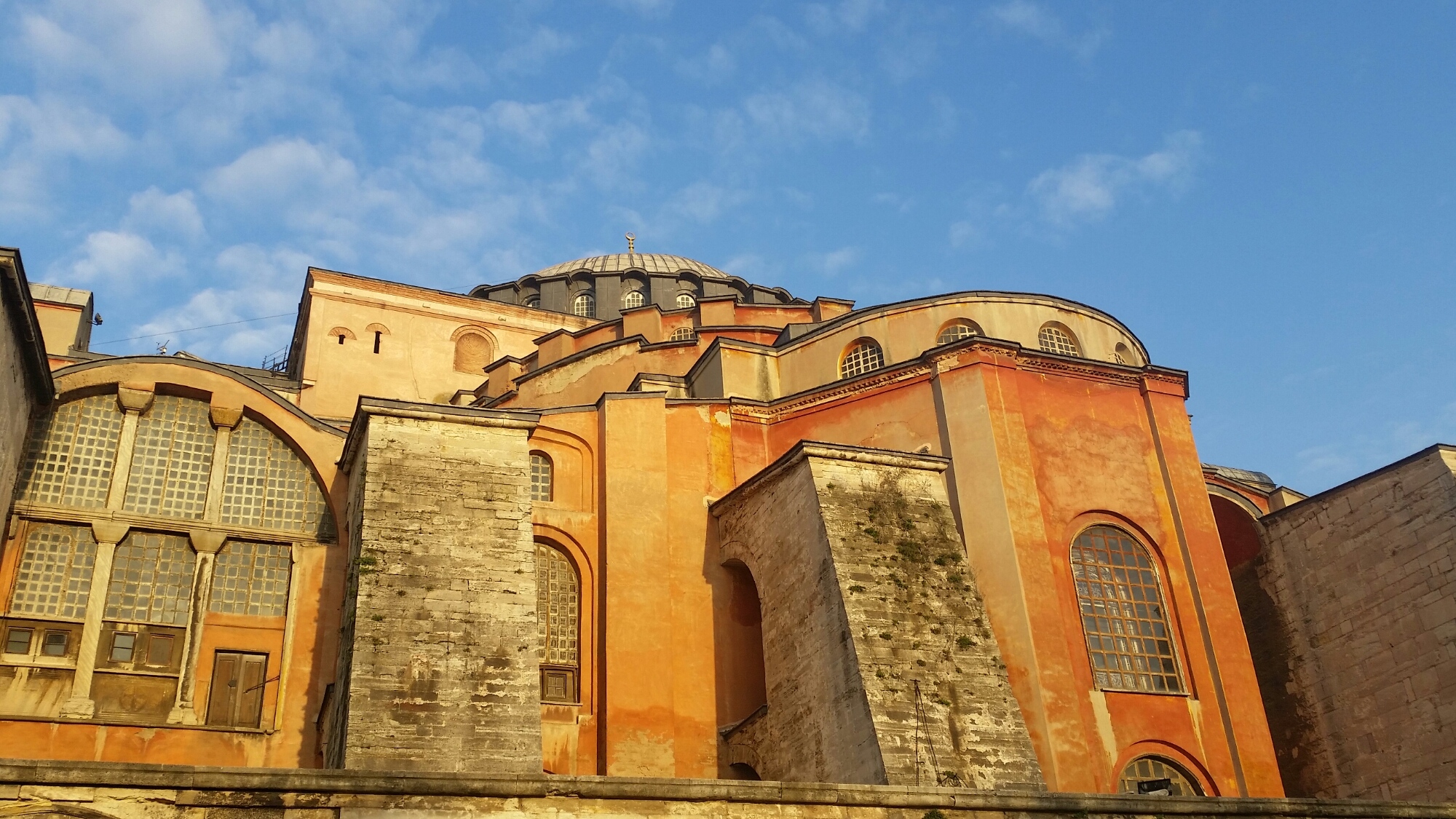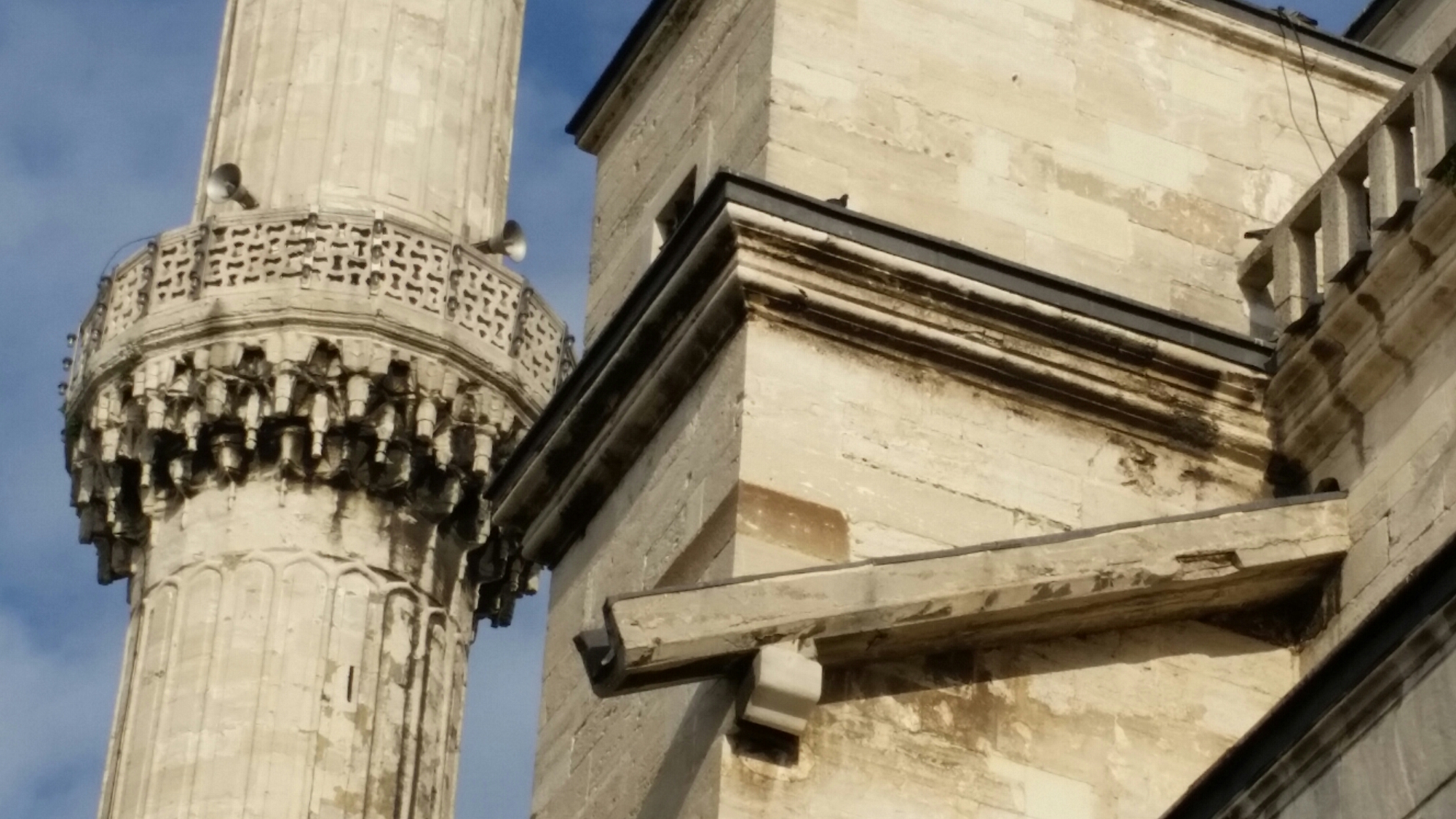
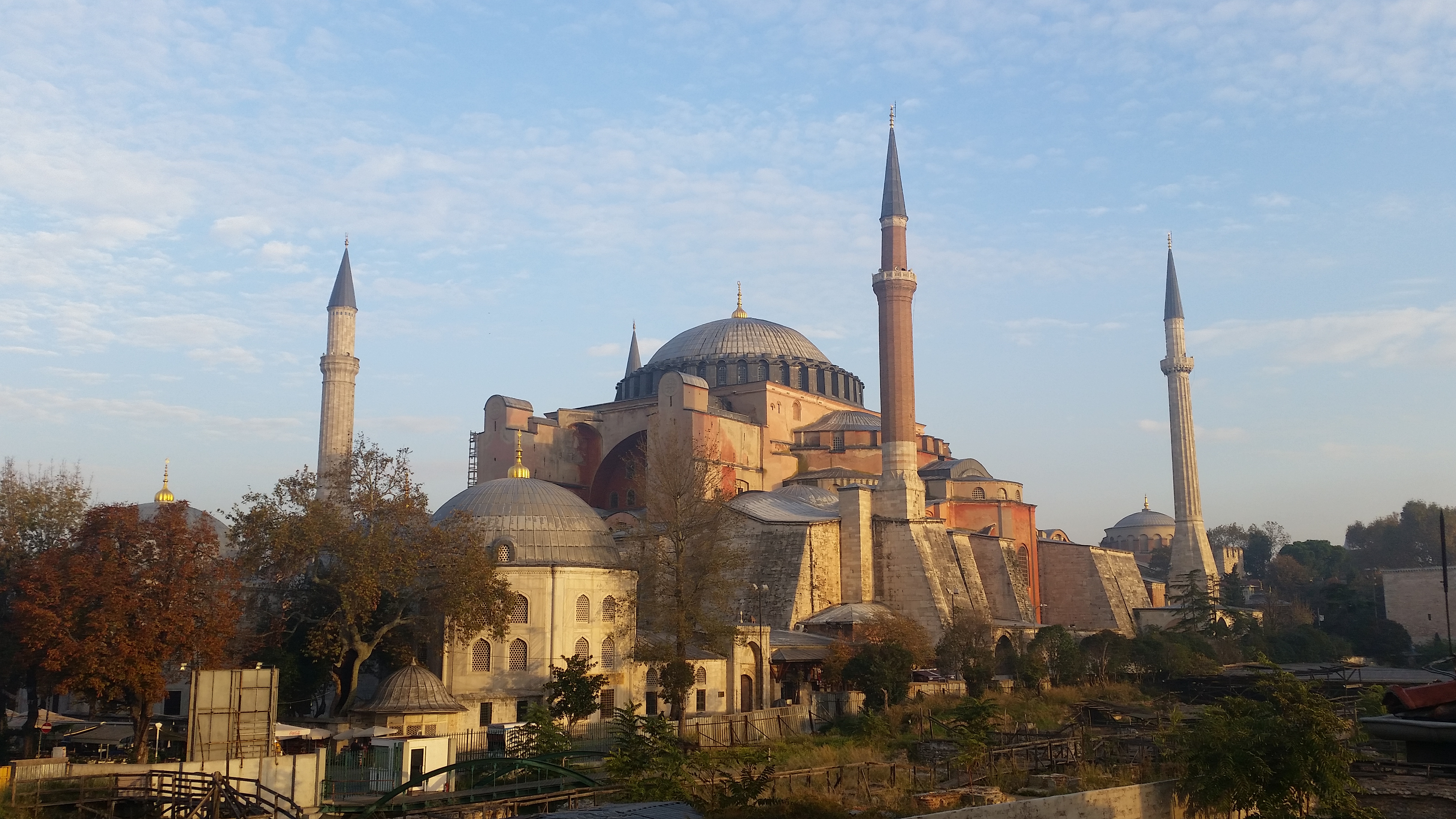
We started the day with a trip to Justinian’s great church of Haghia Sophia, built in a period of five years and opened on 26 December 537. I was not remotely prepared for its scale, a hybrid of church and mosque, dwarfing the dimensions of any cathedral. I loved its monumentality, the details of the decoration, the figured marbles, the decorated capitals, the mosaics like old blankets, and the fact that Justinian and Theodora stood on the balcony overlooking the ceremonies of the Byzantine church.
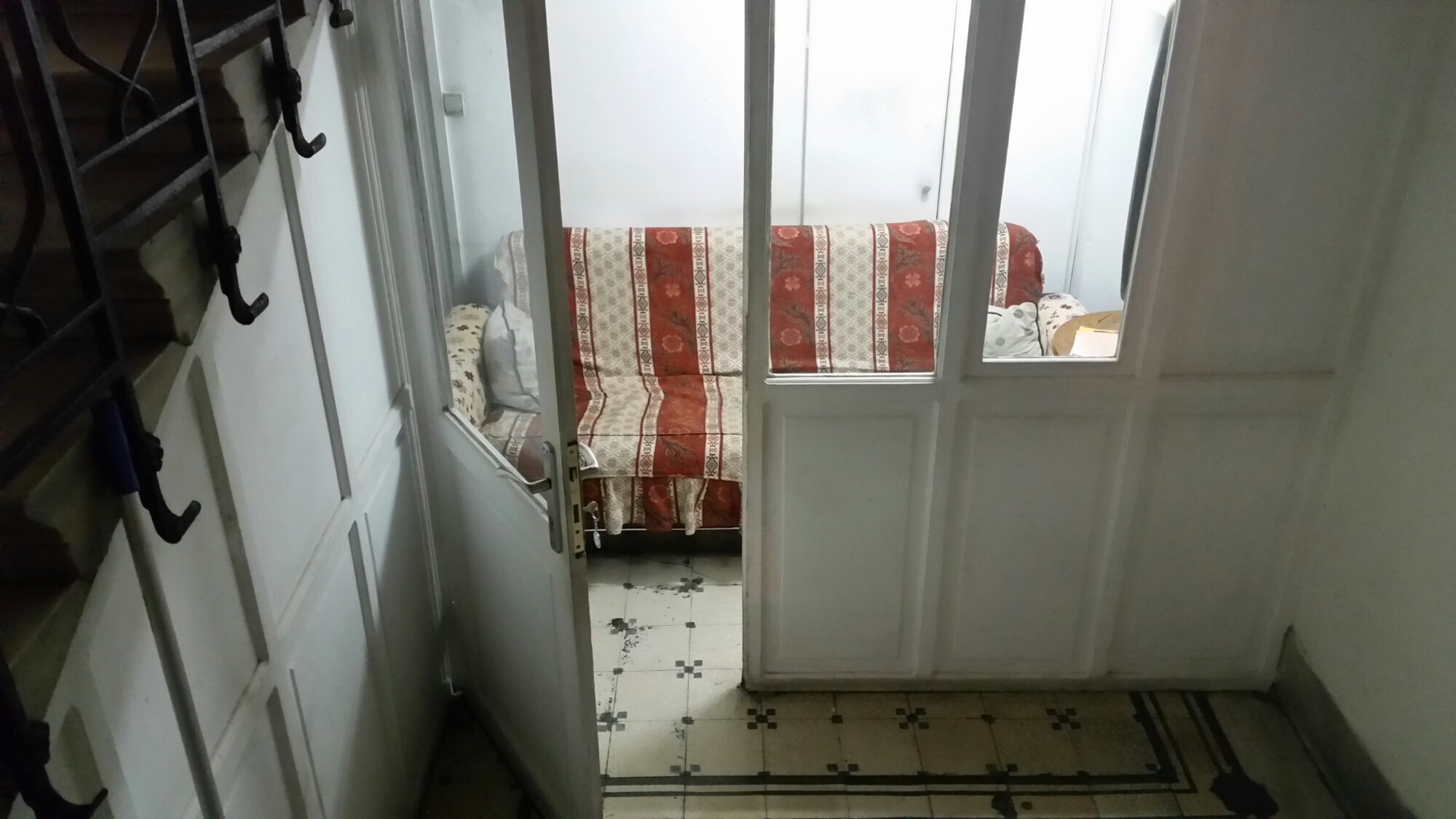
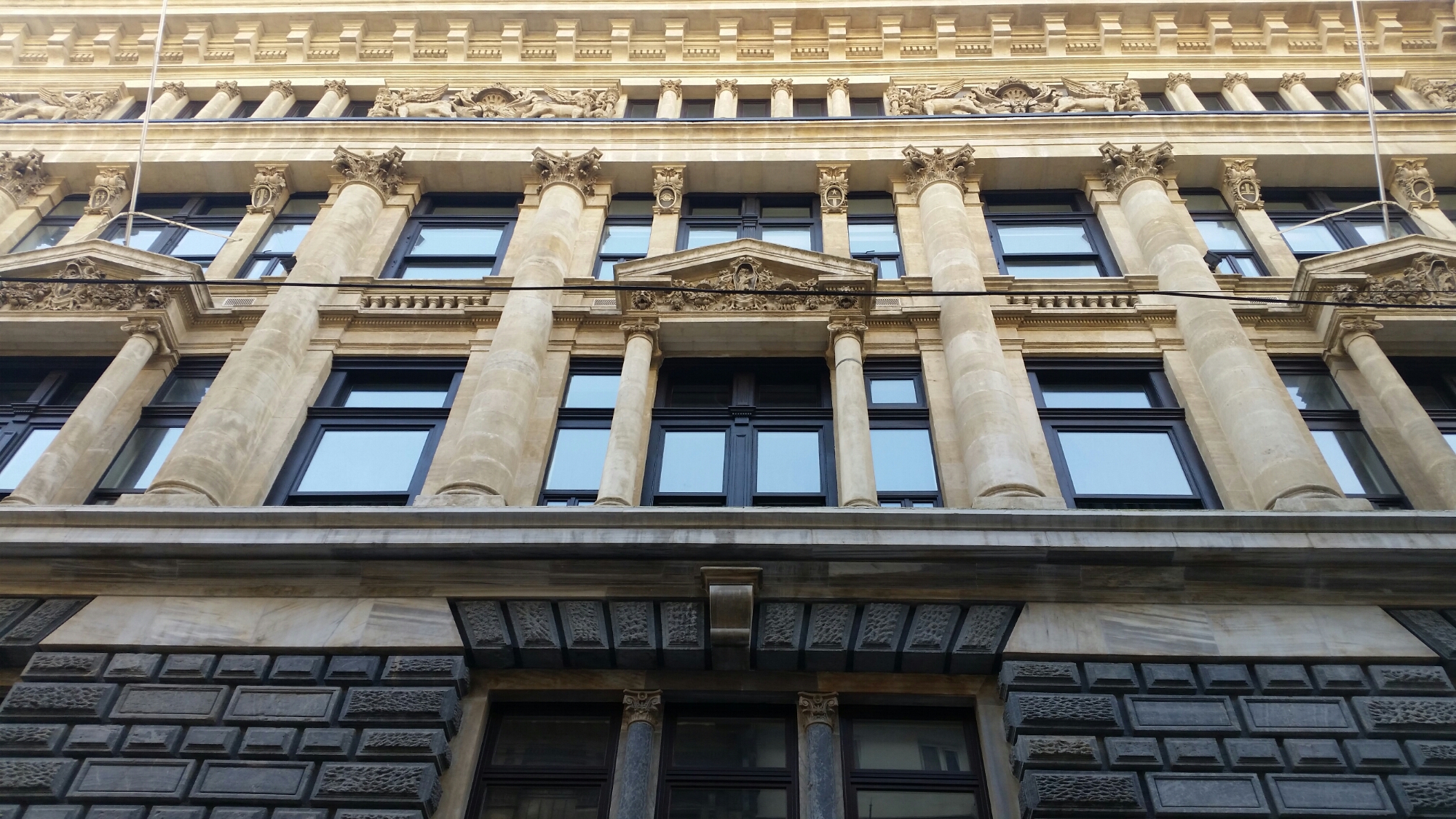
Misir Apartment
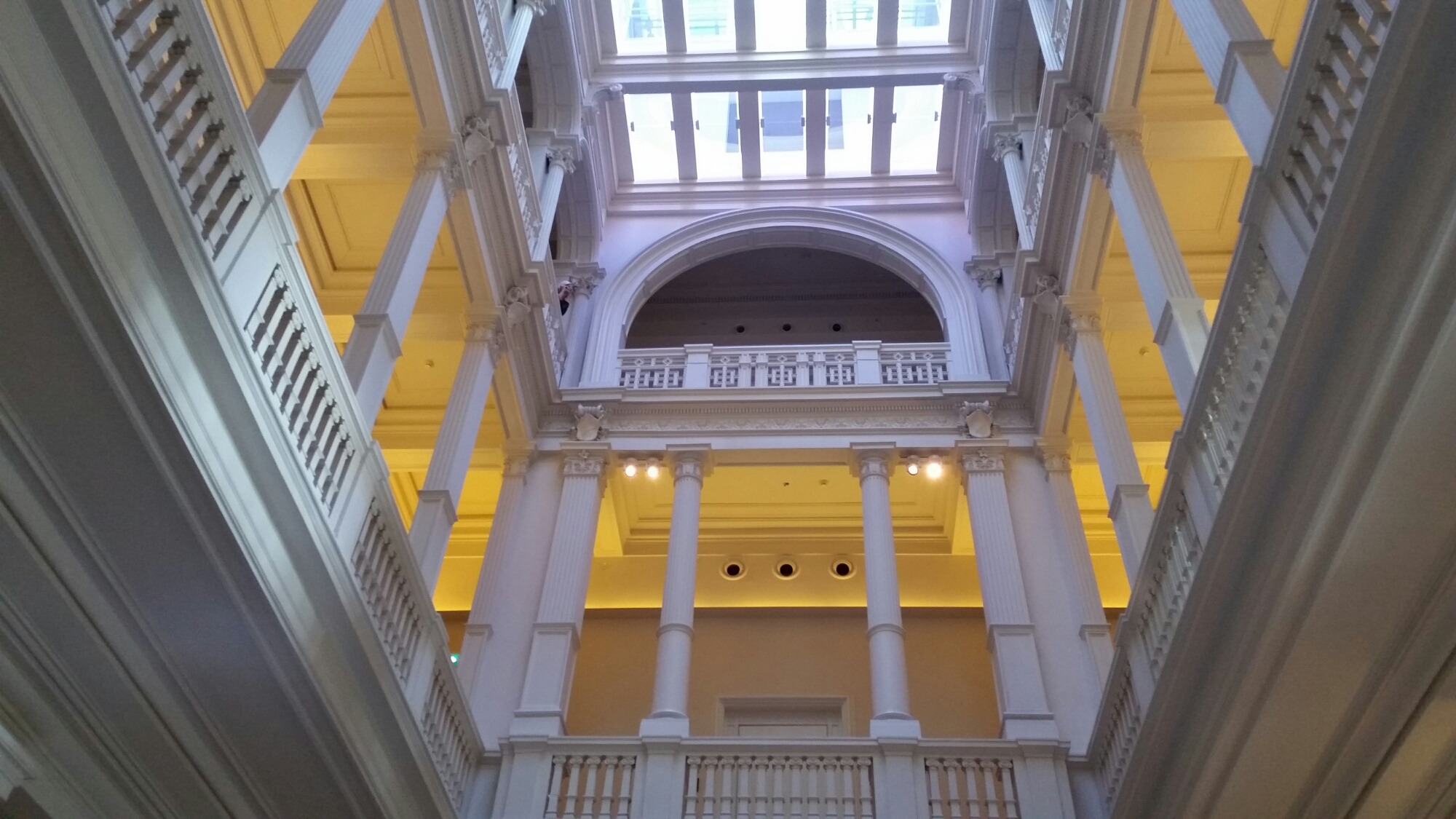
I quite enjoyed the Misir Apartment, an old art nouveau block on the main drag in Galata with many contemporary art galleries on the different floors like the Pedder Building in Hong Kong:
SALT
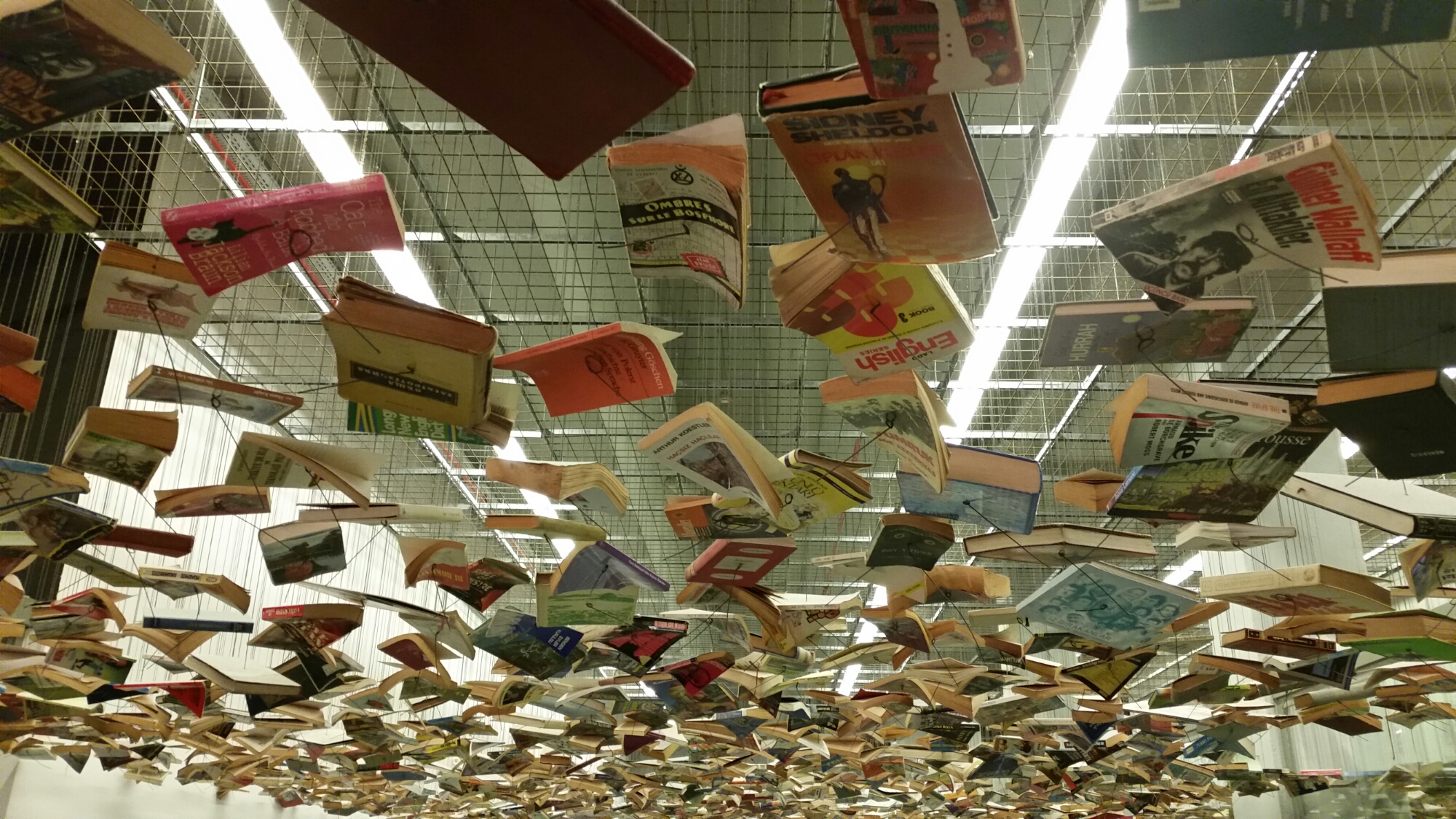
We had a very delicious lunch upstairs at SALT in the old headquarters of the Ottoman Bank, a Franco-British enterprise established by Royal Charter on 24 May 1856 (it merged with the Garanti Bank in 2001). SALT consists of a so-called post-disciplinary library and the archives of the Bank beautifully displayed in the basement, including cancelled banknotes taken out of circulation. The menu was described as Neolokal, which is perhaps the gastronomic equivalent of post-disciplinary:
Nusretiye Mosque
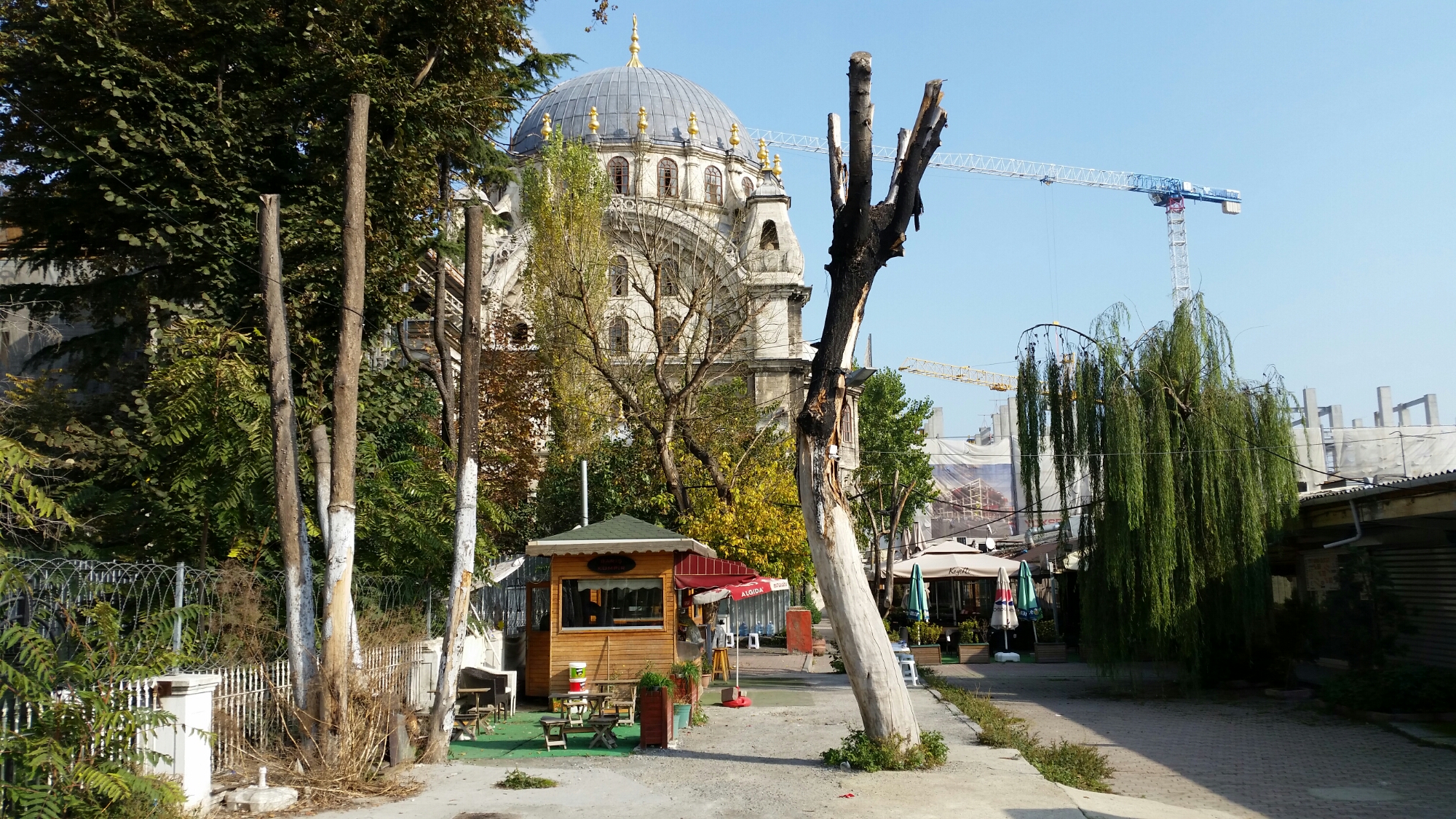
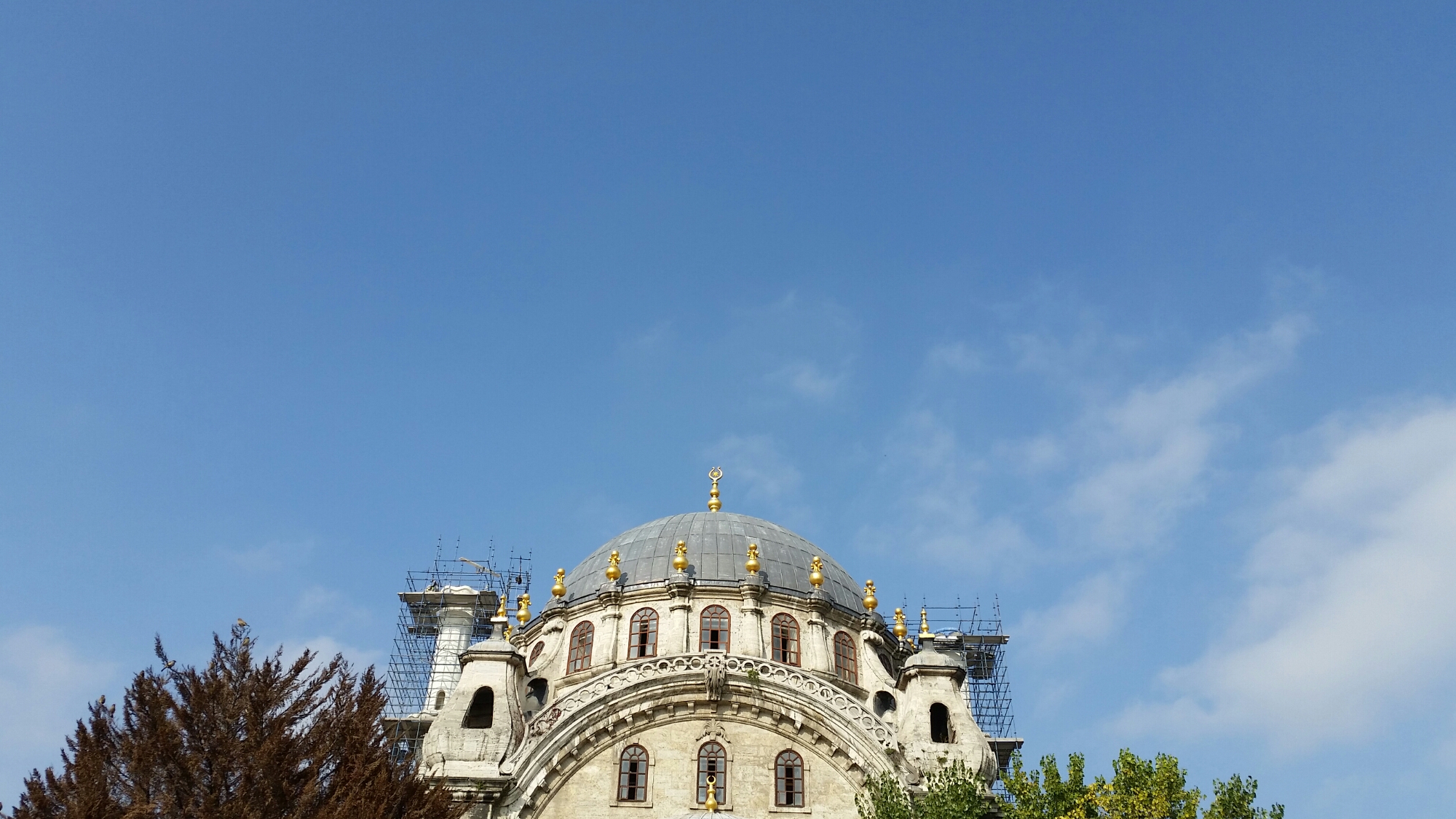
More picturesque than the Istanbul Art Museum is the nearby Nusretiye Mosque, built between 1822 and 1826 by Kirkor Balyan, who had studied in Paris, in honour of the defeat of the Janissaries by Sultan Mahmut II. It’s now in a state of picturesque dilapidation:
Istanbul Modern
We spent the morning in Istanbul Modern, a contemporary art space opened in a warehouse on the Bosphorus which shows the history of Turkish art from the time of the opening of its Academy in 1882, downstairs has a Richard Wentworth, and upstairs a café with a view across the Golden Horn:
St. Saviour in Chora
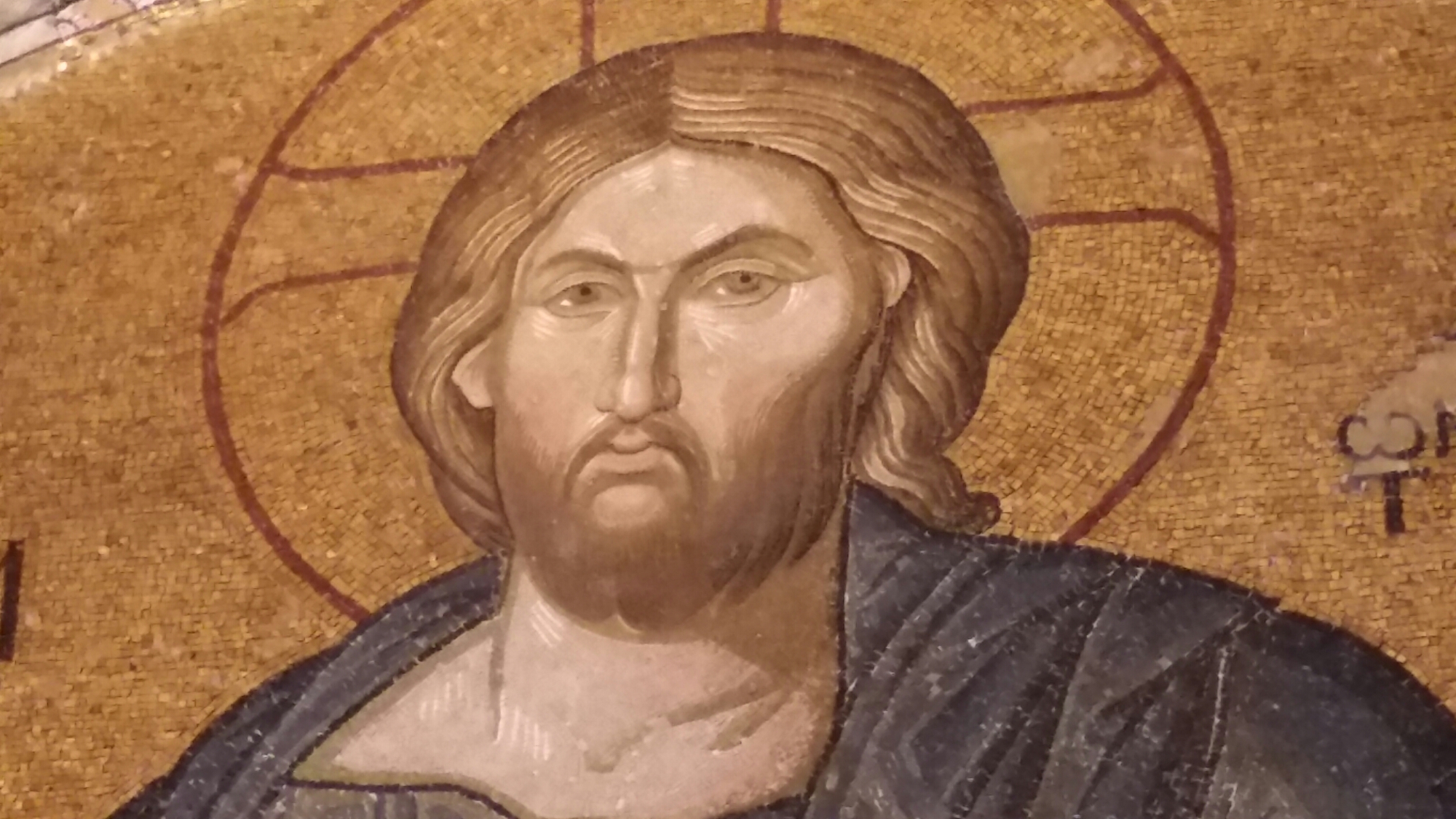
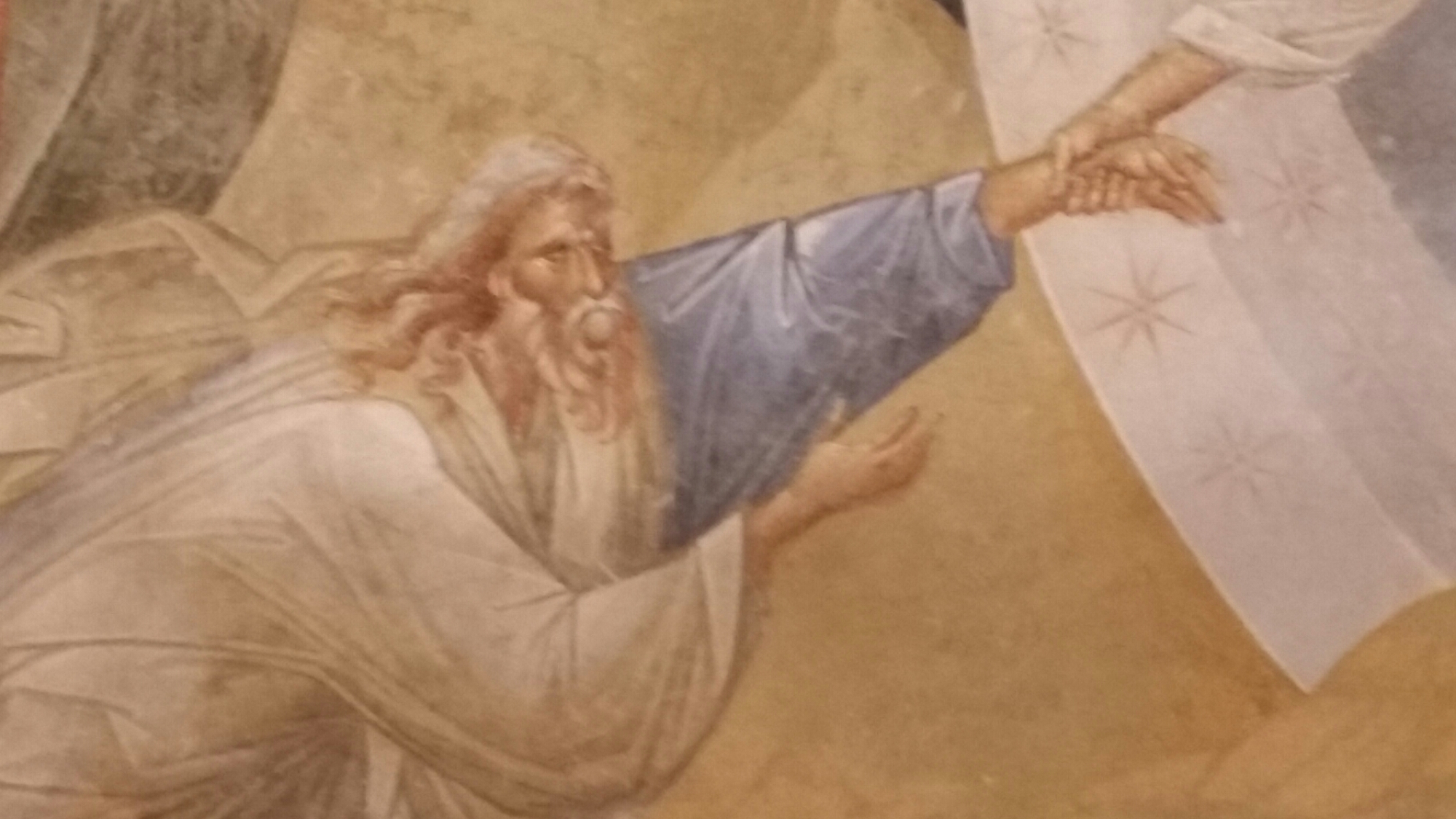
Yesterday afternoon we went to the church of St. Saviour in Chora – Chora meaning country, although it can no longer be said to be in the countryside since the population of Istanbul has grown from 1.5 million in 1970 to 12 million now. It is known in Turkish as Kariye Camii (I am conscious that the nomenclature in confusing) and is a wonderful survival of Byzantine mosaics, which were discovered under plaster in the 1860s and later restored by the Byzantine Instiute of America, and, to my mind even more remarkable, the frescoes, so nearly contemporary to the work of Giotto (as works of the 1320s, they just postdate Giotto) and so full of energetic vigour.
I only photographed the Pantocrator who greets one over the door as one goes in:
I also photographed the Anastasis in the side chapel, Adam being hauled towards his resurrection by the hand of Christ:
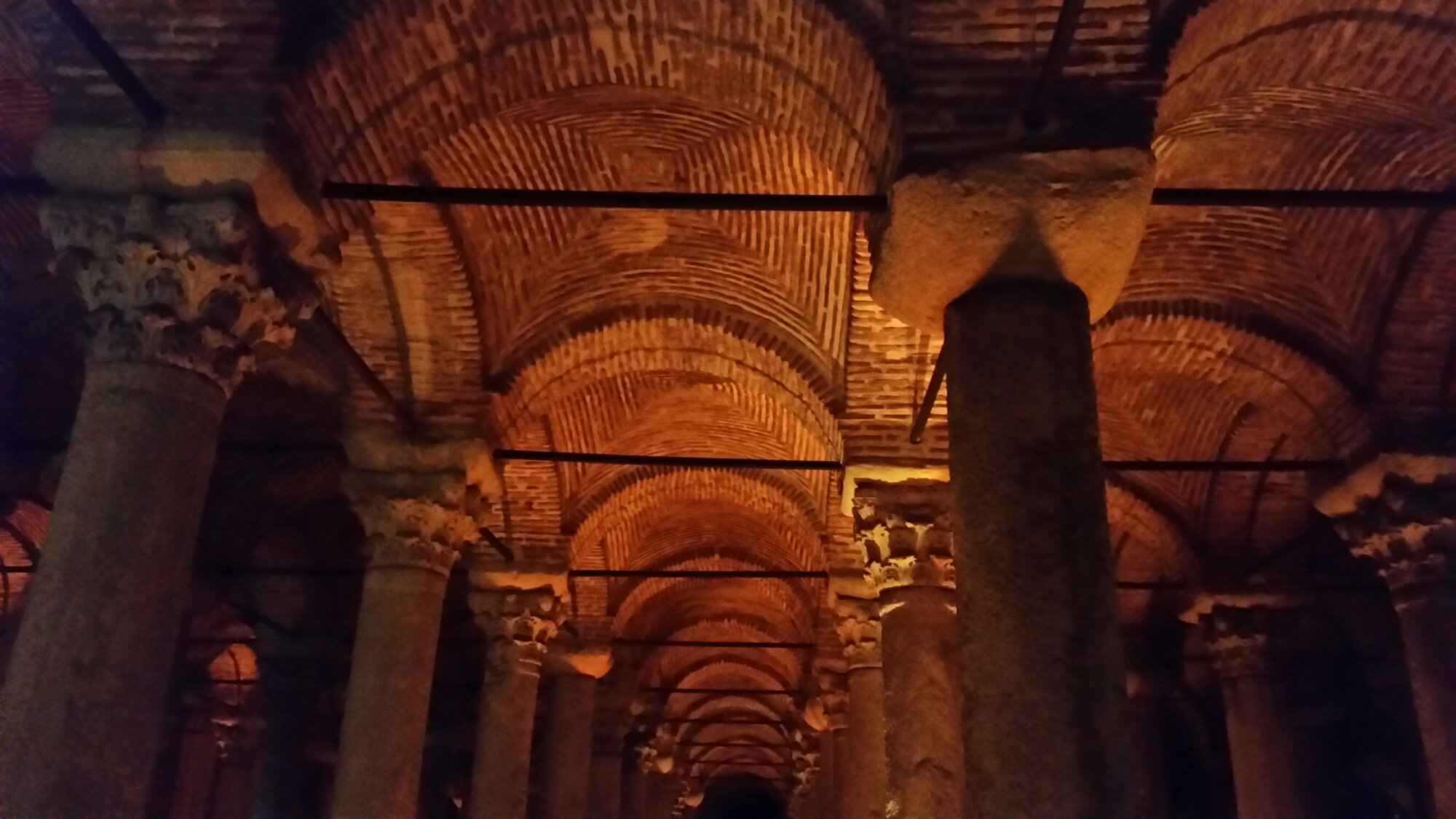
The Basilica Cistern
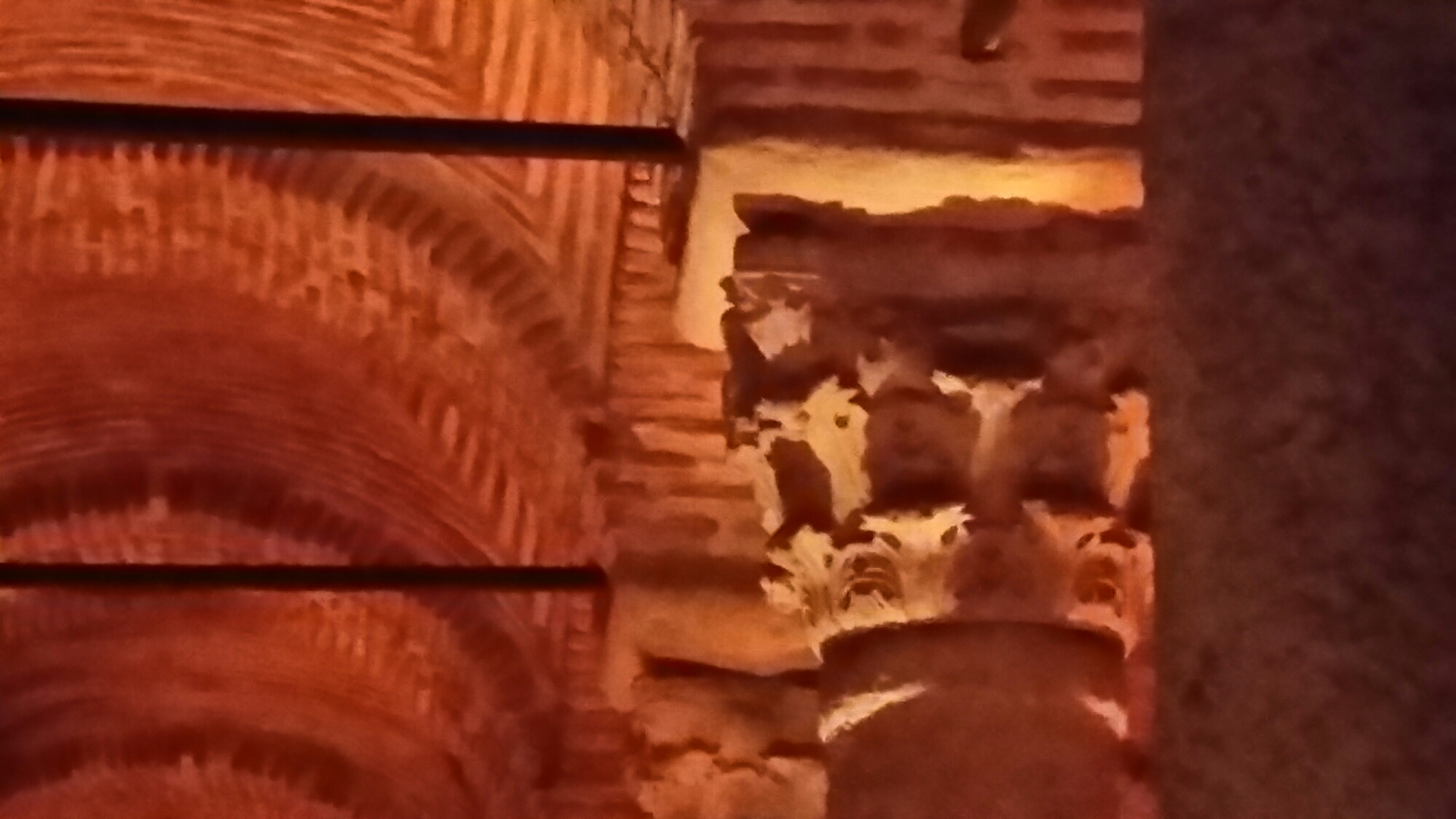
I was incredibly impressed by the Basilica Cistern, a survival from the era of the Emperor Justinian, far underground, supplying water to the palaces above:
Topkapi Palace
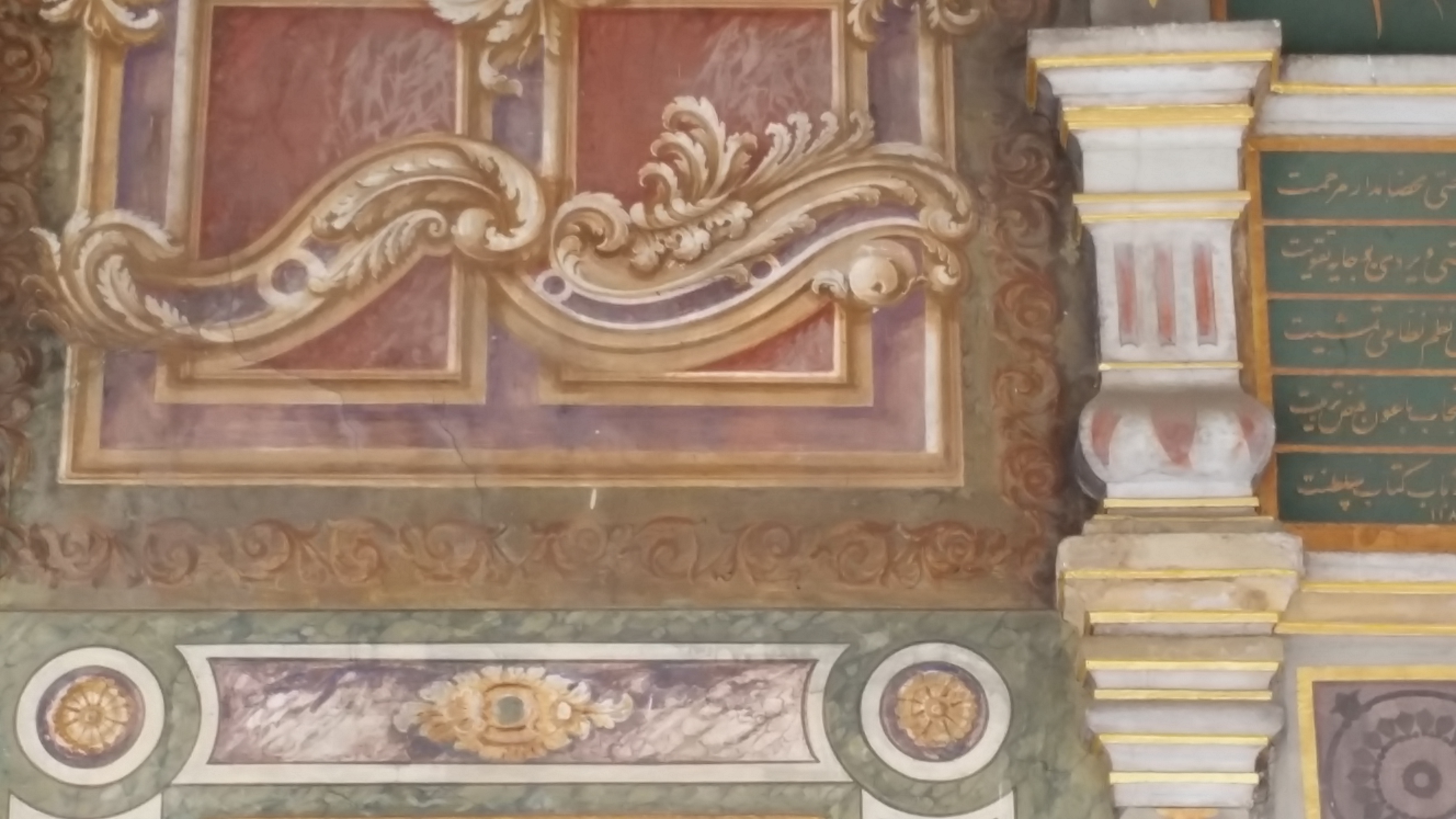
I found the the objects in the treasury of the Topkapi Palace too oppressively ornate, including the Topkapi Dagger, and preferred the decorative schemes in the surrounding buildings, including the decoration in the Gate of Felicity as one leaves the Second Court:
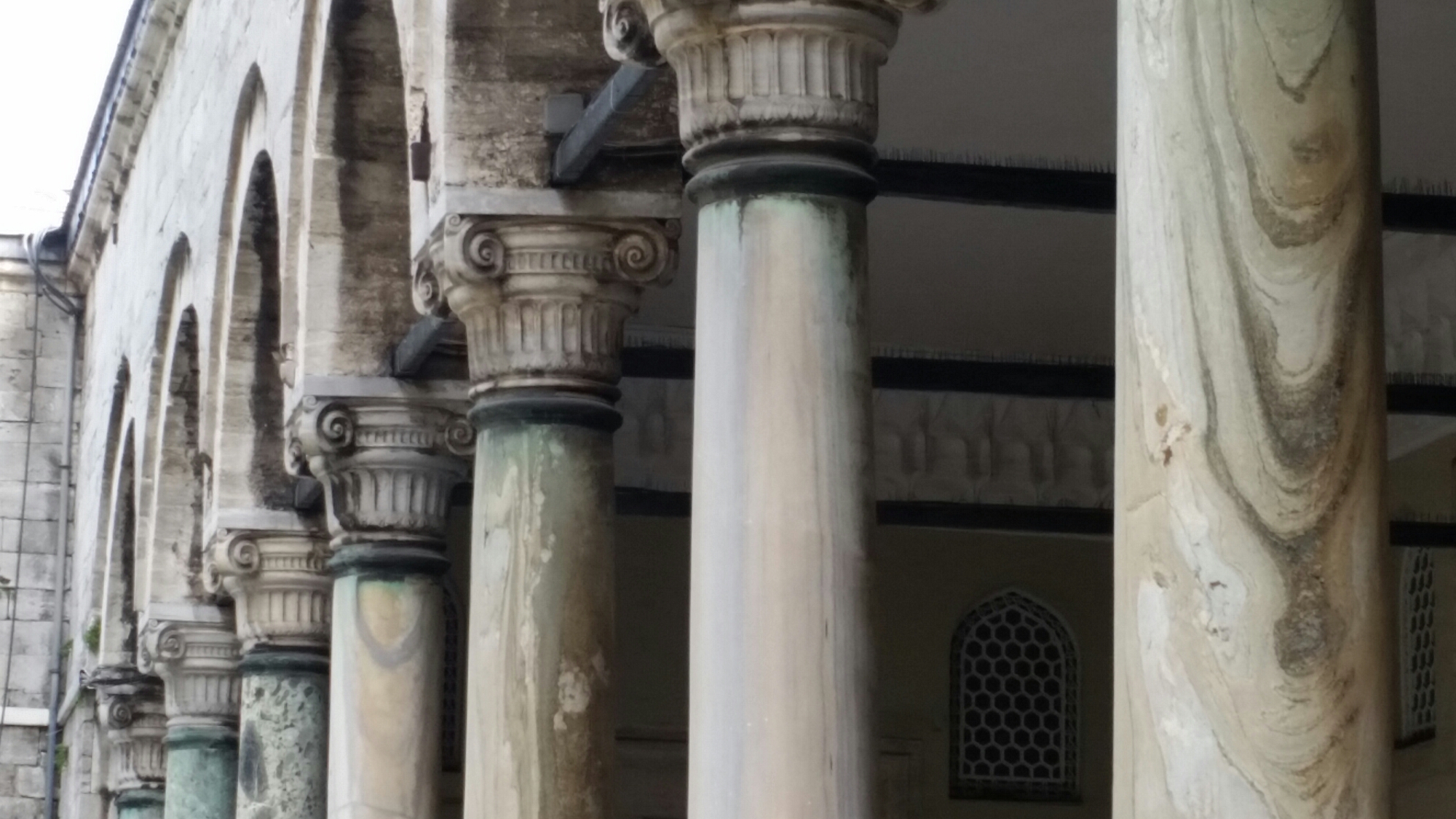
The columns outside the Imperial Treasury:
Blue Mosque
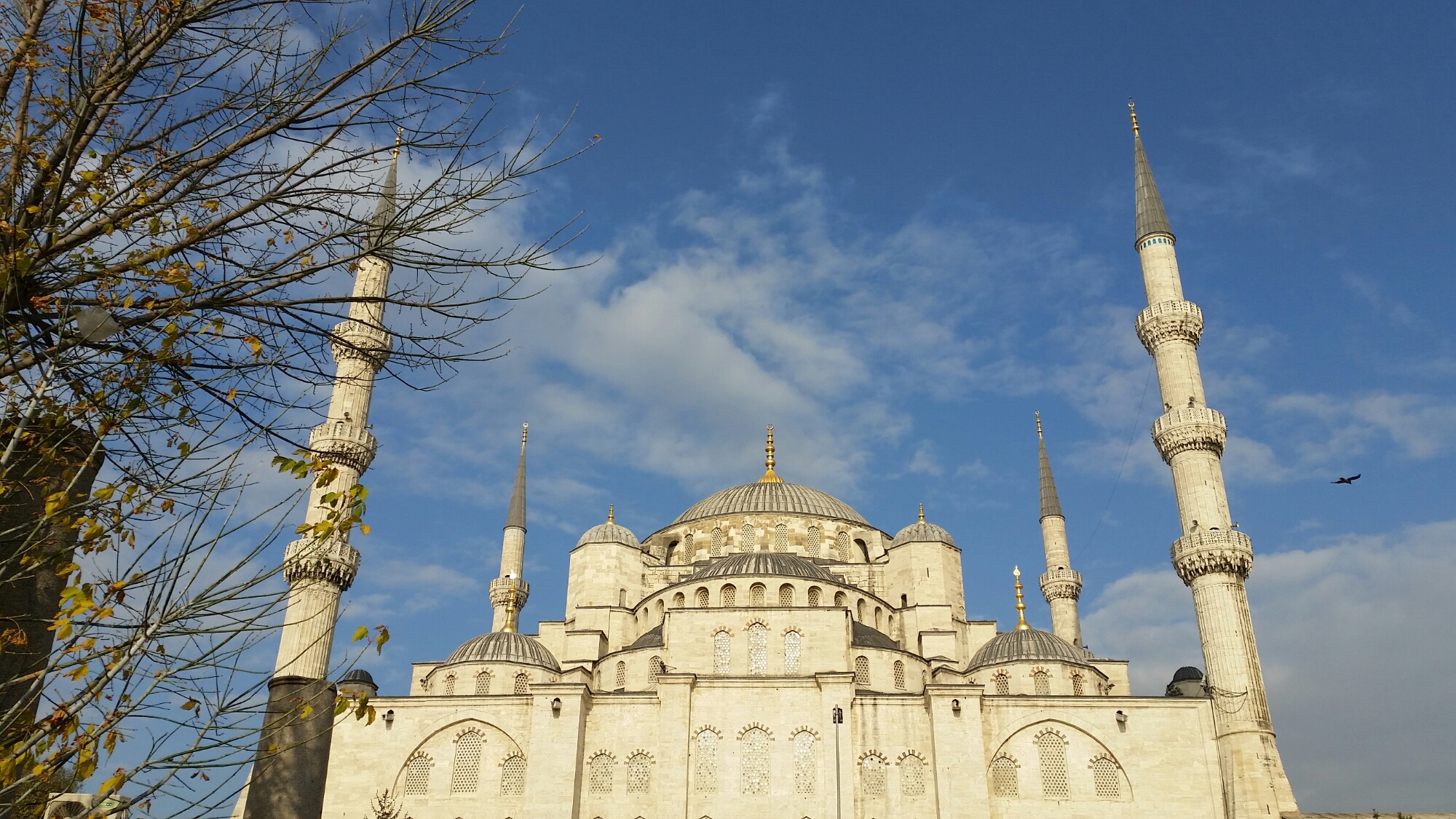
We started (shoeless) with the Blue Mosque, built for Sultan Ahmet I by Mehmet Ağa between 1609 and 1616, the grandest of the great mosques on the line of hills visible from the Golden Horn:
Istanbul
I took an early morning prowl round the local streets of Istanbul. We’re staying halfway between the Blue Mosque and Hagia Sofia, so well placed to explore the streets when only the shoe shine man was up. At 9.05 sharp the staff of the hotel assembled outside to honour the memory of Ataturk to the sound of distant sirens and the wailing of boats on the Bosphorus.


You must be logged in to post a comment.