
I have been cogitating about the comment from Edward Chaney that Mr. Turner is too focussed on issues of class. But there surely was, and is, a class aspect to the fact that Turner was born the son of a Covent Garden barber, retained a working class accent throughout his life, but owed much of his early success to the support of major collectors, including Richard Colt Hoare, the antiquary and owner of Stourhead, Edward Lascelles, heir to Harewood, the Earl of Yarborough of Brocklesby, as well as William Beckford and John Julius Angerstein, less aristocratic collectors. I thought that two of the convincing scenes in the film were, first, the way that Lord Egremont supported Turner at Petworth and, second, the way that Turner was supported at the RA over Constable, who was the same generation, but slightly more middle class. It demonstrates the way that talent beat class.
St. James’s, Piccadilly
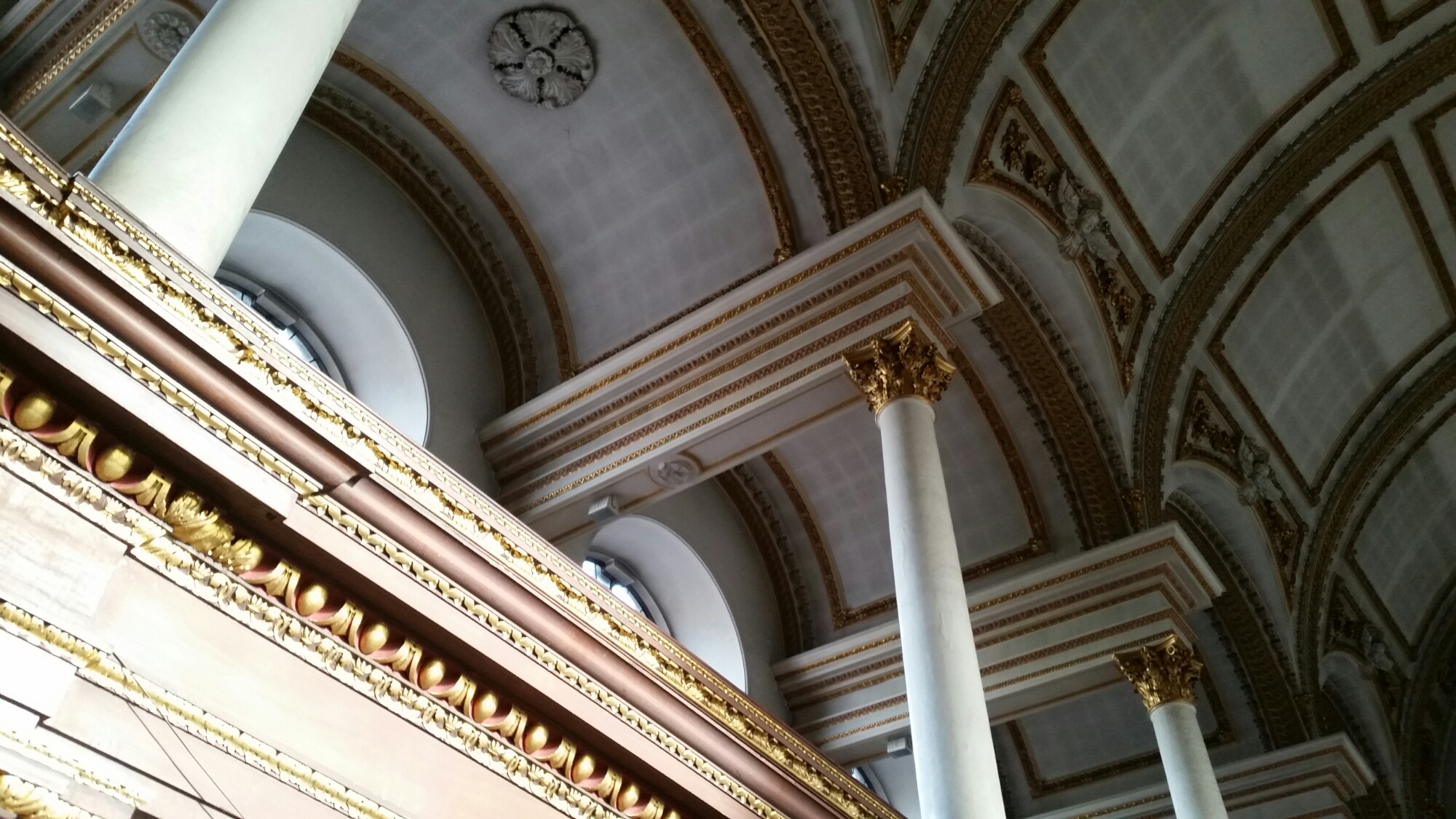
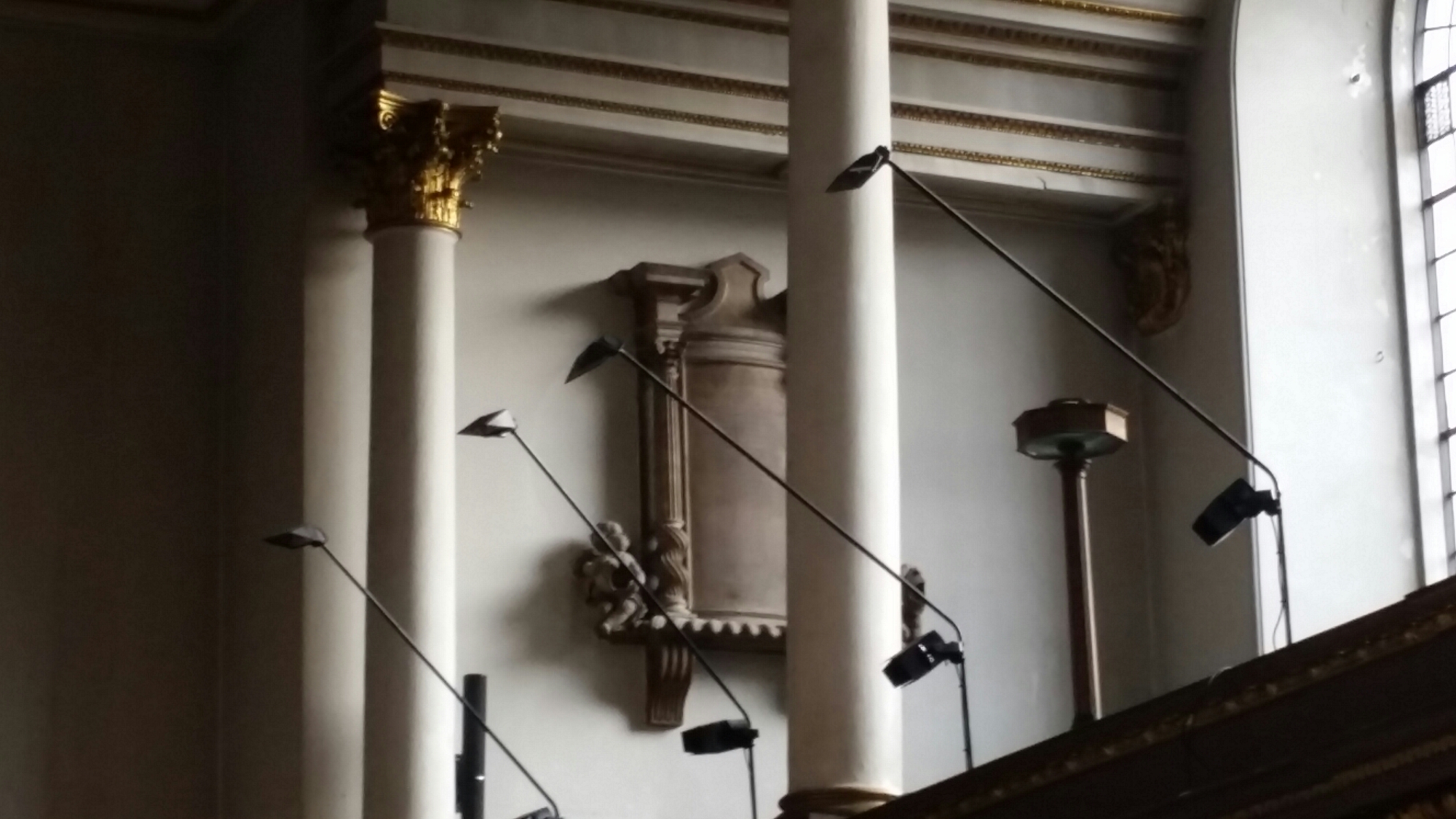
Whilst waiting for Hatchard’s to open one day last week, I wandered in to St. James’s, Piccadilly, which I pass so often, but scarcely go into except for memorial services. I know from Lucy Winkett, its wonderful Rector (and chaplain to the RA), that the PCC are grappling, and have been for a long time, how to restore it:
Louis Vuitton Bookstore
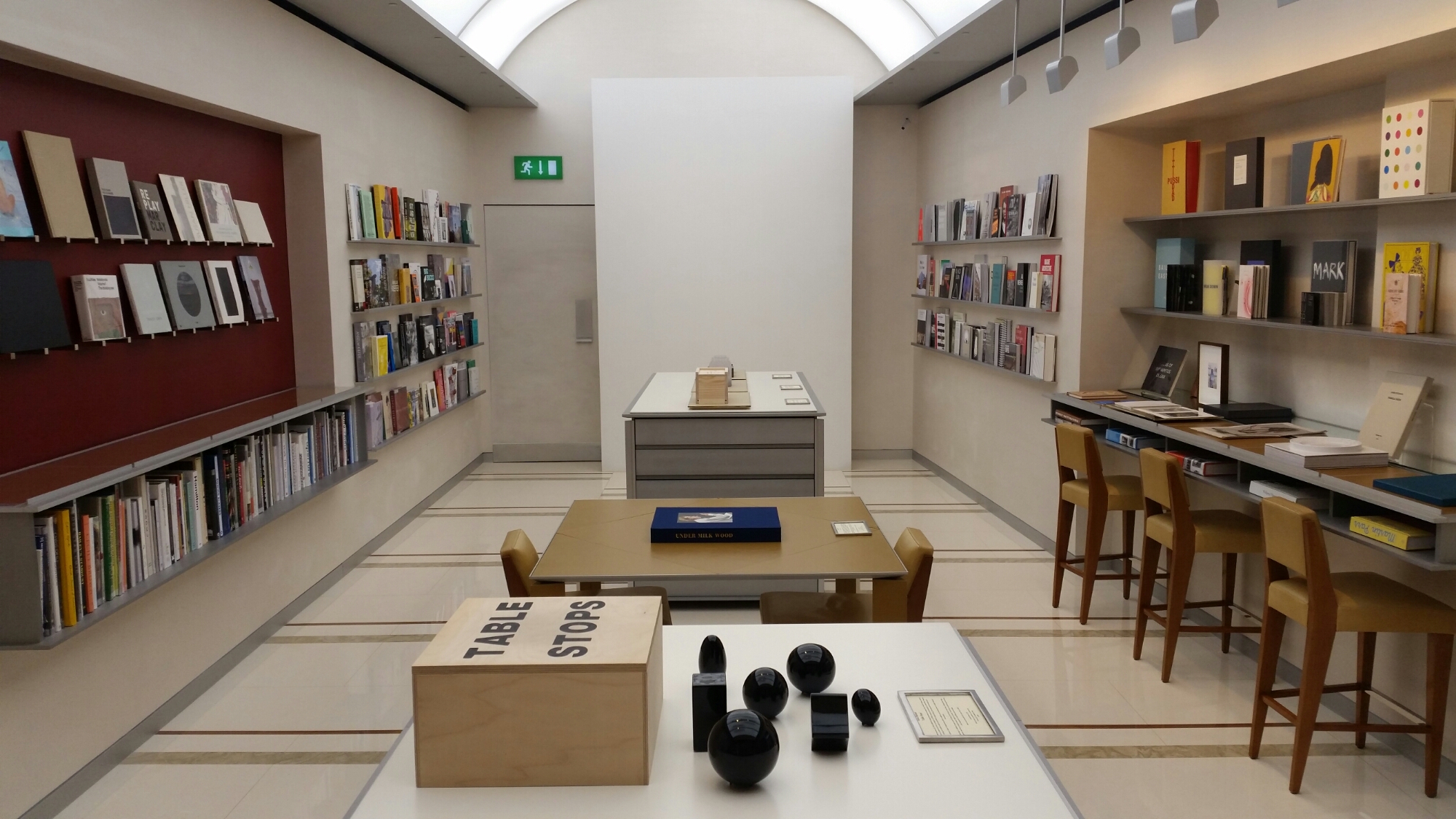
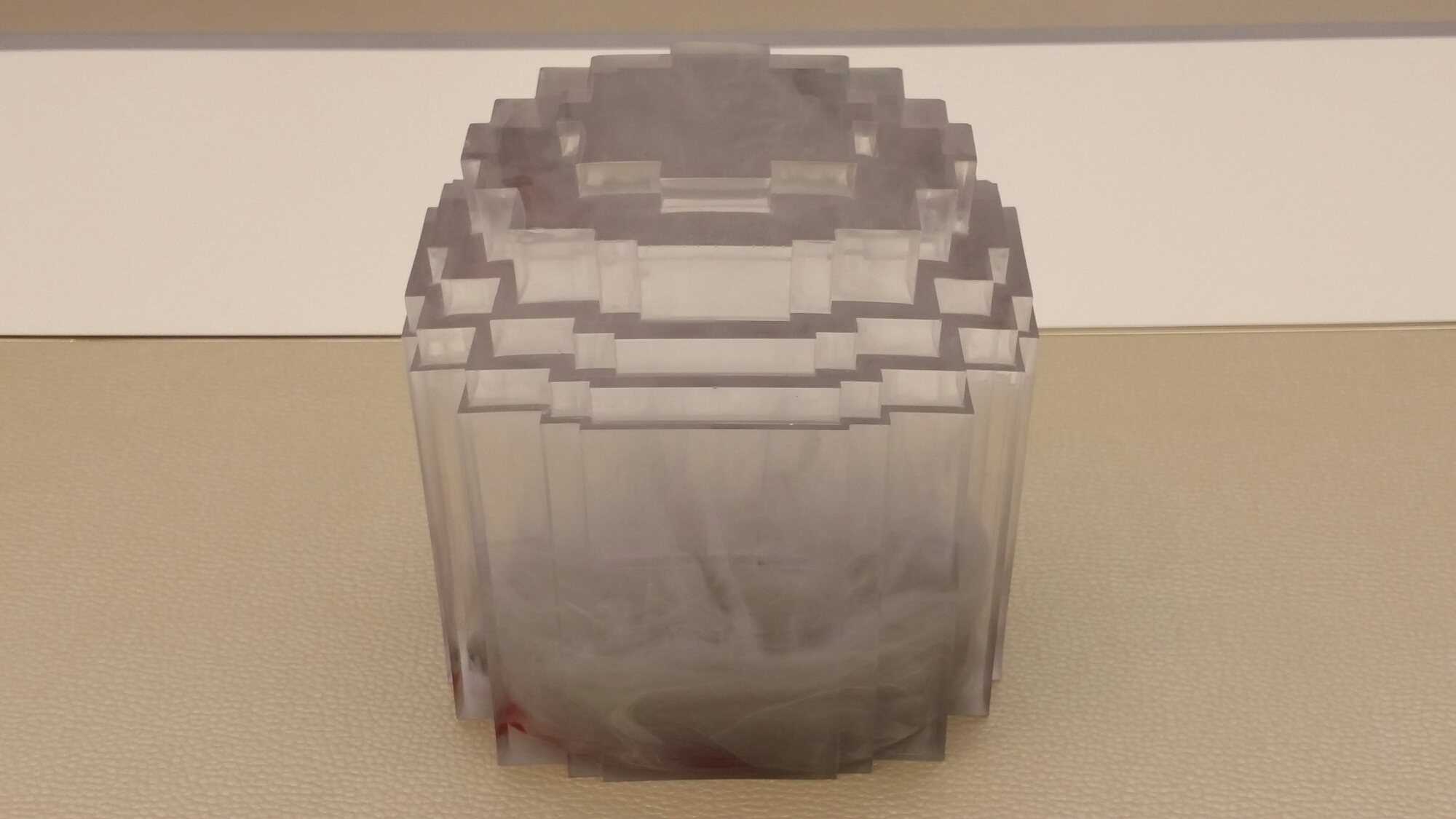
Very few people know that Louis Vuitton on Bond Street harbours a well-stocked art bookshop on its first floor, which has vintage editions and small-scale works of art, including a beautiful piece by Alison Wilding inspired by a radio play about the way that scientists experimented on creating a nuclear explosion in a squash court in Chicago.
This is the shop:
And this is the piece by Alison Wilding:
Second Home
I have just been to an intriguing event in Hanbury Street in Spitalfields, next door to Atlantis Paper and just off Brick Lane, where Rohan Silva, a young entrepreneur who used to work in 10, Downing Street has established a casual, serviced work space for hi-tech and digital start-up companies. The architecture is industrial chic – Silicon Valley meets Brick Lane – with balloon windows onto the street, designed by Selgas Cano, a young Spanish practice which specialises in new work spaces (their own office is incarcerated in the woods). I was told that key to the success of the project is proximity to good food. Sadly, I missed the speech by the Chancellor of the Exchequer.
H.W. Pickersgill
One of the artists who has a walk-on part on Mr. Turner is Henry William Pickersgill, a dutiful and diligent portrait painter, who was adopted by a Spitalfields weaver, trained at the RA Schools, was respected by Constable, and had ‘a clever wife, who manages all matters for him’. Admired for his sober likenesses, much employed by Oxbridge colleges, he painted the Victorian meritocracy, was an RA for fifty years, ended up as its librarian, and is now pretty wholly forgotten.
Mr. Turner (1)
We went to what felt like an artists’ screening of Mr. Turner at the Rich Mix with all the local artists out in force to assess the veracity of its depiction of a painter. What was the verdict ? Very convincing: an amazing performance by Timothy Spall conveying the arrogant, uncouth and hog-like characteristics of Turner and his visual obsession with boats and sky; a historically well-judged depiction of the politics of the RA, including Constable being rebuffed on varnishing day; admirable performances by Paul Jesson as Turner’s father and Marion Bailey as Mrs. Booth; and exceptional in the way that the film does (and does not) show Turner actually painting, much more persuasive than most depictions of painting on film (you only have to think of The Draughtsman’s Contract). My only quibbles were that his house in Harley Street looked too new, Queen Victoria never visited Somerset House, and Ruskin was not such a twerp.
The Futuro House
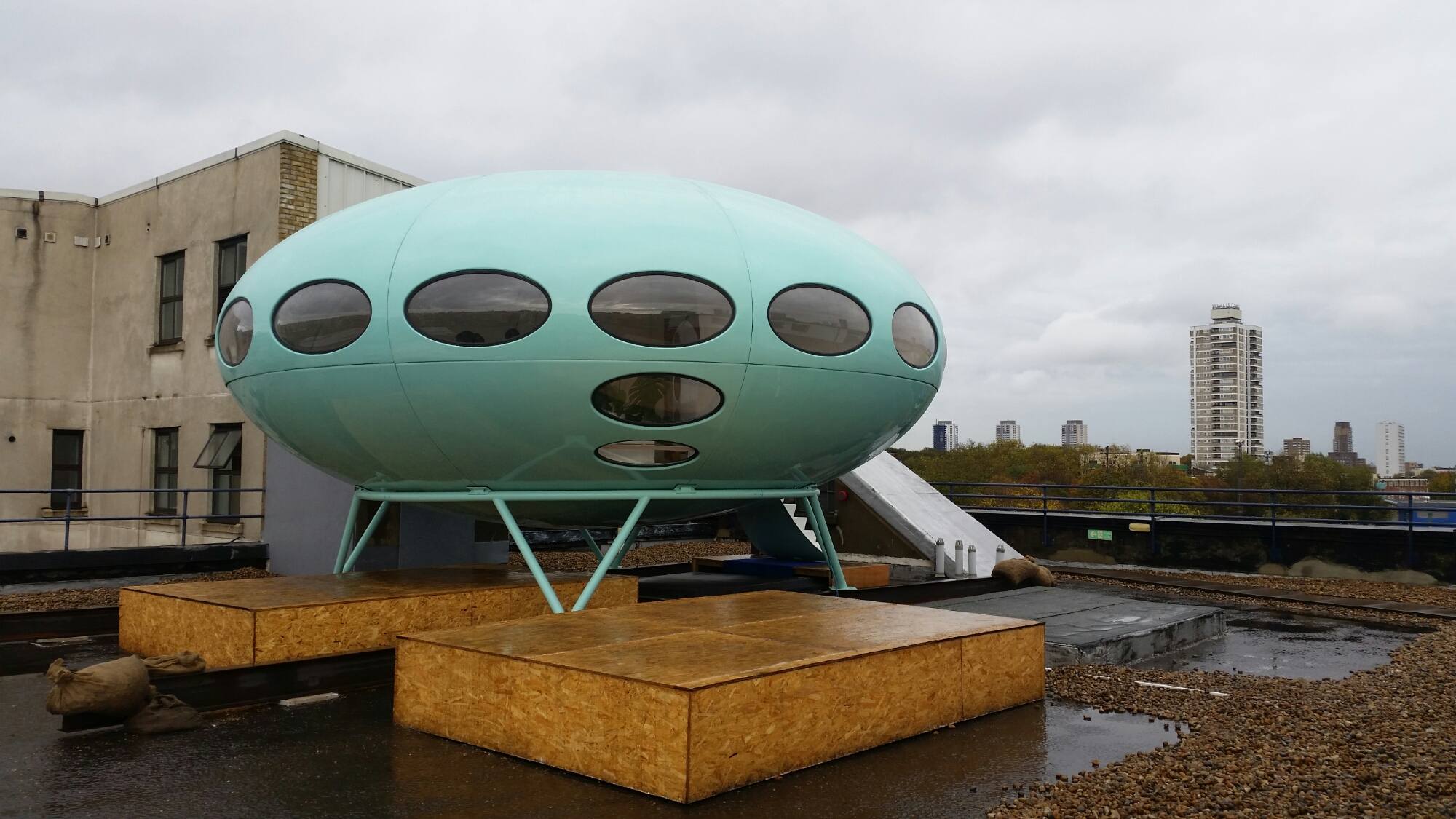
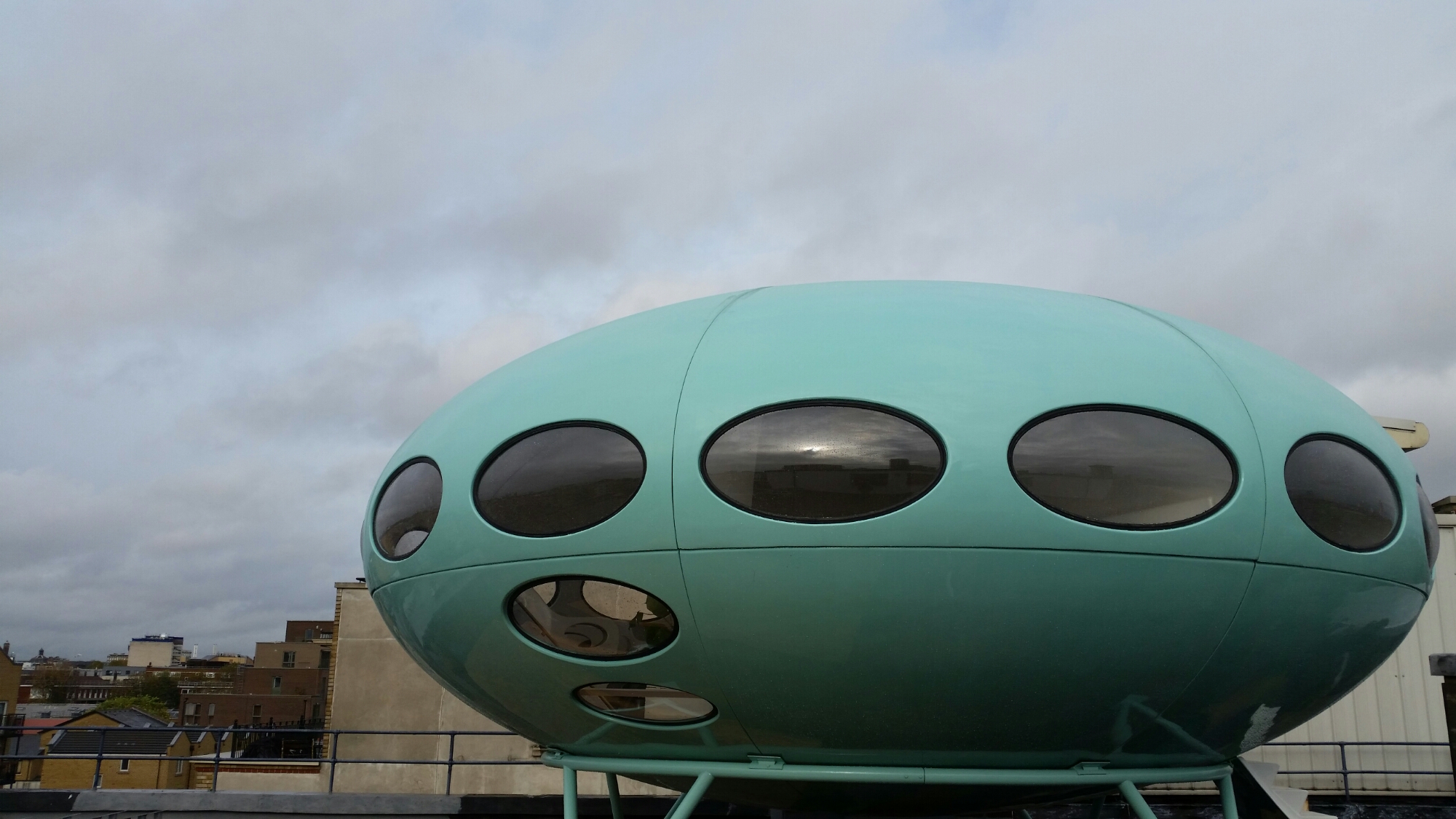
We went on a little excursion this morning to see the Futuro House which looks as if it’s landed like an alien spacecraft on the roof of Matt’s Gallery next door to the Ragged School Museum on the Regent’s Canal. The first Futuro House was designed in the 1960s in Finland as a ski cabin and they were then manufactured as cheap homes. But they were so unpopular that they were subjected to drive-by shootings in the United States. This one was found ruined in South Africa and has been meticulously restored by Craig Barnes, an architect, maybe as an example of cheap manufactured homes:
C.R. Ashbee
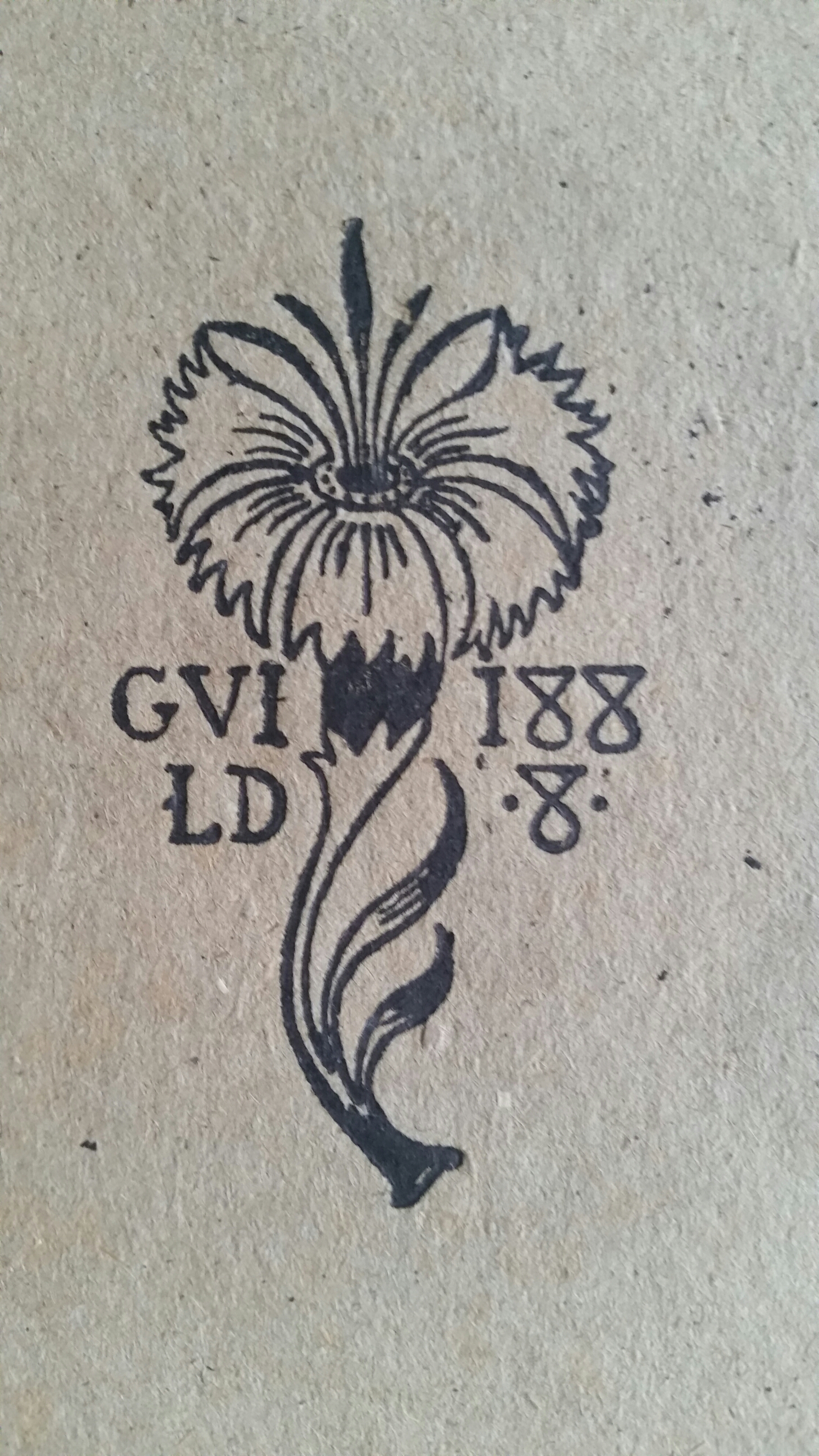
Mention of C.R. Ashbee in connection with Trinity Green has made me want to know more about his time living and working in the east end. He read history at King’s College, Cambridge from 1883 to 1886, where he was much influenced by Edward Carpenter and the writings of Morris and Ruskin. He was then articled as a clerk in the firm of Bodley and Garner, the best of late Victorian gothicists, and lived in Toynbee Hall as a way of developing his socialist ideals. On 23 June 1888 (ie when he was only 25), he established the Guild and School of Handicraft at 34, Commercial Street on the top floor of a warehouse next to Toynbee Hall. In 1891, the Guild acquired workshops away from the densely built and poorest part of Whitechapel in Essex House at 401, Mile End Road, a fine brick eighteenth-century mansion with panelled rooms, a bachelor flat for Ashbee himself when he was not in Chelsea, and a garden with ‘a couple of good box trees, three or four pears and crabs, some cherry trees, laburnums and ash, and a number of vines’. It was on the site of Onyx House opposite Mile End station. There the Guild grew from a tiny operation to employing up to 40 people making furniture and other aesthetic products, mostly to Ashbee’s design.
Trinity Green
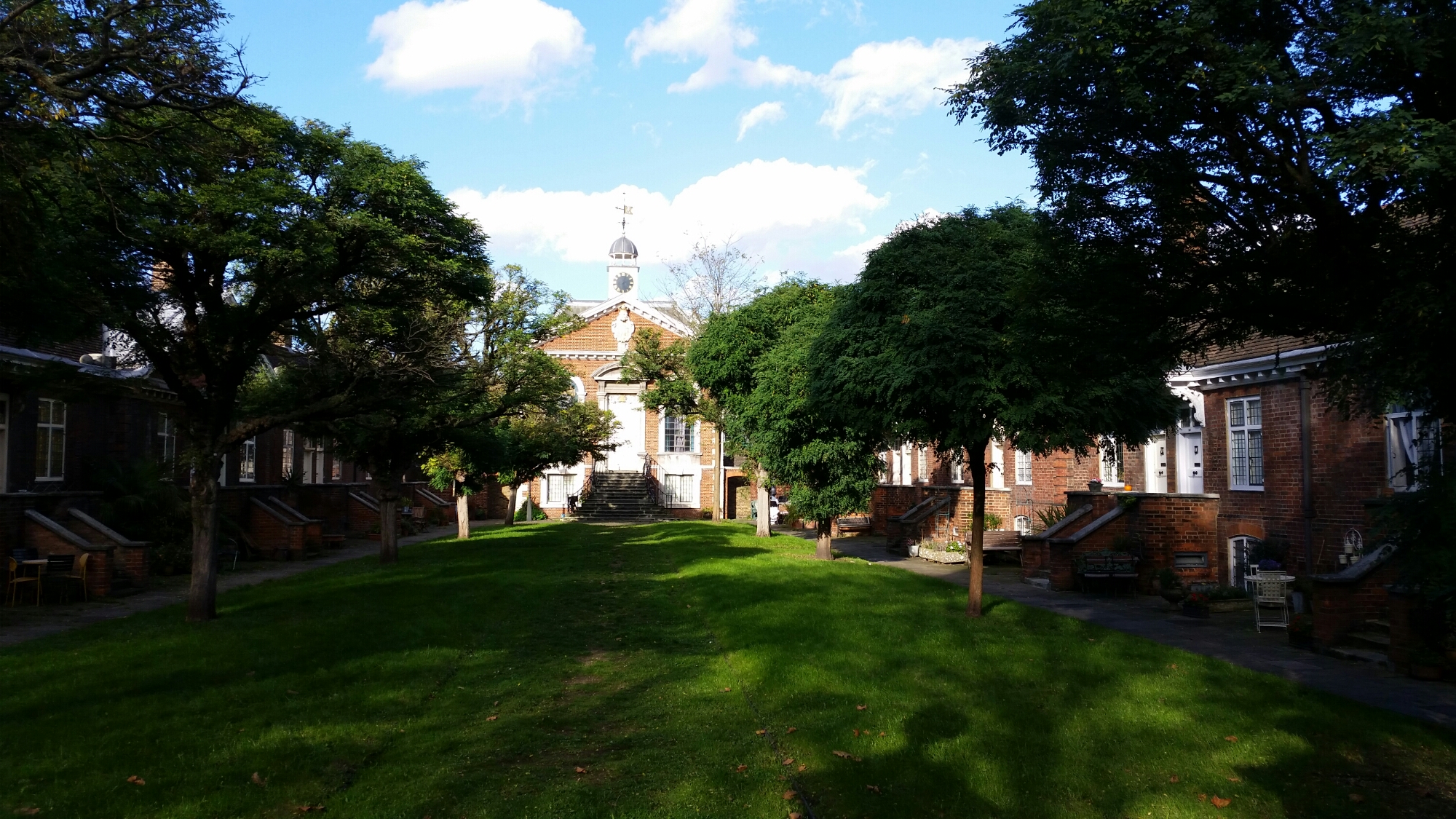
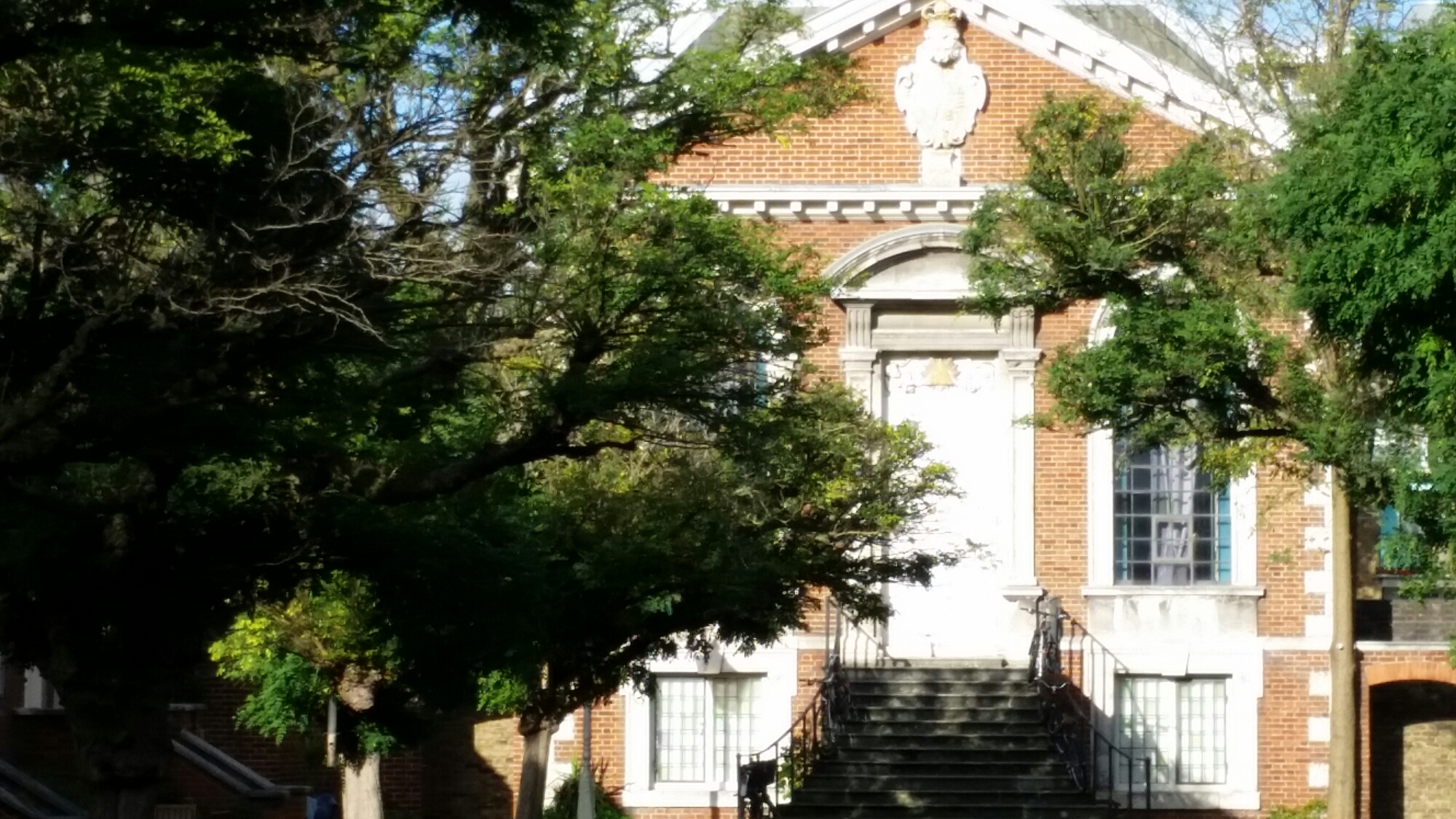
I walked past the almshouses at Trinity Green this afternoon. They looked particularly fine in the late autumn sun, with the grass grown long in front of the chapel. Established by the will of Captain Henry Mudd of Ratcliffe for ’28 decayed masters and commanders of ships or the widows of such’, there are model ships, fibreglass copies of the marble originals, on the parapet. What is not recorded is that the almshouses were saved as a result of the energies of C.R. Ashbee who wrote The Trinity Hospital in Mile End: An object lesson in national history as the first volume of the Survey of London, published in 1896 by his Guild of Handicraft in Bow:
Nature Study Museum
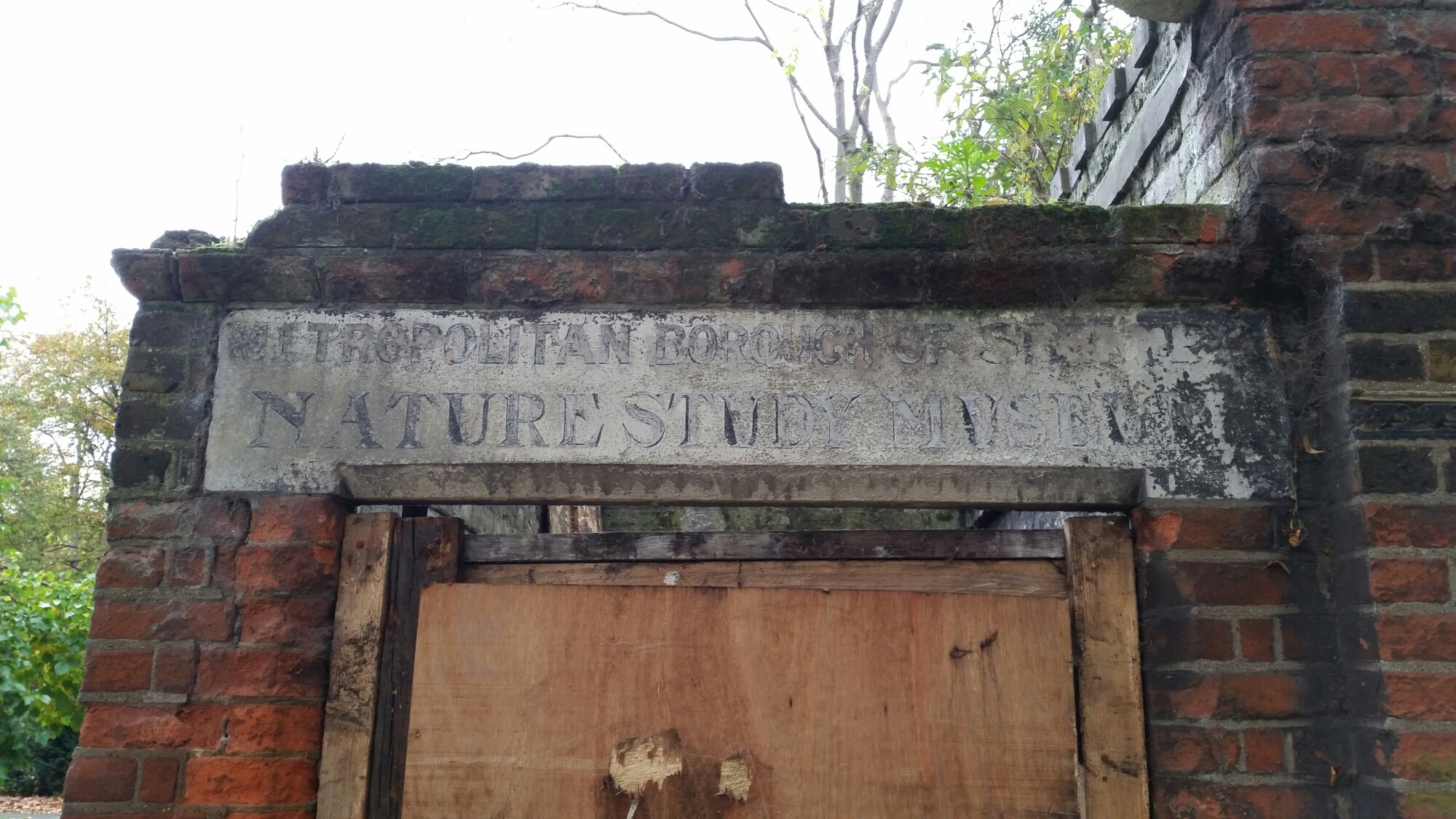
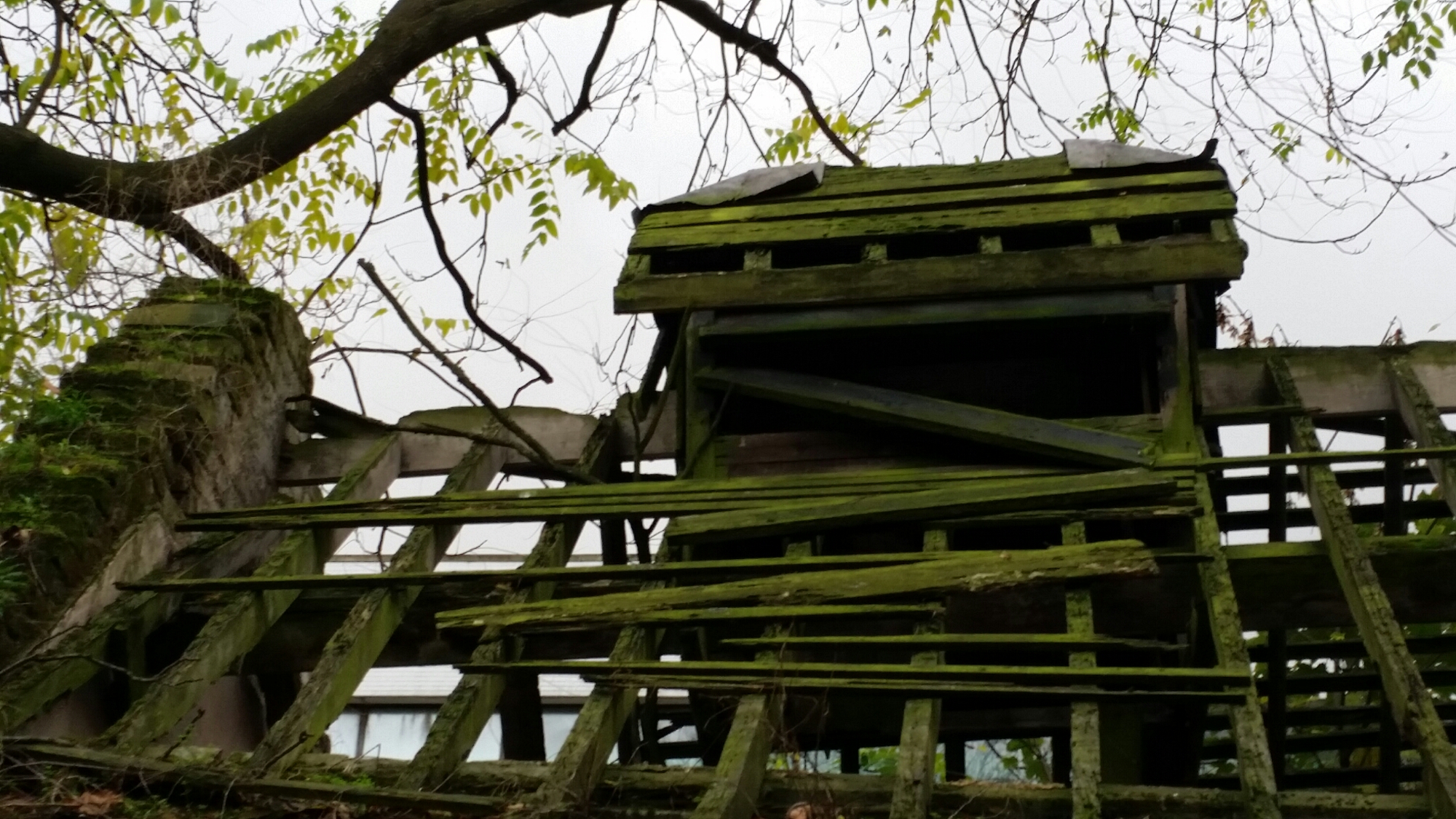
We took a detour today to have a look at the Nature Study Museum in the grounds of St. George-in-the-East, the great Hawksmoor church on the Highway. It’s an odd little building, nearly completely derelict, originally built as a mortuary chapel where coffins were put before transfer to a public cemetery. In 1904, it was converted into a Nature Study Museum by an eager young curator, Miss. Kate Hall, to introduce the local poor to the world of nature, including tanks of frogs, toads, newts and salamanders and beehives outside. When she died, the building was described as a ‘fairy house in an oasis’, but the monkey took to biting children and the Museum was closed during the second world war:
 | Charles | Saumarez | Smith |
You must be logged in to post a comment.