I went to the opening of the Discovering Tutankhamun exhibition at the Ashmolean, which shows the continuing lure of Egypt and the treasures of the Valley of the Kings. I was told as I approached the exhibition that it was only photographs. But what photographs ! They come from the Griffith Institute, which was founded in 1939 by Francis Llewellyn Griffith, the first Professor of Egyptology at Oxford, who married well, with a rich first wife and an even richer second one. They received all of Howard Carter’s papers, drawings, diaries and photographs, including 1,850 black and white negatives taken on a plate camera by Harry Burton, who was the official photographer to Carter’s expedition which led to the discovery of the tomb in November 1922. We stood on the staircase for the speeches, including one by the Earl of Carnarvon, and then had dinner on the terrace overlooking Oxford in temperatures which were only twenty degrees less than Luxor.
Alison Wilding RA (1)
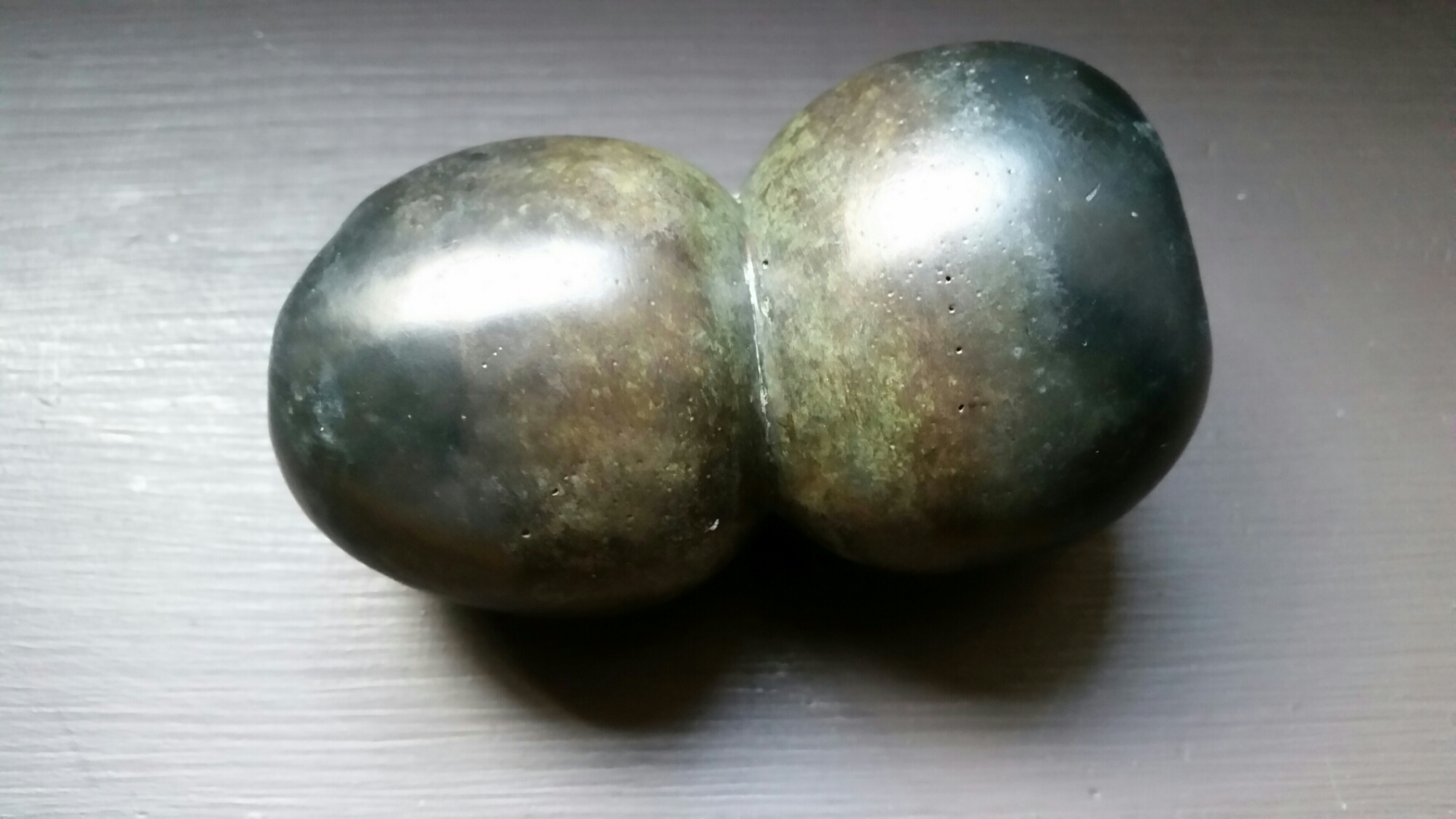
I have been enjoying Alison Wilding’s Badapples, which I was given as a birthday present. They were apparently first shown in an exhibition about apples held in a gallery called Large Glass on the Caledonian Road. There’s something nicely tactile about being able to hold and feel a small bronze the size of two hands lying on the table:
Since Alison feels that the photograph makes the work look more like bottoms than apples, I include a second attempt:
Norman Shaw (2)
With my eye attuned to the work of Norman Shaw, I realised that the large red brick building at the bottom of St. James’s Street is by him, with its charateristically elaborate corner tower and high Dutch gables. Indeed, it is. It was designed in 1882 for the Alliance Insurance Company at the same time that he was doing work for the Royal Academy.
Norman Shaw (1)
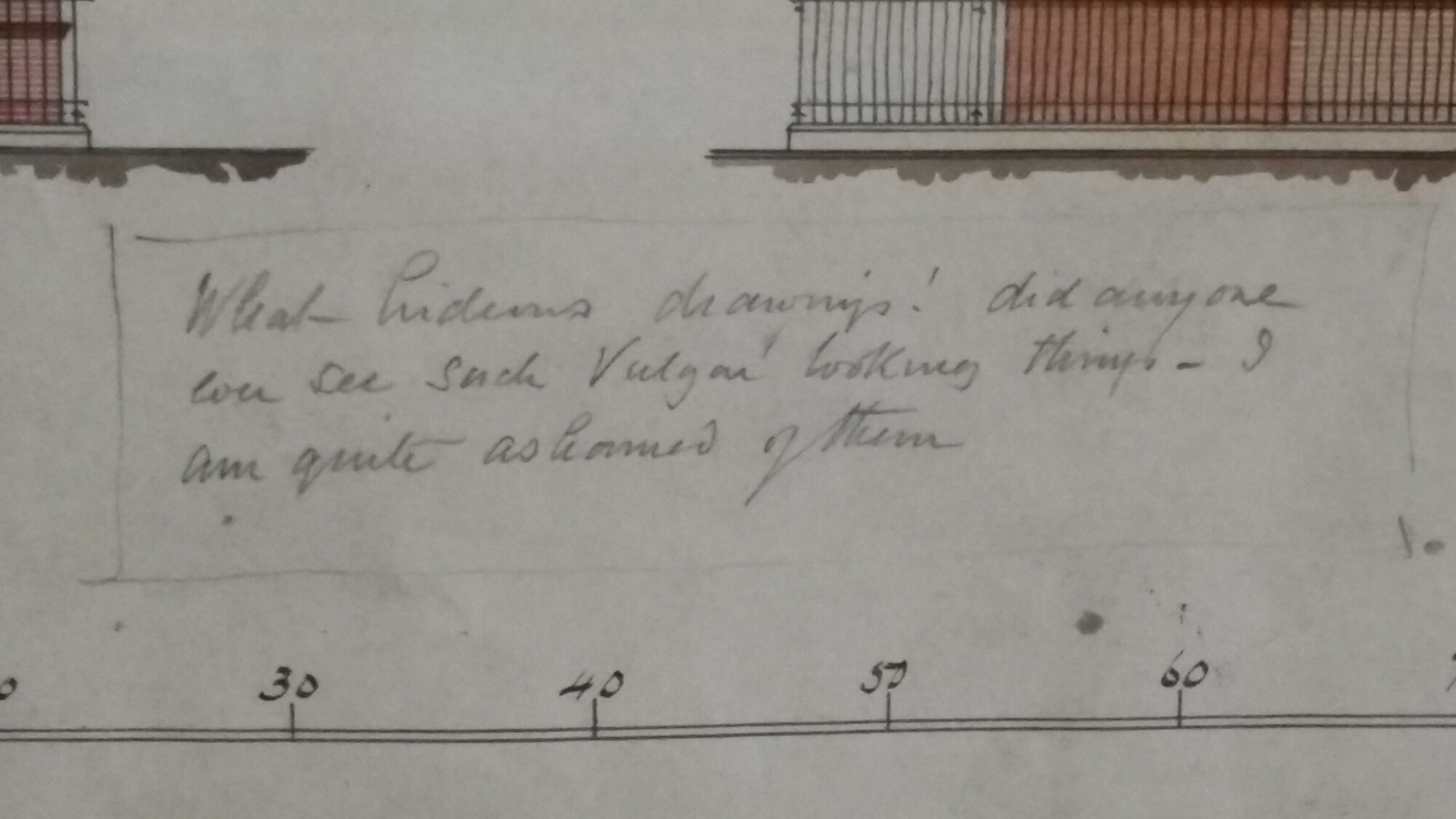
In waiting for someone last week, I was able to catch up with our Norman Shaw exhibition in the Tennant Gallery, which has been open for a while. But I missed the opening. It shows the quality of his work and his commitment to drawing as a means of expression (I liked the comment which he added to a bad drawing done by someone in his office, ‘What hideous drawings ! Did anyone ever see such Vulgar looking things – I am quite ashamed of them’).
There is no mention of the fact that Shaw trained as an architect in the Royal Academy Schools under C.R.Cockerell, winning the silver medal in 1852 and the gold medal the year after. His first commission was to design a house for an RA, John Callcott Horsley, in Kent, and he designed studio houses for Luke Fildes and Marcus Stone, in Melbury Road. In 1872, he became an ARA and a full RA in 1877. Continue reading
Palazzo Corsini
We were having a small espresso in the Florentine branch of Florians after lunch when we were asked if by any chance we would like to see the attics of the Palazzo Corsini. Of course. The palazzo is normally only open by special appointment and the attics not at all. We entered by the set of late seventeenth-century courtyards:
Inside were incredibly grand frescoed interiors stretching out towards the Arno:
Pontormo
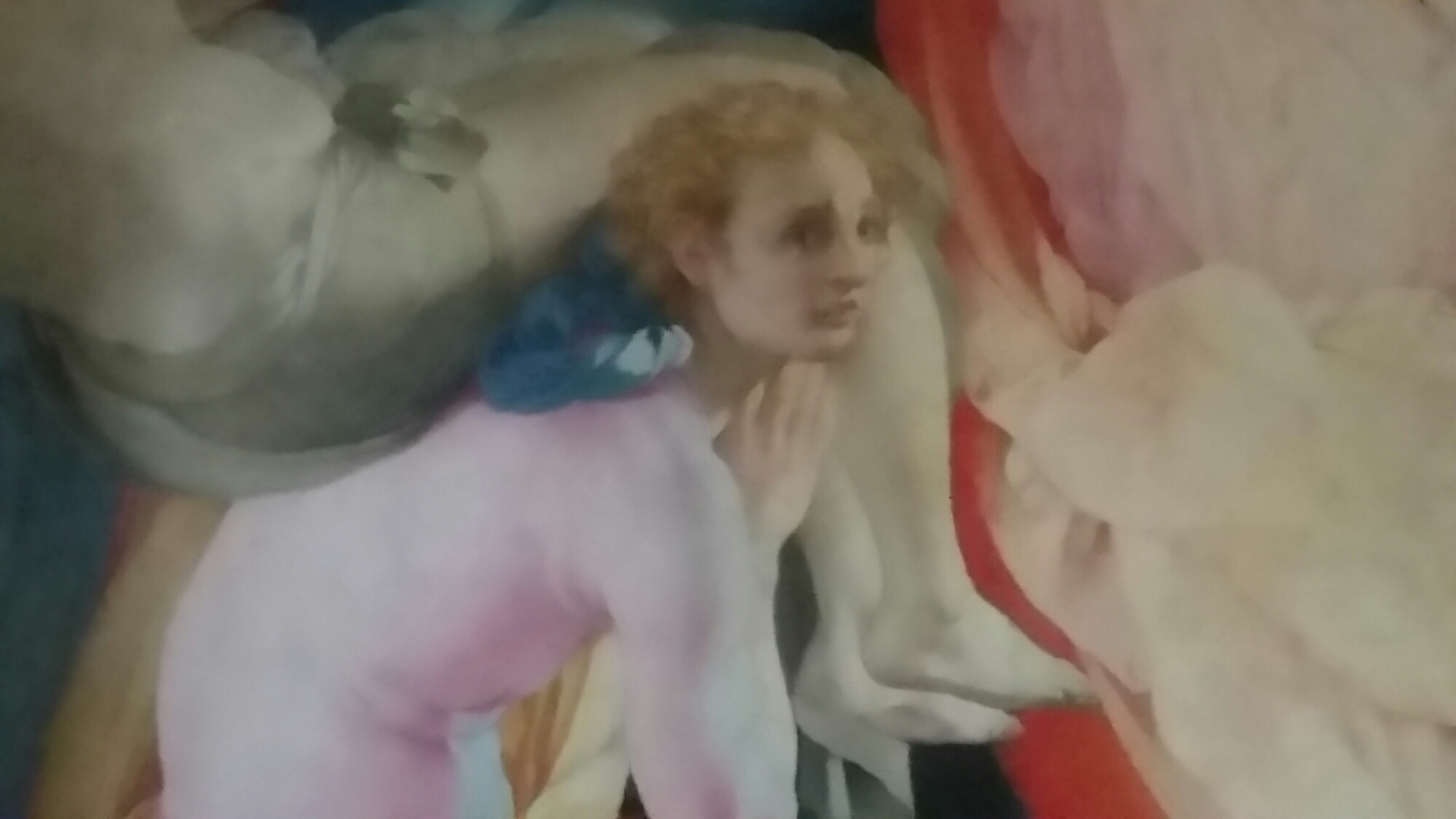
I joined a small group of art historians to see the great Pontormo e Rosso Fiorentino exhibition at the Palazzo Strozzi, taken round by Carlo Falciani, one of the curators. The idea of the exhibition is to explore the differences between the two artists: both pupils of Andrea del Sarto, Pontormo remained in Florence, doing work for the Medici (he did the decoration for their villa in Poggio a Caiano), whereas Rosso travelled widely in Italy, to Naples, Volterra and Sansepolcro, dying in Fontainebleau in 1540. Pontormo’s style is already evident in his Joseph Sold to Potiphar in the National Gallery, painted when he was only 21: the etiolated figures, the movement in the composition, influenced, according to the argument of the exhibition, not by maniera, but by his knowledge of German engravings. There’s a room full of Pontormo’s portraits, including a Portrait of Two Friends from the Cini Foundation in which one of them is pointing to a passage in Cicero’s De Amicitia. Then a room of nearly all the portraits known to have been painted by Rosso. The greatest pictures in the exhibition are Rosso’s Ginori Altarpiece from the basilica of San Lorenzo, newly cleaned for the exhibition, full of fiery colours and an equally fiery sense of pictorial invention, in which all the figures are crushed together; and Pontormo’s Visitation, borrowed from Carmignano. Afterwards, we went on a pilgrimage, which I do whenever in Florence, across the Ponte Vecchio to S. Felicita, to see Pontormo’s Deposition in a side chapel. Nothing equals it.
Hastings
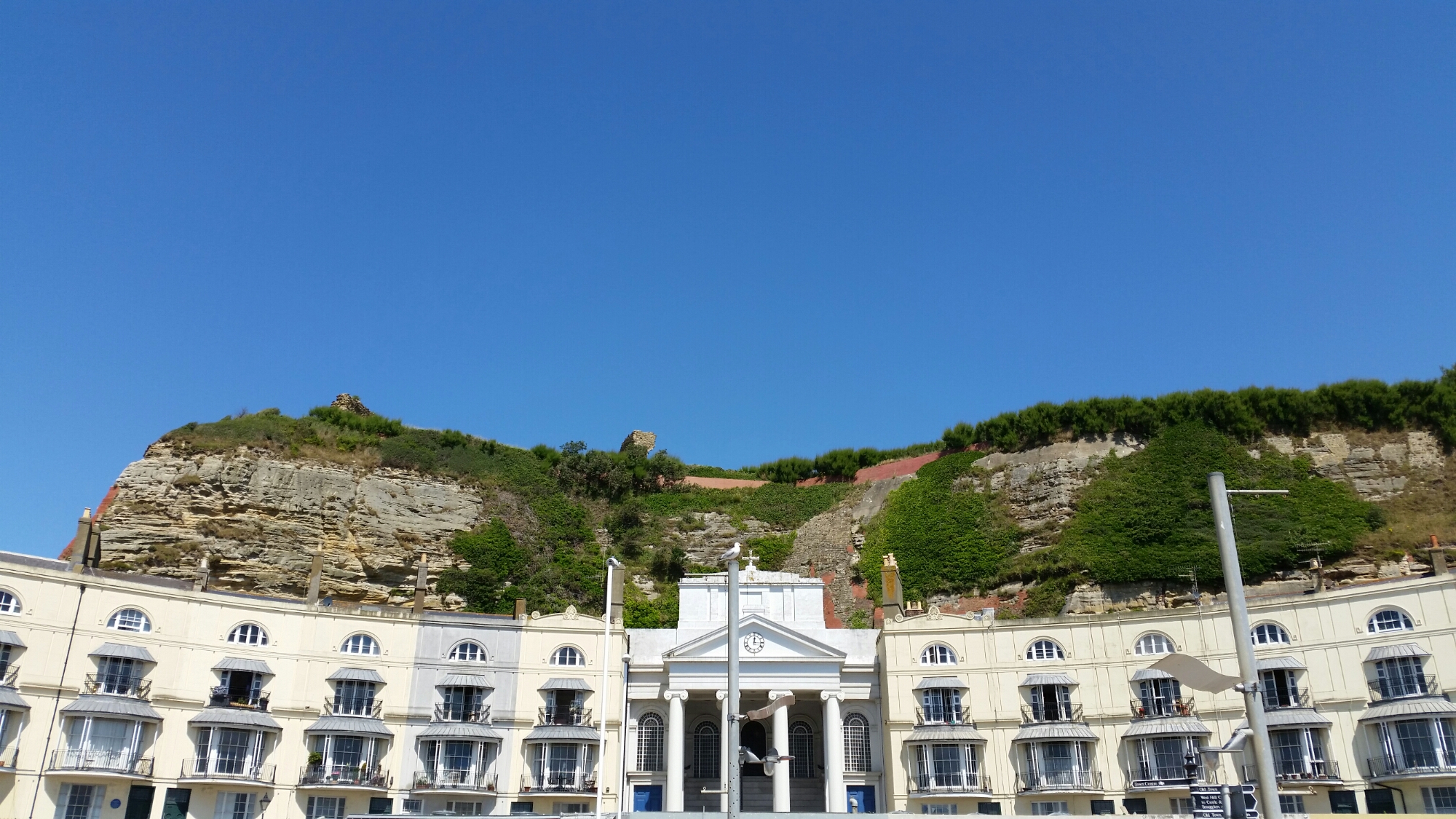
I loved Hastings, a nice, still slightly tatty seaside town with sidestreets and antique shops and shabby Regency squares, what Brighton must once have been. Annoyingly, Hendy’s Home Store was closed.
Jerwood Gallery
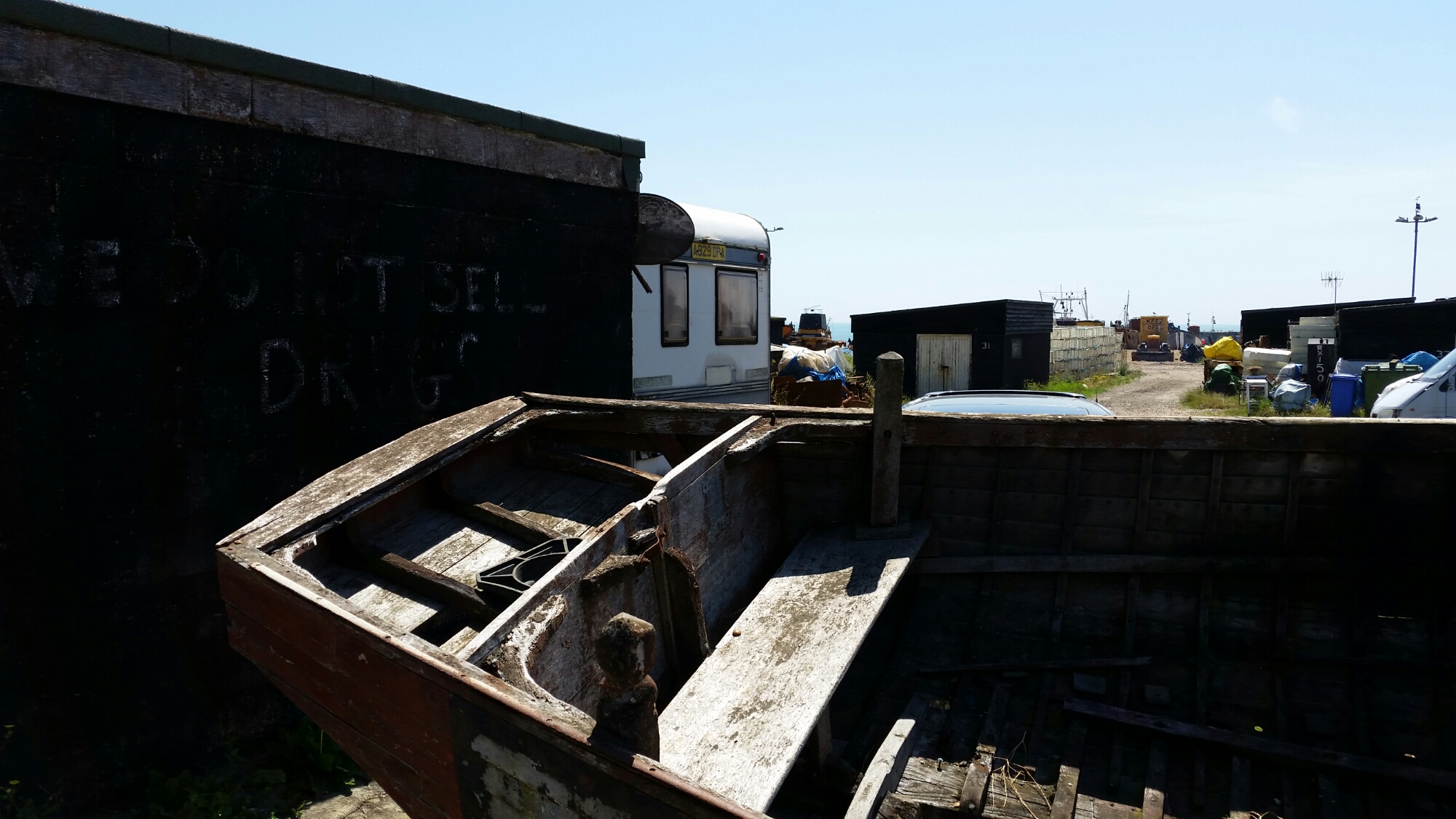
I finally made it to the Jerwood Gallery in Hastings in spite of having been invited to the opening in 2012 and a series of exhibitions, including some by RAs. It’s an incredibly well considered set of intimate interior spaces, half public, half domestic, with a great deal of natural daylight, including windows looking out onto the town, oak floors and door surrounds, and the minimum of air conditioning. It was designed by Hat Projects as their first public project, intelligently thought out and detailed, sitting comfortably amongst the surrounding tar-pitched fishermans’ huts. By chance, we caught the hang of their forthcoming exhibition, Drawn Together: Artist as Selector, which consists of drawings by artists who have been involved in the selection of the annual Jerwood Drawing Prize: a large watercolour sketch by Anthony Green RA, a series of handkerchieves rubbed on tarnished silver by Cornelia Parker RA, and drawings by Lisa Milroy, Tony Bevan, Tim Hyman and Peter de Francia (unusually they indicate on the label if someone is an RA). Alongside the exhibition space are a series of spaces showing works from the Jerwood’s own collection, a group of works of postwar British art, including David Jones, Prunella Clough and Maggi Hambling.
Monty Python
We went to the Millennium dome tonight for the reunion of Monty Python. It was the first time we had been back since a bleak afternoon in January 2000 when we went to visit the government’s lamentable efforts to mark the millennium. The evening was highly elaborate and technologically sophisticated for a vast audience, a far cry from the wilfully amateurish graphics and mad schoolboy humour of the original, watched on a black-and-white television. I was trying to work out where Terry Gilliam’s graphic language had come from: a mixture of surrealism, Mervyn Peake, psychedelia, neo-Victorianism and the idiom Peter Blake used for the cover of Sergeant Pepper. I was also impressed by how much had entered the language: the Ministry of Funny Walks; the spam song; the anti-Germanism. And now for something completely different….
Kensington Park Gardens
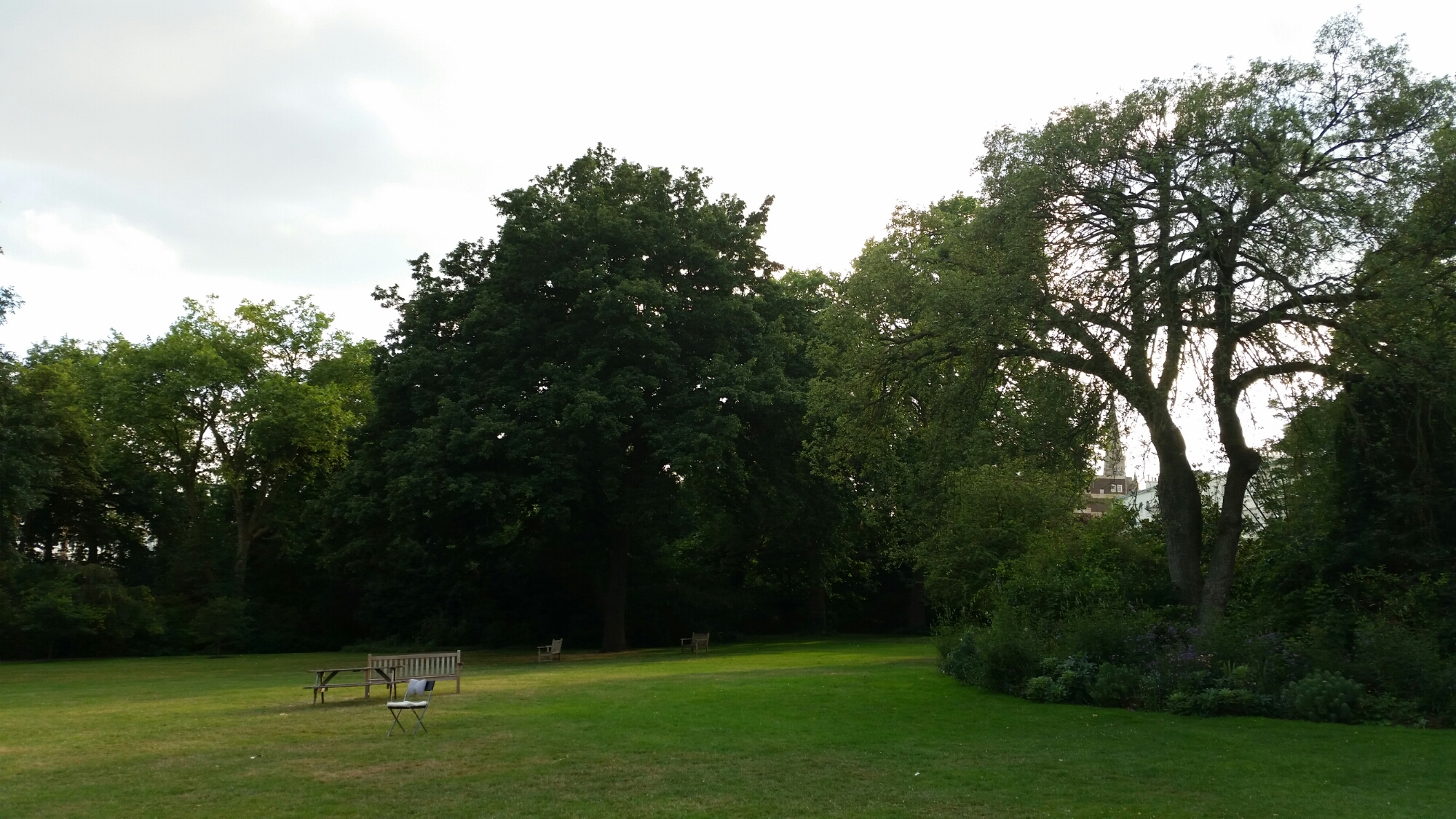
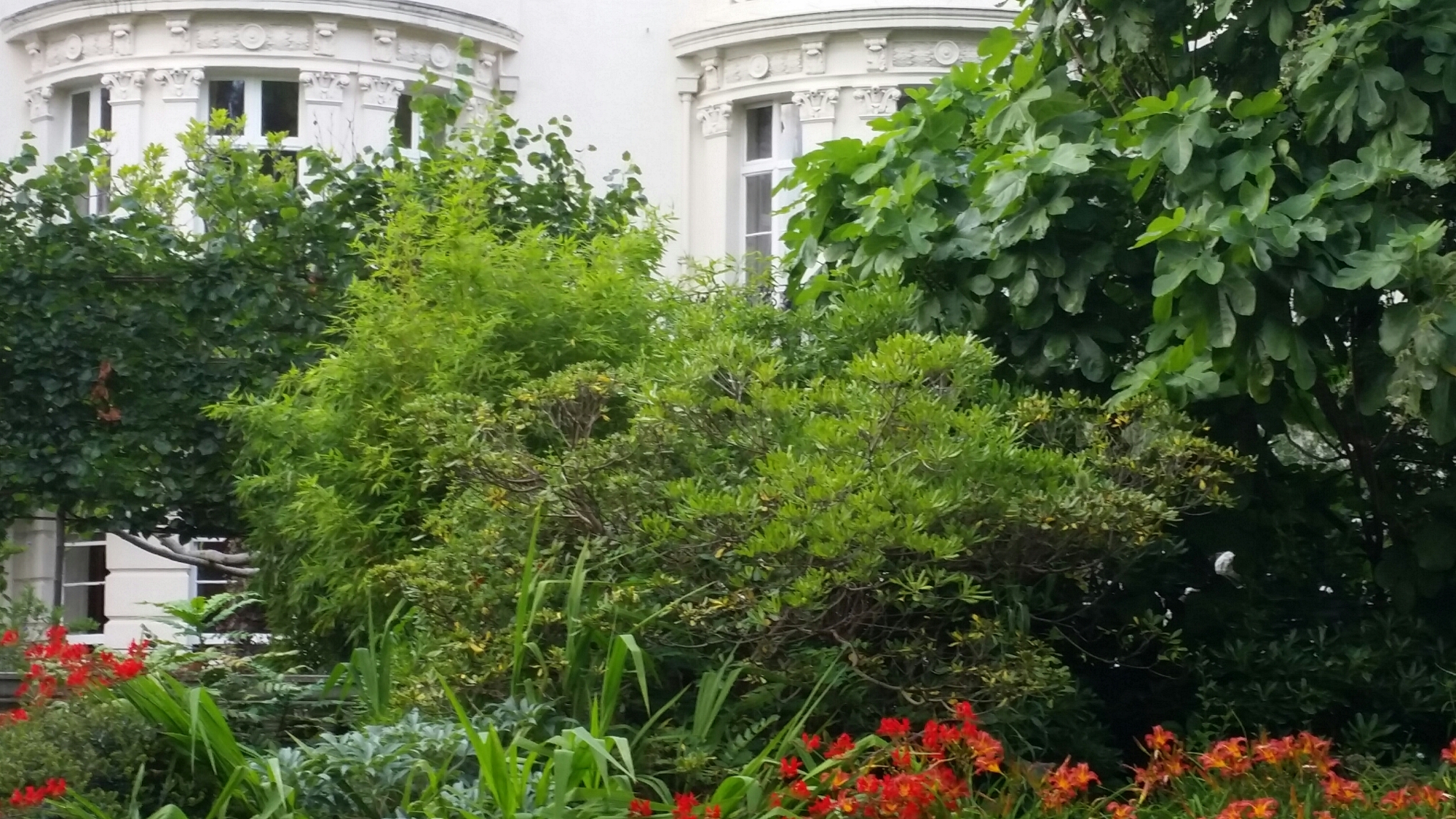
We have an annual picnic in the private gardens of Kensington Park Gardens, the grandest boulevard in west London (well, we’ve done it two years running which makes it feel like a tradition). I’m always amazed by the scale and the spaciousness of these private gardens, a product of mid-nineteenth century bourgeois opulence, with nannies using them to park prams and businessmen can have their morning constitutional. They occupy the site of a racecourse known as the Hippodrome owned by the Ladbroke estate. Hence Ladbroke Square. Nine acres, the largest private gardens in London after Buckingham Palace. We had supper in a glade with monogrammed white table napkins and the sound of tennis in the background.


You must be logged in to post a comment.