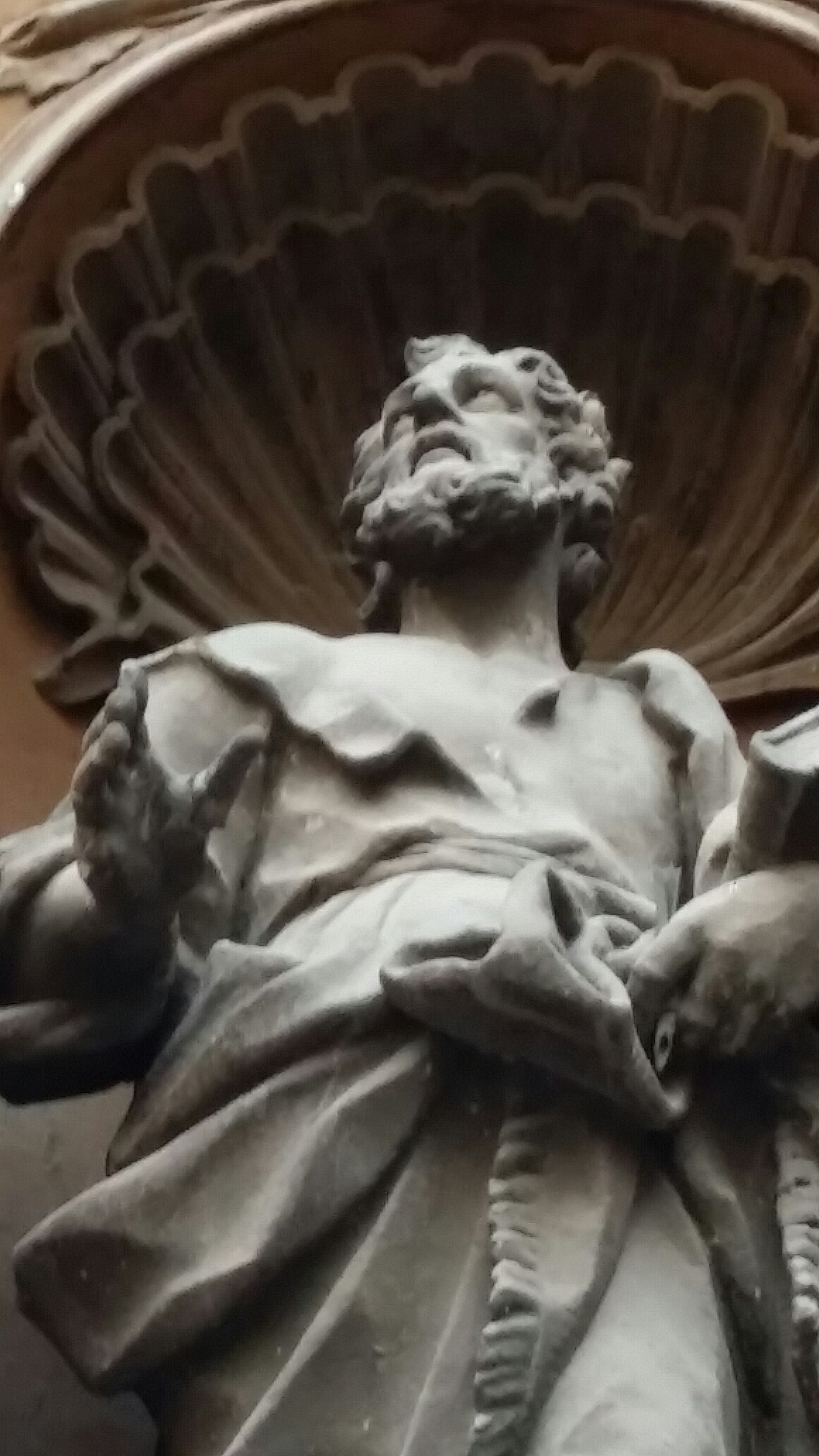
It’s a long time since I’ve been to the first Duke of Devonshire’s palace in the Peak District, the south front of which was designed by William Talman whilst the Earl of Devonshire (as he then was) was in retreat as MP for Derbyshire, implacably hostile to the actions of the Crown and one of the signatories to the letter inviting William of Orange to invade in defence of protestant liberties. Quite a medieval act of treachery for such a pillar of the community. I’ve always been a bit sceptical of the idea that the architecture is in some way a statement of the independence of the post-Revolution nobility, but the internal courtyard is certainly full of martial imagery
RA Schools (2)
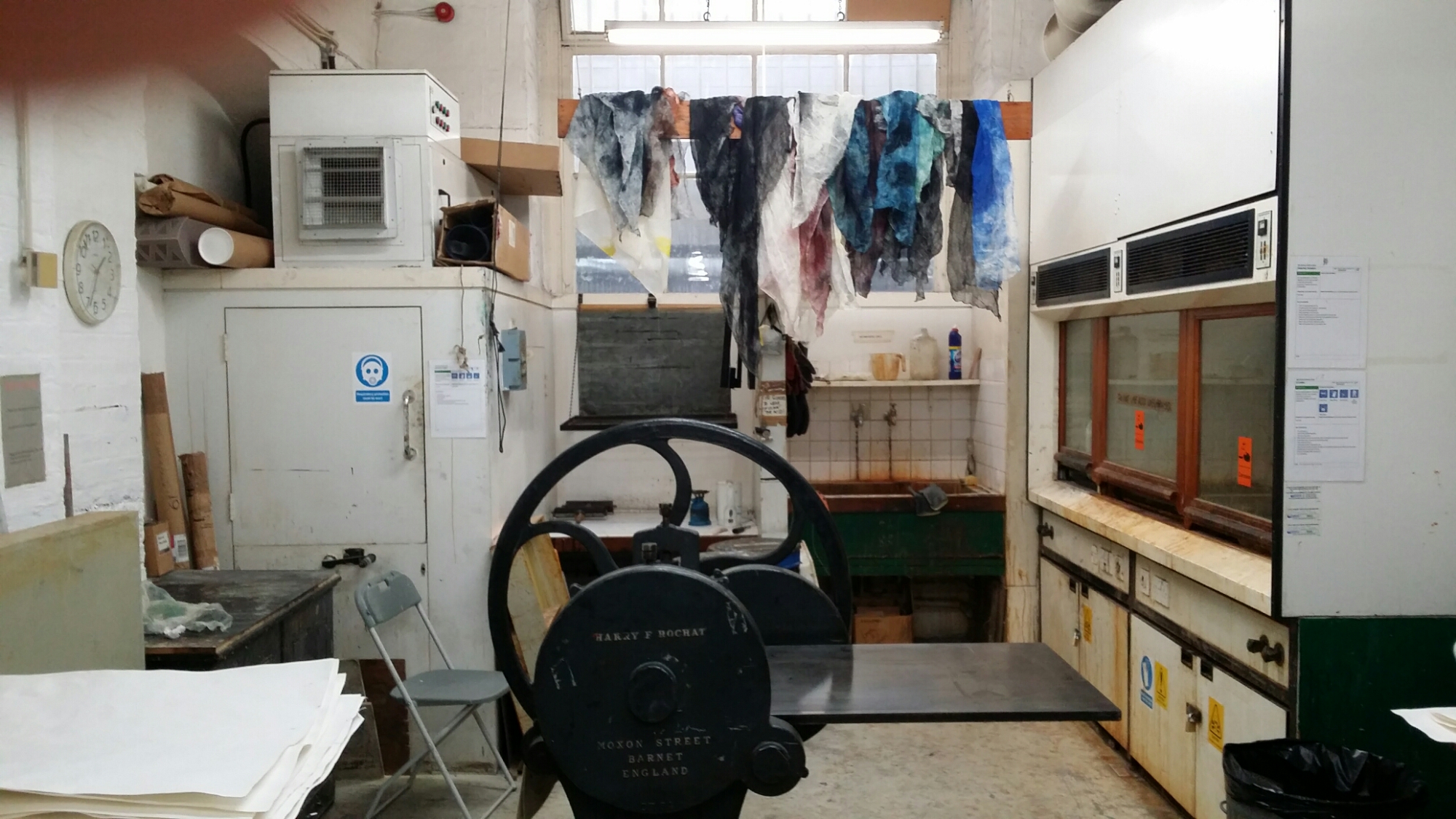
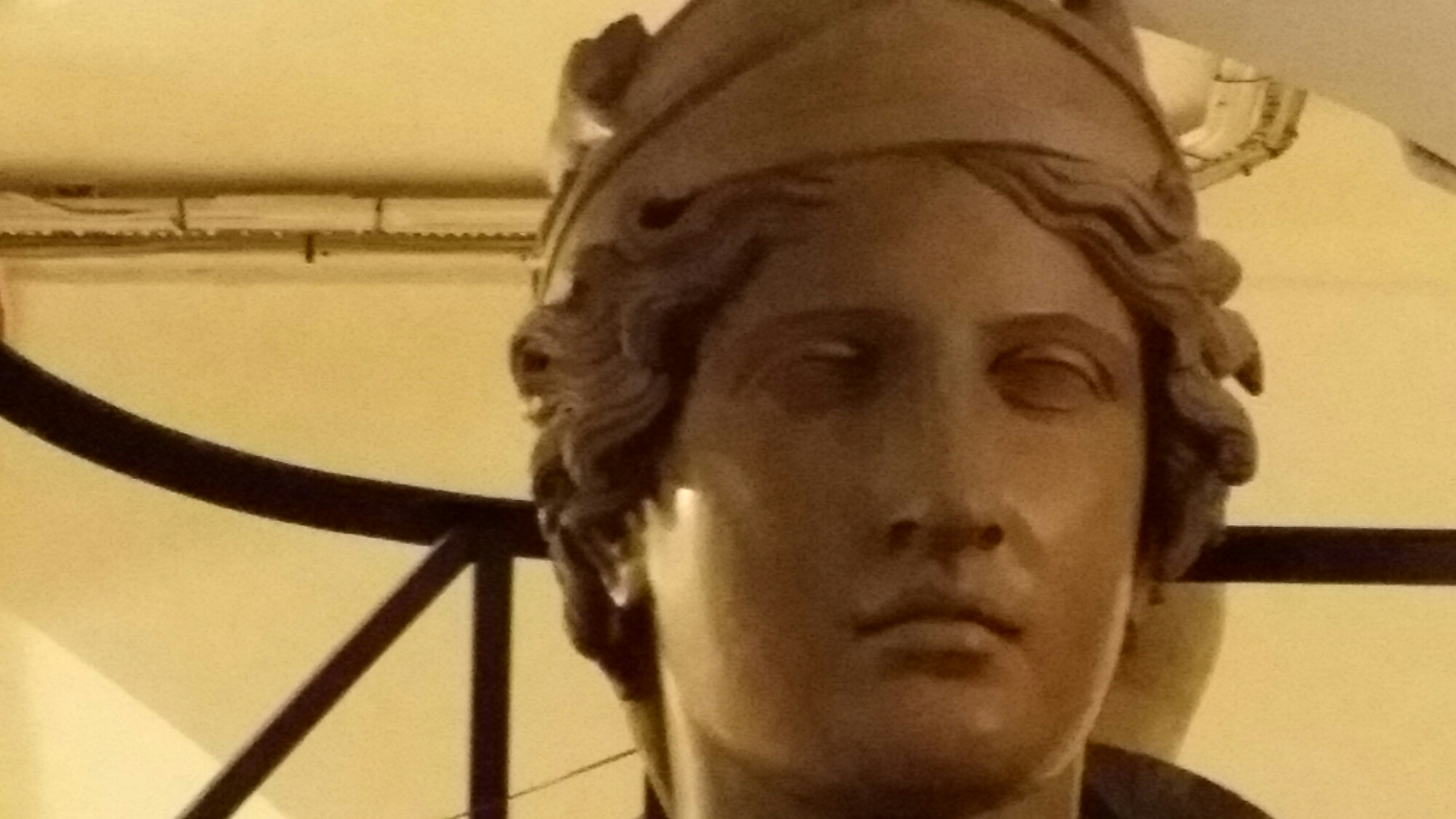
In wandering round the students’ final show yesterday, my eye was caught, as often, by the character of the setting, generations of students passing through and leaving their trace and the casts which were used as a tool for teaching:
Thomas Heatherwick
I have just been to a talk by Thomas Heatherwick RA. I have been aware of his work for a long time, ever since we were driving down from Scotland In 1994 and stopped at Belsay, a ruined Greek Revival house outside Newcastle. English Heritage had commissioned a number of young designers to build so-called ‘sitooteries’, a Scottish term for a small garden pavilion. Thomas had designed the first and the only one I remember: a febrile hedgehog of a building which was the precursor of his Expo Pavilion in Shanghai. But I had never heard him talk before. I have seldom heard someone talk so inspiringly about the processes of design and making. He started as a student constructing a small-scale building, because he believed that buildings should be as much about the process of construction as the intellectual analysis of space. It’s obvious that he’s right, but it’s seldom said. And he went on to describe his thought process in a whole series of projects up until the Garden Bridge across the Thames.
RA Schools (1)
Each year, there is a small ceremony for the graduating students of the Royal Academy Schools to receive their diplomas. Each year, I find it unexpectedly moving witnessing a year group of 17 students, who have moved as a cohort through the experience of the Royal Academy and its art school: the first year studios with the casts from Sir Thomas Lawrence’s collection hanging on the walls; the Premiums when their work is exhibited in Burlington Gardens through to their final show in the nineteenth-century studios underneath the exhibition galleries. Everyone seems to win a prize: a residency in New York or money for travel. I once made the mistake of saying that it was privileged (they pay no fees) and saw 17 people looking at me furiously because it’s not privileged having to survive for three years without secure funding. But at the end it looks and feels worth it.
Catherine Goodman (16)
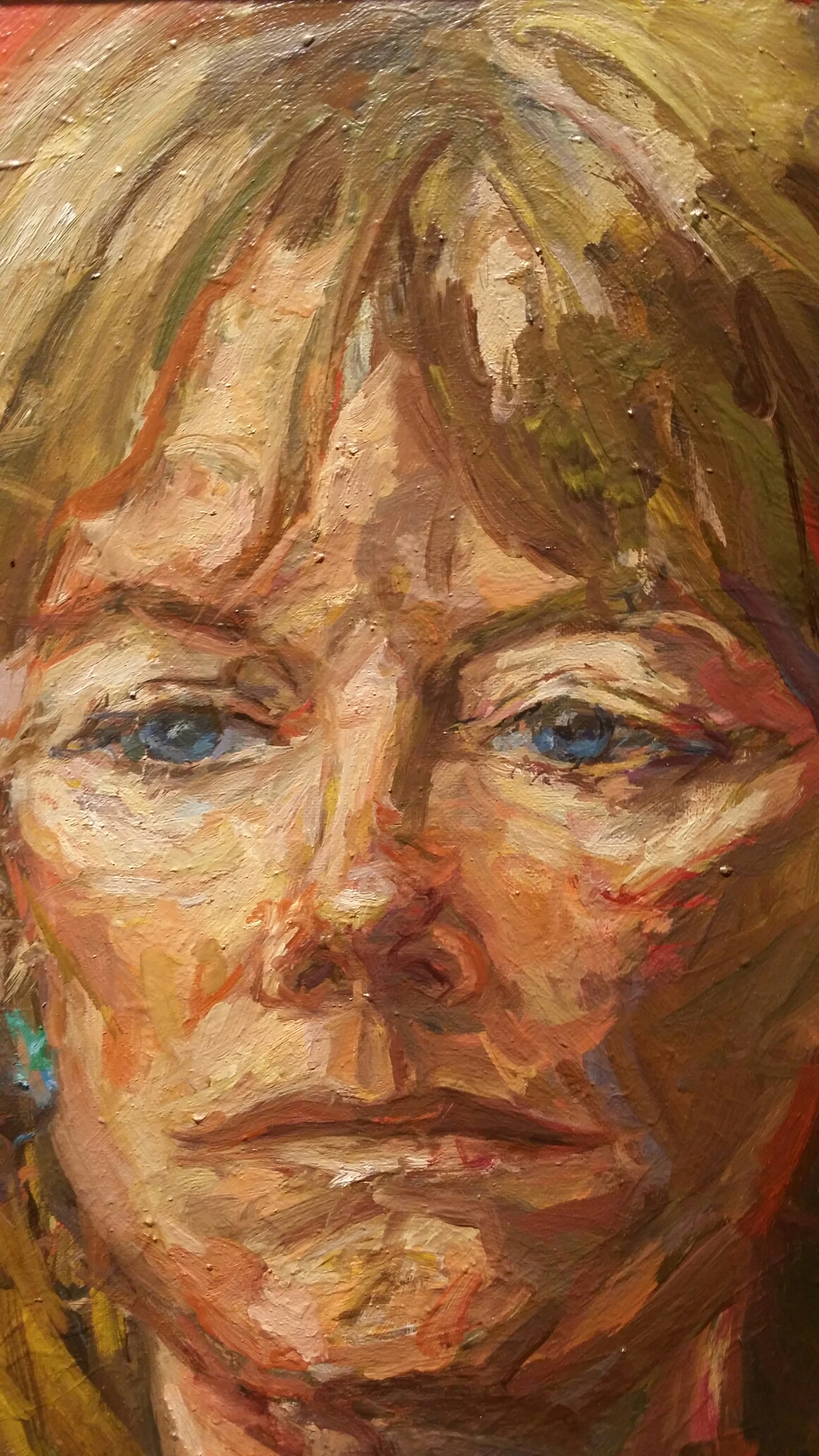
I’ve at last come face-to-face with my portrait. It is (of course) much better than in reproduction and also better in combination with the gallery of other sitters, where it is quite clear that they are effective and successful interpretations of character, based, as was mine, on ties of friendship and a long process of observation and record:
I hang next door to Hannah Rothschild who I regard as my companion-at-arms through the process because she took as long and was nearly as difficult to complete:
Whitechapel Road
In walking to the local post office under the absurd delusion that there might still be a collection on Sunday, I noticed how well the façades of the Whitechapel Road look now that they have been cleaned up under an HLF scheme, dating back from when the road was planned to be Olympic boulevard. It reveals some of the history of the east end:
Veronese
We finally made it to the Veronese exhibition yesterday on the penultimate day before it closes: a wonderful and nicely judged collection of paintings, demonstrating Veronese’s brilliant ability to create massed compositions, rich in visual incident, for the Venetian aristocracy in their villas and estates. Full of small children, horses, dogs, spectators on distant balconies and beautifully painted fabric (but badly painted hands), many of the paintings are owned by the National Gallery itself, thanks to Charles Eastlake’s autumn shopping trips to northern Italy, armed with government money, when he was able to extract pictures from the impoverished Italian nobility. Whilst many artists benefit from seeing their work en masse, I wasn’t convinced that this was true for Veronese. Seeing them all together makes one realise the extent to which he replicates the same compositional formulae, using a wardrobe of cloaks and robes which reappear in different pictures.
Rome (3)
The last great treat of my all-too-brief stay in Rome was crossing the Tiber to Trastevere to see the Villa Farnesina. I had been once before and been disappointed by Peruzzi’s architecture and the fact that it is neither quite a palace, nor a properly suburban villa. But this time, we arrived early, had it to ourselves, and the eyes of two painters helped me appreciate the incredible richness and variety of the wall paintings, not just Raphael’s, but his pupils and followers and workshop, decorating room after room: the permeability with the garden, the free enjoyment of classical mythology, the enjoyment and observation of the natural world, birds, flowers and animals. This was presumably all part of the make-belief ruralism of Agostino Chigi and his banking friends, contemporary with Giorgione and more than a century before Claude. We started with Raphael’s Galatea:
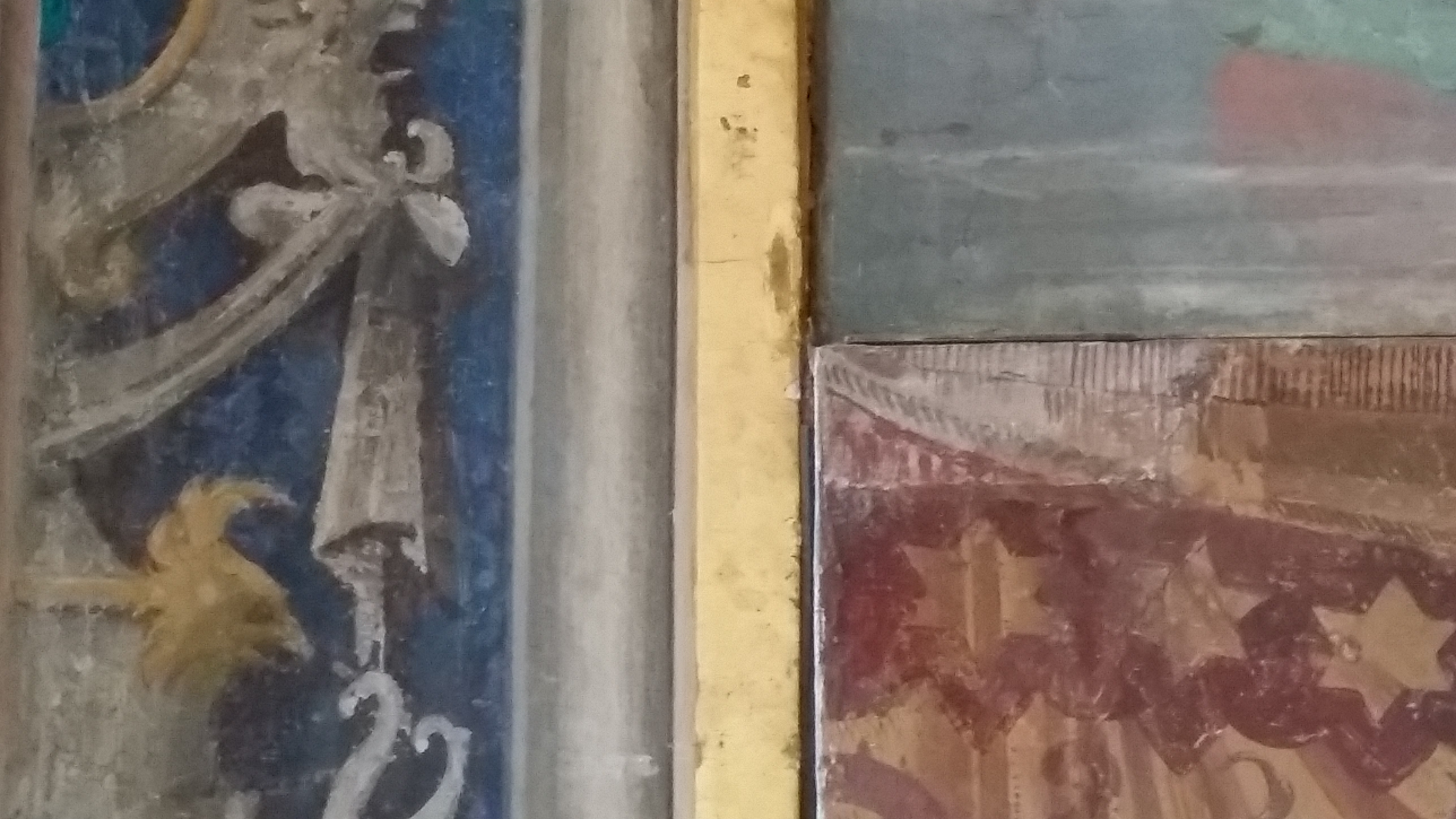
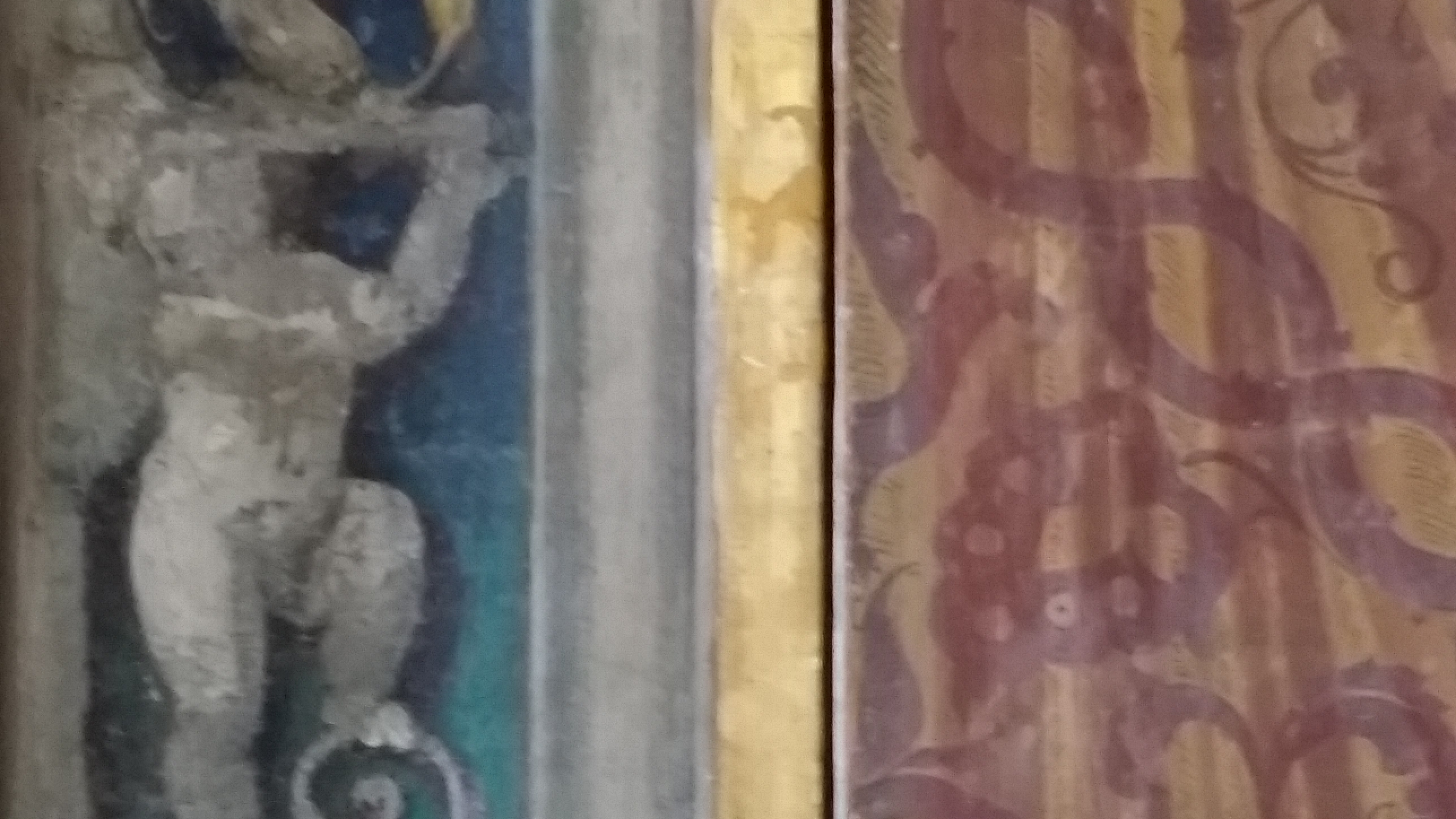
We liked the junctions with the fictive hangings below:
Rome (2)
My second post from Rome has disappeared obstinately into the digital ether, so what follows is an attempt to reconstruct it.
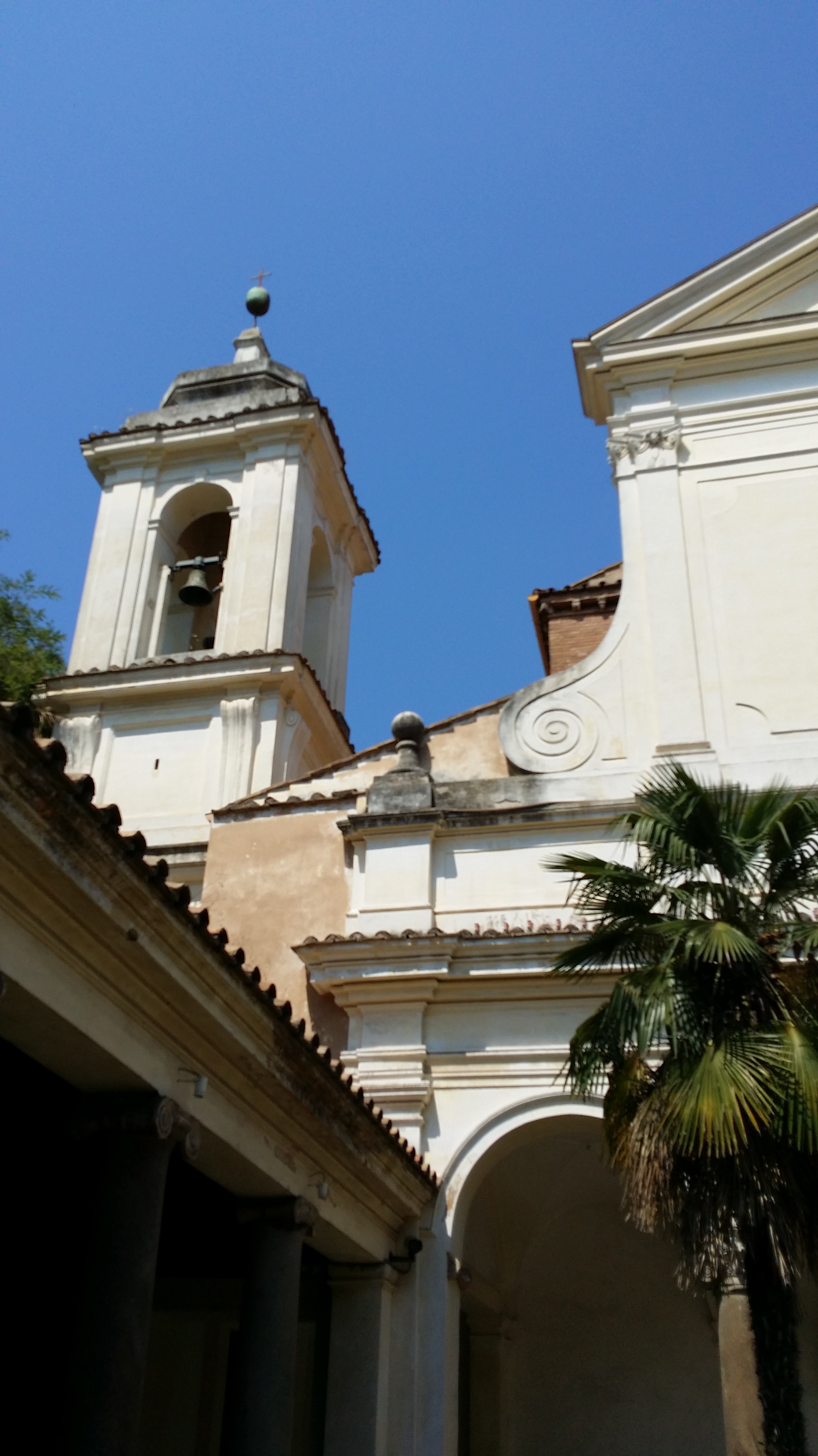
We spent the latter part of the morning exploring S. Clemente, a wonderful church, built in the era of the Emperor Constantine on top of a Mithraic temple which survives in the deep basement. We arrived first in the courtyard:
Admired the Byzantine mosaic in the apse:
Rome (1)
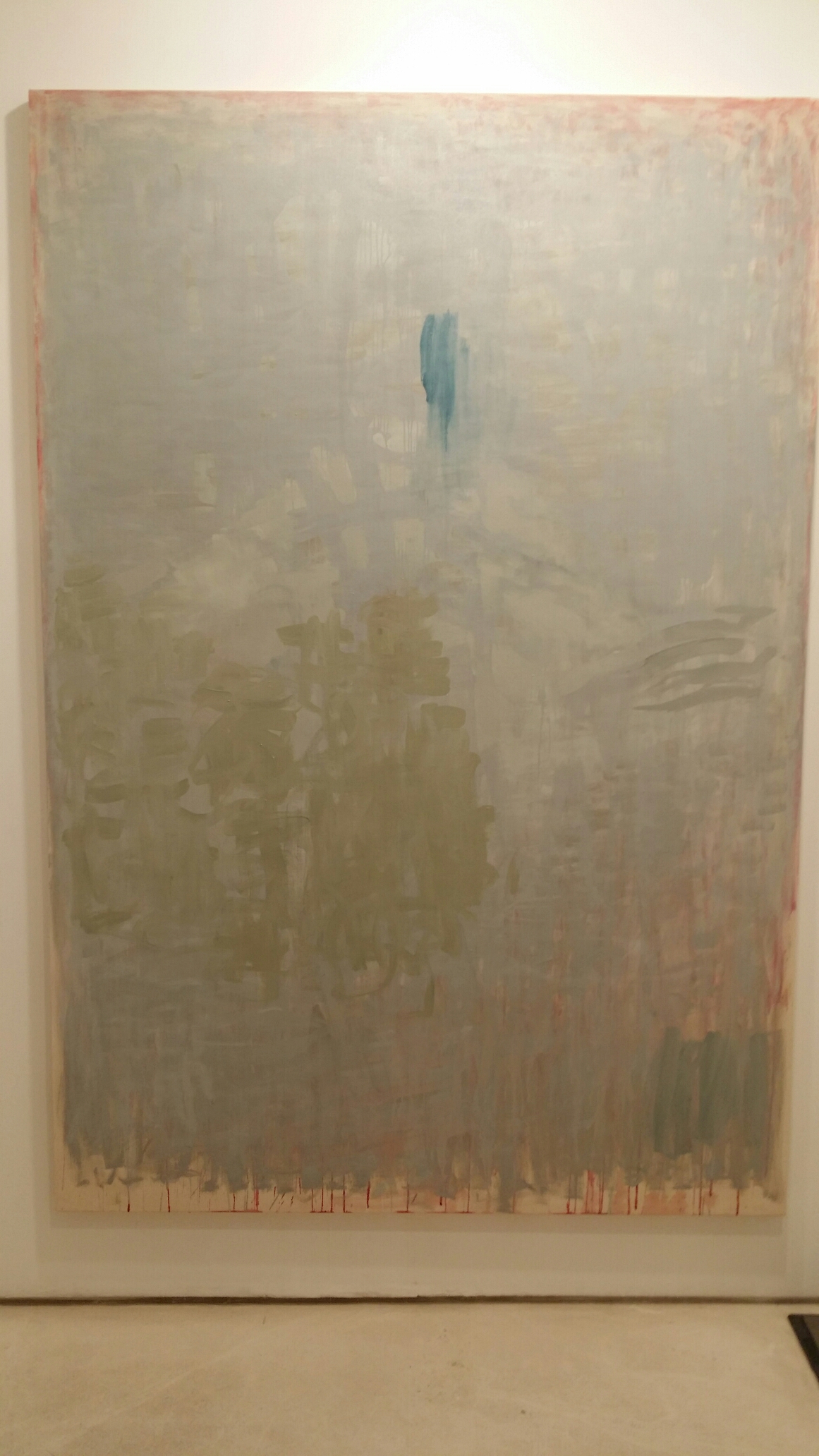
I arrived in Rome on a humid summer night to see the President’s exhibition of his classical sculpture and two much more loosely painted and allusive works which I had not seen before (it doesn’t really come out in the photograph):
The exhibition was held jointly with Enzo Cucchi and afterwards we repaired to the roof terrace of a hotel on the Via Giulia, where the moon shone. I had forgotten how beautiful Rome is. The baroque churches:


You must be logged in to post a comment.