
The Cold Press, a beautiful gallery in Holt, has moved to what was Timothy Everest’s atelier in Elder Street, but it is open only by appointment.
We visited today:-

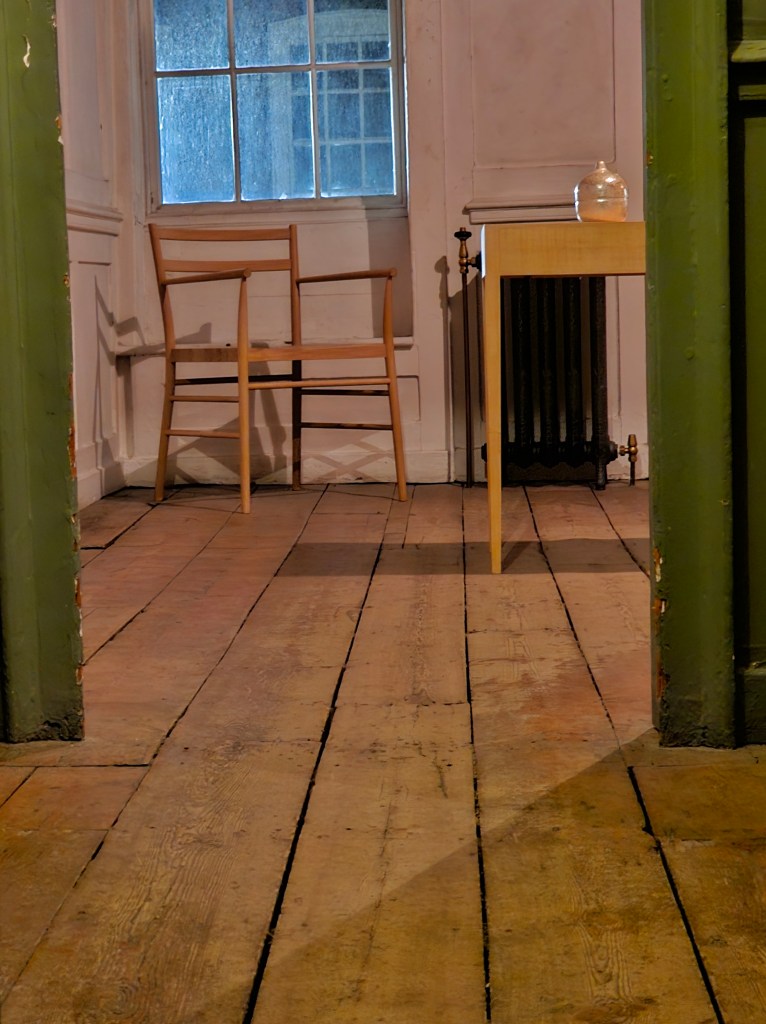
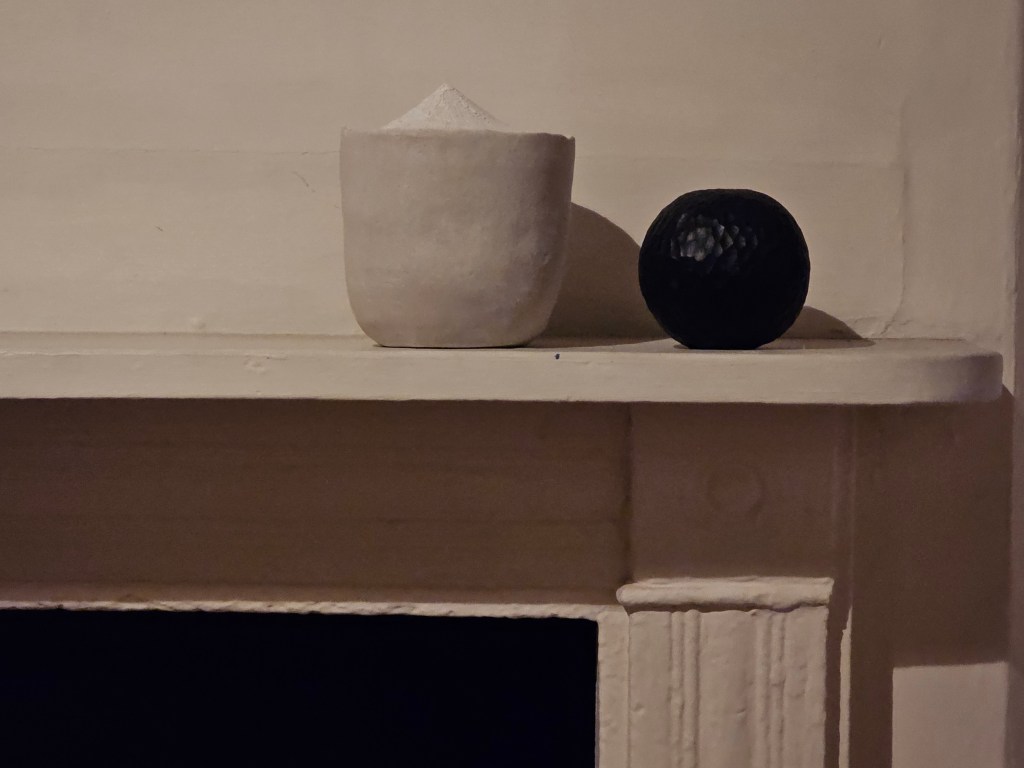
The Cold Press, a beautiful gallery in Holt, has moved to what was Timothy Everest’s atelier in Elder Street, but it is open only by appointment.
We visited today:-
I was walking down the embankment on the opposite side of the river to the Palace of Westminster when my eye was caught by a fine statue in a pretty run-down part of St. Thomas’s Hospital. It turns out that it is a statue by Grinling Gibbons of Robert Clayton, the land agent, banker, MP and philanthropist who spent the latter phase of his life devoting himself to the construction of a new building for St. Thomas’s Hospital as its President. It also turns out that it is due for removal owing to the fact that like most city people at the time, including Robert Geffrye, he invested in the Royal African Company which, under the auspices of the Duke of York, before he was King, transported slaves from Africa to America.
The statue is Grade 1 listed:-

I don’t do as many posts about the Royal Drawing School as I maybe should, but it’s been a busy week: the private view of the Drawing Year on Tuesday and tonight an opening for their open studios which I have never previously seen.
I recommend a visit to the end-of-year show in the gallery at 19-22, Charlotte Road EC2 – richly varied work by young artists from a great range of backgrounds, not just fine art – actually, not so many from fine art – but more from philosophy, architecture, fashion and illustration, which maybe demonstrates an increasing pluralism in fine art practice. See below:-

A very interesting, thoughtful and carefully considered Linbury Lecture at the National Gallery (actually held at the Royal Academy) by Annabelle Selldorf in which she was able to expound her credo regarding museums and their display ahead of her re-working of the Sainsbury Wing due to re-open in May 2025.
I hope it will be published – it very much deserves to be – but in case it’s not, these are my cod notes on it (sorry, it’s a longer post than usual).
She expressed her views of what works best by describing museums and galleries she admires and has been influenced by:-
1. The Wallraf-Richartz Museum in Cologne.
An obvious choice and a good one for someone brought up in Cologne: richly various collections displayed in interiors of post-war, social democratic austerity in a city we bombed to smithereens.
2. The Alte Pinakothek, Munich
Leo von Klenze adapted post-war by two long staircases bringing you up to the main floor (and down), not disguising the fact that it had been bombed, then renovated.
3. The Accademia, Venice
I particularly admired her careful description of the changes made by Carlo Scarpa immediately post-war, not least in the abstract way the paintings were displayed, independent of the architecture and demonstrating the complexity of its ground plan.
4. Marfa
Donald Judd. Industrial buildings used for the display of art. It requires a pilgrimage to get there (she didn’t say that).
5. The Frick Collection
Another obvious choice because she is involved in both renovating and adding to it, but she demonstrated her appreciation of both the original building by Thomas Hastings (1912-1914) with its domestic interiors – no route, no labels – then John Russell Pope’s changes in the late 1930s to make it into a public gallery. She was also responsible for the temporary display of the collection in what used to be the Whitney Museum, then briefly the Met Breuer. Great works of art can survive and perhaps benefit from being seen in austere surroundings. Her revised Frick, plus additions, is due to open next year.
6. The Yale University Art Gallery
Louis Kahn’s first building at Yale from 1953, of which she showed a photograph I hadn’t seen before, maybe taken when it opened. She admires it for its ‘clarity and economy of means’ and ‘careful rendition of daylight’ (words chosen with care).
7. The National Gallery
Was the National Gallery her seventh choice ? Or have I missed one ? She showed the planned changes to the outside first – pretty uncontroversial, cleaning up the approach and clarifying it. Then, views of the interior and what looked like a reading area/small bookshop on what remains of the first-floor mezzanine. This part is what has been, and with some remains, contentious as an adaptation of a Grade 1 listed building. But it looks as if it is being done in such a way as to preserve the mood of the original as far as possible and sensibly dispenses with the bookshop which marred the whole spirit of the original entrance as designed by Denise Scott Brown (she wrote a brilliant, detailed description of her thinking just before it went to Westminster for approval).
It would be hard to fault the depth of Selldorf’s knowledge and deep involvement in all aspects of museum layout, museum display, and what environment works best for works of art. As she says, the changes to the Sainsbury Wing may not be so obvious after a few years and may even – a heretical thought – enhance, and surely respect, its character.
Having just seen the announcement that Lacaton & Vassal have won this year’s Soane Medal, I was pleased to read Edwin Heathcote’s thoughtful appreciation of their importance – important for doing less and being interested in existing structures and preserving where possible.
Perhaps they could be commissioned for their views about what to do about Liverpool Street Station.
https://www.untappedjournal.com/issues/issue-7/edwin-heathcote-architecture-of-doing-nothing
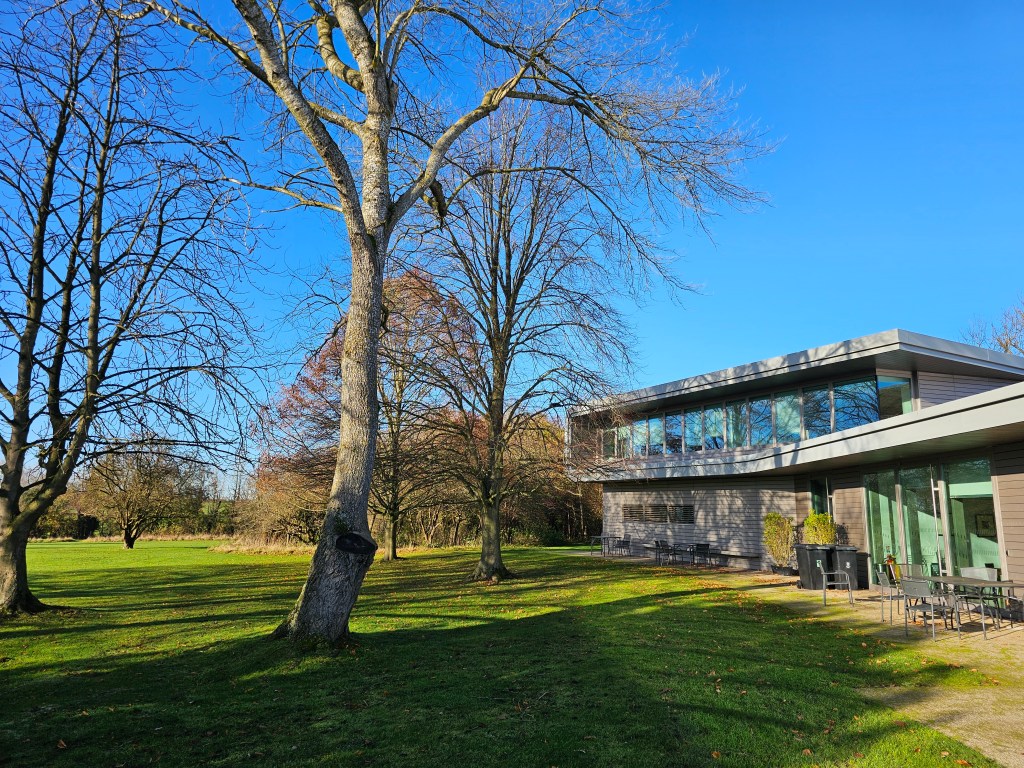
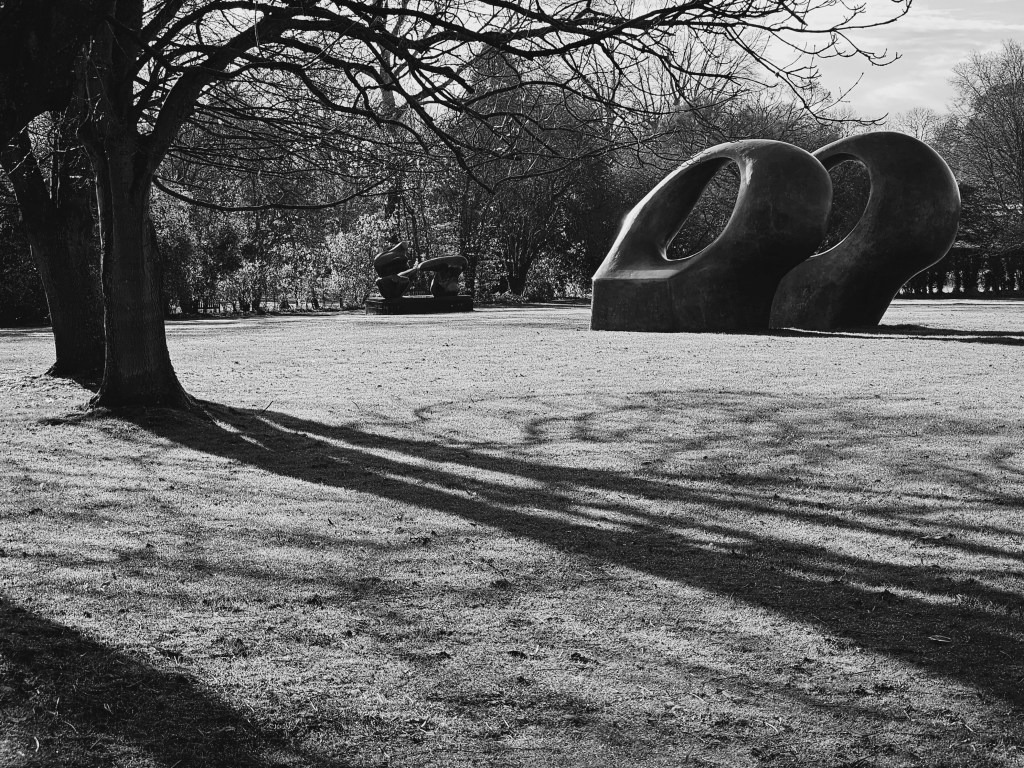
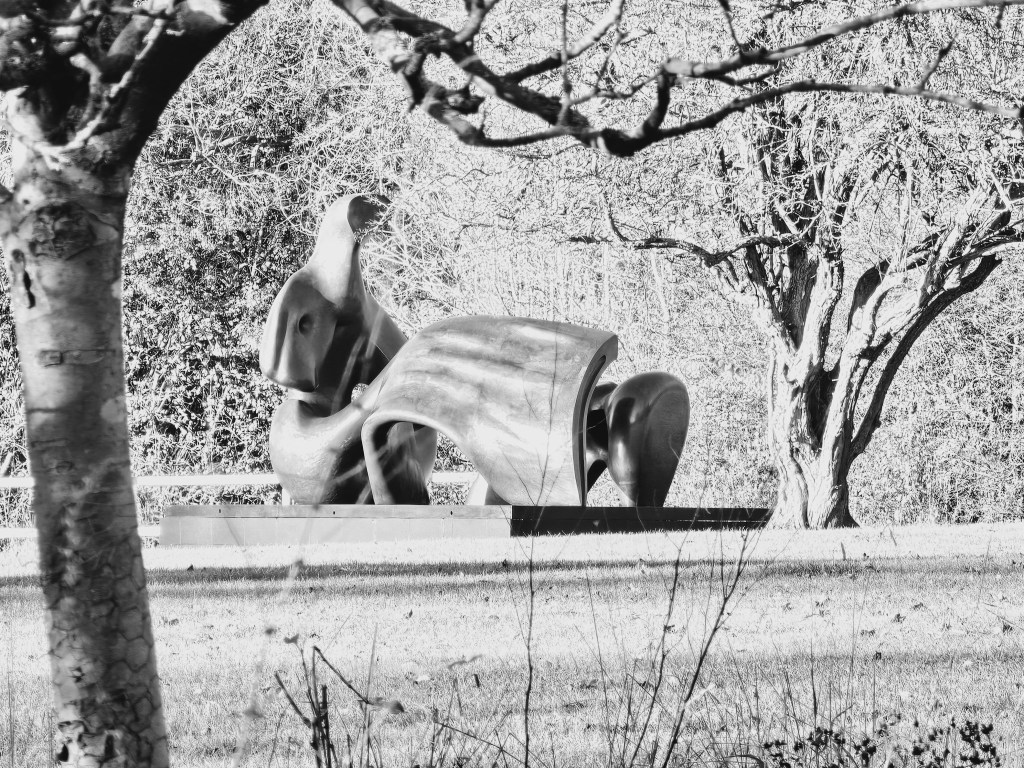
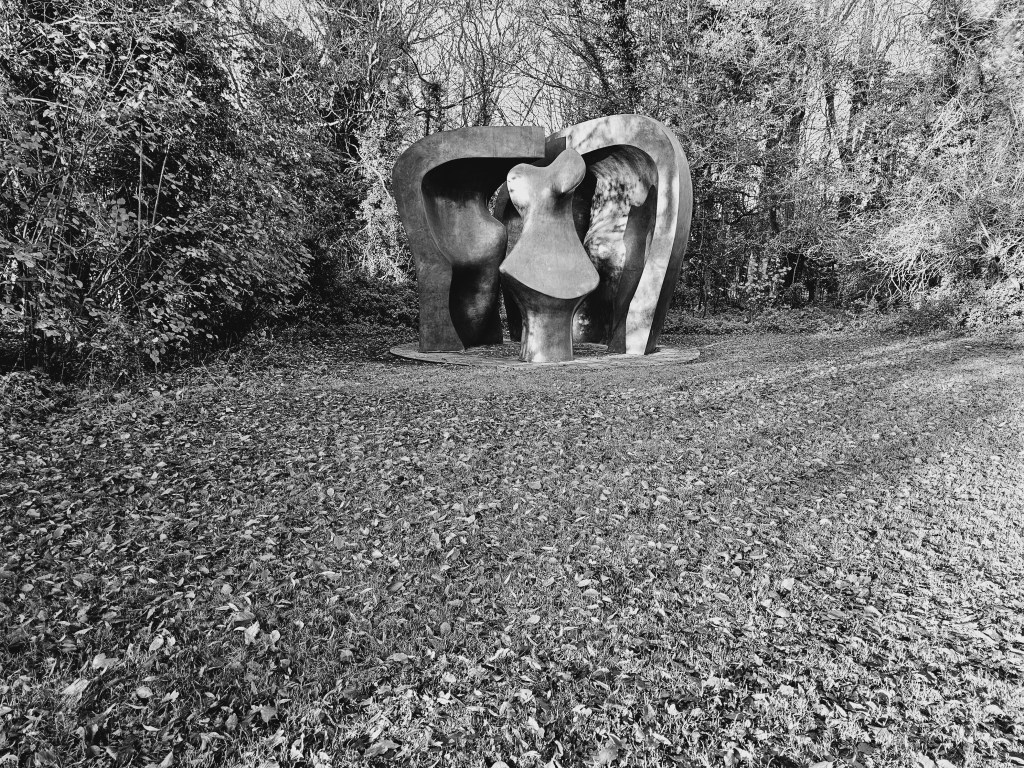
It was a beautiful day in Perry Green where Henry Moore rented Hoglands in September 1940 to escape the bombing of Hampstead and stayed there for the rest of his life, gradually adding to the property and buying land on which to display his sculpture, now with a large public facility (closed in winter) next door:-
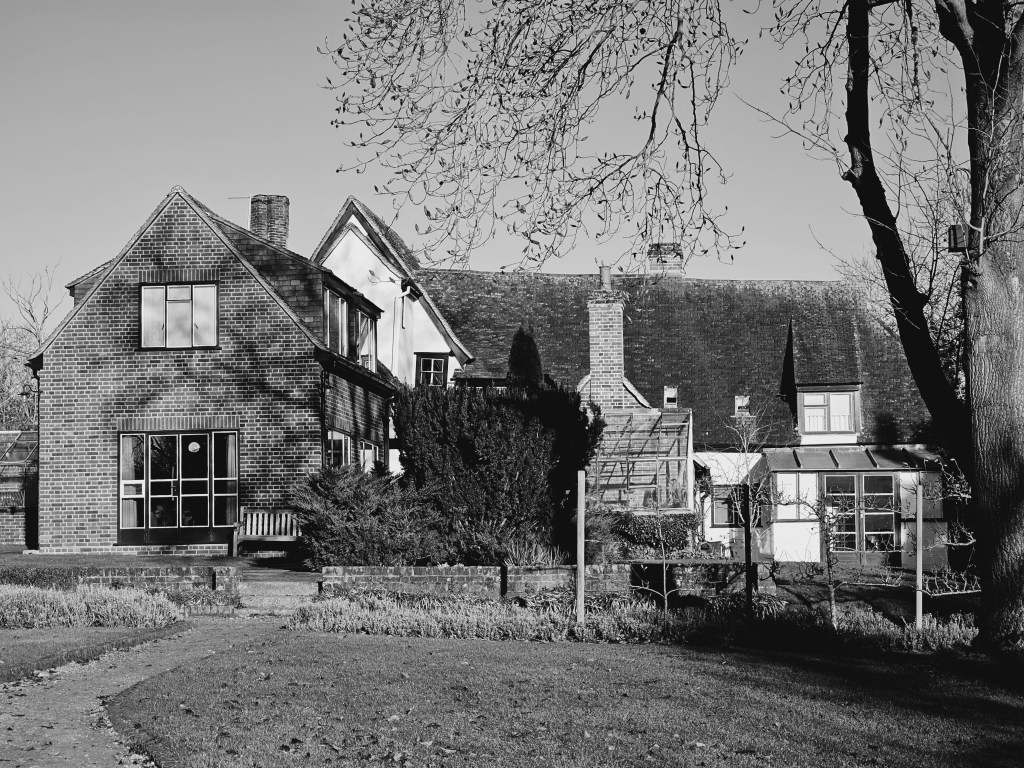
This is the house, not exactly what one expects of a world-famous artist, with its 1960s extension from which to survey work in the garden:-
Double Oval:-
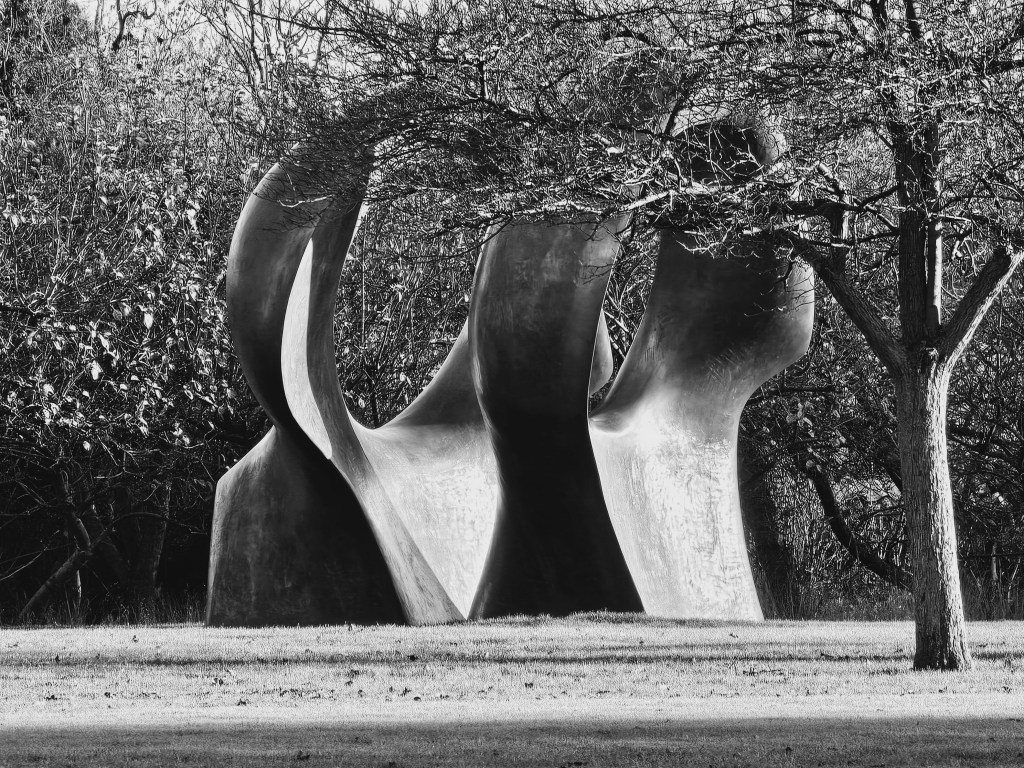
Three Piece Reclining Figure Draped:-
Large Figure in Shelter:-
Yellow Brick Studio:-
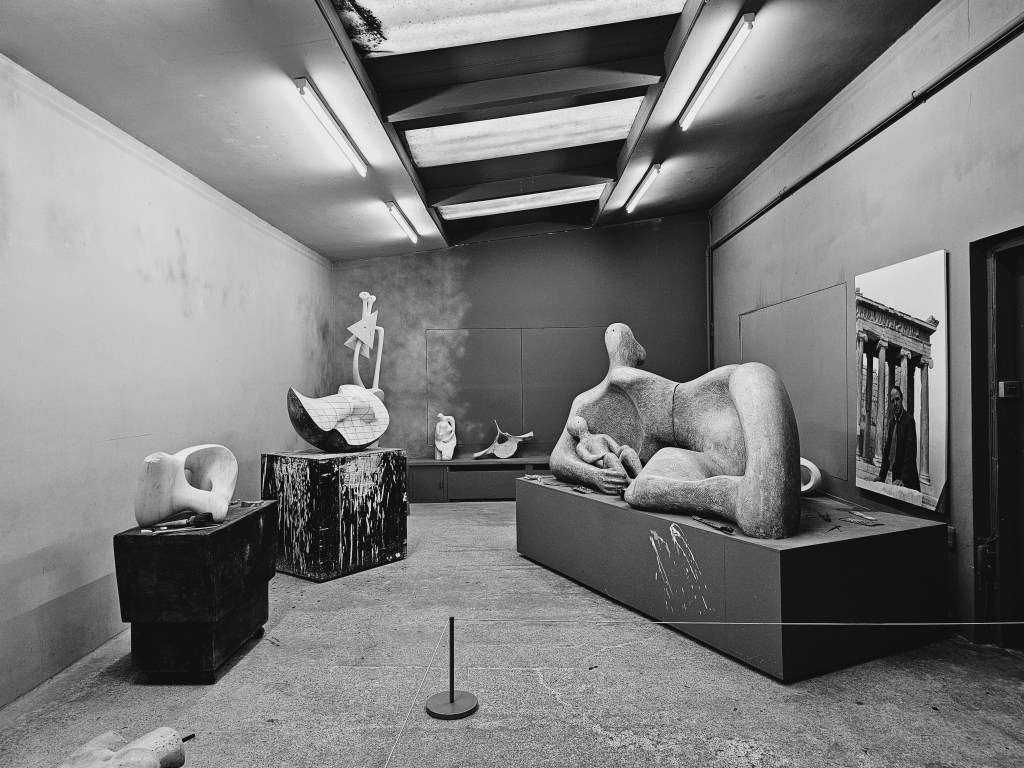
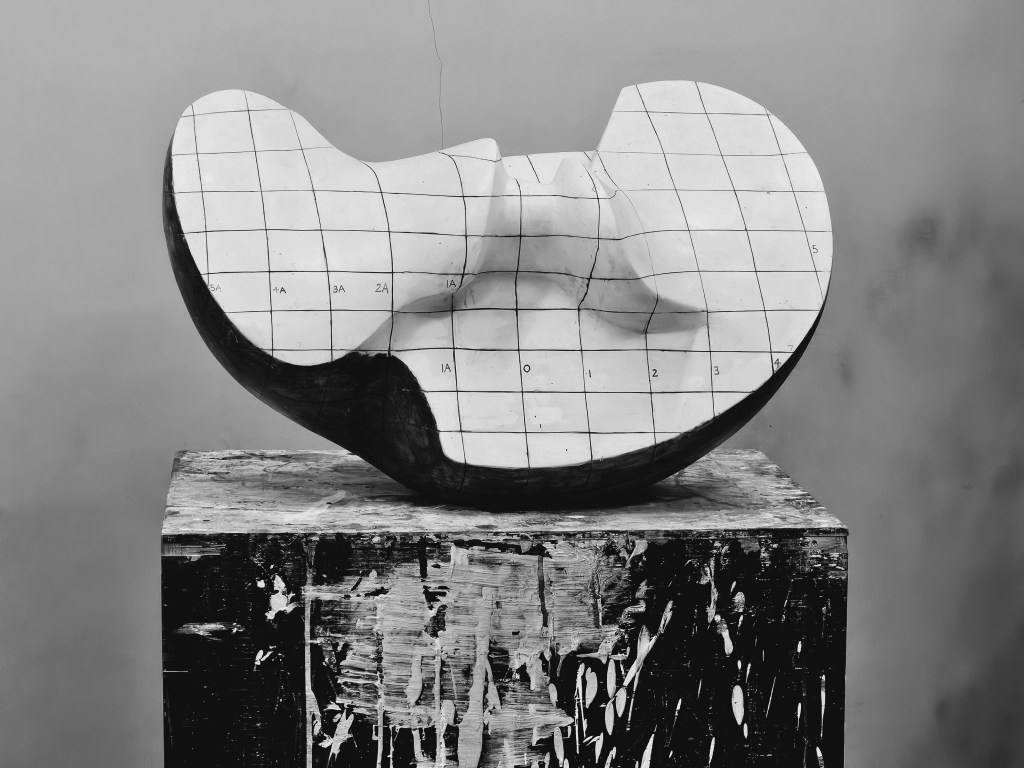
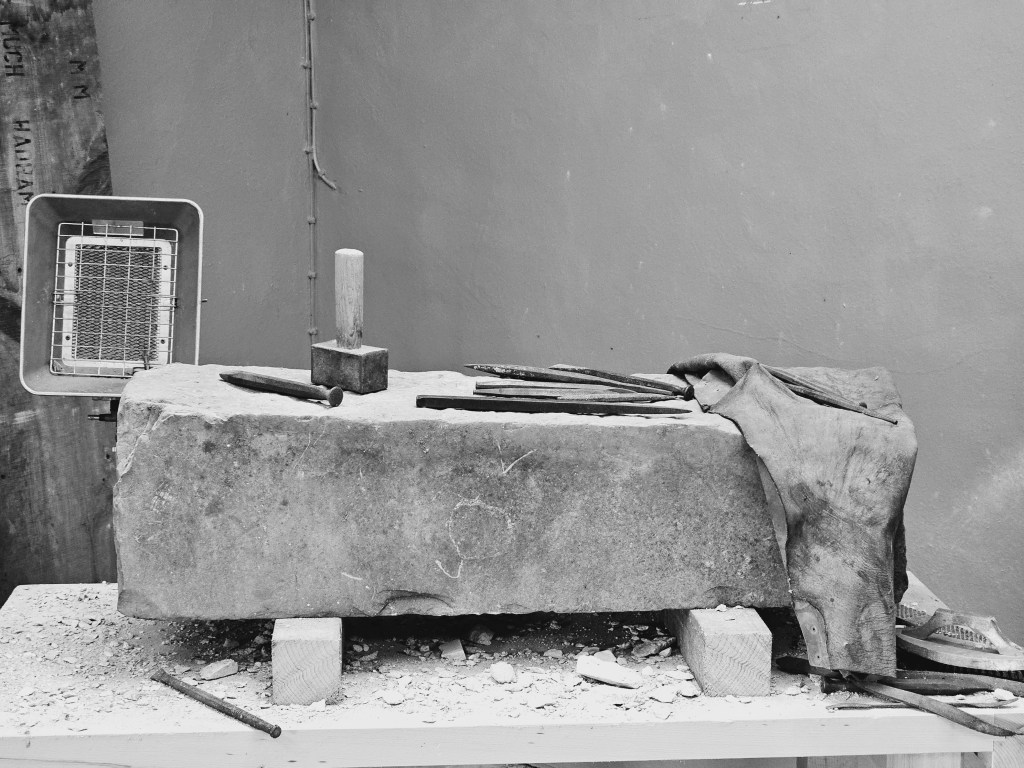
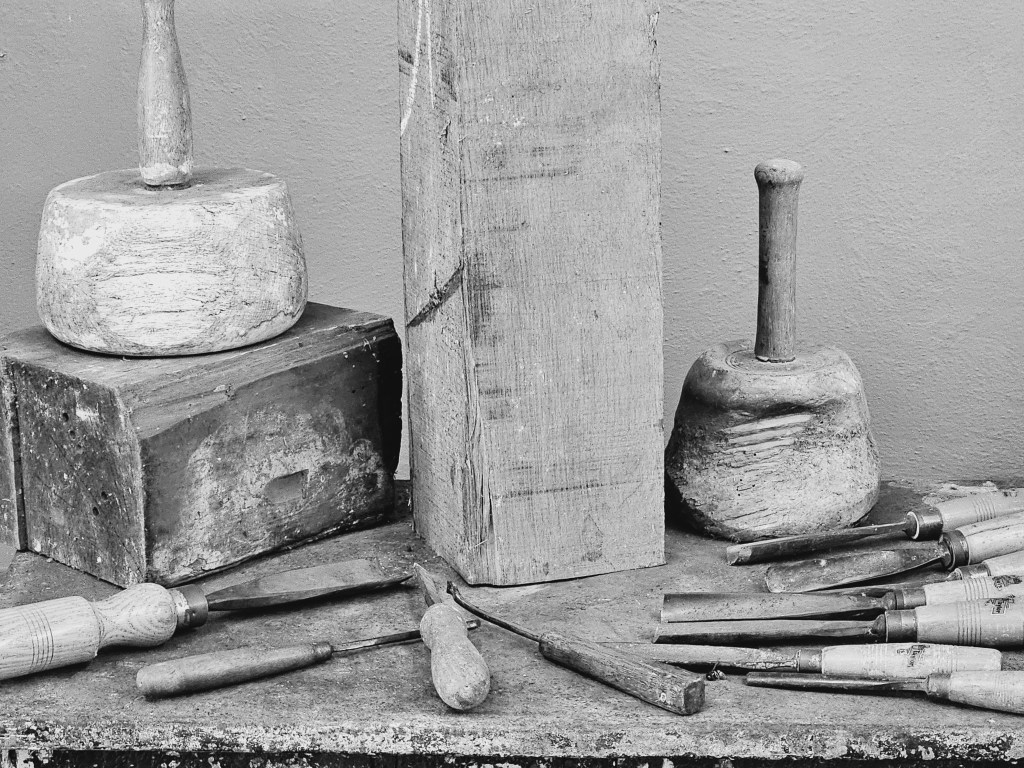
Plastic Studio:-
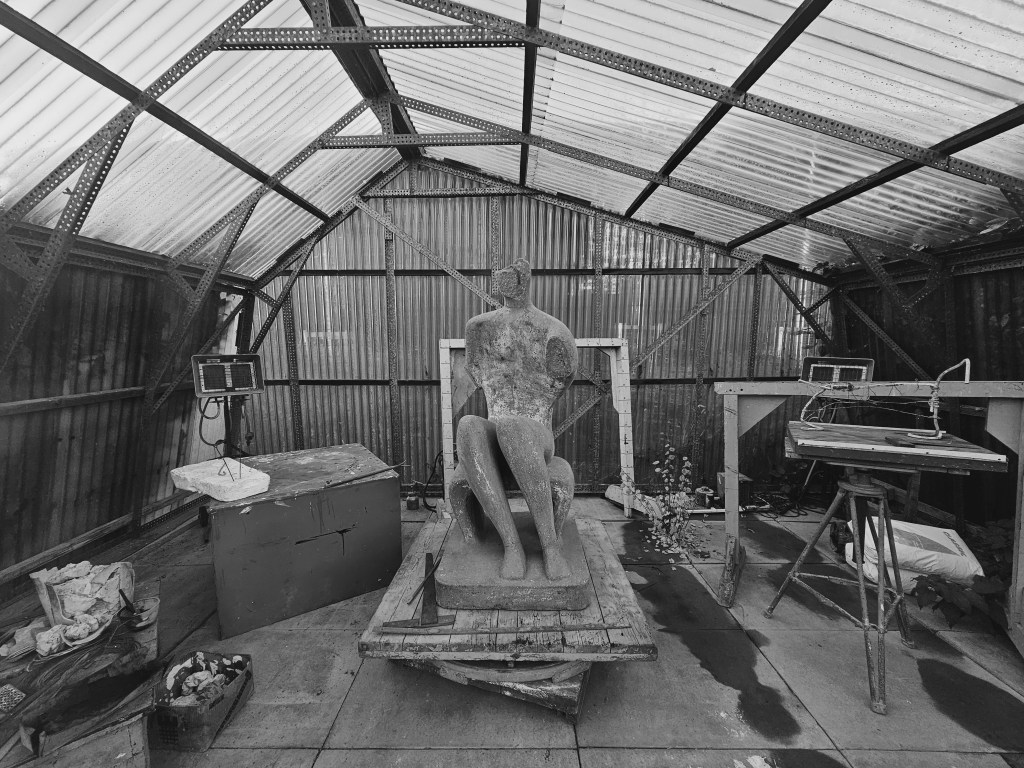
Maquette Studio:-
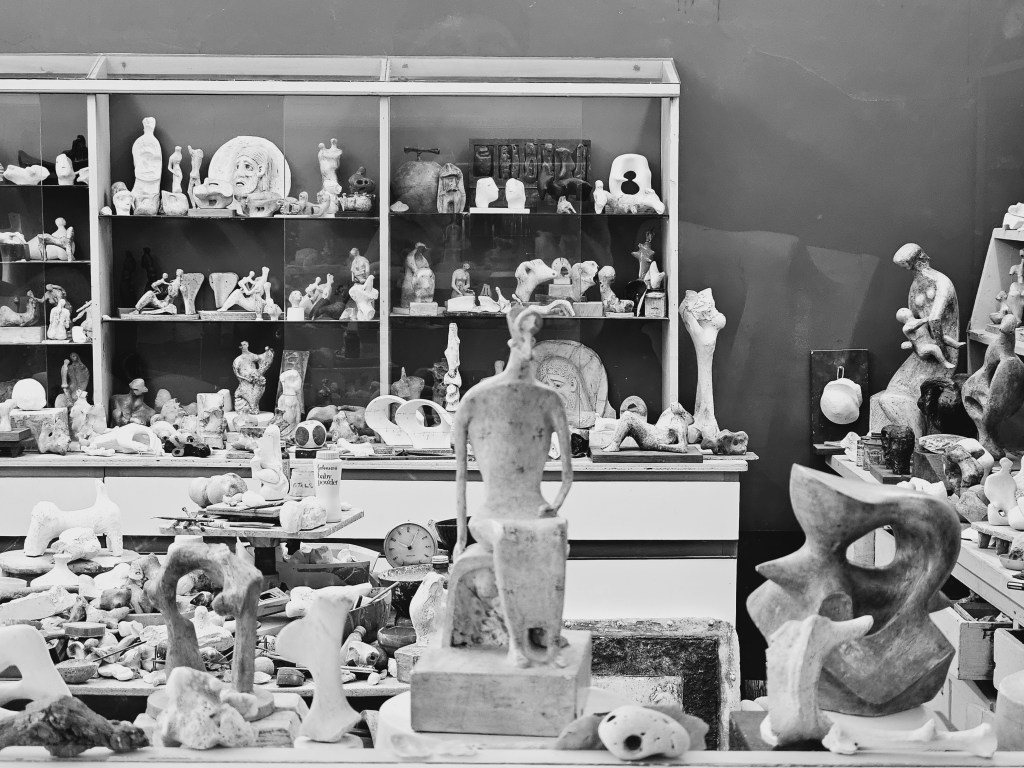
Large Reclining Figure:-
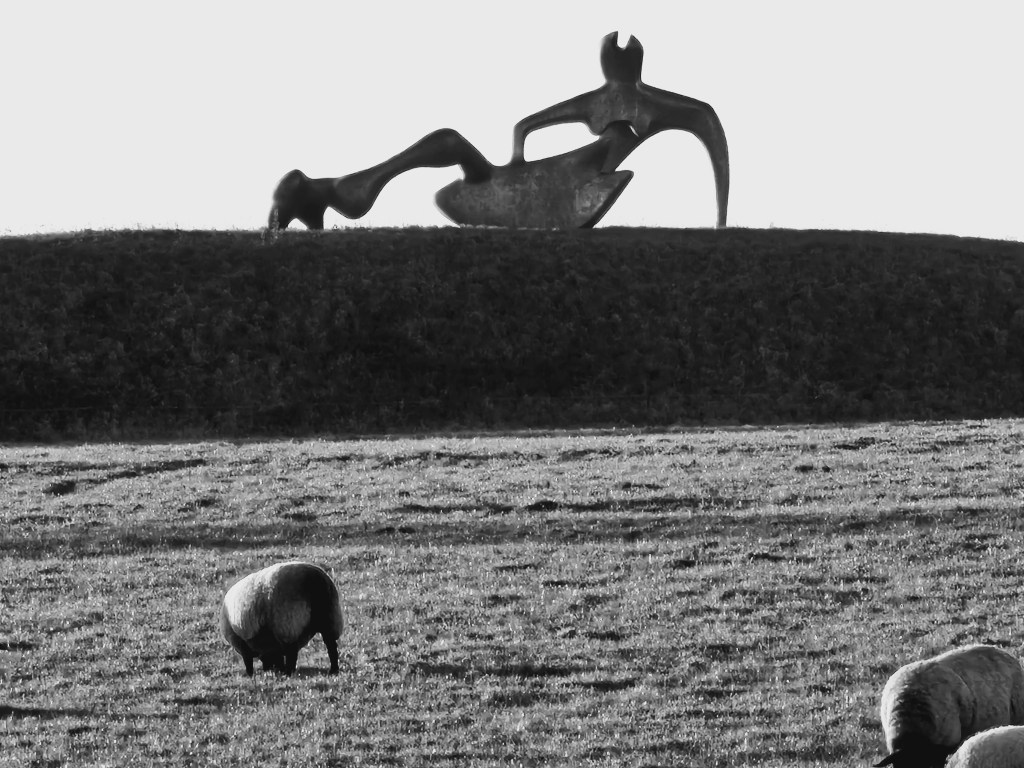
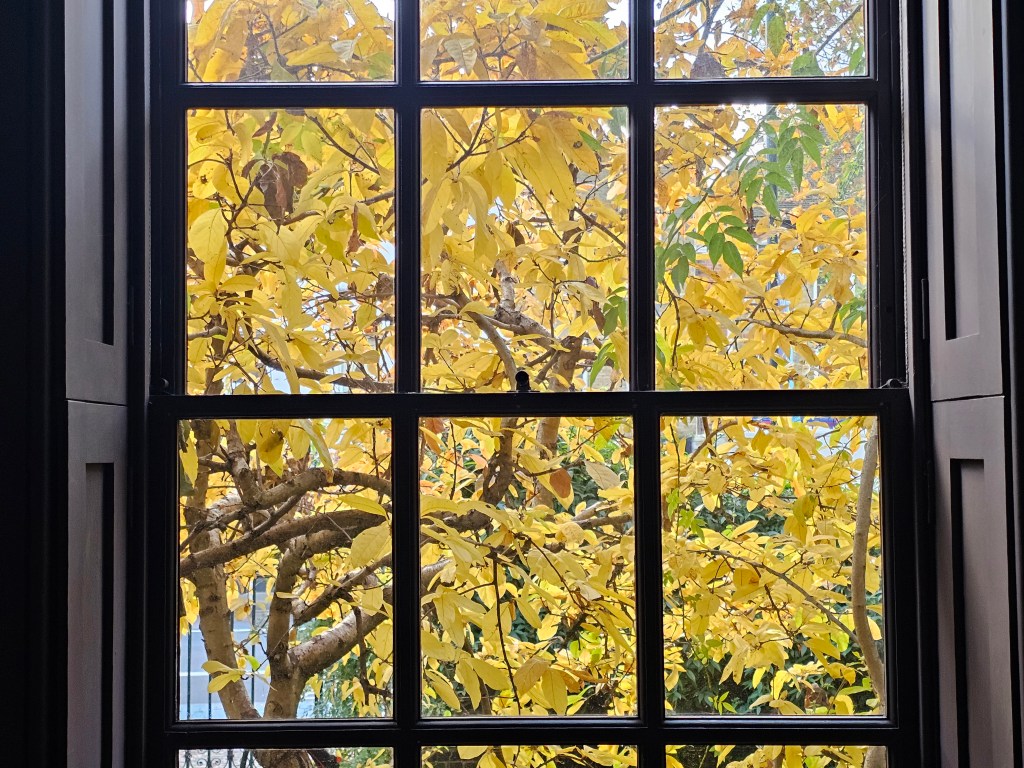
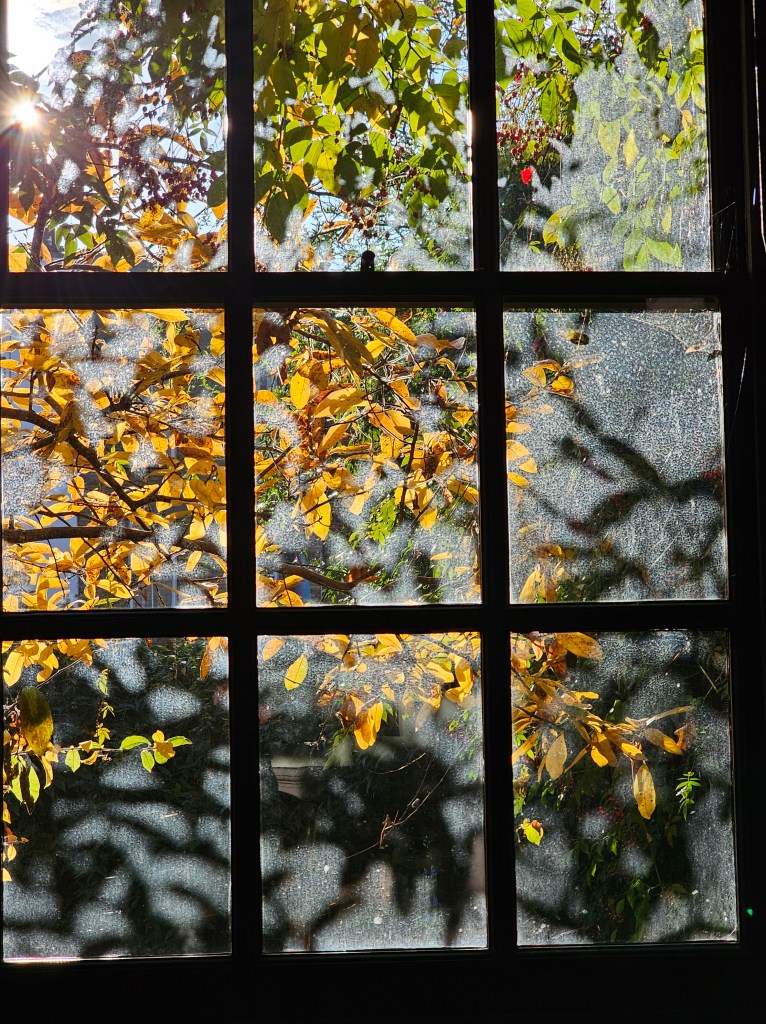
Every so often over the last three weeks, I have taken photographs out of the window of our medlar tree in the blaze of late autumn, now nearly at an end:-
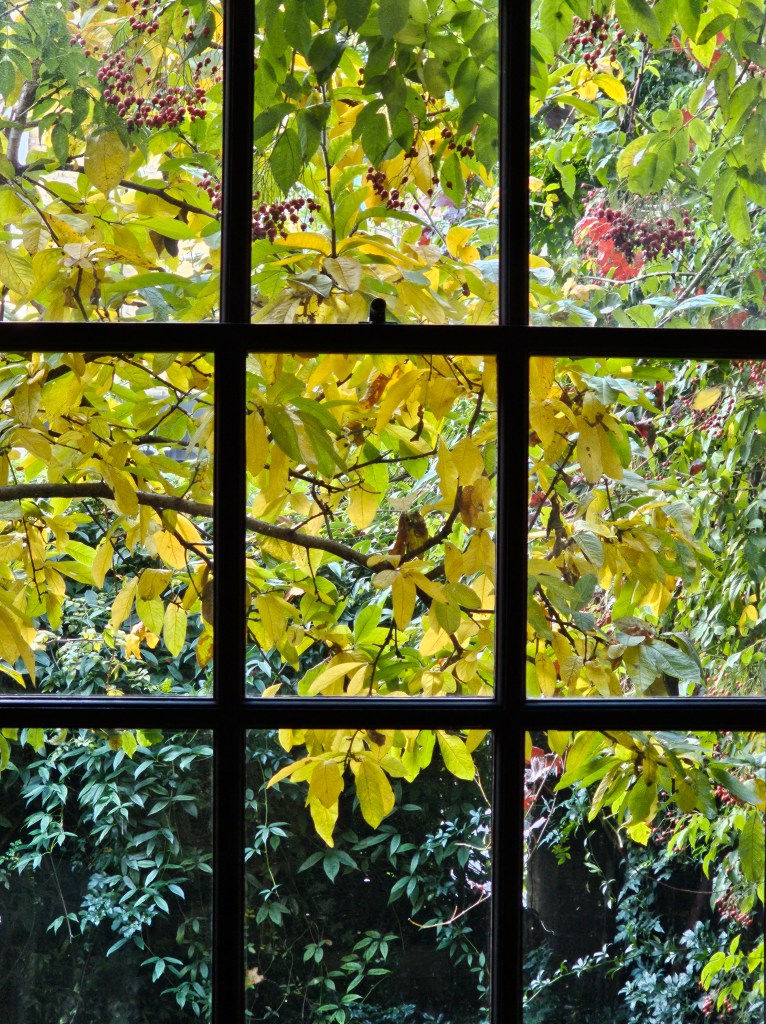
For those interested in learning more about what is planned for St. Anne’s, Limehouse, the current state of the masterplan as drawn up by Thomas Ford and Partners has been published on the Care for St. Anne’s website (https://www.careforstannes.org/restoration), but the point of the consultation yesterday was, as I understood it, to consider the best balance of future use between the church and the community; and how best to raise the sums required to match a potential grant from the National Lottery Heritage Fund.
Following a presentation yesterday by the conservation architects and others on what is planned for the future of St. Anne’s, Limehouse, noble as ever, I spent a bit of time trying to find out what the interiors had looked like in the past and came across the attached photograph which is presumably from the 1880s or 1890s – it is not labelled where it appears in ‘The Londonist’:
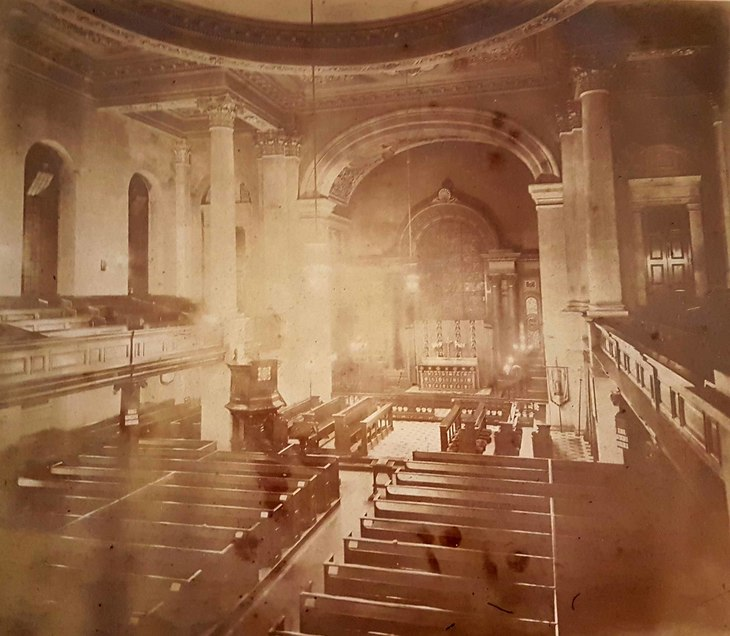
This presumably postdates its restoration in the early 1850s by Philip Hardwick. Maybe it postdates a further restoration in 1891 by Sir Arthur Blomfield, who was a pupil of Hardwick for three years after graduating from Trinity, Cambridge and before setting up in private practice. It shows Blomfield’s pulpit and altar.
The question which hovered over the discussion is whether it should remain in any way an ecclesiastical space or whether, instead, and perhaps more realistically, it becomes a flexible community space. It would be interesting to hear more about the experience of St. George’s, Bloomsbury which underwent a radical restoration in 2008 under the auspices of the World Monuments Fund.
I was walking across Bedford Square when I happened to notice the posters advertising an exhibition about the work of M.J. Long. I recommend it – small, but very well displayed, centring around the doll’s house she designed for her daughter and including recordings from National Life Stories.

 | Charles | Saumarez | Smith |
You must be logged in to post a comment.