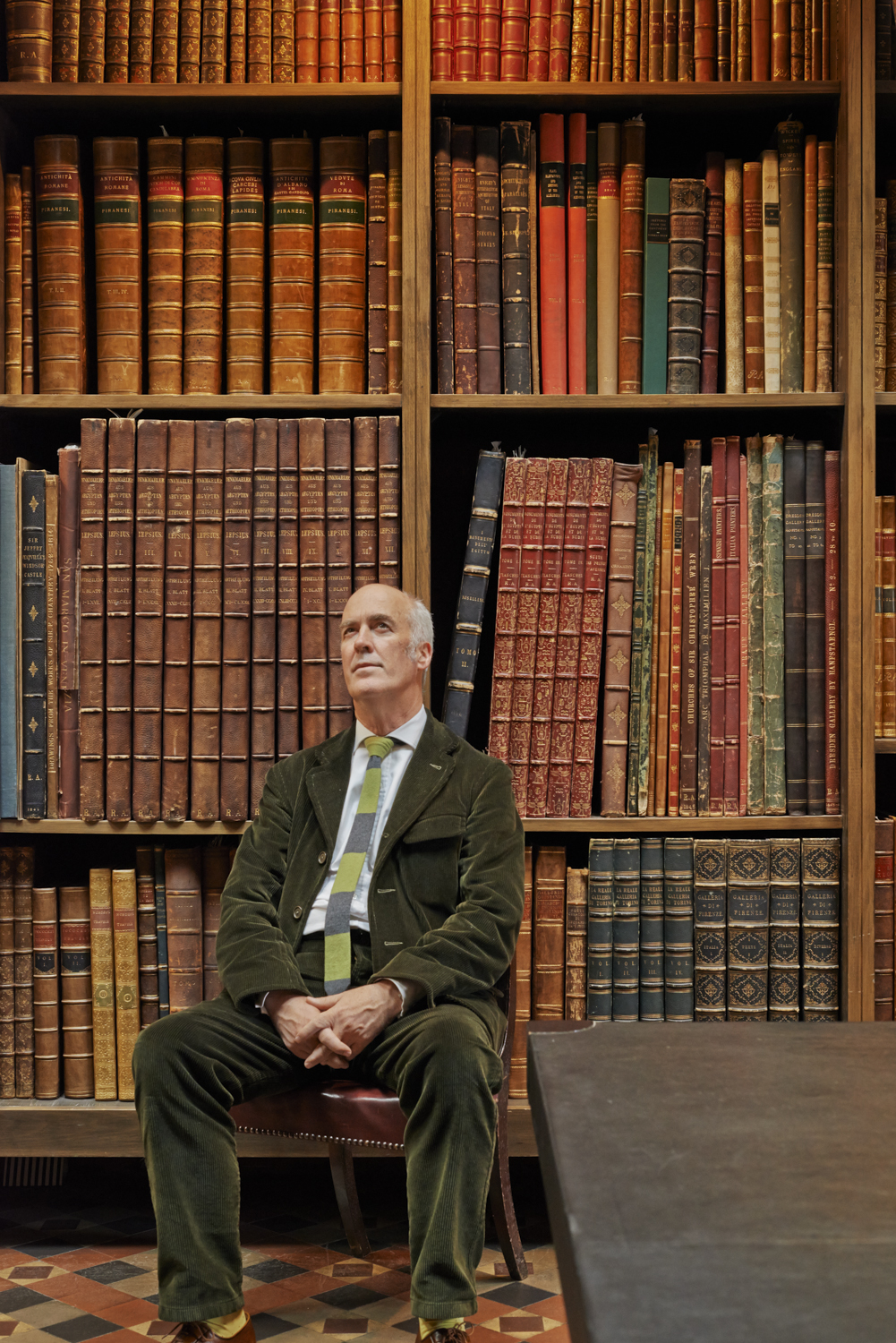
A new linen suit arrived in the post, just in time for the next heat wave. The packaging commemorates the fact that this year is the thirtieth anniversary of Old Town Clothing, the sustainable clothes shop in Holt, Norfolk, where you just ring up and another excellent piece of clothing arrives – not cheap, but they last forever. I still have, and wear, the clothes I bought soon after they opened in a shop in the old town of Norwich before moving out to Holt. They do no advertising. It’s just word-of-mouth (www.old-town.co.uk). After thirty years of pleasure in what they make, I salute them !
Category Archives: Uncategorized
Momentarium
We went to hear Christopher Le Brun talk about his recent work done during lockdown and currently on display in the beautiful spaces at Lisson Gallery: perhaps darker and more meditative than his recent work; in the case of the impressive big picture, The Waves, an assembly of panels like an abstract version of a polyptych – purely abstract and apparently based on musical intervals.
He spoke of the long tradition of English painting, stretching back to Turner and Constable, but I was wondering how it related to the teaching at the Slade in the late 60s/early 70s: Patrick George and Euan Uglow against American abstraction and Tess Jaray.
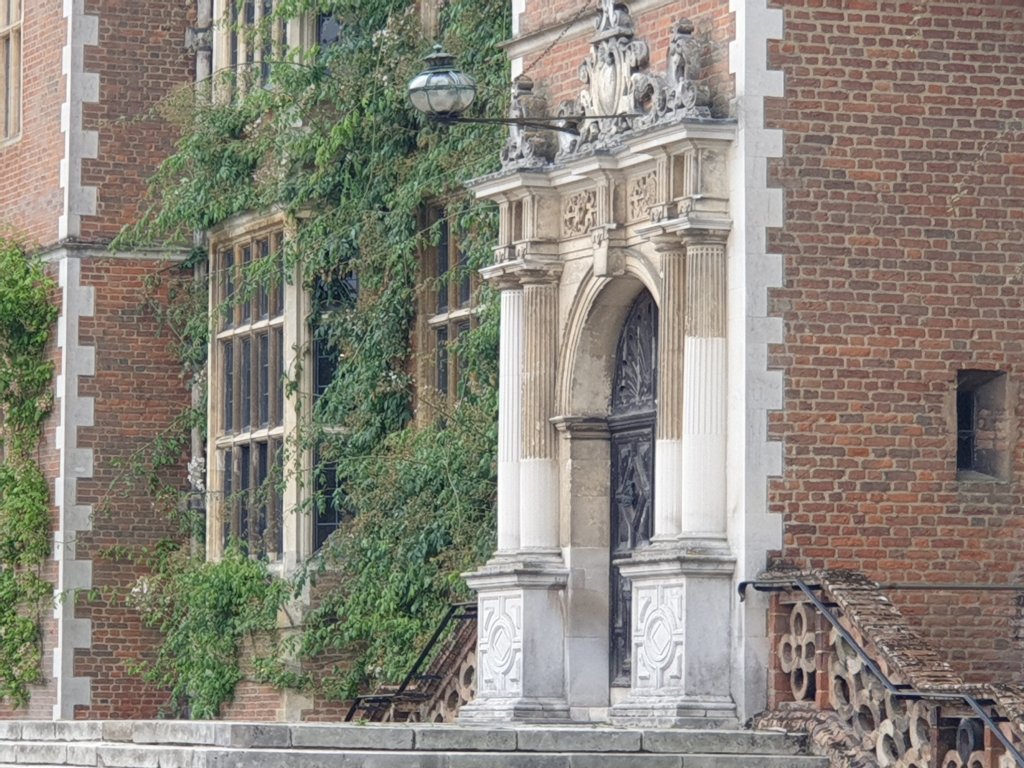
Hatfield House
Off to Hatfield. Quite a treat. Not just the powerful sense of dynastic history, but the quality of the paintings, library, manuscripts and, which I’d forgotten, the Jacobean woodcarving in nearly every room.
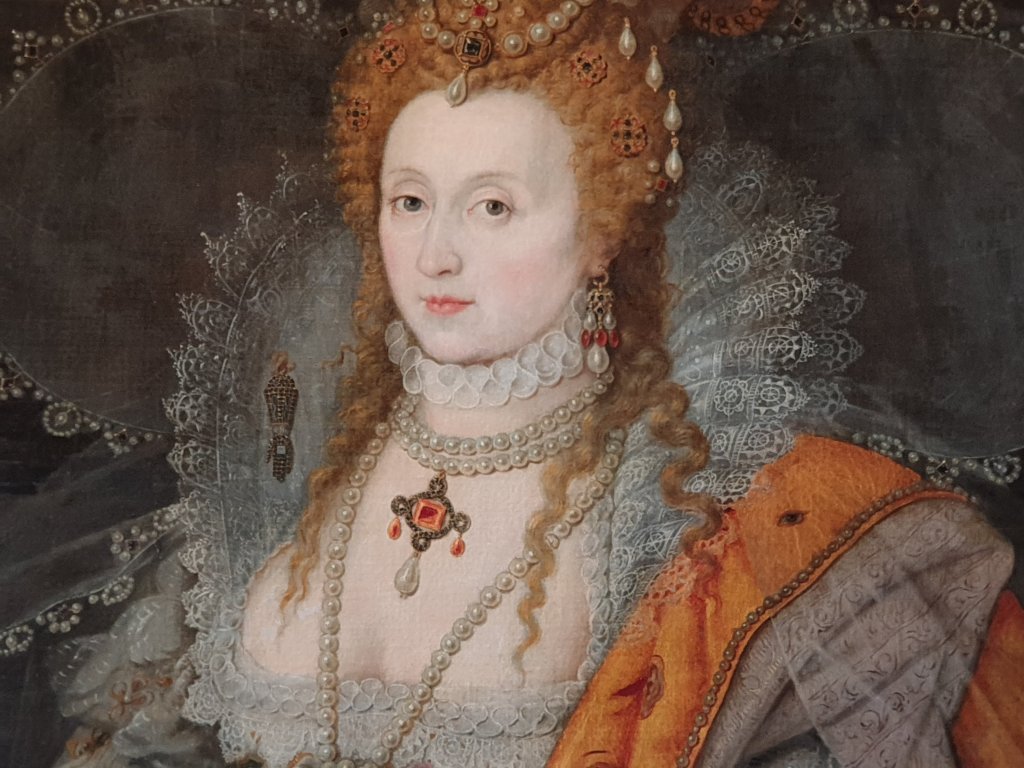
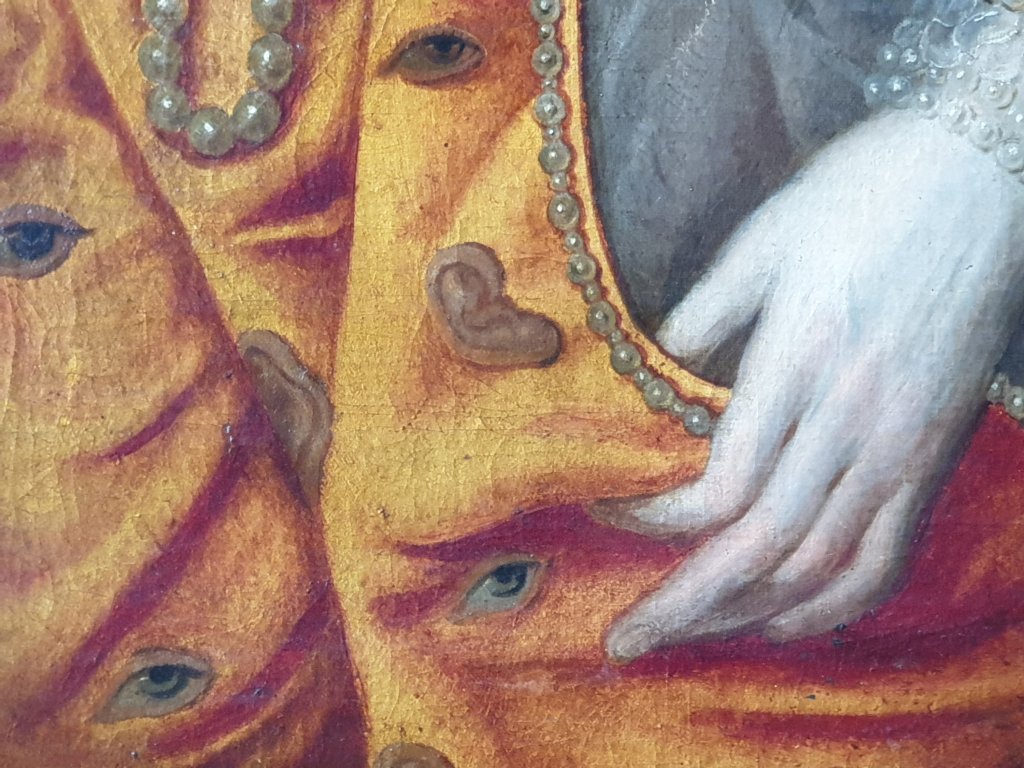
I will start with the Rainbow portrait in the Marble Hall, partly because I have been reading about Roy Strong’s first encounter with portraits of the Queen, the subject of his first book (1963):-
Upstairs in the King James Drawing Room is the Ermine Portrait, attributed to Hilliard:-
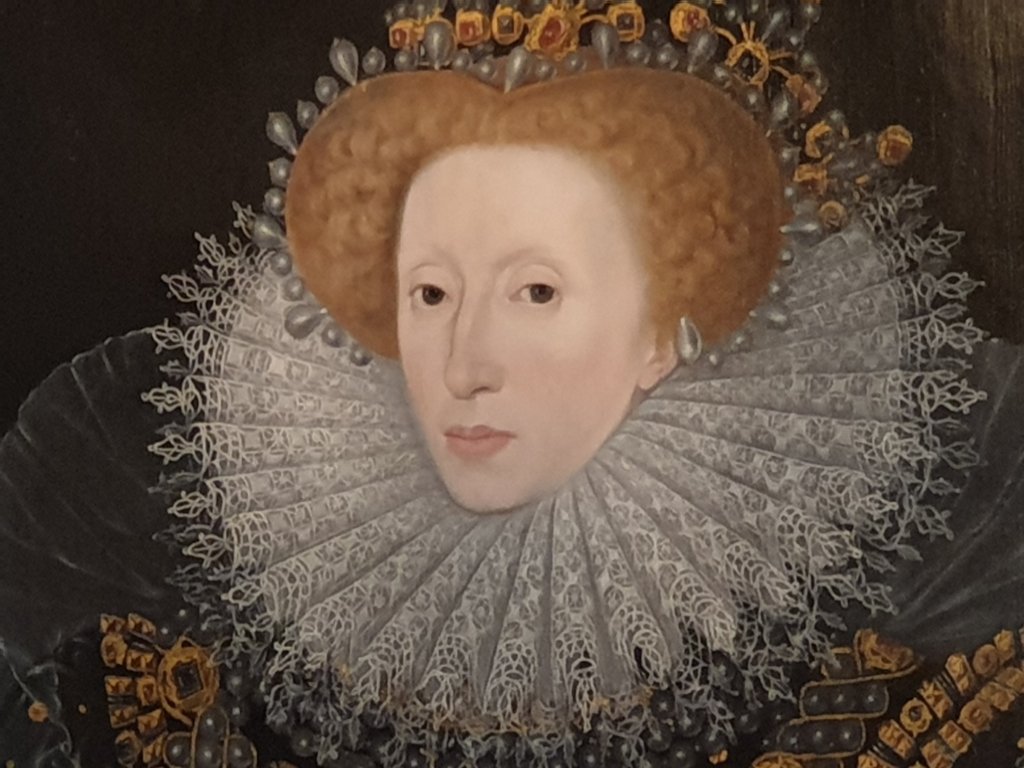
The wood carving in the Marble Hall is apparently by John Bucke, but of widely different quality and character:-
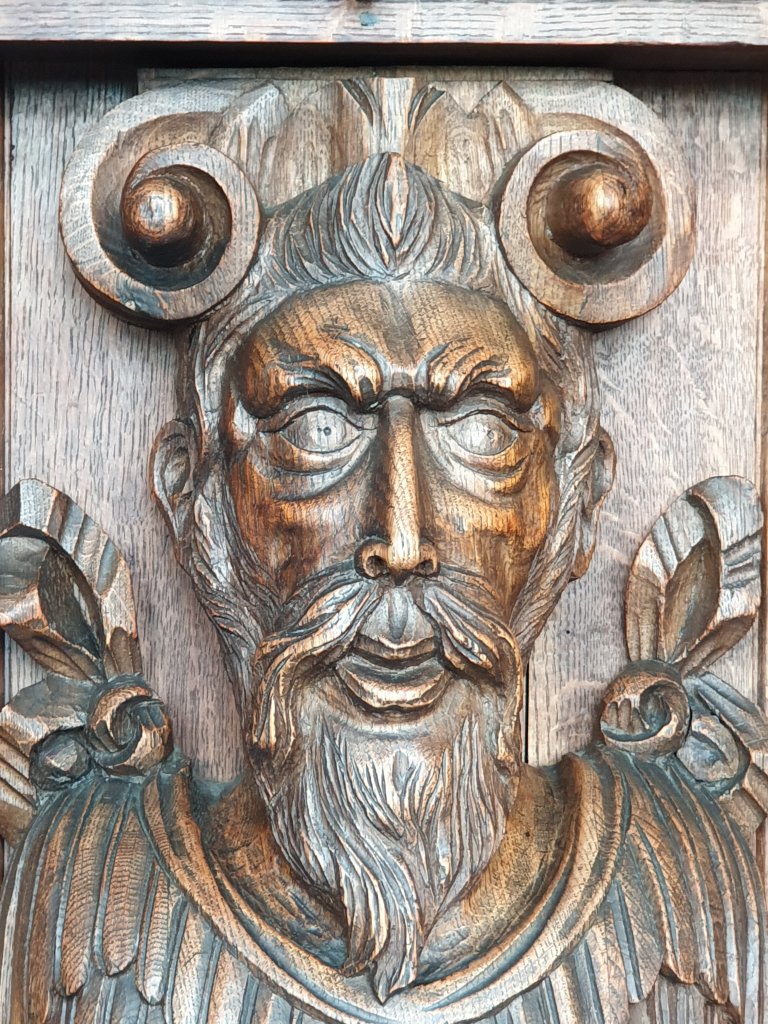
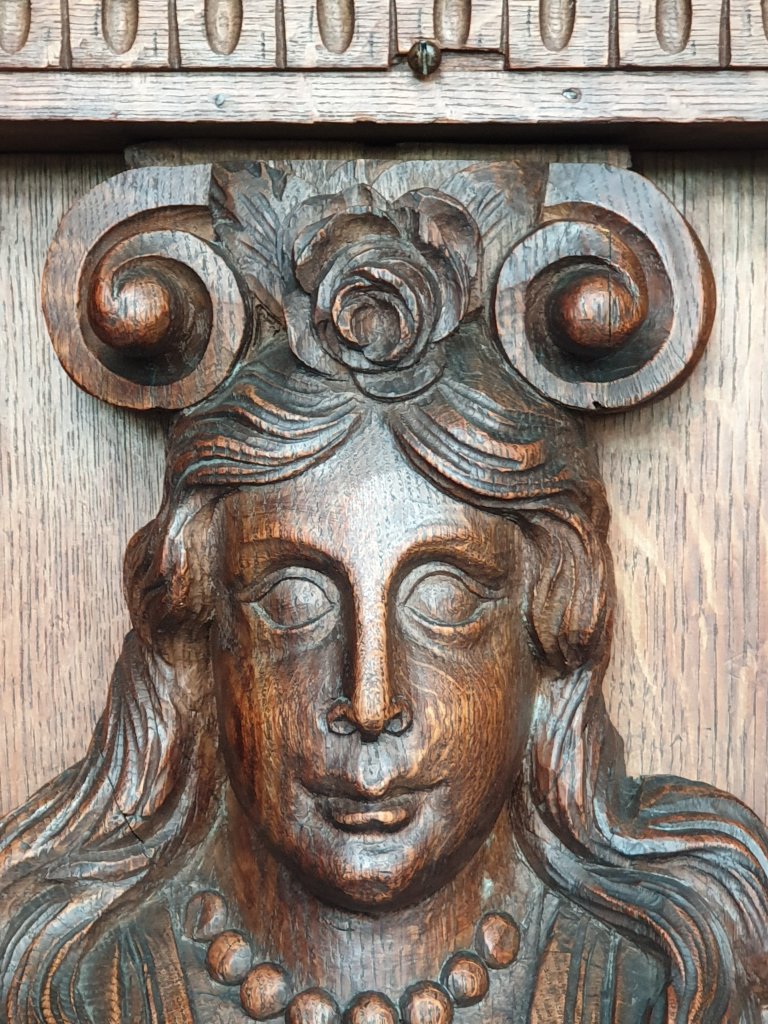
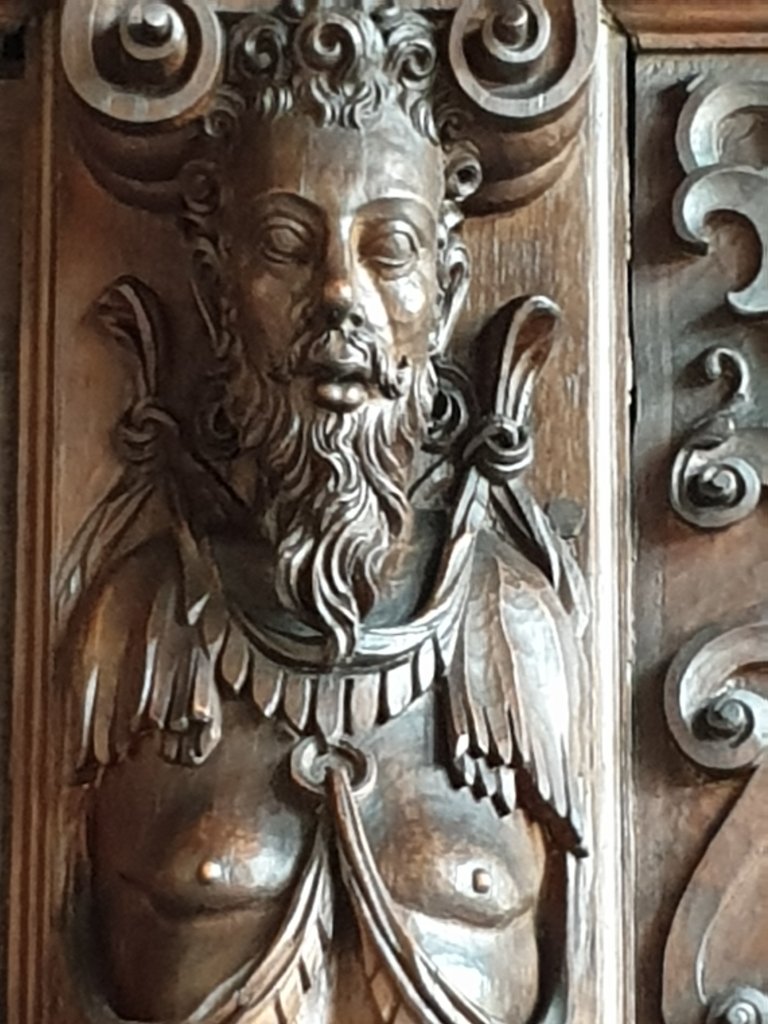
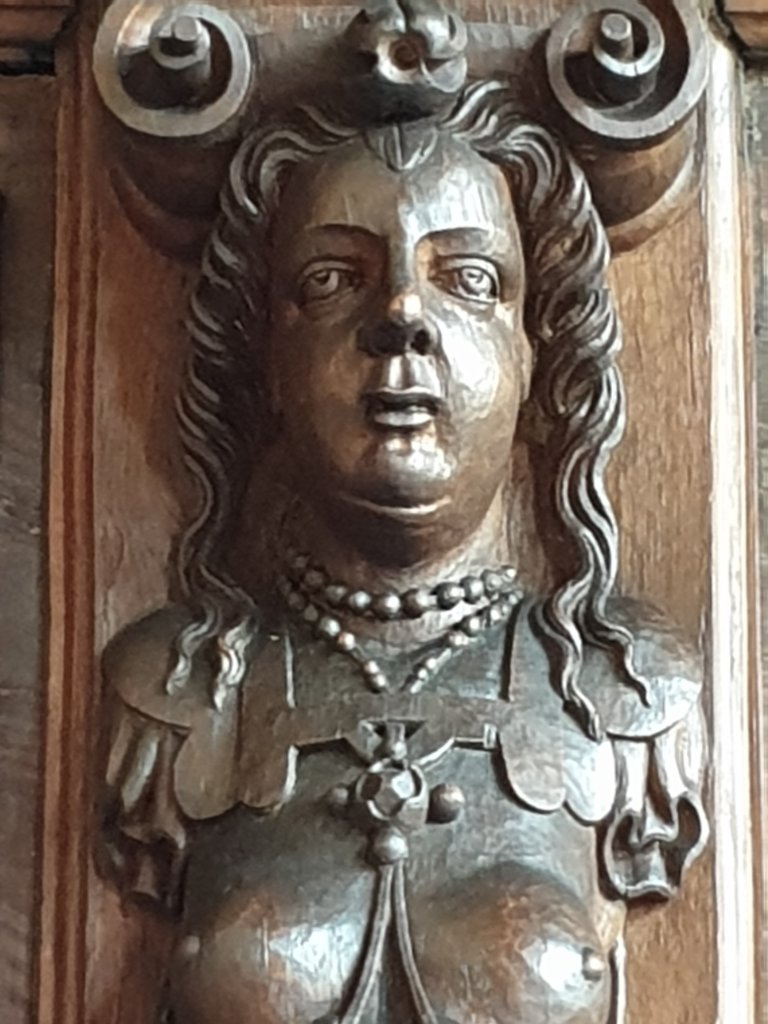
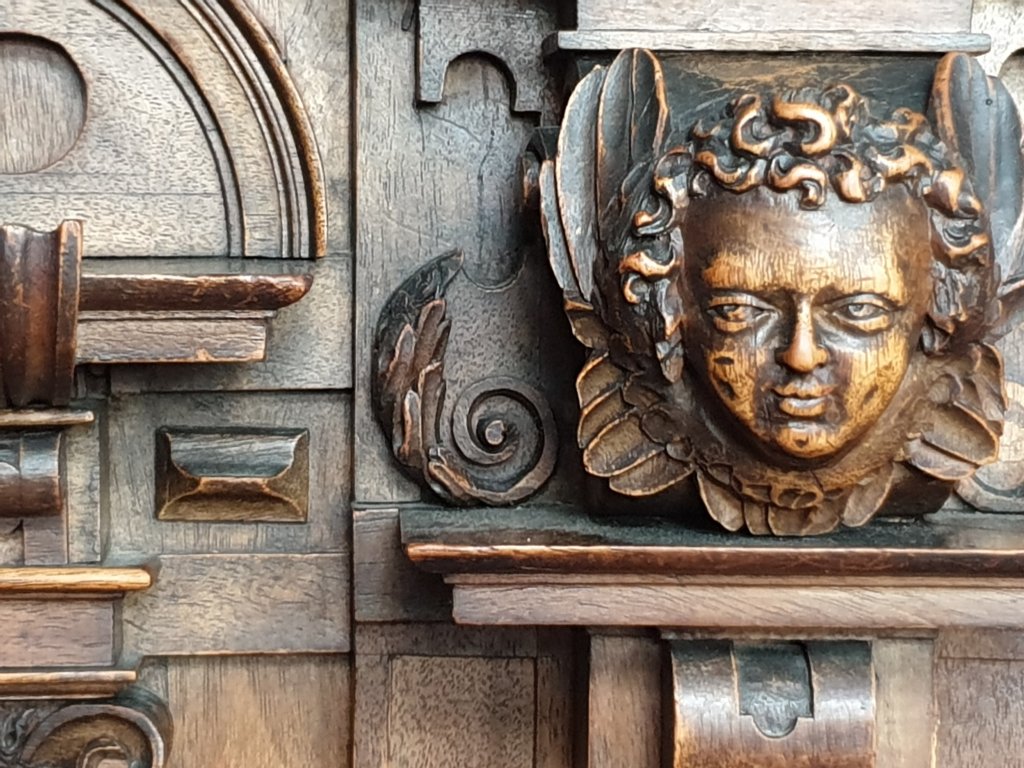
Then, there is good wood carving on the Grand Staircase:-
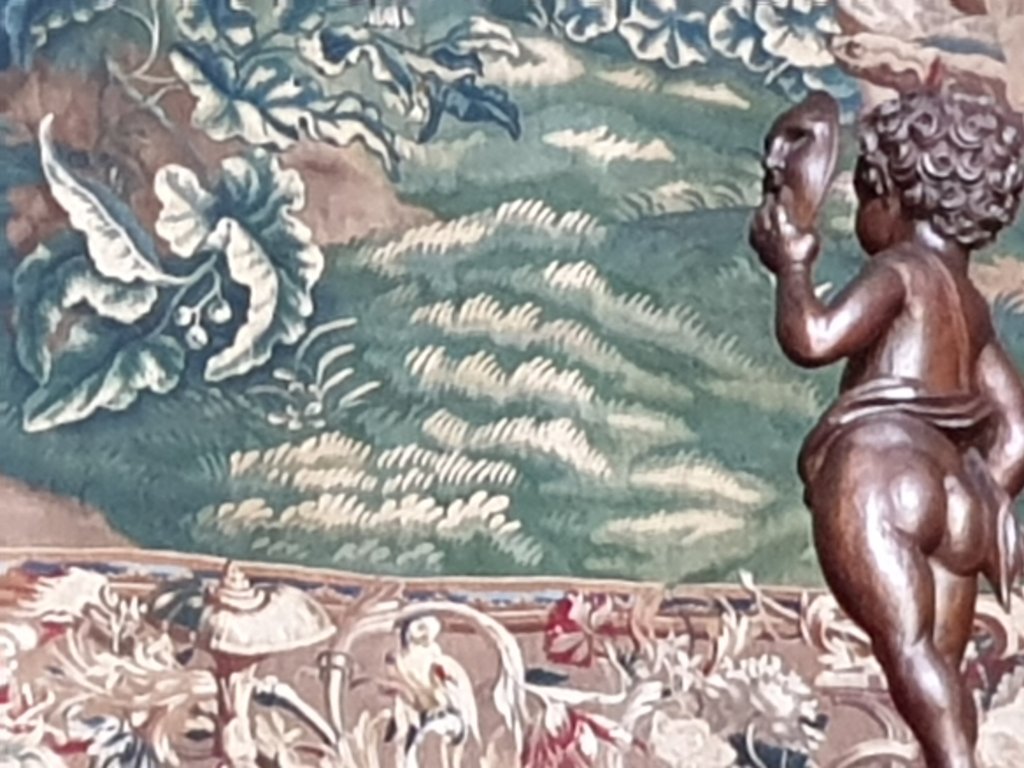
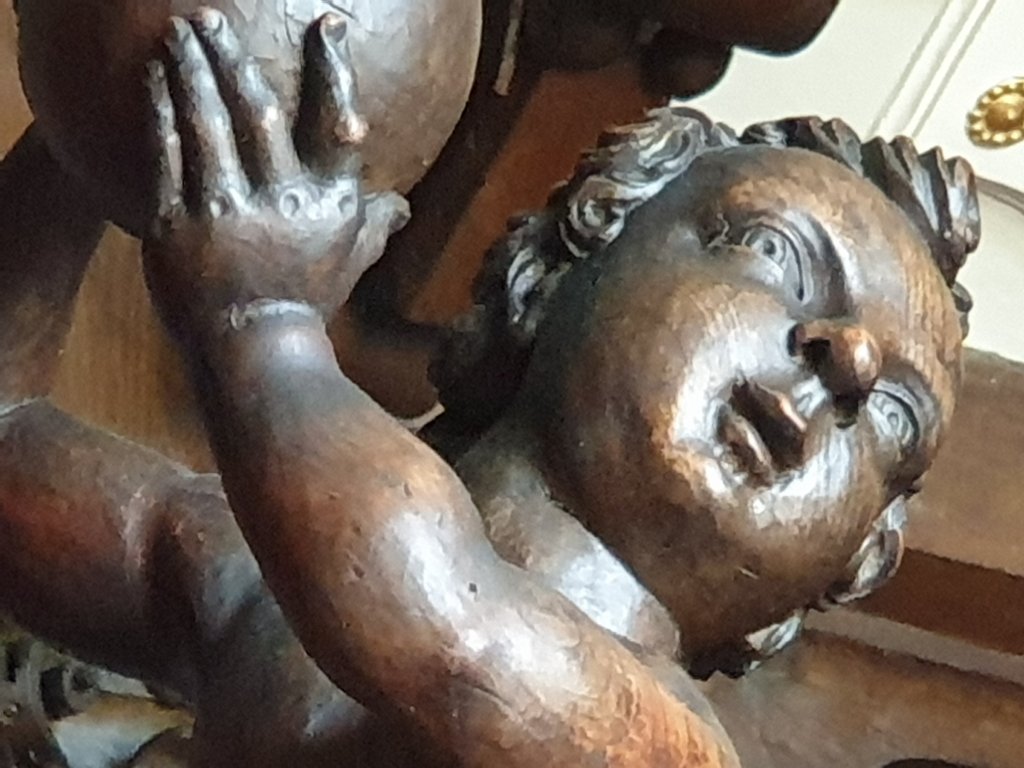
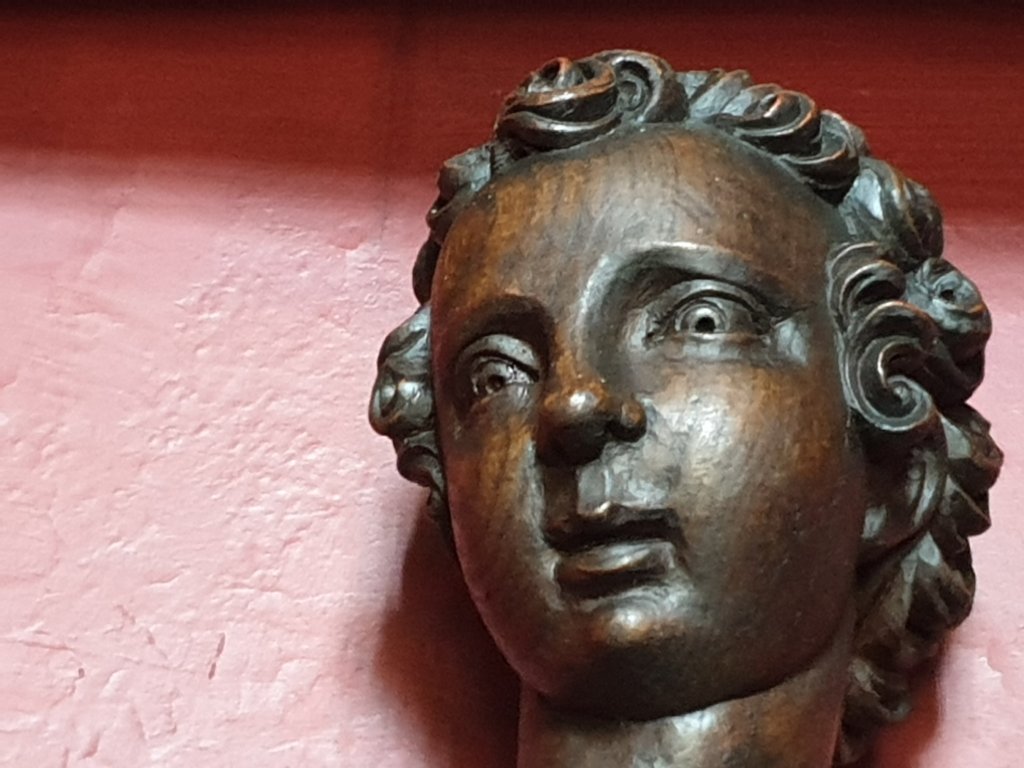
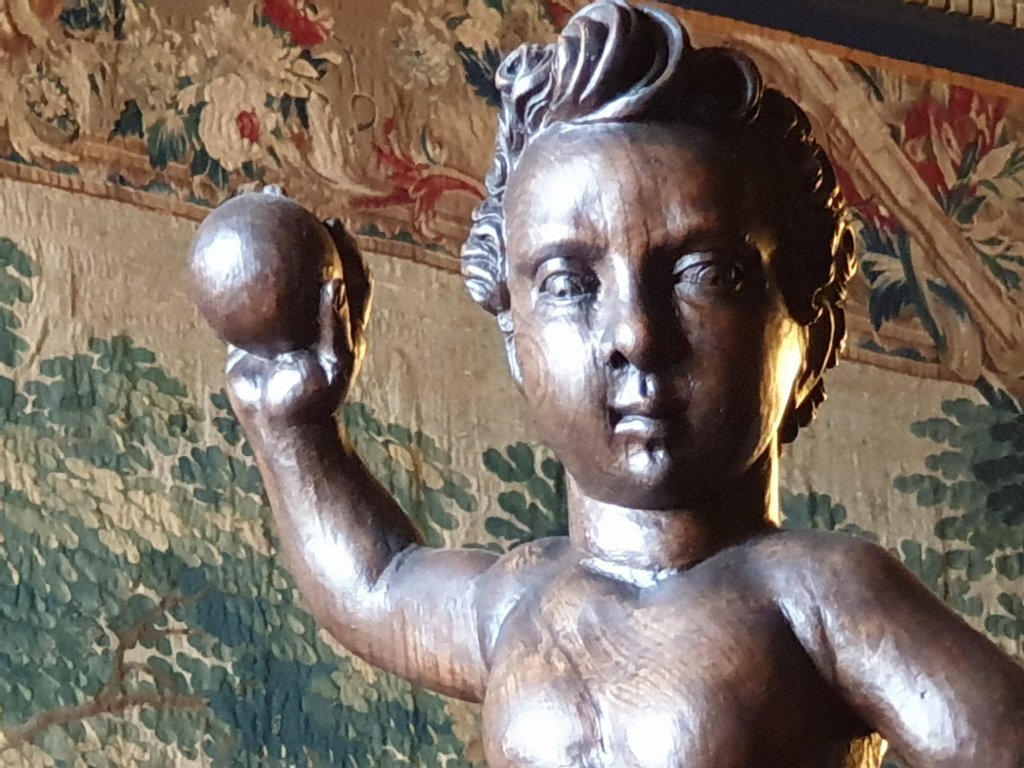
The rest of what I photographed is more miscellaneous – just things which randomly caught my eye:-
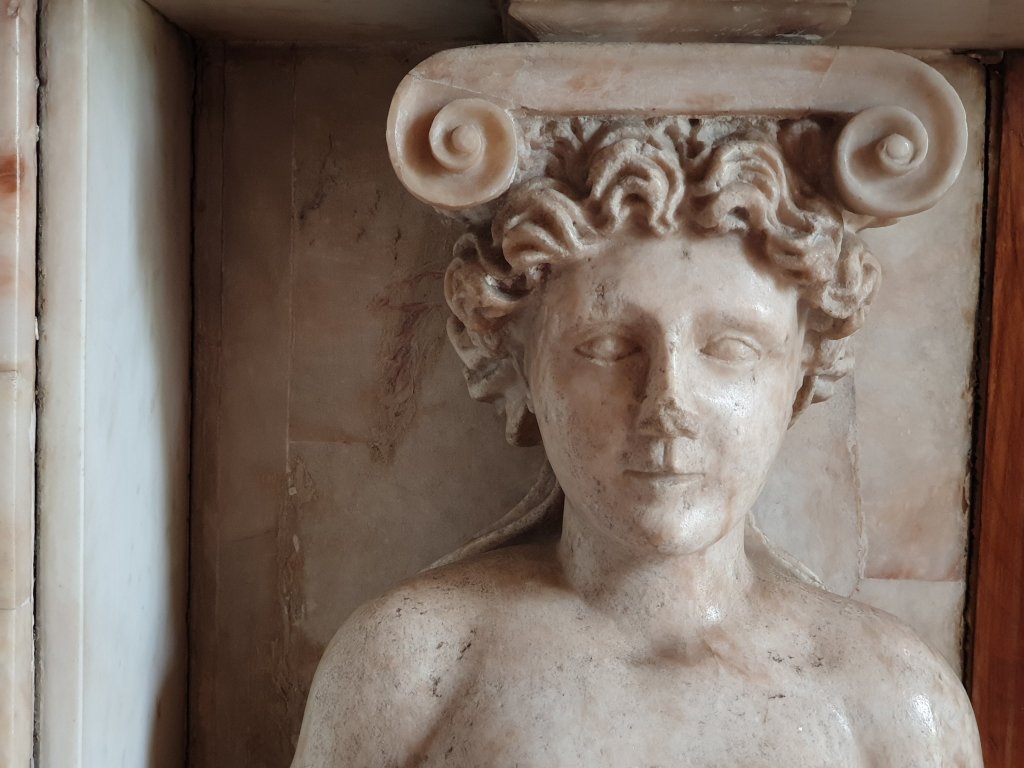
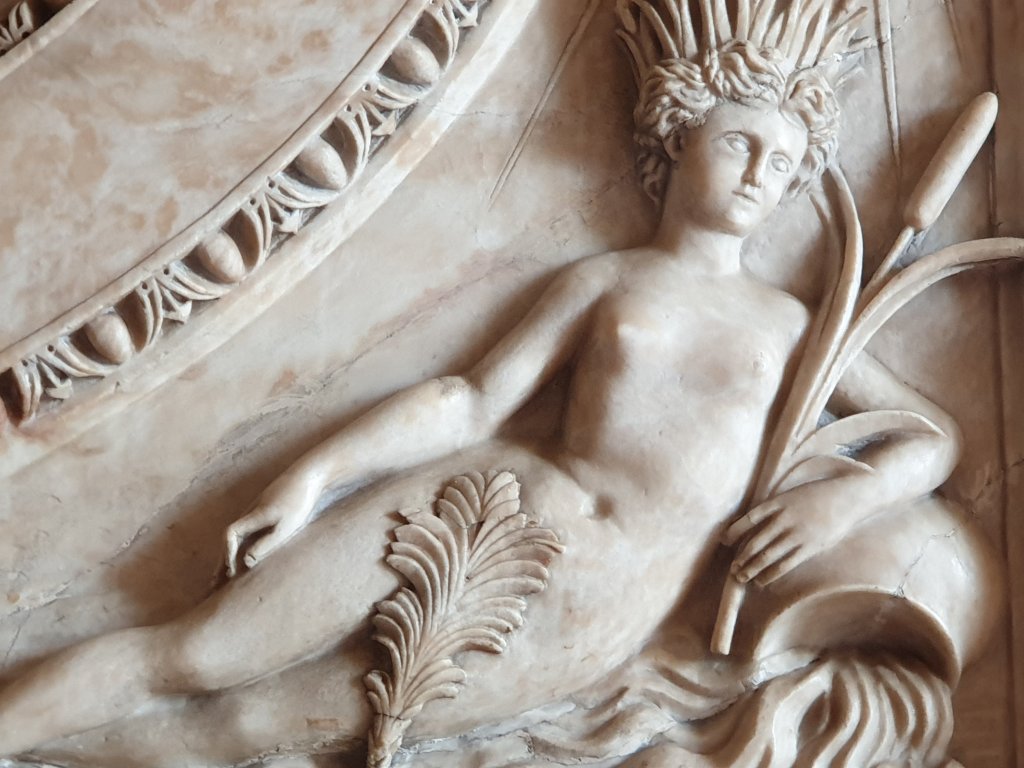
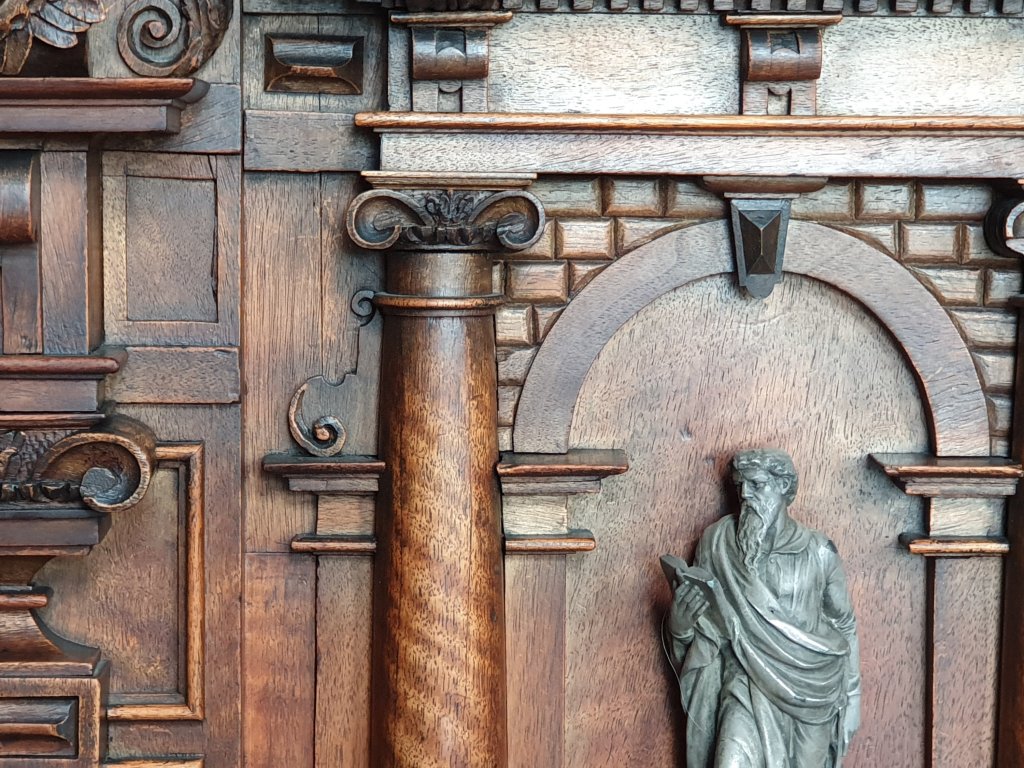
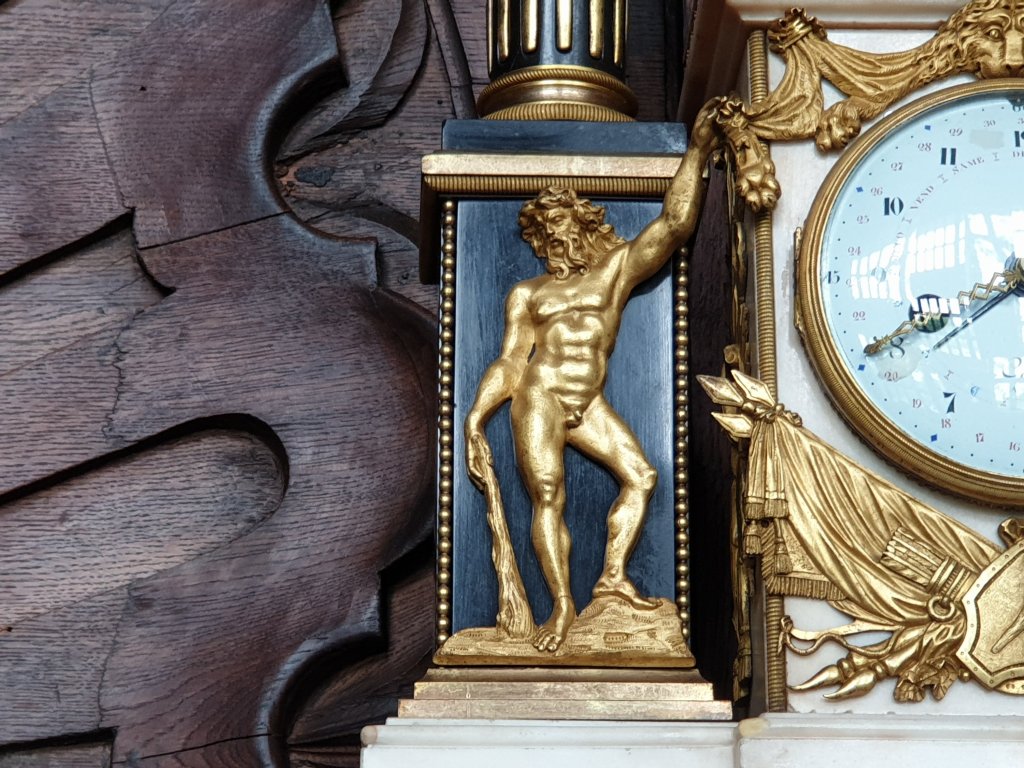
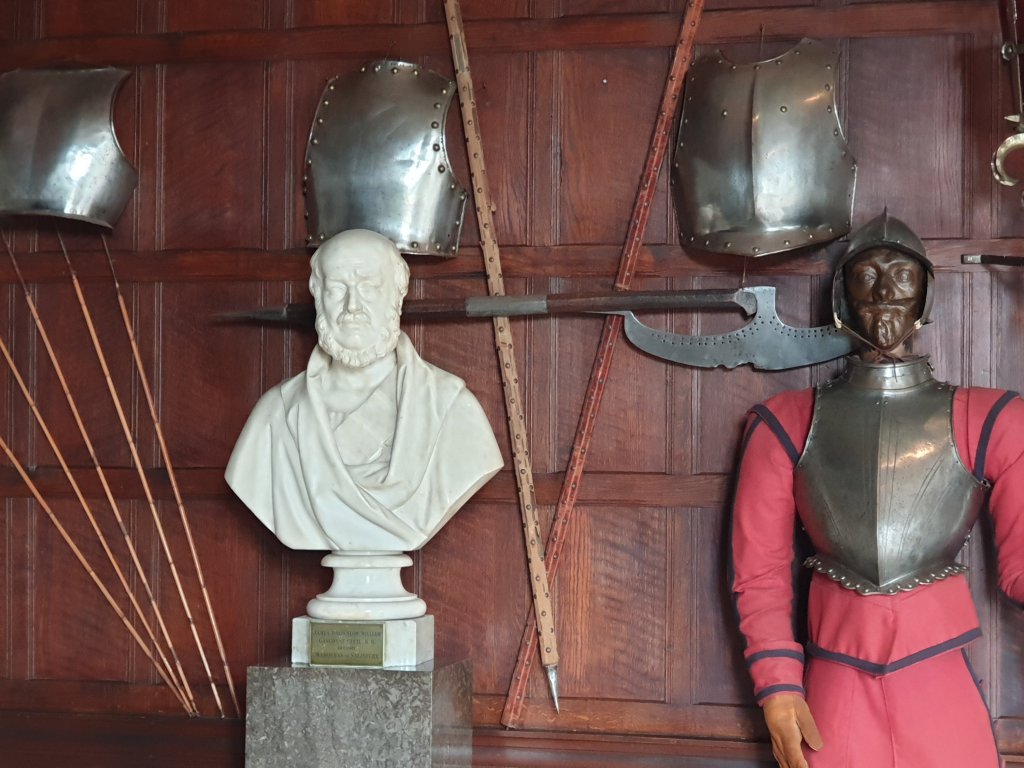
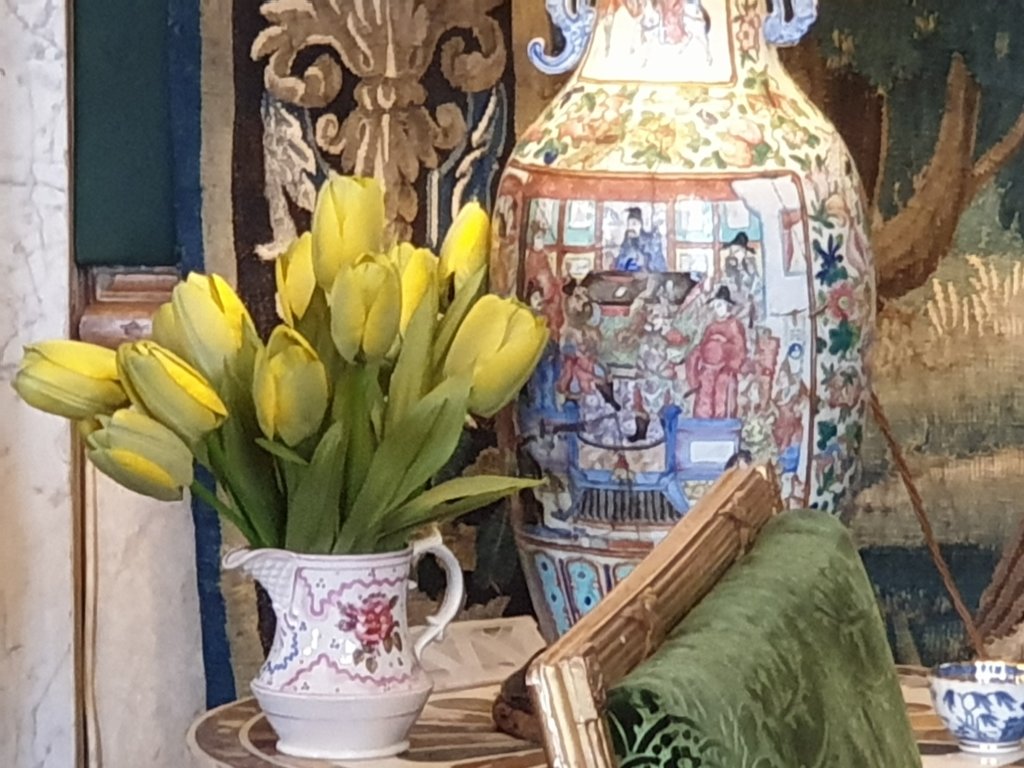
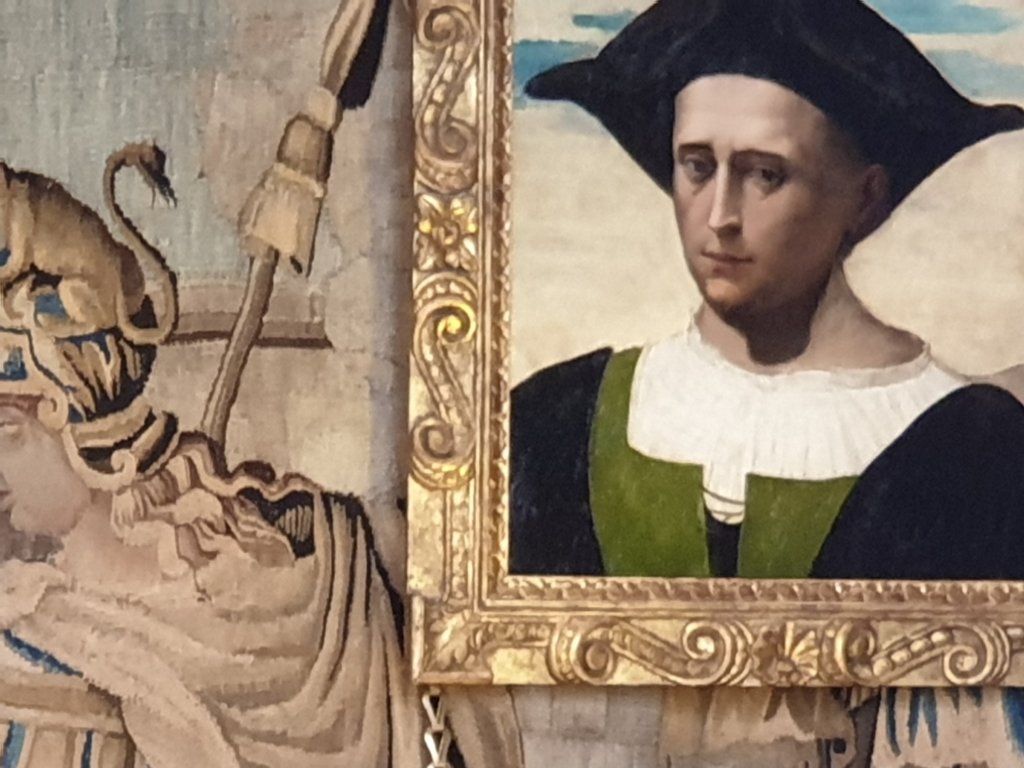
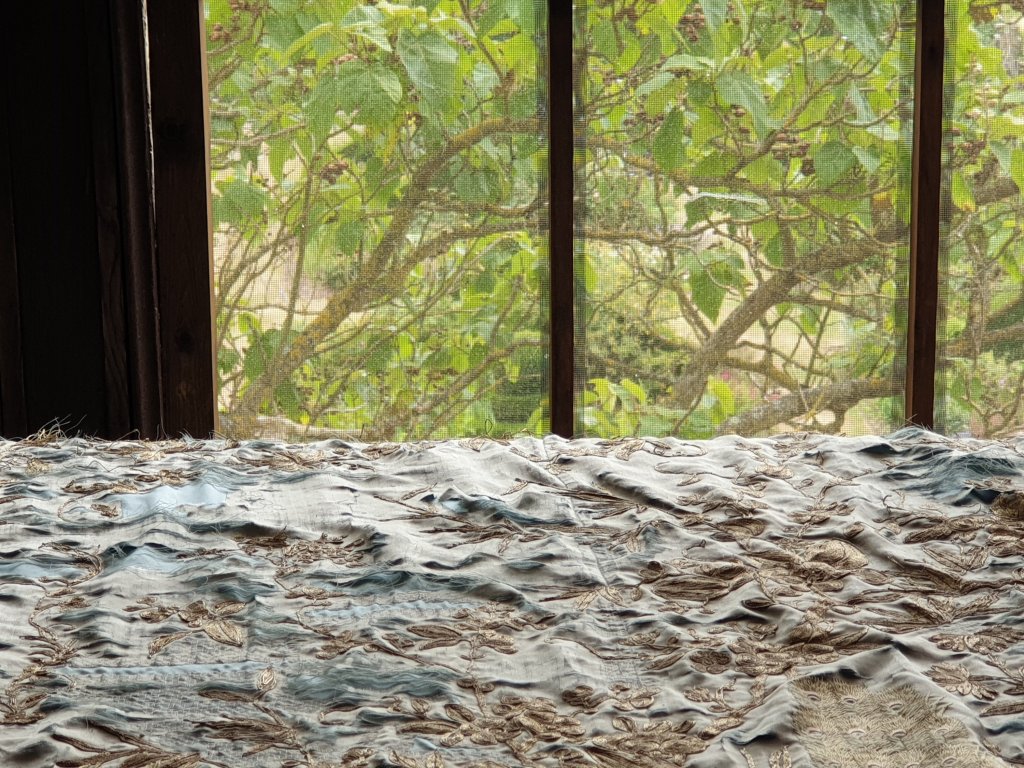
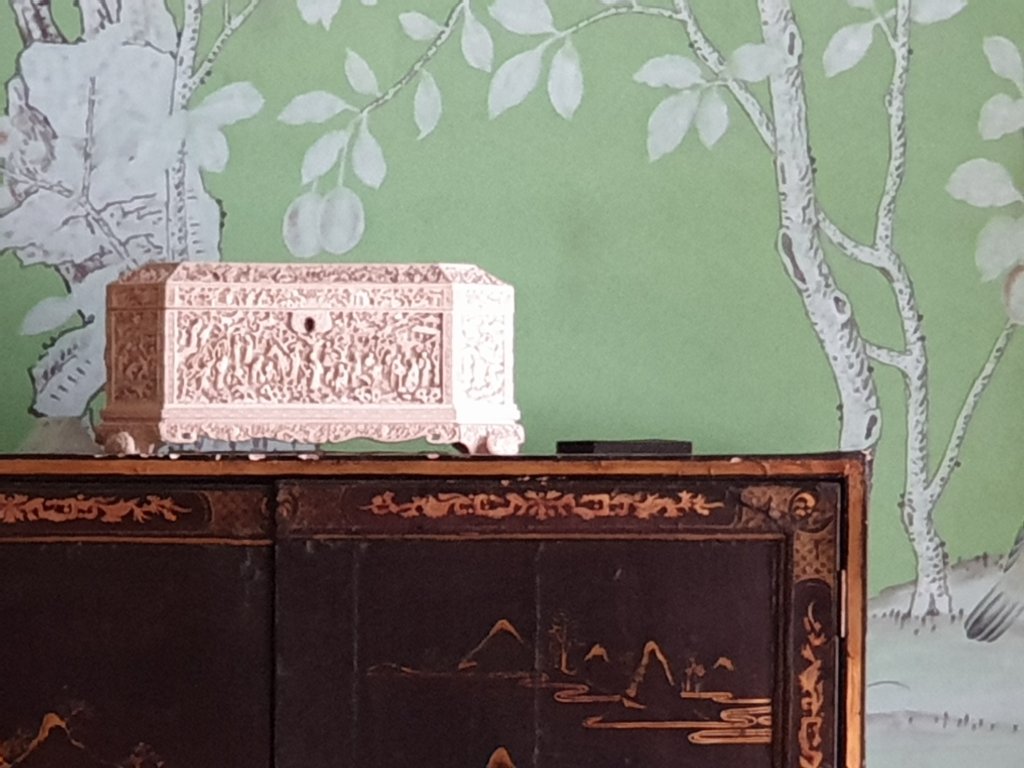
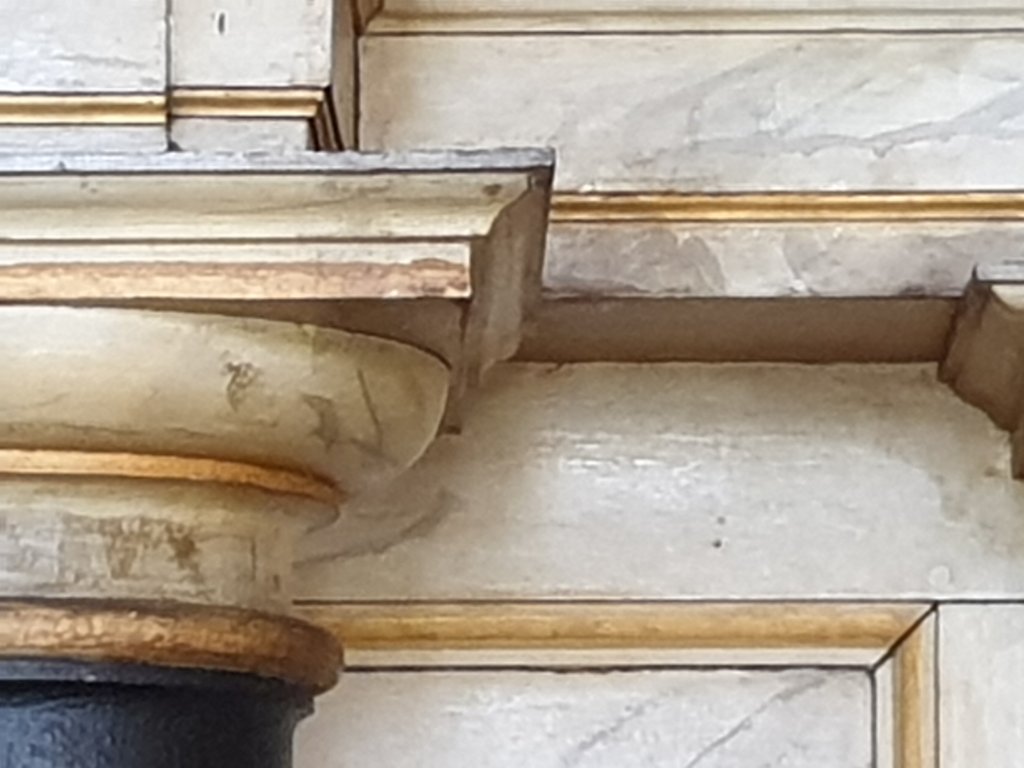

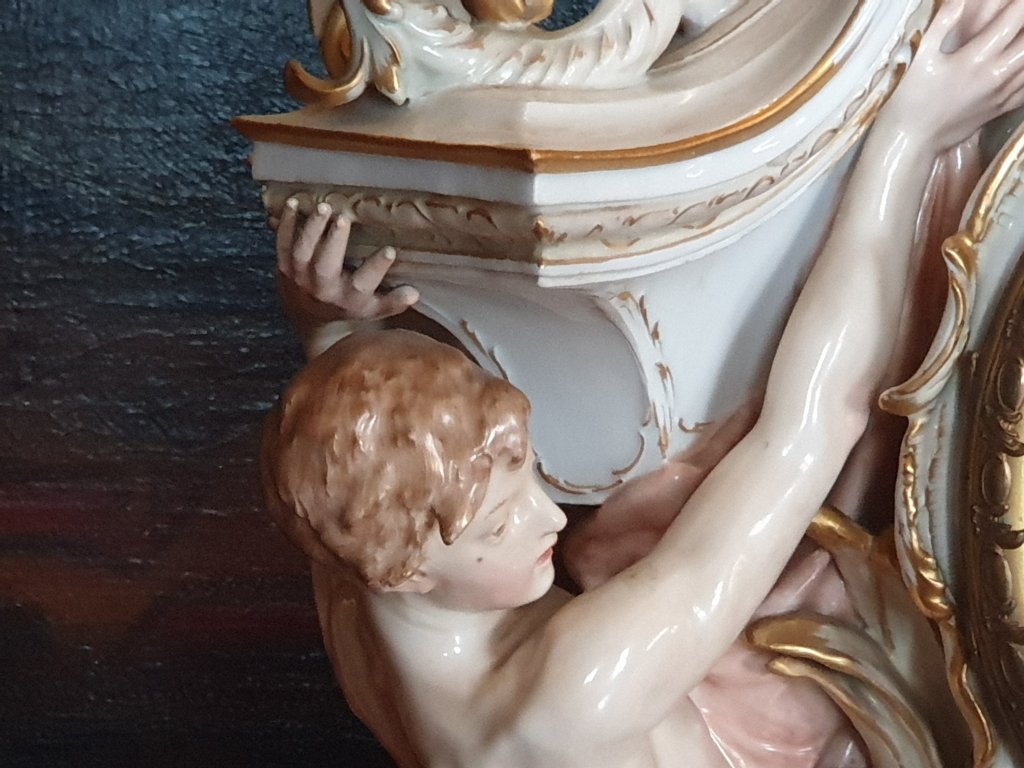
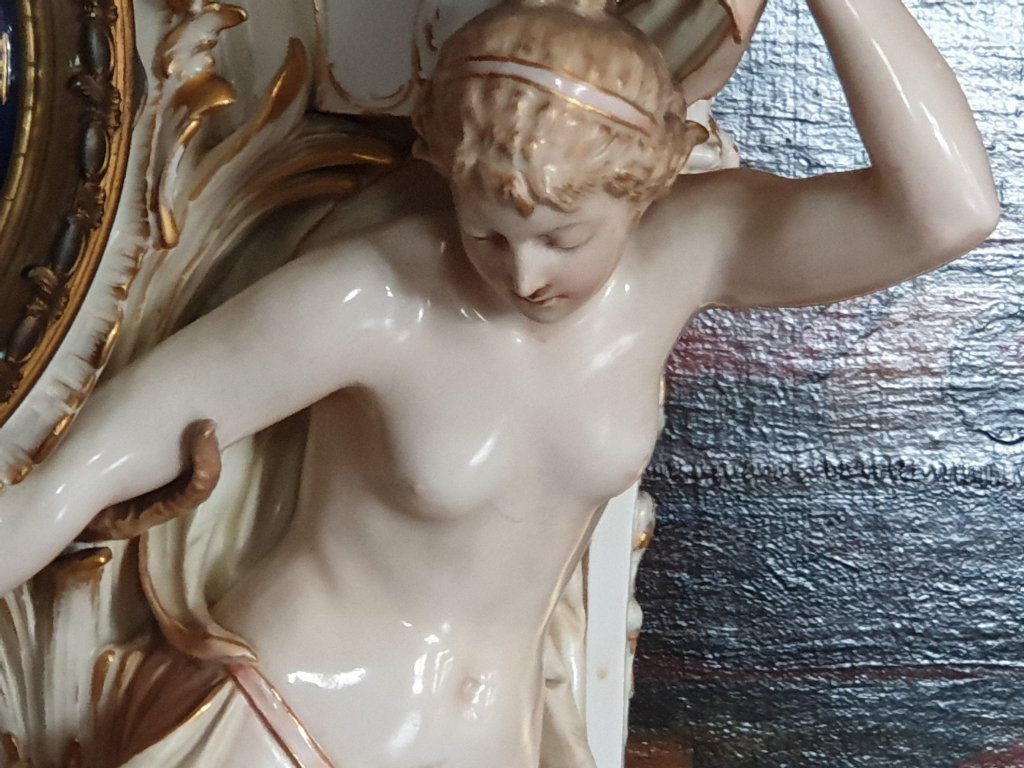
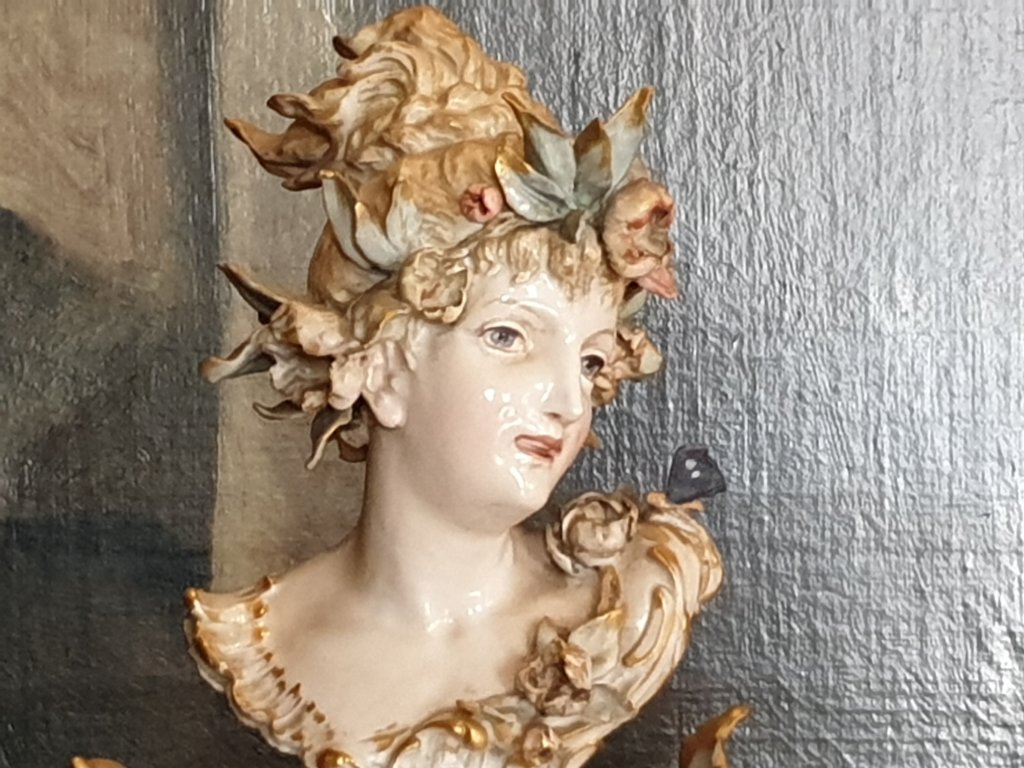
It’s a feast !
Museum of London (2)
I am very in favour of the Museum of London’s move to Smithfield. The existing building is, as the accompanying article makes clear, tricky to access, sited on a roundabout, and essentially a big, deep, two-story box, once you have navigated your way into it. But this doesn’t mean that it should necessarily be demolished as the City currently plans.
It’s a tricky and very sensitive site on the edge of the Barbican and anything that is done there is likely to affect views from and to the Barbican. From what I have seen of the plans by Diller Scofidio + Renfro, they look over-scaled and out of character, as presented in CGIs. It’s surely a pity that the building can’t find an alternative cultural use, either under the wing of the Barbican or independently. Could it not be added to the plans by Allies and Morrison for what happens to the Barbican, so that there is an integrated approach to the cultural development of the City ? It belongs to the Barbican both culturally and architecturally.
Boris Johnson
I gave up commenting on politics a while ago feeling that there was not much I could contribute to the widening recognition of the more corrosive aspects of Johnson’s rule; but as people begin to draw up the charge sheet of his time in office, I was struck by the Observer’s editorial (see below) which says most of what needs to be said, clearly and straightforwardly, at a time when one hopes he is departing into the history books.
The only thing I feel in addition, which seems to be being forgotten, since Dominic Cumming’s has turned out to be Johnson’s biggest critic, is that Johnson’s first and original mistake was the appointment of Cummings who was at least as responsible as Johnson in introducing an atmosphere of intellectual arrogance, ruthlessness, recklessness, and a total disregard for the conventions of government, as if life was going to be forever not about running the country, but extending the Brexit campaign. So, they should go down in the history books together.
Charleston Farmhouse
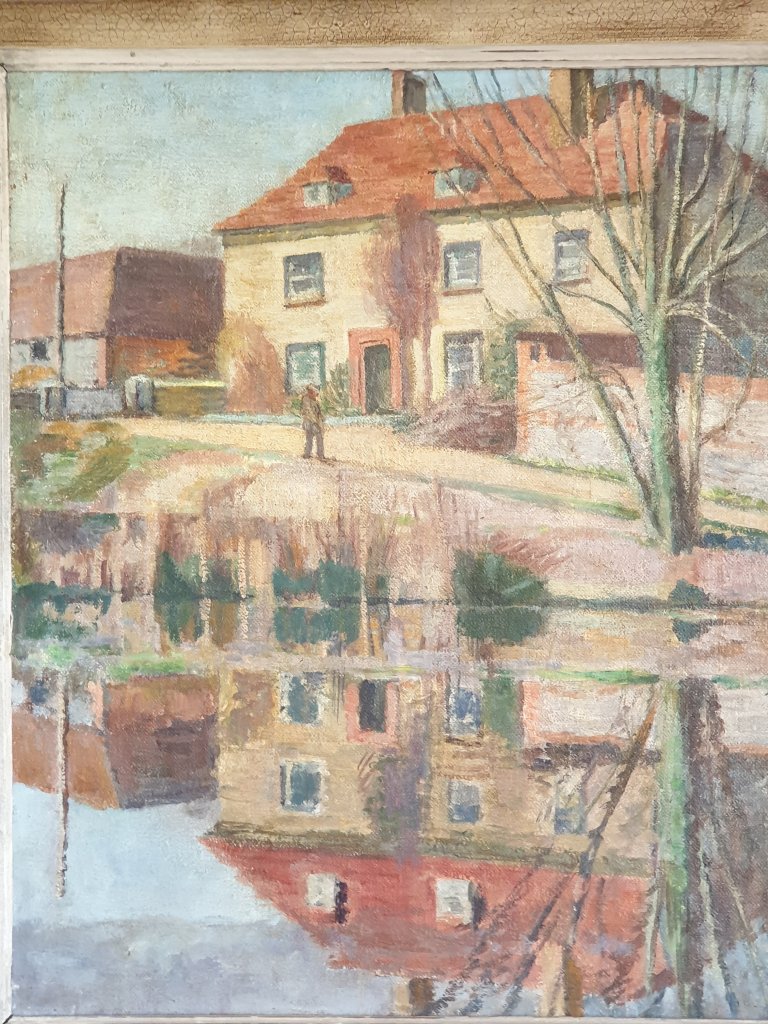
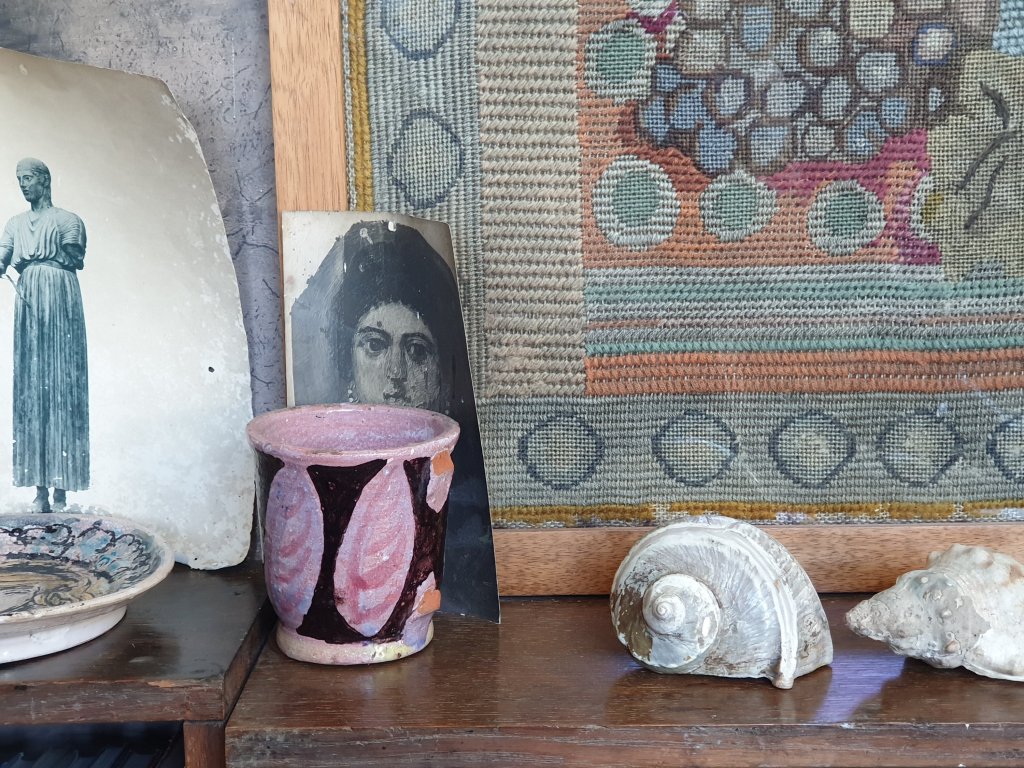
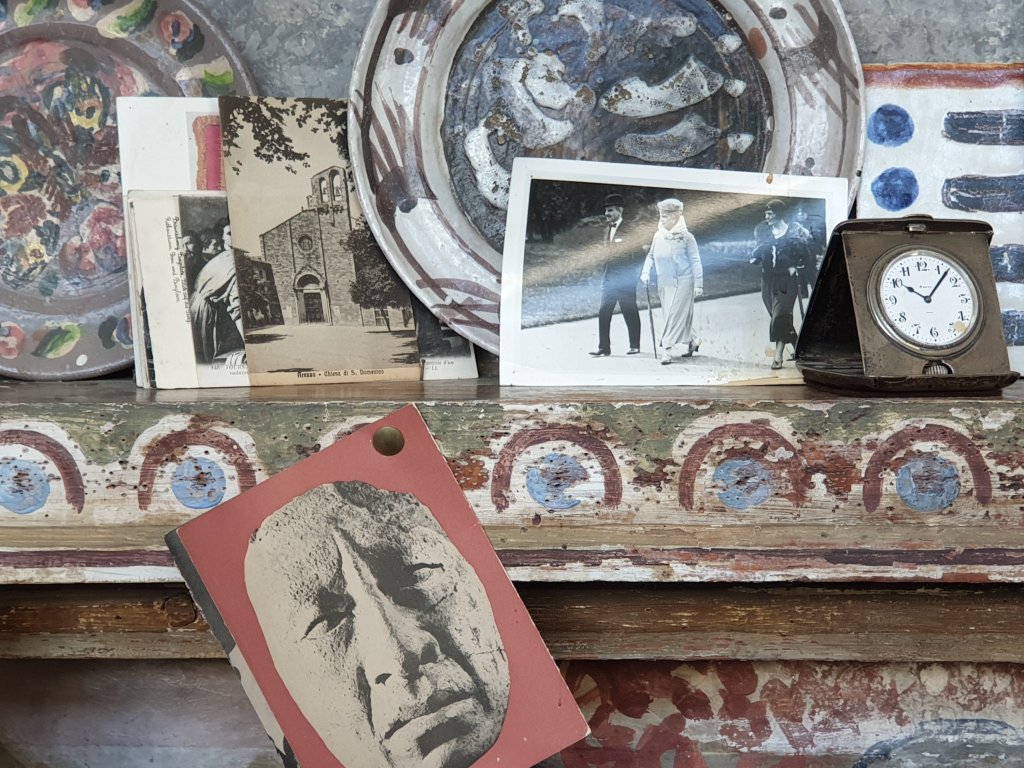
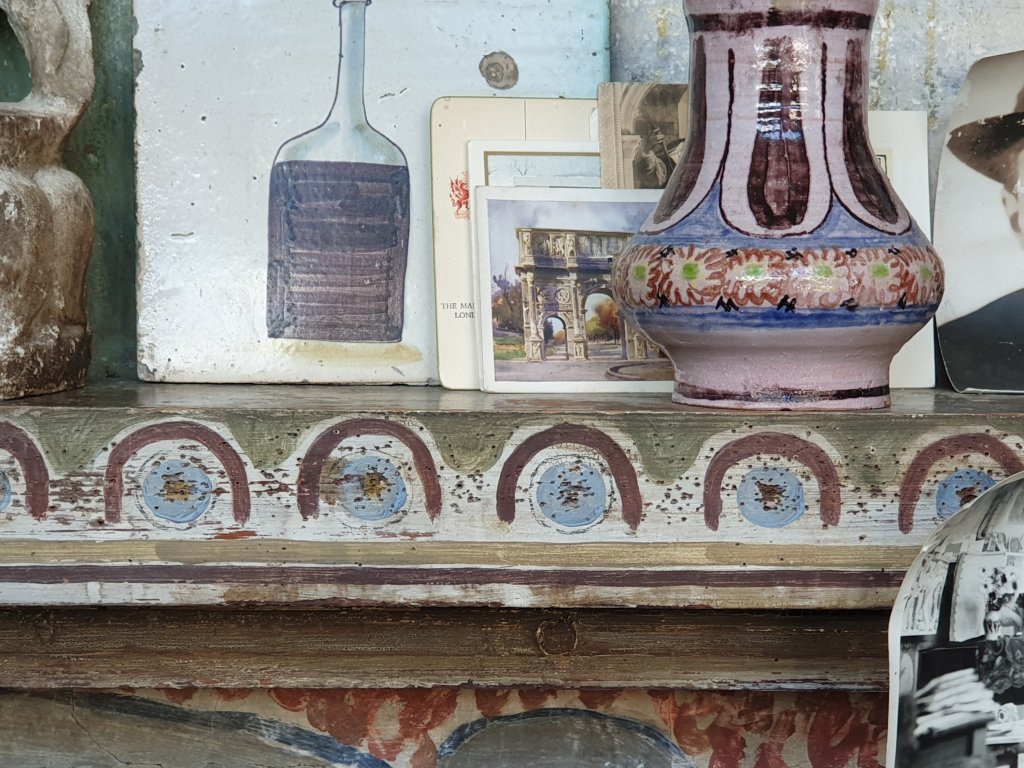
Nothing could be nicer than Charleston in the early July heat: the garden a touch overblown; the house with guides in every room; everything looking, if anything, even more as if the inhabitants had just walked out than I remembered:-
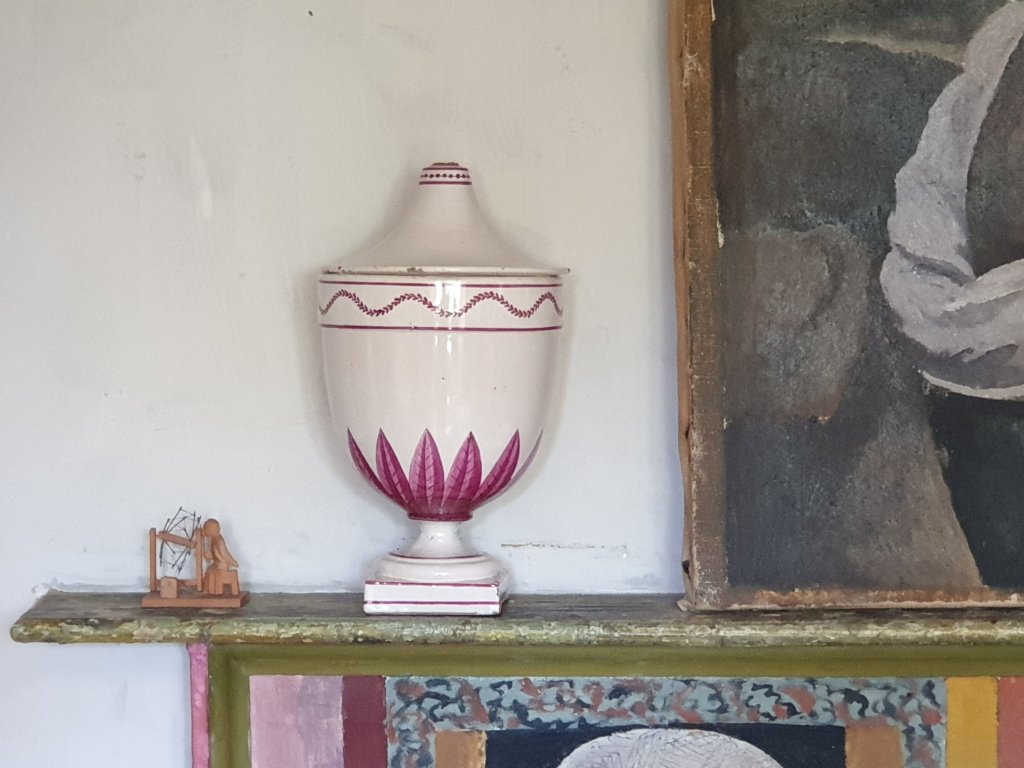
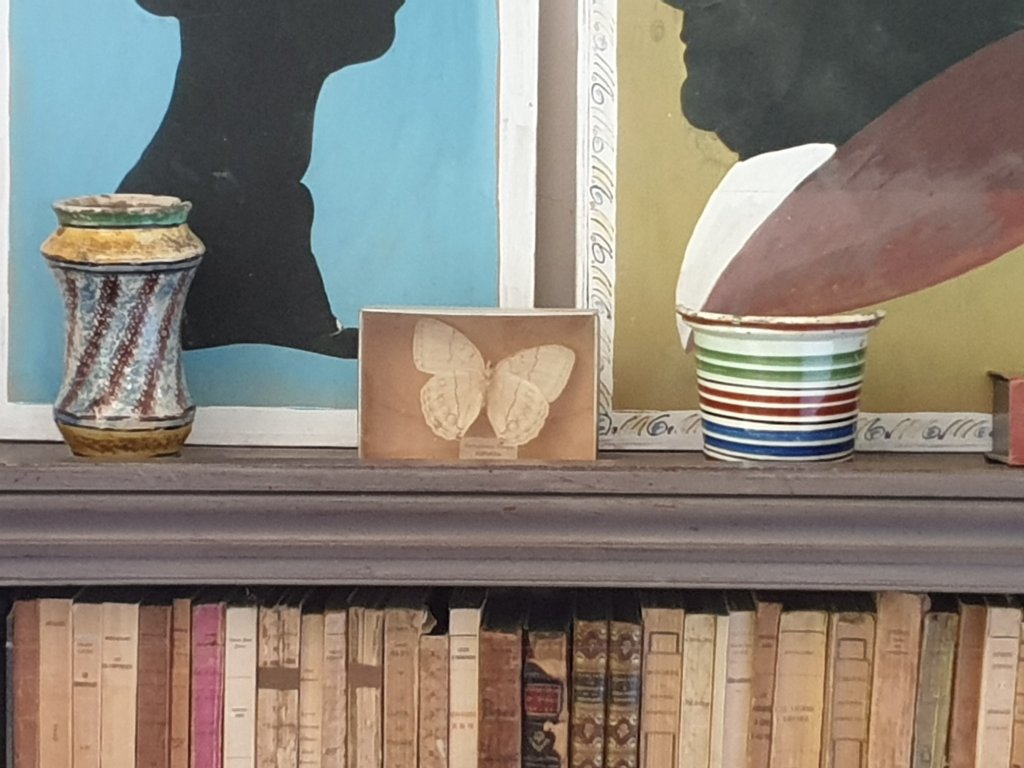
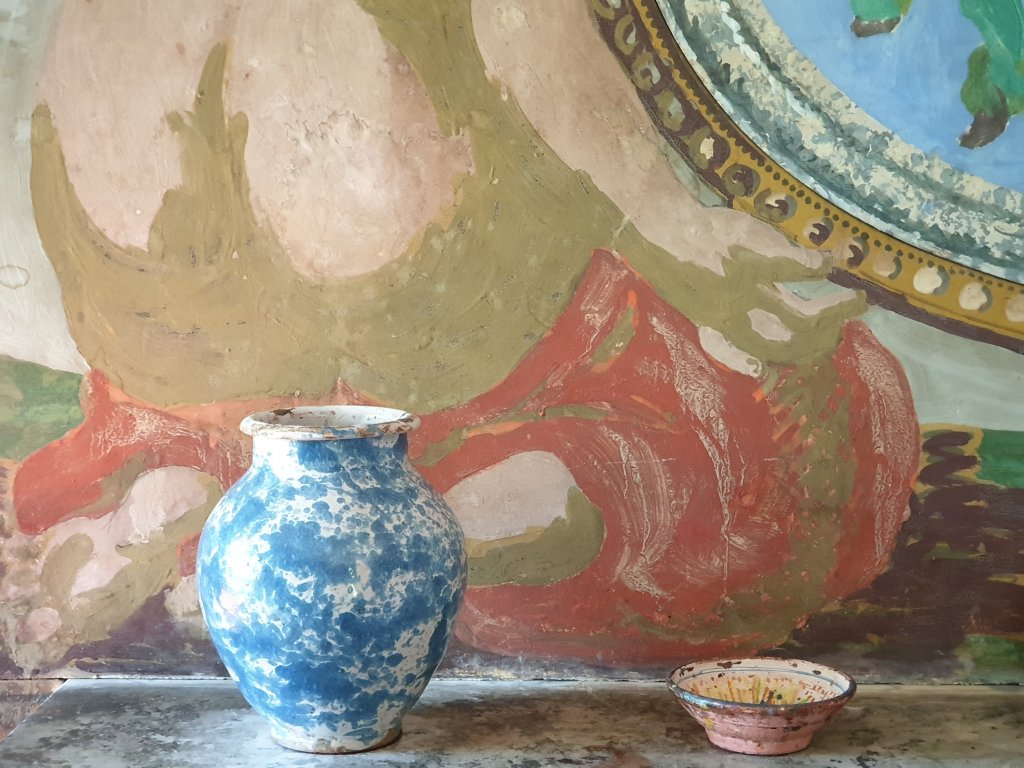
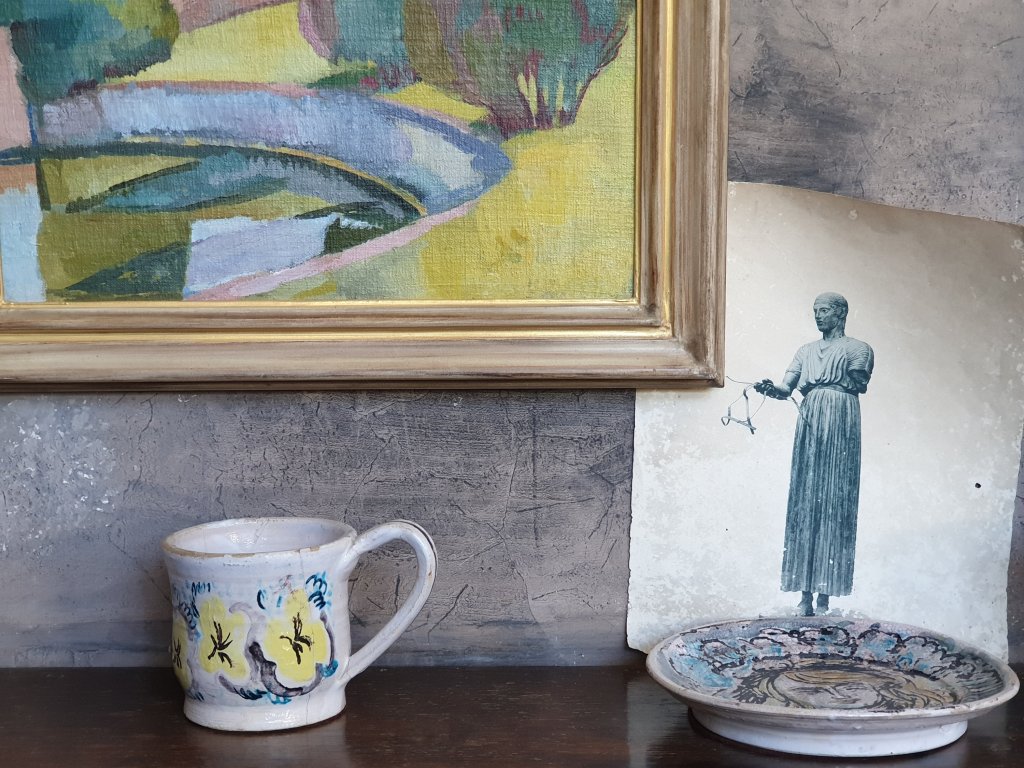
Berwick Church
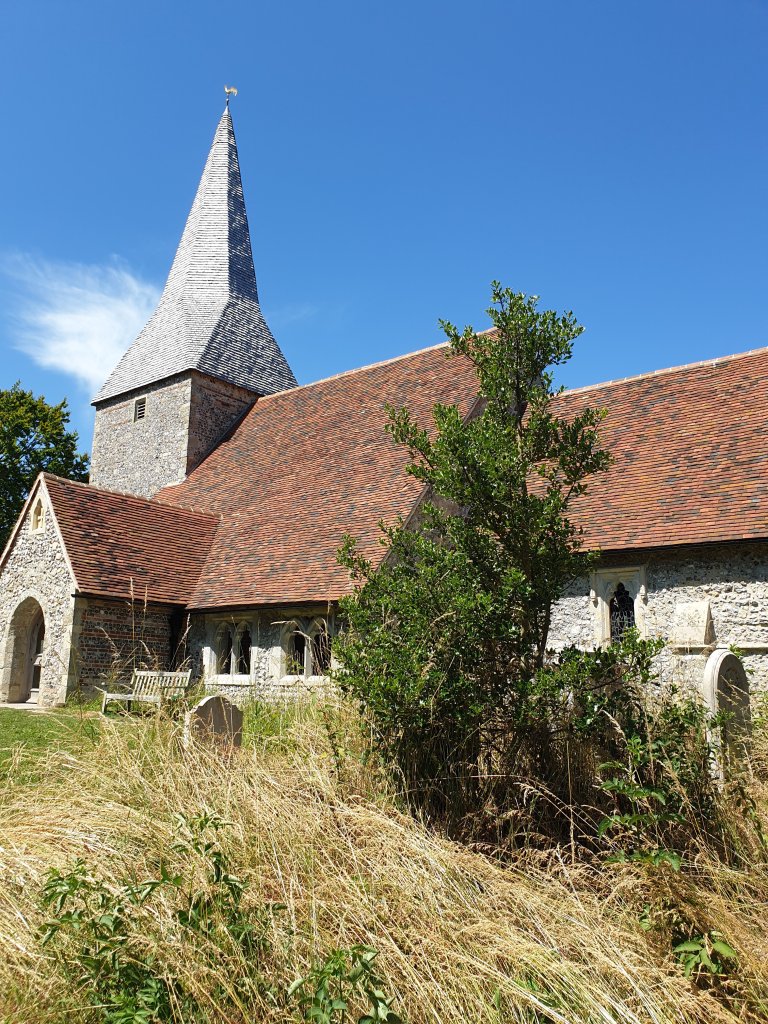
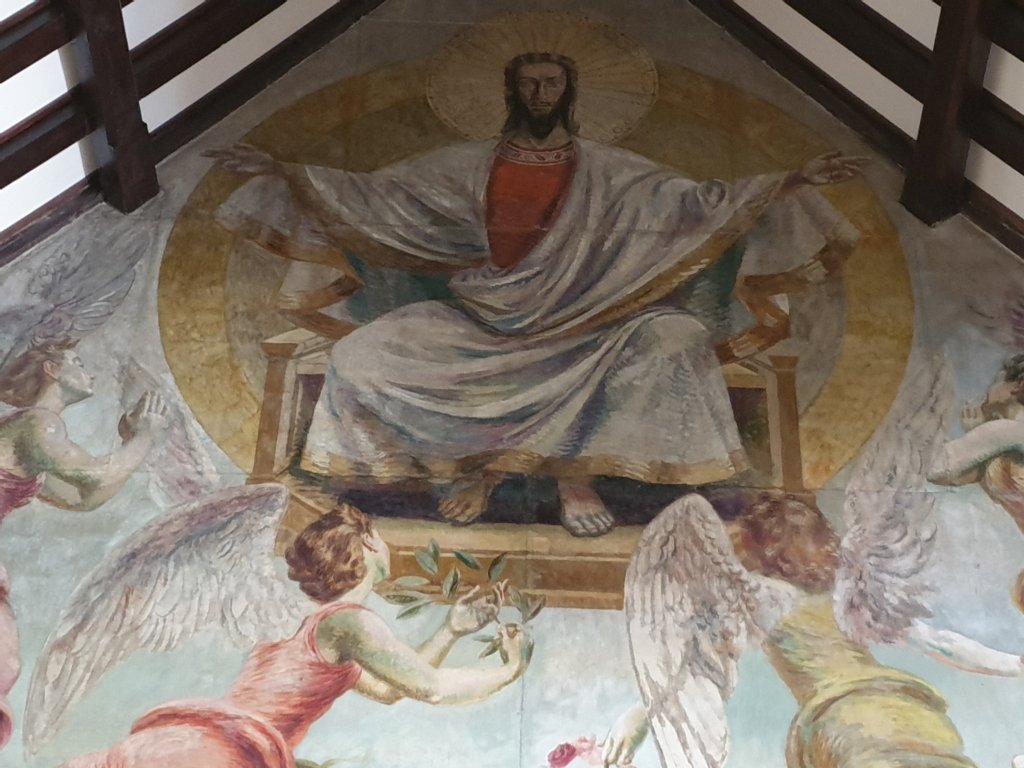
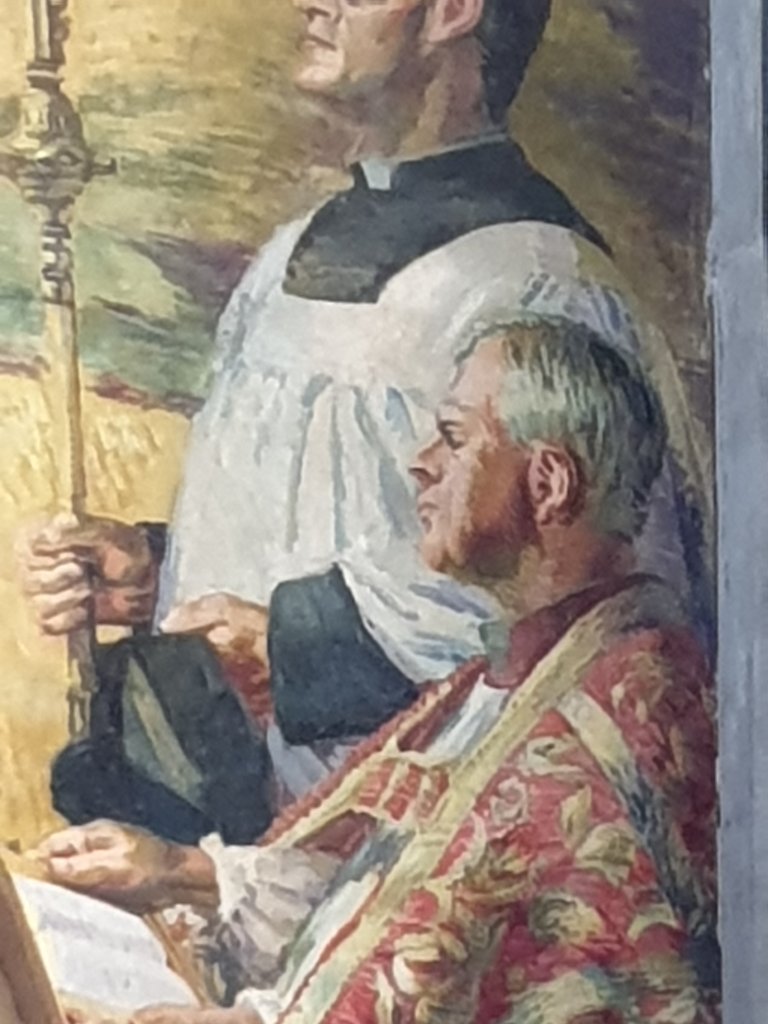
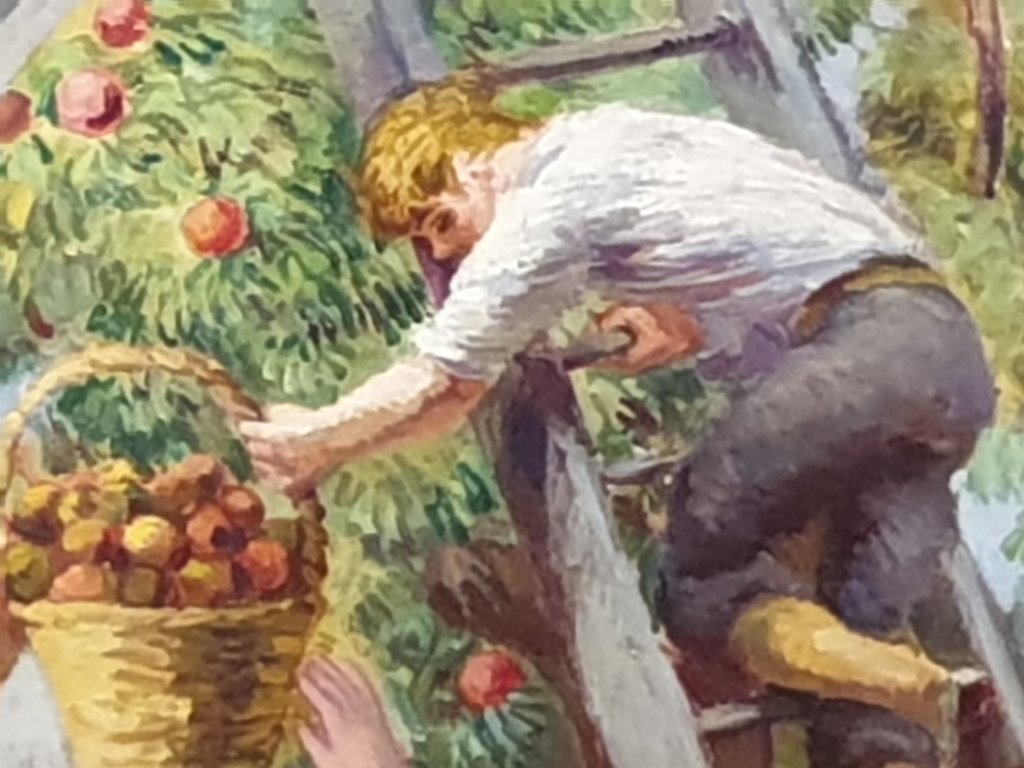
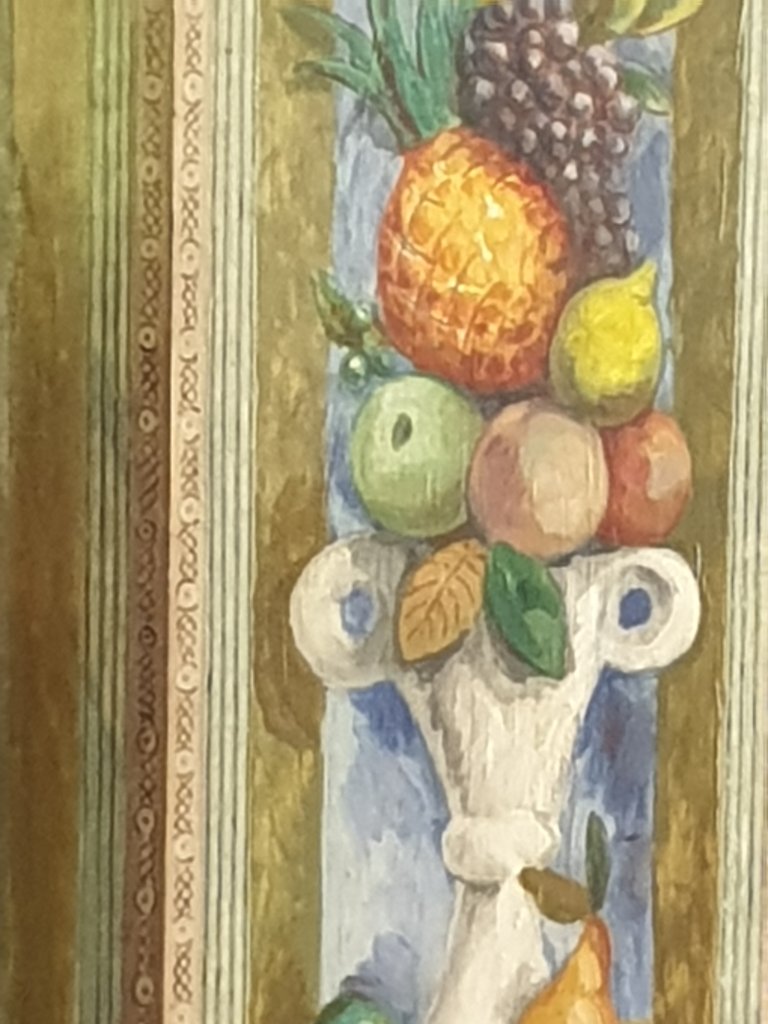
Berwick Church is in course of restoration, with help from the HLF. It preserves the mural decoration done by Vanessa and Quentin Bell with Duncan Grant better than I had remembered: a mixture of Omega style decoration round the pulpit with their memories of Tuscan wall decoration in the aisles and the entrance to the chancel:-
Farleys Farmhouse
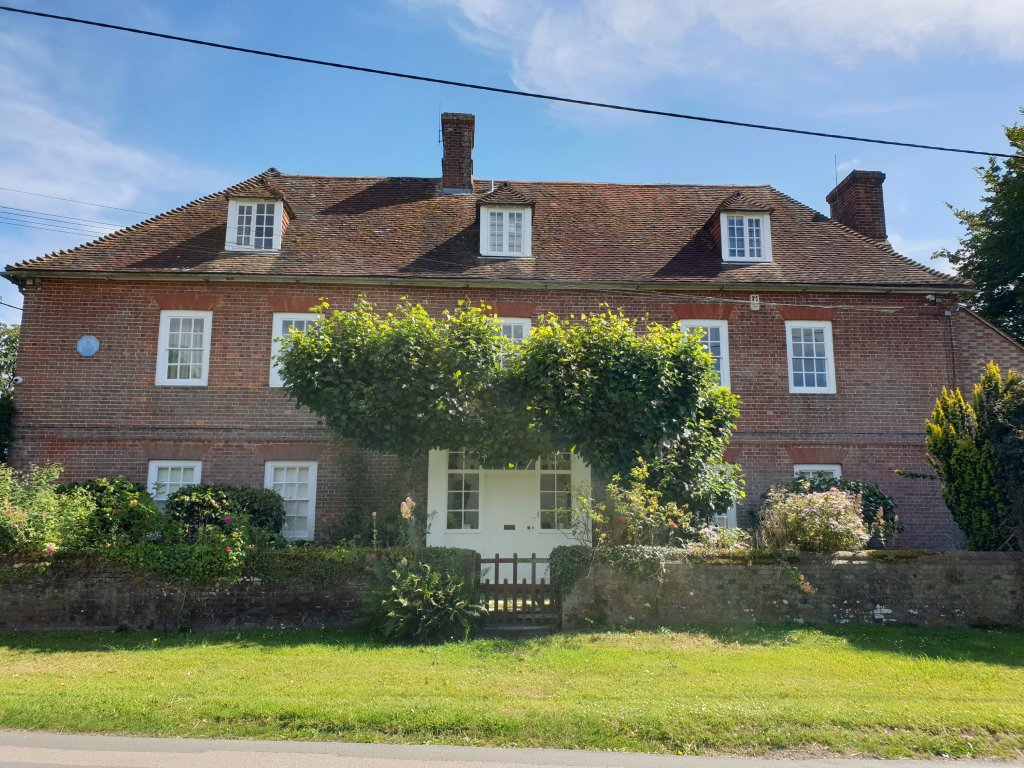
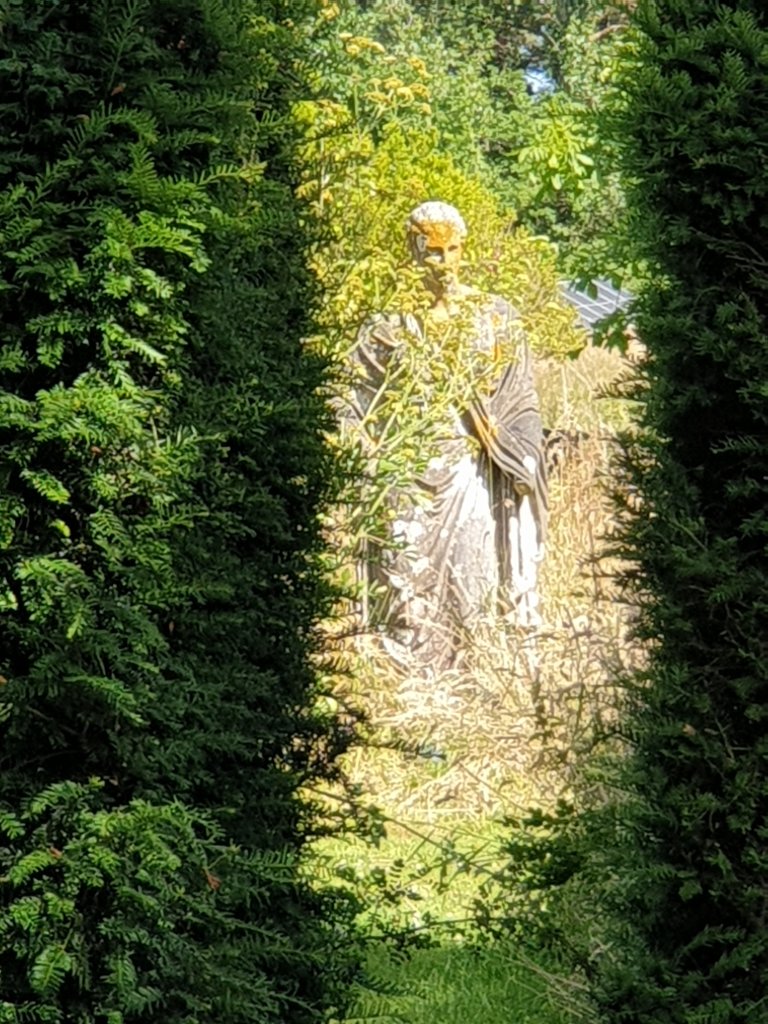
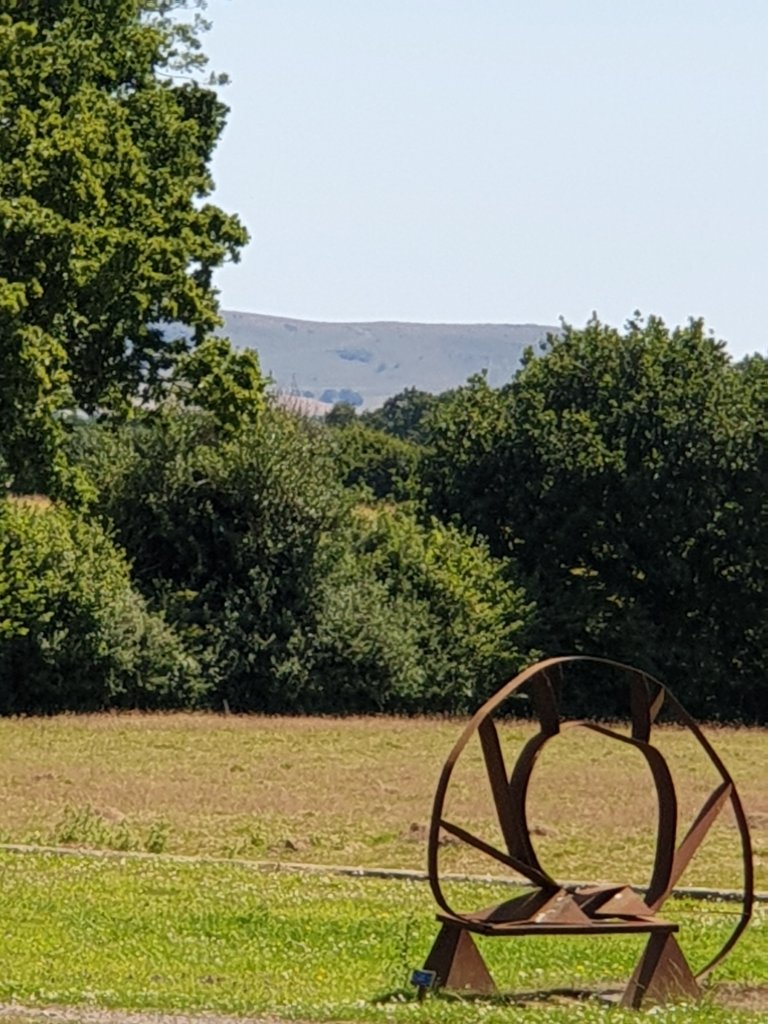
To my great shame, I have never previously been to Farleys Farmhouse, the house which Roland Penrose and Lee Miller bought in 1949 (they married in 1947) and where they entertained so many friends and artists, including Picasso, who were expected to help prepare the food, including peeling potatoes, round the kitchen table. I strongly recommend it: quite small-scale; very atmospheric; completely preserved as it was, with Penrose’s paintings and exhibitions of Lee Miller’s photographs in a barn in the car park:-
More Boughton
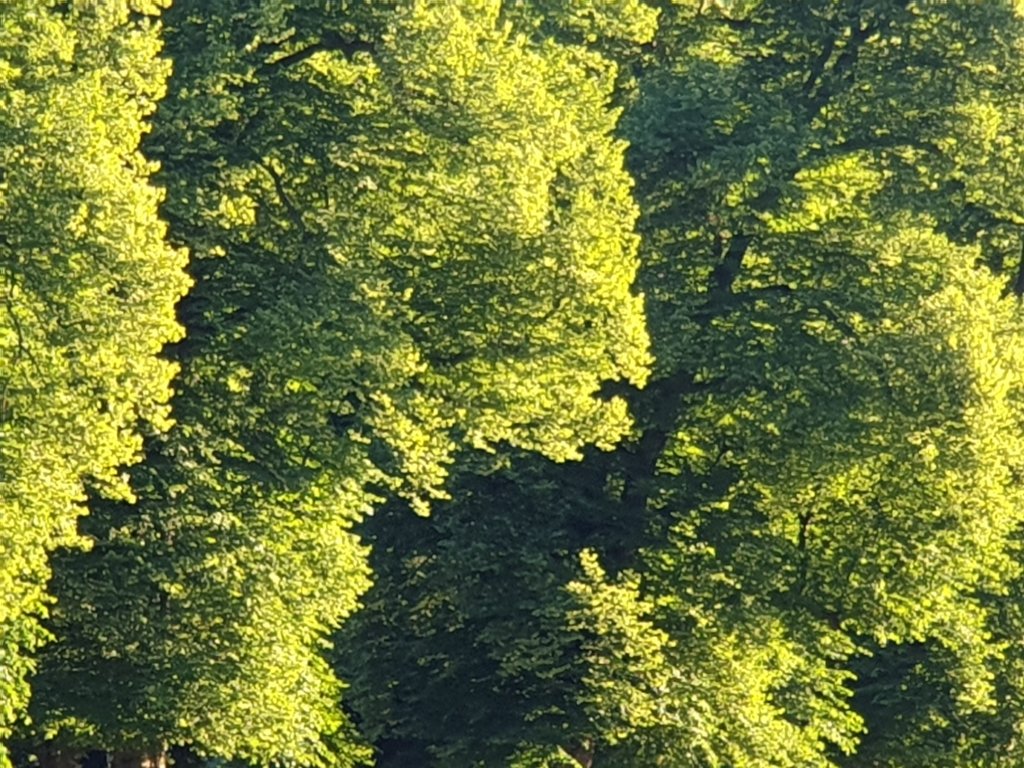
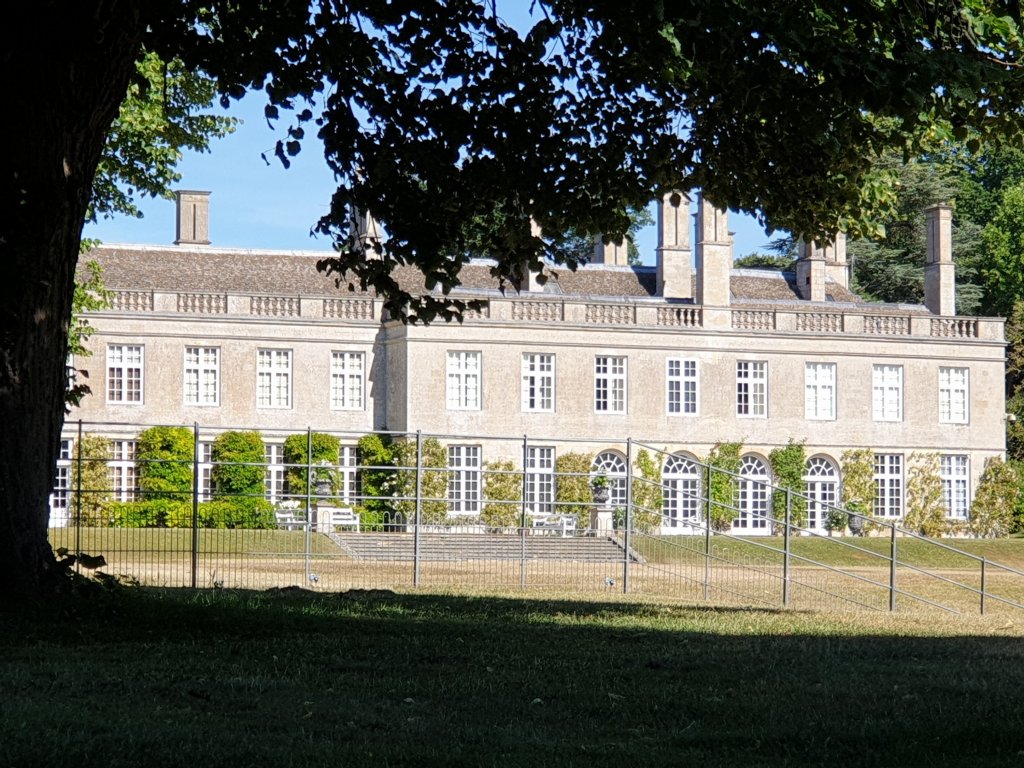
As the evening lengthened and we stayed to see a brilliant performance of Jonathan Dove’s Mansfield Park, the sun shone on the late seventeenth-century façades:-



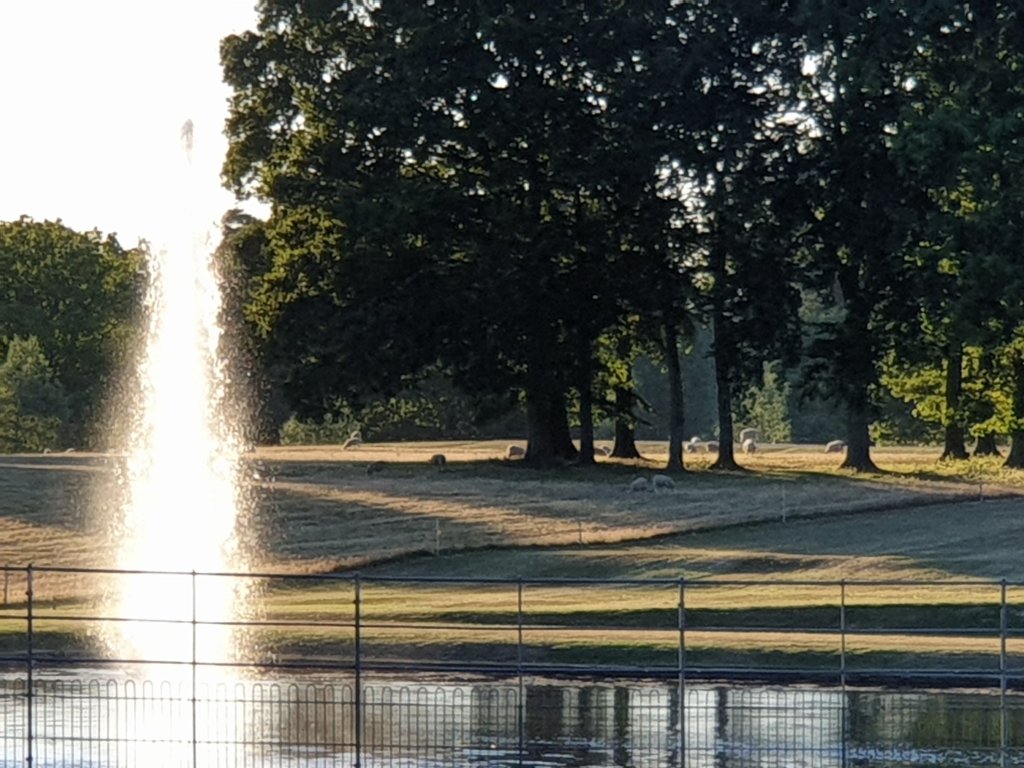
Boughton House (4)
I have done posts on Boughton before – Ralph, Duke of Montagu’s very French chateau in the middle of very English countryside, with trees in the garden planted by John, the second Duke, known, not surprisingly, as ‘John the planter’.
I love the way you come out of small Northamptonshire villages to be confronted by grand avenues and a cluster of out houses like a small dynastic village in the Loire valley:-


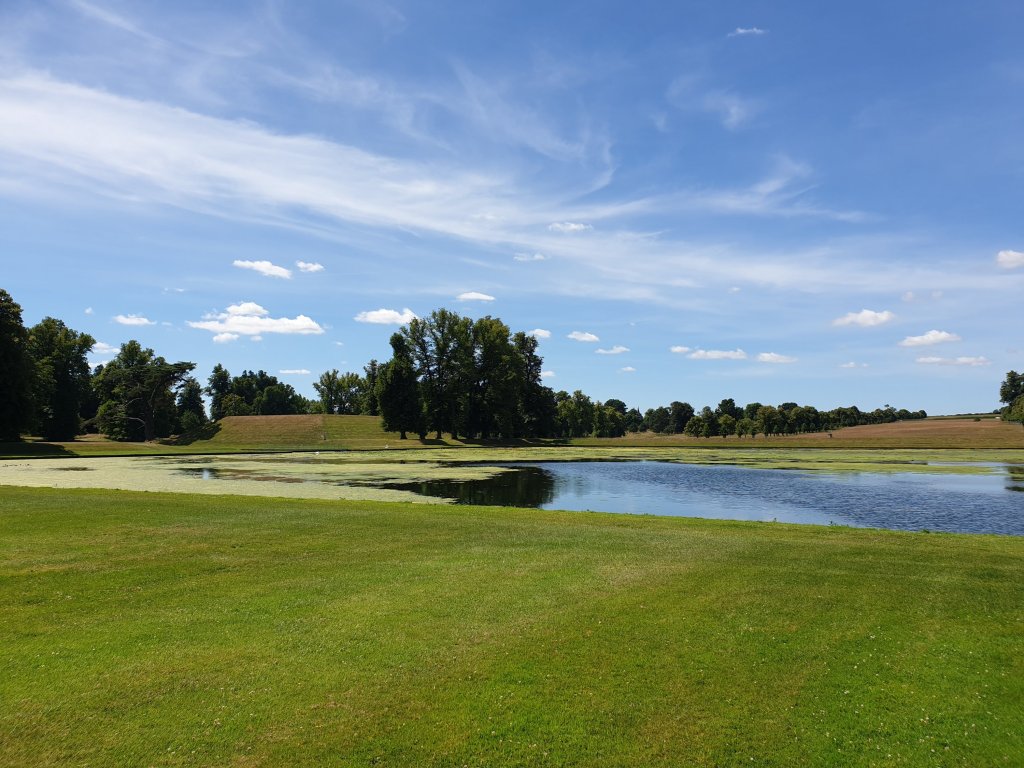
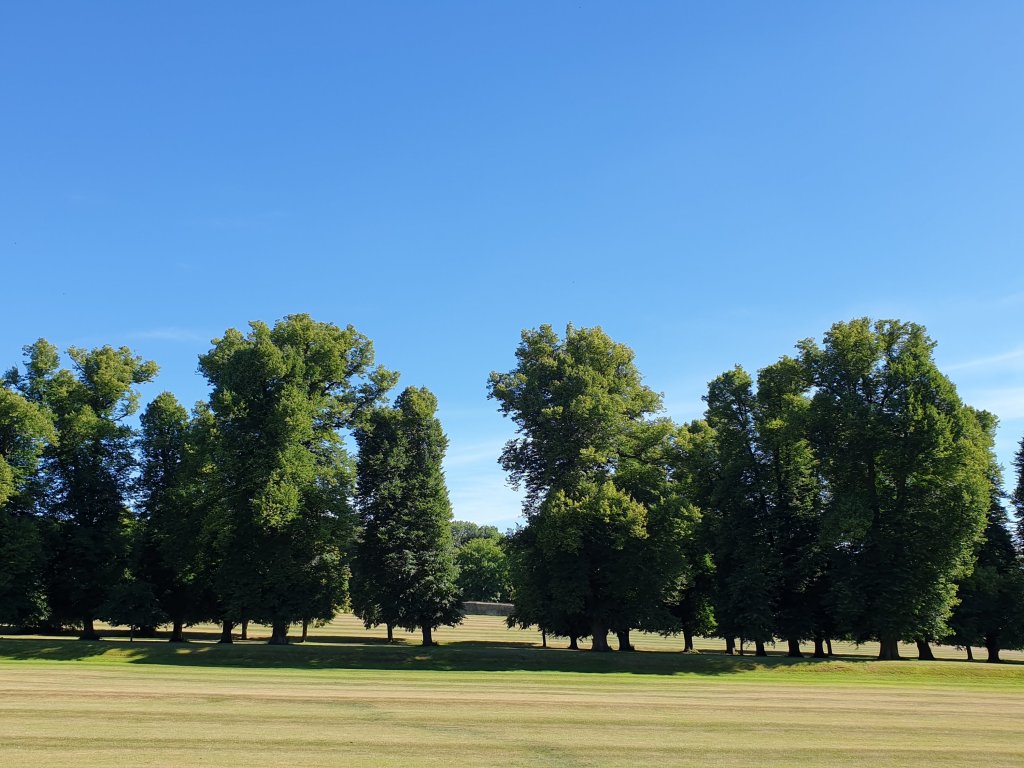
I love the sense of geometry and nature, the sweep of the landscape, the red kites and old trees, planted 300 years ago:-




You must be logged in to post a comment.