Burlington Gardens

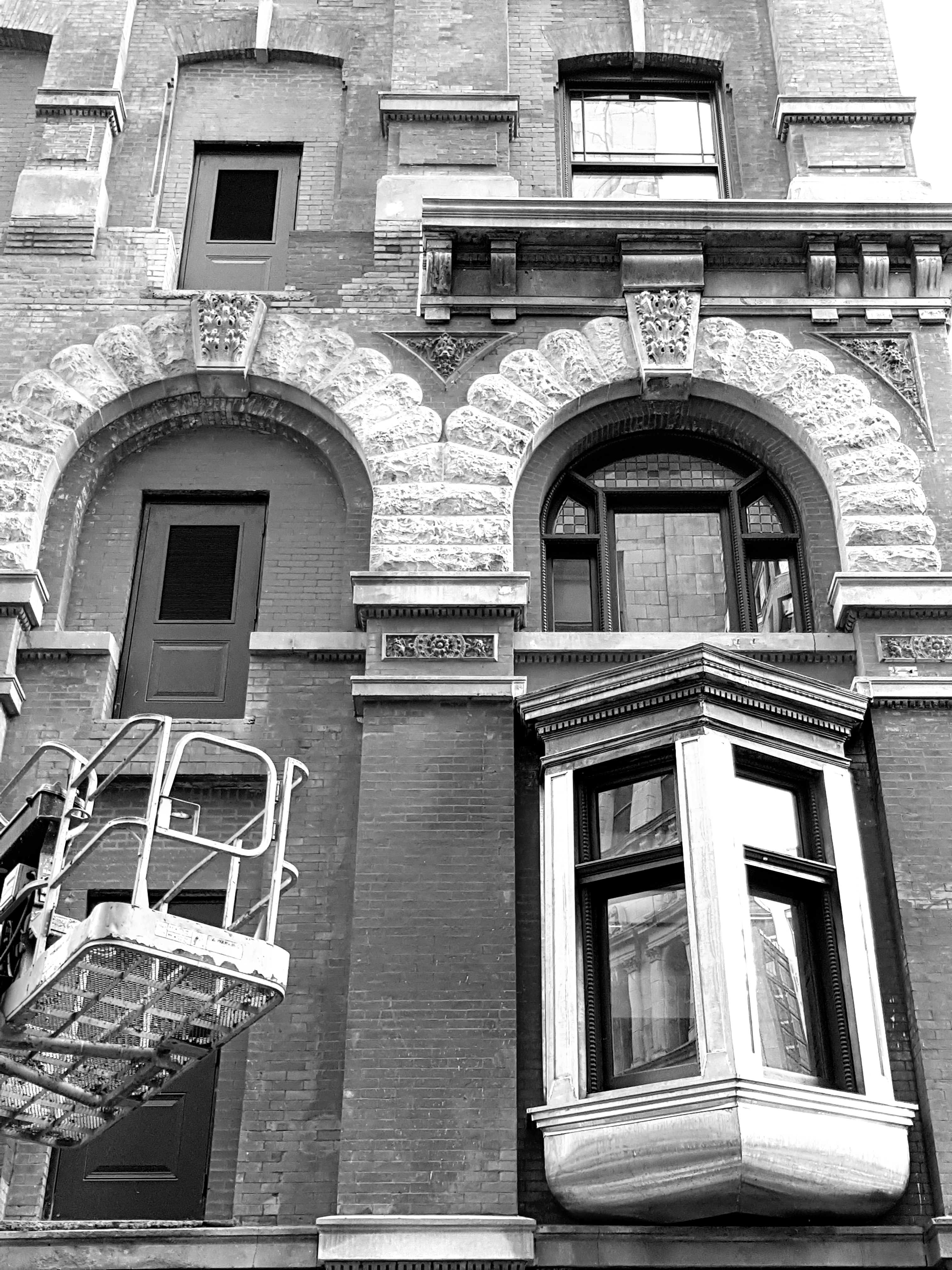
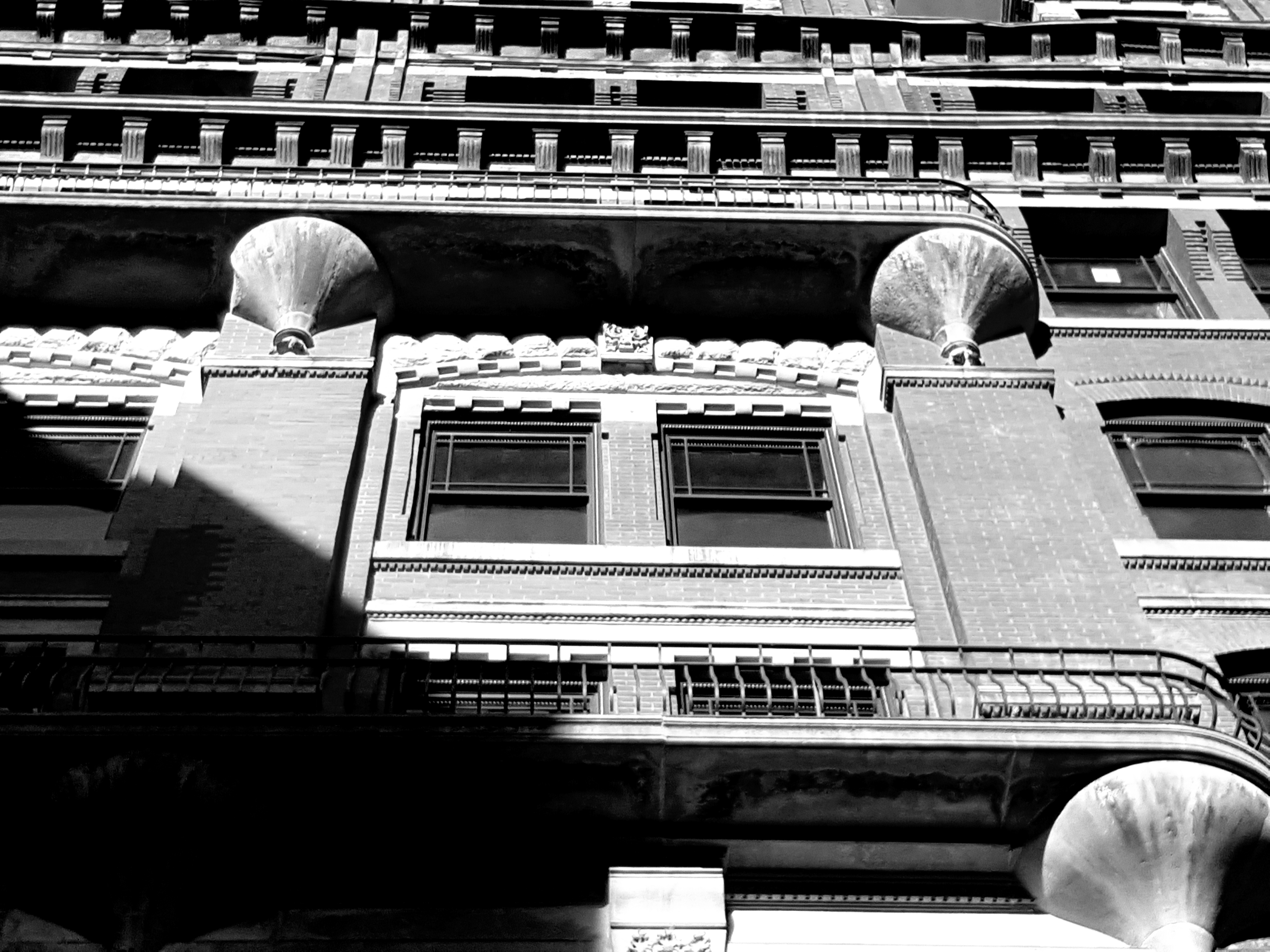
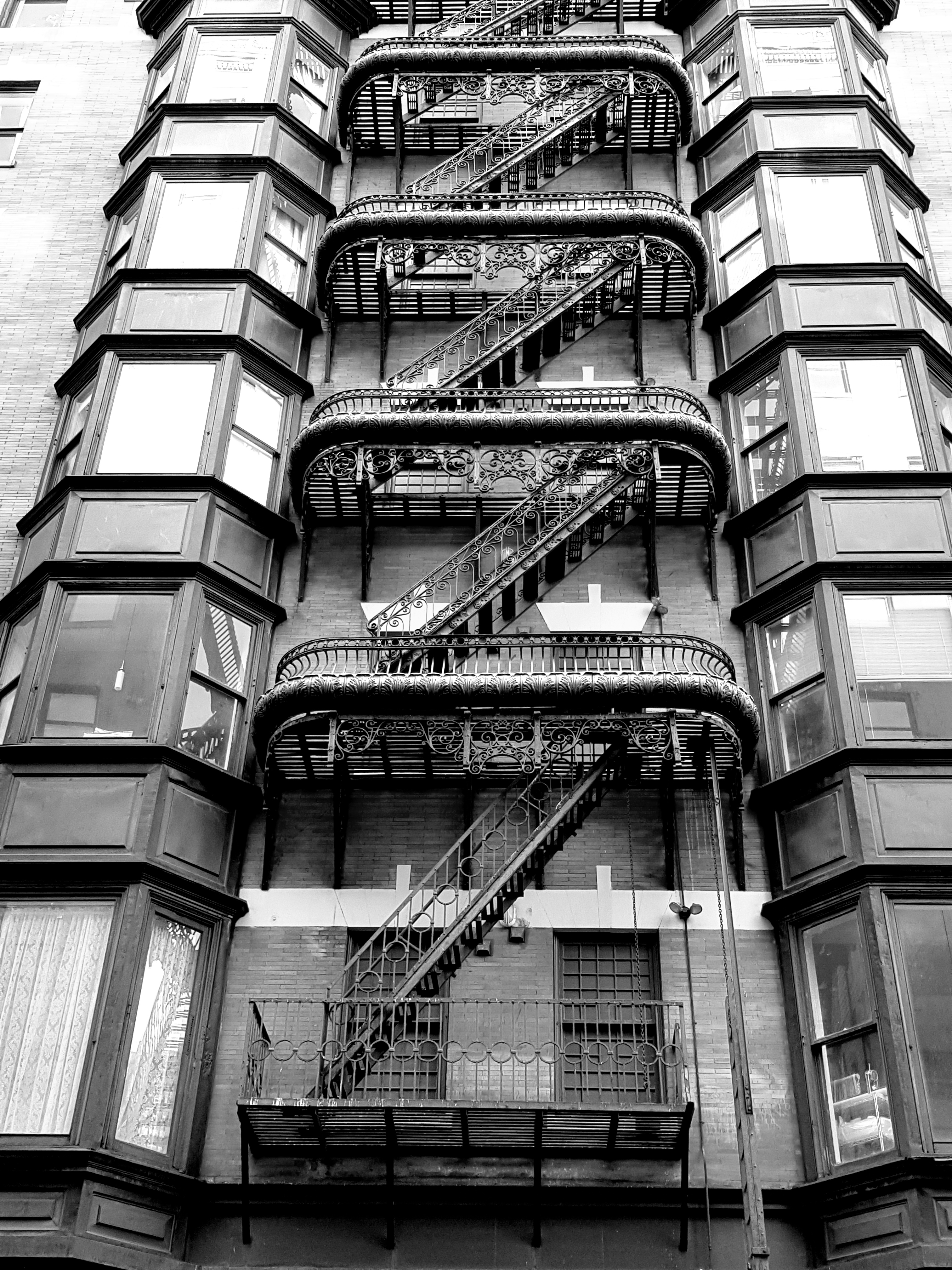
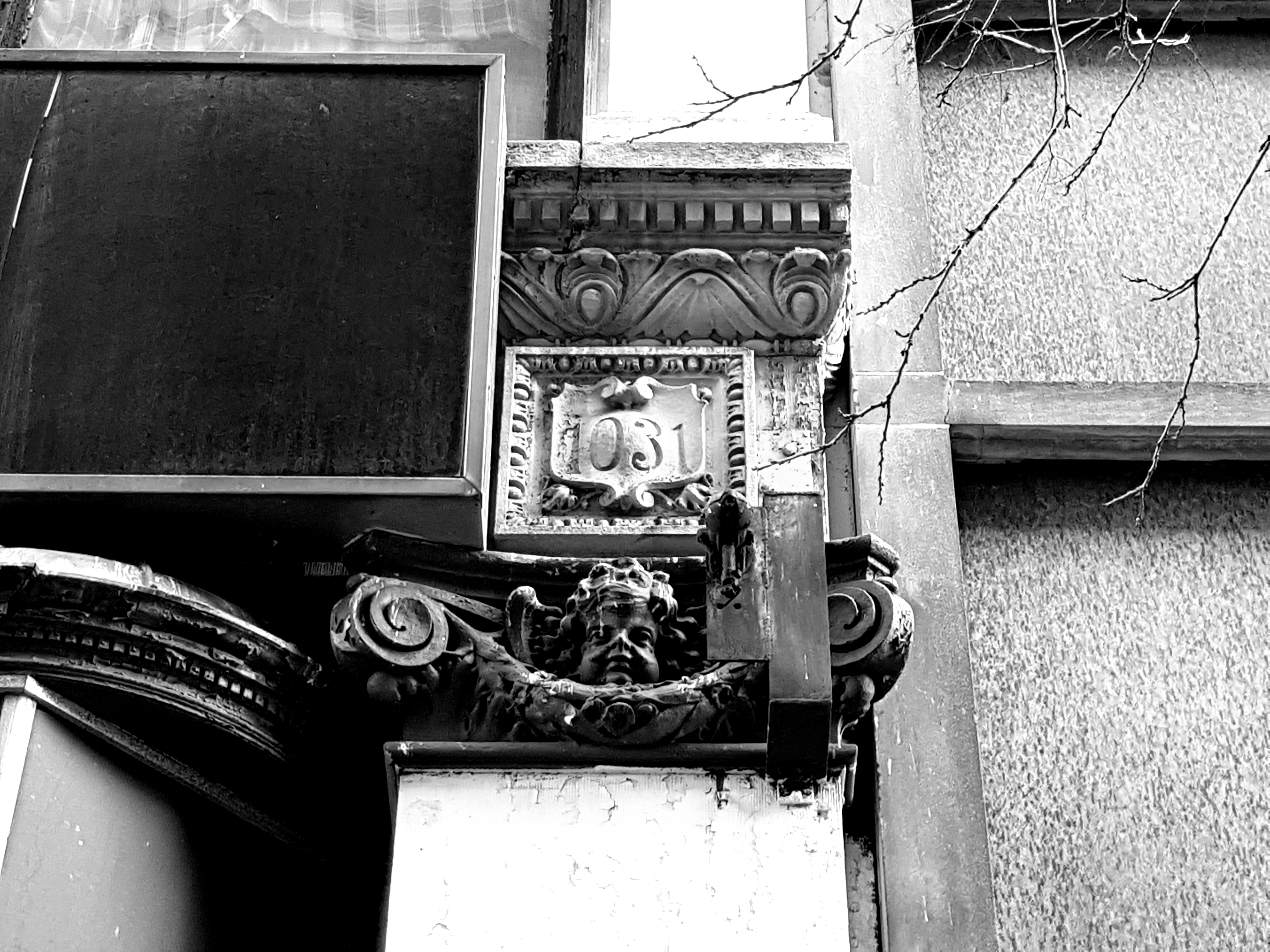
I have spent the last week moving back both physically and psychologically to Burlington Gardens, our new or old offices, depending on which way you look at it – actually, I have moved back into my old office, but carved in half, so that the half which is a meeting room can be used independently of the office.   I’m pleased to have my old desk back, which was once upon a time the Secretary’s desk but, when I arrived at the RA, had been long in store. It has a certain stately magnificence to it, with ample places to put one’s ink, now redundant.   I have also been sorting out the books which had accumulated while in Blackfriars – old catalogues and guides to foreign collections, as well as Walter Lamb’s copy of Dictionary of Foreign Phrases and Classical Quotations, published in 1913 (Lamb was my predecessor as Secretary from 1913 to 1951, a mere 38 years).   I like some of the juxtapositions which arise in the course of shelving:  Michael Sandle next to Rodin;  Henry Rushbury next to John Downman. Not least, I’m pleased to have located one of the twelve copies of a short story by Tony Lambton which was printed by Ian Mortimer on vellum, illustrated by Gerald Mynott, and bound by Romilly SS.
Standard

Gavin Stamp (2)

Since historians are beginning to document the early stages of post-modernism, it is perhaps worth mentioning Gavin Stamp’s role in the radical reappraisal of modernism which took place in the early 1970s.   By the mid-1970s when I first met him, he was already a veteran of conservation campaigns with the Victorian Society, a convert to Ian Nairn (he bought his copy of Nairn’s London in the Elephant and Castle), and, as I learn from his obituary in the Daily Telegraph, a drinking companion of John Betjeman, dressed in three-piece, pin-striped suits with a fob watch and bell bottoms.   He was certainly one of the people who was instrumental in the reappraisal of Lutyens, involved in the Lutyens exhibition at the Hayward Gallery in 1981, which was surely a key moment in the shift of attitudes to architectural history, as designed by Piers Gough, and he had wanted to go on to organise a Vanbrugh exhibition at the RA.   I think of him as if he was drawn by Tenniel and have been trying to find out the whereabouts of the painting of him by either Glyn Boyd Harte or Lawrence Mynott which was exhibited at the RA at the time.

Standard

Gavin Stamp (1)

I have only just heard, very belatedly, of the death of Gavin Stamp on December 30th.   He was my supervisor for a course on Victorian architecture in autumn 1975 (or it could have been Spring 1976) when I now realise he was only 27, studying for his Ph.D on George Gilbert Scott, junior.   But he always seemed at least a generation older, already a veteran of the Victorian Society and physically slightly larger than life.   I saw him only rarely since, but continued to admire him from a distance and lived in hope of his long awaited alternative history of twentieth-century British architecture.   He came and gave a paper on Hawksmoor at a symposium I organised in the 1980s at St. Anne’s, Limehouse.   He walked in to our kitchen and said ‘I’m not surprised you’re repainting this.   It’s a horrible colour’.   Romilly was in the process of painting it Moroccan Turquoise.   He taught Otto as well at Cambridge, a mere thirty years or so after he had taught me.

Standard

Louis Kahn

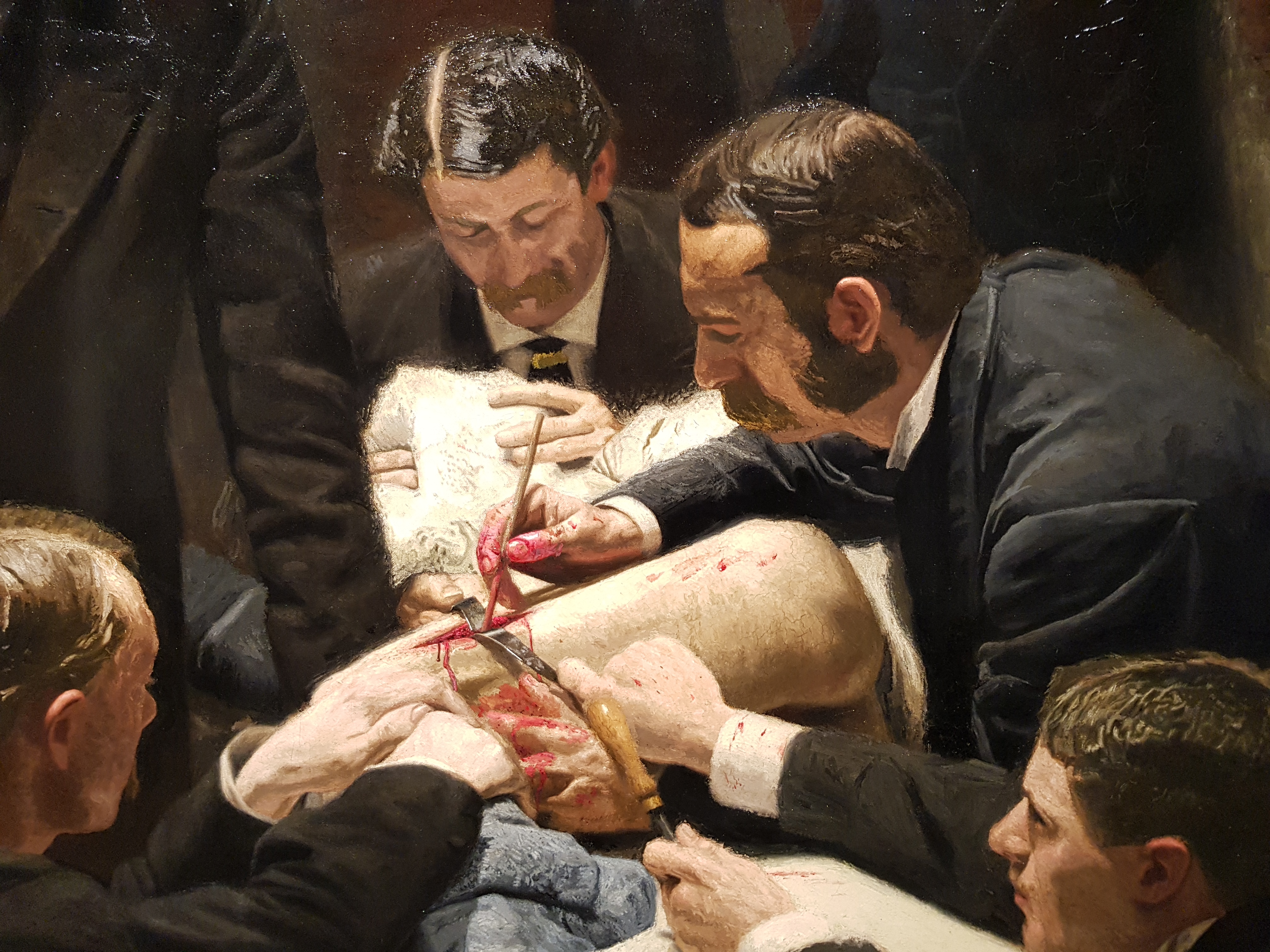
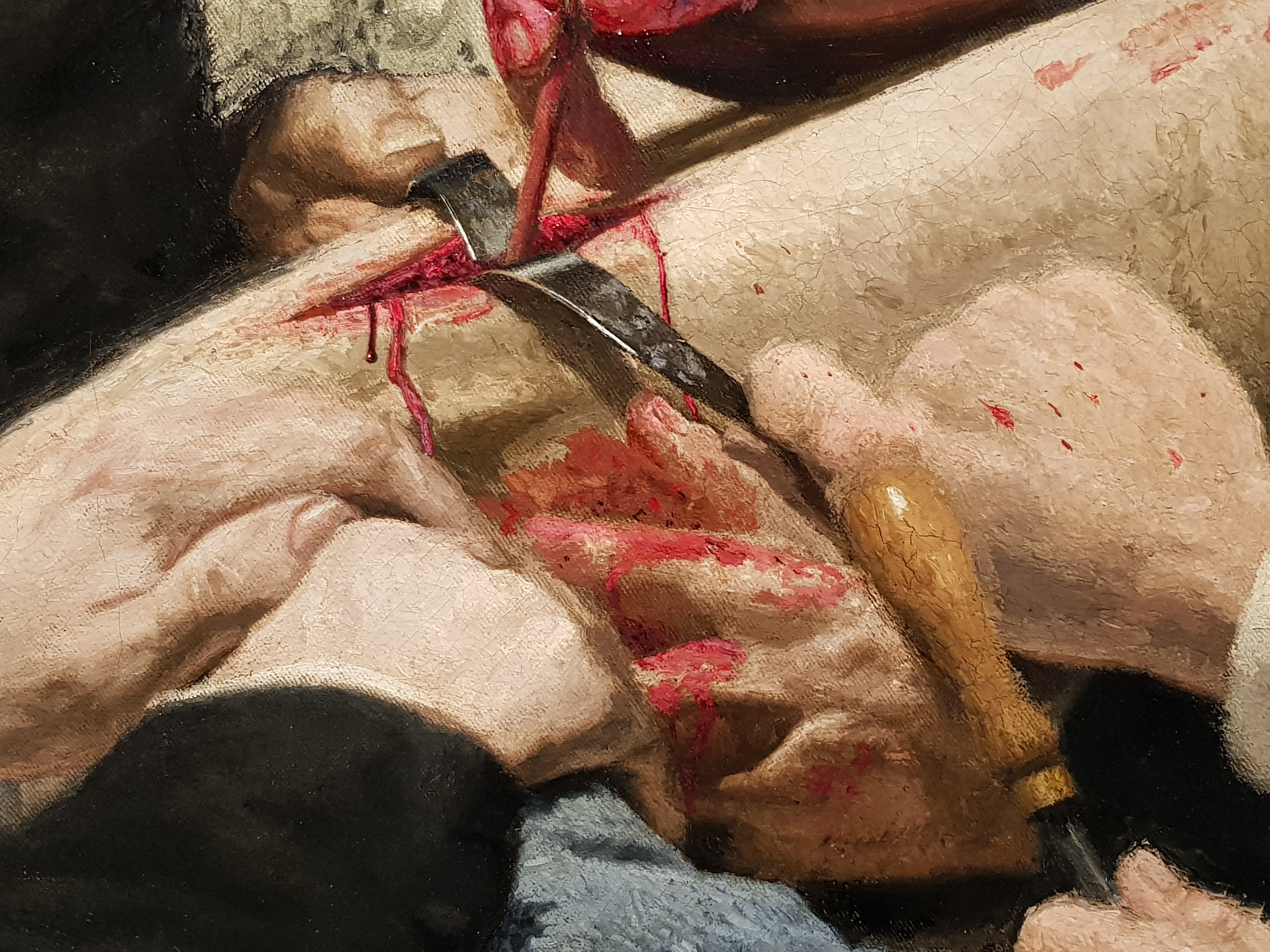
One of the books that I have read over Christmas has been the new biography of Louis Kahn by Wendy Lesser (You Say to Brick), which dishes the dirt on his multiple affairs with young architects in his office.   But much more interesting than the affairs – to me at least – was the fact that from the age of eleven he was able to take drawing classes at the Public Industrial Art School in Philadelphia, where he was taught by a man named J. Liberty Tadd, who had been a pupil of Thomas Eakins at the Pennsylvania Academy of Fine Arts.   Tadd had developed what he called a system of ‘natural education’ which developed skills of visualisation through the process of drawing and, also, making, skills which Kahn evidently retained not just in his ablity to draw and sketch buildings when he was travelling round Italy, but also in his ability to imagine and conceptualise buildings in three dimensions.   He was a Beaux Arts architect as well as a modernist.

Standard

Finsbury

Nico Macdonald has asked in the Comments section why it is that no-one normally knows about Finsbury.   I asked the same question myself as I walked through it during the week.   It’s presumably partly historical, that it is no longer a constituency (originally established as part of the Great Reform Bill), nor a metropolitan borough after being abolished in 1965;  partly topographical in that it is uneasily sandwiched between Islington which has, since the early 1970s, been much more fashionable, and Clerkenwell, which has become fahionable more recently, so that Finsbury only has its history of big estates and social improvement to recommend it, including Lubetkin’s Finsbury Health Centre, the centrepiece of the so-called Finsbury Plan, and the fact that the borough council erected a statue to Lenin in 1942.   The Survey of London describes the area as Northern Clerkenwell and Pentonville, paying attention to the parish, rather than the borough.

Standard

Tate Britain

We spent New Year’s Day happily in Tate Britain:  not too many people;  an opportunity to see the Rachel Whiteread exhibition again, including the installation of Untitled (One Hundred Spaces) in the central Duveen galleries:-

To admire the detailing of the Duveen galleries, which were designed, as I understand it, by John Russell Pope, the neo-classical architect of the National Gallery of Art in Washington (but in conjunction with Romaine-Walker & Jenkins):-

And we were pleased to see what seems to be a later cast of Old Flo (or is it the original ?  there is no label), on loan from a private collection, together with a maquette:-

Happy New Year !

Standard

Walking to Finsbury (2)

From Bunhill Fields, I walked past St. Luke, Old Street, one of the Fifty New Churches, with a nave thought to be by John James, but with an obelisk and west tower by his colleague, Nicholas Hawksmoor:-

image

image

image

A block of flats protesting in Norman Street:-

image

I admired the Greek Revival detailing on St. Clement’s, King Square by Philip Hardwick (1822):-

image

Beyond on Garnault Place is the southern extension of Finsbury Town Hall with its baroque detailing by Charles Evans-Vaughan:-

image

image

So, into Amwell Street:-

image

I ended up in Lloyd Square with its fine houses of the early 1830s, designed by W.J. Booth for the Lloyd Baker Estate:-

image

image

Standard

Walking to Finsbury (1)

Since it was clear and sunny, I set out in a slightly aimless way having long intended to see Bunhill Fields.   I walked past Brady Street cemetery, no easier to photograph with a Leica than a mobile phone:-

image

Across Allen Gardens:-

image

Through Arnold Circus:-

image

I stopped for a poached egg at Ozone, a giant coffee shop which has come from New Zealand to Shoreditch:-

image

image

image

To Bunhill Fields, the nonconformist burial ground where one can find (but I didn’t) the tombs of Bunyan, Defoe, Isaac Watts and William Blake:-

image

image

image

image

Standard

Boxing Day

I went for a short walk to blow off the cobwebs of Christmas, reduce the fat of the Christmas pudding, and exercise the Leica.   Up the canal, as usual:-

Through Meath Gardens, which has an unexpected, pyramidal, brick gate pier:-

Past the railway bridge:-

Past the curious cemetery in Globe Road:-

And back past the flats:-

Standard