The Castle Howard Mausoleum (3)

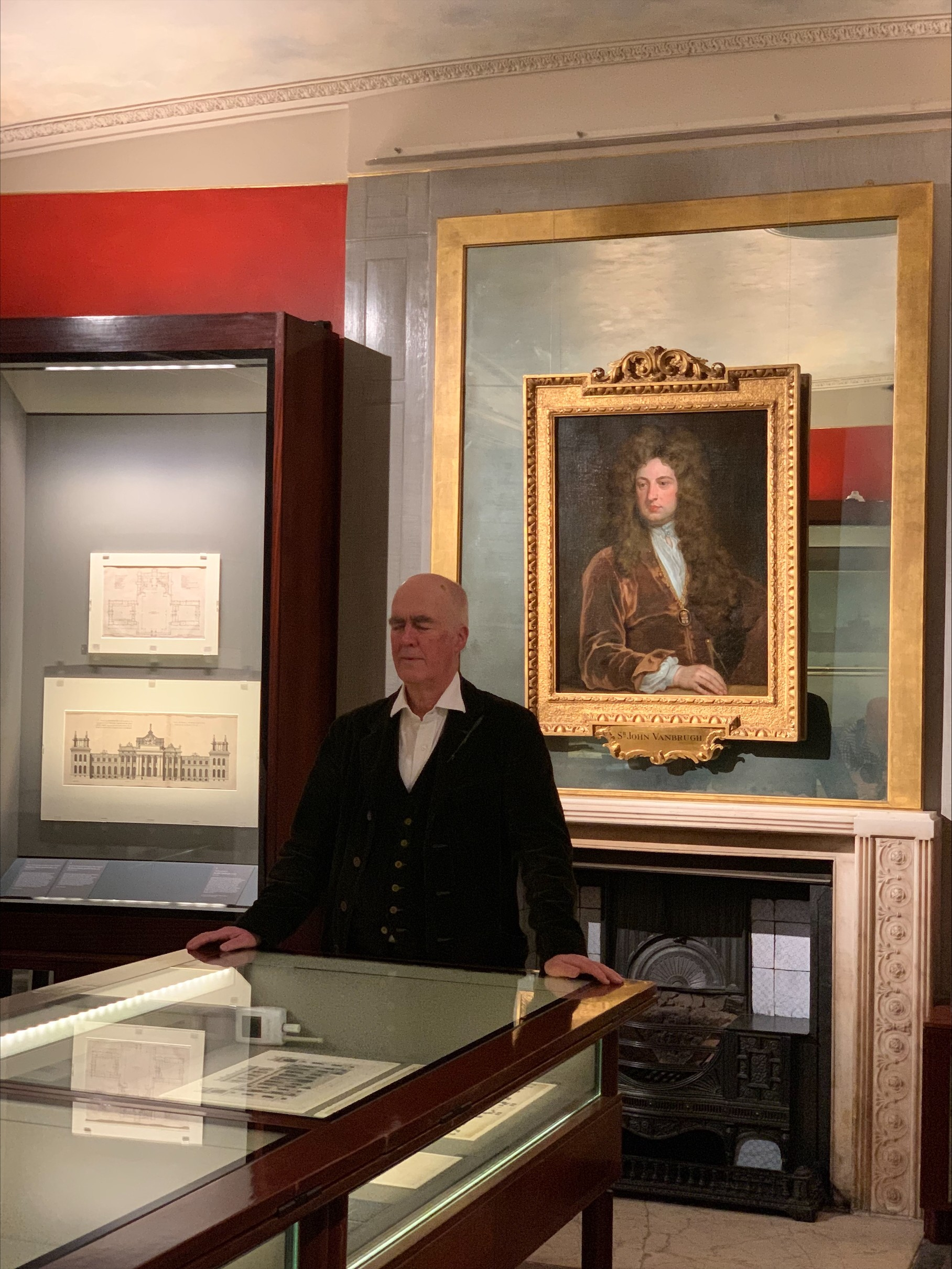
I have kindly been asked to do a version of my talk on the Castle Howard mausoleum at the Warburg Institute on June 1st (Director’s Seminar – ‘The Castle Howard Mausoleum Revisited’ | The Warburg Institute (sas.ac.uk)). For those who heard my lecture to the Monuments and Mausolea Trust, this will be a slightly different version, focussing more on Vanbrugh than Hawksmoor. Do please come if you can.

Standard

Gavin Stamp (7)

I recently went to the excellent small display at the Paul Mellon Centre about Gavin Stamp, who was one of the people who taught me at Cambridge.  I wrote about him for my monthly column in The Critic and very much look forward to his magnum opus due for posthumous publication.

The exhibition closes on Friday !

https://thecritic.co.uk/issues/may-2023/stamp-collection/

Standard

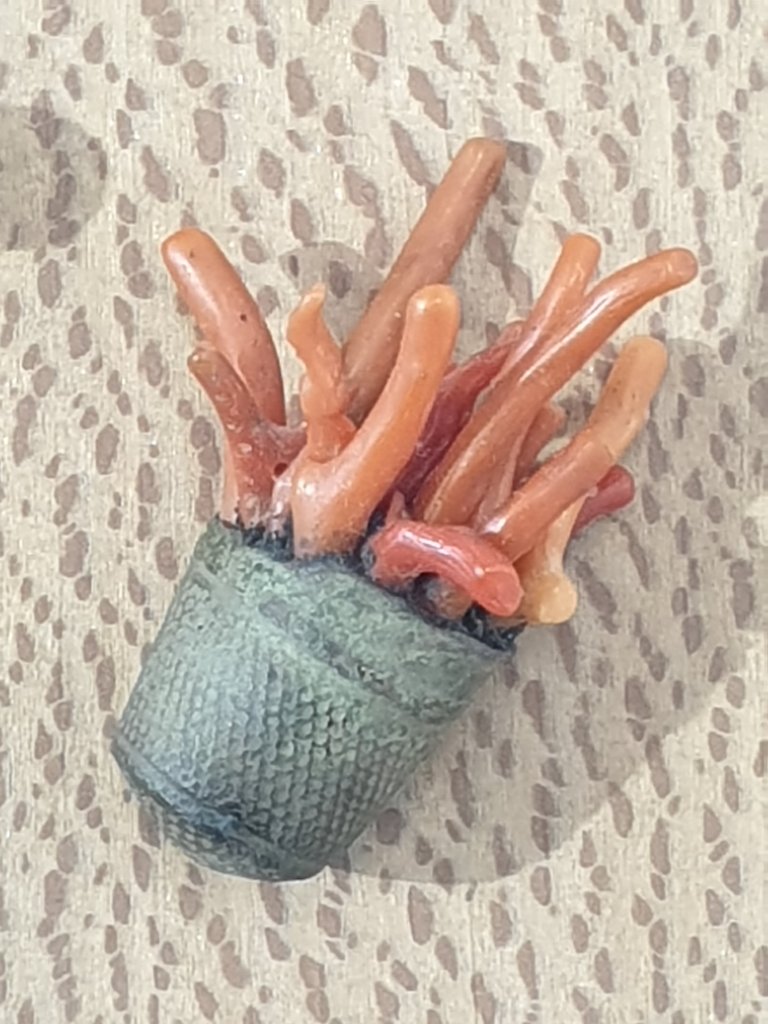
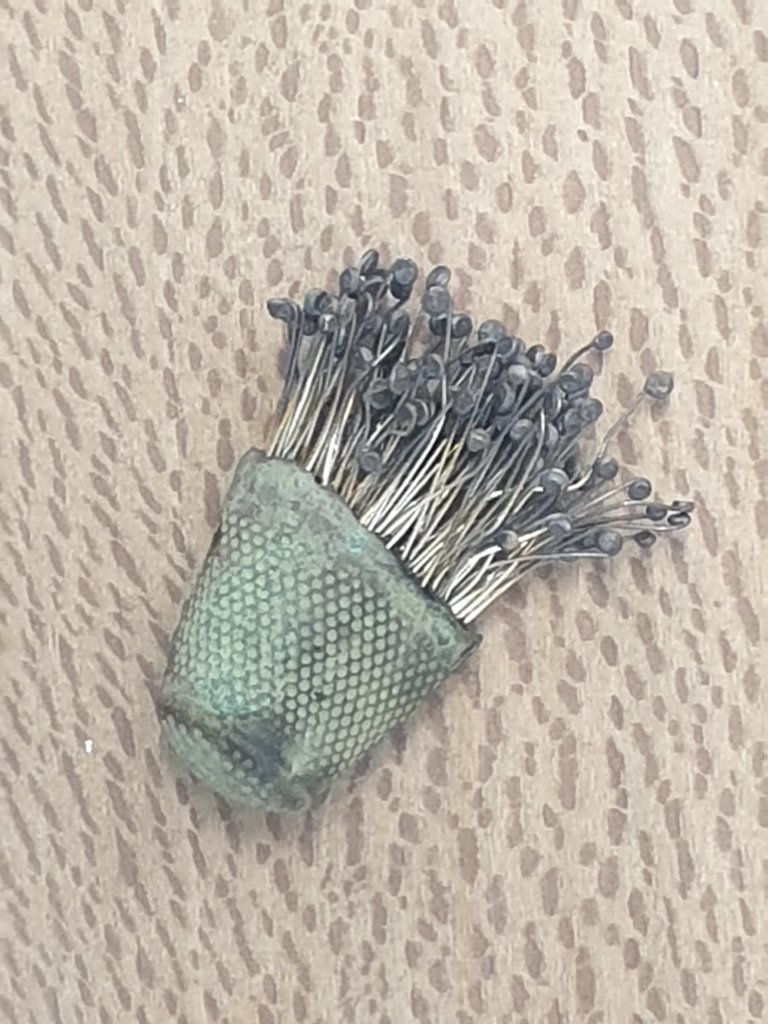
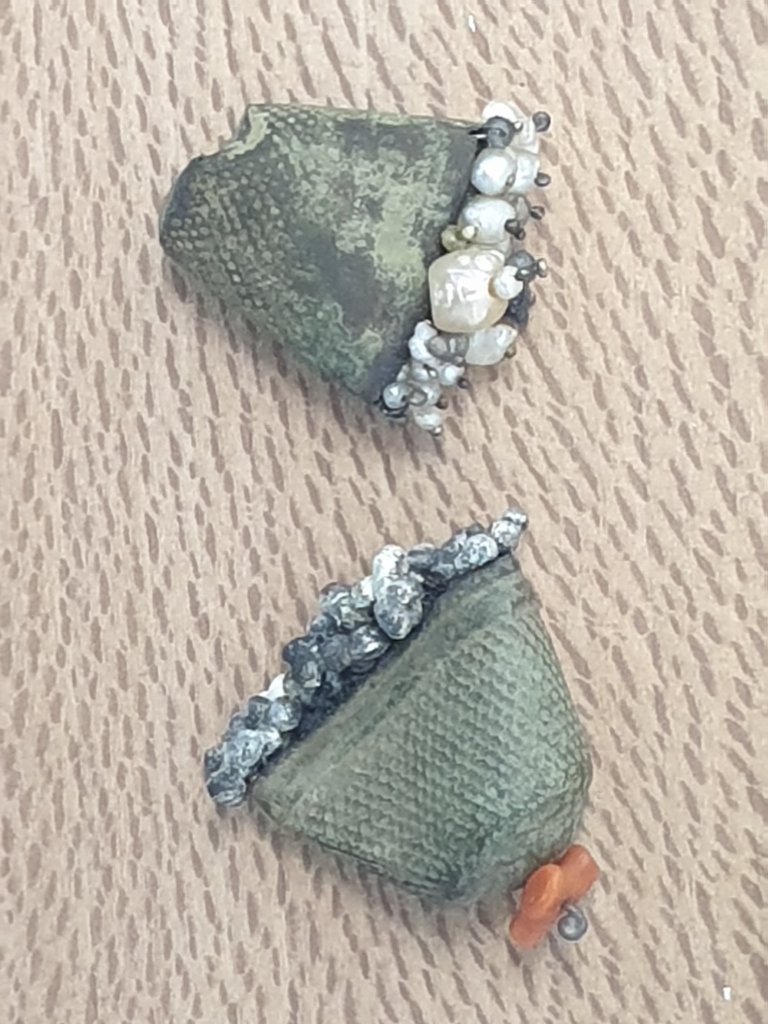
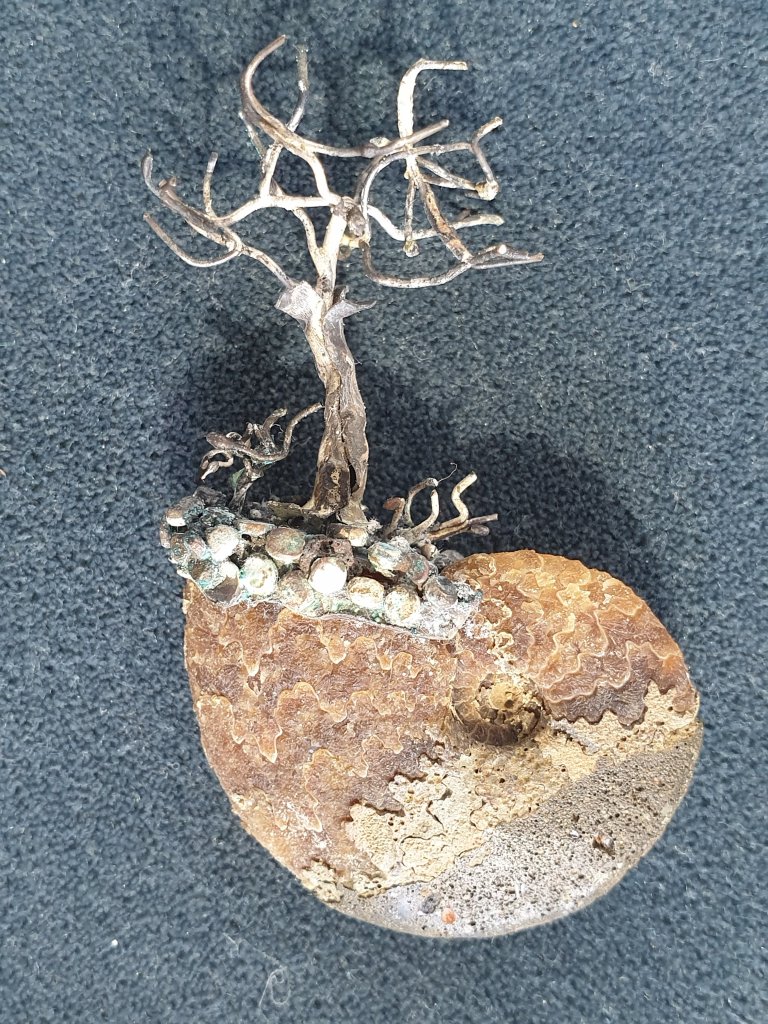
Objects of Curiosity

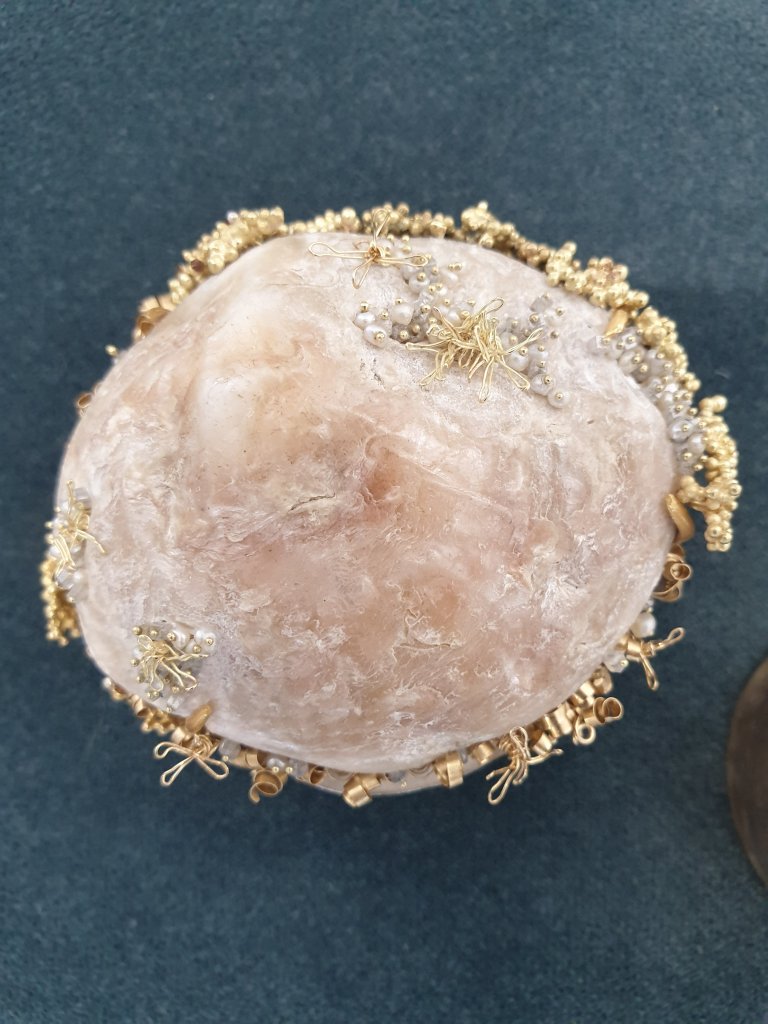
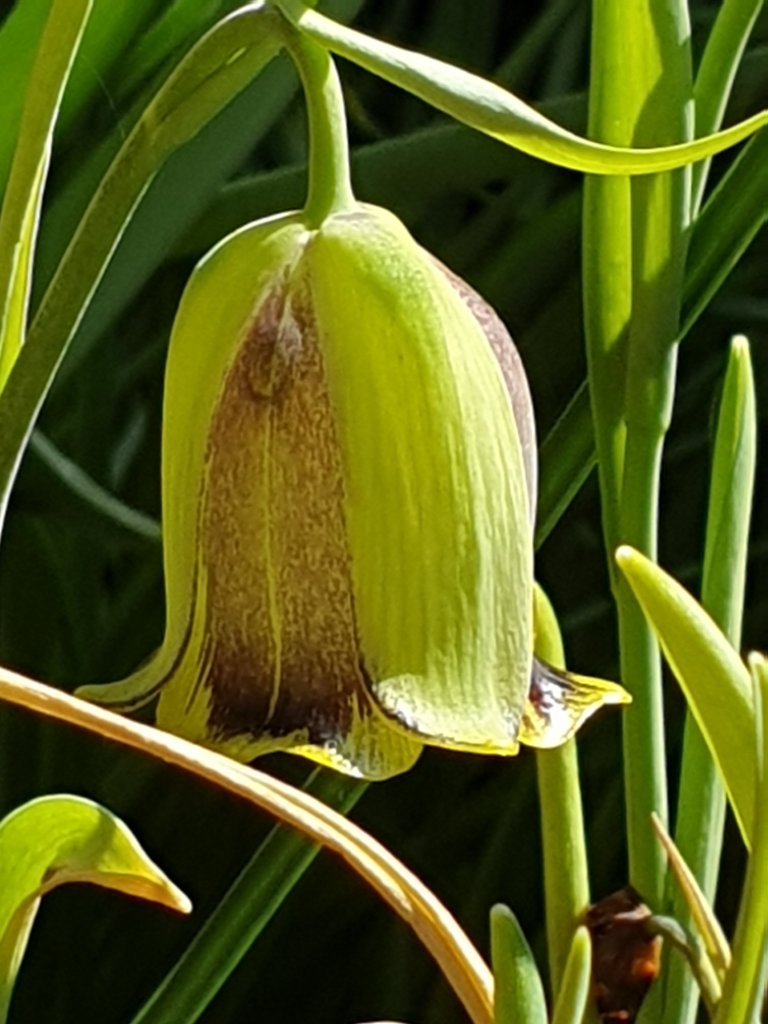
We travelled to Cardiff to see objects which Romilly is showing in an exhibition titled Uncommon Beauty. They are indeed. Recent work, some of which was shown in her exhibition at Make Hauser & Worth in 2020:-

Standard

My Last Post on Twitter

About five years ago my blog was automatically connected to Twitter, such that everything I wrote was instantly broadcast in a much wider medium. As a result, I gradually began to follow Twitter myself – with mixed feelings. I have learned a huge amount from it. I like seeing pictures of Beaumaris posted by Jon Savage and of Lochaline by Hugh Raven. Is it worth the time it takes to follow it ? Yes and no. I sometimes think it is an electronic addiction, destroying the ability to concentrate more systematically.

Well, this morning, I received a message from WordPress telling me that from today what I say on my blog can no longer be connected to Twitter. Please disconnect. I’ve found the button. Do I mind ? Not especially. I have always regarded my blog as a niche interest, mainly for friends, and I sometimes forget that anyone reads it.

I haven’t followed all the changes that Elon Musk has made to Twitter and hitherto haven’t noticed any great changes to it. Actually, I’m secretly rather relieved by this change as it will maybe help cure my addiction. So, farewell Twitter. It will give me time to read more books.
Standard

Barbican (3)

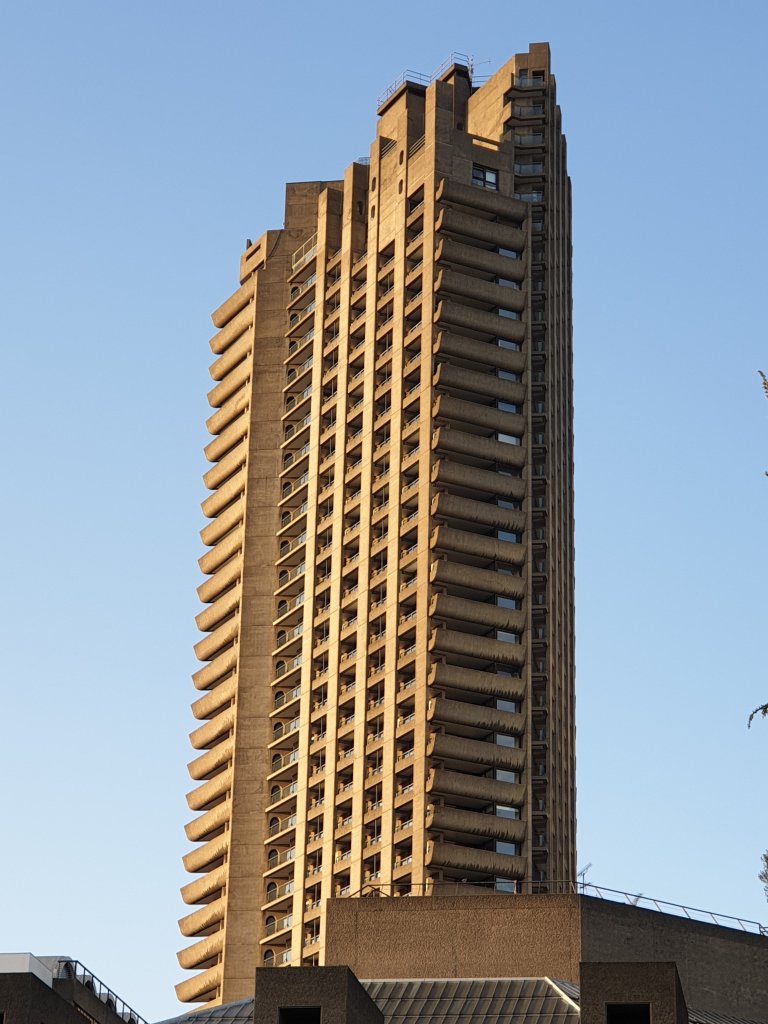
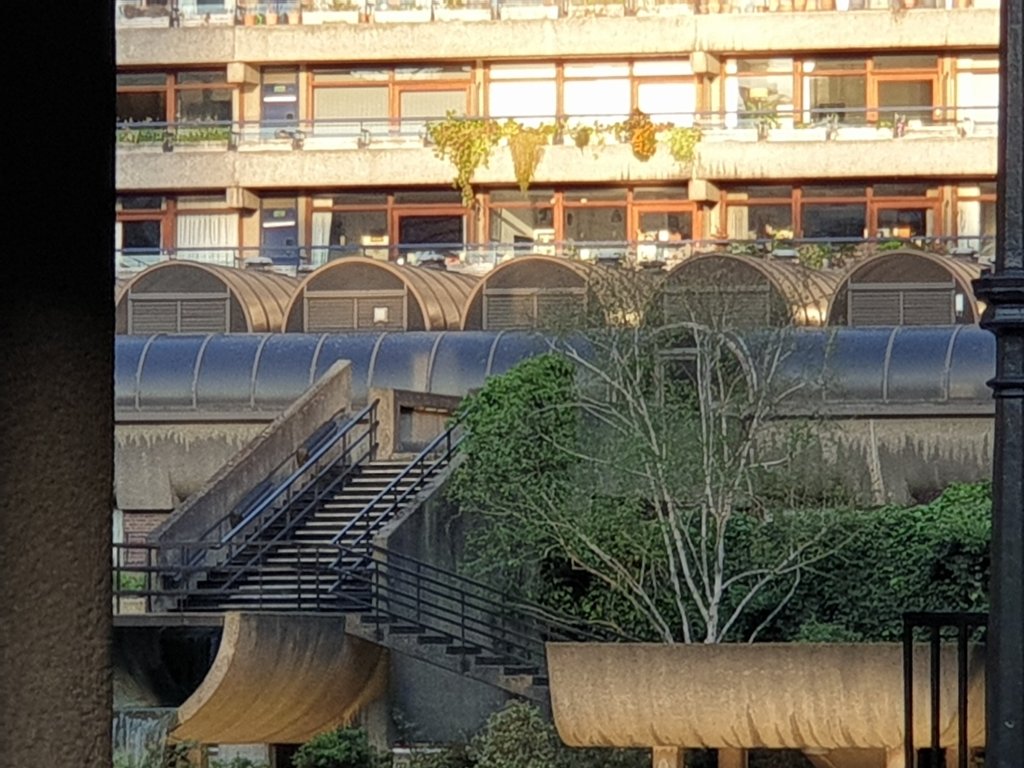
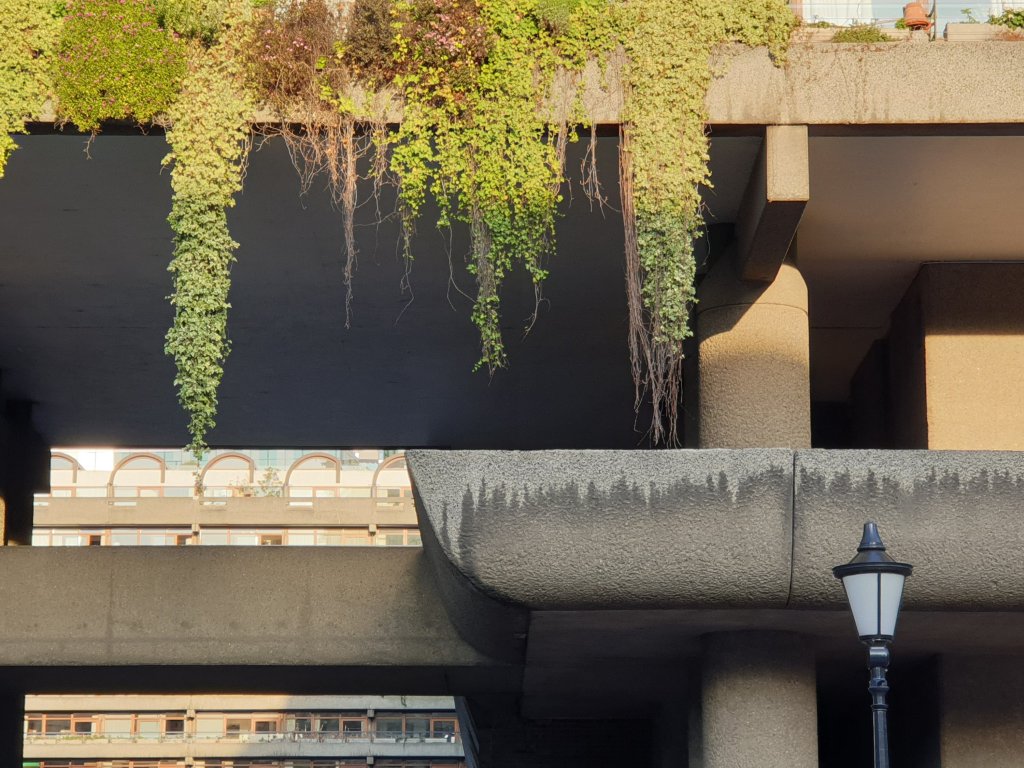
A benefit of going to a concert at St. Giles Cripplegate was that we were in an unfamiliar part of the Barbican as the sun was going down making one look at it in literally a new light:-

Standard

Conway Library

Having the Conway Library available online as of today is a pretty amazing resource – rich in imagery precisely because it is a bit haphazard. I checked its selection on Castle Howard – lots of images, mostly post-war, very high quality, including those of Anthony Kersting, one of the best and most knowledgeable architectural photographers, and including a photograph of the Temple of Venus which Kerry Downes must have added (he was pretty serious as a photographer). There are nearly 1,000 photographs taken by Sir Anthony Blunt, from which it would presumably be possible to deduce the full range of his architectural interests – French seventeenth century, Sicilian baroque. I particularly like the way you get pictures of the boxes as well.

It’s fantastic to have it so freely accessible.

https://photocollections.courtauld.ac.uk/menu-item1/conway-library

Standard

Richard Saumarez Smith (3)

Slightly mysteriously, the Guardian in its Tuesday edition when I was away printed the short obituary I wrote about my older brother following his death in January (see attached), correcting the minor errors in the online version – he went to Delhi in 1969 and only retired in 2016. I have been touched by how many more people have seen it in this form.

https://www.theguardian.com/education/2023/feb/07/richard-saumarez-smith-obituary

Standard

Browse & Darby

Very fascinating news piece about the listing of Browse & Darby. Cork Street has been so knocked about of late. I sense that Native Land who developed the east side of the street have made strenuous efforts to attract international galleries, but it doesn’t feel as if it has worked: the ecology has changed; it’s a bit too uniform; the rents are probably too high.

In a discussion at Sketch on Thursday, it was clear that the character of Mayfair is dependent on the layering of history – buildings like Browse & Darby, once a brokers, then a silk importers, becoming a gallery in the 1920s. The texture of these buildings is obliterated by redevelopment, so it’s good this has been recognised.

https://mailchi.mp/savebritainsheritage.org/campaignscurrent-1647216?s=09

Standard