Glenthorne (2)

I see that Glenthorne is for sale again: one of the more magical, if spectacularly remote, houses I have ever stayed in, down miles and miles of a precipitous and winding track, through several gates until you emerge in front of an early Victorian – or is it late Georgian ? – country house perched on the edge of the Bristol Channel.

We used to love going to stay there which we did for many years. In another life, I would retire there and walk along the coastal paths again eastwards to Porlock or west to Lynton. £7 million seems not so expensive. But I guess the complete isolation may not be to everyone’s taste.
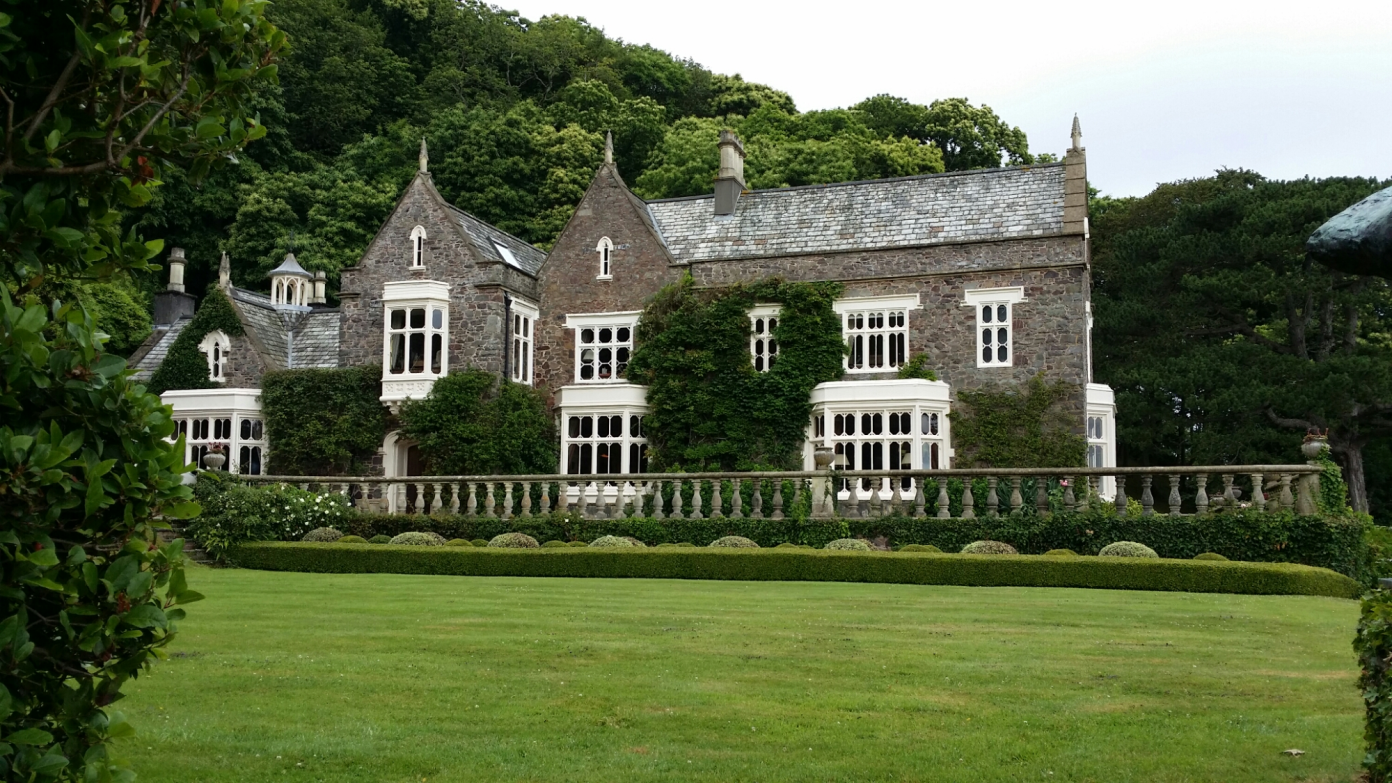
https://www.tatler.com/gallery/glenthorne-house-devon-cliffside-coastal-estate-for-sale-for-pound7-million

Standard

Gavin Stamp (6)

An article I have written about Gavin Stamp has just appeared in the May issue of The Critic. The article is likely to appear online at some point in late May. Meanwhile, the exhibition, which I very much enjoyed, closes on May 5th.

https://www.paul-mellon-centre.ac.uk/whats-on/forthcoming/gavin-stamp-archive-display

Standard

Bellagio

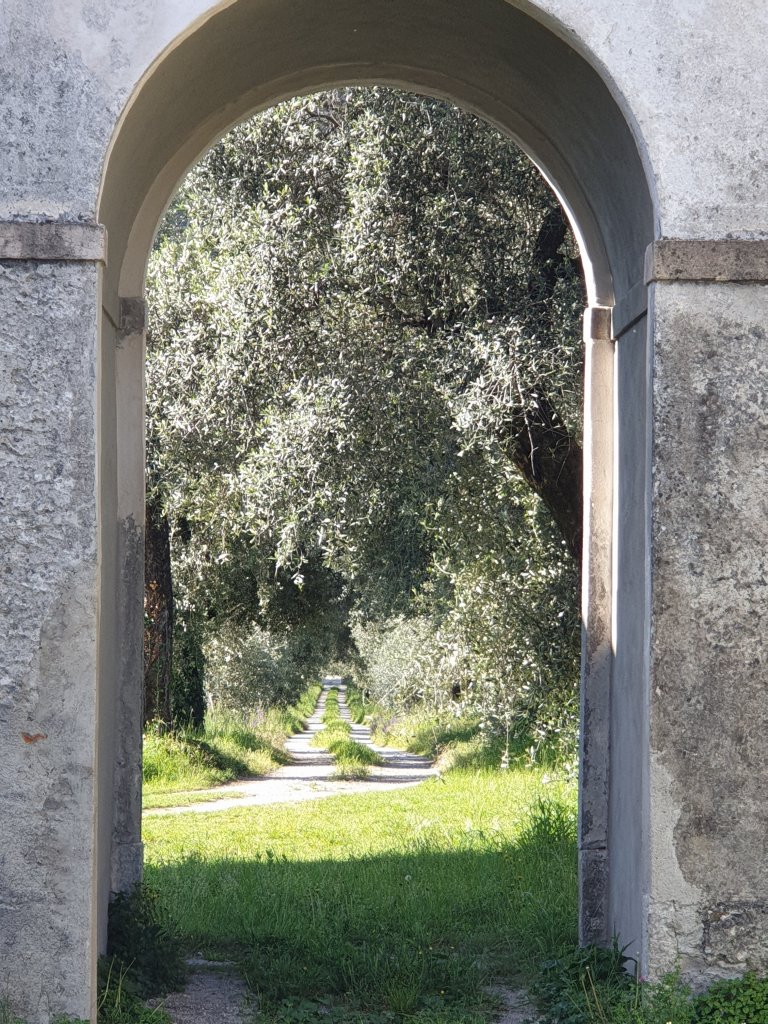
Bellagio is, perhaps not surprisingly, a bit too touristy for my taste, even first thing in the morning. So, I walked over the hill to Pescallo and then past olive groves:-

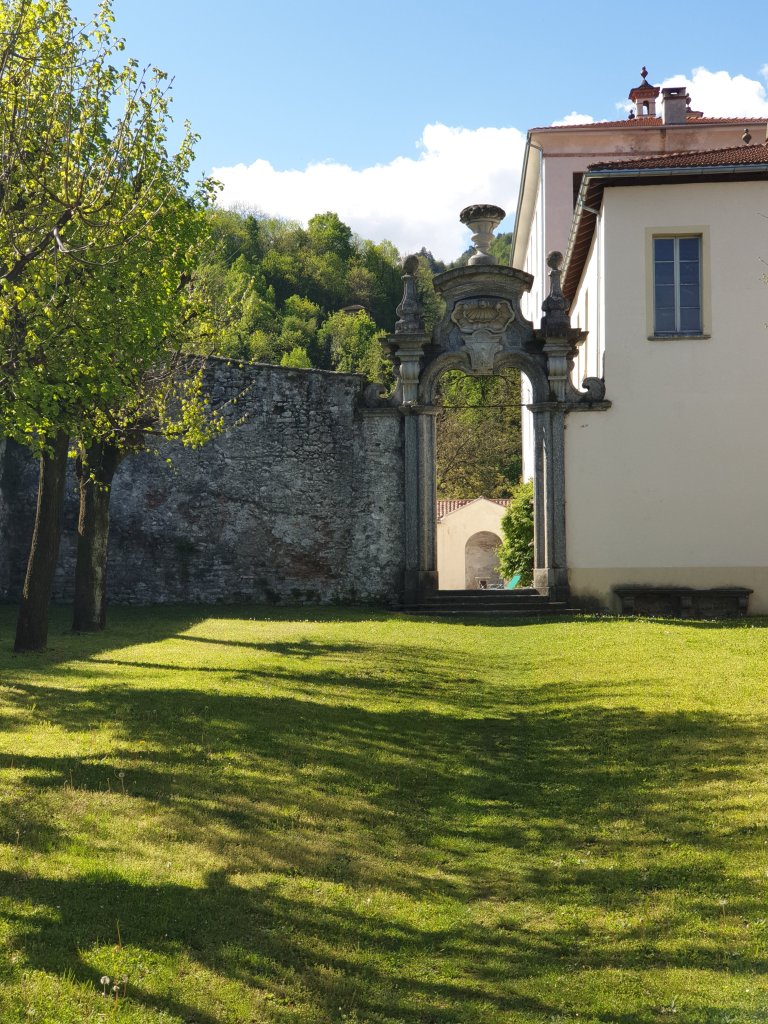
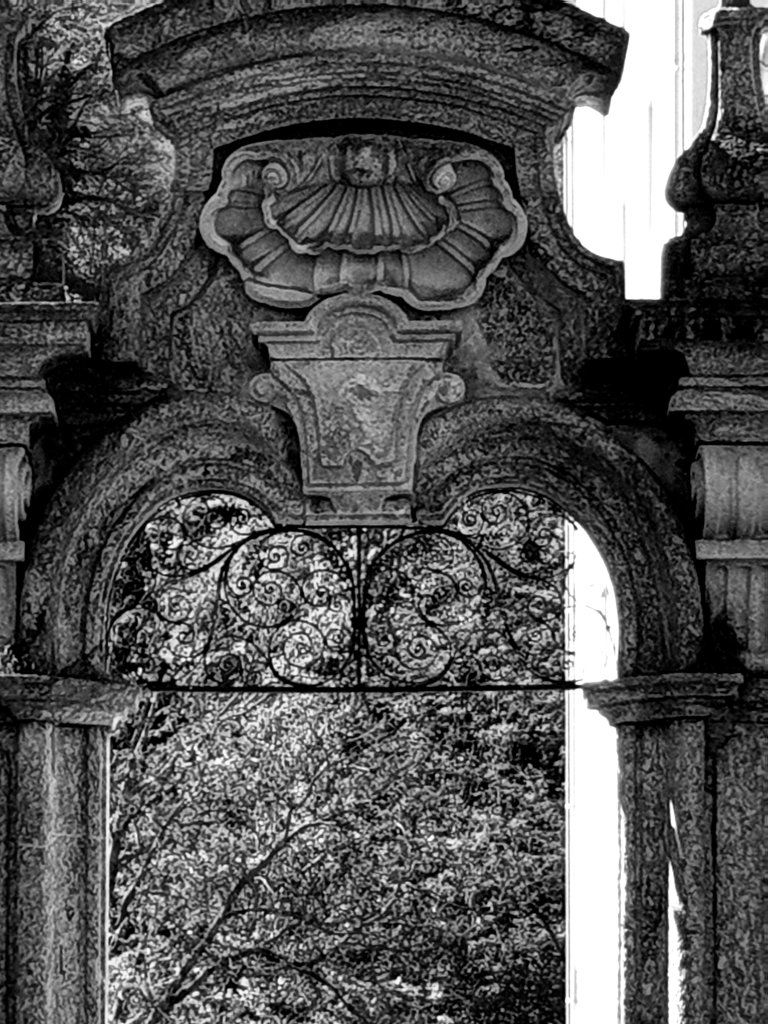
Back across the hill again to Giuggate, with its tiny church, S. Andrea, and an impressive baroque gateway to an otherwise apparently ordinary house:-

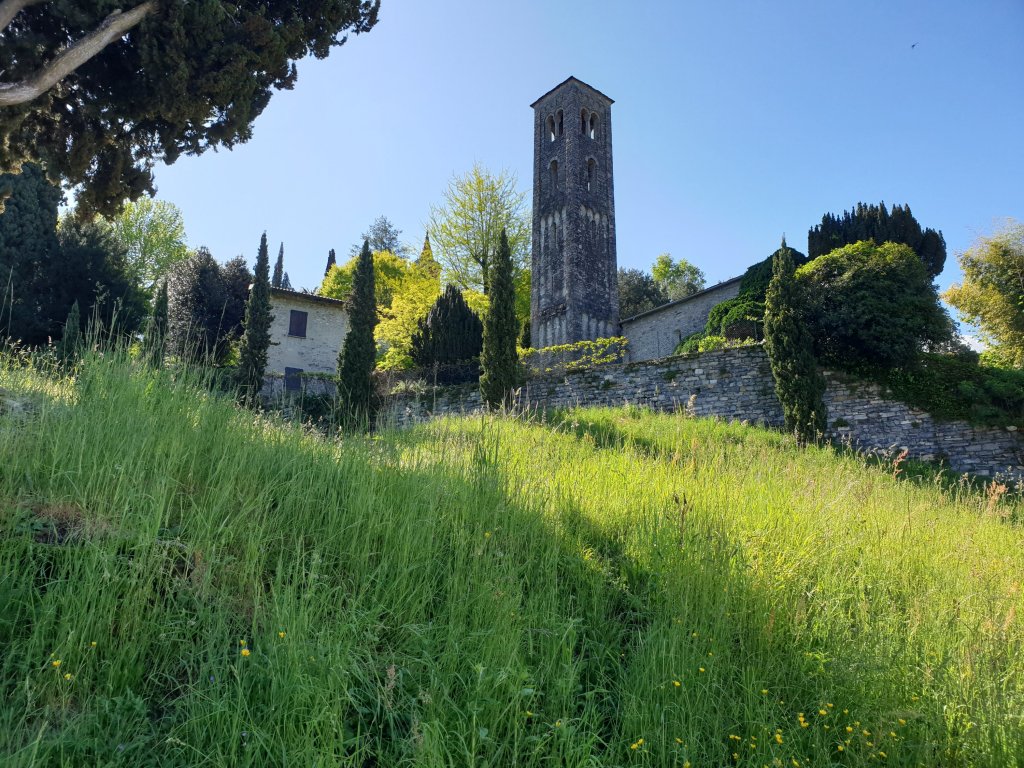
And back past the Romanesque church of S. Giovanni in Lòppia:-

Standard

Corale Bilacus

Quite a memorable concert last night of a long-established choir, nearly all men, from Bellagio singing Italian folk songs in the Anglican Church of the Ascension in Cadenabbia, mostly dating from the wars which were obviously a feature of this heavily contested area, including the 1848 War of Independence and the partisans of the Second World War. Strangely moving.

Standard

Villa Carlotta

I did not know that the Villa Carlotta on Lake Como, very close to where I am staying, contains one of the great collections of work by neoclassical sculpture.

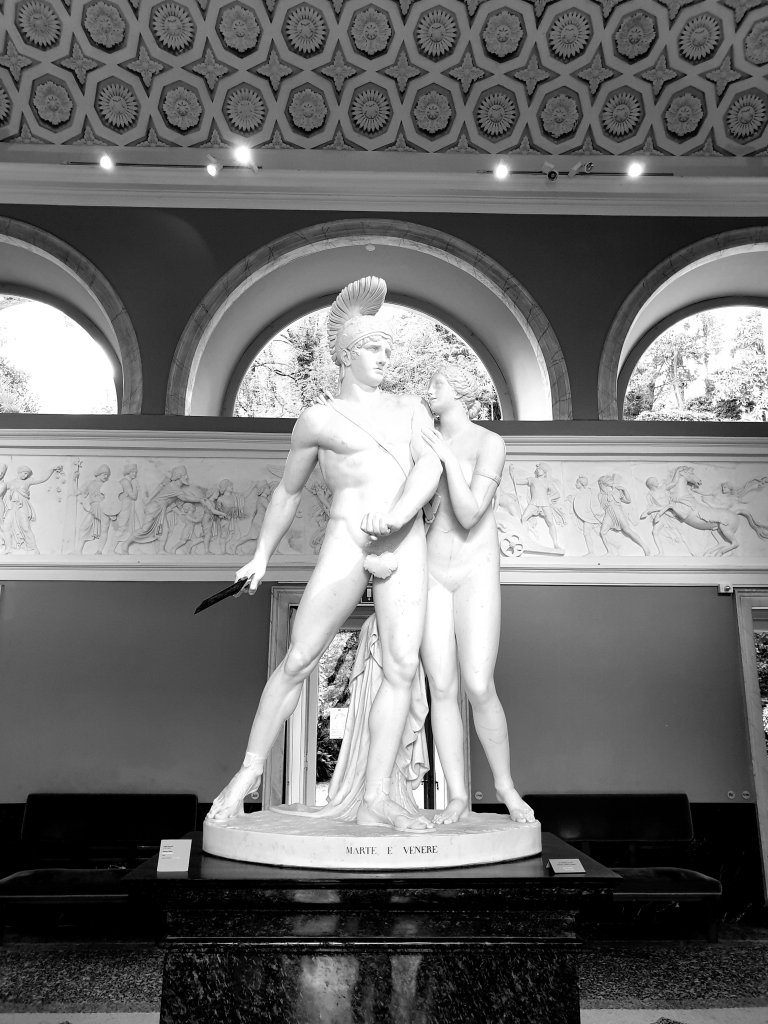
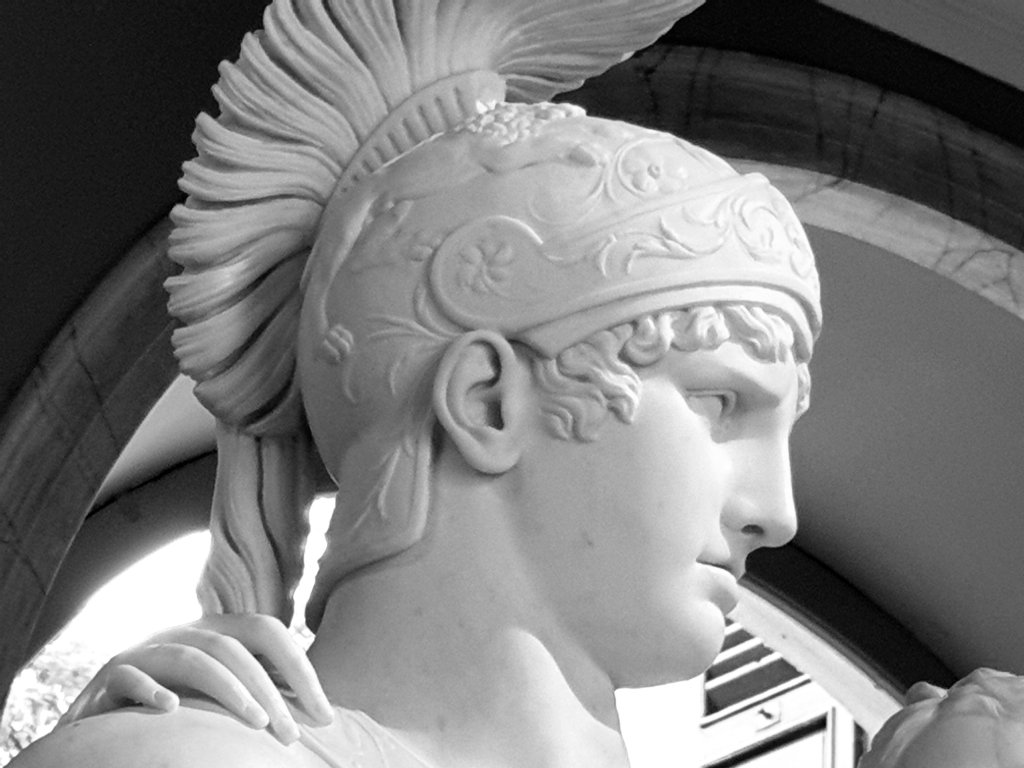
The Marble Room on the ground floor is dominated by Venus and Mars by Luigi Acquisti:-

The frieze by Thorvaldsen.

Next door is the Muse Terpsichore by Canova (1811):-

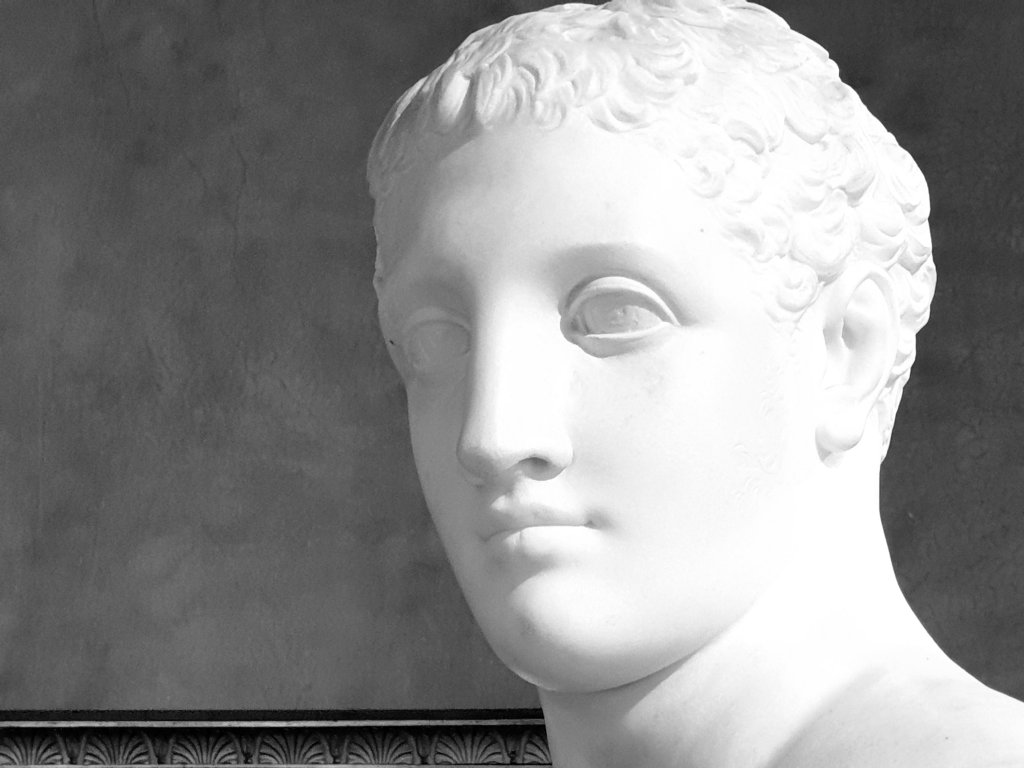
In a small room, there is a large collection of cameos. Opposite is a room dominated by Canova’s Palamedes (1803-1808):-

Then on the opposite side is Cupid and Psyche, an early copy done in the 1830s:-

The whole place is remarkably well preserved, thanks to Giovanni Battusta Sommariva, a politician and collector, and the fact that it was taken over by a foundation in 1927:-

Standard

Tower Hamlets Town Hall (3)

I was pleased to see Rowan Moore’s long and complimentary review of the new Tower Hamlets Town Hall in yesterday’s Observer: he, like me, admires the way it combines the characteristics of the old hospital building with the new requirements of local democracy. Façadism generally has a bad name, but on this occasion feels a sensible re-use of so much of what was there before:-

https://www.theguardian.com/artanddesign/2023/apr/23/tower-hamlets-town-hall-review-an-old-hospital-immaculately-stitched-up?CMP=Share_AndroidApp_Other

Standard

Lake Como (1)

I have never previously been to Lake Como, a long pencil-thin lake surrounded by mountains, stretching up to the Alps and running parallel to the southern part of Switzerland. It was beloved of nineteenth-century travellers and so is surrounded by late nineteenth-century villas and palazzi.

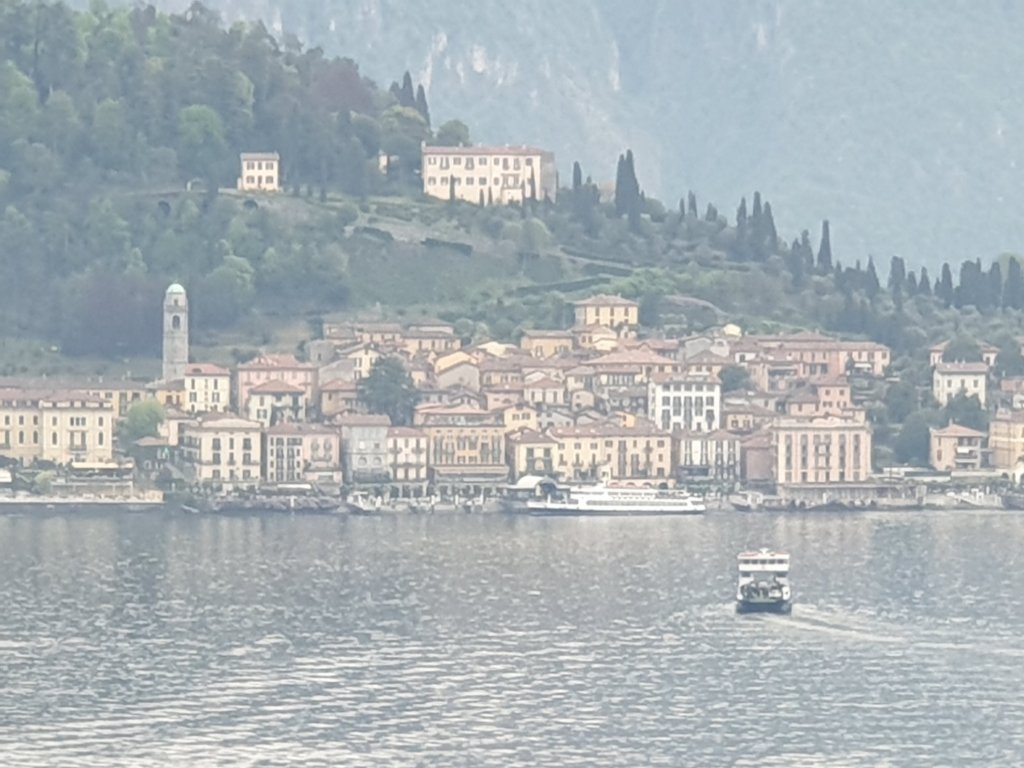
So, I woke up this morning with a view across the lake to Bellagio:-

And a distant view of the mountains beyond:-

Standard

John Newman

I’m very sorry to read of the death of John Newman, the architectural historian and former Deputy Director of the Courtauld Institute (1989 to 1994).   When I was doing a PhD. at the Warburg, I was encouraged to take Newman’s classes at the Courtauld which were a very good discipline.   He had been a school teacher at Tonbridge School and remained, in some ways, a school teacher – very precise, scholarly, intellectually broad ranging, unpretentious.  He had been Pevsner’s driver as a mature student and went on to do the two volumes of Kent, not once, but twice, models of their kind.  I liked him and owe him a debt of gratitude.

Standard

Sir Isaac Newton

I have never previously seen the Roubiliac statue of Isaac Newton in the ante-chapel at Trinity, as grand a piece of commemorative sculpture as I’ve seen. Newton had died in 1727, so it is long posthumous, a deeply impressive piece of memorialisation, conveying all of Newton’s intellectual authority, not least by its placing:-

Standard