The last of Paris

I have been flicking through my photographs of Paris and now post a few late extras:-

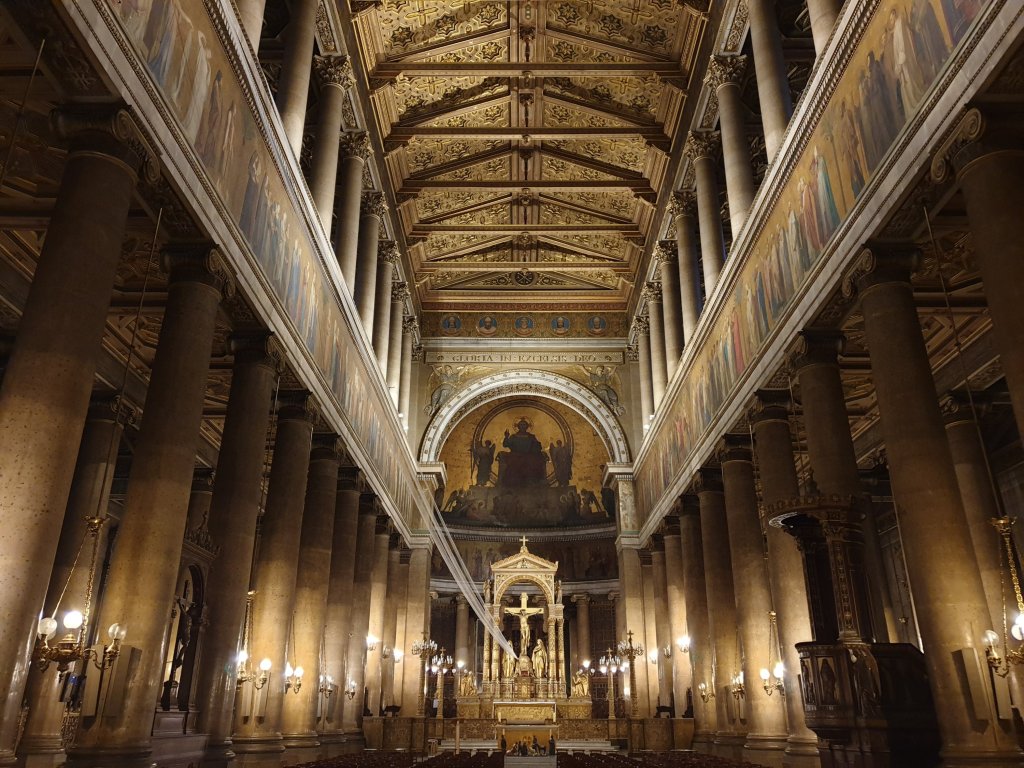
The interior of St. Vincent-et-Paul:-

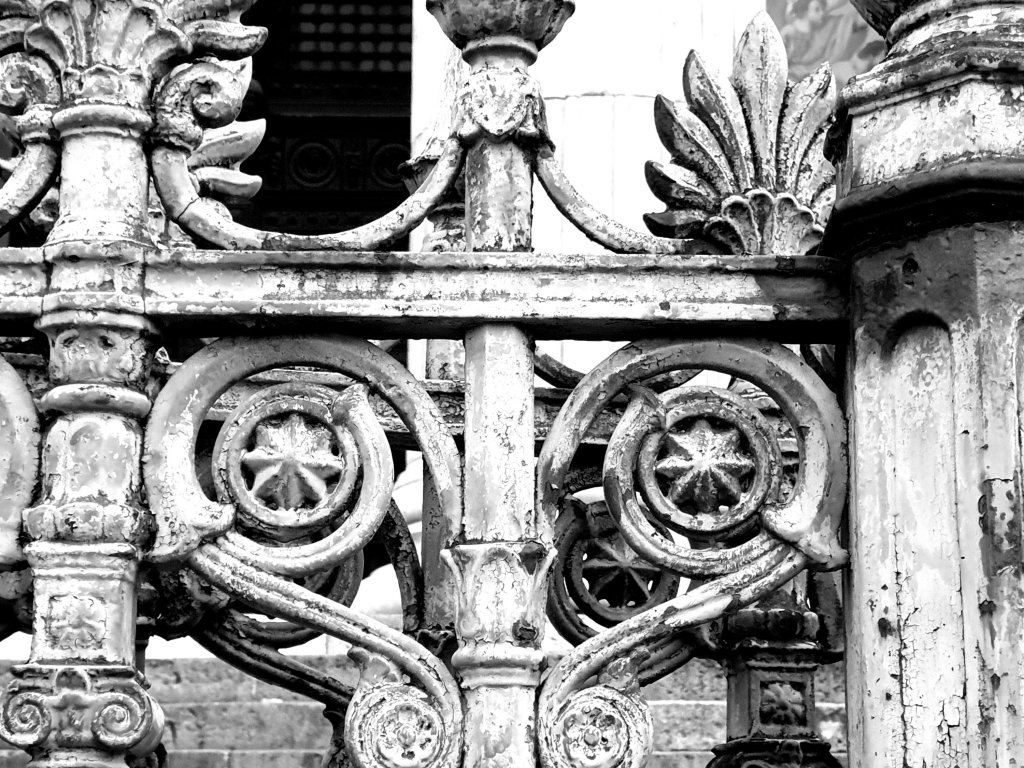
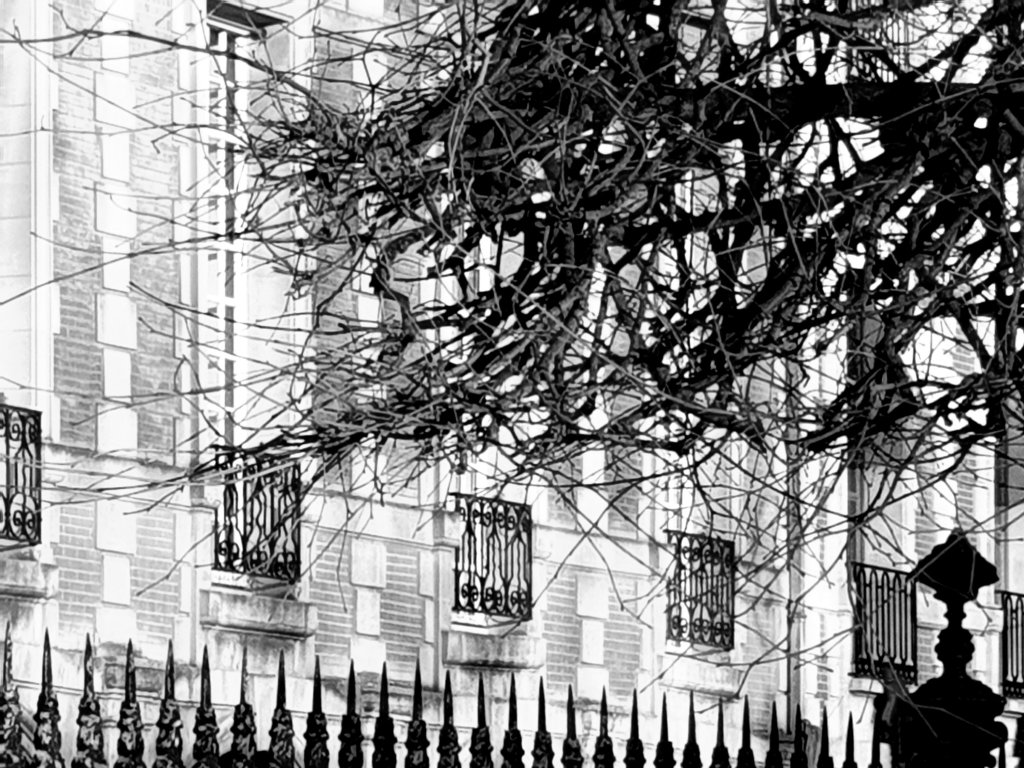
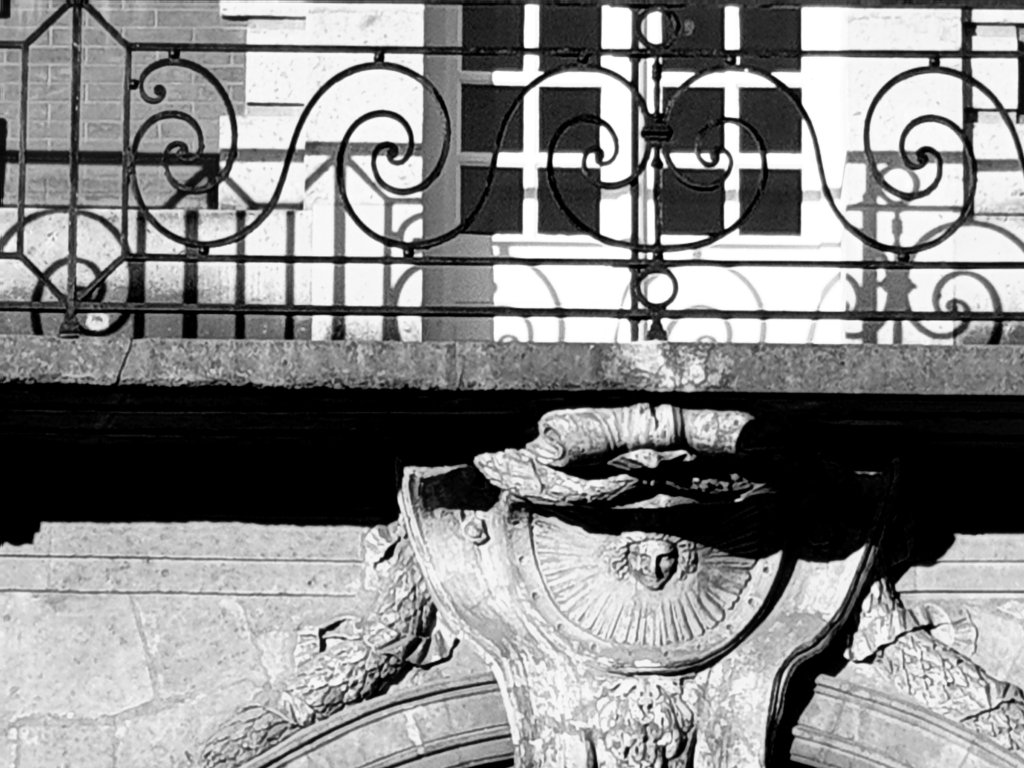
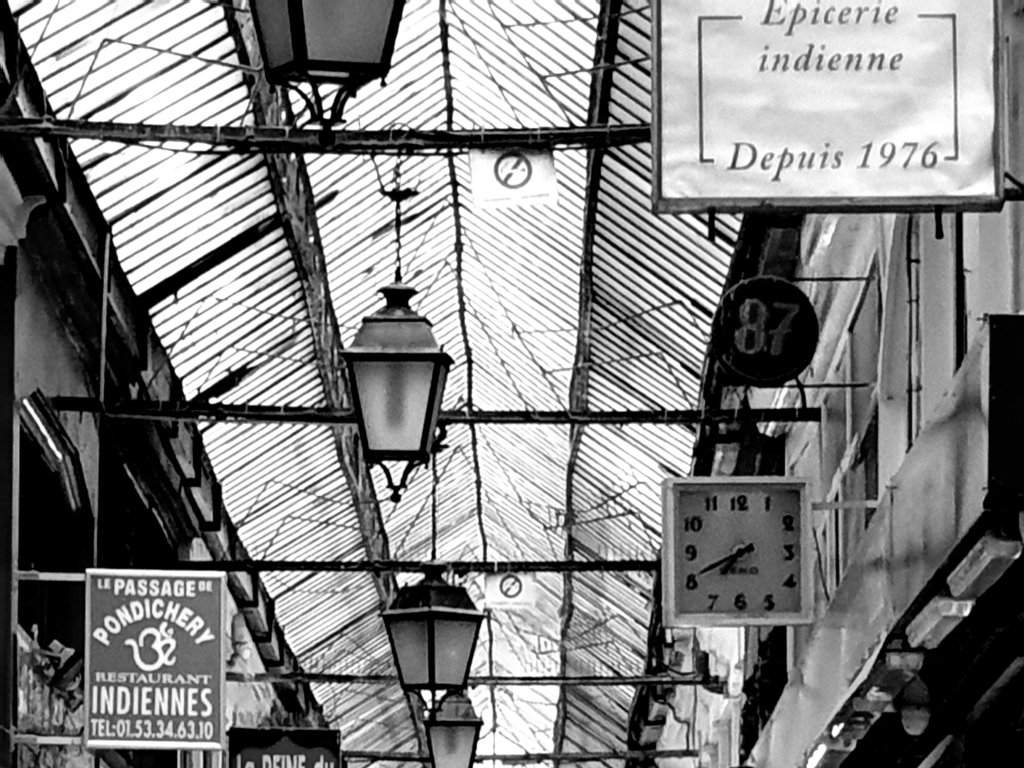
The ironwork outside:-

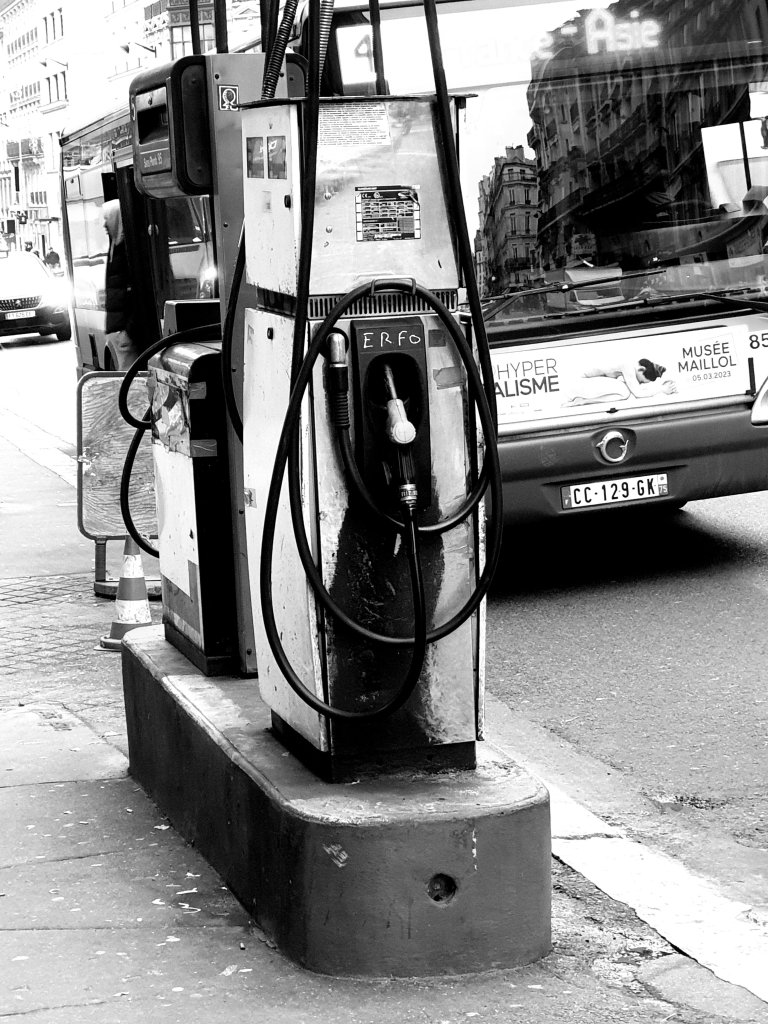
An unexpected pair of petrol pumps on one of the big boulevards:-

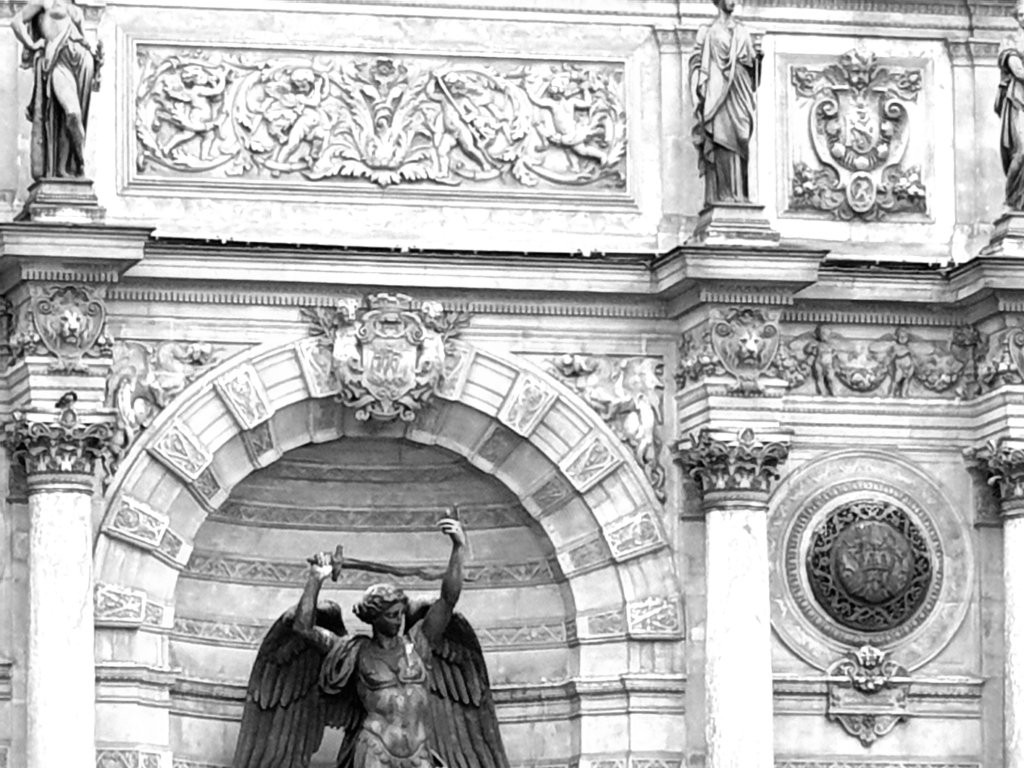
The Fontaine St. Michel, designed in 1856, constructed 1858 to 1860, no lack of urban ambition here:-

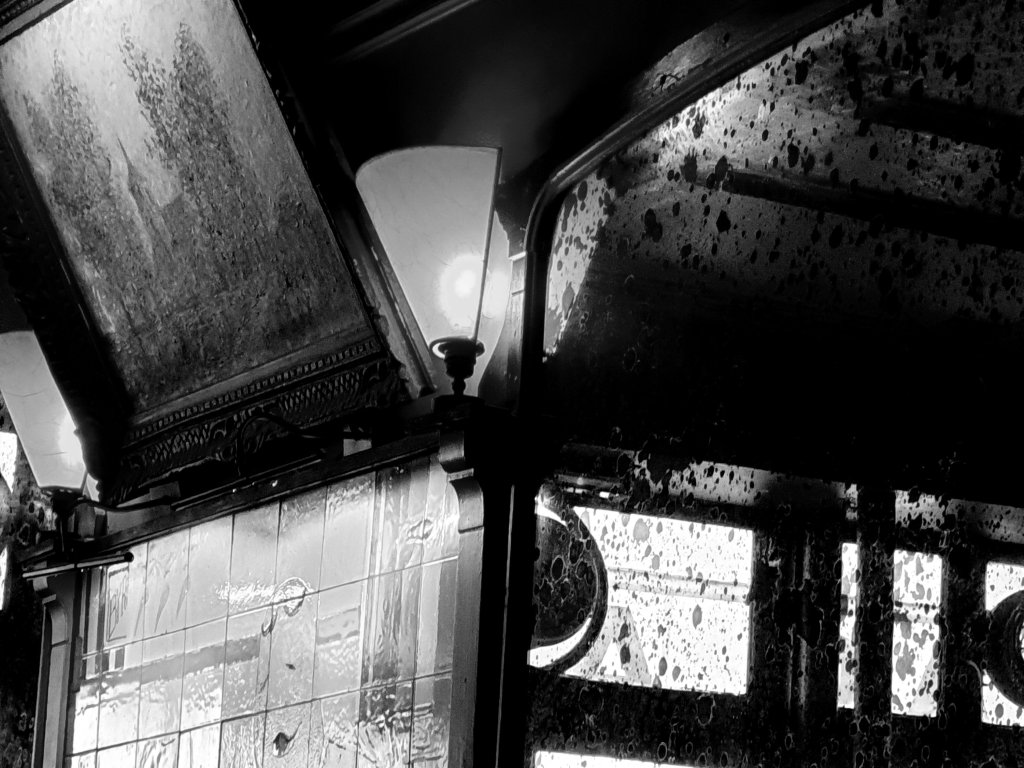
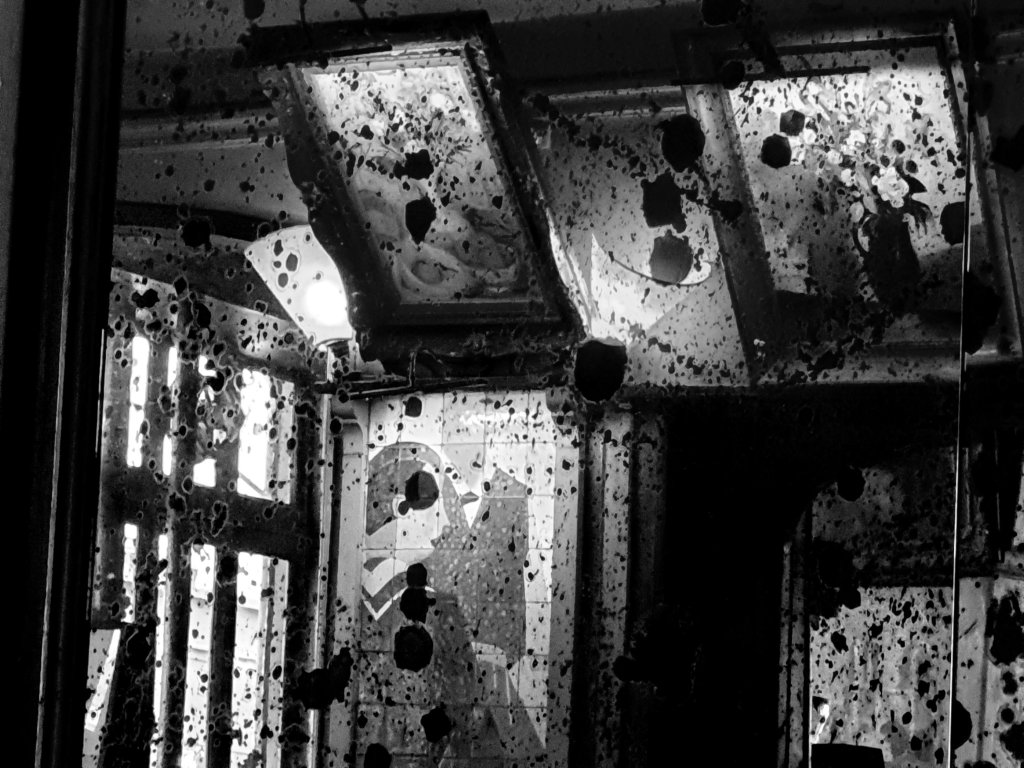
We were recommended La Palette for its charcuterie, not its atmospheric interior:-

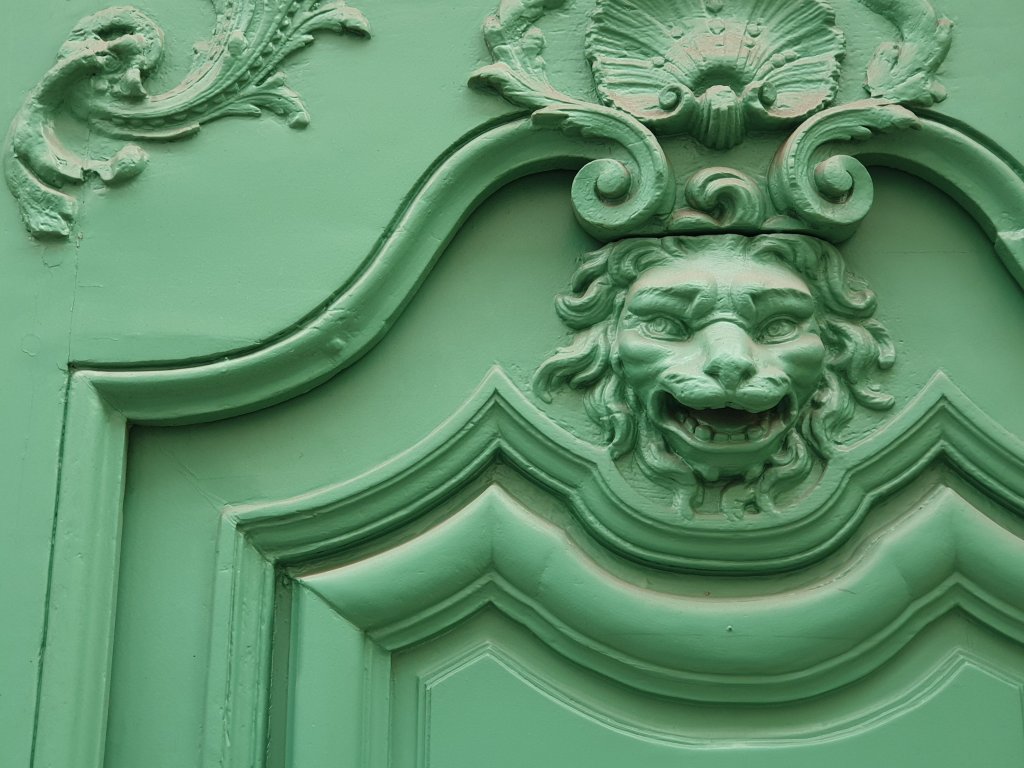
Two nice doors in the Marais:-

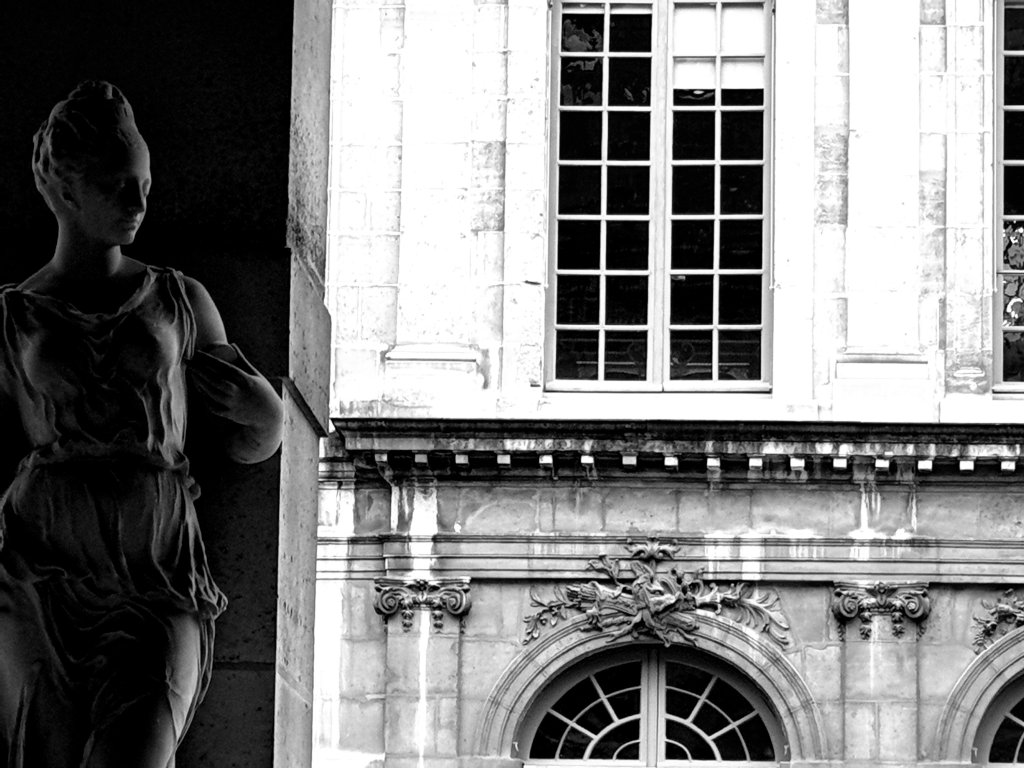
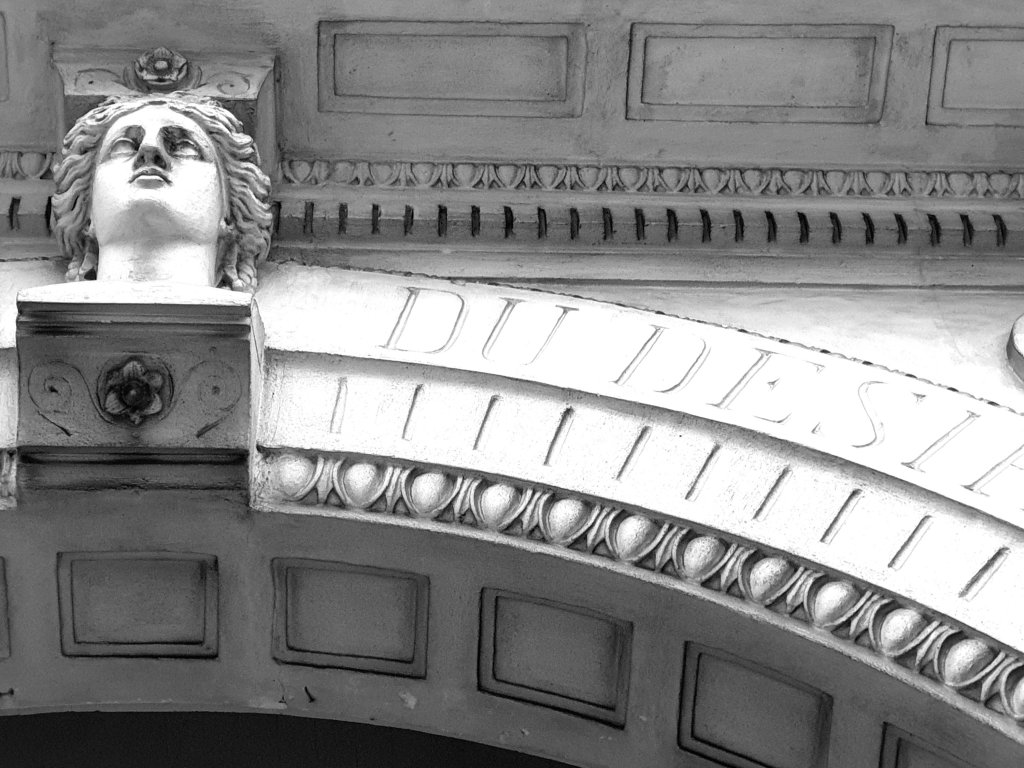
And the entrance courtyard to the Bibliothèque Nationale:-

Standard

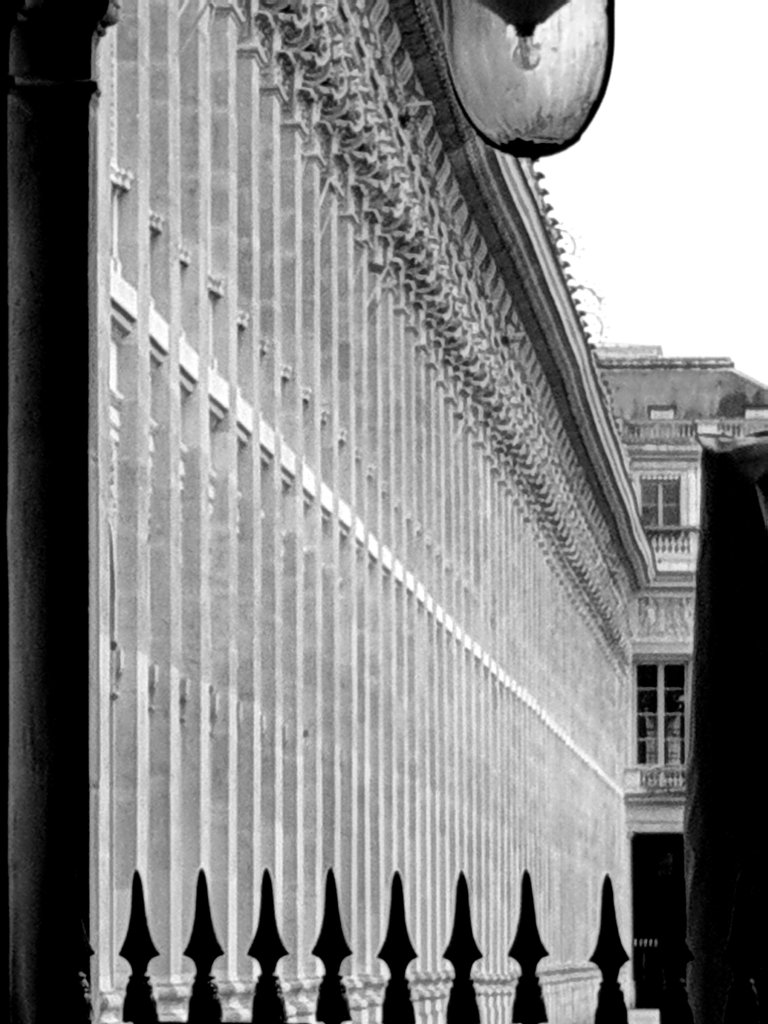
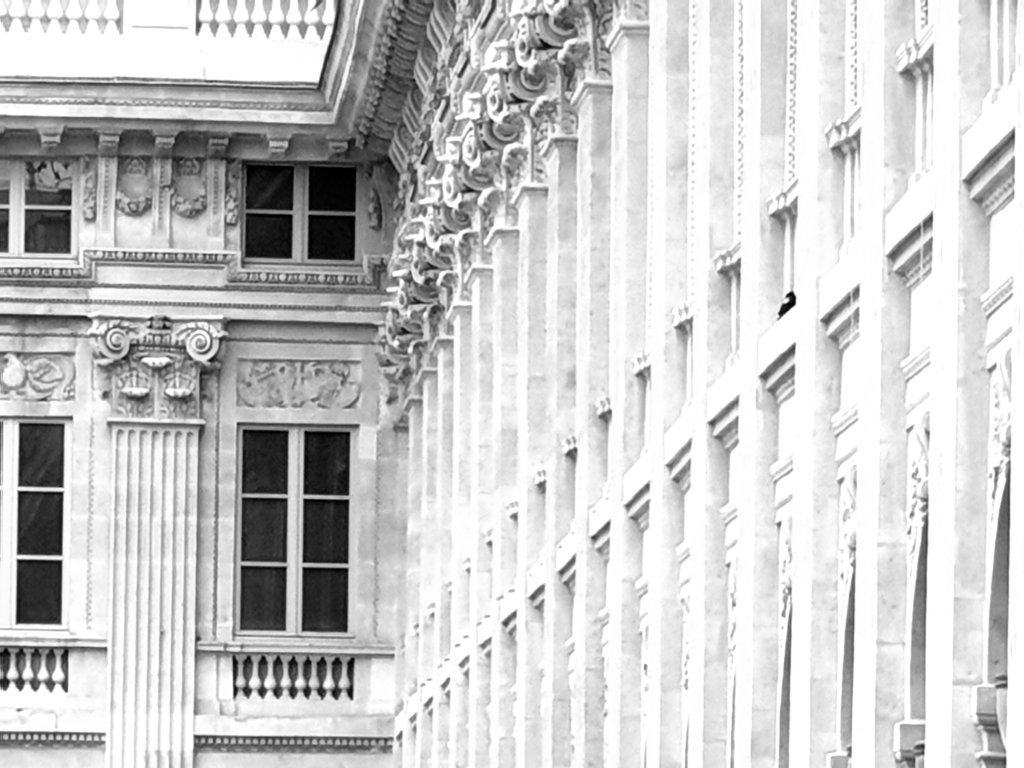
Palais Royal

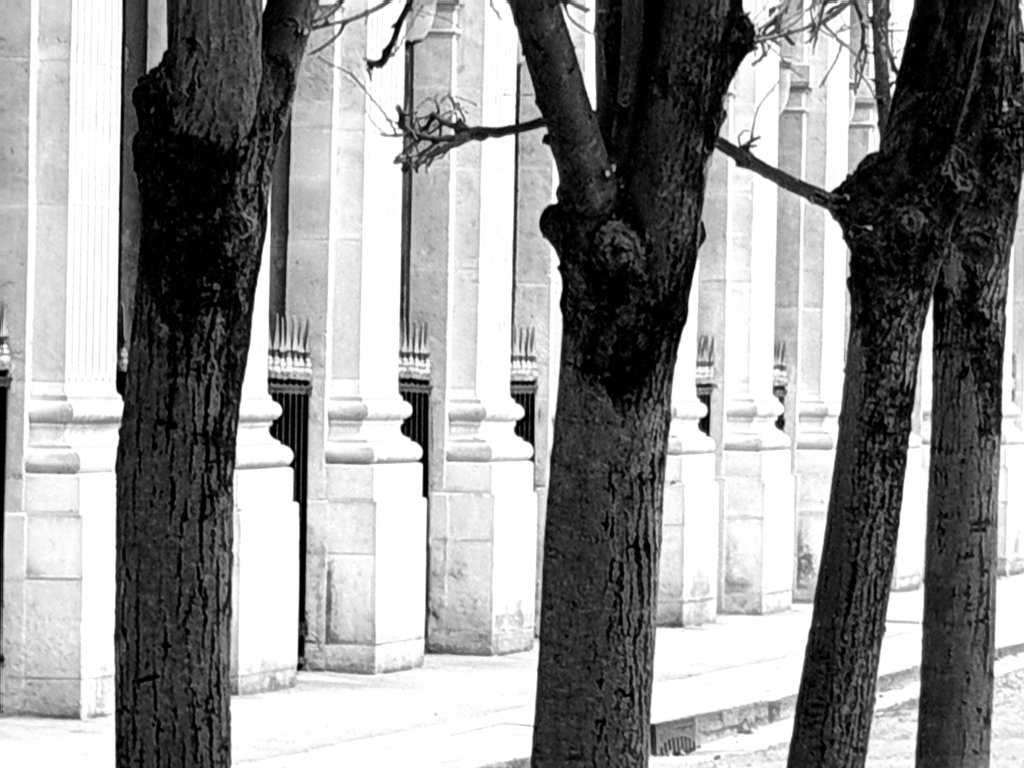
We walked through the Palais Royal this morning – such a treat. I couldn’t remember its history, not surprisingly since it’s complicated. First constructed in the 1630s for Richelieu. Richelieu gave it to Louis XIII, Louis XIV gave it to the Duc d’Orléans. But the character of the Palais Royal seems to have been owing to the construction of town houses round the courtyard towards the end of the eighteenth century by Victor Louis and the construction of shops. But who was Victor Louis ? Only half a neoclassical architect, discredited in the 1750s for inventing classical remains, so that he was never part of the architectural establishment. But the architecture is surely as good as can be, a monument to a certain style of civility:-

Standard

A wheelchair in Paris

I do not normally do posts about the problems and issues round travelling with a wheelchair. But having spent three days navigating our way around Paris, I am going to break my normal rule to give some tips and advice for those who might be planning something similar.

My first advice is of things to avoid:-

The Café Marly

We arranged to have lunch with friends in the Café Marly, convenient for the Louvre. We were made to wait fifteen minutes outside and then another fifteen minutes before being told there was no disabled access. I would have thought they might already know.

The RER

The RER is supposedly disabled accessible. It is if you can find someone to manage the special ramp required to get on to the train, but we did not know this before we arrived on the platform, so missed several trains before retracing our steps to find someone to assist. Not straightforward in Chatelet when we were late for a performance of Cabaret (we left two hours to get there).

The Metro

Lines One and Two are also supposedly disabled accessible. They are not.

Walking

In many ways, walking in Paris is the greatest possible pleasure. But not so much with a wheelchair. The pavements are narrow. Shopkeepers often put out advertisements mounted on an immovable metal base making the pavement impassable. People are, perhaps not surprisingly, annoyed to be confronted by a wheelchair blocking the pavement, especially in the Marais on a Saturday afternoon.

But it was not all bad:-

Eurostar

Everyone on Eurostar in both London and Paris was incredibly helpful.

Buses

Parisian buses are fantastic (when they come) – fast, spacious, easy to get on and off, better than in London. They go everywhere and Google makes finding routes straightforward.

Museums

In general, the people in museums were pretty helpful, particularly one of the guards in the Musée de la Chasse.

G7

There is a taxi app called G7 with which you can book accessible taxis. It worked really well except for the time when none were available.

So, all-in-all, it can be done, but is far from straightforward. In London, legislation must have made installing lifts compulsory, particularly for public institutions, but in Paris, the culture feels very different: much less sympathetic both institutionally and culturally. It makes one grateful for London’s culture of tolerance and helpfulness.

The benefit – oddly – is that everything takes a lot of time, which slows one down and allows one to look about and pay attention.
Standard

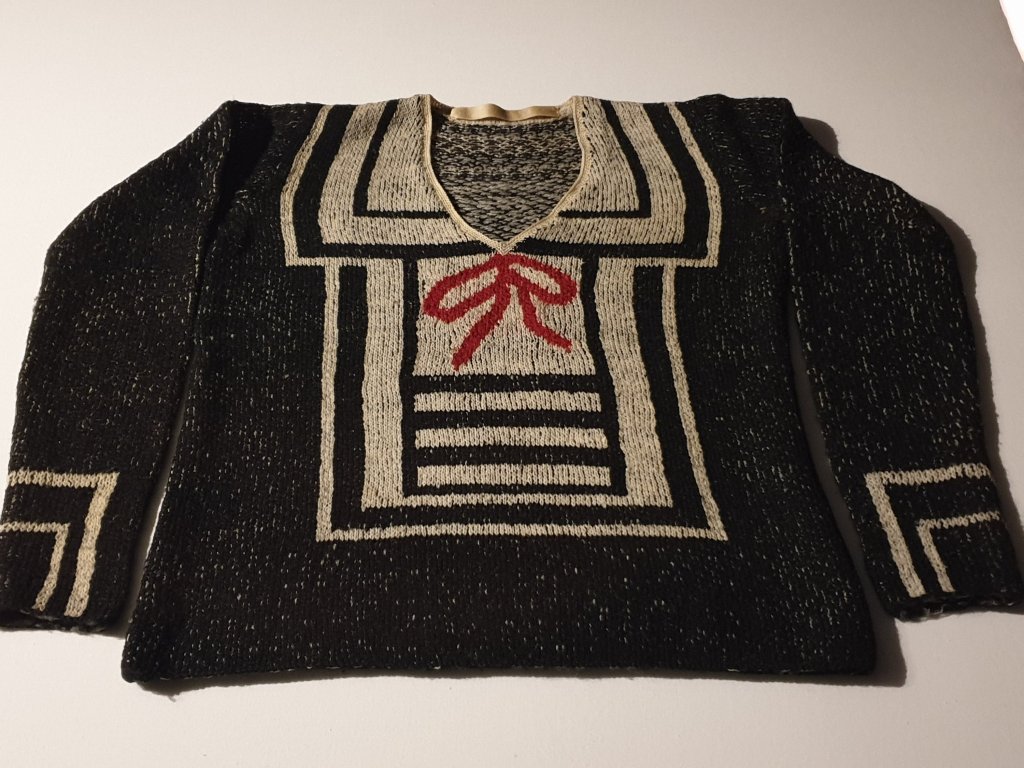
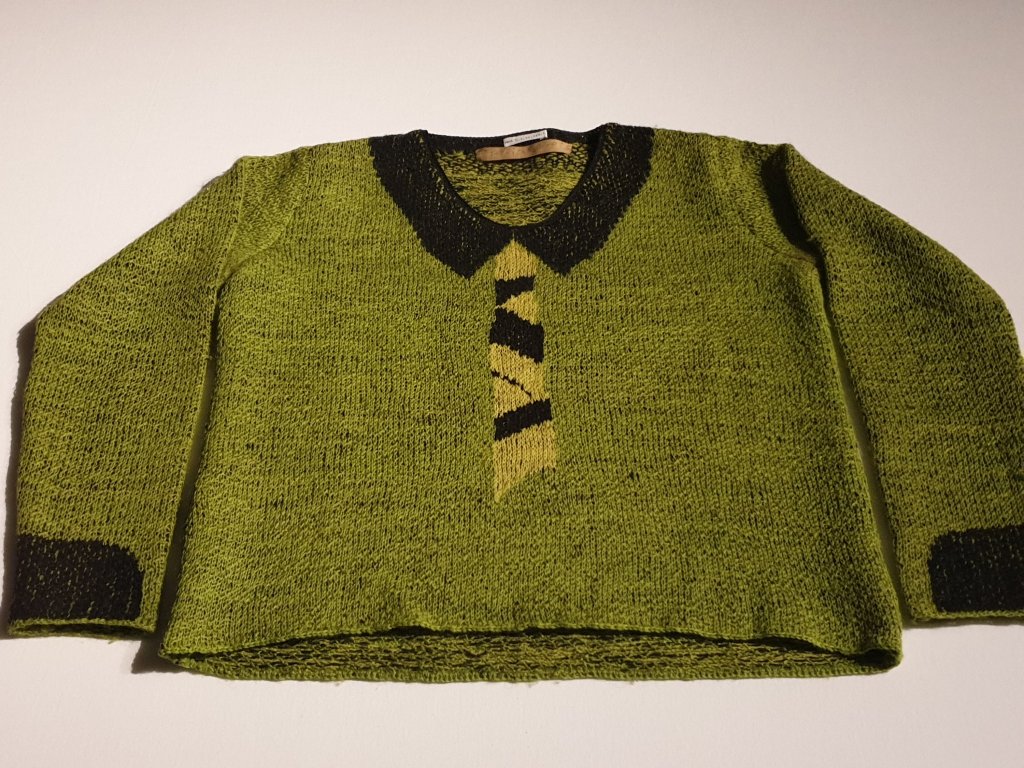
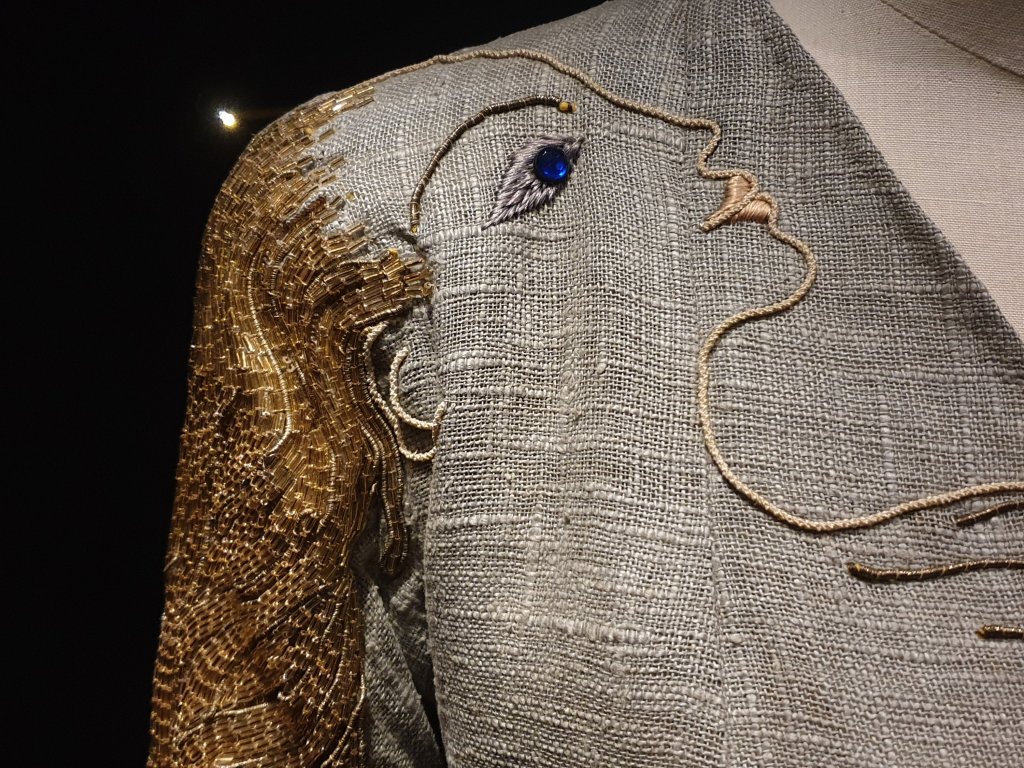
Schiaparelli

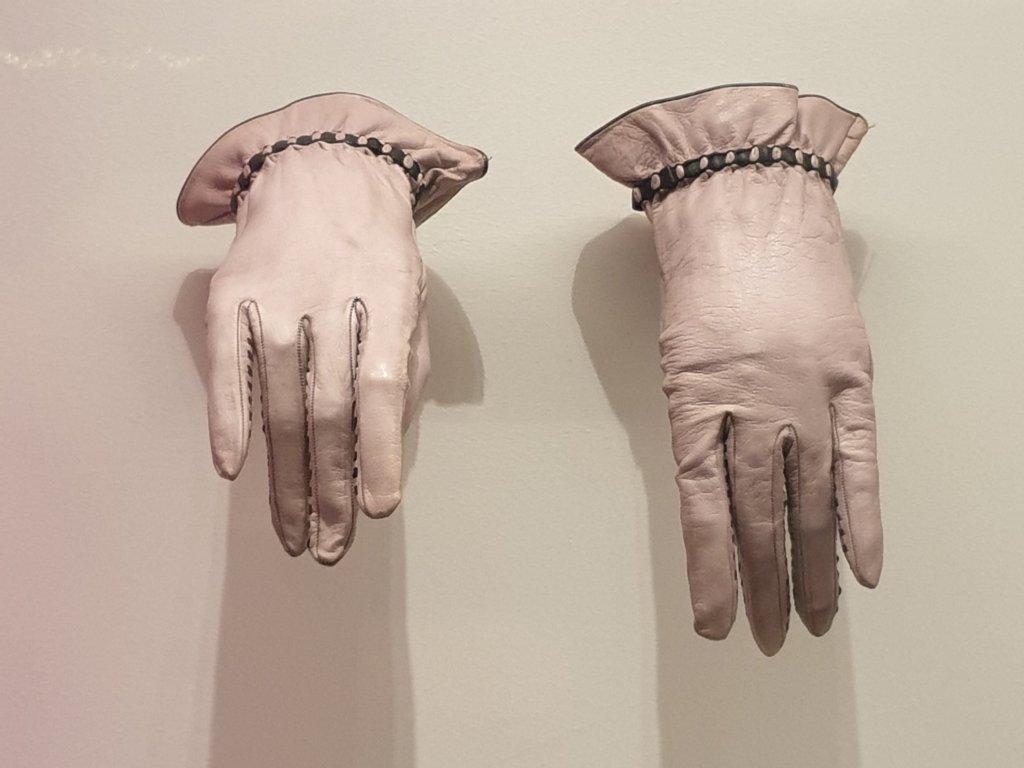
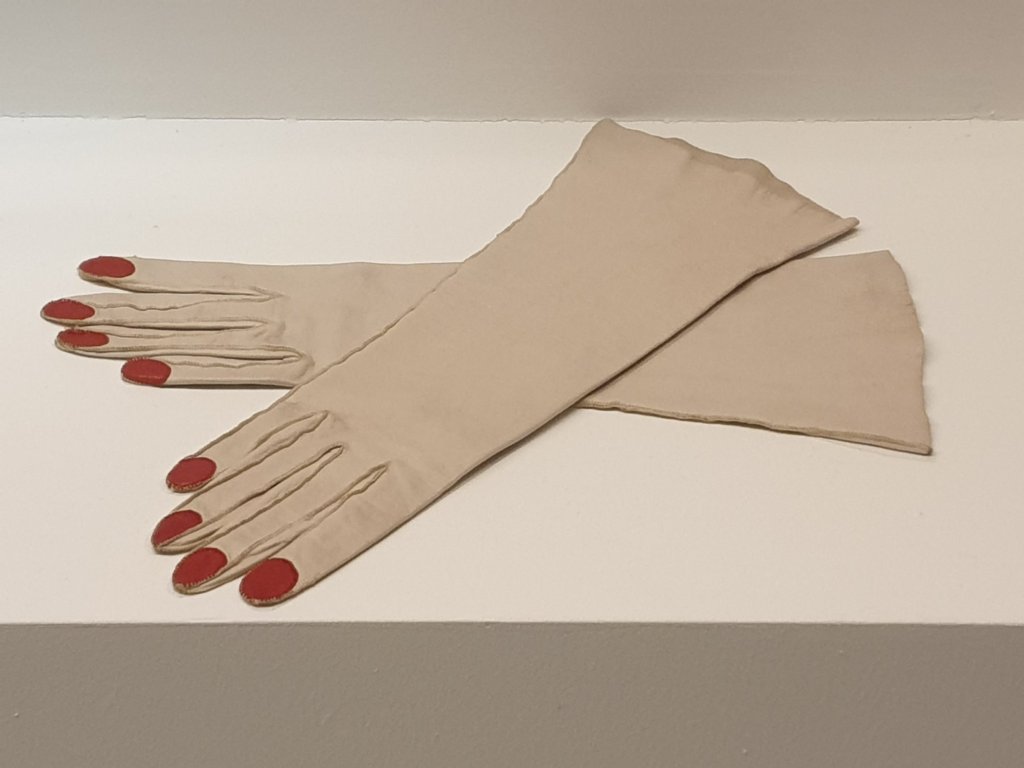
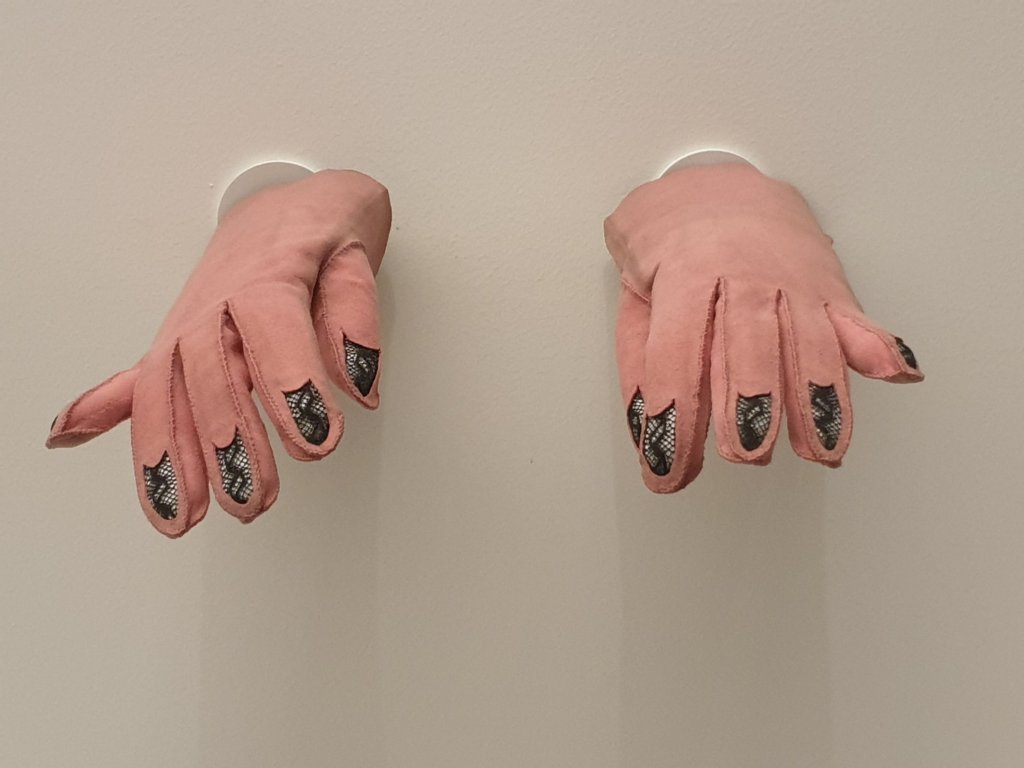
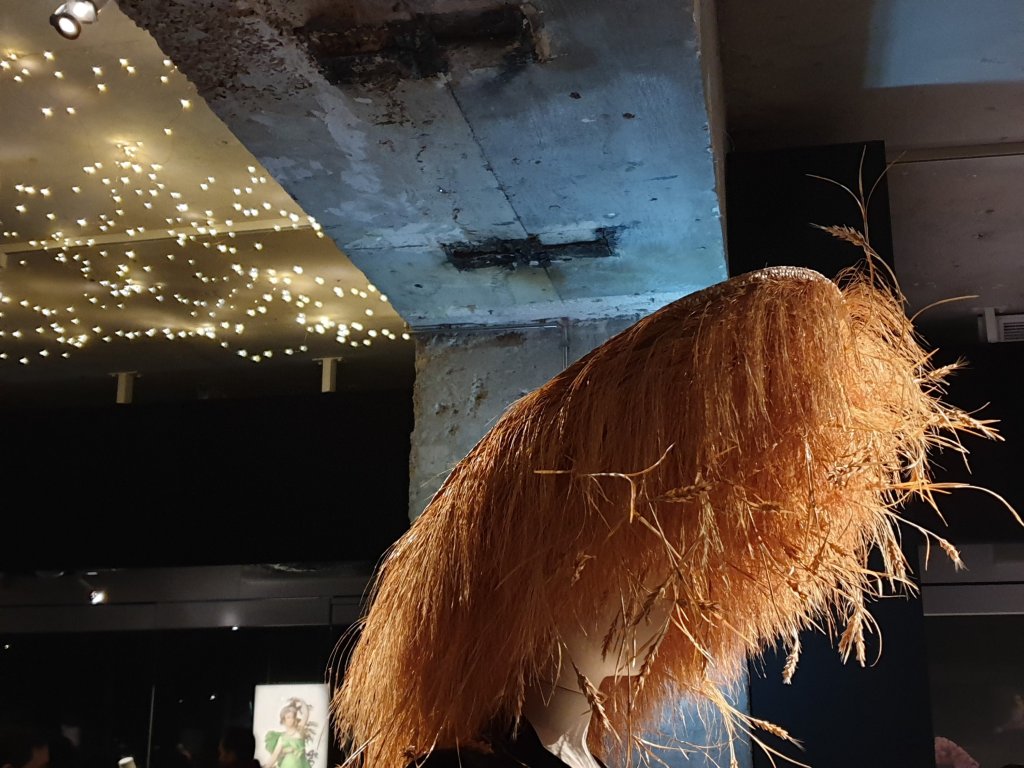
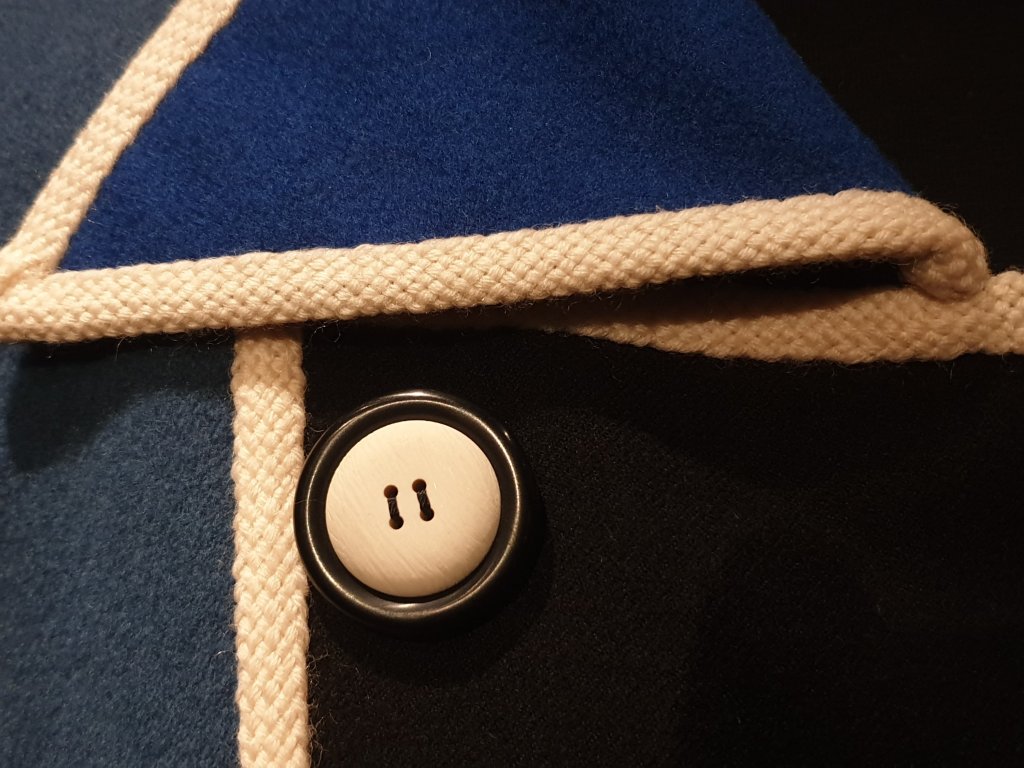
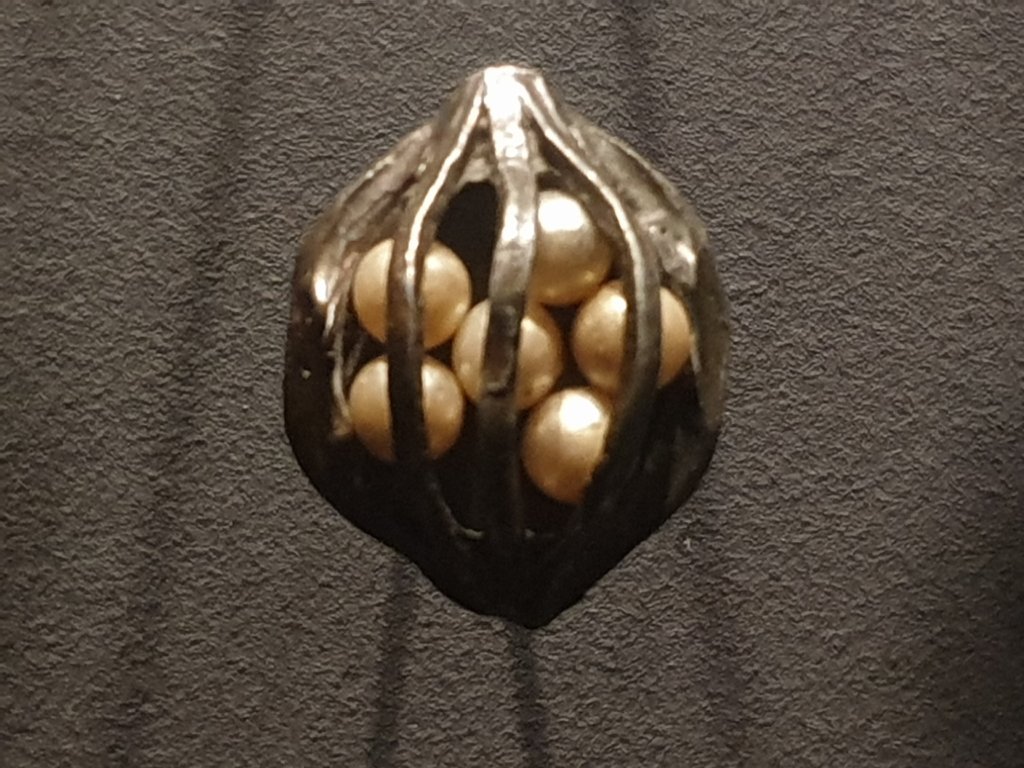
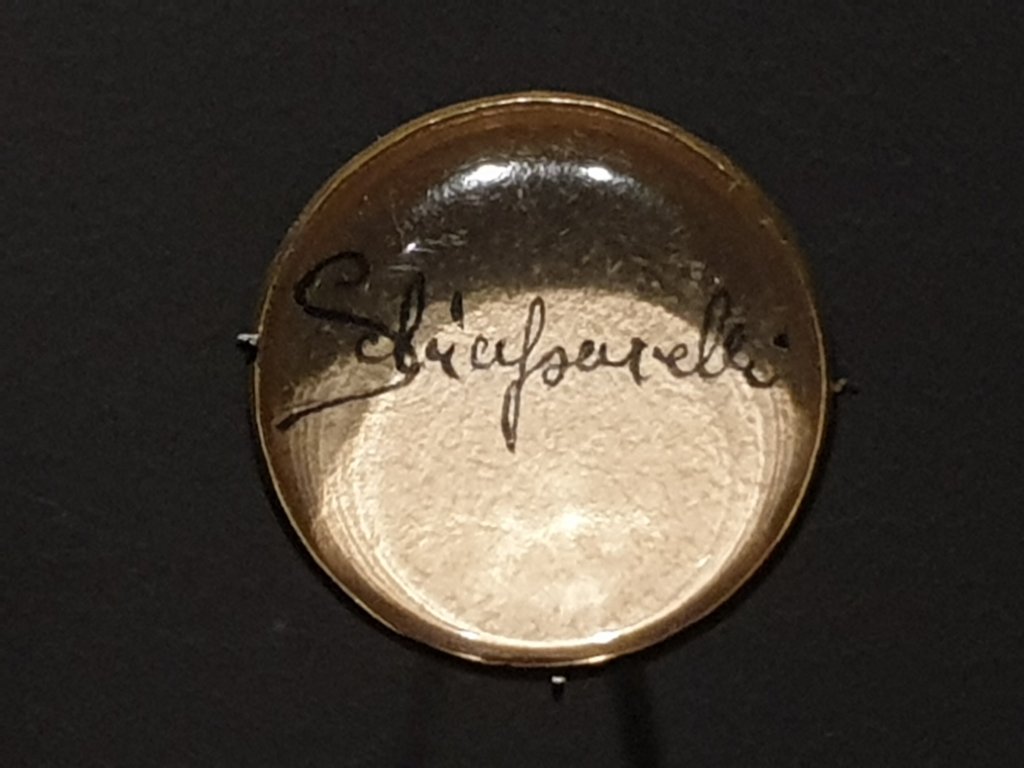
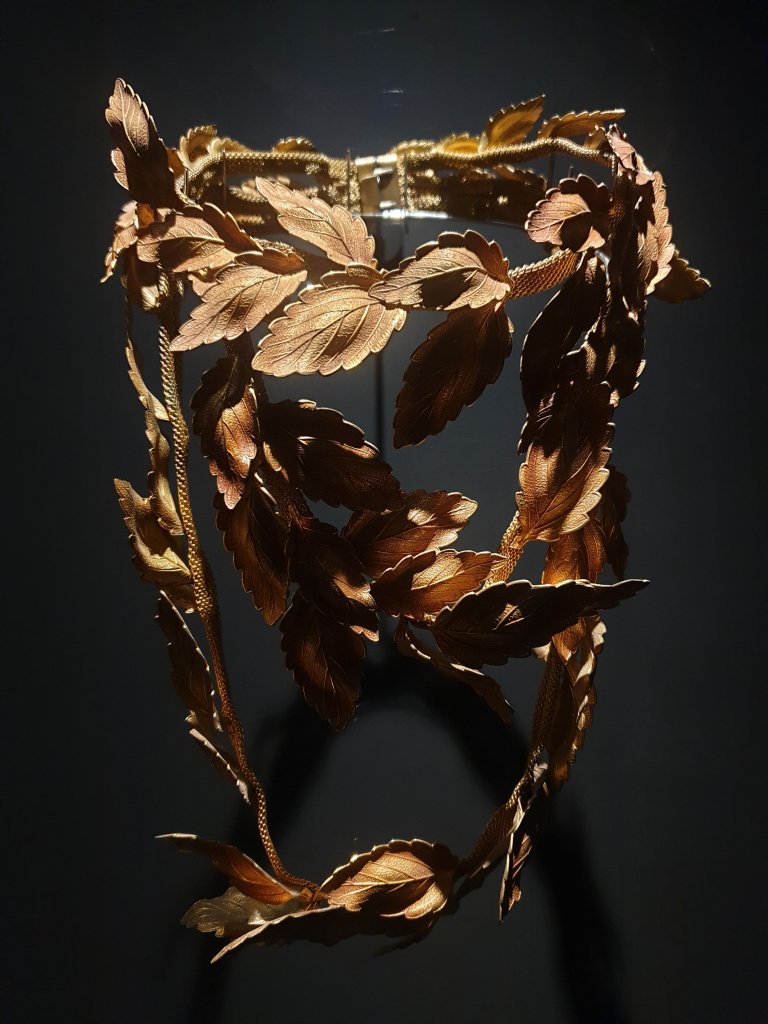
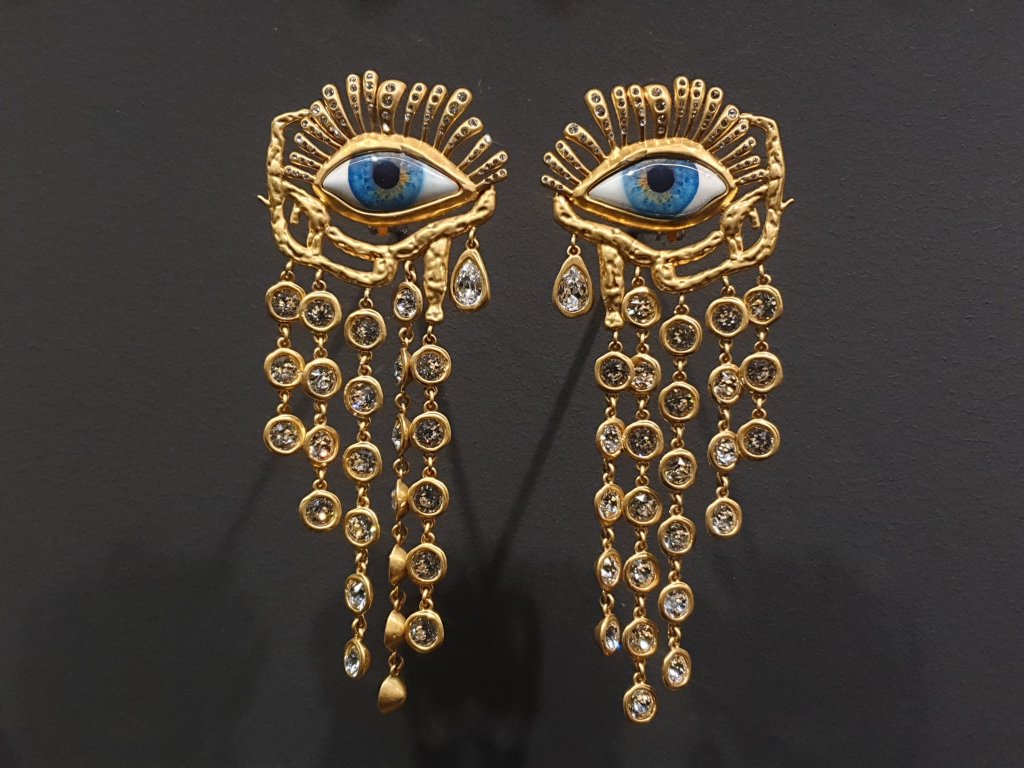
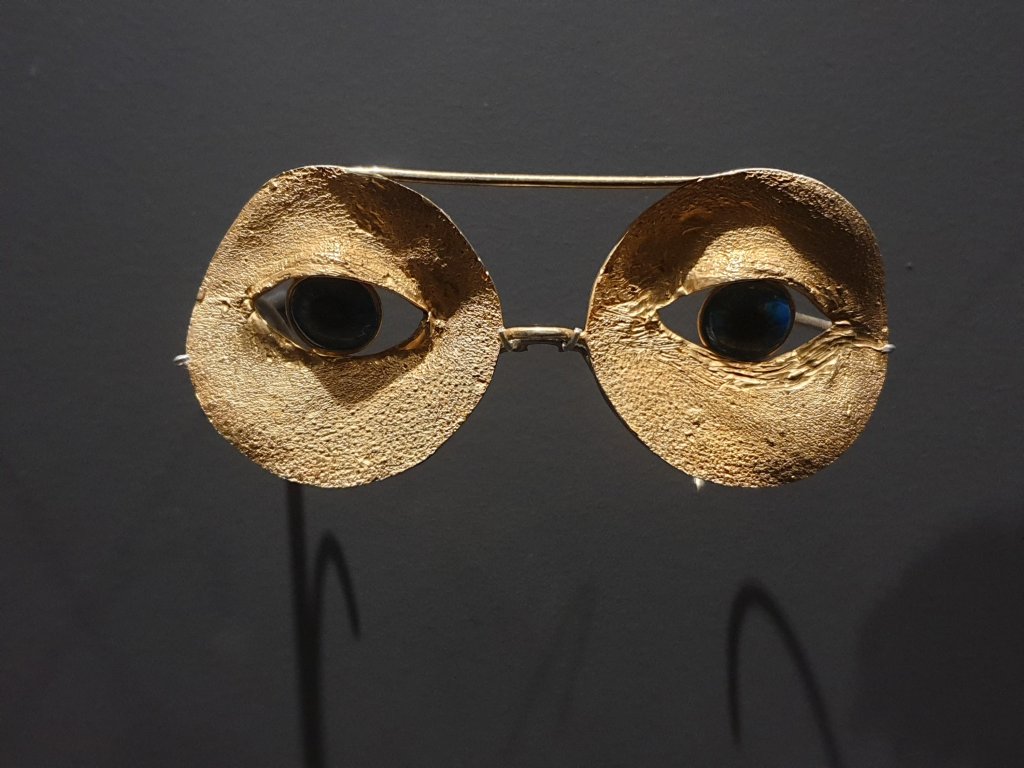
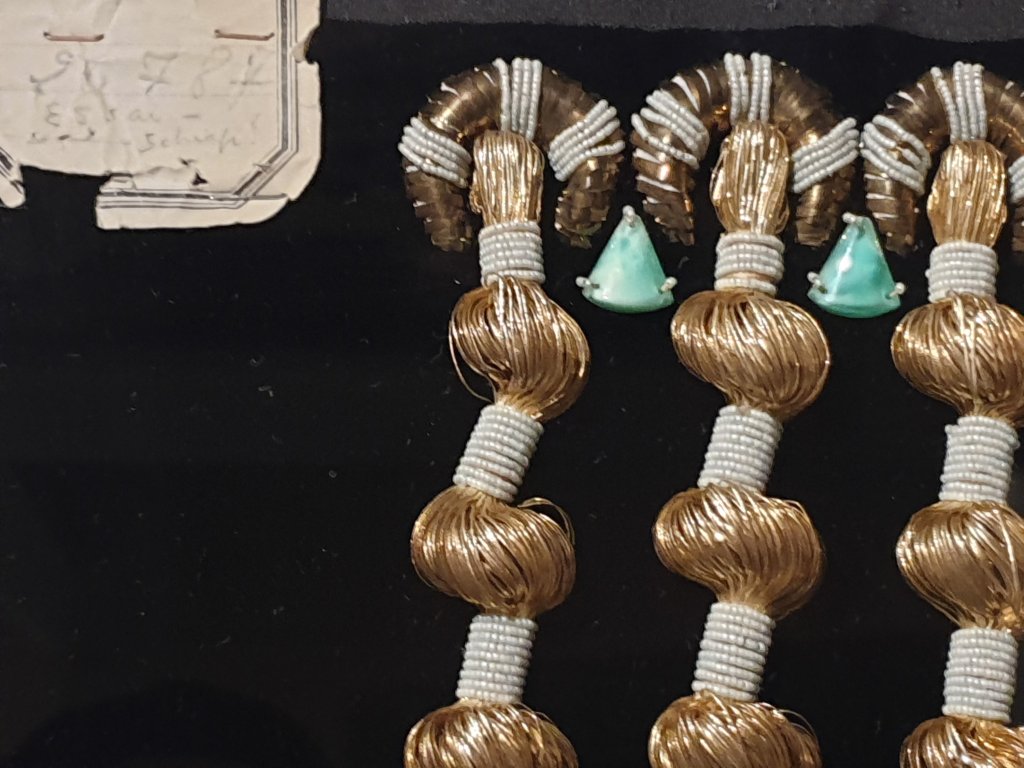
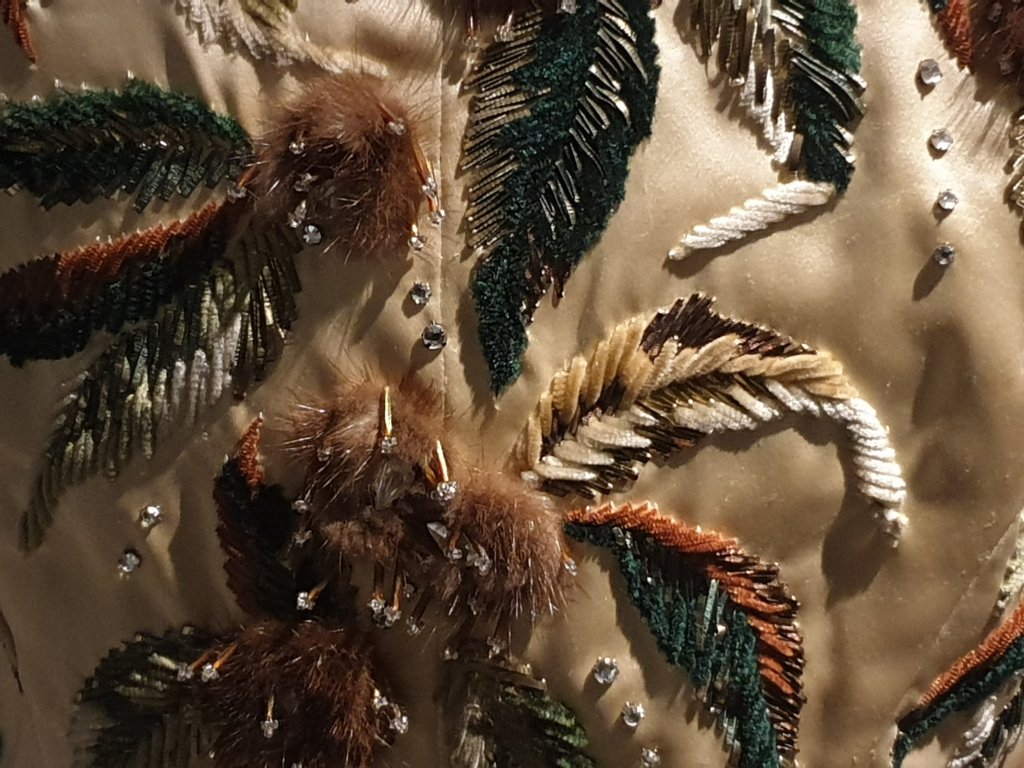
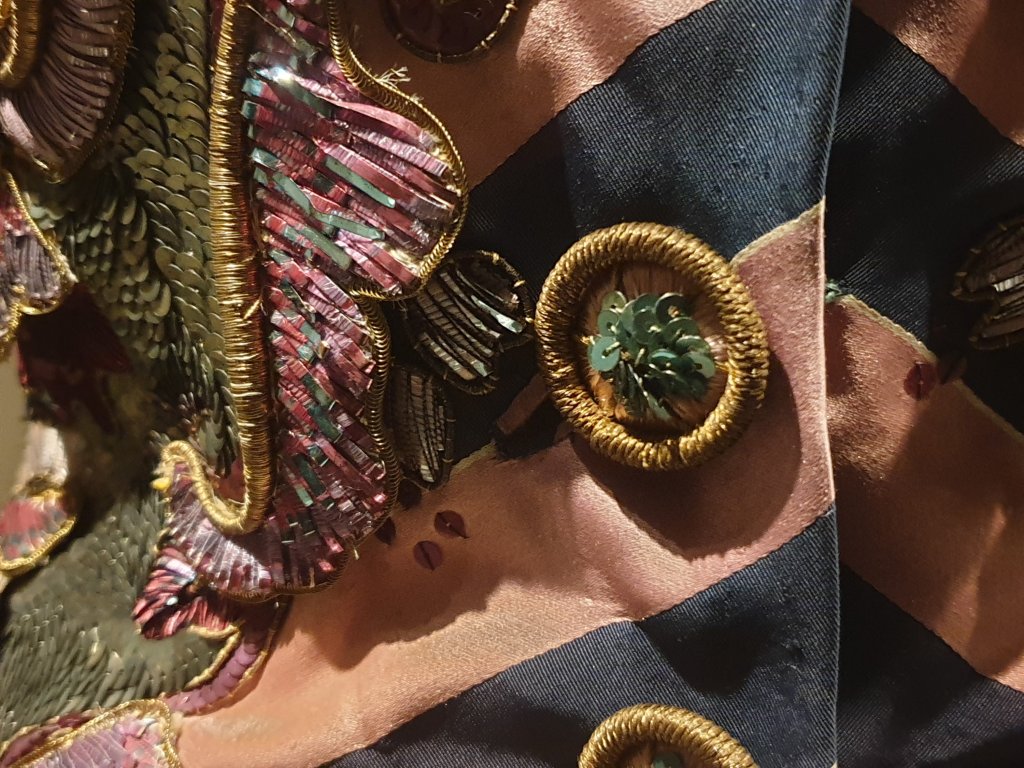
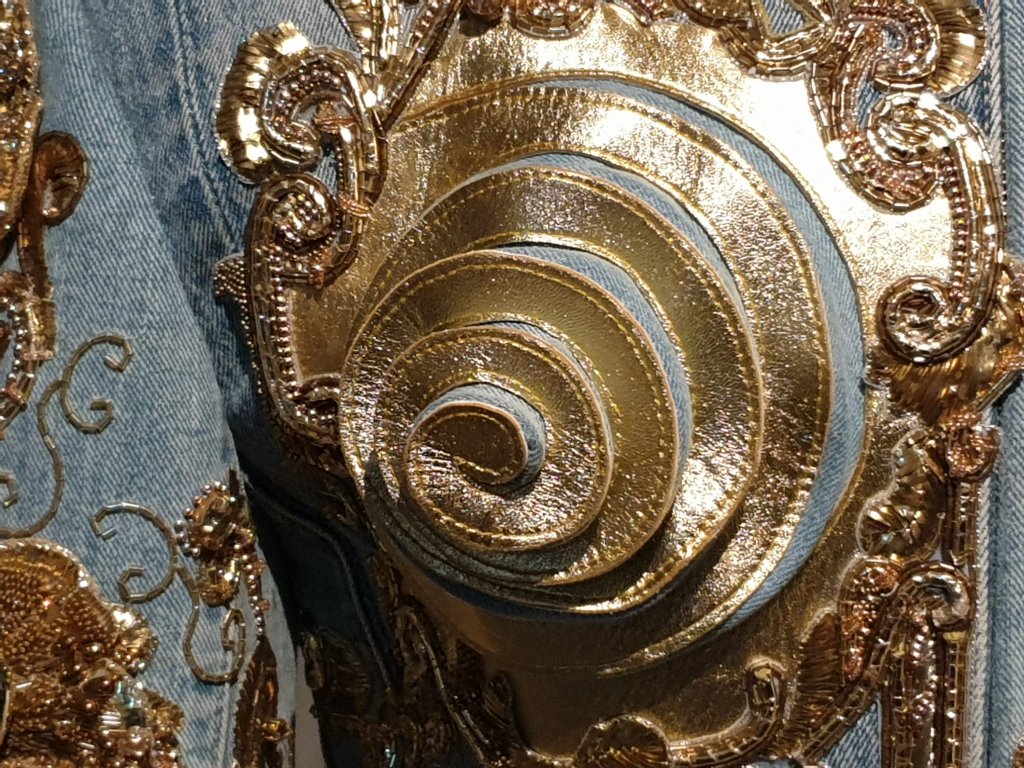
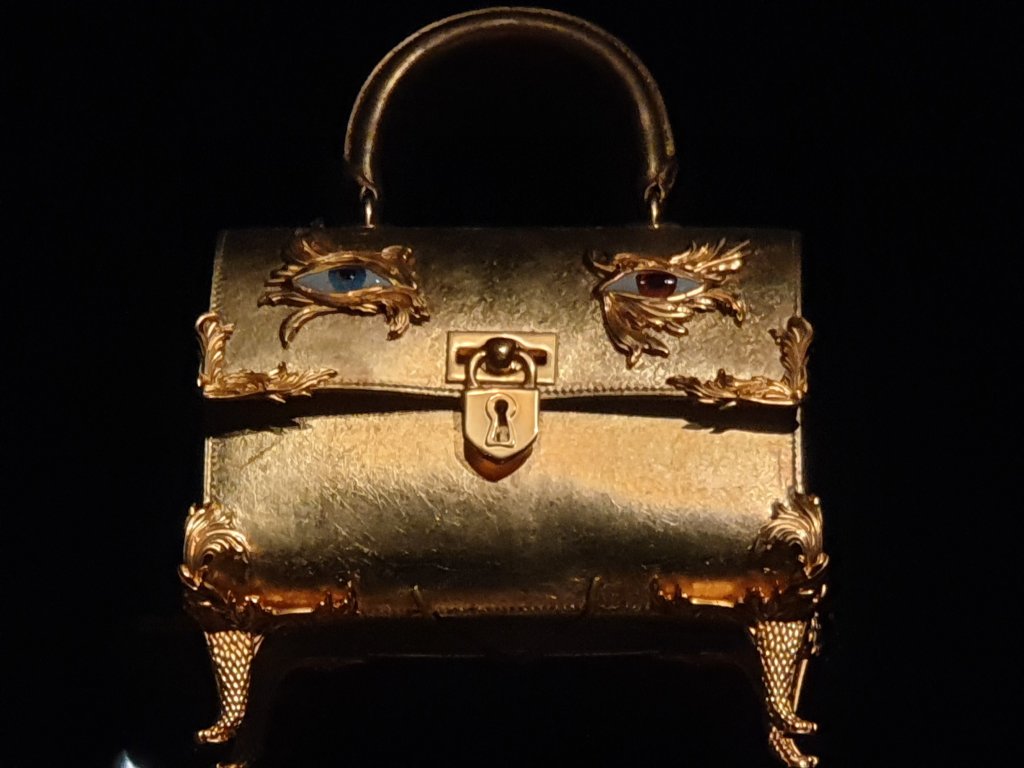
We made it to Schiaparelli at the Musée des Arts Decoratifs, its last day: a beautiful, moving exhibition of the inter-relationship of fashion and the arts in the 1930s – Jean Cocteau meets Schiaparelli, hard to reproduce, although lots of people obviously try:-

A good hat:-

Standard

Smithfield

I have been following the plans for the redevelopment of Smithfield with interest because it is the bit of the City which has so far retained its character and not been subject, as has so much of the rest of the City, to over-development. The attached article spells out the current state of the plans: the Museum of London taking over the west end in plans which look interesting, overseen by Stanton Williams; the more substantial west end to be redeveloped by Studio Egret West into a food hall and conference centre (did I miss a competition for this ?).
The issue is, as the article rightly points out, whether it can be done in such a way that it preserves its character – Les Halles is hardly a good precedent and Spitalfields, too, has become a bit bland. Maybe a big food market is the answer. Marylebone is a good precedent.

https://www.bloomberg.com/news/features/2023-01-21/london-s-historic-victorian-meat-market-gets-a-fresh-start

Standard

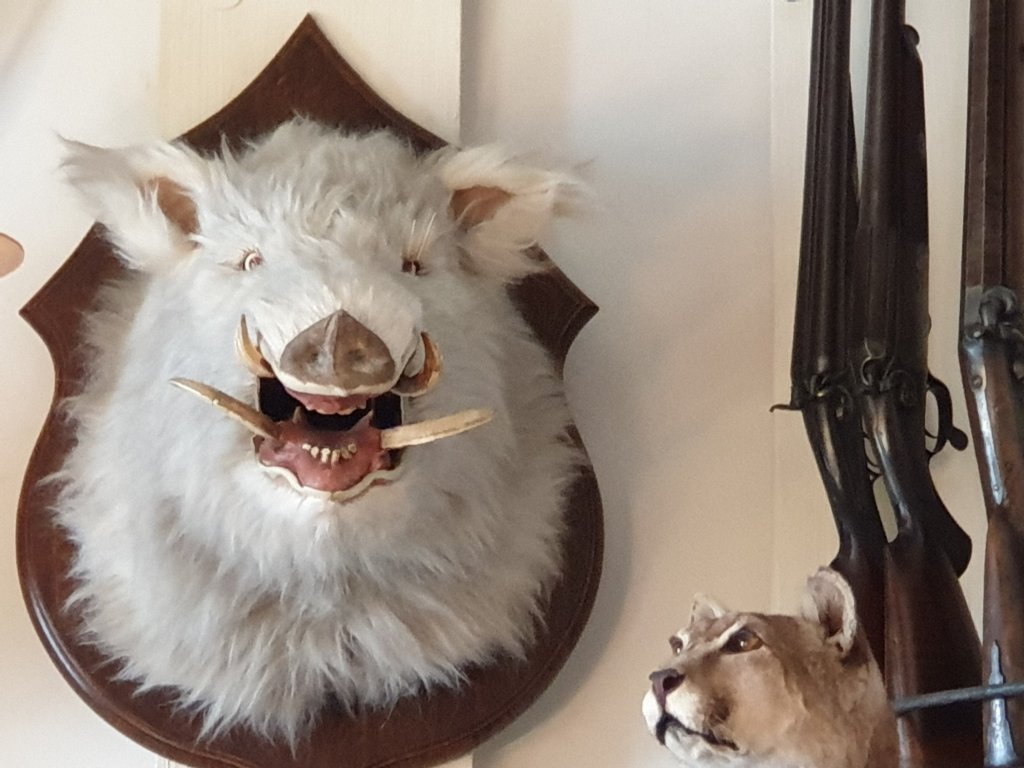
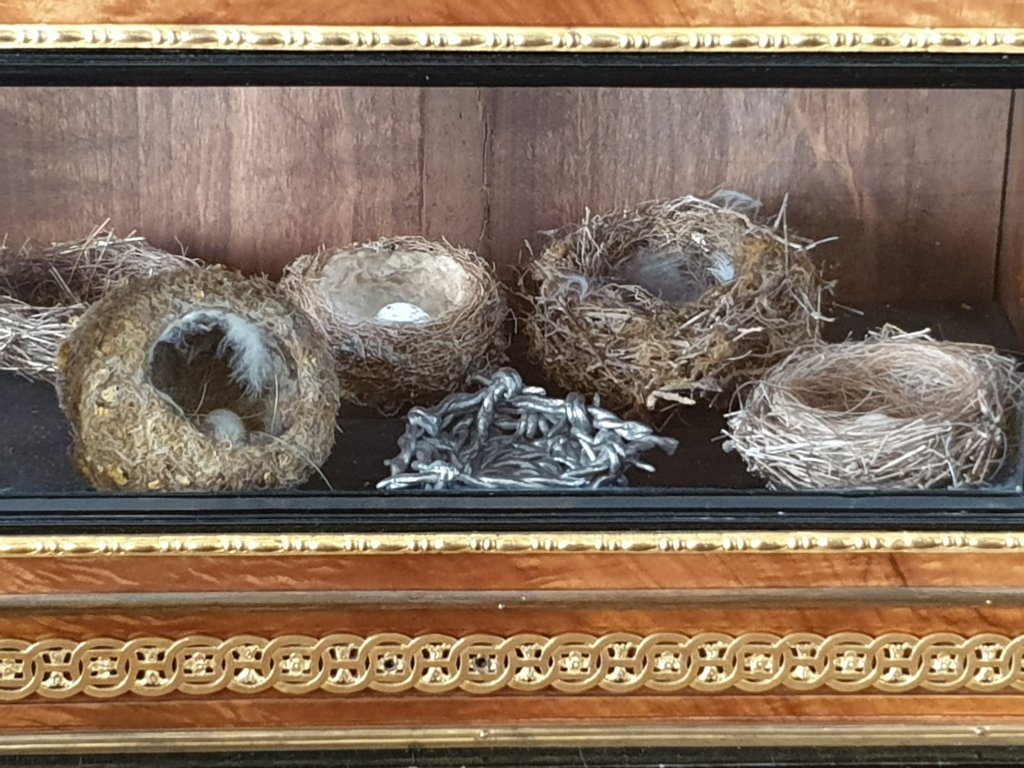
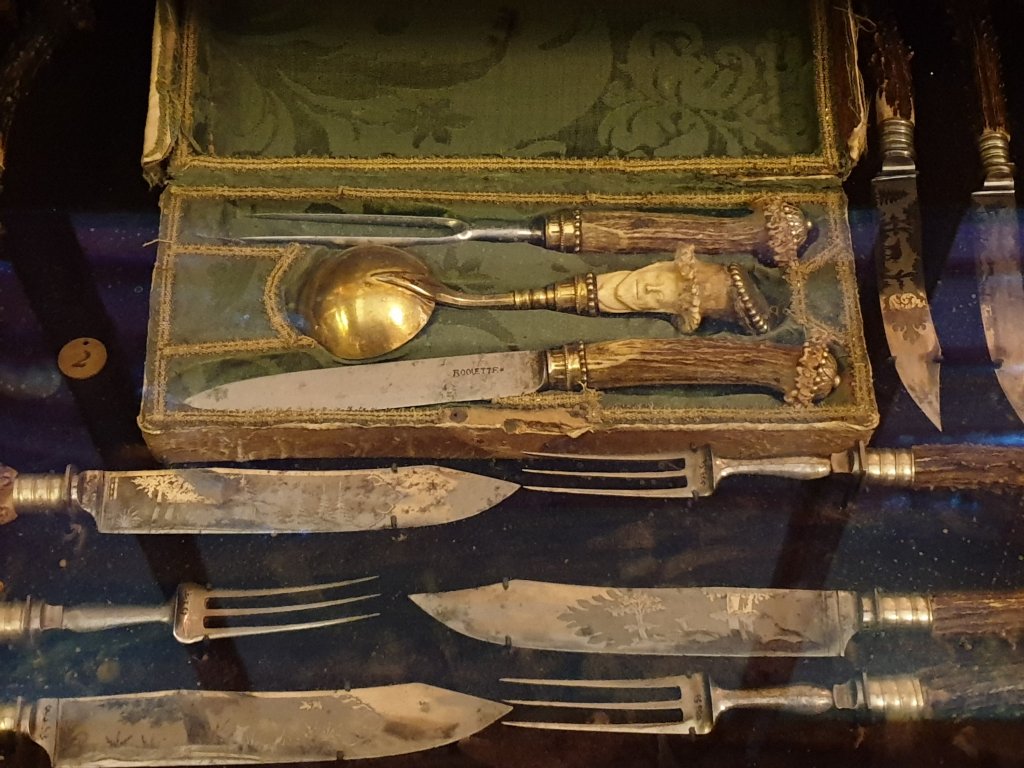
Musée de la Chasse

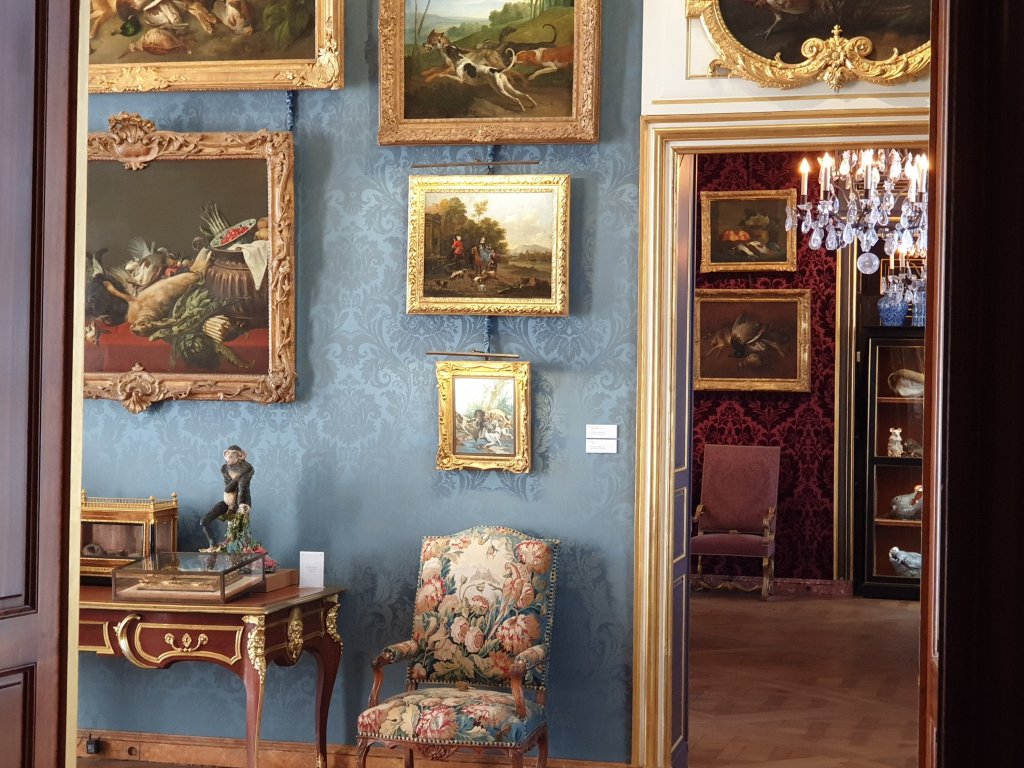
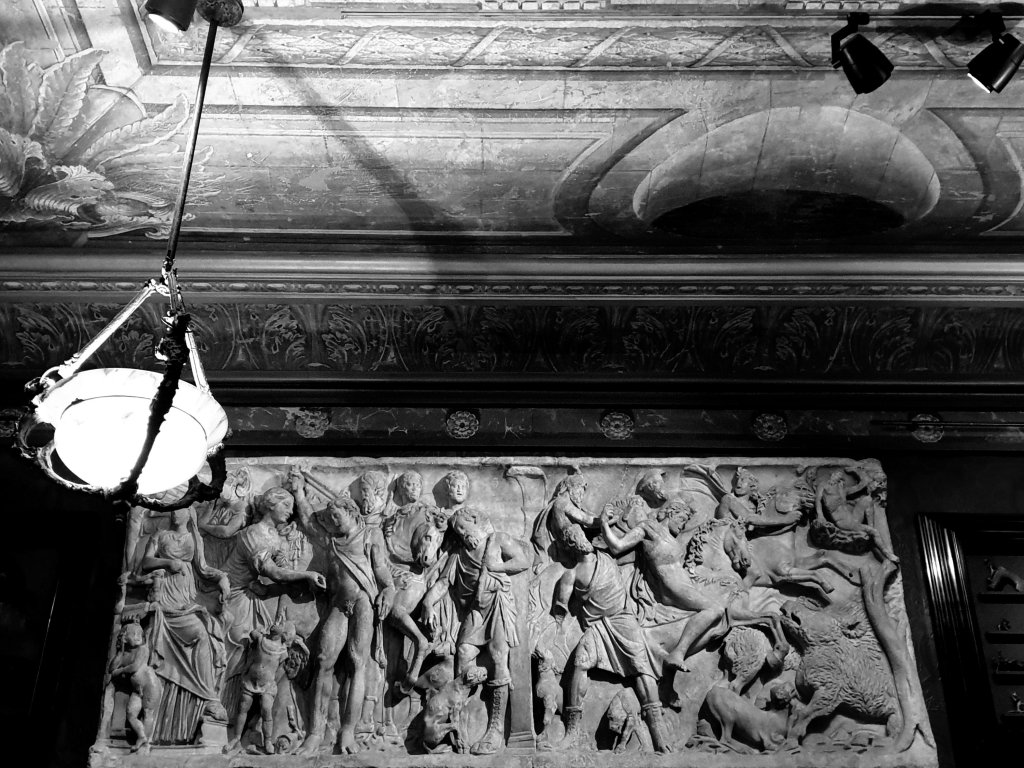
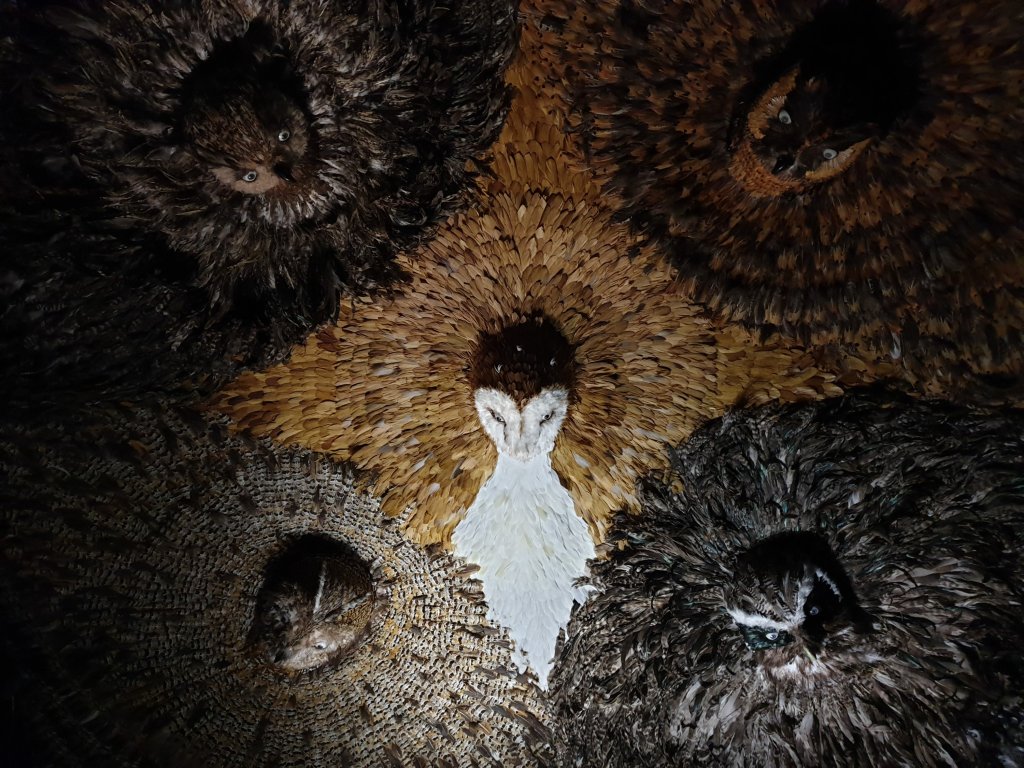
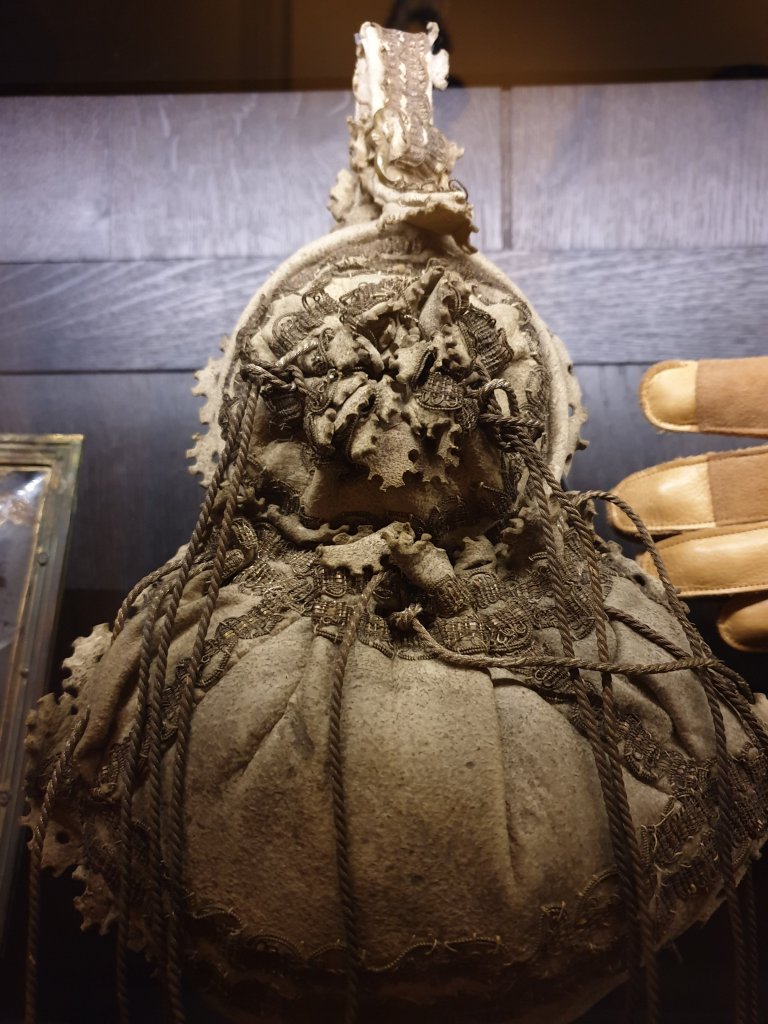
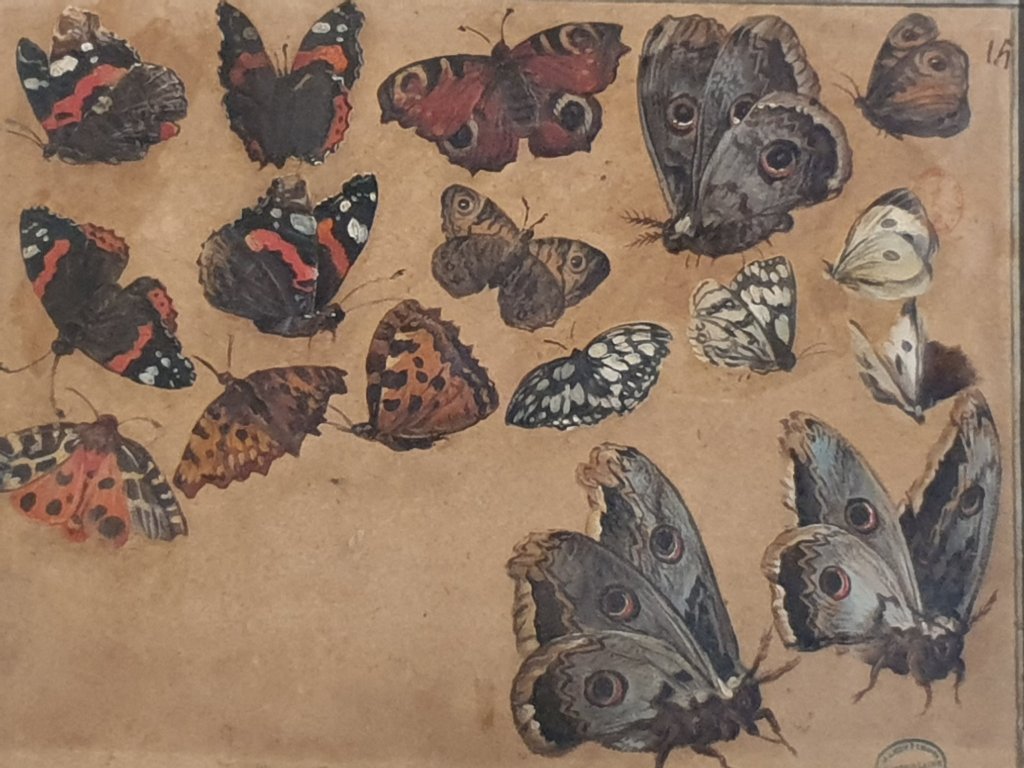
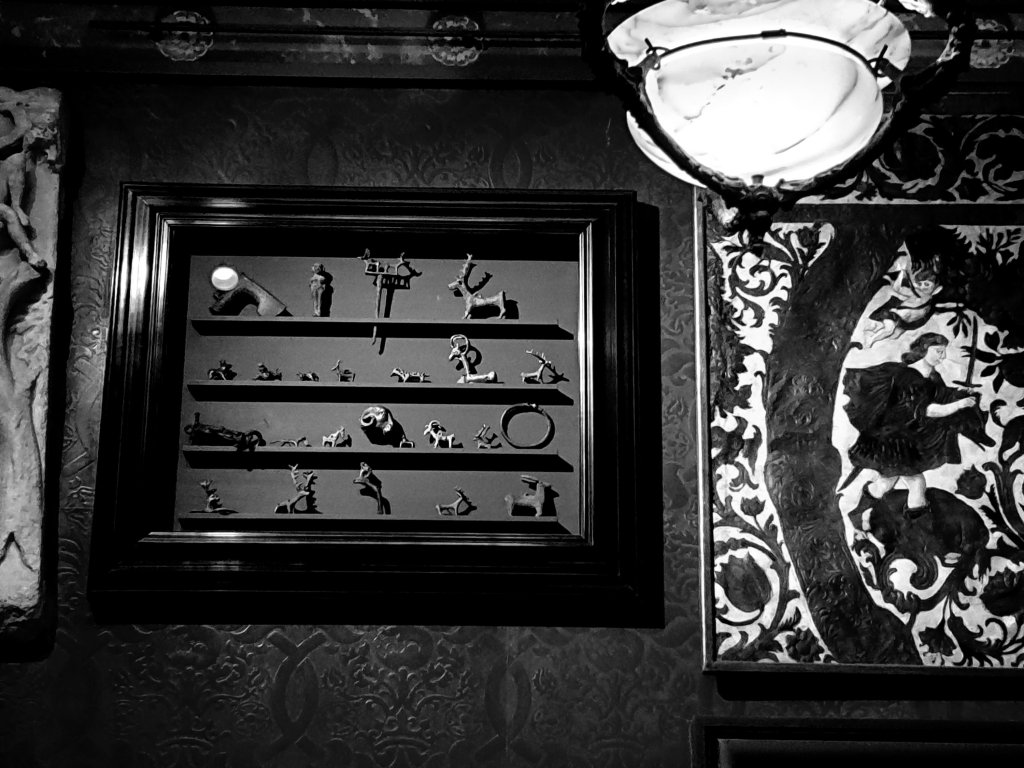
We were encouraged to go to the Musée de la Chasse in the Marais – quite rightly – because it is so beautifully displayed, so creatively and inventively, mingling new and old of the paraphernalia of hunting in an environment of ultra fashionability:-

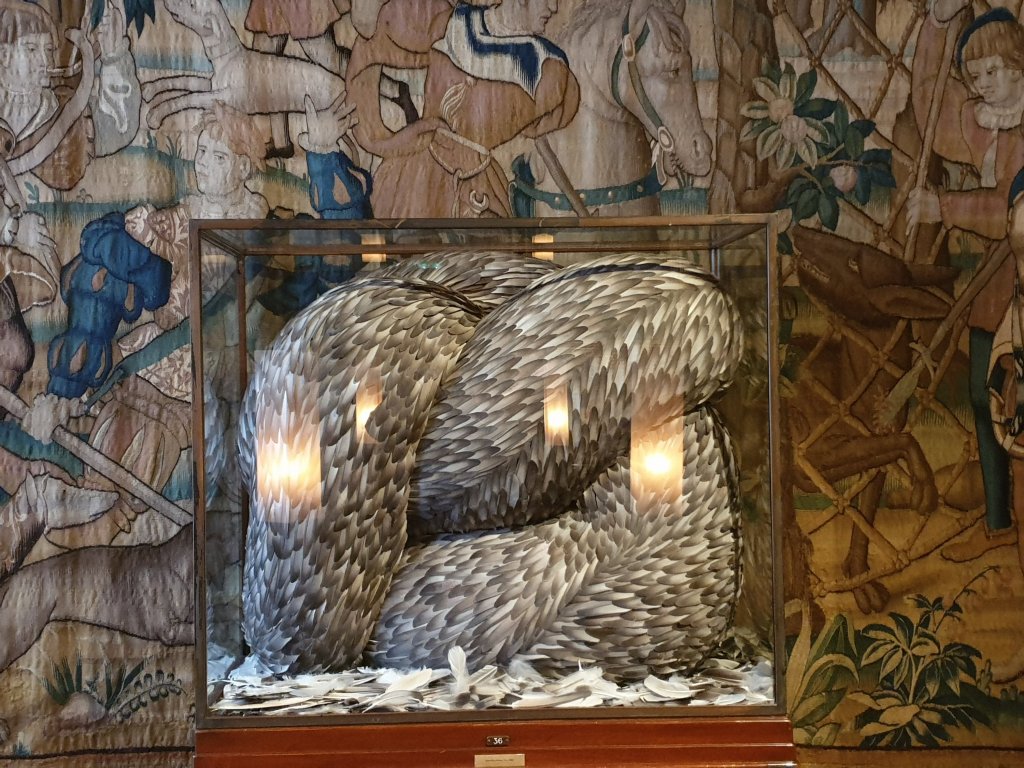
Kate McGwire, Vex:-

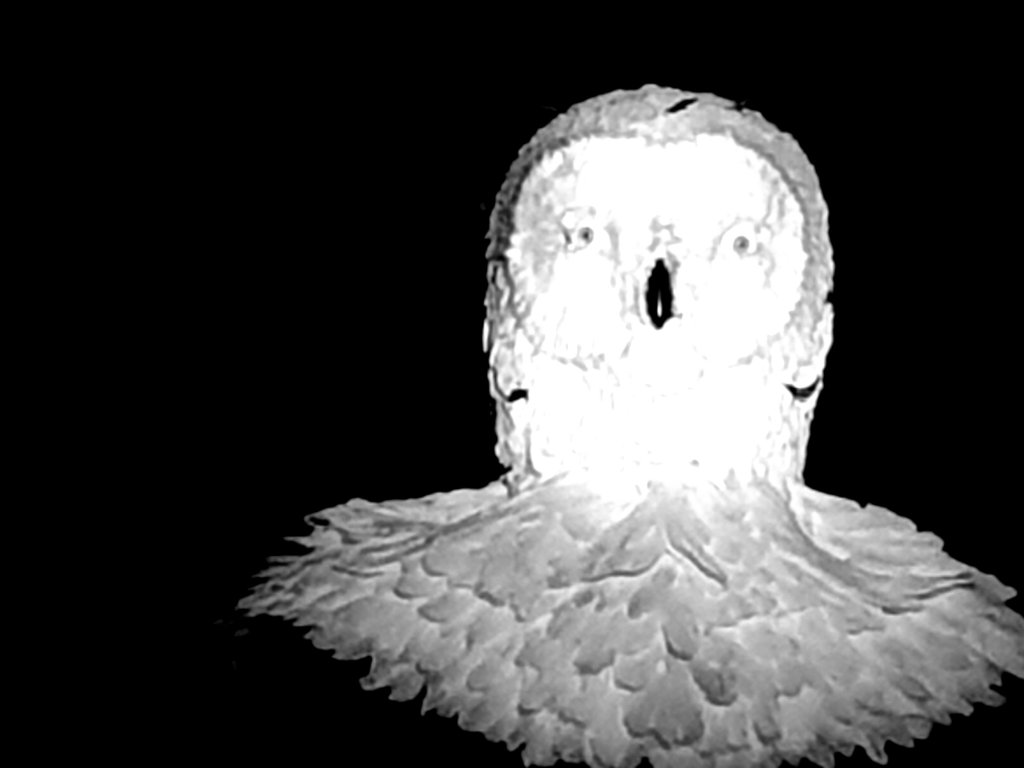
The Night of Diana by Jan Fabre:-

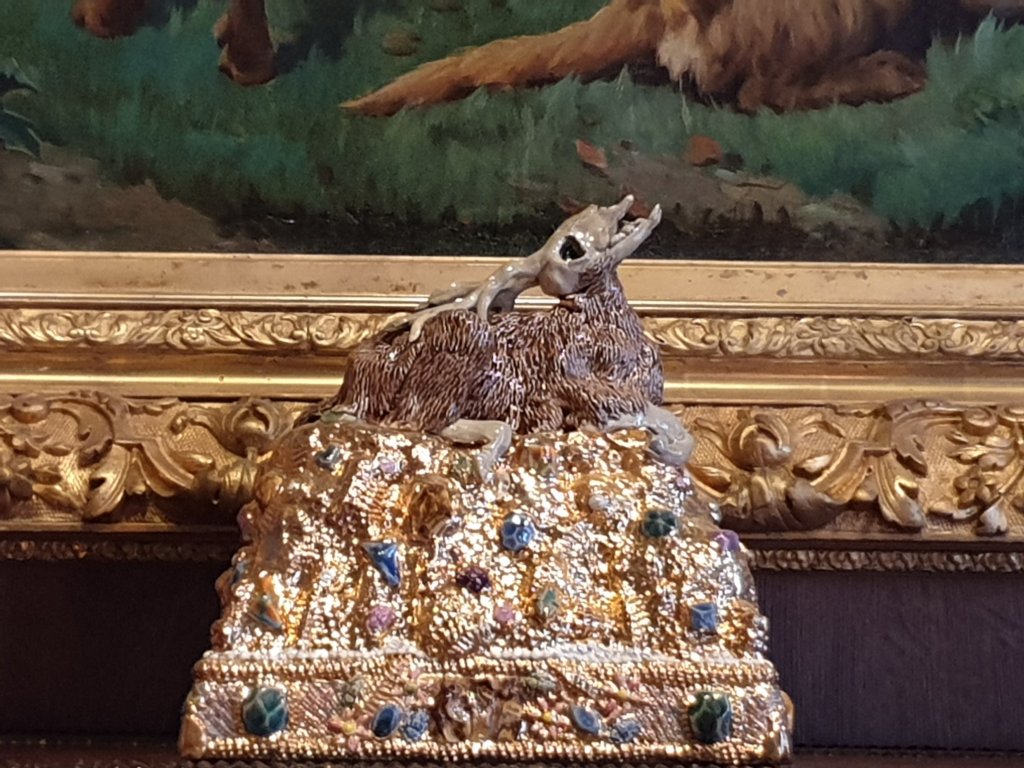
Property of Carolein Smit:-

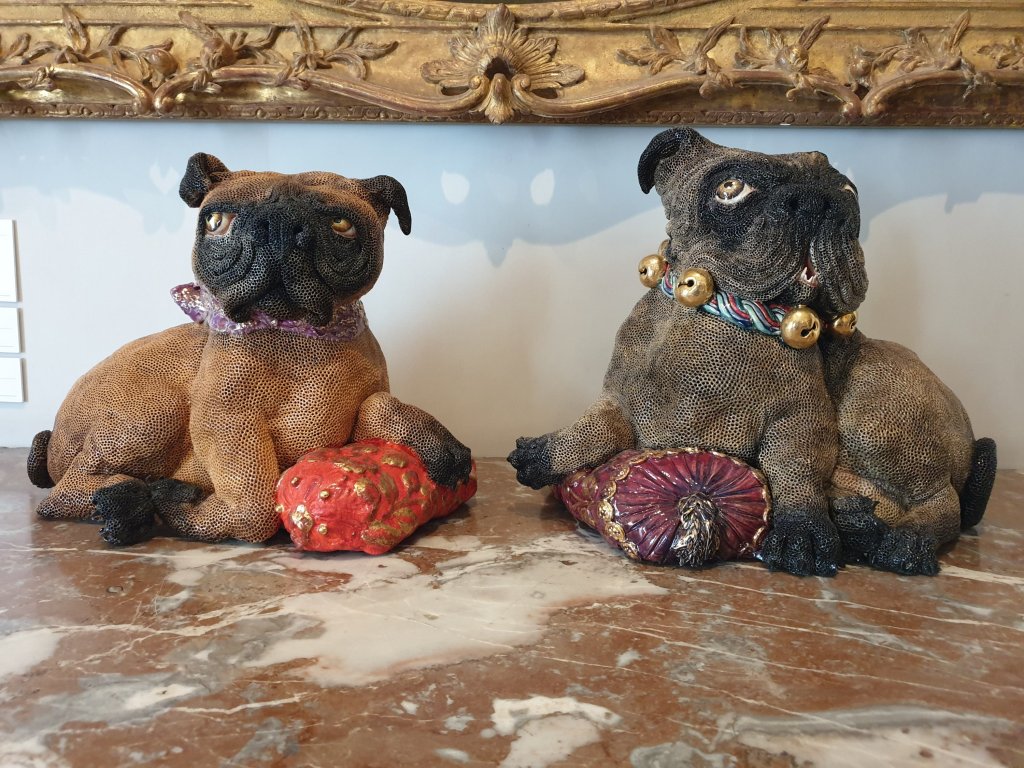
Pugs:-

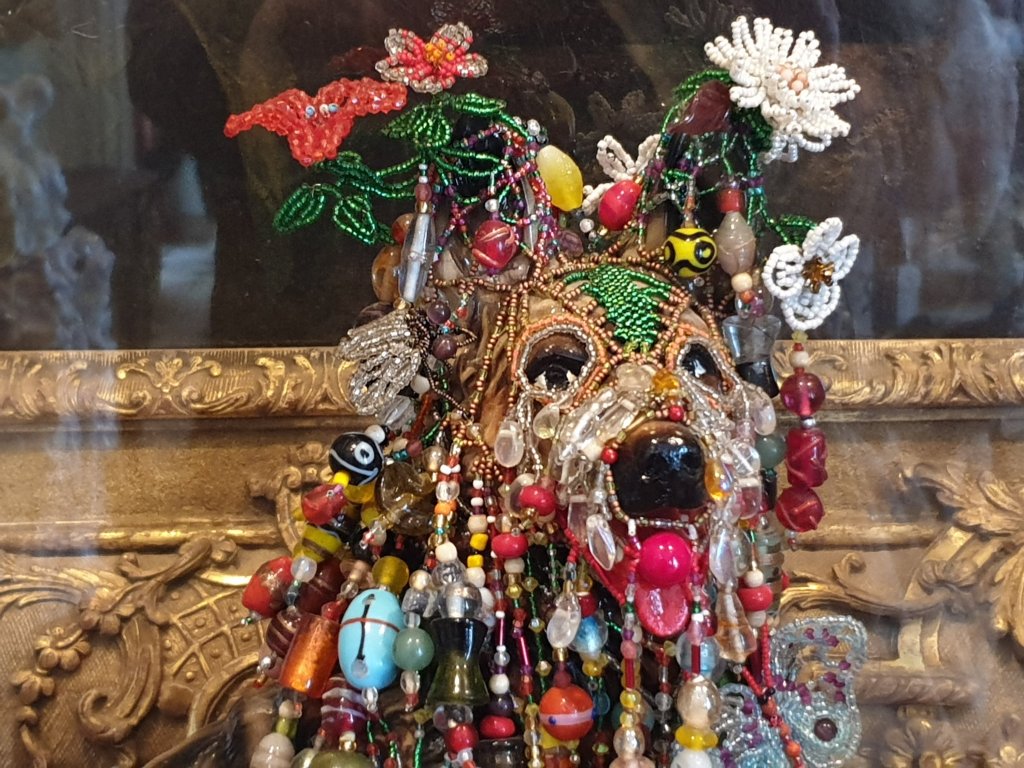
Blondi and Eva:-

Francois Desportes:-

Standard

Musée Cluny (2)

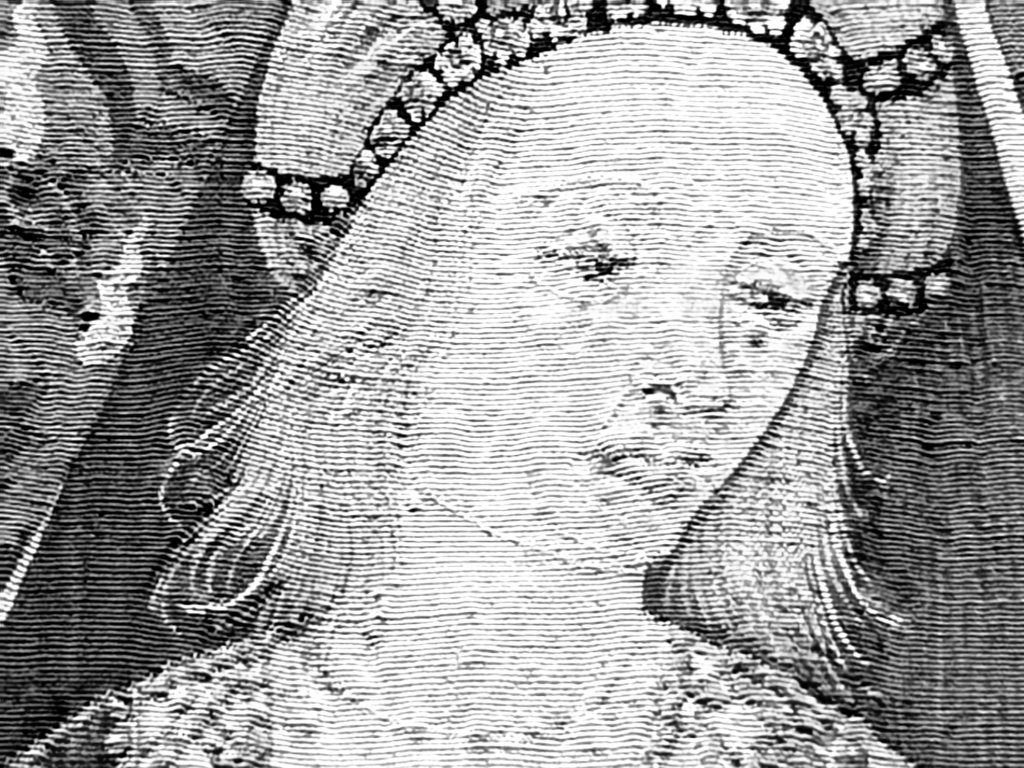
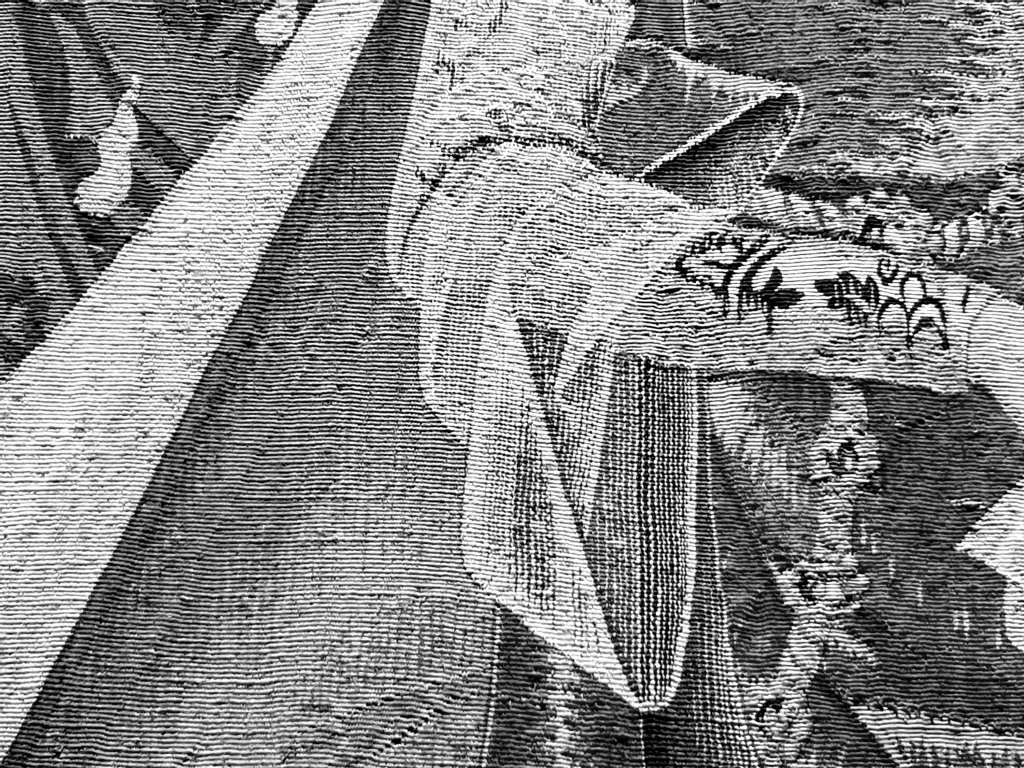
The Lady and the Unicorn:-

A man playing chess in Lyon in c.1450:-

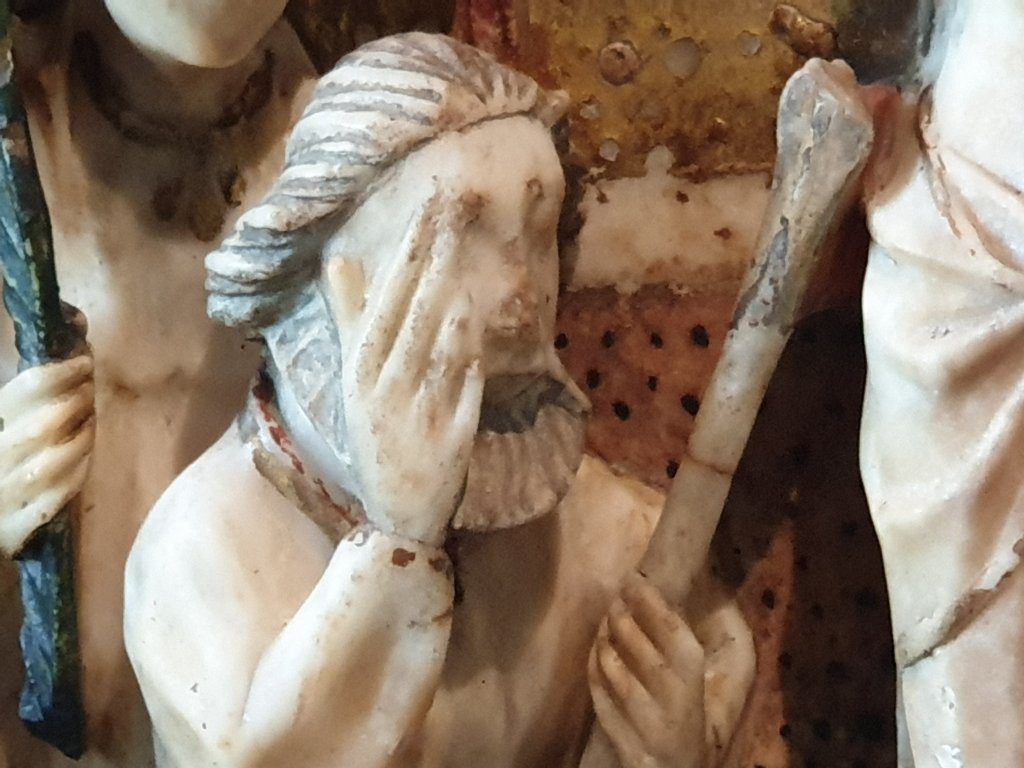
An alabaster altarpiece, thought to be from York:-

A polychrome St. John from Prato Cathedral (fourteenth century):-

I have always loved the Musée Cluny, which shows the art of the later Middle Ages better than anywhere in the world.

Standard

Musée Cluny (1)

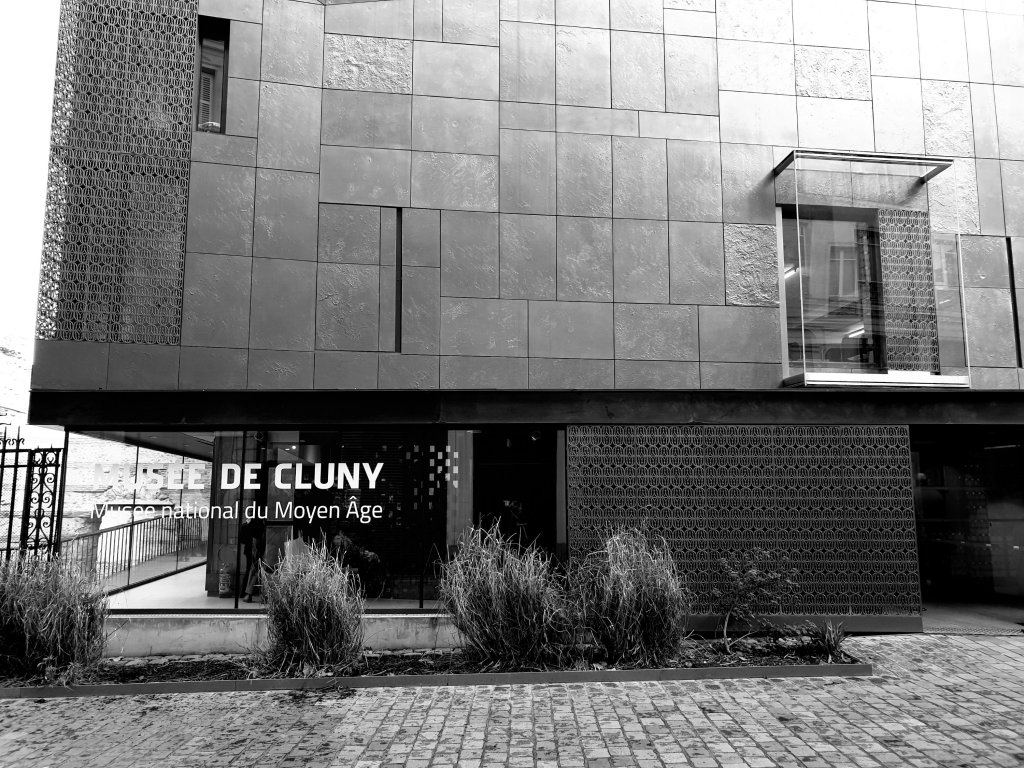
We made it to the redisplayed Musée Cluny, which has a well considered entrance extension, designed by Bernard Desmoulin:-

An ancient head of a child, remounted in gold:-

Ariadne (6th. century):-

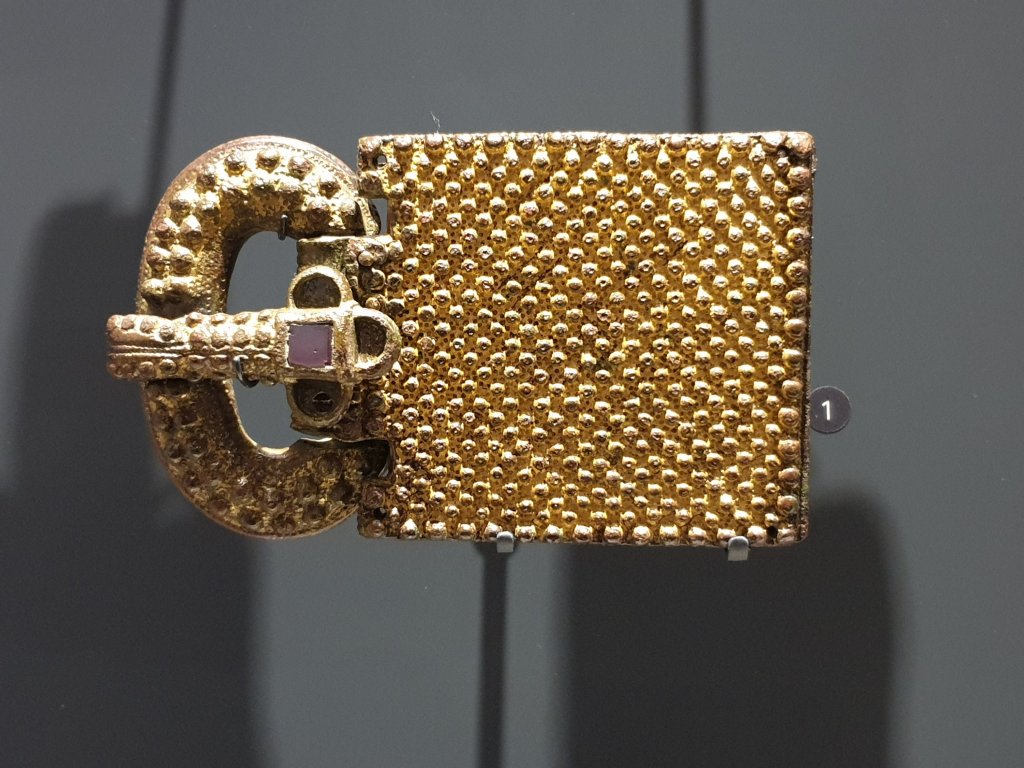
A Visigothic buckle:-

A Byzantine Adam and Eve:-

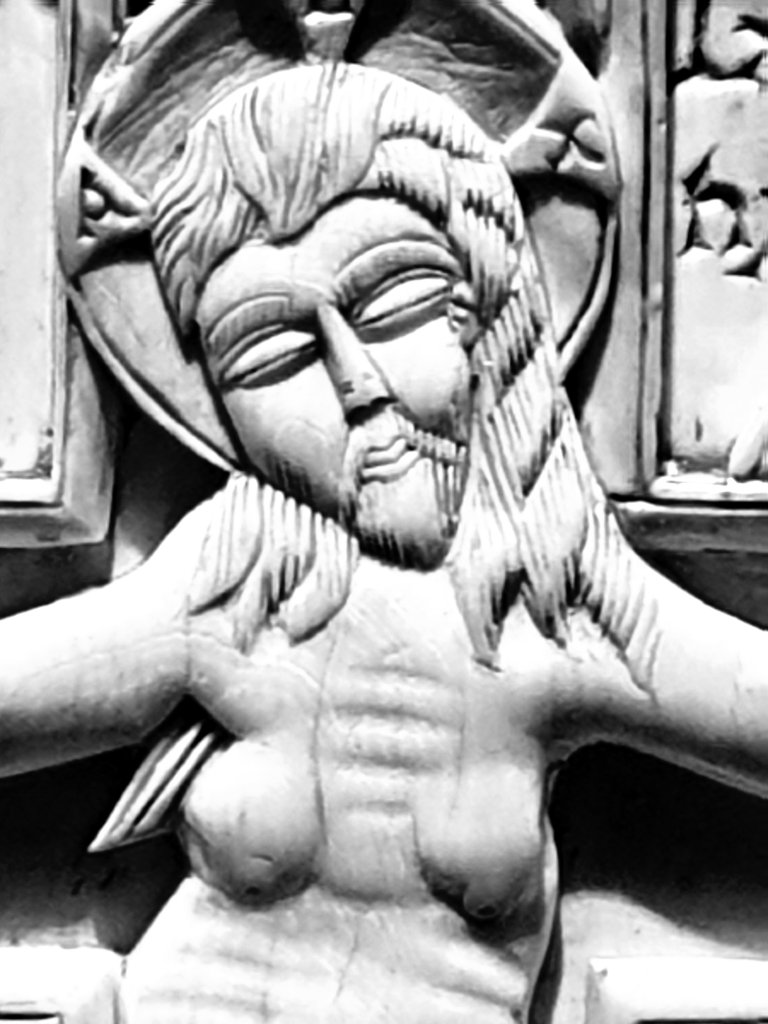
An ivory book binding plate (11th. century):-

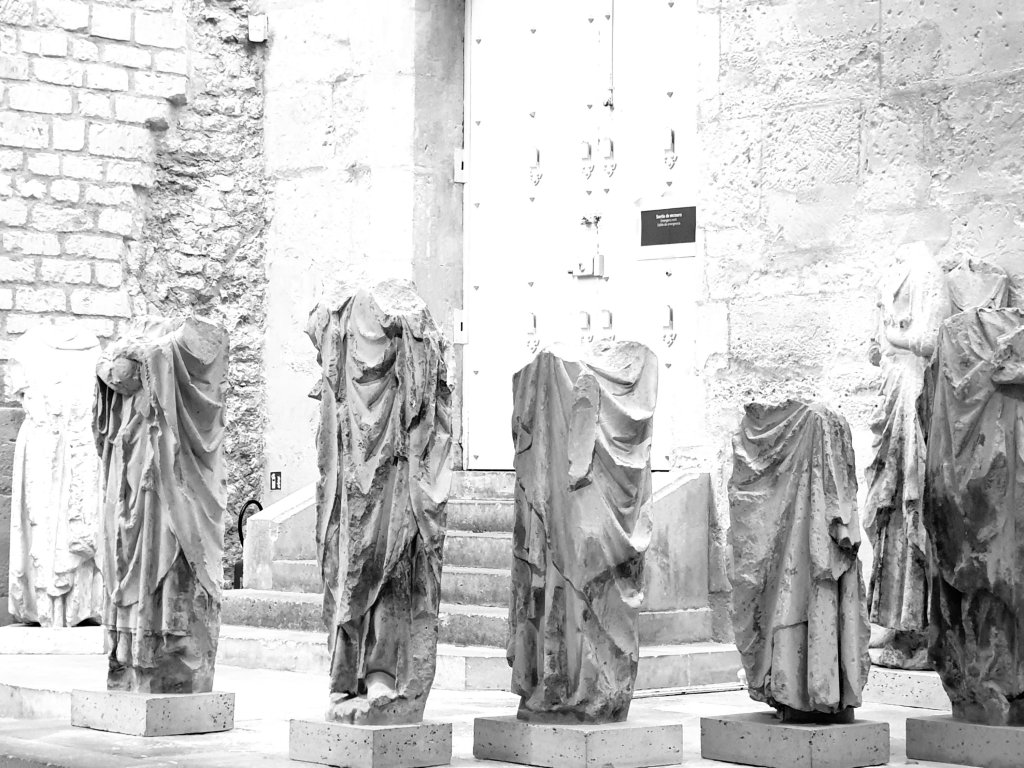
The Apostles from the southern portal of Notre-Dame:-

Later medieval was inaccessible, owing to the platform lift being bust.

Standard

Paris

We’re staying in a pretty grungy area of Paris, as close as it’s possible to be to the Gare du Nord. Not many sites, only the Eglise St. Vincent-de-Paul, started by Jean-Baptiste Lepère and completed by Jacques Hittorff:-

A nice local market, the Marché St. Quentin:-

And we walked down to the Passage Brady:-

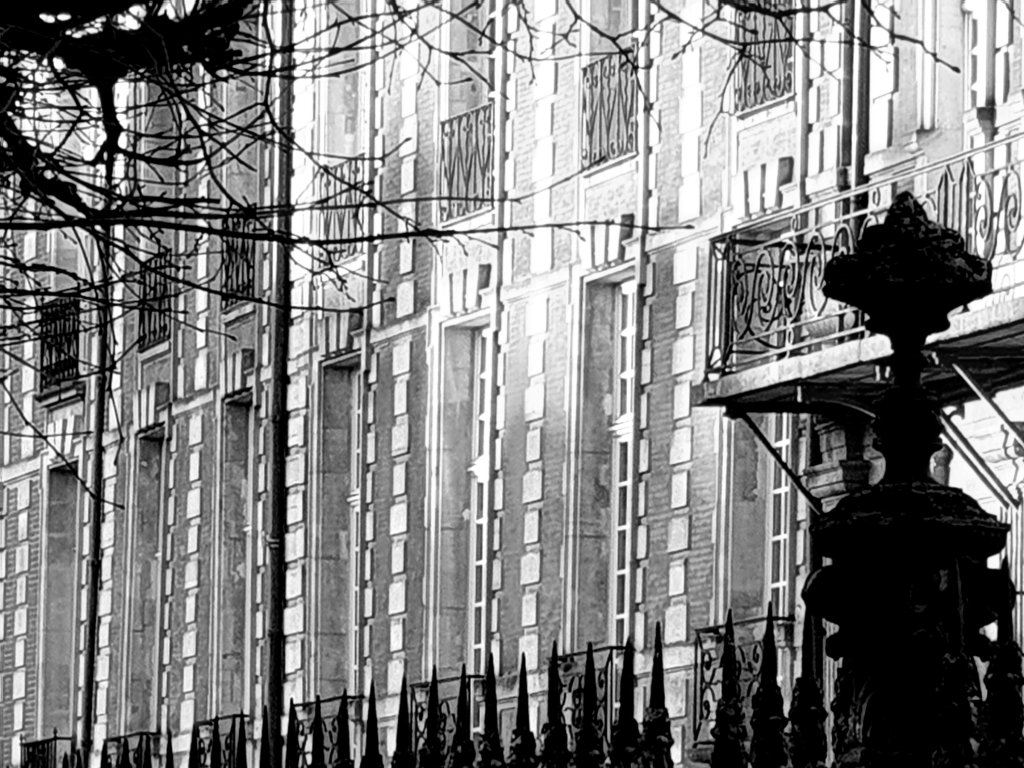
In general, Paris has kept its historic character so much better than London: less demolition, less new build, a policy of retaining smaller shops:-

Standard