Francis Bird (2)

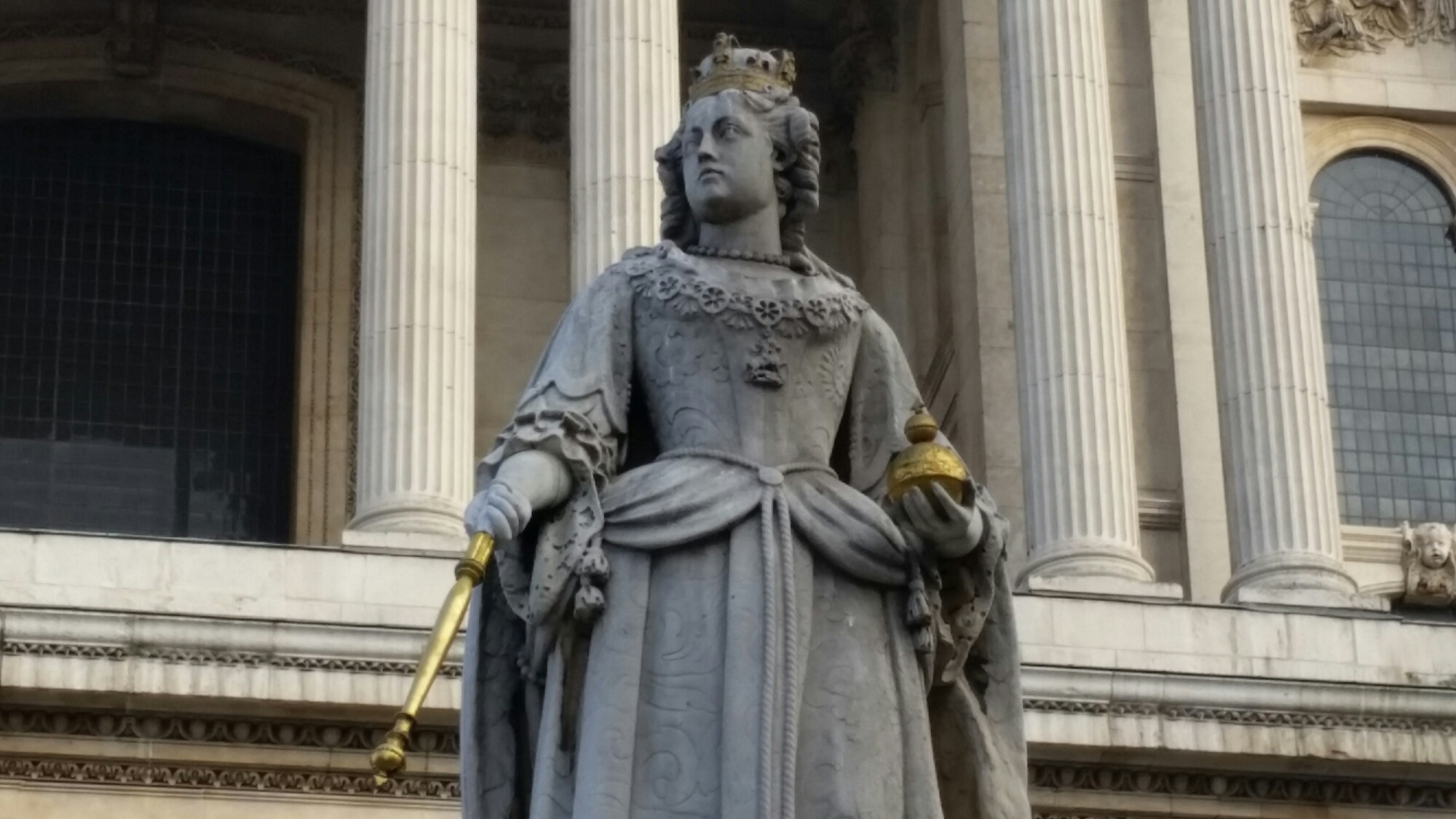
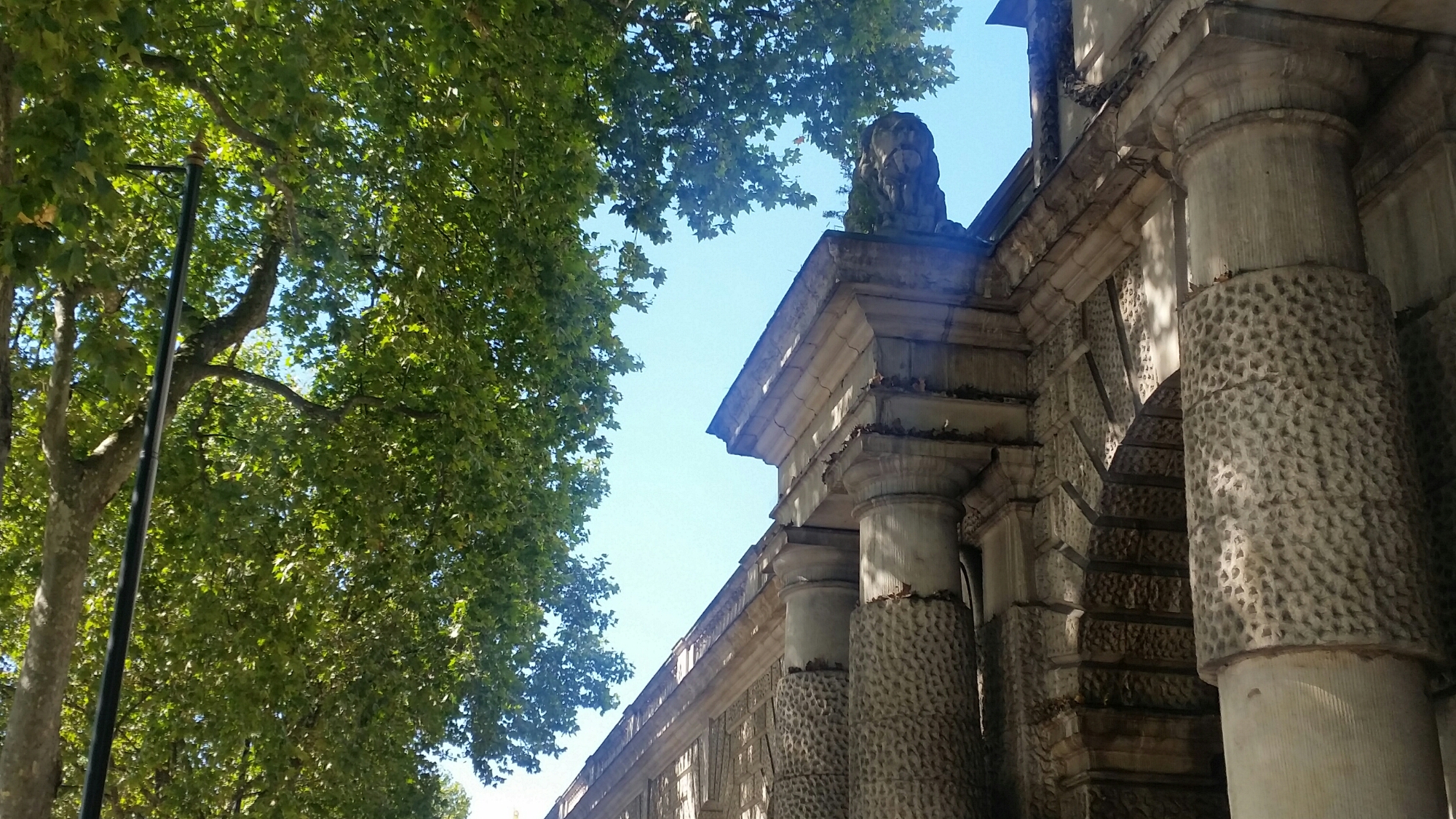
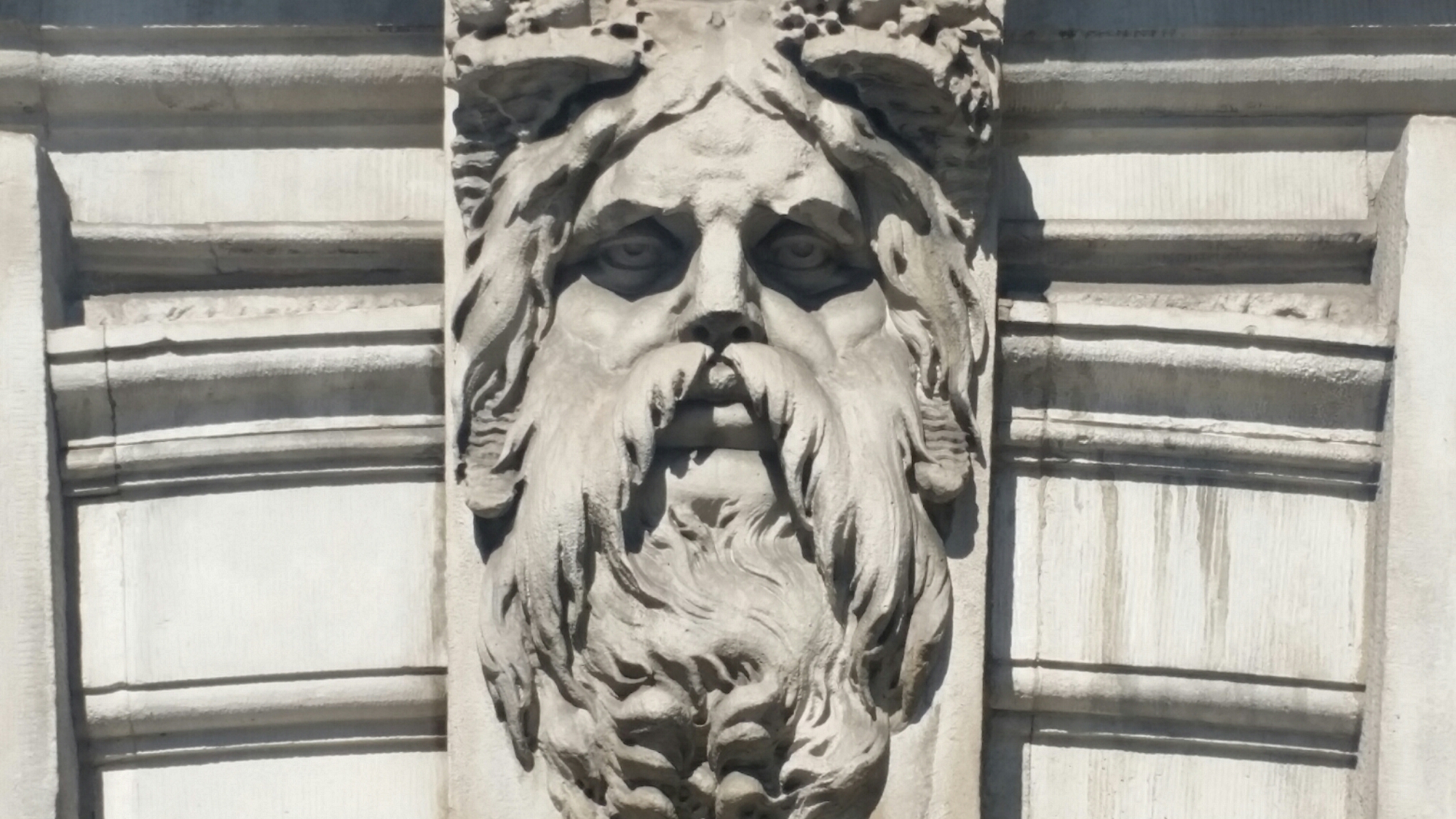
Having done a post on Francis Bird, I thought the least I could do would be to inspect his work in situ.

Queen Anne still presides in front of all the tourists taking photographs of the west front, but she’s a copy dating from the 1880s by which time the original had been much vandalised:-

image Continue reading

Standard

Crossrail Place

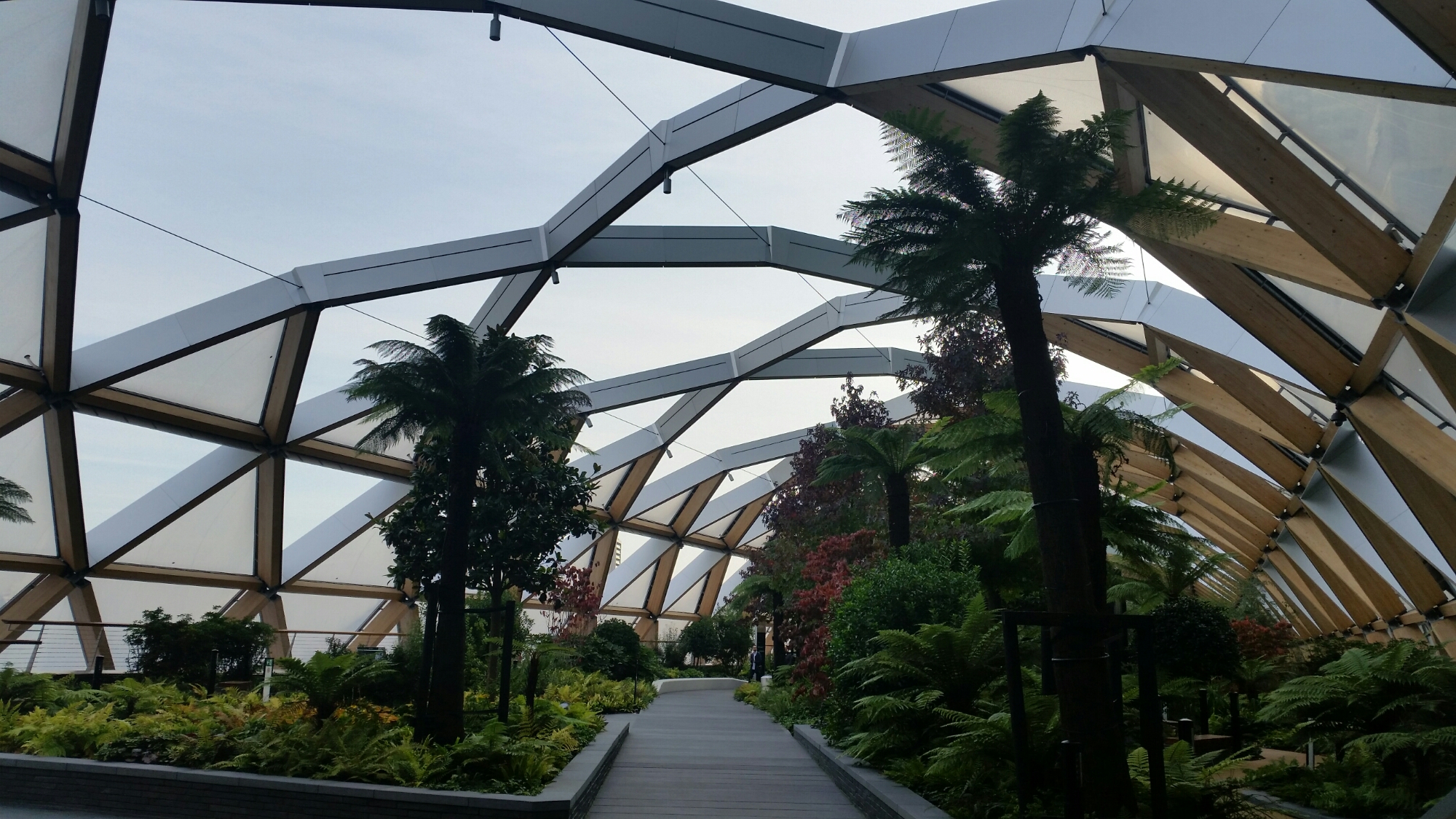
We went to explore the new Norman Foster building which has been attached to the north side of Canary Wharf and will in due course house its Crossrail Station.   It’s a mixture of ballooning high tech and craft detailing in the engineered wooden struts:  currently a bit bland because it’s not yet functioning, but with an elaborate antipodean roof garden:-

image

image Continue reading

Standard

Daily Telegraph Building

I walked past the old headquarters of the Daily Telegraph on Fleet Street yesterday morning and was impressed by its neo-Egyptian magnificence, once the home of right wing journalists, now of Goldman Sachs traders.   It was designed by Charles Elcock of Elcock, Sutcliffe & Tait in 1928, more or less at the same time as Unilever House and with similar ostentation.   The stonework carving was done by Alfred Oakley who became a monk:-

image

image Continue reading

Standard

Gough Square

I thought I should start my day in Gough Square where I am due to give a talk tonight to a group of Johnson enthusiasts, if only to remind myself of the topography local to Samuel Johnson’s House and the fragmentary survival of eighteenth-century London as one takes a little alleyway off Fleet Street (Wine Office Court), up past the Cheshire Cheese tavern (rebuilt 1667) into Gough Square, where not only Johnson, but also Oliver Goldsmith lived.   There is a quotation from Johnson on the wall of Wine Office Court:  ‘Sir, If you wish to have a just notion of the magnitude of this great City you must not be satisfied with seeing its great streets and squares but must survey the innumerable little lanes and courts’.   It’s a reminder of the tightly knit network of medieval alleyways and courtyards which still half survives in amongst the megalith office blocks north of Fleet Street;  and also of the difference in surroundings between Johnson’s London, all alleyways and bookshops and taverns and the Inns of Court, and Reynolds’s London, a mile to the west, which was much more spacious, with workshops and shops and coffee houses in Covent Garden, close to the parks and the Court.

This is Johnson’s House:-
image

image

Standard

Somers Town

Until yesterday I wasn’t really familiar with the area known as Somers Town, which was called after Charles Cocks, Lord Somers, and was developed during the 1780s to the north of the so-called New Road (now the Euston Road) and south of the Regent’s Canal.   Once an area of market gardens, it was originally a middle class neighbourhood, but went rapidly downhill when the big railway termini arrived, together with the Irish navvies required to build them.   Now it’s an area of social housing, where life expectancy is apparently ten years less than in Hampstead:-

image

Standard

St. Pancras Station

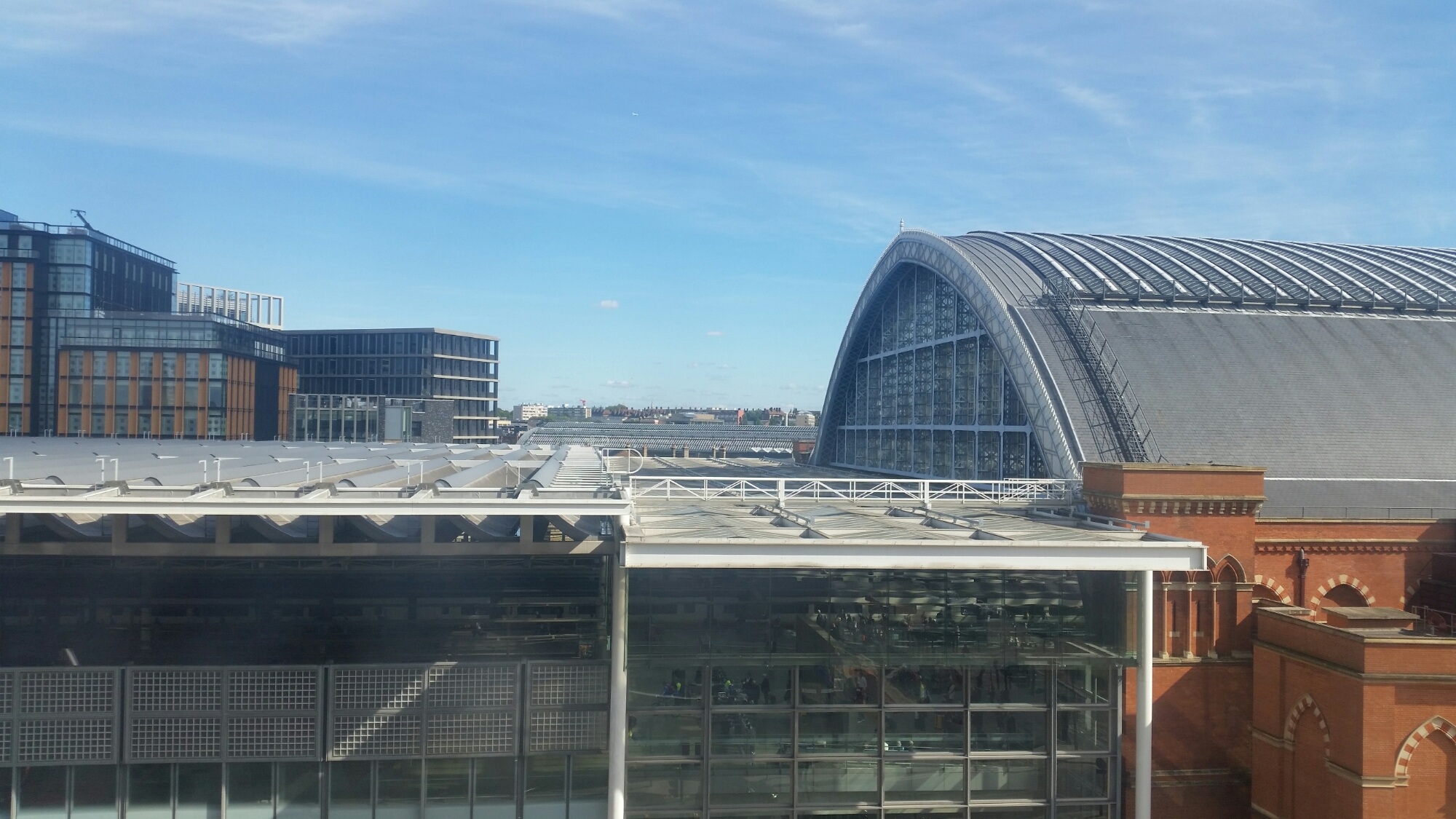
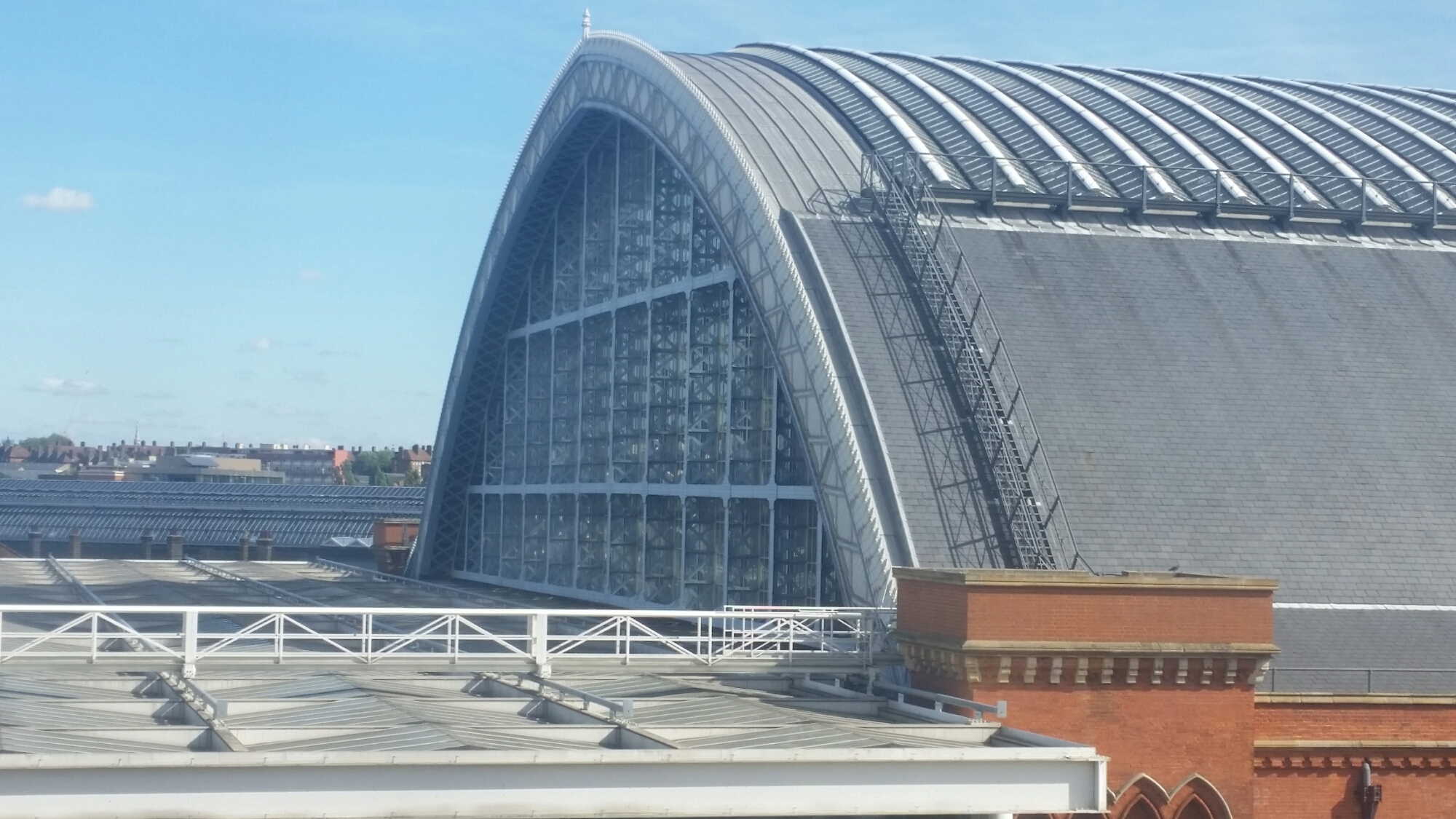
One of the pleasures of visiting the Crick Institute was the opportunity to see the great roof of St. Pancras station, designed by William Henry Barlow, the Chief Engineer of the Midland Railway Company, up close.   When it opened in 1868, it was the widest roof span in the world:-

image

image

Standard

Francis Crick Institute

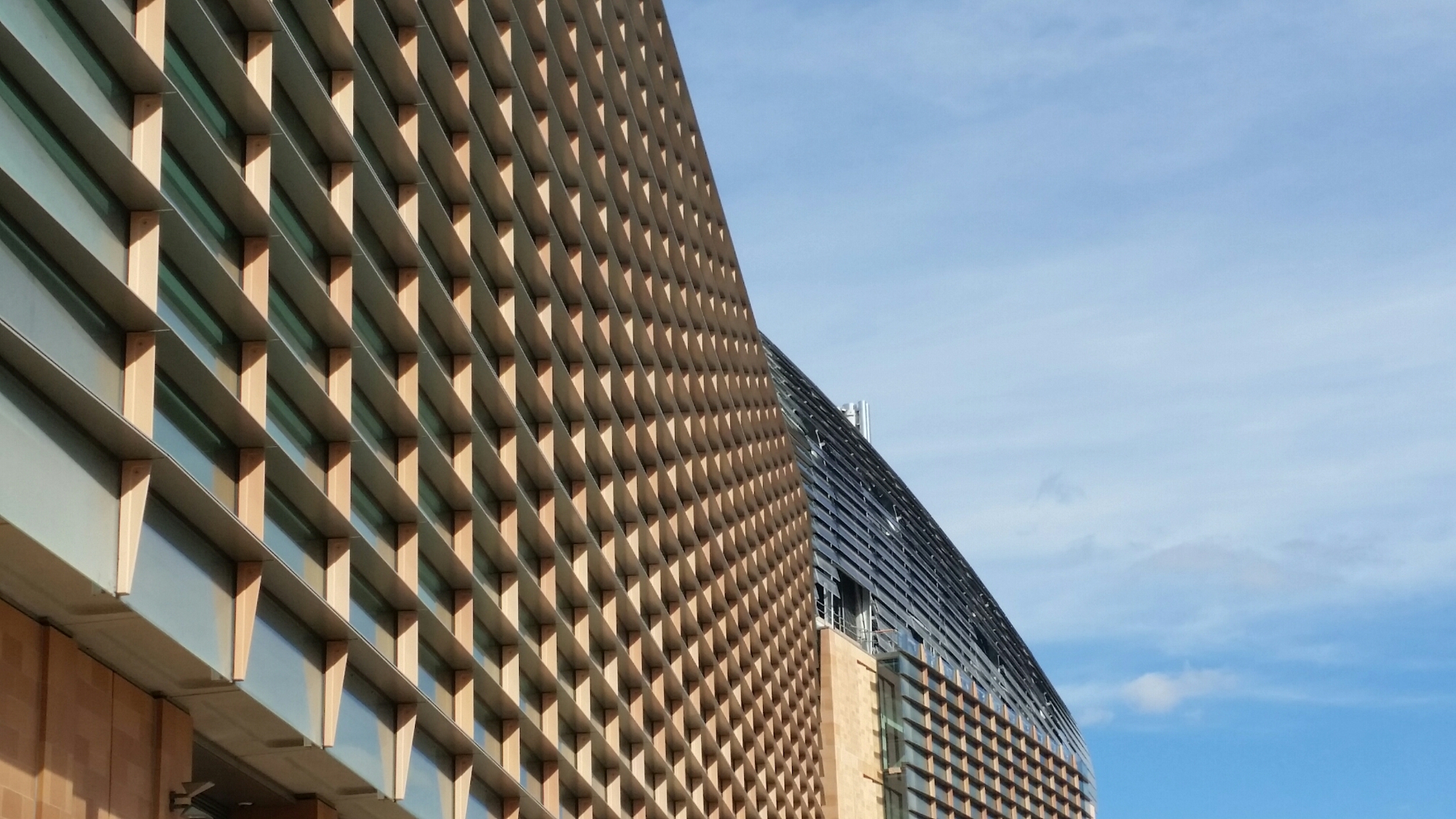
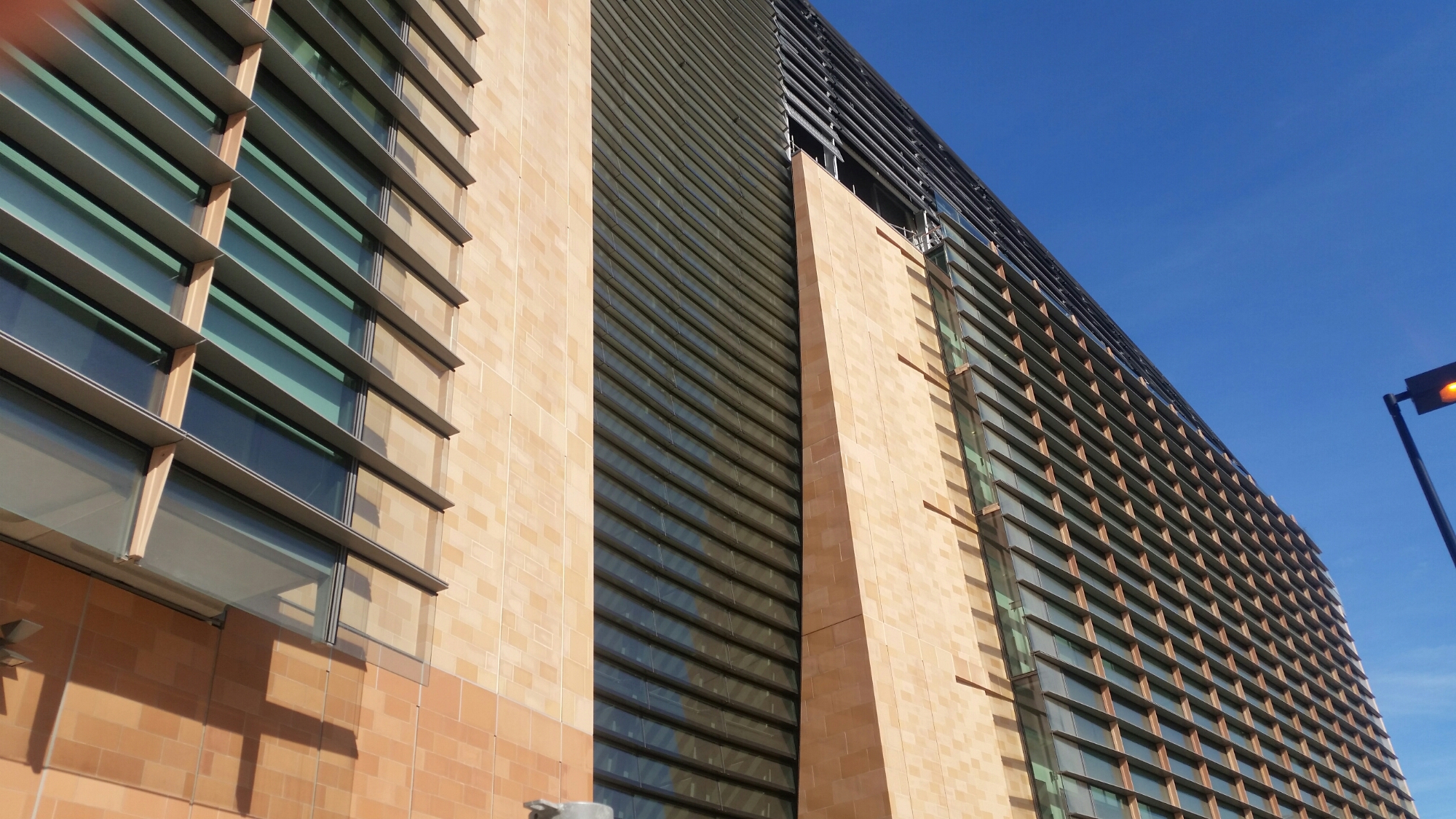
I drove past the Francis Crick Institute recently which is rising immediately to the north of the British Library and was impressed by its scale, its grand barrel-vaulted roof and its use of terracotta to reflect, but not replicate, Sandy Wilson’s use of brick in the British Library.   So, I was pleased to be invited to go on a site tour by Larry Malcic of HOK, who has overseen its design and construction.   It is indeed a huge project – ‘a cathedral of science’ as its Director, Sir Paul Nurse, calls it – broken up into four quarters, all open plan, with tiny offices for the Principal Investigators, in order to encourage social interaction:-

image

image Continue reading

Standard

One Pancras Square

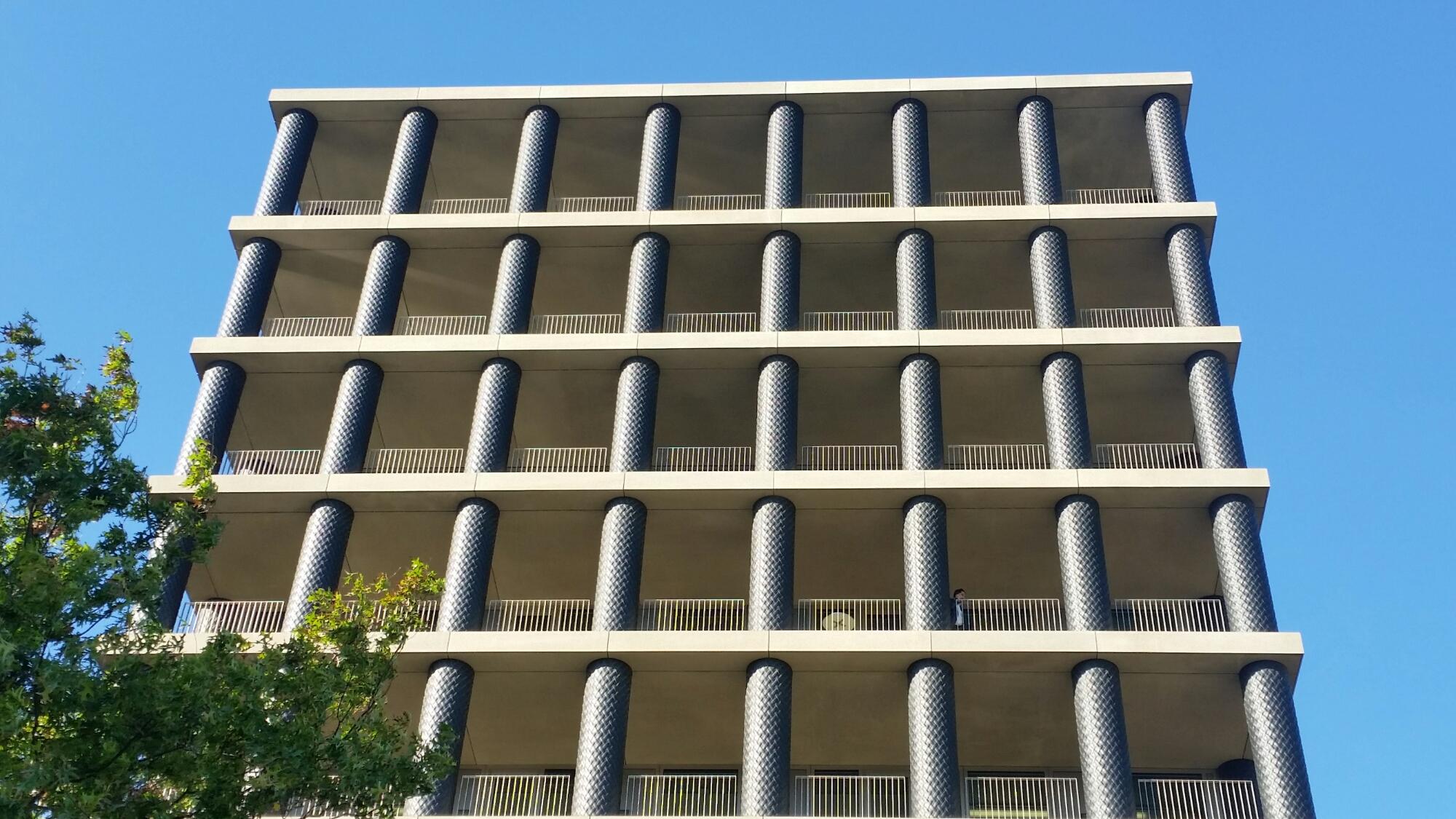
I have only recently realised that the very Aldo Rossi-like building which greets one’s arrival to the increasingly impressive set of developments by Argent north of King’s Cross is by David Chipperfield.   With tubular cast iron columns, cast by the Hargreaves Foundry in Yorkshire, set out in a rigid rectilinear geometry, it could easily have come out of postwar Italy:-

image

Standard

Somerset House

Lunch at Spring in the New Wing of Somerset House (the work of James Pennethorne, not Chambers) gave me a chance to admire some of the detailing of the stonework in the river entrance off Embankment and round the courtyard, which was the work of some of the sculptors of the early Royal Academy. The keystone over the entrance on the river front was by Joseph Wilton, a friend of Chambers and was probably to Chambers’s design. It depicts Ocean and was flanked the the English rivers, mostly carved by Wilton, but three by Carlini. The urns flanked by tritons are likewise by Wilton:-

image

image Continue reading

Standard

Unilever House (4)

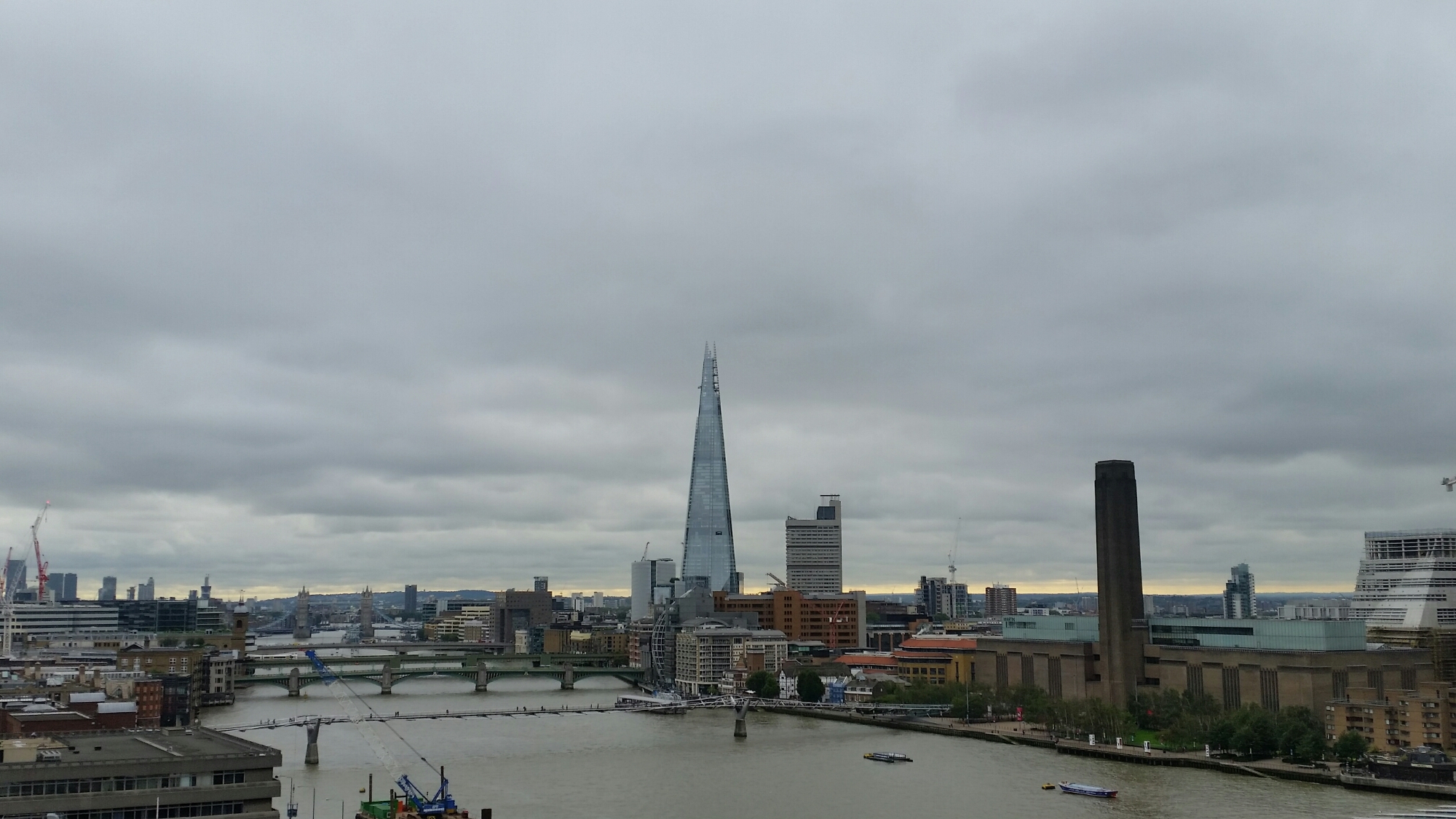
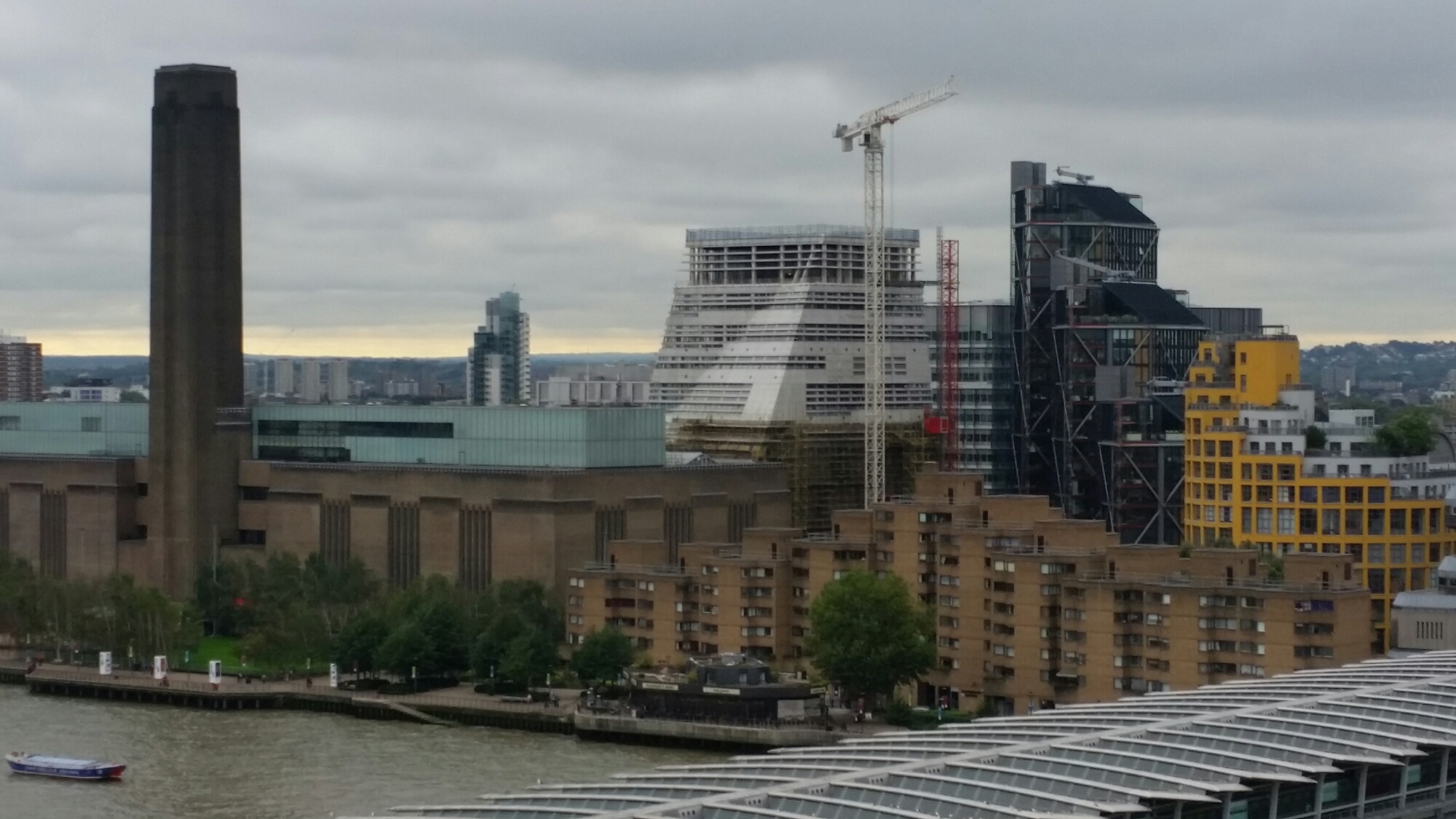
I was able for the first time to go onto the roof of Unilever House this morning (Unilever employees only).   One gets a rather amazing view out across the city, down towards Tower Bridge, past the emerging Tate Modern behind NEO Bankside, the Rogers Stirk Harbour apartment buildings which have been shortlisted for the Stirling Prize.   It’s just behind the curved yellow building which Piers Gough did for the Manhattan Loft Corporation in 1999:-

image

image

Standard