St. George-in-the-East (1)

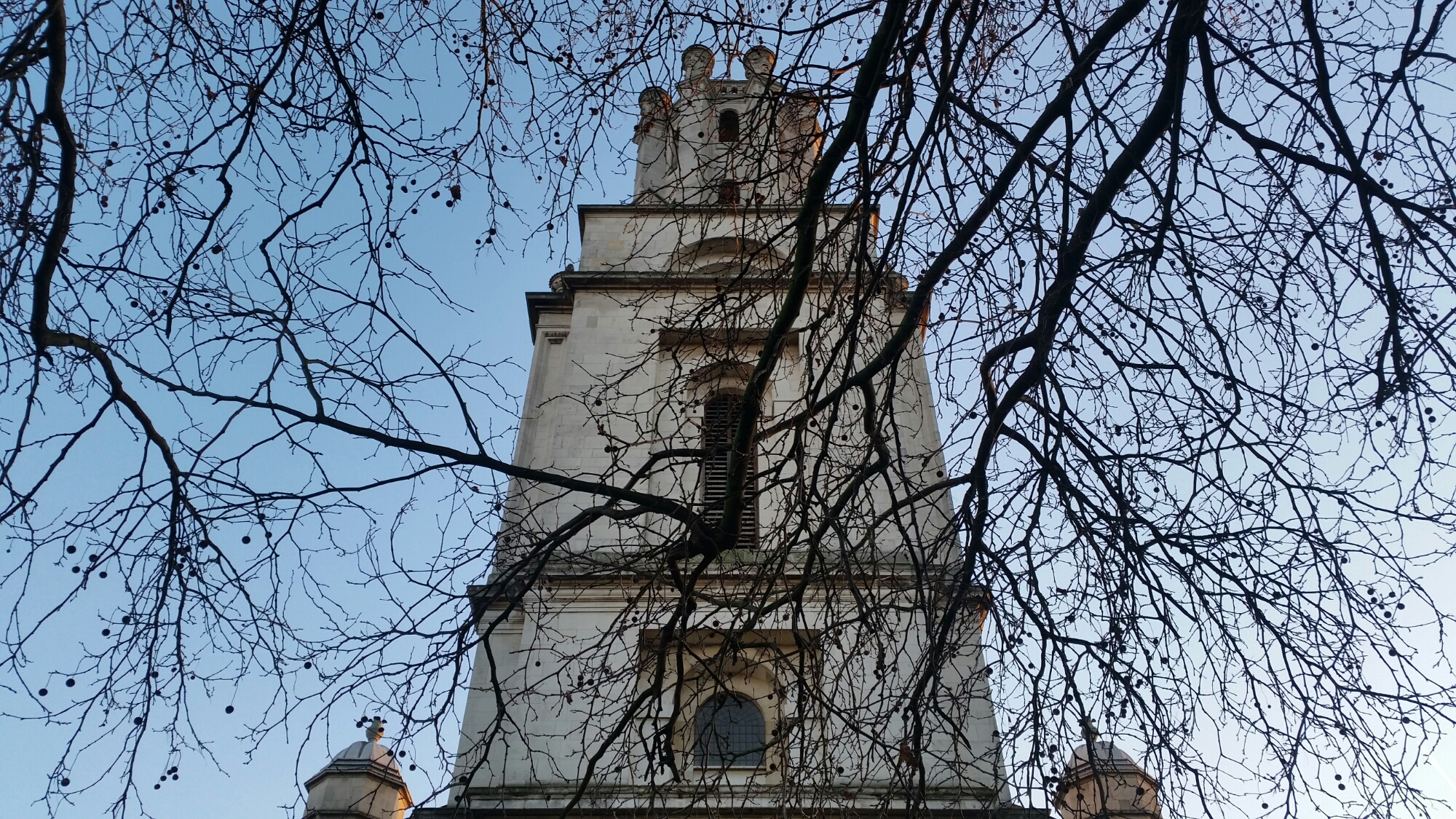
St. George-in-the-East is the Hawksmoor church I know least well, set back as it is above the Highway, slightly more mannered and complex than St. Anne’s, Limehouse, less monumental than Christ Church, Spitalfields.

This is the west tower with its octagonal finials:

image Continue reading

Standard

Shadwell Basin

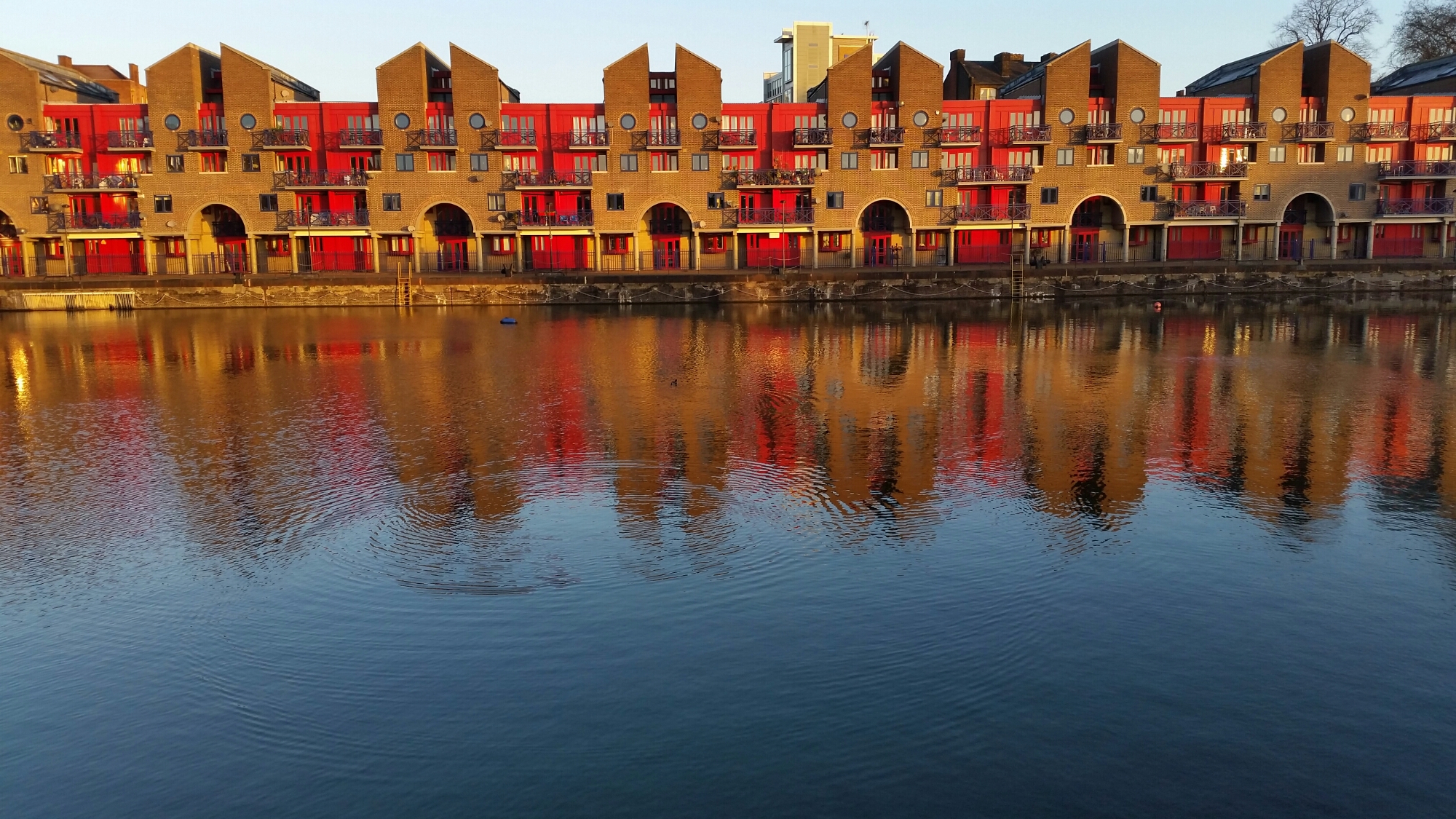
I wrongly accused Ted Cullinan of having designed Shadwell Basin.   I’ve discovered that it was designed by Richard MacCormac or one of his partners in an early, and good, example of docklands rebuilding from the first days of regeneration (it was completed in 1987), a slightly miscellaneous example of classical elements, with Venetian arches and split pediments, half replicating early nineteenth-century industrial buildings :-

image

image Continue reading

Standard

Wilkinson Eyre

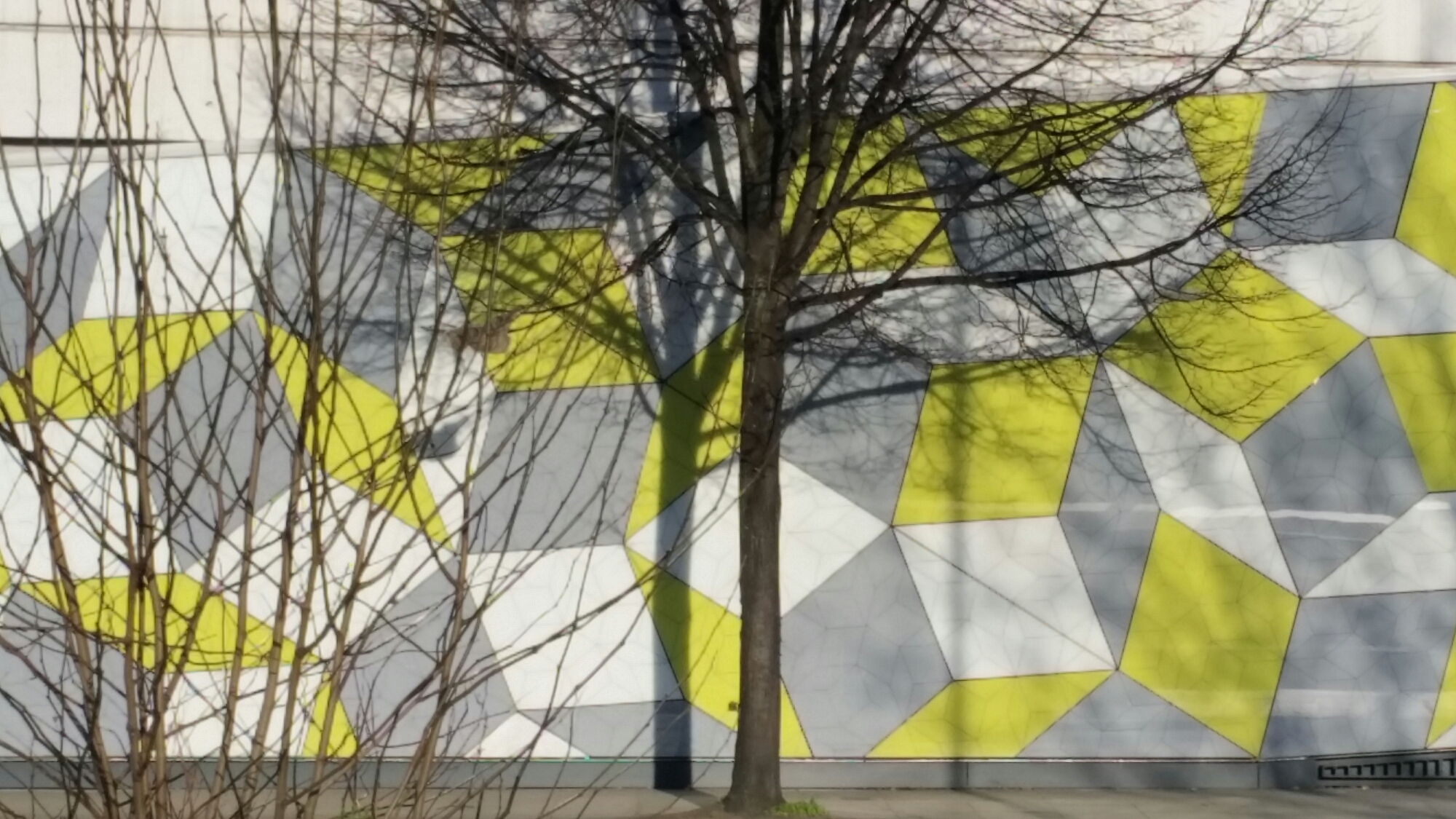
I’ve been reading the new book about the work of Wilkinson Eyre, which has made me realise that not only are they responsible, which I knew, for the design of Arts Two at Queen Mary, which houses the history department, with its ceramic façade designed by Jacqui Poncelet, but also for the colourful polyhedral façade of the School of Mathematical Sciences.   The screenprinted tiling is based on the ideas of Roger Penrose, a visiting professor, about repeatable and non-repeatable pattern:-

image Continue reading

Standard

Alderney Road

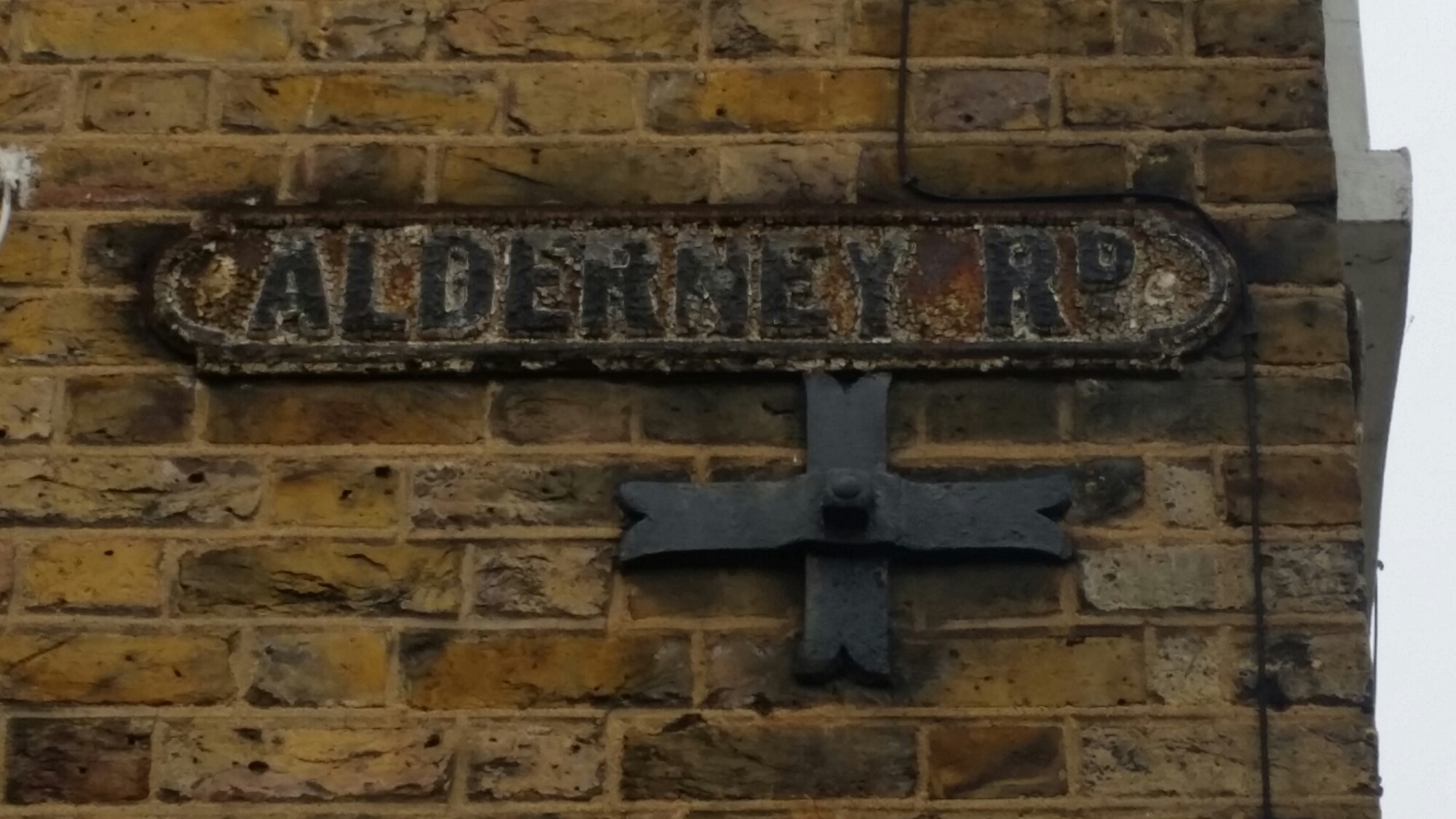
I was trying to remember the reference in W.G. Sebald’s Austerlitz to the old Ashkenazi cemetery on Alderney Road – or Alderney Street as it is called in the novel.   Jacques Austerlitz lived in the street ‘quite a long way out in the East End of London.   It is a remarkably quiet street running parallel to the main road not far from the Mile End junction, where there are always traffic jams and, on such Saturdays, market traders set up their stalls of clothes’.   Alderney Road is one of a group of streets of 1860s terrace housing tucked between Queen Mary and the railway tracks:-

image Continue reading

Standard

The Ocean Estate

The Ocean Estate has a bad name, but I’ve always liked the low-rise houses, which are well maintained, with a great deal of highly individualistic styling and have an atmosphere redolent of the homes for heroes of 50s Britain:-

image Continue reading

Standard

Mile End Place

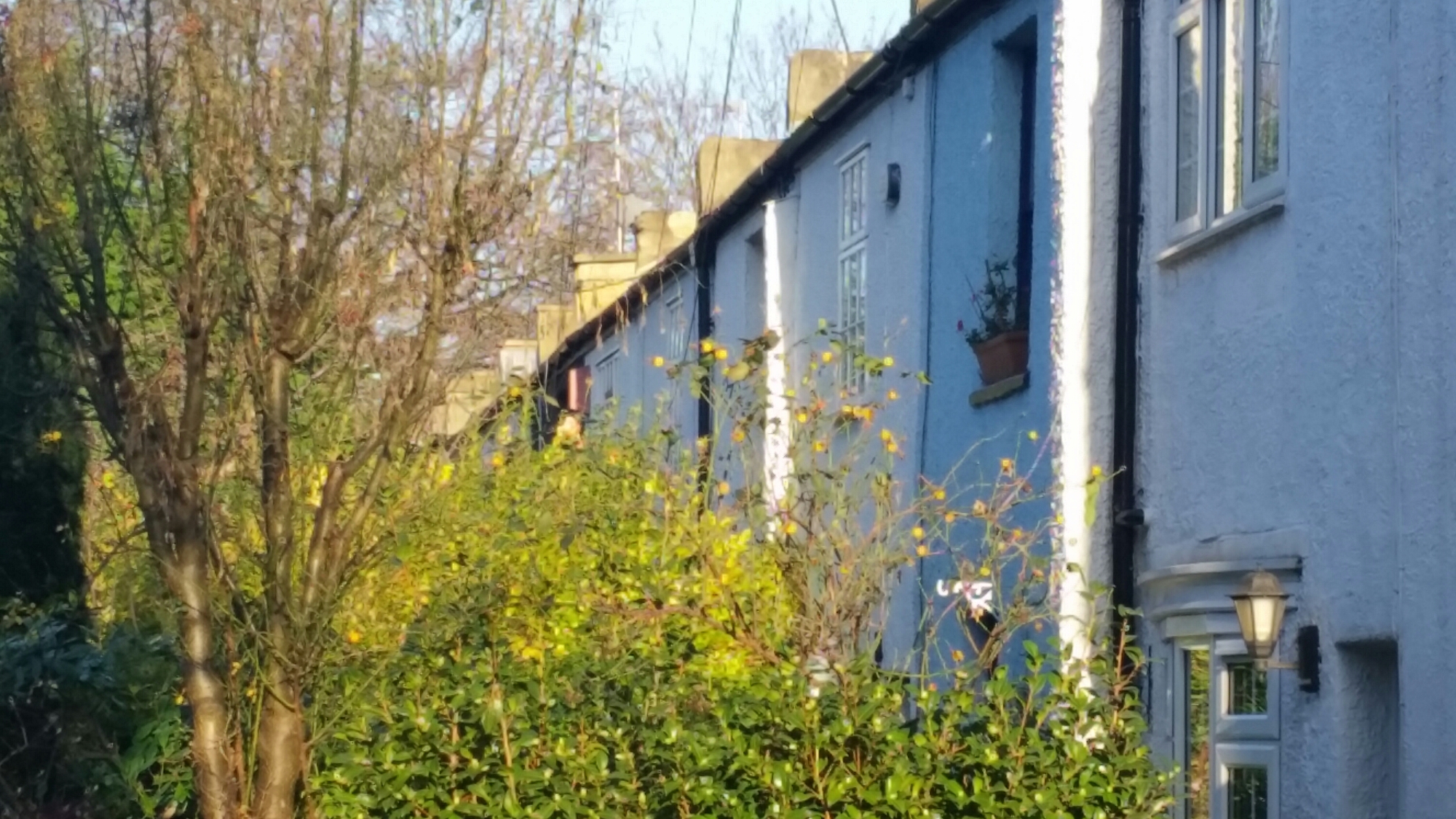
I called in on Mile End Place on Christmas morning – one of those, curious, unexpected snickets of artisan housing, backing on to the Jewish cemetery, so with only trees beyond:-

image Continue reading

Standard

Cable Street

Cable Street was the heartland of the old east end, bombed in the war, the Tarling estate erected after it, but still with good early nineteenth-century houses in a row just north of the church.

This is the Tarling estate:-

image Continue reading

Standard

Whitechapel

I spent the morning wandering round Whitechapel, so much more densely built than Stepney, still with its tight nineteenth-century street formation.   I particularly admired the work that the Spitalfields Trust has done in regenerating the streets off New Road – Turner Street, Walden Street and Varden Street – where the small artisans’ houses have been spruced and gentrified:-


image
Continue reading

Standard

The Deli Downstairs

A quick excursion in search of Stilton and a Christmas pudding took me to the Deli Downstairs, the headquarters of the Lauriston Road revival, past the long queue for the Ginger Pig and an opportunity to stock up on local ale from the Bottle Apostle:-

image Continue reading

Standard

Cressy House

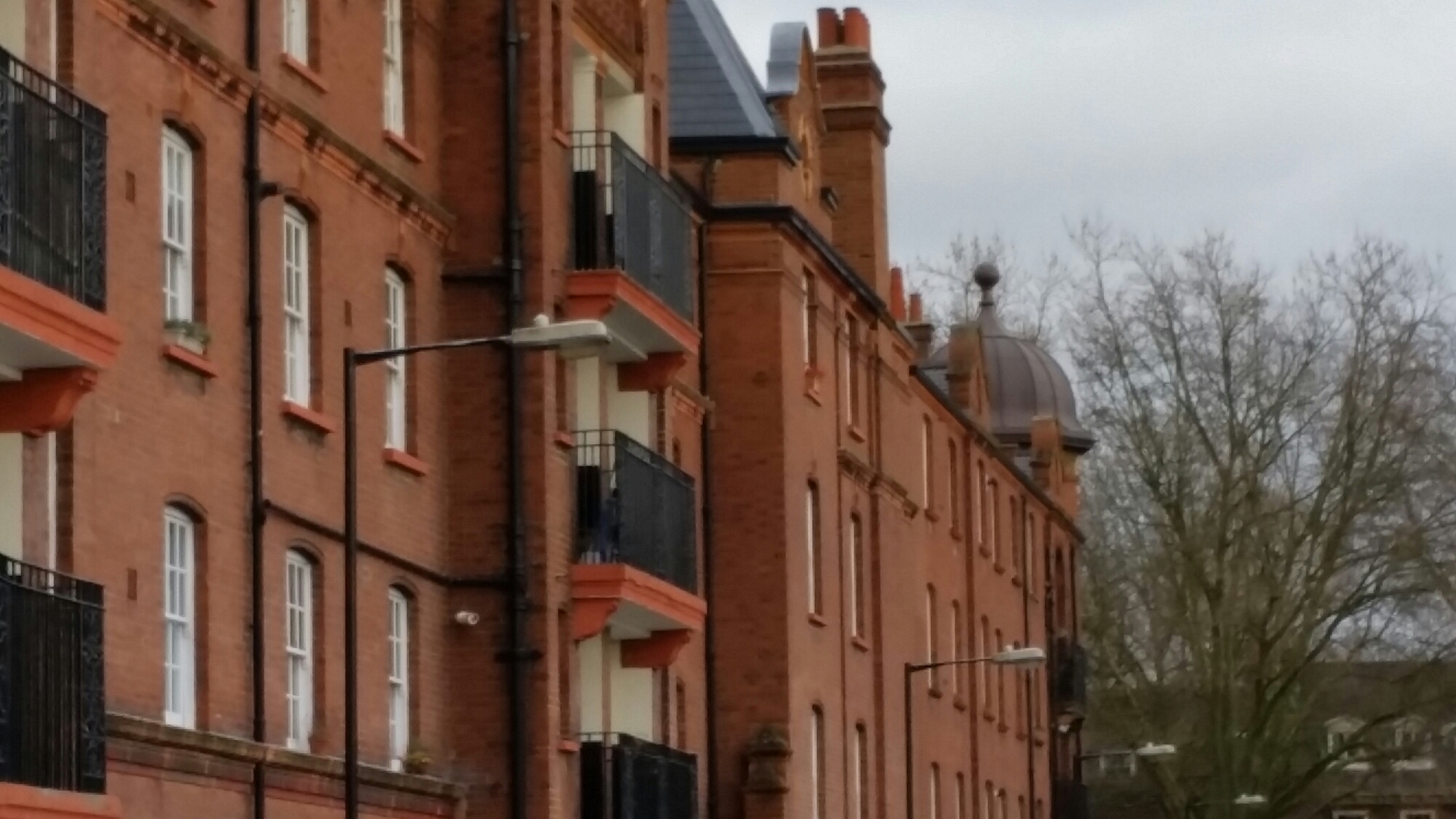
The east end is full of surprises.   Yesterday morning I walked down a road I’ve walked down a thousand times not far from our house and wandered into a courtyard where I found myself in a time warp of 1890s communitarian social idealism:  a well-cared-for courtyard full of plants, a small house for the caretaker, bicycles and beehives.   It’s Cressy House, austere on the outside, designed by Davis & Emmanuel, architects of the West London Synagogue, for the East End Dwellings Company, with communal staircases leading off the internal courtyard:-

image Continue reading

Standard