
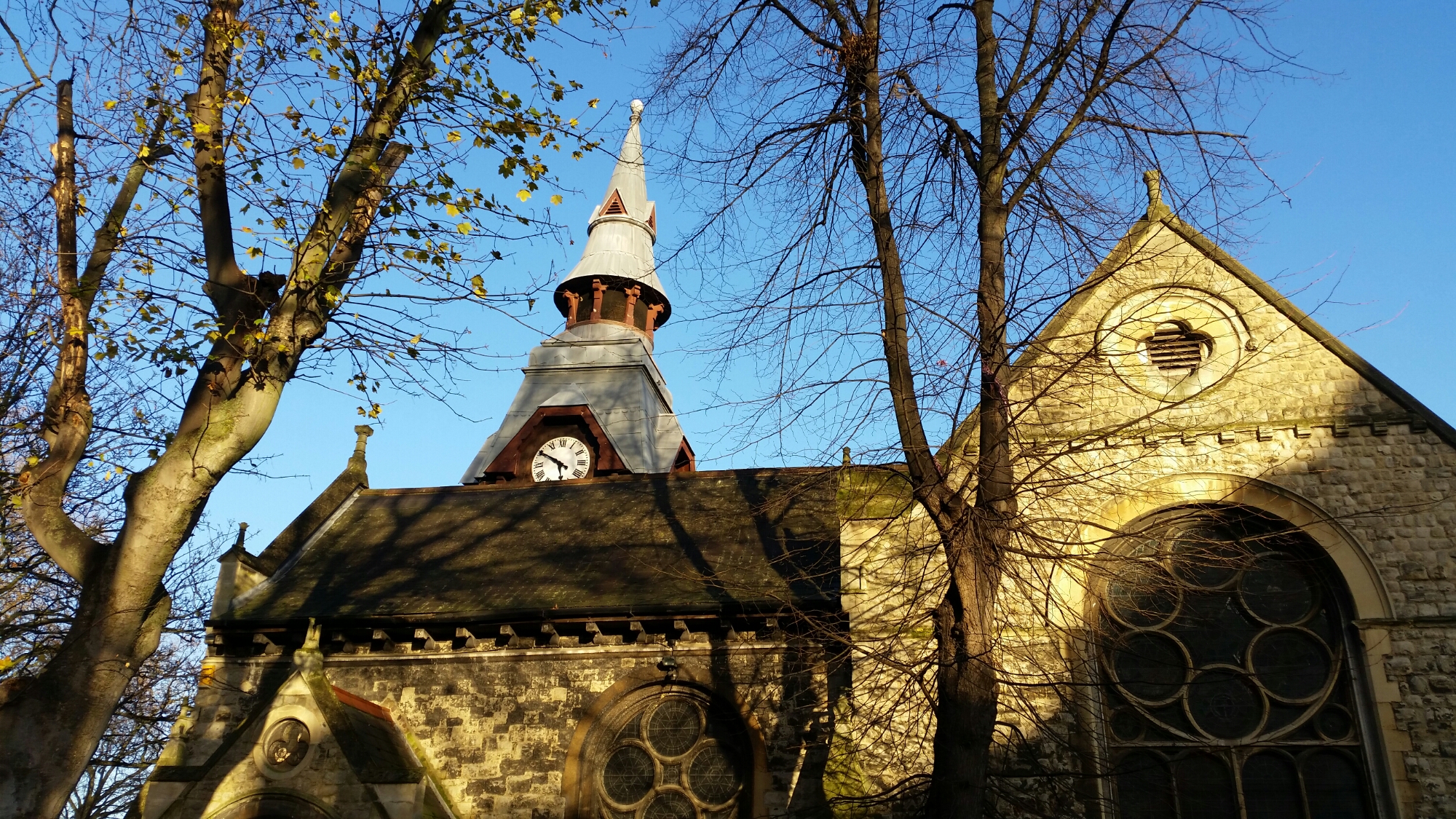
Poplar always looks and feels as if it was heavily bombed, without any relics of its seventeenth-century shipyards and consisting mainly of large 1930s and 1950s estates. At its heart is St. Matthias, which contains within its mid-Victorian ragstone casing the original chapel of the East India Company which first opened in the early 1650s:
Tag Archives: East London
Robin Hood Gardens
A trip to the local off licence made it possible for me to see what is happening to Robin Hood Gardens (or not), following the decision to demolish it by Margaret Hodge, supported by the Commissioners of English Heritage, in spite of it being one of the more important surviving examples of post-war housing and designed by Alison and Peter Smithson. The answer is that it is still there, with an eastern European air of neglect, but full of what look like architectural students, still with its original sculptural sweep and no more gloomy – in fact, much less so – than the rest of Poplar:

LCC Housing
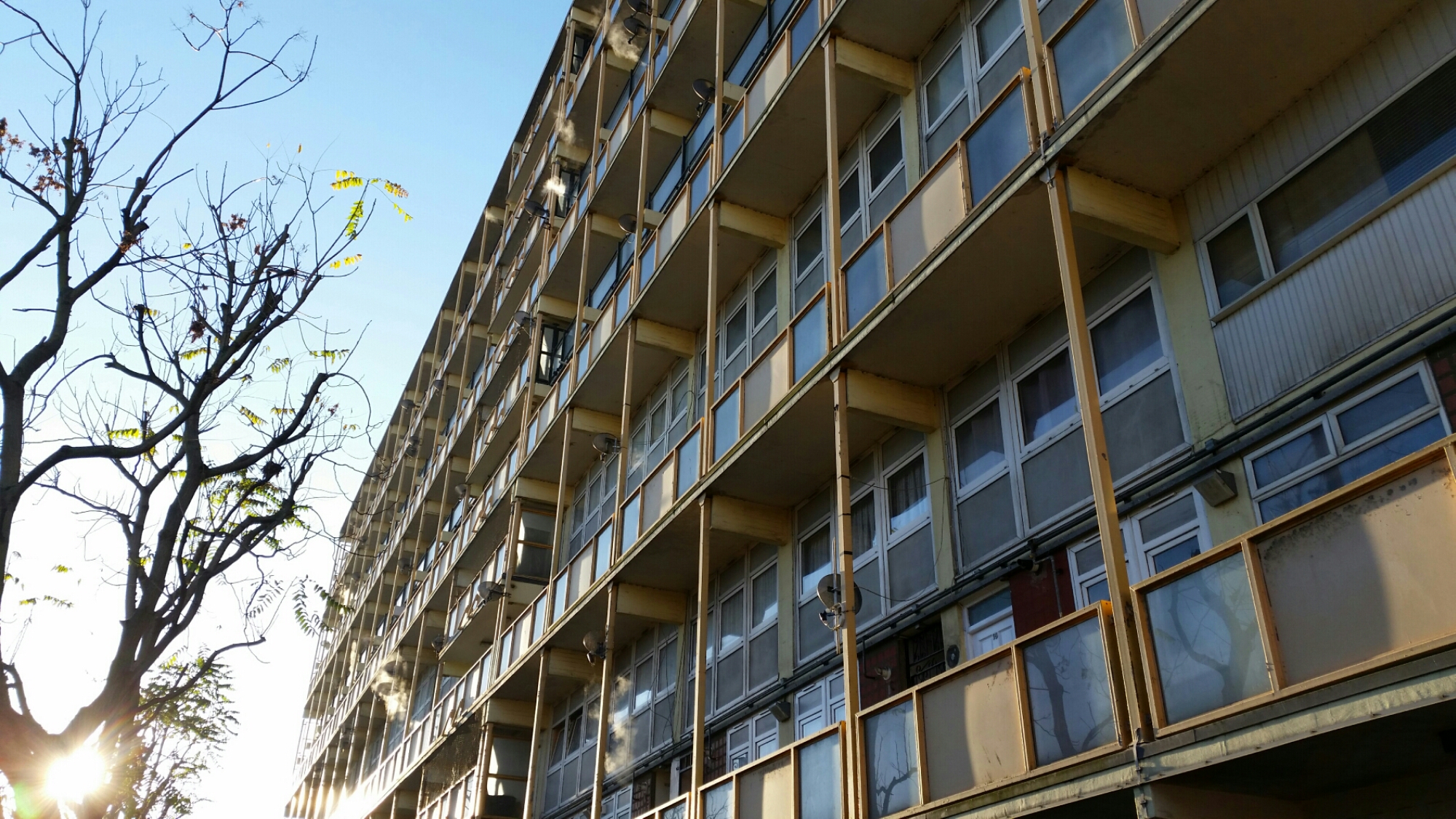
As the years go by, I become less hostile to the big Corbusian estates, based on the Unité d’Habitation, which were put up with such zeal by the London County Council in the late 1950s when the architects’ department was run by Leslie Martin. I’m more appreciative of their social ambition, however misplaced, and their abstract geometry, played out in their balconies, particularly when the sun shines. This is Withy House on Globe Road (architect apparently unknown):
Tower Hamlets Cemetery
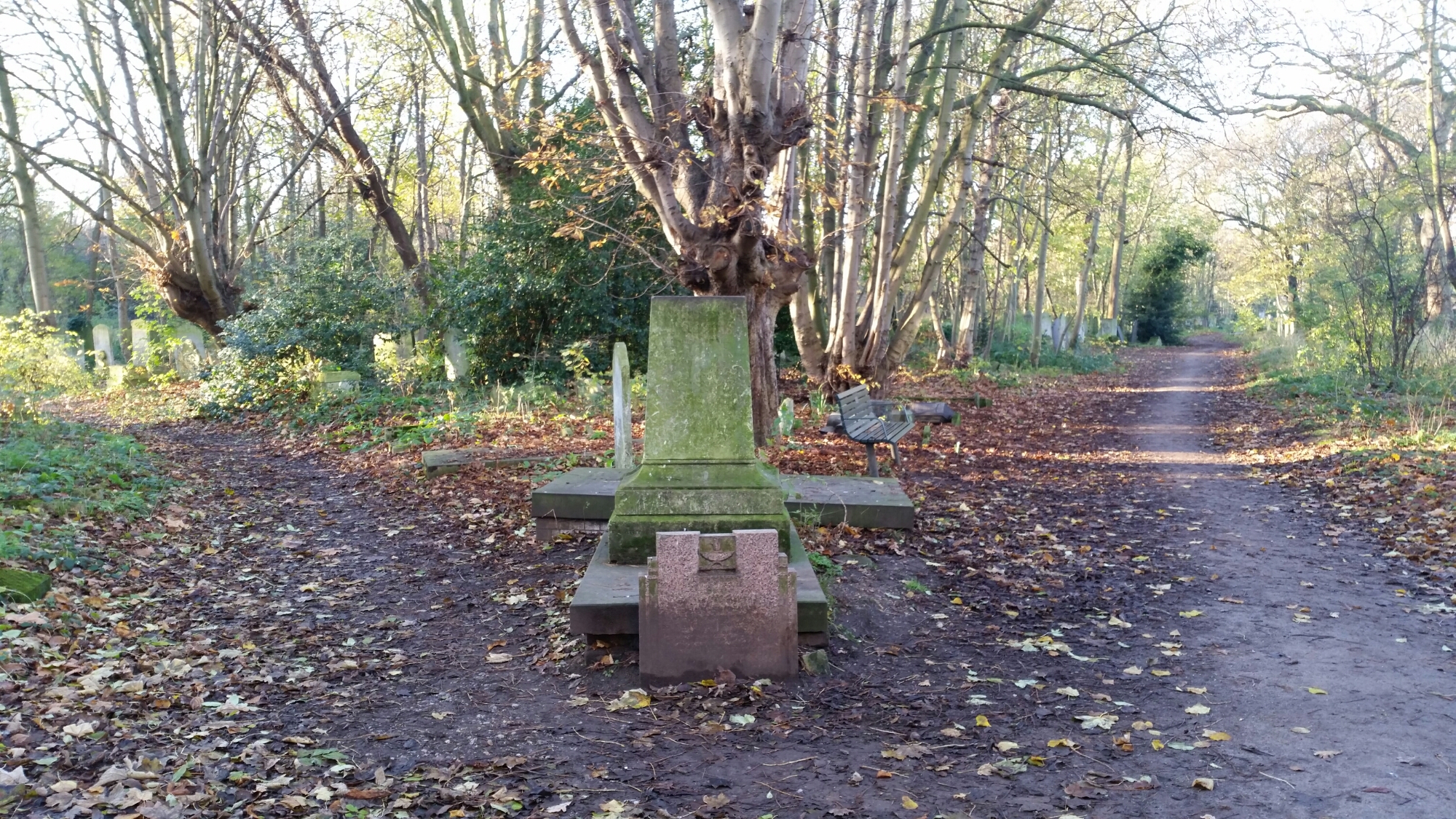
I’ve been asked why it is that I’ve never written about Tower Hamlets Cemetery, given my taste for tombs. It’s true that it’s always been off my local map tucked between Mile End tube station and the railway track. So, I’ve been waiting for a half decent day to re-explore its neglected woodland:

James Pennethorne
I am, for obvious reasons, interested in the architect James Pennethorne, the architect at the Office of Works who was responsible for the design of the University of London building on Burlington Gardens, now owned by the Royal Academy. What I hadn’t realised is how important he is to the East End too. Following his appointment as architect and surveyor to the commissioners of metropolitan improvements in 1839, he was responsible for the construction of Commercial Street in the 1840s to divert traffic from the docks away from the city and through the slums of Whitechapel to Christ Church, Spitalfields. More importantly, he was the person who drew up the plans for Victoria Park, laid out for the benefit of the working classes and based on the ideas of his mentor and teacher, John Nash.
A house in Stepney
I was asked to talk tonight to third year students of Queen Mary about the history of our house. It wasn’t easy because so little is known of its history beyond the fact that it belongs to a piece of mid-eighteenth century ribbon development along the Mile End Road which was then, as it is now, the main road out to Bow, Stratford and Essex beyond. At the time, Stepney was still gentrified, a village outside London. Our house occupies the site of a larger house, which had a driveway off the Mile End Road and belonged to a crypto-Jacobite MP called Archibald Hutcheson, who had trained as a barrister, was a Fellow of the Royal Society, and married a wealthy widow who had previously been married to the Governor of Bombay. Continue reading
Cressida Bell
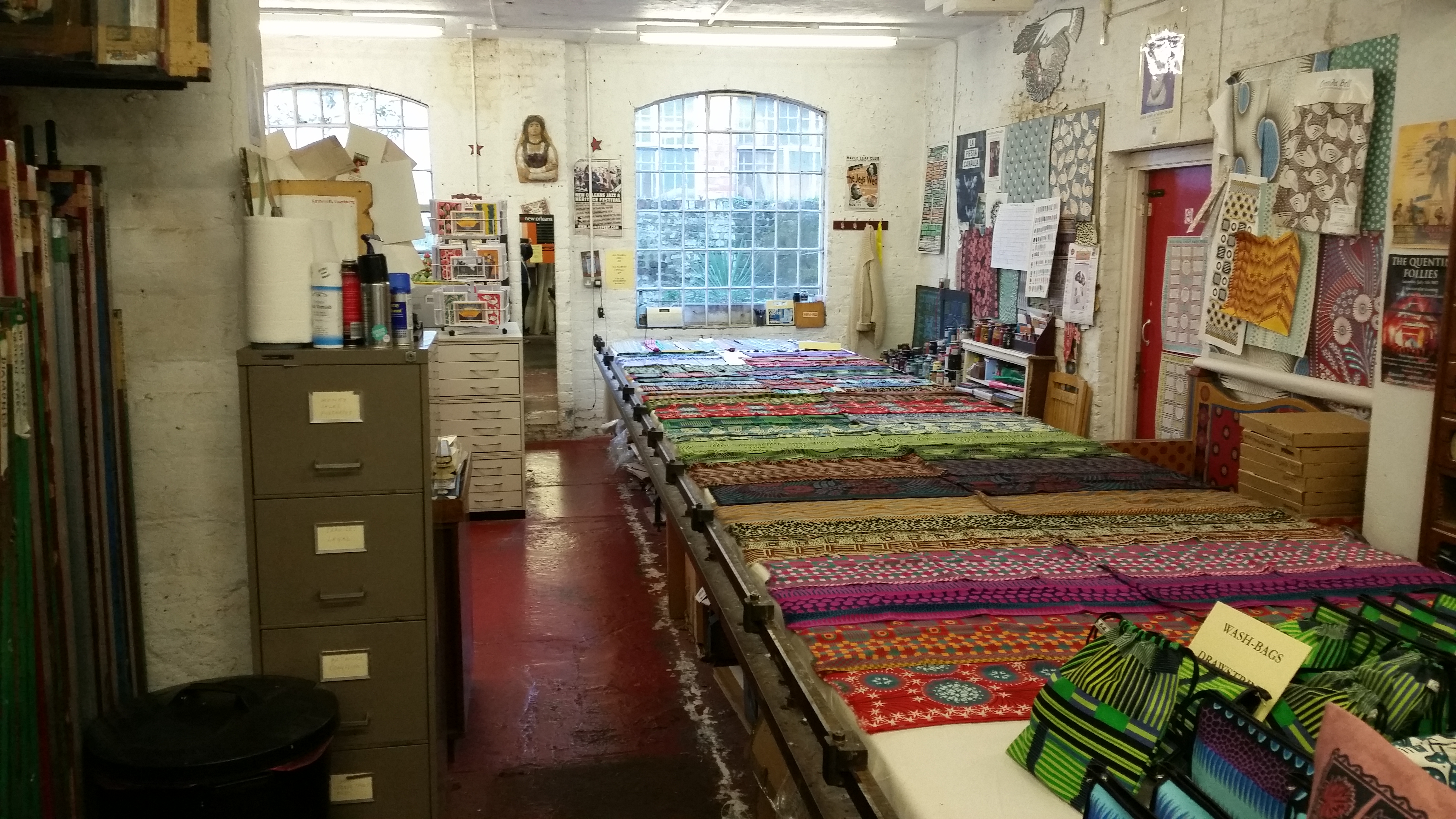
In all the years that I’ve known Cressida Bell, I don’t think that I’ve ever actually been to her annual studio sale. I was determined to go this year, which is her thirtieth. So, I walked up through Hackney to her studio which is in Clarence Mews behind Clapton Square:
Hackney
My post on Hackney mysteriously disappeared.
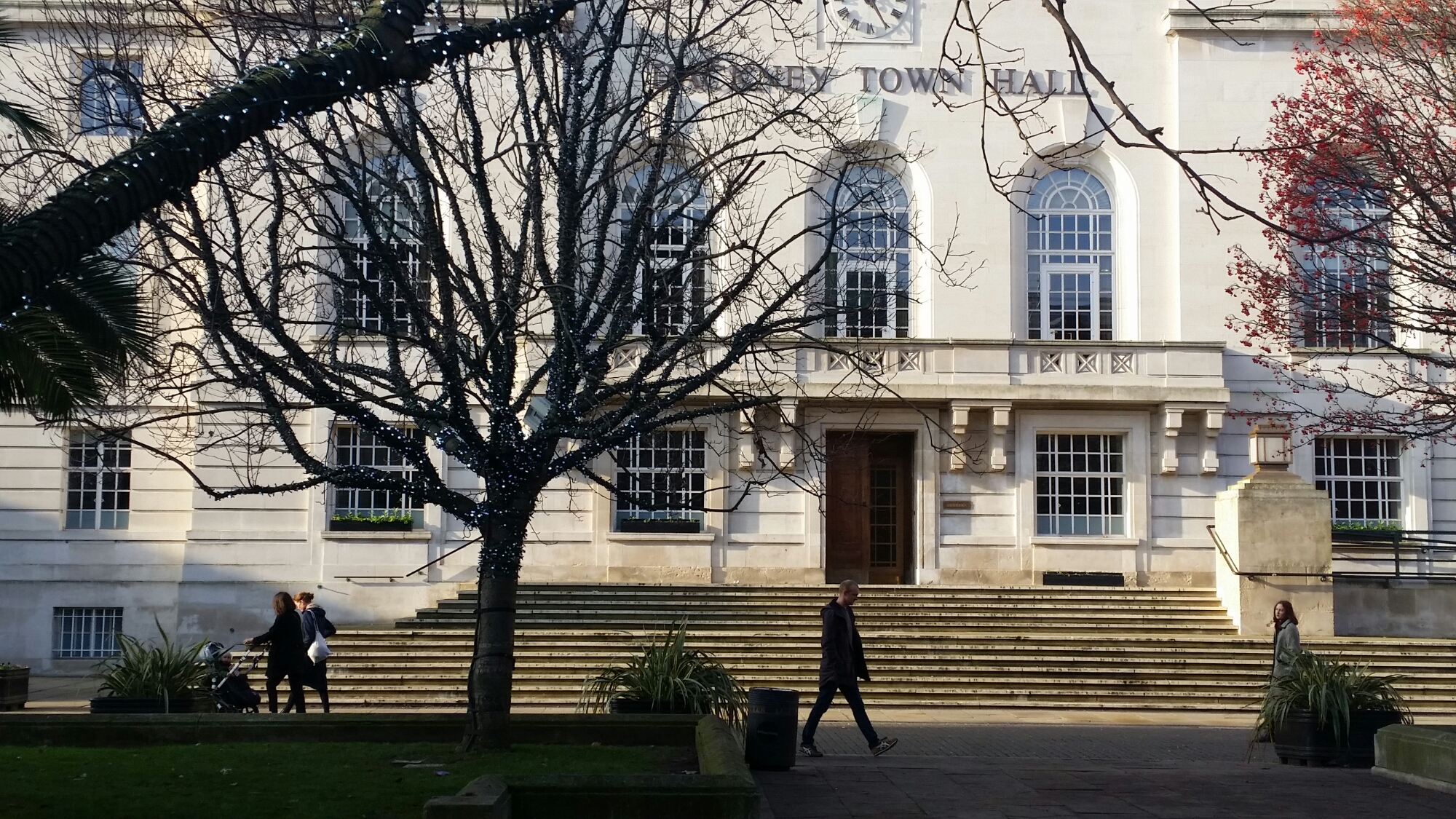
It began with the 1930s town hall, a grand piece of municipal classicism:
Gallery SO
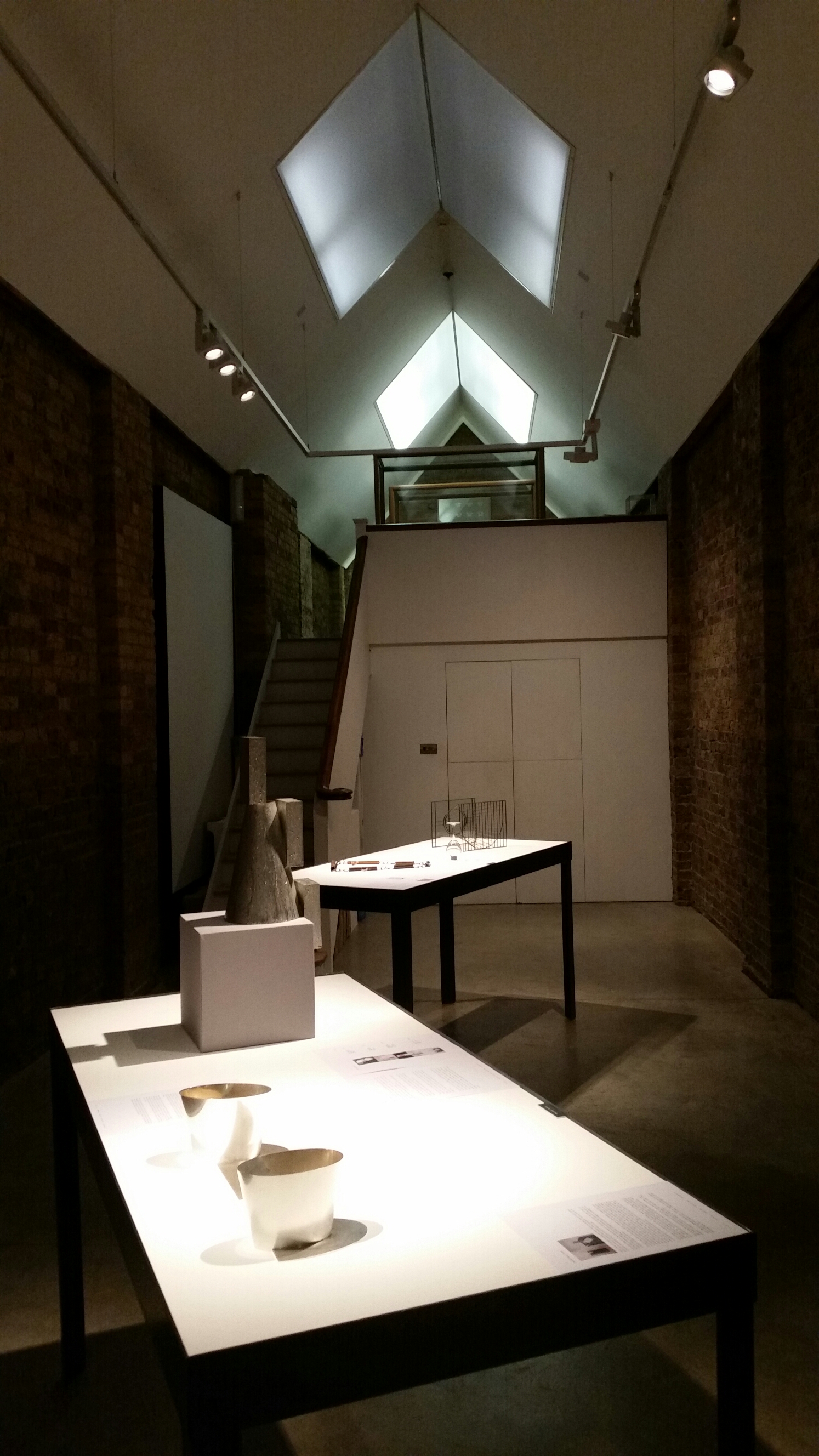
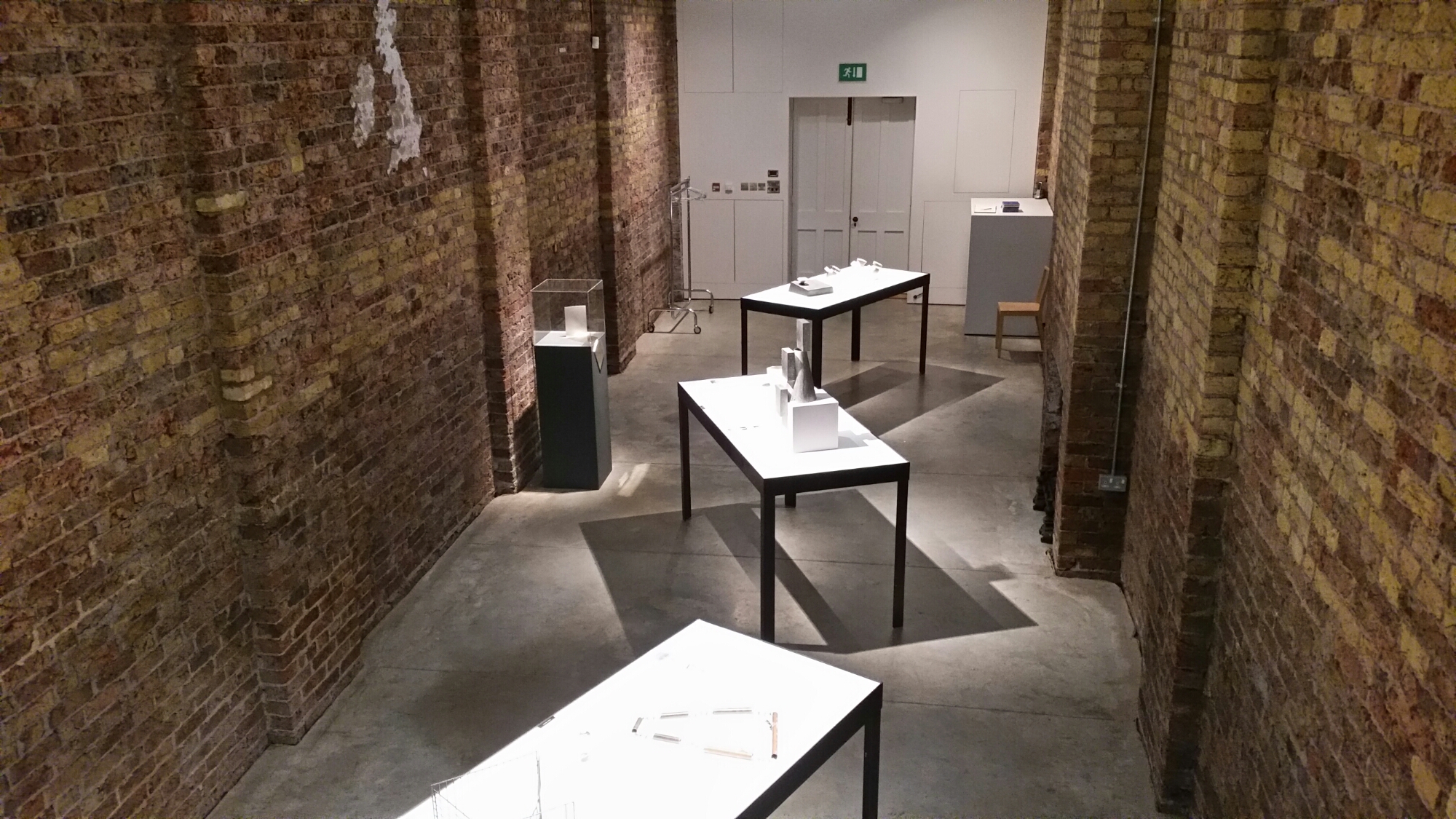
As I walked down Brick Lane, I discovered to my surprise that Gallery SO, the jewellery gallery sandwiched amongst the Indian restaurants, was open on the first Thursday of the month. They had a beautiful mixed display of new work by mainly German jewellers, including Bernhard Schobinger whose exhibition we saw recently at Manchester City Art Gallery:
 | Charles | Saumarez | Smith |
You must be logged in to post a comment.