Bethnal Green Road

Years ago, I went to a talk by Anthony Burton, the then Director of the Bethnal Green Museum, about the Bethnal Green Road.   He treated it as a foreign country.   Since I have been forced to think carefully about the cultural consequences of a vote for Brexit (I’m on a podium about it on Wednesday), I thought I would take a walk down it to see how the Bethnal Green Road has changed.

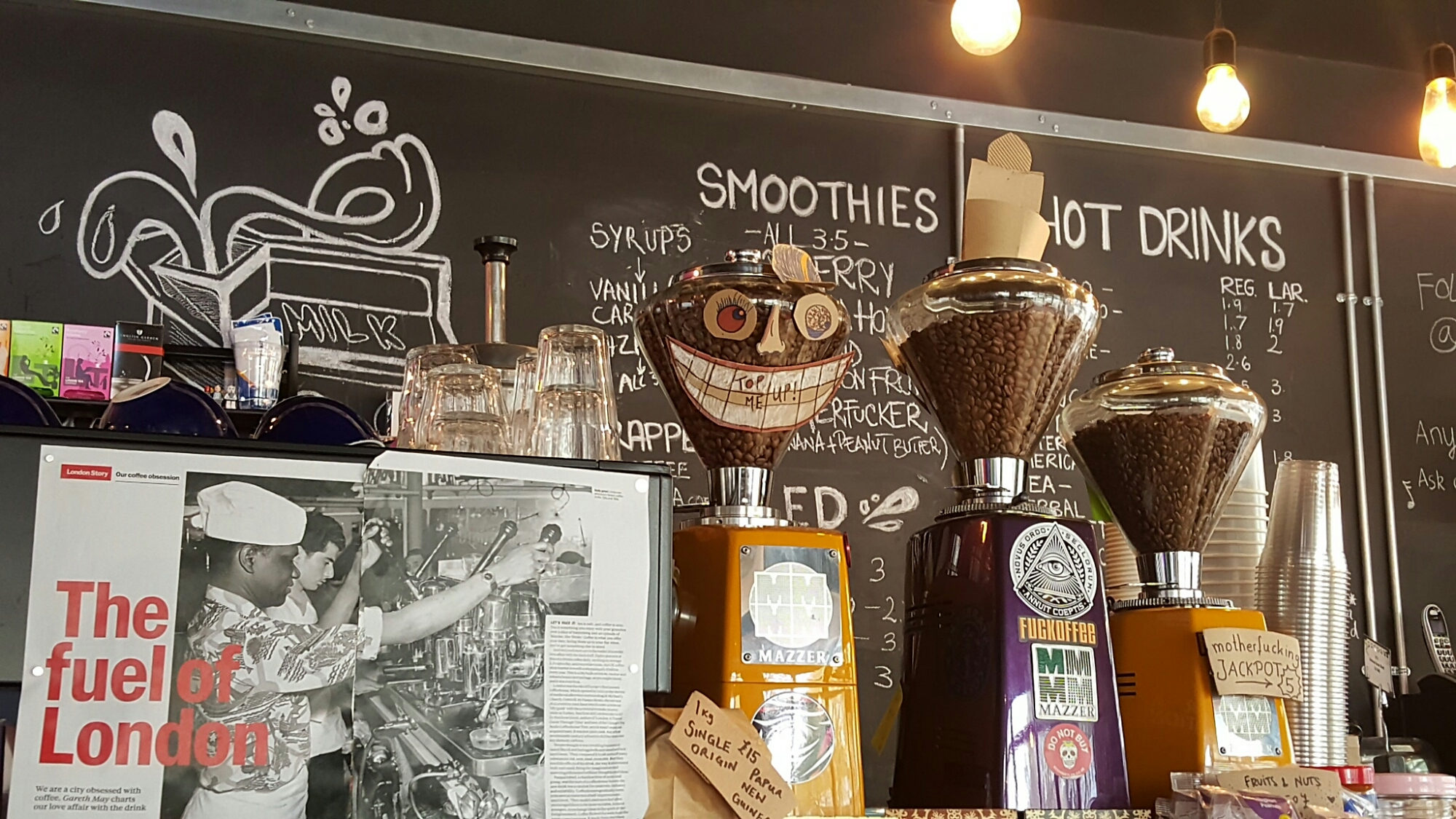
I had my first cappuccino in Jonestown, a neo-1950s, new wave coffee bar:-

image

image Continue reading

Standard

Wilton’s Music Hall

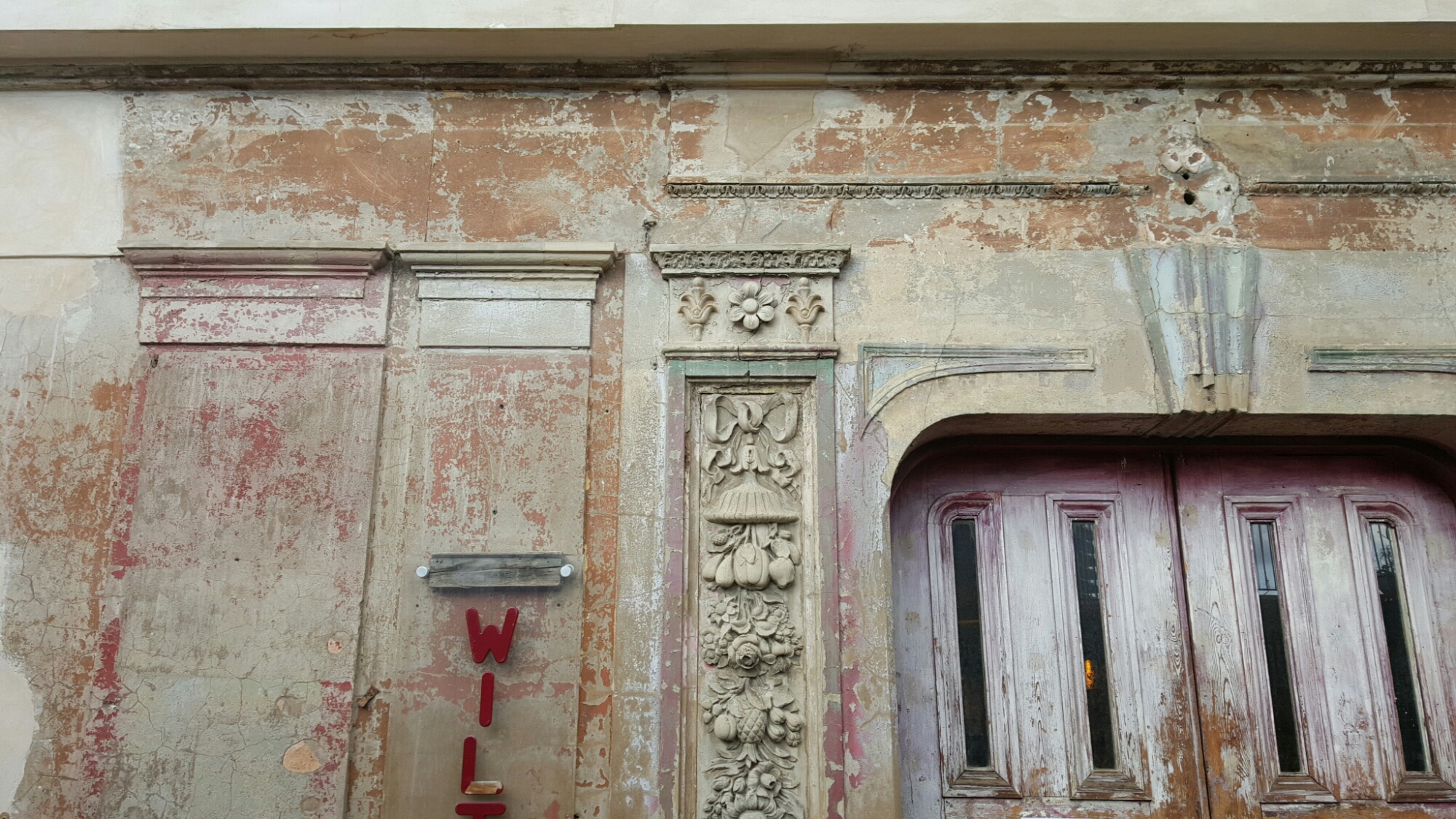
Ages ago, I took some photographs of the bar in Wilton’s Music Hall.   But they didn’t really come out.   It was dark.   I was only half concentrating.   We were there for a performance.   So, I went back early this evening to have a better look at its shabby chic, recently restored exterior which was created in 1859 by John Wilton out of four houses facing on to Grace’s Alley.   It’s recently been ‘restored’ by Tim Ronalds, but so tactfully and diplomatically that the extent of the restoration is invisible and the character and patina of the original has been left wholly intact.

I liked it so much that I went back for a homage to Edith Piaf:-

image

image Continue reading

Standard

Whitechapel Road

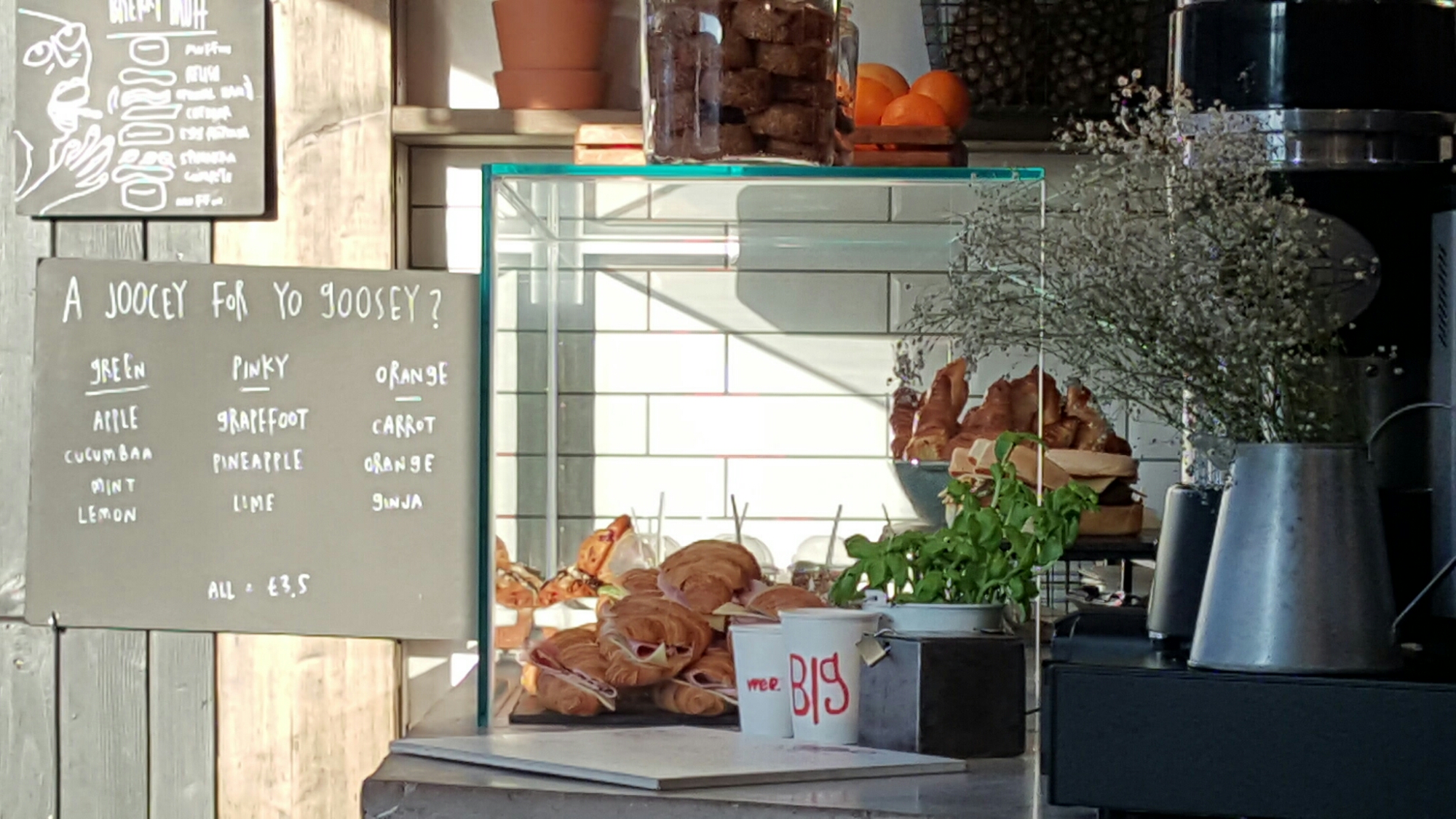
I had to deliver some dry cleaning early in the morning and was impressed by how lively Whitechapel is first thing in the morning when the street market is being set up and a new wave caff called Mouse Tail is serving sandwiches, lattes and freshly squeezed orange juice to local commuters:-

image

image

Standard

Terracotta detailing

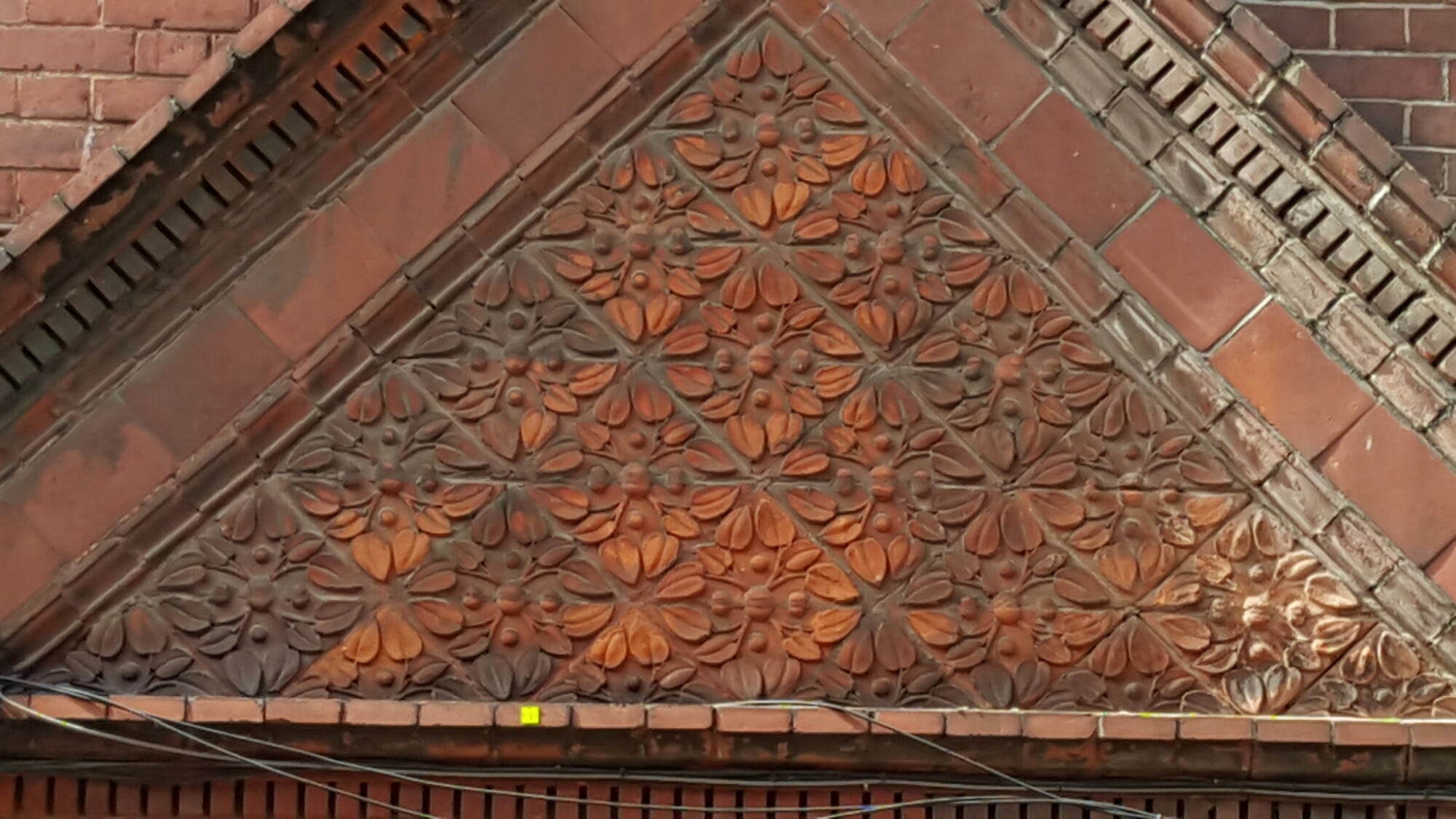
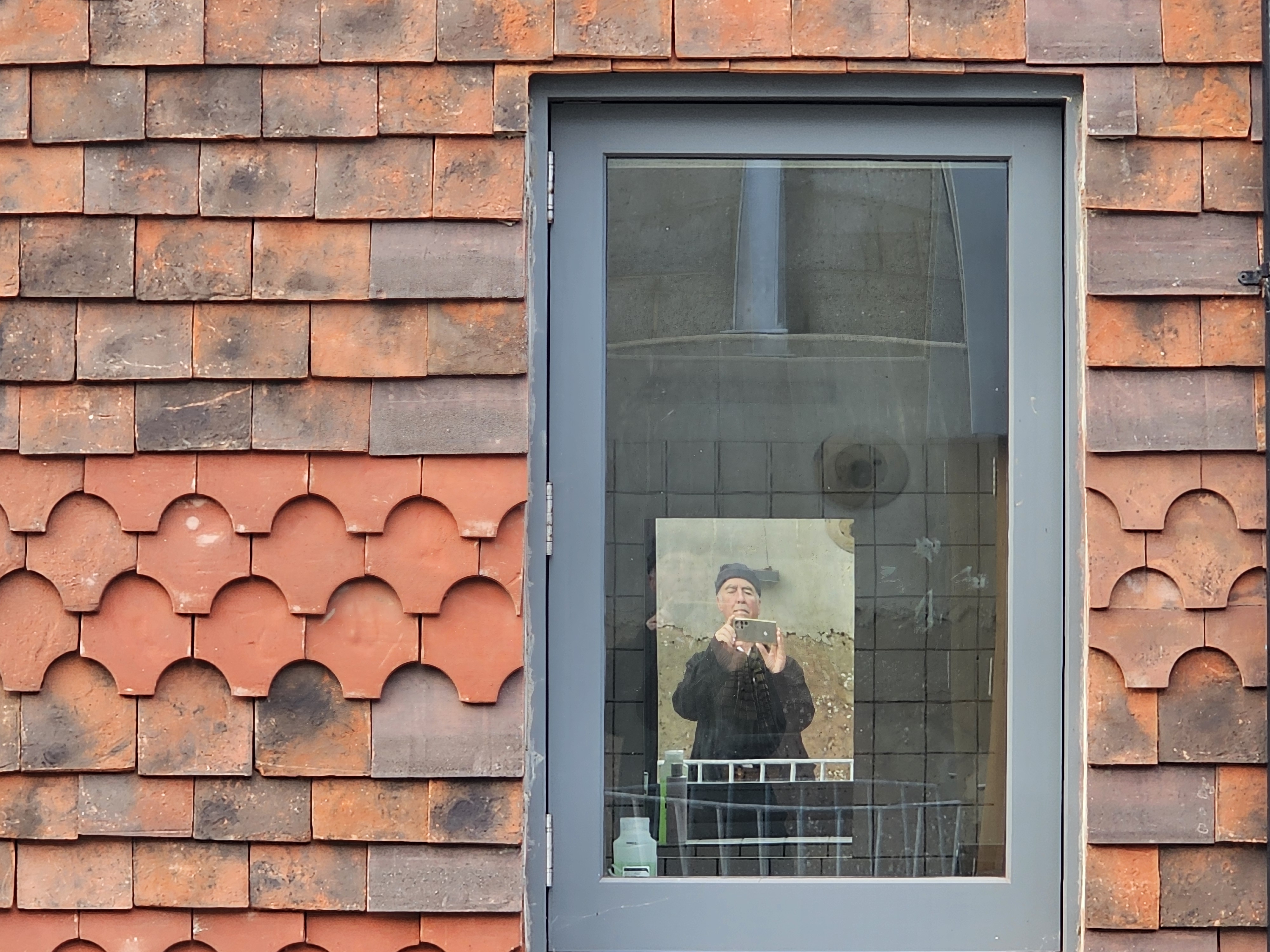
In wandering round Whitechapel this morning, I found a rather fine bit of old social housing where Chicksand Street meets Casson Street (formerly George Street) in amongst the rather bleak stuff from the 80s and possibly later (it’s at the heart of what Tower Hamlets calls Bangla Town).   I think it must be what Pevsner describes as ‘a survival from the dense urban pattern of c.1900:  close-set tenement building, 1901 by H. Chatfield Clarke, given some architectural pretension by terracotta trim’.   This is the trim:-

image

image Continue reading

Standard

Dr. David Widgery

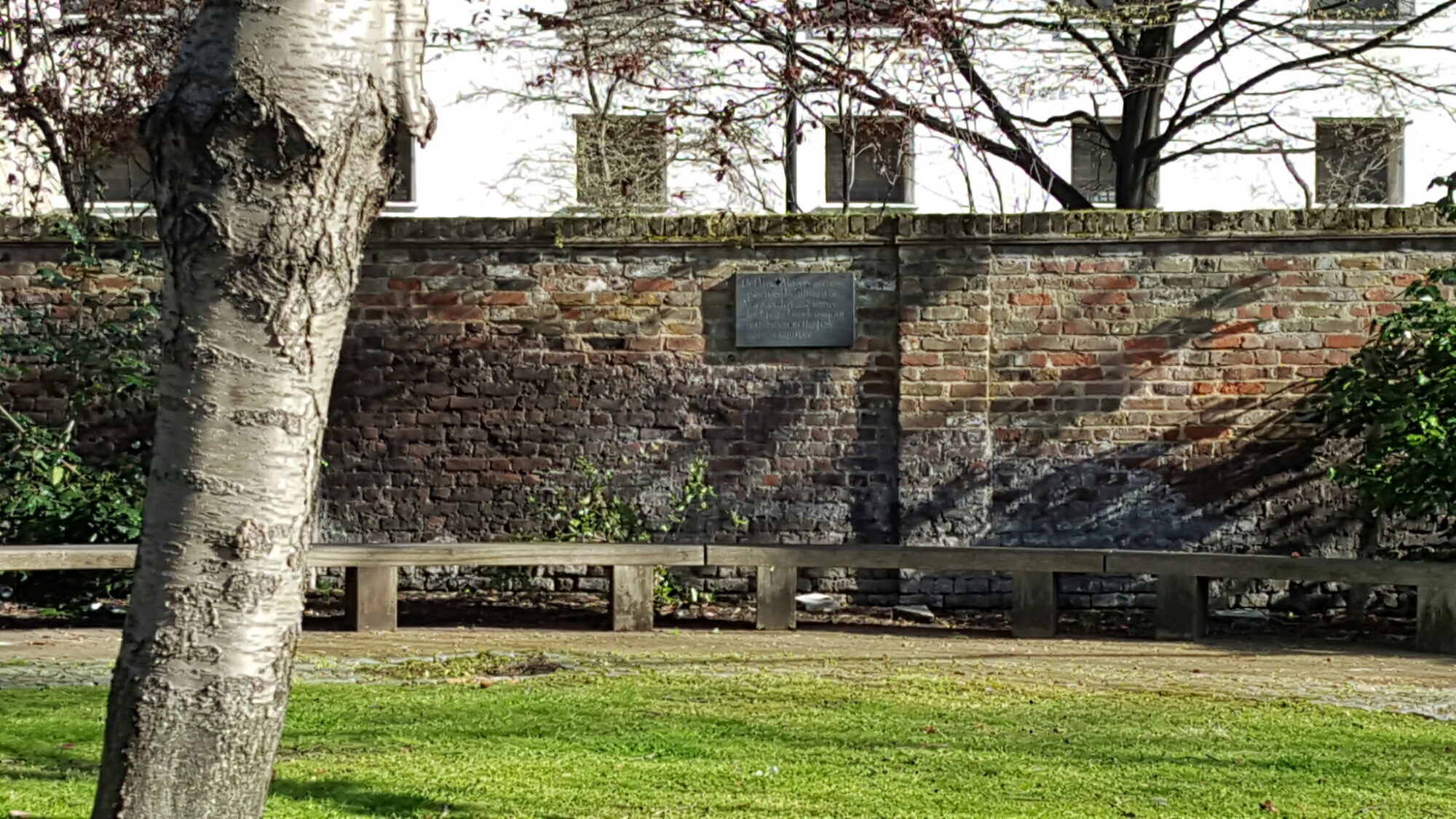
Next door to St. Anne’s, Limehouse, I discovered a charming small set of circular benches dedicated to the memory of Doc Widgery, who I discover died as long ago as 1992.   He was a big figure in Limehouse when we moved there in the early 1980s, as a GP at the local Gill Street Health Centre and ex revolutionary socialist (not very ex).   He published a book about his medical practice called Some Lives: a GP’s East End in 1991, not long before he died of some form of overdose.   I never met him, but he clearly belonged to the era of passionately committed and socially oriented GPs who came into medicine as much to change society as prescribe paracetamol.   The formative moment of his youth was having sex with Allen Ginsberg:-

image

image

Standard

St. Anne, Limehouse

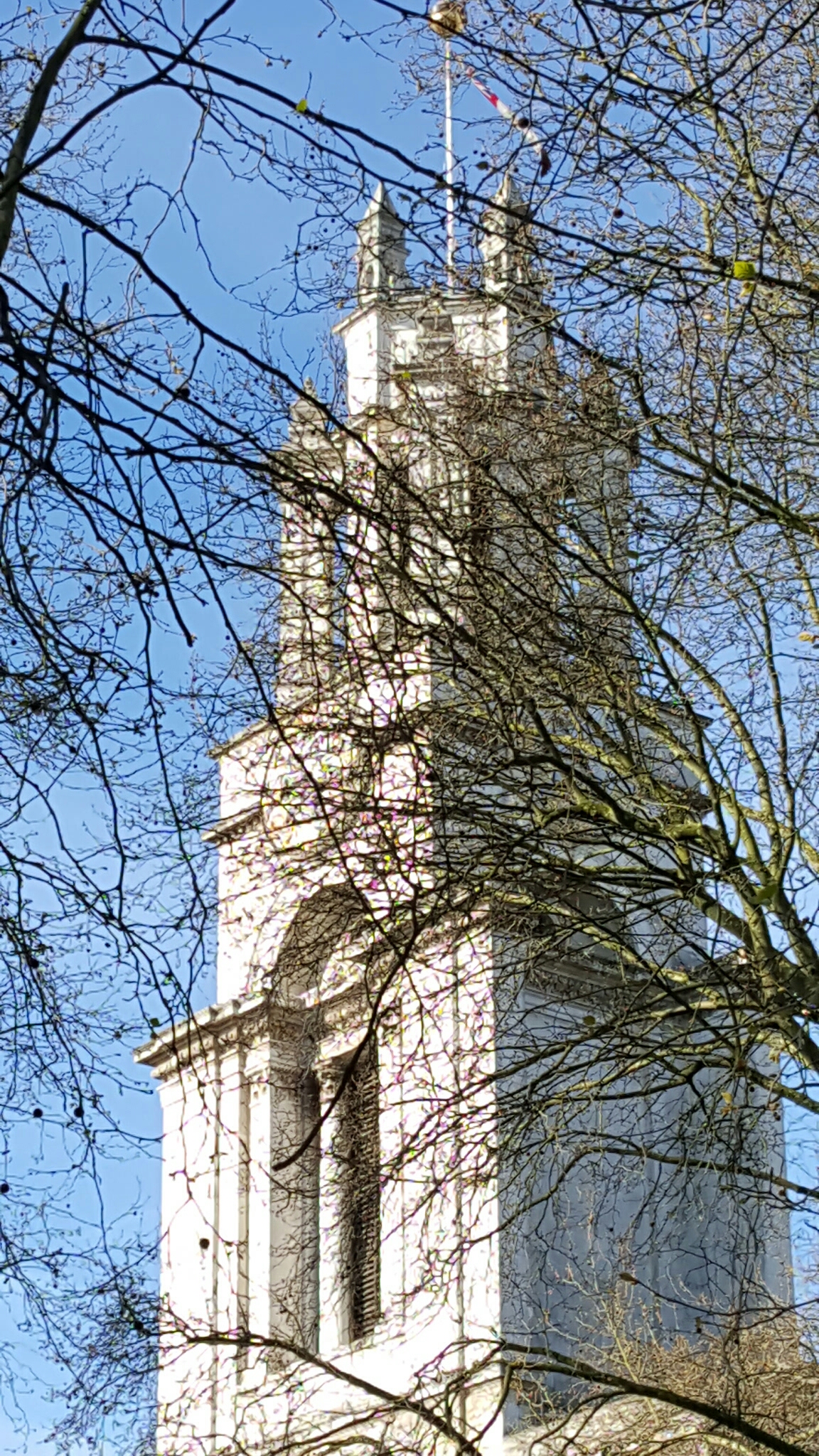
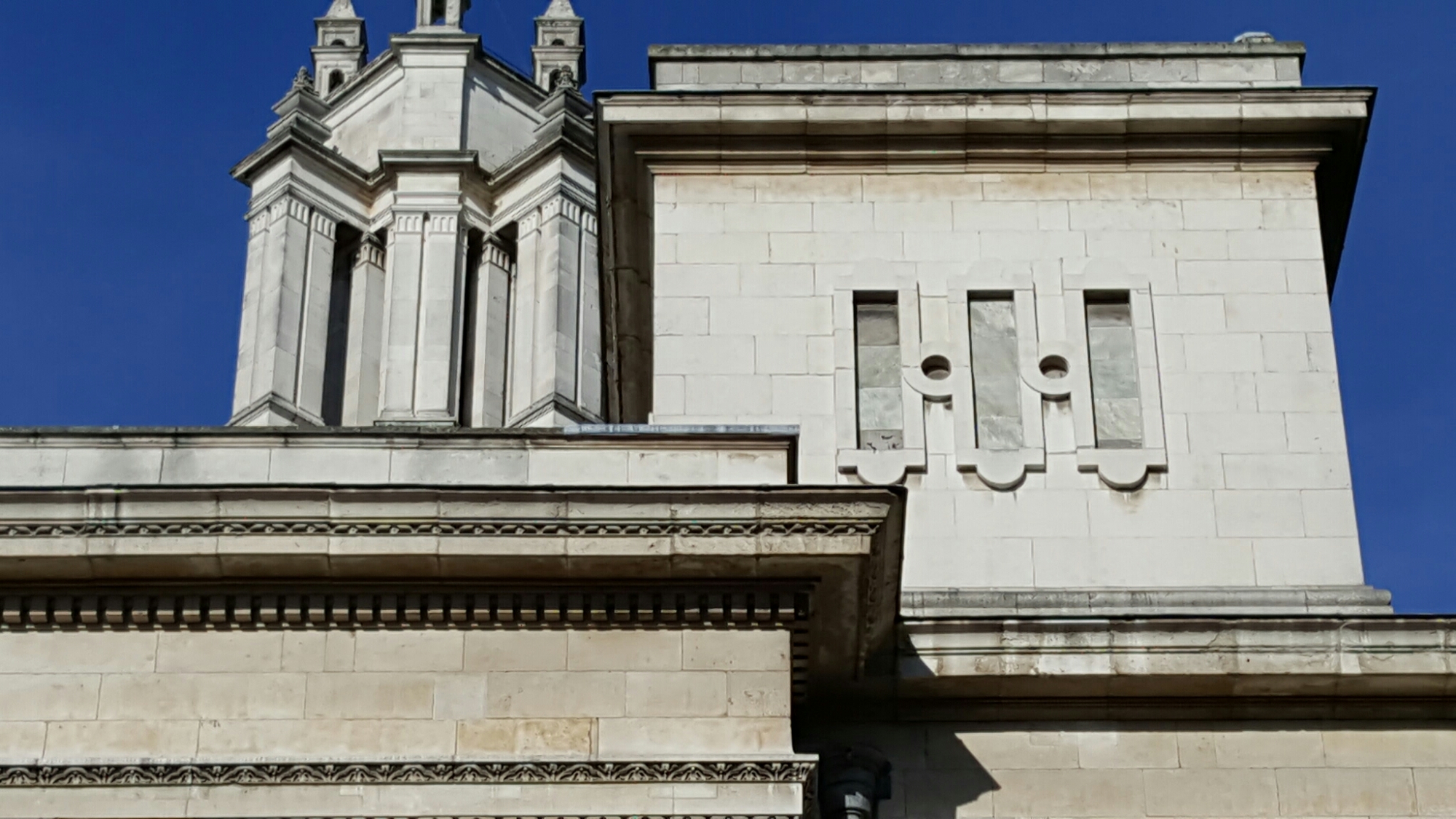
I went this morning to have a look at St. Anne, Limehouse.   I occasionally do, to restore my faith in humanity and architecture.   I discovered they now keep the gates to the churchyard locked except for church services.   Of course, I understand why.   When we lived next door, there were always a few murders on Saturday nights.   But as I used to walk through the churchyard every morning of my life en route to the Docklands Light Railway, I felt a slight frisson of sadness and am posting pictures of what the church looks like from outside the gates:-

image

image Continue reading

Standard

London Fruit and Wool Exchange

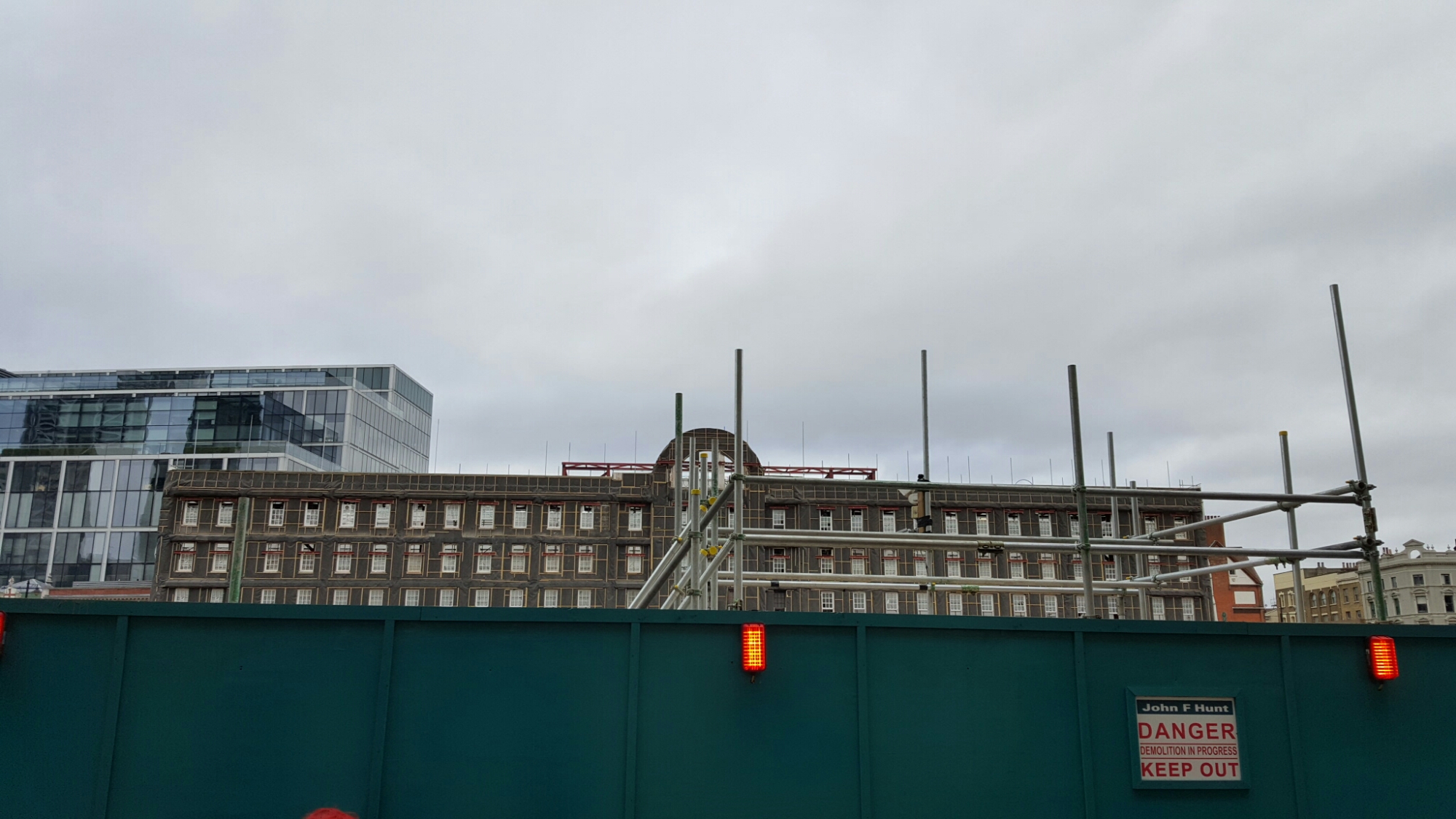
It’s odd how one can think one knows a London neighbourhood and then discover that an enormous chunk of it has disappeared for redevelopment.   This is true of the massive site immediately opposite Spitalfields Market which was previously a multi-storey car park (I remember that) and the London Fruit and Wool Exchange, a not especially distinguished 1920s classical building which opened in 1929 for fruit and vegetable auctions.   The façade facing on to Brushfield Street has been kept and looks faintly surreal, propped up on the other site of the vacant building site which is being redeveloped by Rab Bennetts:-

image

Standard

Libreria

We heard about Libreria from the man who made the cocktails at its opening.   It’s the new, über-trendy bookshop in Hanbury Street with mirrored black ceiling and yellow, packing case shelves and stock which is categorised according to unconventional subject matter rather than traditional subject headings.   They don’t allow wi-fi and photography is banned, so the only way I can record it is by a picture of its paper bag:-

image

Standard

Norton Folgate Almshouses

Whilst thinking about the pros and cons of the development of Norton Folgate, I noticed that the small group of Victorian almshouses in Puma Court, just off Commercial Road, is called Norton Folgate Almshouses.   As the inscription reveals, they replace an earlier group of almshouses built in 1728, but demolished to create ‘The New Street’ – presumably the north half of Commercial Street laid out by James Pennethorne in the 1850s to connect the docks to Great Eastern Street:-

image

The new almshouses were designed by T.E. Knightley and opened in 1860:-

image

Standard

11, Princelet Street

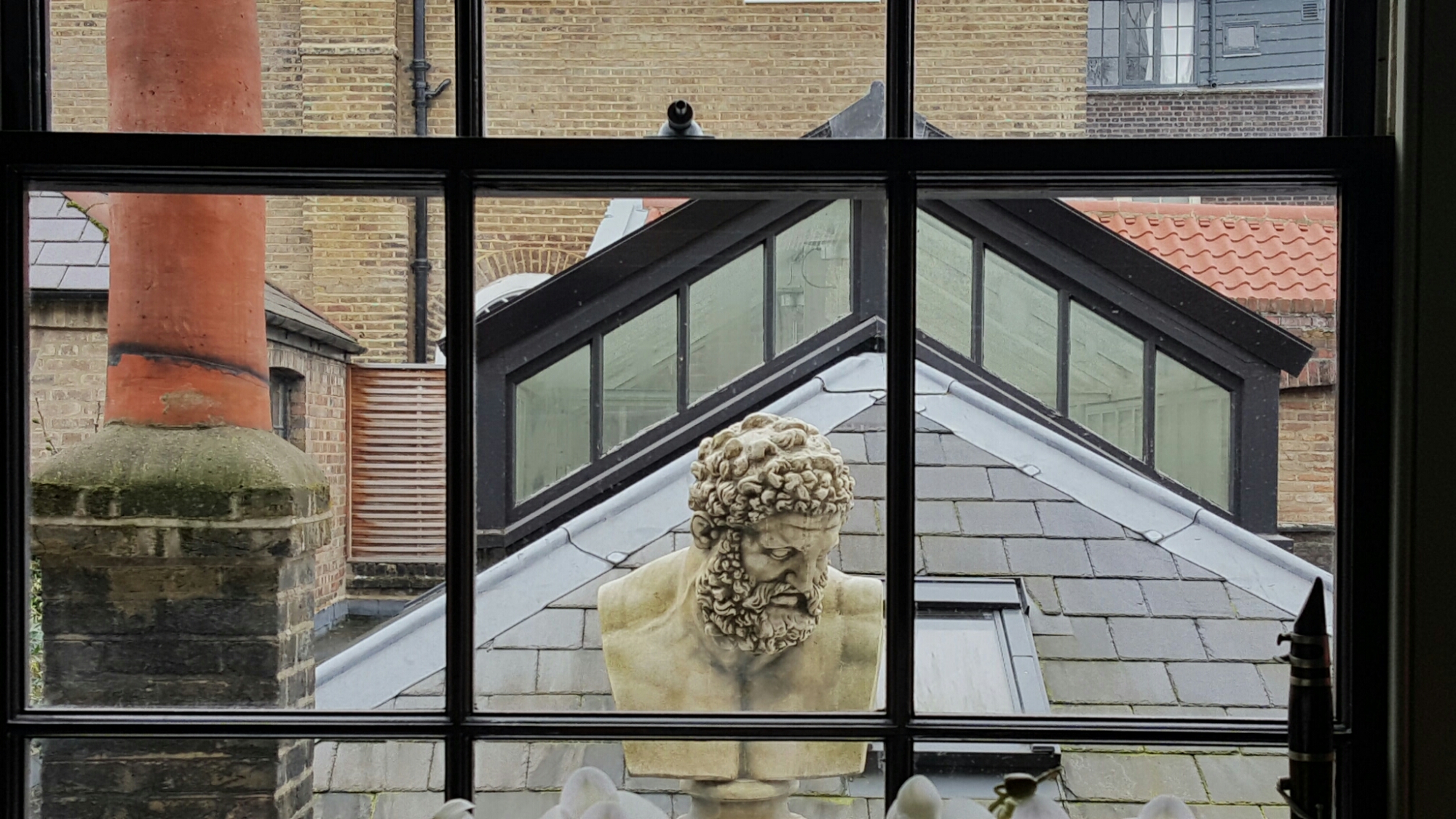
I went to see Miranda Argyle’s very nice small exhibition upstairs in Chris Dyson’s drawing room at 11, Princelet Street.   I should probably have photographed the work, but it is quite delicate, made up in many cases of stitching on linen, intermingled with dark and atmospheric photographs.   Instead, I took photographs out of the window at the back:-

image

image

Standard