Mast Brothers

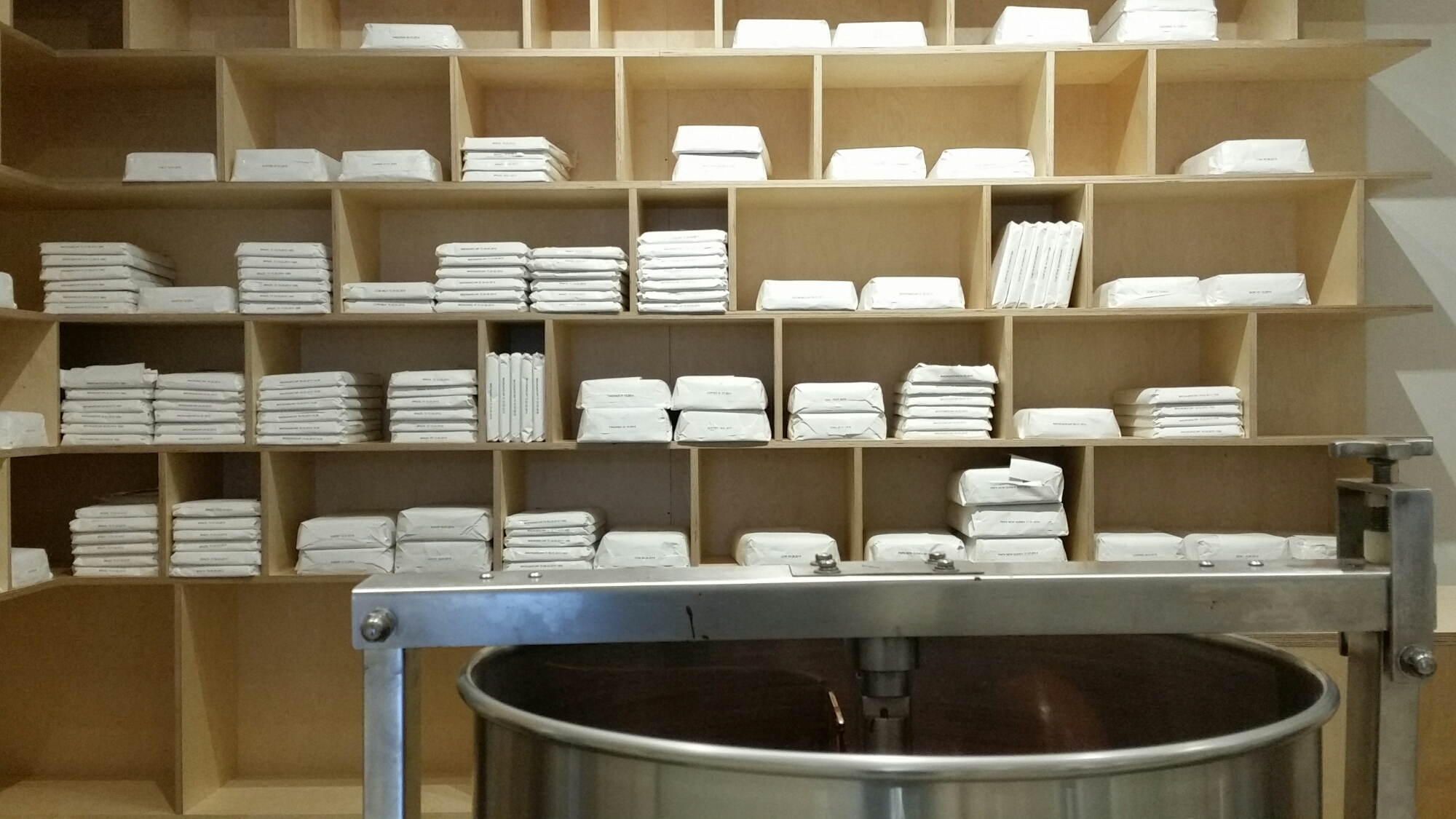
A few weeks ago I was sent some very delicious chocolate bars from Williamsburg in New York.   I have now discovered that their makers, Mast Brothers, have opened a gigantic chocolate emporium on Redchurch Street, where it is possible to buy not only their chocolate bars (at a price), but also see the great vats of boiling chocolate:-

image

image

Standard

St. Dunstan’s Churchyard

I walk through the churchyard of St. Dunstan’s, Stepney most weekends, but seldom when it is so crisp in the early morning frost, long shadows lighting up the pathways and croci and remaining tombs:-

image

image Continue reading

Standard

Working Lads Institute

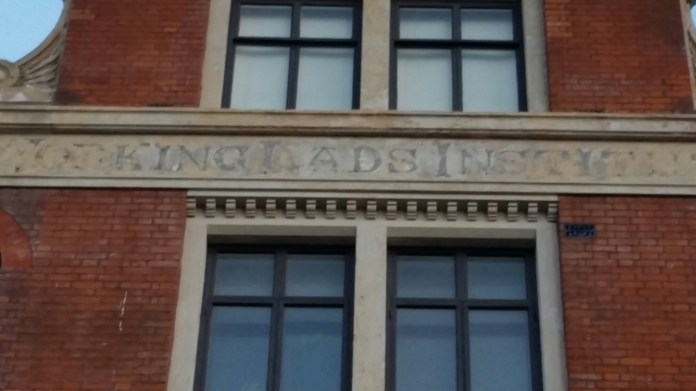
Every morning as I come out of the London Hospital, my eye is caught by the very faint lettering on the tall building next to the tube.   It says, but so faintly as to be scarcely legible, WORKING LADS INSTITUTE and down below there are entrances to what were once a Lecture Hall and Gymnasium.   It goes back to late Victorian philanthropy which launched the Institute at Mansion House in 1876 and opened the building, designed by George Baines, in 1884.   It had a library, gymnasium, bank and swimming baths to give boys something to do outside work and provide a home for those coming out of gaol.   In 1896, it was taken over by the Rev. Thomas Jackson as the headquarters of the Whitechapel Methodist Mission, which continued the good work of helping orphans and destitute lads, sending them to work on farms in Devon:-
image

Standard

Whitechapel Station

I’ve always liked Whitechapel Station, where the District line emerges blinking into the daylight and curves round to head eastwards towards West Ham and Upminster, whilst below one could catch the old branch line of the Metropolitan down to New Cross, now revitalised by becoming part of the London Overground.   The station opened in 1902 and one used to be able to get the Whitechapel & Bow Railway all the way to Southend.   It had four platforms, now reduced to two, and it’s gradually losing its character as it is submerged by the changes required for Crossrail:-

image

image Continue reading

Standard

Victoria Cottages

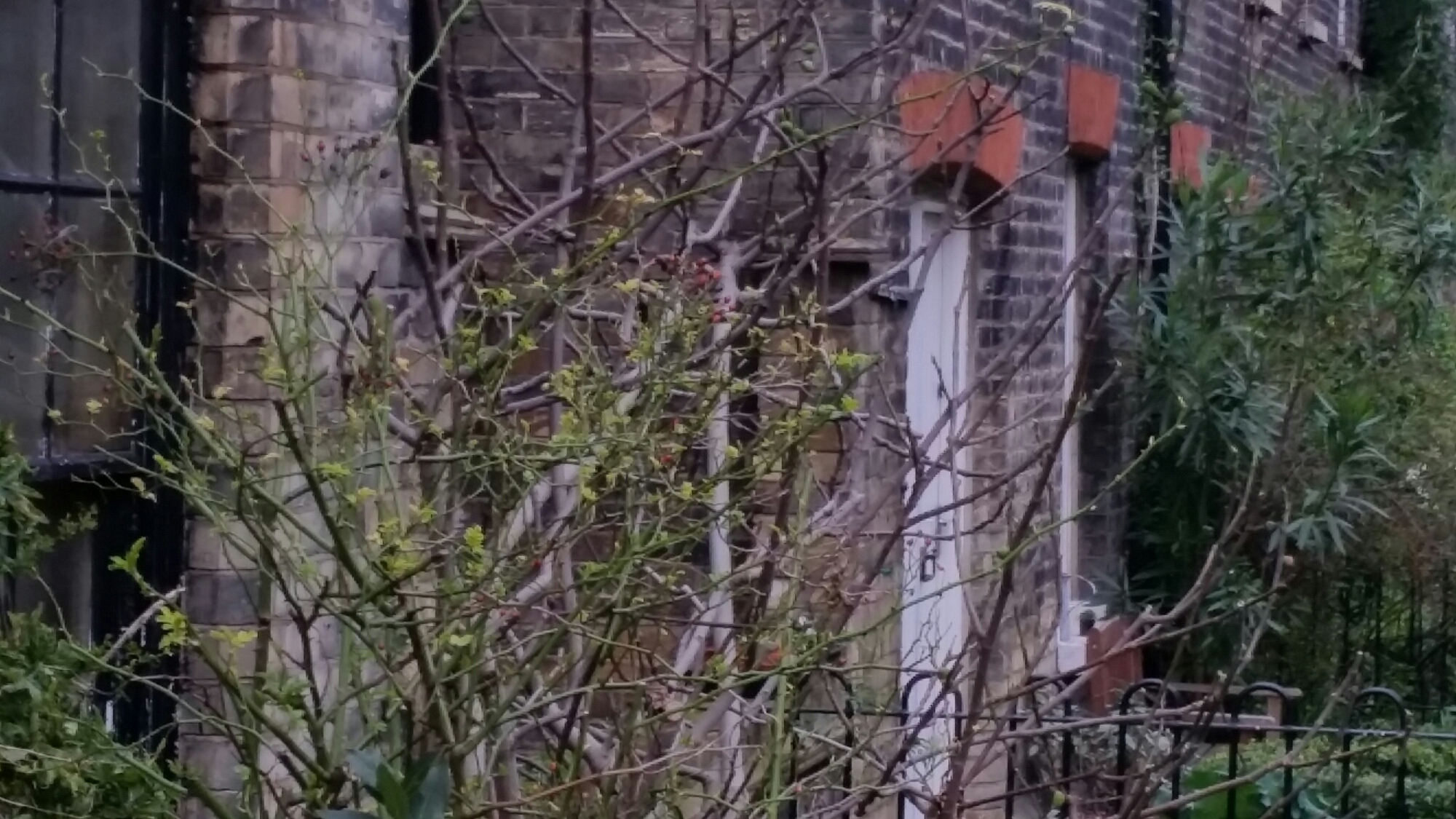
I’ve often passed, but never investigated, the little run of Victorian cottages off Deal Street.   They were designed in 1864 for the Metropolitan Association for Improving the Dwellings of the Industrious Classes (founded 1842) and are a relic of the low-rise, more domestic east end, community-oriented and pre-war, as documented by Young and Willmott in their very influential 1957 study of Family and Kinship in East London:-

image

image Continue reading

Standard

St. Anne’s, Underwood Road

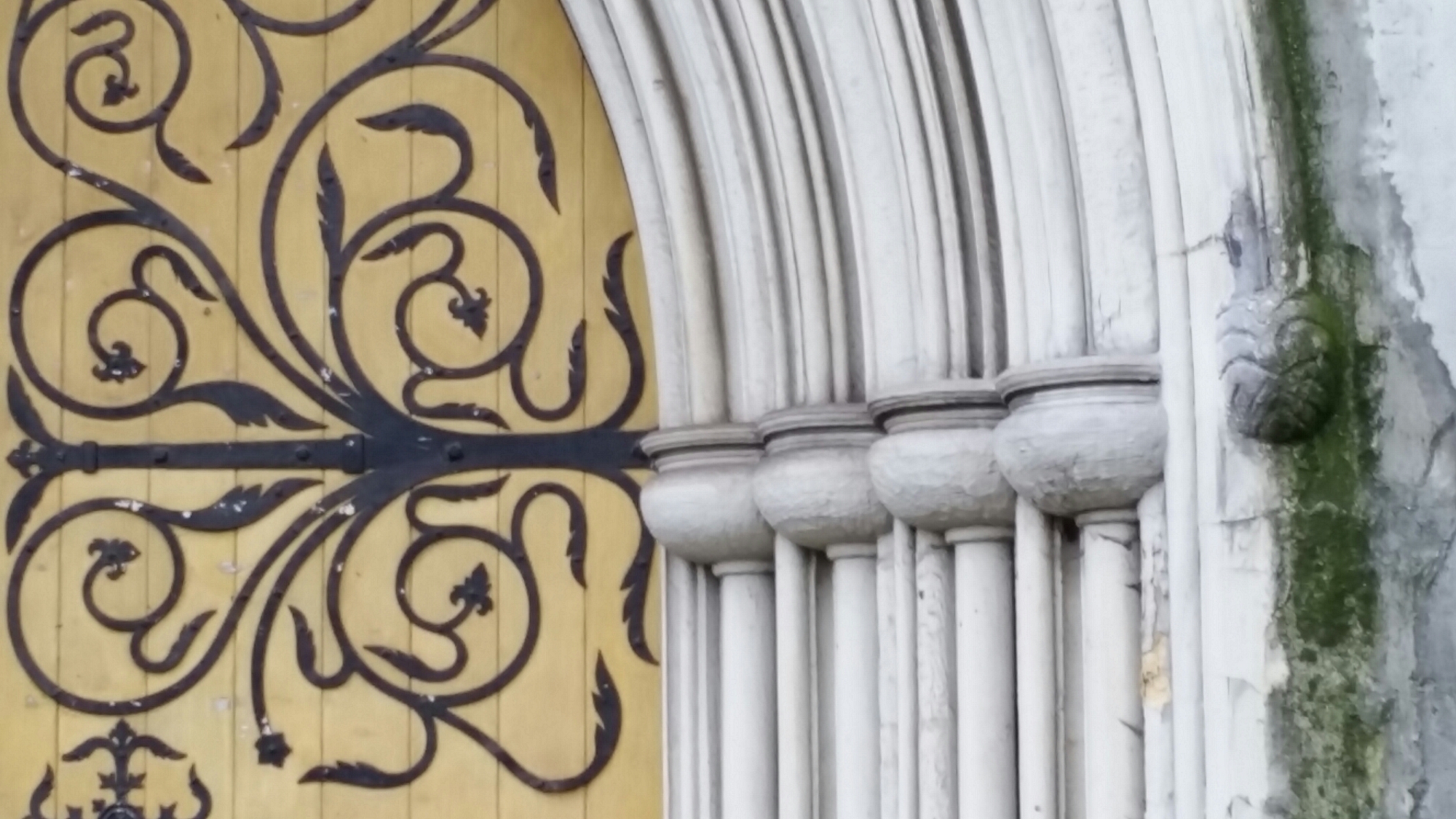
The east end is full of surprises.   This is the Roman Catholic church of St. Anne’s, designed in the 1850s by Gilbert Blount, a pupil of Pugin, to bring catholicism to the Irish poor who had moved to east London as labourers after the potato famine.   The church and adjacent Presbytery, both built in Kentish ragstone, were in the heart of what was Mile End New Town and are now lost amidst an area of flatlands created by urban clearance and bombing, next door to Spitalfields urban farm.   This is the front door of the Presbytery:-

image

And this is the door of the church:-

image Continue reading

Standard

Limehouse

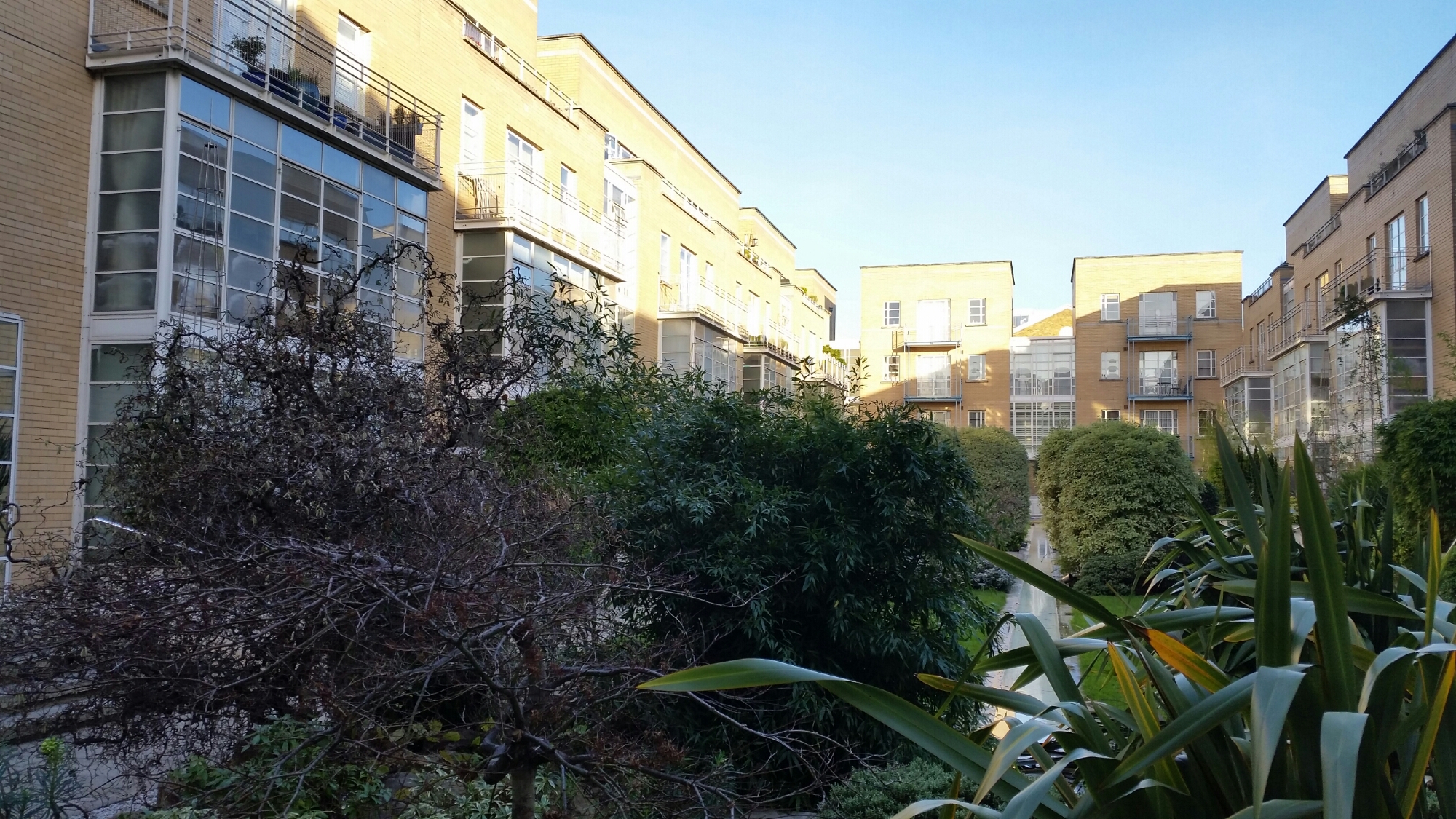
In wandering round Limehouse this morning, I found my way into Roy Square (originally named after its developer and now coyly called The Watergarden), another of the early examples of docklands housing, designed by Ian Ritchie in 1986.   It wasn’t helped by being used for the displacement of tenants from the Barleymow Estate five years later:-

image Continue reading

Standard

Limehouse Basin

Limehouse Basin is much shrunk from what it once was.   It was originally constructed as the Regent’s Canal dock in 1812, but the Regent’s Canal itself was not completed for another eight years, by which time the dock had been enlarged to accommodate the coasters which brought food and coal from East Anglia and the north of England to feed and heat the greedy capital.   By the mid-nineteenth century, it was already too small for the new steamships and so was used instead for the construction of lifeboats.   When we moved to Limehouse in the early 1980s, it was much larger than it is now, a disused expanse of vacant water, subsequently filled in and converted into a marina:-

image Continue reading

Standard

Isle of Dogs

I took myself on a giro round the Isle of Dogs this morning.   Partly because it’s a while since I’ve travelled on the squeaky Docklands Light Railway as it winds its way through the tower blocks.   Partly because I wanted to remind myself of the false rusticity of the Mudchute (actually, at least in its allotments, a remarkably effective illusion of rusticity):-

image

Continue reading

Standard

Spiegelhalter’s

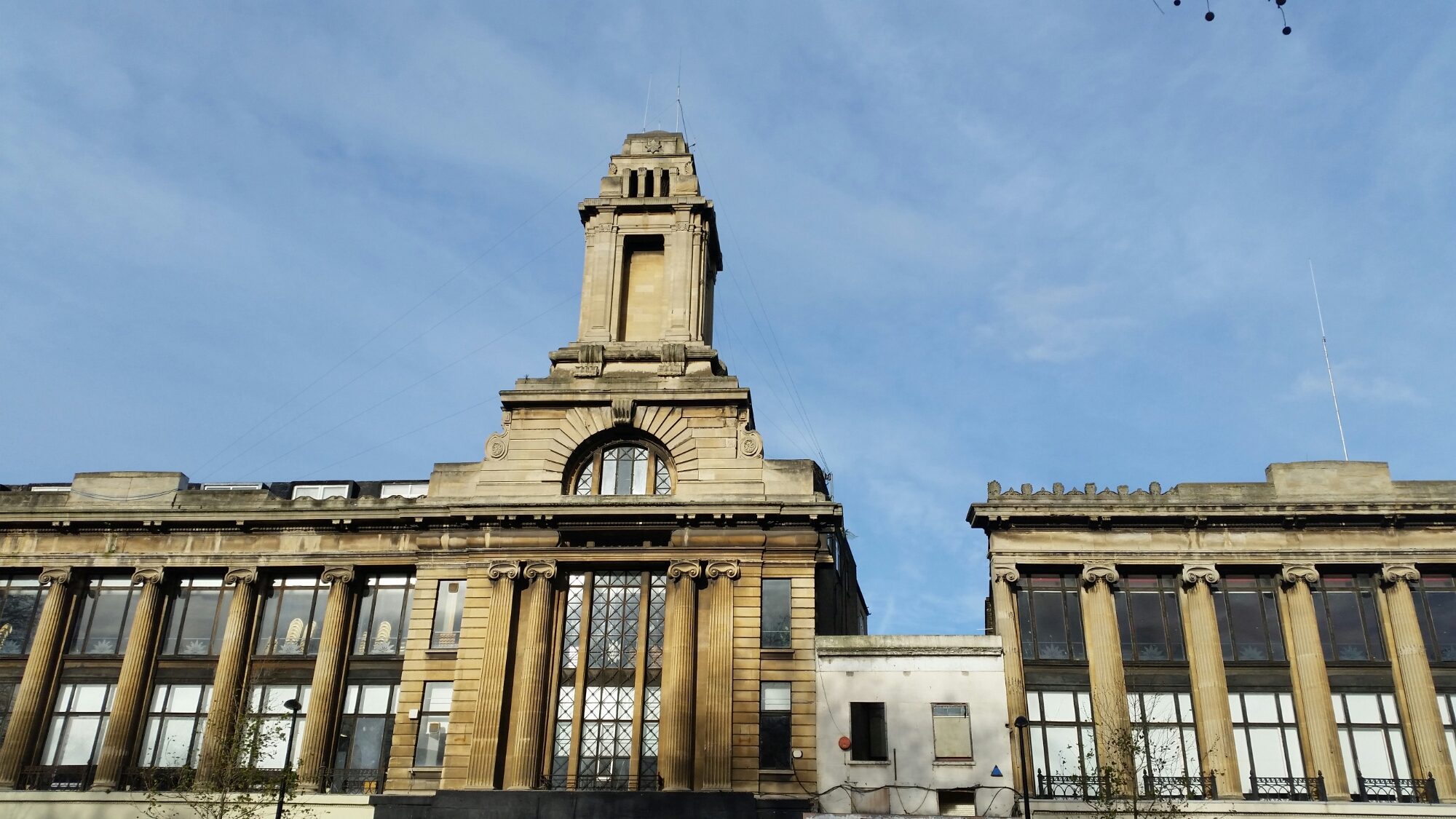
I have been alerted to anxieties round the fate of Spiegelhalter’s, the small jewellery store, which resisted the blandishments of Wickham’s, the neighbouring department store, to sell up and so Wickham’s simply constructed its grand 1927 neoclassical façade round it.   In the 1960s, this was celebrated by Ian Nairn as a ‘triumph for the little man, the blokes who won’t conform.   May he stay there till the bomb falls’.   Now, the bomb may be about to fall and what little survives of Spiegelhalter’s replaced by a glass atrium.   It can’t be listed because it’s of no obvious architectural importance (and Wickham’s itself hasn’t been listed despite its significance as a building type), so there is pressure instead to persuade Tower Hamlets to resist any such plans.   There is a form to sign online.

image Continue reading

Standard