Cambridgeshire (3)

We went for a walk on the gallops looking southwards across the whole of Hertfordshire towards London and had a lesson in rural estate management:  the thinning of the woodland, the replanting of the hedgerows, the benefits of organic grassland, combined with the damage done by the deer population and the ever present litter of plastic balloons, making evident the fragility of a farmland’s ecology:-

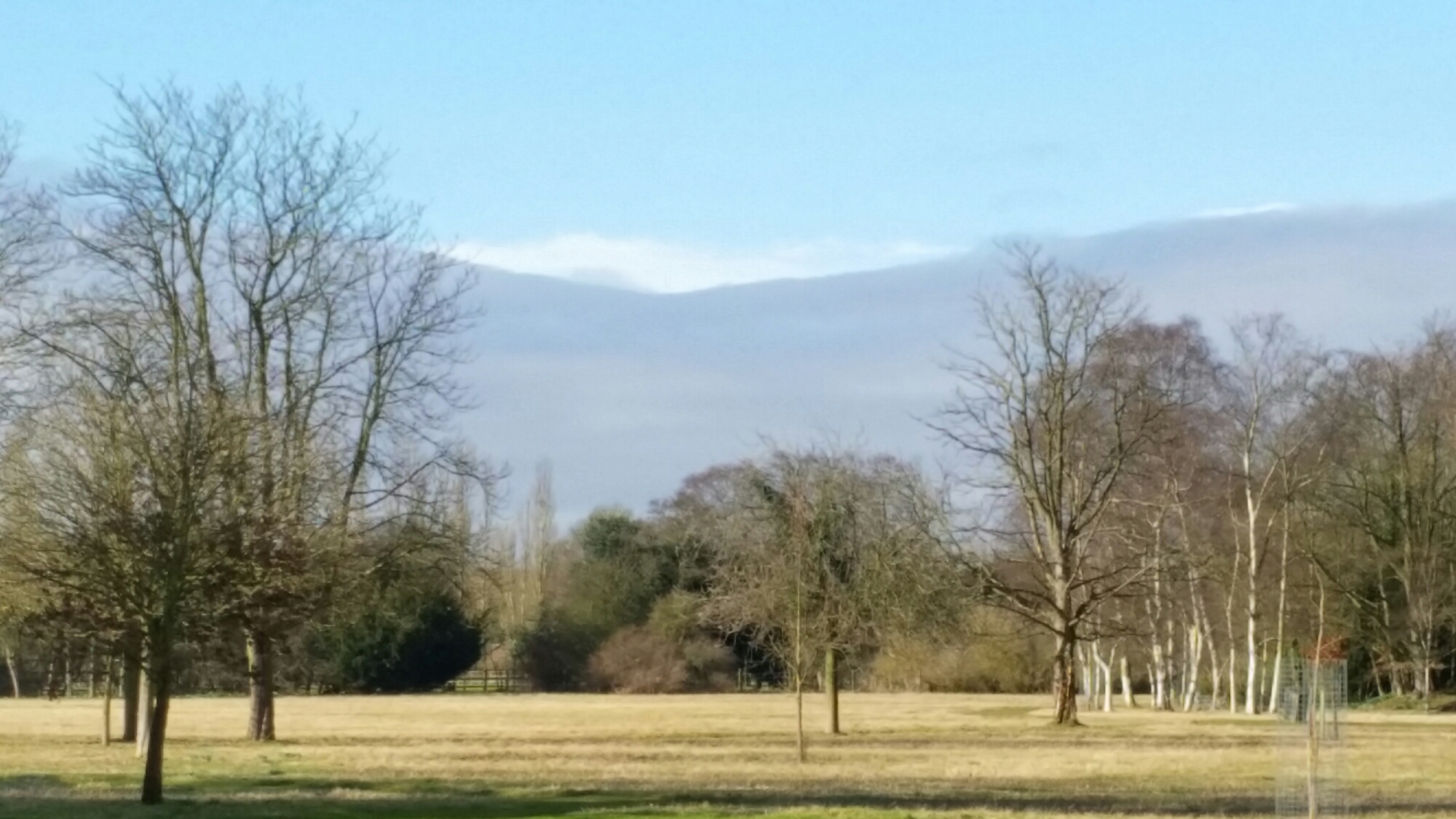
image

Standard

Cambridgeshire (1)

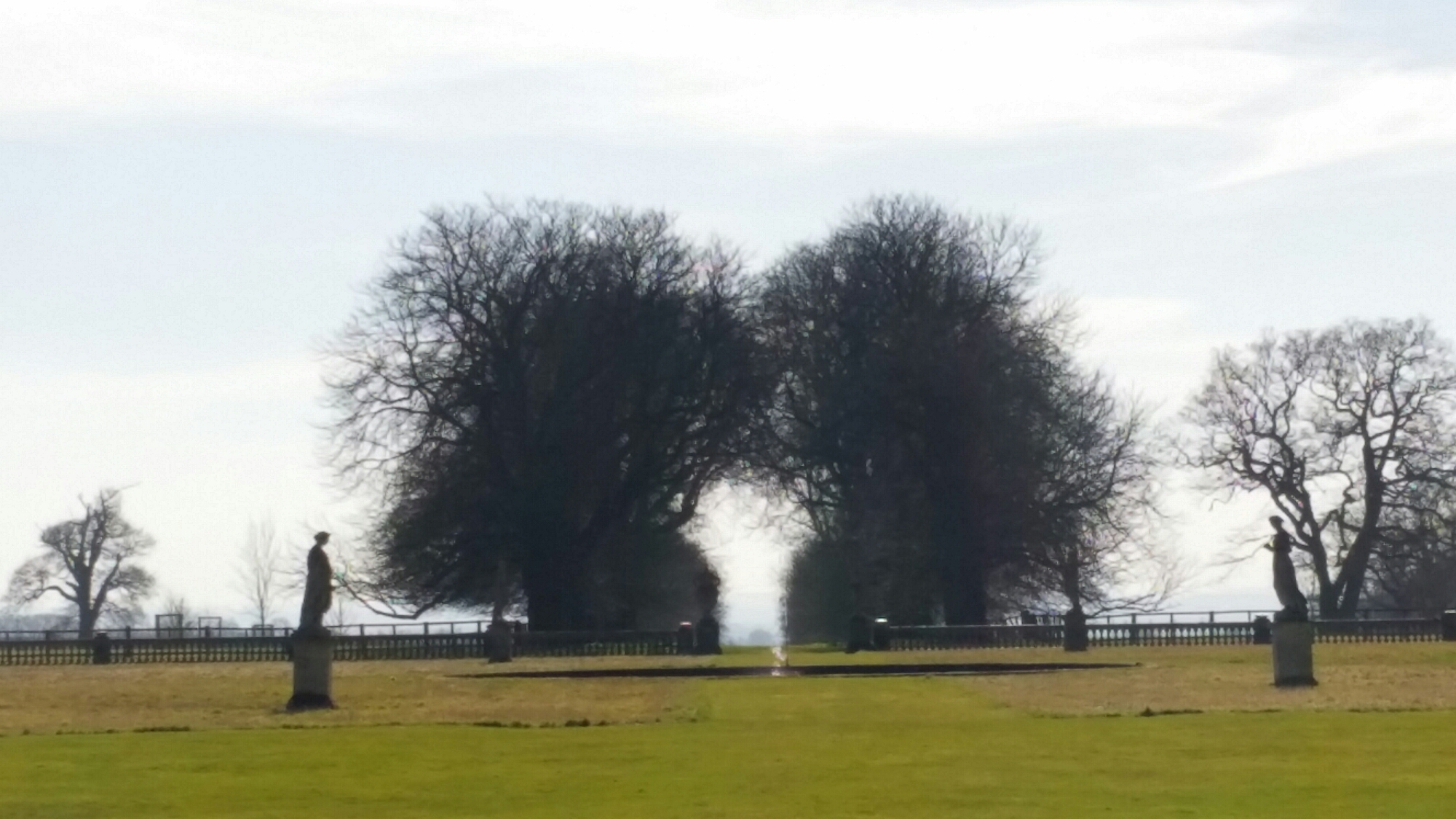
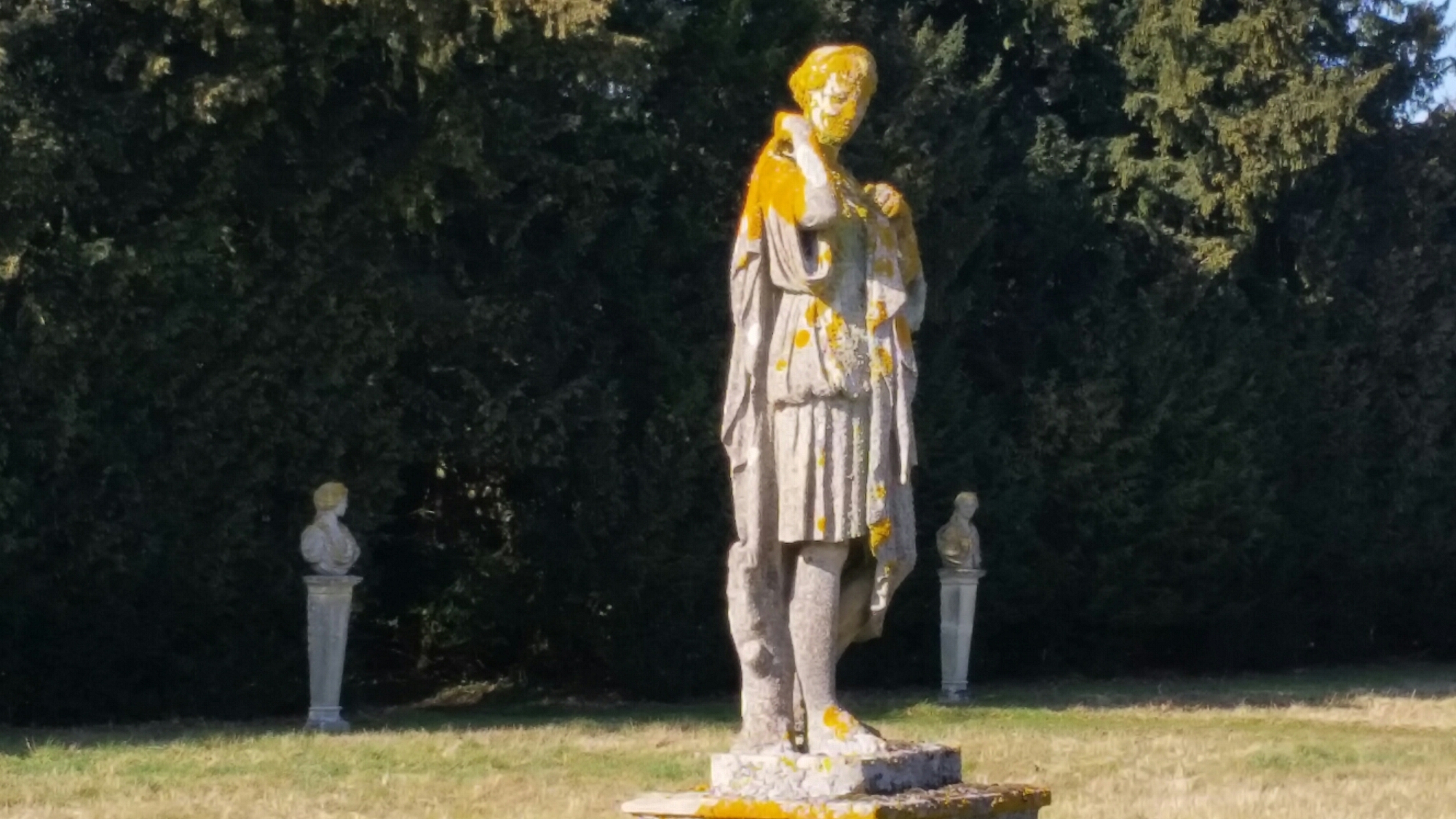
We bumbled up the M11 to the flat and nondescript, but unexpectedly unspoilt, landscape of southwest Cambridgeshire, beyond the radio telescopes of the University Observatory, where we stayed the weekend in old parkland once depicted by Kip and Knyff.   The statues of the four seasons were bought after the war from Harrods, the gardens used to be tended by seven gardeners, we looked out over ornamental yew trees puffing yellow pollen, and the greenhouses were now decayed:-

image

image Continue reading

Standard

RA Schools

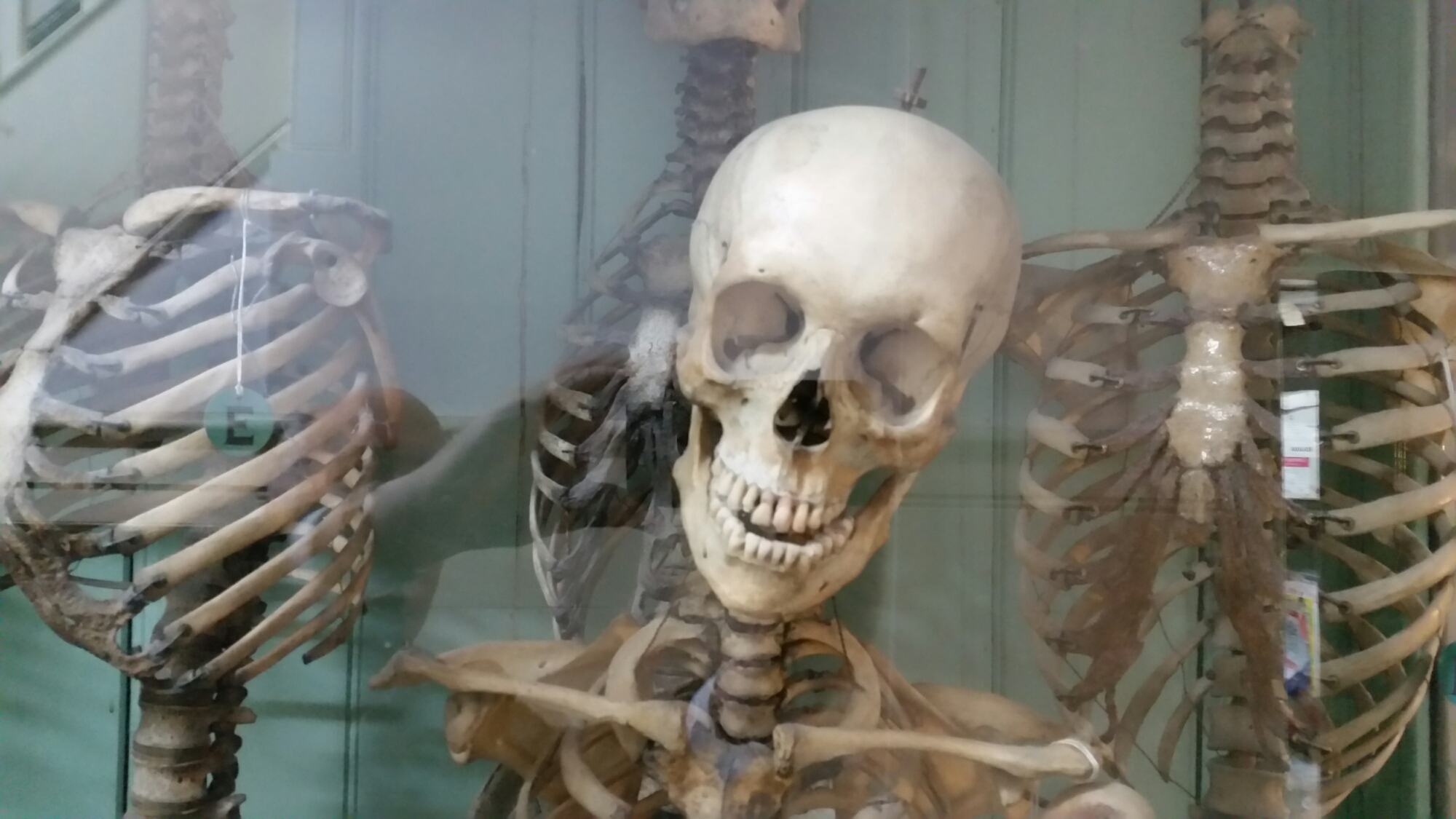
As I walked round the Royal Academy Schools last night, I realised that, as work on our major building construction looms and as the casts will have to be moved from the Cast Corridor during the summer, we should document their appearance before it is too late, in order to be able to remember their deep patina, the dust of ages, the eccentric pipework, as the Schools are themselves necessarily and beneficially transformed:-

image

image
Continue reading

Standard

Sidney Hutchison

Every year, the Royal Academy has an event to celebrate the memory of Sidney Hutchison.   Not Reynolds, or Chambers or any of the founding fathers.   Not Lord Leighton or Francis Chantrey or J.M.W. Turner.   Not Hugh Casson or Roger de Grey who helped to reinvent it.   Only Sidney Hutchison is routinely commemorated for his fifty two years service, joining as a junior clerk in 1929, apparently thinking it was the Royal Academy of Music, serving in the Royal Navy in the war, returning to the Academy as its librarian in 1949, becoming Exhibitions Secretary in 1955, Secretary from 1968 to 1982, and ending up as Honorary Archivist and Antiquary, publishing its history in the year of its bicentenary in 1968.

Standard

Fine Art Society

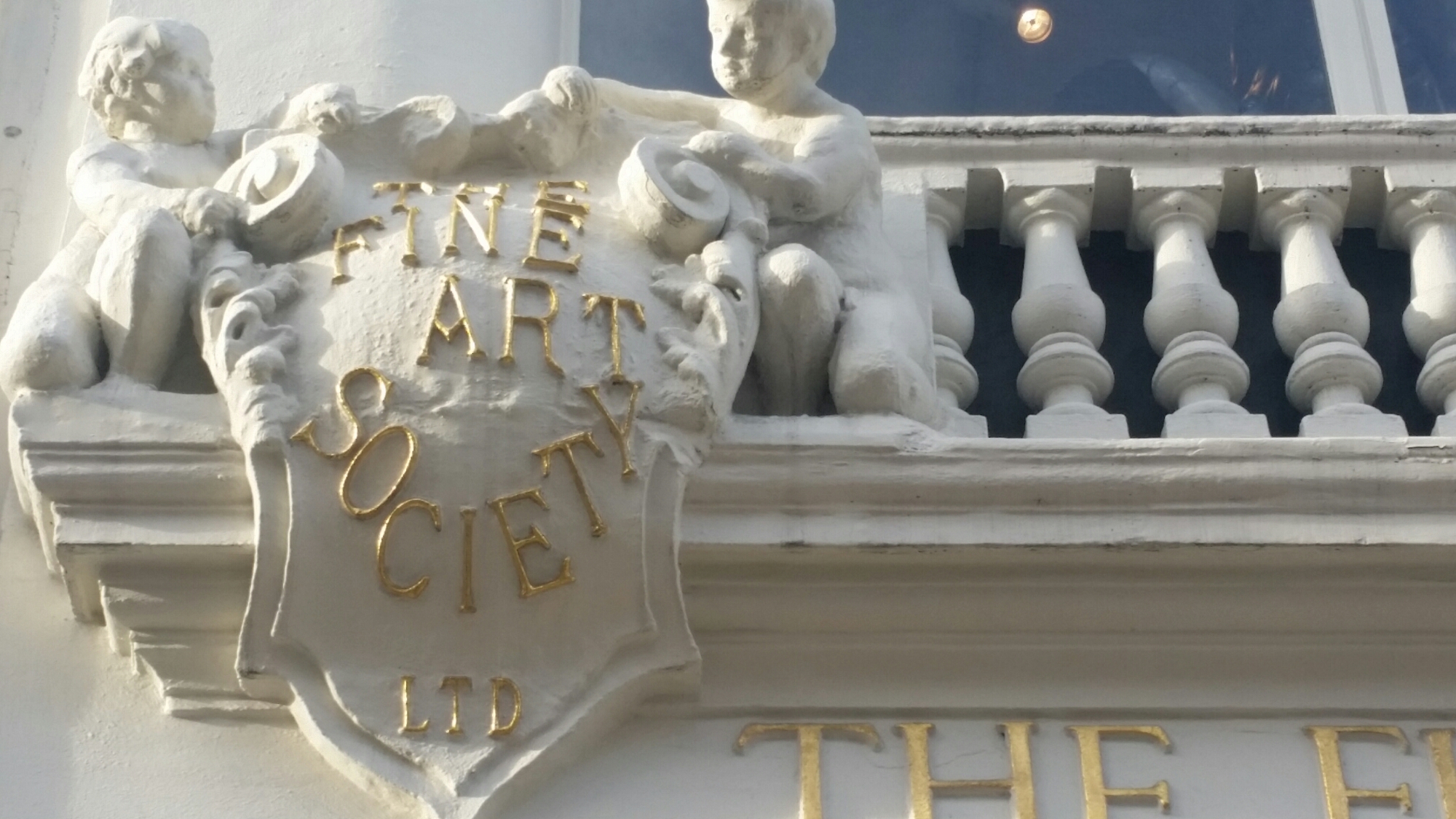
Last night I went to a party to celebrate the career of Robert Dalrymple, the Scottish book designer (and reader of this blog).   It was held at the Fine Art Society, one of the oldest and best surviving of the Bond Street galleries, patrons of Whistler and the Arts and Crafts Movement, originators of the one-man exhibition (with catalogue) and still in its original premises, which they moved to in October 1876, and had renovated by E.W. Godwin in 1881:-

image

image Continue reading

Standard

William Kent (2)

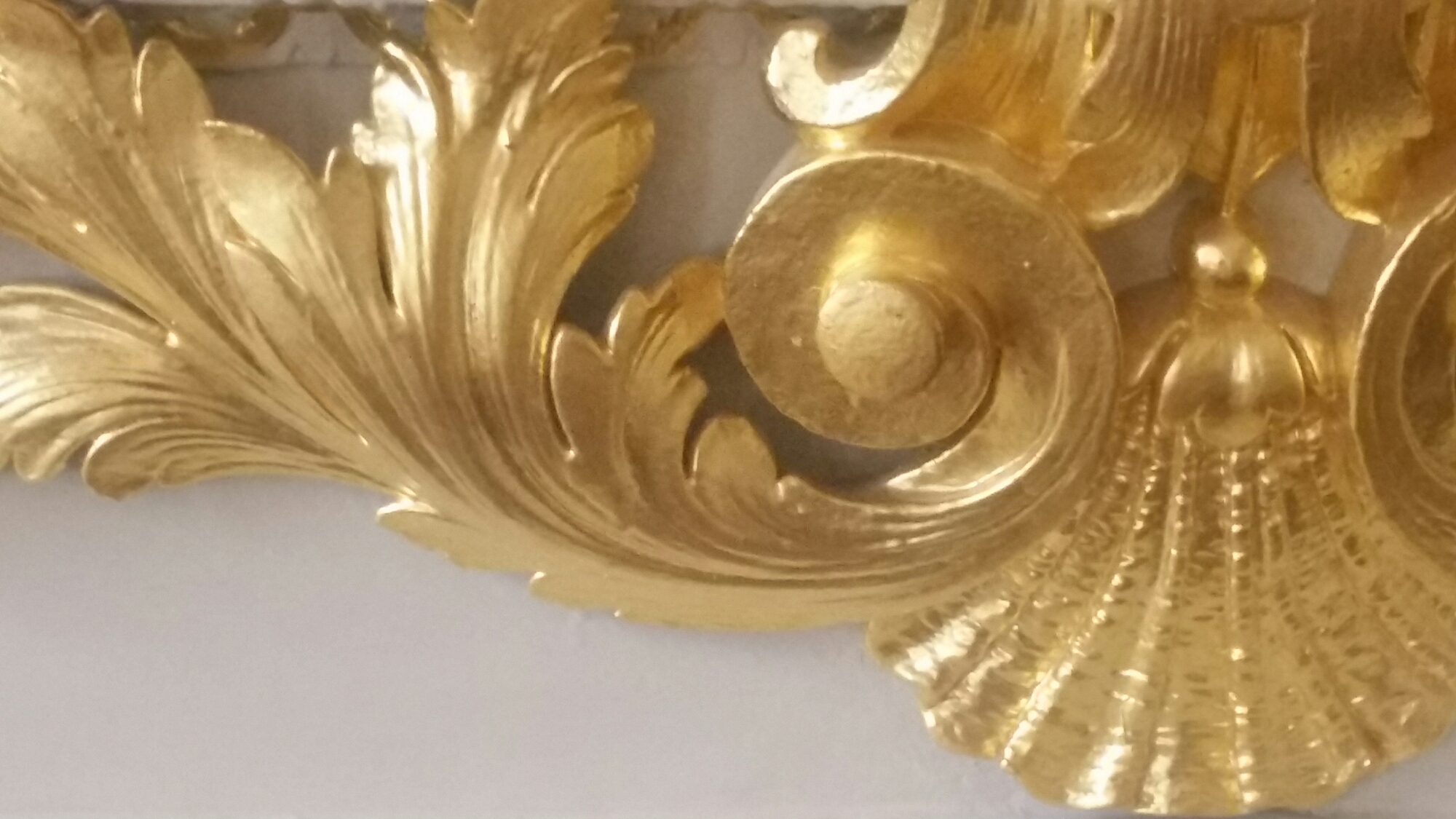
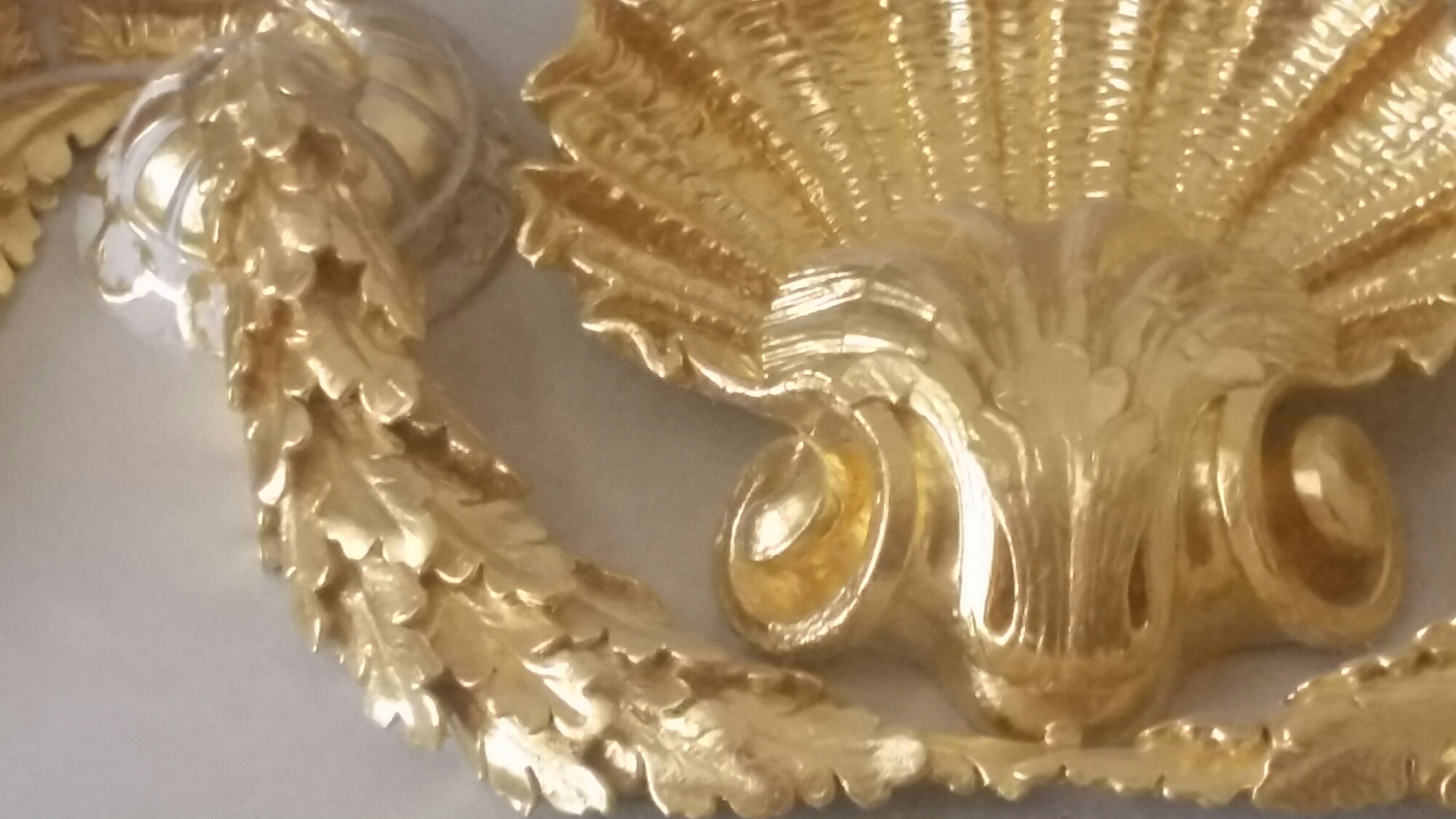
My eye was caught half way through a meeting yesterday by the way the light was falling on the decorative surrounds of the Burlington House Saloon.   Lord Burlington is always associated with a rather puritanical version of neo-Palladianism, as exemplified by the publication of Colen Campbell’s Vitruvius Britannicus, whose tercentenary we are celebrating later this year.   What struck me is how rich and opulent and essentially neo-baroque Kent’s detailing is, a style which he presumably picked up during his time spent studying at the Accademia di San Luca in Rome:-

image

image

Standard

Grocers’ Company

I had dinner last night at Grocers’ Hall, the home of the second oldest (or is it the second richest ?) of the city livery companies, which date back to the reign of Elizabeth I and beyond, and are now devoted to good works, with a certain amount of civic ritual.   The building is relatively recent, set back from the street just by the Bank of England, and one realises that the guilds and the combination of charity and community stretches back to the middle ages.

Standard

Stanley Anderson RA

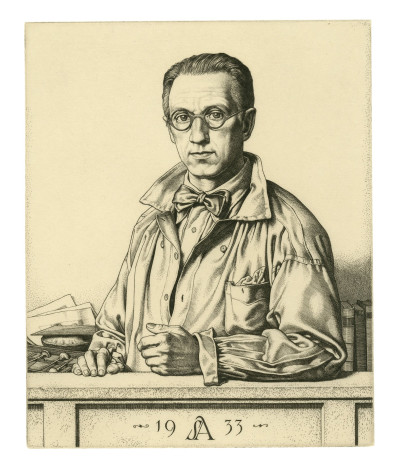
Stanley Anderson RA, Self Portrait, 1933 ©Stanley Anderson Estate

I missed the opening of our display of the work of Stanley Anderson in the Tennant Gallery, which shows the extraordinary technical skill of printmakers between the wars.   Trained originally as an apprentice engraver, he moved to London to study at the Royal College of Art and became a teacher at Goldsmith’s.   Travelling the continent and back streets of London, he produced dark and animated line engravings, including tramps in the National Gallery and scenes of agricultural labour, as well as occasional paintings in egg tempera.

An Abiding Standard: The Prints of Stanley Anderson RA

Standard