C.R. Ashbee

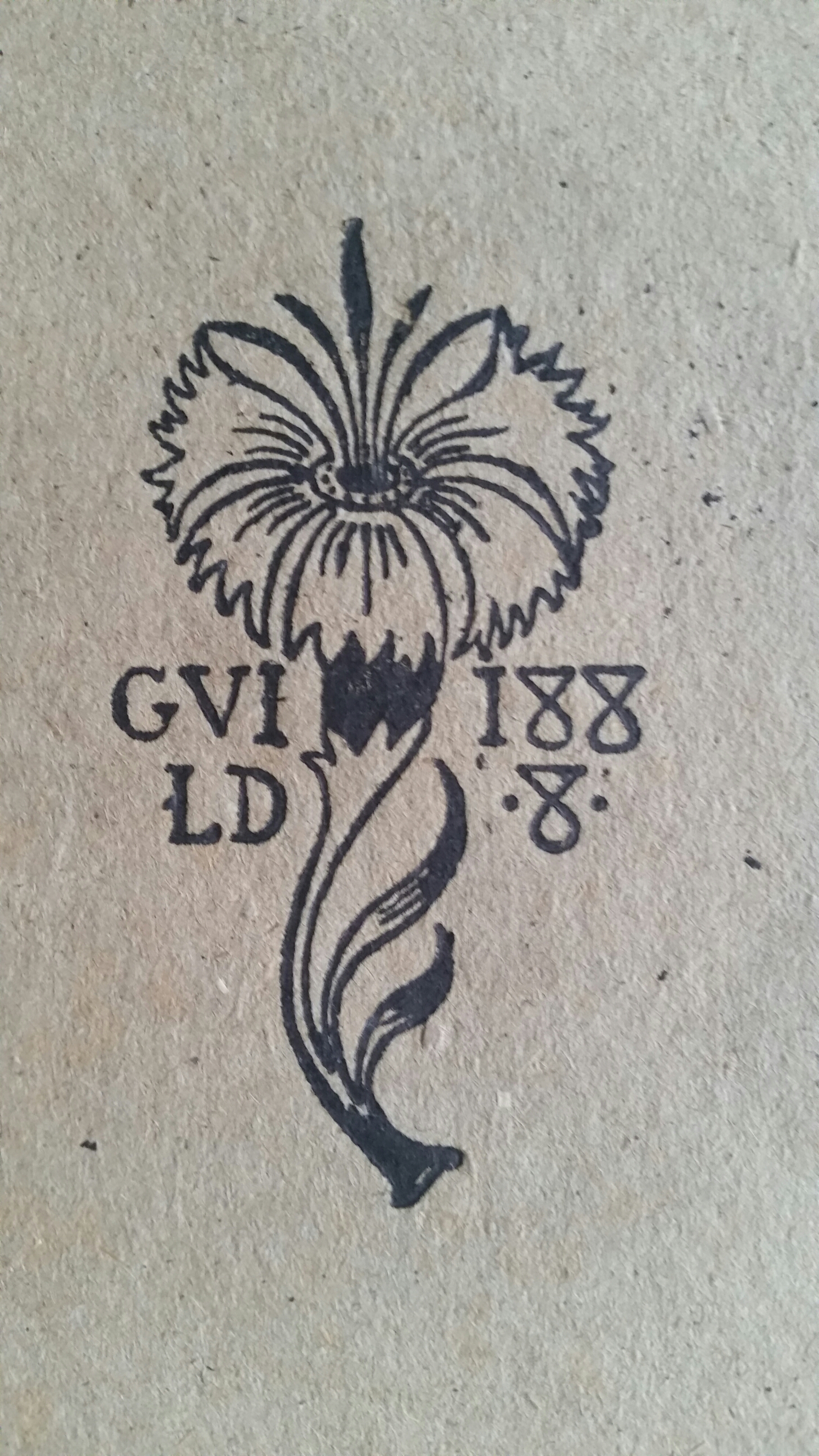
Mention of C.R. Ashbee in connection with Trinity Green has made me want to know more about his time living and working in the east end.   He read history at King’s College, Cambridge from 1883 to 1886, where he was much influenced by Edward Carpenter and the writings of Morris and Ruskin.   He was then articled as a clerk in the firm of Bodley and Garner, the best of late Victorian gothicists, and lived in Toynbee Hall as a way of developing his socialist ideals.   On 23 June 1888 (ie when he was only 25), he established the Guild and School of Handicraft at 34, Commercial Street on the top floor of a warehouse next to Toynbee Hall.   In 1891, the Guild acquired workshops away from the densely built and poorest part of Whitechapel in Essex House at 401, Mile End Road, a fine brick eighteenth-century mansion with panelled rooms, a bachelor flat for Ashbee himself when he was not in Chelsea, and a garden with ‘a couple of good box trees, three or four pears and crabs, some cherry trees, laburnums and ash, and a number of vines’.   It was on the site of Onyx House opposite Mile End station.   There the Guild grew from a tiny operation to employing up to 40 people making furniture and other aesthetic products, mostly to Ashbee’s design.
image

Standard

Trinity Green

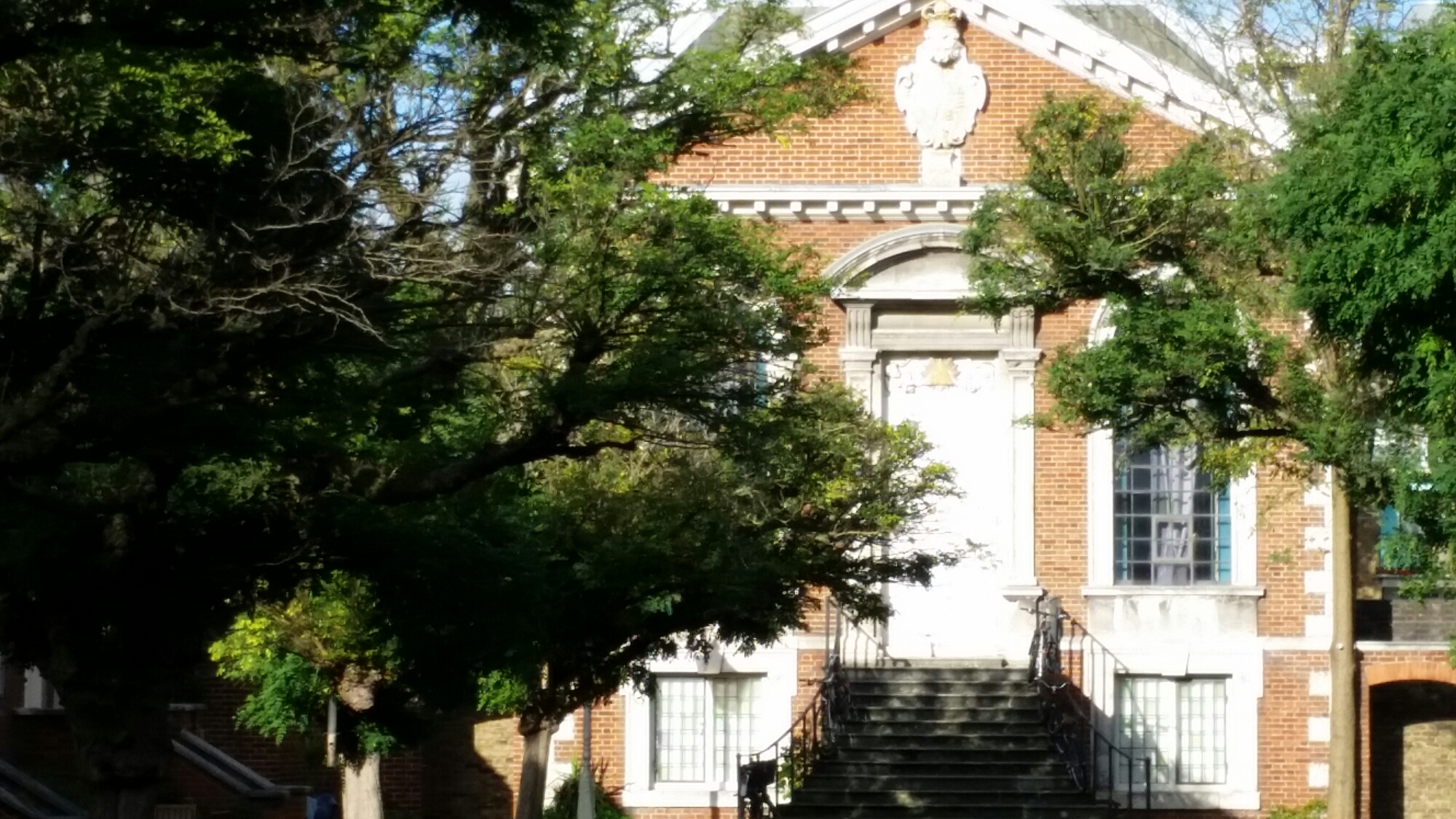
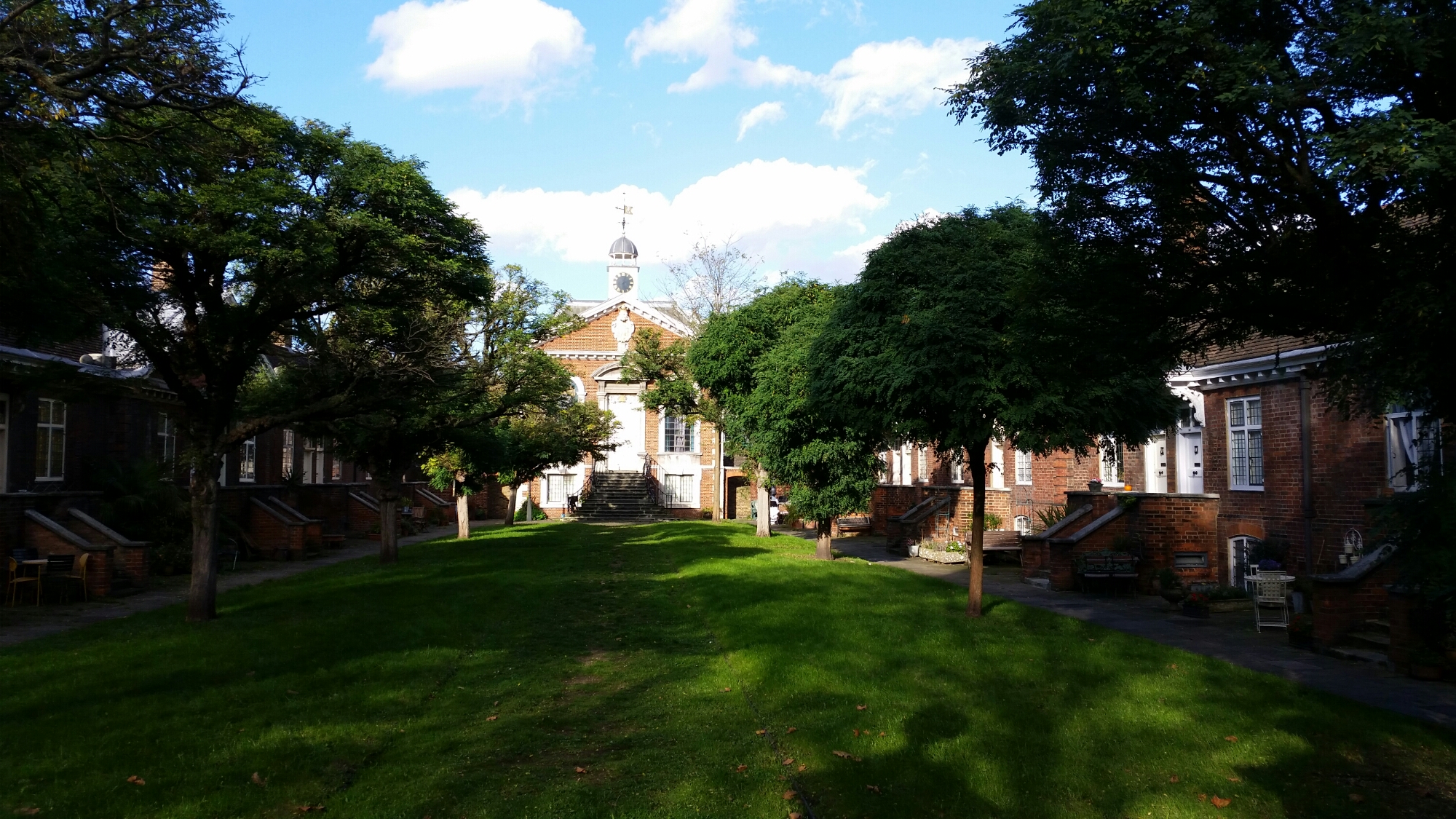
I walked past the almshouses at Trinity Green this afternoon.   They looked particularly fine in the late autumn sun, with the grass grown long in front of the chapel.   Established by the will of Captain Henry Mudd of Ratcliffe for ’28 decayed masters and commanders of ships or the widows of such’, there are model ships, fibreglass copies of the marble originals, on the parapet.   What is not recorded is that the almshouses were saved as a result of the energies of C.R. Ashbee who wrote The Trinity Hospital in Mile End:  An object lesson in national history as the first volume of the Survey of London, published in 1896 by his Guild of Handicraft in Bow:

image

image Continue reading

Standard

Nature Study Museum

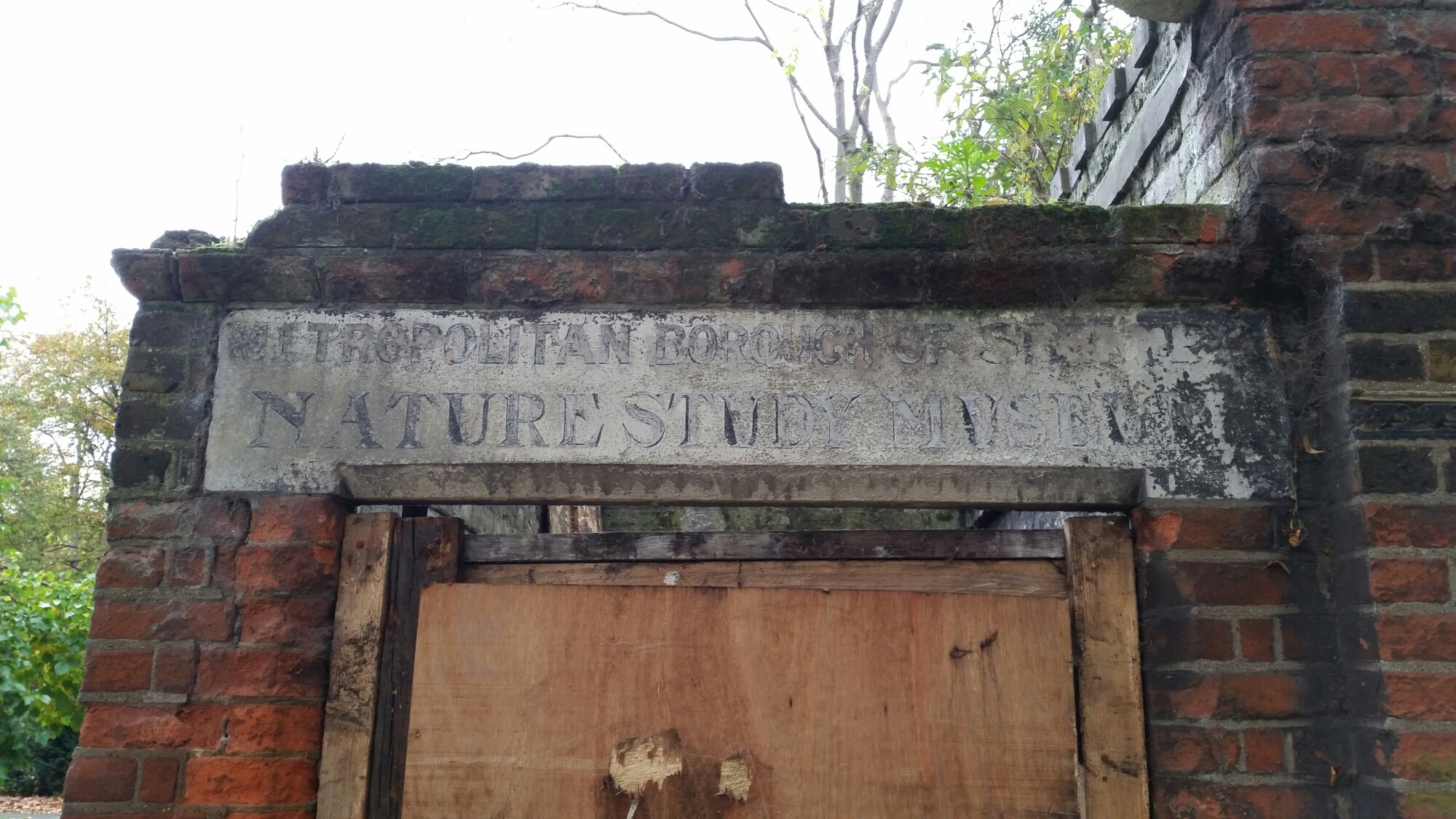
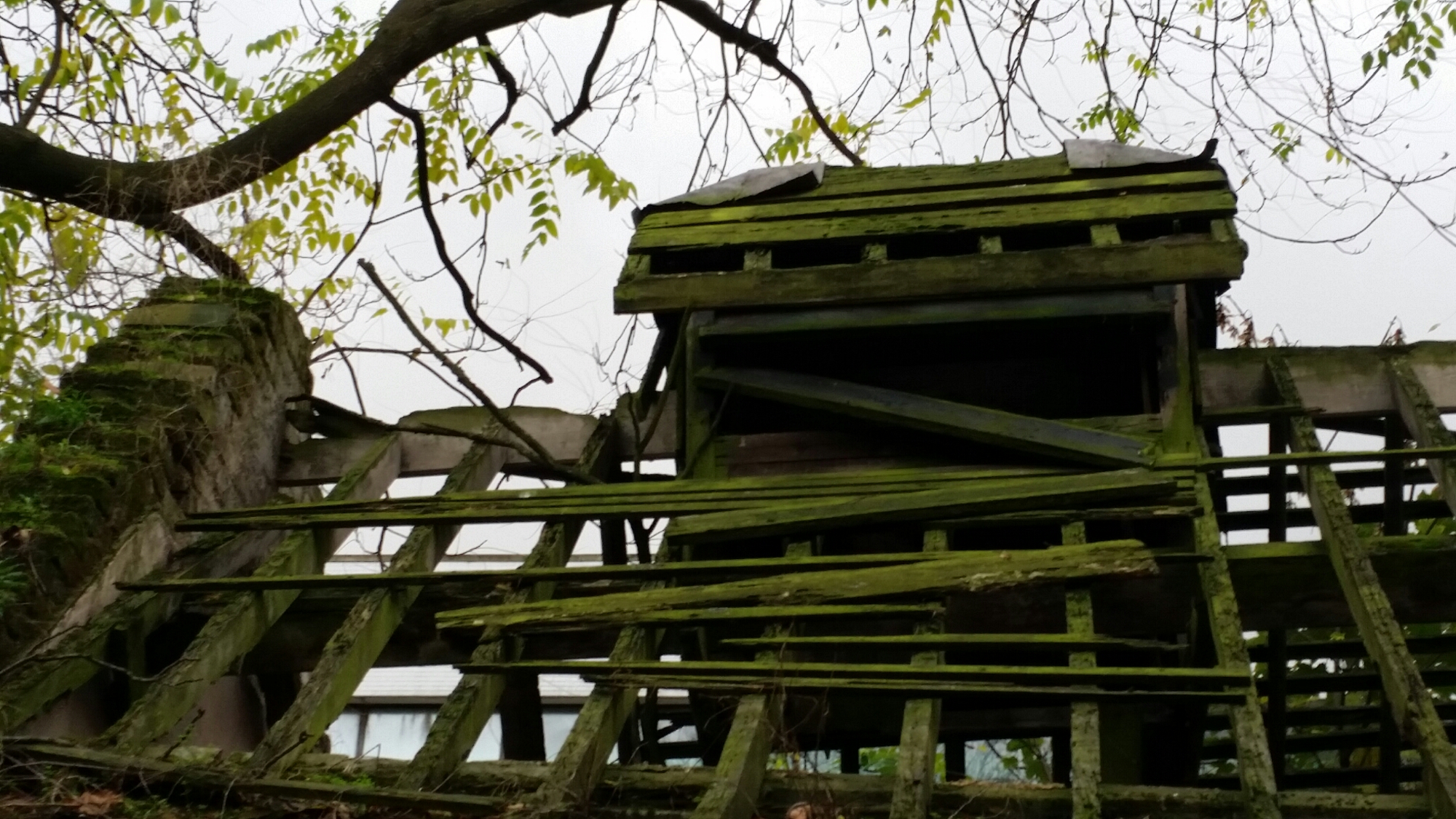
We took a detour today to have a look at the Nature Study Museum in the grounds of St. George-in-the-East, the great Hawksmoor church on the Highway.   It’s an odd little building, nearly completely derelict, originally built as a mortuary chapel where coffins were put before transfer to a public cemetery.   In 1904, it was converted into a Nature Study Museum by an eager young curator, Miss. Kate Hall, to introduce the local poor to the world of nature, including tanks of frogs, toads, newts and salamanders and beehives outside.   When she died, the building was described as a ‘fairy house in an oasis’, but the monkey took to biting children and the Museum was closed during the second world war:

image

image Continue reading

Standard

The Mission

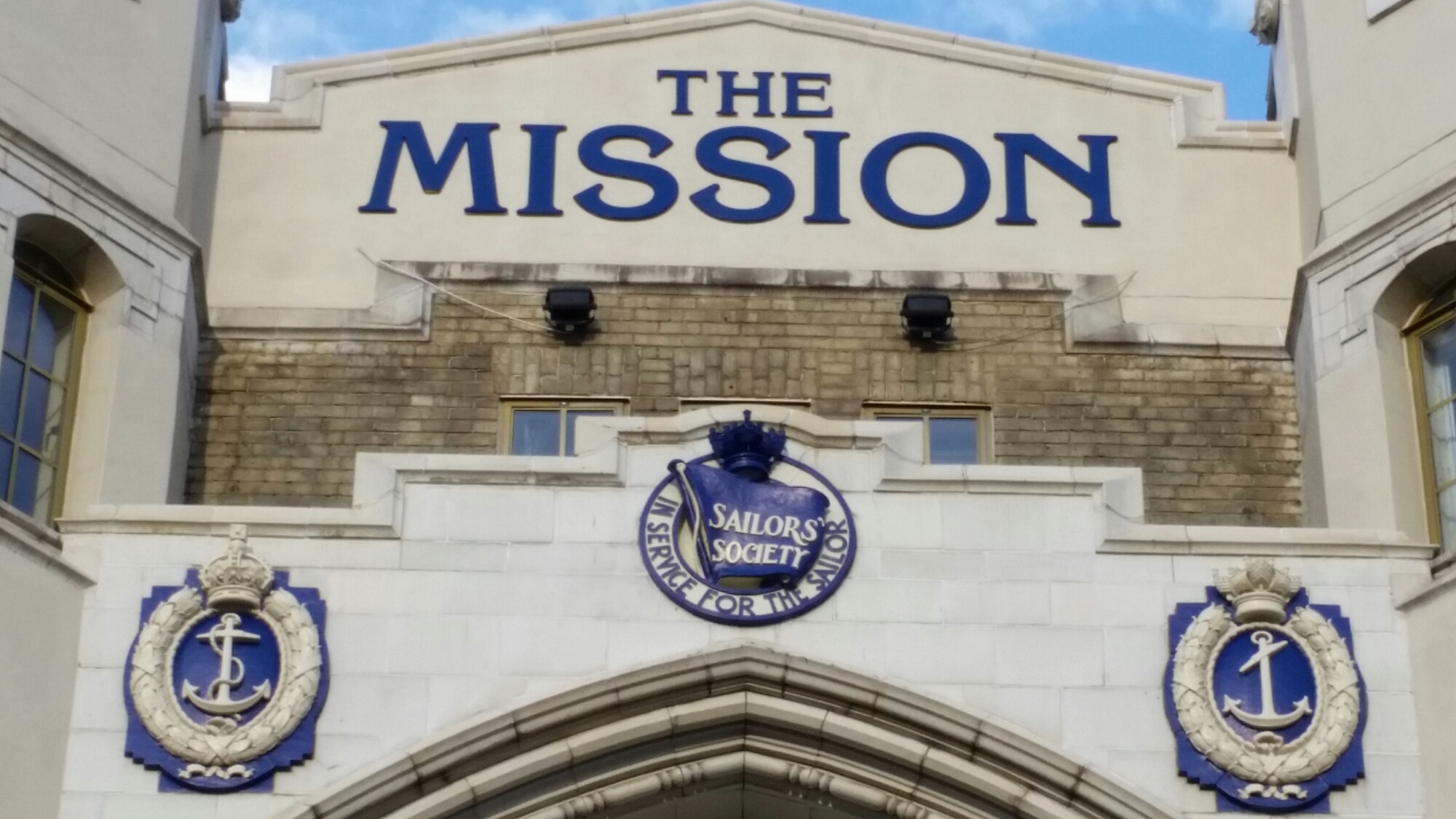
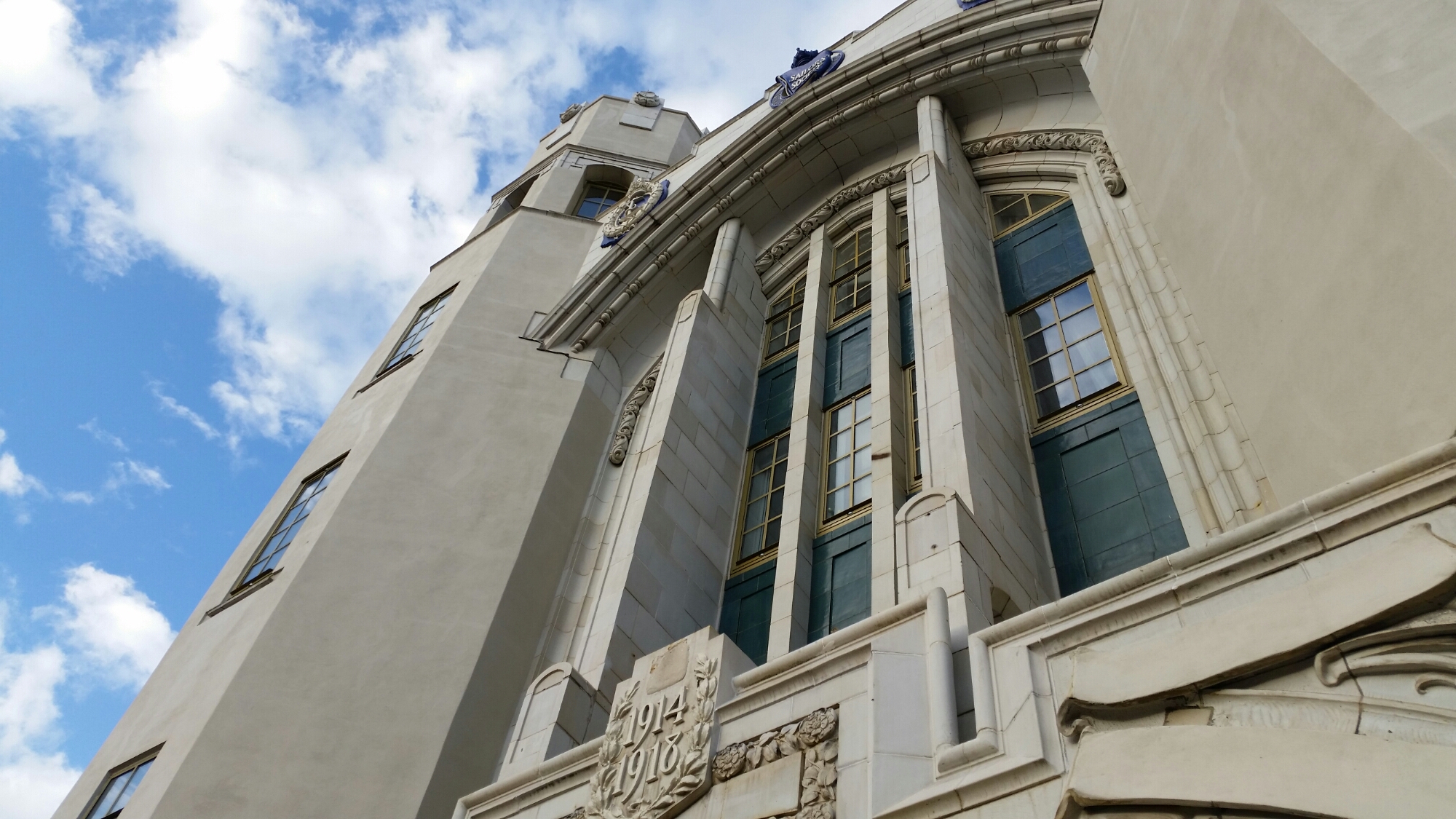
When we lived in Limehouse, we inherited the architectural drawing for the Empire Memorial Sailor’s Hostel, which was designed by Thomas Brammall Daniel and Horace W. Parnacott and opened in 1924 with beds for 205 sailors in cabins.   It’s quite a fine building, with a grandiose frontispiece of stripped-down perpendicular and I hope the drawing survives in the Ragged School Museum to whom I donated it.   Rather amazingly, in 1960 the building was the location for the 4th. Conference of the Situationist International, a group of revolutionary Marxists led by Guy Debord, who pioneered the study of psychogeography:

image

image Continue reading

Standard

Stepney Municipal Baths

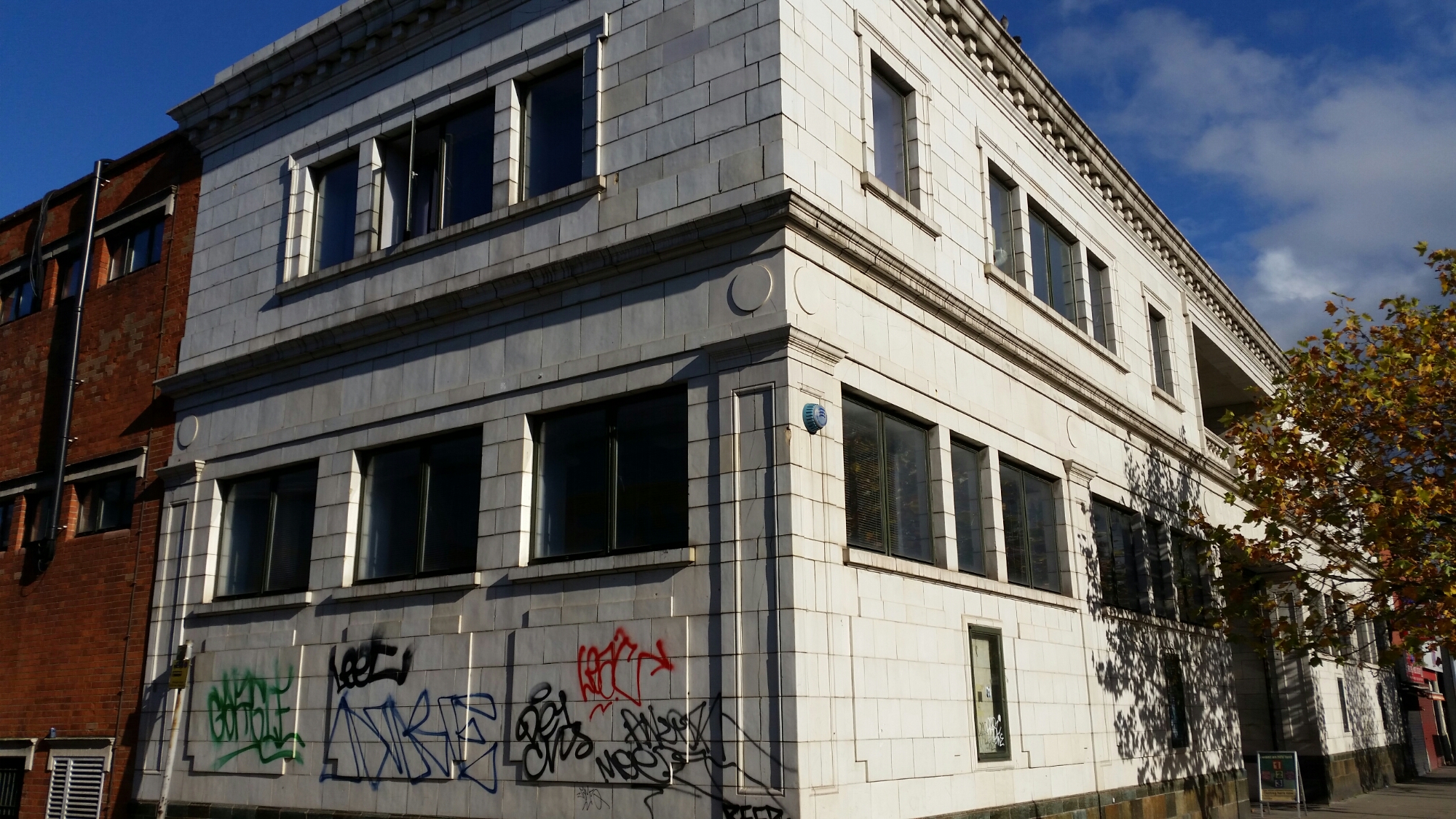
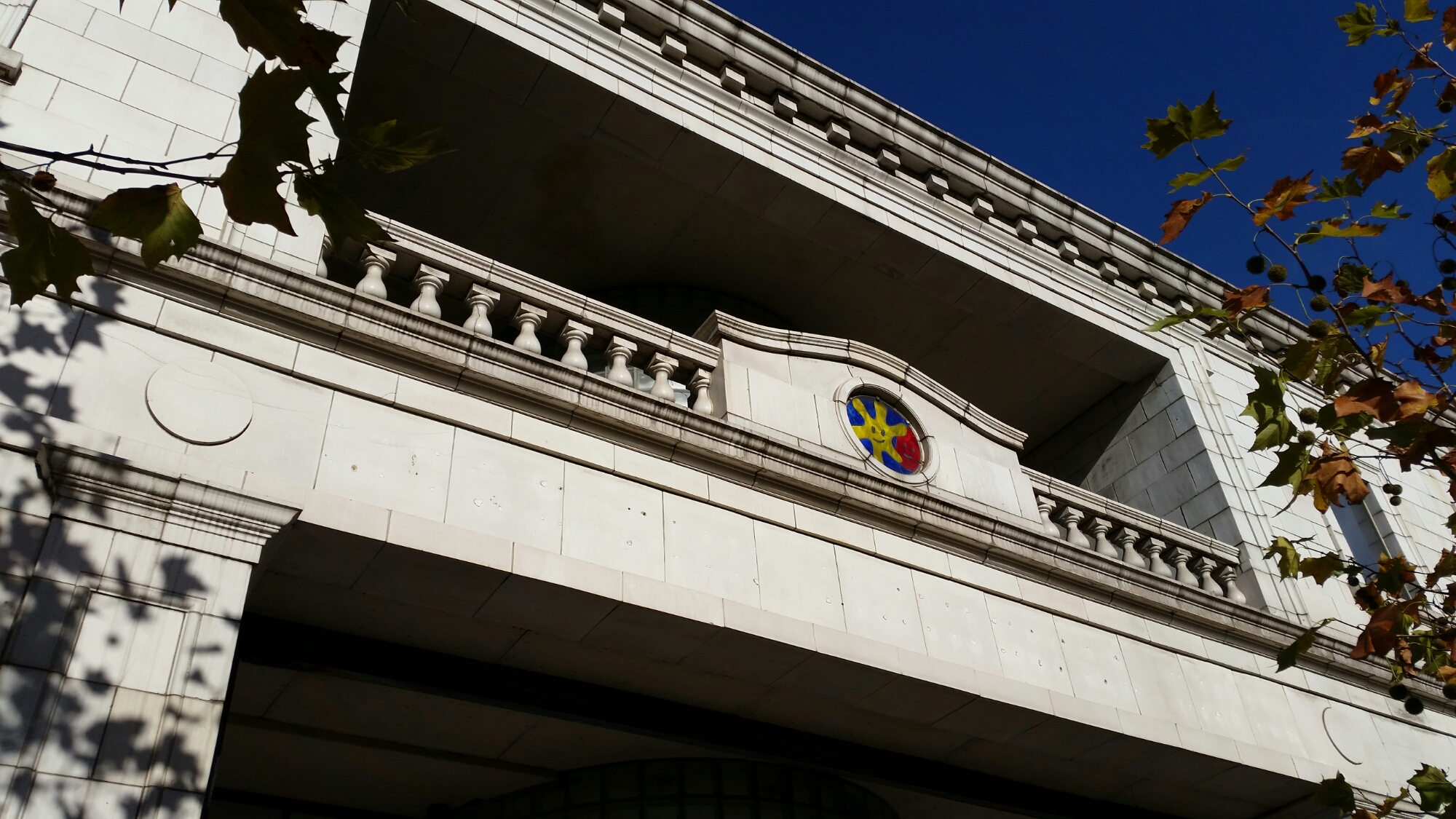
My attention has been called to the so-called ‘Moony Sipal’, the old Municipal Baths which were built before the war by the Stepney Borough engineer and converted in 1995 into the local centre for HIV.   I walk past it twice a day on the way to the underground station and have never stopped to examine what Pevsner (or Bridget Cherry) describes as ‘a likeable, hygienic faience façade, with central recessed bay and loggia at first floor behind a balustrade’.   Not a particularly distinguished building perhaps, but a relic of a pre-war era of civic improvement in the old east end, when you could buy a bar of soap for 1d. and have a bath for 6d:

image

image Continue reading

Standard

New Annals of the Club

For anyone seeking an extremely esoteric Christmas present, I have contributed a long (possibly too long) essay on the eighteenth-century history of Samuel Johnson’s Literary Club (aka The Turk’s Head Club) to a volume of essays which is being privately published on December 10th. under the title New Annals of the Club (there was a predecessor volume published in 1914 called Annals of the Club).   The other authors are David Cannadine and Peter Hennessy.   It’s available only from Sotheran’s bookshop in Sackville Street and can be pre-ordered through books@sotherans.co.uk.   Price is £100.

Standard

Maison Assouline

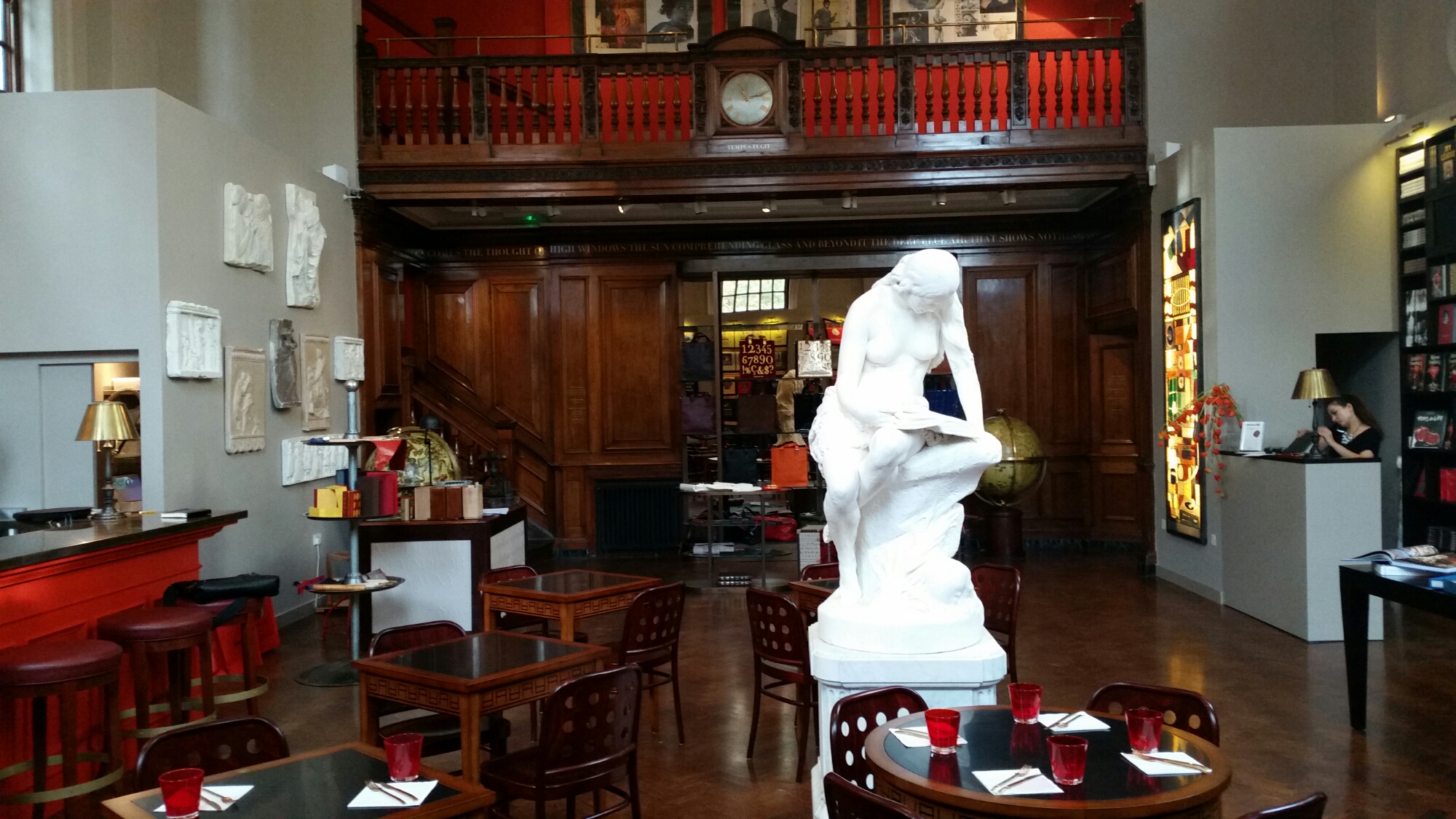
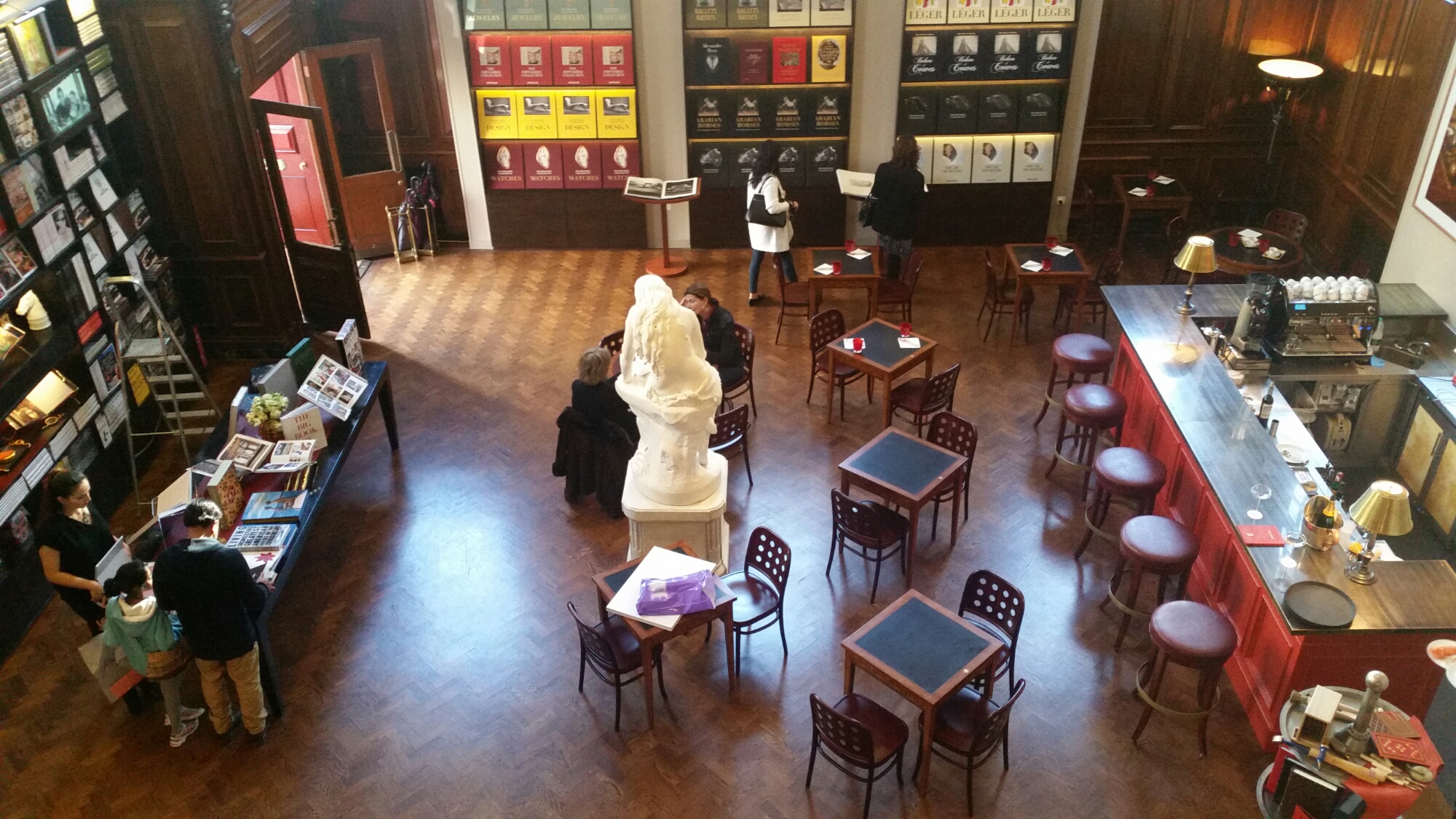
I stumbled in to the old Midland Bank building on Piccadilly and discovered that it has been converted into a smart and chic luxury bar and bookshop, where one can take shelter from the hubbub of Piccadilly, get a book bound, buy an African sculpture and have a madeleine.   The building was designed by Lutyens, opened in 1925, was briefly a branch of Hauser and Wirth (they held a wonderful exhibition by Phyllida Barlow) and it still retains much of its original character:

image

image Continue reading

Standard

Piccadilly Arcade

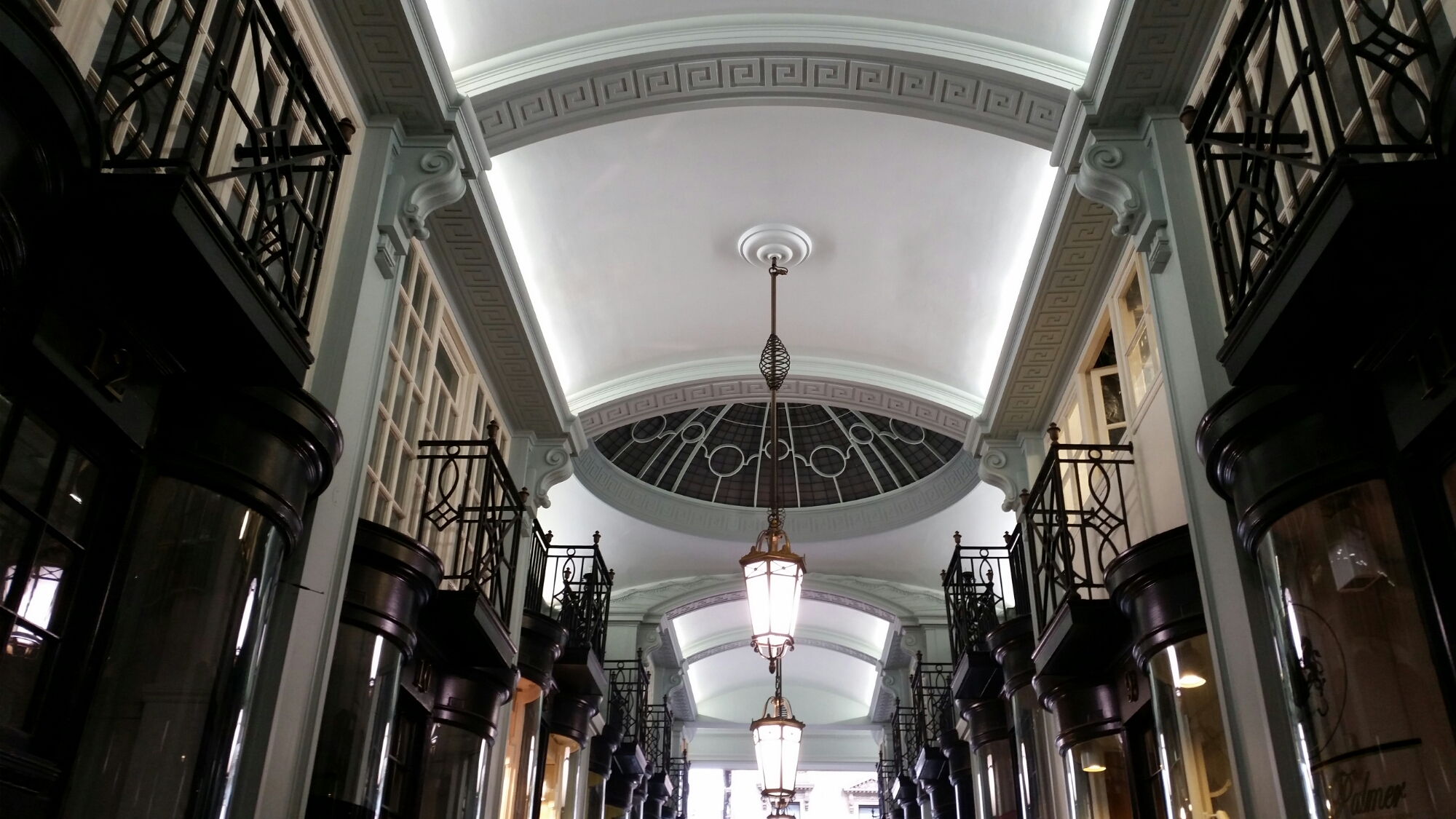
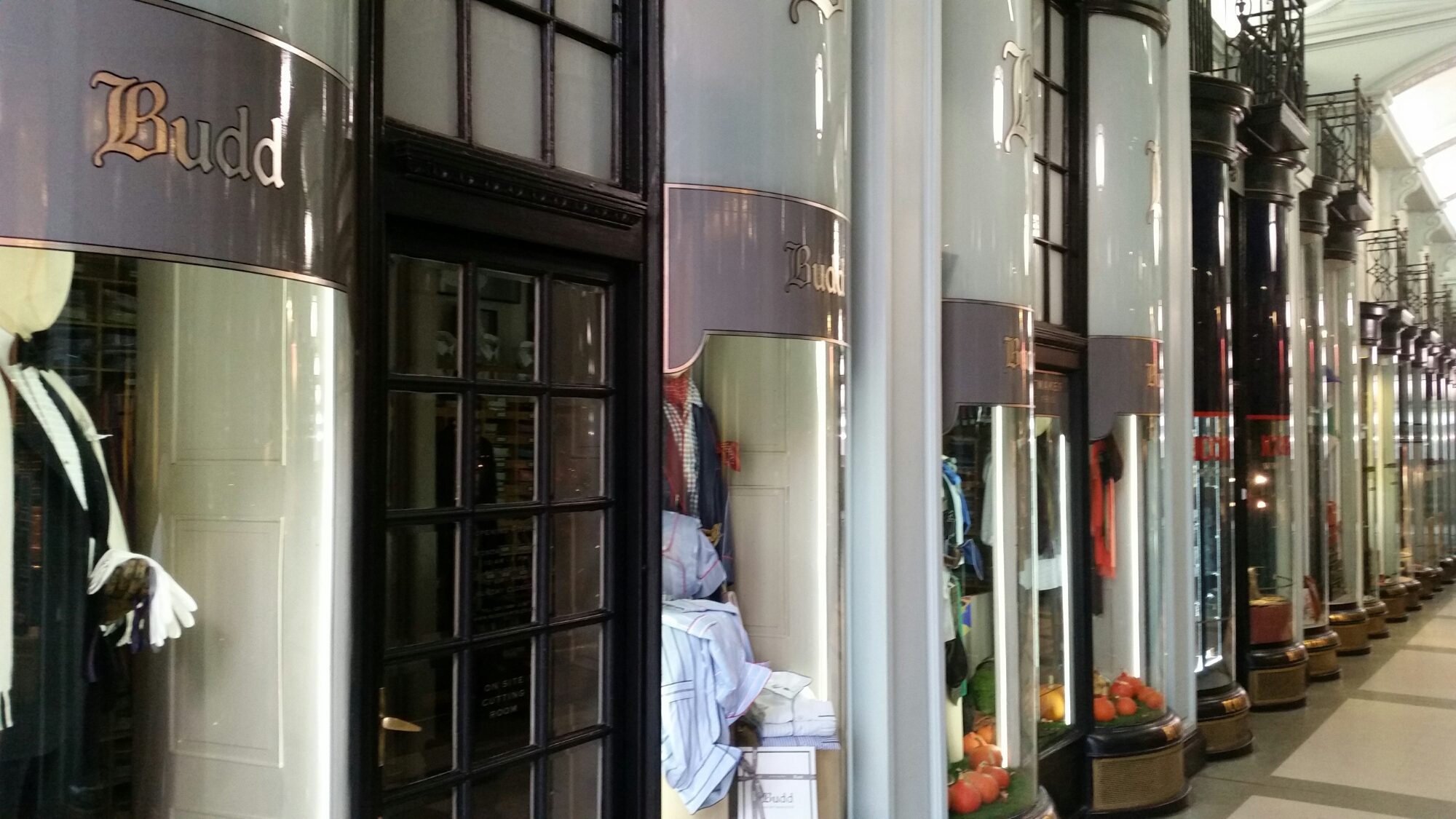
I have been thinking about Piccadilly Arcade, trying to remember Ian Nairn’s description of it:  ‘It is one of those weird places which has one element to a much bigger scale than anything else.   Here it is the curved glass windows…They ripple down the slope from Piccadilly like the sides of a Greek temple all done in glass’.   I walk up it most mornings and like and admire its sweep and swagger from Budd in the north to New & Lingwood guarding the gates to Jermyn Street:

image

image

Standard

Gillian Naylor (3)

I have just been to Gillian Naylor’s memorial event in the Lecture Theatre of the RCA in which her former students and friends reminisced about her influence.   Her first book was on the Bauhaus, published in 1968 to coincide with an exhibition at the Royal Academy.   Why, I wondered, was the Royal Academy, then universally regarded as a bastion of traditionalism, celebrating its bicentenary with an exhibition on the Bauhaus ?  Most people remembered Gillian, as do I, most vividly on foreign study trips:  1986 and 1987 to Prague, to the Museum of Applied Arts with Milena Lamarová;  1988 to East Berlin with Jeremy Aynsley;  1989 to Stockholm (at least that’s my memory).   Gillian looked seraphic surrounded by monuments of national romanticism.

Standard

Gillian Naylor (2)

On the day of a memorial event at the Royal College of Art to commemorate – and celebrate – the life of the late Gillian Naylor, a former Senior Tutor in the Department of Cultural History, I am posting an edited version of what I said about her at her funeral in Brighton, because, rather shamefully, none of the national newspapers have published a full obituary of her (for those of you who like short posts, this does not qualify):-

I got to know Gillian Naylor (or Gill as I think I never quite dared to call her) when I was appointed as an Assistant Keeper in the Education Department of the Victoria and Albert Museum in October 1982 to act as her shadow in the organisation and running of the joint V&A/Royal College of Art Course in the History of Design. The first cohort of students had already been accepted and, indeed, had already arrived in the set of rooms which had been allocated to them off the so-called British primary galleries. Gillian had been recruited a couple of years or so previously as Senior Tutor in the Department of Cultural History at the Royal College of Art, moving there from Kingston Polytechnic. I always felt she thought that I had drawn the long straw, because my job only entailed overseeing the joint course, whereas hers and Penny Sparke’s also involved a great deal of teaching of students in the applied arts departments of the Royal College. Gillian always had a slightly careworn air: hardworking, deeply conscientious, infinitely patient, always available to talk to students, counsel them either on their work or on other aspects of their lives. We all knew that there was a tragedy in the background of her life, without quite knowing what it was, and it was only much later that I learned – not from her – of the death of her only son, Tom, from drowning when he was seventeen. Continue reading

Standard