Boughton House

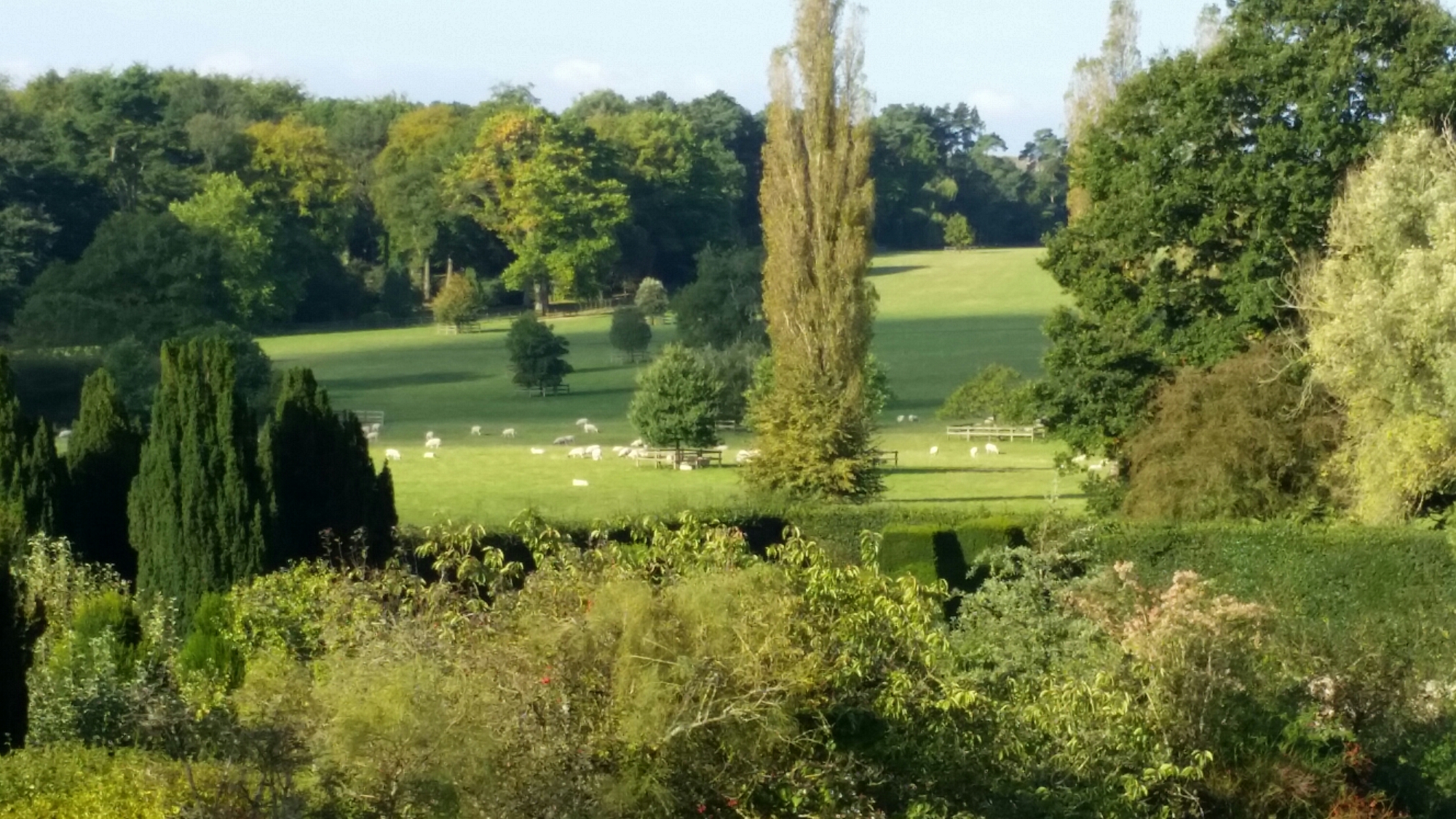
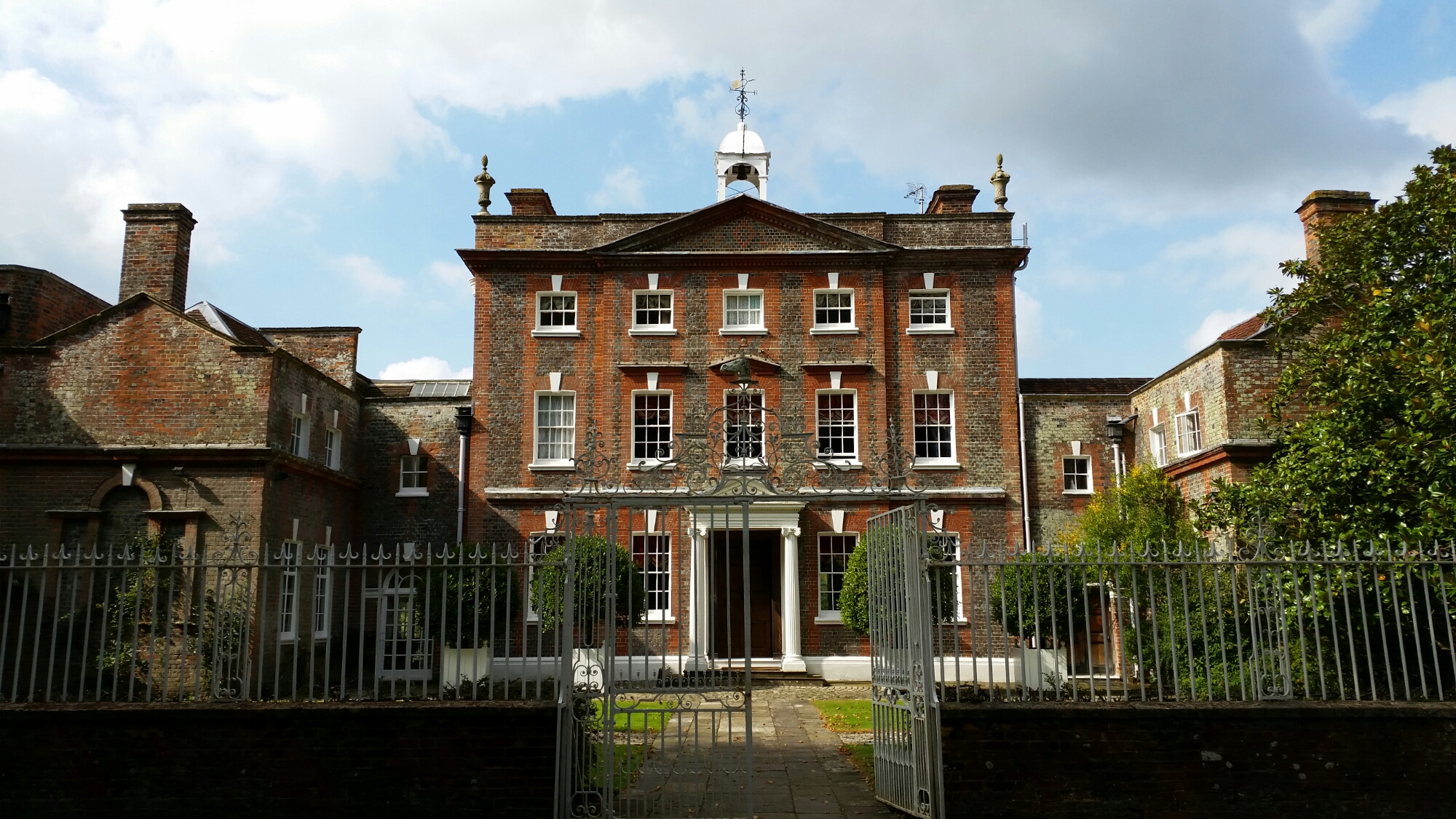
I haven’t been to Boughton since I was an undergraduate.   The only thing I remember from my previous visit was a long corridor of linen cupboards and being told that every year the family laid in a new set of linen which they used sequentially.   They were still using eighteenth-century linen.   It’s a sleeping beauty of a house, lost in the deepest Northamptonshire countryside and not much occupied since the death of John Montagu, second duke of Montagu in 1749, used by the family only for summer holidays.

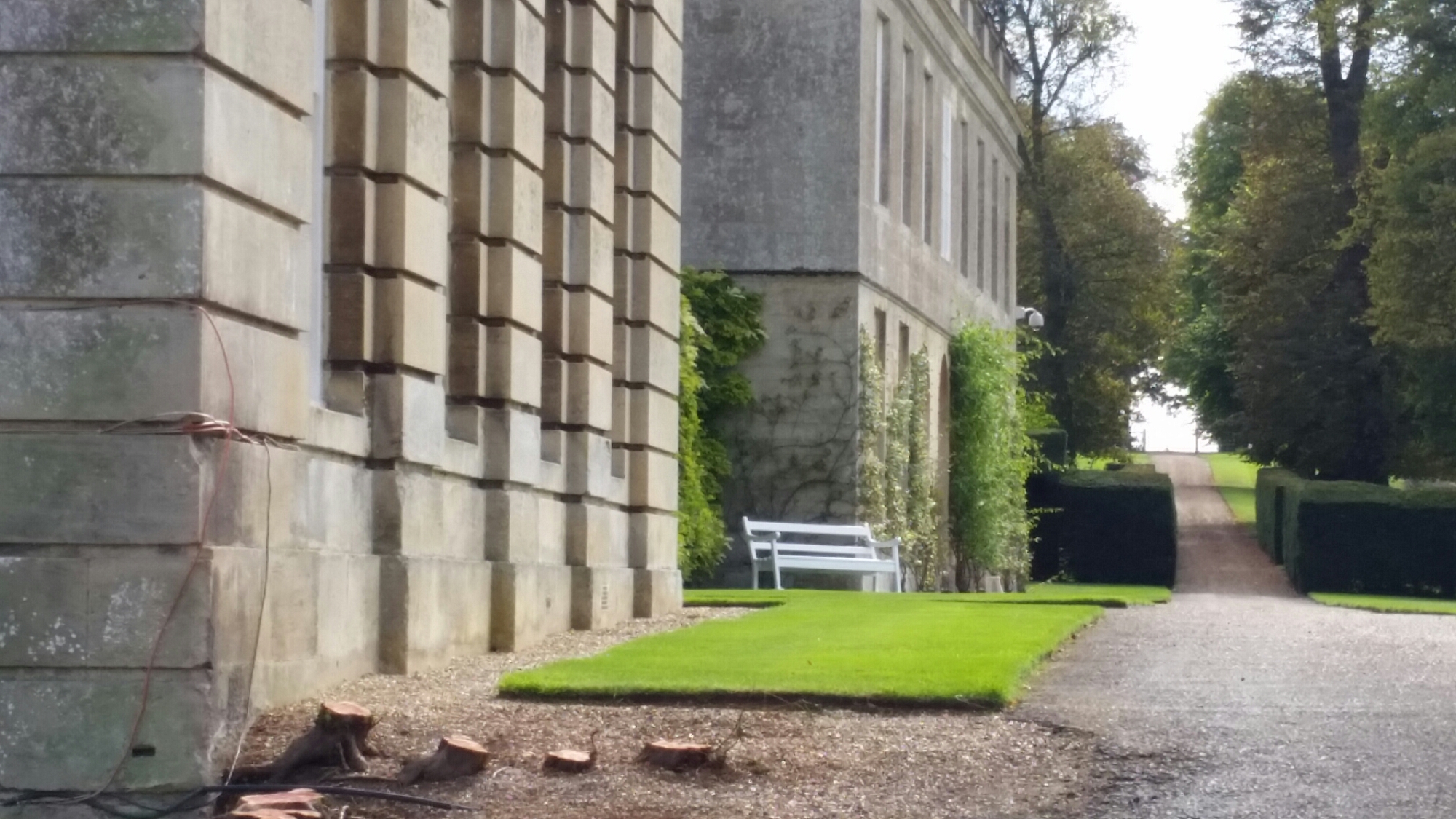
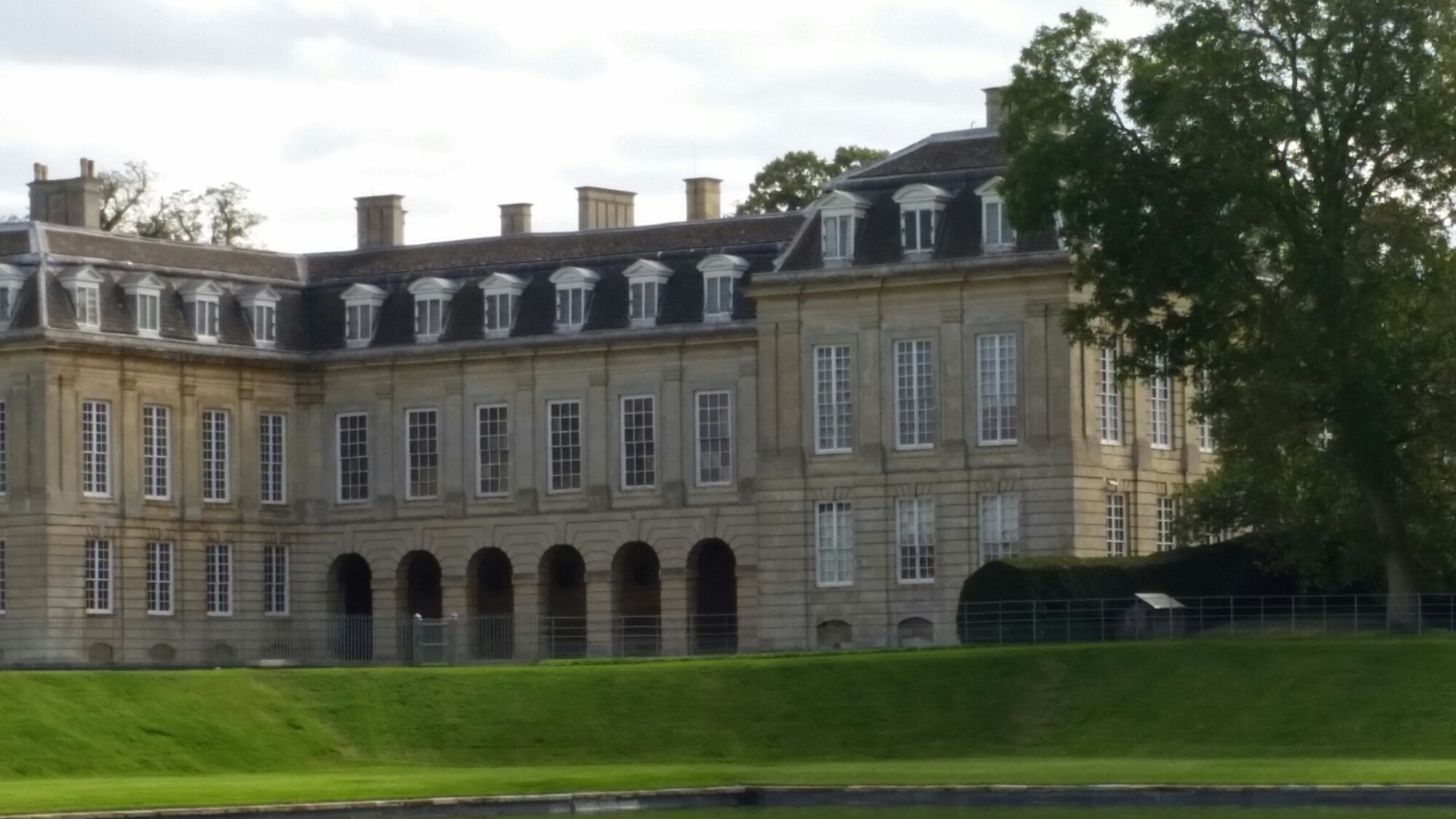
This is the main north front, so French in style because it was almost certainly designed by an (unknown) French architect or designer after Ralph Montagu, first Duke of Montagu returned from serving as Ambassador in Paris:
image

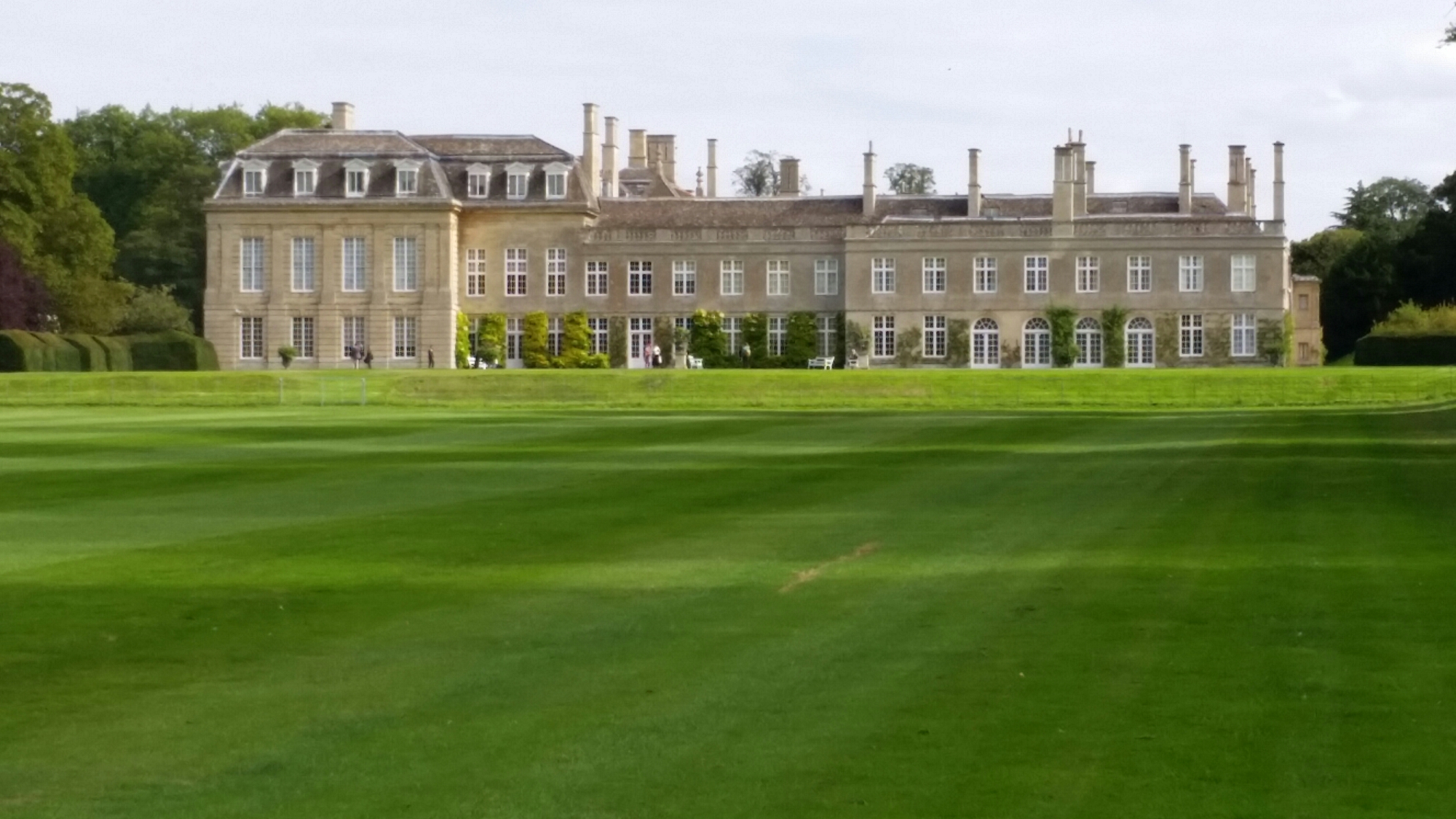
This is the west front looking out onto the remains of the original formal garden:
image

image

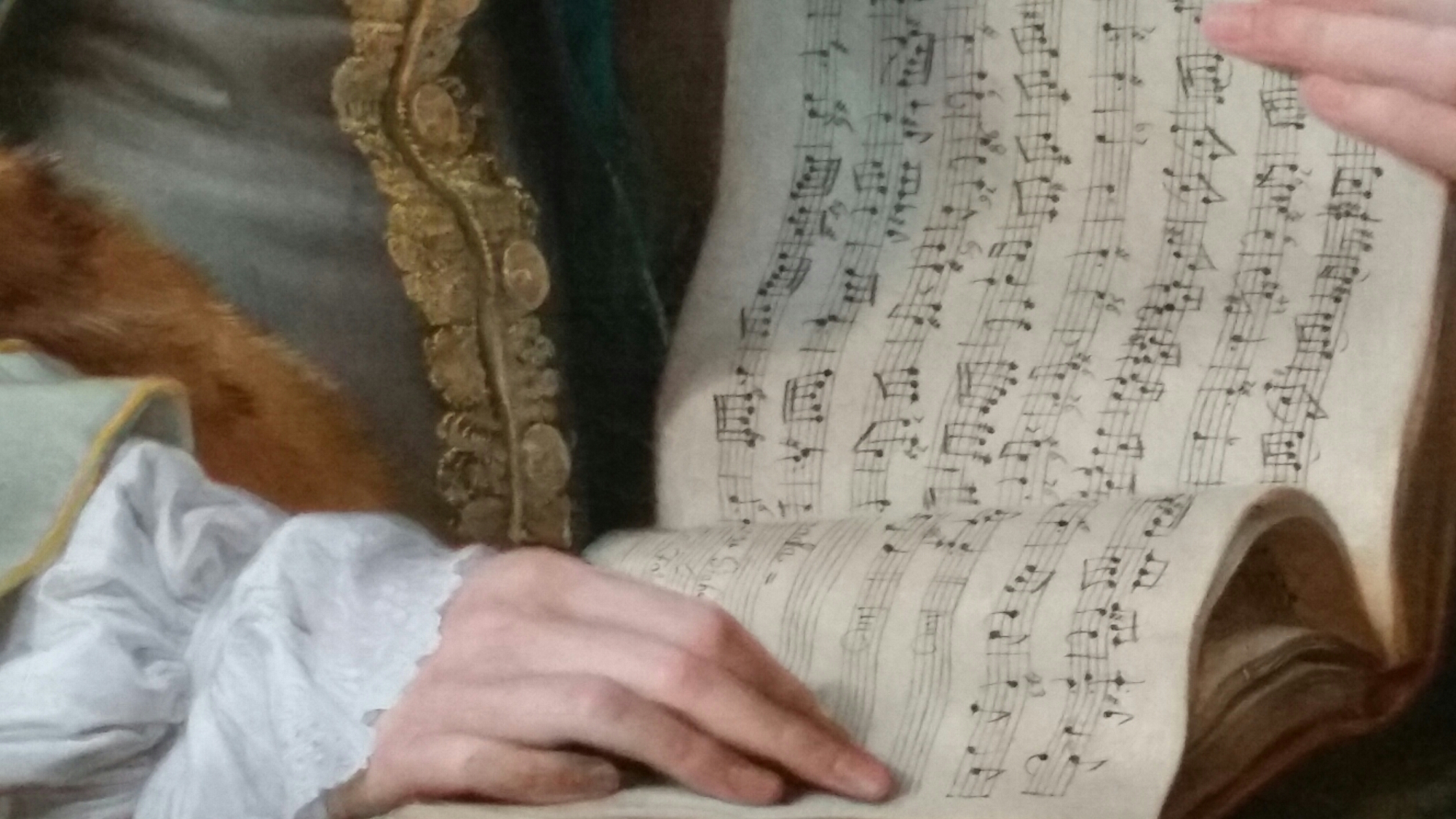
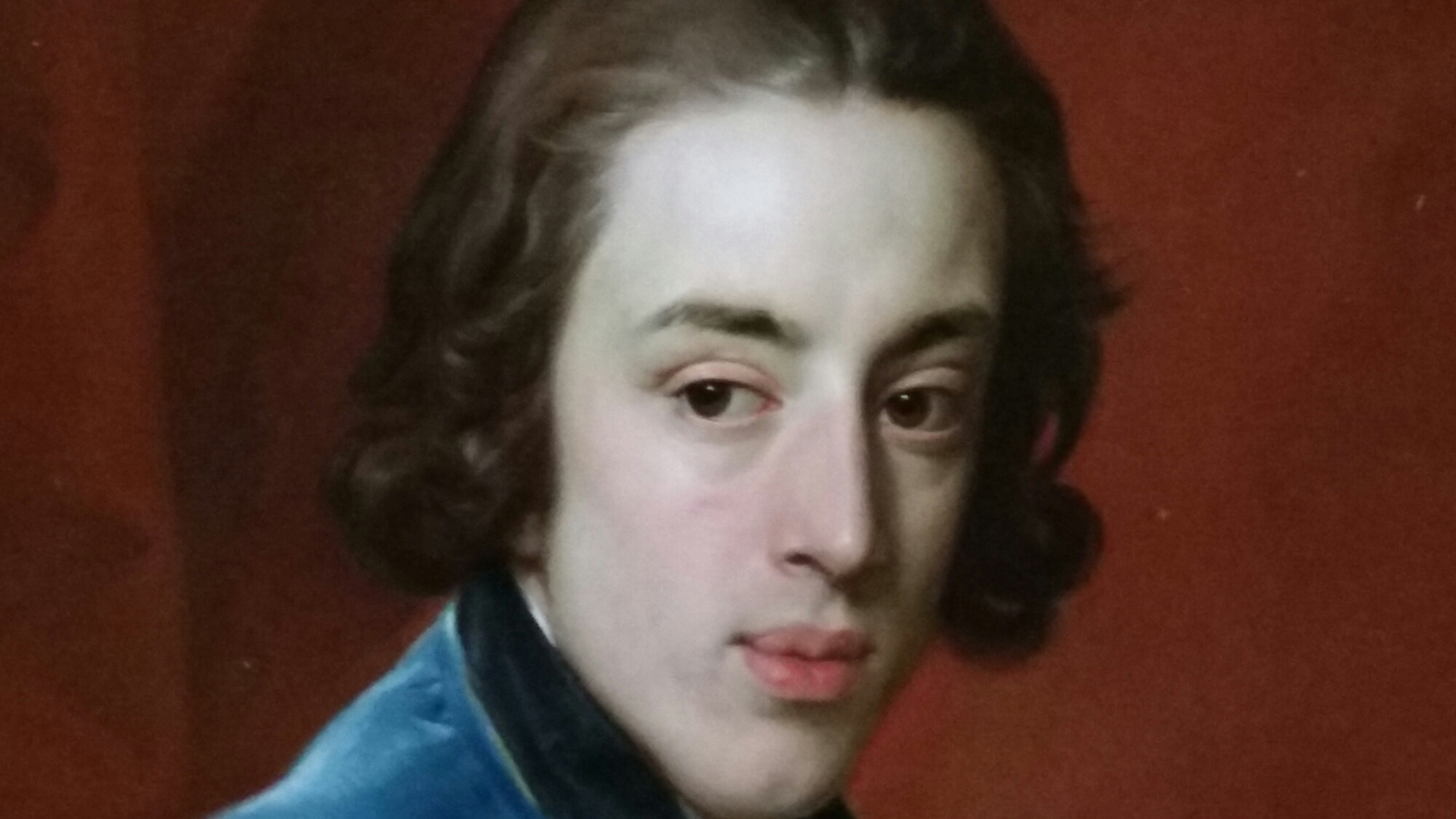
Indoors, I was only able to photograph a small number of details which caught my eye.   The portrait of John Montagu, Marquis of Monthermer by Pompeo Batoni:
image

image

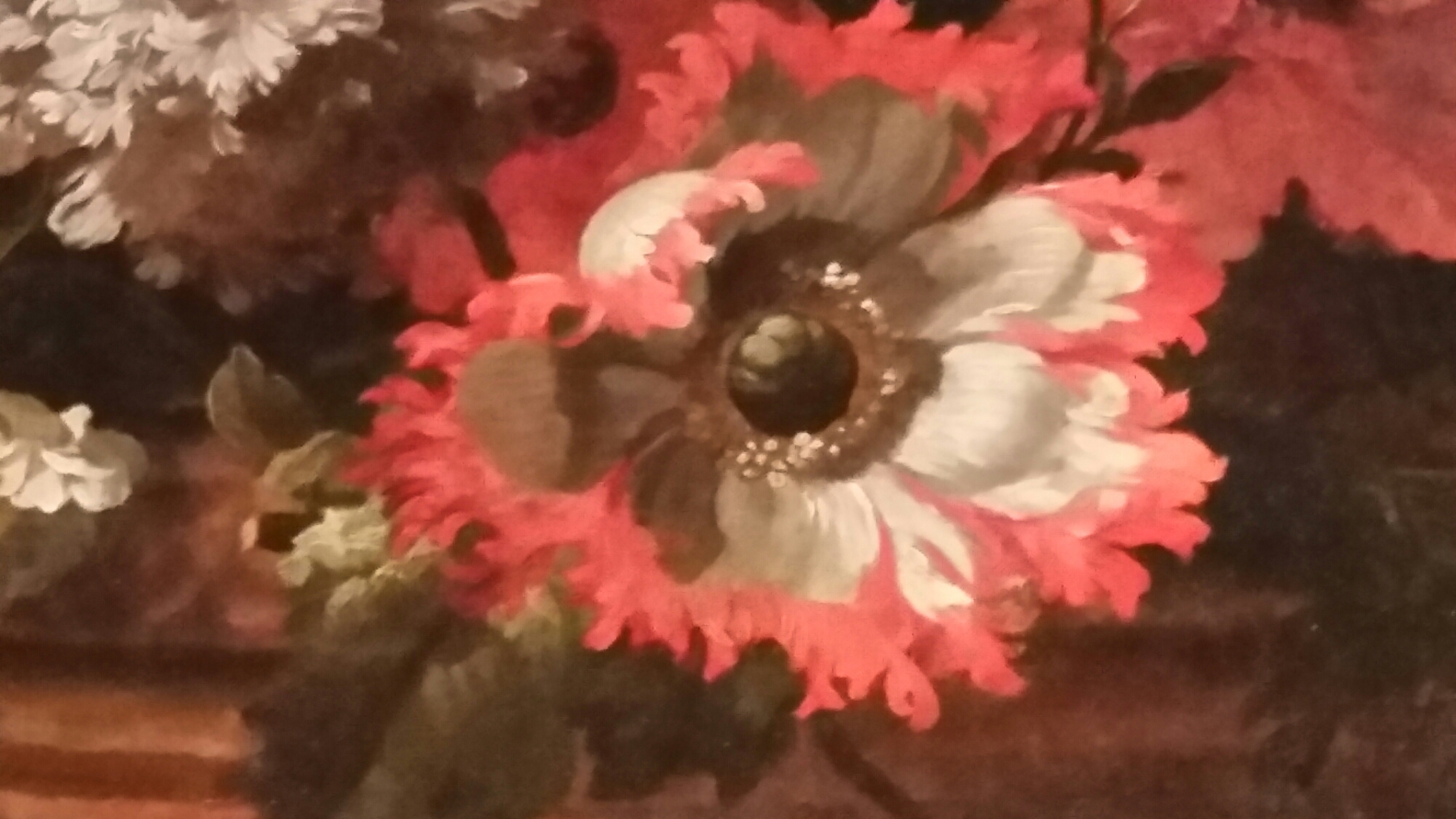
A floral painting, I assume by Jean Baptiste Monnoyer:
image

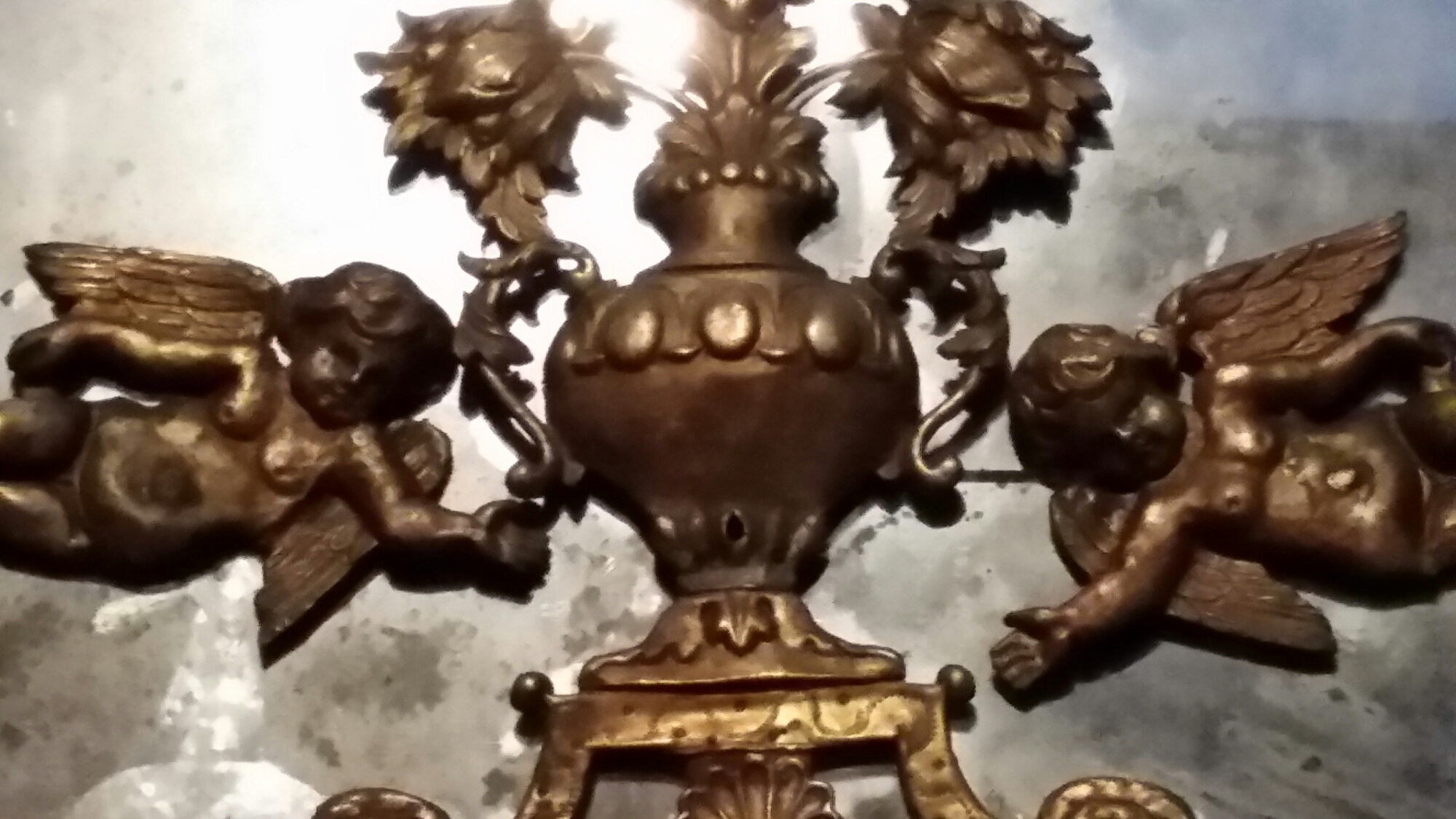
A detail of a seventeenth-century mirror:
image

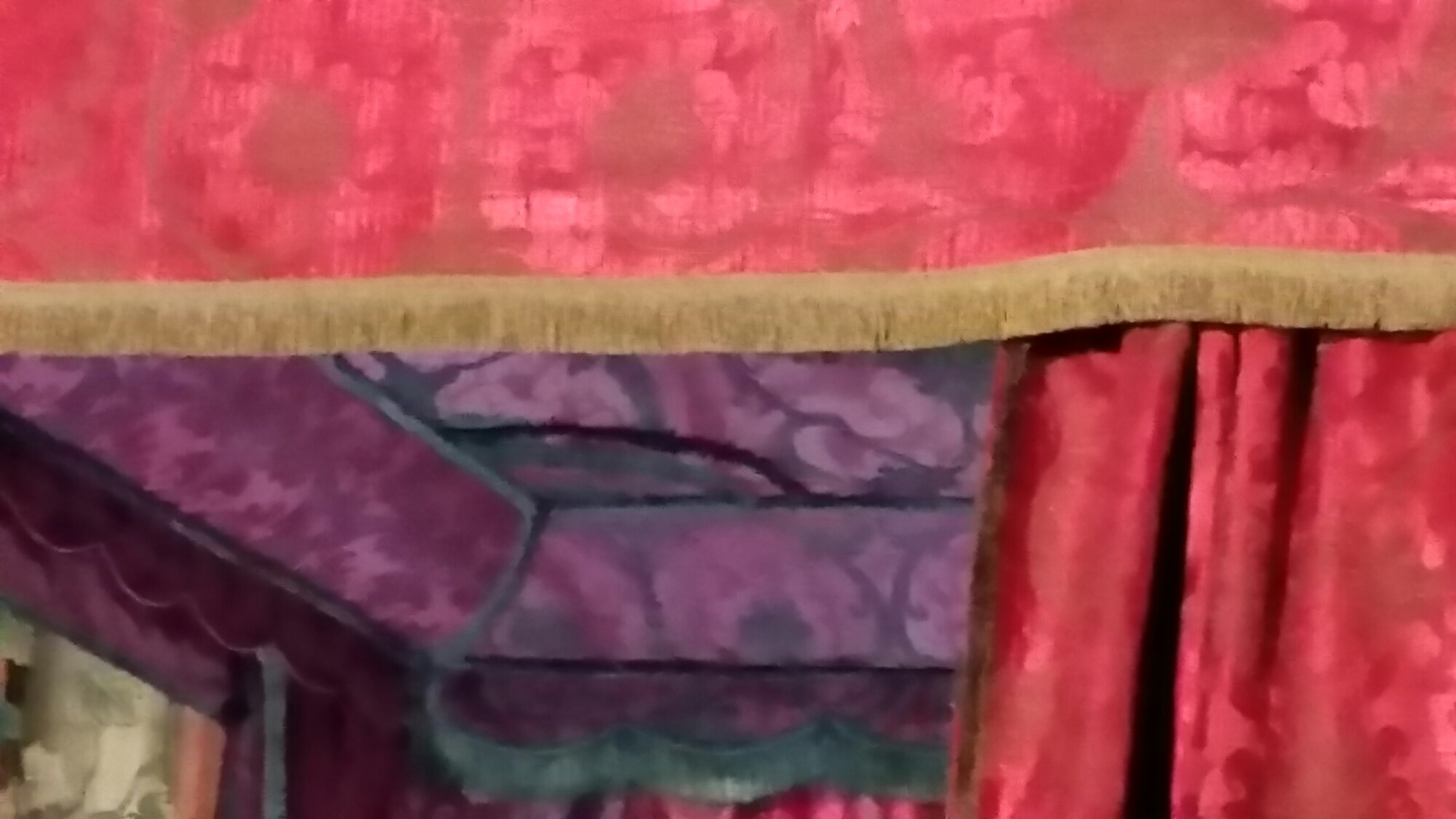
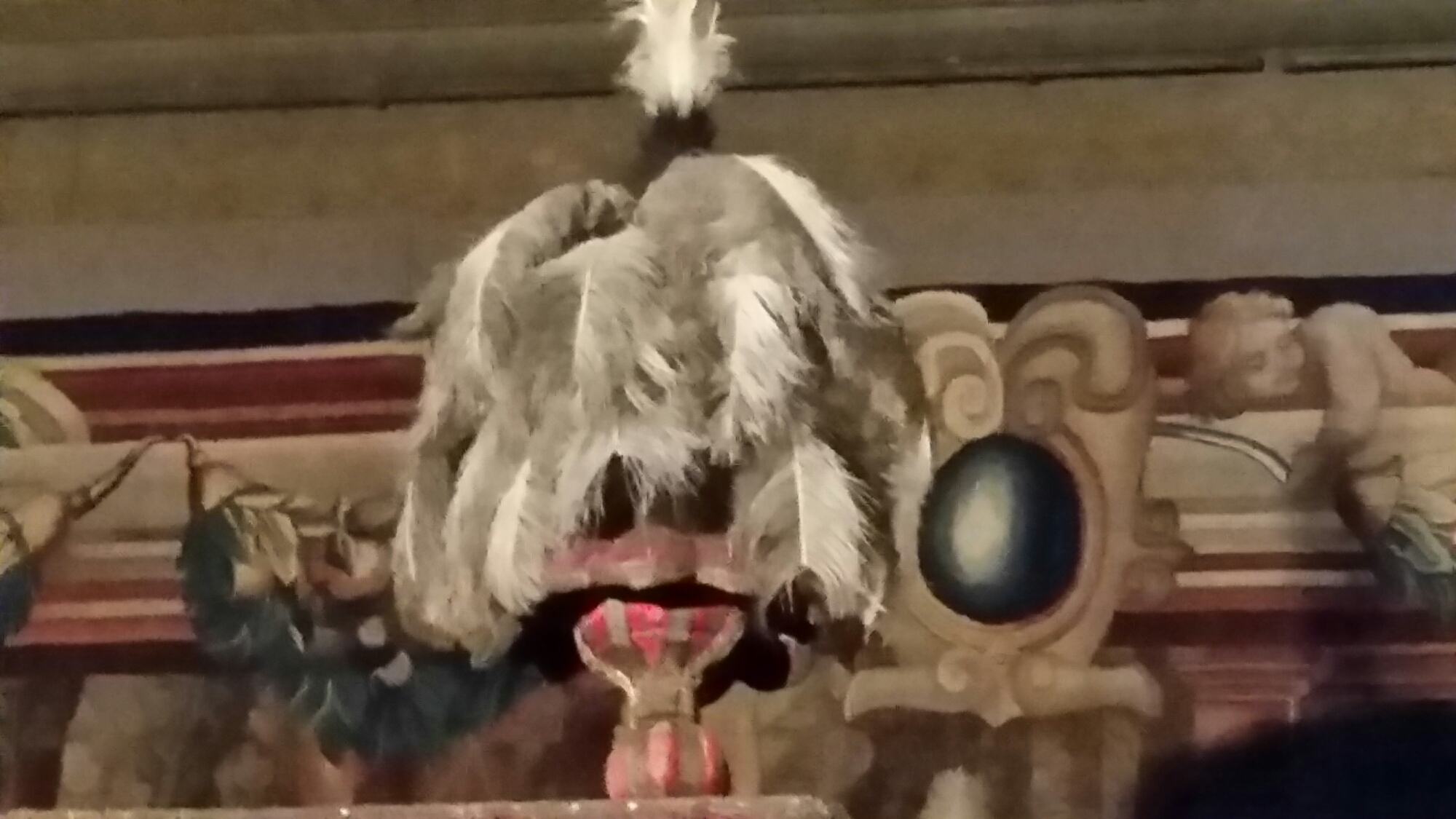
The state bed:

image

image

And the view from the window:

image

image

Standard

Gaslight

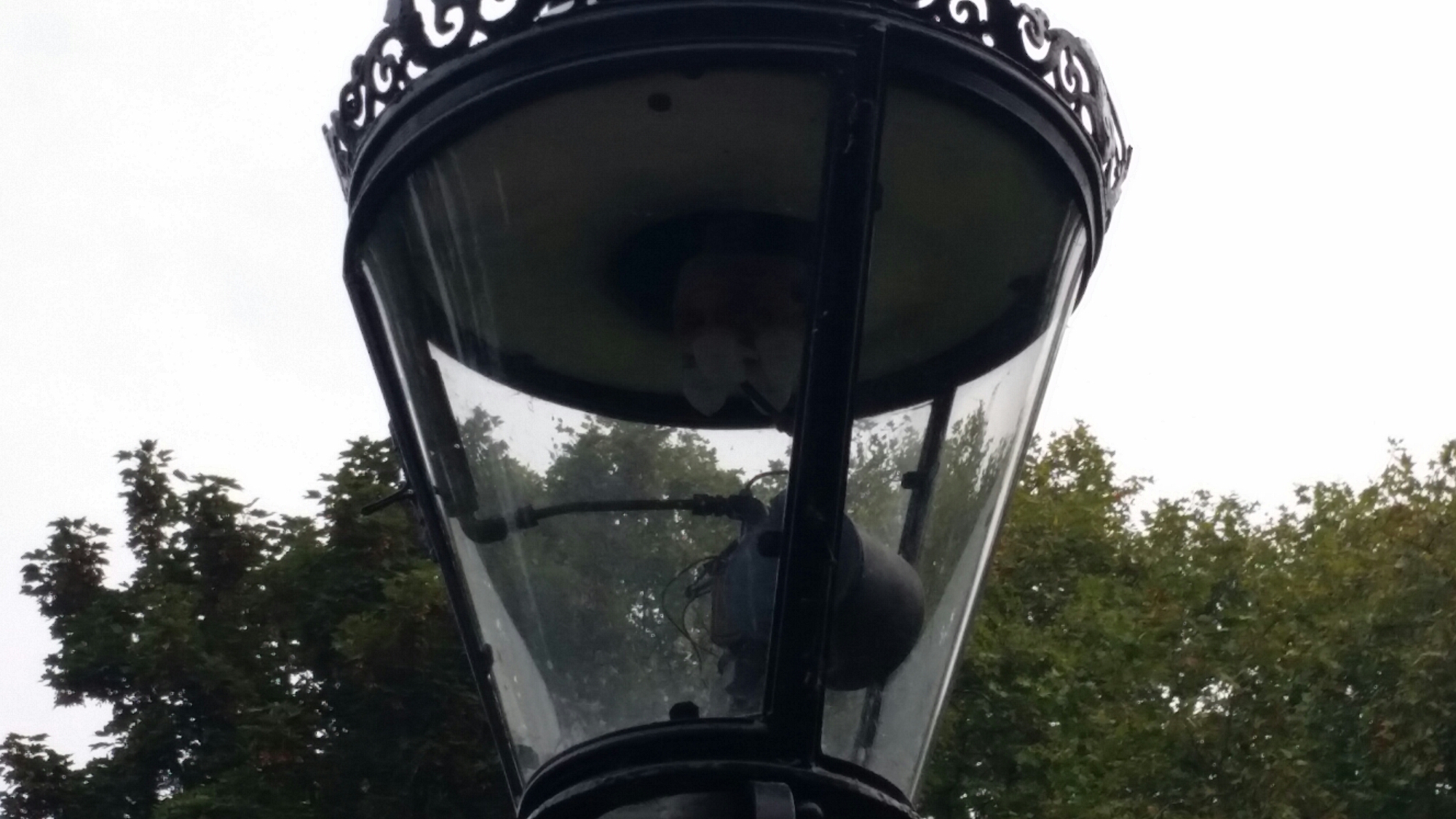
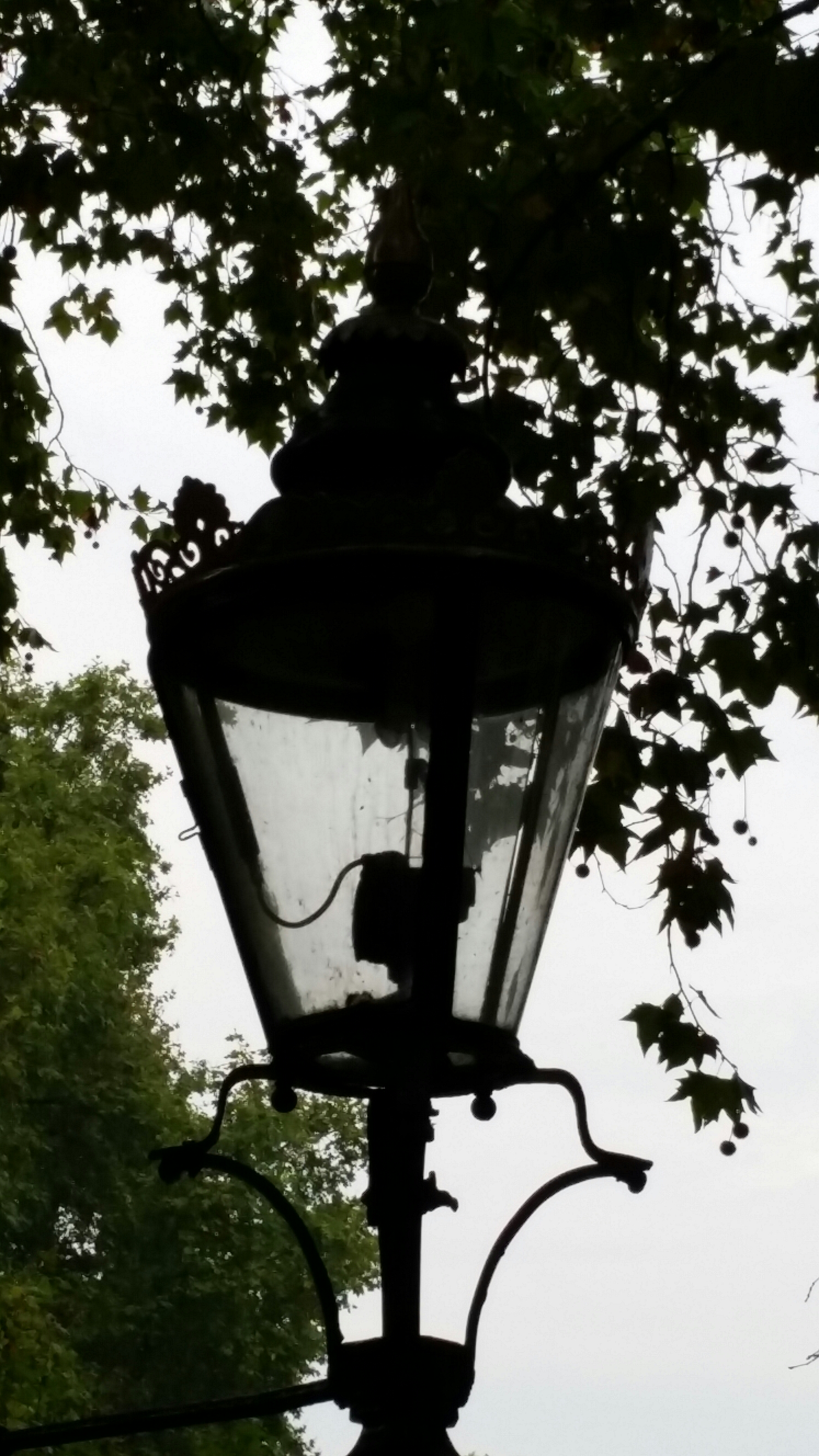
I was told last night about the history of early gaslight in London.   First used for domestic lighting by William Murdoch in Cornwall in 1792, it was used to celebrate the birthday of the Prince of Wales in 1807.   The Prince then became the patron of gaslight.   In 1812, the Gas-Light and Coke Company was established to provide gas lighting throughout the city and a year later Westminster Bridge was lit by gas.   The availability of gas lighting then accelerated the industrial revolution because it made it possible to work longer hours.   I hadn’t realised that it’s gas which lights the path through St. James’s Park at night.

This is a picture of one of the gaslights in St. James’s Park:

image

And alongside Green Park:

image

Standard

Arts Funding

I was asked to give a talk tonight about whether public or private funding is better for the arts:  the American model or the French model ?  I had expected to be relatively even-handed about the advantages and disadvantages of the two systems because when I drew up a list of the pros and cons of private funding, the list was six of one and half a dozen of the other.   But as I talked I realised that I have become an advocate of the benefits of private funding:  more freedom;  less regulation;  more responsive to the consumer.   Look at the transformation of the V&A over the last two decades.   But in discussion the pendulum swung back.   The metropolis can tap private funds, but not the regions.   And the theatre, for example, is highly dependent on public funding for training, a diversified programme and innovation.

Standard

Rubens and His Legacy

I missed the opening of the exhibition Rubens and His Legacy in Brussels last night, but took the opportunity of a quick day trip to see the exhibition which opens at the RA on January 24th. next year.   The idea of the exhibition is to explore Rubens not just as an an artist, but his influence on other artists:  Rubenism more than Rubens.   The organisation is thematic, beginning with Violence:  scenes of rape and rapine, including a big picture of Bulls Fighting by James Ward RA, a picture of Chevy Chase by Landseer, two Lion Hunts by Delacroix, right up to Lovis Corinth painting Hell.   The references in the gallery texts are to filmmakers, as if Rubens was ‘the Quentin Tarantino of his day’, as interested in subject matter and propaganda as were Sergei Eisenstein and Leni Riefenstahl.   Having done an exhibition at the National Gallery on Rubens in 2005, I’m glad that this is Rubens Plus, a way of connecting Rubens to modern audiences thematically.

Standard

Anselm Kiefer (4)

It will be interesting to see what the reaction is of the art world to our Kiefer exhibition.   In talking last night to a party organised by BNP Paribas, who are sponsors of the exhibition, I was reminded that he came to public prominence in Britain in the early 1980s through the exhibition New Spirit in Painting held at the RA in 1981 which celebrated the return to subject matter in painting, and the belief that painting could and should occupy the realms of literature, philosophy and symbolism.   This idea has become deeply unfashionable without it in any way affecting Kiefer’s public reputation.   So, the question is whether or not Kiefer’s work will have any effect on a new generation of artists to explore, as he has, ideas of history and will respond to the profundity of the work.

Standard

Anselm Kiefer (3)

A busy day for our Kiefer exhibition.   The private view last night was more crowded than I have ever known a private view, full of the European art crowd, young, rich and smart, all in their black suits.   Kiefer himself arrived, immaculately lean, mainly for the dancing at the after party.   Reviews have been wonderful, five stars in the Times, five stars in the Guardian.   And the experience of the exhibition is overwhelming, full of a relatively small number of monumental works, tracing his career from its beginning and including works which are fresh from the studio.   I strongly recommend seeing the exhibition in daylight because both the octagon, which contains a vast installation called Ages of the World, and the penultimate room, which contains seven grand works of wheatfields (they refer to the so-called Morgenthau Plan whereby Germany was to become farmland), are bathed in natural daylight.

Standard

The Gardens at Oare (2)

I realised in the night that I had not done full justice to my experience of the garden at Oare because I recorded our tour of the kitchen garden on Saturday afternoon, but not the crystal clarity of the light on Sunday morning as I looked out of the bedroom window:

image

The view across the sweep of the freshly mown lawn:

image Continue reading

Standard

Anselm Kiefer (2)

Yesterday, I had a first tour of the Anselm Kiefer exhibition with Kathleen Soriano, its curator.   What came across was, first, the extent to which it is conceived as a paintings exhibition, not so much his work as an installation artist, in homage to the scale and history of Sidney Smirke’s grand exhibition galleries;  second, the way in which it is suffused by imagery from the Catholic church, including palettes with angels’ wings;  and, third, the extent to which it is informed by German woodcuts from his early ‘Attic’ series based on his studio in Hornsbach right through to the collage of woodcuts displayed as folding screens in the last room.

Standard

Oare House

I have always loved Oare House just below the Marlborough Downs ever since I visited it as a schoolboy on my bicycle.   The house was built for a wine merchant, Henry Deacon, in 1740.   He took on as an apprentice a poor boy called John Hiller from Ireland who married Deacon’s widow, inherited his house, and left it to his sister’s son, a classic eighteenth-century story.   In the early 1920s it was extended in a playful Georgian style by Clough Williams Ellis for Sir Geoffrey Fry of the chocolate family, who became private secretary to Stanley Baldwin: image

image

Standard

The Gardens at Oare (1)

I like nothing better than our annual tour of the gardens at Oare.   Normally we are there in high summer when the colours are hot and abundant.   In autumn, the leaves in the avenue are already turning and the garden is beginning to close in for winter.

This is the avenue:

image

I have always admired the immaculate, apple pie order of the toolshed:

image
Continue reading

Standard