Queen Anne’s Gate

It being a warm summer’s evening, I walked back to the tube across St. James’s Park.   Queen Anne’s Gate, originally known as Queen’s Square, the haunt of wealthy politicians and the best preserved group of early eighteenth-century town houses in London, looked magnificent with its grand, ornamented door hoods and replica statue of Queen Anne:

image

image Continue reading

Standard

Philip Gidley King

Slightly to my surprise, I have been asked to attend a service in Westminster Abbey today to commemorate the arrival of the first fleet in Sydney on 26th. January 1788.   Sadly, I can’t.   It transpires that my grandmother Muriel was encouraged to visit Australia just before the first world war by her aunt Emmeline (Muriel met my grandfather in Sydney).   Emmeline was the granddaughter of Philip Gidley King, one of the first settlers, who travelled out to Australia as second lieutenant on HMS Sirius, established the first settlement on Norfolk Island, and became the third Governor of New South Wales.  I am not sure whether I like or am disconcerted by these strange leaps of genealogy such that with two jumps I am semi-descended from a man who built the first huts on Norfolk Island and whose first children were by a convict.

Standard

Whitebait Dinner

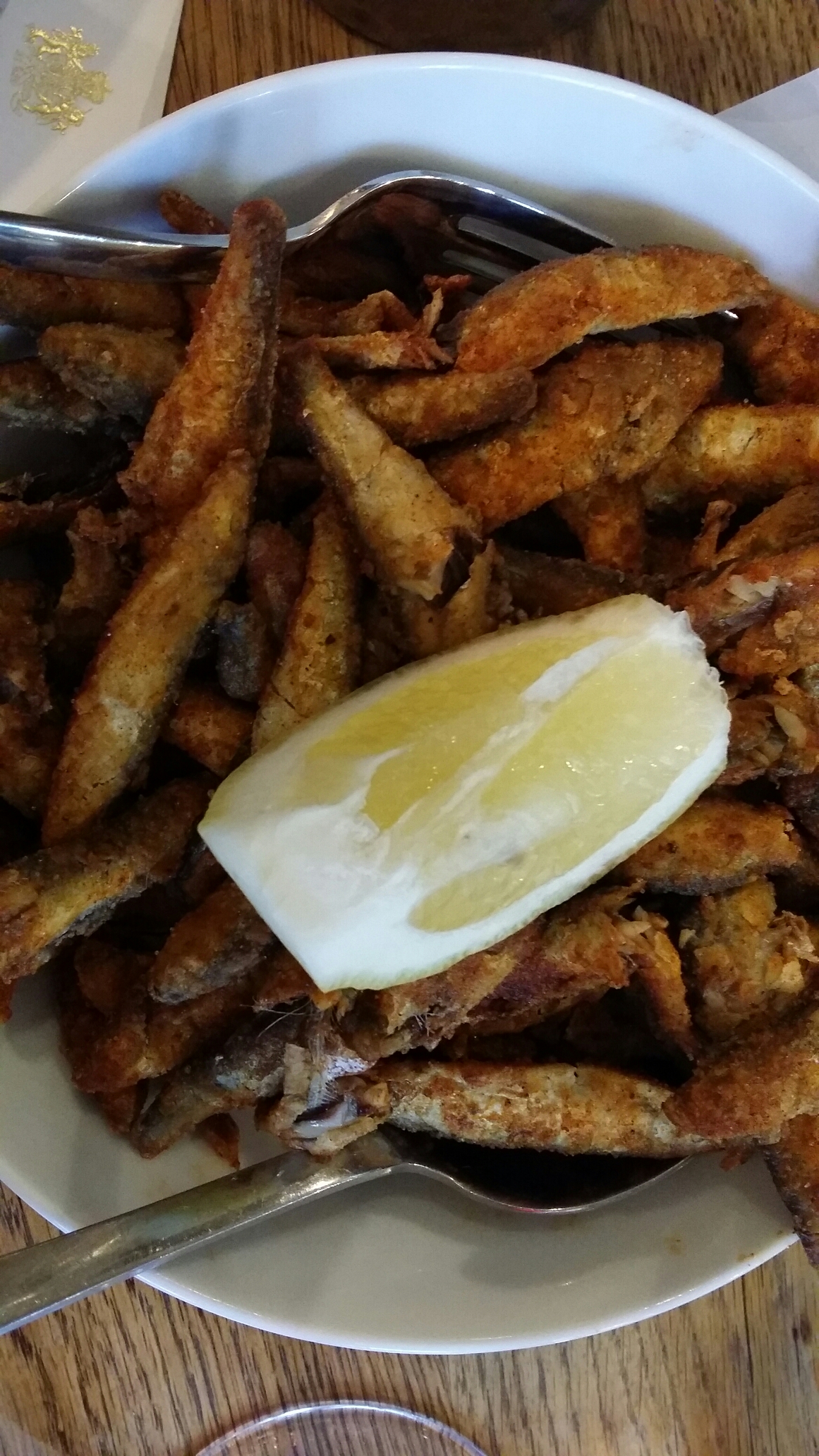
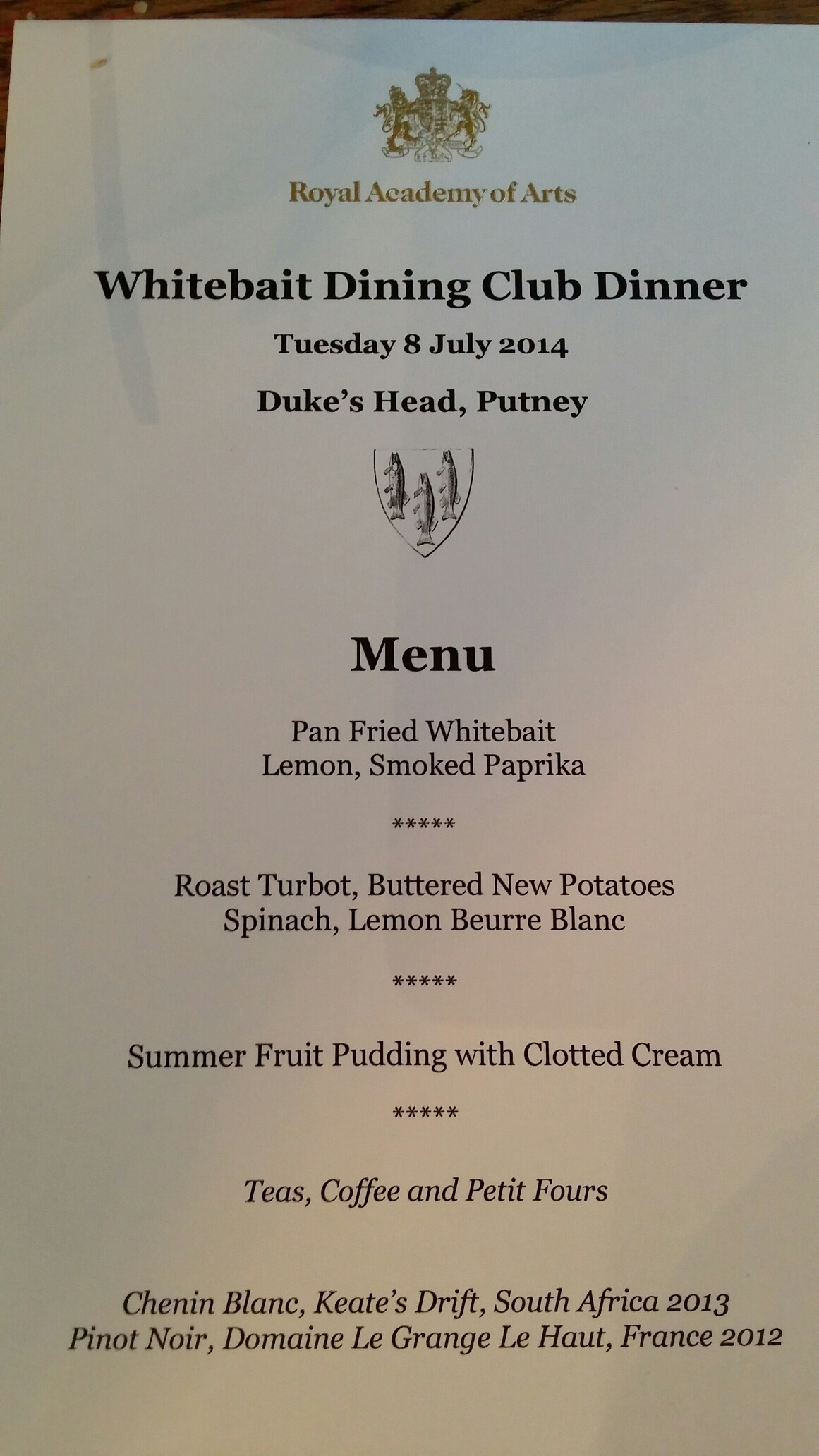
The RA has traditionally celebrated summer with a whitebait Dinner when a large group of RAs and their guests board a boat at Westminster Pier and go either downriver to Greenwich, as Turner did, or more often upriver to Putney, Barnes or Mortlake.   Farington describes an occasion in 1818 when a party of RAs visited Eel Pye House in Twickenham and then ‘a little after 3 oClock and about 4 we sat down to excellent fare brought from the Freemason Tavern under the management of a Clever Waiter.   We dined in the open at at one table and removed to another to drink wine and eat fruit’.   This year, a boat load of 80, more than ever before, went to the Duke’s Head tavern in Putney, an old boating inn, where, as is traditional, we consumed highly salted whitebait and white wine:

image

image Continue reading

Standard

Rafael Moneo

Rafael Moneo came from Madrid last night to give this year’s Annual Architecture Lecture at the RA.   He eschewed the usual format of talking about his own work and instead talked about the traditional involvement of the architect in history and theory, going back to the Vitruvian belief in commodity, firmness and delight and the writings of Albert, Serlio and Vignola.   There was much discussion afterwards as to how far it was a critique of Rem Koolhaas’s idea as expressed in his Venice Bienniale that architecture can be reduced to a kit of parts which can be assembled arbitrarily, without a sense of rootedness in building.   I certainly took it as a statement of belief in the role of analysis, the understanding of history and of the craft of building in intelligent architectural composition, as one might expect from the architect of buildings like the Museum of Roman Art in Mérida, the Kursaal in San Sebastián, and the recent extensions to the Museum of Fine Arts in Houston and the Prado in Madrid.

Standard

Tom Stuart-Smith (2)

We were invited to lunch by the Stuart-Smiths to see the wonderful garden they have made in a strange bit of countryside sandwiched between the M1 and Hemel Hempstead:  part semi-formal garden, part wilderness, with banks of high flowers in beds, a meadow planted with north American prairie plants and an immaculate vegetable garden.   This is the semi-formal garden:

image

image Continue reading

Standard

Wapping Pumping Station

Much as I salute the arrival of a new organic market in Wapping, I can’t help but lament the closure of Wapping Pumping Station, which was opened in 1977 as an arts venue with restaurant attached, called The Wapping Project.   It was an early sign of east end revival, on a lease with a restrictive covenant granted by the London Docklands Development Corporation.   It has now been closed and apparently sold to a property developer.   As Rowan Moore has pointed out in the Observer, it represents a considerable impoverishment of the public realm.   Maybe the market could take it over?

image

image Continue reading

Standard

Bacon

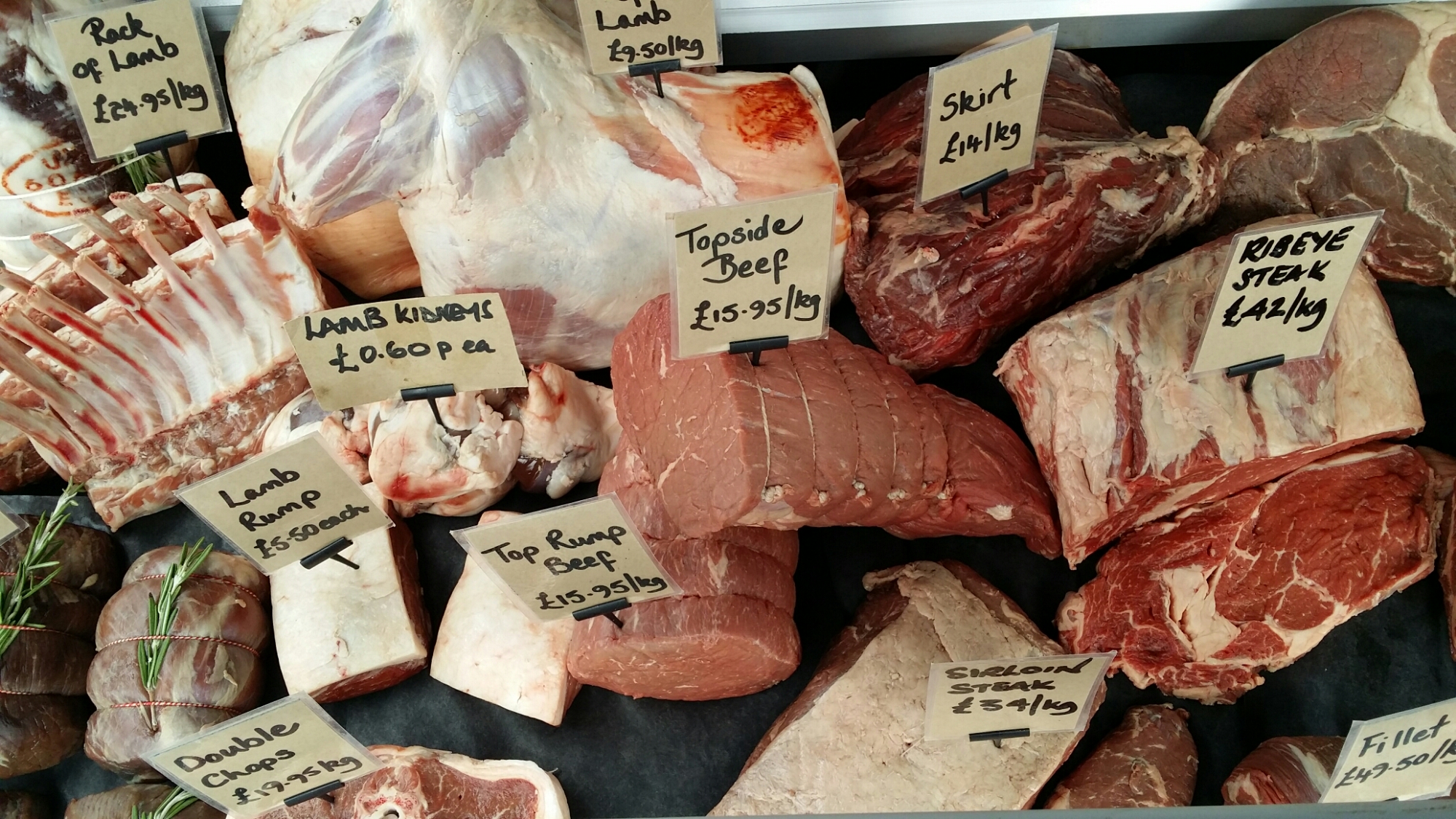
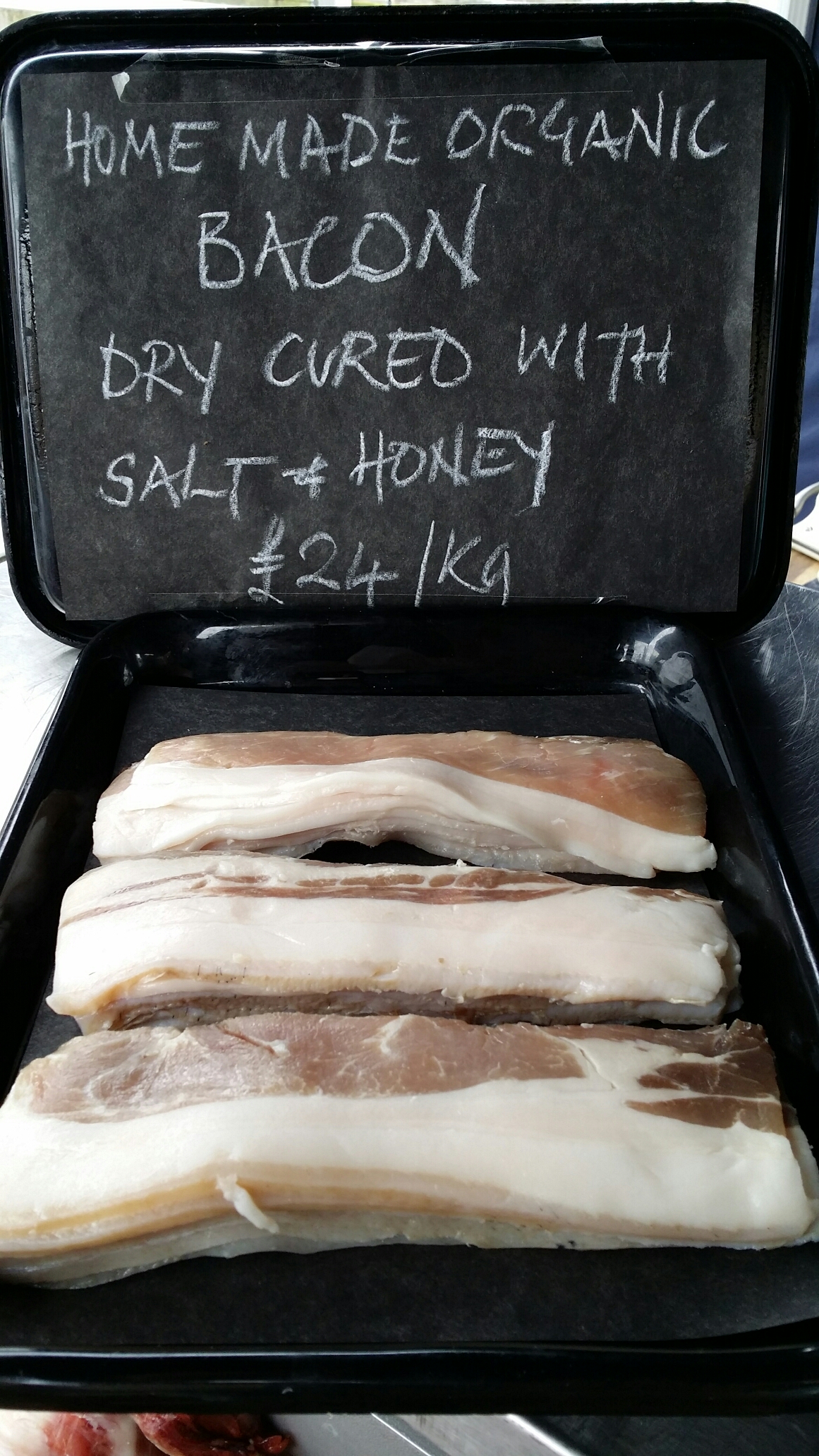
Following my recent blog in which I lamented the difficulty of obtaining decent bacon from the shops, I was very touched to receive a brown paper parcel from Marie Willey, the co-proprietor of Old Town in Holt, containing a small package of the best black treacle bacon from Allards in Bull Street.   But Marie needn’t fret, because I can now get bacon as well as Merguez sausages every Sunday from Wapping Market, where Jacob’s Ladder, a farm in the Ashdown Forest, have set up a stall normally only to be found at Druid Street:

image

image

Standard

Warburg Institute

I arranged with the Warburg Institute to take my son to visit its library and archive.   I had scarcely been back since I was a postgraduate student there in the late 1970s.   Little has changed:  the open access stacks of the library arranged according to Warburg’s intellectual principles, such that a Renaissance treatise is shelved next to the latest offprint;  the gunmetal grey filing cabinets of the Photographic Collection where I worked every Friday.   I had never seen the archive which was established in the early 1990s to make Warburg’s own papers more publicly available.   They still have serried ranks of card index boxes in which Warburg developed the intellectual system of his ideas, neat little rows of notes interleaved with articles, images and transcripts from early twentieth century books and journals.   What comes across is the continuing relevance of Warburg’s ideas and the intellectual integrity of the library as a whole, which makes it more baffling that London University should have challenged the terms of the Warburg family’s 1944 deed of trust in court.

Standard

Bellevue Place

As it was sunny this morning, I took a short detour to visit Bellevue Place, previously known as Bunghole Alley, one of those strange, secret pockets of the old East end, where one imagines artisan engravers might have lived.   It’s tucked in behind what was Wickham’s department store, the Selfridge’s of the east end.   I first visited it in 1971 with Nairn’s London in hand.   One enters by a metal door which I expected to be locked and finds an overgrown cul-de-sac full of summer flowers:

image

image

Standard

Royal Artillery Memorial

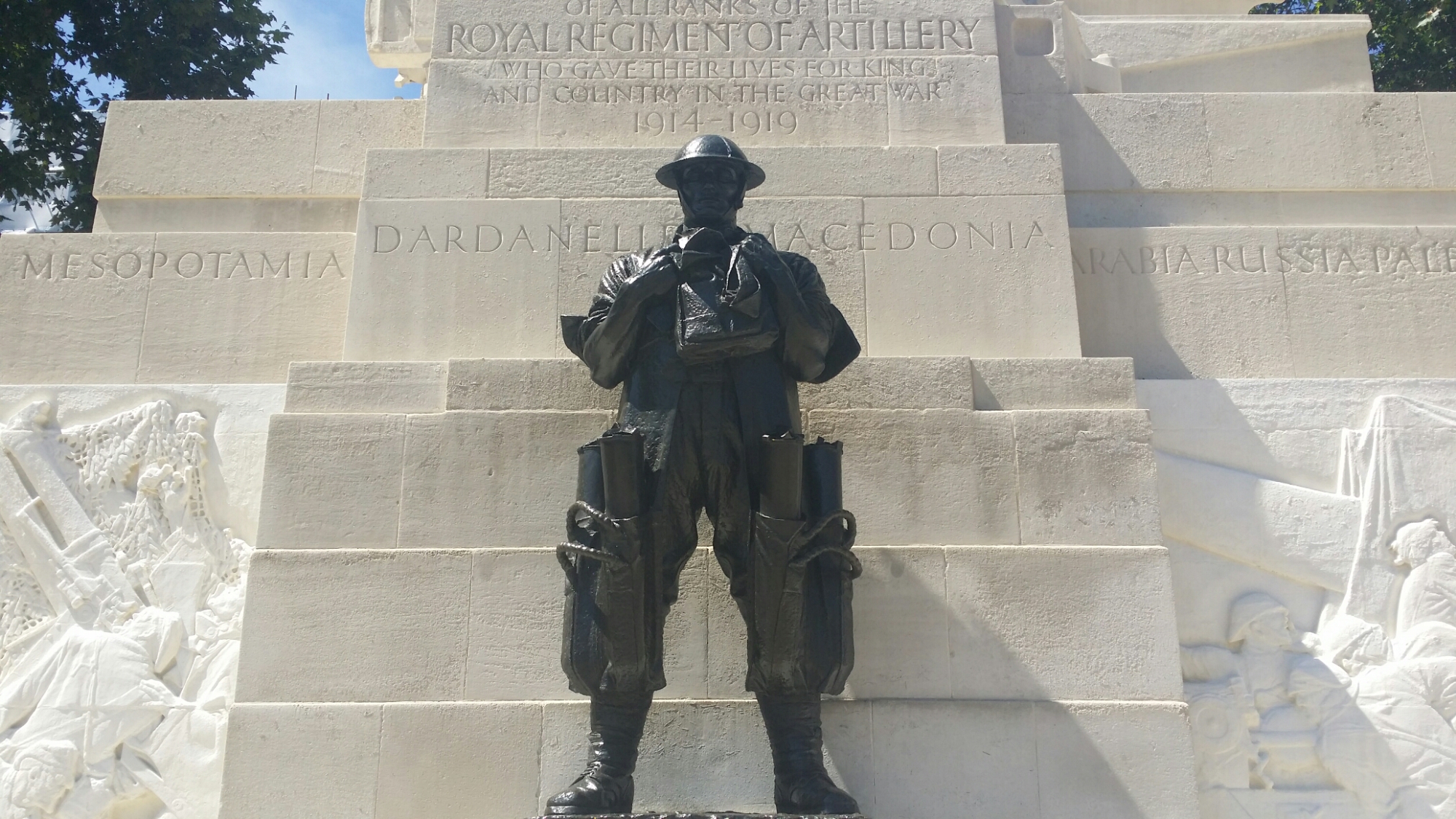
I occasionally walk across Hyde Park to or from my dentist.   Today, it meant that I found myself crossing Hyde Park Corner at lunchtime, giving me an opportunity to admire Charles Jagger’s astonishing monument to the artillery in the first world war.   I know that everyone else already knows and understands the historical and artistic significance of this work.   But, seen in the midday sun, I found it very moving to see this great monument to the suffering of the Great War, the names of the battlefields carved in stone, the single soldiers standing in commemoration, the bas reliefs showing scenes of battle.   It’s a gun salute in stone:

image

image Continue reading

Standard