Burlington Gardens Façade

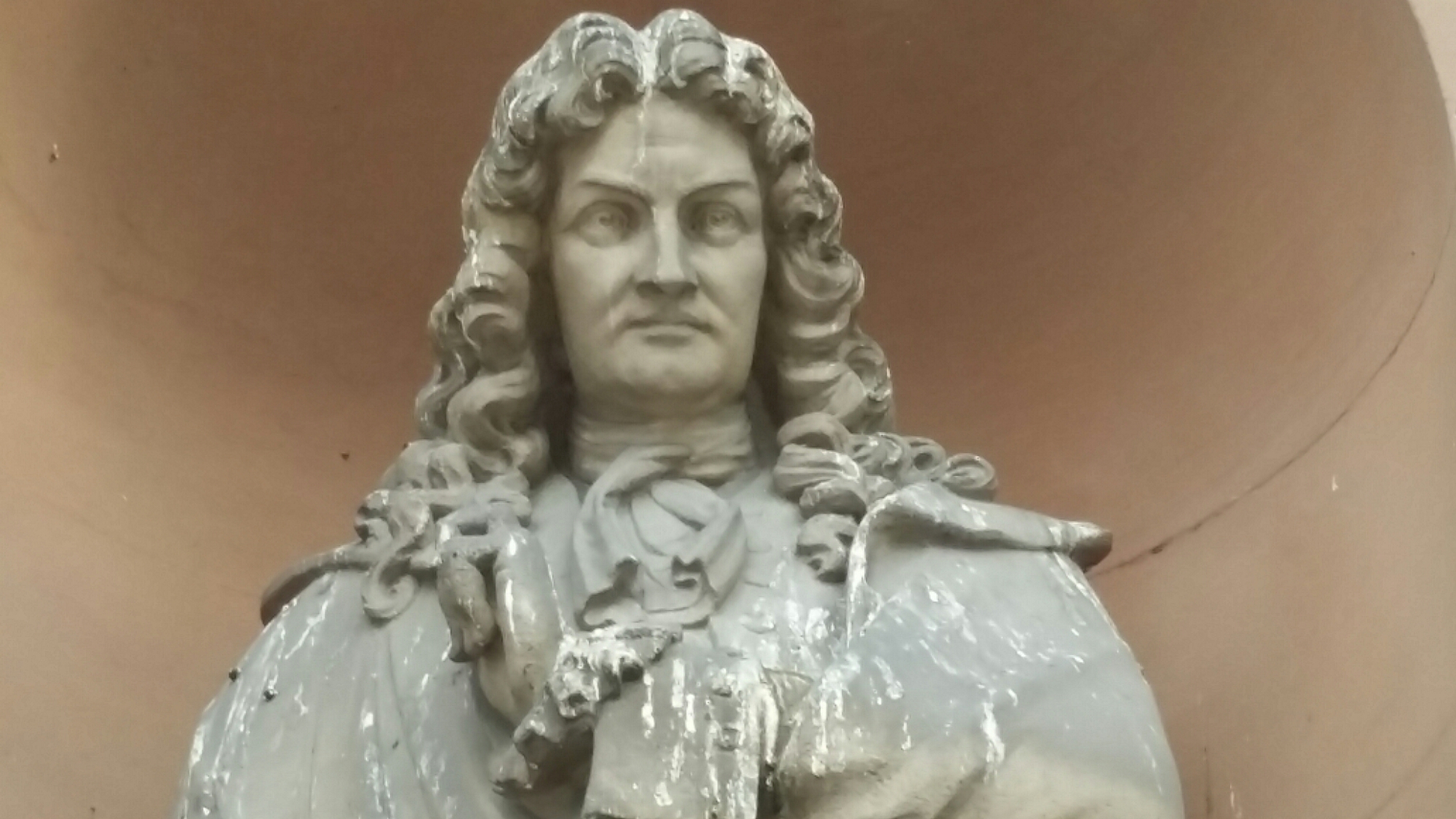
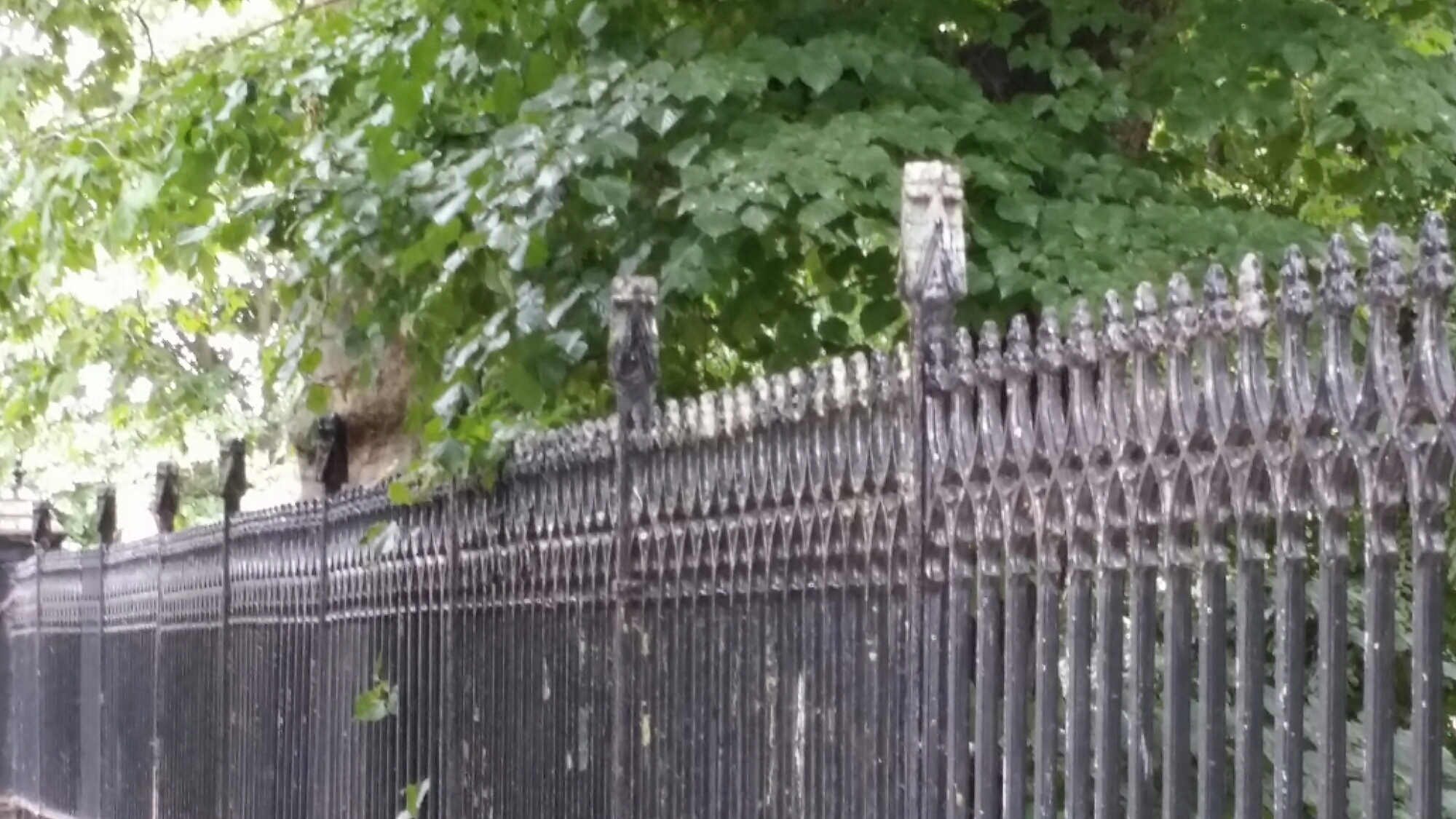
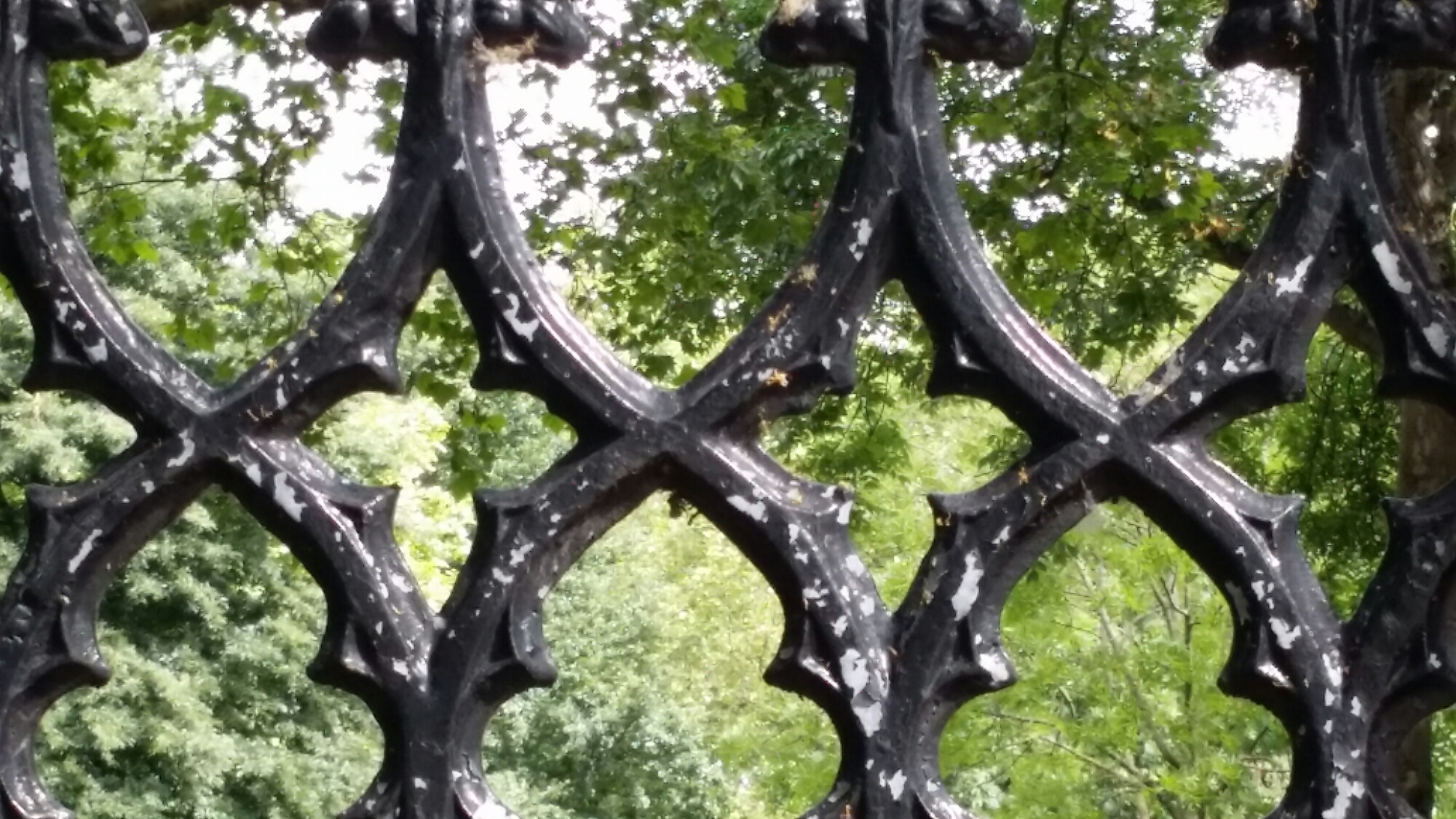
One of best features of the building we occupy on Burlington Gardens is the statues on the façade:  serried ranks of figures from the British and European past (‘English worthies’ and ‘illustrious foreigners’) whose subject specialisms – art, science, medicine and law – reveal that the building was originally designed as the headquarters of the University of London.   As part of David Chipperfield’s plans for the renovation of the building, we’ve just had Linnaeus restored.   It shows how wonderful the building will look once the façade has been properly cleaned and repaired, the bird shit removed, and the building restored to its full mid-Victorian, late neoclassical glory.   Here is Linnaeus:
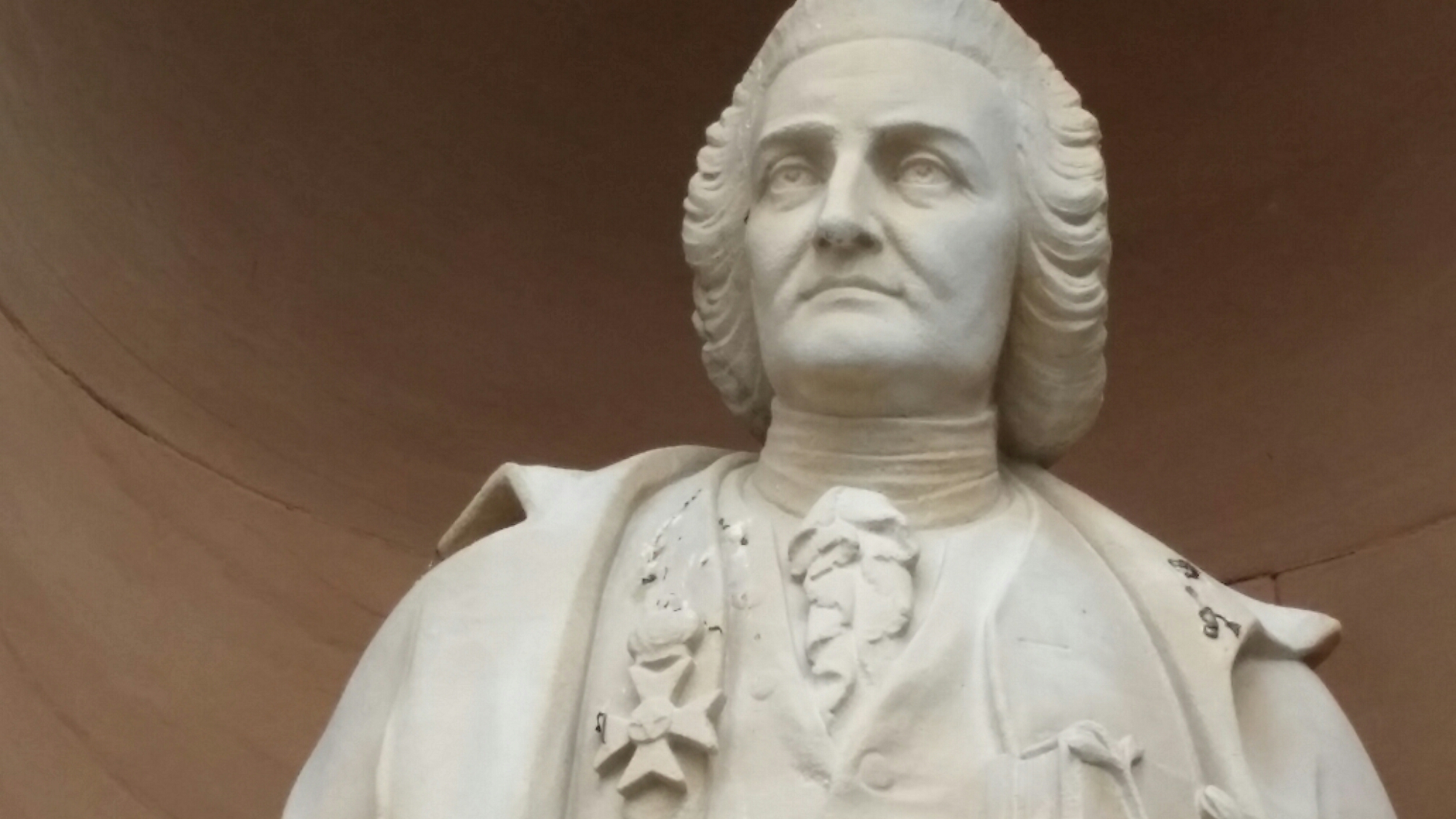
image

Here is Leibnitz unrestored:
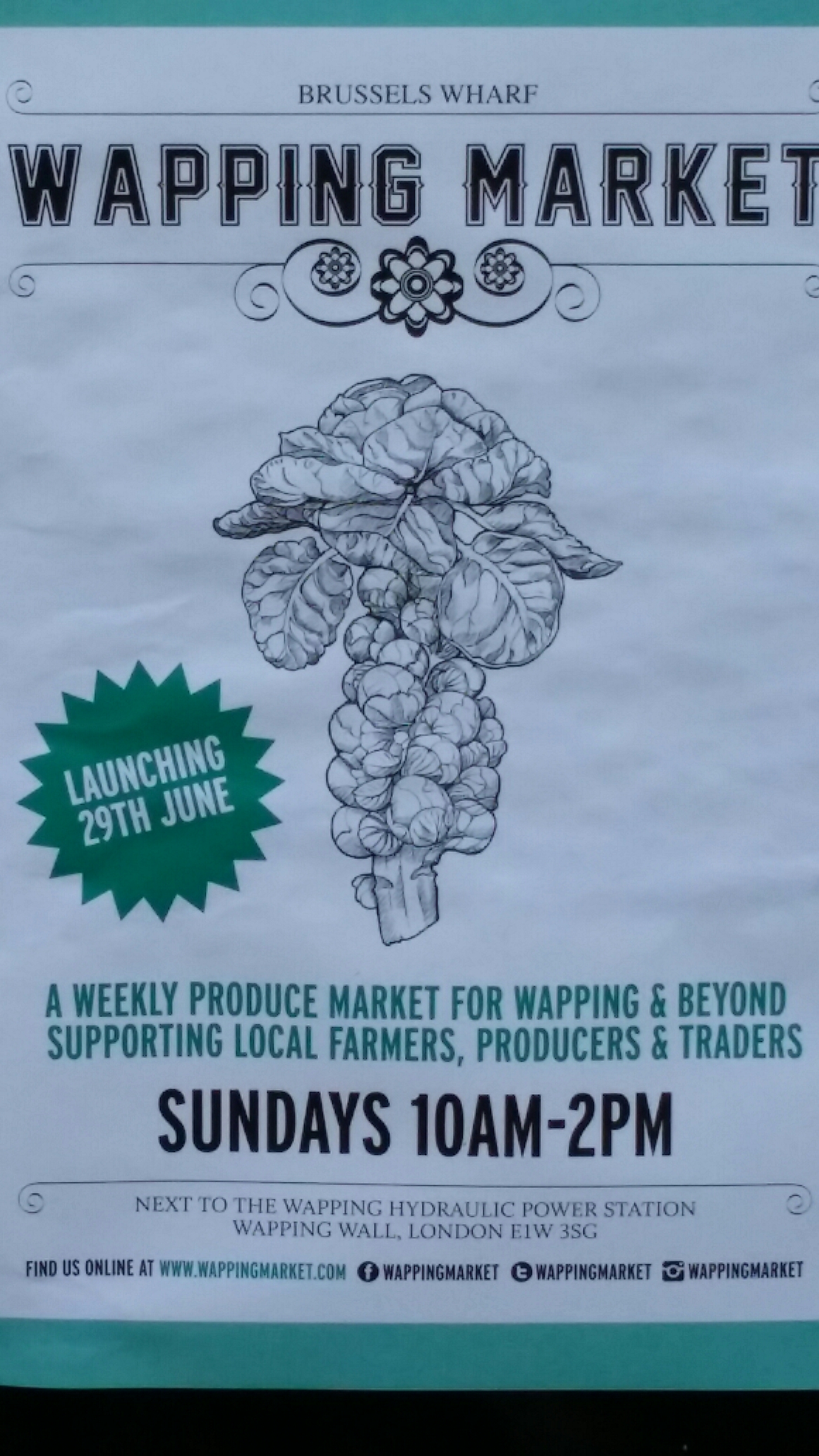
image Continue reading

Standard

Burlington House Roof

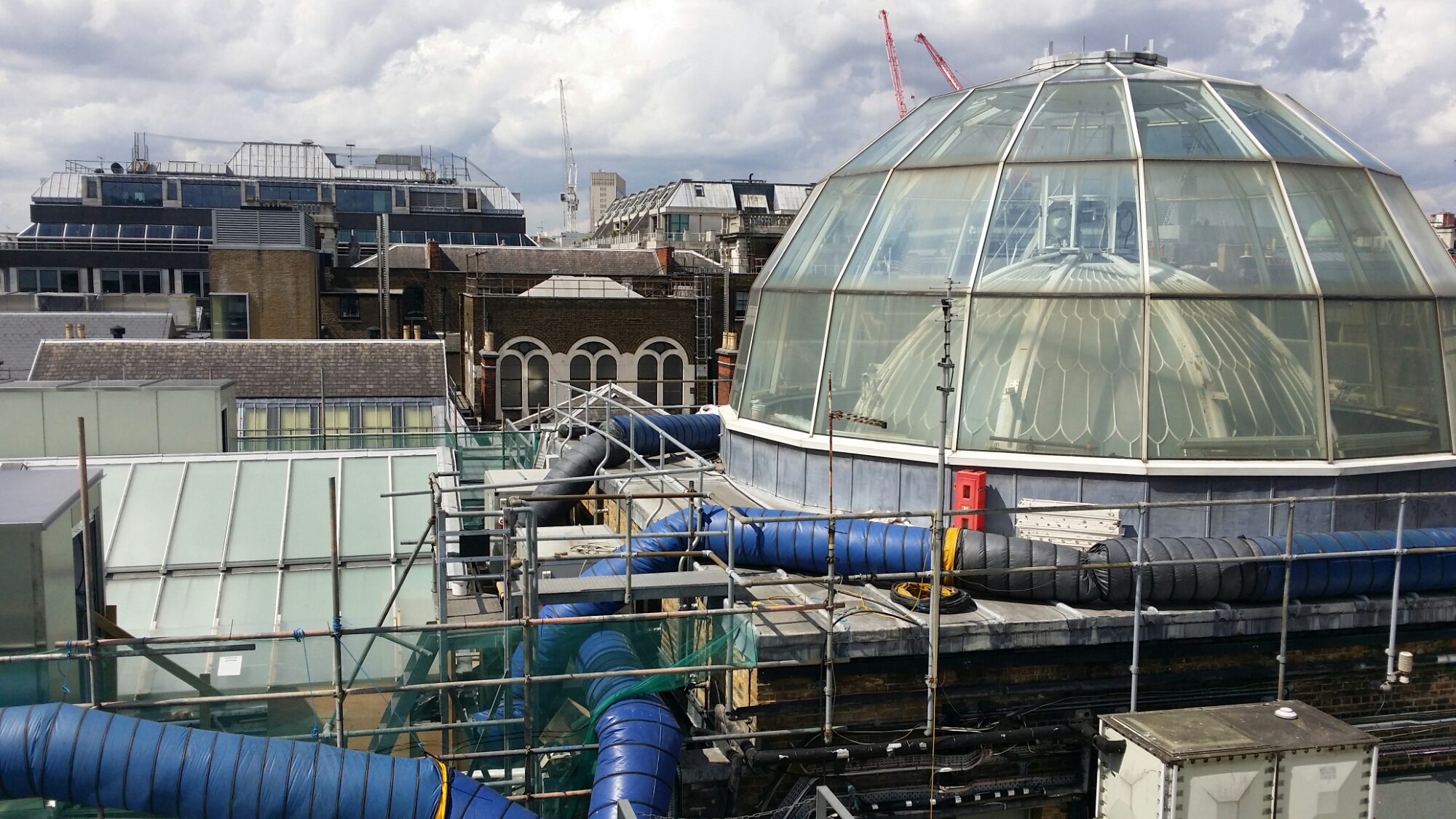
I arranged to take some patrons up onto the roof of Burlington House this evening in order to show them the scale of the site and the significance of our plan to connect Burlington House to the old Museum of Mankind building in Burlington Gardens.   It was originally all one site, with a courtyard in front of a mansion built in the 1660s, transformed in the early eighteenth-century by Lord Burlington and sold to the government by the Duke of Devonshire in 1854.   Richard Carew-Pole who is leading our fund-raising says the site as a whole is the same size as the British Museum.   Oddly, I had scarcely been onto the roof before last week:

image

image Continue reading

Standard

Radical Geometry

Today has been preoccupied by the opening of our exhibition Radical Geometry:  Modern Art of South America.   It’s a period of art with which I was wholly unfamiliar:  abstract, lucid, strongly idealising, politically motivated, bringing the language of modernism from the Bauhaus to south America.   I particularly like the wonderful third room which includes playful, wire, polyhedral sculptures from a group of Venezuelan artists called The Dissidents.   The work all comes from the collection of Patricia de Cisneros in New York and the curators are both graduates of the Latin American studies programme at Essex University.

Standard

Rooftops in Bond Street

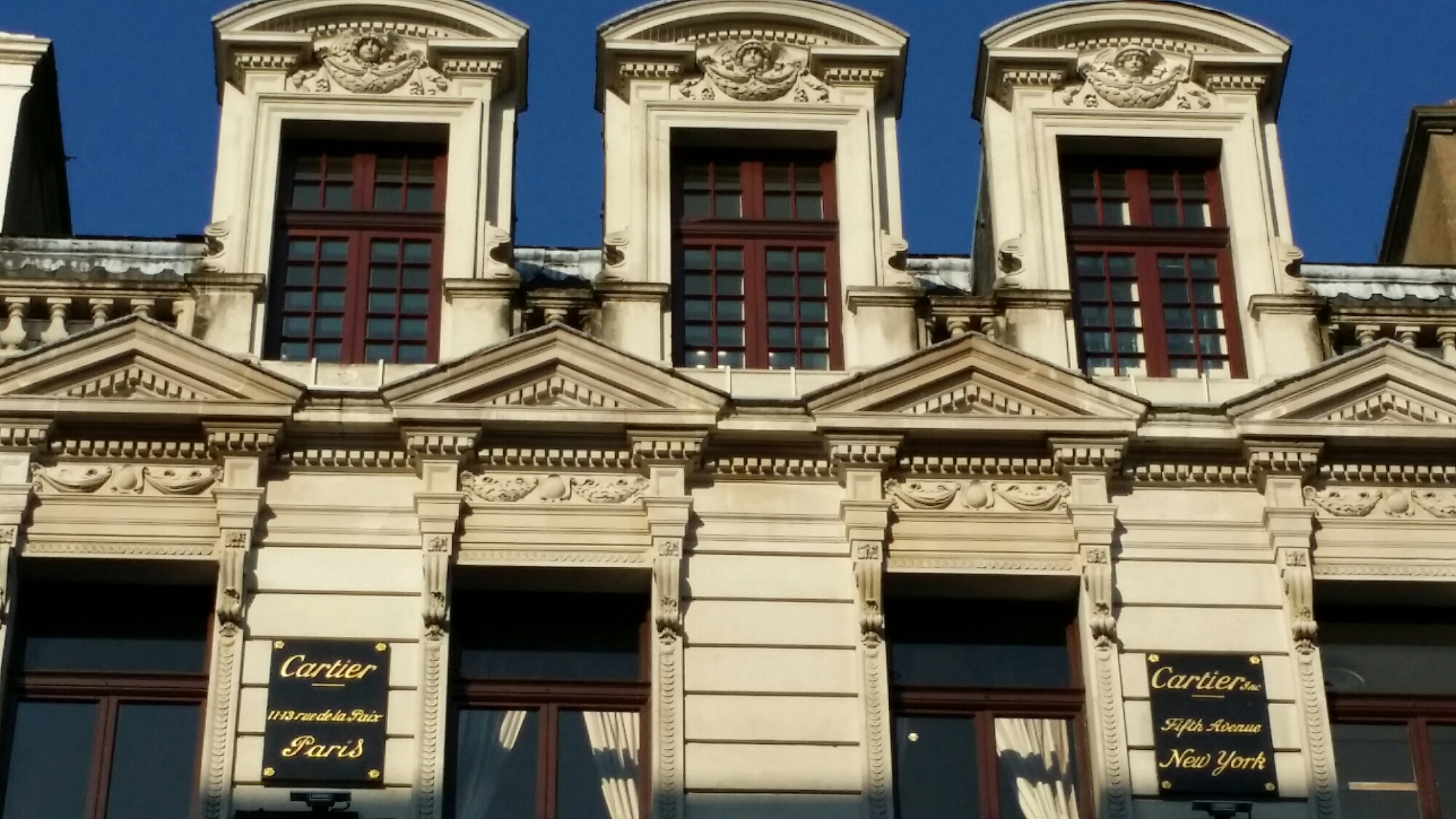
One of the consequences of writing my blog is that I’ve become more attentive to my surroundings.   This morning in the course of my short walk to breakfast I noticed the rooftops all in the space of roughly 100 yards of the junction of Bond Street and Burlington Gardens.   Of course, I should have noticed them long ago:

image

image Continue reading

Standard

Sir Christopher Wren

I went to a wonderful talk last night by Lisa Jardine in conversation with Patrick Wright about St. Paul’s.   She made the case for Wren having inherited the high church, royalist interests of his father, who was Dean of Windsor and preserved the Garter ceremony through the civil war, and his uncle, Matthew, who was Bishop of Ely.   Her view of St. Paul’s is that it is concerned with artifice and theatre, a work of the baroque, as evident in the false outer wall of the chancel which disguises a thinner interior and in the false outer dome concealing a smaller inner dome.   I’m not totally convinced.   I’ve always thought of Wren as more interested in solving issues of construction than in creating strong visual effects,  belonging to the generation of the Royal Society more than Archbishop Laud, a friend of Hooke, of course, interested in science and optics more than theatre:  big on masonry too.

Standard

Lunchtime at the Wallace Collection

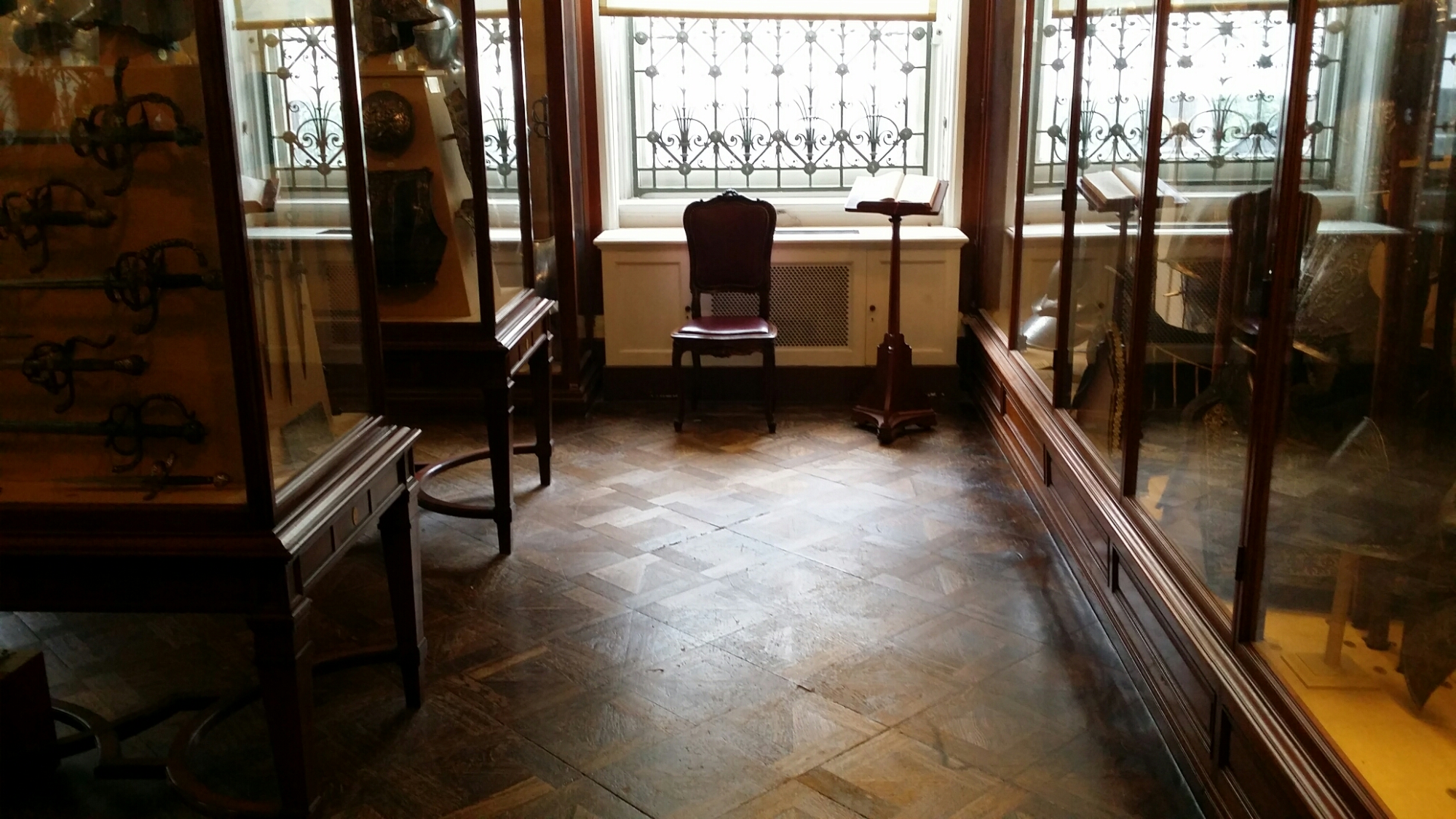
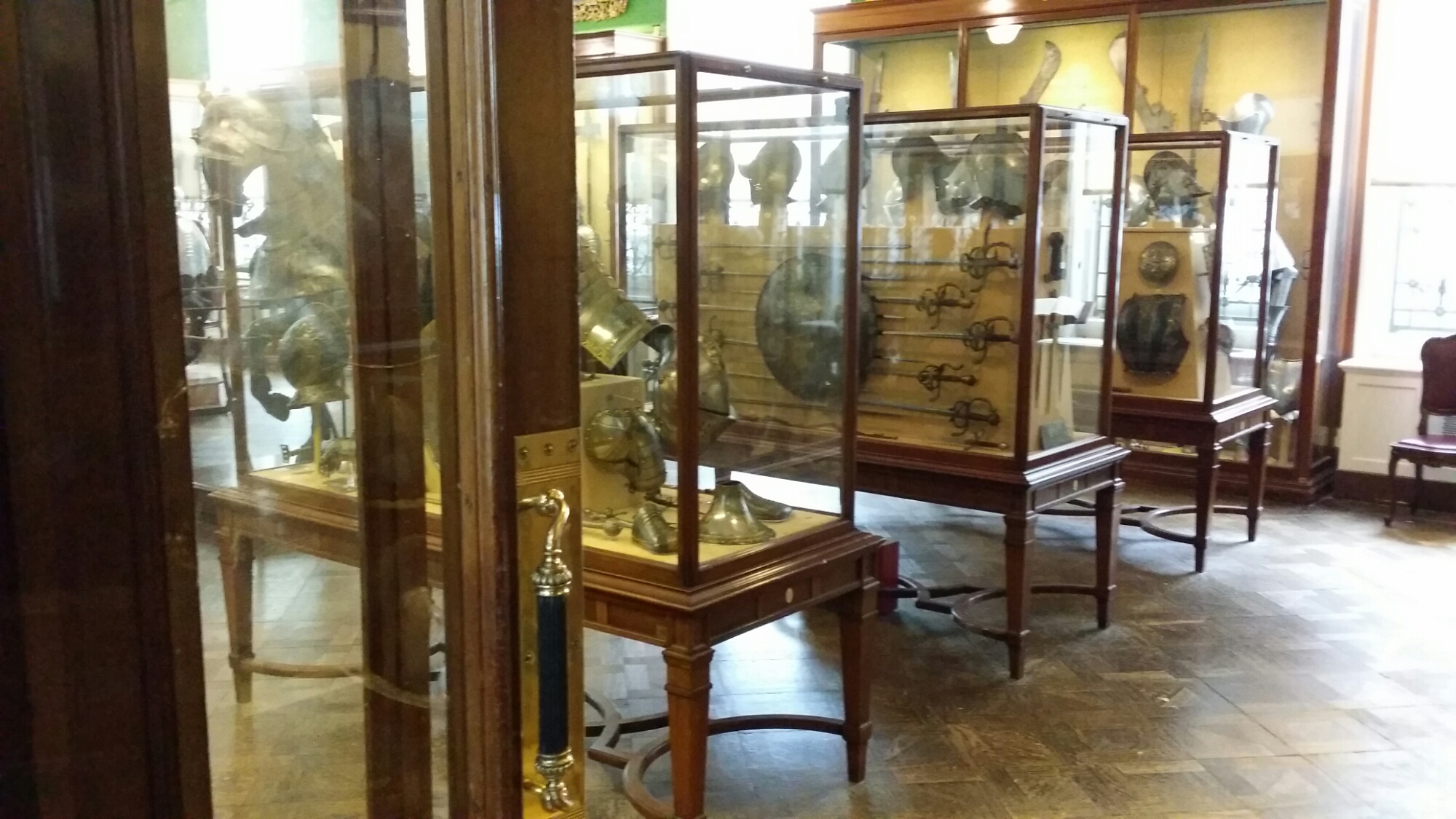
I omitted to mention that at lunchtime yesterday we went to visit the arms and armour galleries at the Wallace Collection, which we were pleased to discover are wholly unmodernised, a style of museum display which is now wildly out-of-fashion, presumably as laid out when Hertford House first opened as a public museum in 1900 and presided over by Sir James Mann, who wrote the catalogue:

image

image Continue reading

Standard

A Day at the Wigmore Hall

It’s unusual that we go to morning and afternoon concerts at the Wigmore Hall.   In the morning, we went to a concert by Melvyn Tan, the elfin Singaporean pianist, who was playing the fortepiano.   He started with a Beethoven piano sonata (opus 2, no. 3), which sounded unexpectedly eighteenth-century on a fortepiano.   He then played a sonata by Johann Gottfried Müthel, J.S. Bach’s last recorded pupil.   The score had been discovered in the Montagu music collection at Boughton, bought by Elizabeth, Duchess of Buccleuch, a keen amateur pianist, in the late eighteenth century and never played since.   He ended with more Beethoven (opus 31, no.3), played fortissimo.   In the afternoon, Iain Burnside accompanied two full voiced Russian opera singers, Ekaterina Siurina and Rodion Pogossov, in a programme of grand and gloomy Rachmaninov songs, wholly appropriate to the fin-de-siècle atmosphere of the Wigmore Hall (it was designed by Thomas Colcutt in 1901 for the piano makers Bechstein).

Standard

The Grange

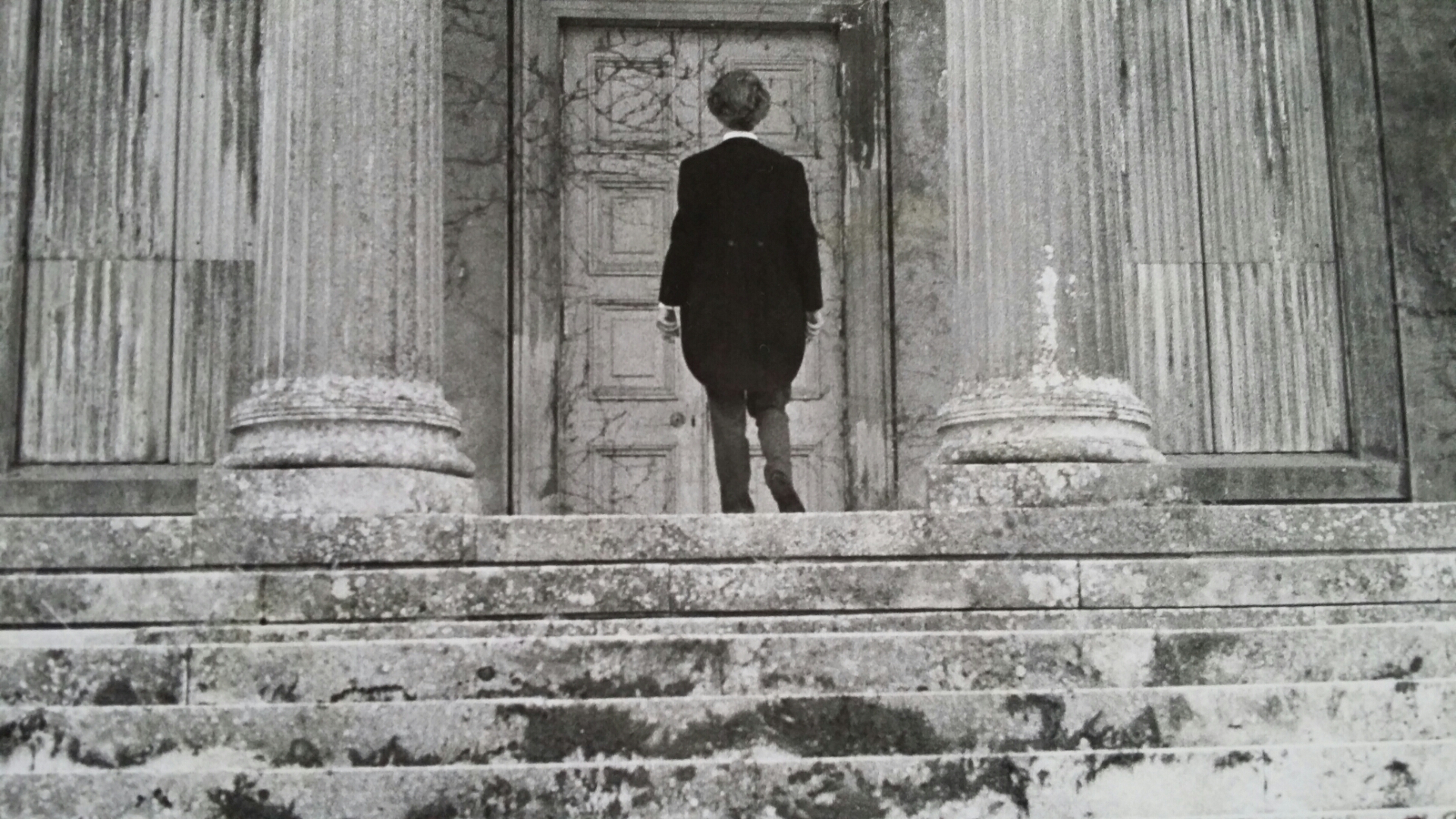
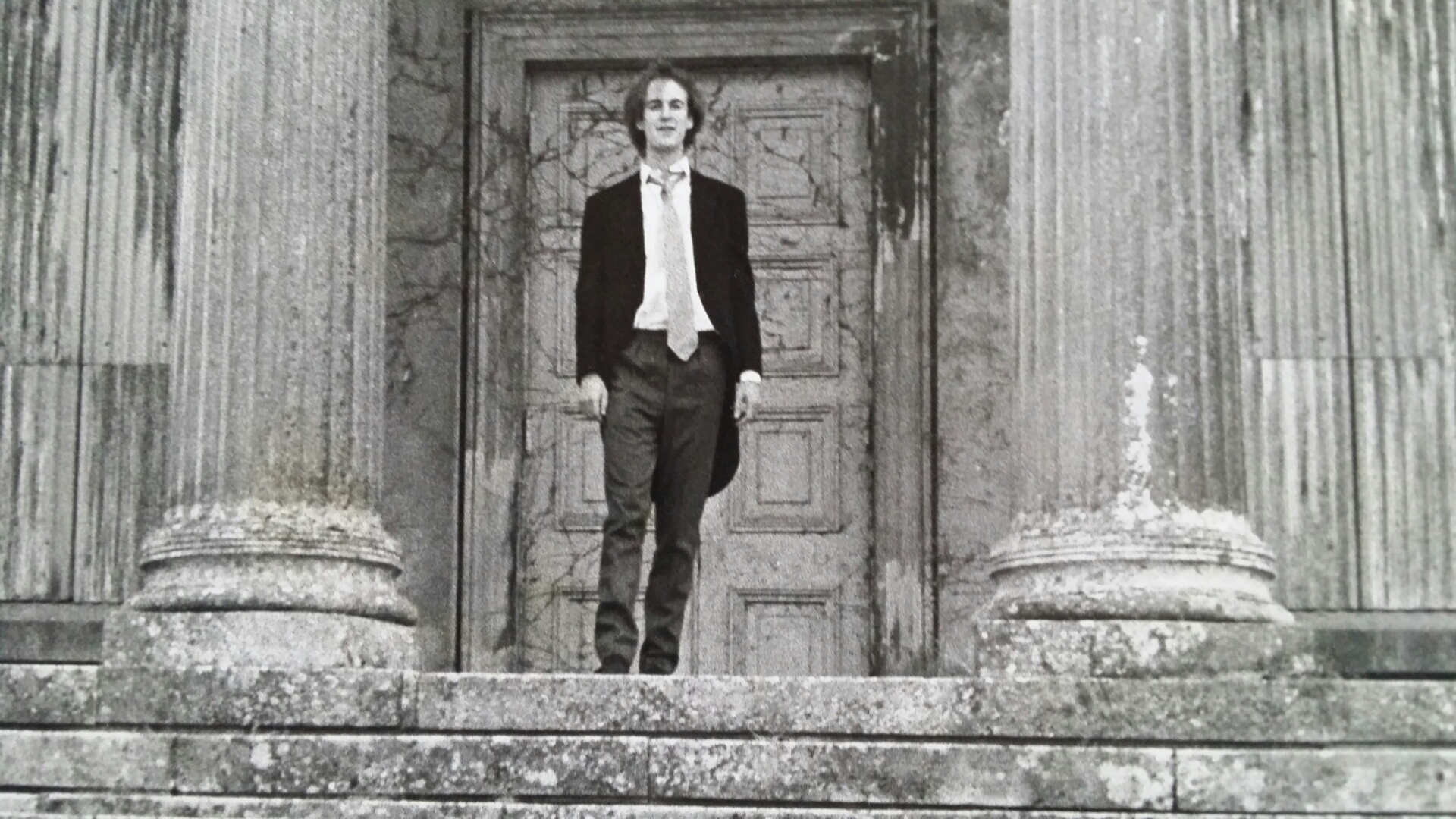
I love the Grange, William Wilkins’s great Greek Revival mansion in a secret valley outside Winchester.   We have been going ever since we visited in 1978 when we wandered round the ruins in morning dress:

image

image Continue reading

Standard

Wapping Market

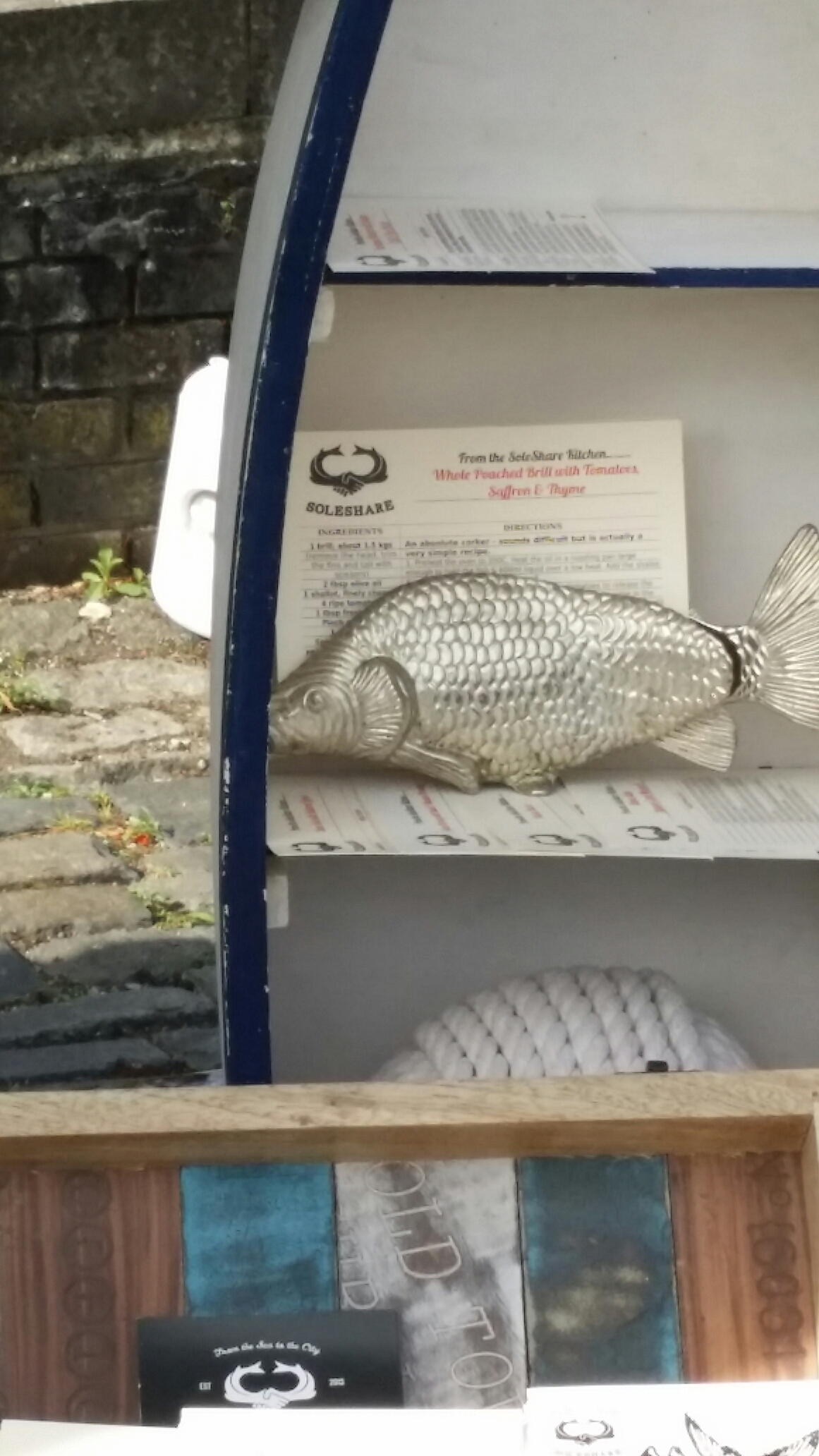
We were just remarking how difficult it is now to buy good quality bacon (the decline of the butcher/the feebleness of supermarket bacon), when, lo and behold, we saw a farmers’ market rise up before us on the wharves of London dock.   It’s the first day of a new farmers’ market just next to Wapping pumping station:  fresh fish available in boxes (Soleshare), organic vegetables, flat bread, van food and Ruby Violet’s handmade ice cream:

image

image Continue reading

Standard

St. Dunstan’s, Stepney

Most weekends I walk through the churchyard of St. Dunstan’s, Stepney, the medieval church which was at the heart of the first village on the cattle road out to Essex.   It has exceptionally fine, early Victorian ironwork railings, which somehow escaped being removed in the war.   An inscription states that they were the work of Deeley and Clarke in Whitechapel, a local iron foundry based at Buckle Street.   They were installed in 1844:

image

image Continue reading

Standard