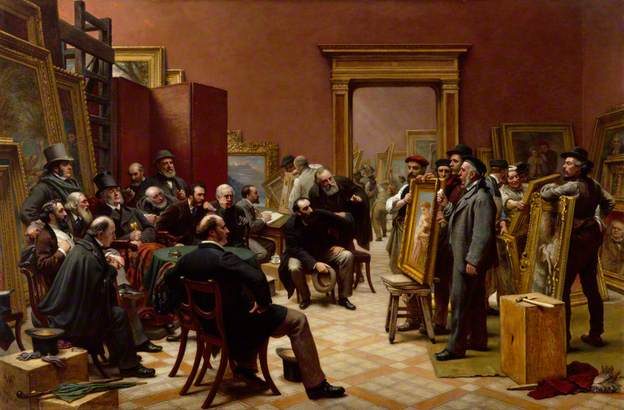
In honour of the many Friends of the Royal Academy who have kindly looked at my blog today (I’ve had record numbers of visitors) I am doing a second post related to the history of the Summer Exhibition. It’s a picture of the process of selection as painted by Charles West Cope in 1875. It’s one of the stars of the exhibition of our collection currently on in Bendigo outside Melbourne, Australia (see previous blogs). It tells one so much about the nature of the high Victorian RA. The artist was named after Benjamin West (his sister was named after Turner) and he was Professor of Painting in the Royal Academy Schools. He is in the background, bald and bearded. The then President, Sir Francis Grant, leans back in his chair, whiskered and supercilious and wrapped in a rug. In the front, Millais has taken off his top hat and put it on the floor in front of him. My predecessor, Sir Frederick Eaton, is dutifully taking notes. The whole scene exudes a sense of the authority that the Academy held in 1876, when the Academicians were all wealthy, selling their works to industrialist and nouveau riche collectors.
Tag Archives: England
A hanging lunch
This is the season when the annual Summer exhibition is hung. Wandering round the galleries in the morning, members of the committee are busy with the difficult task of selection of pictures and sculpture for whichever room they are hanging, intent on doing the best for the Royal Academicians, their peers, for the open submission, and, not least, for the public. Each year I am impressed by how deeply seriously they take it – how to make the best possible display, how to show as many works as is practical without overloading the rooms, how to balance works by known artists and unknown, how to grapple with the tricky individual works. At 11, they are fortified by beef tea (reputedly, a mixture of sherry and bones). By lunchtime the artists involved in the hanging need fortification. They retreat to the General Assembly Room. This scene of Academicians having lunch during the hang was painted by Frederick Elwell (he’s standing up on the left) in 1938, lots of old men sitting round the table with their cigarettes and cigars. Nowadays lunch is quicker and much less formal, self-service and tough beef. It concentrates on the problems of the hang, but also includes a bit of RA gossip, which is why I always like this time of year.
Lynn Chadwick
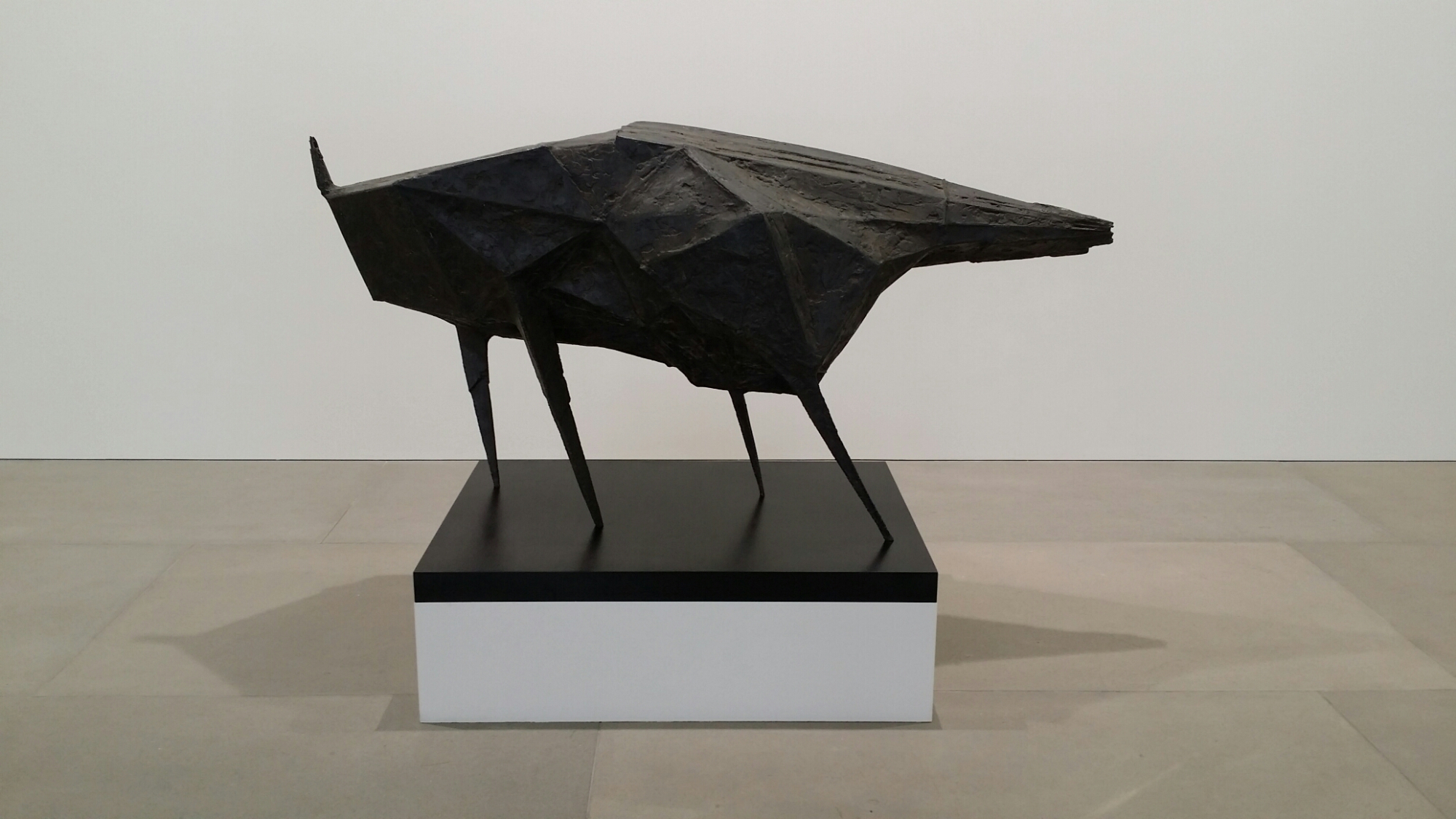
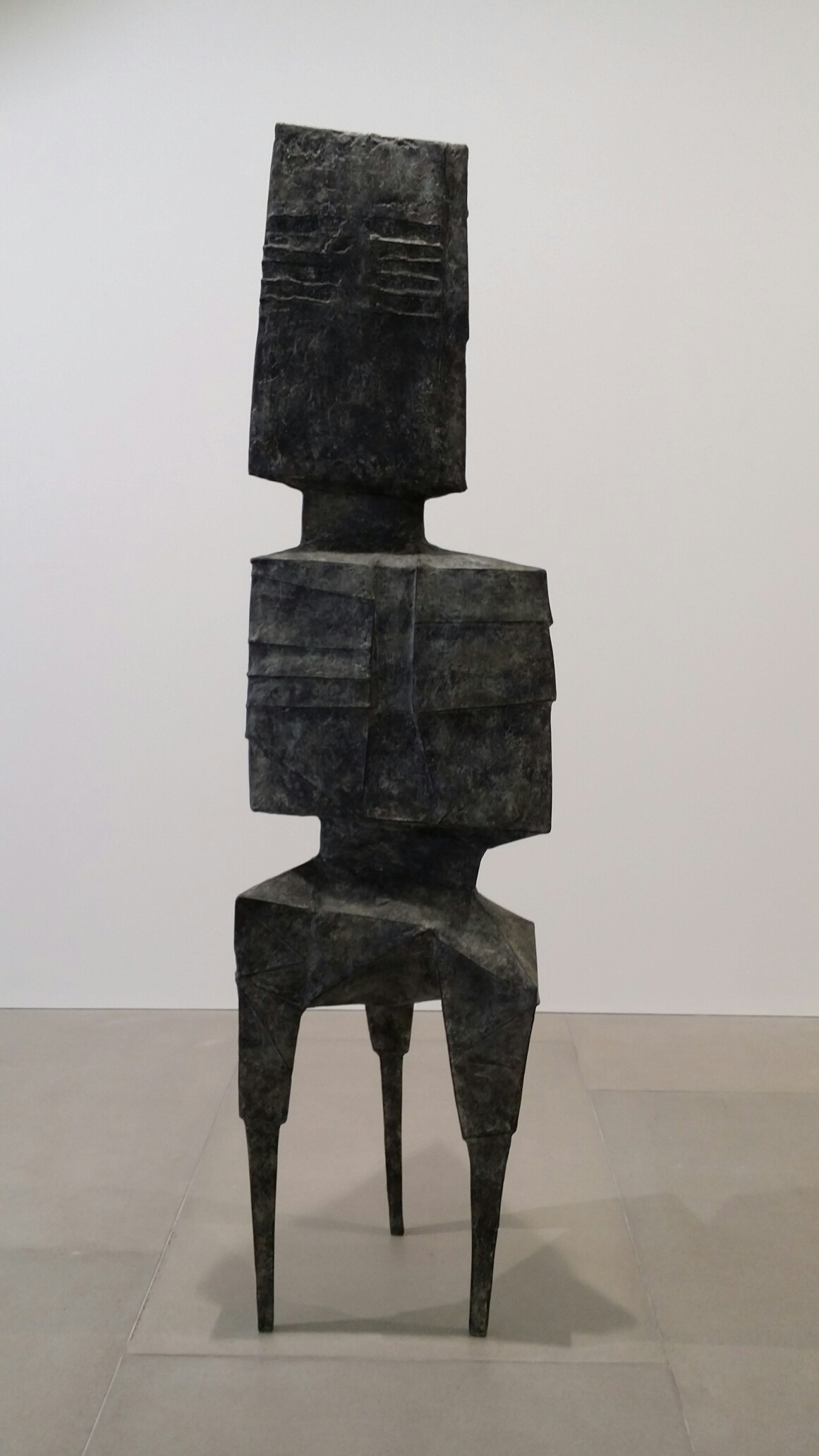
I popped in to the Lynn Chadwick exhibition at Blain Southern on my way back from work last night. It complements a display of his more monumental pieces in the Royal Academy courtyard. I remember going to Nether Lypiatt, Chadwick’s Gloucestershire estate, and bombing round in a Land Rover looking at works, aliens in a lost magic valley. His works have not lost their strangeness, like anthropods from a third world: ungainly beasts, half naturalistic and half space age. He is nowhere half so well remembered as Hepworth and Moore, but it’s good that we’re being encouraged to look at the work again.
Public Catalogue Foundation
I’ve just been to a party to celebrate the completion of the printed edition of the Public Catalogue Foundation. It was an amazing occasion including Fred Hohler, the original impresario who made it all happen, Andy Ellis, who has driven the machine behind Fred which has created the digital version, Tessa Jowell, who gave the speech when it was first launched at the National Gallery, David Mills and Robert Hiscox, who were amongst the first Trustees, and assorted friends, allies and especially loyal donors. Many people, including sometimes me, were sceptical that it would ever be finished. Now it has been done, all 96 published volumes, which have been the engine behind a systematic national inventory of oil paintings. Hurrah for Fred !
Catherine Goodman (7)
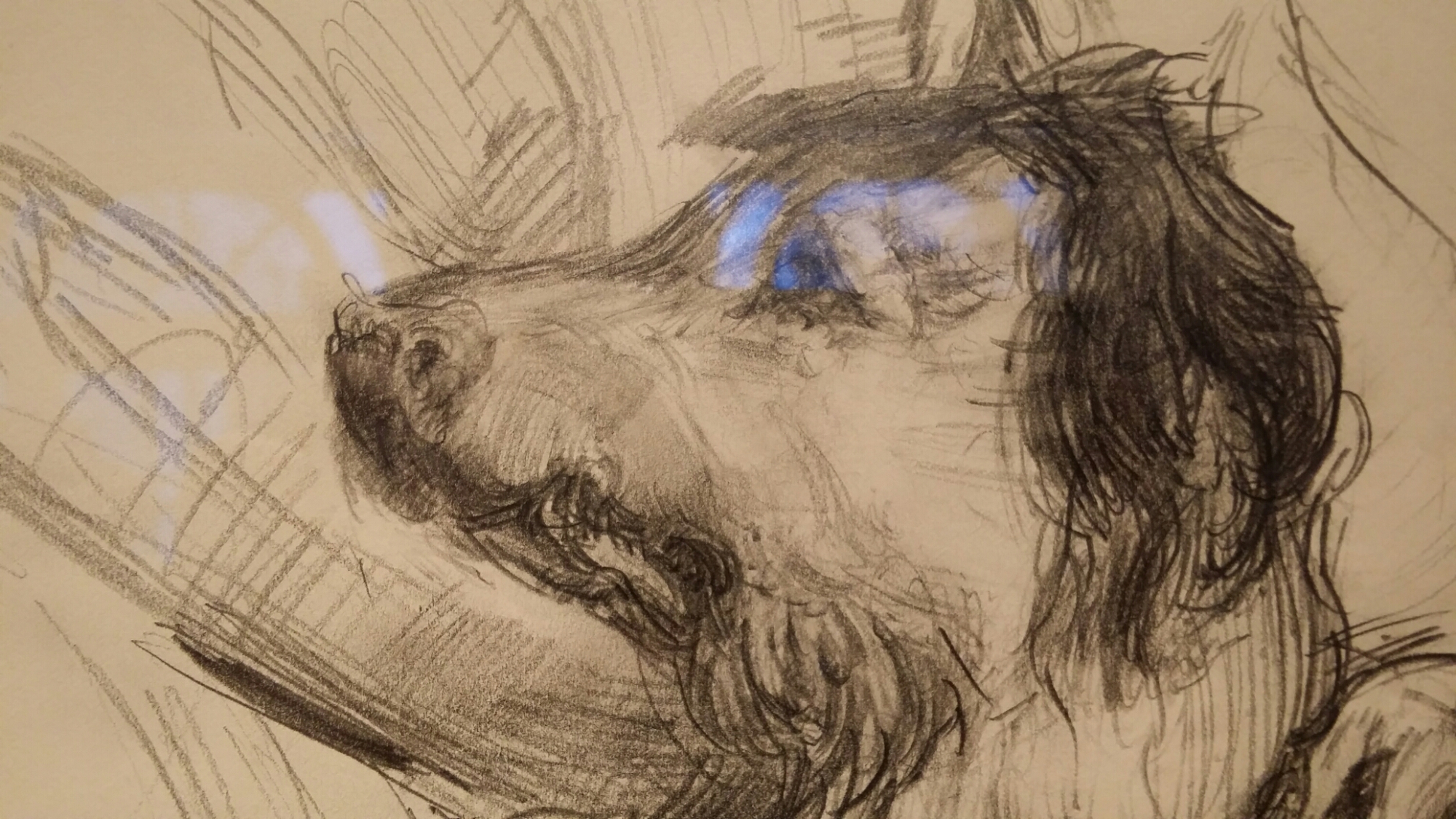
Readers of my blog will be relieved that this post is not about another sitting in which I am unable to document any progress on my portrait (sittings have lapsed over the last fortnight while I have been on holiday), but instead about Catherine’s exhibition Drawings from Veronese which is being held a long way upstairs at Colnaghi’s in Bond Street. When she is not doing portraits for her exhibition and directing the programme of the Prince’s Drawing School, she haunts the National Gallery and other public collections. Drawings from Veronese is not just timely because of the National Gallery’s exhibition, but the result of several years of close observation and visual record of Veronese’s paintings. It’s also a test of one’s knowledge of the paintings. Spot the dog:
Devon
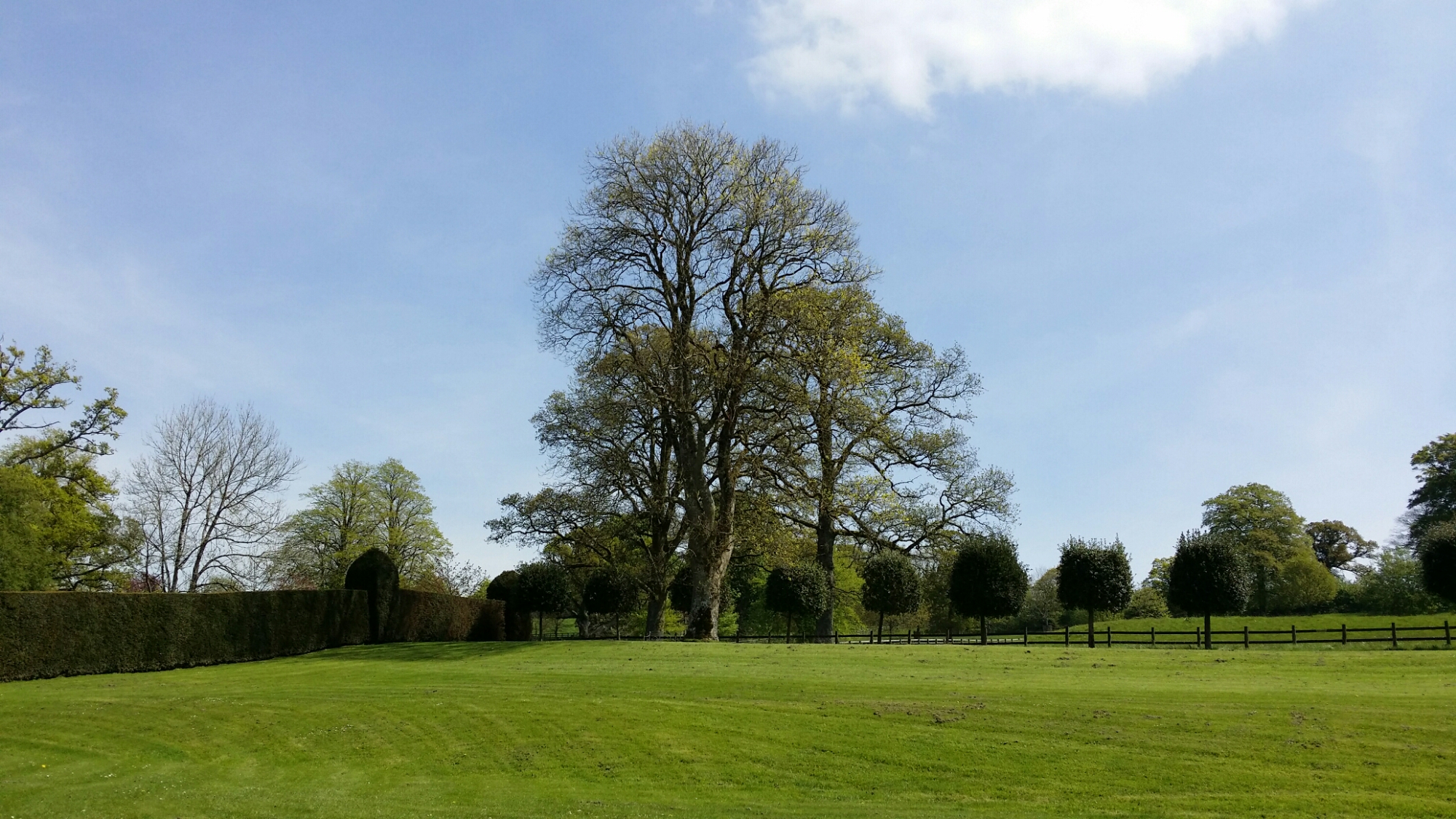
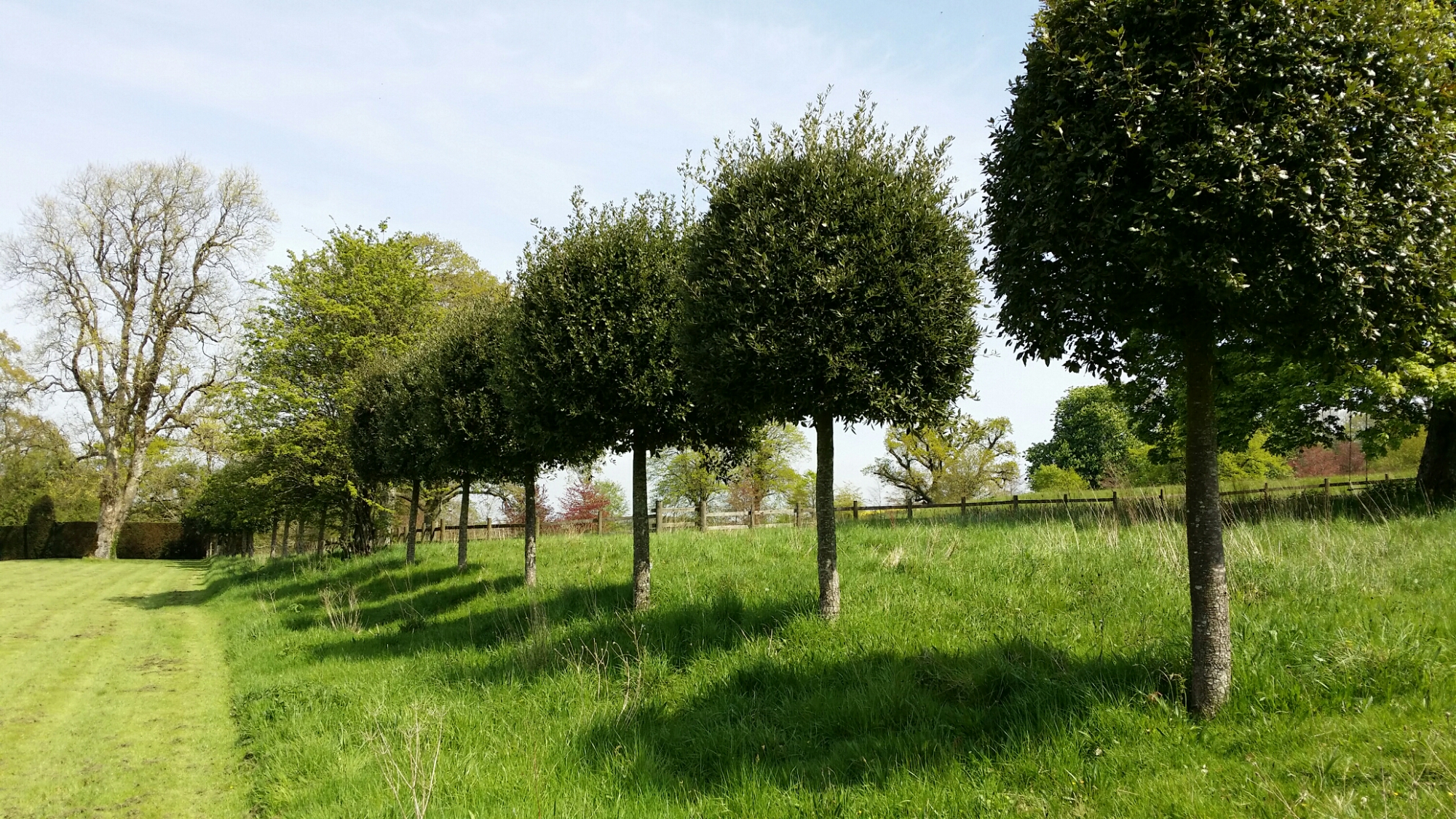
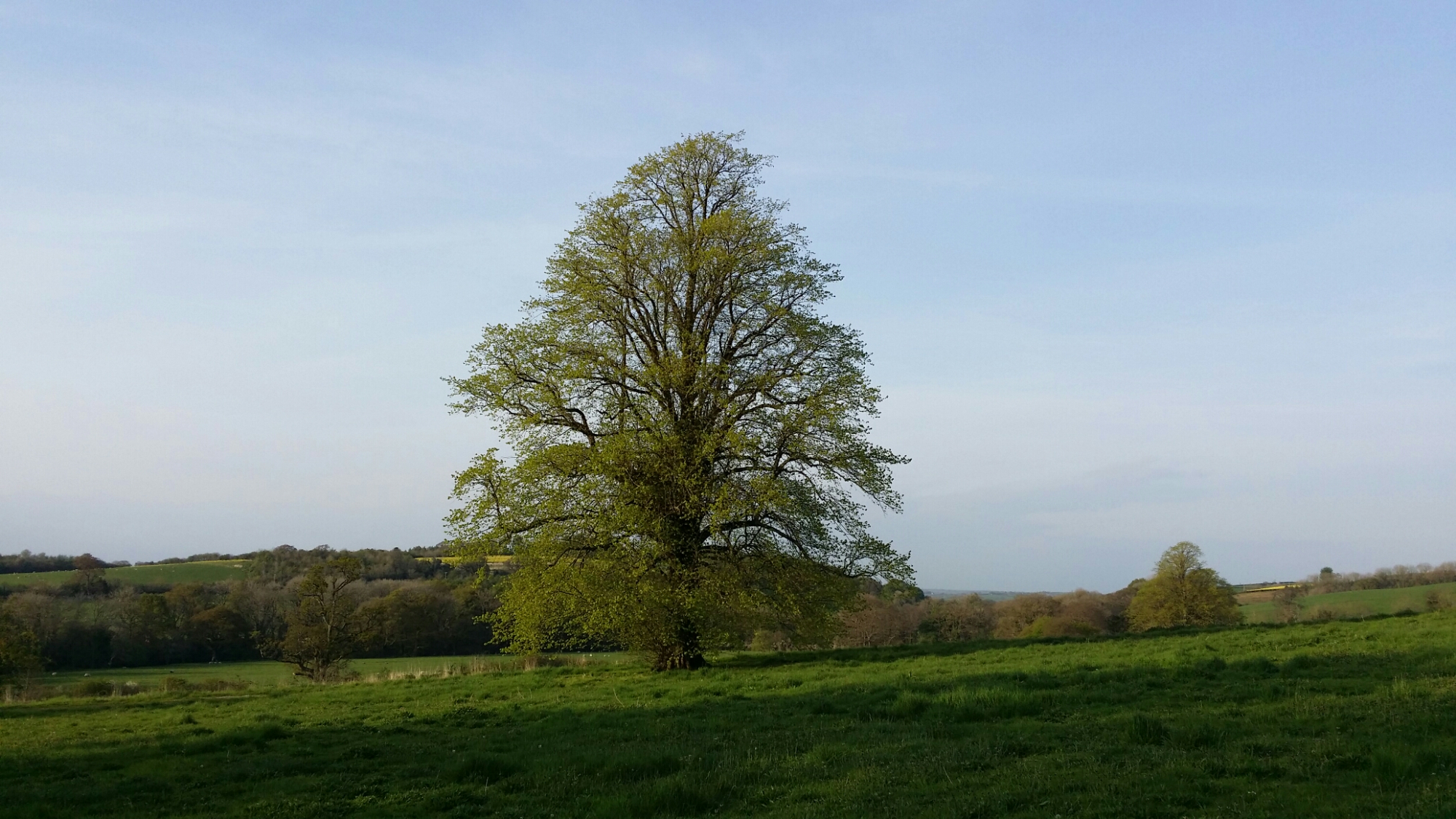
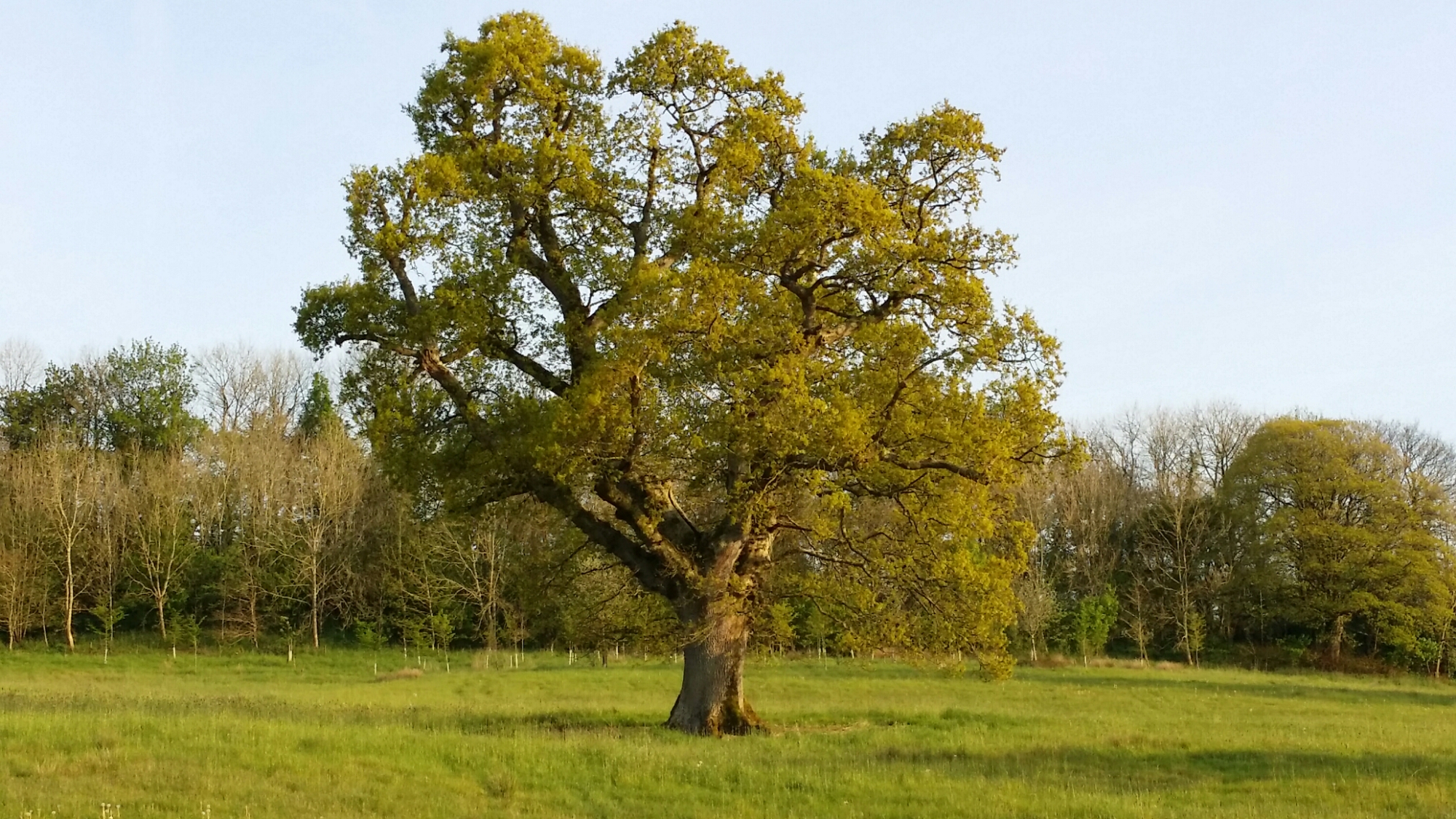
We’re staying in a part of Devon I scarcely know, somewhere beyond Castle Drogo where Devon fades into Cornwall. It’s deep wooded farmland with old trees, sheep, parkland and distant views in the evening sun.
Christopher Le Brun
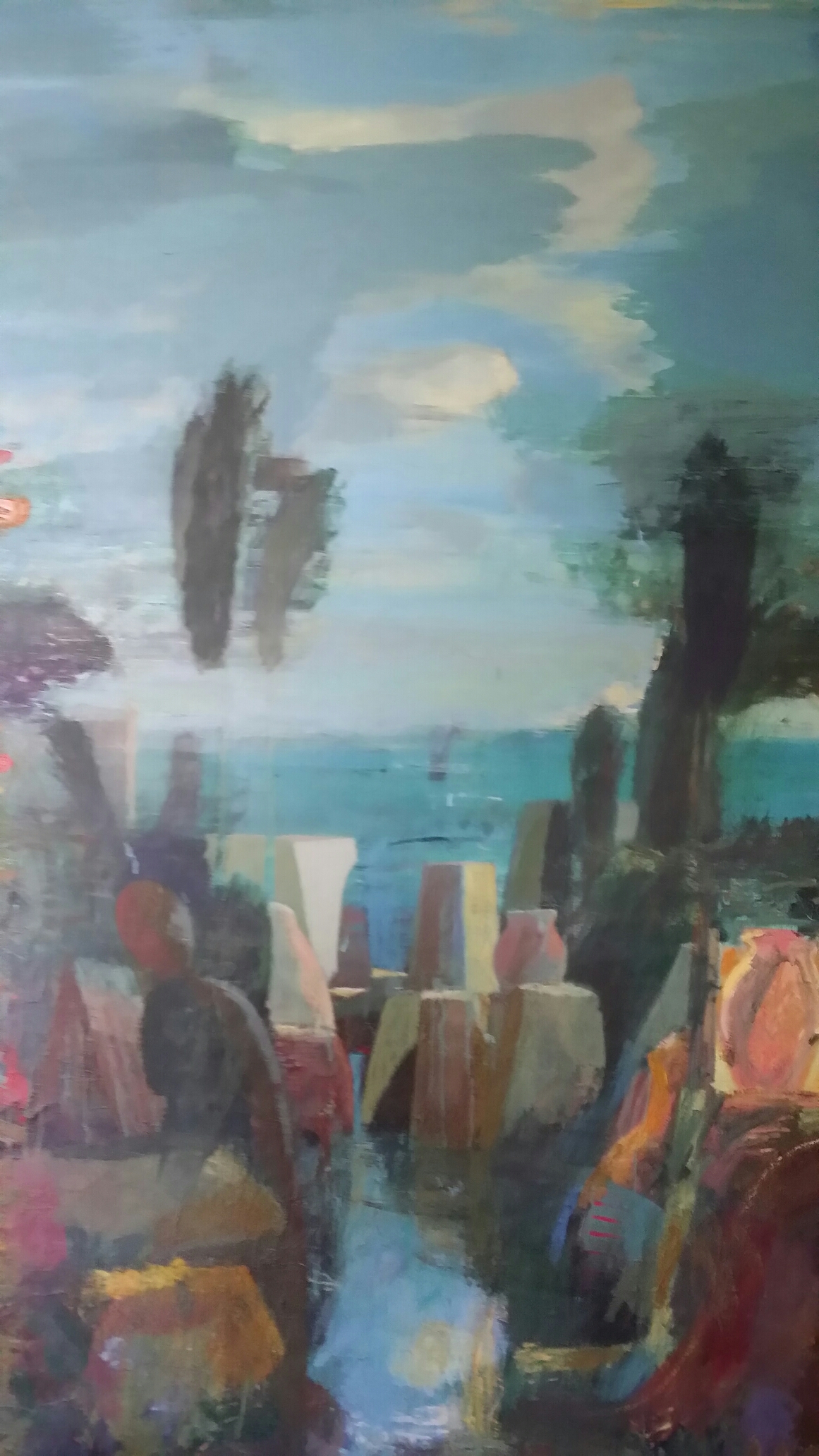
One of the pleasures of the weekend has been seeing an extensive collection of work by the PRA, acquired either direct from him or on the secondary market (please forgive the unprofessional photographs).
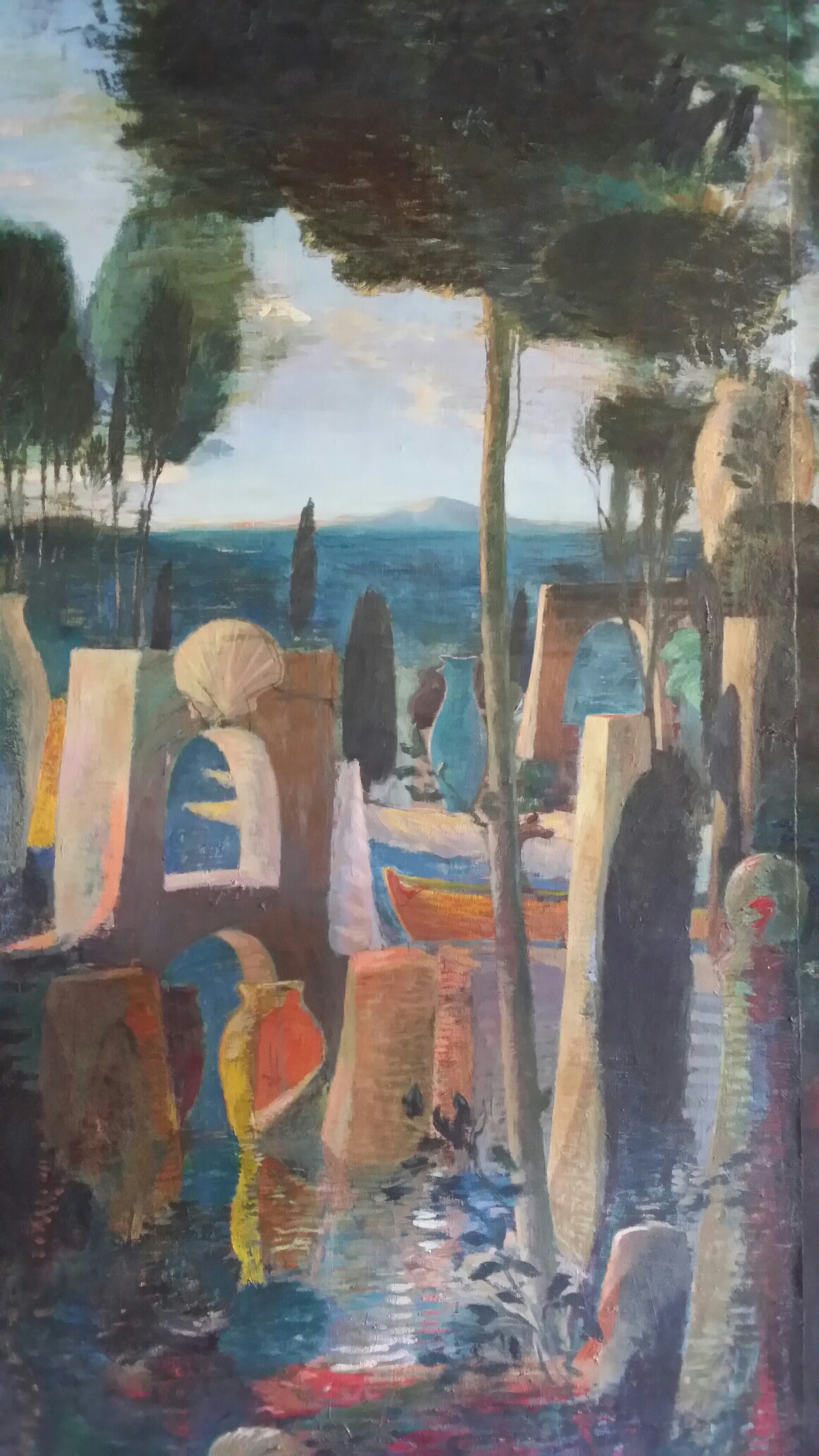
There are big paintings from his early De Chirico phase, not long after he had left the Slade and before I knew him:
Shield, a grand painterly painting from the period of the exhibition New Spirit in Painting (it’s dated 1982-1984):
Continue reading
The Establishment
I discovered recently (as it happens, in a footnote to a letter that Hugh Trevor-Roper wrote to Wallace Notestein in March 1960 denouncing Sir Oliver Franks as a candidate for the Chancellorship of Oxford University and proposing Harold Macmillan as an anti-establishment candidate instead) that the term ‘The Establishment’ was not first used, as I had always understood, by the journalist Henry Fairlie in an article in The Spectator in 1955, but by the historian Hugh Thomas as he drove past the Royal Academy in a taxi in August 1954. Maybe it was legitimate in 1954 when a visit to the Summer Exhibition was the start of the season and the annual dinner included Winston Churchill, although the term described the network of social influence which protected Guy Burgess and Donald Maclean from detection and I find it hard to view Alfred Munnings as part of this tendency. Nowadays, I like to quote Michael Craig-Martin who said ‘I thought I was joining the establishment and discovered that I had joined the anti-establishment’.
Humphrey Brooke
My second choice of painting from the RA’s own collection is going to be the picture of Humphrey Brooke, one of my predecessors as Secretary. He died in 1988, but his widow, Nathalie, is still very much alive and comes to events. He came from a grand Yorkshire family, was a so-called Monuments Man during the second world war, worked in Austria after the war where he met Nathalie Benckendorff, was deputy director of the Tate, and became Secretary of the RA in 1952. He suffered from manic depression and believed it could only be cured by sex and smoking. His portrait by Olwyn Bowey shows the latter, a man of the establishment, comfortably enjoying a fag.


You must be logged in to post a comment.