Beaumont Hotel

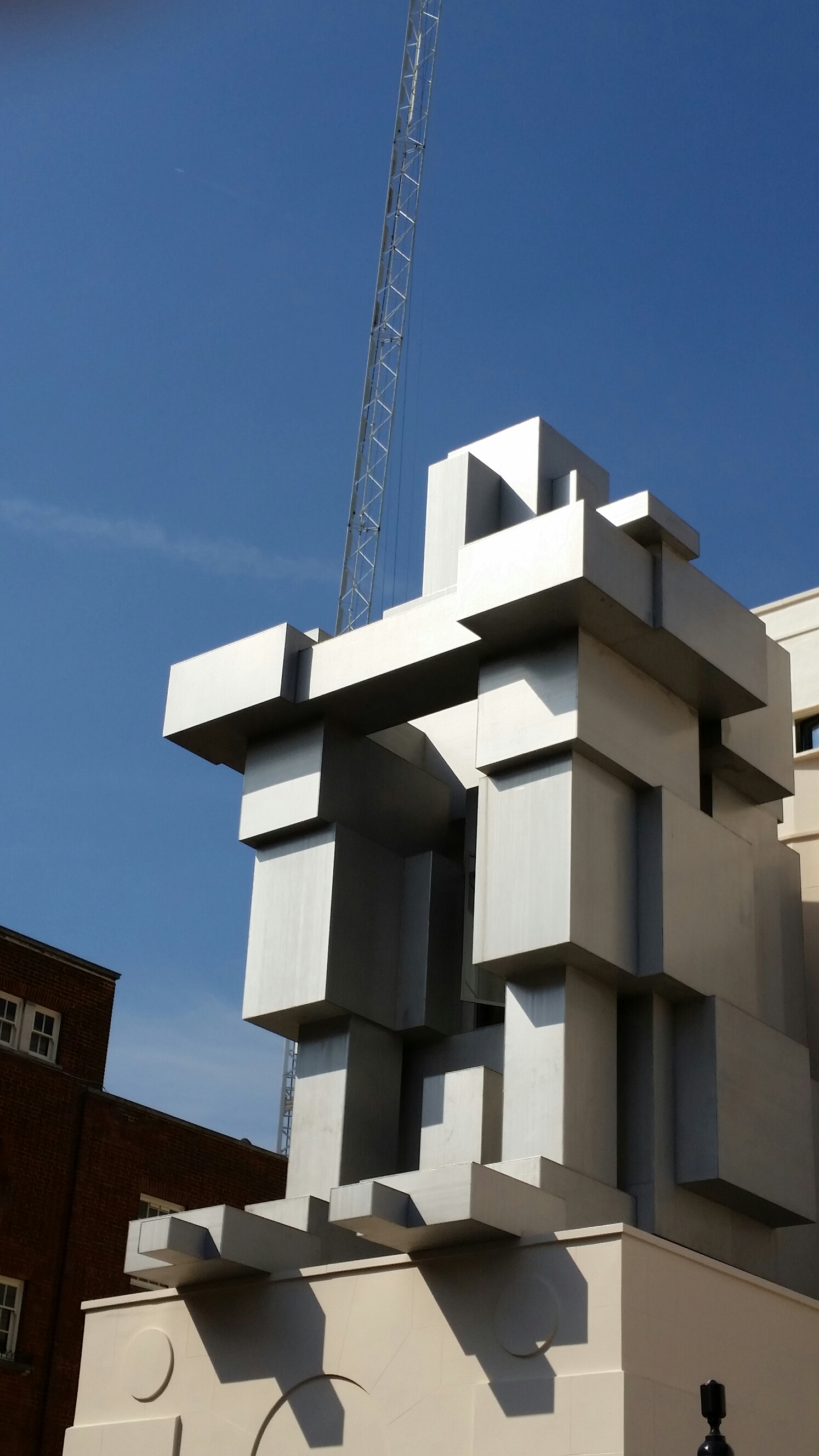
Jeremy King very sweetly gave me a preview of his new venture, the Beaumont Hotel, due to open some time in late September (it’s taking bookings from October 1st.).   He has acquired a lease from the Grosvenor Estate on a building just south of Oxford Street which was used as the garage for Selfridges.   He has renovated it as if it was a hotel from the 1920s, the era of prohibition.   But it’s most prominent feature is a monumental sculpture by Antony Gormley which squats on the side of the hotel and doubles as a hotel bedroom.   It’s an extraordinary room, high and dark, no television, made out of smoked oak, like spending a night inside a tomb.

This is the sculpture:

image

image Continue reading

Standard

Alison Wilding RA (1)

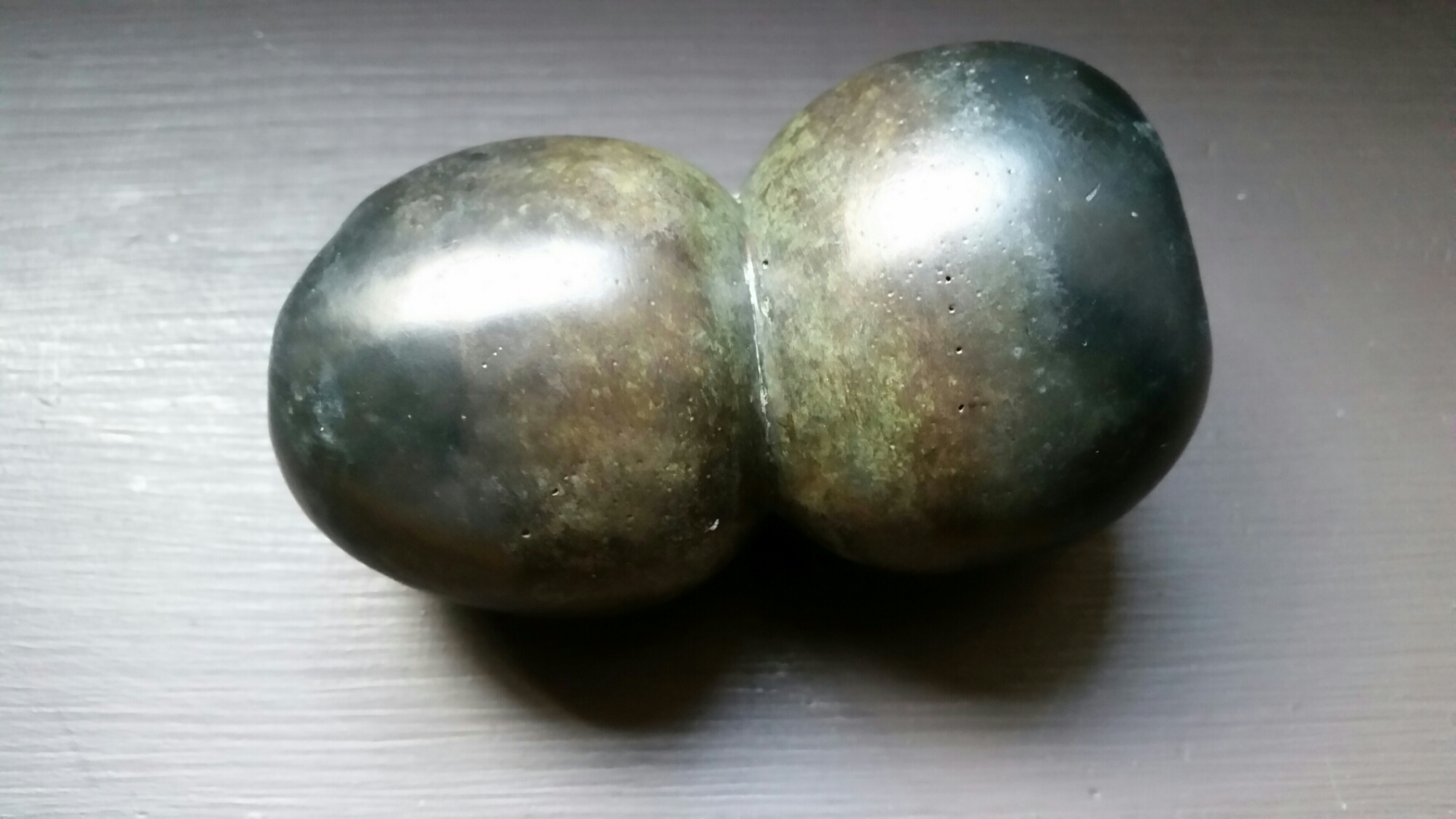
I have been enjoying Alison Wilding’s Badapples, which I was given as a birthday present.   They were apparently first shown in an exhibition about apples held in a gallery called Large Glass on the Caledonian Road.   There’s something nicely tactile about being able to hold and feel a small bronze the size of two hands lying on the table:

image

Since Alison feels that the photograph makes the work look more like bottoms than apples, I include a second attempt:

image

Standard

Norman Shaw (2)

With my eye attuned to the work of Norman Shaw, I realised that the large red brick building at the bottom of St. James’s Street is by him, with its charateristically elaborate corner tower and high Dutch gables.   Indeed, it is.   It was designed in 1882 for the Alliance Insurance Company at the same time that he was doing work for the Royal Academy.

image

image Continue reading

Standard

Norman Shaw (1)

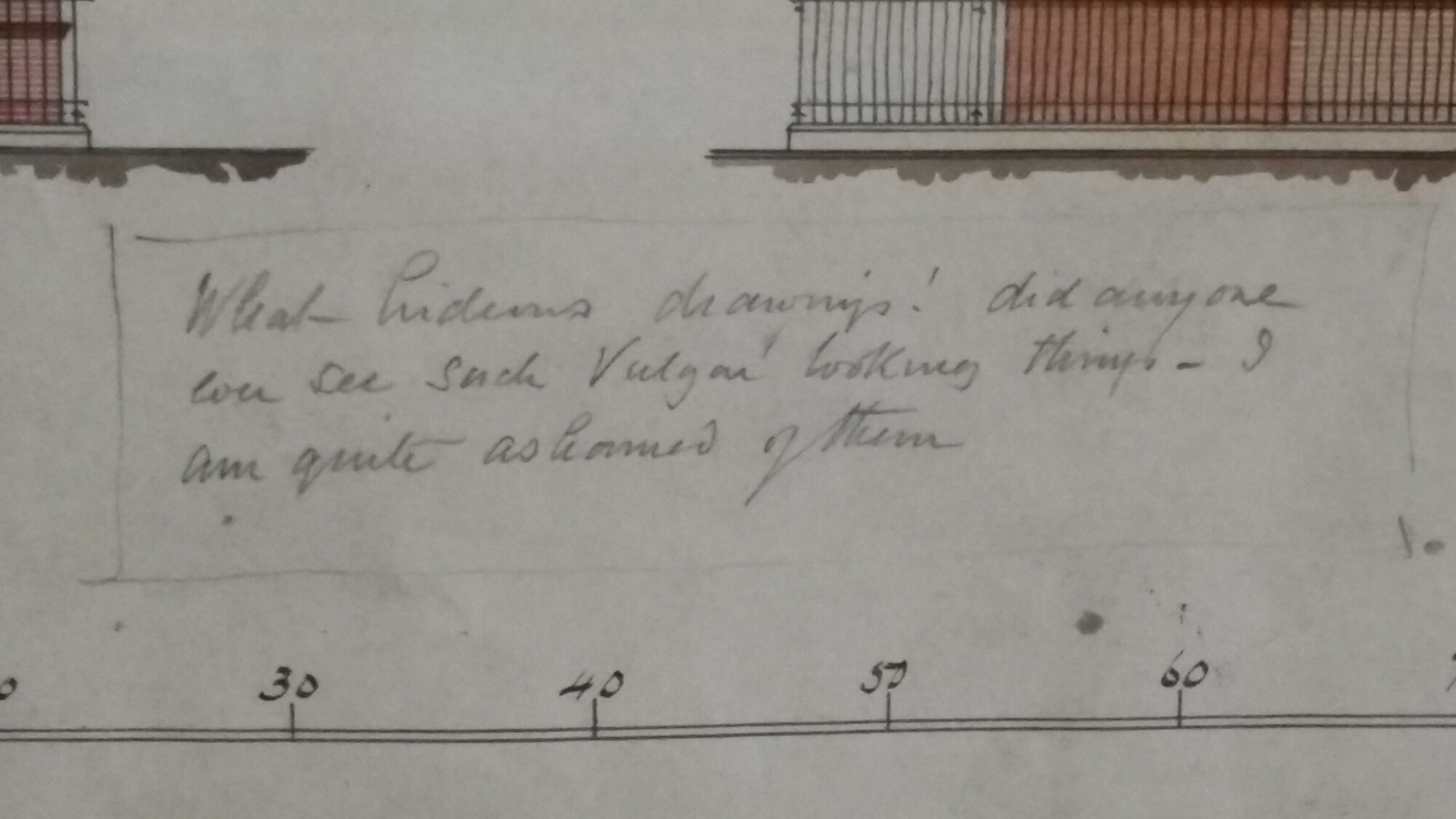
In waiting for someone last week, I was able to catch up with our Norman Shaw exhibition in the Tennant Gallery, which has been open for a while.   But I missed the opening.   It shows the quality of his work and his commitment to drawing as a means of expression (I liked the comment which he added to a bad drawing done by someone in his office, ‘What hideous drawings !  Did anyone ever see such Vulgar looking things – I am quite ashamed of them’).

image

There is no mention of the fact that Shaw trained as an architect in the Royal Academy Schools under C.R.Cockerell, winning the silver medal in 1852 and the gold medal the year after.   His first commission was to design a house for an RA, John Callcott Horsley, in Kent, and he designed studio houses for Luke Fildes and Marcus Stone, in Melbury Road.   In 1872, he became an ARA and a full RA in 1877.   Continue reading

Standard

Monty Python

We went to the Millennium dome tonight for the reunion of Monty Python.   It was the first time we had been back since a bleak afternoon in January 2000 when we went to visit the government’s lamentable efforts to mark the millennium.   The evening was highly elaborate and technologically sophisticated for a vast audience, a far cry from the wilfully amateurish graphics and mad schoolboy humour of the original, watched on a black-and-white television.   I was trying to work out where Terry Gilliam’s graphic language had come from:  a mixture of surrealism, Mervyn Peake, psychedelia, neo-Victorianism and the idiom Peter Blake used for the cover of Sergeant Pepper.   I was also impressed by how much had entered the language:  the Ministry of Funny Walks;  the spam song;  the anti-Germanism.   And now for something completely different….

Standard

Kensington Park Gardens

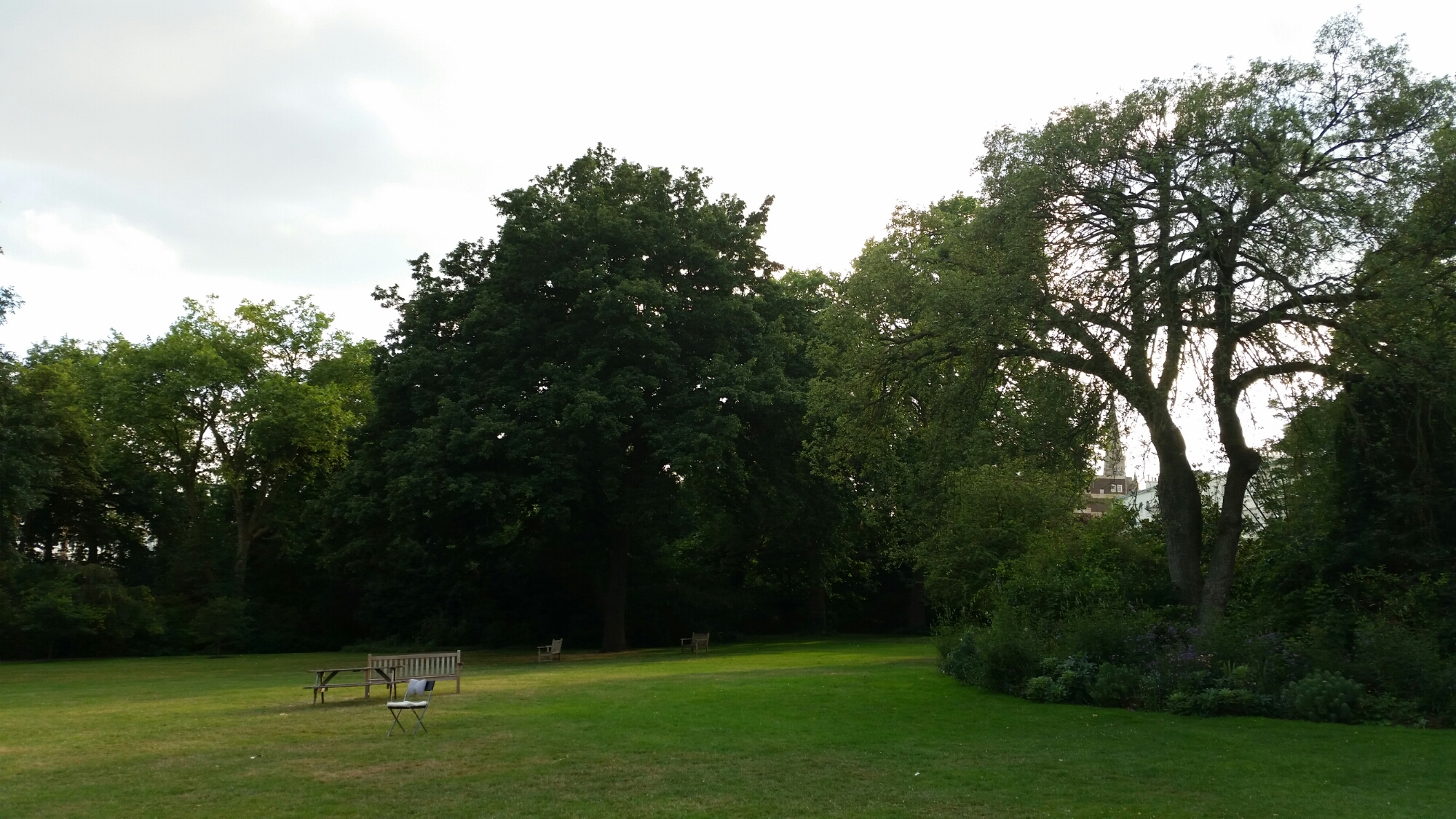
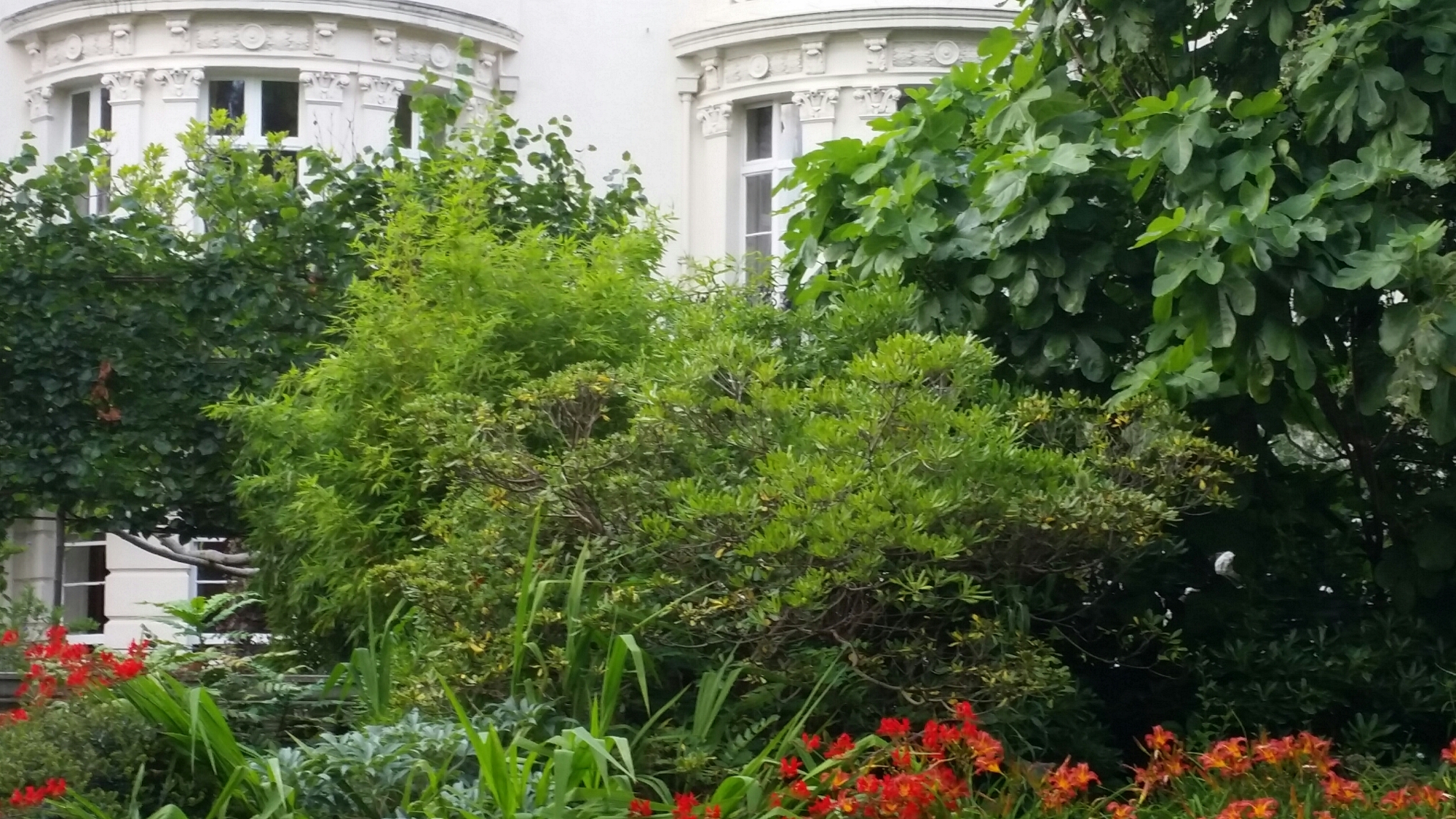
We have an annual picnic in the private gardens of Kensington Park Gardens, the grandest boulevard in west London (well, we’ve done it two years running which makes it feel like a tradition).   I’m always amazed by the scale and the spaciousness of these private gardens, a product of mid-nineteenth century bourgeois opulence, with nannies using them to park prams and businessmen can have their morning constitutional.   They occupy the site of a racecourse known as the Hippodrome owned by the Ladbroke estate.   Hence Ladbroke Square.   Nine acres, the largest private gardens in London after Buckingham Palace.   We had supper in a glade with monogrammed white table napkins and the sound of tennis in the background.

image

image Continue reading

Standard

Drawn to the Real

I looked in yesterday at Alan Cristea’s gallery at the far end of Cork Street to see the work of Jane Dixon, which has been included in an exhibition of the work of five artists, all of whom work in the area of detailed observational drawing, including the work of Emma Stibbon, who has recently been made an RA.   I strongly recommend the exhibition because it represents a form of traditional art practice being taken seriously and shown in a major art gallery, which I more normally associate with the work of Gillian Ayres and Howard Hodgkin.

Standard

Hughie O’Donoghue

I was asked to the opening of a set of three paintings in the Chapter House of Westminster Abbey entitled The Measure of all Things.   I had heard that he had done a set of paintings commemorating the first world war for Eton College.   These may belong to the same genre, thoughtful and reflective meditations on death, realist, but not over so, and made poignant by his family’s own experience of war.   I couldn’t quite work out the technique, which is nearly photographic:

image

image Continue reading

Standard

Matisse: The Cut-Outs

We went on a Friday evening trip to Tate Modern to see Henri Matisse:The Cut-Outs, a nice scale of exhibition, some of it deeply familiar, but not all, demonstrating Matisse’s discovery of, and pleasure in, the very simple medium of coloured paper cut out with scissors and then sometimes twirled about to make a pattern and often stuck on a wall:  partly decorative, but done with extreme deliberation, as was evident from the two clips of original film, which showed him as an old man working with purposeful deliberation as he snipped away and ordered exactly how the pieces were to be placed on the wall.   I liked the early experimental work which went into the book Jazz, when the medium was new to him, and the beautiful book covers which he did for a volume of Henri Cartier-Bresson’s photographs, The Decisive Moment, published in 1952, and for the original edition of Alfred Barr’s Matisse:  His Art and His Public, first published in 1951.

Standard

Mary Beard and Grayson Perry

We have just had an event in which Grayson Perry talked to Mary Beard (or was it vice versa?) about her latest book, based on her Sather lectures, on Laughter in Ancient Rome.   What struck me most forcibly is what a difficult subject it is to talk about academically, whether in the present or in ancient Rome.   If treated analytically, then there is a risk of it seeming humourless, but if discussed with levity, then it doesn’t succeed in being a proper academic study.   They brilliantly circumvented this problem with a mixture of good humour, anecdote, information, and jokes from the ancient world.

Standard