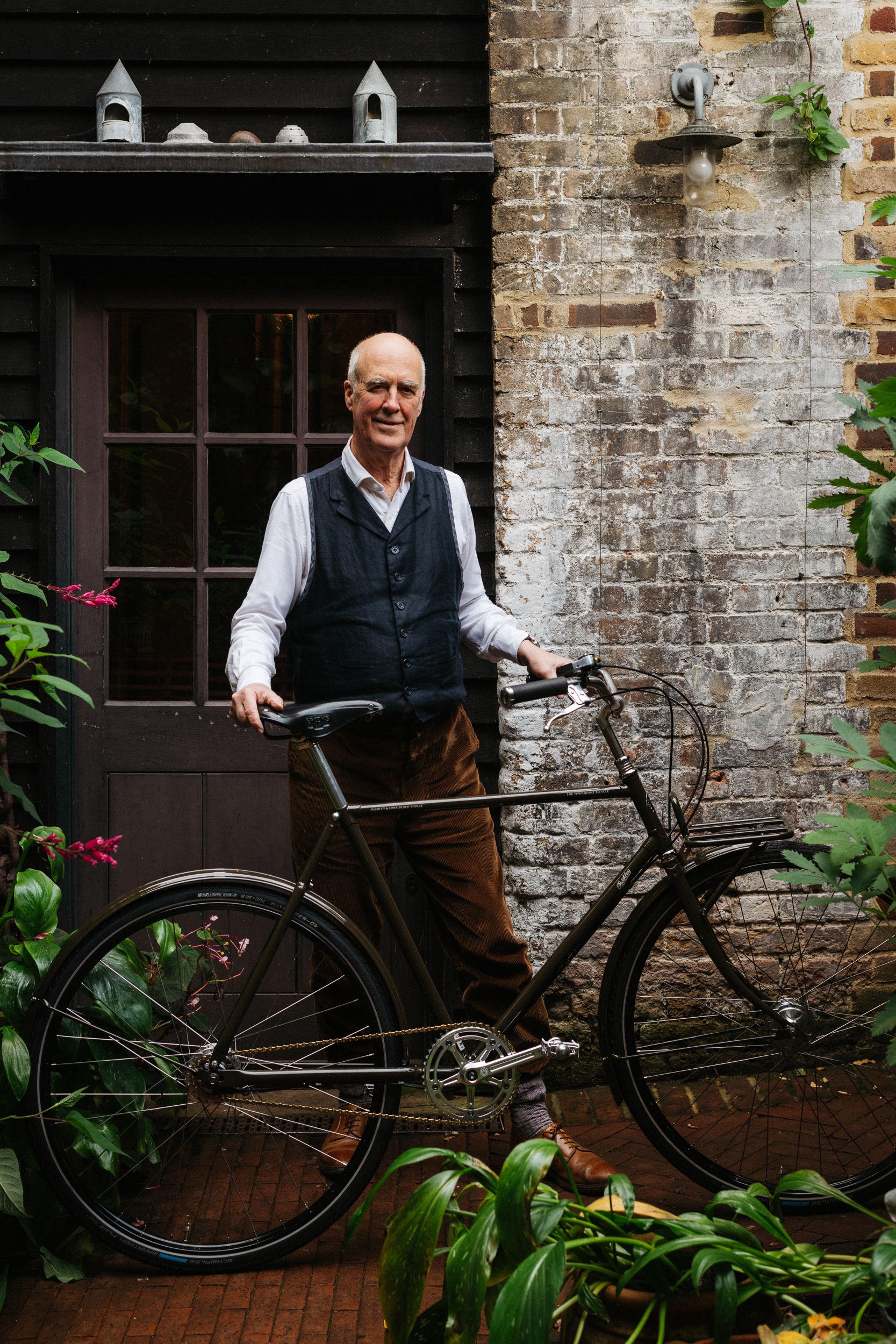
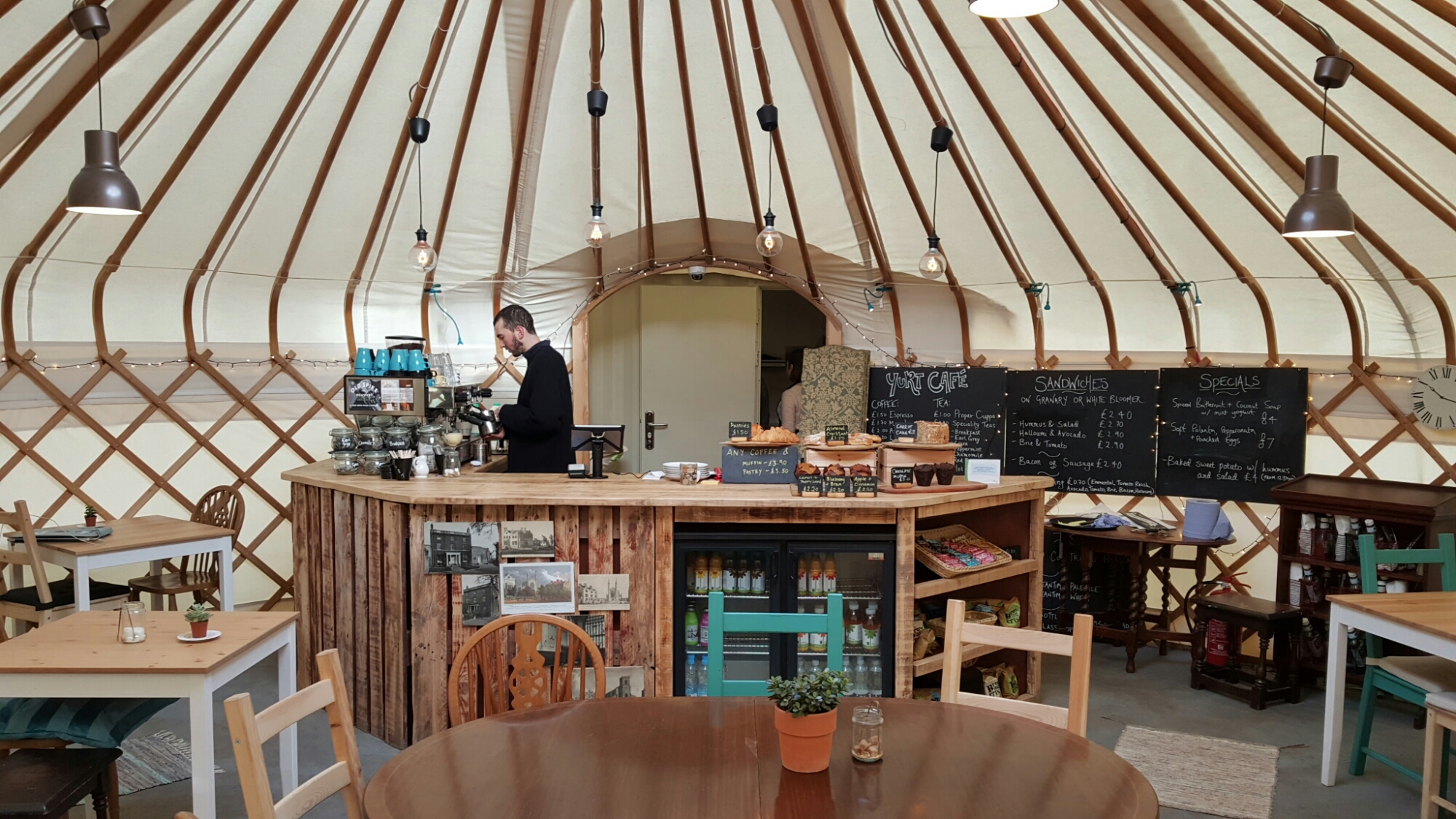
Ever since we first moved to Limehouse in the early 1980s I have been intrigued by the Royal Foundation of St. Katharine which occupies a large site on Butcher Row, but always seems impenetrable. Today I was told that they had opened a Yurt. They have indeed:-
Tag Archives: London
Half Moon Theatre
I was walking across York Square when I spotted in the distance the rooftop lettering of the Half Moon Theatre shining in the morning sun:-
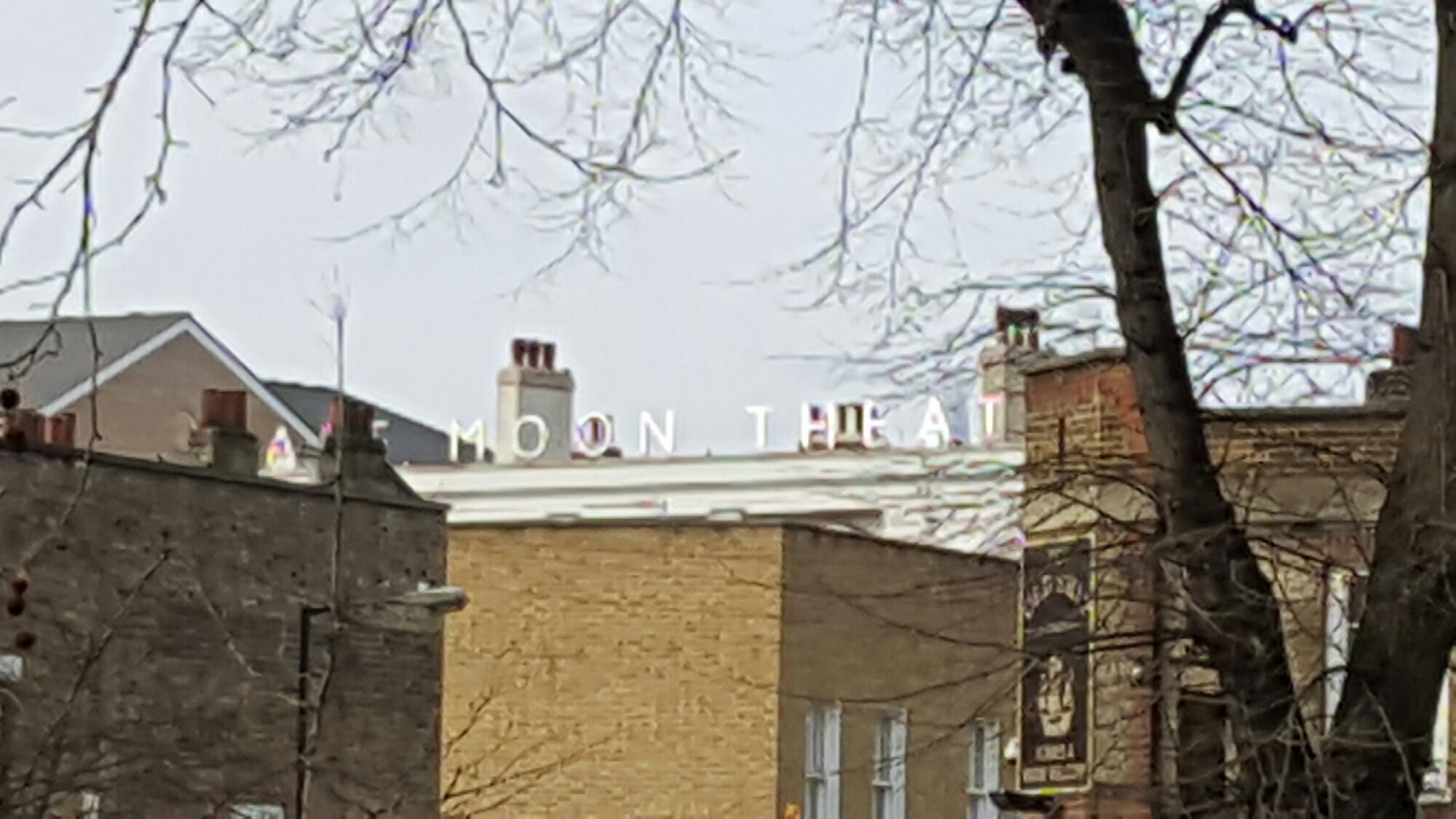
I had never noticed it before. It’s what survives of the Half Moon Theatre which used to be in premises just beyond Stepney Green tube station, but was closed in 1990 and turned into a Wetherspoon pub. The building the Youth Theatre occupies in White Horse Road was originally the local District Board of Works, designed in 1862 by C.R. Dunch:-
RA Shop
I spent the morning working behind the till in the RA Shop. It was slightly scary learning the mysteries of the till system, remembering to ask if customers are Friends (they get a 10% discount), putting in my pass number, watching the amount of time people spend browsing, seeing the huge pile of catalogues gradually go down, cack-handedly trying to put postcards into a paperbag, and enjoying the camaraderie of the other shop staff under the eagle eye of Ramon. Someone asked me if I was a regular. They could probably spot that I wasn’t. In fact, the last time I served behind a till was driving an ice cream van across the South Downs.
Hyde Park
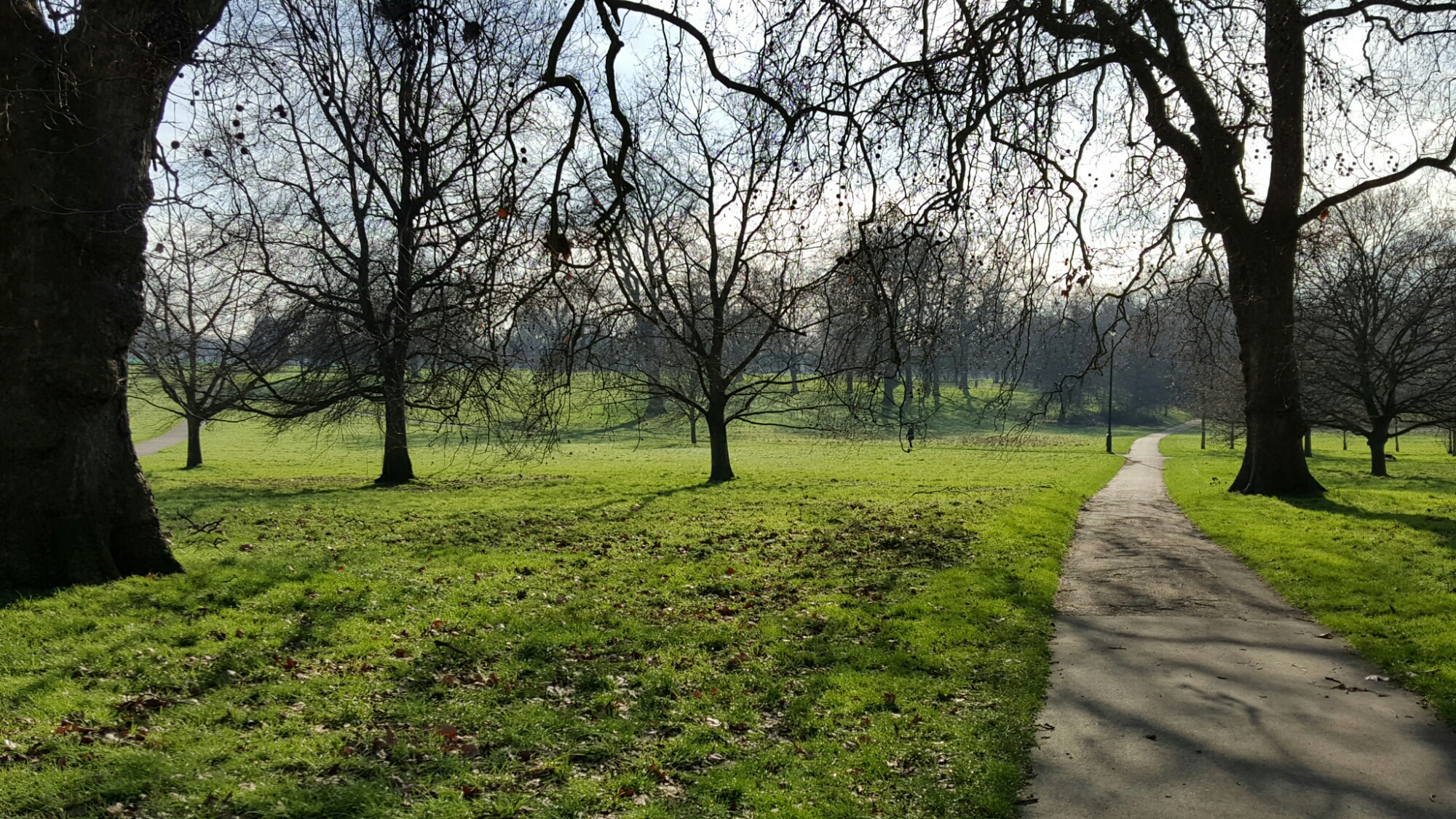
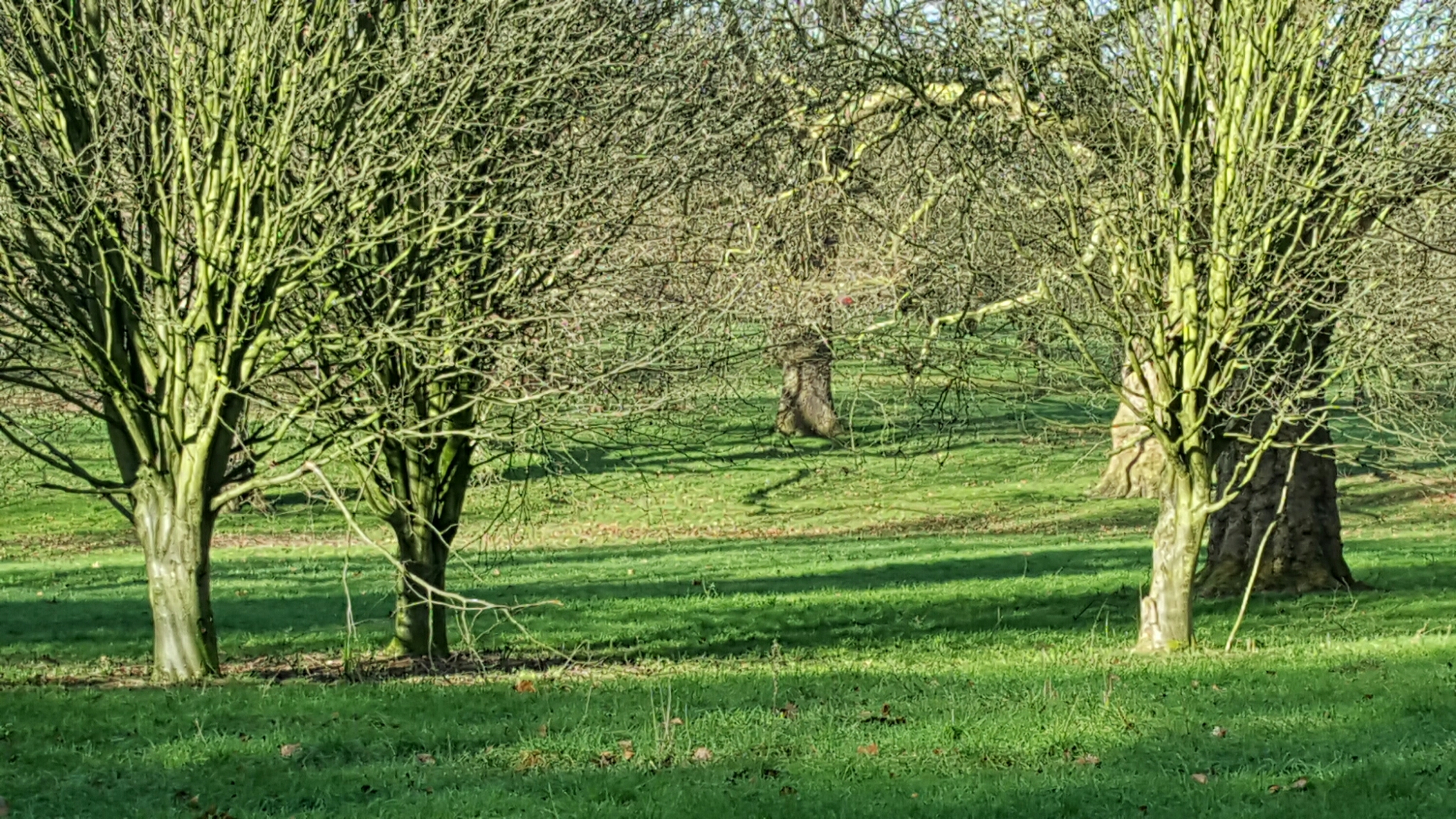
I have been sent a link by Tom Stuart-Smith to an article in Nature which suggests on the basis of a study in Toronto that proximity to trees is worth the equivalent of an extra $10,000 a year in terms of quality of life (what they call the cardio-metabolic condition). I thought of this research yesterday morning as I walked across Hyde Park to the dentist and felt my spirits lift in the Spring sun (11 trees per city block is worth $20,000):-
Burlington Gardens (2)
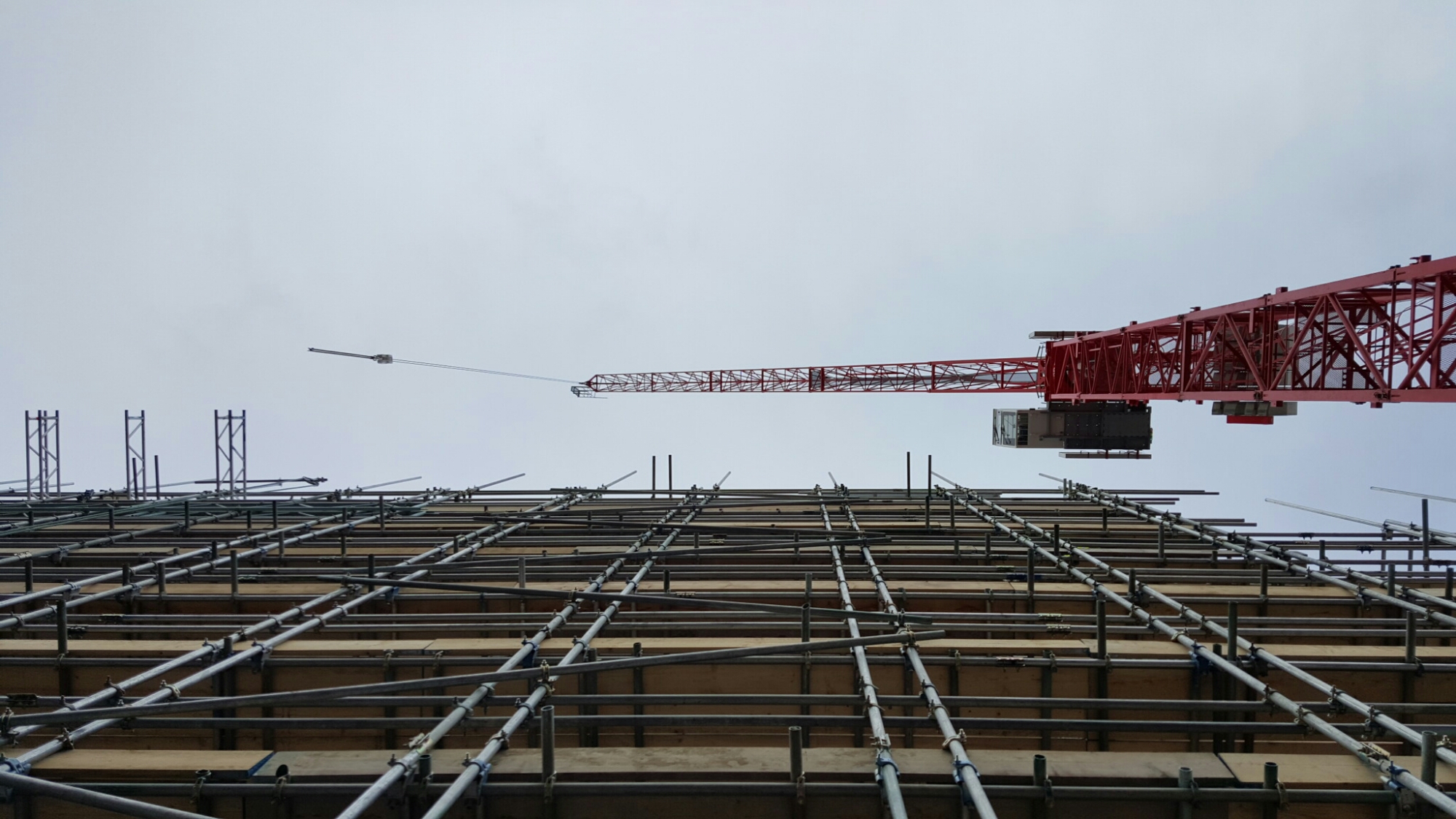
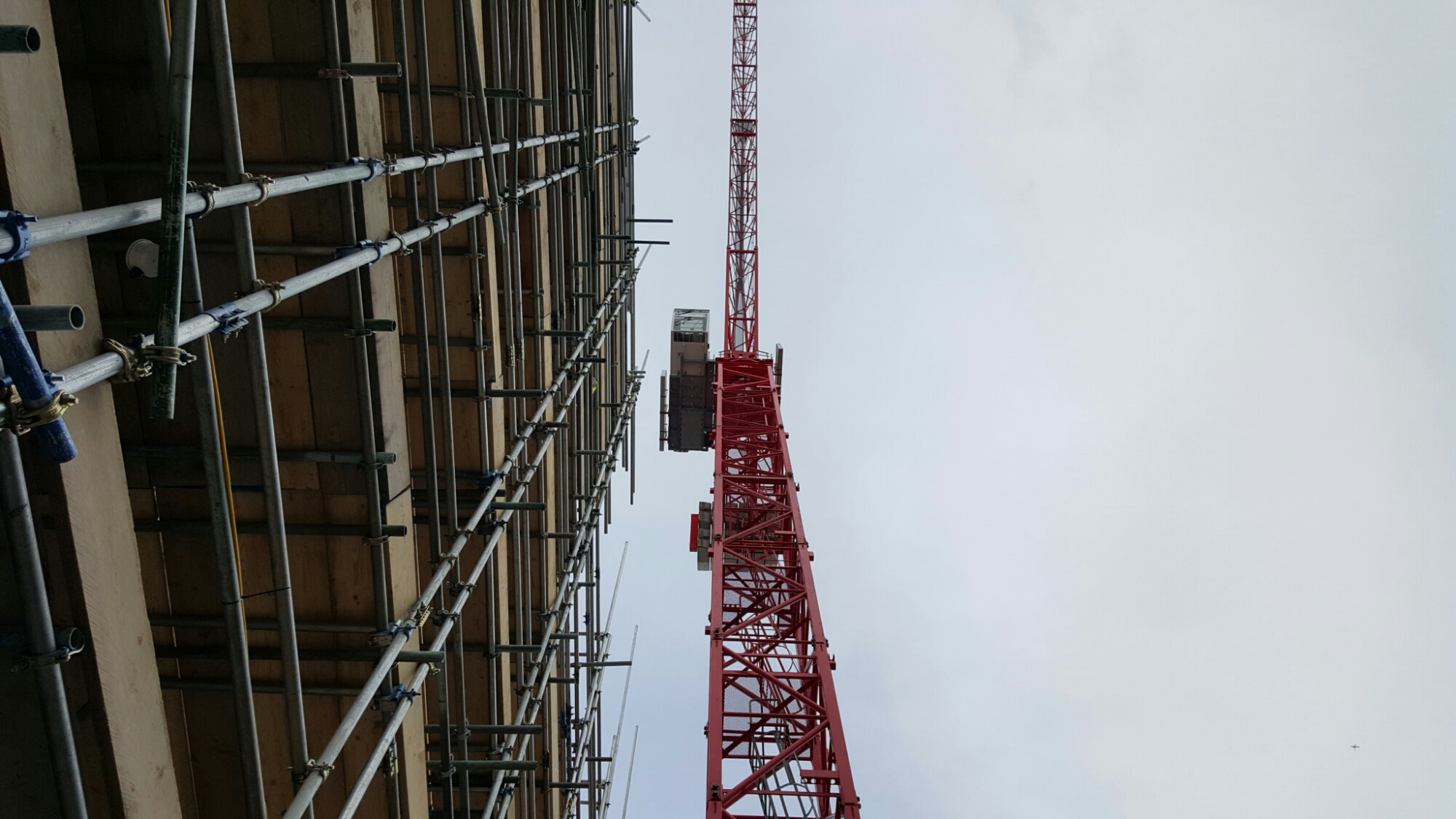
We had a site visit of our building project this morning with Sir Peter Luff, the chairman of Trustees of the Heritage Lottery Fund. It’s interesting seeing the project through the eyes of its biggest funder and someone who has not previously seen the site. Even I was impressed by the scale of it: 100 people working on site, what is said to be the largest temporary roof structure in Europe, deep excavations to create new art handling facilities, the floor removed to create the new gallery behind the main staircase. Every time I go round there is more to be seen, more change, and more of a sense of a radical transformation of the building and of the site as a whole, particularly in the areas behind-the scenes in Burlington House.
This is the crane:-
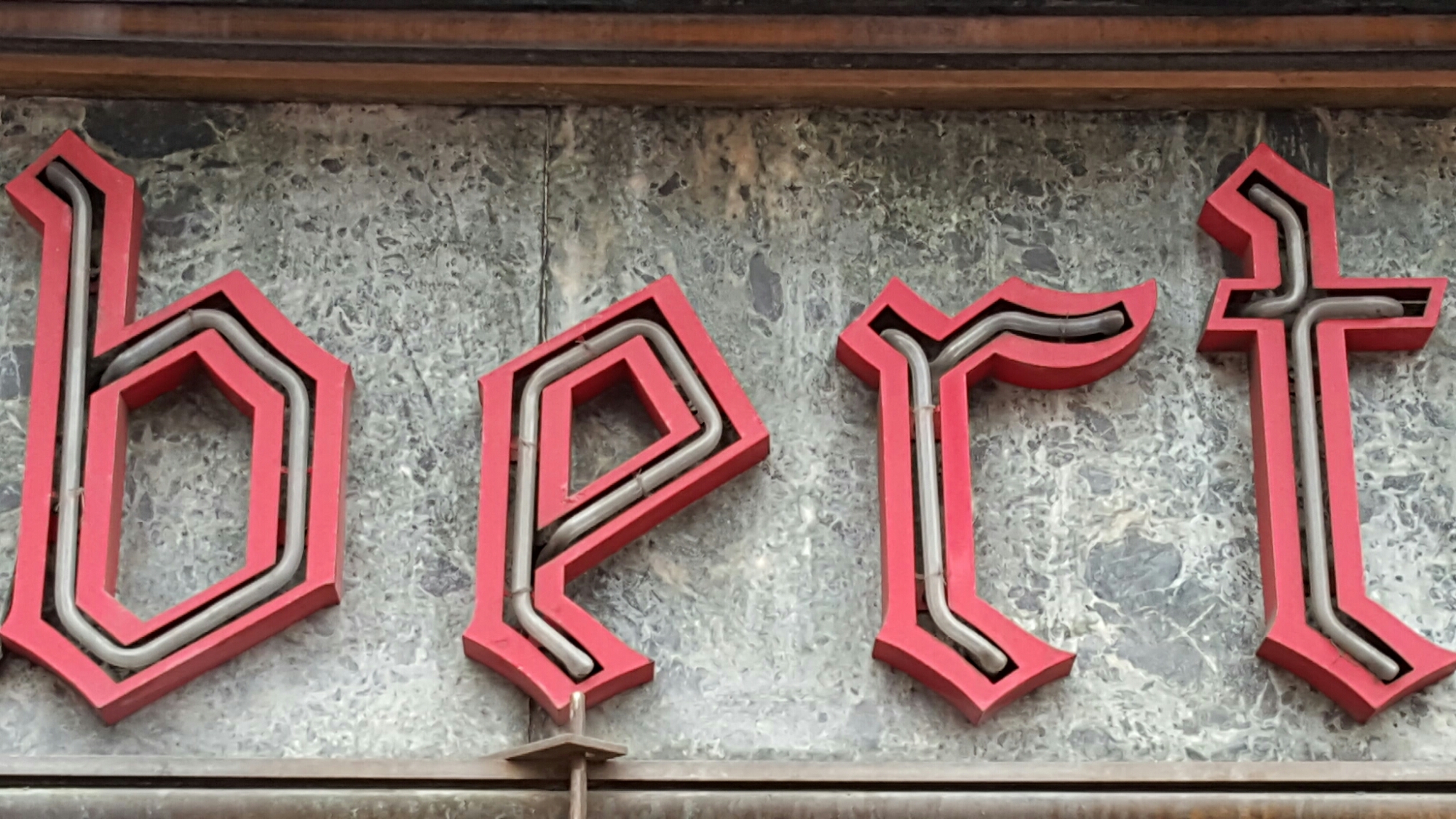
Aldgate
In wandering around Aldgate at the weekend, I was struck by the ambiguity of it as a neighbourhood: forever on the threshold of the City; in the eighteenth century, bounded by the walls of the city to the north of Bevis Marks and Poor Jury Lane, intersected by Leaden Hall and Fenchurch Street. As pbmum, one of my correspondents, has pointed out, it used to be known as Gardiner’s Corner after a large neo-baroque department store at the junction of Whitechapel High Street and the Commercial Road (opposite the tube station) which sold clothes to mariners, from socks to an Admiral’s Hat. Now the boundary of the City is moving eastwards with huge new office buildings crowding out the old roundabout. What is odd and impressive is the way Petticoat Lane and the Sunday morning market survive, but only just, weaving their way northwards from the tube station nearly to Liverpool Street:-
Wapping Pumping Station (2)
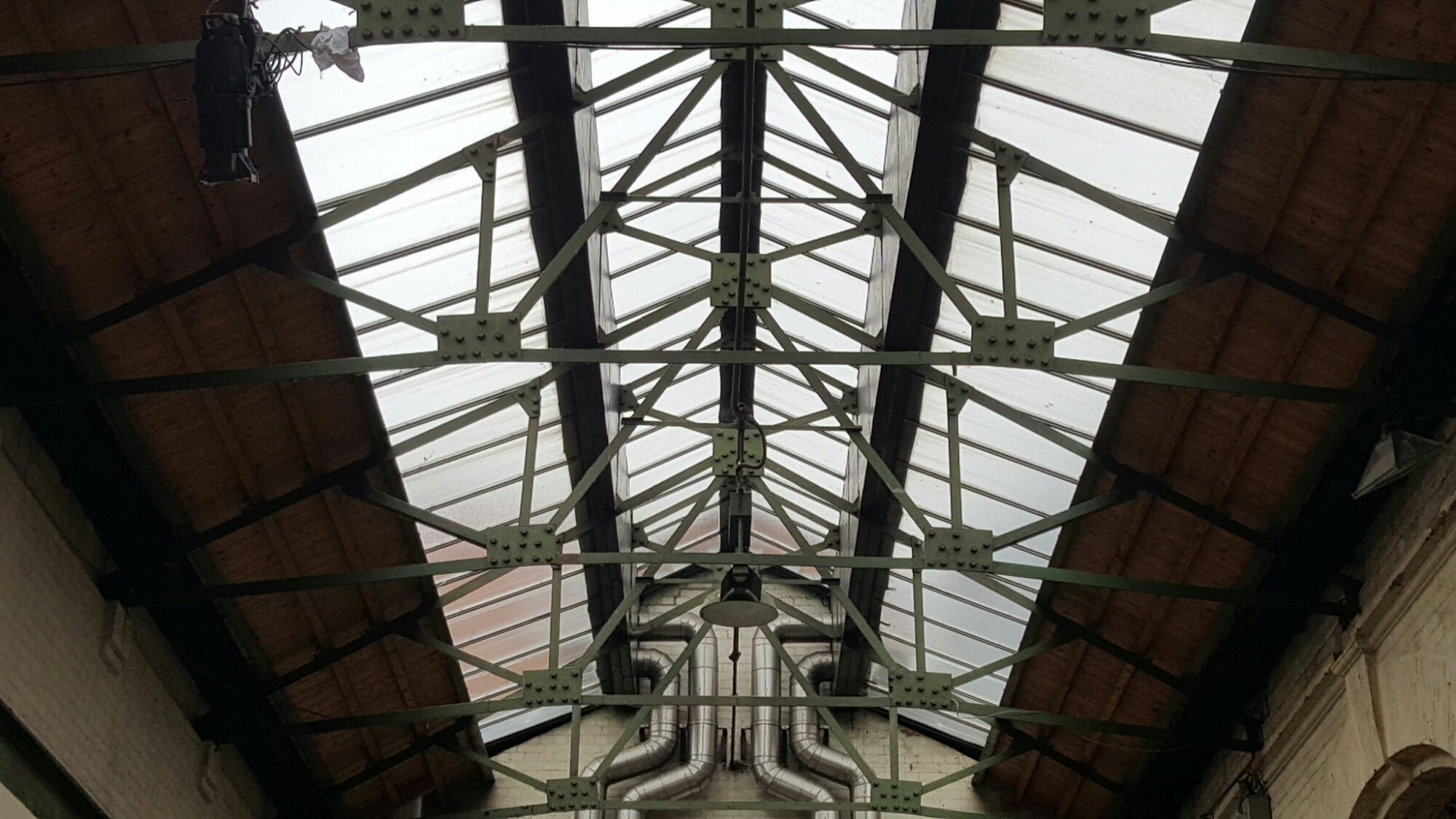
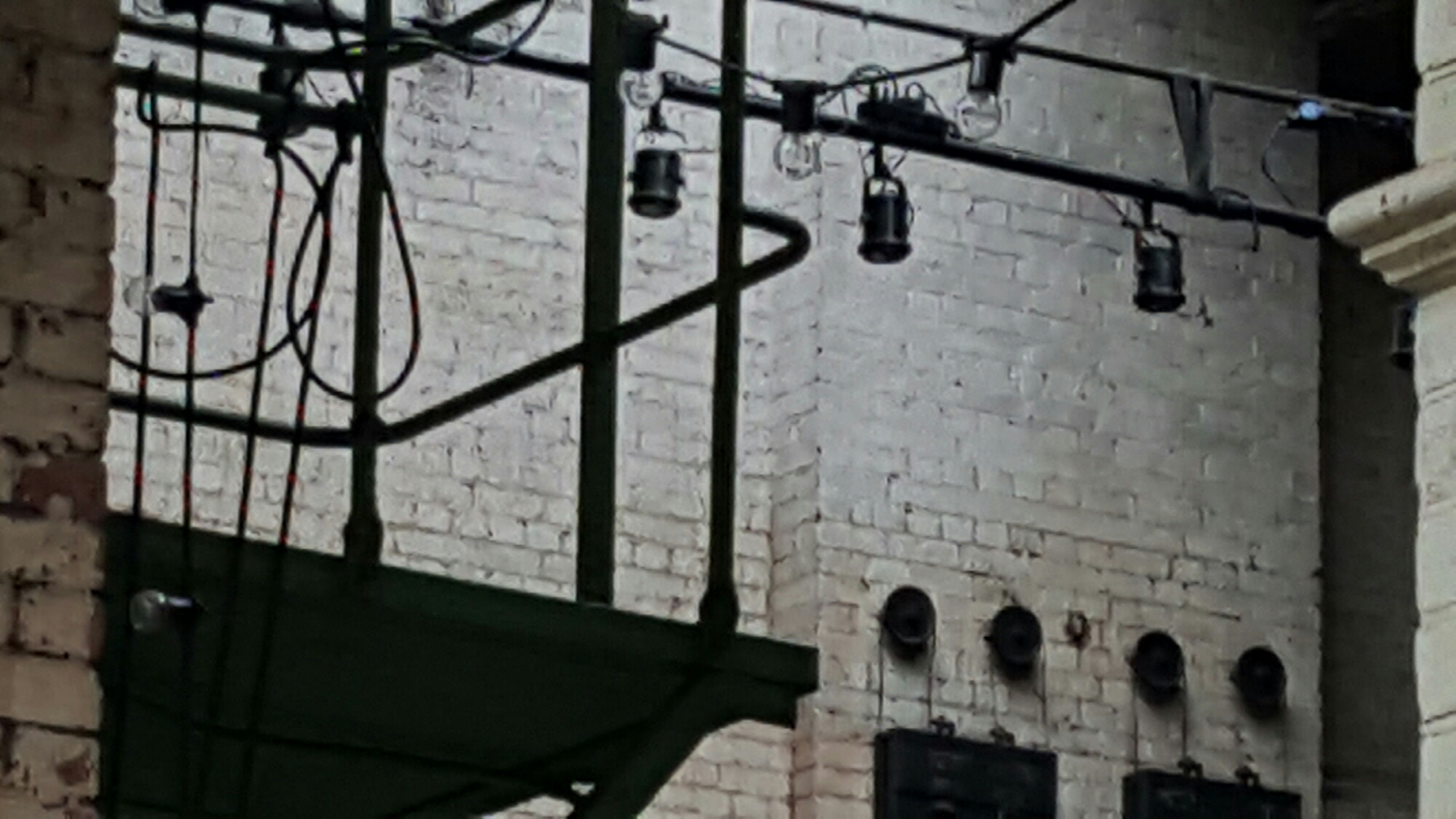
I thought I should go and see the Annie Leibovitz exhibition at Wapping Pumping Station for old time’s sake (my first exhibition at the NPG was of her Portraits in 1994) and also to see the interior of the old pumping station whilst it is still extant and semi-open to public view. It has lost none of its old industrial glory, built in 1890 by the London Hydraulic Power Company:-
Rotherhithe
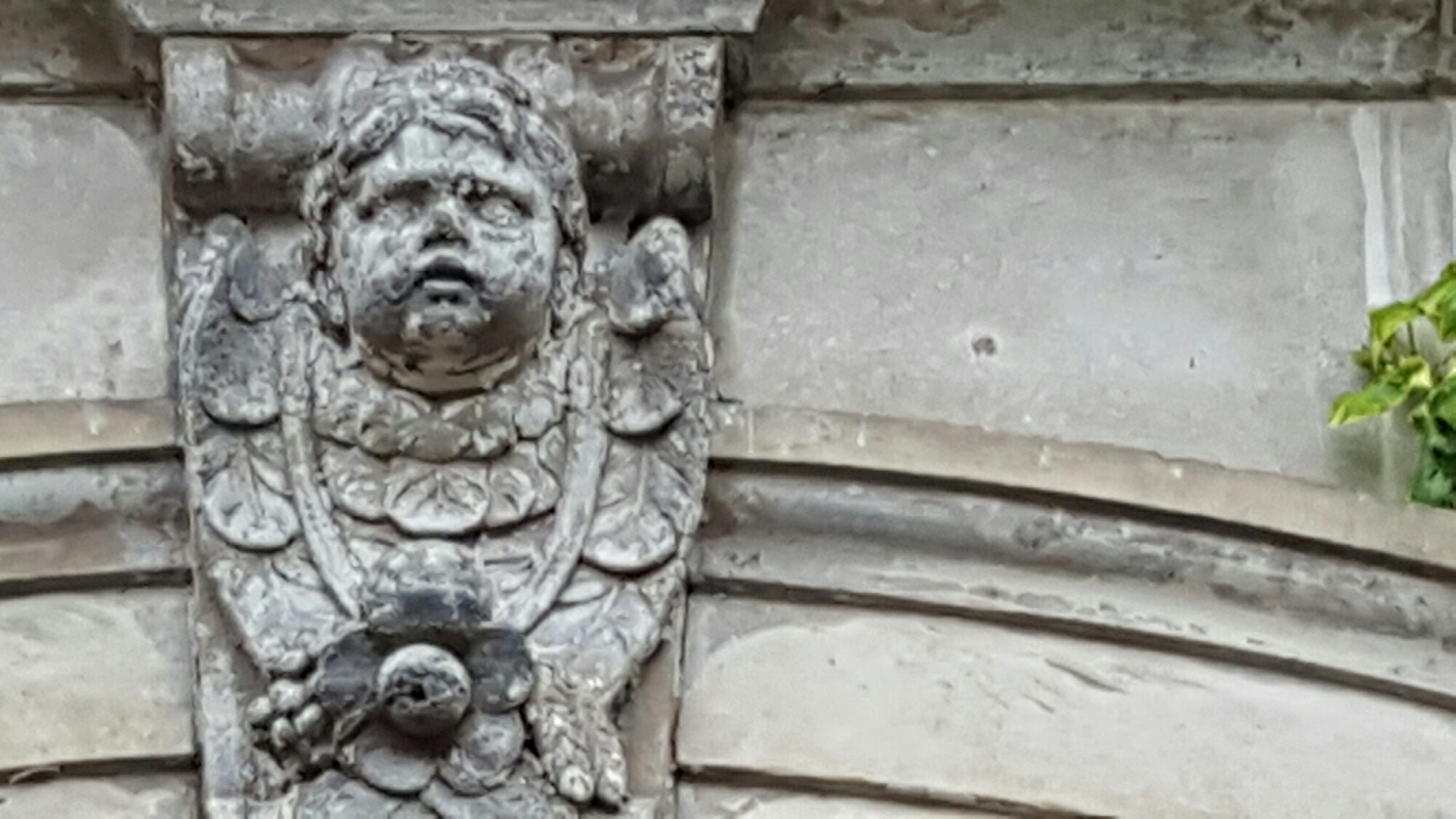
I’ve never quite got to grips with Rotherhithe, but this morning walked through it along the Thames Path on the way to the Saturday morning market in Spa Terminus. St. Mary Rotherhithe, where the Mayflower was moored before setting sail in 1620, was rebuilt by John James in 1714 in a much less ornate style than the Hawksmoor churches north of the river:-

Gospel Oak
I chose a bad day to visit Gospel Oak on the orange line from Whitechapel. I wanted to see the two big blocks of social housing, Waxham and Ludham in the Lismore Circus Estate, designed by Frederick MacManus and Partners in the early 1970s when Jeremy Dixon and Edward Jones were working for him and before they went to work for Derek Walker at Milton Keynes. Edward Jones describes them in his Guide to the Architecture of London as ‘particularly unfortunate’. I can see why. They are currently being restored.
Bond Street Development
I went to a small exhibition held in the foyer of Bonham’s to show the plans for the redevelopment of Bond Street. These have been drawn up by Publica under the auspices of the New West End Company and look well judged – reducing the number of traffic lanes (at the moment, it’s a three-lane highway) broadening the pavements, renewing the paving stones and creating a town square at the junction of Burlington Gardens outside Ralph Lauren. I just hope the scheme can be extended to include the grid of streets laid out and developed by Lord Burlington in the 1720s, including Cork Street, Clifford Street and Savile Row.
 | Charles | Saumarez | Smith |
You must be logged in to post a comment.