Olivier Bell

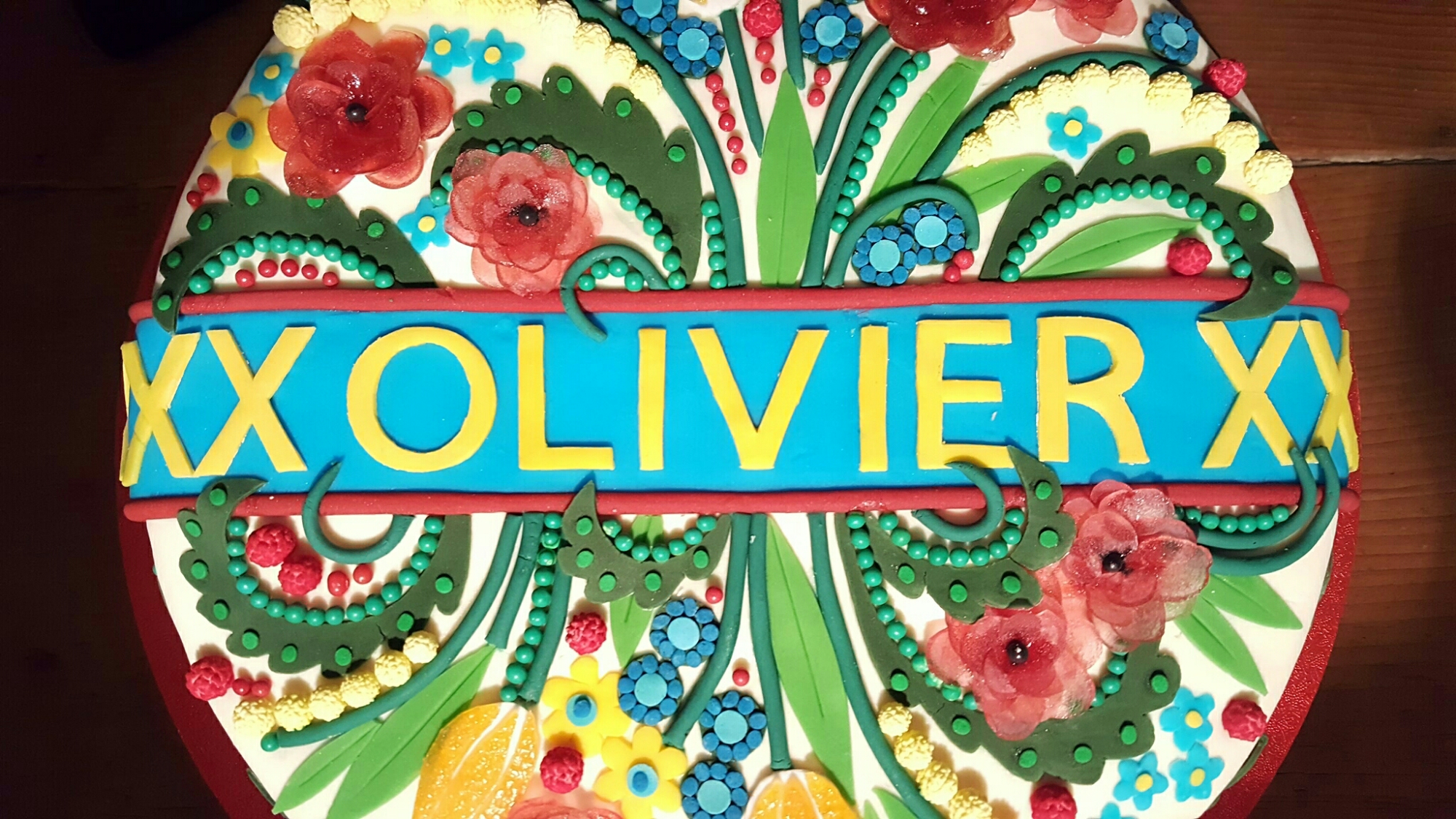
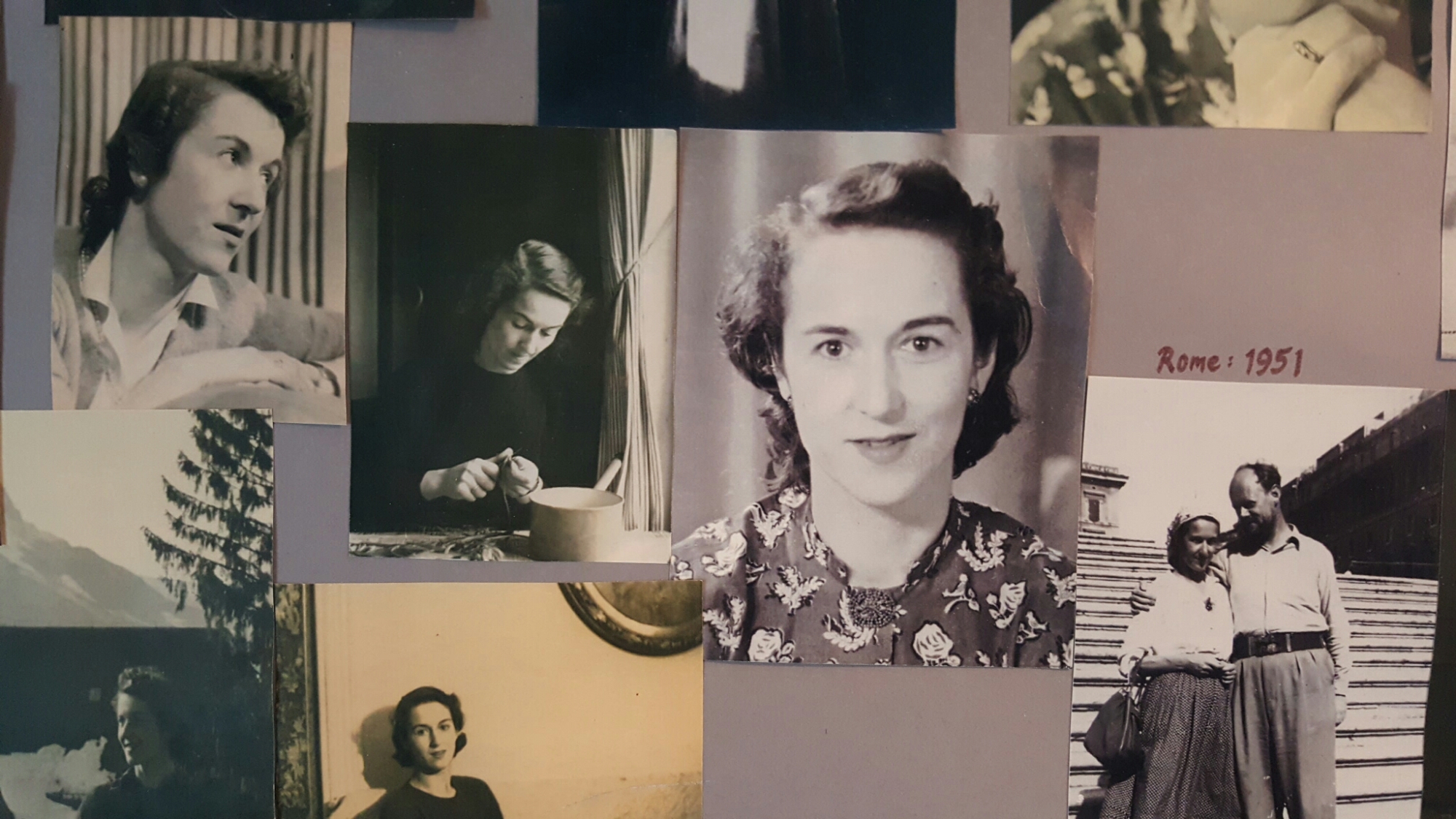
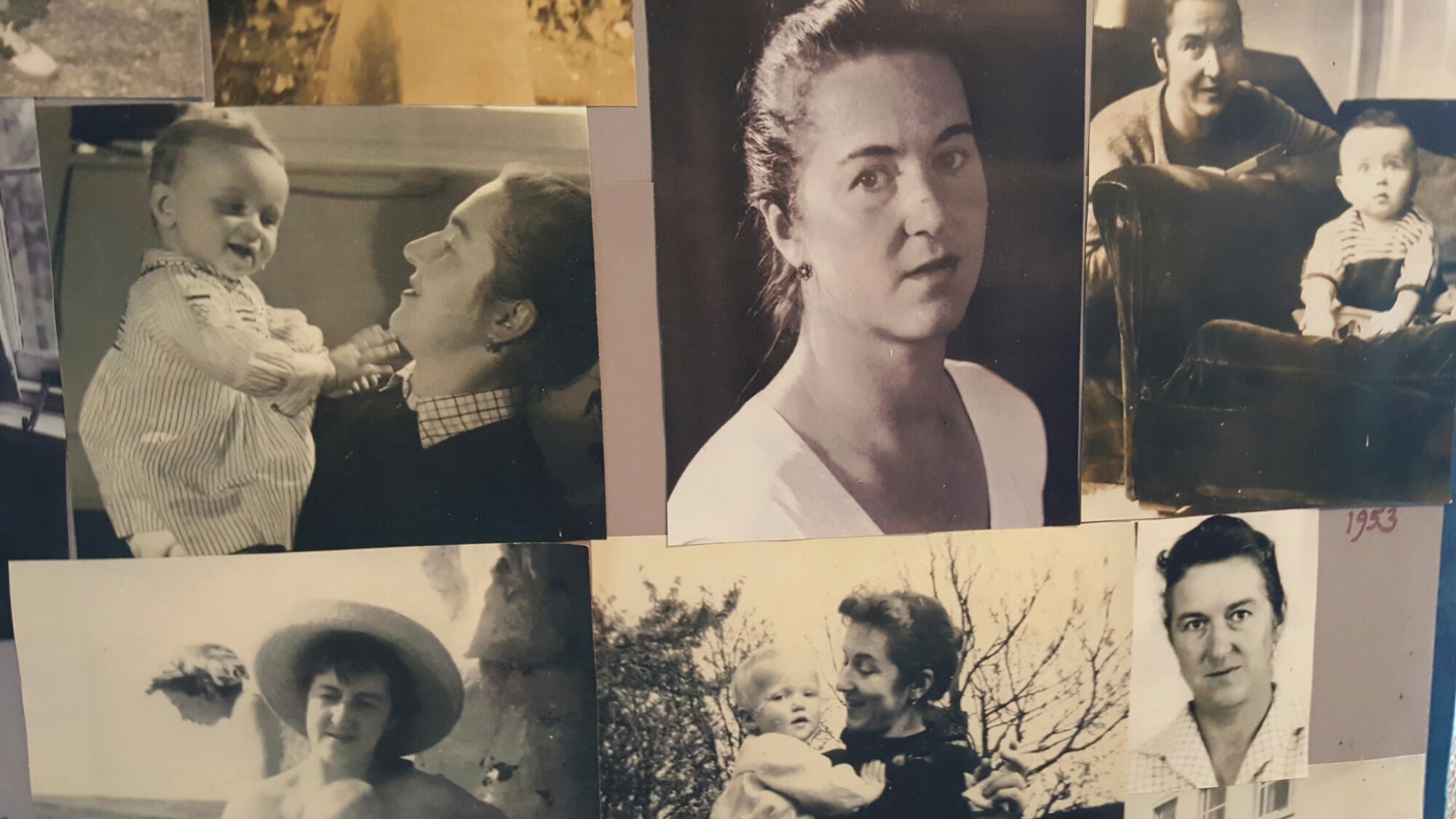
We went today to the 100th. birthday party of Olivier Bell, one of the last survivors of the second generation of the Bloomsbury Group, daughter of A.E. Popham, Keeper of Prints and Drawings at the British Museum, and widow of Quentin Bell, the younger son of Clive and Vanessa Bell.   She is still pretty stalwart:  a survivor of the pre-war Courtauld Institute, the last of the so-called Monuments Men who helped to restore works of art to their original owners after the second world war, and a veteran of the post-war Arts Council, organising small exhibitions and European loans.   She edited Virginia Woolf’s diaries meticulously and helped to establish the Charleston Trust, of which she was until recently an active trustee:-
image

image

image

image

Standard

Found

We went yesterday afternoon to the exhibition Found which has been put together by Cornelia Parker at the Foundling Hospital, based on the idea that the original Foundling Hospital was supported by a group of artists in the 1740s who chose to offer ‘Performances in their different professions, for Ornamenting this Hospital’.   It’s a wonderfully eclectic group of works, mostly interspersed throughout the Museum, although with a more conventional semi-exhibition in the basement.   We liked the eroded helmet shown by Ackroyd and Harvey;  the screenprint by Patrick Caulfield, which prefigures the work of Michael Craig-Martin;  Michael Craig-Martin’s own FILM, which he made when he was a student at Yale;  Richard Deacon’s self-curated shelf which doesn’t appear in the catalogue;  Edmund de Waal’s group of works based on found objects in Orkney;  Antony Gormley’s cast of Paloma which echoed the bronze light fittings (was this deliberate ?);  Mona Hatoum’s wire drawings;  and Alison Wilding’s frog.   Many of the artists are RAs in the same way that the original artists who supported the Foundling Hospital became the group who established the RA, united by kindred interests.

Standard

Regent’s Park (1)

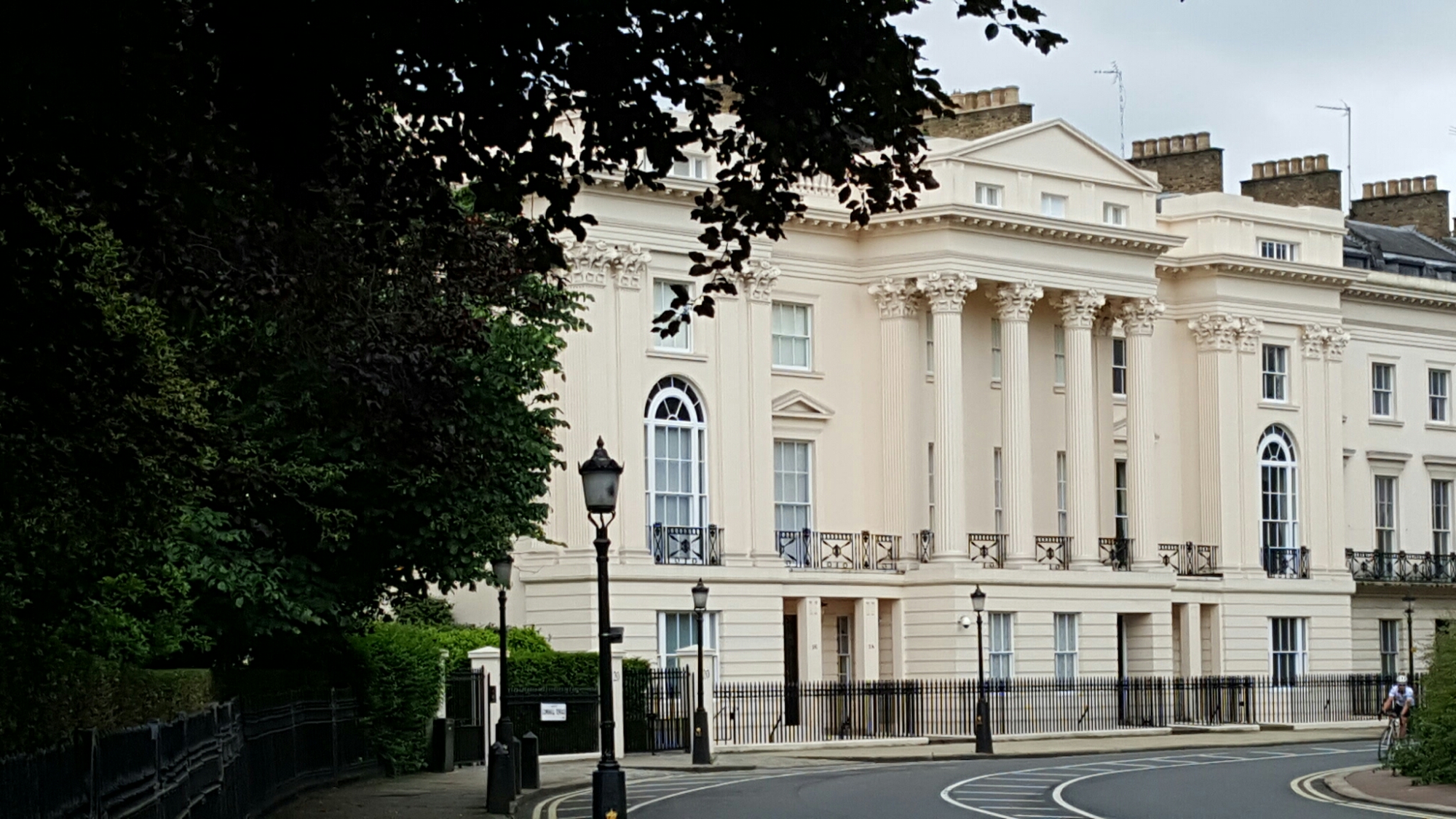
I spent yesterday morning learning about the mysteries of Regent’s Park.   Of course, one is aware of it as a Londoner, laid out north of the rest of the city in open farmland as a grandiose gesture of urban town planning to rival Paris towards the end of the Napoleonic Wars.   But I had not realised the extent to which each of the Terraces is set back from the road and the vegetation has grown up in such a way that the epic scale of the stucco palaces and the way they are supposed to relate to one another is not really evident unless one pokes about behind the scenes.

I started at the back of York Terrace:-

image

In the distance was the corner pavilion of Cornwall Terrace:-

image Continue reading

Standard

Alison Wilding RA

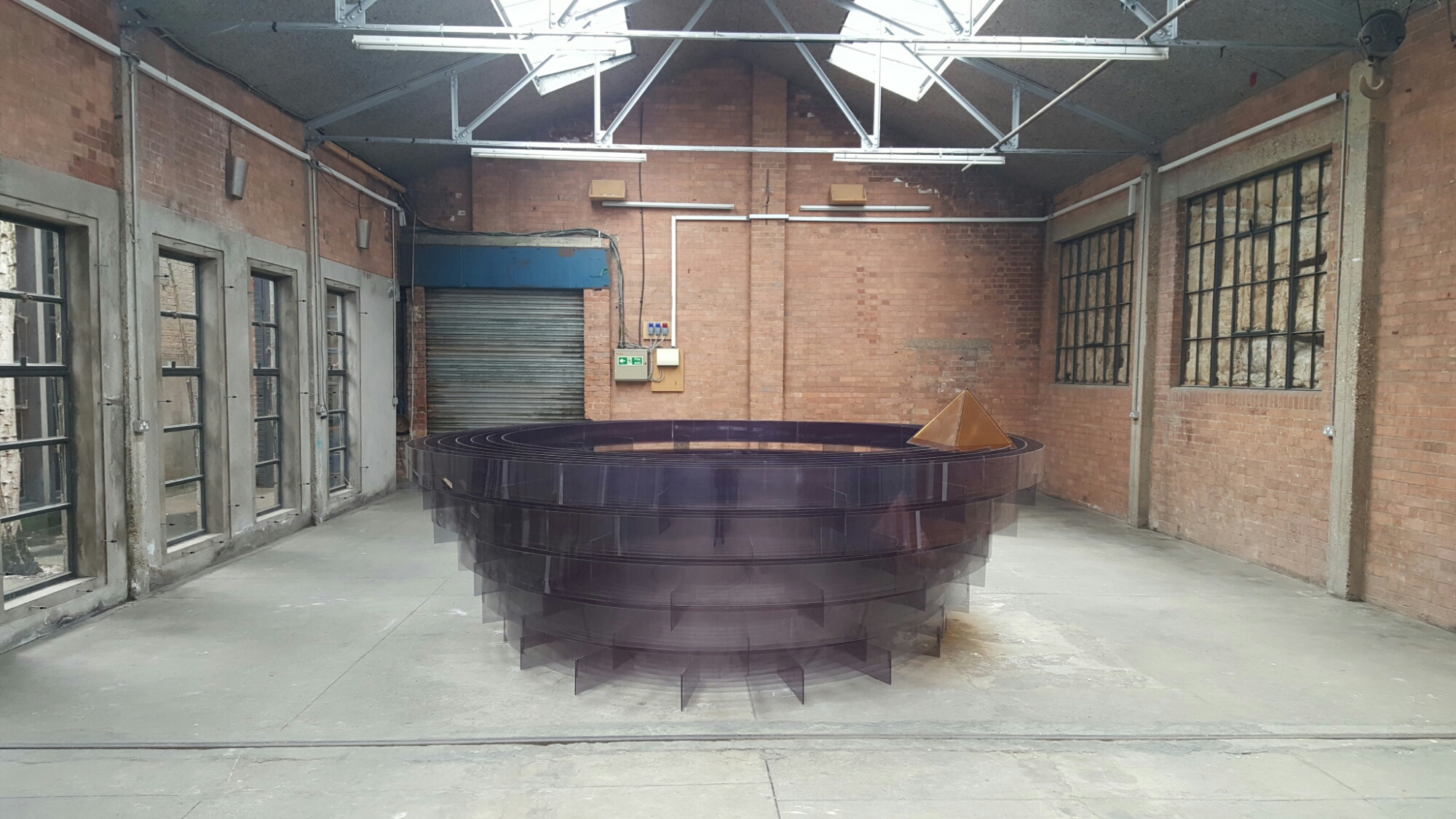
We went to see the work which Alison Wilding is showing in her old studio space next door to the Regent’s canal.   It was commissioned by Simmons and Simmons, the city law firm, for their new headquarters in Canary Wharf, which was to have been designed by Santiago Calatrava.   But they fell out with him. Alison’s work was used as a hat stand and then put into storage.   It looks good, evanescent in the space:-

image

image Continue reading

Standard

Green Truffle

As gentrification creeps up the Roman Road, we’ve got a brand new Italian delicatessen at no. 21, opened last Wednesday, which stocks the finest fresh pasta and olive oil straight from Italy.   After years of having nothing but chicken shops locally, it’s a pleasure to be able to stock up on different varieties of spaghetti:-

image

image Continue reading

Standard

14-16 Cockspur Street

Yesterday, I was walking down Cockspur Street and noticed the astonishingly elaborate metalwork decoration above one of the doors of the Brazilian Embassy.   It was done by Ernest Gillick, an ARA who did much 1920’s commemorative sculpture, including a medal for the Royal Academy Schools.   The building, designed by Arthur Bolton in 1906, had been taken over by P&O from the Hamburg America Line in 1918 as reparation for the first world war.   P&O then commissioned Gillick to do grand statues of Britain and the Orient – Britain as a Roman centurion with a putto holding a trident on the right, the Orient as a Nubian slave – and the company motto QUIS SEPARABIT in between:-

image

image Continue reading

Standard

The New Tate Modern (1)

It was the opening day of the new Switch House:  a radically different set of geometries to the original Giles Gilbert Scott Power Station.   The new building, joined at the hip by Herzog and de Meuron, is a neo-Egyptian brick ziggurat.   It’s impossible to get a full sense of what its impact will be in a single day and how the linear geometries of the old boilerhouse will relate to the triangular grid of the new ground plan.   It’s certainly extremely impressive on its own, with its complex changing outline, built on top of the original oil tanks and sharing much of the same industrial aesthetic, with sweeping circular concrete staircases leading upwards, Jasper Morrison furniture, a lot of public spaces and wonderful views from the top of all of London.

This is the building from outside:-

image

image
Continue reading

Standard

Michael Landy RA

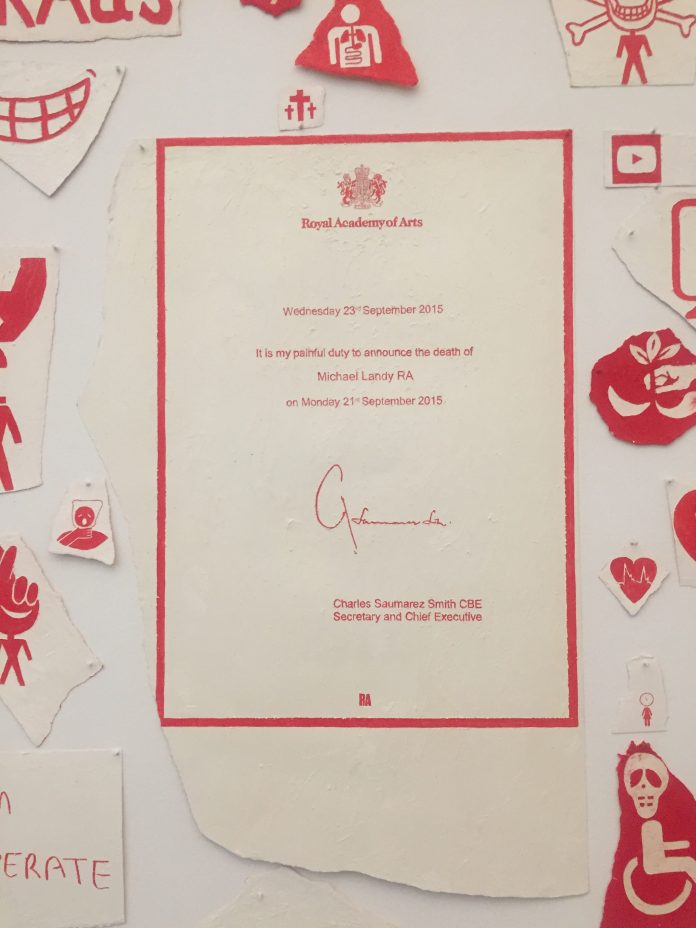
One of the pleasures of going to Basel was the opportunity to see the Michael Landy exhibition on the ground floor of the Tinguely Museum, a wholly appropriate place for the work to be seen because he was apparently first inspired as an artist by visiting the Tinguely exhibition at the Tate in 1982.   They share many characteristics, particularly the mechanical anarchism.   But I was particularly pleased to see his very beautiful line drawings – a set of portraits of friends – and his amazing etchings of plants commissioned by Paragon Press.

IMG_1548


Standard

Kunstmuseum Basel

The Kunstmuseum was closed for renovation when I came to the art fair last year.   Now that it has reopened, it is possible to see its astonishing collection of early German paintings, including Grunewald’s great Crucifixion and Holbein’s Dead Christ;  not to mention a room full of Fuseli’s, labelled – he was born in Zurich, the son of a Swiss painter – as Füssli, and a great collection of classic modern paintings on the top floor, all displayed in a grand, but austere, slightly monastic building.   Opposite is a new extension, neo-brutalist and even more austere:-

image

image Continue reading

Standard

The Tondo

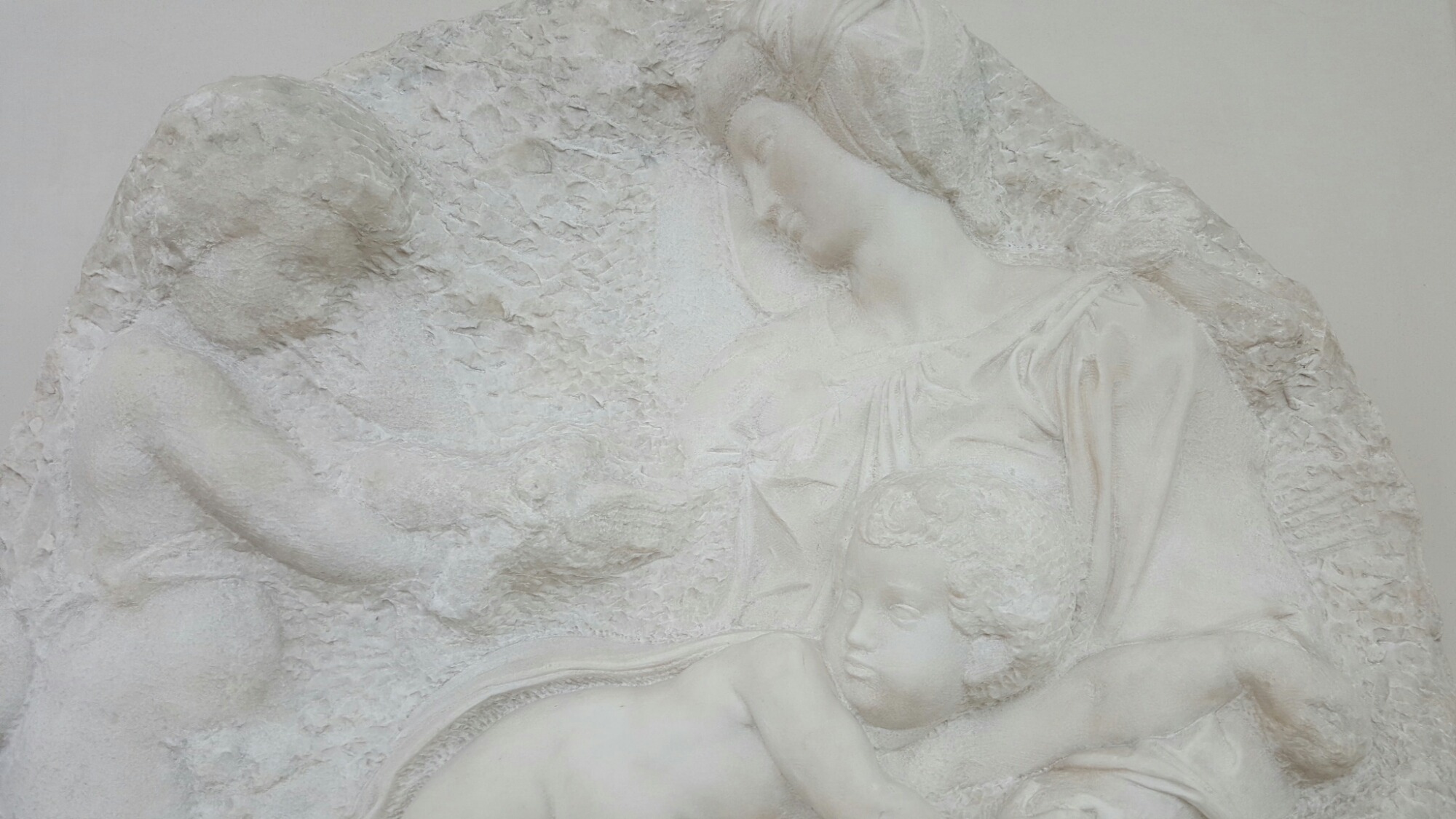
Today for the first time since it was installed behind bullet-proof glass upstairs in the Sackler Gallery in 1991, the glass was taken off the display case of Michelangelo’s Tondo, so that one could see it in its full, fresh and rough-hewn glory.   We were told its history in the RA:  bought by the artist and collector, George Beaumont, in Rome in 1822;  shown in his house in Grosvenor Square;  bequeathed on his death in 1827 to the RA;  hung on the top floor of Burlington House in the late nineteenth century and in the General Assembly Room after the war;  occasionally exhibited, as, for example, in the great Italian Art exhibition in 1930.   It certainly looks very different out from behind glass, some parts finished and polished, much of it still waiting the chisel:-

image

image Continue reading

Standard