Back in Brexit Britain, I am posting some last pictures of New York. I know that the transformation of Soho into an area of gigantic fashion stores is now complete, but I still like the old industrial feel of Prince Street and Spring Street – the high old warehouses and small bits of terracotta ornament, as well as McNally Jackson, a well stocked independent bookstore:-
Monthly Archives: November 2016
Lexington Avenue
Having been stuck in the rain in a taxi on Third Avenue yesterday, I thought I would walk to my meeting on Lexington Avenue.
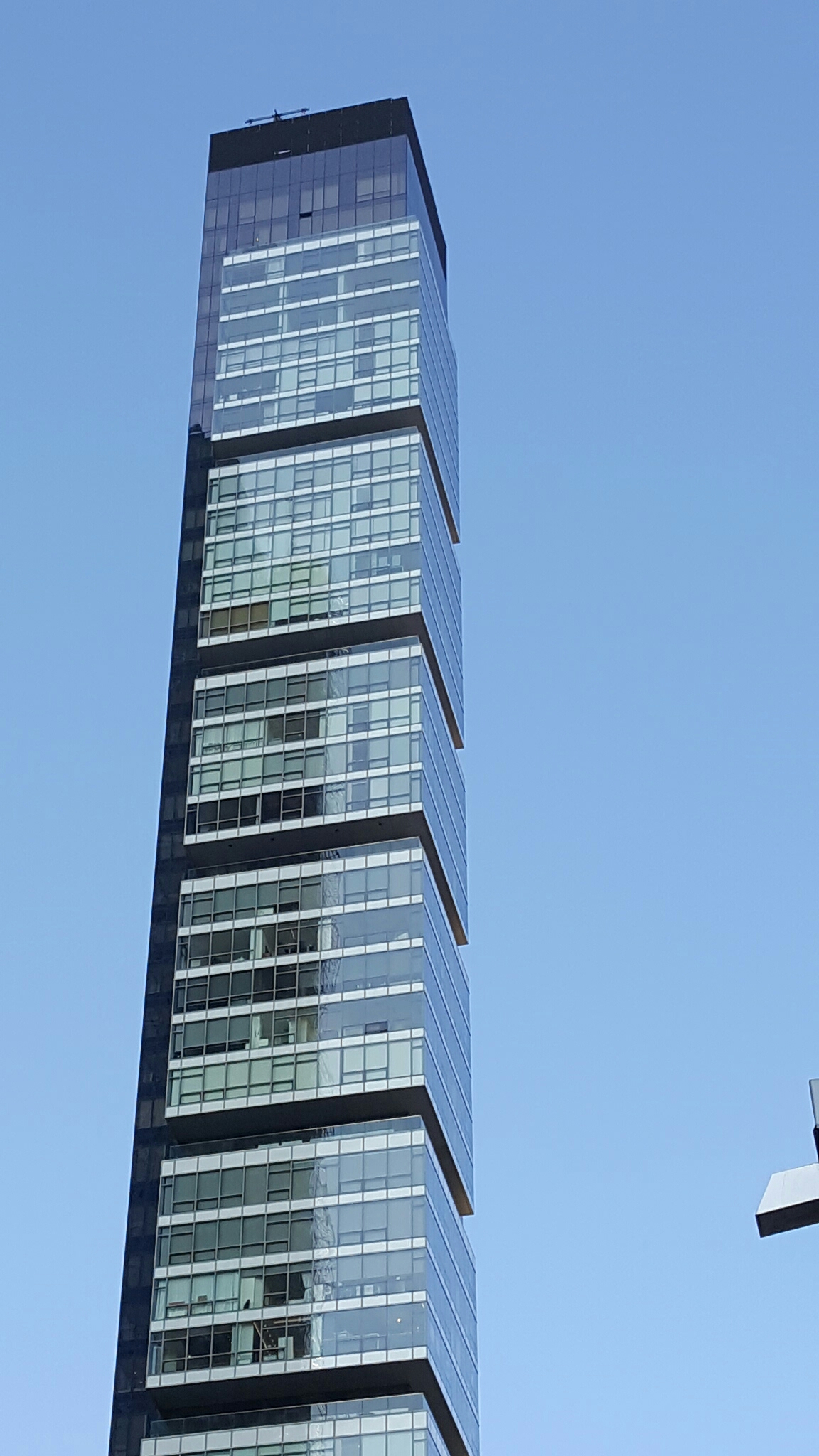
I have been struck by the fashion for tall, skinny buildings which New Yorkers hate because they feel that they are disfiguring the traditional skyline. I like them because they are unexpected feats of engineering and design, introducing a new vocabulary to the skyscraper.
There were two on 23rd. Street:-
Fallingwater (2)
I have been thinking about – and trying to figure out – exactly what it is that makes Fallingwater so satisfying as an architectural experience.
Part of it is the sense that one is in nature. Edgar Kaufmann had wanted the house to be on the opposite bank looking at the waterfall, a much more conventional framed view of nature. But Wright placed the house in, and on top of, the waterfall, so that one feels that the house is placed within the woods and the water (Wright failed – or refused – to design a conventional swimming pool, but instead provided steps down from the living room into a plunge pool alongside the waterfall).
The second thing which is clever about the house is that every interior space is paralleled by an equivalent outside deck, so that one is constantly pulled outside. It was not cheap (the initial quote was a maximum of $35,000. It ended up costing $70,000).
The third thing which is clever is the complexity of the ground plan and the way that the three floors relate – and do not relate – to one another. I assume that this may have been what Wright meant by creating an organic architecture, rather than following the tenets of a more modernist logic in the ground plan.
I am posting some additional views that I omitted from my first post, which I did in the first flush of enthusiasm. The first are the steps from the living room down into the plunge pool, not a particularly legible image, but important for understanding the connection of the house to the water:-
Pittsburgh
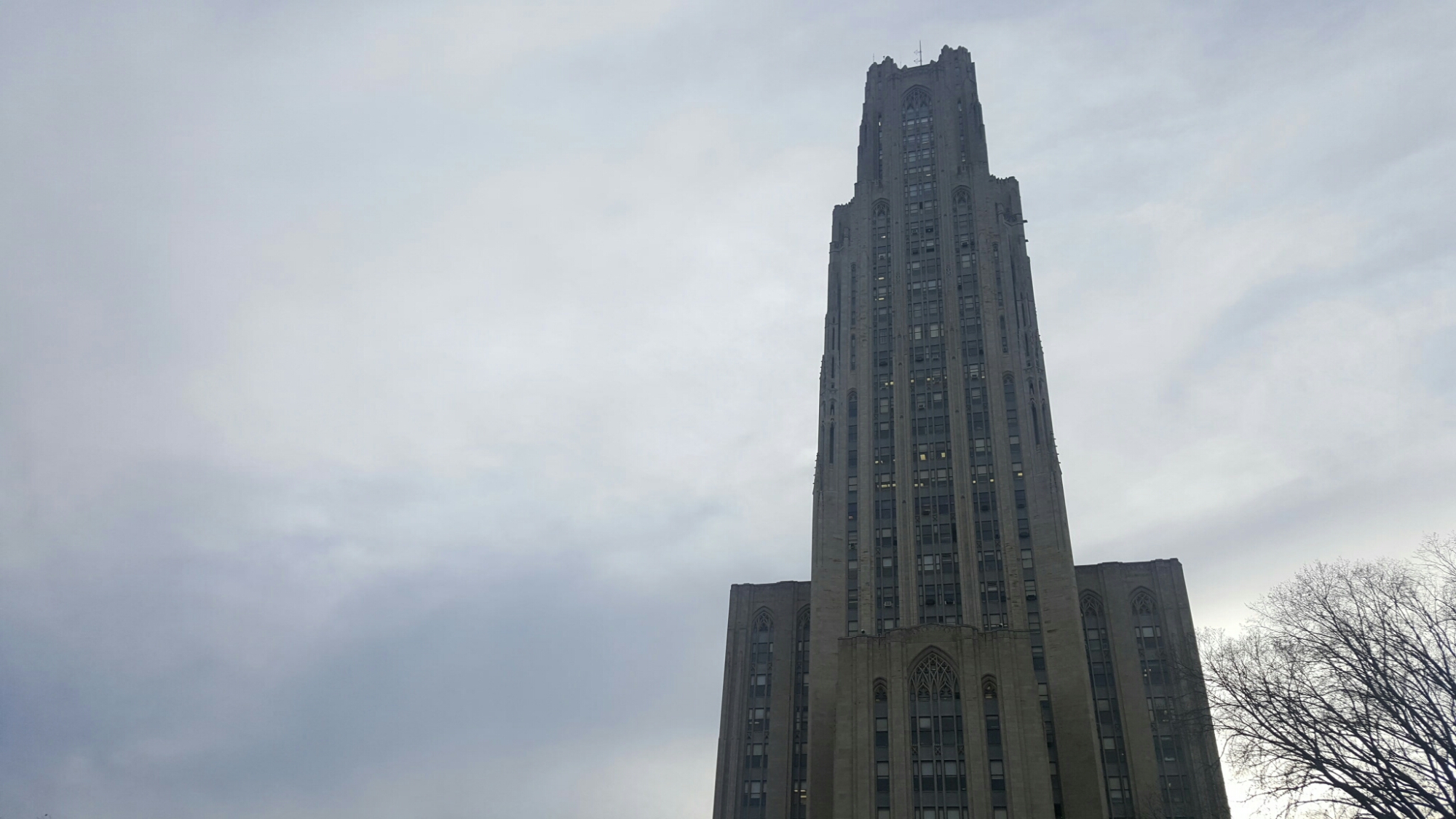
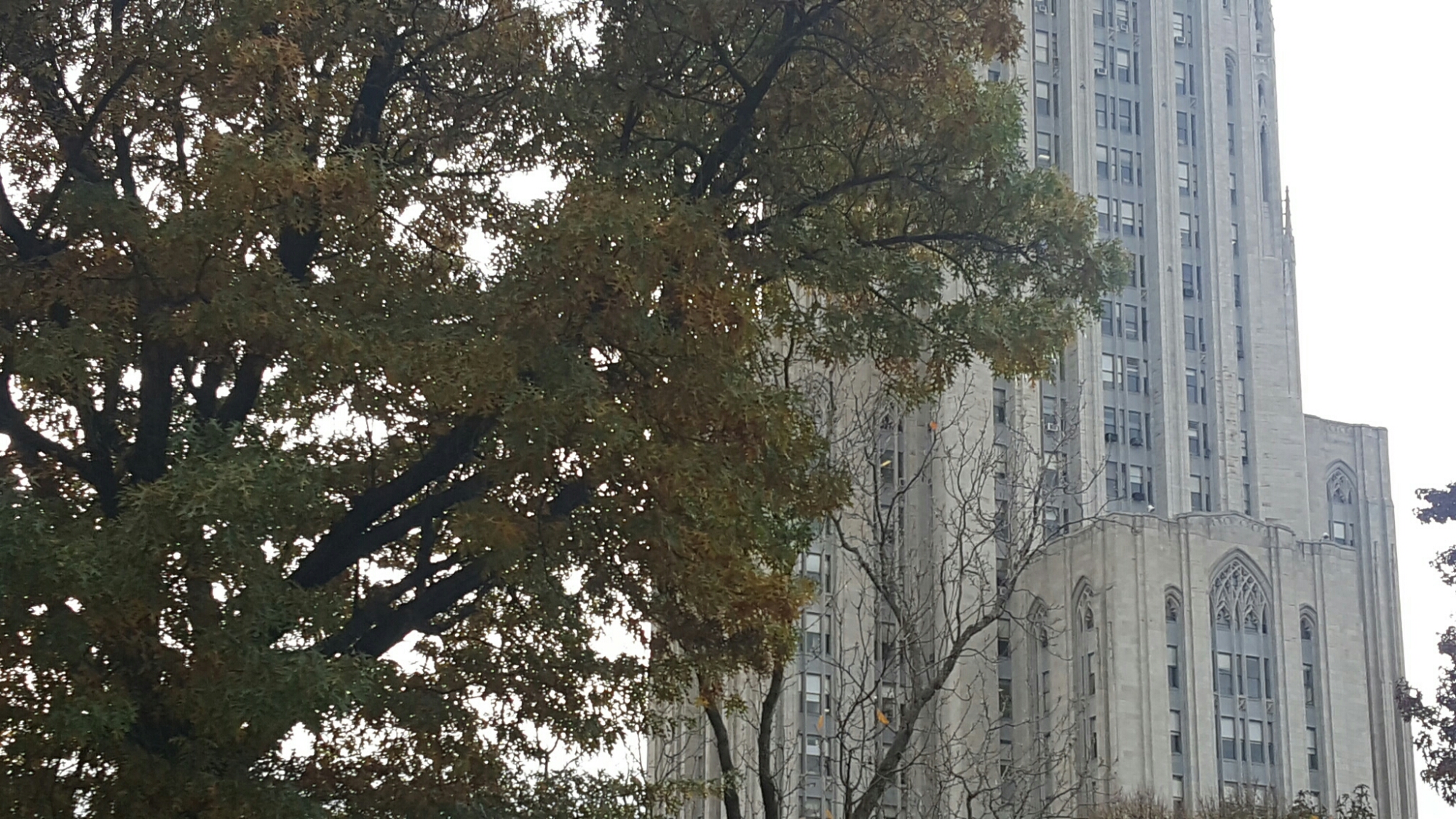
I came to Pittsburgh with relatively low expectations, remembering the graphic account in David Cannadine’s biography of Andrew Mellon of how deeply unhappy his wife, Nora, was when she had to move there in 1900. So, I was unprepared for the grandiosity of the great gothic monuments of the university campus – products of the generosity of the generation of Pittsburgh bankers and industrialists, Carnegie, Heinz and Mellon. Most impressive is the so-called Cathedral of Learning, designed in the late 1920s by Charles Klauder of Phildelphia to house all aspects of the University – 87 classrooms, 184 laboratories and 19 libraries:-
Edgar J. Kaufmann jr.
The Kaufmanns were quite a remarkable family. Edgar J. sr. ran the department store in Pittsburgh, which had been established by his uncles, Jacob and Isaac, classic immigrants from the anti-semitism of late nineteenth-century Germany. He was a graduate of Yale and also commissioned Frank Lloyd Wright to design the executive offices on the top floor of the department store. There is a photograph of him in the bedroom at Fallingwater with fishing rod in hand:-
Carnegie Museum of Art
I had to dash round the Carnegie Museum of Art – annoyingly – and thought that I would only show an intriguing early work of Yayoi Kusama, done when she was 33 and living in New York:-
Fallingwater (1)
I got up early to take the Pennsylvania Turnpike to the Alleghenies where the Kaufmanns asked Frank Lloyd Wright to build them a weekend retreat, inspired by meeting him at Taliesin in 1934, where their son Edgar, jr. had gone to join the Taliesin Fellowship.
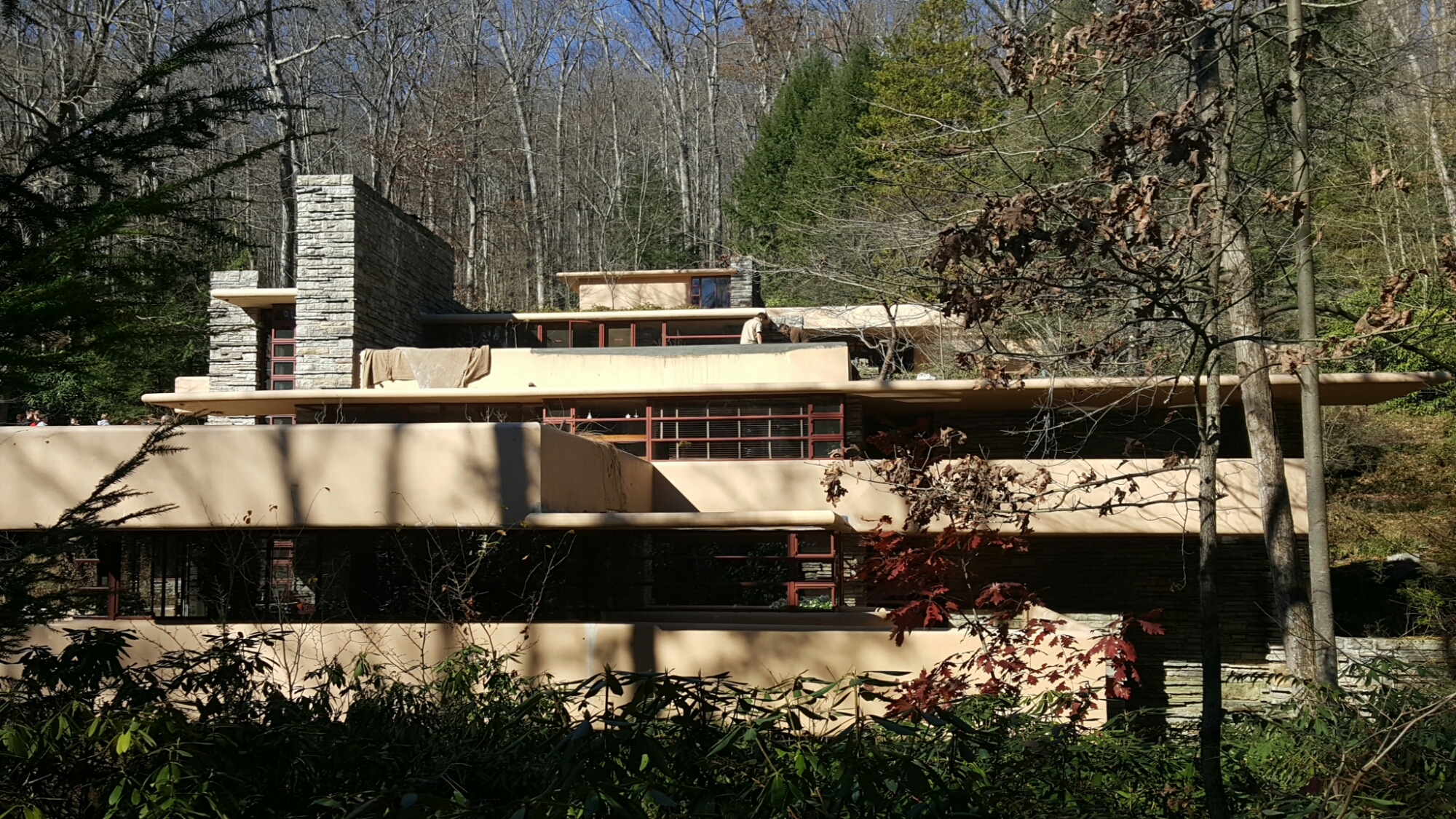
The house is quite an amazing experience (quite in the American sense). Constructed as a series of vigorously horizontal, cantilevered trays over the Bear Run waterfall, it interleaves nature and art in a way I haven’t previously experienced. One moves between levels – the living level, with a big open plan sitting and dining room; upstairs are the parents’ bedrooms; on the top floor, a study and tiny bedroom for Edgar, jr.; and beyond a separate guest annexe with space for their servants above. It’s also an effective combination of the rough and the smart – Edgar, sr. inclining towards the rough and Frank Lloyd Wright preferring the smart (he wanted the concrete covered in gold leaf).
This is the sequence of views of the house, as one first encounters it:-
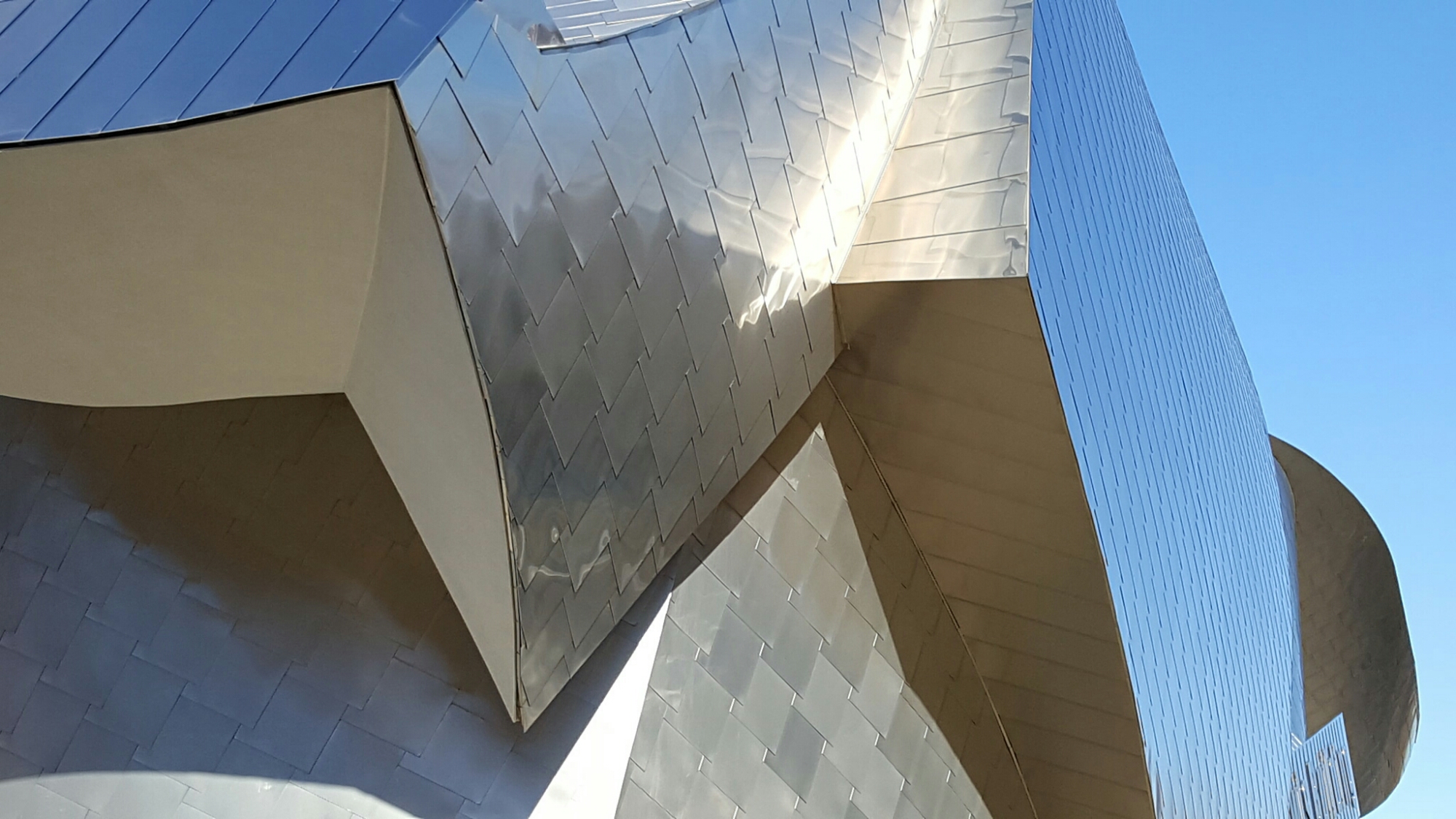
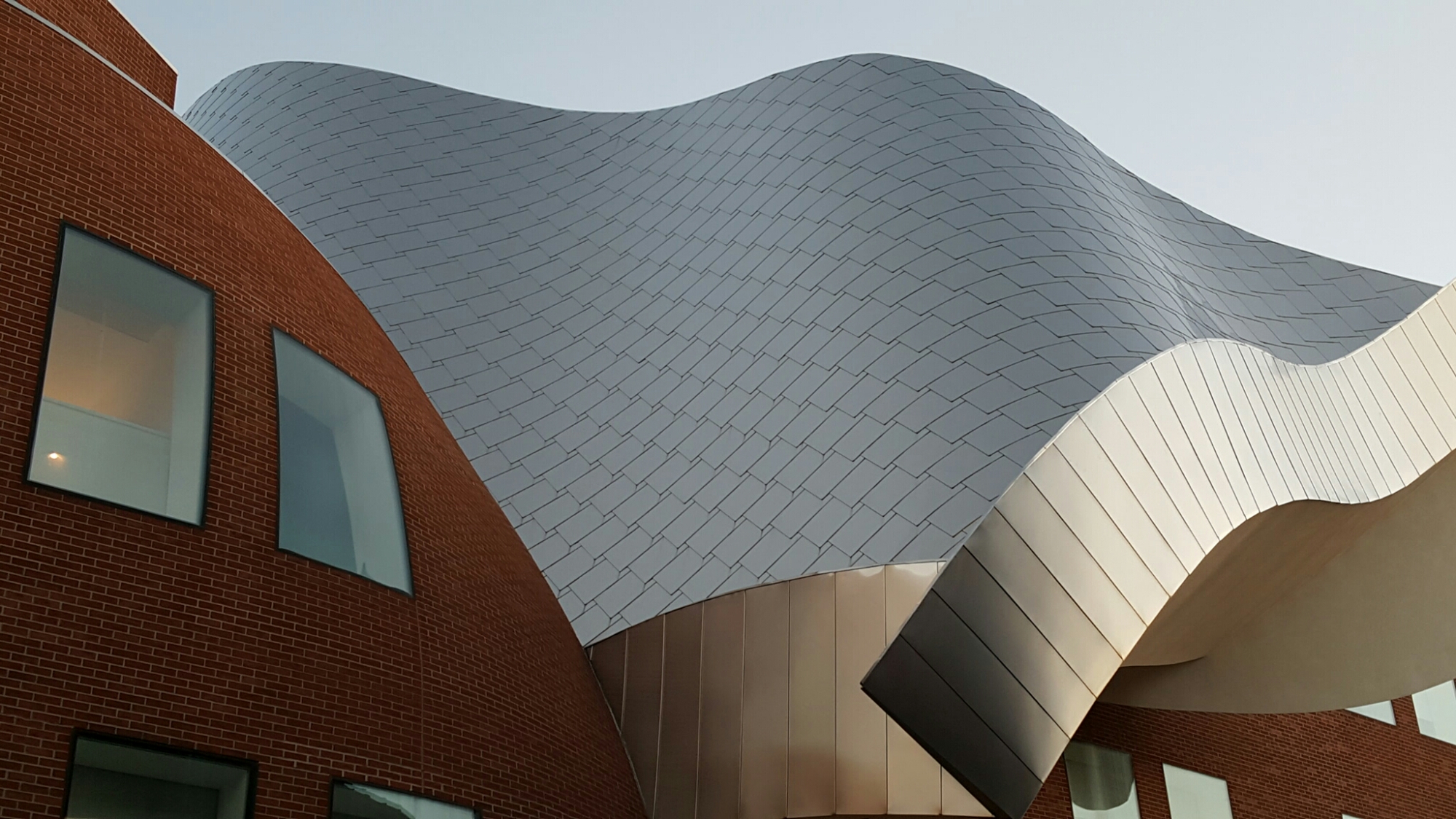
Peter B Lewis Building
I presume every American city now has a building by Frank Gehry. Cleveland has the Peter B. Lewis Building, completed in 2002 to house Case Western’s School of Management:-
Cleveland Museum of Art (2)
The original building of the Cleveland Museum, designed by local architects, Hubbell and Benes, and opened 100 years ago, is the ultimate in the genre of museum as grand, neoclassical mausoleum:-
Cleveland Museum of Art (1)
I spent the afternoon in the Cleveland Museum of Art, which has been recently, very beautifully, and intellectually very coherently redisplayed, including the integration of African art at the heart of the historic displays. The quality of the displays are, I assume, made possible by a highly selective process of acquisition, ample funds, and the good judgment of its Directors, including Sherman Lee, who was Director from 1958 to 1983 (he only died in 2008) and the medievalist, Robert Bergman, who died in post in 1999.
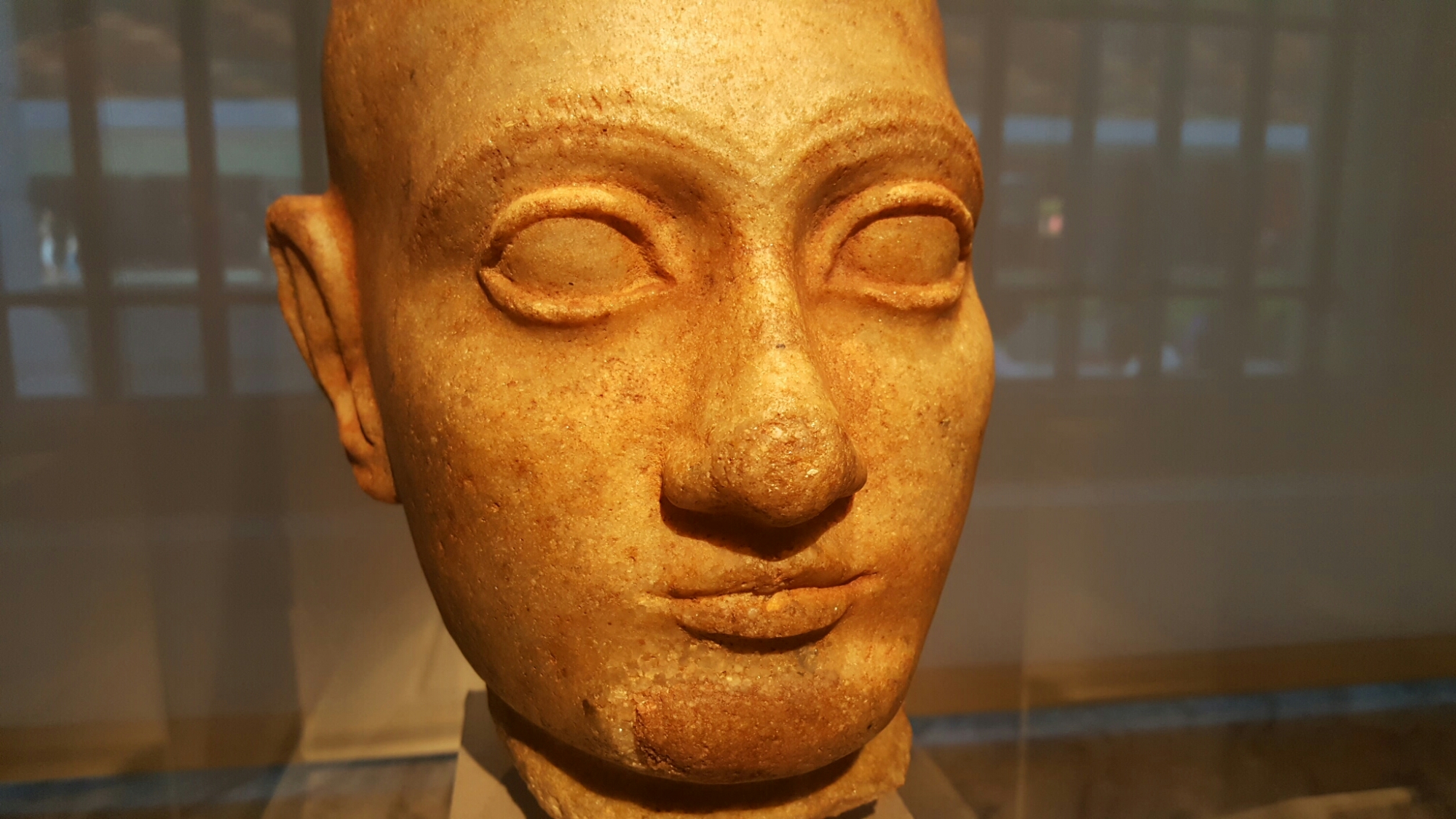
I attach some odd things which I want to be able to remember.
The head of King Shulgi, dated to between 2029 and 1982 BC:-


You must be logged in to post a comment.