Museum of Fine Arts, Boston

We spent the afternoon in the MFA, seeing and admiring the new wing devoted to the Art of the Americas, designed by Norman Foster and opened in November 2010.

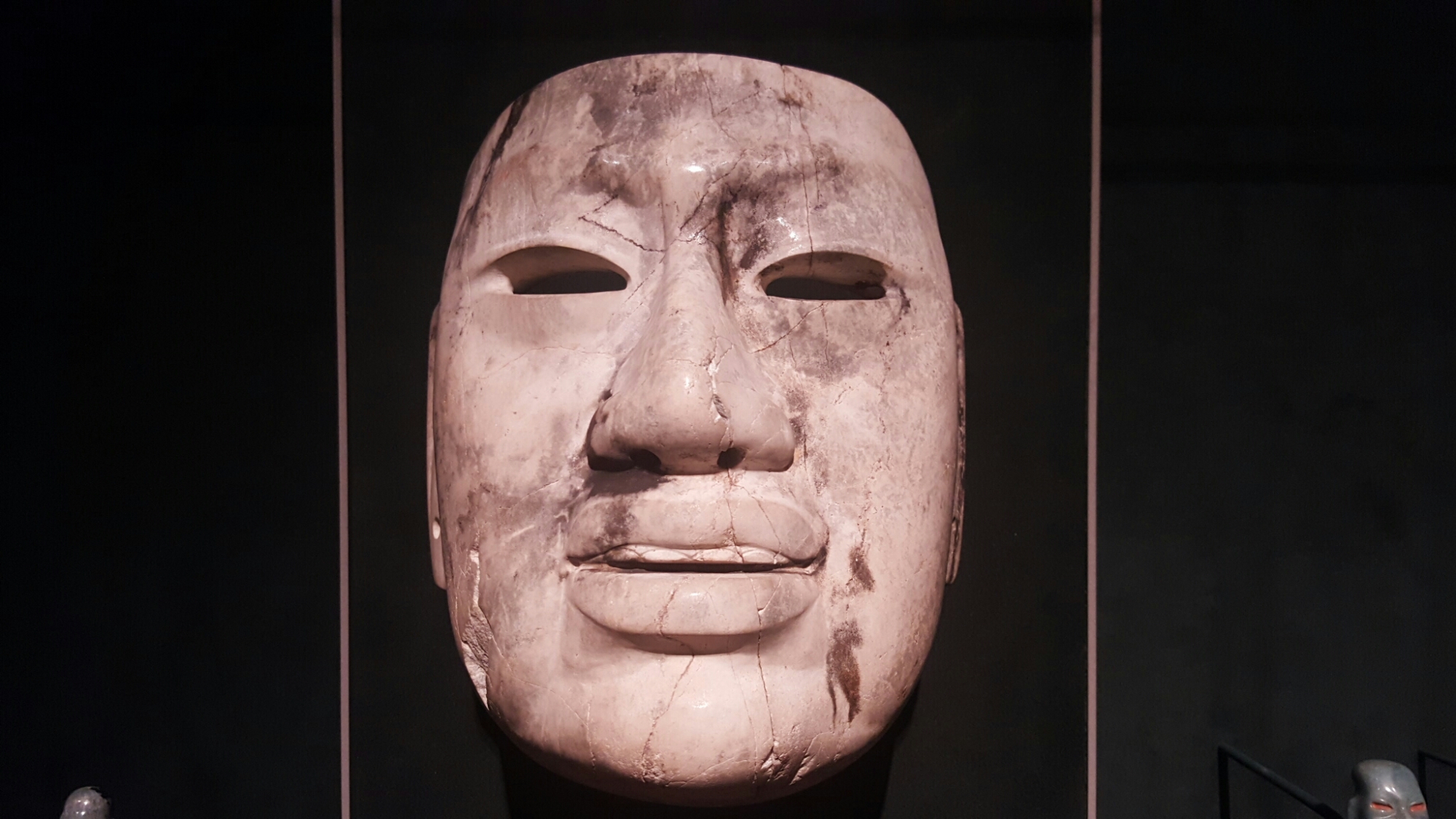
In the basement, there are displays relating to Central America, including an early Olmec mask:-
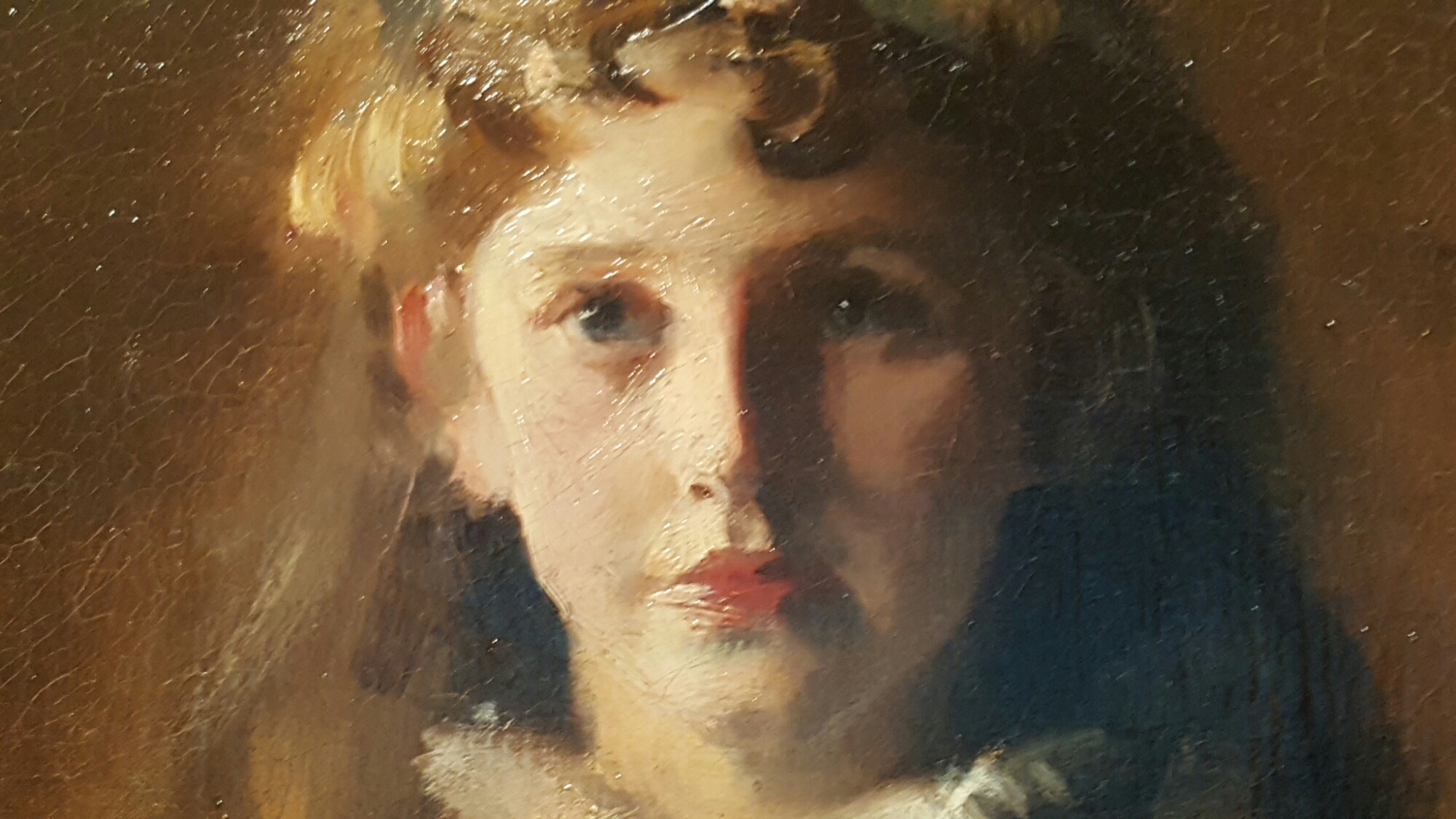
On the third floor is the great Sargent portrait of The Daughters of Edward Darley Boit, which came to London for the exhibition Americans in Paris and is shown in a gallery flanked by the two great Chinese urns which Boit had in his apartment in Paris:-
Continue reading

Standard

Isabella Stewart Gardner Museum

We spent the morning in the Isabella Stewart Gardner Museum, always a heady experience, now entered through the back by way of the lightweight extension recently added by Renzo Piano:-

Continue reading

Standard

John Hancock Tower

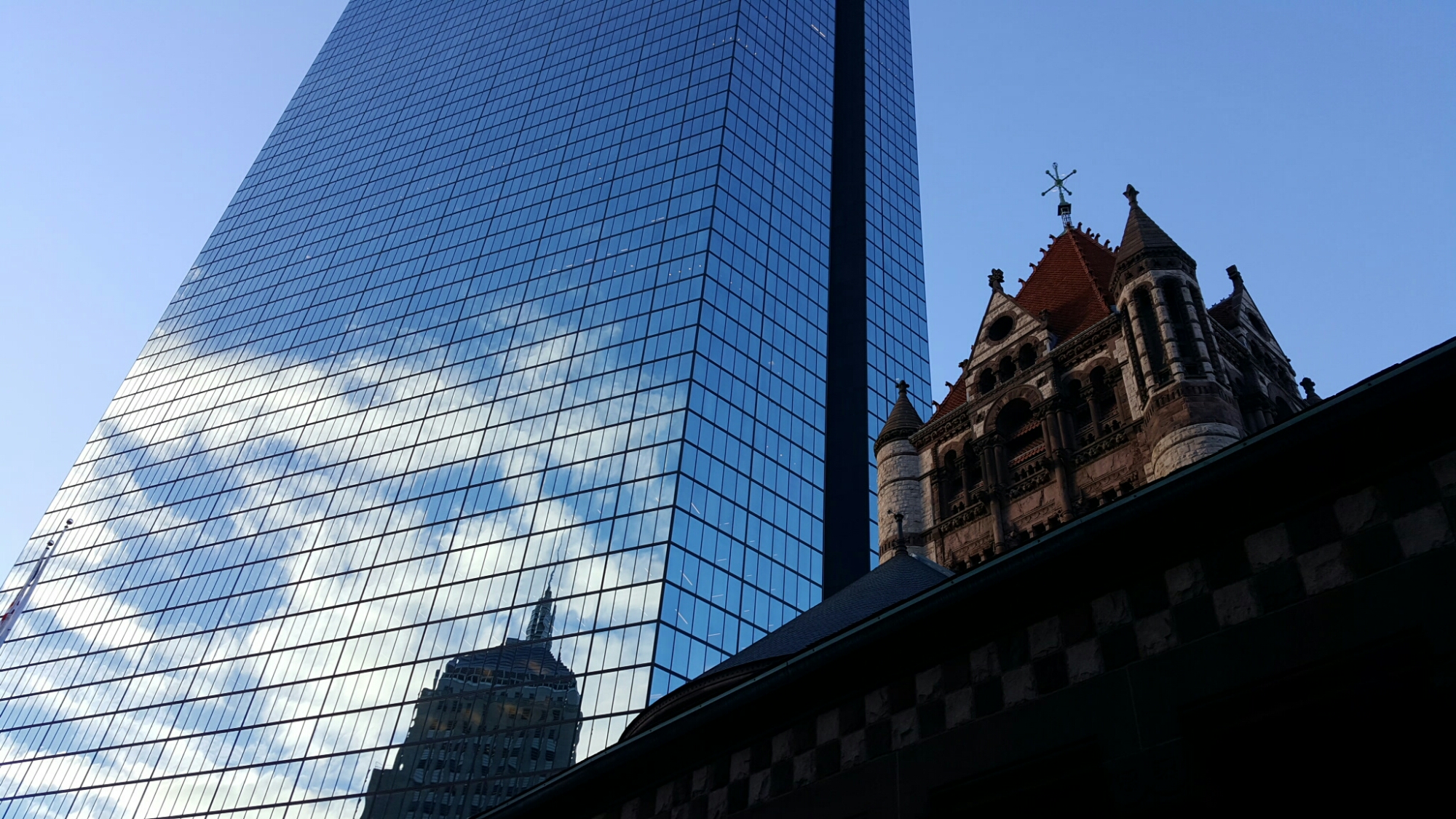
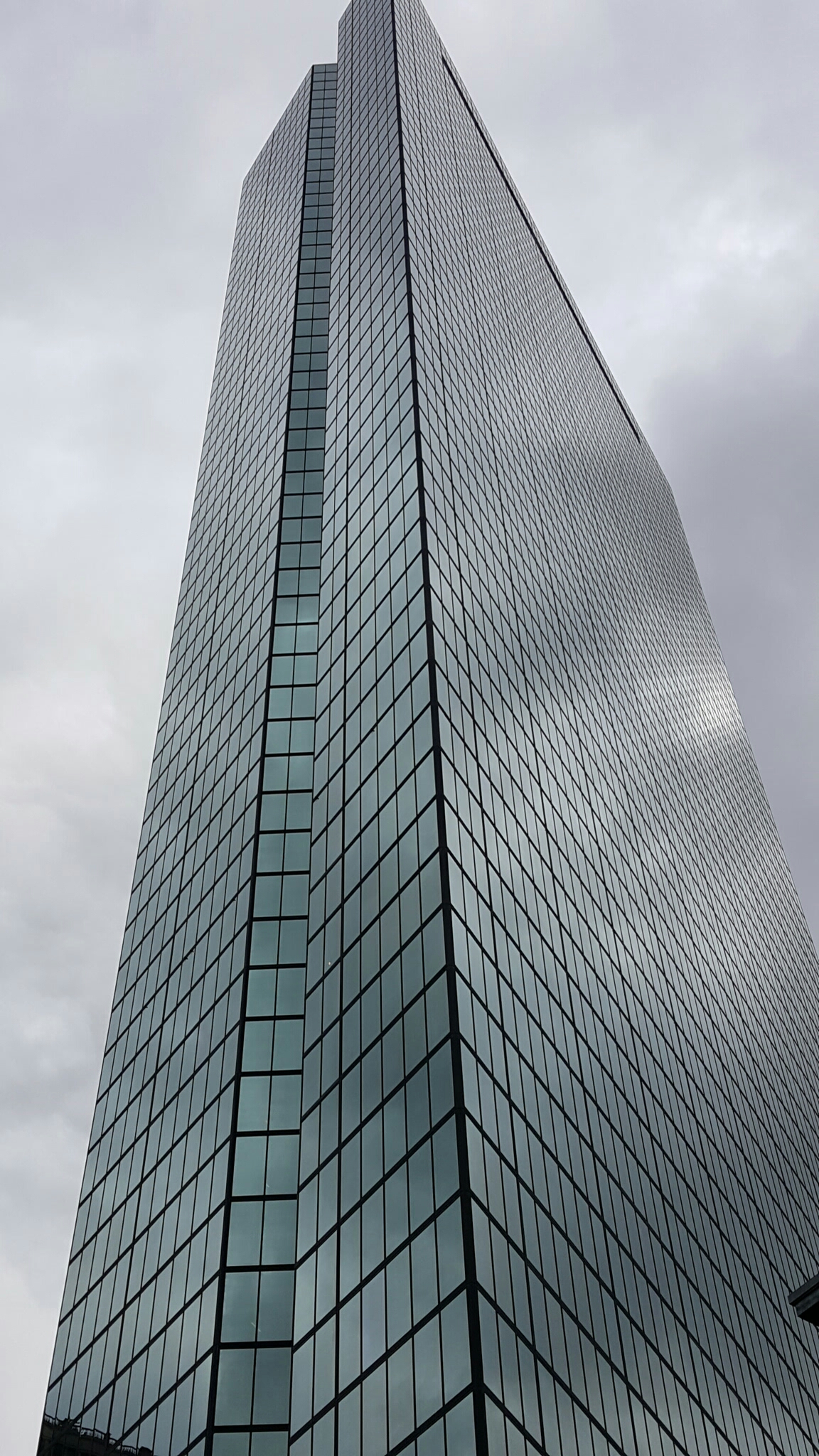
I’m an admirer of the John Hancock Tower and always have been:  post-brutalist, it provides an elegant and sleek reflective presence to the Boston skyline, always there, but never domineering, tactfully deferential to H.H. Richardson’s wonderful Trinity Church.   It was designed by Henry Cobb, working in partnership with IM. Pei:-

Standard

Boston Public Library

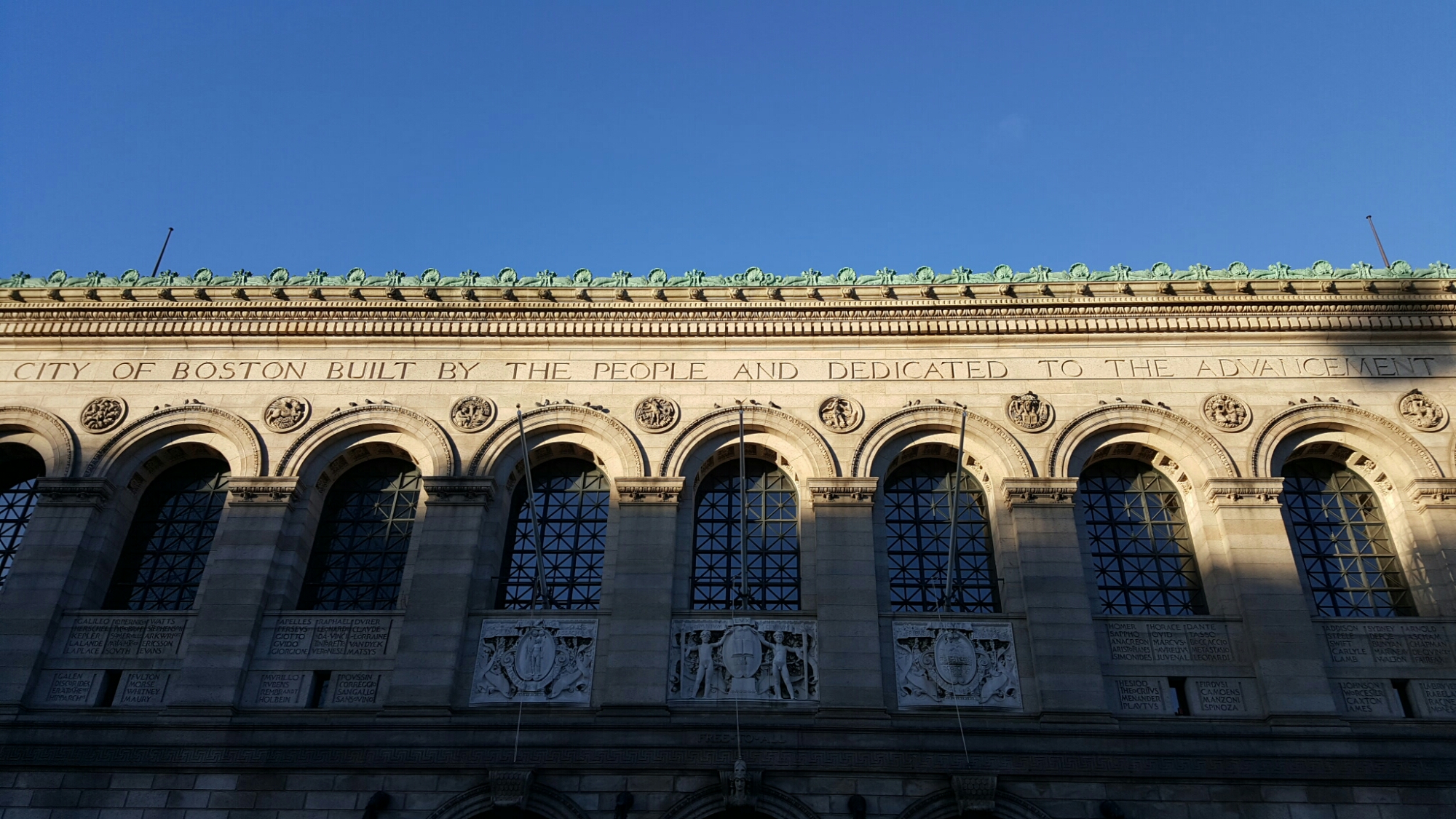
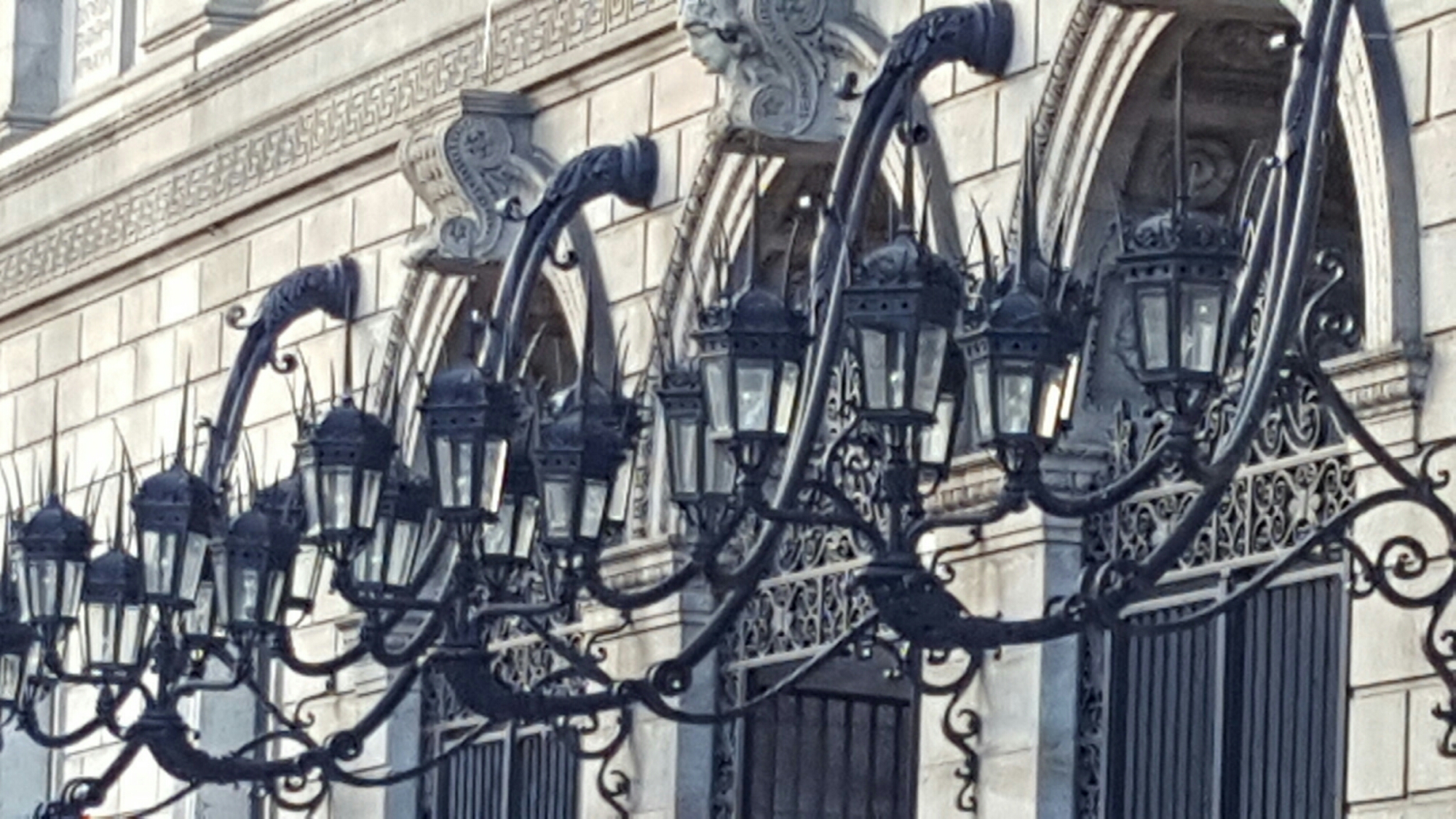
I nipped out first thing in the morning to catch the early morning light on Boston Public Library, McKim Mead and White’s great classical monument to the idea of public learning, with the names of all the great writers boldly inscribed on its façades.   Charles McKim had been at Harvard – of course – and had been apprenticed to H.H. Richardson.   Based on Alberti and Labrouste’s Bibliotheque Ste. Geneviève in Paris, it represents the turn to classicism in American architecture:-

Continue reading

Standard

Government Service Center

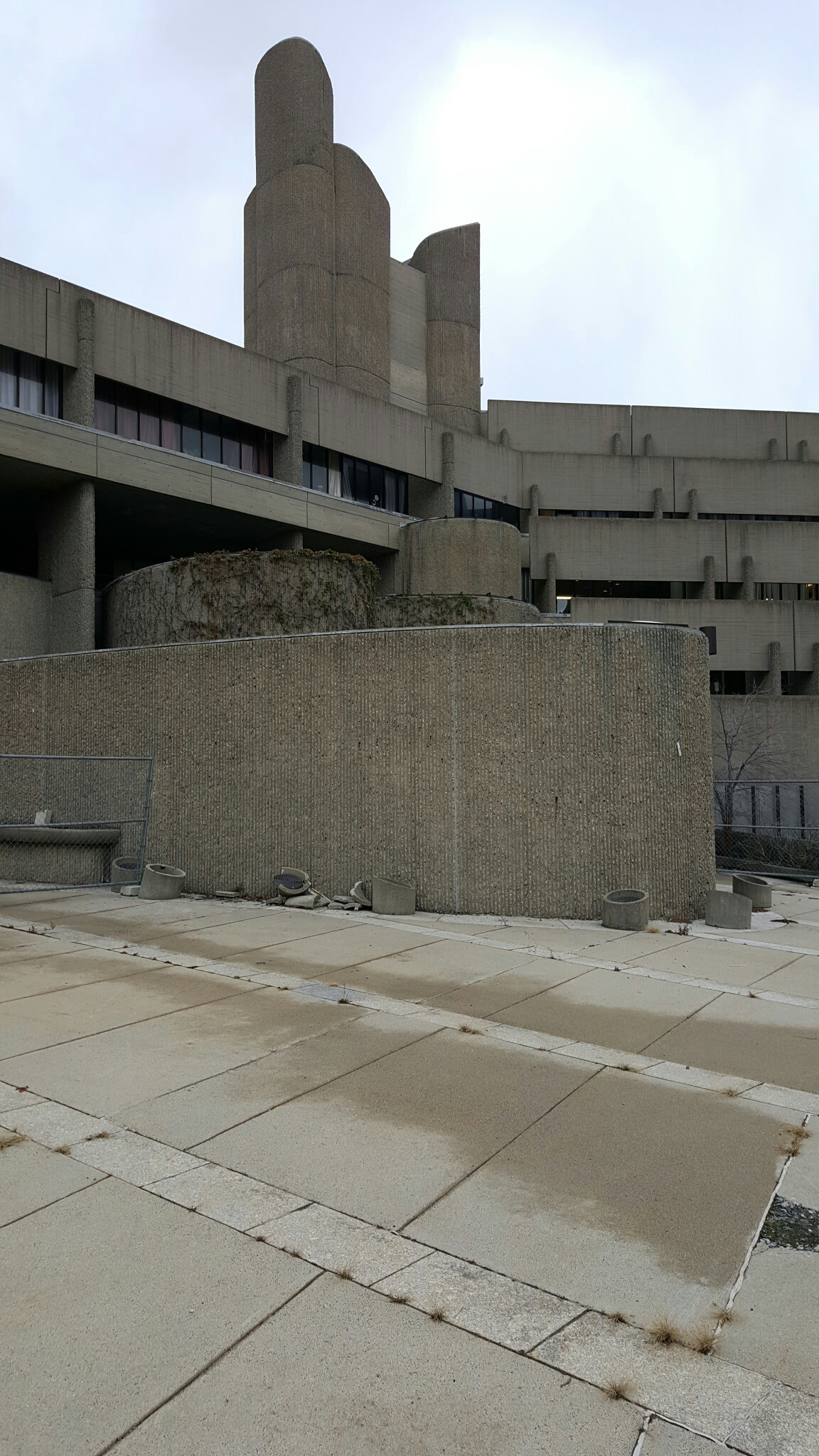
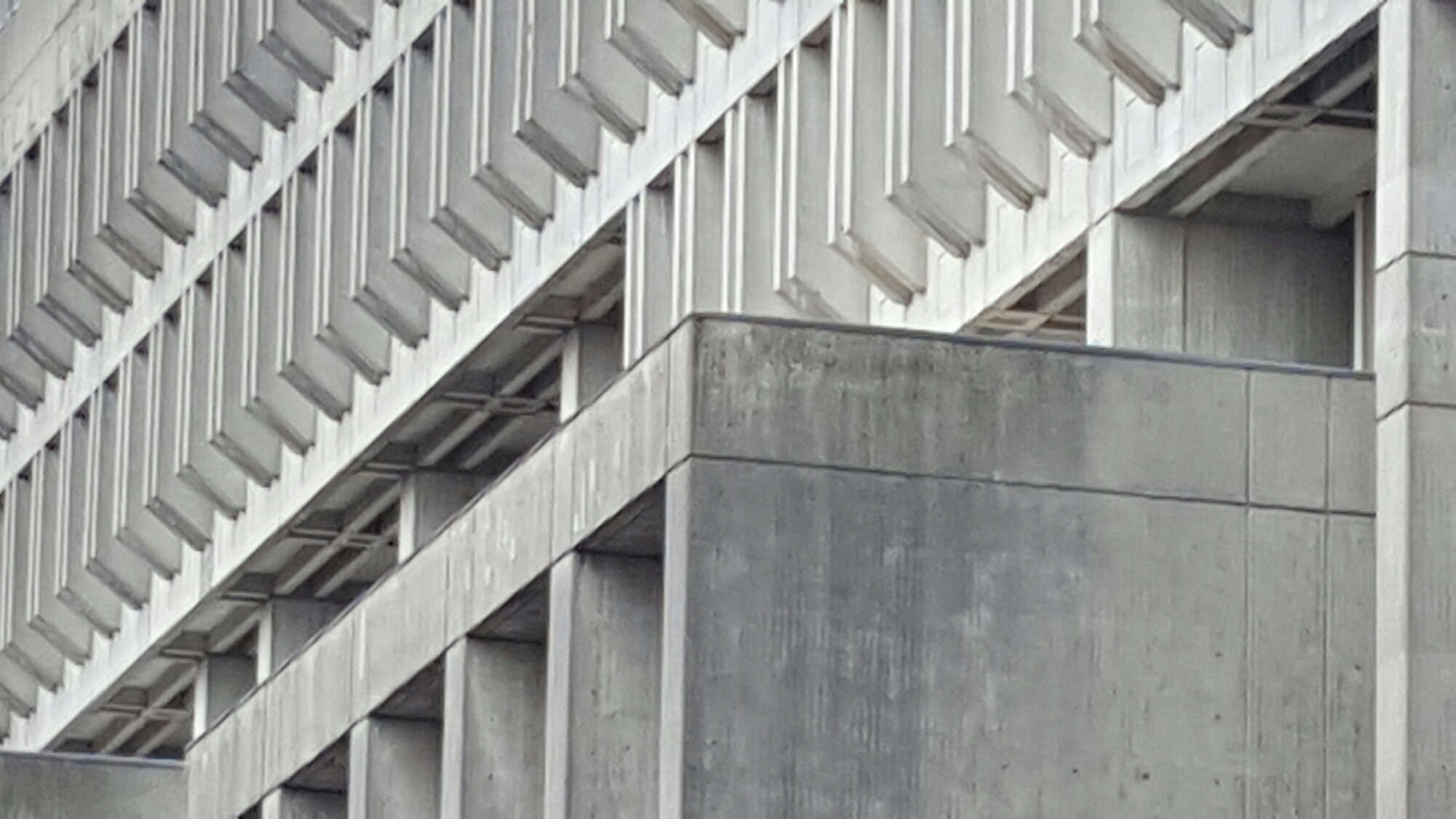
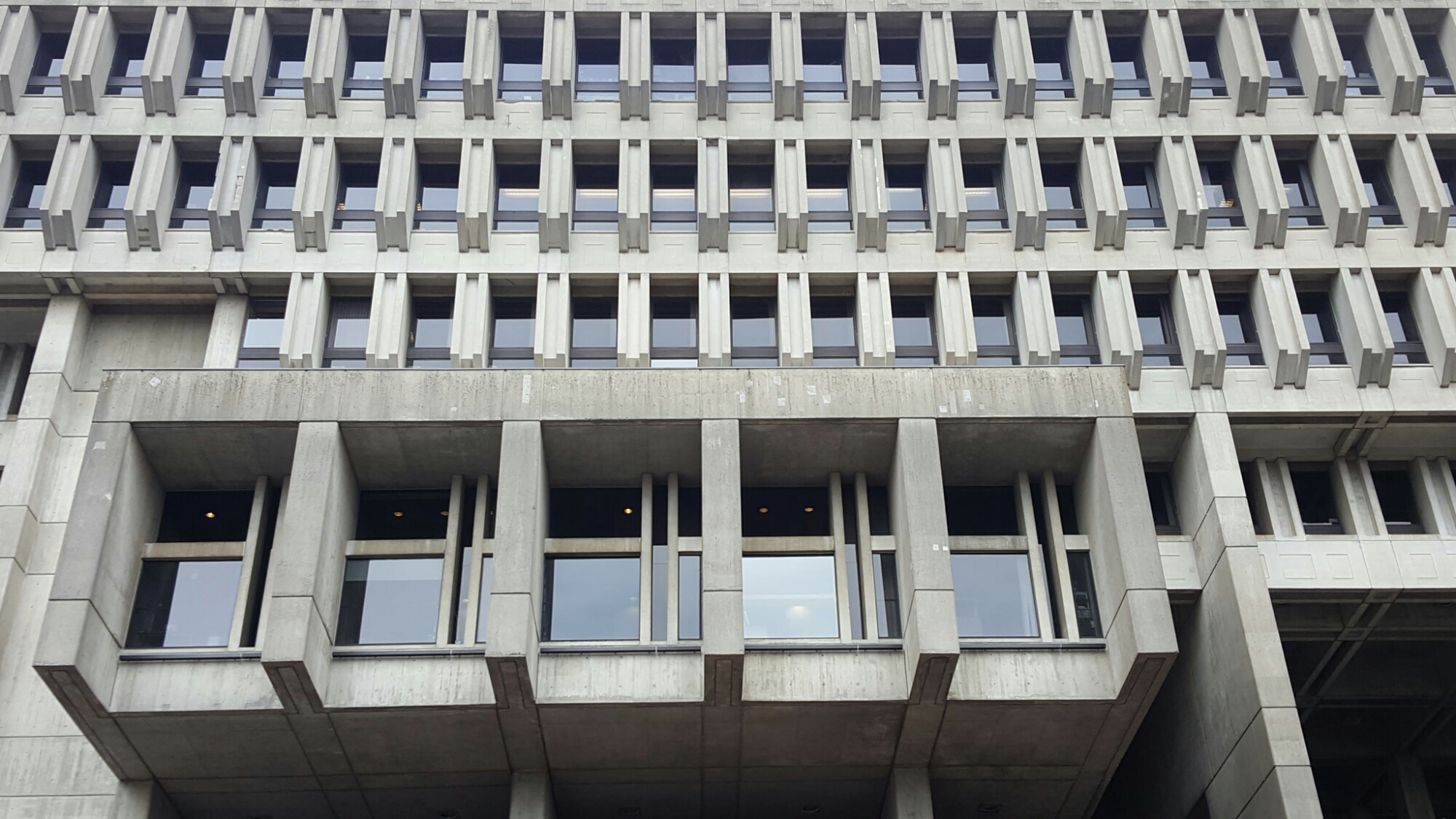
Much more impressive than City Hall, although also much bleaker, is Paul Rudolph’s Government Service Center.   Rudolph was the chair of the architecture school at Yale and designed the building in the manner of an Italian town (not my idea of an Italian town).   The complex is said to demonstrate all the characteristics of his style – ‘rough-aggregate corrugated surfaces, rhythmically repeated piers, overhanging cornices, and sculpturally articulated service cores, multiplying the Brutalist aesthetic close to a point of delirium’:-

Continue reading

Standard

Boston City Hall

I was reading on the aeroplane about the glories of Boston City Hall – the importance of preserving it as a monument to the heroic days of city government.   I didn’t remember ever seeing it, although in some ways it is hard to miss:  a grand and neo-expressionist piece of concrete sculpture, which has thus far resisted demolition:-

Standard

Beacon Hill

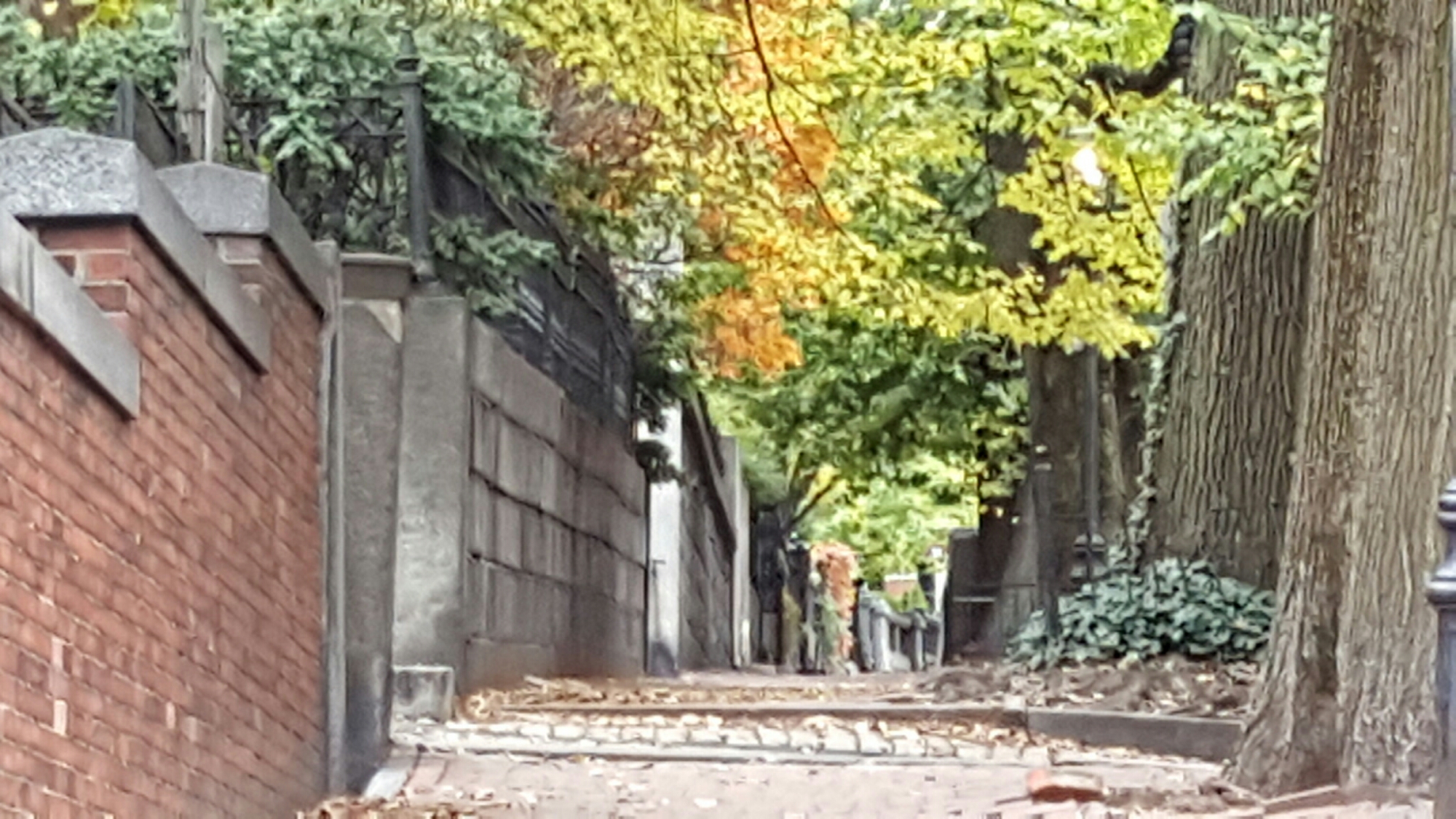
I wish I had acquired the habit of walking when I was in Boston in 1976.   I always regarded Boston as a distant city, to be reached only on the T, so never got to know the pleasures of Beacon Hill – its steep brick streets and Federal houses, home of the brahmins.   This afternoon I walked up Mt. Vernon Street and enjoyed the shabbiness of its Greek Revival detailing:-

Continue reading

Standard

J.P. Gandy Deering

I meant to find out about J.P. Gandy Deering yesterday, wondering about his role assisting Wilkins in the design of University College.   The answer is that he was the younger brother of the great J. M. Gandy, draughtsman to John Soane (their father was a waiter at White’s Club).   A pupil of James Wyatt, he was trained at the Royal Academy Schools, exhibiting A Design for the Royal Academy in 1807.   After travelling to Greece on an exhibition organised by the Society of Dilettanti, he collaborated with Wilkins on the design of an 820 foot tower planned for Portland Place and on the design of the University Club in Pall Mall.   He actually came second in the competition for University College, but then assisted Wilkins in the execution of his winning entry.   In 1828, he inherited an estate in Buckinghamshire from his friend Henry Deering, took his name, and more or less gave up architecture.

Standard

University College

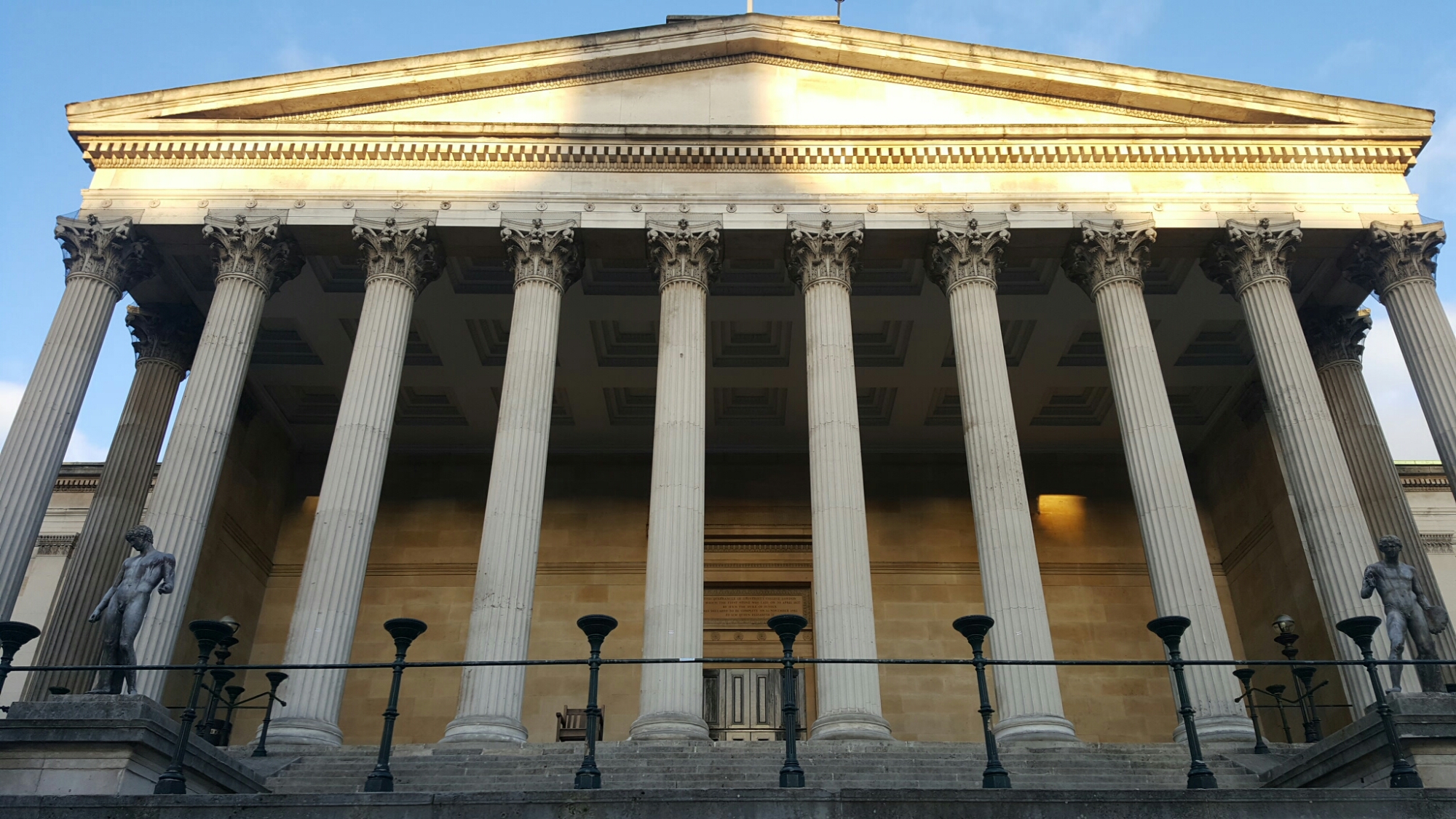
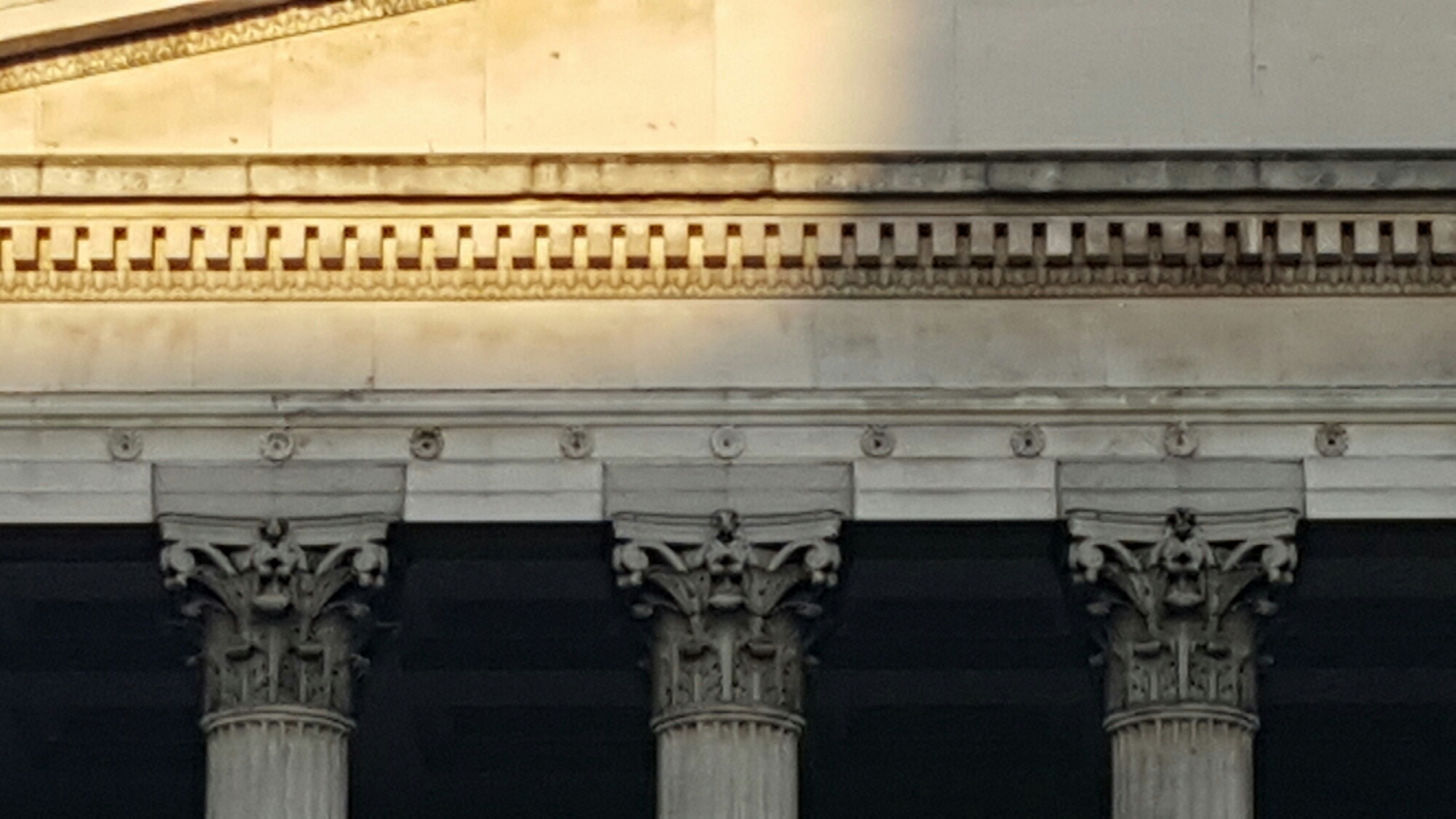
As I walked back to the underground from Birkbeck, I wandered through the labyrinth of University College and found myself in its entrance courtyard, admiring William Wilkins’s great neoclassical façade, done in conjunction with J.P. Gandy-Deering after the founding of the college in February 1826 and much more effective as an architectural composition than the later National Gallery:-

Continue reading

Standard