
I learned last night that George Lucas has decided to move his so-called Museum of Narrative Art from Chicago to Exposition Park in Los Angeles. Shows I haven’t been reading the papers while I’m away. It will help to consolidate LA’s as a great west coast cultural centre and be intriguing as a cultural move in combining art, film and digital media – and memorabilia. It’s run by Don Bacigalupi who was Director of the Toledo Museum of Art. Another $1 billion.
Monthly Archives: January 2017
LACMA
I had lunch today in the soon-to-be demolished Los Angeles County Museum of Art. The original building was done in the 1960s by Pereira Associates. It was tarted up in the early 1980s in the then fashionable post-modern style, but never admired. It disguises and does not assist entry to the collection up an escalator. There were plans to demolish it in 2002 and replace it with a building by Rem Koolhaas. Two large buildings have been added since I was last there by Renzo Piano, the Broad and the Reznick Pavilion. Now the original buildings are expected to be replaced by a building which will cross Wilshire Boulevard to the parking lot, designed by Peter Zumthor, a great and wonderful architect who famously does not like to work to a budget. The idea is to integrate the display of the collections. Cost. $700 million ? $1 billion ? Los Angeles has ambition.
No photographs because it was pouring with rain (it has rained on three of my four days here in spite of not having rained apparently for the last five years). And because none of the existing buildings quite merit it.
Los Angeles Public Library
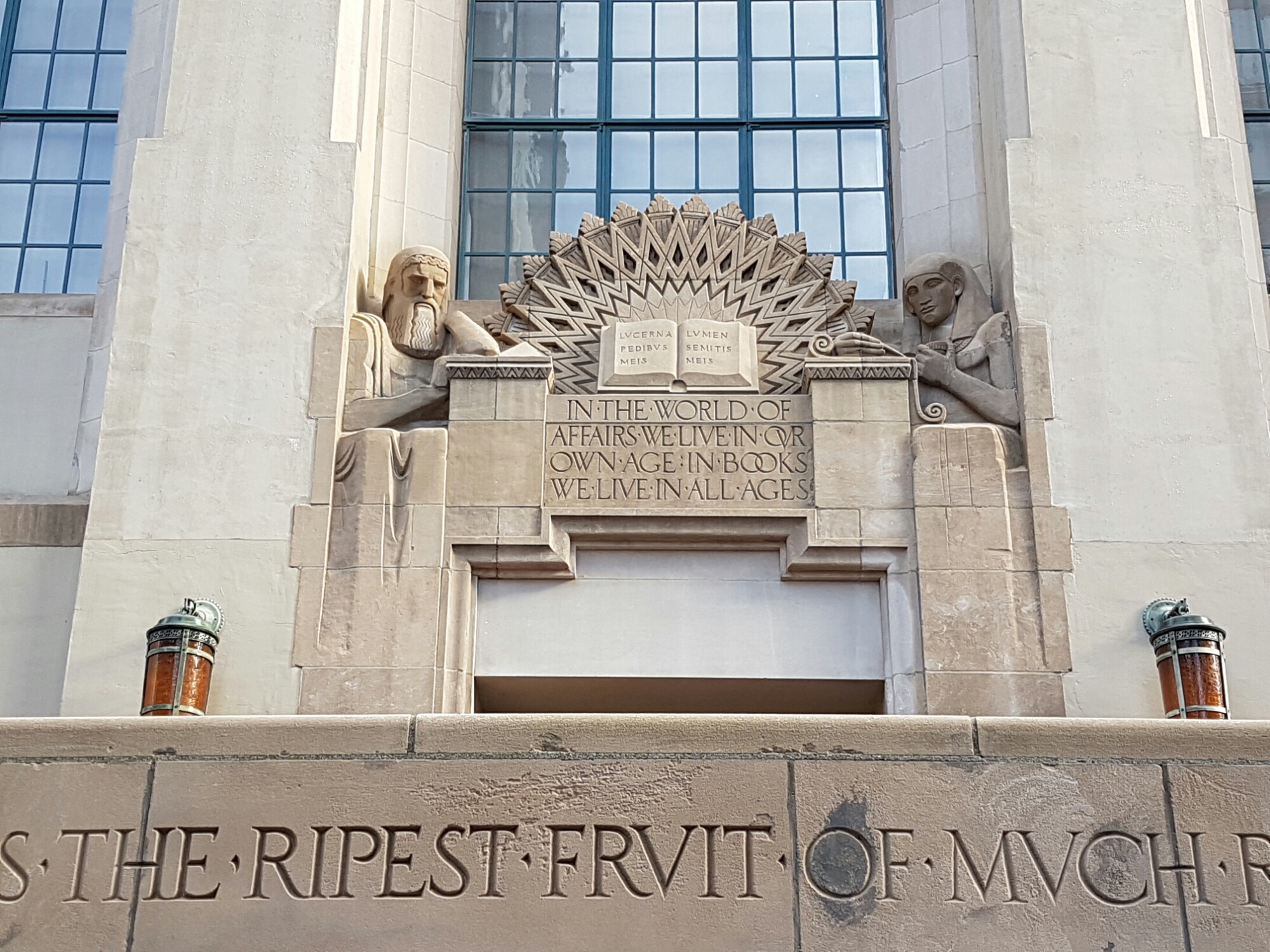
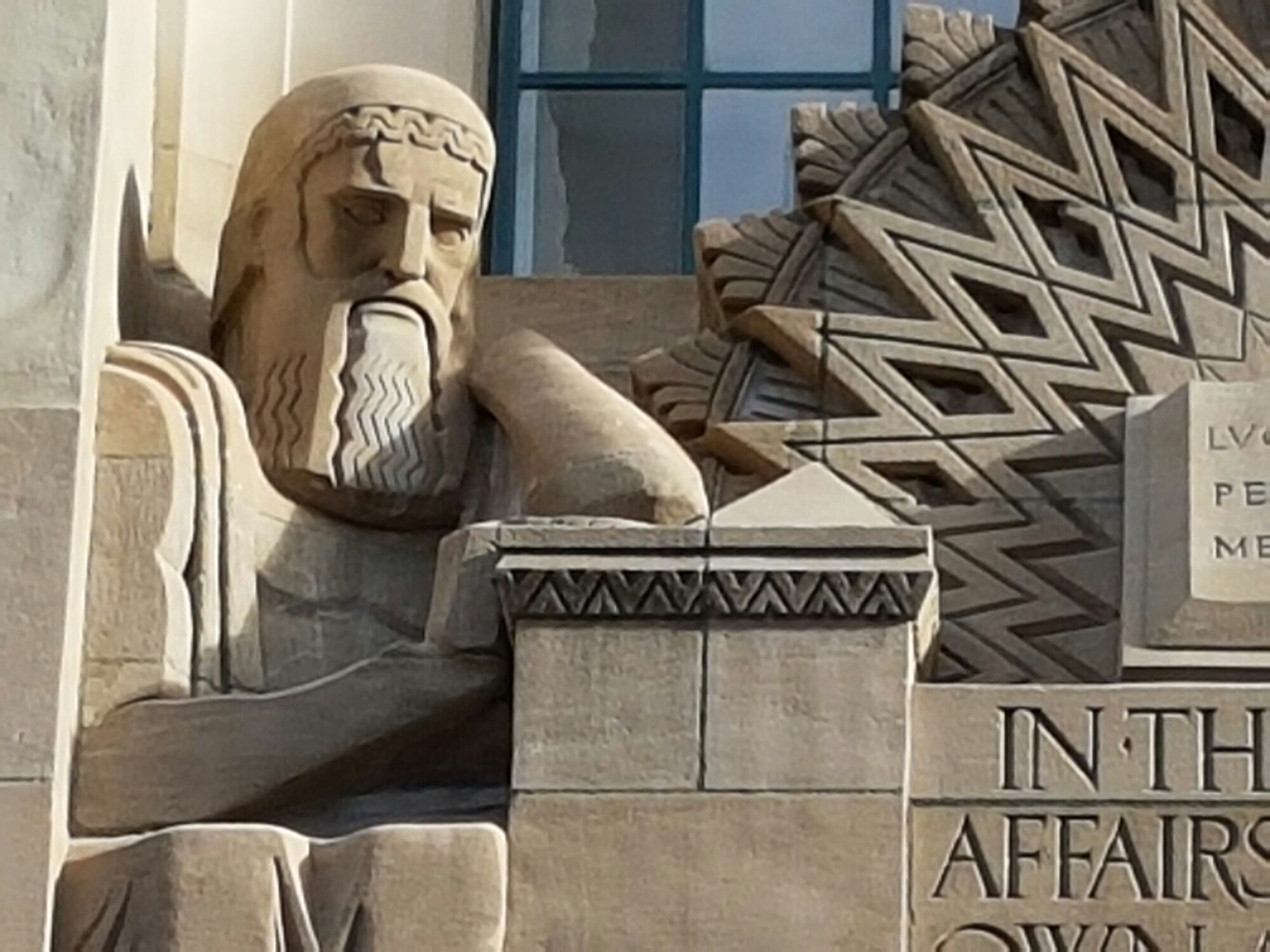
I missed out the Public Library from my posts yesterday. Indeed, I might have missed it altogether had I not spotted a massive monograph on it in the Getty’s bookstore, so realised that it was worth paying attention to. As a building, it’s hard to appreciate: a piece of 1920s grand monumentalism with echoes of Giles Gilbert Scott’s Cambridge University Library in its attempt to marry skyscraper modernity with historical tradition (the influence, if there was any, would have been the other way round). But the sculpture, by Lee Lawrie working with a philosopher on the symbolism, is impressive:-
Hauser and Wirth LA
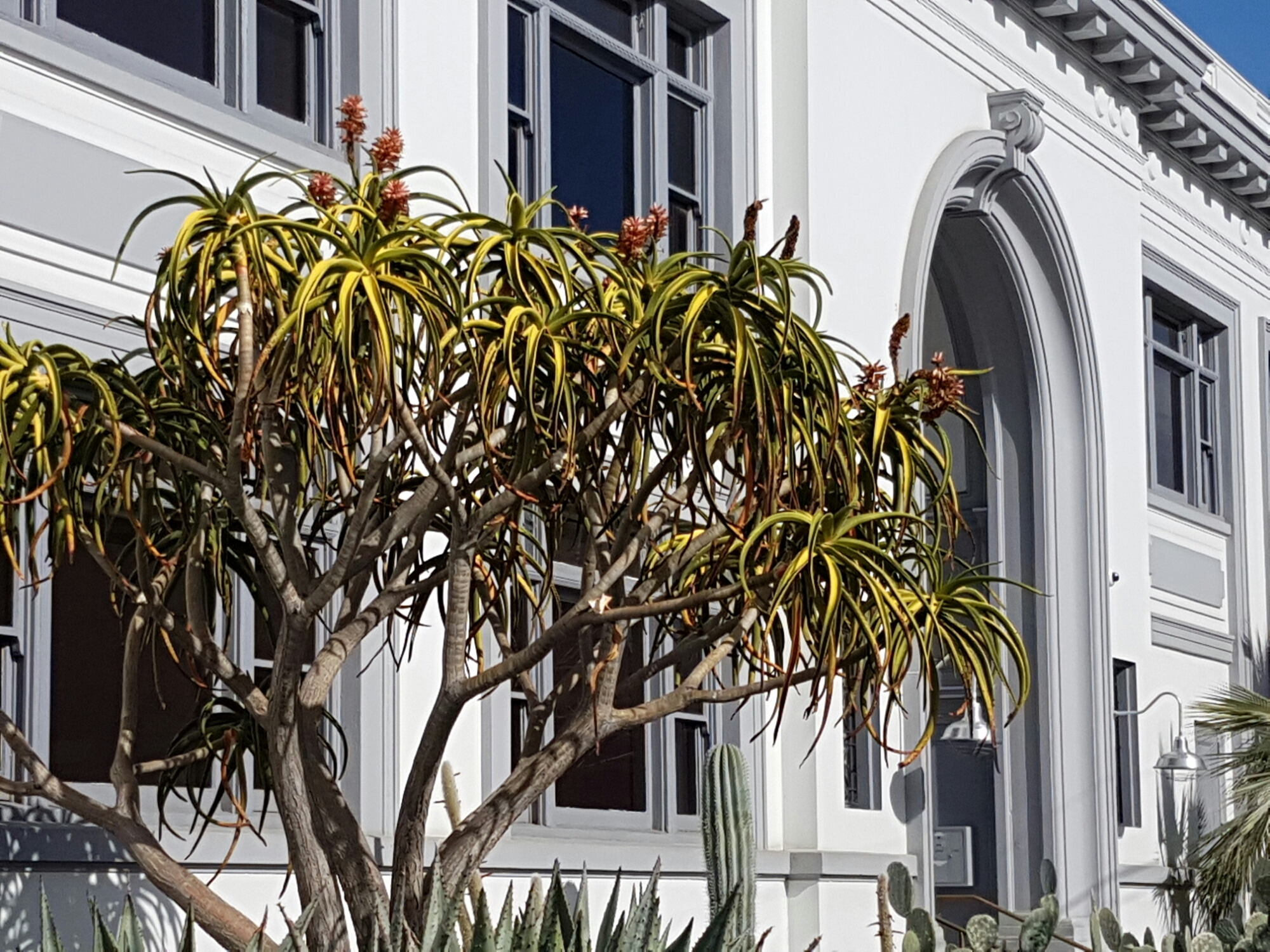
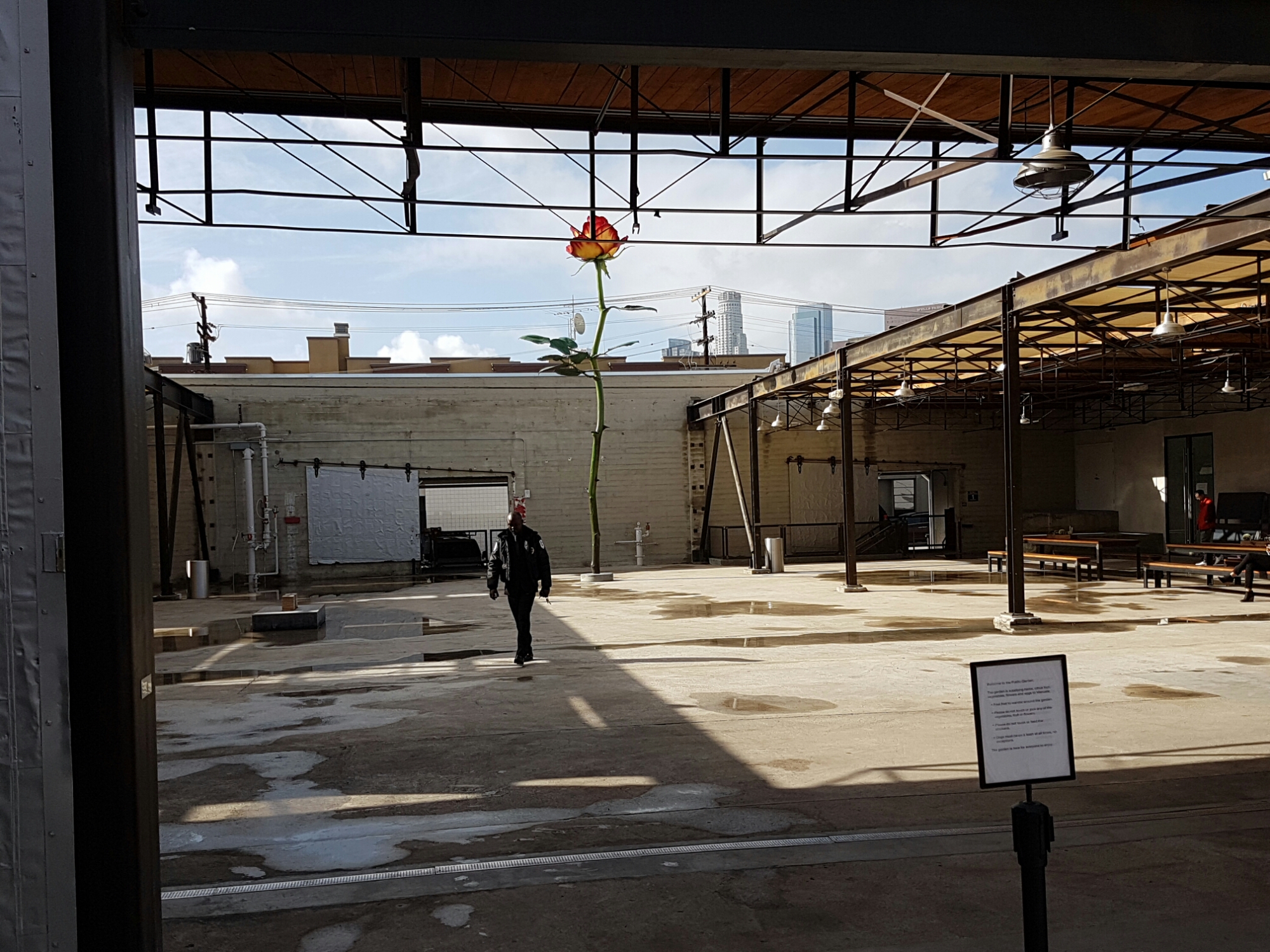
I had lunch in the distinctly utopian setting of Hauser and Wirth LA, an old flour mill which has been unoccupied since the 1960s and opened as a set of new gallery spaces last September. As in Somerset, there is an emphasis on the quality of food in Manuela’s restaurant – they keep the chickens on site – as well as on the quality of the art. The commercial aspects of the project are nowhere visible, which is maybe why it is so successful:-
Downtown LA (2)
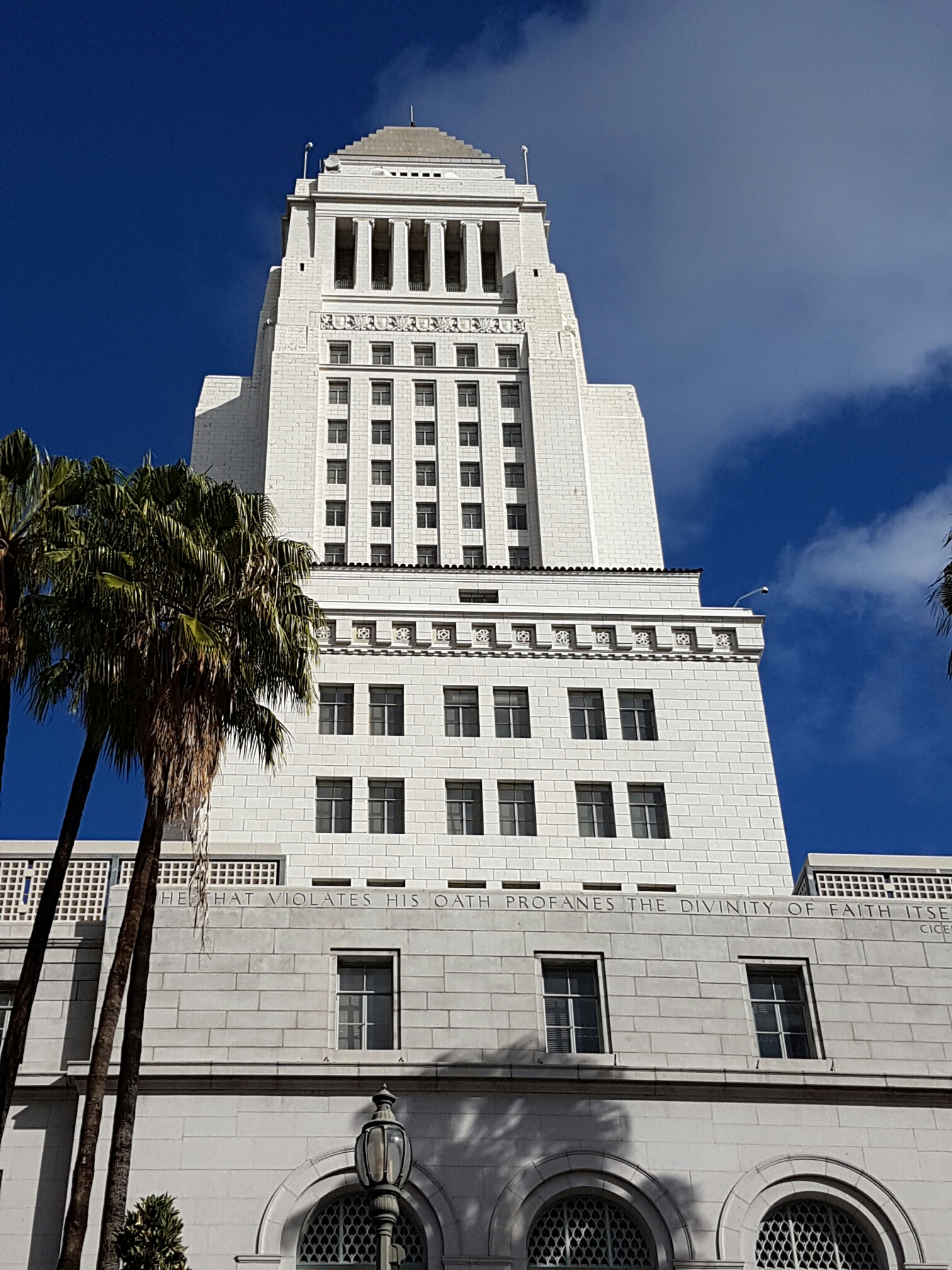
I was expecting not to like the civic district, of which Banham is contemptuous, allocating not much more than an appendix to it (‘its relationship to the other parts of the metropolis never carried the sense of moral and municipal hegemony that normally exists between a central city and its satellite suburbs’). But City Hall is pretty grand, with a version of the Mausoleum of Halicarnassus on top:-
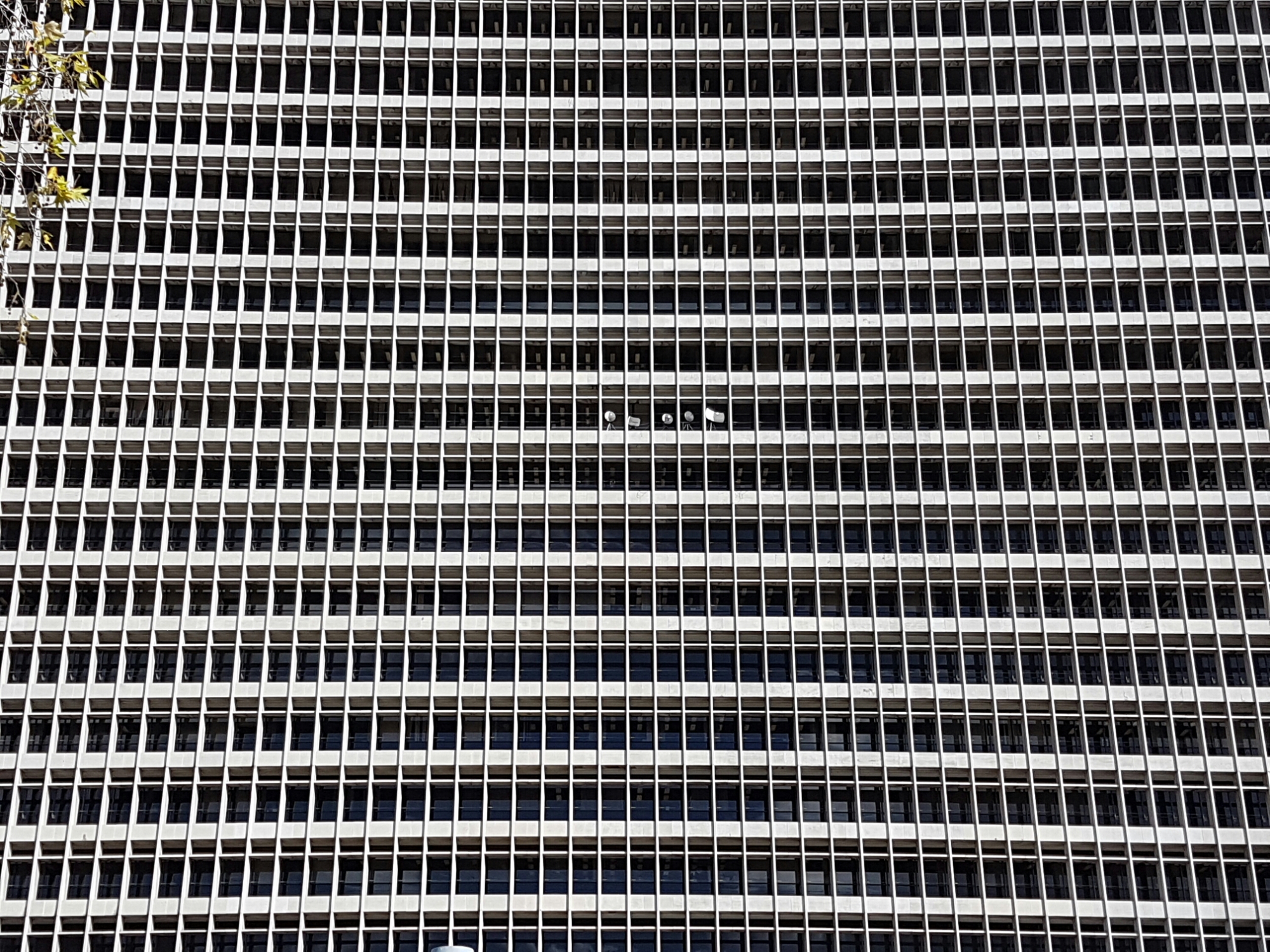
I know that brutalism is back in fashion, but I’m note sure I would want to face justice in the court buildings (1972):-
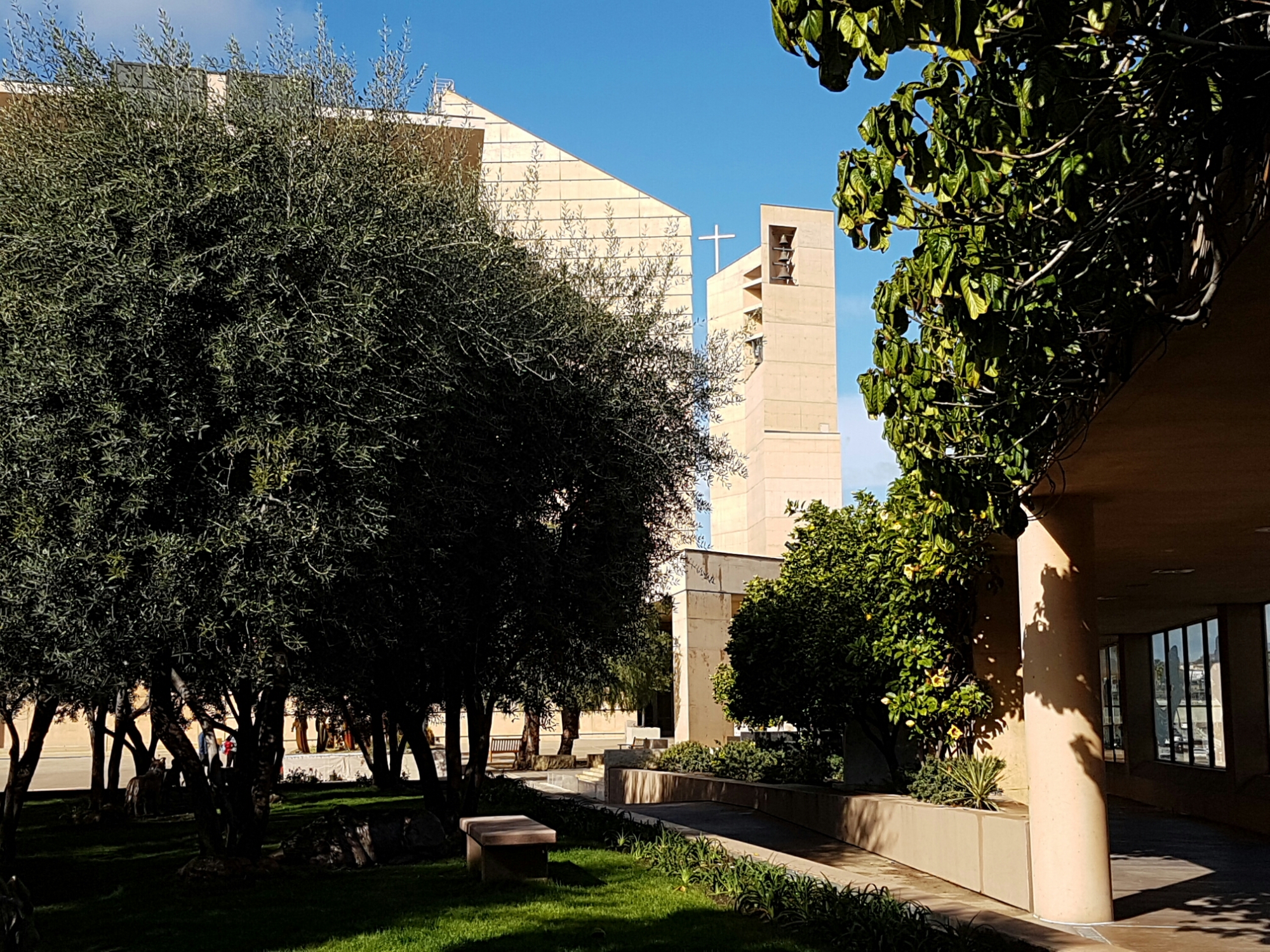
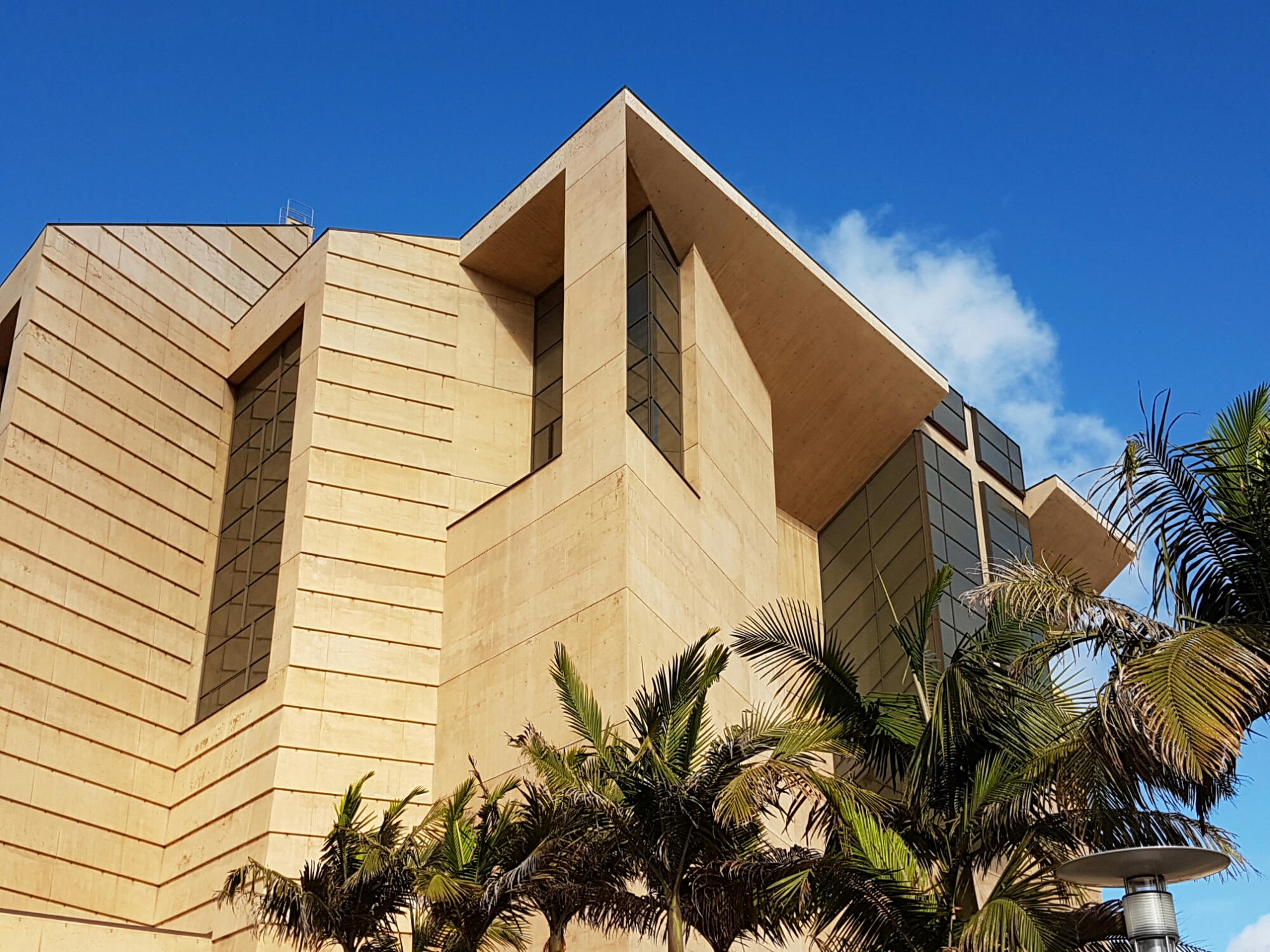
Cathedral of Our Lady of the Angels
I have seen Rafael Moneo’s LA Cathedral once before and remember being impressed by its sense of confidence and intellectual authority. Now it is juxtaposed with Gehry’s concert hall, it is like the yin and yang of contemporary architecture: Moneo also asymmetric and not without a sense of ostentatious performance, but more monumental and meditative, as it should be, with alabaster windows to keep out the fierce Los Angeles sun:-
Walt Disney Concert Hall
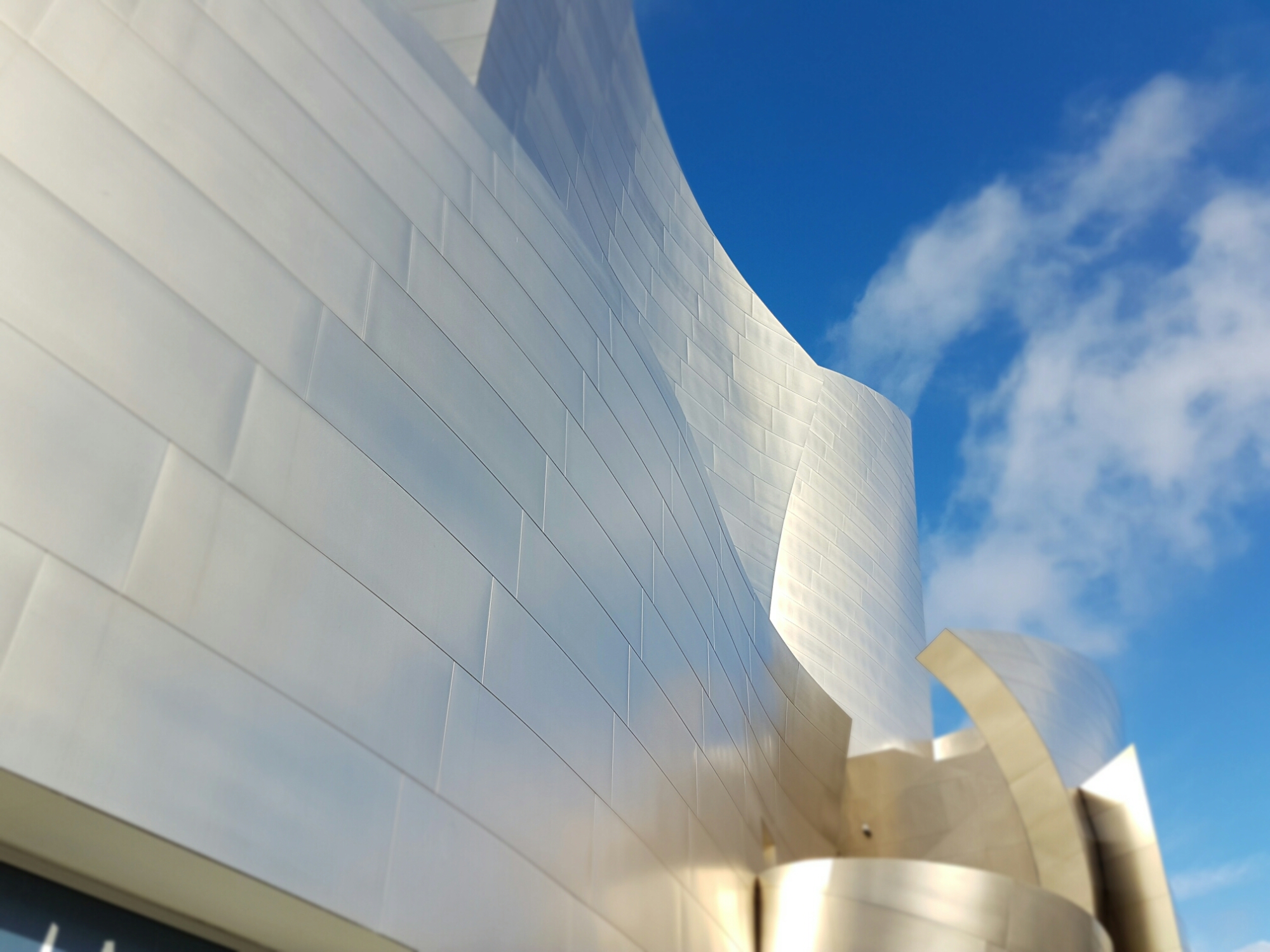
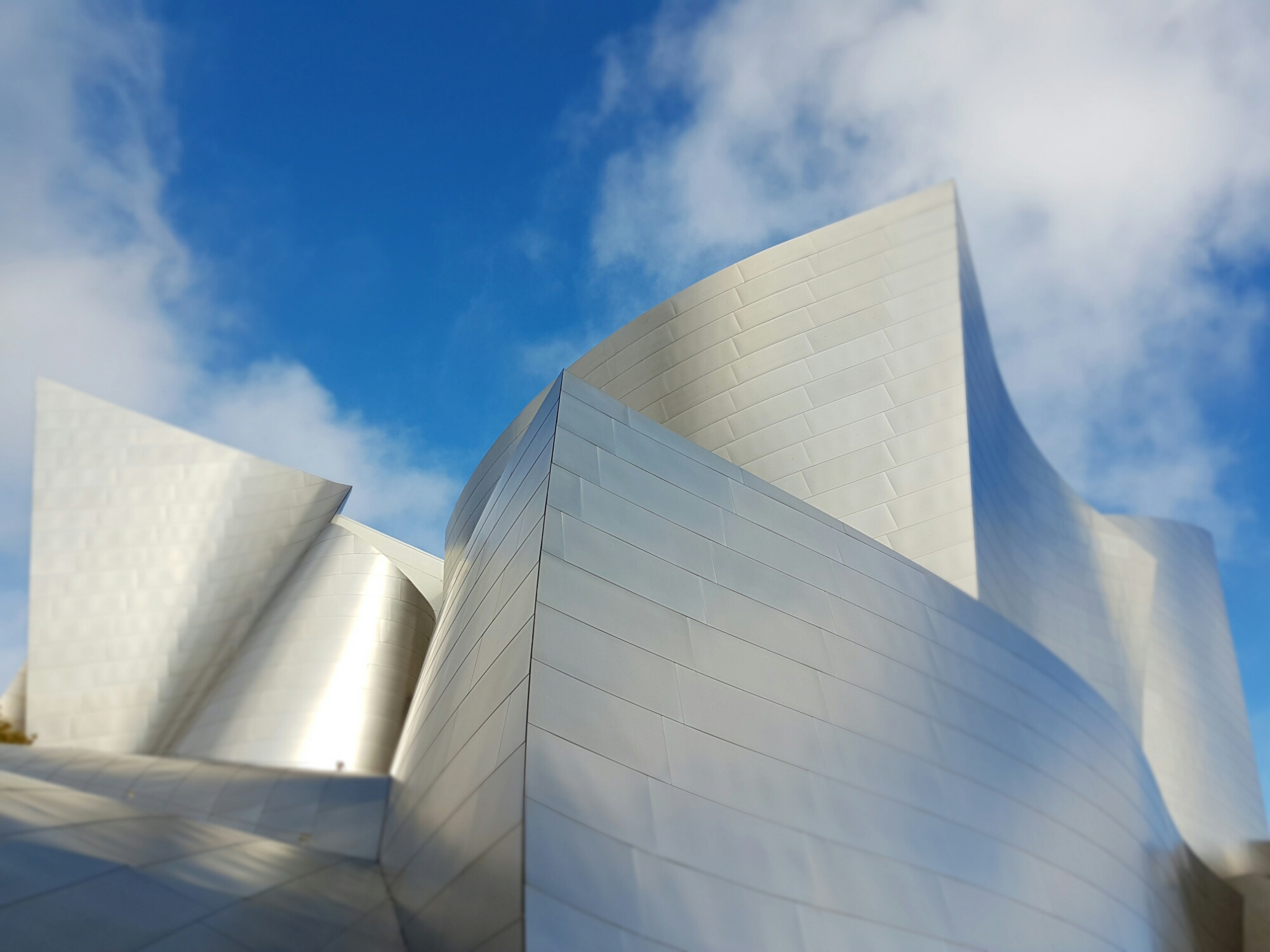
I remember Frank Gehry giving a speech in the Banqueting Hall – I thought in connection with the Pritzker Prize, but he won it too long ago (it was when he won the RIBA gold medal in 2000) – in which he demonstrated the extraordinary fluency and fertility of his invention, the range of the projects he was undertaking, and the ways in which computer-aided design had unleashed his creative juices. But seeing his designs on a screen is as nothing to seeing the Walt Disney Hall fresh in the early morning sun after two days of rain, a curious but effective combination of populism (bugger the modernists), swagger and a Richard Serra-like interest in pure form:-
The Broad Museum
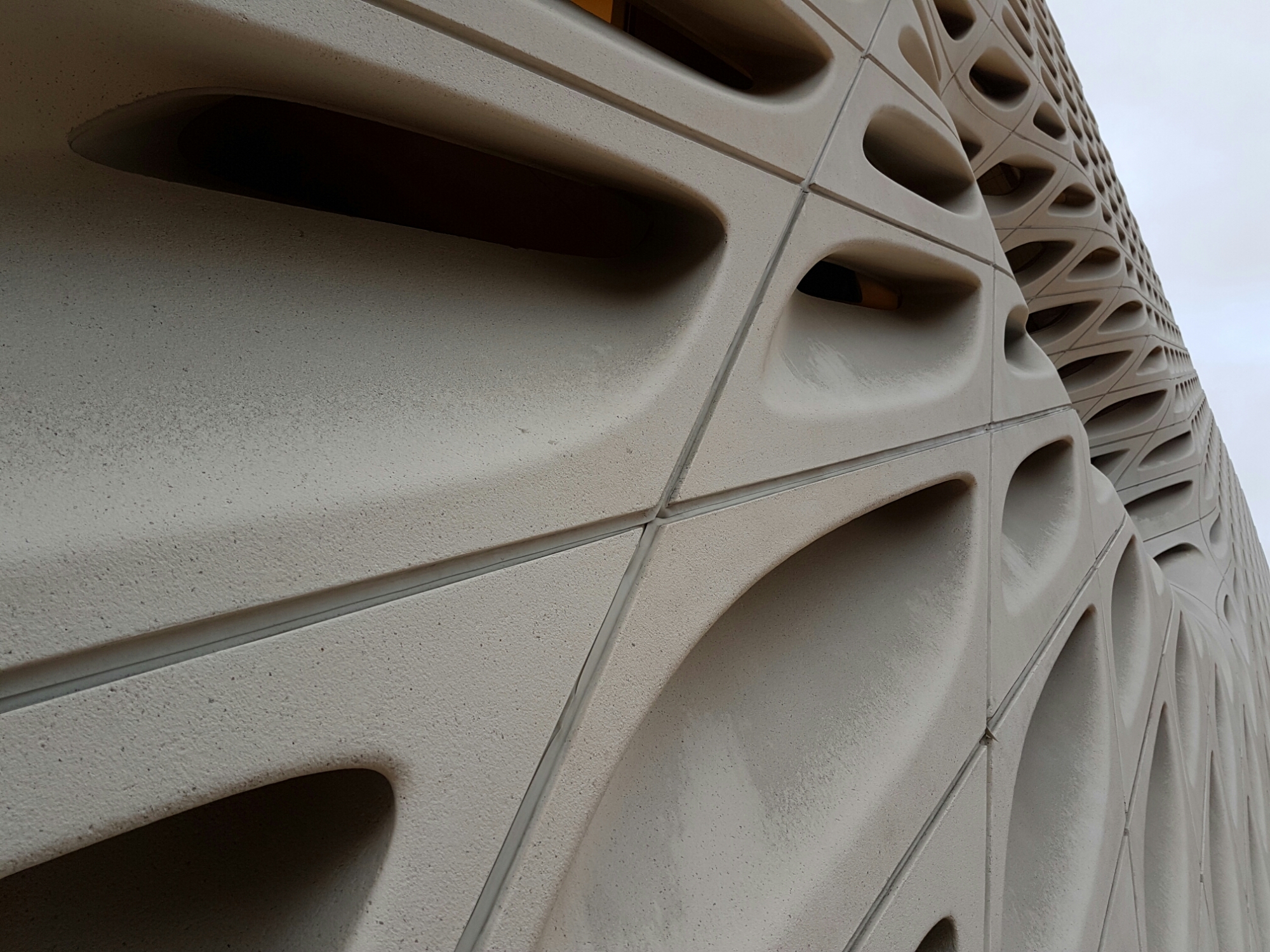
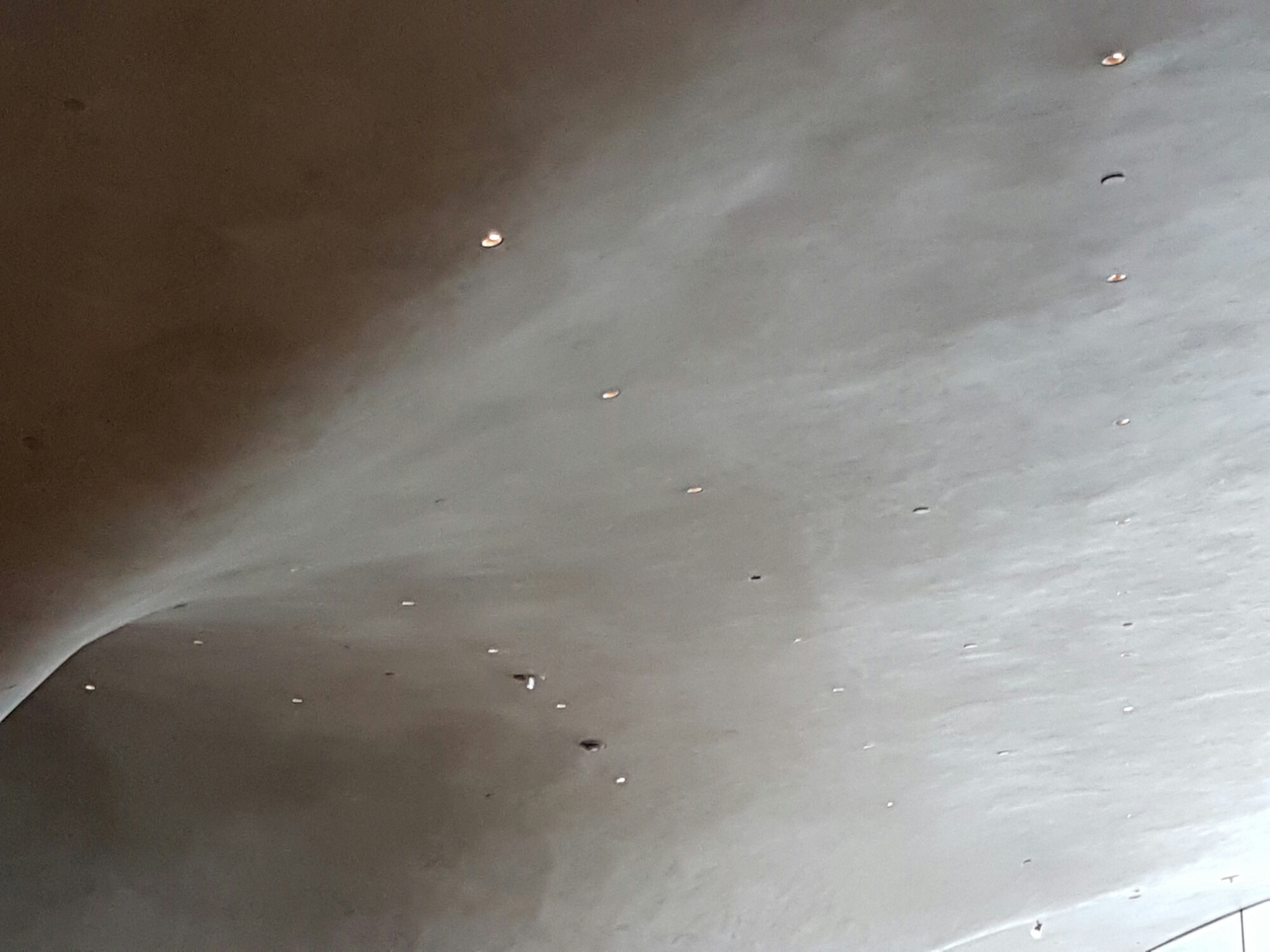
I spent the afternoon in the Broad Museum, designed by Diller Scofidio + Renfro (who did the ICA in Boston) and opened in September 2015. I was extremely impressed by it: the quality of the building, with a mobile exterior skin (fiberglass reinforced concrete), very organic shapes and surfaces in the entrance hall and escalator, and huge and generous, top-lit galleries, which can ostensibly be reconfigured, but are effectively permanent; and the quality of the permanent collection, holding works by major postwar artists, like Twombly, Jasper Johns and Beuys, in great depth.
The skin:-
The interiors:-
Downtown LA (1)
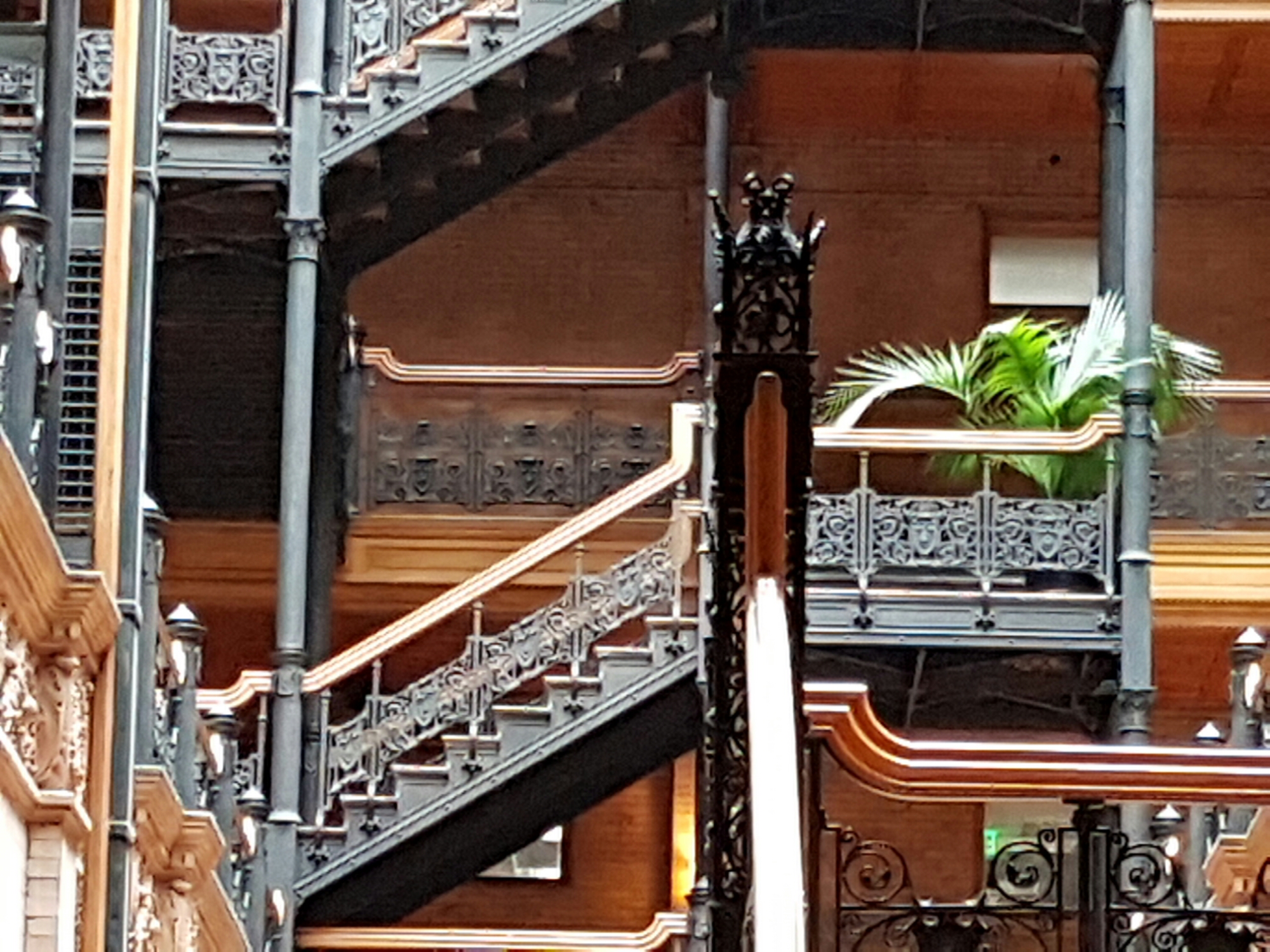
Given that I am staying in a hotel downtown, I thought I should explore the ostensibly revived downtown and had been encouraged to check out The Bradbury Building, which is indeed an astonishing survival of late Victorian, goldrush LA. It was conceived by Lewis Bradbury, a goldmining millionaire, who commissioned a local architect, Sumner Hunt. But the detailed design is said to be the work of George Wyman, a draughtsman in Hunt’s office. Whoever did it, it’s impressive:-
Philipp von Stosch
I didn’t have time for more than a whistlestop tour of the Getty’s exhibition of the work of Bouchardon last night and was principally struck by the astonishing neoclassical bust of Baron Philipp von Stosch, done in 1727 when Bouchardon was a student at the French Academy in Rome. I had not realised that Stosch supplemented his income by acting as a spy for George II; nor that, when he was unmasked as a spy in 1731, he moved to Florence where he established a Masonic lodge in 1733 which in turn led to the ban on Freemasonry by Pope Clement XII on the ground that the Lodge in Florence was a hotbed of Rosicrucian speculation. Stosch was described by Compton Mackenzie as ‘an expatriated Prussian sodomite’, but it doesn’t say this on the label.
 | Charles | Saumarez | Smith |
You must be logged in to post a comment.