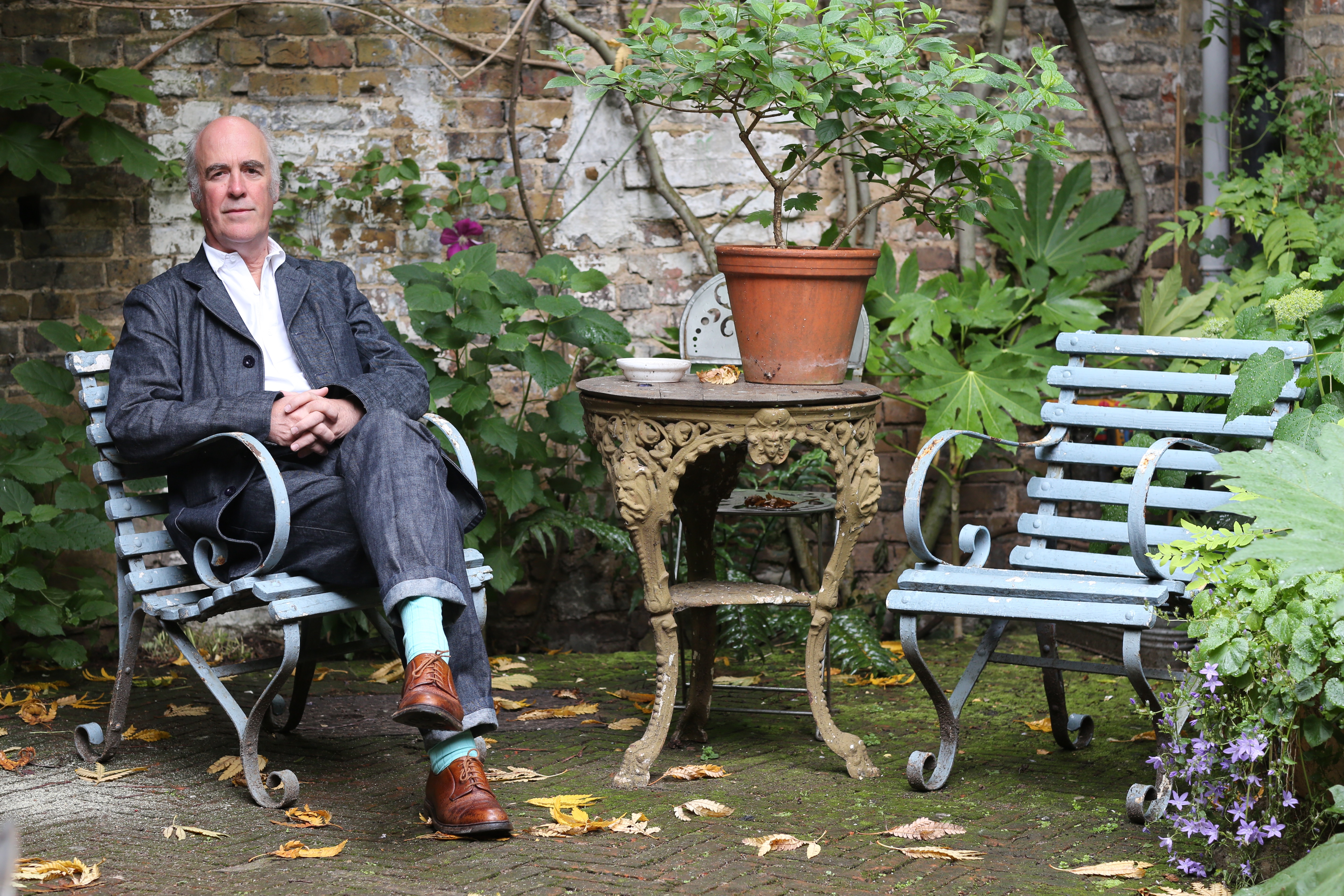
I passed the Whitechapel Bell Foundry this afternoon and realised that it is still open for the sale of hand bells, at least until the end of April when the business is going to move offsite and be preserved, while the premises will be comprehensively redeveloped.
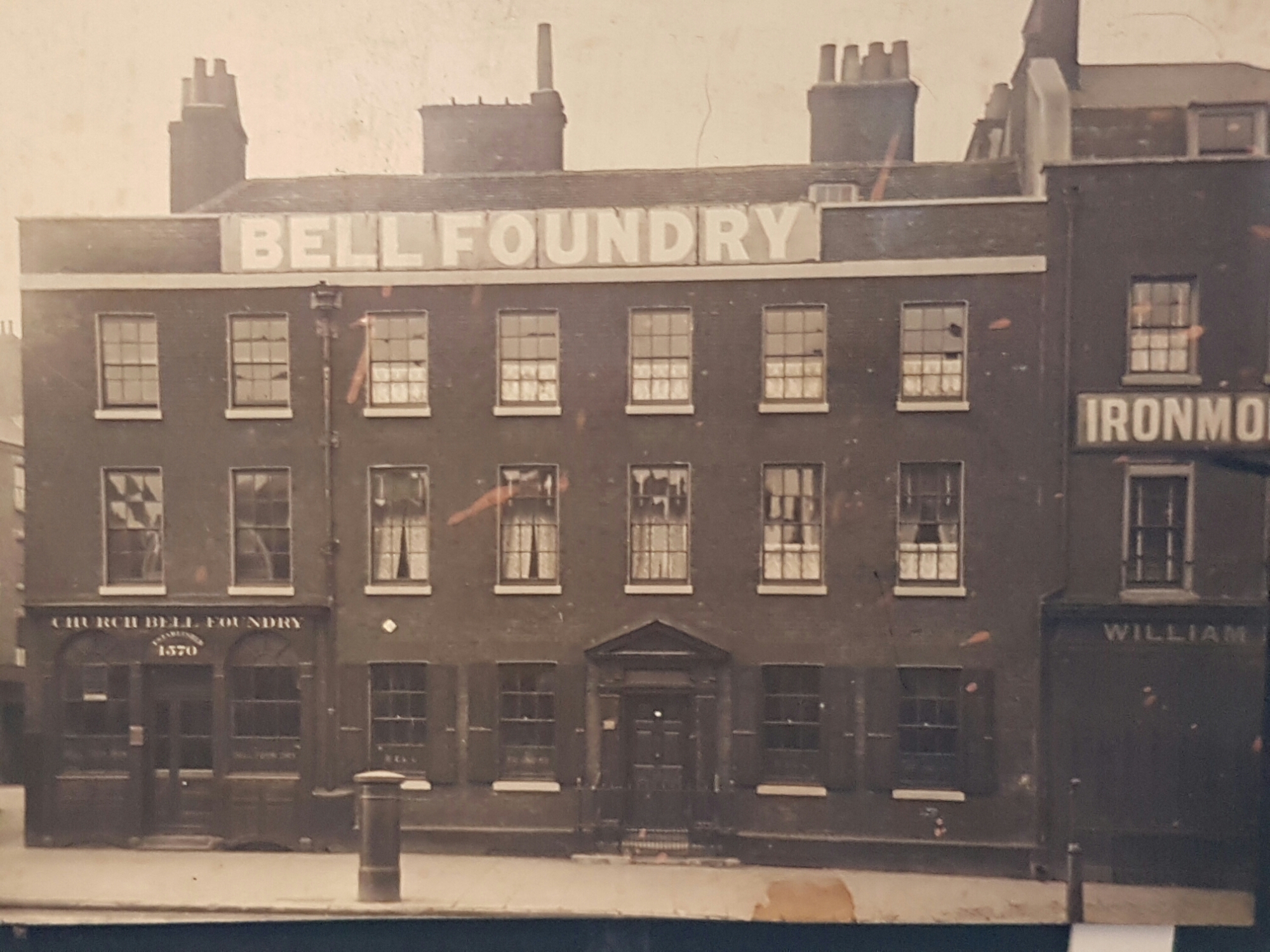
Photographs in the front room record how important the building is, both as a piece of working eighteenth-century architecture and, perhaps more importantly, as an example of industrial archaeology.
Here it is as it was in 1906:-
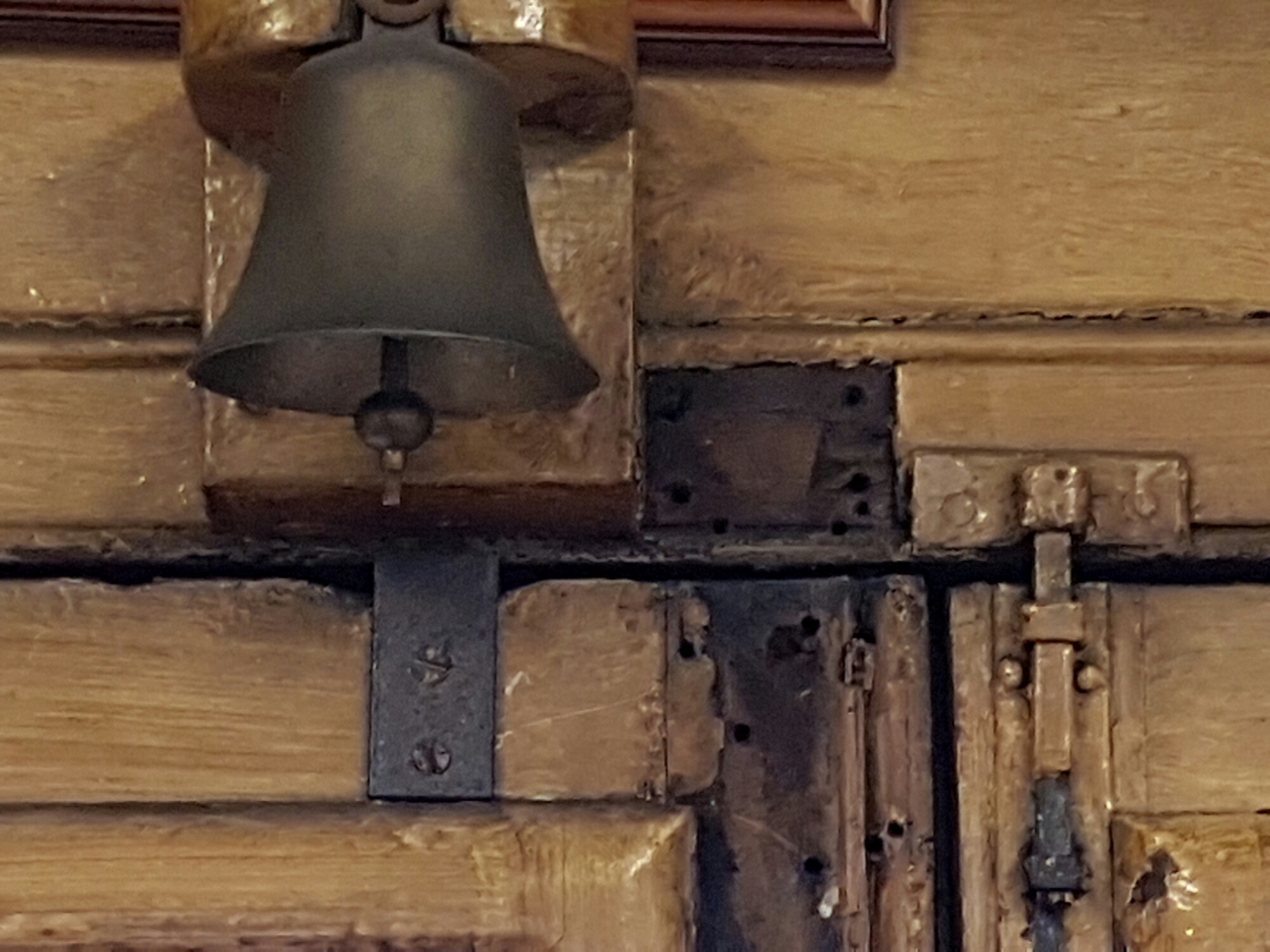
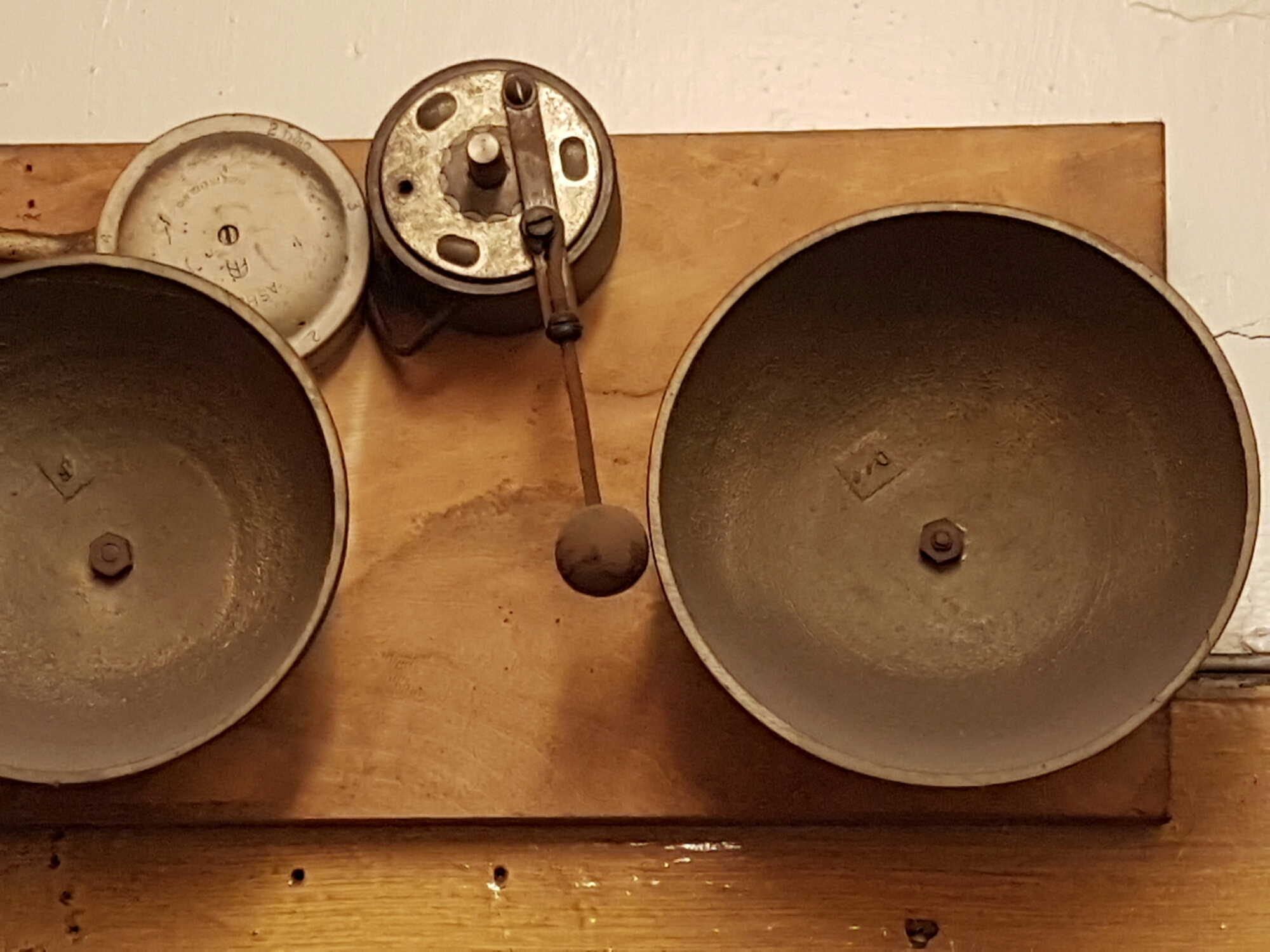
There is the surviving residue of historic working practices:-
And bells in the back yard:-


Will there be any chance that the industrial spaces will be preserved as a very significant example of London’s working heritage? Is Sadiq Khan not going to do something about this?
No, at the moment, it seems that it has been sold to a developer who will be required to retain the street frontage, but not necessarily much else, unless Historic England intervenes. Charles
Should we not try to persuade English Heritage, and Sadiq Khan? Such a campaign was successful some years ago when Jeannie Burnett and others saved the Works in Islington where all the Pugin wallpapers were made.
That sounds like a good precedent. My worry is that Historic England regards it only as a working building and not of major architectural significance. I think it’s of interest precisely as a working building. Charles
Indeed. Historic England should be looking beyond architectural significance . Surely buildings of great industrial and social historical significance come within its remit. Can you and Mark advise your readers to whom we should write? Surely both the Georgian and Victorian Society should be involved in pressing for the safeguarding of the parts of the building where the bells were made. Do you know if the Founders Guild are involved? Outstanding contemporary bronze casters such as the sculptor and medallist, Irene Gunston, formerly head of the Royal College of Art who was much involved with the Royal Academy’s Bronze exhibition and Sir Mark Jones could surely offer sage advice.
The people who I know are paying close attention to its fate are SPAB and the Spitalfields Trust. And Historic England are certainly aware of it as an issue. Charles
Of course I should have added the name of Tristram Hunt who would certainly understand the importance of retaining the working interiors of this foundry. The Director of the Museum of London should do so as well.