
I have been asked by Bendor Grosvenor for my thoughts on the long-standing idea of a National Acquisitions Fund, either on or off-the-record, in the light of the Art Fund’s report Why Collect ? I am happy for my views to be on the record, which are that many people have forgotten that when the Heritage Lottery Fund was first established in 1993, it was hoped that it would end forever the endless short-termism and crisis management in major museum acquisitions and provide a systematic national source of funding for acquisitions alongside the National Heritage Memorial Fund. I remember John Murdoch, the then Deputy Director of the V&A, saying that it would not take long for the Treasury to commandeer it for its own purposes, and this indeed is exactly what has happened: it is used as a source of replacement, rather than supplementary funding, on the capital side. So, the lack of a National Acquisitions Fund remains and one of John Major’s hopes of the lottery was still-born.
Monthly Archives: February 2018
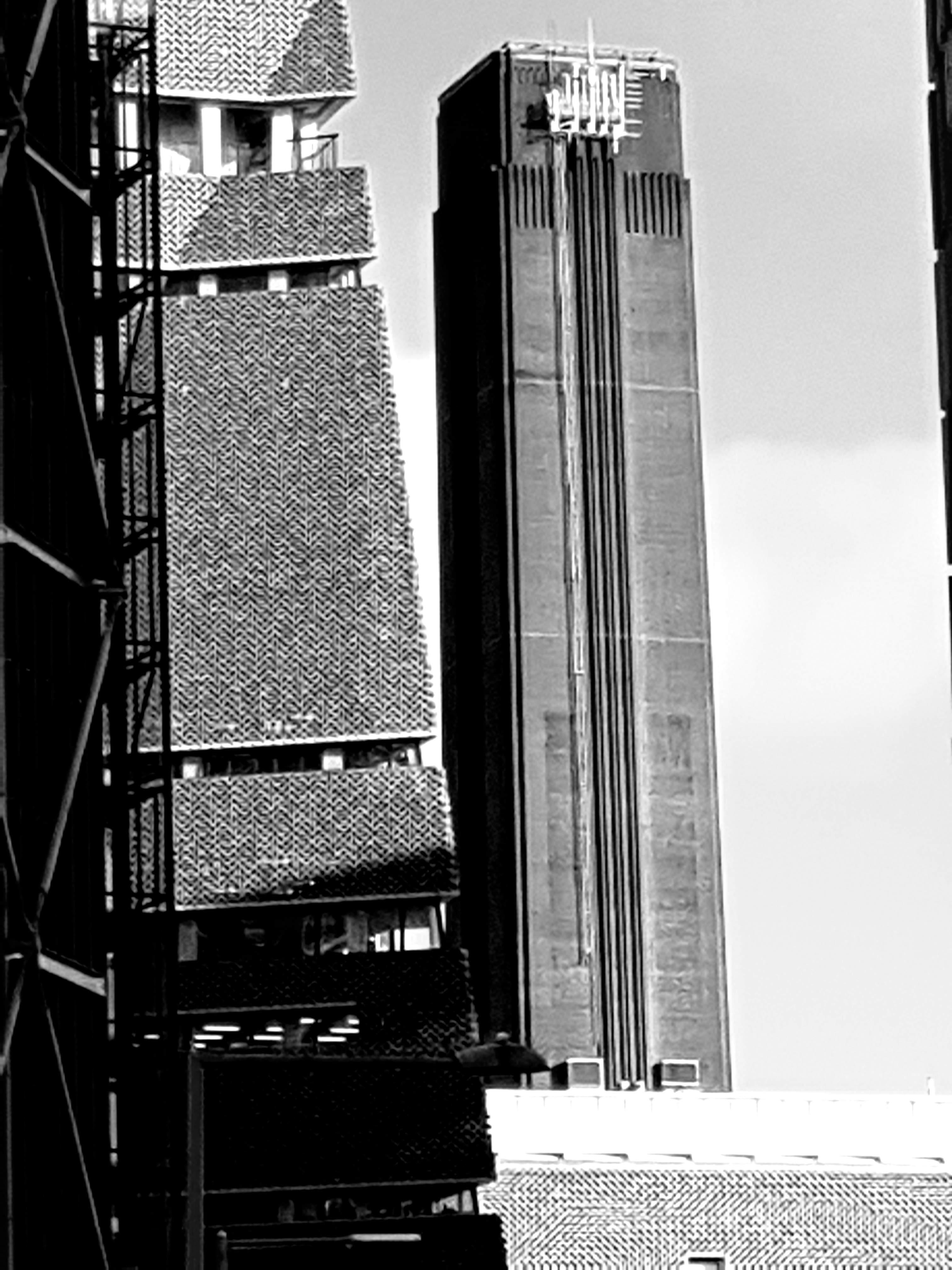
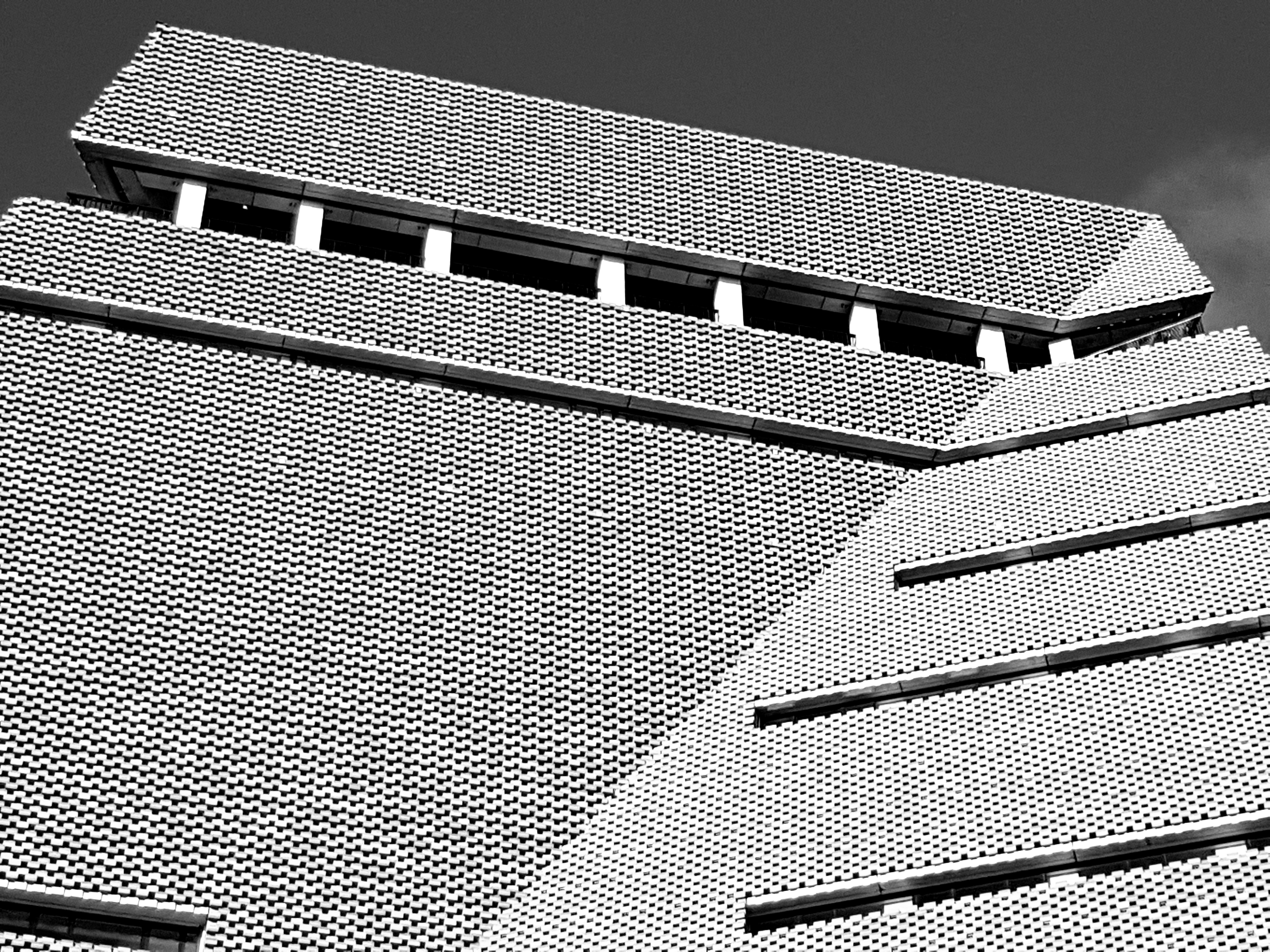
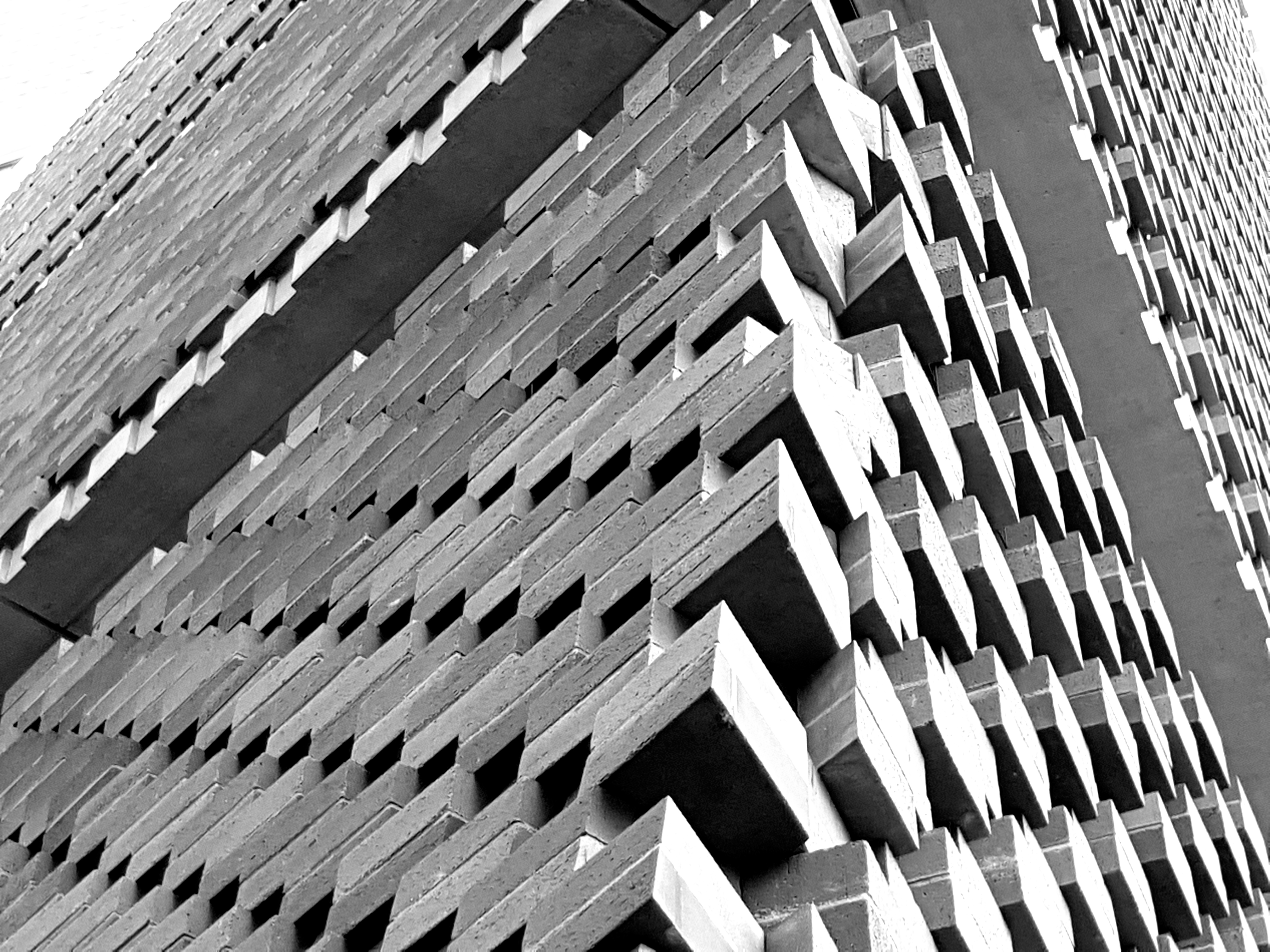
Blavatnik Building
I forgot to post the pictures I took of what was called The Switchhouse, now the Blavatnik Building, as I arrived yesterday for the launch of Why Collect ? Very fancy brickwork:-
Why Collect ?
I am much less involved than I used to be in the politics and funding of museum acquisitions, but I was nonetheless pleased to hear David Cannadine launch his Art Fund report Why Collect ? which documents the massive reduction in active collecting, particularly in regional museums during the past decade of austerity as a result of under-funding. What became clear is that nearly all museums, including the nationals, now tend to engage in a small number of high-profile, sometimes politically motivated acquisitions by major contemporary artists, far less so in a consistent and intellectually coherent way across a broad field of collecting. This may be the new reality, but Cannadine is right to draw attention to it and – to an extent – lament it.
Buckingham Palace (2)
I have been trying to remind myself of the architectural history of Buckingham Palace and why it is as it is, a palimpsest. The answer is that the projecting wings were designed by Nash as part of his lavish and excessively expensive remodelling in the late 1820s, which included Marble Arch facing the Mall between the two wings. Edward Blore replaced him in 1830. It was Blore who created the first version of the east front, including the balcony, in 1847, and this was remodelled by Aston Webb just before the first world war.
Buckingham Palace (1)
We had our biennial visit to Buckingham Palace yesterday to report on the affairs of the Royal Academy: walking at great speed through the crowds in Green Park in morning dress; discovering that I had left nearly all means of identification in the wallet in my suit jacket; walking through into the inner courtyard where there was nothing but freshly brushed gravel and a black carriage drawn up by the porte-cochère. We were after the new Peruvian and Italian ambassadors had presented their credentials (I was accidentally mistaken for the Italian ambassador even though she is a woman). For us, the equerry was allowed to take off his sword and medals. I know that I am not allowed to report on what was said, only that the Queen has a great number of paperweights on her desk.
Charles I
We spent last night going through our Charles I exhibition with Per Rumberg, one of its brilliant co-curators. What struck me more forcefully than before if the astonishing representation of work by Van Dyck and how productive he was from the moment when he arrived in London in 1632 as the principalle paynter in ordinary to their majesties (note the plural), including the two gigantic equestrian pieces, one, formal, for the Long Gallery in St. James’s Palace in 1633, and the other, more rural, for the Prince’s Gallery in Hampton Court. And how delusional all this grand image-making proved to be.
Berry Bros. & Rudd
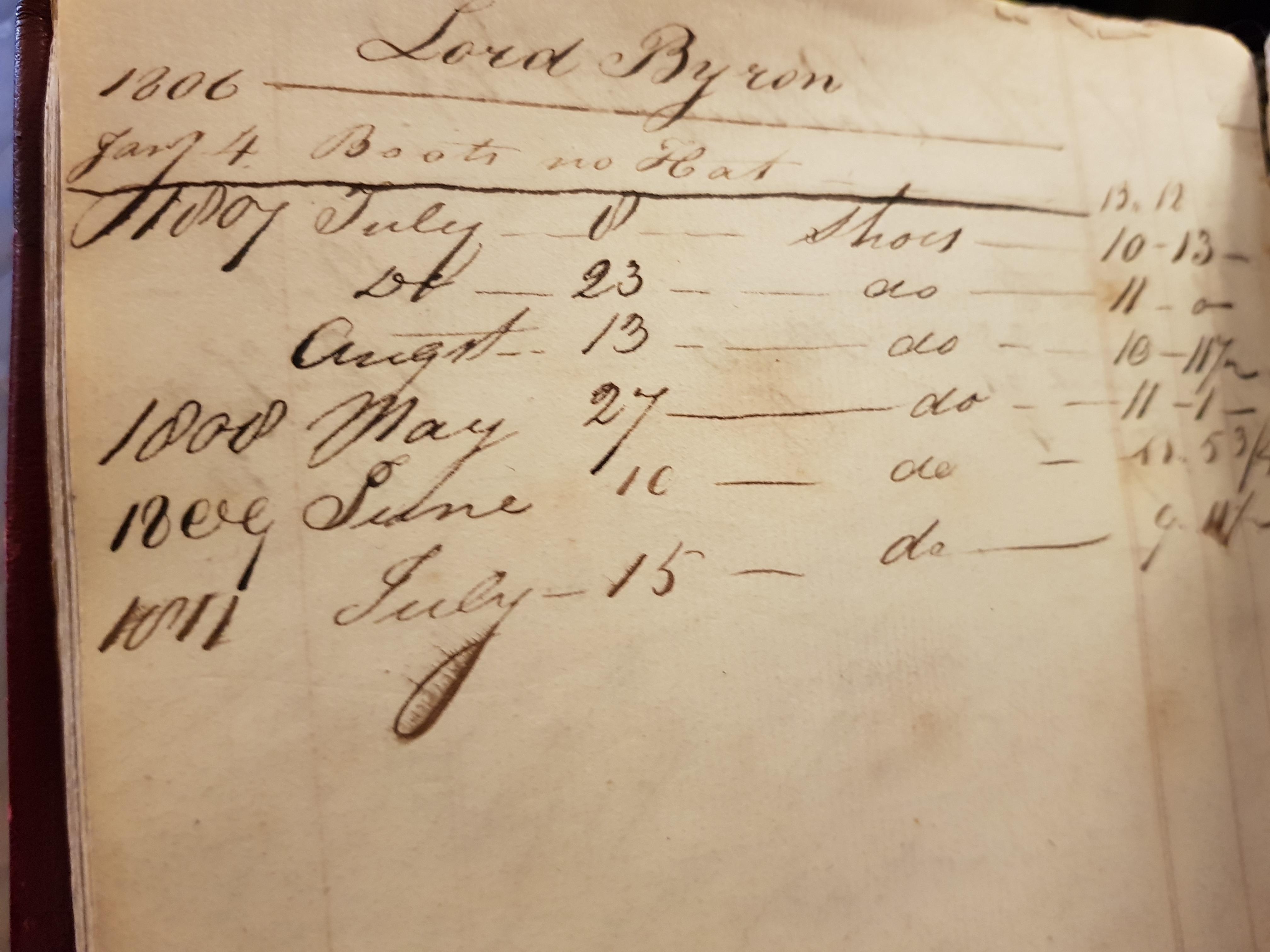
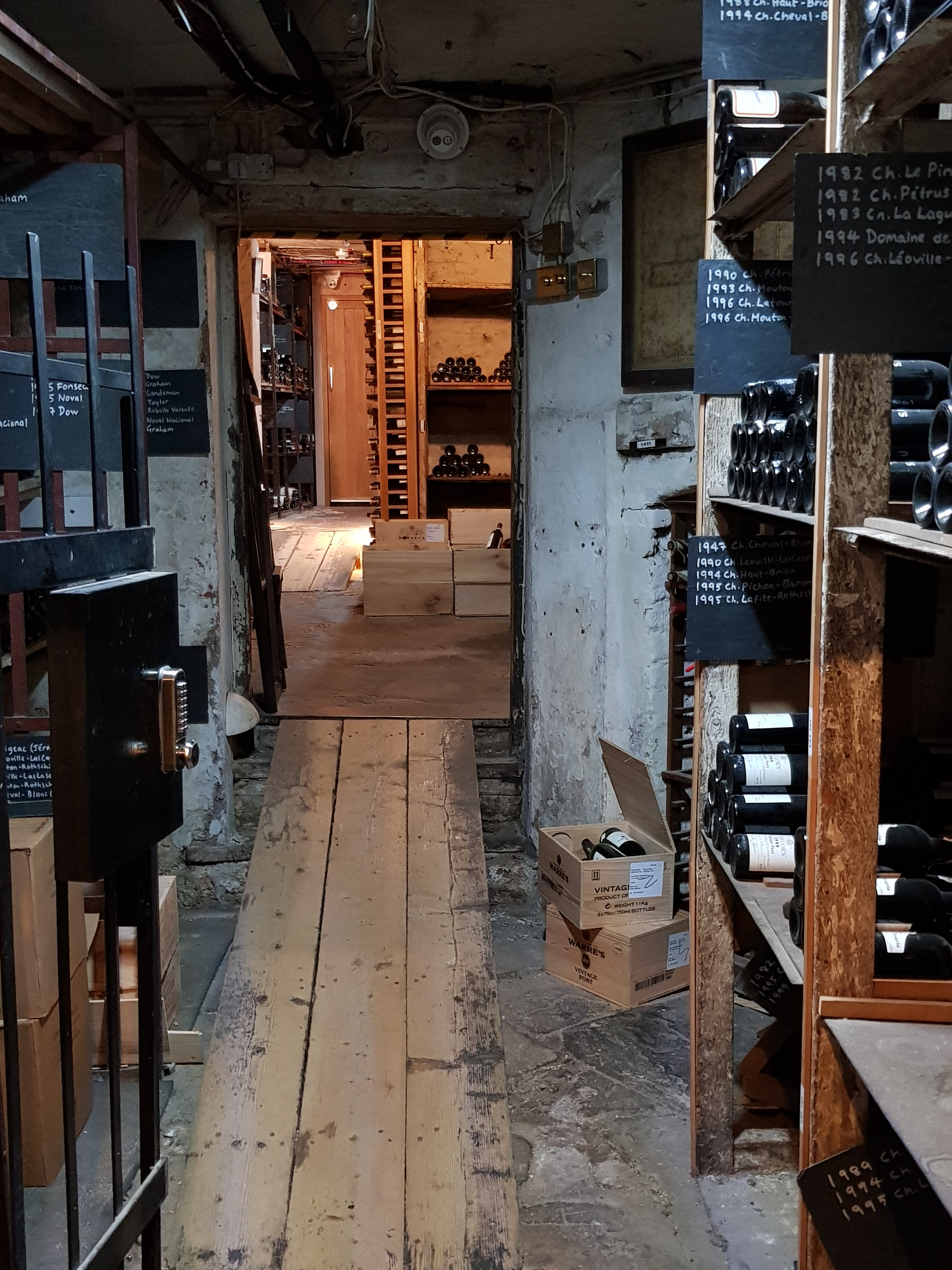
I had a happy half hour this morning being shown the inner sanctum of Berry Bros., including its eighteenth-century parlour, the scales which weighed Lord Byron, its earliest bottle of tokaji and the cellars under the street.
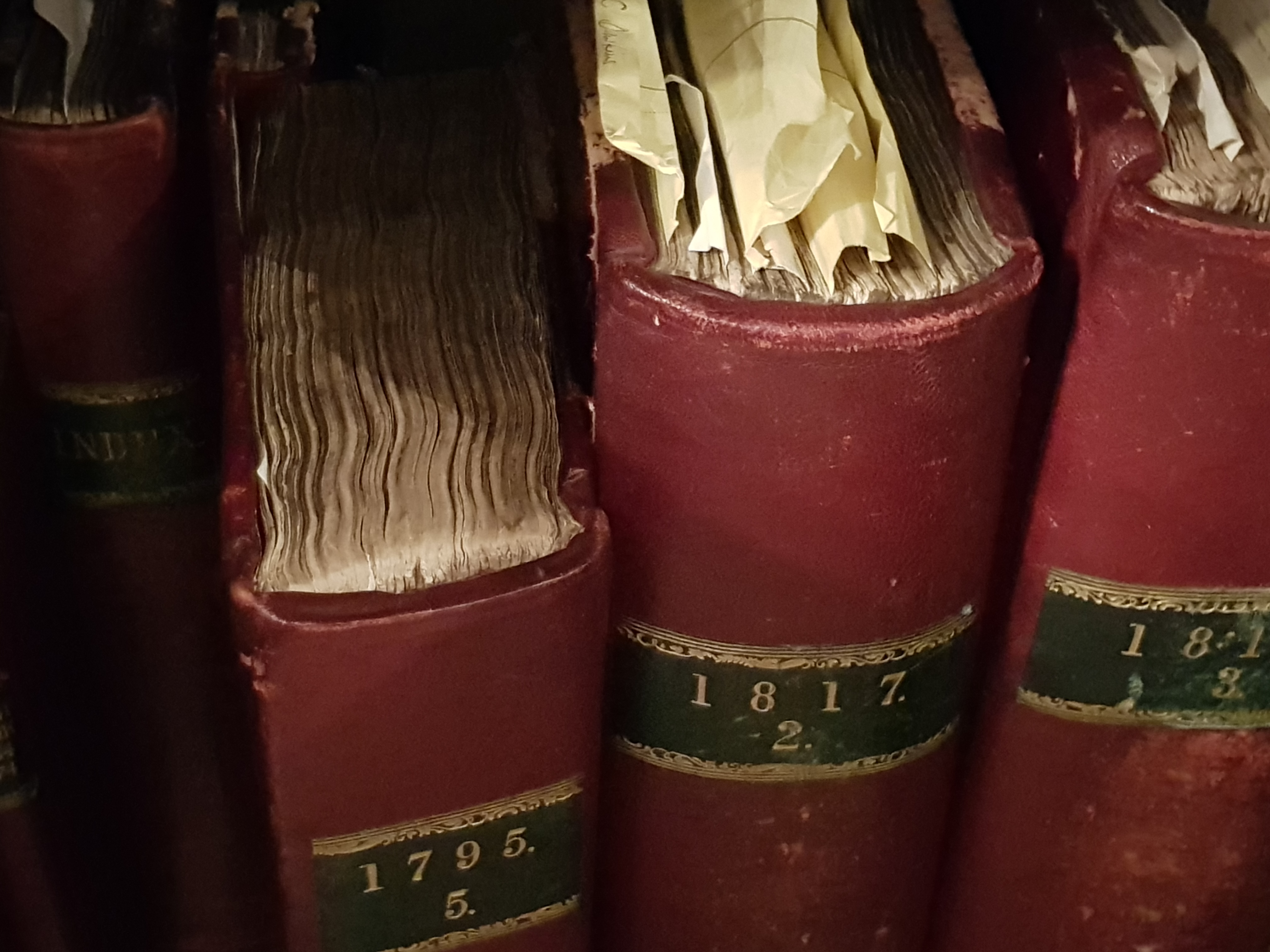
This is the page which recorded Byron’s weight:-
These are the registers of weights:-
The cellars:-
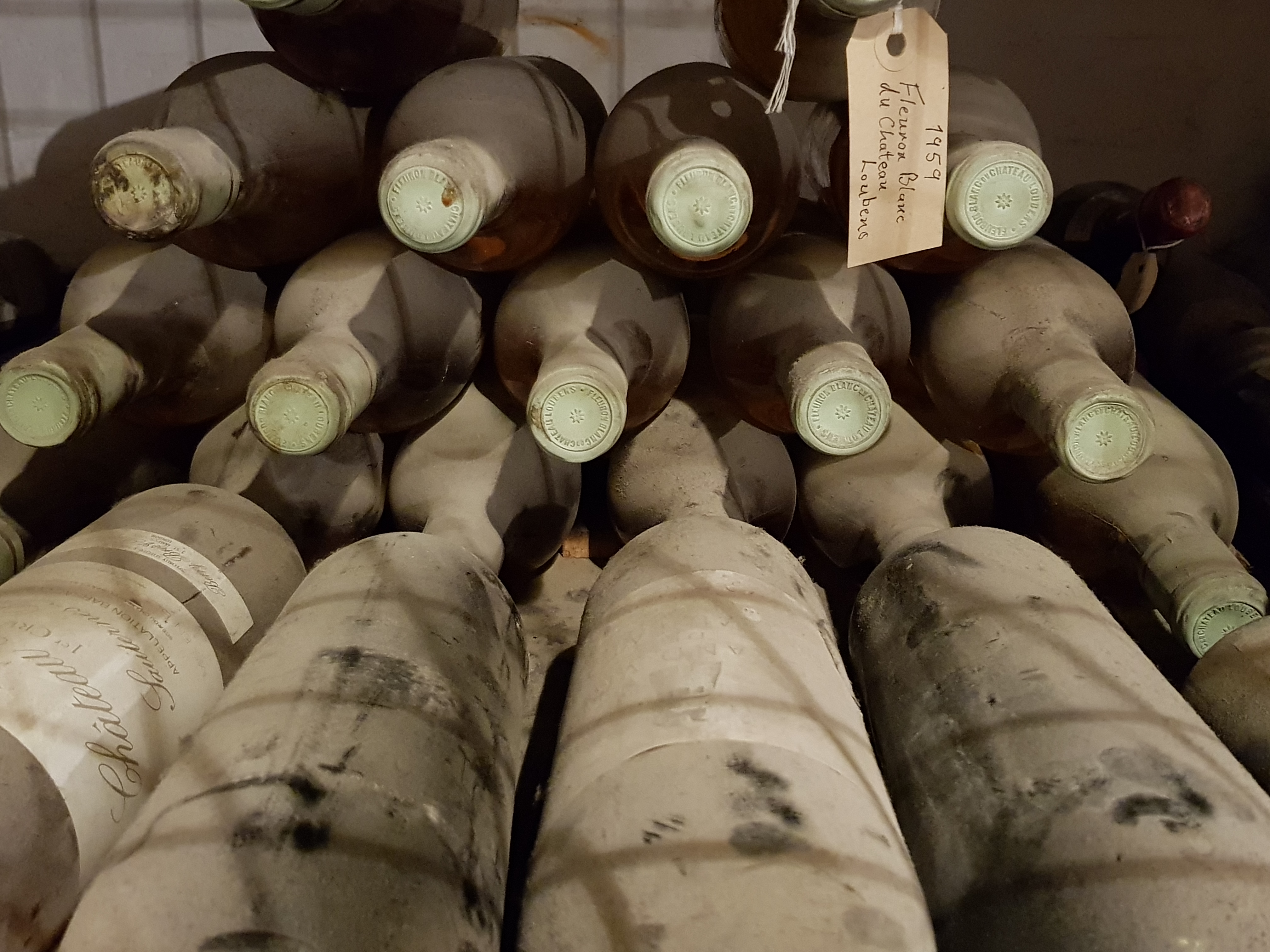
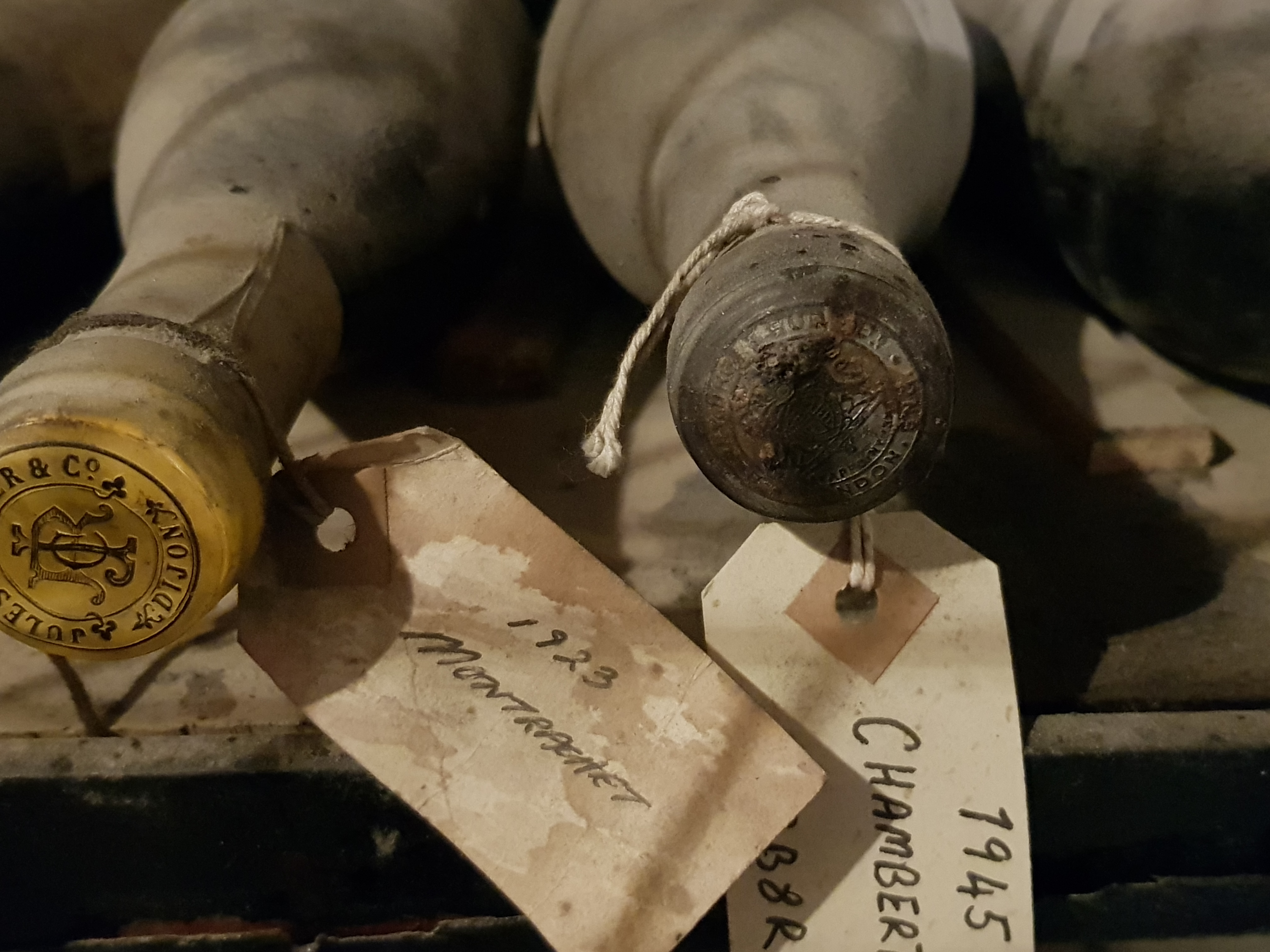
Some early wine labels:-
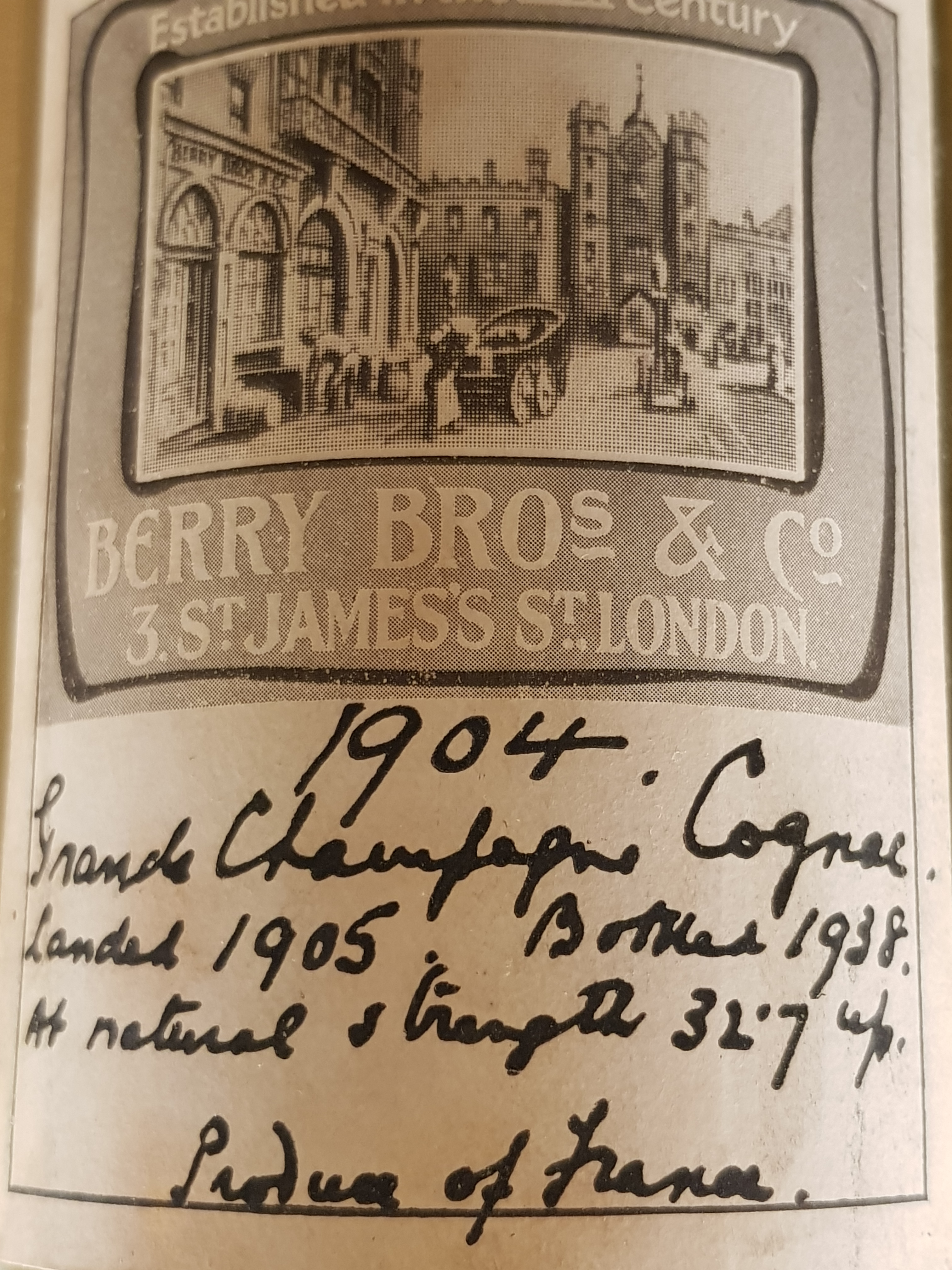
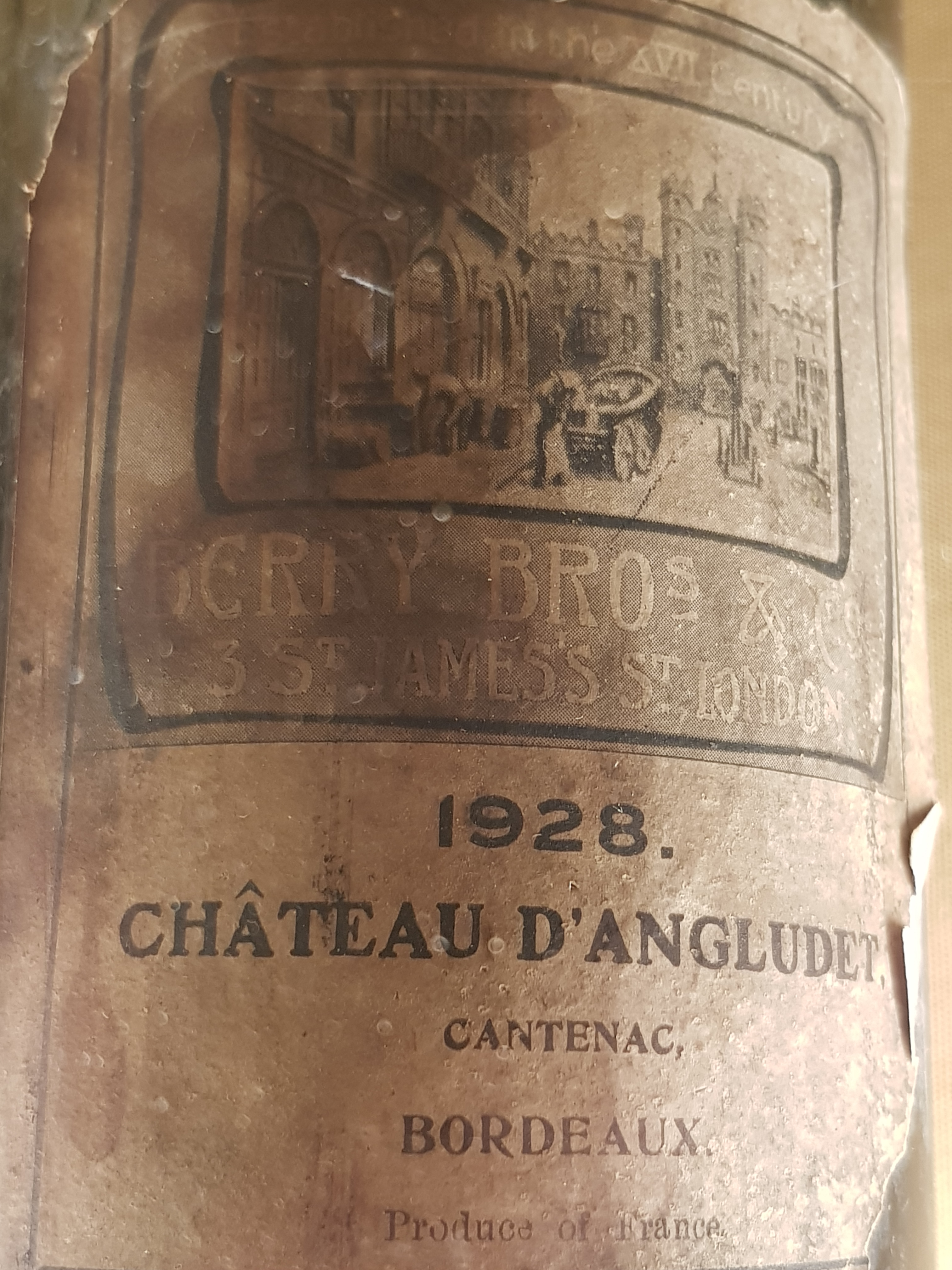
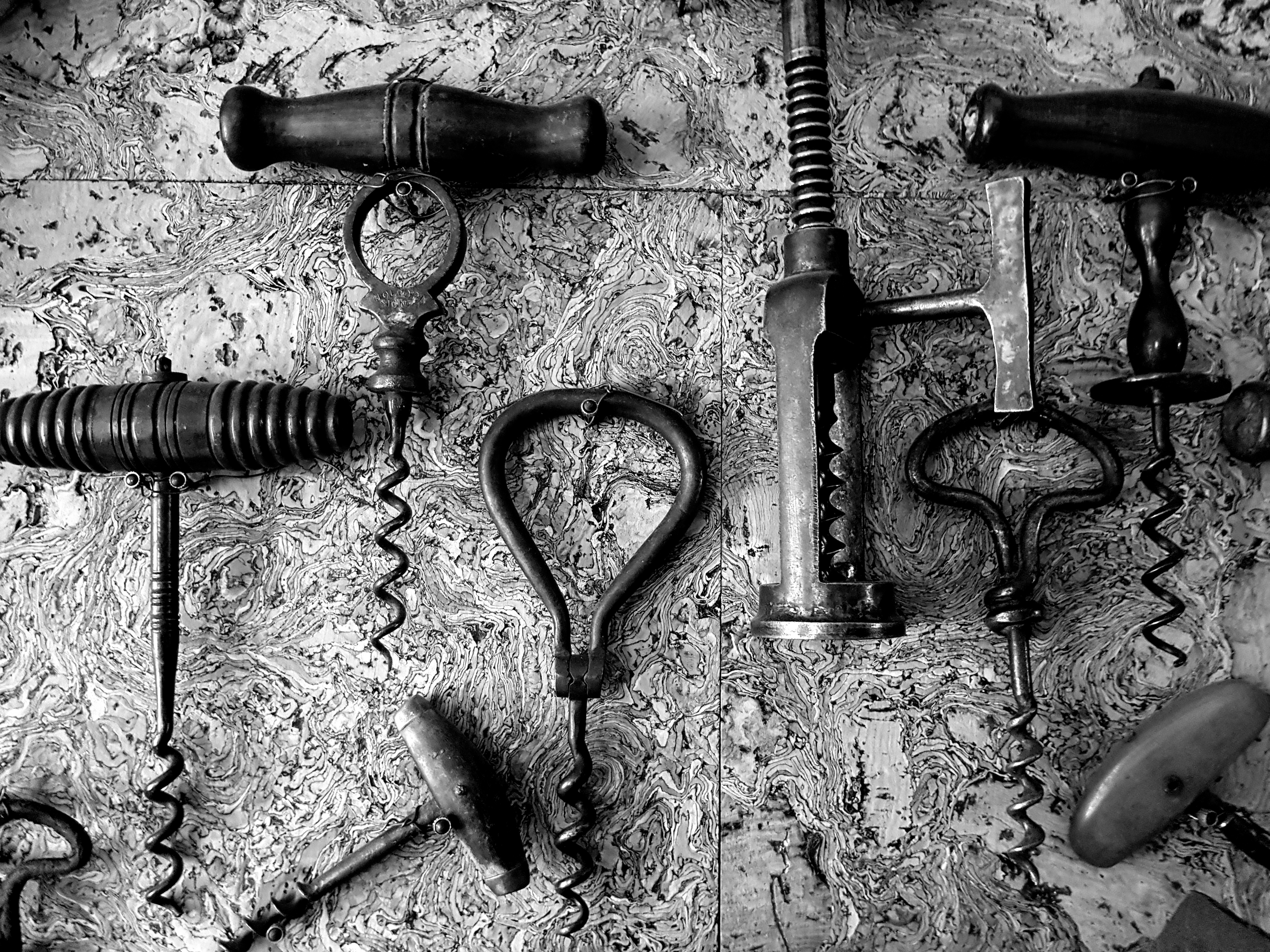
And some cork screws:-
Jerwood Gallery
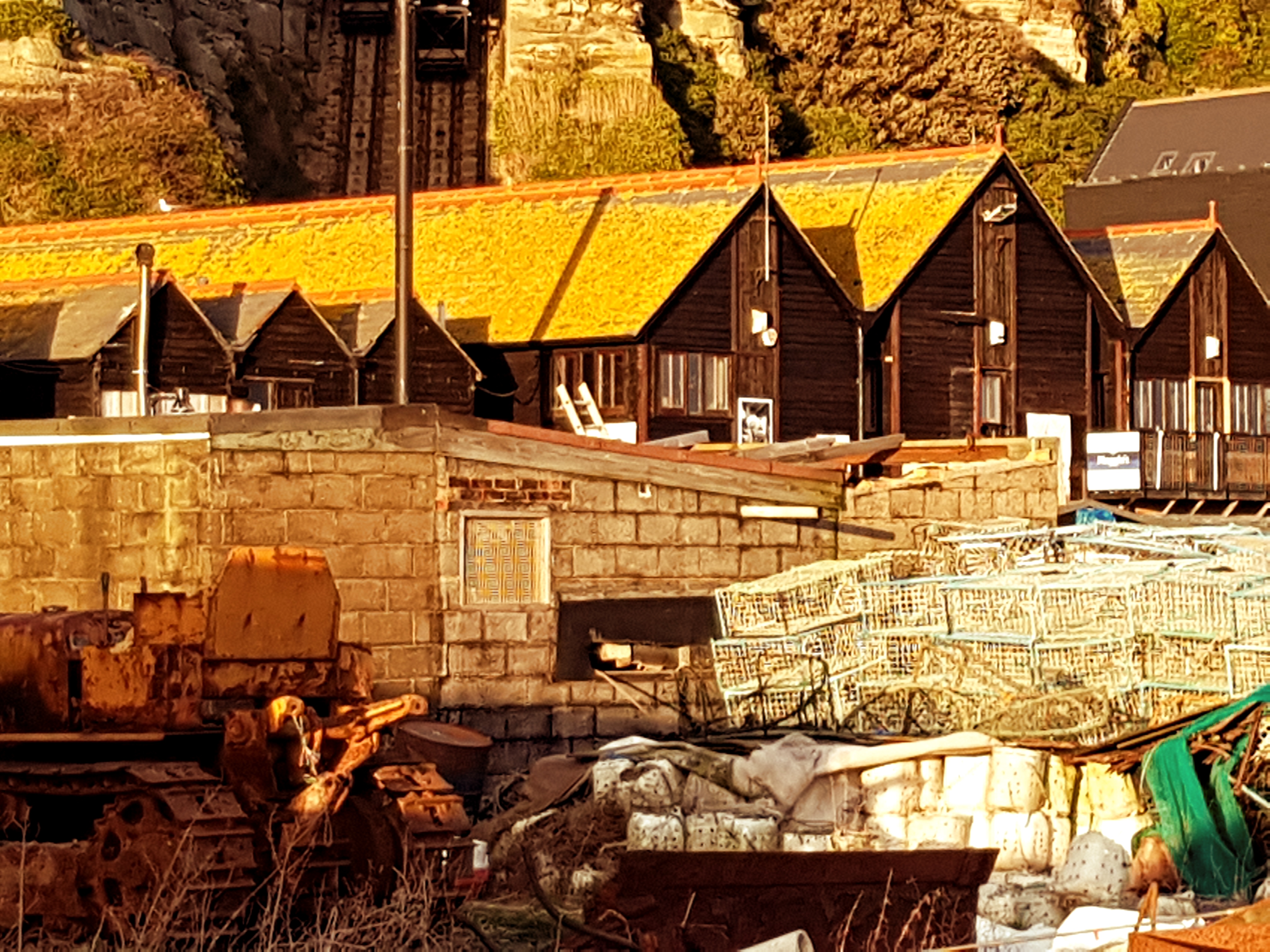
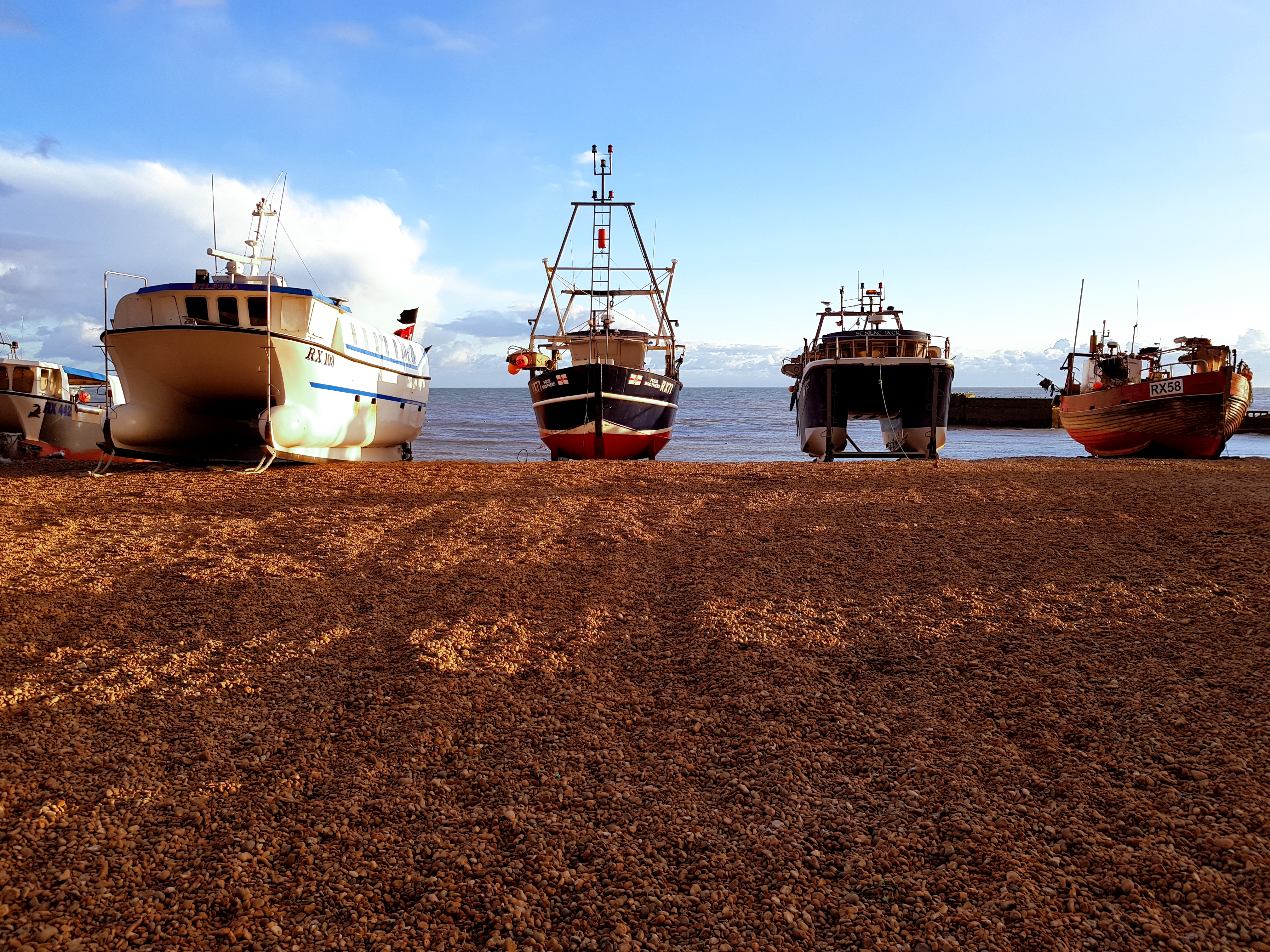
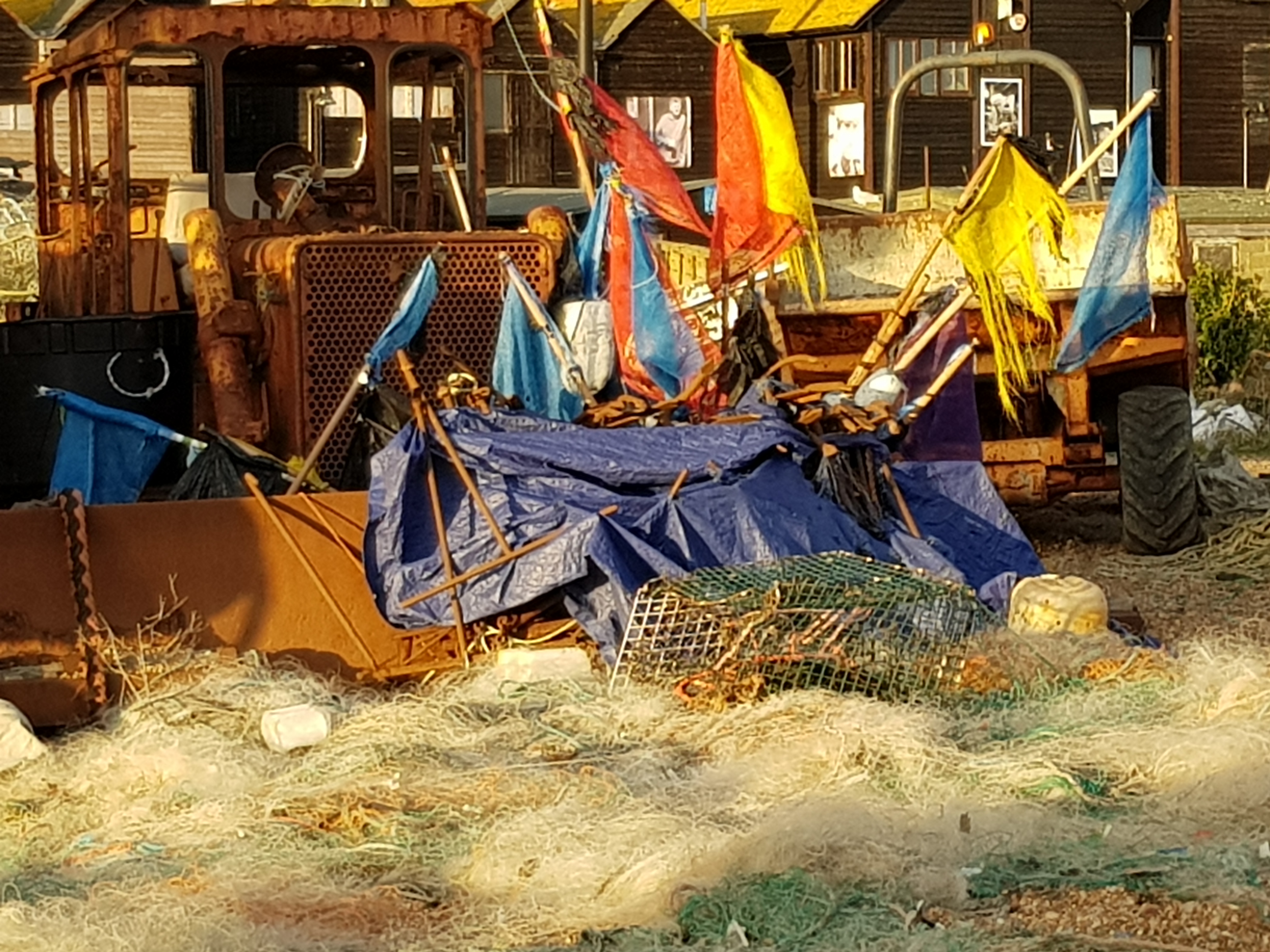
We had a late lunch in the lovely Jerwood Gallery, designed by Hat Projects, a perfect scale of urban gallery, surrounded by fishermens’ huts, and with an admirable modern British collection, recently assembled:-
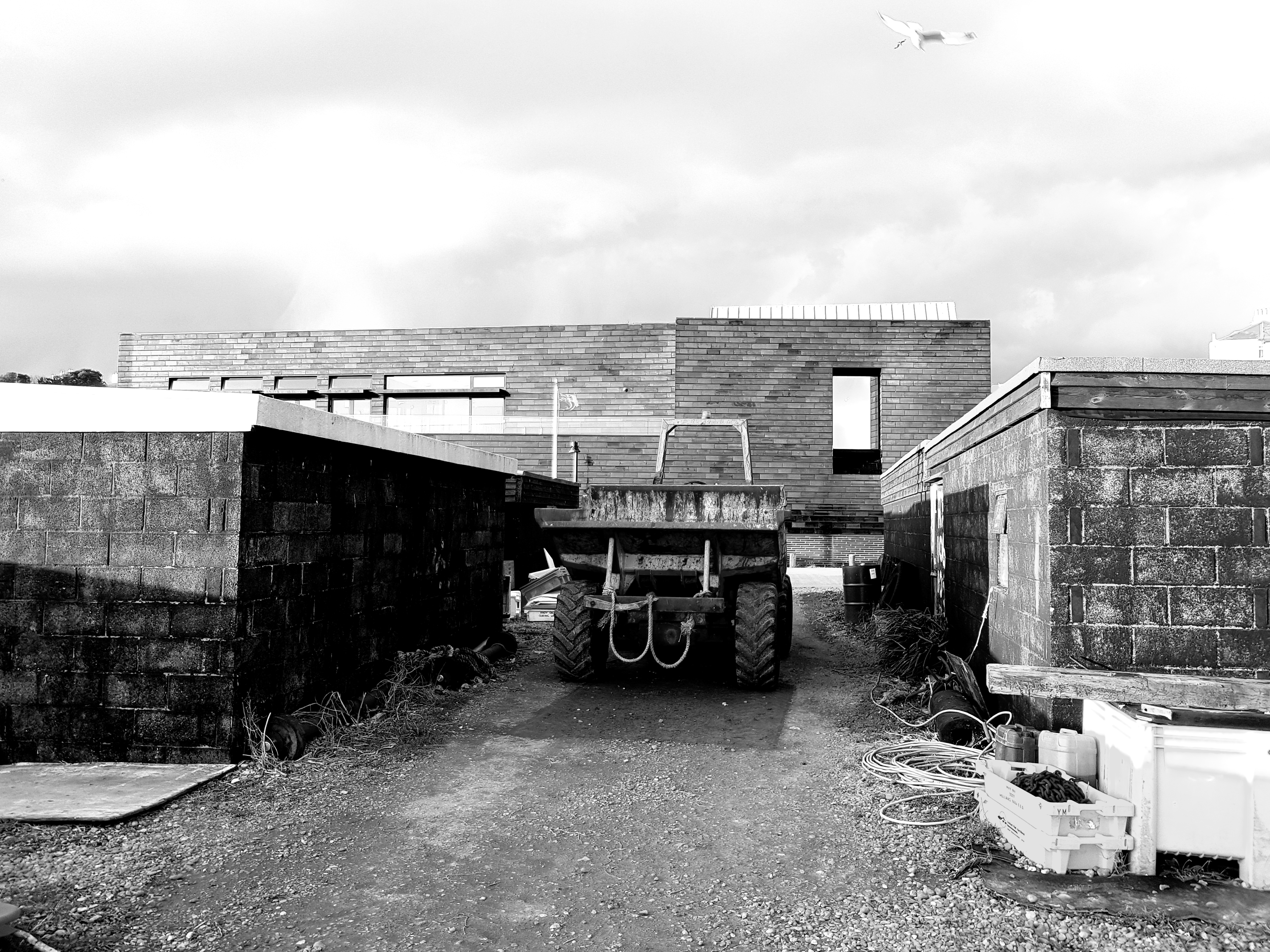
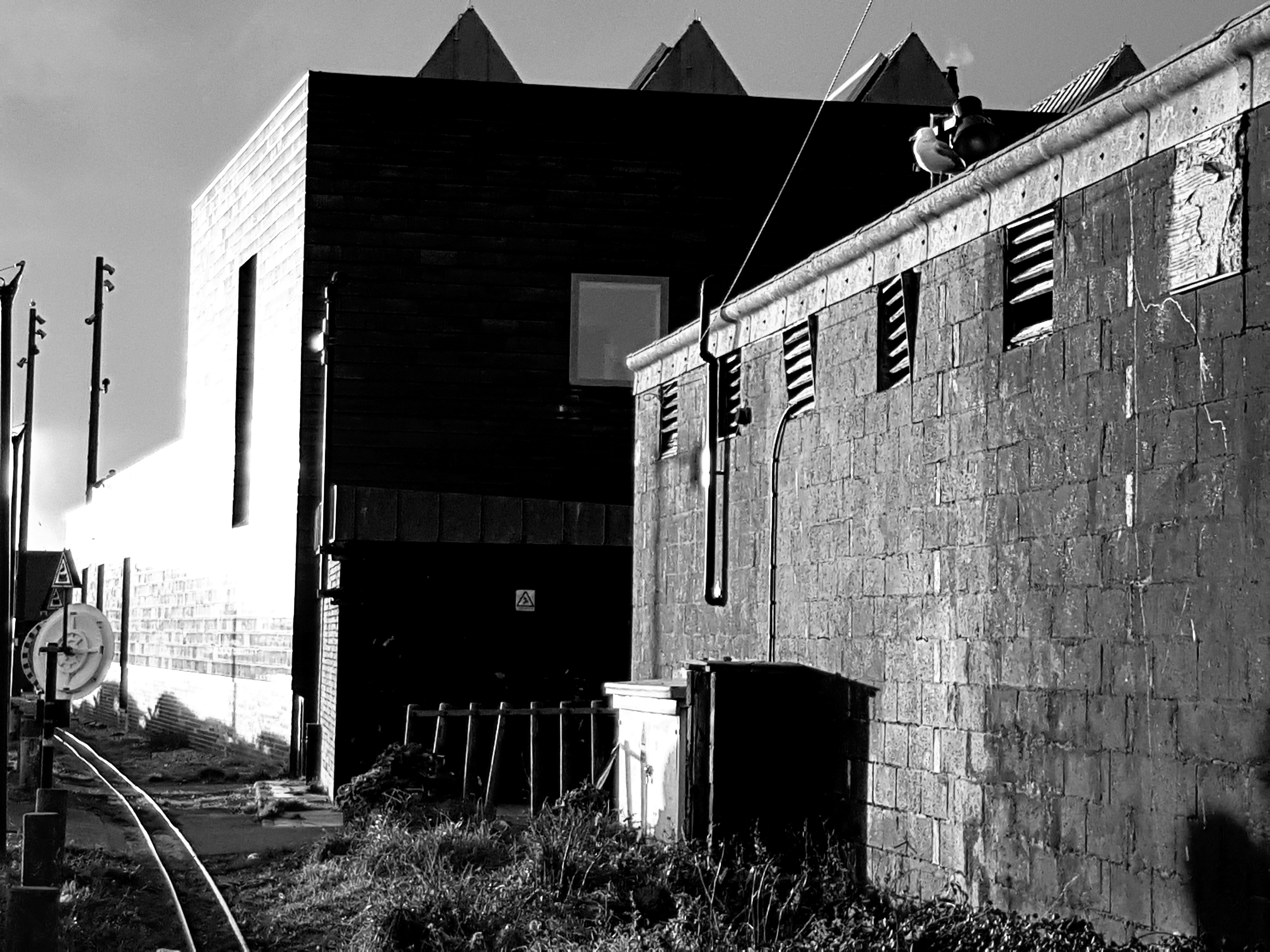
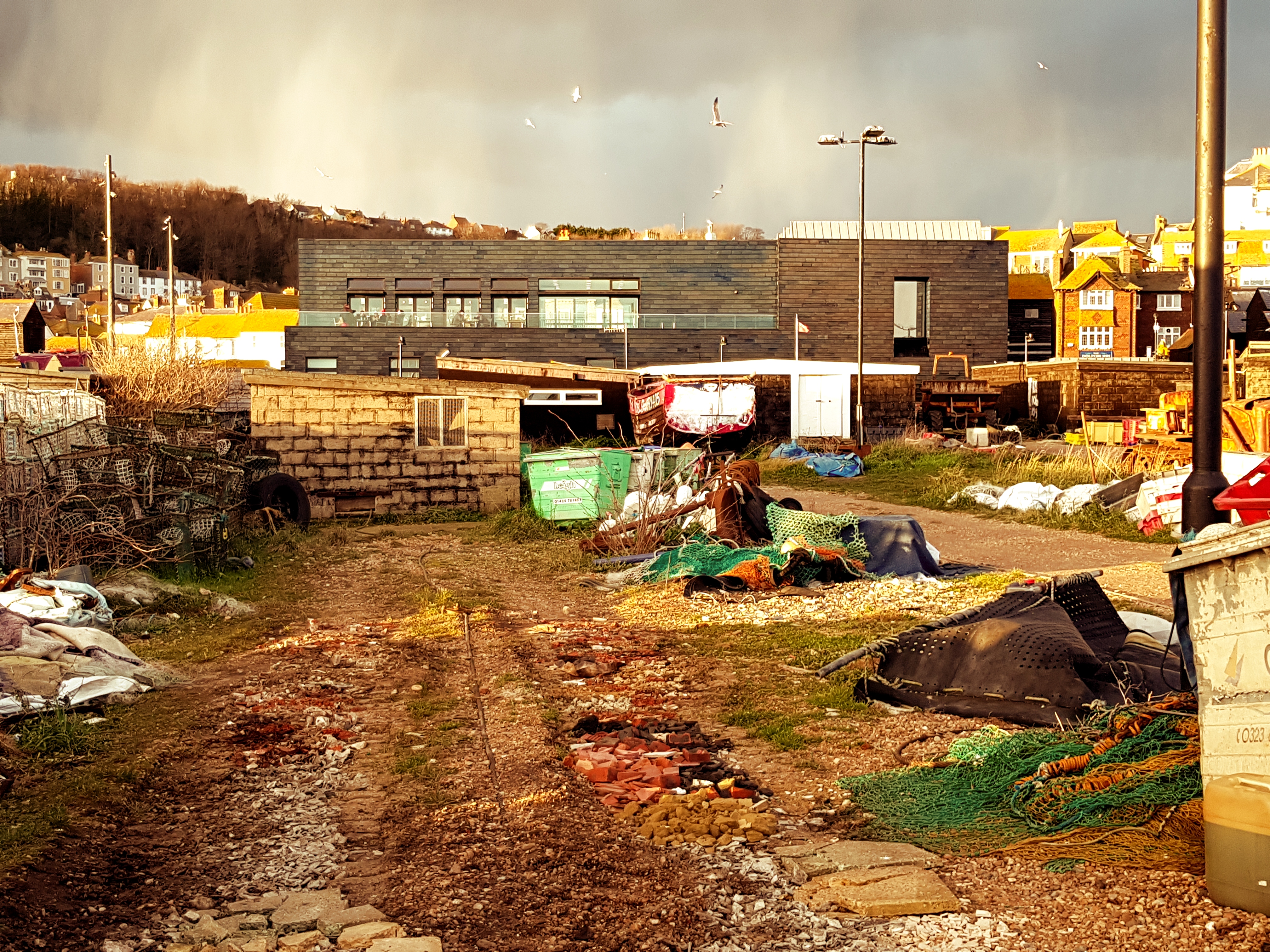
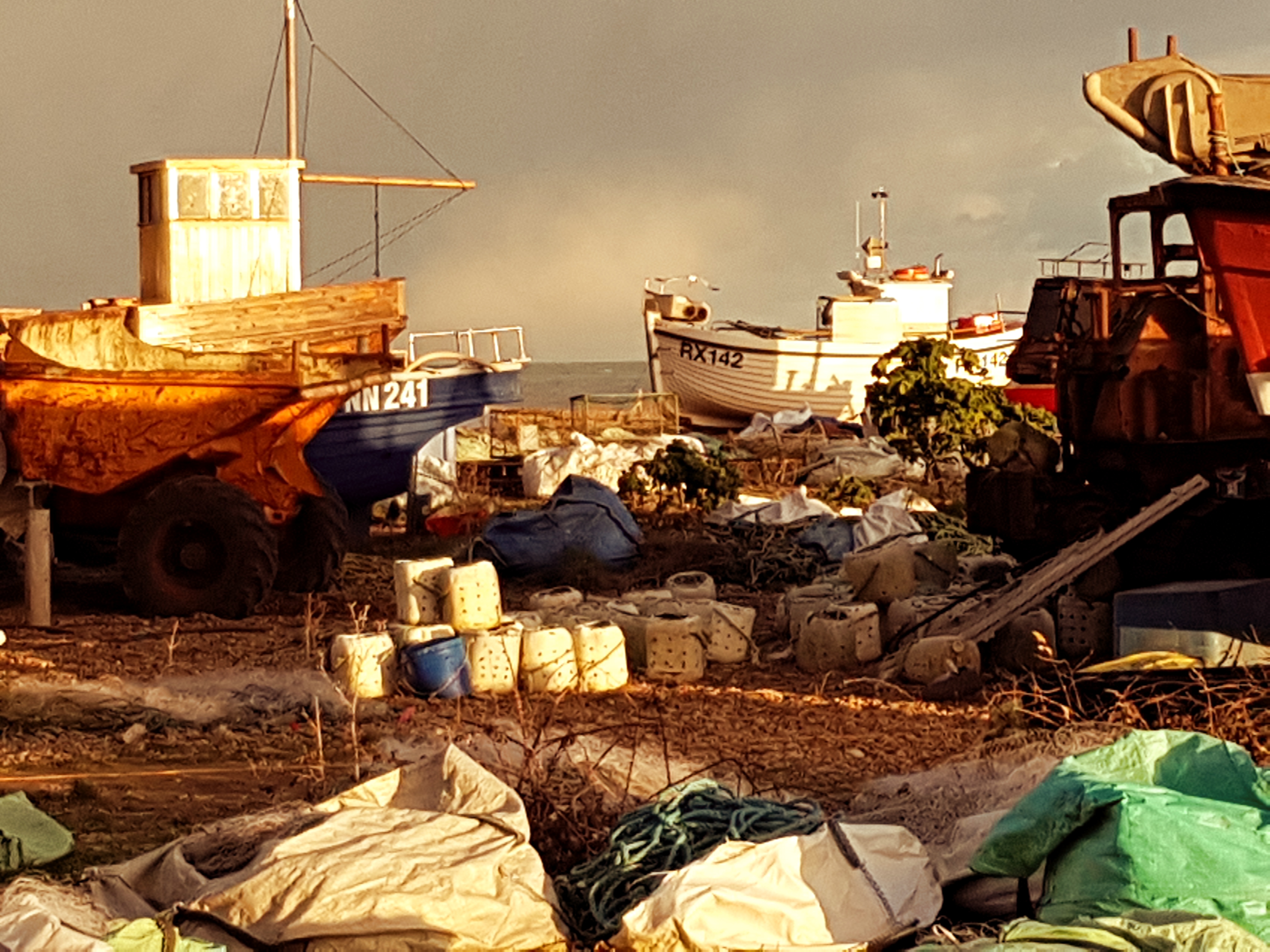
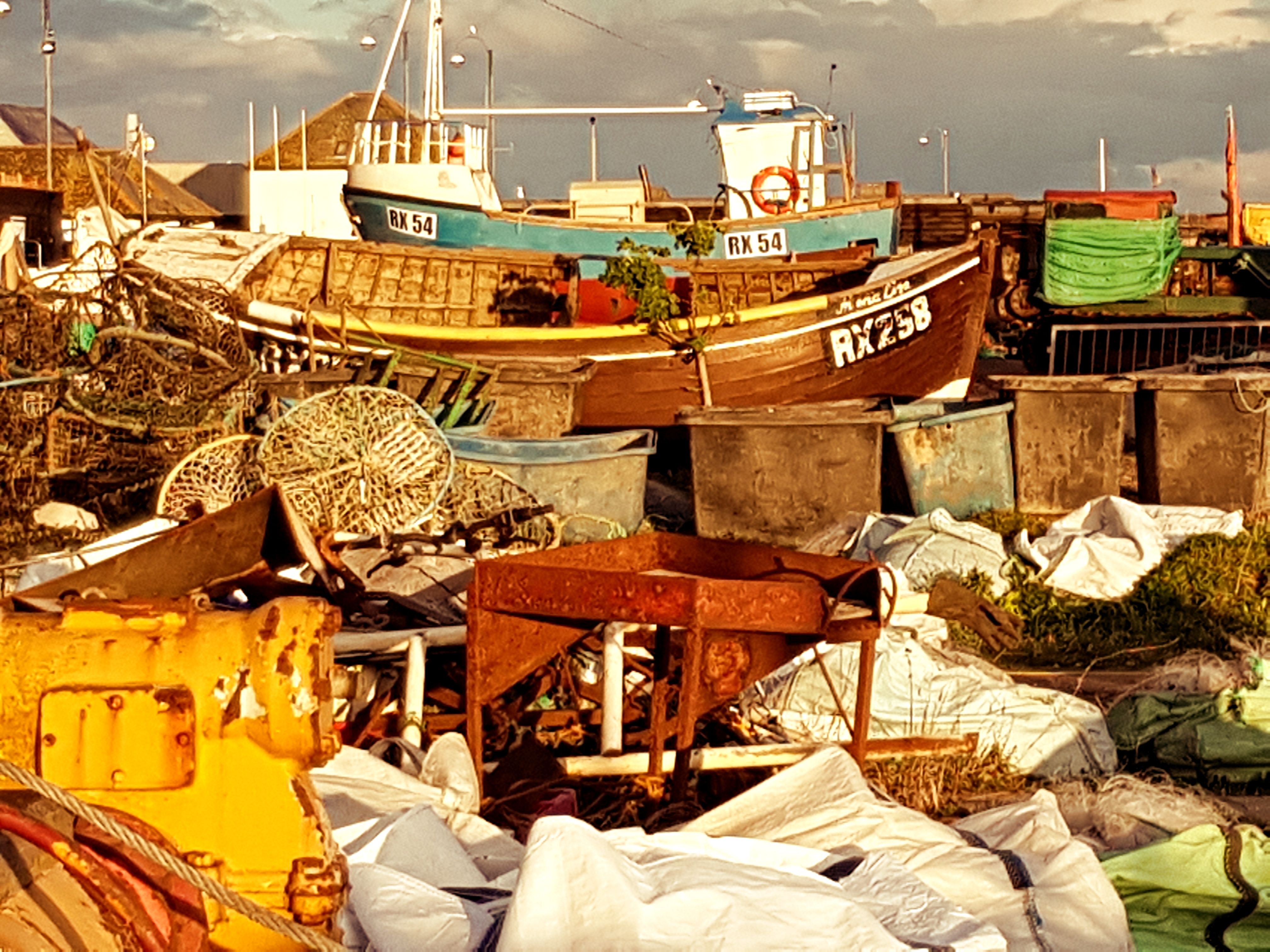
The surrounding shoreline was vivid in the late afternoon sun, before a sudden sleet storm:-

Gus Cummins RA
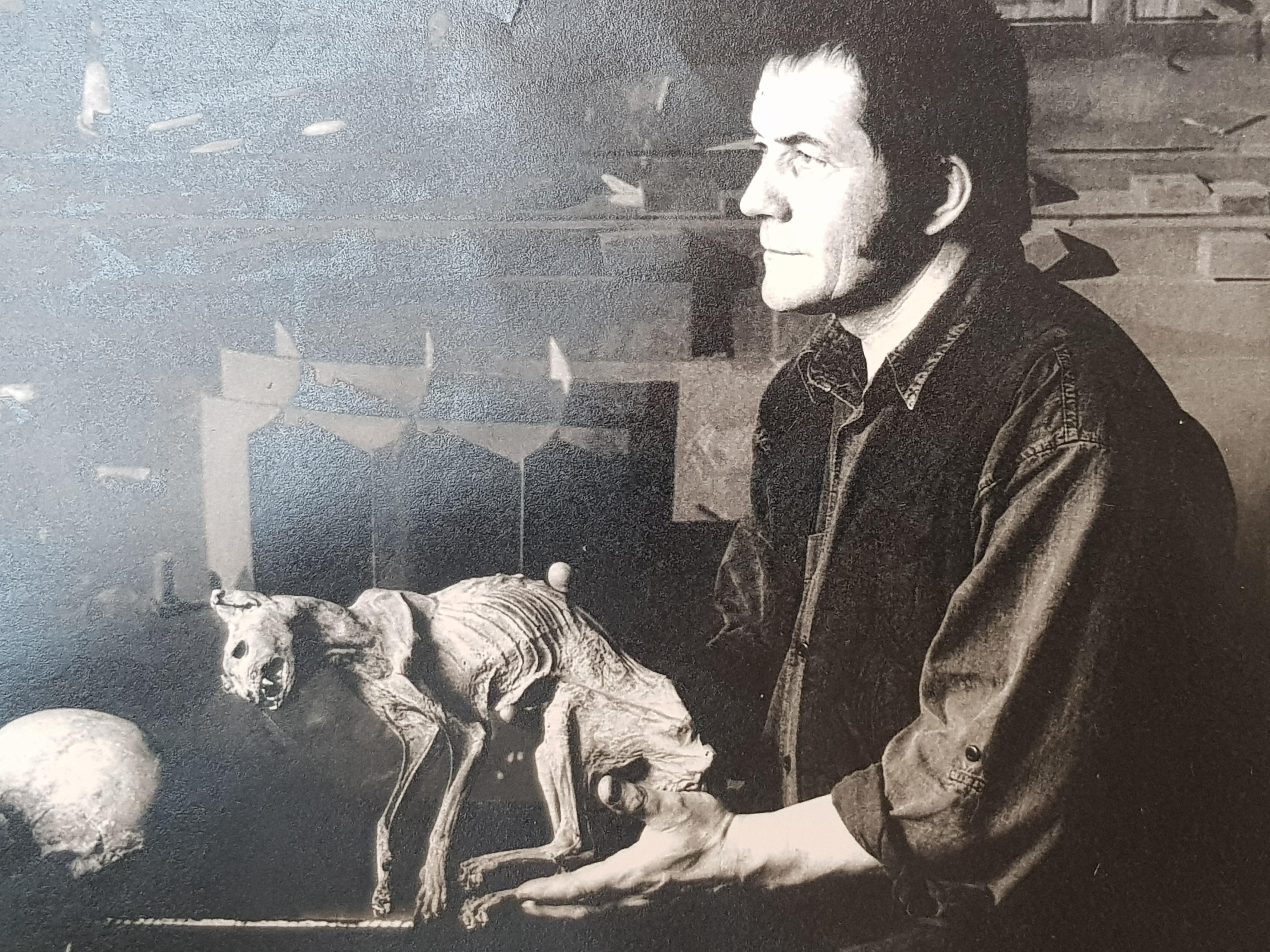
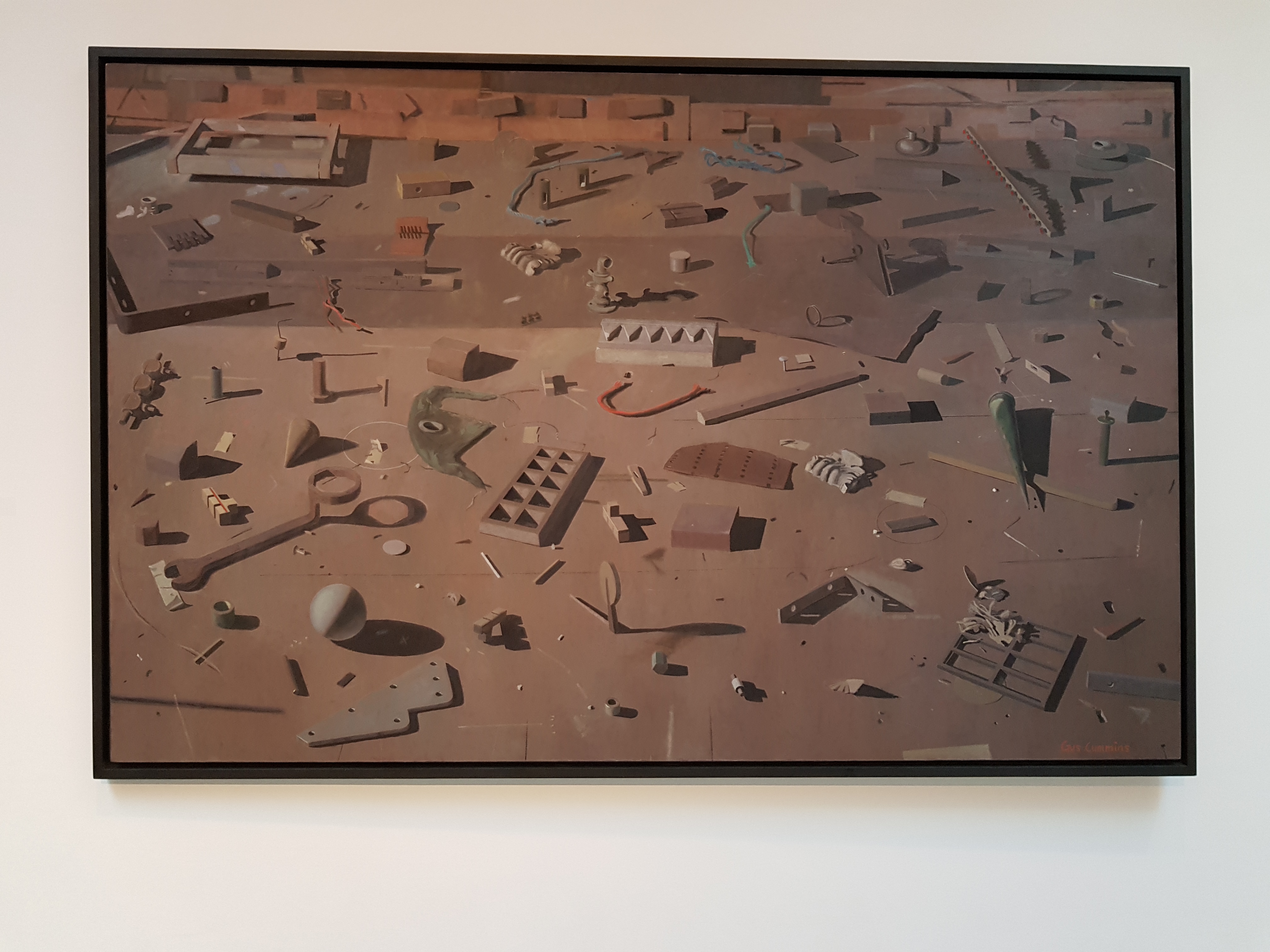
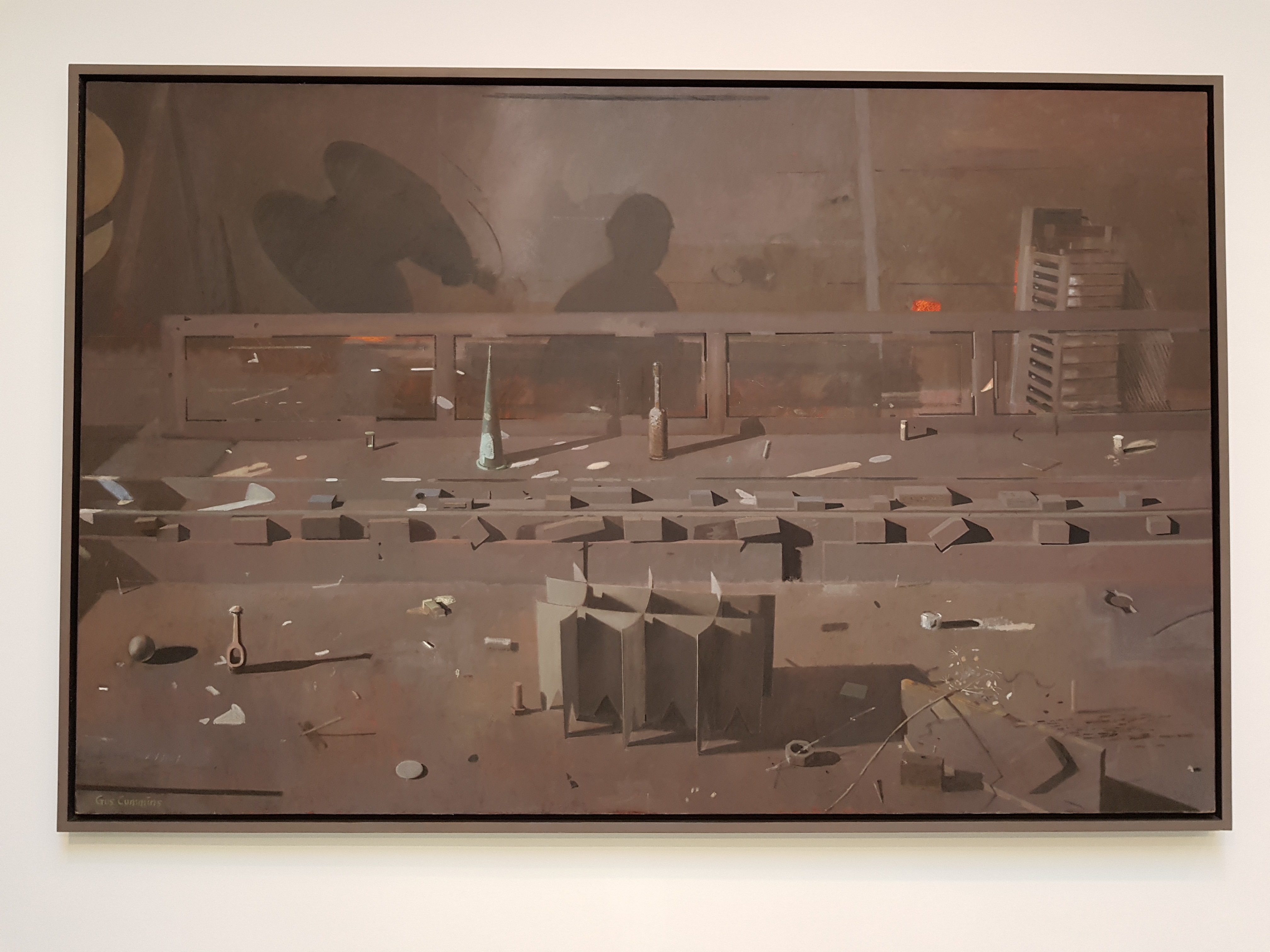
We saw Gus Cummins’s small, but choice exhibition at the Jerwood (he’s a local). Although I have seen his work annually in the Summer Exhibition, I hadn’t realised his roots in surrealism.
This is him as a young man:-
His drawing style:-
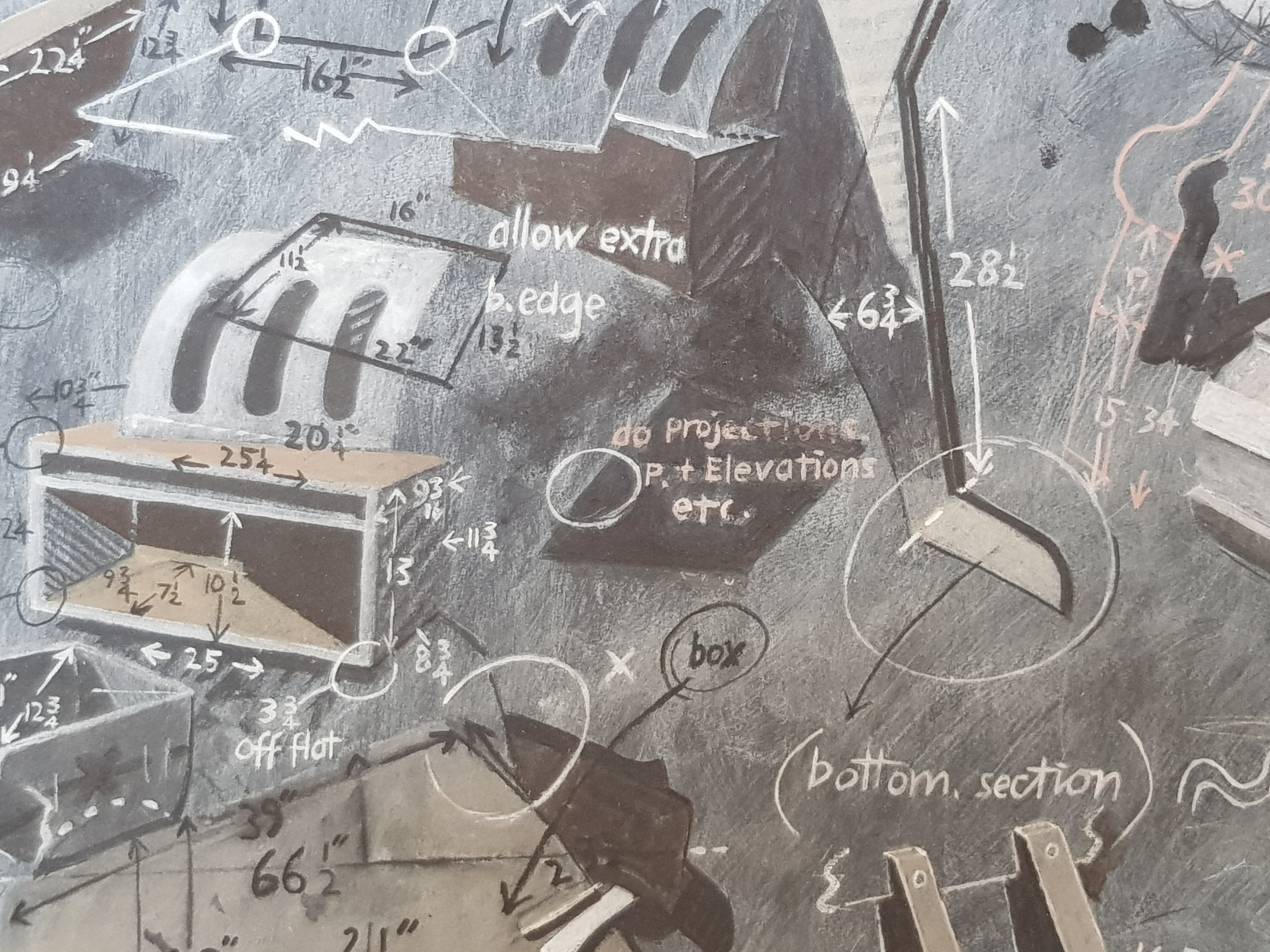
And his paintings.
City (1995):-
Intimation (1996):-
Towner Gallery
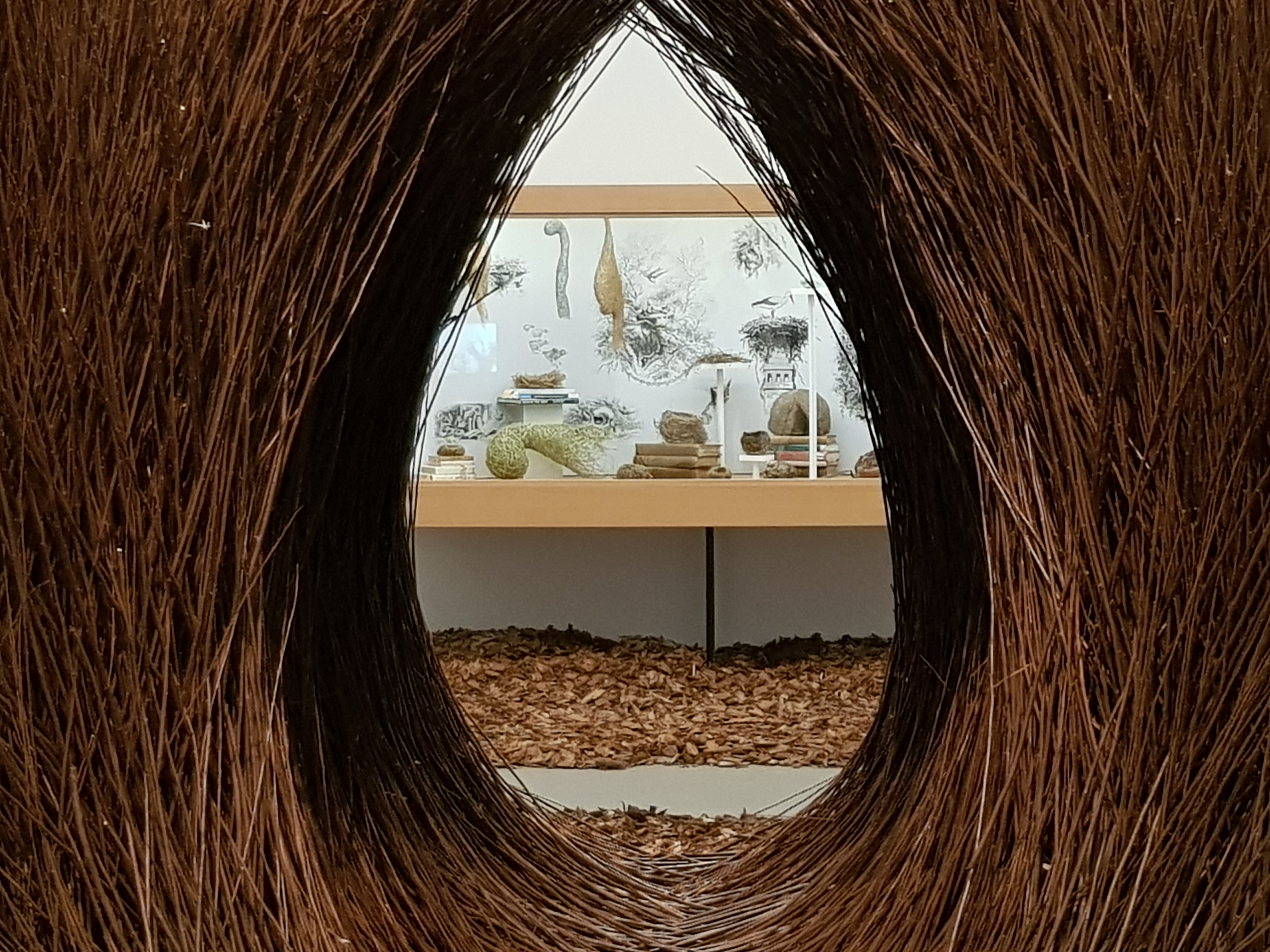
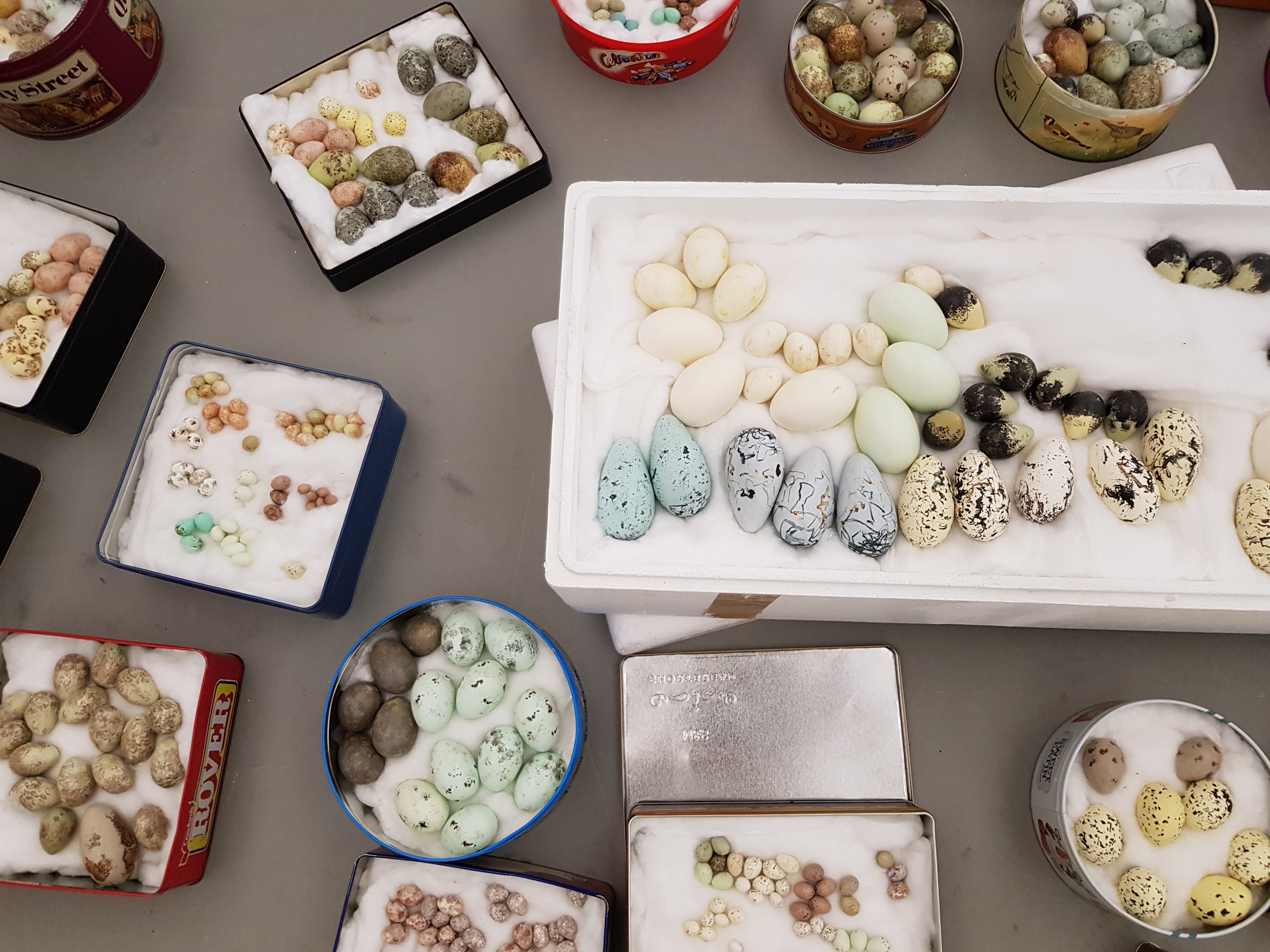
We travelled to Eastbourne, a couple of hours, to see the collaboration between Andy and Peter Holden, Natural Selection, which we couldn’t see in Newington Road (no disabled access). But the lift was bust, so we couldn’t see it here either. So, these are record photographs of the installation:-
 | Charles | Saumarez | Smith |
You must be logged in to post a comment.