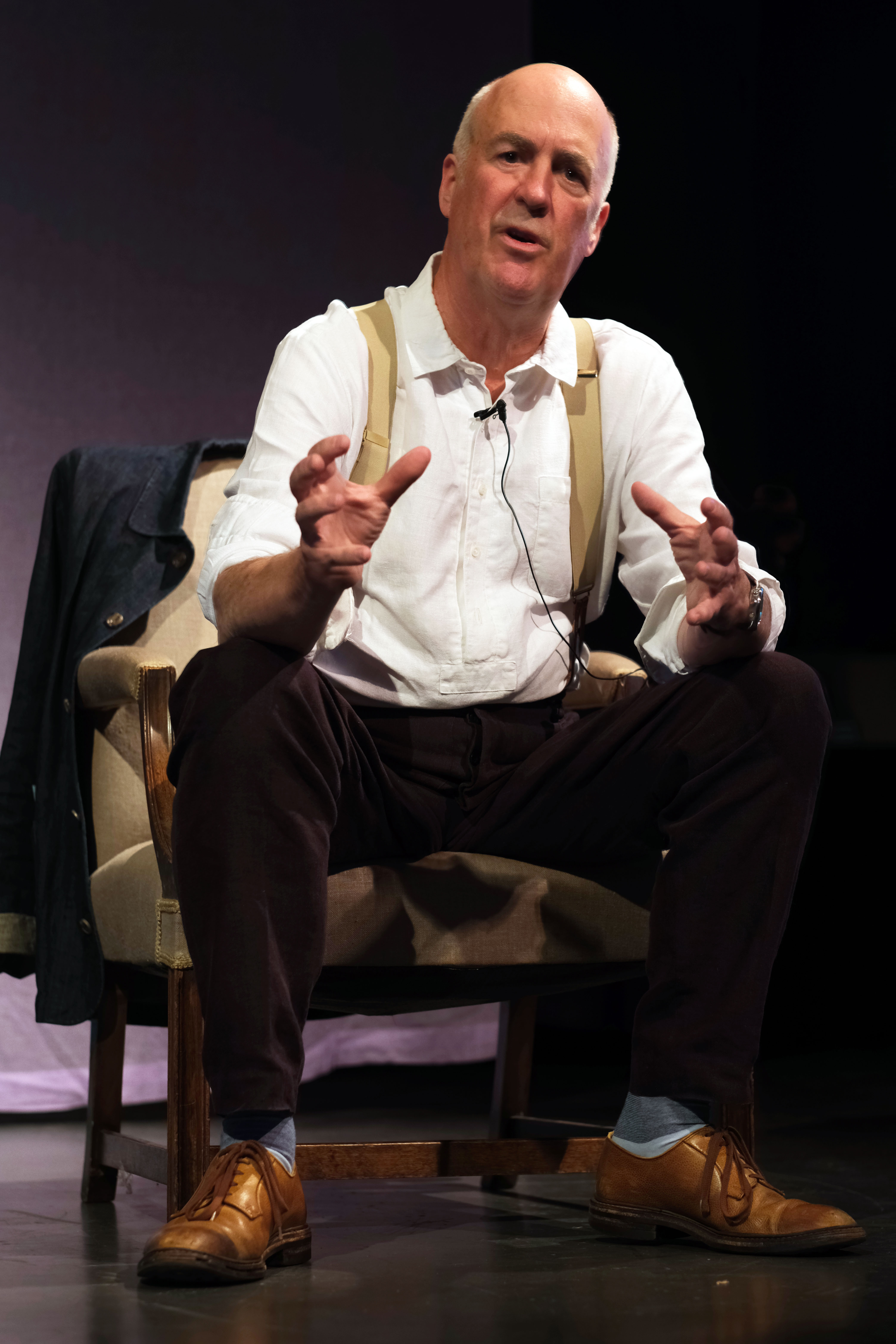
M.J. Long (2)

As a footnote to my post on M.J. Long’ s career as an architect, I have been sent a full c.v. by Rolfe Kentish, who worked so closely with her and Sandy and which enables me to add a bit to what I wrote yesterday:-

1. She was at Smith College before going to Yale in 1960, graduating in 1964, which was the year that Sandy taught there.

2. She then spent a year on a travelling fellowship and was Job Captain on the Cornford House in 1965.

3. She did indeed maintain her own practice separately from the work she did for Sandy, as she described it ‘in order to carry out small commissions at the same time as the work on the larger projects as a partner in Colin St. John Wilson & Partners’.

4. She was responsible for the design of the Ivy Restaurant in 1990 in the years when it was more reticently fashionable than it has since become.

5. From 1973 to 2018, she taught at Yale, as well as being a Visiting Professor at Falmouth School of Architecture.

6. She does not say, but was, an enthusiastic amateur bookbinder.
Standard

St. James’s Park

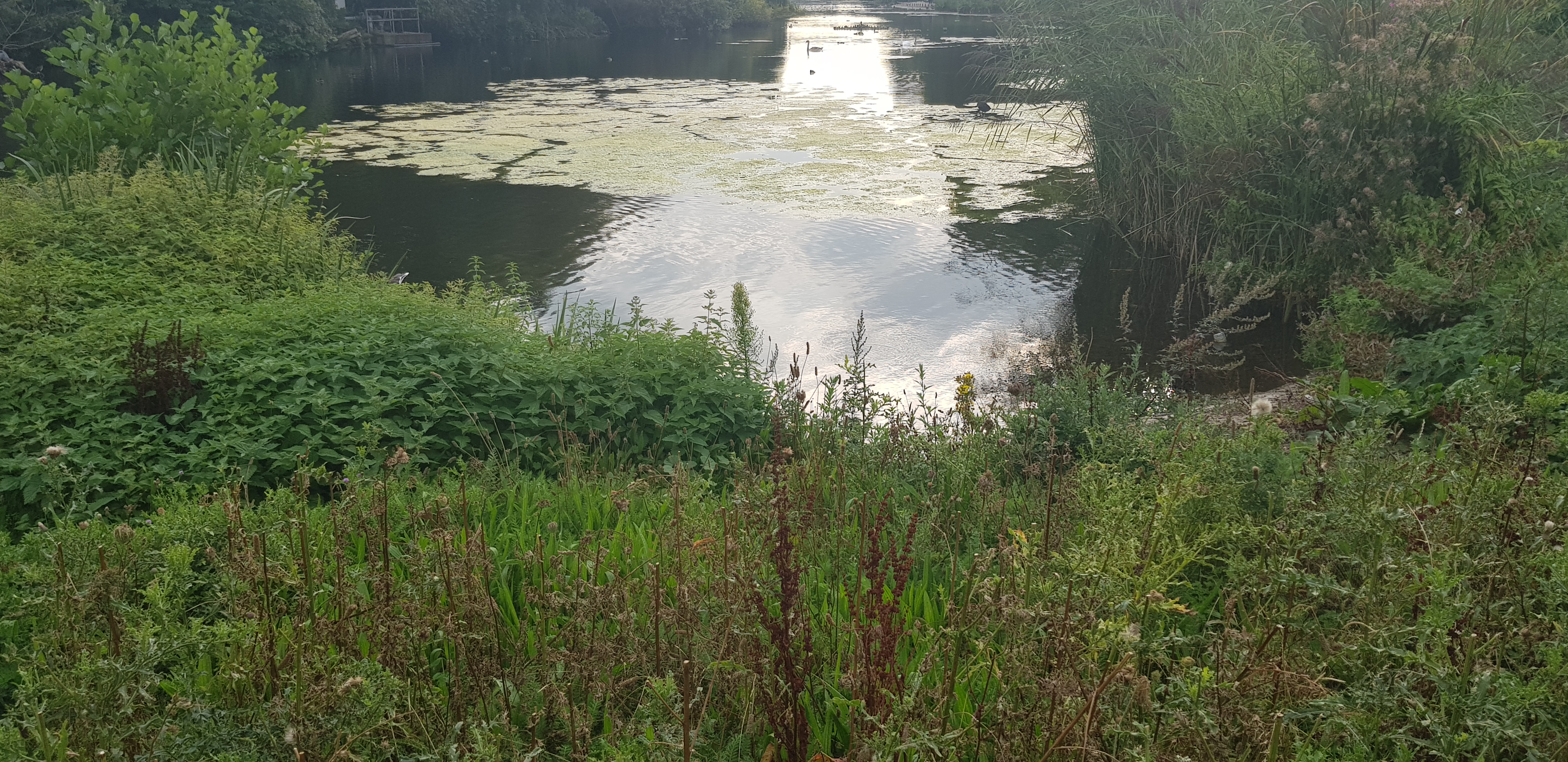
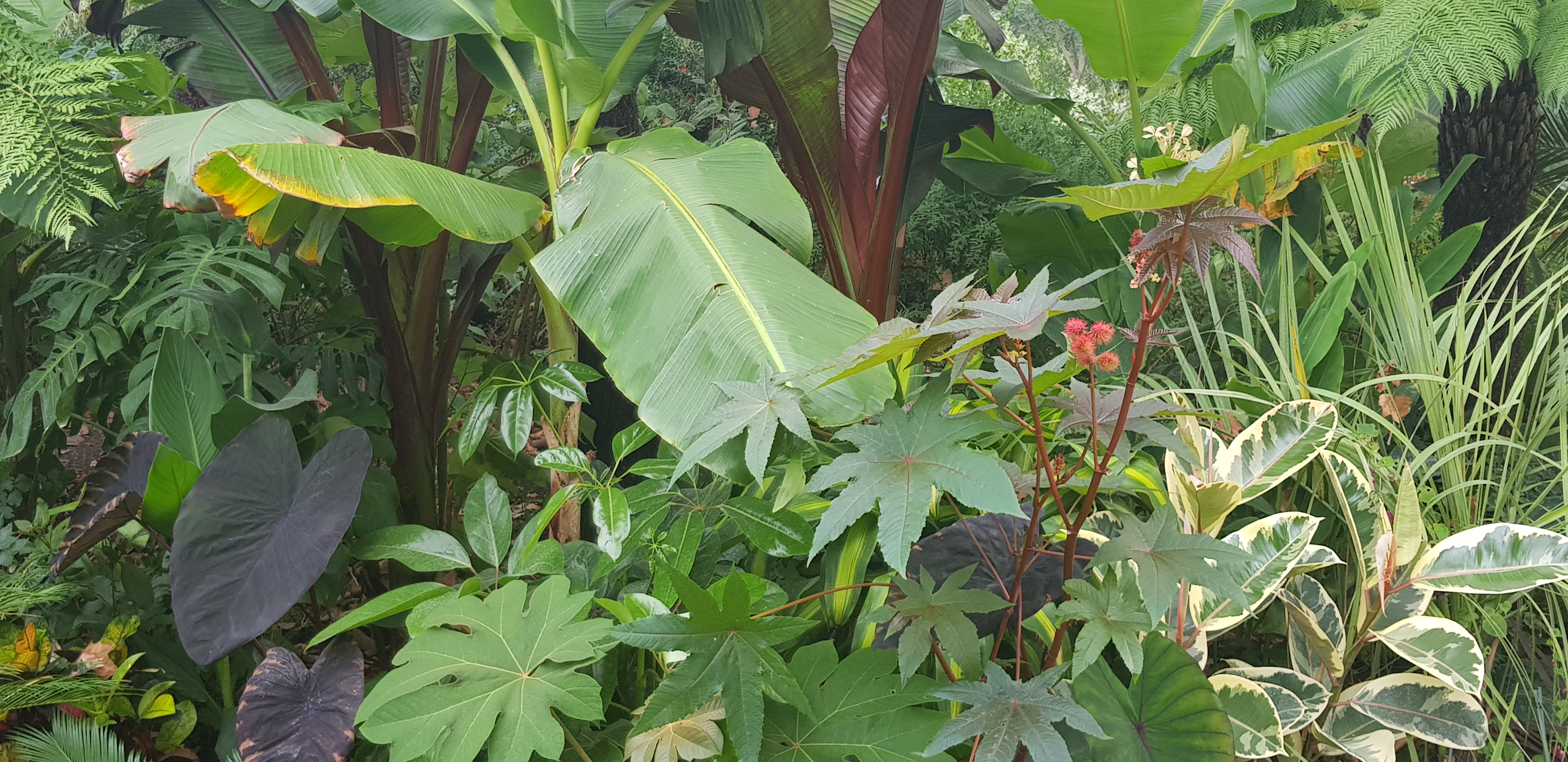
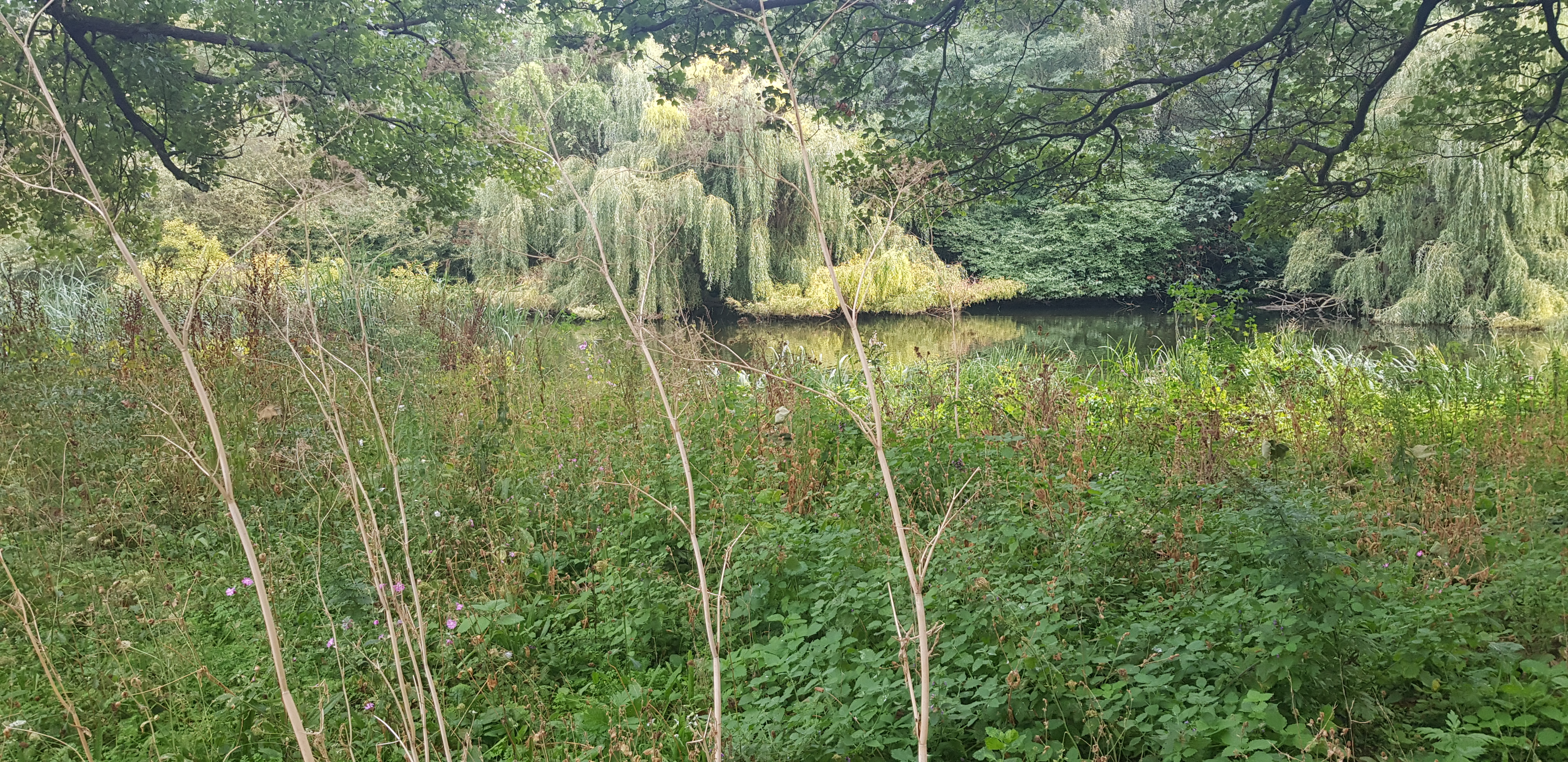
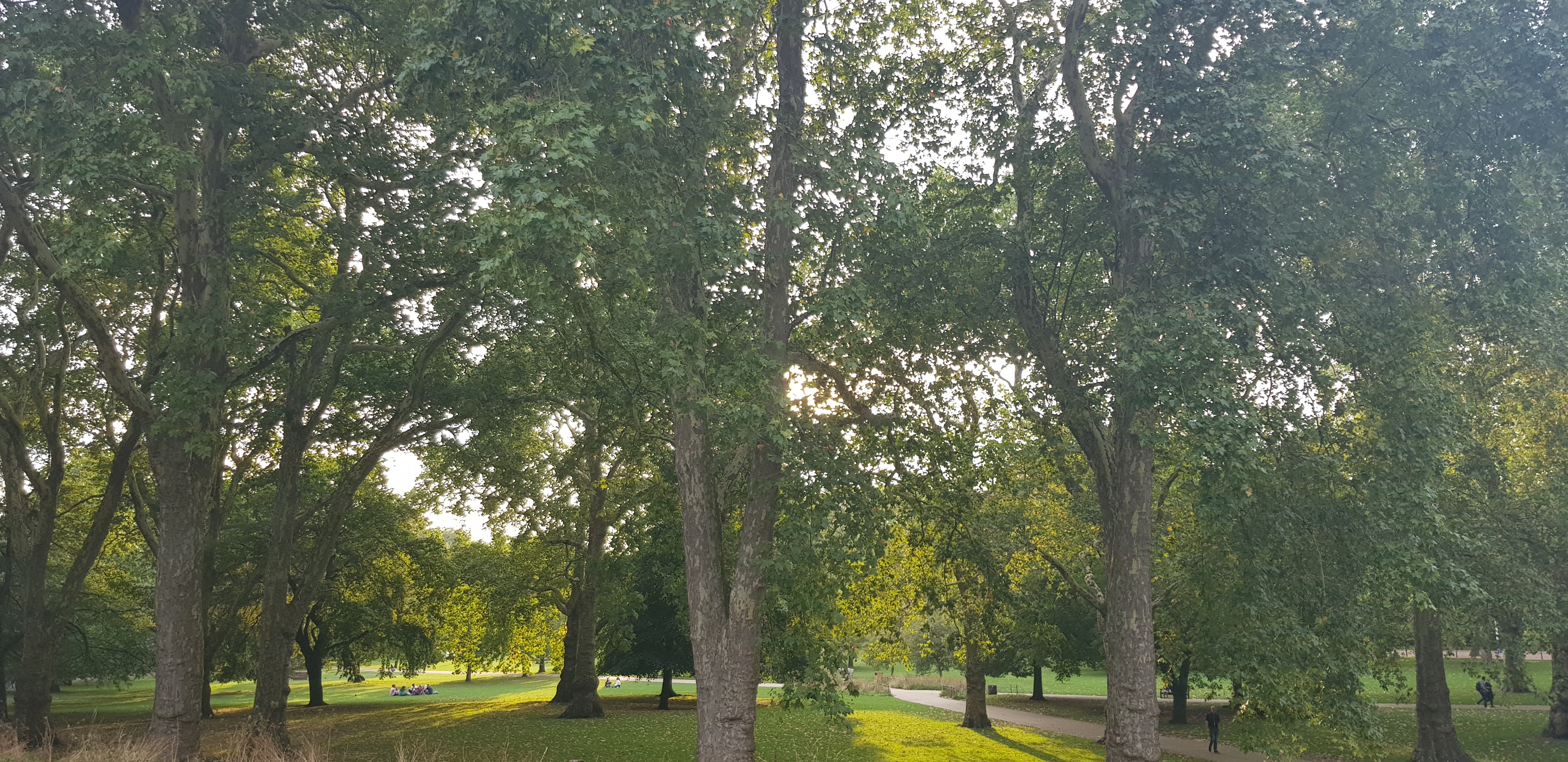
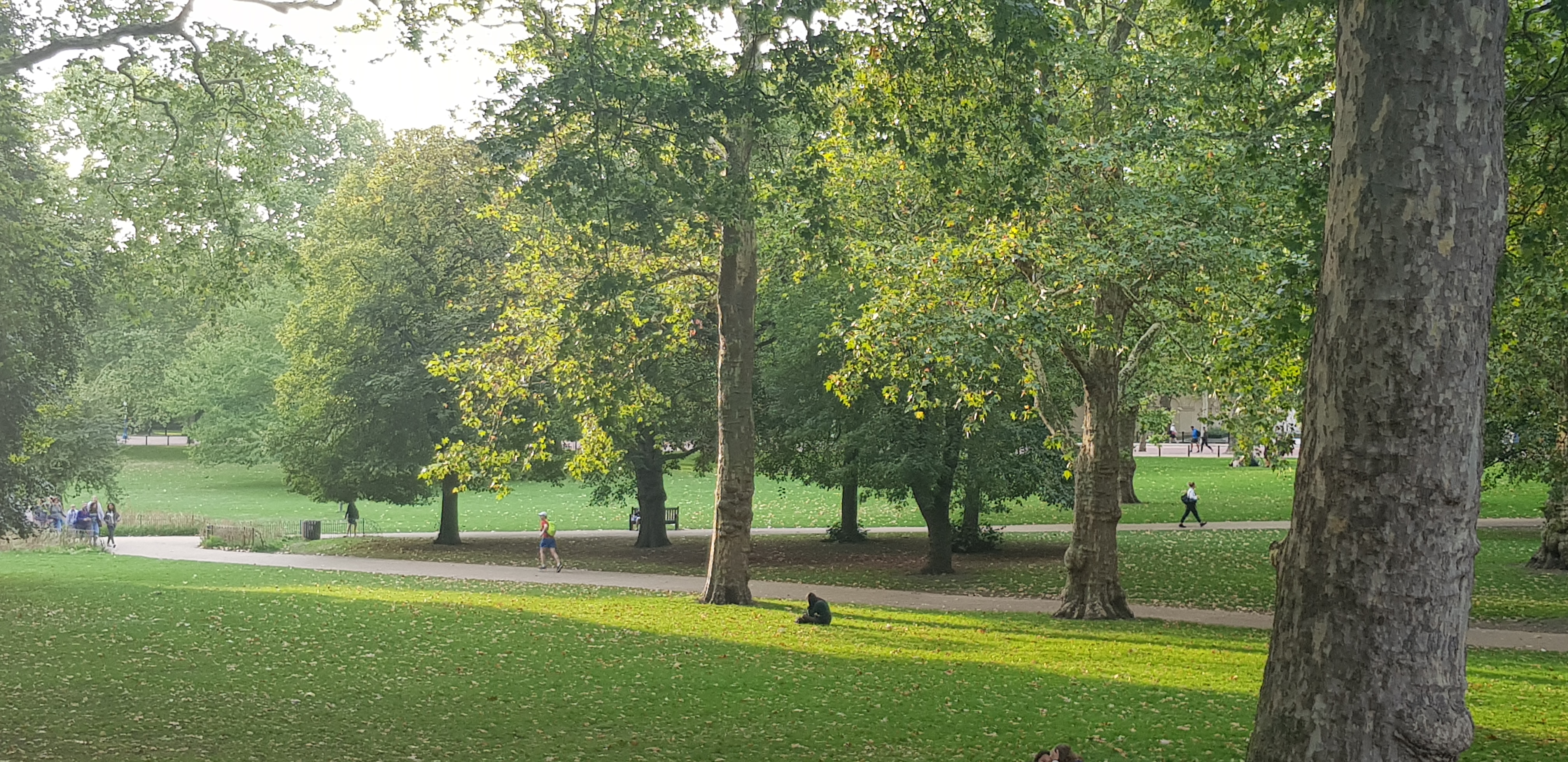
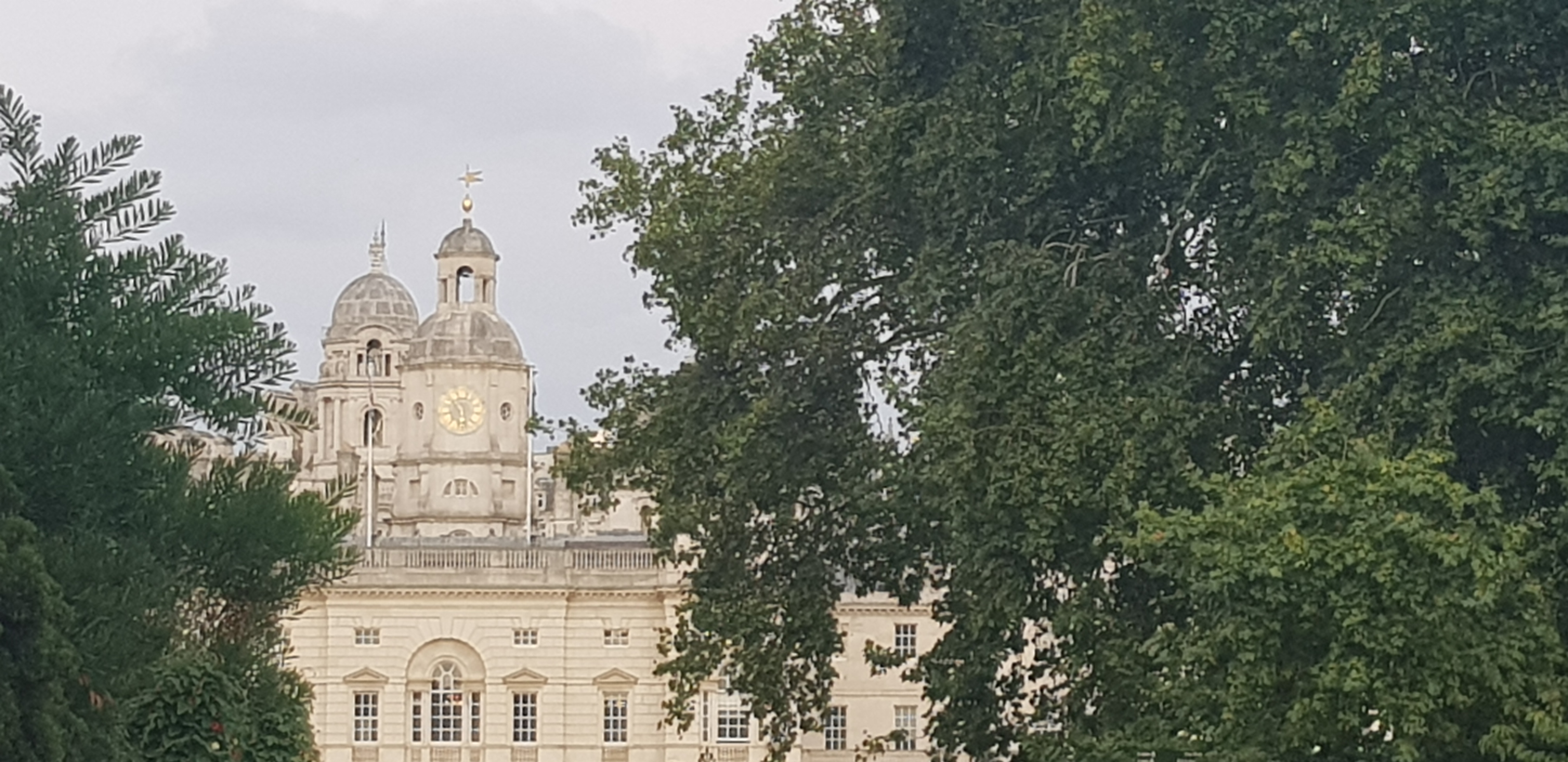
After leaving Downing Street, I consoled myself by wandering round St. James’s Park, which is already autumnal:-

image

image

image

image

image

image

Standard

M.J. Long (1)

I have been slightly shocked at how little information is easily available about M.J. Long, who died at the weekend. I think of her as one of the more serious and thoughtful of older generation architects, quite apart from the work she did with her husband, Sandy Wilson, working on the British Library and its later developments. No Wikipedia entry. No entry in Who’s Who. Anyway, she was born in 1939 and studied in Yale in the mid-1960s, where, I think, she was a star student at the time that Richard Rogers and Norman Foster were there as postgraduates and where she attracted the attention of Sandy Wilson, who taught as a Visiting Professor from Cambridge in 1964. They designed Christopher Cornford’s programmatic Spring House in Cambridge together in 1965 and married in 1972. I think she always maintained her own architectural practice, which flourished in the 1990s, jointly with Rolfe Kentish, when Sandy Wilson stopped getting any commissions owing to the controversies surrounding the British Library. She did a whole series of artists’ studios, including those for Auerbach and Kitaj, renovated a complex of buildings for Paul and Susie Allen-Huxley in Hammersmith and the Porthmeor Studios in St. Ives. I haven’t seen, but know that the Maritime Museum in Falmouth is a major work. I have seen and greatly admire the work she and Sandy did to help house his art collection at Pallant House in Chichester. She was working on Sandy’s Masterplan for the RA when I arrived in 2007. This all seems to me to add up to a highly significant career, which should be celebrated, whilst lamenting the sad fact of her death.

Standard

10, Downing Street

I had forgotten that one is required to relinquish one’s mobile phone on entering 10, Downing Street in case someone might be tempted to take a samizdat photograph of the Soane ‘eating room’ with its fine, star-fish, cross-axial moulding, designed by Soane in 1825 for Frederick John Robinson, the Chancellor of the Exchequer (it was not yet necessarily the residence of the First Lord of the Treasury).   The rest of it presumably bears the hallmarks of its renovation by Raymond Erith in the late 1950s after bombing in the war, and a modest amount of tarting up by Mrs. Thatcher.   Not a wholly obvious venue to celebrate the world of contemporary design.

Standard

Children and the Arts

I have spent most of the morning at an event organised – brilliantly – by Children and the Arts, one of the Prince of Wales’s charities, based in Oxford House in the Bethnal Grern Road, but, on this occasion, in the Albert Hall.   Of the many speakers and performers, three will particularly stick in the mind.   First was Sam West reminding the audience that the Prime Minister has asked us to approach Brexit with creativity and imagination;  and yet it is precisely these two things which her government is eradicating from the curriculum.   Second was Andrew Lloyd-Webber talking about the experience of taking some kids to see some Burne-Jones windows in the church in their Midlands town.   The third was the Prince of Wales himself, with the long historical perspective, talking about the vision of his great great grandfather (or is it three greats ?) in founding Albertopolis as a centre for music, education, the arts – and science and engineering.   In other words, the arts should not be seen as in opposition to science in the curriculum, but as part of a rounded education.   I agree.

Standard

Richard MacCormac

Richard MacCormac would have been 80 today, had he not died four years ago in July.   Members of his surviving practice, MJP, and old friends assembled in what may have been one of his drinking establishments in Artillery Passage, not far from where his office was established in the eastern part of Spitalfields in 1981 in Heneage Street, where he met and fell for his neighbour, Jocasta Innes, and bought the house next door.   His work is being reappraised in a conference next week and part of this reappraisal will need to pay attention to his involvement with the Spitalfields Trust, his interest in boats, and his appetite for the interpretation of history.

Standard

Burlington House

One of the (few) pleasures of coming back from holiday was finding on my desk a copy of Nick Savage’s magnificent and beautifully well written monograph, published today, on Burlington House:  Home of the Royal Academy of Arts.   I thought I knew the history reasonably well.   How wrong I was ! From its first construction by Sir John Denham, the poet and Surveyor General, on the north side of whfejthen called Portugal Street, west of Pickadilly; through its purchase by the wealthy first Earl of Burlingto dn; to the purchase of land by the second Earl in 1699 to enlarge the garden and the commission by his widow, Juliana, of the newly arrived Italian artists, Pellegrini and Marco Ricci; to the third Earl’s role as a Maecenas; and so on through the ownership of the various members of the Cavendish family to its acquisition by the government and ultimately by the Royal Academy after innumerable alternative proposals; Nick Savage illuminates every stage of an extraordinarily complex building history, not just through his meticulous narrative, but with the help of innumerable prints, drawings and ground plans, some of which are familiar, but equally many not. It’s a great feat of reconstruction. Only £60 and I hope available from the Royal Academy bookshop.

Standard

David Granick

I spent part of the morning poring over, and admiring, the documentary photographs taken by a relatively unknown photographer, David Granick, of the East End in the 1960s and 1970s. He apparently took them as illustrations for talks he gave for the monthly meetings of the East London History Society, but it is impossible to tell from the photographs what the talks might have been, as the photographs are neither particularly sociological (there are not many people in them) nor especially architectural, although they record the character of the streetscape. What is amazing is how decayed the area still was in the 1970s, still with very obvious signs of bomb damage. The docks were still working. That is by far the biggest change. Spitalfields, the subject of many of the photographs, including Fournier Street and Elder Street, has changed amazingly. But the photographs are not at all nostalgic, just straightforward, beautifully composed images, which are powerful precisely because they are not nostalgic.

Standard

David Watkin (2)

It is probably inevitable that I have been thinking more about David Watkin and what his influence was on a generation of architectural historians. He was at Trinity Hall in the early 1960s, but always regarded himself as a child of the 1950s, because he hated all aspects of the 1960s, its liberalism, its utopianism and its anti-authoritarianism. I think he must have been one of the first students of art history at Cambridge, but I don’t remember him having any interest whatever in fine art, only architecture, for which his tastes were actually much broader than his ostensibly narrow-minded classicism might suggest. His Ph.D on Thomas Hope was supervised by Nikolaus Pevsner and, for some reason, he bore a grudge against Pevsner – I think for not supporting him getting a first. By the time I got to Cambridge, he was very well established with luxurious book-lined rooms in the centre of St. Peter’s Terrace, which must have been owned by Peterhouse, where he would conduct his supervisions, accompanied by thin sherry at 6. But, although he seemed very old, I now realise he was in his early thirties, and every time I saw him subsequently seemed younger. At the time, he was pretty industrious, publishing a big biography of C.R. Cockerell in 1974, which won the Alice David Hitchcock Medallion in 1975, and Morality and Architecture, his most influential book in 1977. What was his influence ? He certainly encouraged a generation of students to treat architectural history as a serious scholarly disicipline.

Standard

Shadwell Basin

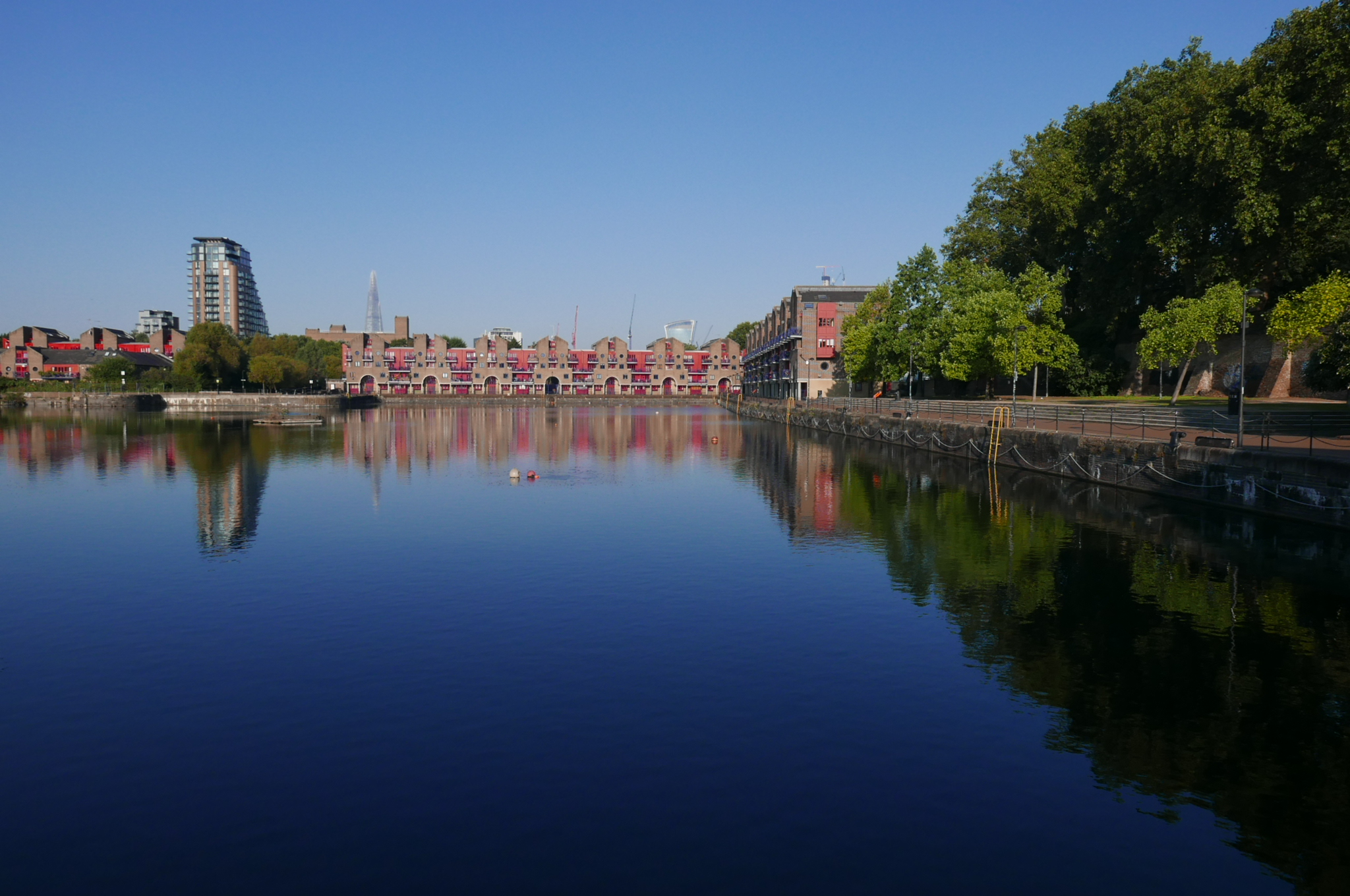
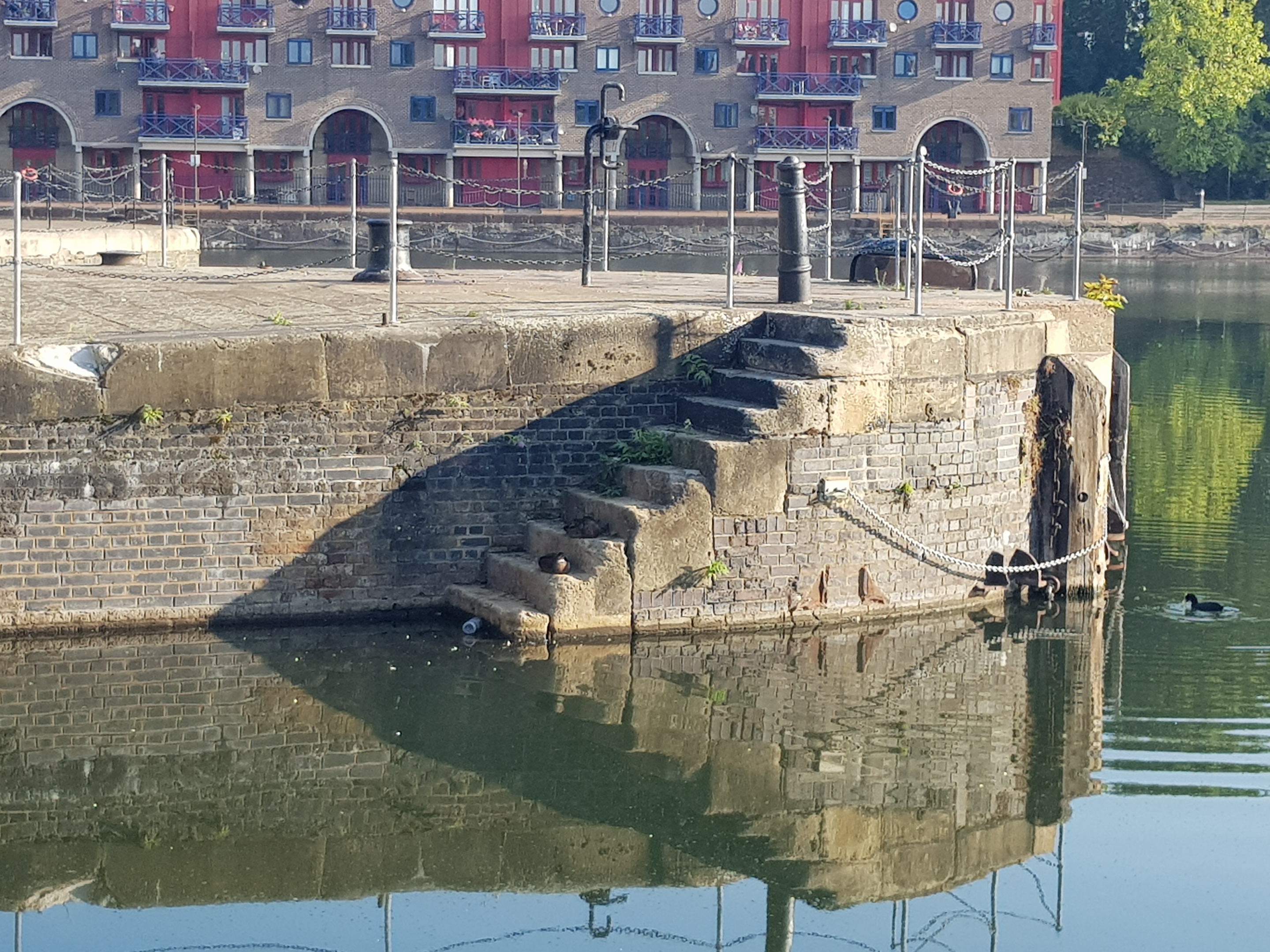
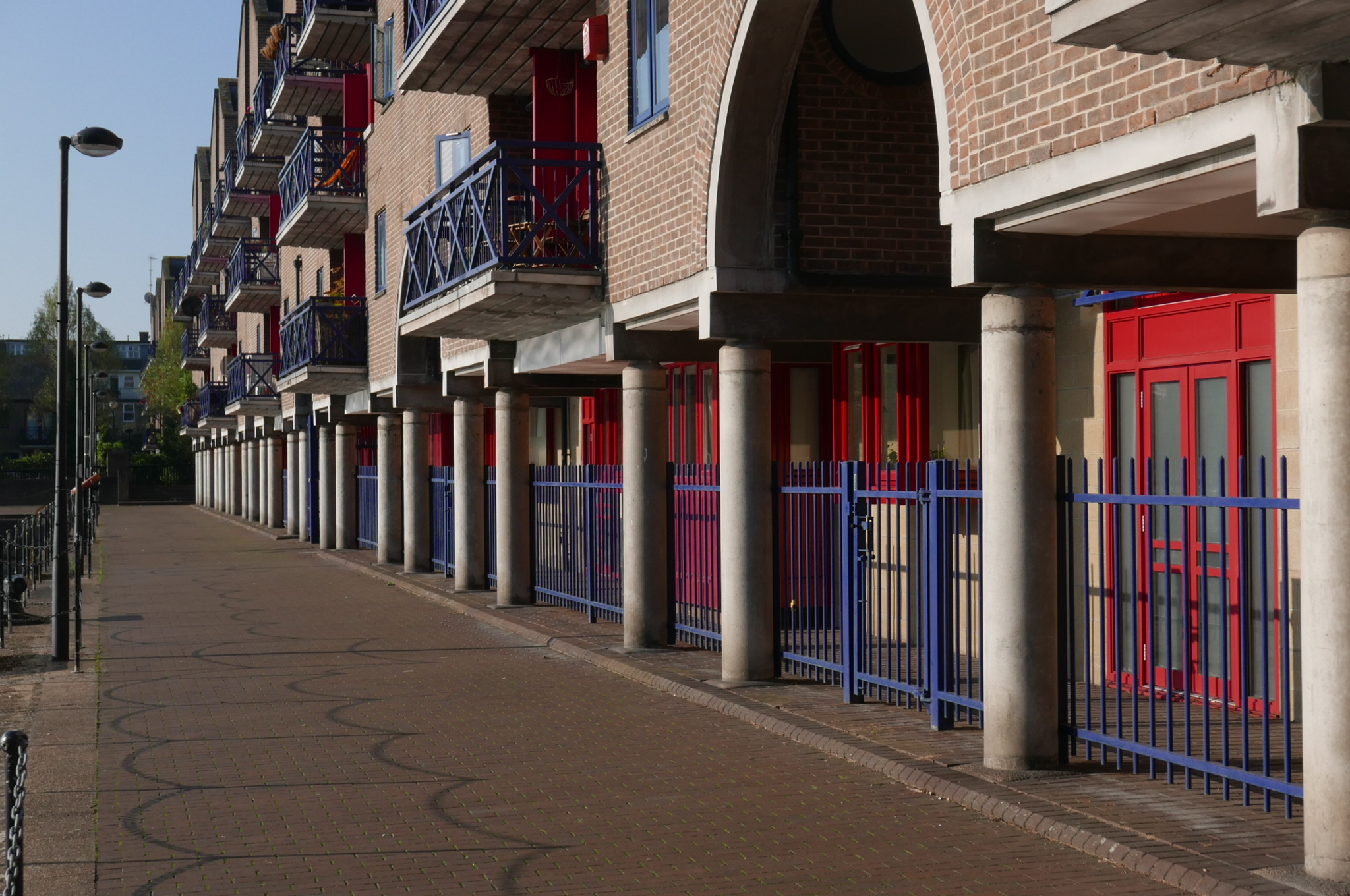
I walked down to Shadwell Basin to take photographs in preparation for an event about Richard MacCormac’s architecture the week after next.

I’ve always liked and admired this housing scheme, which was an early project by the LDDC in which Ted Hollamby as Director of Housing commissioned a well-known architect to make a design which was then implemented by a developer, with modifications to accommodate the wind requirements of the nearby sailing school.   Richard gives it short shrift in the monograph about his work, but it’s worn well, is conceptually significant, and has just been listed:-

image

image

image

image

image

Standard