The second half of the exhibition is much less obvious than the first because it’s spread through the galleries on the main floor, tracing their original design and the extent to which it has changed.
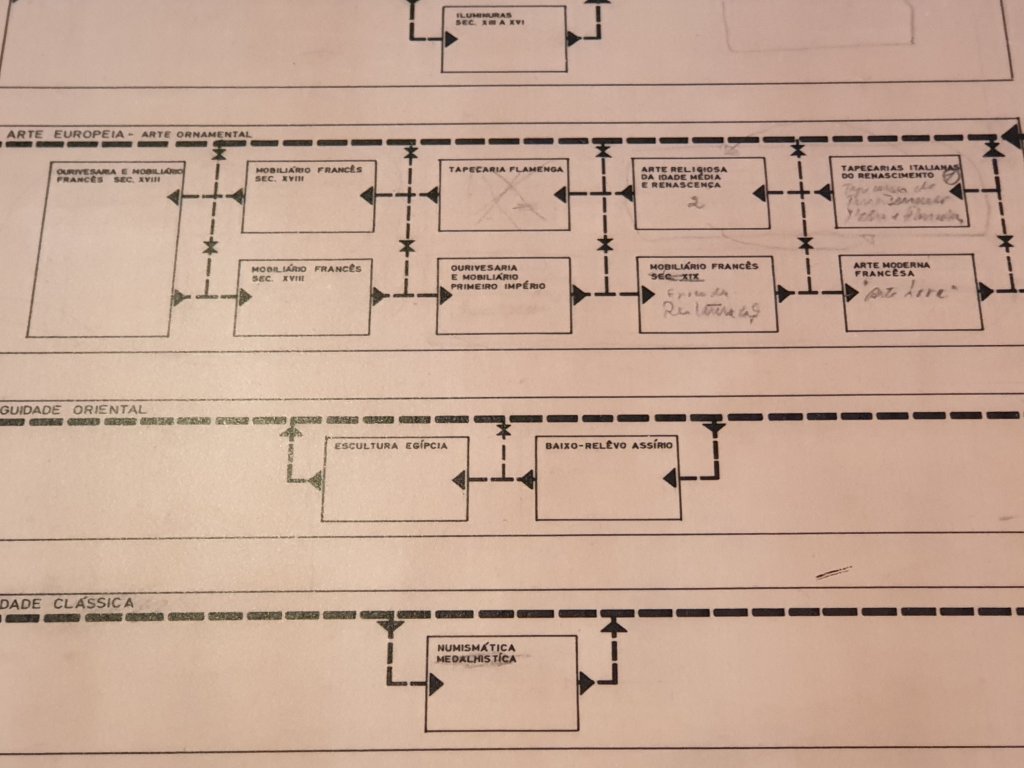
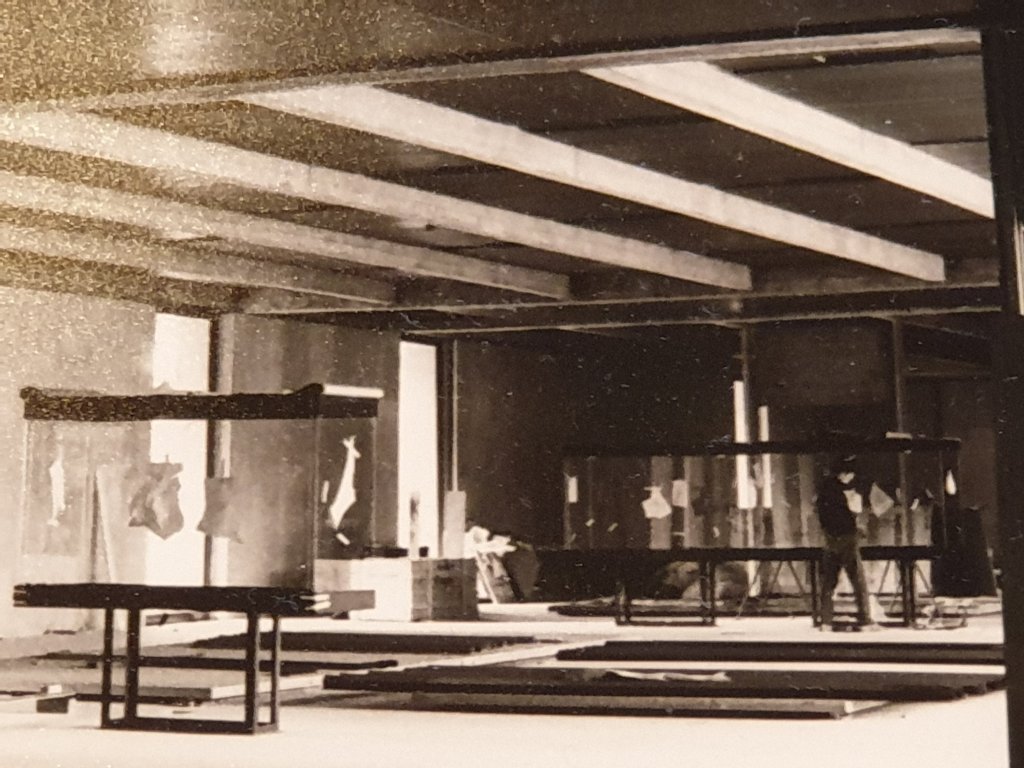
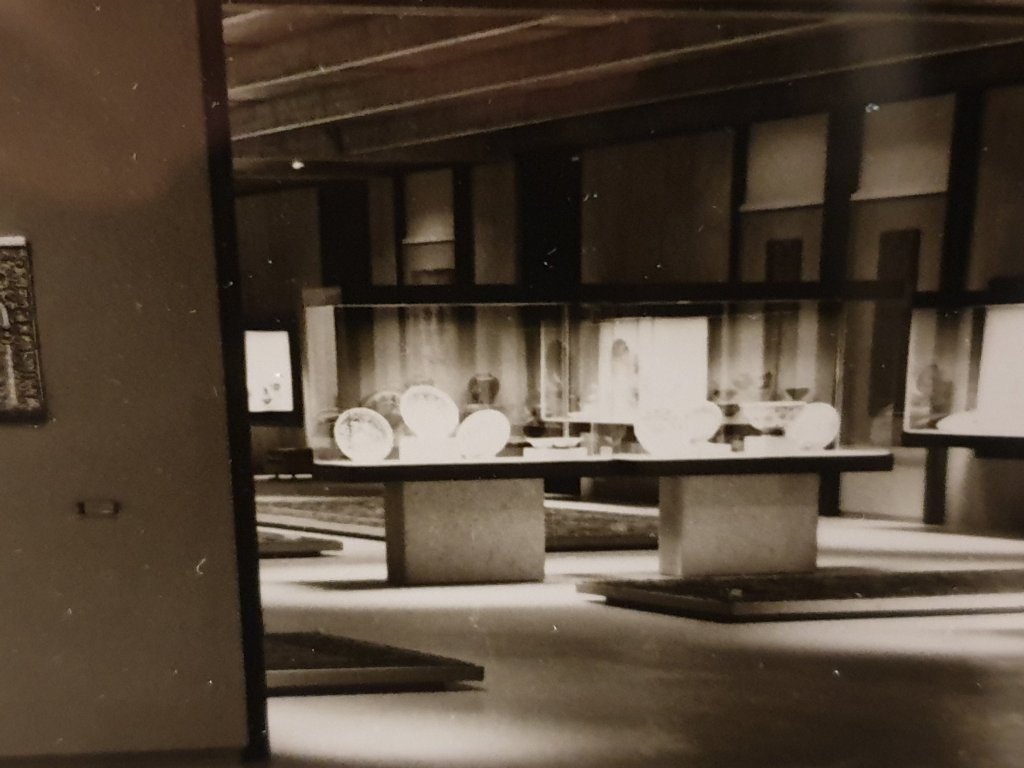
The architects who won the competition in 1960 were Alberto Pessoa, Ruy d’Athouguia and Pedro Cid. But the key person determining the design of the galleries was the Italian, Franco Albini, one of the advisors on the project. They drew up a version of a computer programme to help with the layout:-
Then they did a detailed layout:-
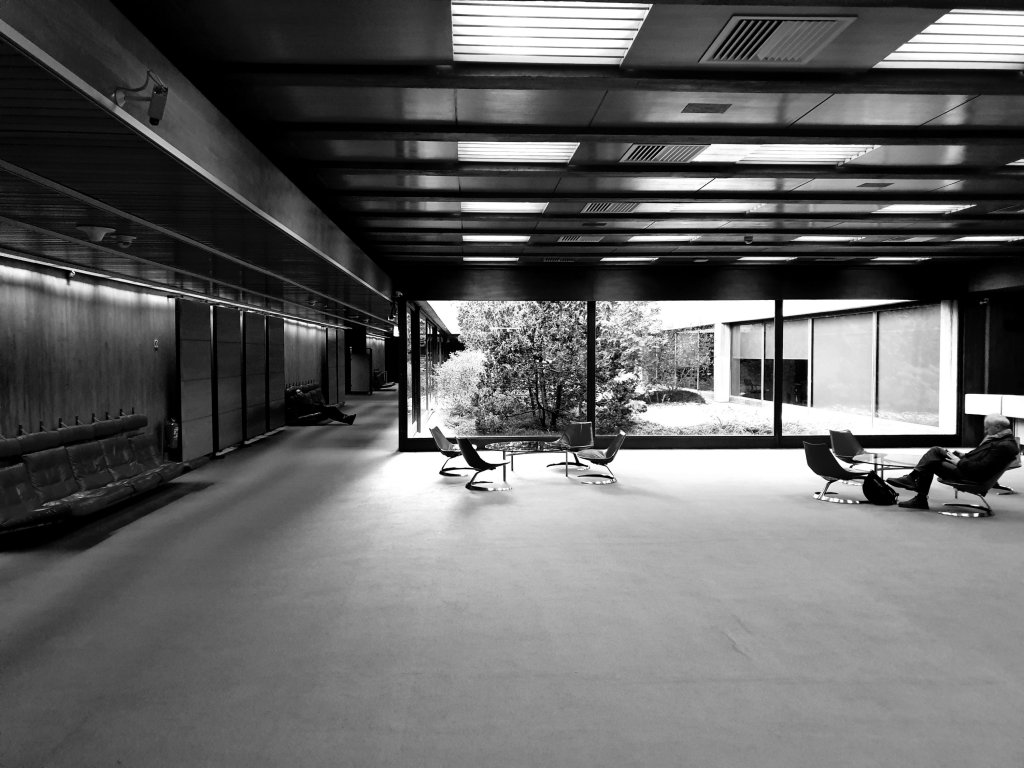
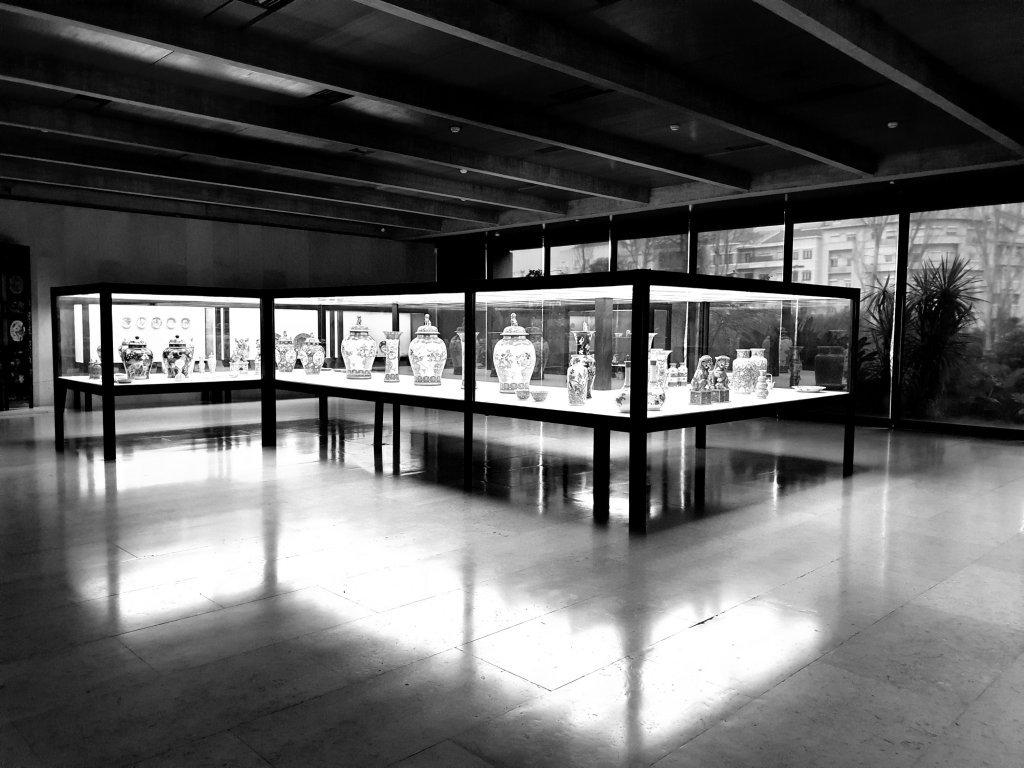
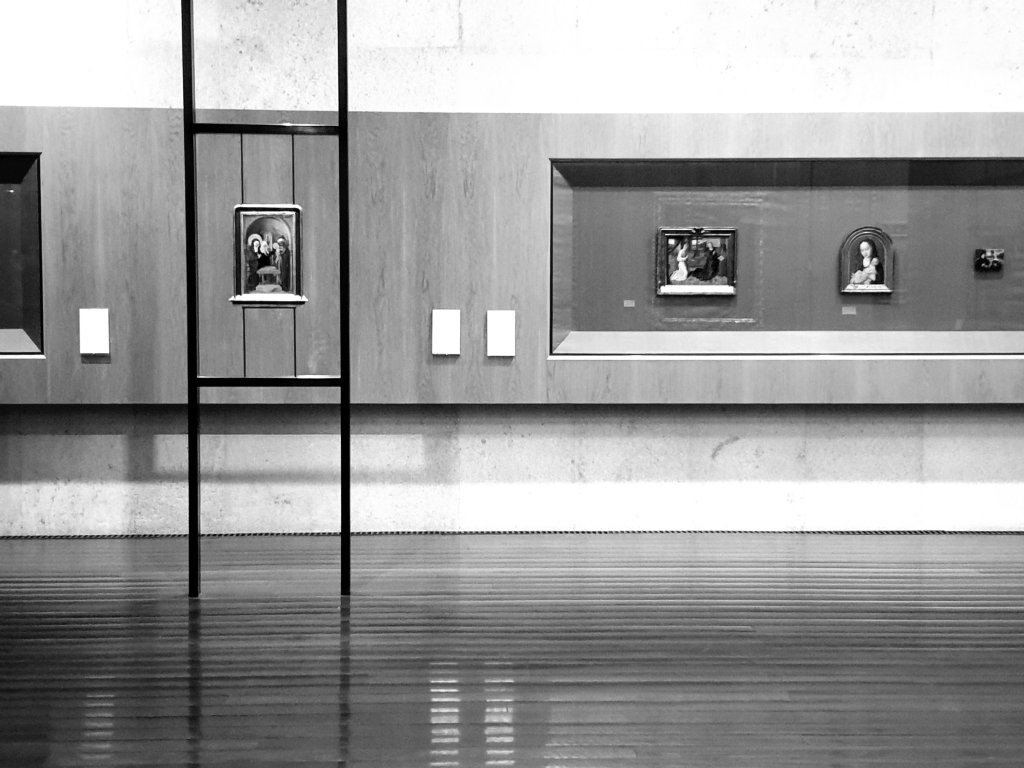
The galleries have remained true to the spirit, if not the details of the original design:-
My trip to Lisbon has been to catch the exhibition Art on Display 1949-69 before it closes at the end of the month (it then transfers to Het Nieuwe Institut in Rotterdam, but not till July).
It’s based on the premise that the style of display adopted by the new Gulbenkian Museum when it opened in 1969 reflected a style of design and display pioneered in Italy in the 1950s, particularly since an influential advisor to the new museum, alongside Leslie Martin, was Franco Albini. This is quite an esoteric subject, but fascinating for those of us who are interested in how collections have been presented and hung in the past.
It starts with the work of Franca Helg and Franco Albini in the Palazzo Bianco in Genoa (I thought Carlo Scarpa was the pioneer). They went on to design an exhibition in São Paulo in 1954, presumably for Pietro Maria Bardi:-
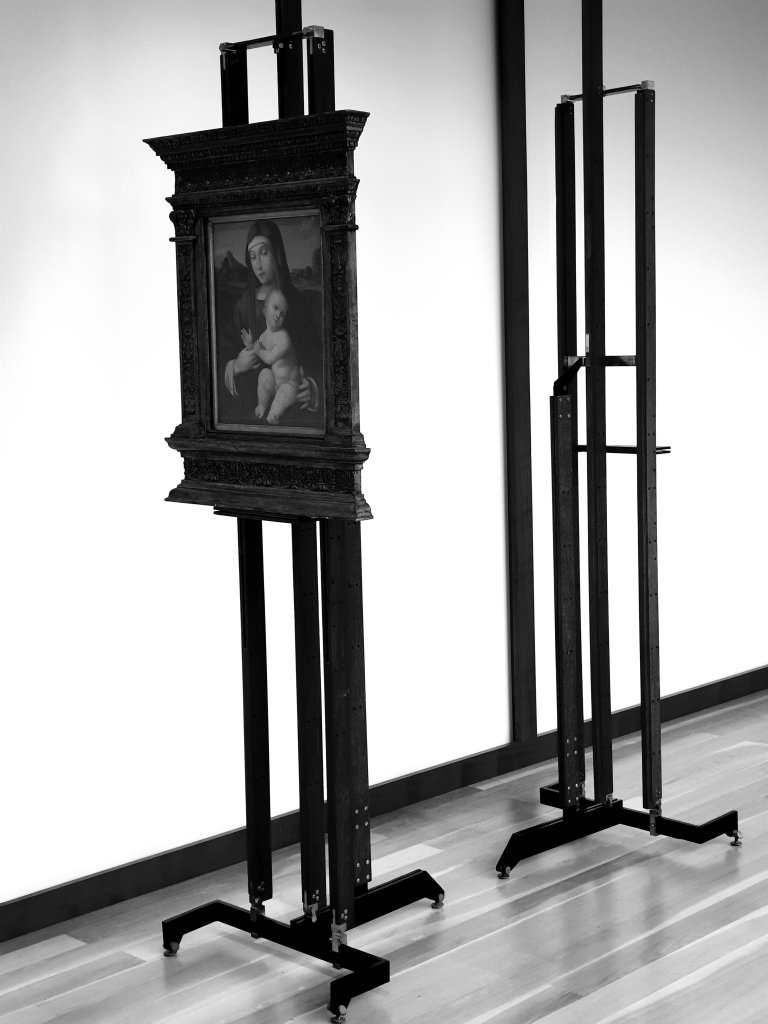
Scarpa followed their example of taking pictures off the wall and often out of their frame and hung them on elaborately crafted easels:-
Meanwhile, Aldo van Eyck was encouraging the Cobra artists to be more adventurous in the ways in which they displayed art in the galleries of the Stedelijk Museum:-
The system of display used by Alison and Peter Smithson used for Lawrence Gowing’s exhibition Painting & Sculpture of a Decade 54-64 looks relatively tame by comparison, consisting of free-standing white walls standing entirely independently of their classical surroundings – what Alison Smithson called ‘The Milky Way’:-
Last of these pioneers in new systems of display was Lina Bo Bardi, whose husband, Pietro Maria Bardi, was the Director of MASP (the Art Museum of São Paulo). Her system of display in which paintings are hung on glass screens set in concrete blocks has been reconstructed (it inspired Piers Gough’s display of the early twentieth-century collection at the NPG:-
It’s a very good exhibition for the Gulbenkian to have organised to mark its fiftieth anniversary.
I promised to read more of Tessa Keswick’s book about her travels round China, The Colour of the Sky after Rain, on my flight to Lisbon today. It’s an intensely romantic and personal account of her love affair with China which she has explored both intensively and extensively after her marriage in 1985 to Henry, the great taipan and my chairman of trustees at the National Portrait Gallery.
The book incidentally provides a great deal of information about the operation of Jardine Mattheson, the great Scottish trading company, established at the time of the First Opium War, run from Shanghai in the 1920s by Henry’s father, Tony Keswick, and his uncle John, they were driven out of Shanghai by the Japanese in 1942, and the company was effectively re-established by Henry in Hong Kong in the 1960s when he acquired a controlling interest in big companies including Dairy Farm, Gammon (a big construction company), Jardine Cycle and Carriage and the Mandarin Hotel.
I’m learning a lot about how much China has changed in the last thirty years, what it’s like outside the biggest cities, including, incidentally, Wuhan, and the growth of business interests there, including those of Jardine.
I have just been sent the attached YouTube film to help with the fundraising for the Whitechapel Bell Foundry. It’s a short film – calling it an advertisement would demean it – made about the work of Factum Arte, whose Foundation is a key partner in the plan to revitalise the Bell Foundry through working with artists and the use of new technology. It’s short, but clever, and I think persuasive about how new ways of working can revitalise old ones, leave aside the plug for Santander:-
My post about Brandt has prompted someone who did know him, not necessarily well, but met him enough to convey a sense of his strong charm and intelligence – shy and quietly spoken, yes (‘a v quiet voice that made one listen closely and bend towards him to hear’) – but also warm, well dressed – ‘very attractive, lovely clothes, sparkling eyes’. I don’t know why I wanted a sense of what he was like: something about the ambiguity of the status of a photographer in the 1930s and whether he considered himself an artist, which he obviously did, but also with the advantage or disadvantage of his residual slight Germanness. ‘Restrained, but interesting’ is a good description of him, arriving in New York to meet John Szarkowski.
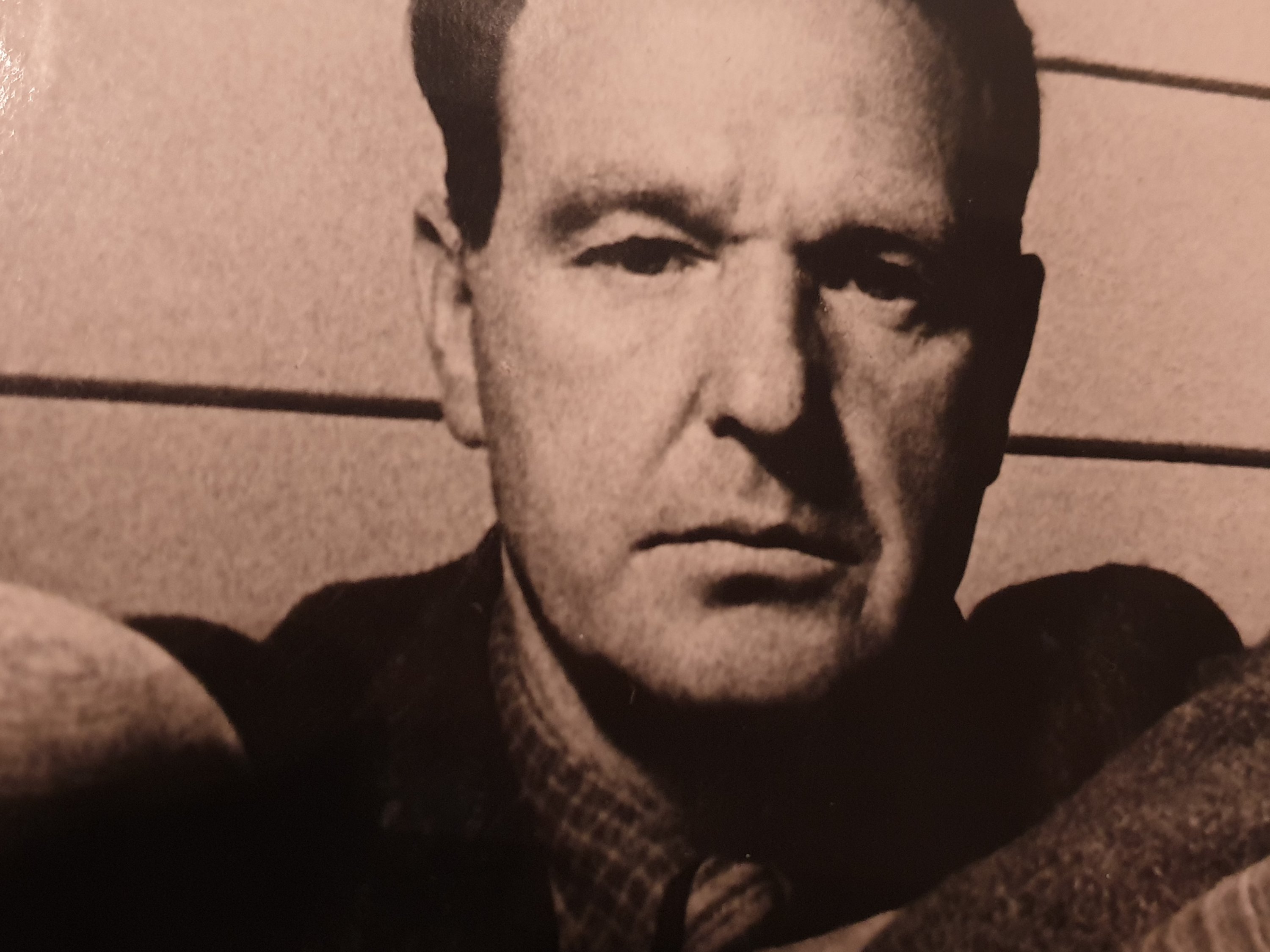
I have been trying to figure out what Henry Moore would have thought of Bill Brandt when he arrived in his studio in December 1942 to take a photograph for the magazine Lilliput. Brandt was a heavily anglicised German, who claimed to have been born in South London to disguise his Germanness (his father was actually born in London, Brandt in Hamburg). We can guess what Brandt thought of Moore because his photograph was described as ‘ONE OF THE GREATEST ARTISTS OF OUR DAY’. But what did Moore make of the tall, thin, shy, rather etiolated, diabetic photographer, who spoke with a slight German accent (‘a voice as loud as a moth’), and had photographed Yorkshire coal miners with the detached eye of an ethnographer ? He’s unlikely to have thought of him as an artist, but nor yet as a straightforward magazine photographer. Geoffrey Grigson who probably knew them both writes of Moore, ‘His face puts on a solid rockiness or woodenness in front of lenses, and becomes a piece of sculpture not carved by himself’. Maybe, he didn’t really pay attention to Brandt, in spite of their common interests.
I always like going back to Hepworth Wakefield, having been on the jury which selected David Chipperfield, who presented the gallery in competition in pretty well its final form.
I am always impressed by how large and well proportioned the gallery spaces are, with a sense of generosity and seriousness which is good for the viewing of art:-
I went to the wonderful Hepworth Wakefield to see their new exhibition of the work of Bill Brandt and Henry Moore: an obvious combination generationally and in terms of their visual interests – prehistory, social documentary, how to reproduce sculpture in photography, the underground, streets and black-outs during the second world war – so that it’s odd that it hasn’t been done before.
Brandt photographed Moore several times. First, in 1942, at Perry Green (I checked that I was allowed to reproduce it):-
Then in 1948:-
And finally in 1972:-
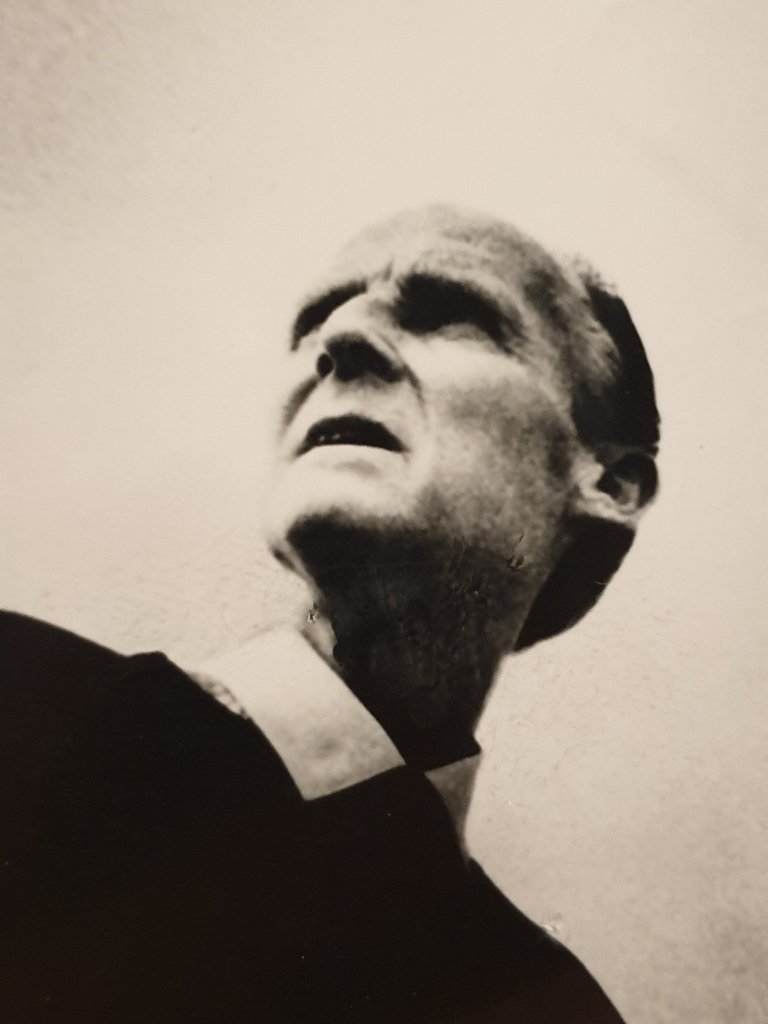
Brandt took himself in 1966, when he seems to have moved away from portraiture towards greater abstraction, not always as convincing as his intense and sometimes dark documentary realism in the 1930s:-
It’s a beautiful, thoughtful exhibition in David Chipperfield’s large and generously proportioned galleries.
I promised that my next post on the Whitechapel Bell Foundry would be on the subject of fund-raising for it. This has taken longer than it should have: my fault.
The truth is that there are two requirements. The first is for a reasonably big injection of funds immediately (it is reckoned to be as much as £150k) to help fight the legal case against Raycliff, now that planning permission has been called in for a decision by Robert Jenrick, the Secretary of State. This will require the help and advice of specialist lawyers and planning consultants. They don’t come cheap.
In the longer term, we will need big sums – probably in the region of £5m or more – if we are to be successful in keeping it as a Foundry: to buy it, preserve it, and put in Factum Arte to run it as a sustainable business operation. A detailed business plan is currently being prepared and will be available.
The appeal is being run under the auspices of Re-Form, the recently re-named United Kingdom Historic Building Prservation Trust, who worked on Middleport Pottery. They have a page on their website devoted to Whitechapel (https://re-form.org/whitechapel/information) and have set up a straightforward way of donating (https://re-form.org/whitechapel/donate).
Please give generously ! And please retweet. We need to win.












 | Charles | Saumarez | Smith |
You must be logged in to post a comment.