Travelling to France (4)

Well, we made it back. For those who have not yet experienced it, it may be helpful to have a bit of advice on how to manage it (or not).

First, you have to pre-order your COVID test when you get back. We did this through a company called Randox (https://covid.randoxhealth.com/basket). I think they cost £48 each.

Next, you have to fill up a passenger locator form, not straightforward (Fill in your passenger locator form – GOV.UK (www.gov.uk)). It asks you if you want to open an account and when you enter your email address (I have three) it rejects it. Instead, you have to spot that at the bottom of the page there is a link to opening an account. It requires a fourteen letter/digit password (ie one which it is impossible to remember), nearly twice as long as most other passwords. I’m still not sure I filled it up correctly. Nor was the very nice and helpful (French) official who had to approve it at Calais.

Then, most tricky, particularly if you are in a small Provençal village, you have to get an approved COVID test. It has to be done at least 48 hours before travelling which, for us, was the day we arrived. The French government provides a map of approved testing places (https://www.sante.fr/cf/carte-depistage-covid.html). There were several in Draguignan. They appeared to be closed at the weekend. So, we decided to be tested this morning in Dijon. The only problem was that the approved testing place said they would give us the result tomorrow. Eventually, we found a very helpful pharmacist, not on the approved list, willing to do it. She stuck the poker so far up our nose that we all three screamed in turn. The test is no different from the one we routinely do ourselves, apart from how far into the sinuses the poker can go. On the way out, you fill up a form saying you have tested negative. But on the way back the British government no longer trusts you and requires a French pharmacist to produce a certificate confirming you have tested negative.

Bonne chance !
Standard

Travelling to France (3)

I can’t be the only person contrasting the nature of travel between England and France pre and post-Brexit. Pre-Brexit, it was straightforward. You showed your passport and scarcely that. Now, there is a gigantic thicket of regulations and form-filling, as if the Brexiteers, far from wanting a bonfire of bureaucracy, as was promised, were secret gauleiters: longing for the arbitrary discipline of routinised form-filling, making travel far more difficult. Of course, it is partly COVID. But I have been trying to fill up my ‘Passenger Locator Form’ to tell Big Brother where I will be. It does not recognise my existence. I may not be allowed back into the country.

Standard

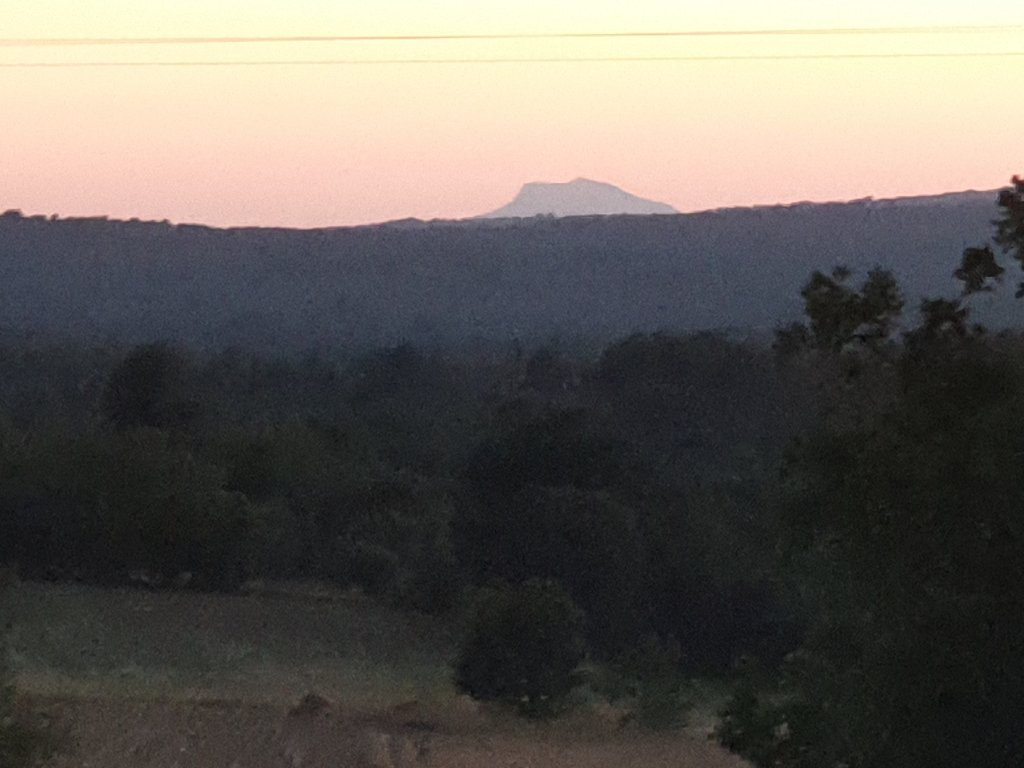
Mont Ste. Victoire

We had supper last night on a terrace overlooking vineyards west. As the sun went down, the very recognisable silhouette of Mont Ste. Victoire appeared on the horizon:-

Standard

Villa Jones (3)

I have been cogitating about Villa Jones, not least because it is a pleasure to be in a set of designed spaces, a microcosm of Ed Jones’s attitude to design and planning, each space very carefully articulated through an overall geometry, which is a bit playful, like a Corbusian playing jazz.

It must have been designed more or less at the time the Ondaatje Wing was nearing completion – he and Margot bought the site in 1999 and work was completed in 2003, the Ondaatje Wing opened in May 2000 – and I recognise some of the same characteristics of intelligent formal geometry in its planning.

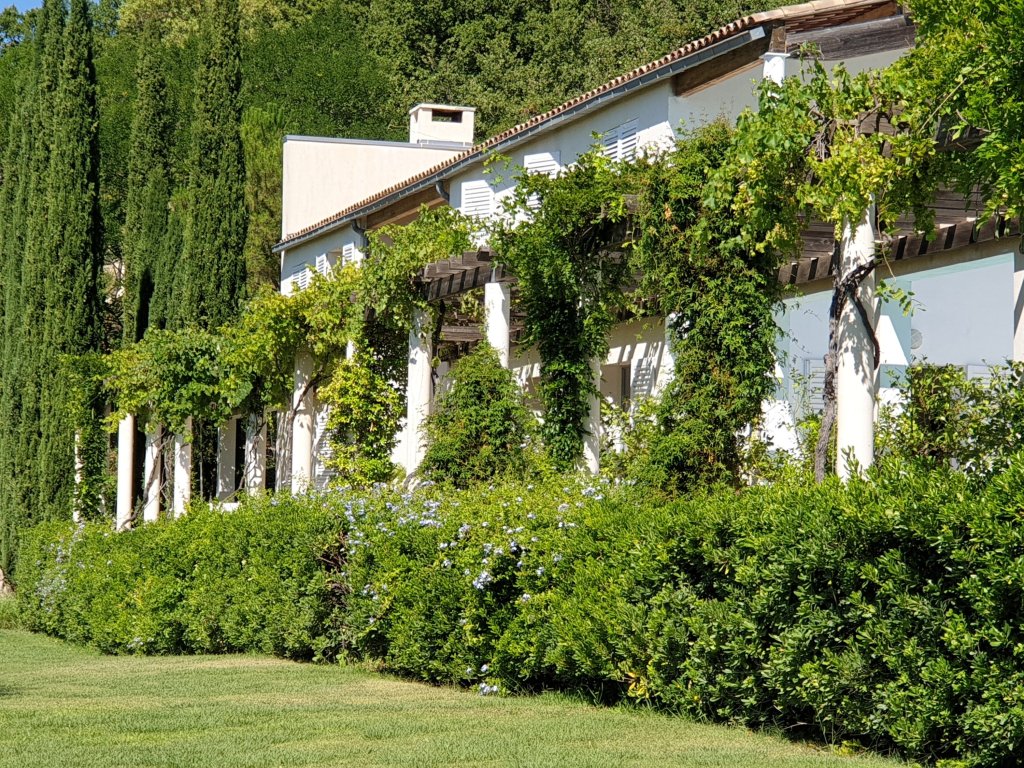
There is one particularly nice side comment in Ed’s description of the house in his and Jeremy Dixon’s detailed and comprehensive account of their work: ‘I remember James Gowan once commenting that proportion in a building came free and was not vulnerable to cost cutting. In the same spirit I am aware that shadows cast from the pergola of this house evoke memories of Adolf Loos’s marvellous black and white striped house for Josephine Baker of 1927, and cannot be ‘value engineered’ away’.

This is maybe a reference to a day spent on value engineering the Ondaatje Wing – what Ed called ‘the group grope’: a day when consultants spent a day trying to reduce costs by stripping out some of the quality and character of the project. Not a good experience. So, a private project was exempt from these disciplines/restrictions and could be free, with a generosity, as well as syncopation, in its ground plan – hence the quality of the result.

Standard

Villa Jones (2)

I have been reading the analysis of the Villa Jones by the late Bob Maxwell in Dixon Jones 2:  Buildings and Projects 1998-2019, published last year.  I had not known that the planners objected to the square end as being contrary to the local vernacular which required a visibly expressed pitched roof.  Maxwell describes how Le Corbusier in practice liked the way buildings, like objects, evolve into object types, as with the bicycle and briar pipe (this is apparently described by Charles Jencks in his book on Le Corbusier). Luckily, Bâtiments de France could see that the building was an intelligent balance of modernism and localism – ‘un mélange réussi de la modern avec la vernaculaire’.

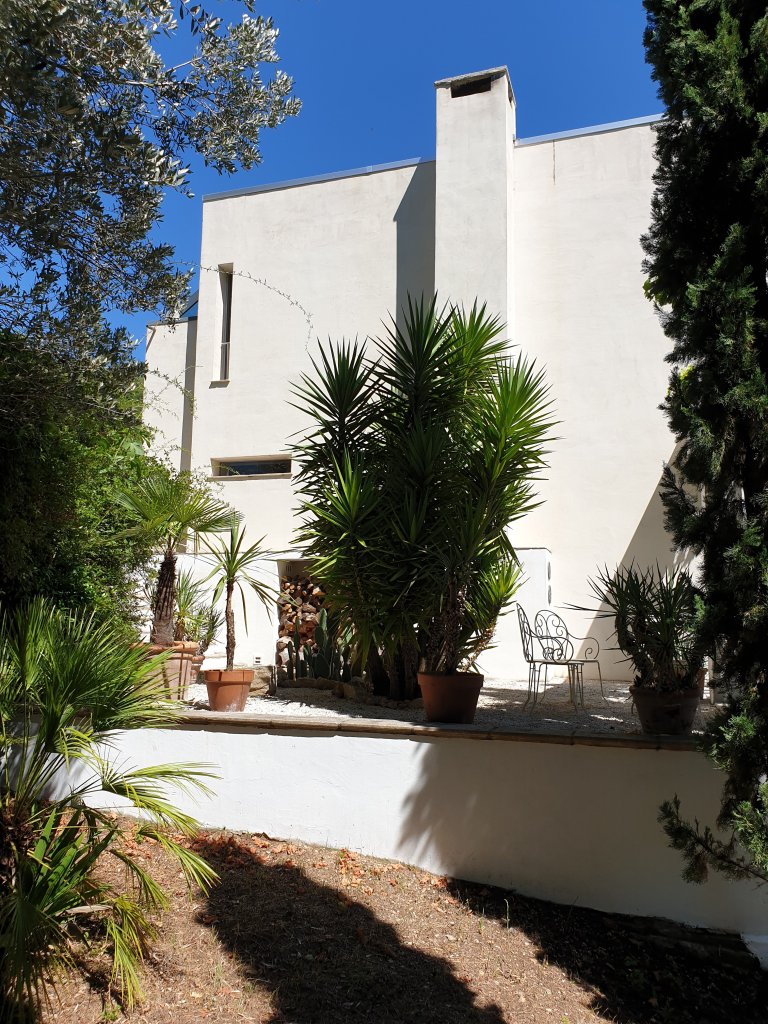
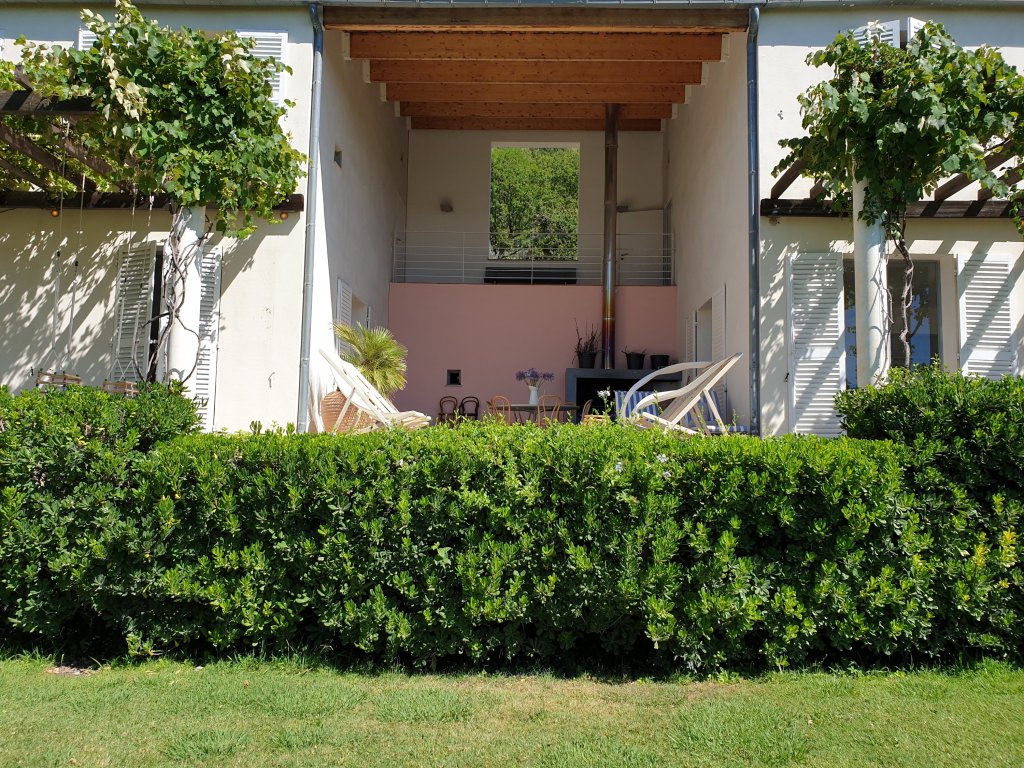
This is the Corbusian end the planners objected to, before it was masked by vegetation:-

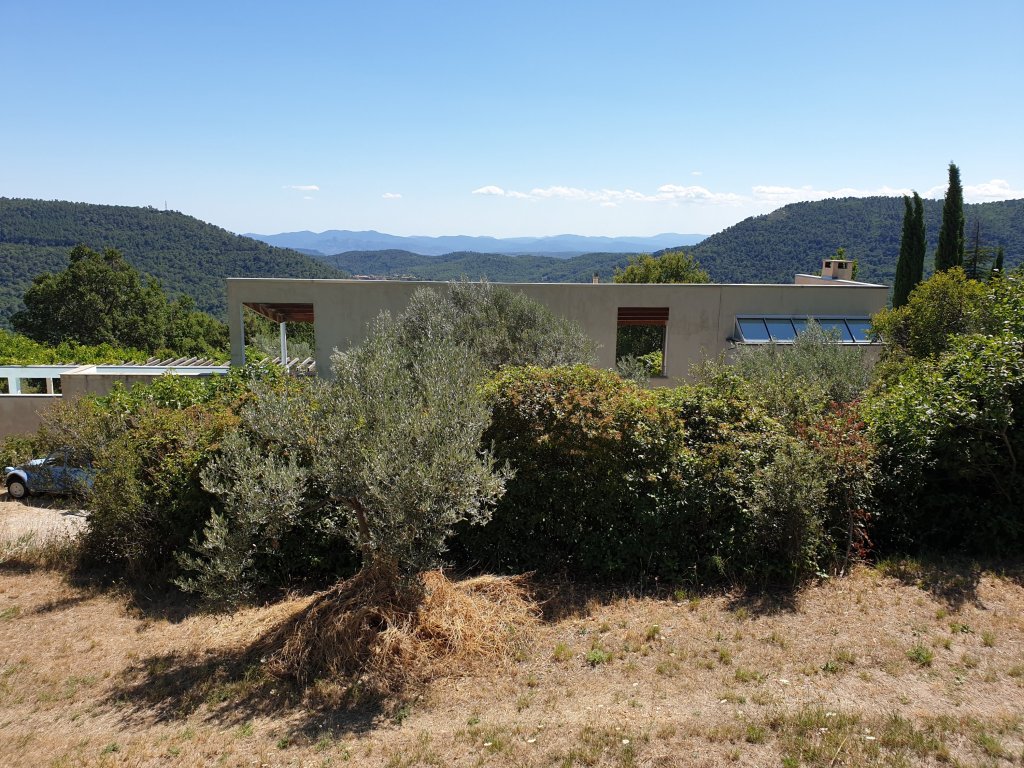
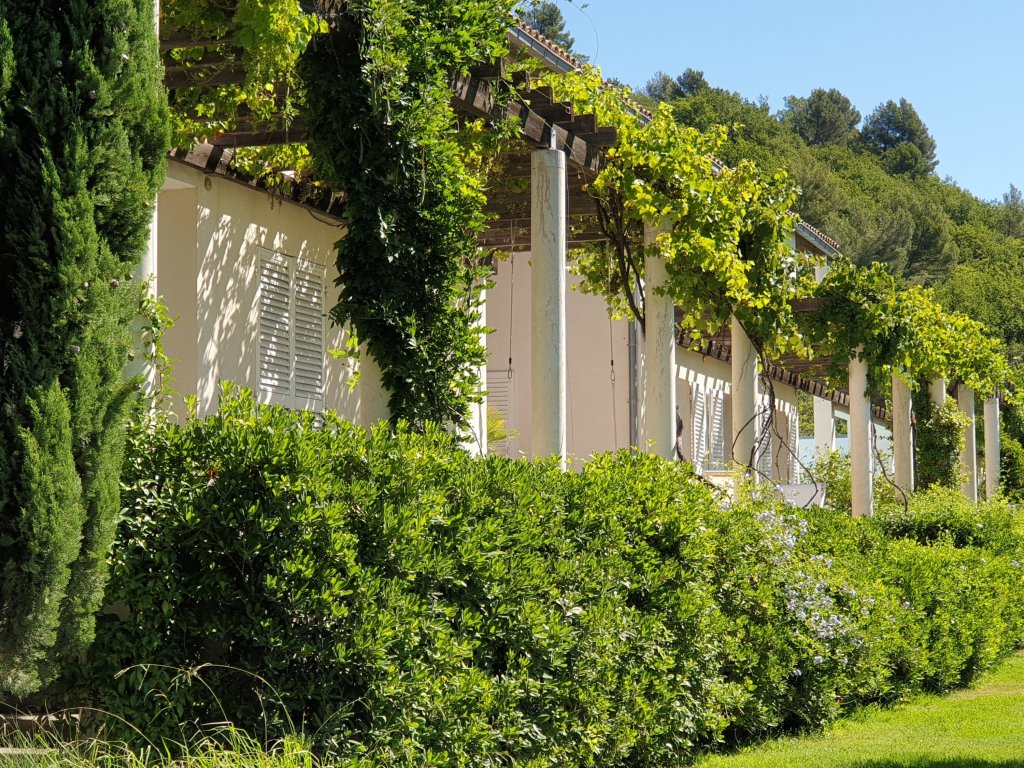
A view of the house from the north demonstrating the linearity of its layout within the olive groves:-

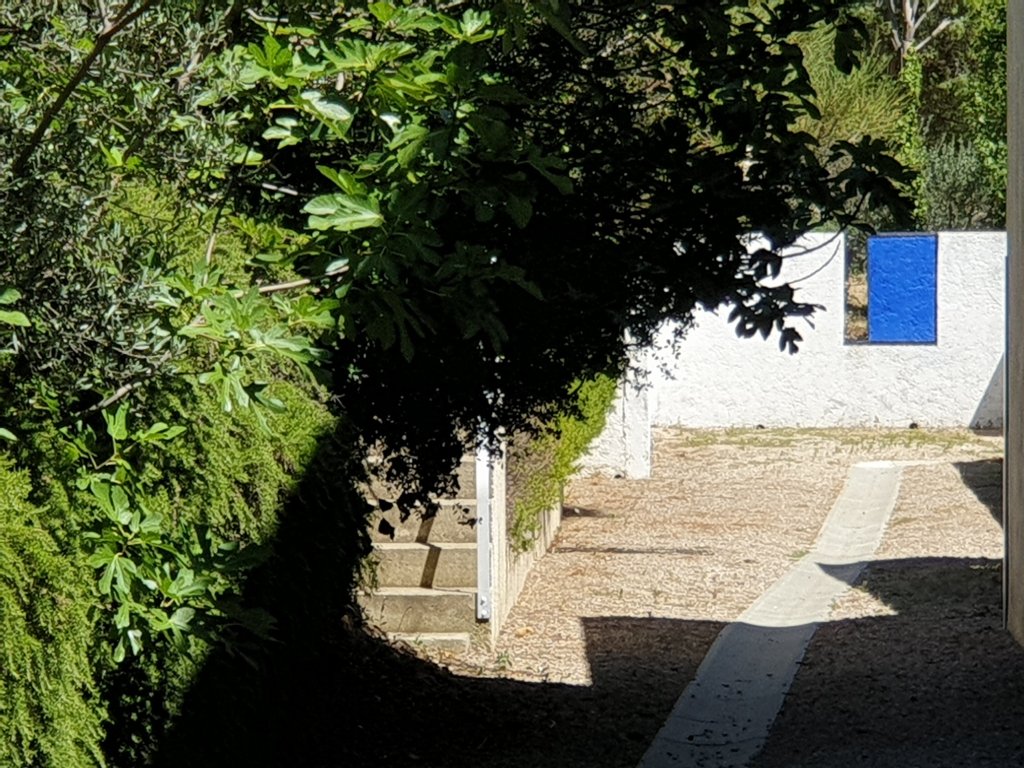
And a nice touch of blue:-

Standard

Villa Jones (1)

We have been to the Villa Jones once before, but not for ten years at least, and had forgotten its architectural purity on a steep hillside north of Bargemon: each of the interior spaces beautifully composed on a grid, all with distant views across the valley towards the Massif des Maures. It’s a homage not just to Le Corbusier and the machine-à-habiter, but to an older tradition of Edwardian landscape gardening – Cecil Pinsent’s Villa Le Balze above Florence and Shepherd and Jellicoe’s Italian Gardens of the Renaissance. You can rent it and I can’t recommend it more highly.

https://www.villajones.com/

Standard

Gaslighting

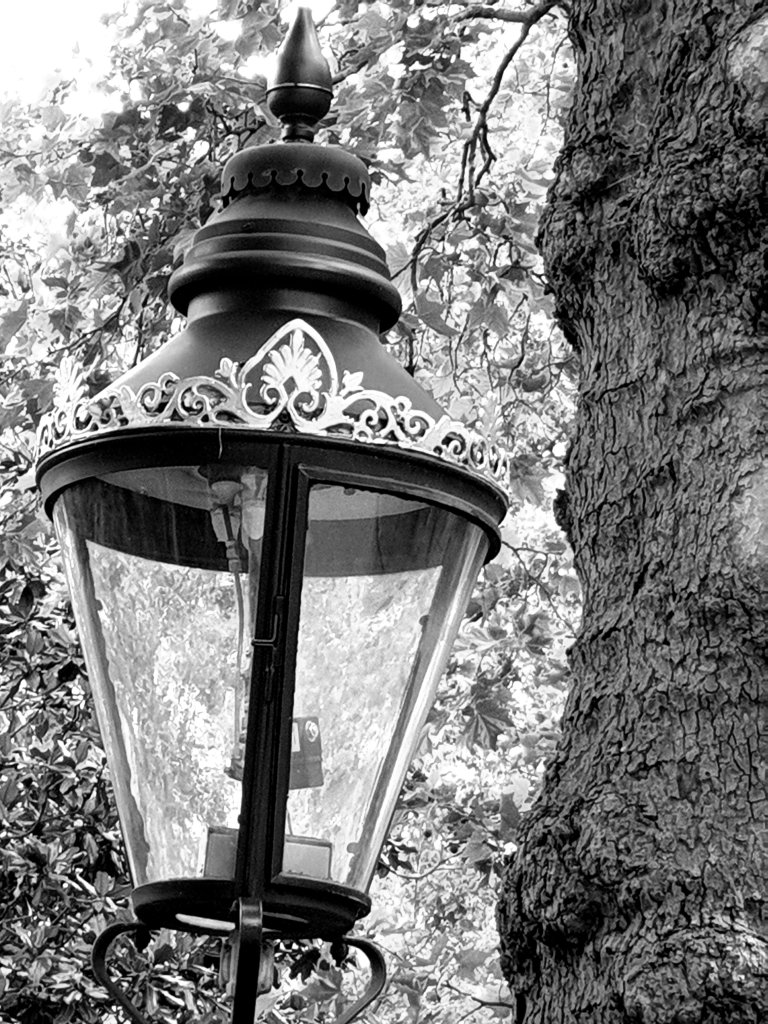
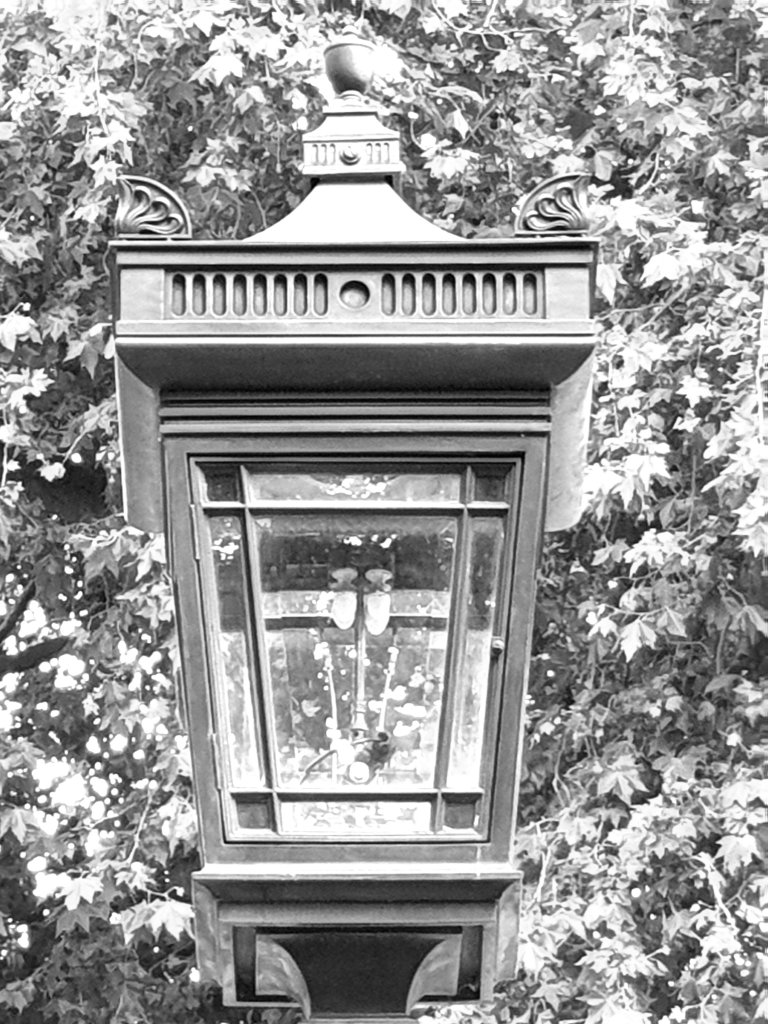
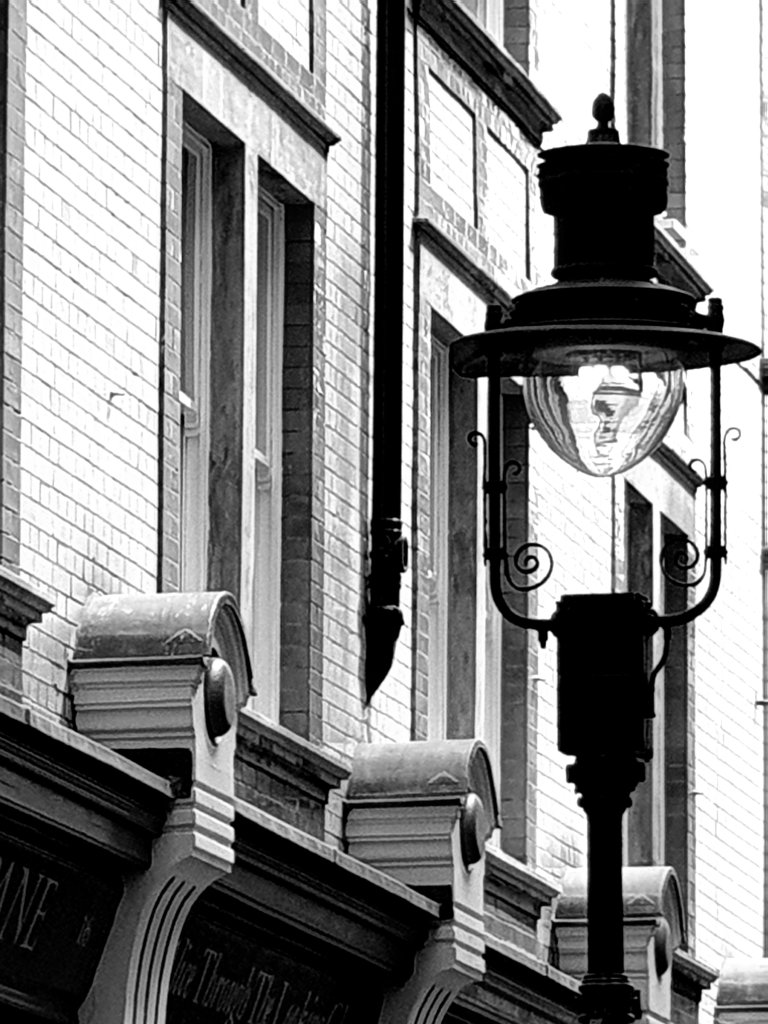
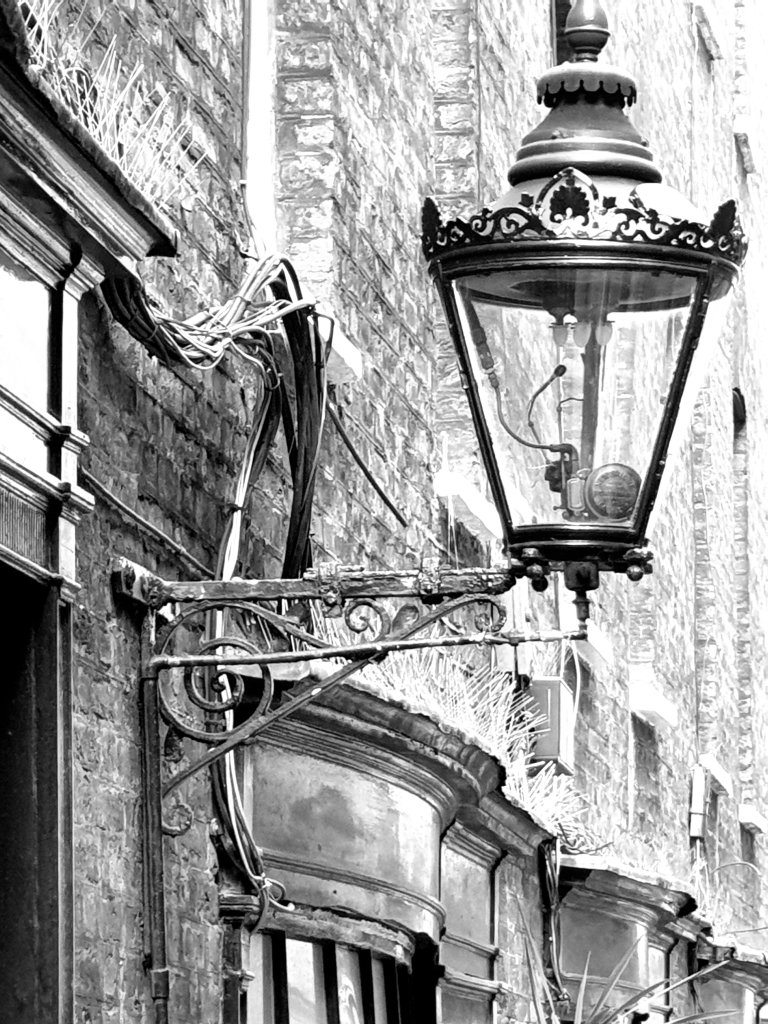
I have done a piece for the August/September issue of The Critic on the subject of gaslighting. At the same time that Westminster City has spent £2 million on a carnival mound disfiguring Marble Arch, they are quietly sending workmen round the back streets of Westminster getting rid of gaslighting, which it always had since the first gas lights were installed in Pall Mall in January 1807. There has been no debate or discussion round this. They probably thought no-one would mind. I can now attach the photographs I took in St. James’s Park, the Mall and off St. Martin’s Lane of historic gaslights which are, not surprisingly listed.

It will not surprise readers of my blog that Historic England have not apparently objected to the change.

St. James’s Park:-

The de luxe version in the Mall:-

Cecil Court:-

And the amazing Goodwin’s Court, if you want a real taste of surviving Victorian London:-

https://thecritic.co.uk/issues/august-september-2021/gaslighting-london/?s=09

Standard

Autun

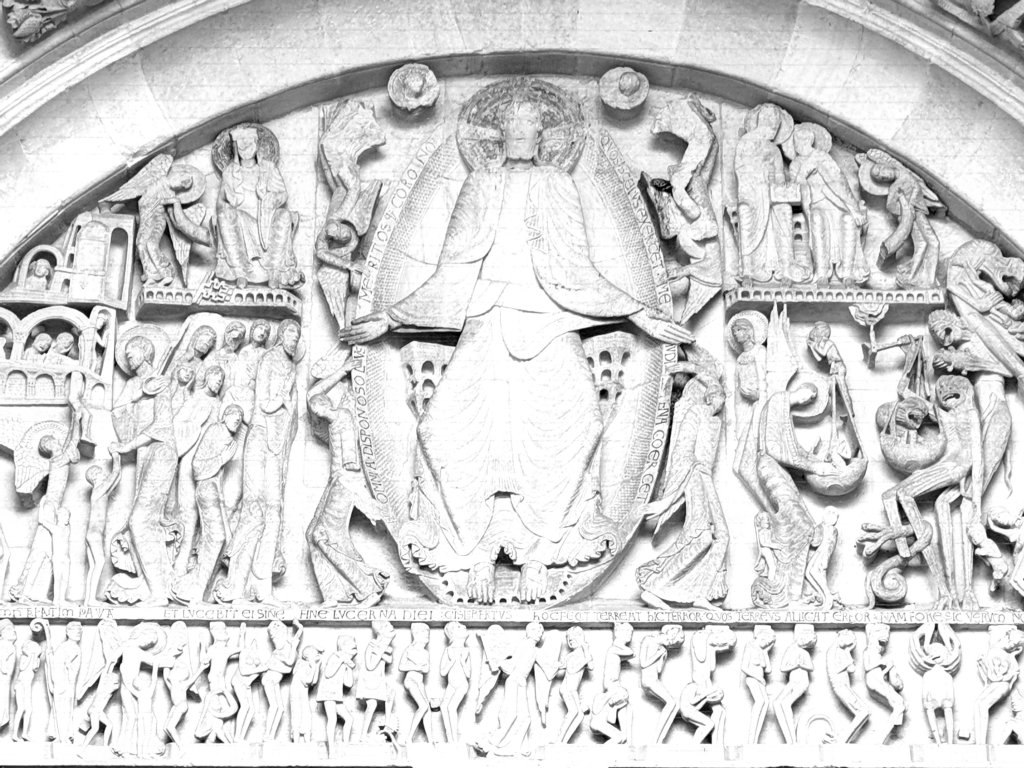
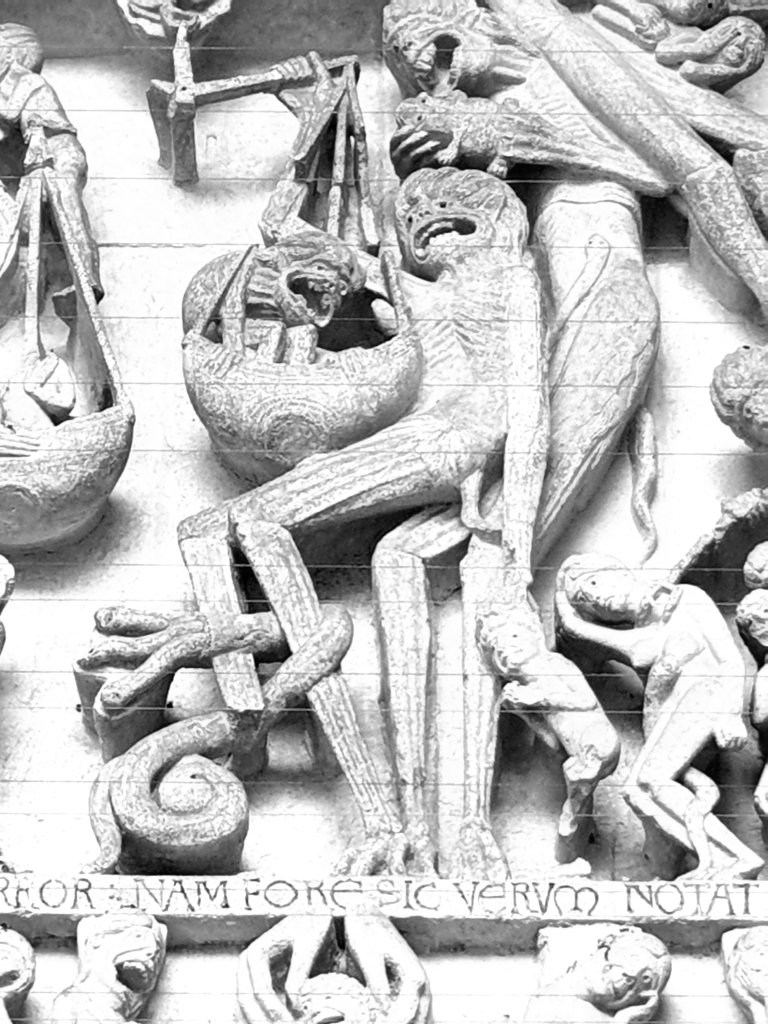
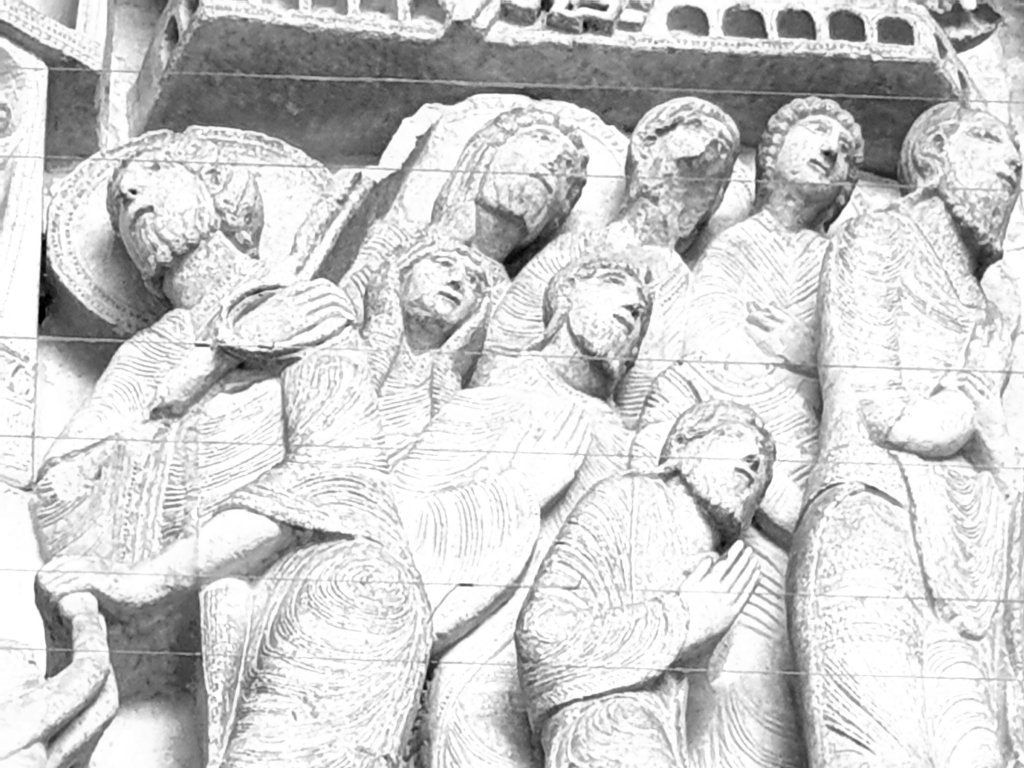
I had completely forgotten how wonderful the carving is in the tympanum of the Cathédrale St.-Lazare in Autun: so early, so full of life – and signed by Gislebertus underneath the feet of Christ:-

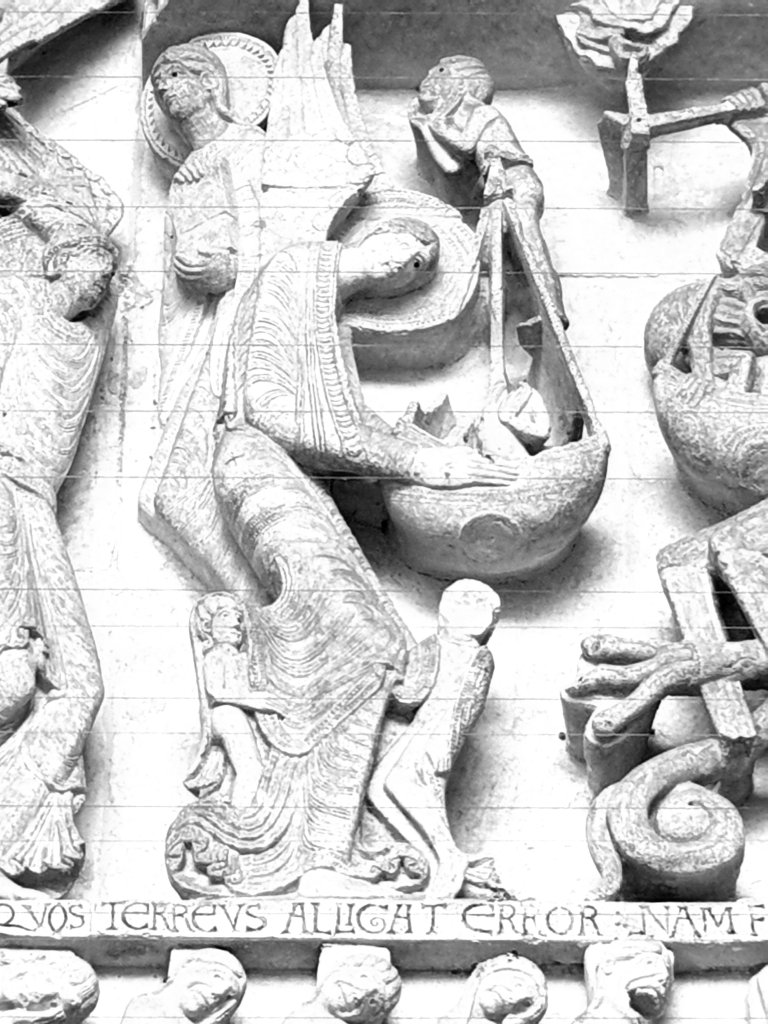
To the right (Christ’s left) is the Archangel Michael:-

And Satan (I hope I’ve got this right):-

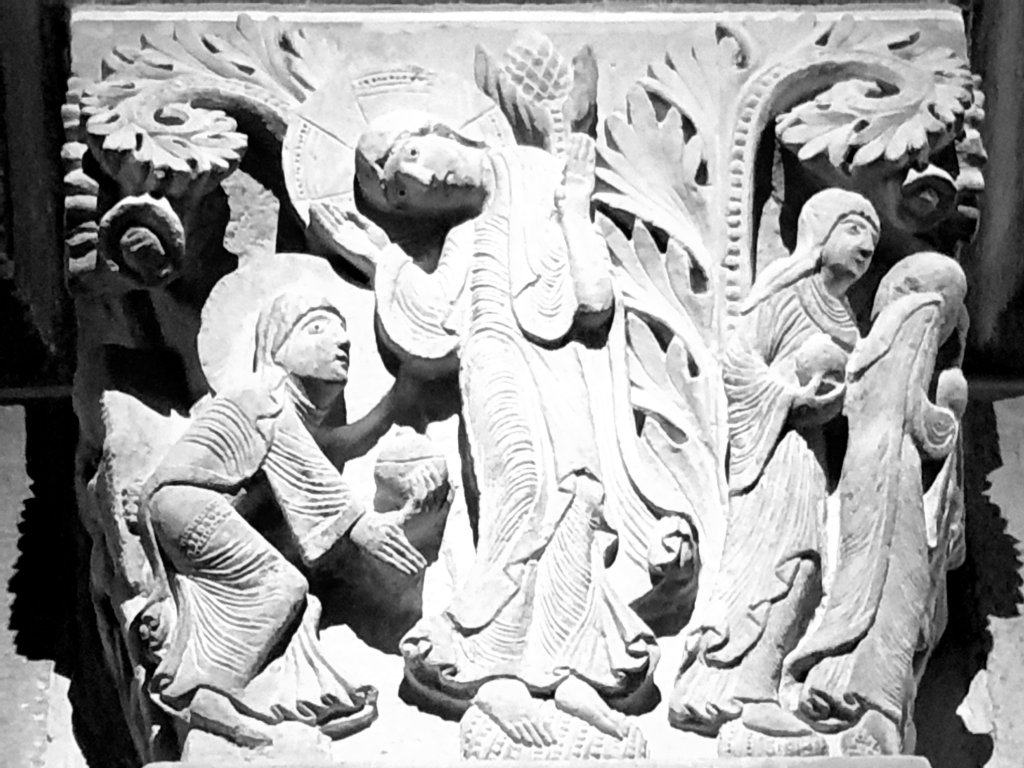
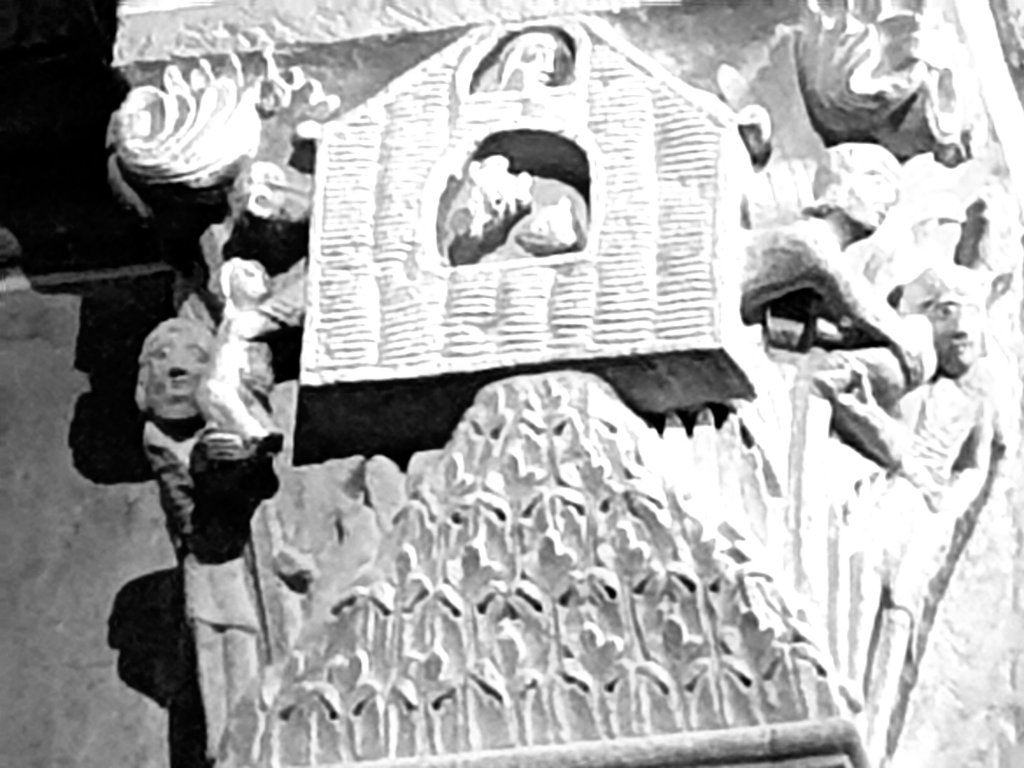
More great carving of the capitals, which look, to my untutored eye, to be by different hands.

This must be Noah’s Ark:-

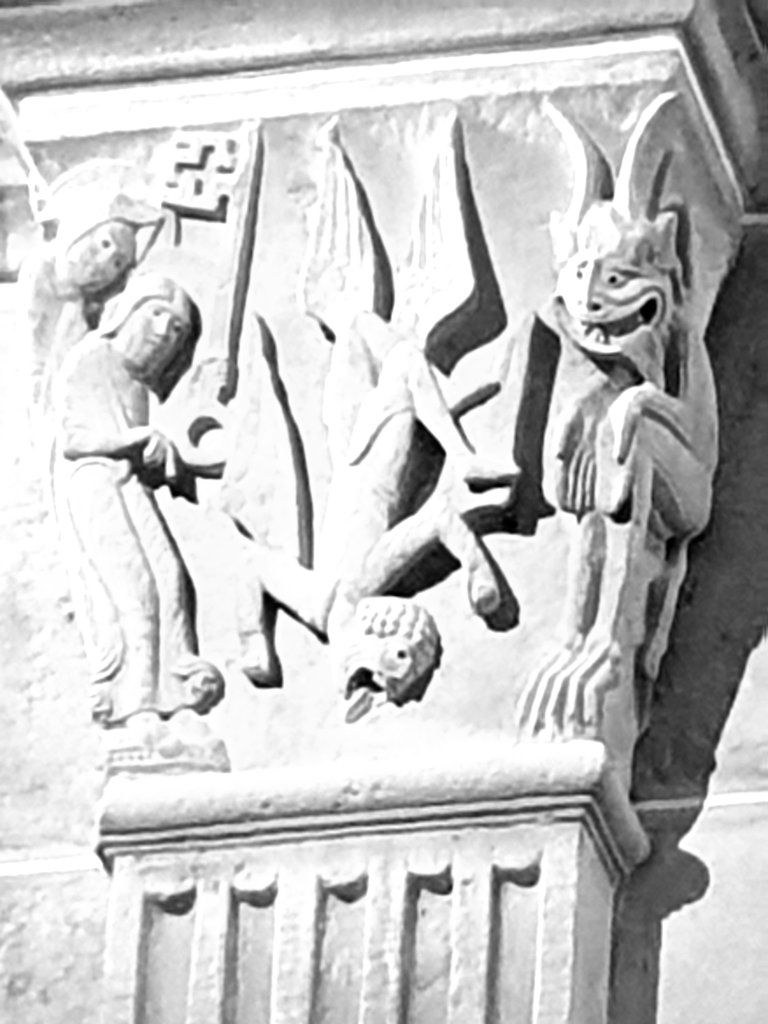
And Simon the Sorcerer descending head-first to hell:-

A treat….

Standard

Beaune

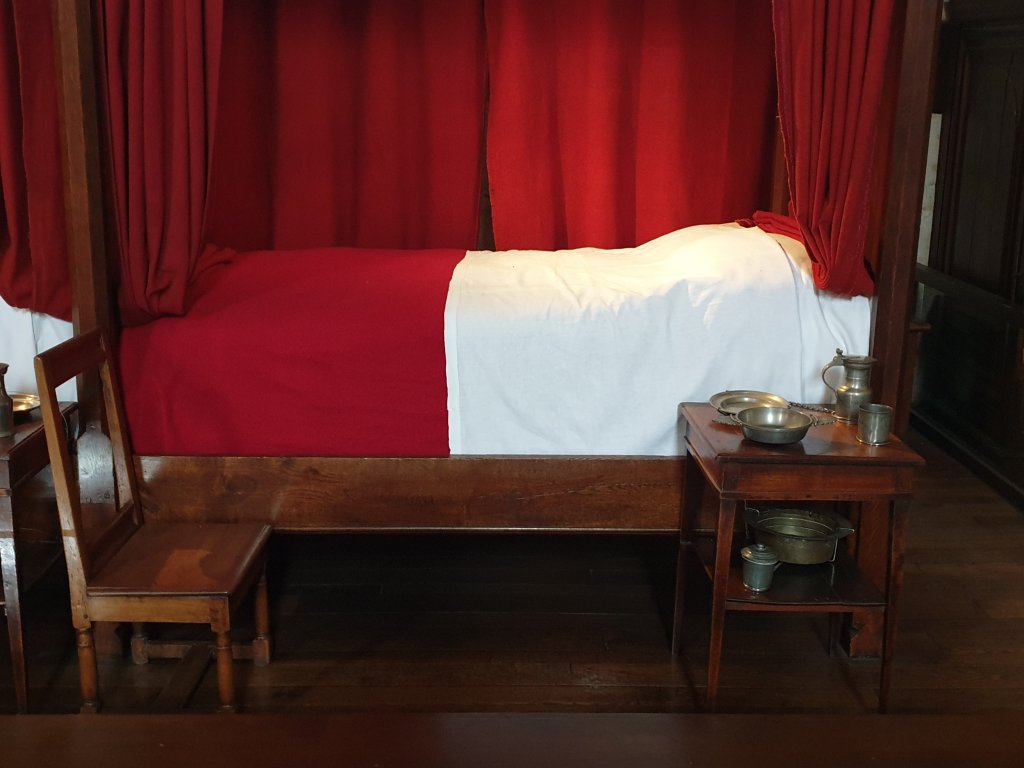
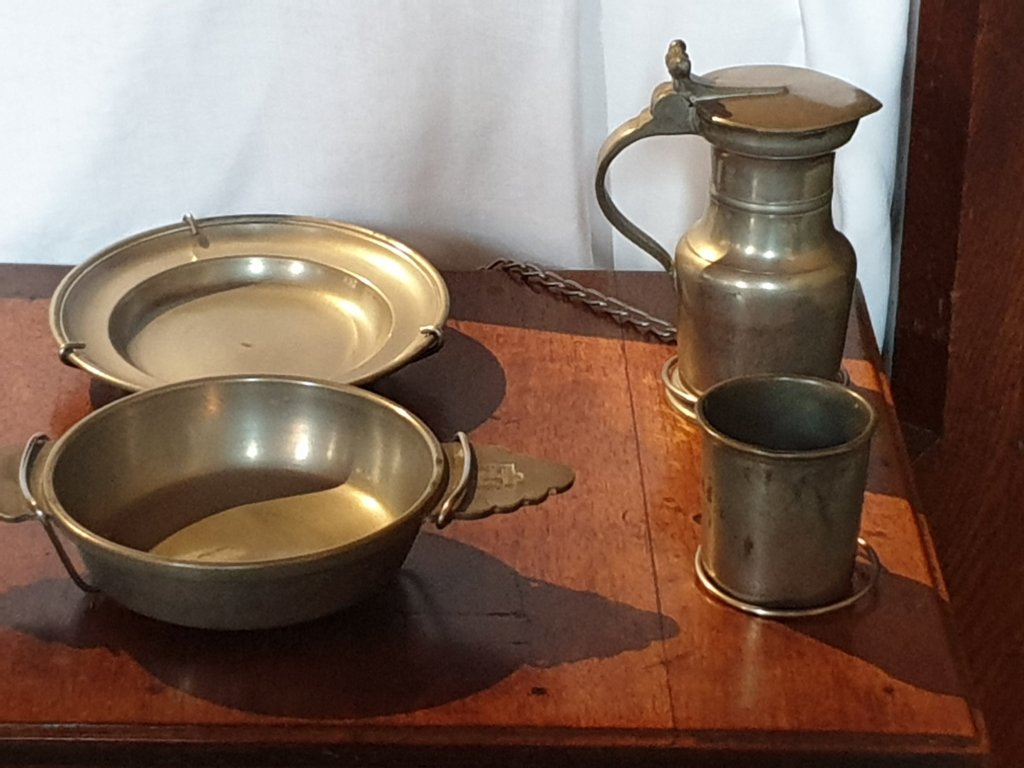
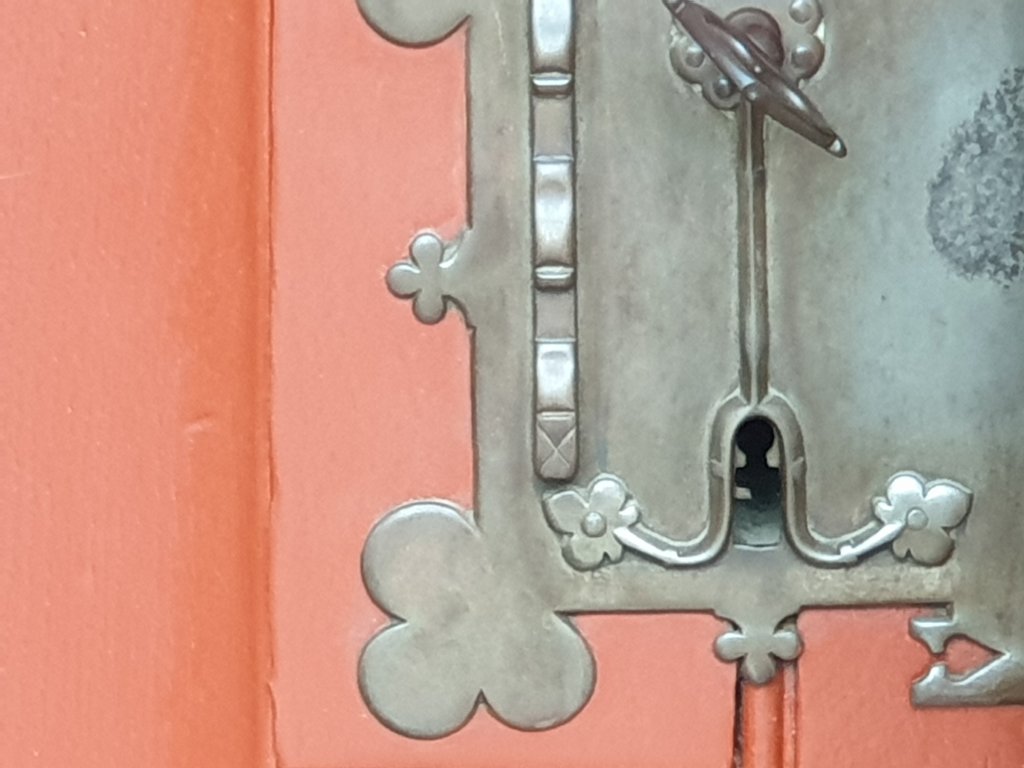
We visited L’Hôtel-Dieu with its wonderful big room for the sick with cubicles constructed by Maurice Ouradou of the Monuments historiqeues in 1876, following an inventory of 1501:-

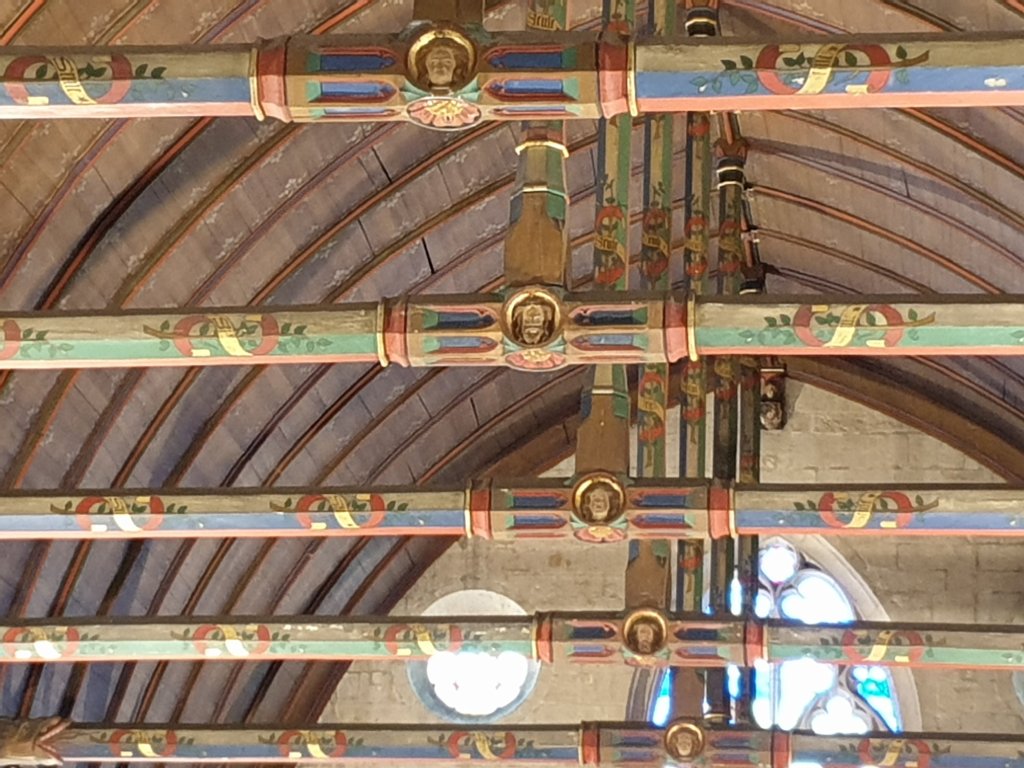
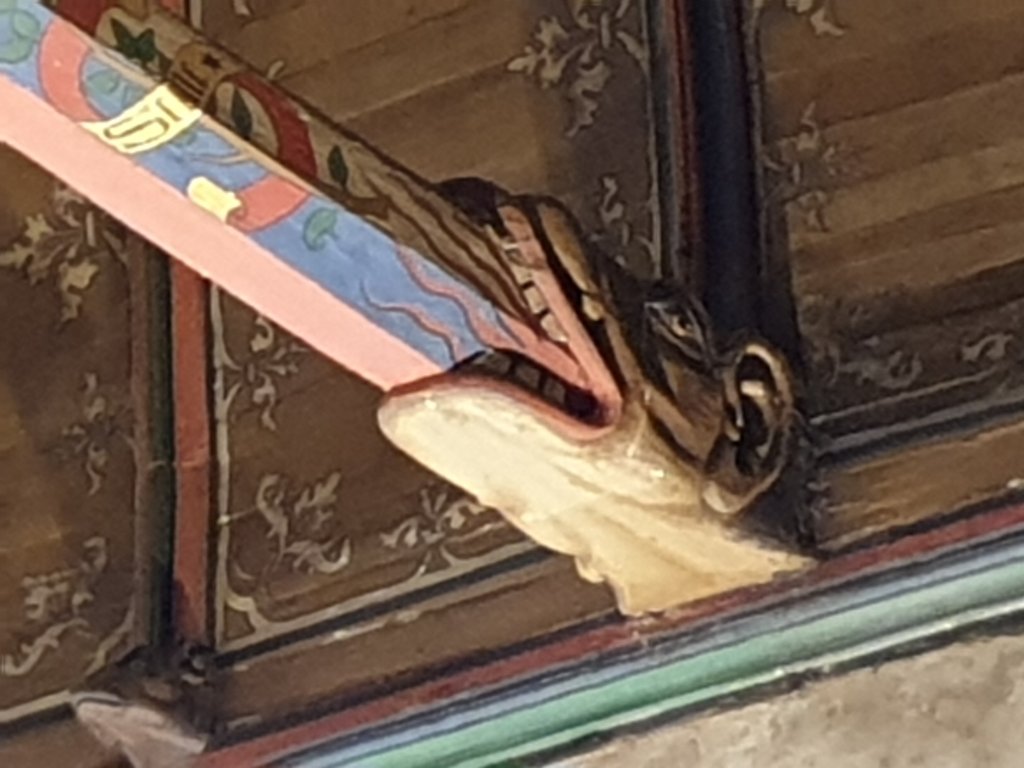
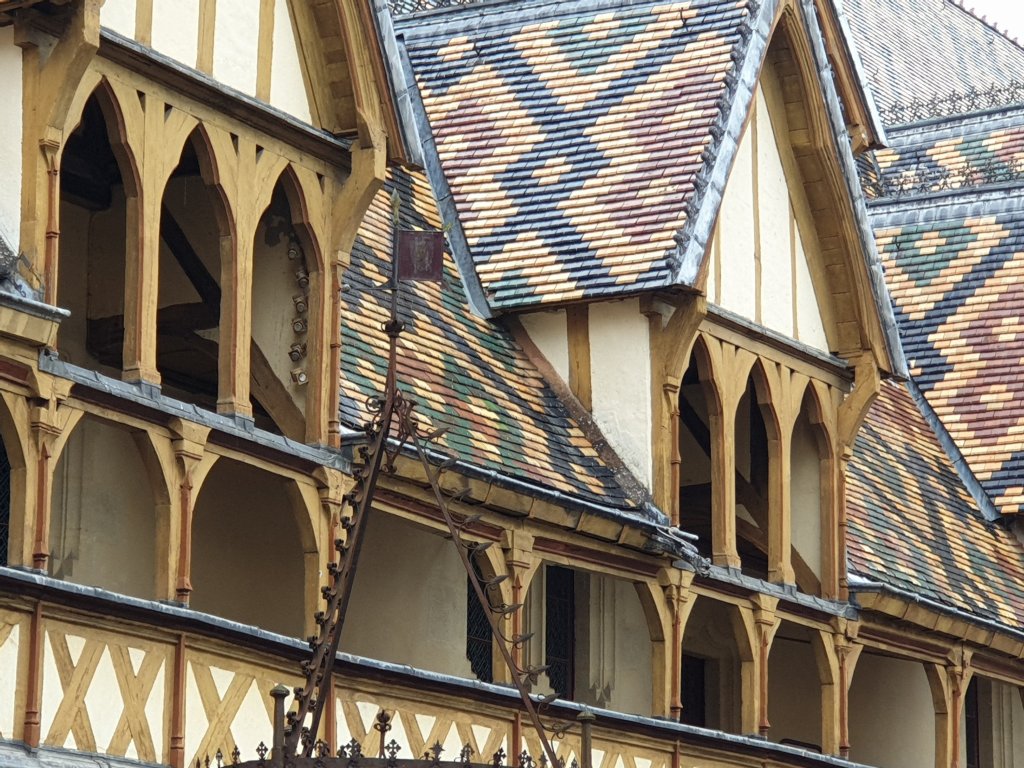
A magnificent late medieval painted roof:-

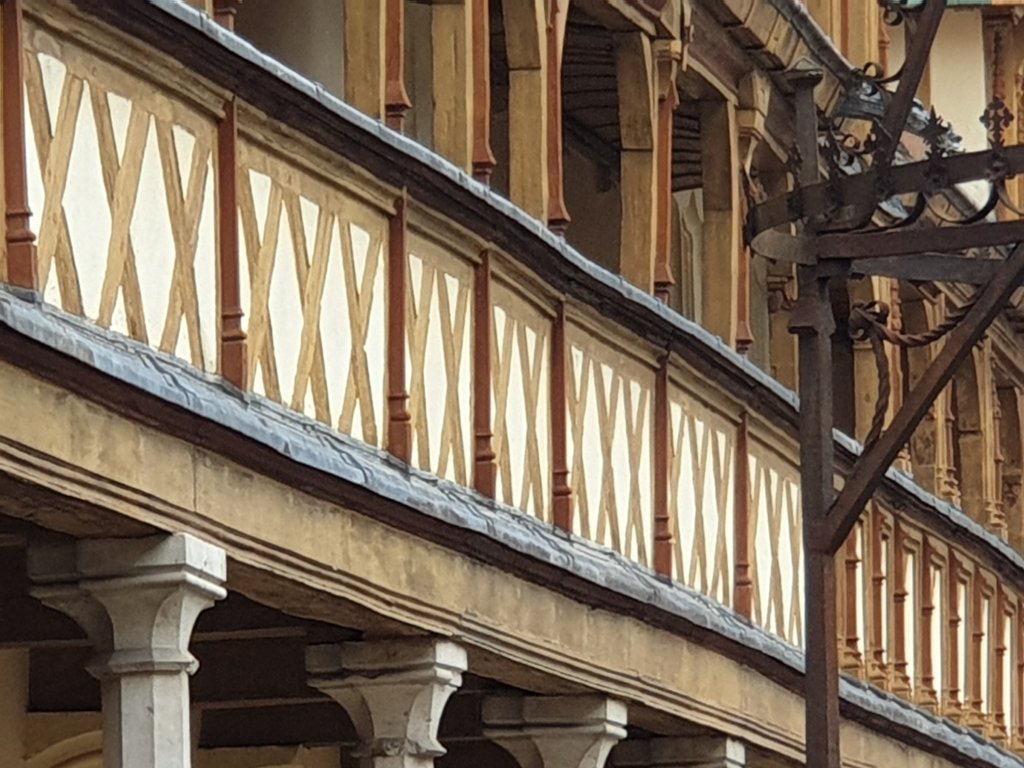
Even if some of the detailing is nineteenth-century revival, it’s done very beautifully:-

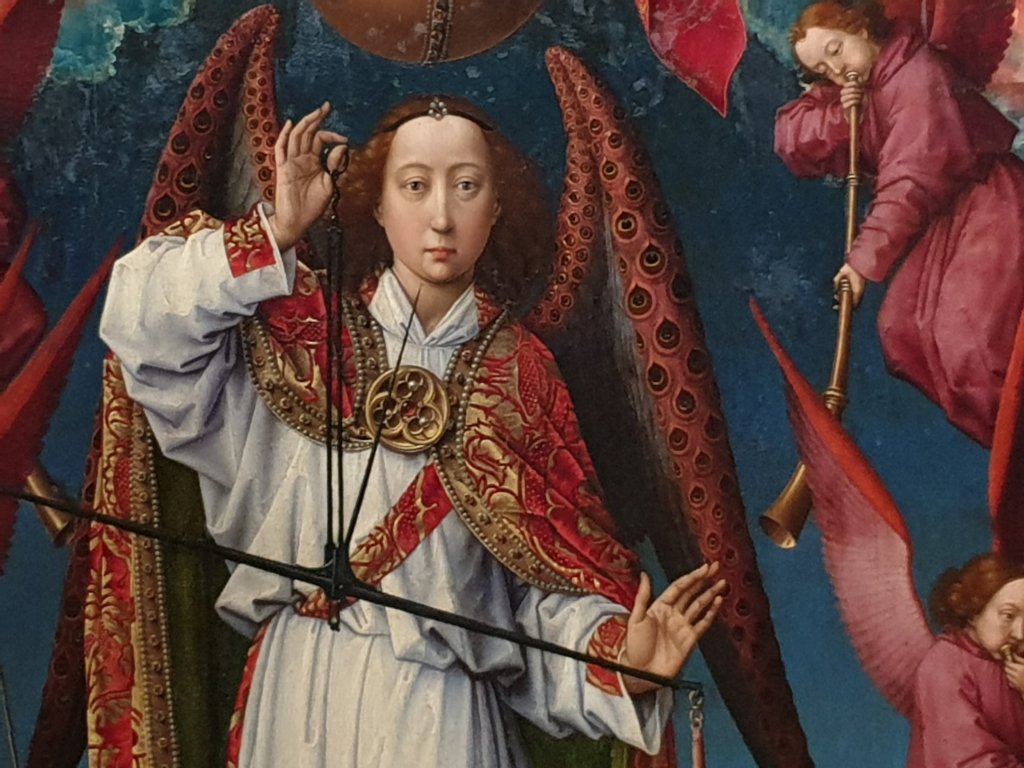
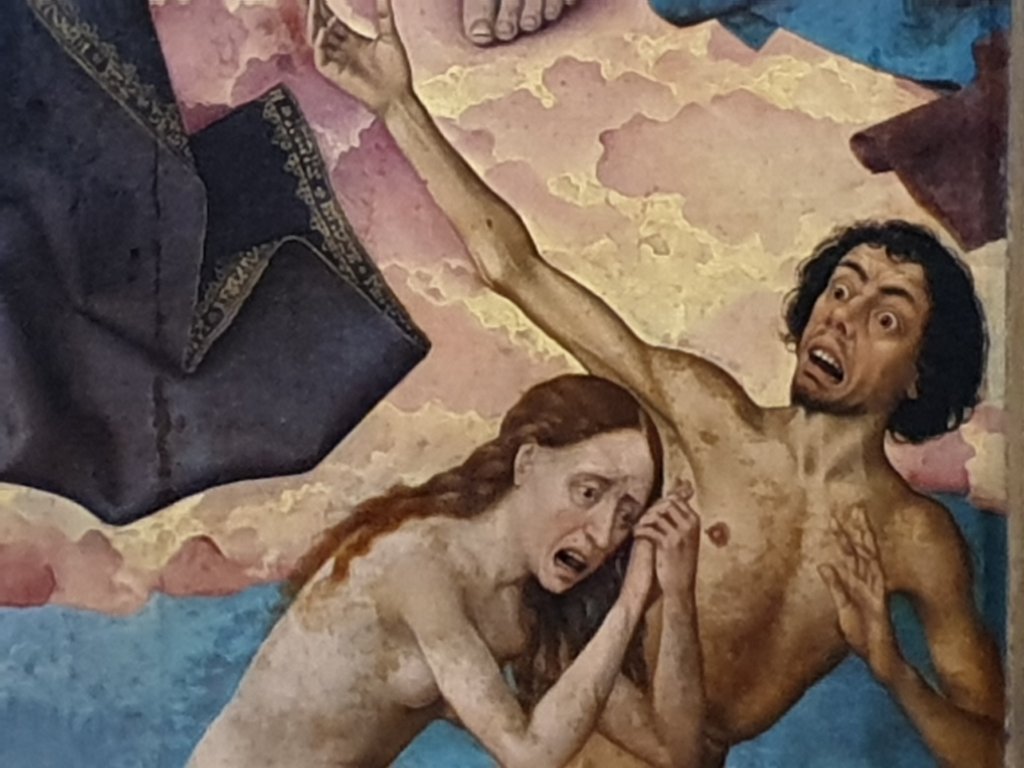
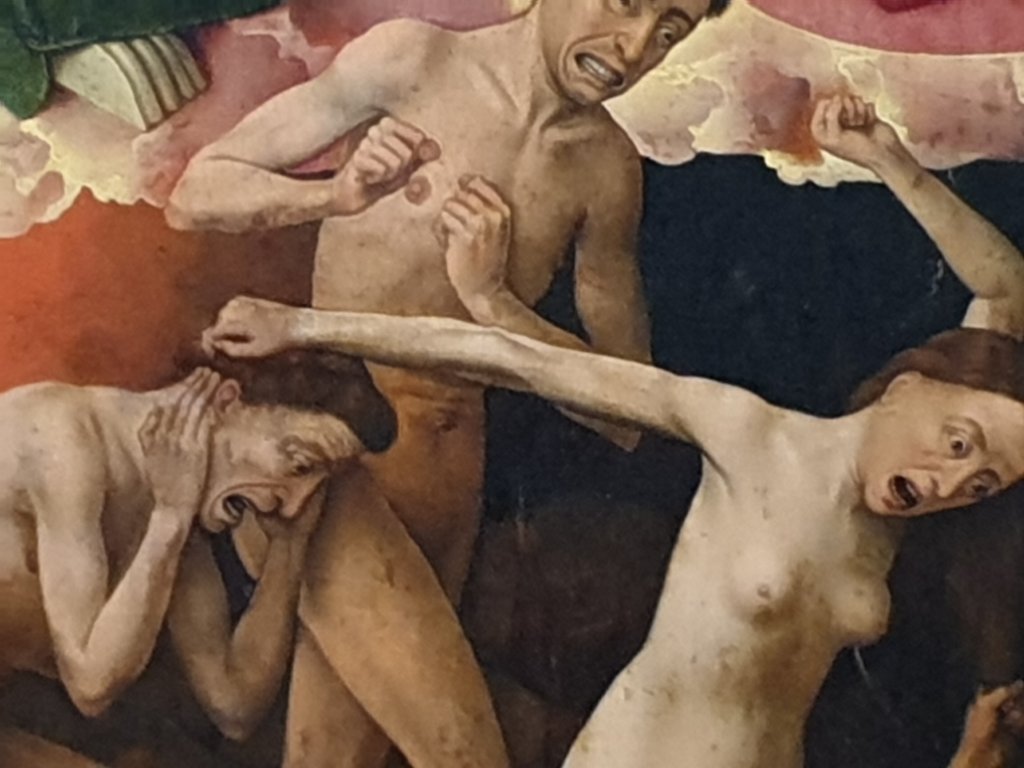
Such an amazing Rogier van der Weyden, Last Judgment, commissioned by Nicolas Rolin in 1443 for the Hospices:-

Not a bad place to be vaccinated:-

Standard

Laon

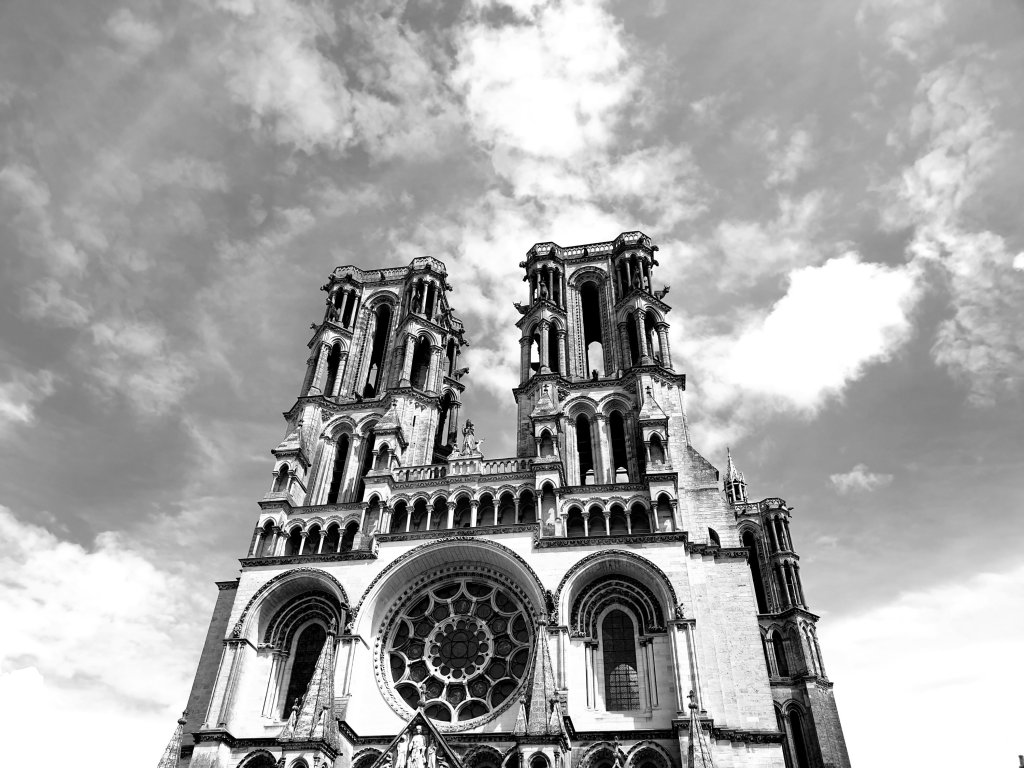
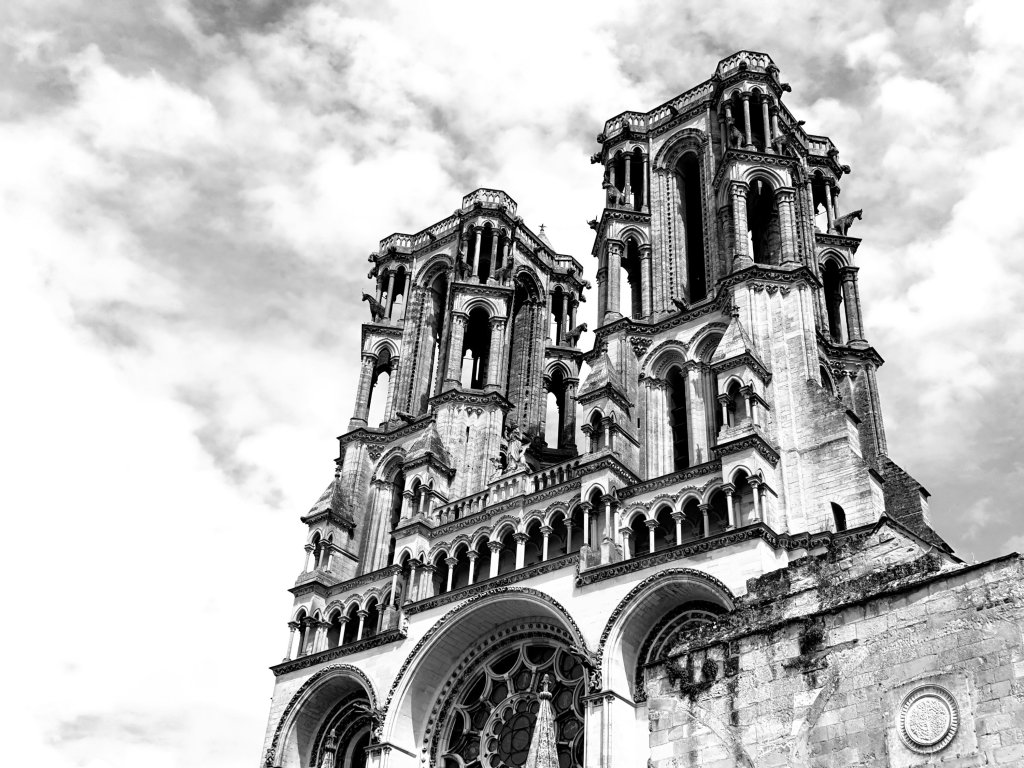
The cathedral at Laon is so wonderful, high on a hill above miles of flat agricultural landscape and visible from far off on the autoroute, gradually acquiring definition as one approaches:-

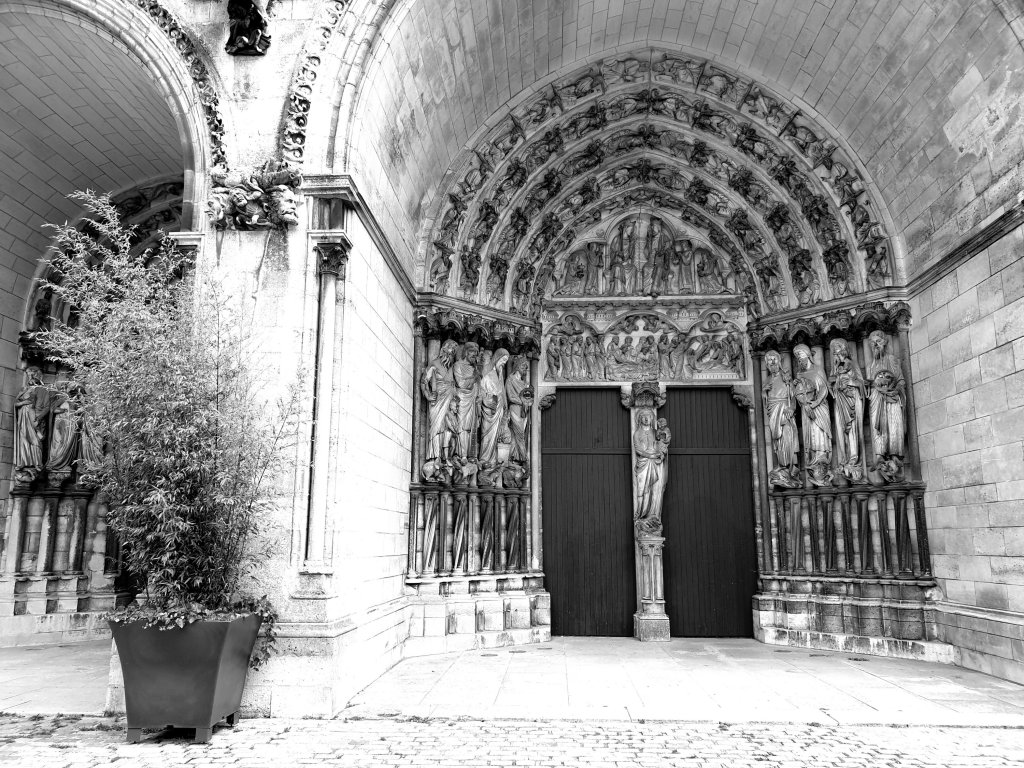
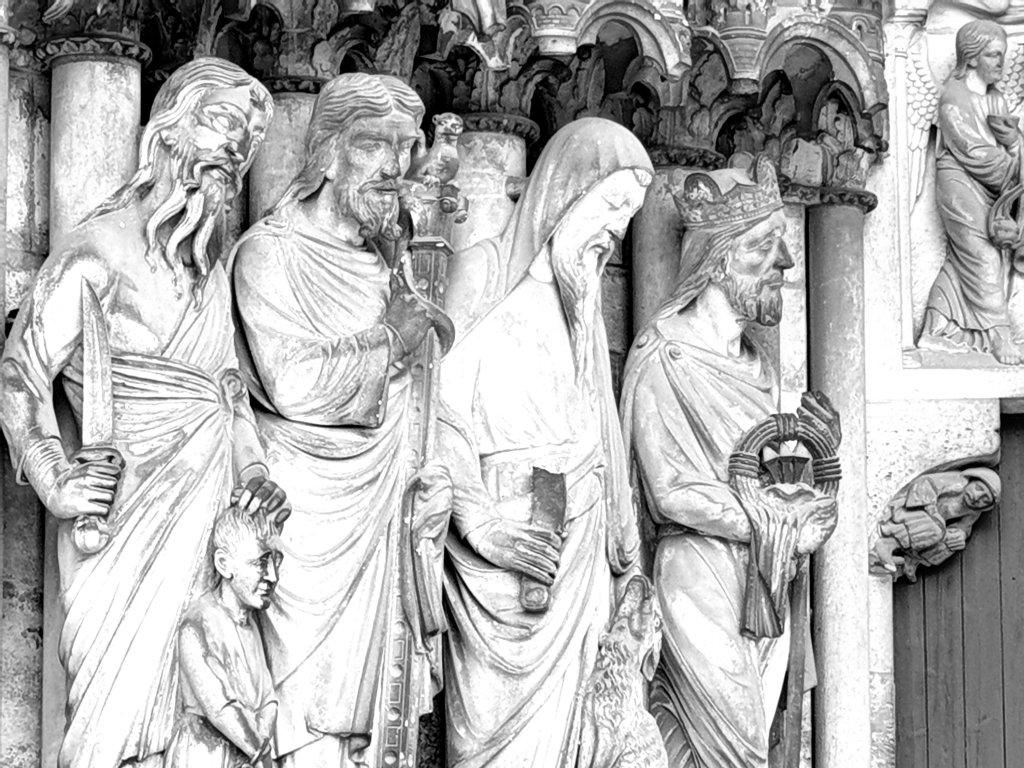
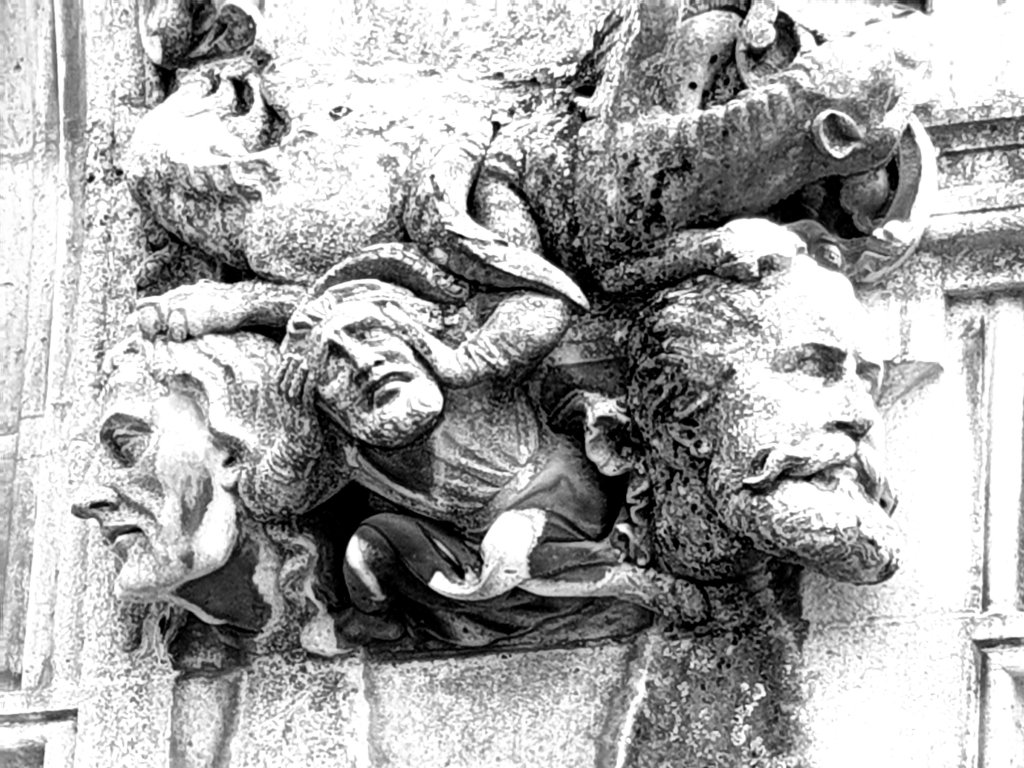
Early Gothic, late twelfth century, beautiful carving, perfect interior:-

Standard