Women at Work (1)

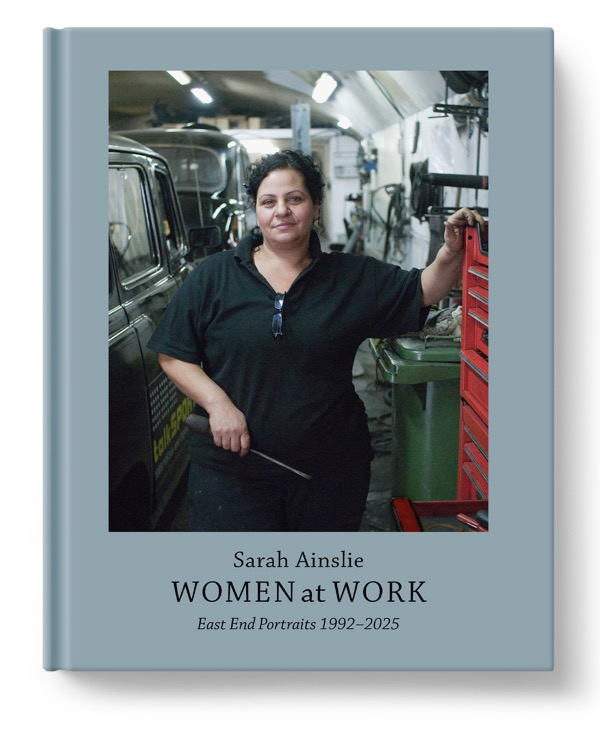
I have been following the Gentle Author’s project to publish a book of Sarah Ainslie’s photographs of local Women at Work (see the planned book cover below).

I am a long-standing admirer of all the work that he does, documenting the work and activities of the local community, not least in documenting the changes to the Whitechapel Bell Foundry – he has been one of the most effective people in the campaign to preserve it, with a particularly good knowledge of local politics.

One of the other strings to his bow (he has so many) is that he has a comprehensive knowledge of local documentary and historical photography, based on the archives of the Bishopsgate Institute.

So, this project is, like everything he does, very well worth supporting:-

https://www.crowdfunder.co.uk/p/sarah-ainslies-women-at-work-book
Standard

The Mysteries of the Blog (2)

I owe some readers an apology.  For some unfathomable reason, my website only shows a single blog post on St. George’s Pool which, not surprisingly, is enjoying an unprecedented readership.

I am trying to figure out why it has happened and how to fix it.

Standard

Ada – My Mother the Architect

We went to a lone screening of a film about the Israeli architect, Ada Karmi Melamede, made by her daughter, Yael, similar in some ways to My Architect: A Son’s Journey, the film about Louis Kahn made by his son, Nathaniel, and the more recent Stardust, made by Jim Venturi about his parents.

But My Mother the Architect is different because Ada is so reticent, so unwilling to say much about her life and emotions, why, for example, she failed to get tenure at Columbia after eighteen years of teaching there.  She then won the competition with her brother to design the Supreme Court in Jerusalem, which looks like a remarkable project – a combination of monumentality and reticence.  

The film tells one a lot about the position of women in the profession as was, not least in New York, and what it is probably still like today.  And about some of the tragedies of the current state of Israel.

It is so rare to see a film about under-expressed emotion and the nature of the film – thoughtful, very carefully composed – matches its subject.

You may only be able to see it in the Barbican this week.  Or Crouch End.  Or (I’ve now discovered) JW3, the Phoenix Cinema and Cinema Lumiere.  But, as at the Barbican, only this week.

Standard

St. Tyfrydog, Llandyfrydog (2)

I have been alerted to a lovely article about St. Tyfrydog, Llandyfrydog, the latest church to be added to the roster of churches looked after by the Friends of Friendless Churches, a wonderful and much-needed organisation which does work all over the country with a tiny staff.  It keeps the churches open.

St. Tyfrydog feels in the middle of nowhere in the middle of Anglesey, somewhere we had never been in fifty years of visiting Anglesey.  That is it’s charm, but also the problem of its maintenance because one can’t really expect the parish to pay for it.

The article explains the problem only too clearly.

https://www.theguardian.com/lifeandstyle/ng-interactive/2026/apr/23/the-welsh-church-claimed-by-spiders-and-ivy-what-do-britains-derelict-churches-say-about-our-health-and-happiness?CMP=Share_AndroidApp_Other

Standard

Clare Gittings

It was my second funeral of the week (actually, today’s was a memorial service).

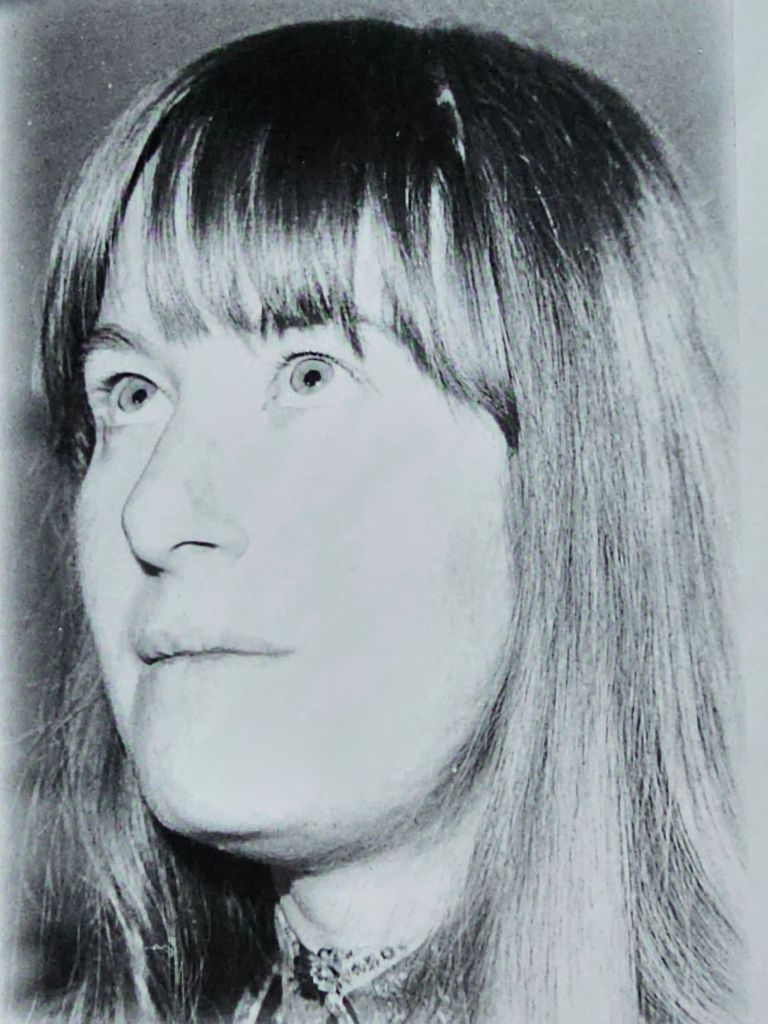
Clare Gittings, who I knew both at school (briefly) and as a very energetic and charismatic Learning Manager at the National Portrait Gallery from 1989 to when she retired in 2013, died of a stroke just before Christmas. 

As always at funerals, I discovered things about her that I had not known.  I knew she had written a book on Brasses and Brass Rubbing, published in 1970 when she was 16.  I did not know it had sold 40,000 copies.  Then she published her Oxford M.Litt as Death, Burial and the Individual in Early Modern England, a pioneering study of the rituals of death. 

She viewed portraits as a historian, not an art historian, and was admirable at introducing children/students and their teachers to the nature of portraiture, having previously taught in an Essex primary school. 

Here she is in her youth:-

Standard

Níall McLaughlin (2)

I went to the award ceremony for Níall McLaughlin’s RIBA Gold Medal, an impressive occasion, not least for the number of younger architects who seemed admiring of McLaughlin’s extreme sensitivity to issues of architectural history and symbolism, as evident in his introductory remarks on archaeology and Gottfried Semper.

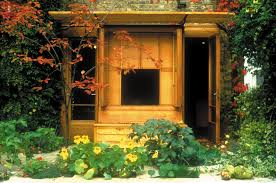
He started by showing a project I hadn’t spotted before – a small garden pavilion in Wandsworth:-

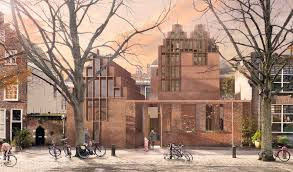
And a very beautiful project in Leiden:-

They showed a rather beautiful film about his work which gives you a very good sense of him as well as his work:-

Standard