On Monday I went to a discussion between Matthew Blunderfield whose father, I was told, is a psychoanalysis and John Tuomey, the Irish architect and partner in O’Donnell + Tuomey, architects of V&A East and much else, particularly the magical Glucksman Gallery for University College, Cork.
Tuomey has published the second volume of his autobiography, Middle Quarter, which includes a certain amount about his professional life with more about his interior life and his wide-ranging interests in art, literature, music, Rome, Greece and Connemara.
He writes beautifully and one learns a lot about the processes of archiecture beyond the purely architectural.
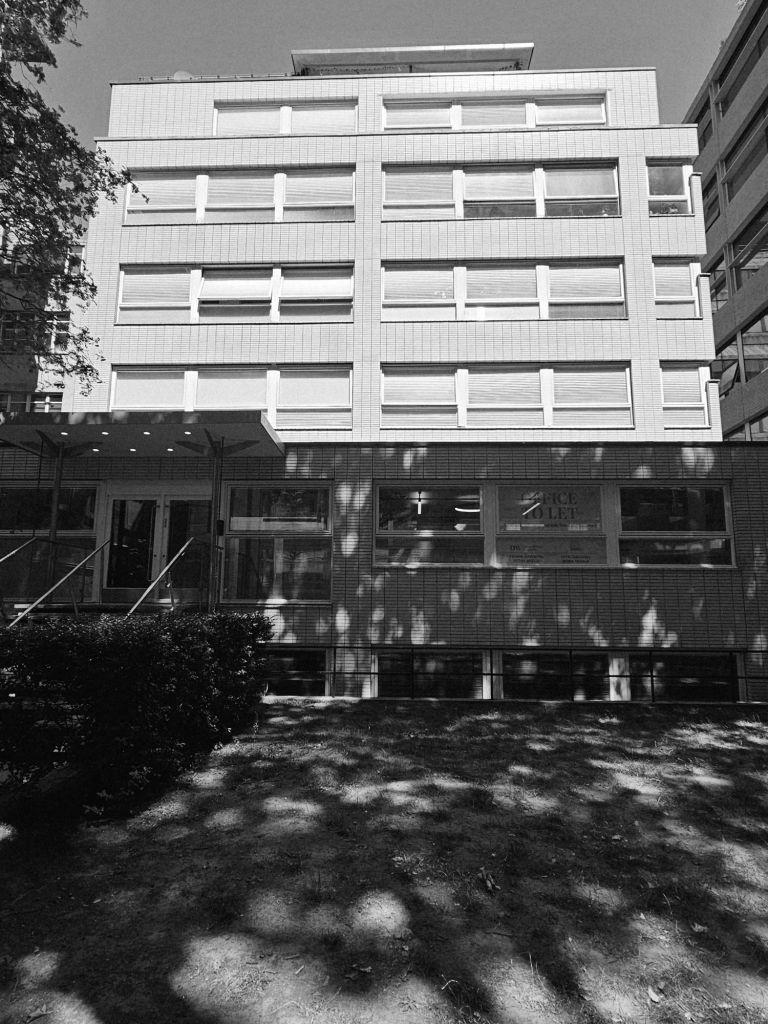
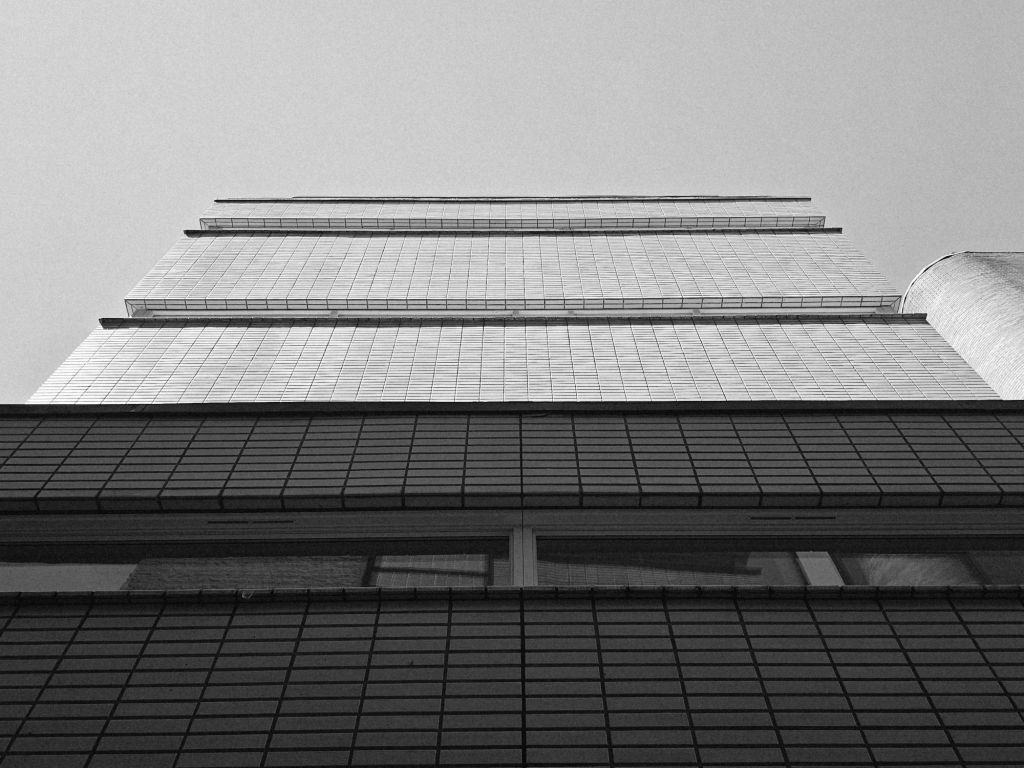
I had the former offices of YRM pointed out to me this morning: an early office block – 1961 – next door to the churchyard of the former St. Dunstan’s in the West. At the time it was described as ‘an oasis of quality in the midst of quantity’. It looks so polite and almost domestic by today’s standards.
FRS Yorke lived in an apartment on the top floor:-
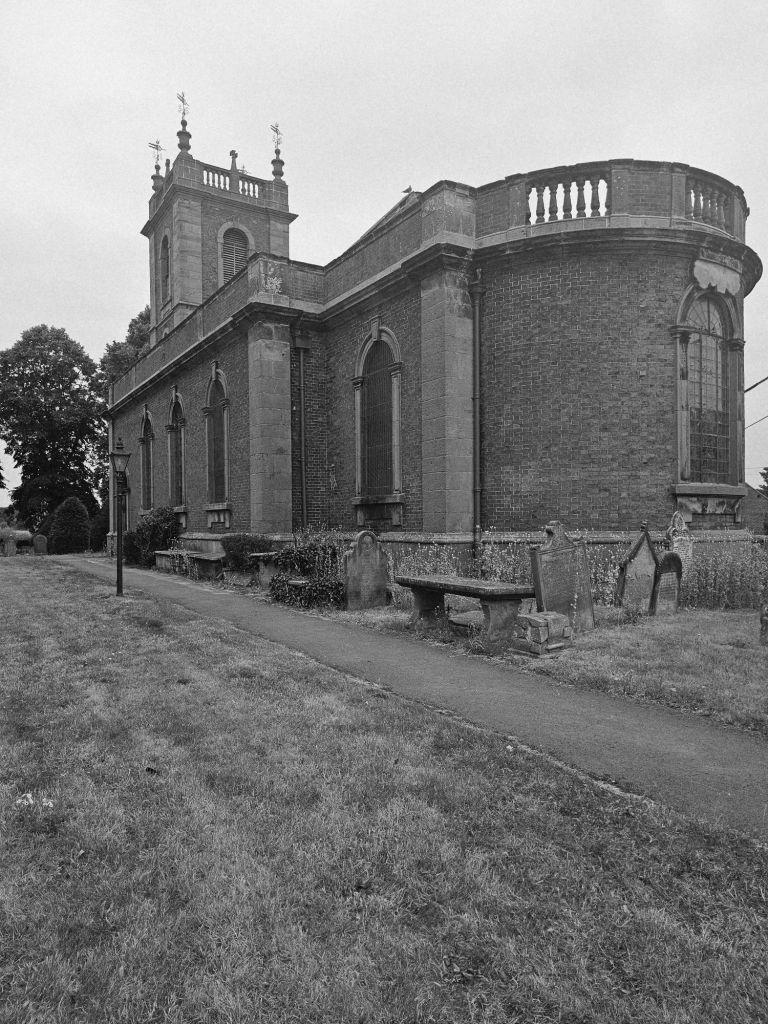
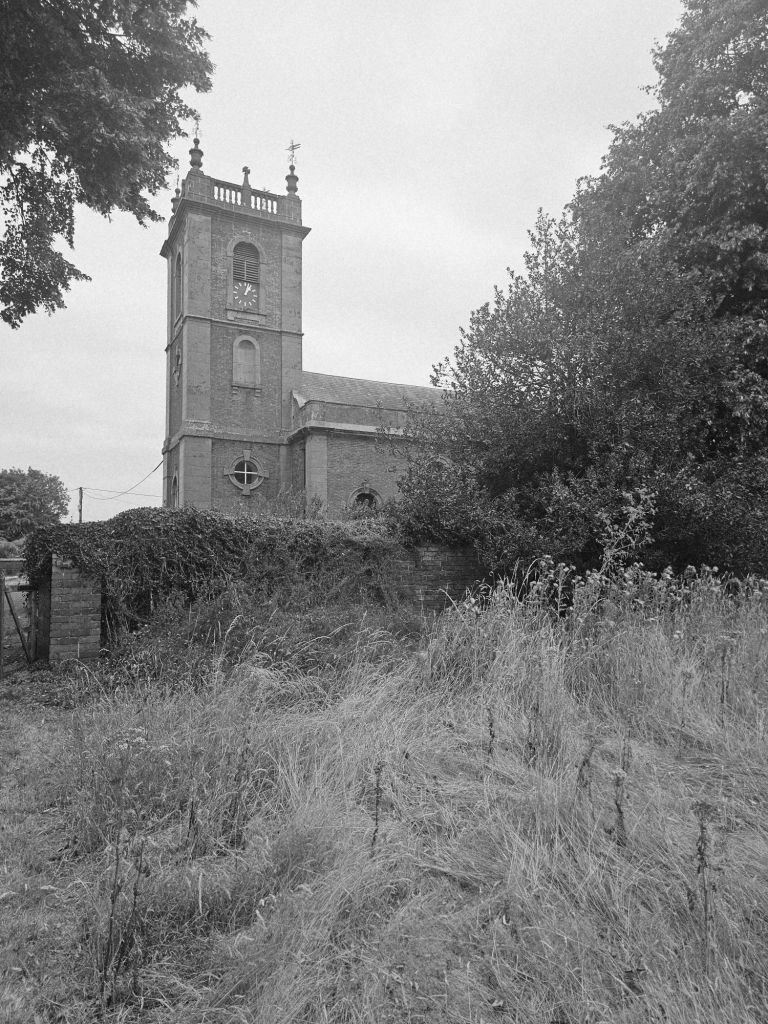
On the long drive back to London, we stopped off at St. Deiniol’s, Worthenbury, an astonishingly well-preserved, early Georgian church apparently in the middle of rural Cheshire (more rural than I expected), but, actually, I have discovered it is just over the border in Wales.
Opened in 1739, designed by Robert Trubshaw, but, not surprisingly, not in the latest Palladian style:-
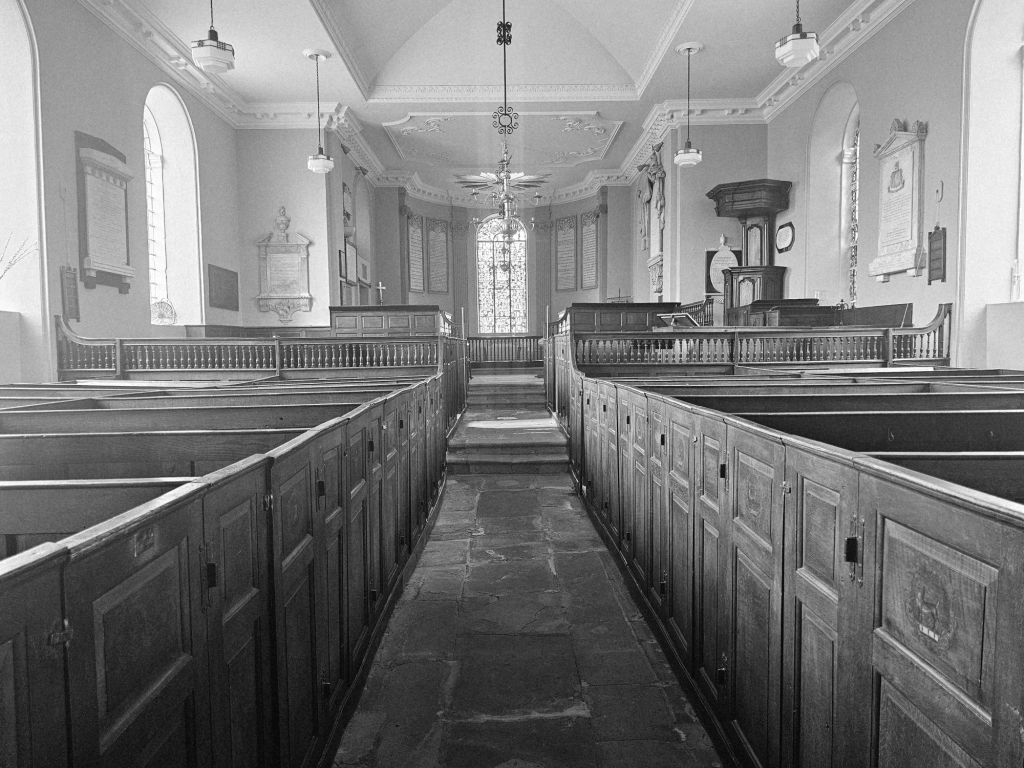
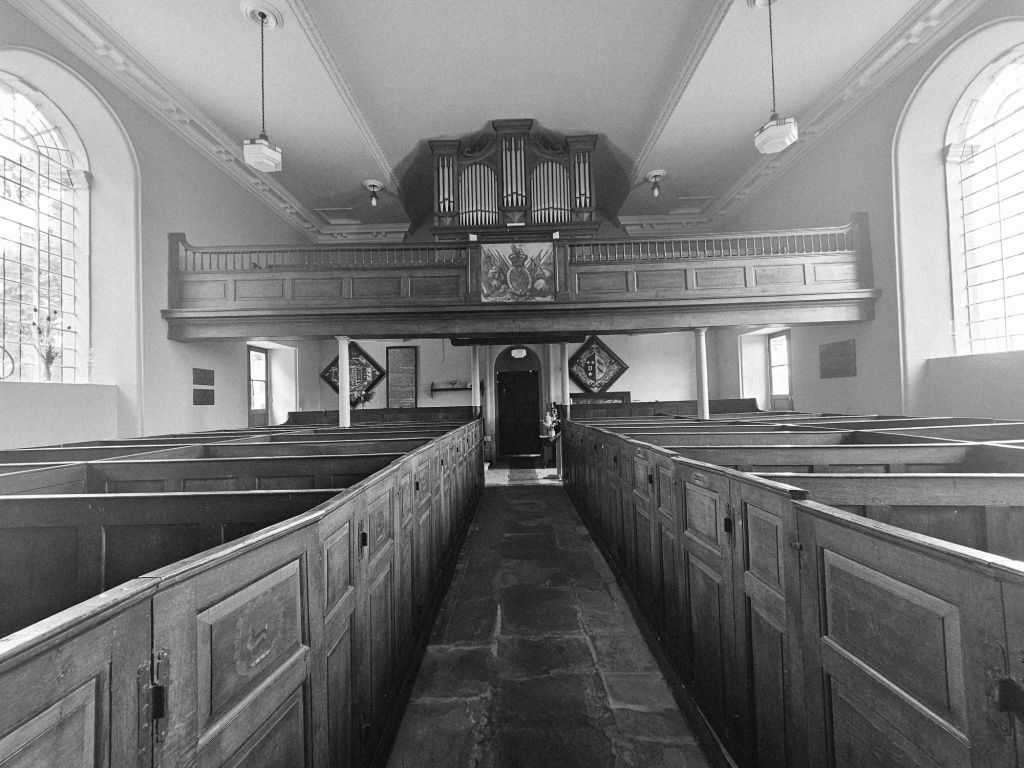
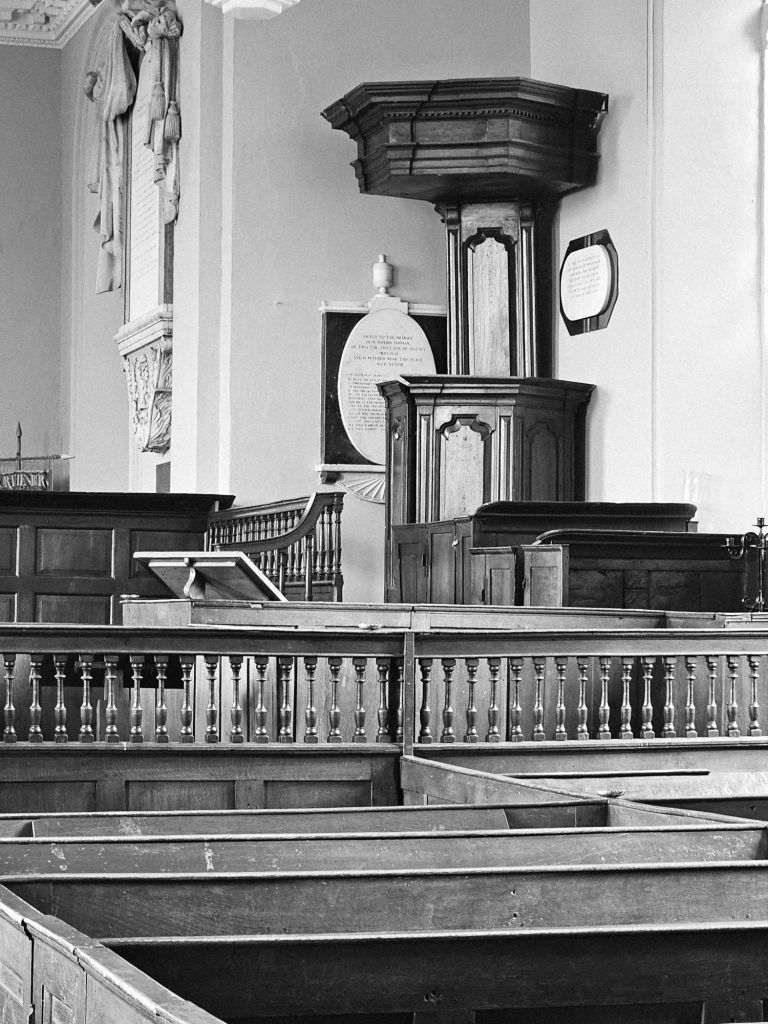
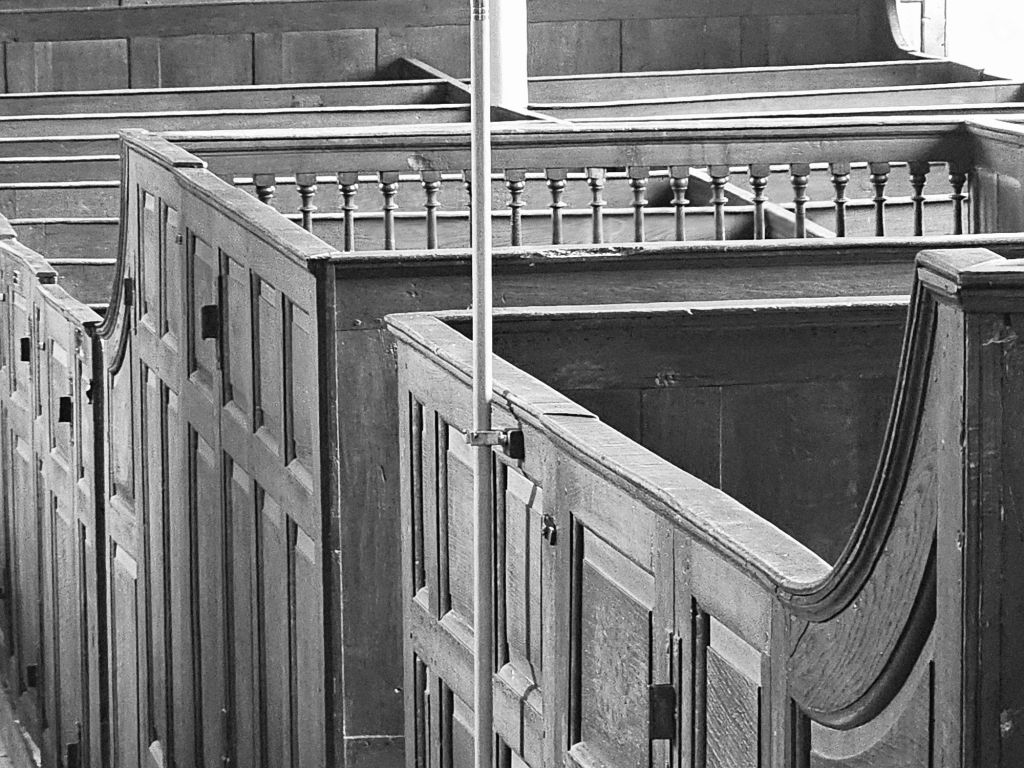
Inside, it’s a more perfectly preserved eighteenth-century interior than I can remember:-
One wonders why it so completely escaped Victorianisation. It was probably the influence of the local family, the Pulestons of Emral Hall, who paid for it in the first place and had proprietary rights to the bigger pews:-
Now looked after by Friends of Friendless Churches.
I was very sad to hear of the death this morning of my good and remarkable friend, Christopher Ondaatje, aged 93.
Christopher came into my life in 1996 when I was Director of the National Portrait Gallery. We were looking to raise money for what became the Ondaatje Wing. I got a message from Henry Keswick, my chairman, that he had been approached at second hand by a Canadian philanthropist who might be willing to help. Christopher and I had lunch in the garden of the Chelsea Arts Club with Peter Johnson, a dealer who knew Christopher well. It was the first of many memorable occasions when Christopher grilled me about the NPG, its policies and finances. He was a donor who believed in due diligence.
As it happened, he was just setting off to central Africa to do research for the book which became Journey to the Source of the Nile. He was going to be out of contact for the next three months. I arranged for him to come and have lunch at the NPG with Peter Carington who was co-chair of our fund-raising committee on Christopher’s return. After lunch, Christopher handed me a cheque which was nearly the full amount we required for the project.
We became, and remained, close friends. I always liked and admired the intensity of his engagement with people. He had been educated at Blundells and then went to work in the City. But I suspect that the City in the early 1950s was not very hospitable to someone of Dutch Sinhalese descent and he emigrated to Toronto where he made money in a brokerage firm and then as a publisher. He loved cricket and he and his wife, Valda, who had been the tennis champion of Newfoundland, moved to England when he decided to give up making money and turn to philanthropy and writing. They had the most beautiful house, Glenthorne, on the north coast of Devon, where his brother wrote The English Patient, and an island off the coast of Nova Scotia.
In recent years, he hasn’t been able to travel to London, so I haven’t seen him for a while, but we remained in touch.
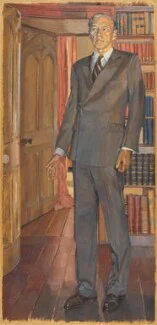
I’m pleased that his portrait by Daphne Todd still hangs in a place of honour in the wing he made possible.
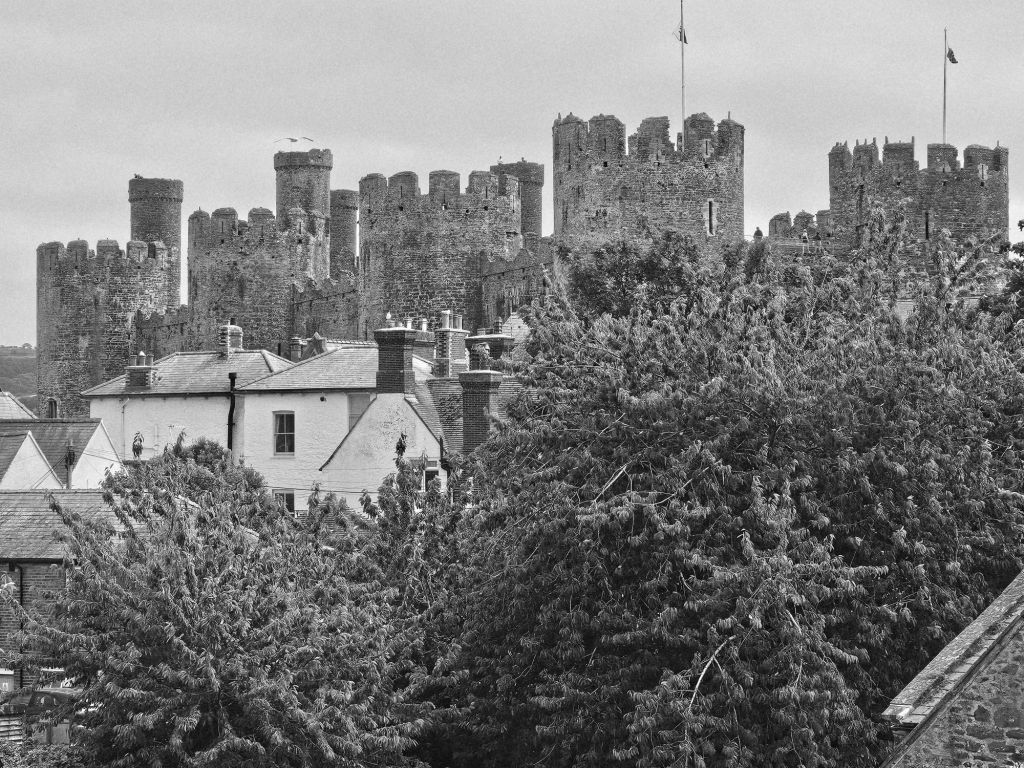
We went to the new-ish branch of Dylan’s, a very successful chain of Welsh restaurants, which has opened in a prime spot on Conway High Street, nearly opposite Plas Mawr. Was it my imagination that Conway felt more lively and prosperous, presumably helped by a vast amount of tourism to a UNESCO World Heritage site ?
On the way, we listened to Andy Burnham give his speech outside 10, Downing Street – highly articulate, full of hope and optimism, but also infected by a view that Britain took a wrong turn in the 1980s with the closure of the mines and shutting down of heavy industry.
So, is there a way it can be revived ? I look forward to the policies that might make it possible, but feel that he might be on safer ground to talk about the potential benefits of the post-industrial economy: small-scale manufacturing, education, tourism, craft and design which can potentially regenerate the smaller urban communities which have been so damaged and left behind.
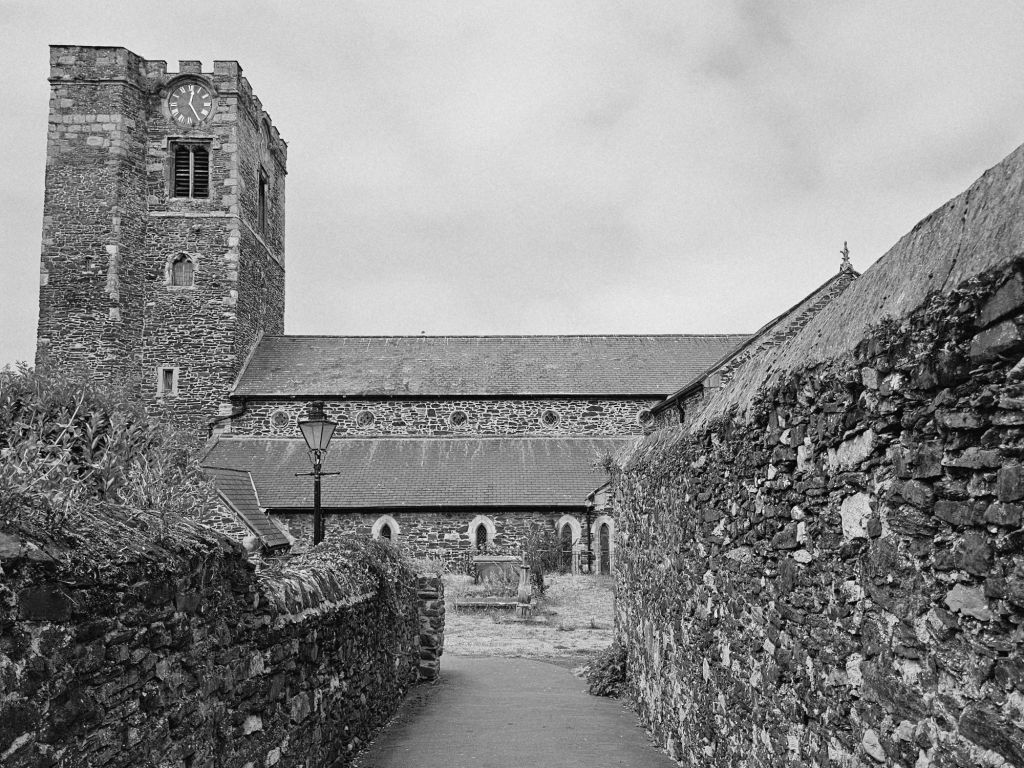
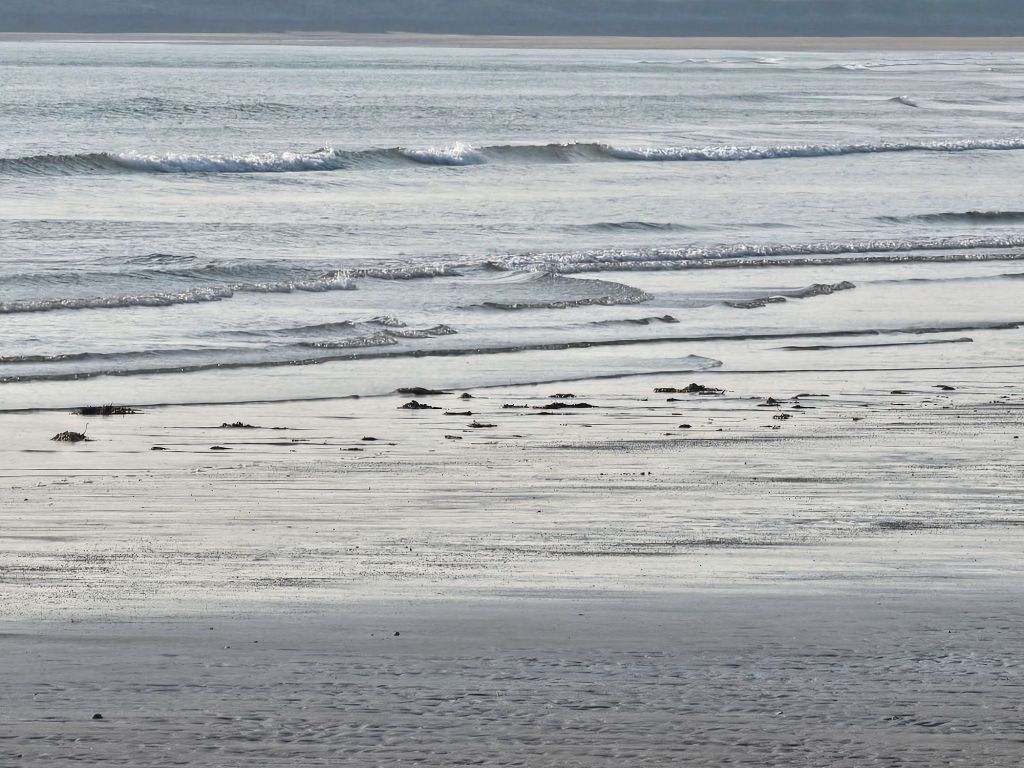
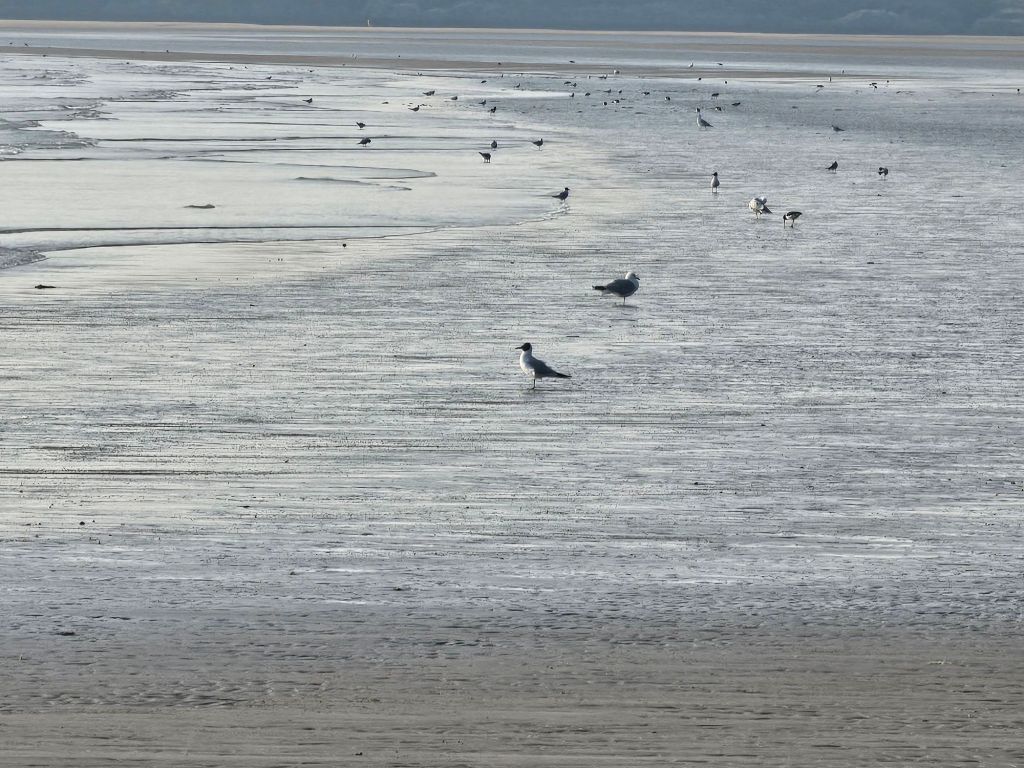
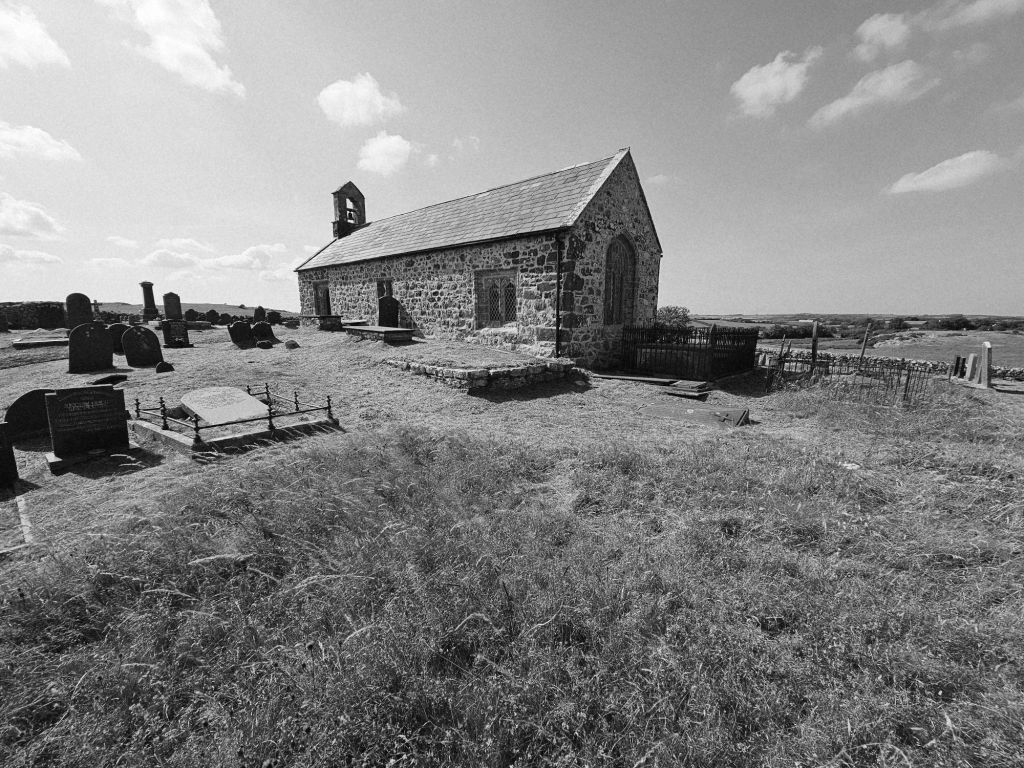
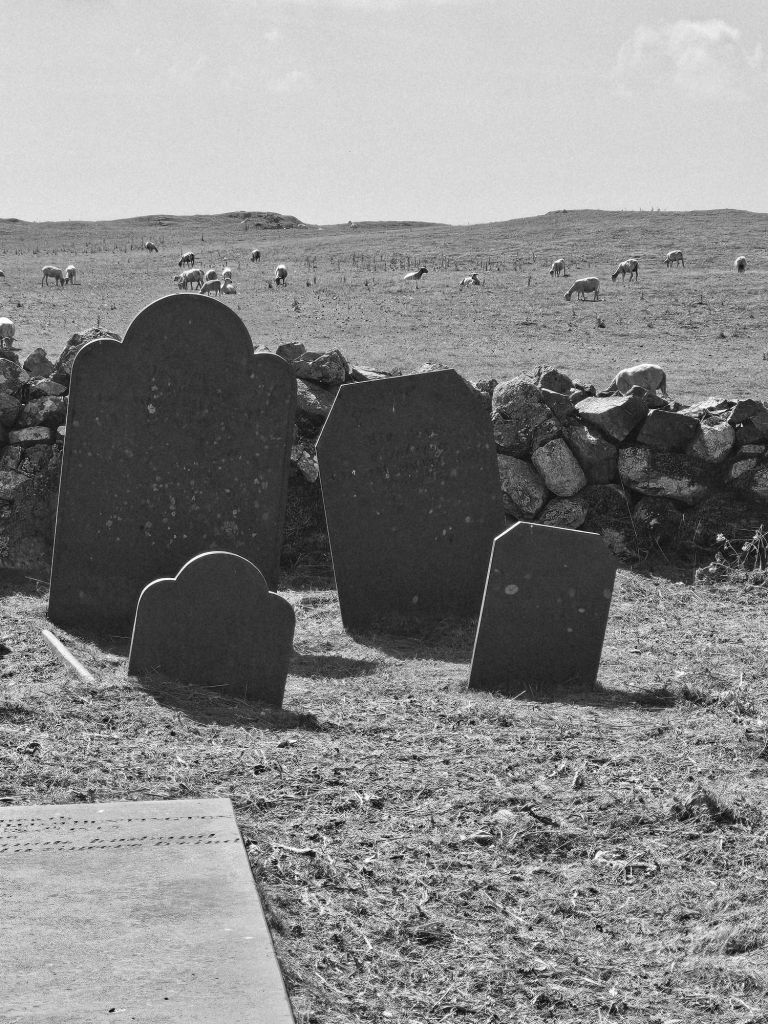
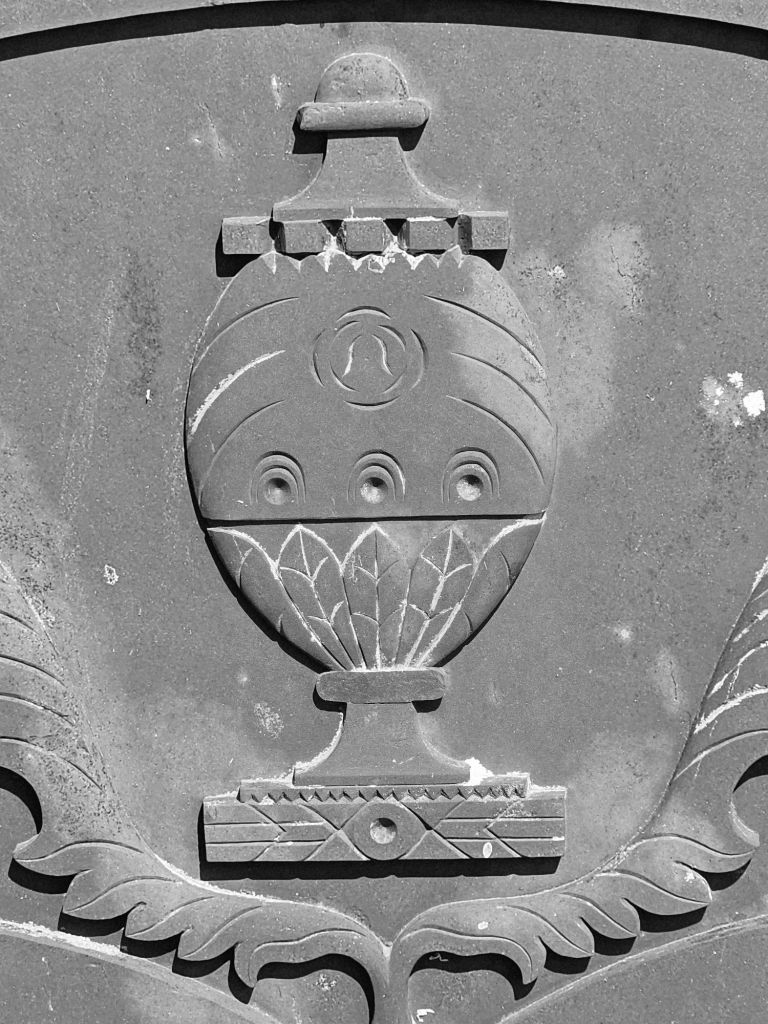
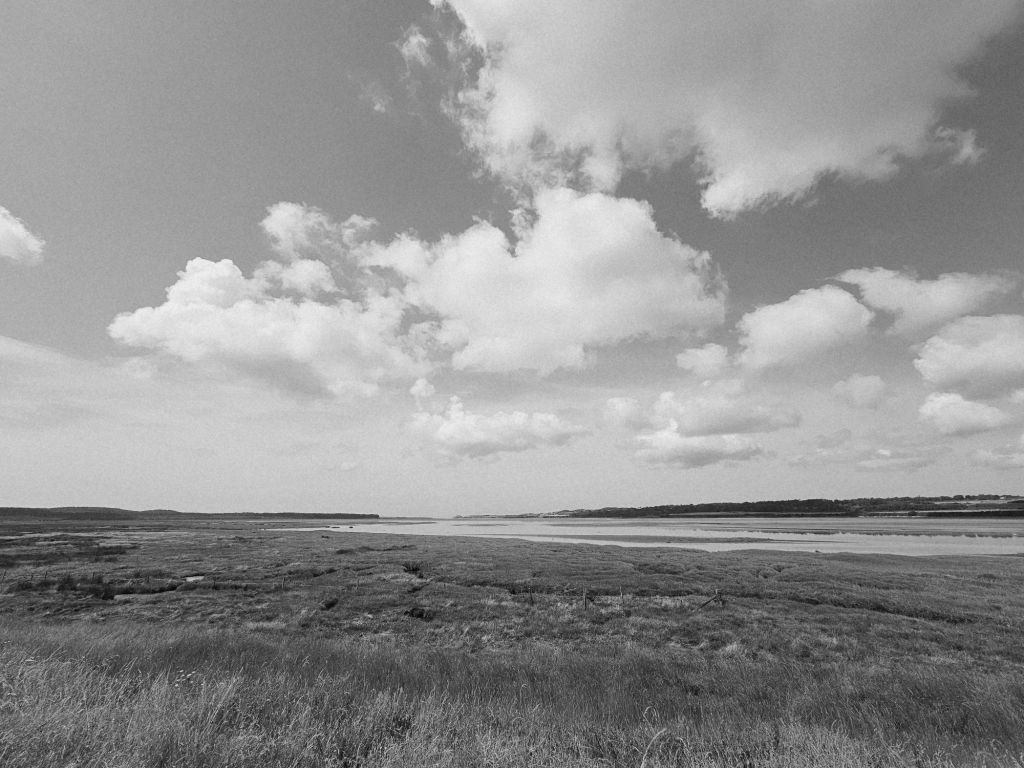
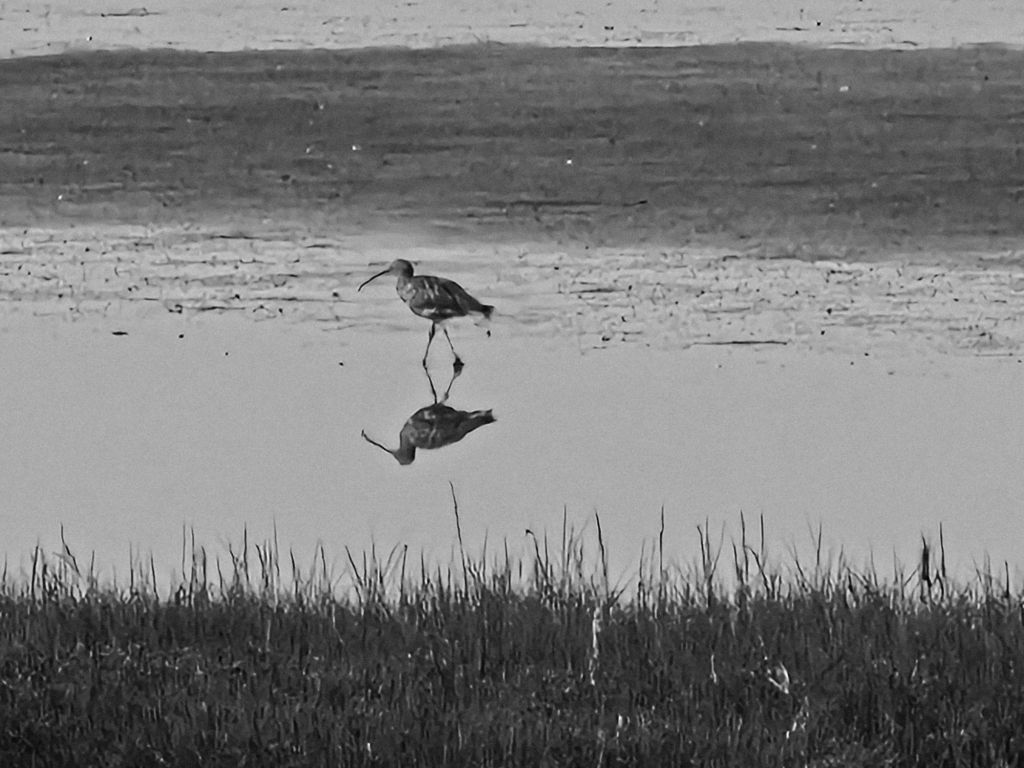
In the afternoon we went to St. Twrog’s, a church looked after by Friends of Friendless Churches – a beautifully peaceful spot in the middle of the island north of Llangefni:




You must be logged in to post a comment.