Philip Core (1)

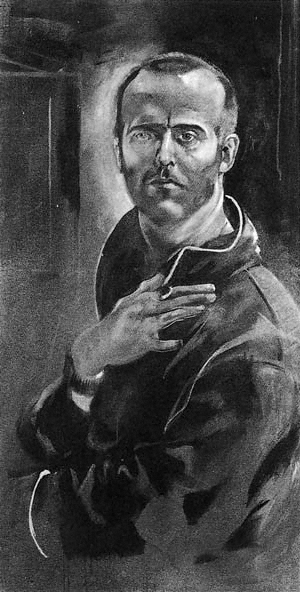
I am currently working with the documentary filmmaker, Adam Low, in trying to track down as many as possible of the paintings and drawings of the artist, Philip Core, who died of AIDS in 1989, in the hope that it might be possible to put together enough material for an exhibition. In particular, we are interested in locating the conversation pieces which were exhibited at Francis Kyle’s Gallery in 1979 in an exhibition ‘Pieces of Conversation’ which included The Chance Meeting on an Operating Table of a Sewing Machine and an Umbrella: Andy Warhol and Marcel Duchamp, now held by the Arts Council (copyright):-

At the time, such literary and photographic work was deeply unfashionable, but we feel that it could be a good moment to reconstruct his career. Not least, we are hoping to identify someone who got in touch with me fifteen or twenty years ago who had a collection of his paintings in store – from memory somewhere in south-east London, in Bexley, Bromley or Beckenham.

Any help with this project, still in its early stages, would be greatly appreciated.
Standard

Museum Visitor Numbers

I was asked by the Art Newspaper to join Ben Luke on their weekly podcast to discuss their annual report on museum visitor numbers which has now appeared online, as attached.

Standard

Omai

Assuming that the news is true that the NPG has now succeeded, as rumoured (see below), in acquiring Omai jointly with the Getty, then it is a remarkably impressive achievement of Nick Cullinan to have negotiated it through the jungle of valuation, Treasury caution, and brokering an unprecedented, but admirable international arrangement across two continents in time for the re-opening of the NPG in June, where it will presumably – and rightly – have pride of place as an emblem of Empire/discovery/multi-culturalism. An amazing acquisition.

https://www.ft.com/content/2ffb1c12-8aee-4dd3-8160-2f1bc7dc2c18?shareType=nongift

Standard

Elm Hill

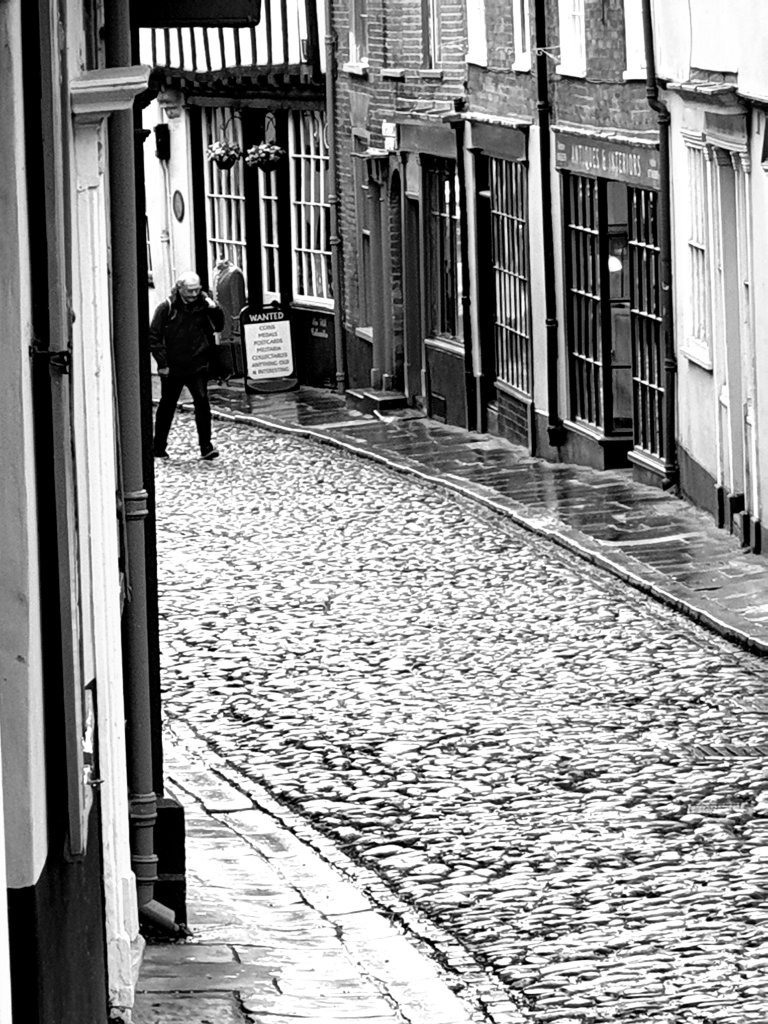
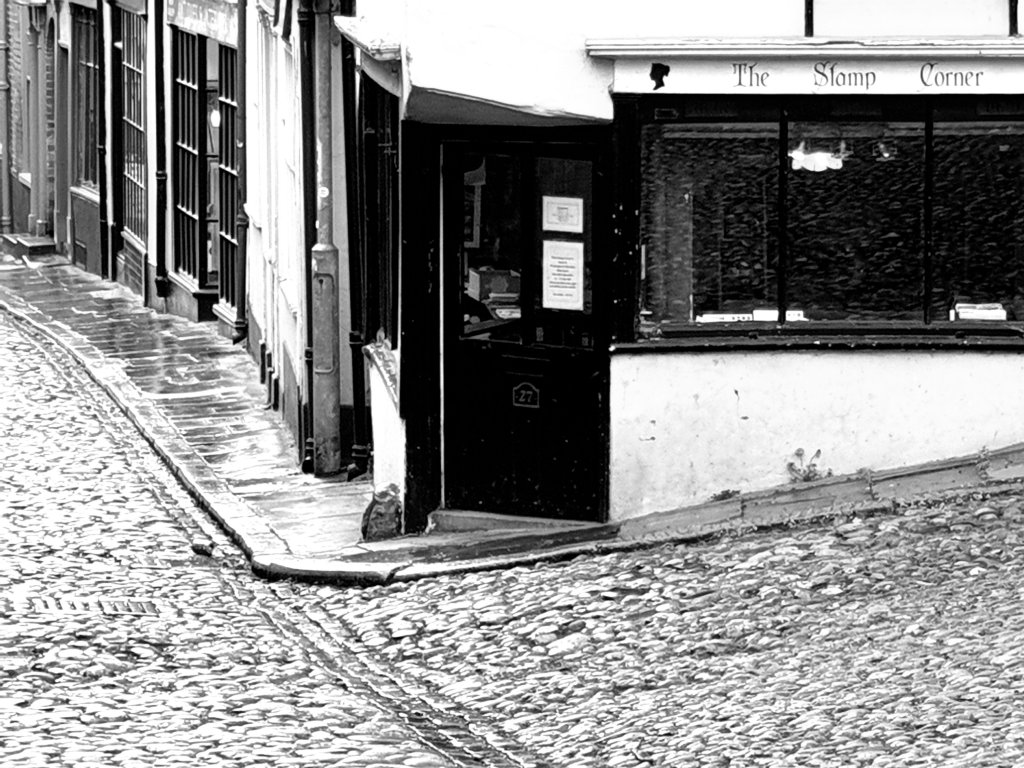
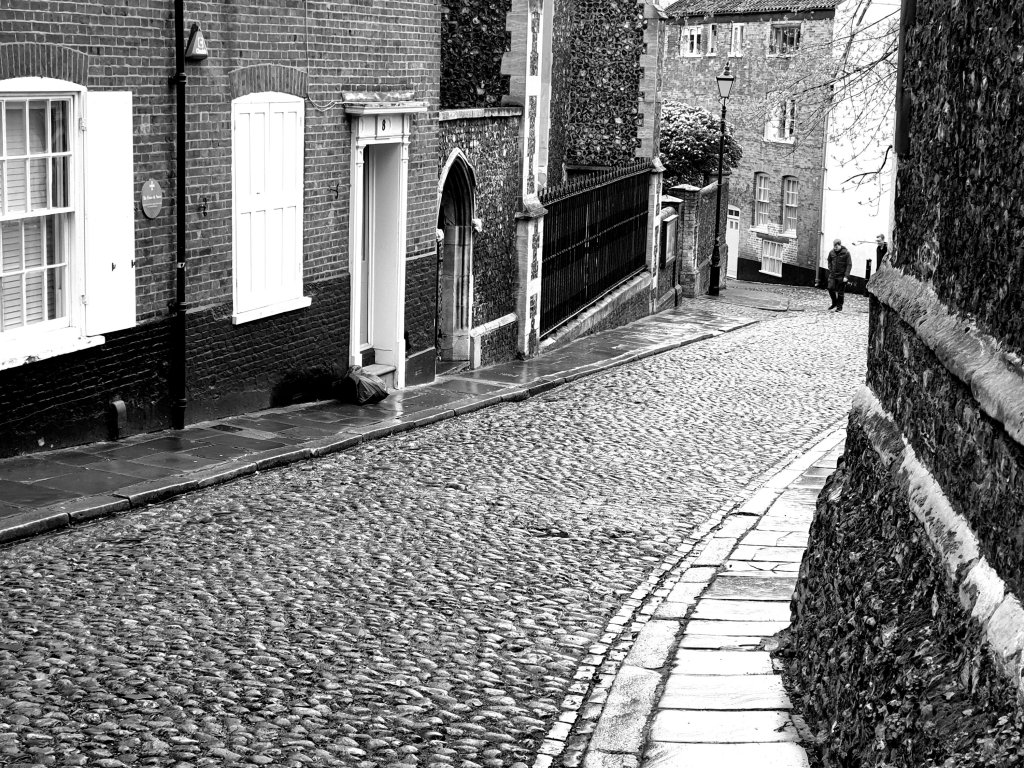
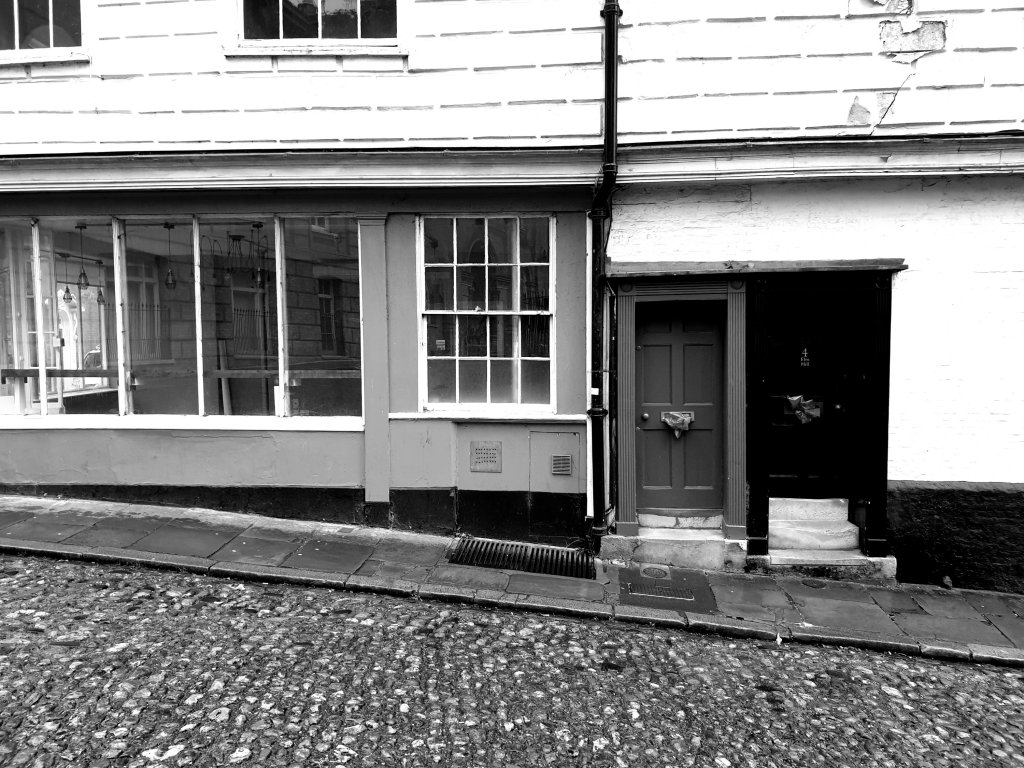
Hard to imagine that Elm Hill in Norwich faced possible demolition in 1926 when the Corporation wanted to use it as the site for a municipal swimming pool. It was thanks to the Norwich Society that it was saved:-

Standard

Julian Stair (1)

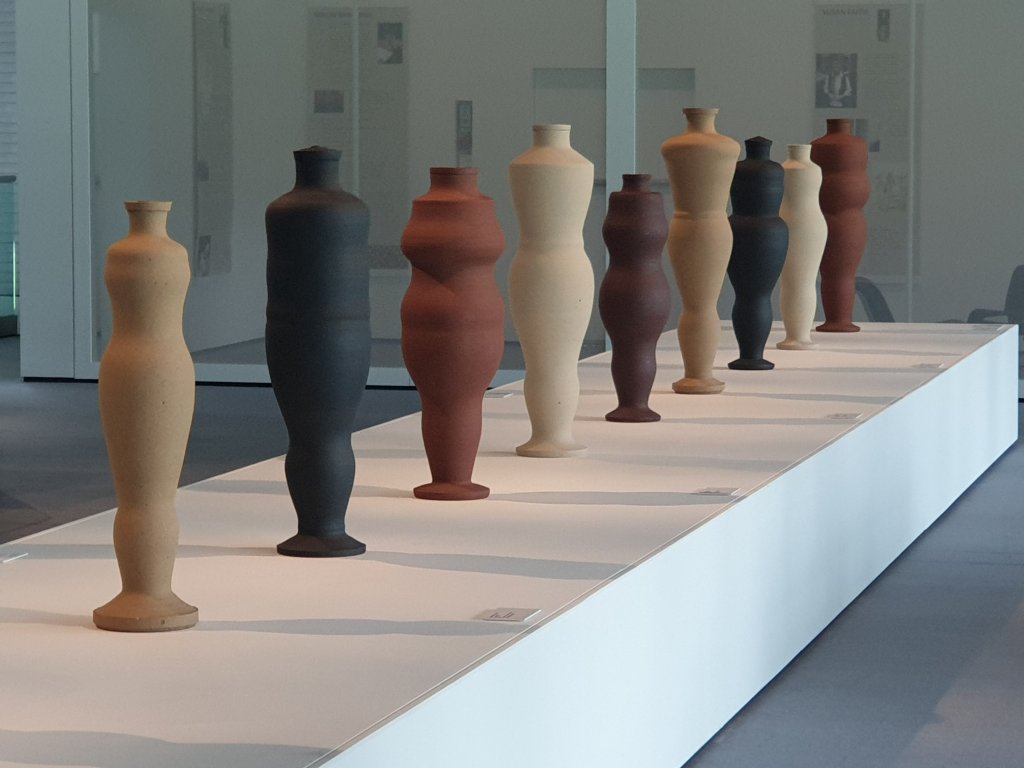
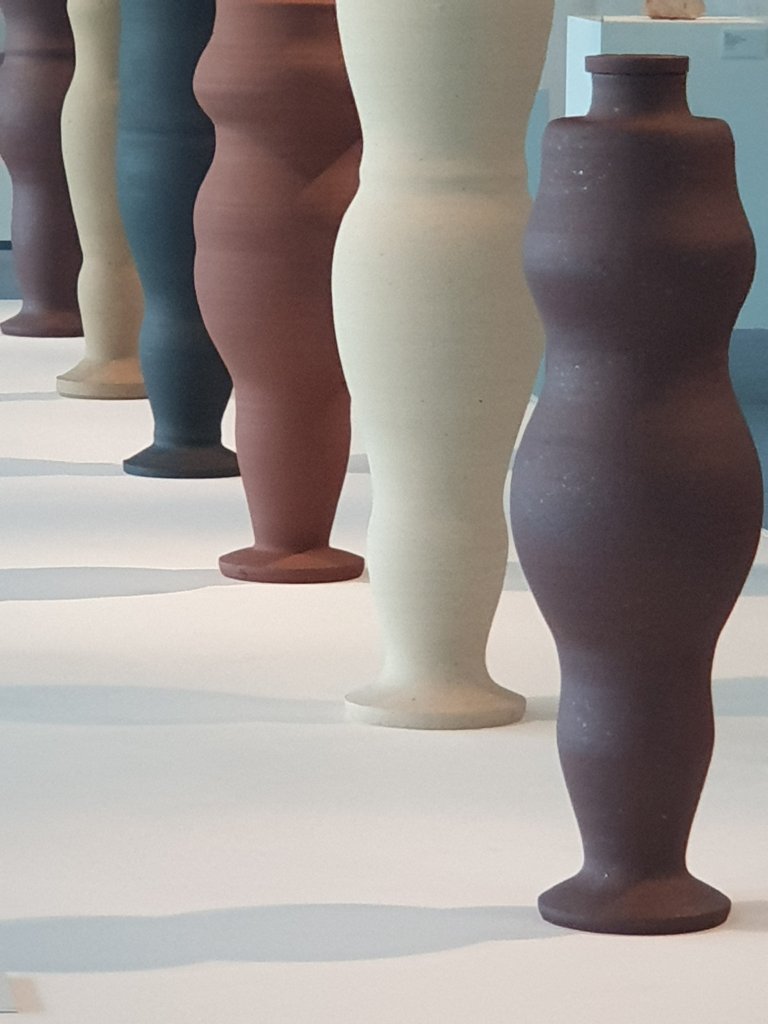
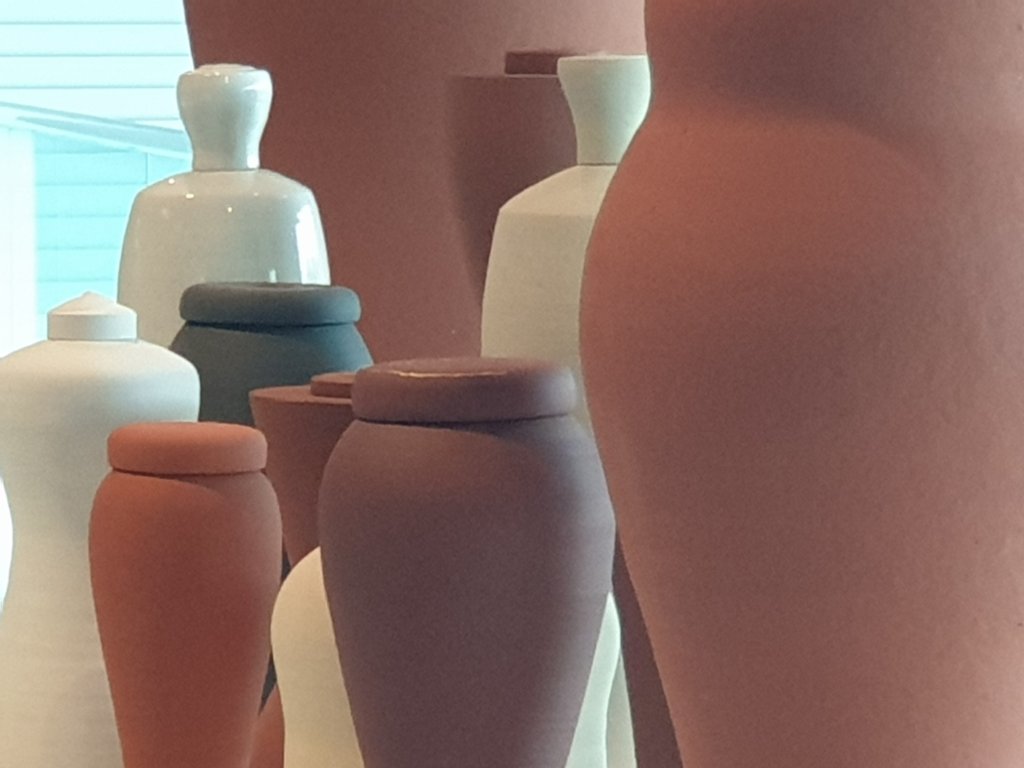
Julian Stair has done an exhibition, Art, Death and the Afterlife, at the Sainsbury Centre (UEA) in which he has mixed the ashes of people who died during the pandemic into ceramic vessels which are essentially funerary urns:-

It’s a very simple device, but unexpectedly profound in prompting ideas about appropriate forms of commemoration – past, present and for that matter, future as well:-

Standard

Goldsmith Street

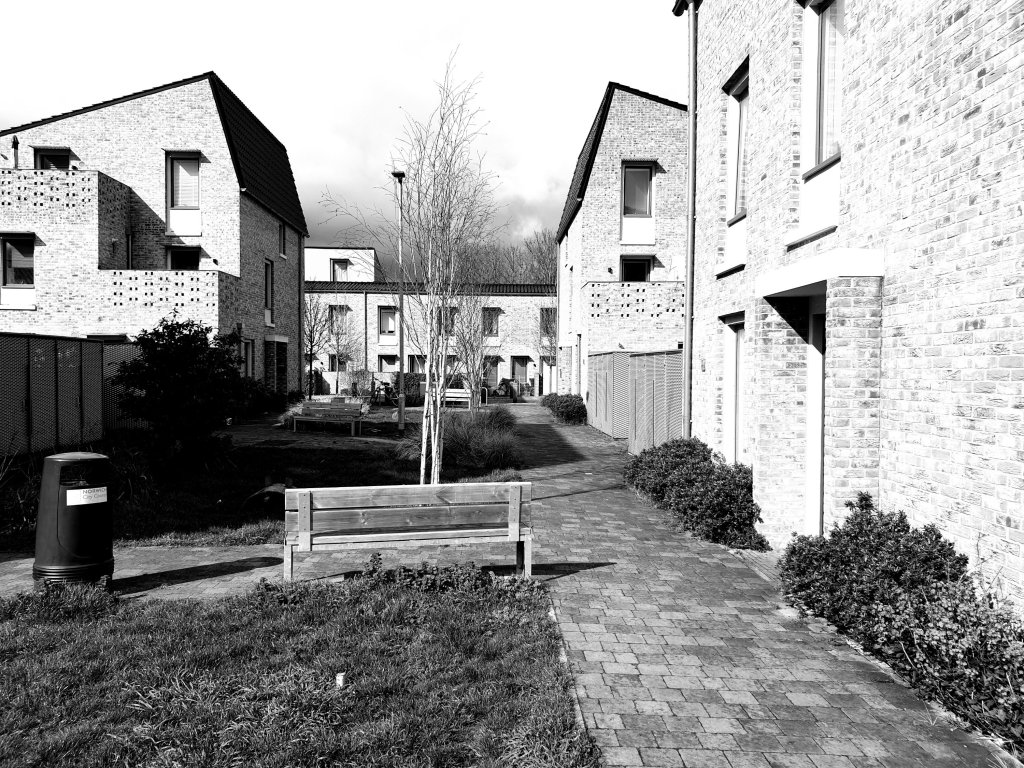
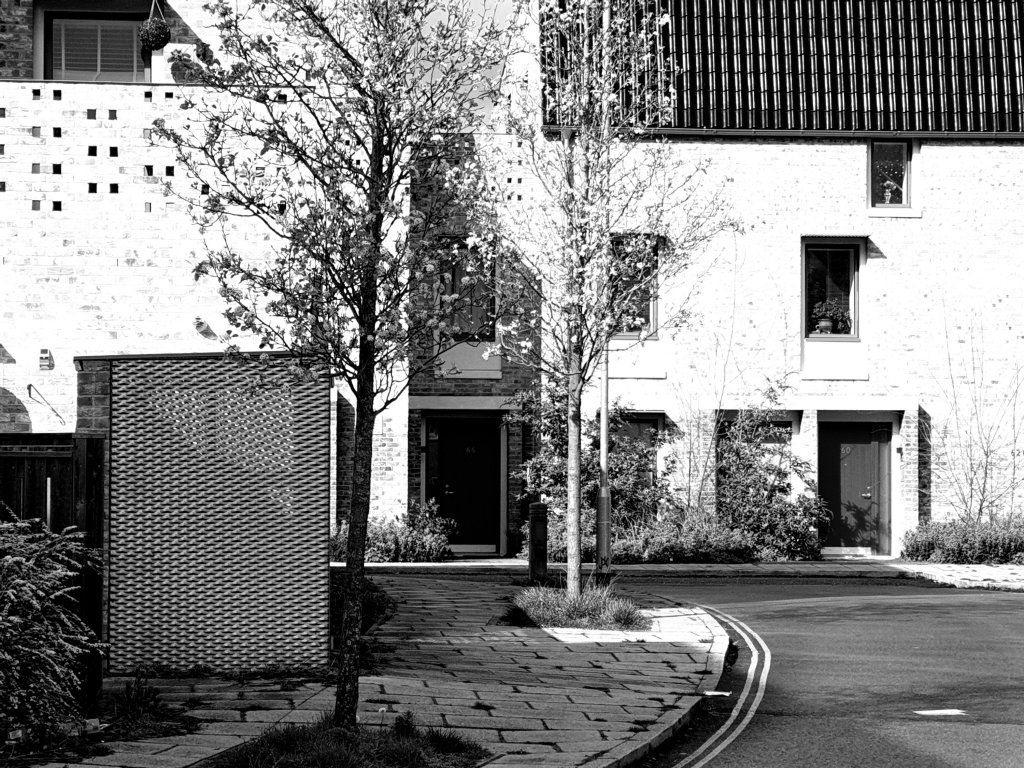
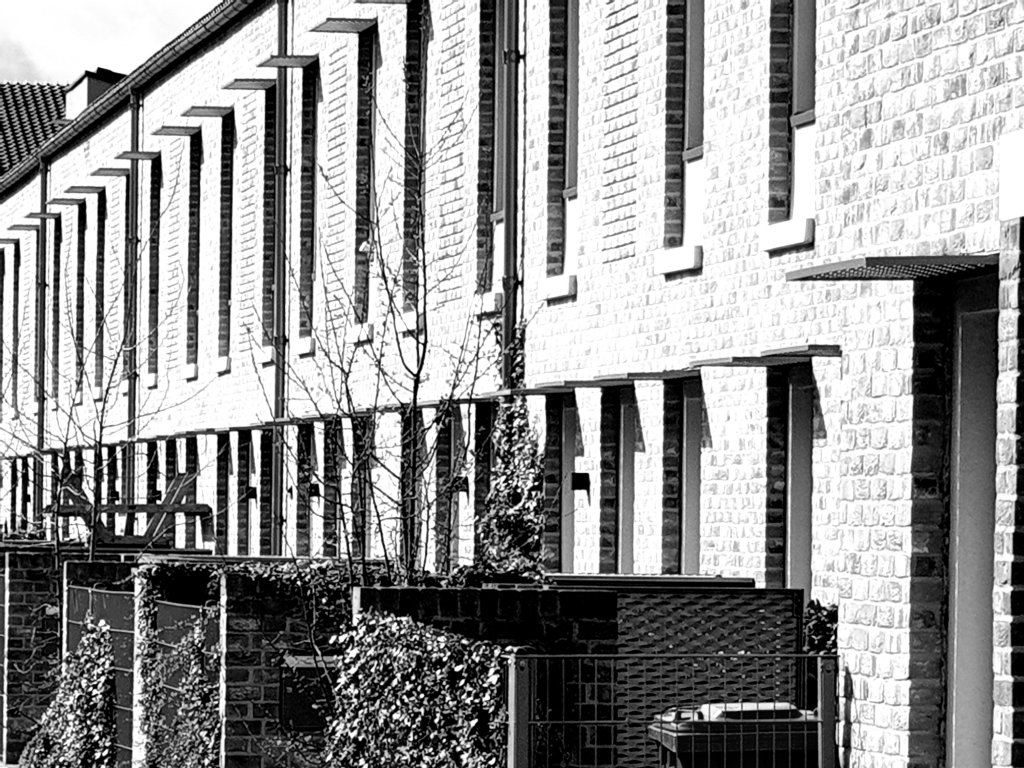
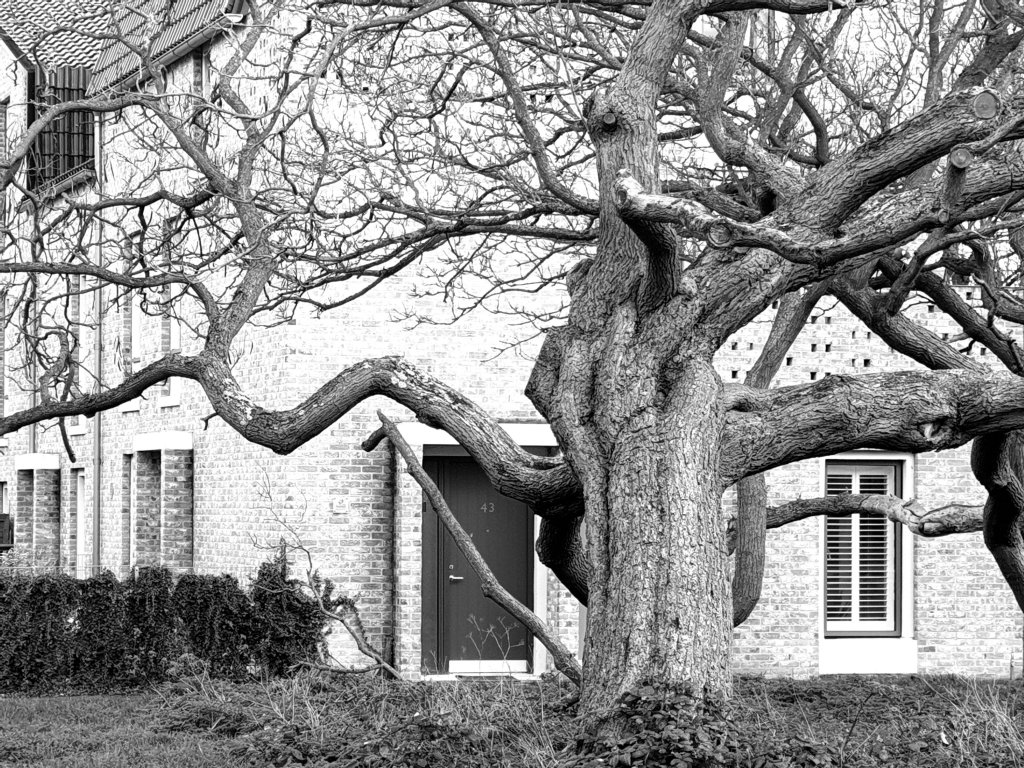
Having got interested in issues of social housing – what works, what doesn’t – I went to see Goldsmith Street, the model development in Norwich which, very deservedly, won the Stirling Prize in 2019.

It is, indeed, very straightforwardly successful: low-rise, dense, terrace housing, conceptually traditional, but not so traditional as to annoy the anti-traditionalists in the architectural establishment:-

Standard

Drive Your Plow Over the Bones of the Dead

We were at the Barbican a week ago for the latest Simon McBurney production, when after twenty minutes, someone appeared on stage to tell us that Kathryn Hunter was unable to perform, a slightly surreal experience mitigated by being able to see it this afternoon. The whole drama does indeed revolve round a single, complex performance by Amanda Hadingue as the animal rights activist – brilliantly played. I haven’t read the book and now should.

https://www.theguardian.com/stage/2023/mar/29/drive-your-plow-over-the-bones-of-the-dead-review-barbican-complicite?CMP=Share_AndroidApp_Other

Standard

Phyllida Barlow (3)

For those who do not necessarily read my comments section, I am re-posting the characteristically thoughtful review which Ivan Gaskell has sent me about a relatively recent exhibition of hers at Hauser & Wirth in New York. More sadness at the death of someone who was still so immensely creative, dangerously so, as Ivan rightly implies.

https://www.west86th.bgc.bard.edu/exhibitionnotes/phyllida-barlow-tilt/

Standard

Castle Howard (3)

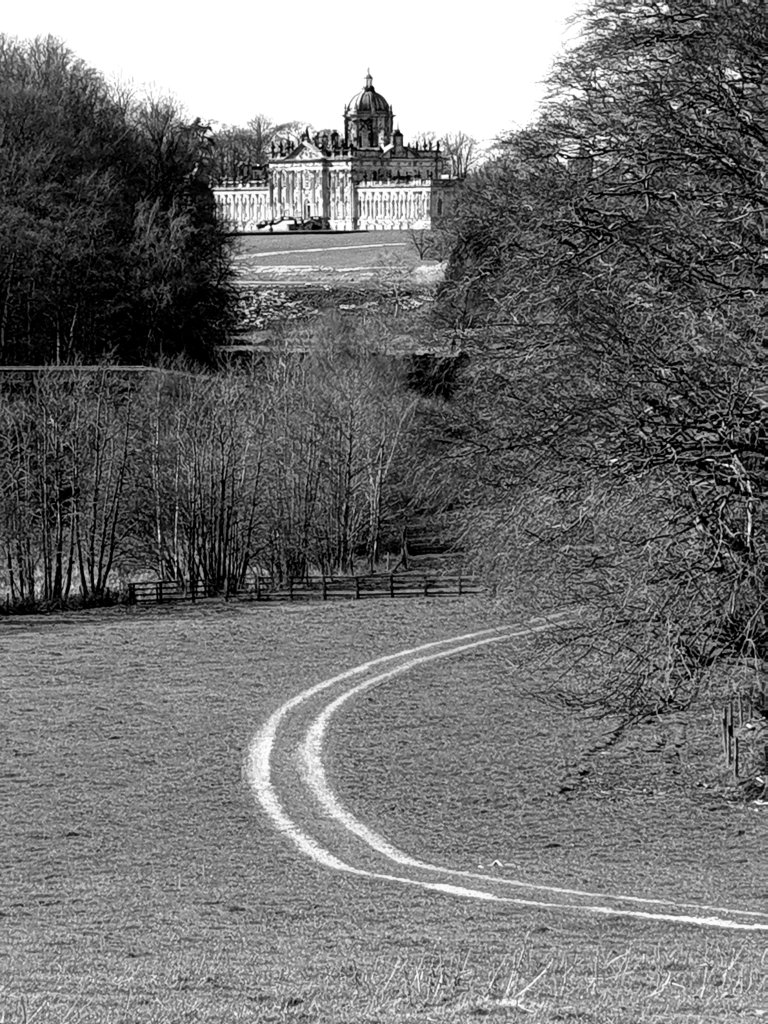
I love visiting Castle Howard: its combination of architecture and landscape; the way Vanbrugh treats architecture as something to be enjoyed, a visual adventure, not necessarily – or at all – logical, but done with a sense of unexpected vitality, sometimes a bit surface deep, but designed for effect from a distance as well as close up:-

Standard

Castle Howard (2)

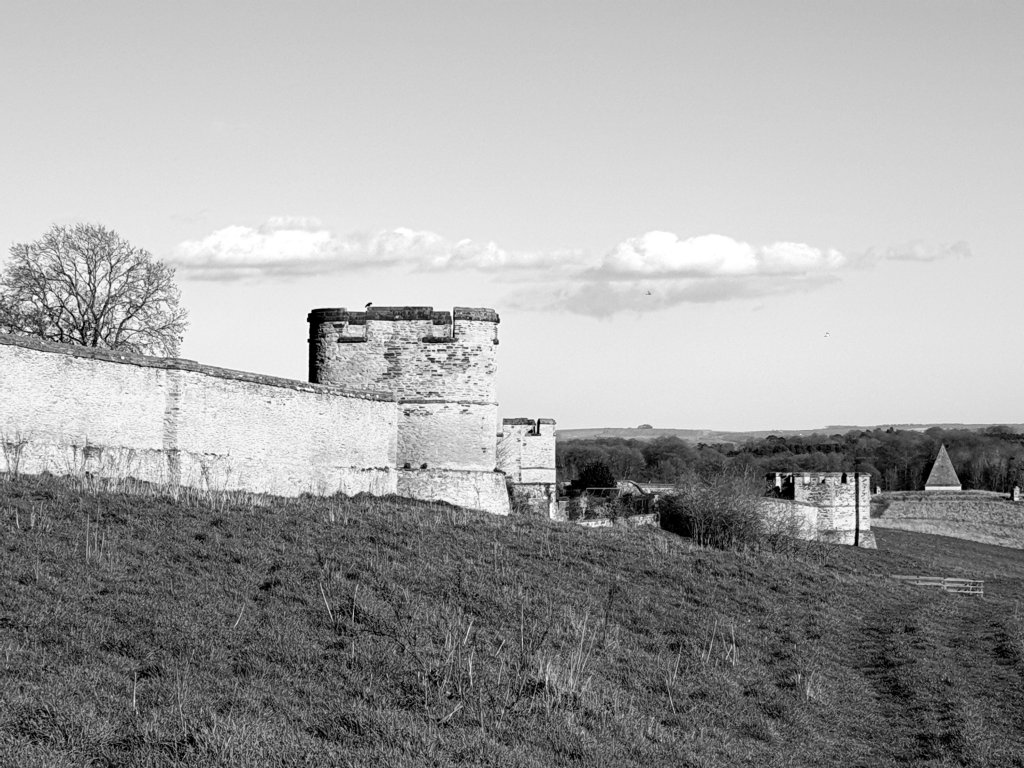
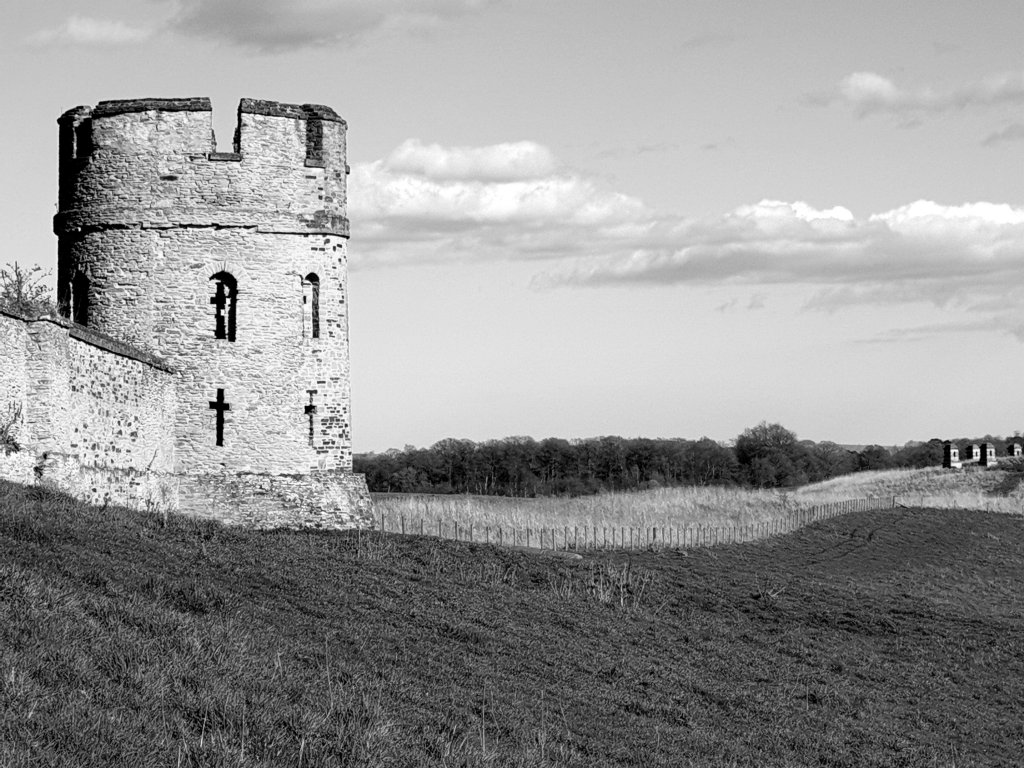
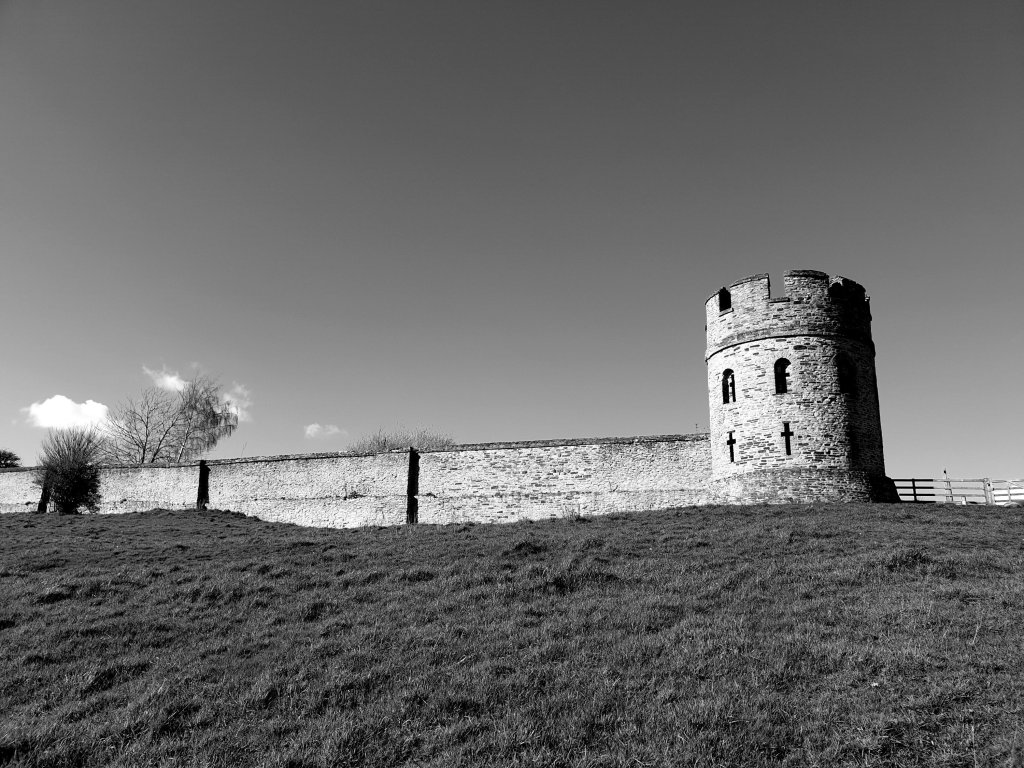
So, the obvious question is: what did Vanbrugh and the Earl of Carlisle think they were doing in constructing a line of medieval fortifications at the entrance to the estate ?

It is not as if there was an enemy to keep out. They are surprisingly serious, proper fortifications, not a piece of eighteenth-century game playing or ornament.

Of course, Lord Carlisle had been Earl Marshal. And Vanbrugh was a herald. In some way, it must be associated with Carlisle’s interest in his lineage, not least because they are accompanied by a pyramid dedicated to the memory of his ancestor, Lord William Howard. But no-one at the time thought it particularly unusual, apart from Horace Walpole and he described it in the 1770s:-

Standard