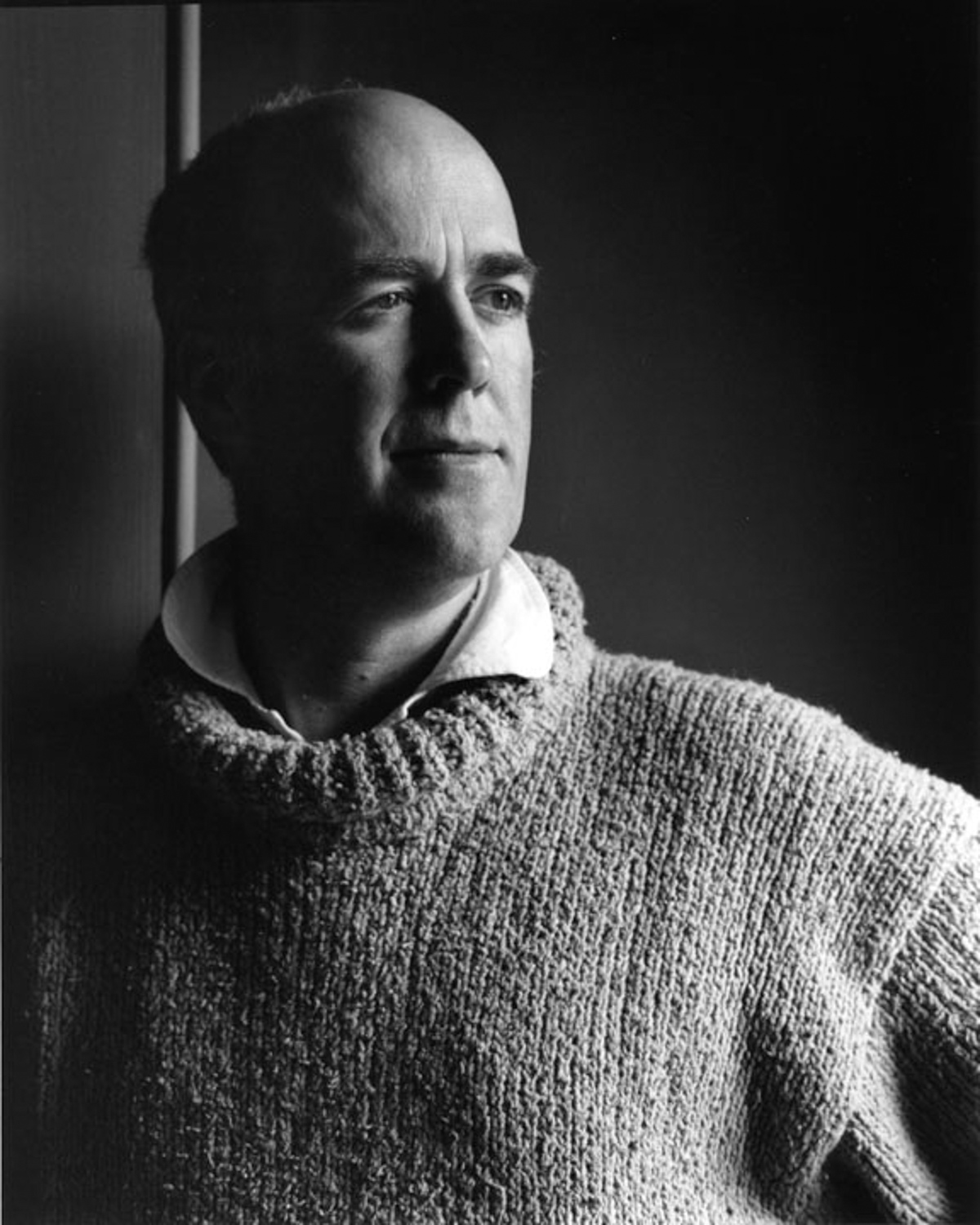
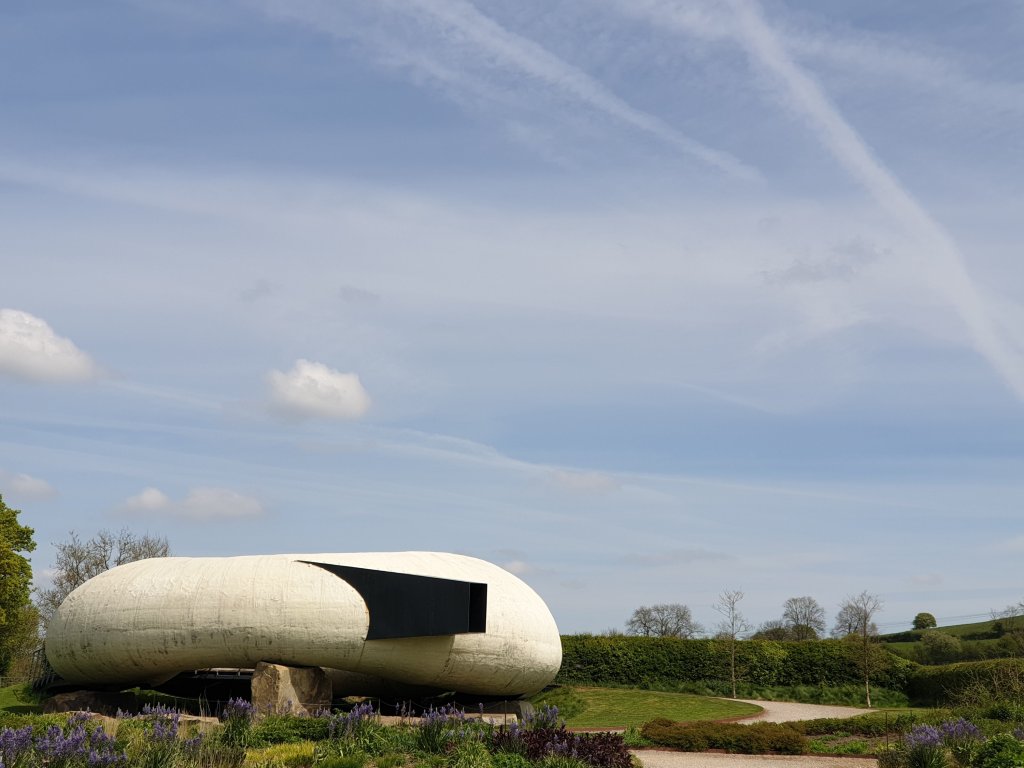
This is a beautiful small project by Martin Edwards above what was an old pub near us which has rightly won an RIBA Award, as did his project for us in North Wales. It will be good if the Stirling Prize pays more attention to carefully considered small projects closer to what clients want than brand new megastructures by the big names.
Author Archives: Charles Saumarez Smith
Grow, Cook, Dye, Wear (1)
We have just got a copy of Grow, Cook, Dye, Wear, a lovely and beautifully designed, post-lockdown book, explaining, as far as possible, how to live the natural life, cultivating your own allotment, dye your own clothes and make them as well, with patterns included. There’s a picture of our rhubarb plant in Wales.

https://www.penguinrandomhouse.com/books/690810/grow-cook-dye-wear-by-bella-gonshorovitz/
Captain Ravilious
Some time during the later stages of the pandemic, I got a phone call from Margy Kinmonth, a friend and film-maker, to ask if I would mind impersonating Kenneth Clark for a film she was making about Eric Ravilious. Since I have spent so much of my life in his footsteps, I was more than happy to do so to alleviate the boredom of confinement, bicycling to be filmed in the board room of the Imperial War Museum (the National Gallery was not available).
The film is due to go on general release on July 1st. and I have just seen a preview which I thought was brilliant: deeply informative about his life; a bit tragic because I didn’t know about the affairs he had when he and his wife Tirzah – or Tush as he called her – were living at Furlongs on the South Downs, nor that she had had breast cancer and a mastectomy just before he died in a plane crash off the coast of Iceland in September 1942 (one of the many good things about the film is the way her role is properly recognised). Grayson Perry is particularly good in talking about Ravilious’s skills as a designer, as is Alan Bennett. I hadn’t realised the extent to which many of his paintings were stored under Edward Bawden’s bed until the 1970s which has led to a gradual reappraisal of his work not just as a wood engraver and designer, particularly his work for Wedgwood, but as an artist of such skill and imagination evident throughout the film.
https://www.foxtrotfilms.com/films/eric-ravilious-drawn-to-war/
Mayor Biggs
I went to the polling station this morning and was surrounded outside by people encouraging me to vote for Mayor Biggs, the man who is said to have encouraged the chairman of the planning committee to approve turning the Whitechapel Bell Foundry into a luxury hotel. It was approved by one vote – that of the chairman. Is this democracy, I ask myself ? No, it was fixing the outcome of a democratic process by exercising undue influence. I didn’t like the way I was being encouraged to vote for him and I hope he isn’t elected.

The Elizabeth Line (1)
I feel a completely childish sense of pleasure that at long last The Elizabeth Line is about to open, just in time for the Platinum Jubilee (TfL Press Release – Elizabeth line to open on 24 May 2022 (prgloo.com)). New lines have only opened twice in my lifetime: the Victoria Line, which opened up parts of London which were previously off the map, from Brixton to Walthamstow, and it seemed at the time so sleek and fast; and then the Jubilee Line with its stations which still give a frisson of pleasure, particularly the incredibly futuristic grandiosity of Canary Wharf and the more complex geometry of Westminster (at least those are the two which I think of as the best). Now it will be possible to get from Whitechapel to Liverpool Street in three minutes; to Farringdon in five minutes, to Bond Street when it opens in eleven; and it’s disabled accessible. We can go for walks in Abbey Wood.
Election Stickers
I have just thought of something about our journey through parts of rural Somerset, Wiltshire and Hampshire yesterday. We saw quite a number of Liberal Democrat stickers and a healthy number of Green. There were some unexpected Labour ones in Winchester. But we did not see a single Conservative one in what used to be their heartland. Not one. It crosses my mind that ordinary voters in the Shires do not want to be known by their neighbours to be supporting a known liar as Prime Minister. They can’t defend him or his behaviour. This may not prevent them from putting a cross by the Conservative candidate in the local elections, but it may well be a deterrent. Of course, I hope so.
Winchester
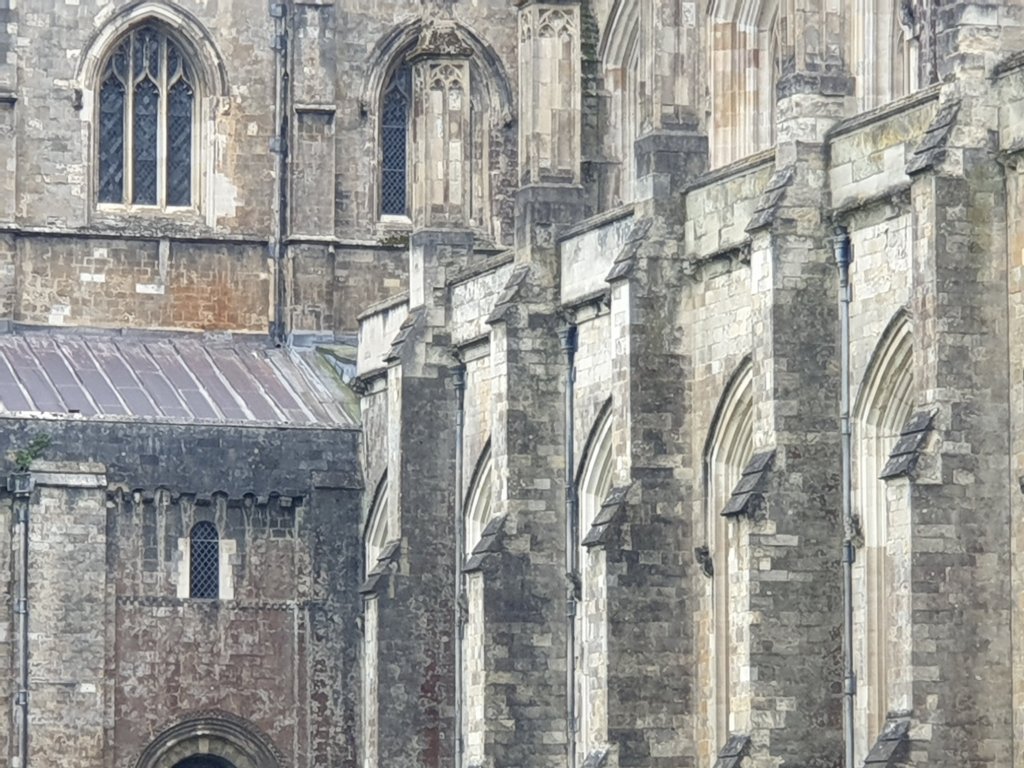
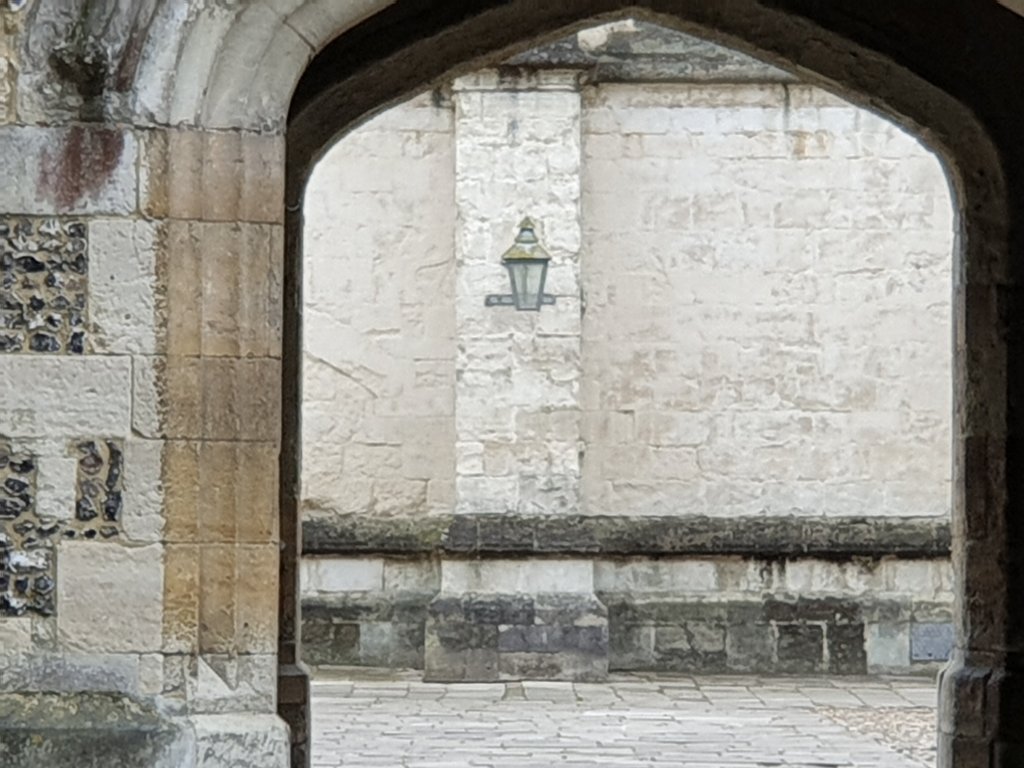
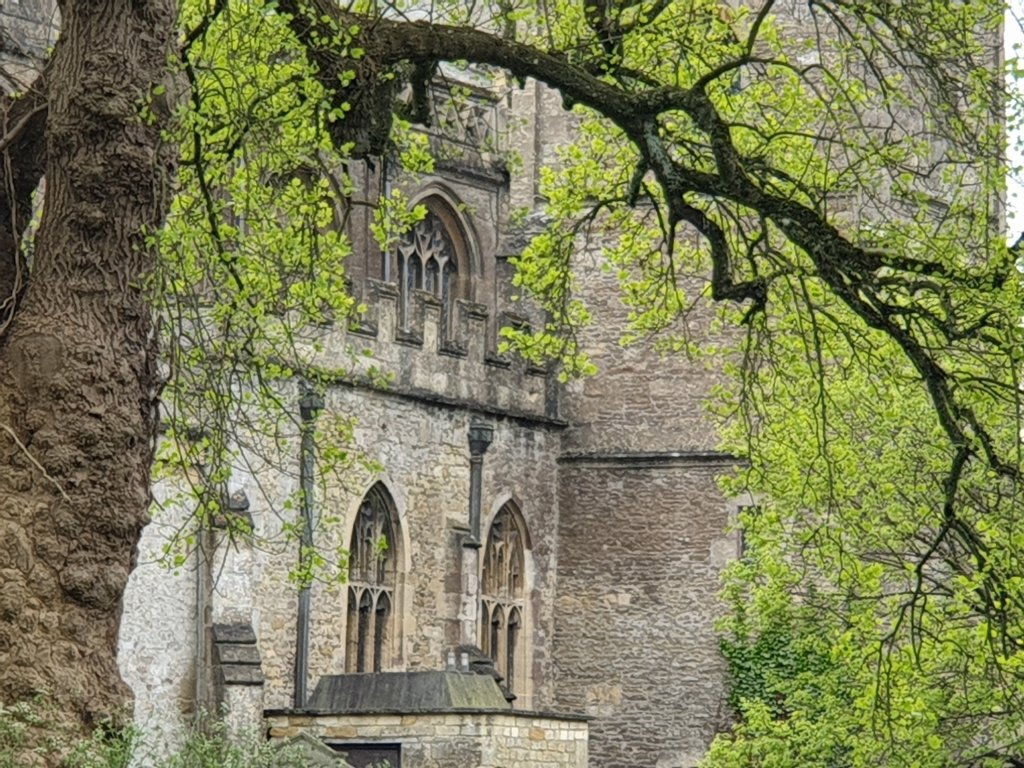
We stopped in Winchester on the way back from Bruton, mainly to see the excellent, but small Ravilious exhibition in the building which used to house the Public Library, now with an exhibition space at the back. It gave us an opportunity to walk through the Close and admire how astonishingly well preserved the centre of Winchester is – so little 1960s developments, no big, new, out-of-scale buildings and still a lot of surviving late medieval buildings round the Cathedral: I presume the result of prosperity and big conservative landowners in the Church and the College. But how has it escaped, I wonder ?

Bruton (4)
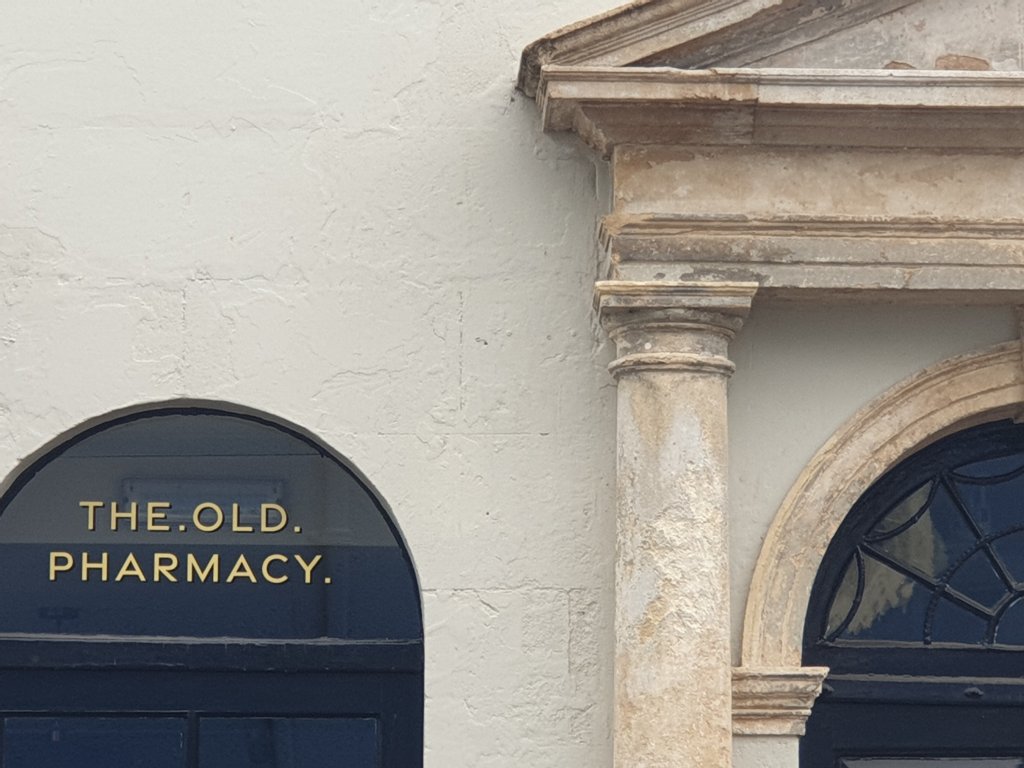
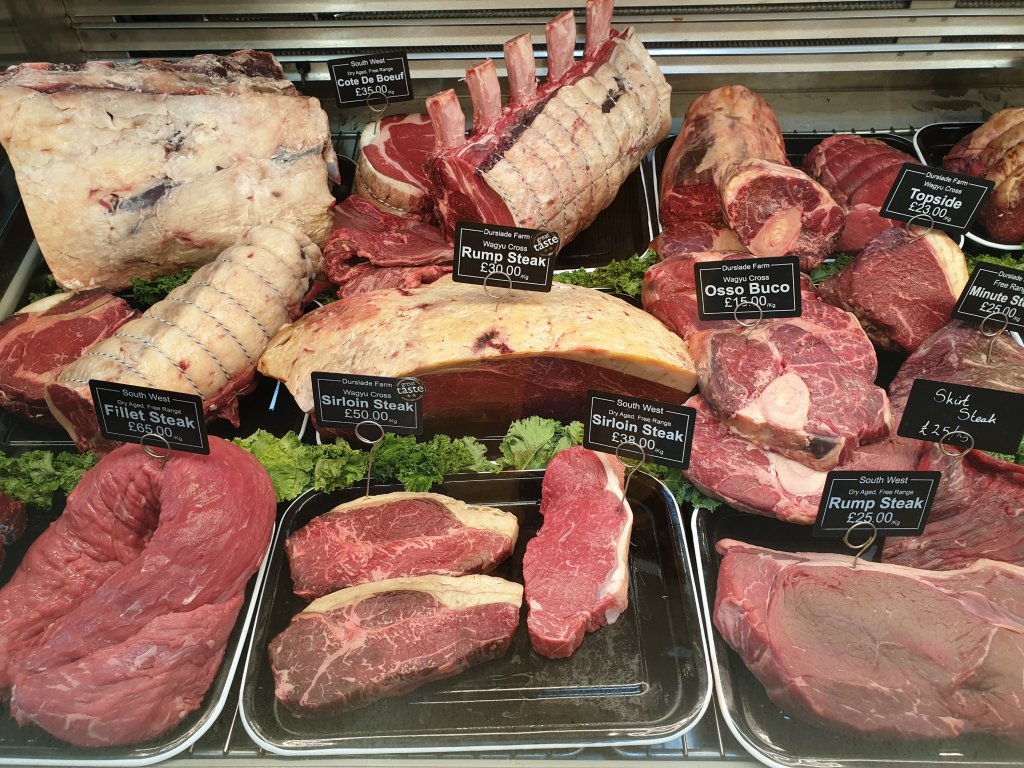
If you go to Bruton, I recommend eating at The Old Pharmacy. It’s not cheap. £50 a head for a tasting menu (with wine); but stupendously delicious in a totally unpretentious, but brilliant way. I’ve now read about it. I didn’t feel it to be quite as local as it claims to be, but people in Bruton certainly take their meat seriously, starting out with fresh bread cut thin with slices of saucisson and a main course of pork with roast potatoes and turnip, with burrata and broad beans in between. As much Spanish, I thought, as local, but maybe that was the focus on flavour. Coffee ice cream to finish on a bed of mascarpone, crumble and salted caramel. It’s like a lot of Bruton: a form of heightened reality, like the Hudson Valley.


You must be logged in to post a comment.