Whitechapel Bell Foundry (89)

I have been encouraged to illustrate my posts about the Bell Foundry with more photographs. The reason I don’t is because, much as I love the many photographs which have surfaced during the long campaign to save it, I am always wary of copyright and don’t like reproducing things without permission.

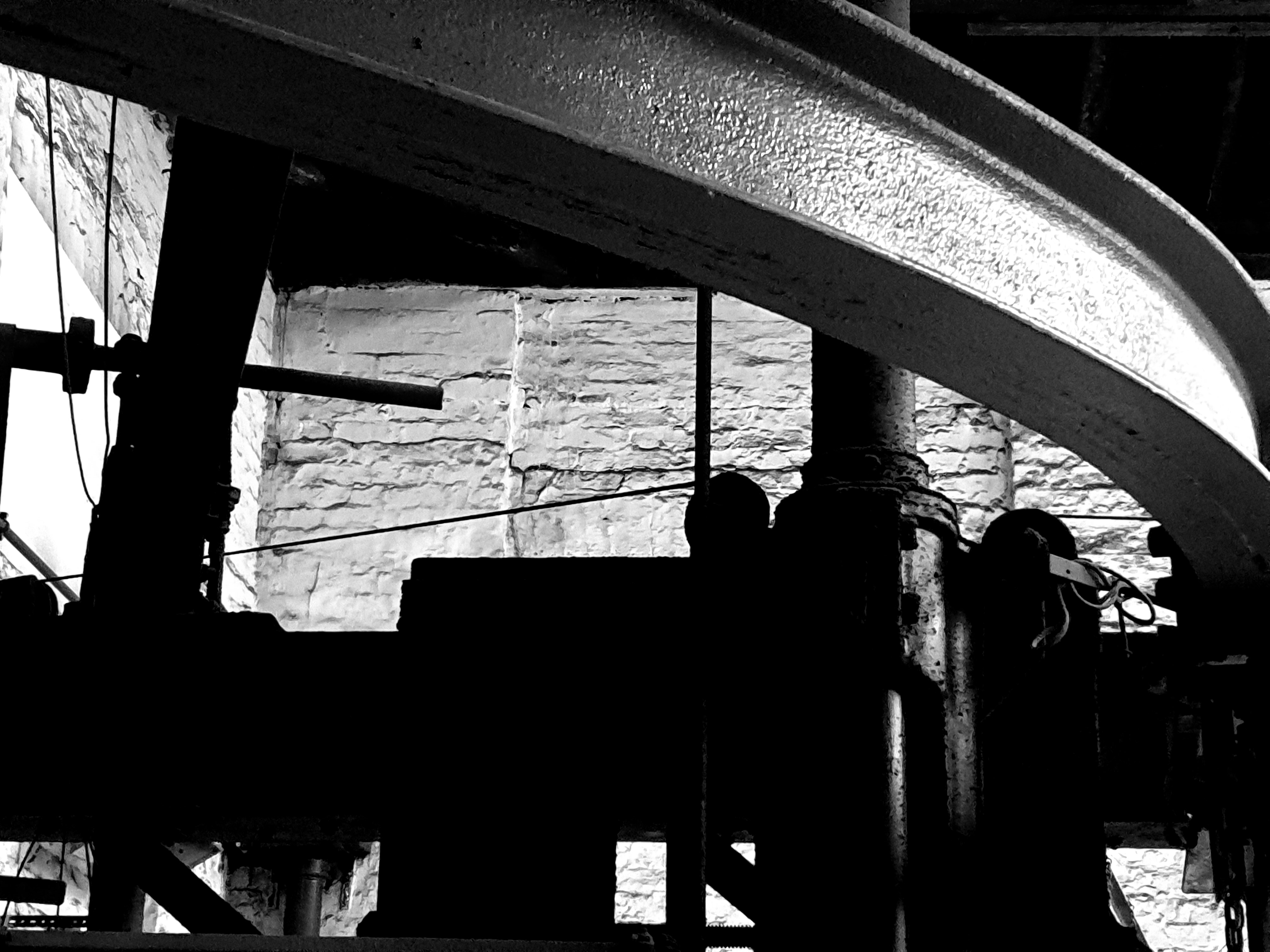
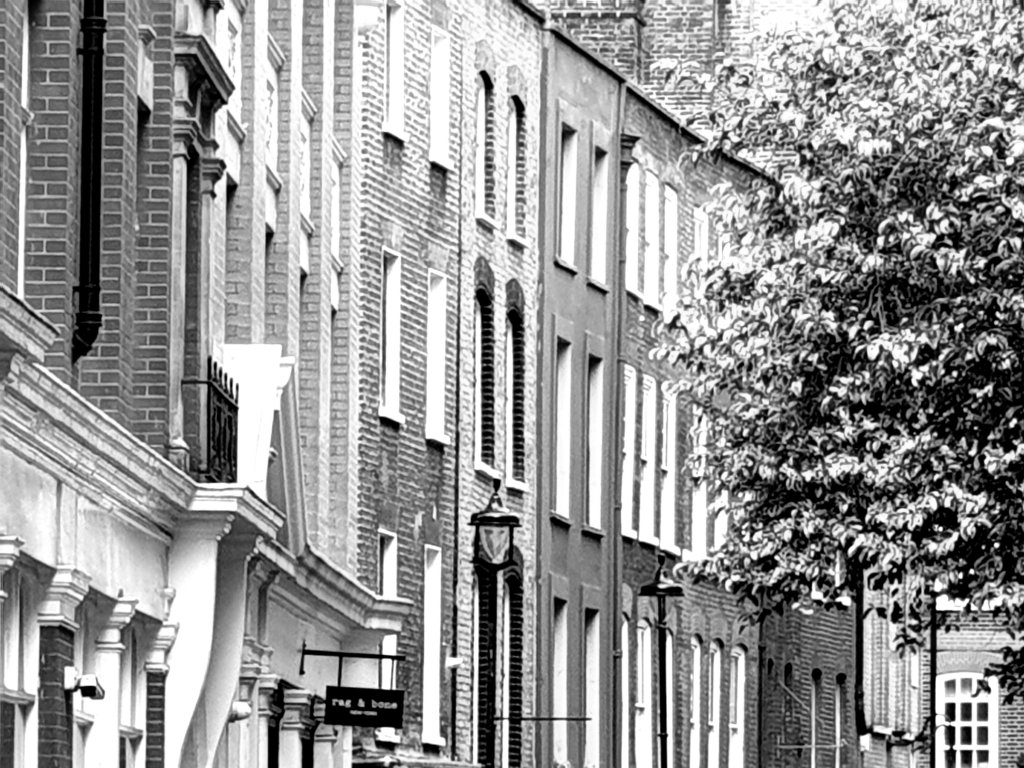
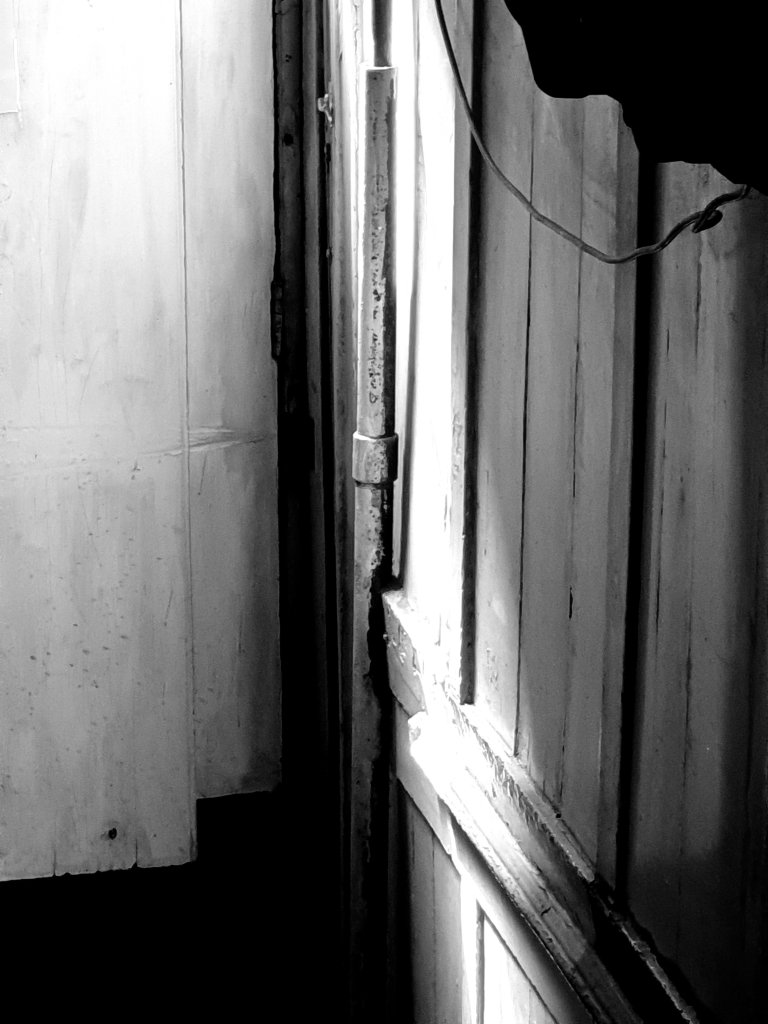
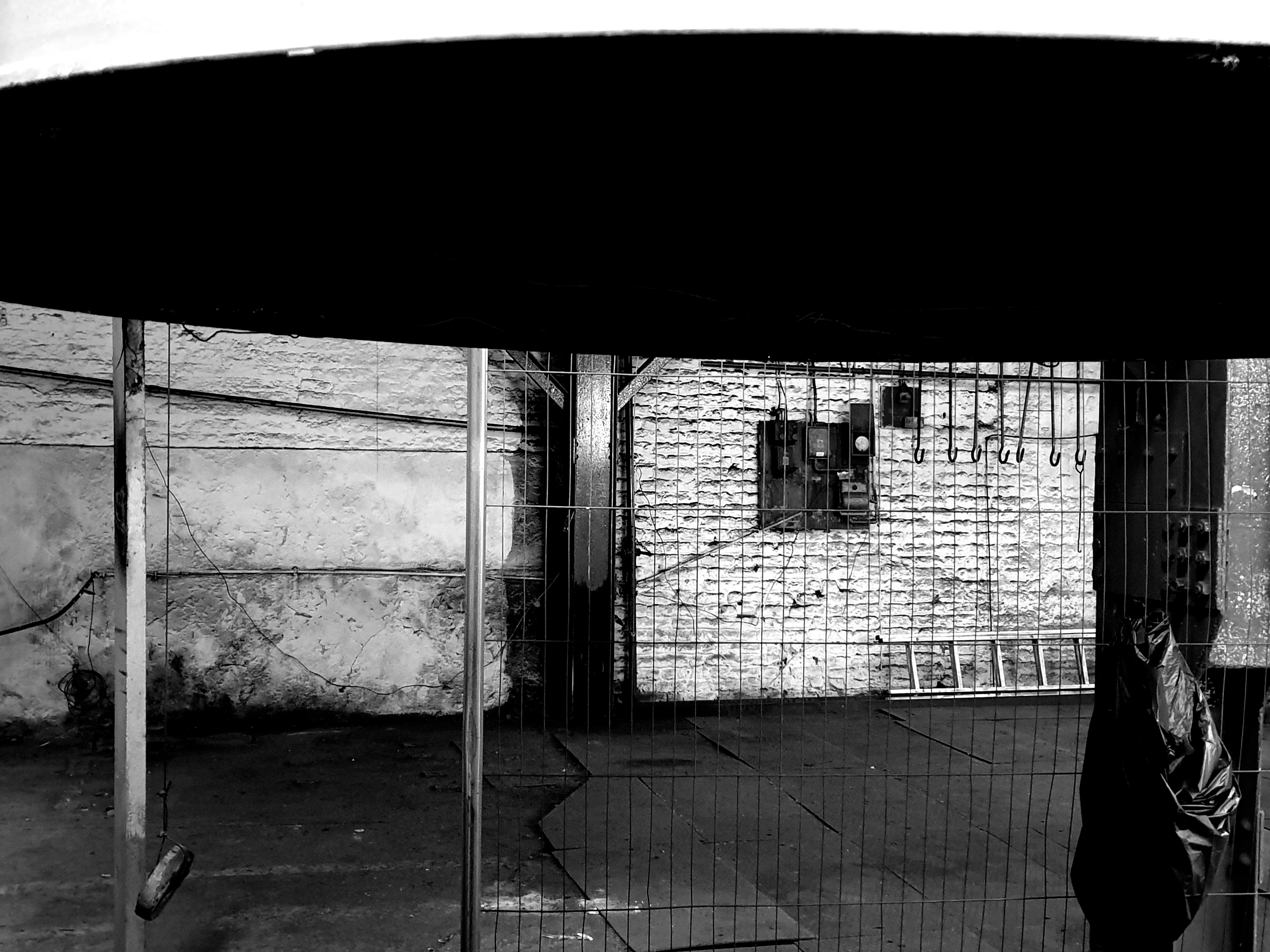
But it encouraged me to go back to some photographs I took in July 2019 when a concert was held in the back section of the Foundry which the Planning Inspector regards as totally worthless and sees no reason to spare from demolition, as is proposed in its redevelopment. It has made me recognise that planning law pays no attention, and perhaps cannot, to patina, to the slow accumulation of relics of history, which help to give a building its character. Instead, those who support the Foundry’s redevelopment, including, most remarkably, Historic England, think that it will be in some way ‘better’ if it is restored and improved, poshed up into a modern-day simulacrum of its former self. So, they welcome the intervention of the developer, who will put money into its restoration and turn it into something entirely different from what it was – more modern, more contemporary, serving cappuccinos instead of making things, which is the modern way. But they seem to have entirely forgotten, and disregard, the generations of writers and historians from William Morris onwards who have been hostile to this form of restoration, which disregards the fabric and texture of buildings, the details of construction which make them come alive, and the relics of former use, old machinery as well as bricks.

In July 2019, the fabric of the building was still substantially intact and it would still be relatively easy for someone, preferably Factum Arte, to move in to keep its continuity alive as a working environment, not as a wine bar.

Do the planners not see that there is a difference ?
Standard

Whitechapel Bell Foundry (88)

I have been asked if anything can still be done about the Bell Foundry. The answer is:-

1. We need to keep the pressure up on Robert Jenrick to find a solution to the mess we are in, given that his Department has now approved redevelopment, while he himself would like it stopped. What’s the answer ?

2. There could be a legal solution by launching a Judicial Review, particularly over the fact that a junior minister made a statement last summer in the House of Lords which may have influenced the way the Planning Inquiry was handled.

3. Nothing will happen if the issue goes quiet. So, we need to do everything we can to keep up the pressure: in American newspapers if possible; on television and radio; in the Daily Mail. If anyone can help in alerting and encouraging journalists to write on it, please do.

4. There is a relatively straightforward solution if Raycliff can be persuaded to pull out of the historic part of the Foundry and concentrate on the development of the adjacent site, leaving the historic bits properly intact, as would happen in the States, where everyone knows and understands the importance of living history as being as much about people as buildings.

Standard

Whitechapel Bell Foundry (87)

I have just been listening to the excellent and very thoughtful appraisal of the issues surrounding the Bell Foundry by Hettie O’Brien, who wrote the recent Guardian long read on it. She conveys how important the Foundry is to people’s experience of London: their regret that so much of London is being sold off for glassy, high-rise redevelopment; the importance of ‘intangible living heritage’ which involves the local community, not just statues of slave traders; she recognises that the redevelopment might not be horrible, but that it is a nail in the coffin for manufacturing as part of the culture of London. I recommend it:-

https://m.soundcloud.com/open-city-london/whitechapel-bell-foundry?s=09

Standard

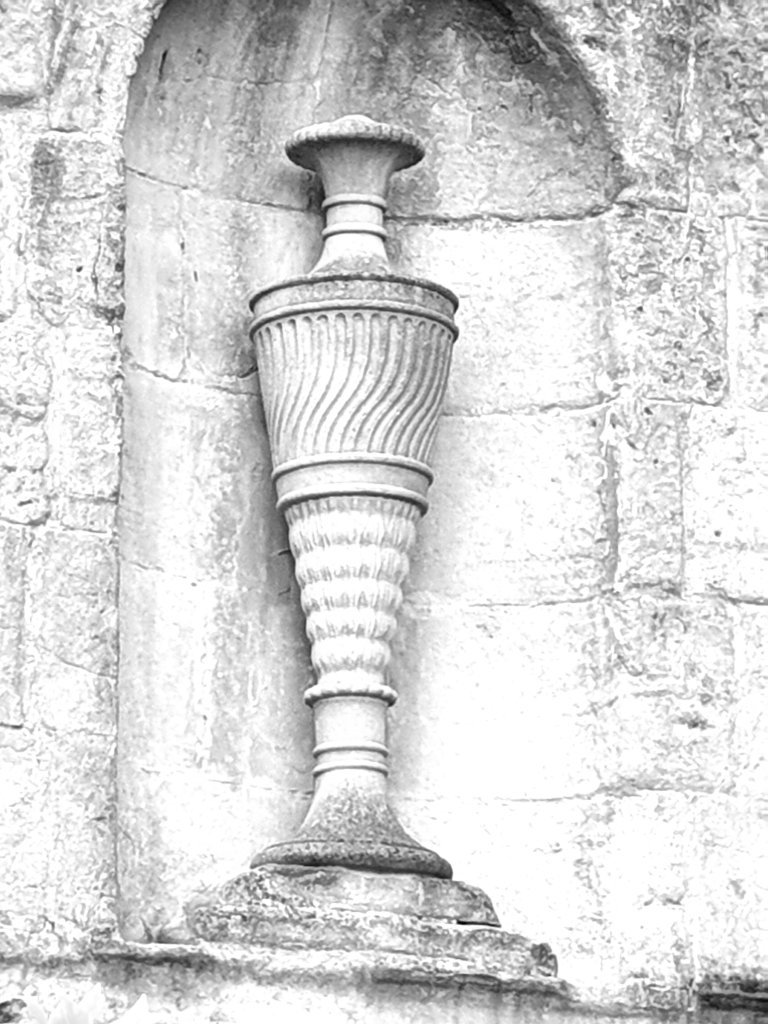
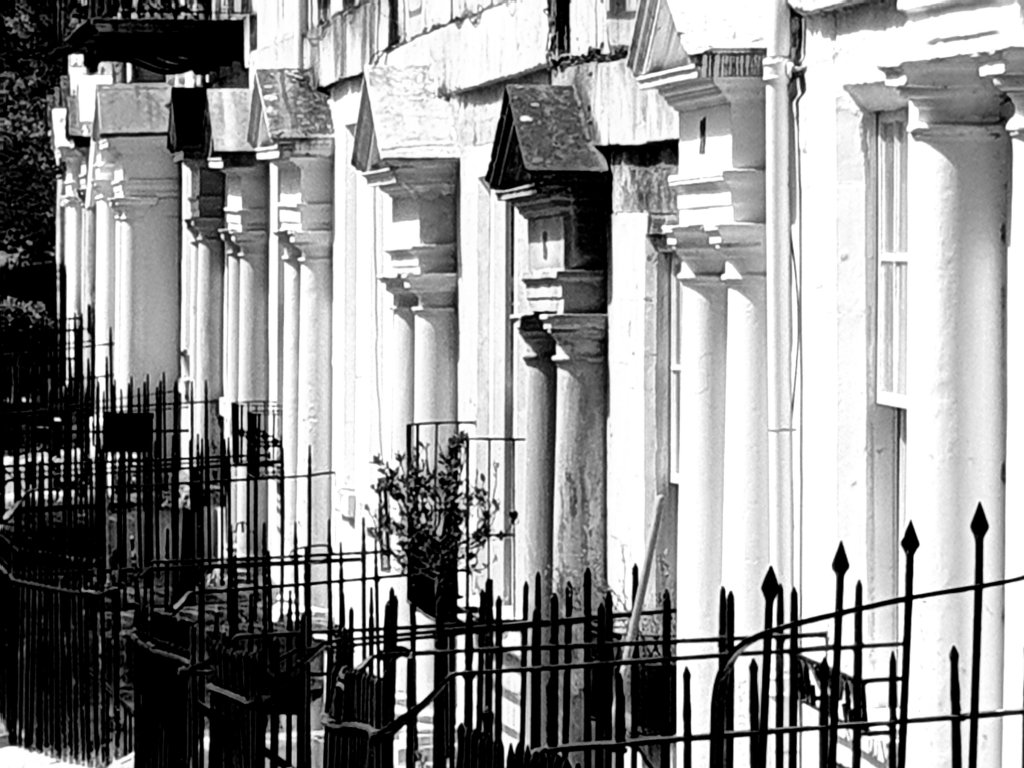
Bath

I’ve had a long day exploring Bath, which I don’t know at all well – so incredibly rich in eighteenth-century architecture and now miraculously traffic-free.

I don’t know whether it’s a result of COVID or some ban at the outskirts. Anyway, it’s surprisingly calm post-COVID:-

In the afternoon, I walked up Great Pulteney Street:-

Up Broad Street and Lansdown Road:-

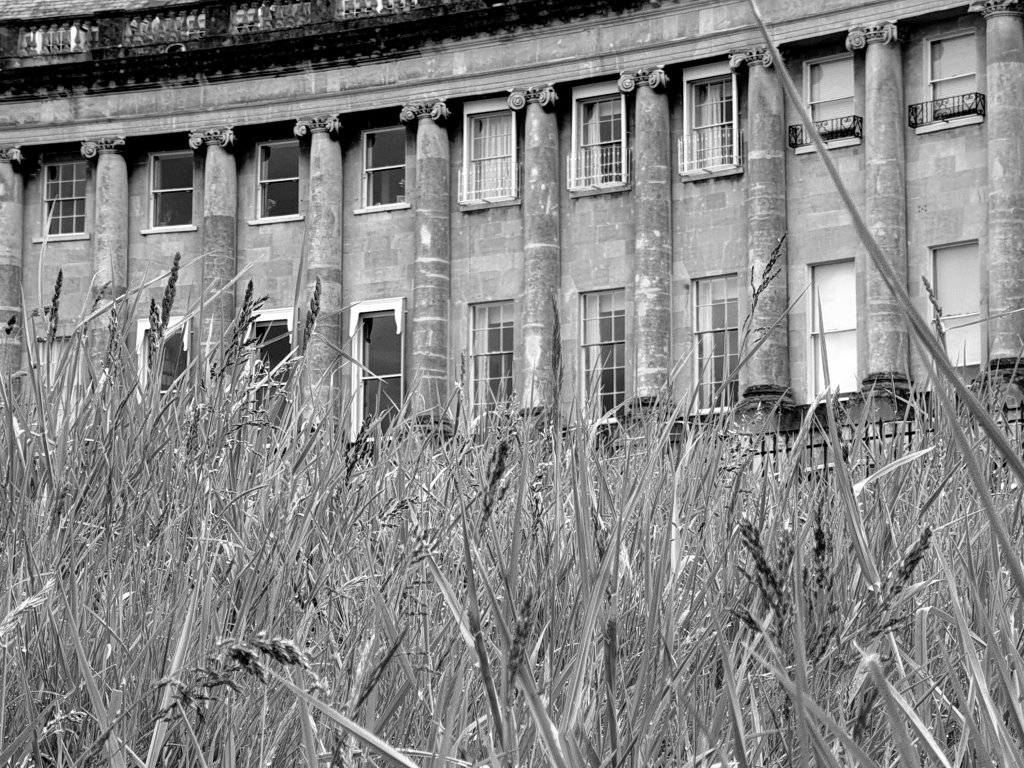
To the Royal Crescent again:-

Standard

Slavery and the Holburne Museum

Given the ferocity of the debate round how far the role of slavery should be shown in National Trust houses, it’s a pleasure to find a very informative display at the Holburne Museum about the ways in which Sir William Holburne’s wealth came from sugar grown on plantations in the West Indies. His grandmother was born in Barbados and her first husband was a plantation owner. His grandfather was a Rear Admiral. Much of his income came from an aunt who owned plantations in Jamaica. Upstairs, the great Gainsborough portrait of George Byam and his family makes clear that his wealth came from plantations in Antigua. This was true of many of the great West Country families. I think it’s vastly much better that it is now made explicit, not brushed under the carpet as it used to be.

Standard

Canaletto

I have never been to Woburn Abbey, so have never seen the astonishing collection of Canalettos which apparently hang triple-decked in the dining room and have now been lent to the Holburne Museum.

They are amazing in the way they document the experience of Venice, as the fourth Earl of Bedford did in the early 1730s.

Il Redentore:-

The tower of Sta Maria della Carita, which collapsed in March 1744:-

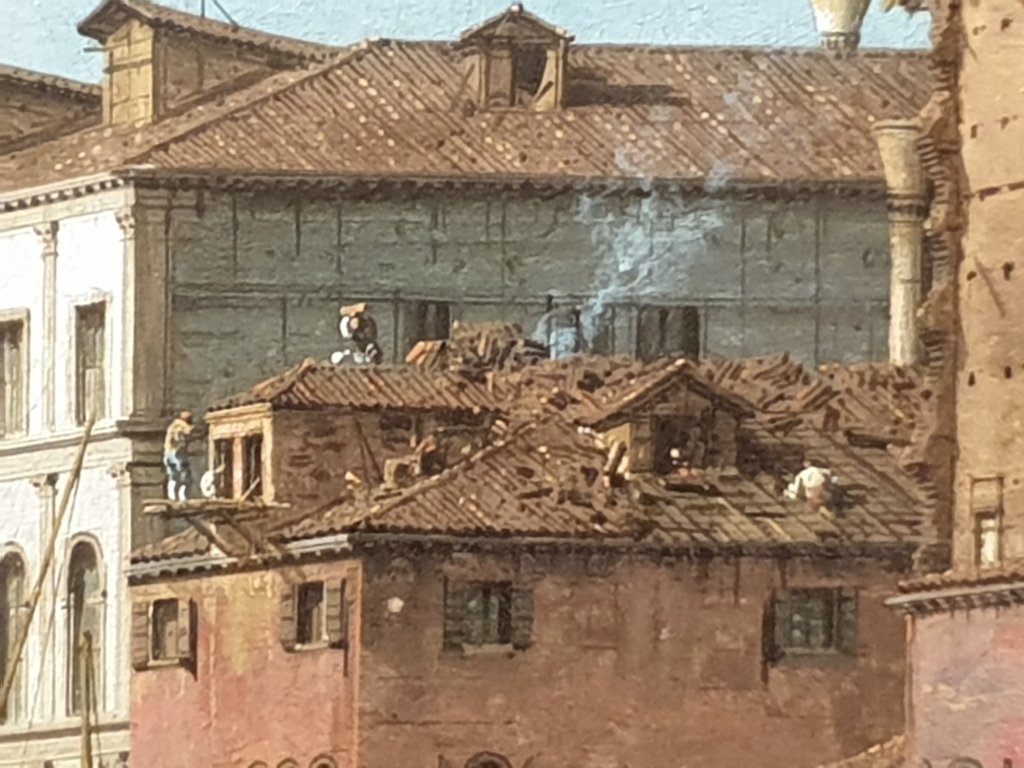
They are re-doing the roof on a building next to the Palazzo Moro-Lin:-

Shops on the Fondaco next to the Rialto Bridge:-

Alighting at the Palazzo Vendramin-Calergi:-

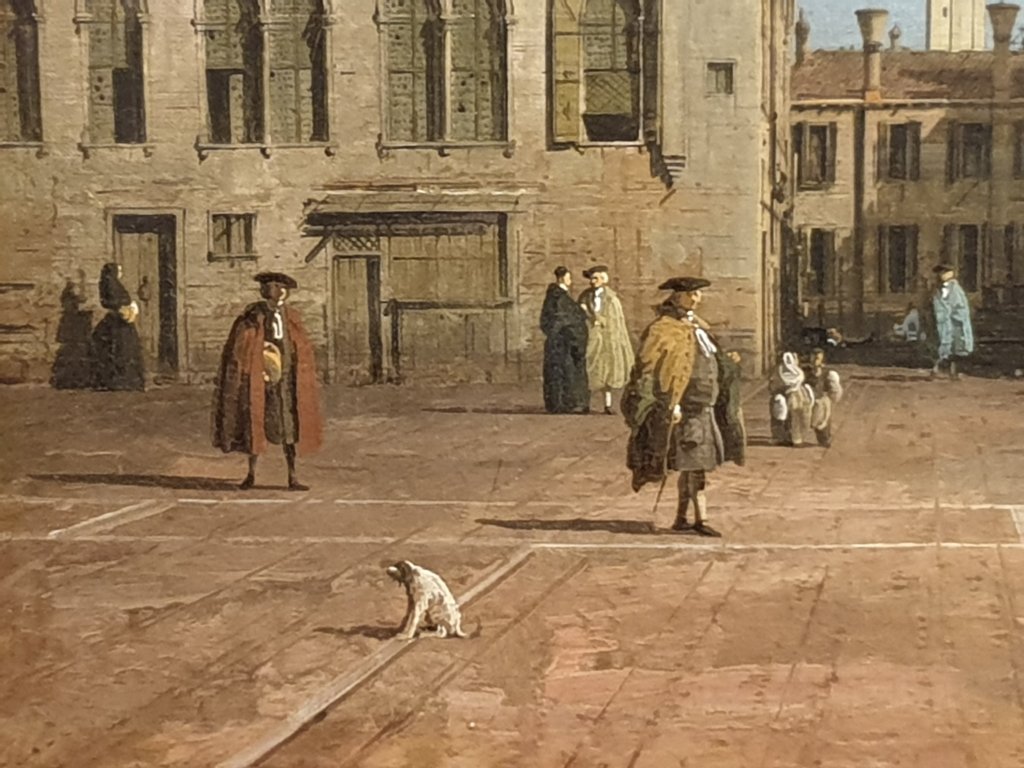
The piazza outside the Scuola di San Rocco:-

You end up, as one does, in the Piazza San Marco:-

It is a way of seeing and experiencing the different sestieri as an eighteenth-century grand tourist, documenting it with remarkable impassive curiosity and precision.

Standard

Flânerie (2)

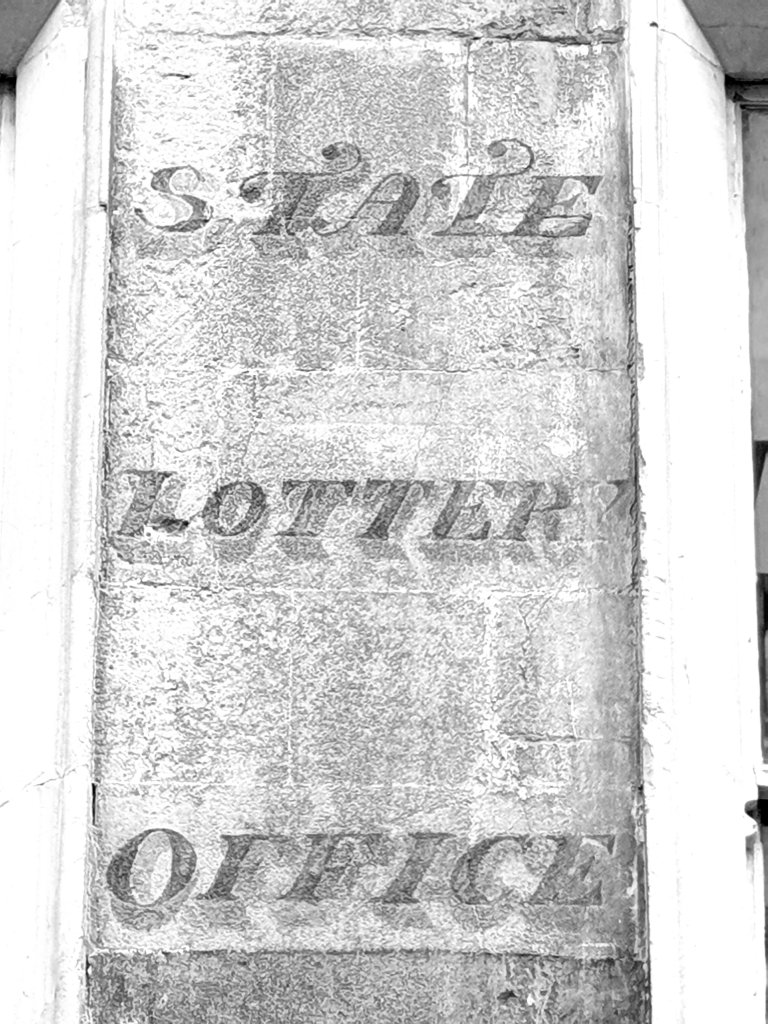
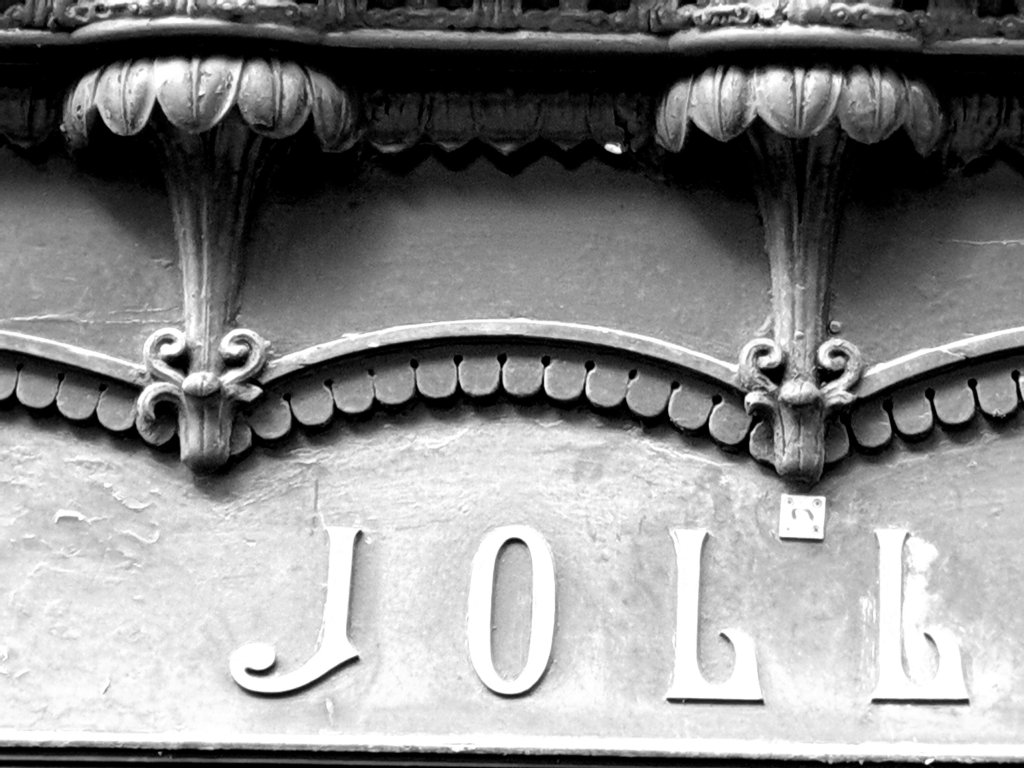
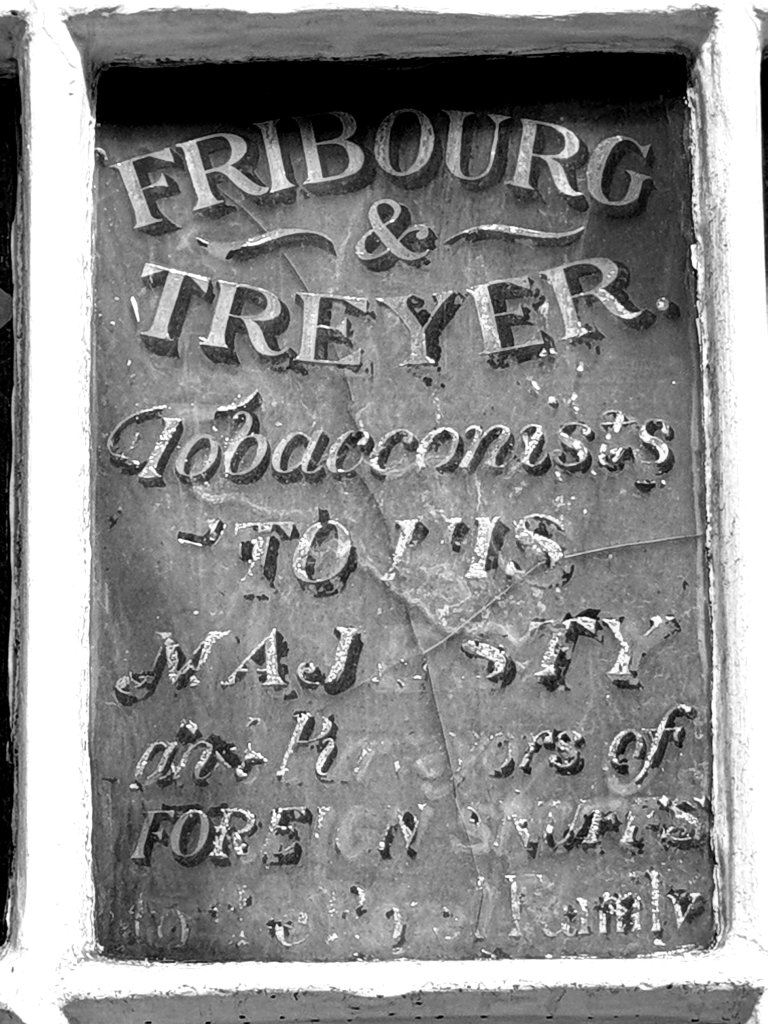
I went into Central London again today: still on the quiet side, I thought, more like a Sunday than a weekday. Having not walked in Central London for a while, I was more attentive than usual to the unexpected, particularly in lettering:-

Standard

Whitechapel Bell Foundry (86)

In the Daily Telegraph this morning is my plea to Robert Jenrick to find a better solution to the problem of the Whitechapel Bell Foundry than simply allowing it to become a boutique hotel. I have always had the impression that Bippy Siegal, the developer, is actually keen on the history of the Bell Foundry. He is after all American and Americans are at least as mad at the destruction of the Bell Foundry as the British, as I discovered last night in talking to Philadelphians. So, I suggest Jenrick invites Siegal to his office and talks through the alternatives: to go down in history as the man who destroyed the Foundry; or its saviour. All he has to do is take his café out of the surviving working parts and use them once again as a fully working foundry and lease the space to Factum Arte. Or accept a matching offer for the historic parts of the building from Re-Form, with potential help from the National Heritage Memorial Fund, which is still on the table. He can still build his hotel next door.

https://www.telegraph.co.uk/art/what-to-see/robert-jenrick-doesnt-act-now-whitechapel-bell-foundry-will/

Standard

Whitechapel Bell Foundry (85)

I’m sorry to keep on about the Bell Foundry, but I sense that time is of the essence, partly because there are only six weeks if there is to be a judicial review.

Robert Jenrick, the Secretary of State for Housing, Communities and Local Government, has said that he wants to review the decision to turn it into a hotel, even though it was announced in his name. Yet, some of the reasons why the decision was made in the way it was lie not in his Department, but under the Department for Culture, Media and Sport which funds and oversees the operation of Historic England.

In the Sunday Telegraph yesterday, Oliver Dowden, the Secretary of State for Culture, Media and Sport, announced a new body called the Heritage Advisory Board. It does not say who chairs it, how it will operate, and I note that it does not apparently so far include members from Red Wall constituencies, as Dowden himself says it should. But it does include Samir Shah, the chair of the Museum of the Home, which has traditionally had a long-term association with East London trades, when it was the Geffrye Museum; and Anna Keay, who is Director of the Landmark Trust, which was a pioneer in the 1960s in developing and restoring sites of industrial archaeology.

Could Jenrick perhaps use this newly constituted body to examine a) why did Historic England choose to ignore the importance of the Whitechapel Bell Foundry ? b) why was it not possible for Historic England to intervene with the owner at an early stage to encourage constituting it as a charitable trust (could there, for example, have been Compulsory Purchase ?) c) should there be a change in the system of assessment which recognises the use of a building, as well as its fabric ? d) if Jenrick thinks that the decision was the wrong one, is there a way he can now intervene ?

Historic England has issued a press release saying how much it loves the plans for redevelopment. Funny that. Not many people seem to share this view, including Robert Jenrick.

Standard