Goldsmith’s CCA

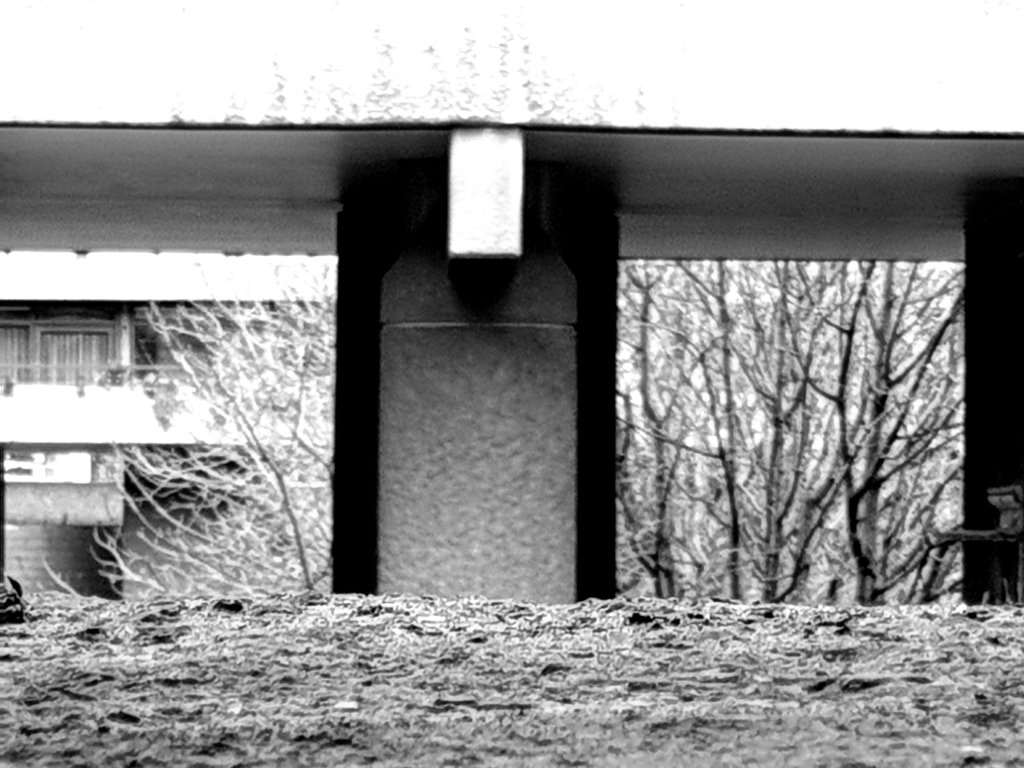
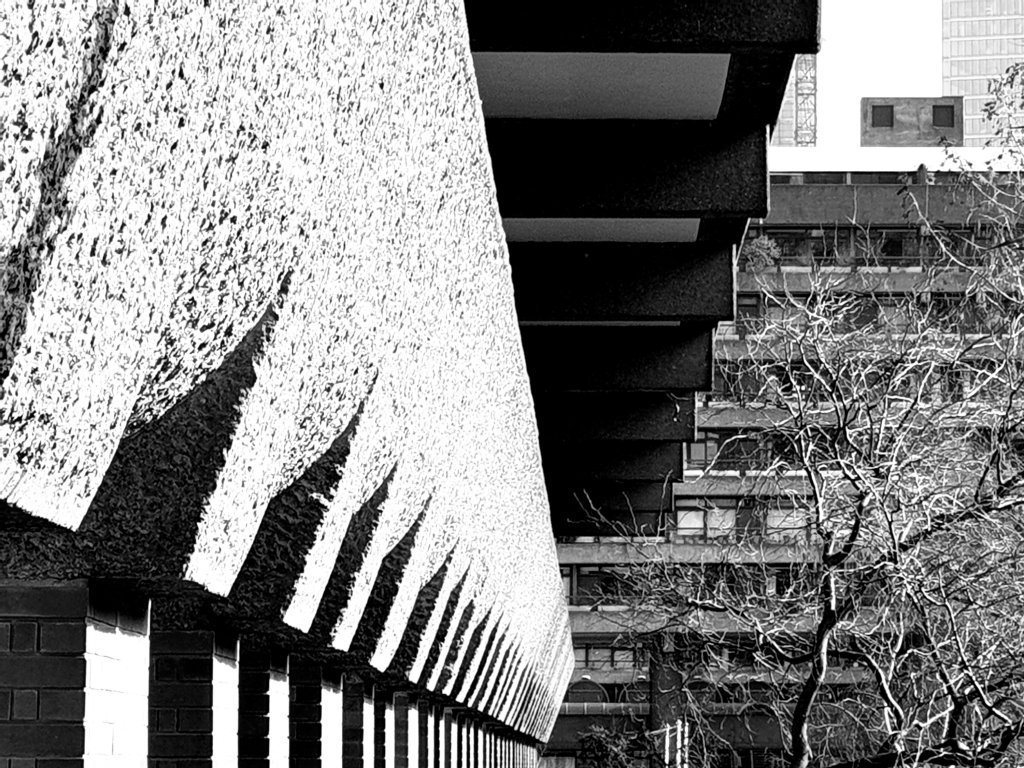
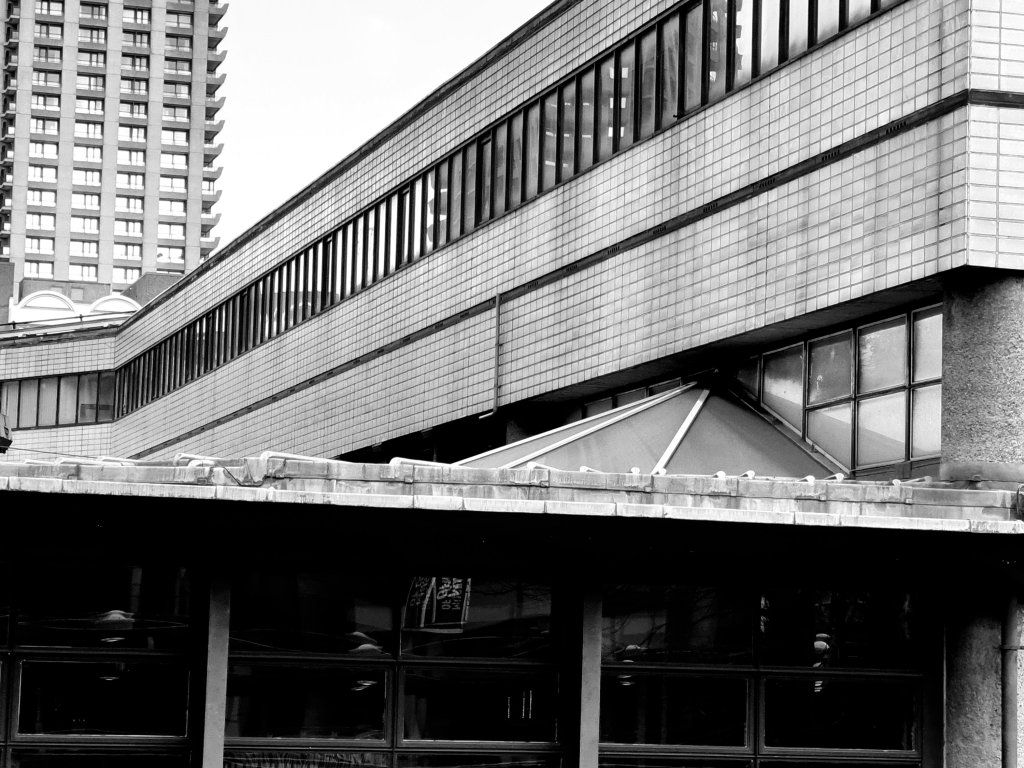
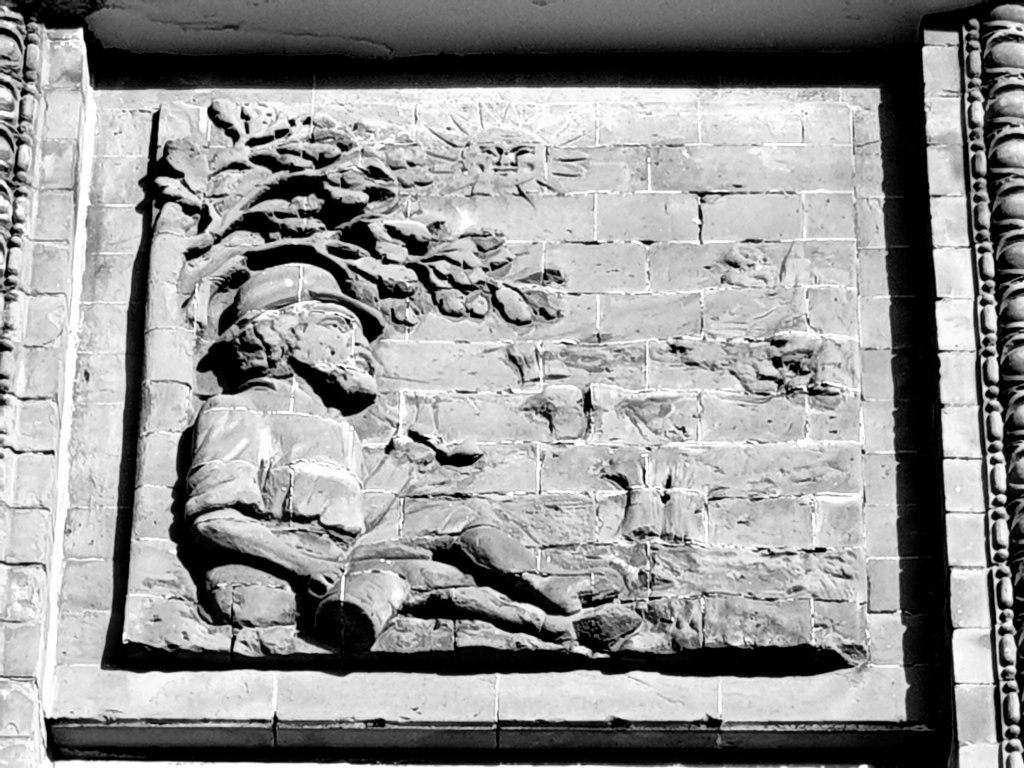
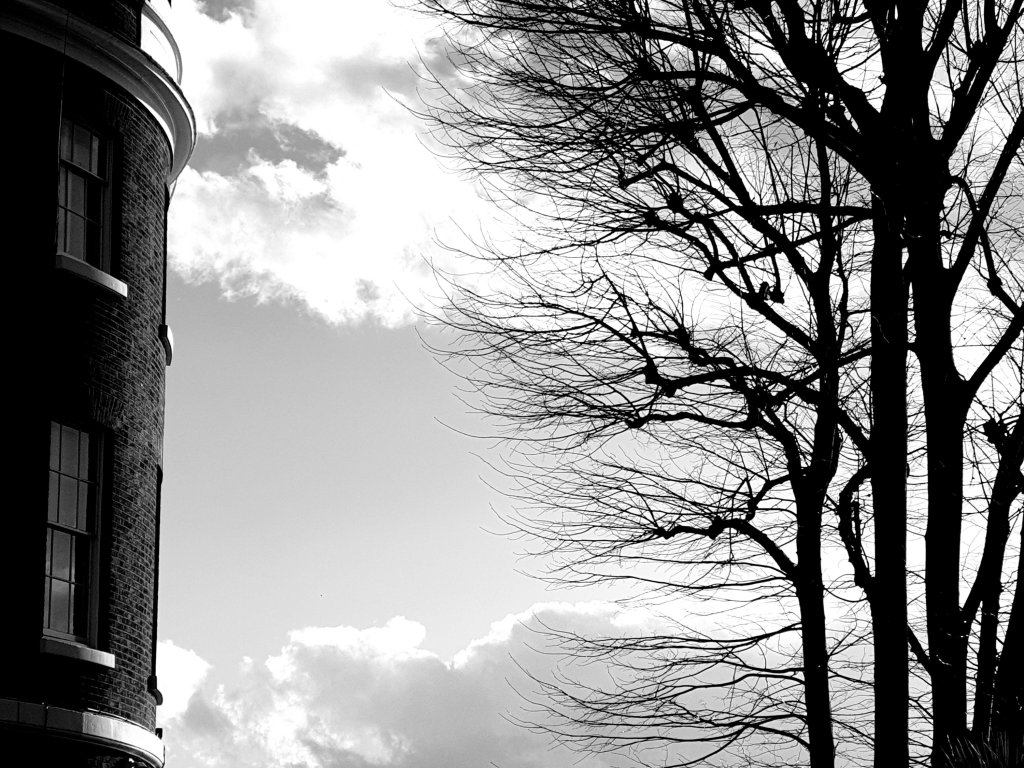
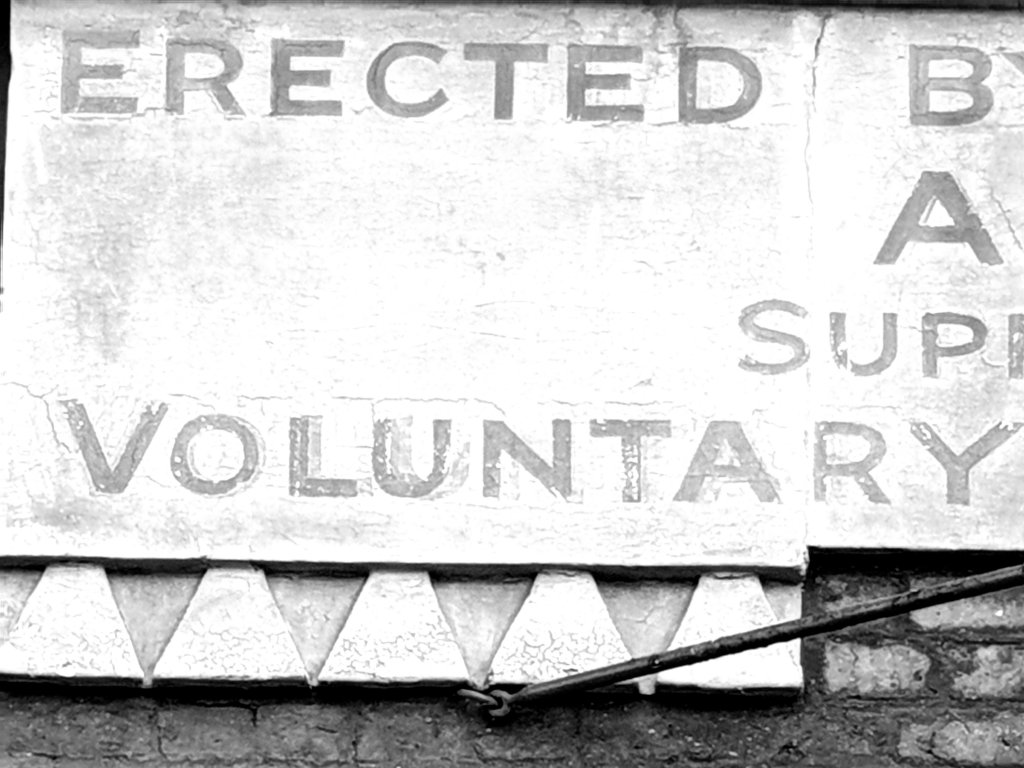
I have been meaning to visit Goldsmith’s Centre for Contemporary Art and finally did so today:  a very nice conversion of the old Laurie Grove water tanks by Assemble, keeping as much as possible of the disorderly plan and patina of the old Victorian building.   It was empty apart from a lone drummer in one of the galleries upstairs:-

Standard

The statue of Mrs. Thatcher

I agreed to appear on Newsnight to discuss the statue of Mrs. Thatcher which was planned for Parliament Square, turned down by Westminster City Council, and is now going to Grantham. It seemed to have been entirely forgotten that there was another big statue of her which was commissioned by Tony Banks, when he was chair of the House of Commons Works of Art Committee. The plan was that it should go into the Members’ Lobby next to Winston Churchill, but the rules prohibited it. So, it was lent to the Guildhall Museum. A theatre producer took a cricket bat into the museum in his trousers – not an easy thing to do – and smashed her head off. So, it is not just recently that statues of her have aroused strong feelings.

Standard

Closed on Mondays

I didn’t need to say anything further about Dinah Casson’s book, Closed on Mondays, because it turns out that my review of it is already available online (From picture frames to cloakrooms: what makes a successful museum | The Art Newspaper).

I had just been looking in the wrong place.

Standard

Post-lockdown

I actually went to a meeting in a different place today, still on Zoom, but I hadn’t realised how exciting it would be: the freedom of the street; the prospect of a vaccine; window shopping.

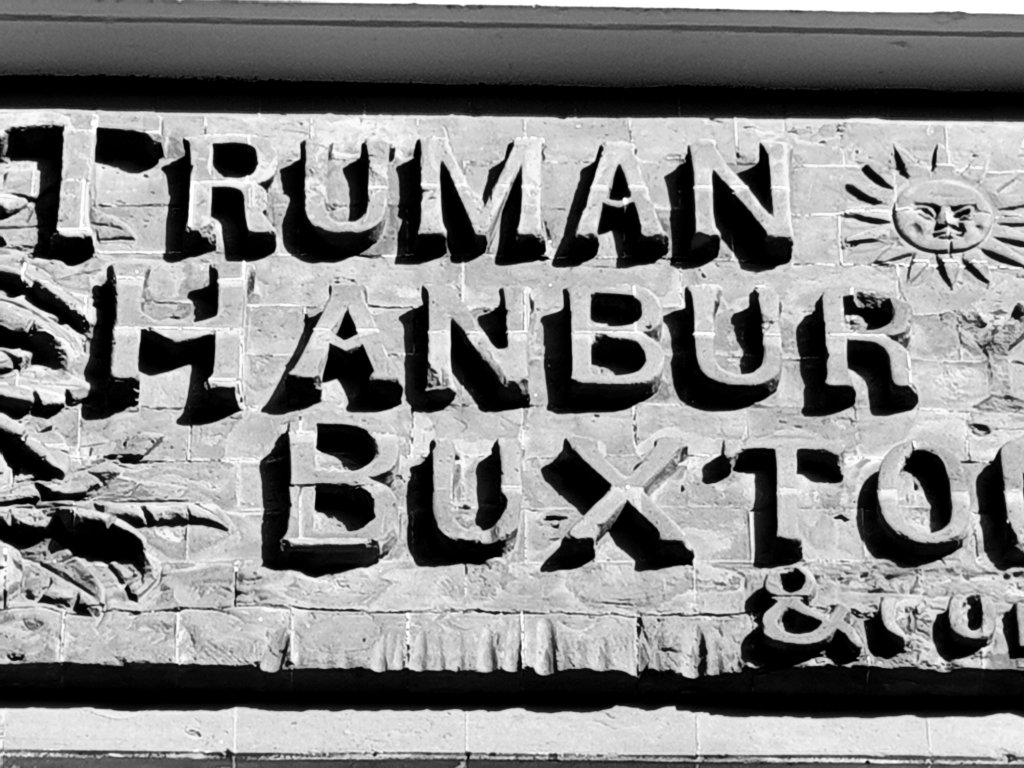
I don’t have much to show for my outing, except some unexpectedly nice pieces of urban lettering in darkest Shoreditch:-

Standard

Worland Gardens

Since it was so sunny yesterday, I went to have a look at Worland Gardens, a recent, much praised housing development by Peter Barber who specialises in well-considered housing, which makes use of North African, as well as vernacular developments, attentive to the balance between privacy and community. Like much architecture, it looks better in the magazines, but is still an interesting response to a neglected building type:-

Standard

Irina Antonova

I am very sad to hear of the death of Irina Antonova, one of the more remarkable museum directors that I half knew, although she was not easily knowable, not just because she spoke little English. There is a fascinating interview with her in Donatien Grau’s recent book of interviews with museum directors. You get little sense of her personality, except when she wanted to show work from the defunct Museum of New Western Art in 1974, and the press criticised the fact that she had cleared space by removing some of the collection of historic plaster casts. She is quoted as saying, ‘It was a battle against imbeciles’:  that is the voice of Irina Antonova – the voice of a fierce, independent minded, highly educated, Russian pro-modernist, who had learned to conceal her views of the many political regimes she had had to live under.

https://www.theguardian.com/world/2020/dec/01/russian-museum-director-irina-antonova-pushkin-museum-dies-at-98

Standard

Closed on Mondays

I have just done a Zoom talk with Dinah Casson and Frances Spalding about Dinah’s lovely, short, interesting book, Closed on Mondays, a meditation on themes and variations connected to her career as a museum designer; and now, of course, I’ve remembered all the things I meant to ask her.

Her book starts with windows and it is striking how the museums which people like the most – Louisiana, the Gulbenkian in Lisbon, the Guggenheim in Venice, Hepworth Wakefield, all have views out, so feel part of the world instead of just being a laboratory for art. Then, I wish she had done more about museum cloakrooms. The National Gallery in London used to have a cloakroom in its front entrance, but Dixon.Jones put it downstairs, based on the model of the National Gallery in Washington – services in the basement, art upstairs. Her book makes me want to see what she did at Lascaux. I don’t think anyone minds reproductions when they are forbidden to see the original and the mood may change now we can’t so easily travel the world, which was, of course, why the Victorians liked casts.

It should have been two hours, instead of one, and then we could have heard from all those fellow museum designers in the audience

Standard

The Museum as Experience (2)

I am continuing to enjoy the Gamboni’s book about private museums, which is a fascinating dialogue between two cousins as to the virtues of the museums that they visit separately, but discuss jointly and at great length. As time goes by, one gets a better sense of their respective characters: Dario provides the scholarly heft, the detailed background in advance of Libero’s visits; Libero then provides the visual and critical analysis. Libero greatly admires Carlo Scarpa’s additions to Canova’s Pinacoteca in Possagno. Dario provides the references to Quatremère de Quincy. Libero has bad dreams following a visit to the Soane Museum and recommends to Dario that the Indian restaurants of London ‘restore digestive calm’, an unlikely suggestion. They like the Schack Collection in Munich – I do not know it; Dario says that ‘the historic and aesthetic value of the Schack collection is an argument in favor of the ‘immobilism’ so frequently denigrated in the world of museology’. Schack includes copies in his collection which prompts a discussion of the status of copies in nineteenth-century museums. They both love the Musée Gustave Moreau in Paris. Libero is very critical of Renzo Piano’s additions to the Isabella Stewart Gardner Museum in Boston: ‘I find it curious that for a decisive intervention in the history of so individual a building, such a generic language has been used. It might be retorted that this deliberate character is intended to avoid any sense of rivalry with the original, but what Scarpa has done at Possagno demonstrates beyond doubt that an extension can be respectful without banality and that fitting in requires intelligence and originality’. On the other hand, he provides a very even-handed and balanced critique of the new building for the Barnes Collection.

One wonders how the book came about. When Libero is going to visit the Musée Nissim de Camondo, Dario offers to accompany him. He gets a very sharp rebuke: ‘It’s very kind of you to suggest a meeting in Paris but I confess that I prefer to visit museums and exhibitions on my own; if someone is with me I always get distracted and fail to see half of what I would if I were on my own’. If one wants to learn about the history of private museums, I can’t imagine a more interesting way of doing so.

Standard

Bishopsgate Goodsyard

I have been following vicariously the debate over the development of Bishopsgate Goodsyard, a huge site between Spitalfields and Shoreditch, to the south of the Bethnal Green Road and next to Shoreditch station on the Overground. It is like many current new developments in the area massively over-scaled, overwhelming the surrounding neighbourhood which is still attractively low key – a contrast to the neighbouring City, very much not a part of it, including Redchurch Street and the Boundary Estate.

On the one hand, it looks hard to stop the juggernaut of new development, with office blocks growing higher and higher and architects apparently unable to retain a sense of local character or community at street level. On the other hand, it seems very odd for Sadiq Khan to be considering – and supporting – a gigantic scheme of new offices at just the moment when it looks as if the nature of office life is going to change and there may not be anything like the same demand for huge, open plan, anonymous and soulless floorplates; and when the scale of the proposed building will damage, if not utterly destroy, the character of its neighbourhood.

Nothing brought home the amount of change better than the accompanying interview with someone who worked at Bishopsgate Yard in the 1950s:-

https://spitalfieldslife.com/2020/11/30/roy-wild-van-boy-at-bishopsgate-goodsyard/

Standard

The Museum as Experience (1)

It will not have escaped your attention that I have been doing most of the reading for my forthcoming book about museums after it has gone to the printer somewhere in China. There is so much that I haven’t read. At the moment, I am reading a book published earlier this year called The Museum as Experience: An Email Odyssey through Artists’ and Collectors’ Museums, which I thought was a distinctly unpromising title. I was quite wrong. It is an account of how an Italian-Swiss art historian, Dario Gamboni, persuaded his cousin, Libero Gamboni, to explore other private collections before turning his father’s house near Lake Como into a museum. It is the pretext for a really wonderful exploration of museums devoted to the memory of a single person, helped by the fact that it is a dialogue (yes, in emails) between an art historian who is deeply knowledgeable about the history of museums and his cousin who is deeply interested in architecture, with a strong sense of common intellectual curiosity and rapport. They write about art and culture, Goethe and Quatremère de Quincy, as part of a shared European inheritance, to be discussed, shared and explored jointly, in which the reader is able to participate vicariously, which is an extraordinary pleasure, listening through the keyhole of a joint conversation.

Standard