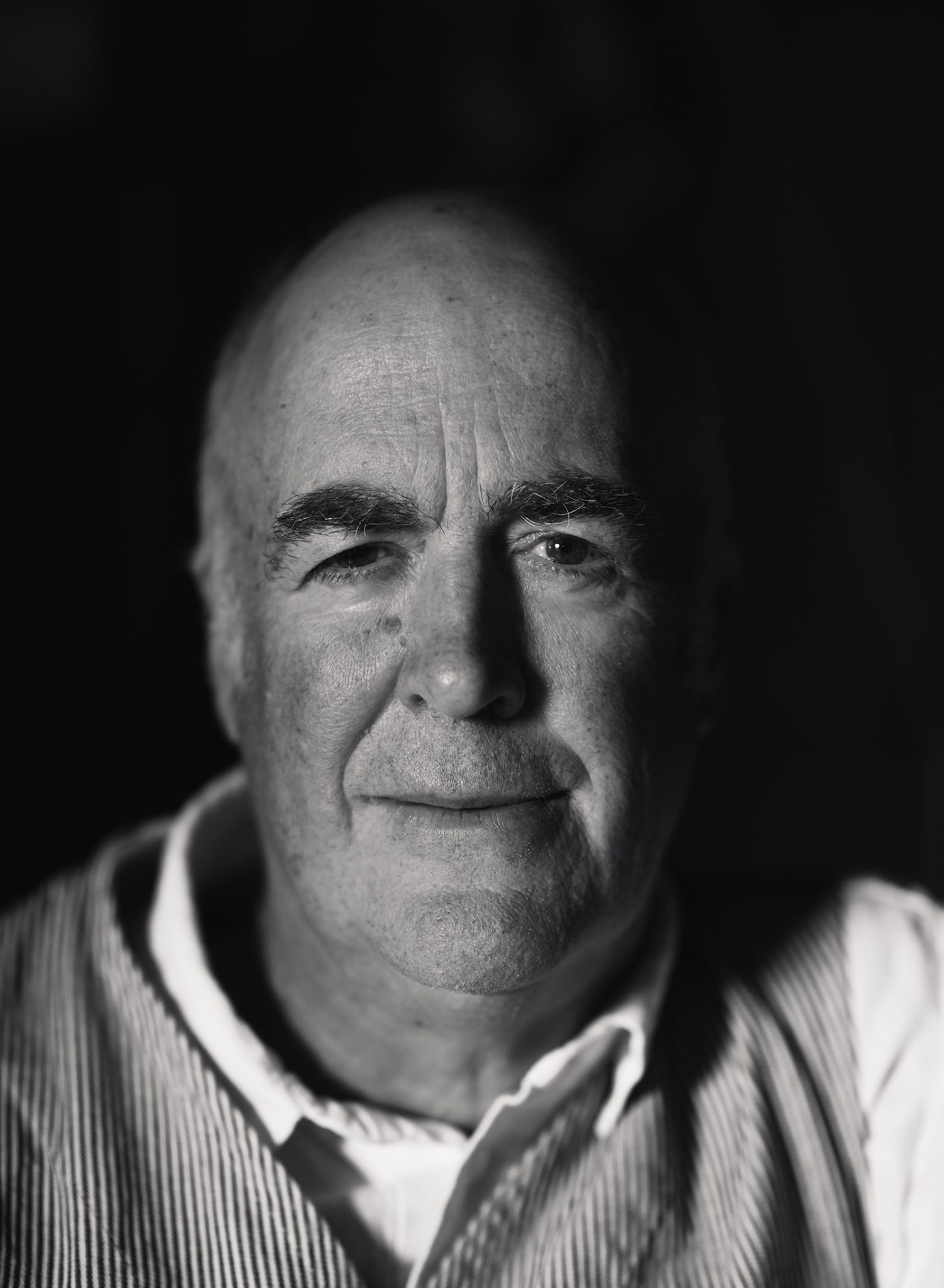
I haven’t been able to get out of my head the voice of Jonathan Miller in an archival interview which was re-broadcast on Saturday night – his particular tone of extraordinarily wide-ranging intellectual authority and curiosity, quizzical, successful in so many different dimensions with such ease in his youth when he was an Apostle and appeared in Beyond the Fringe and was taken on by Huw Weldon to edit Monitor, but then in later life he became oddly and totally unnecessarily peevish, as if all the blessings which had fallen into his lap were never enough to satisfy him. I liked and admired him. He sat for his portrait to Stephen Conroy, whose work he had come across while working in Glasgow, and who produced a finely pensive and brooding portrait. He’s the subject of 28 other portraits in the NPG, the first a photograph by Jane Bown in 1954, when he was only 20, and including images by Cecil Beaton and Bill Brandt, the last by Tom, his son, in 2016. So, he’s unlikely to be forgotten even if he ended up disappointed by his own achievements.
Author Archives: Charles Saumarez Smith
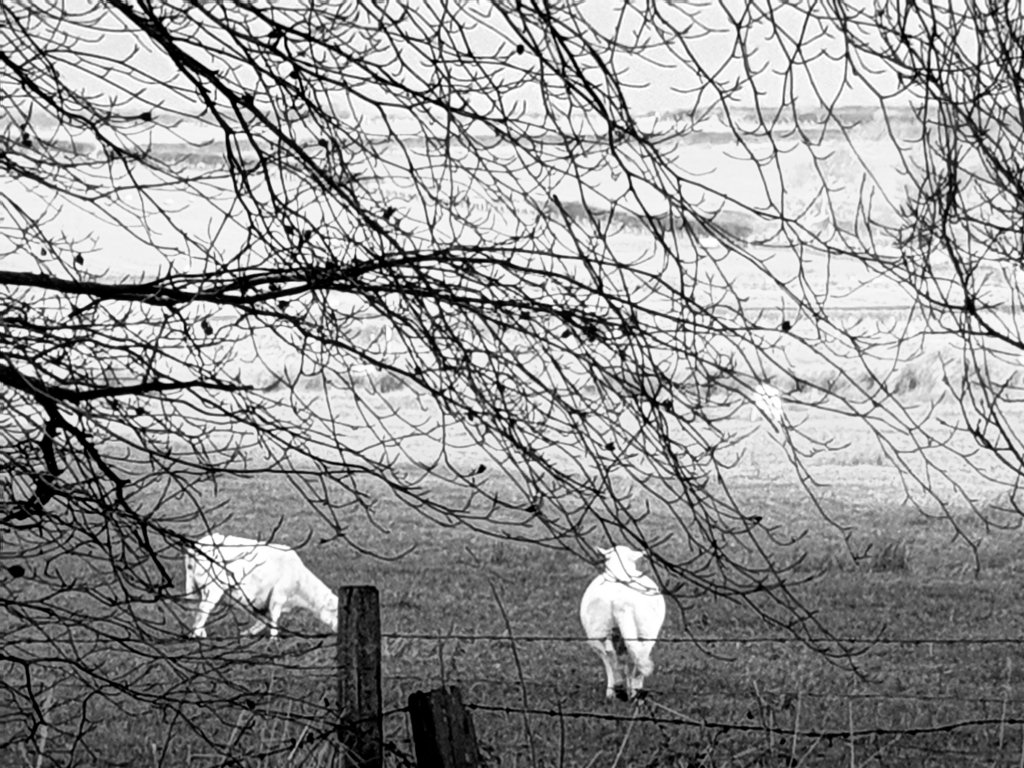
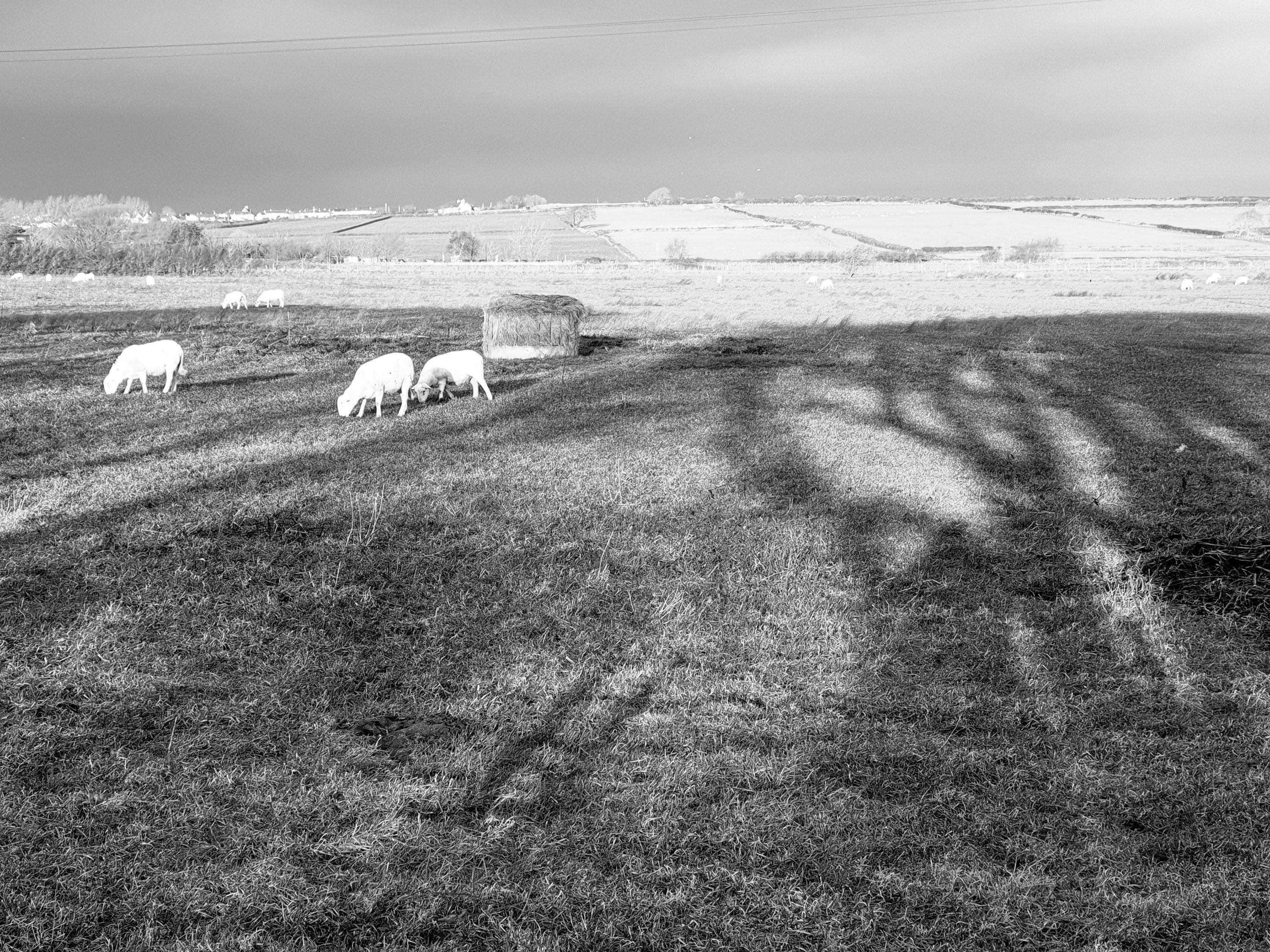
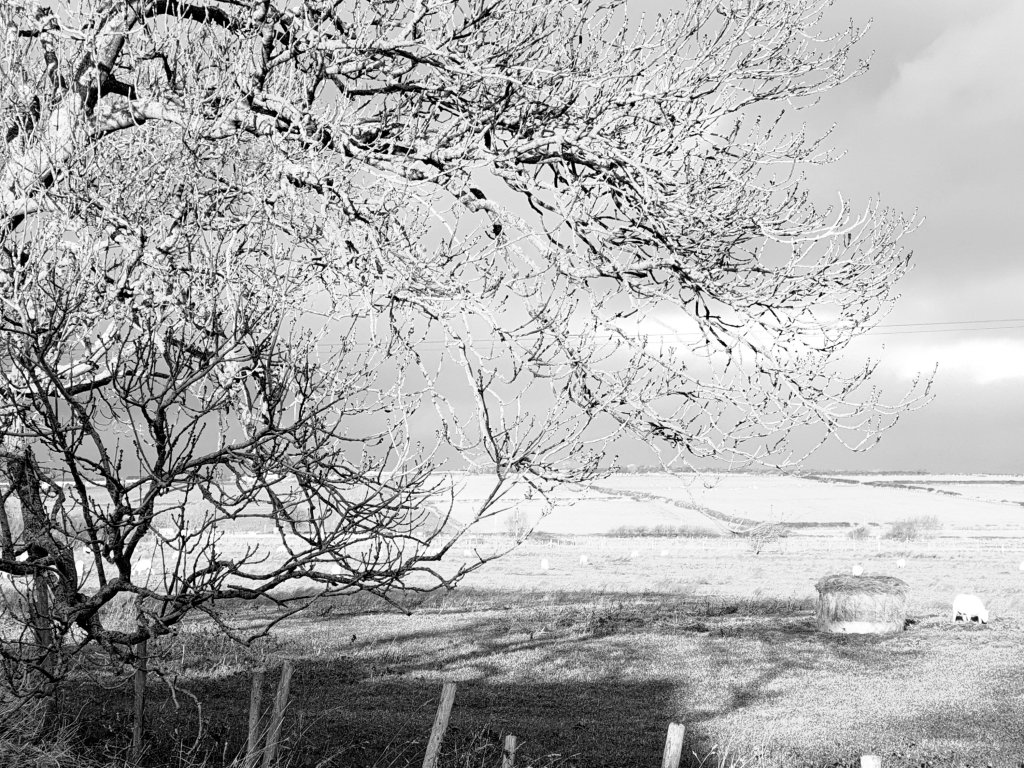
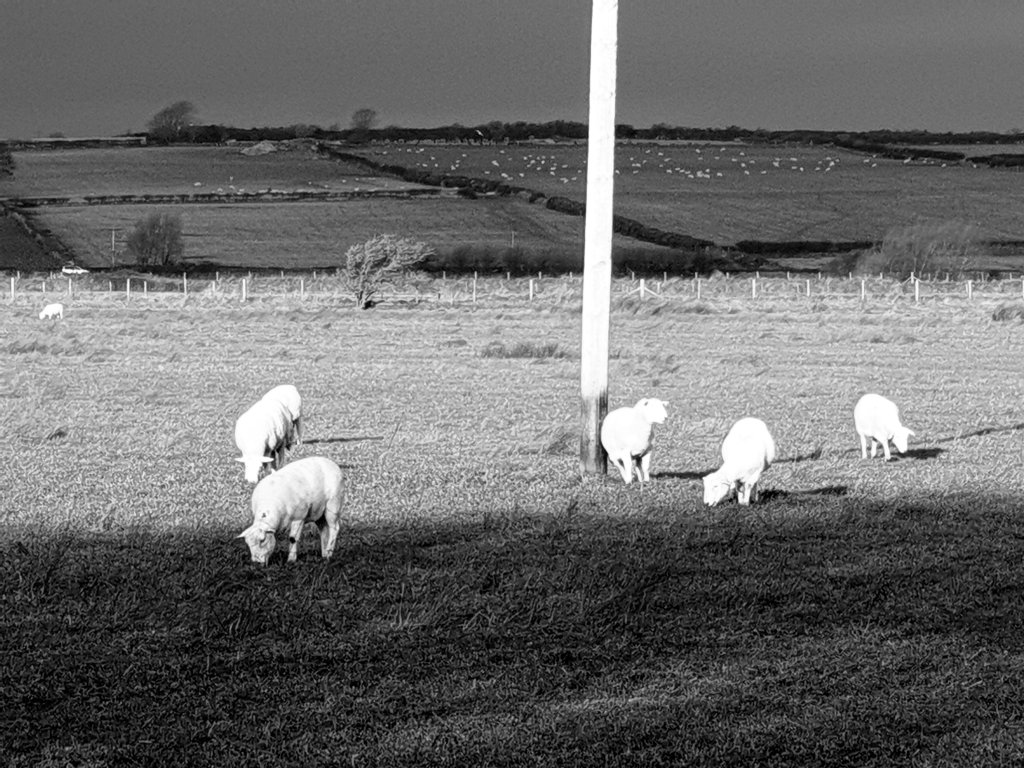
Stormy morning
It was a stormy morning, with unusually bright light on the fields round the cottage and as I walked up to the village:-


Talyllyn
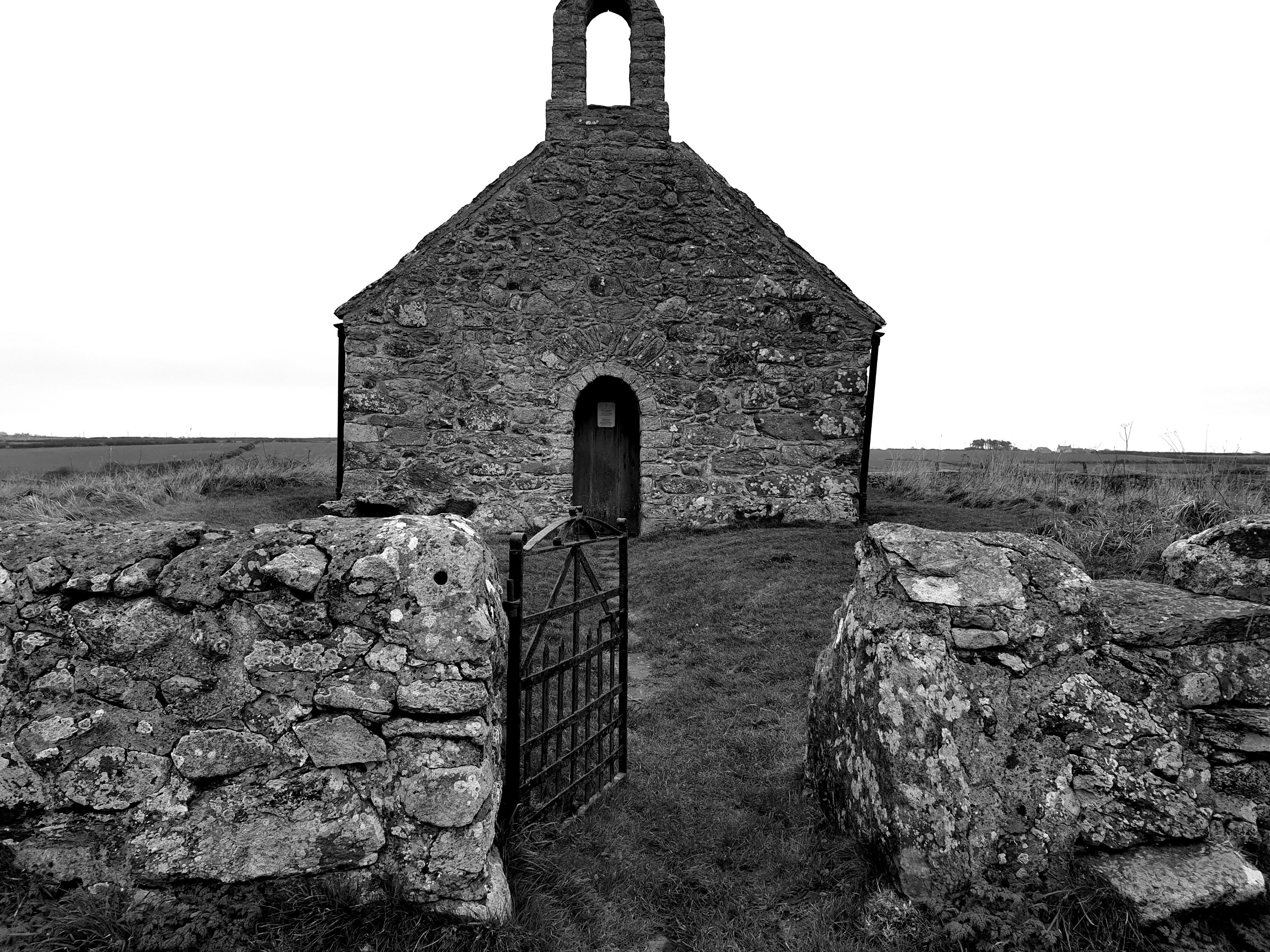
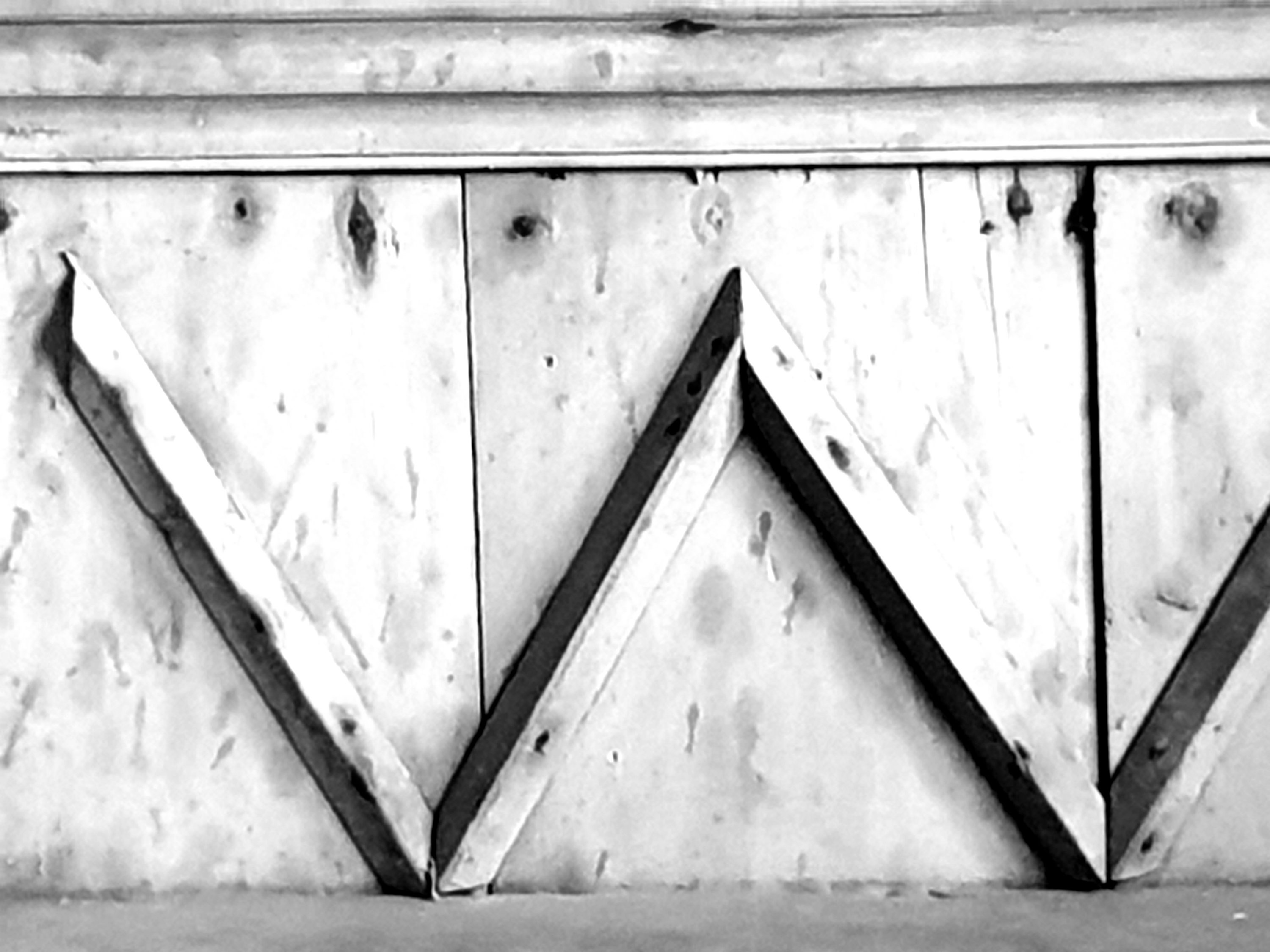
We stopped en route at St. Mary, Talyllyn, nearly all that remains of a village decimated by the Black Death, now standing remote beside the road surrounded by fields. It is maintained – beautifully – by the Friends of Friendless Churches, a place of great peacefulness:-
Llaneilian
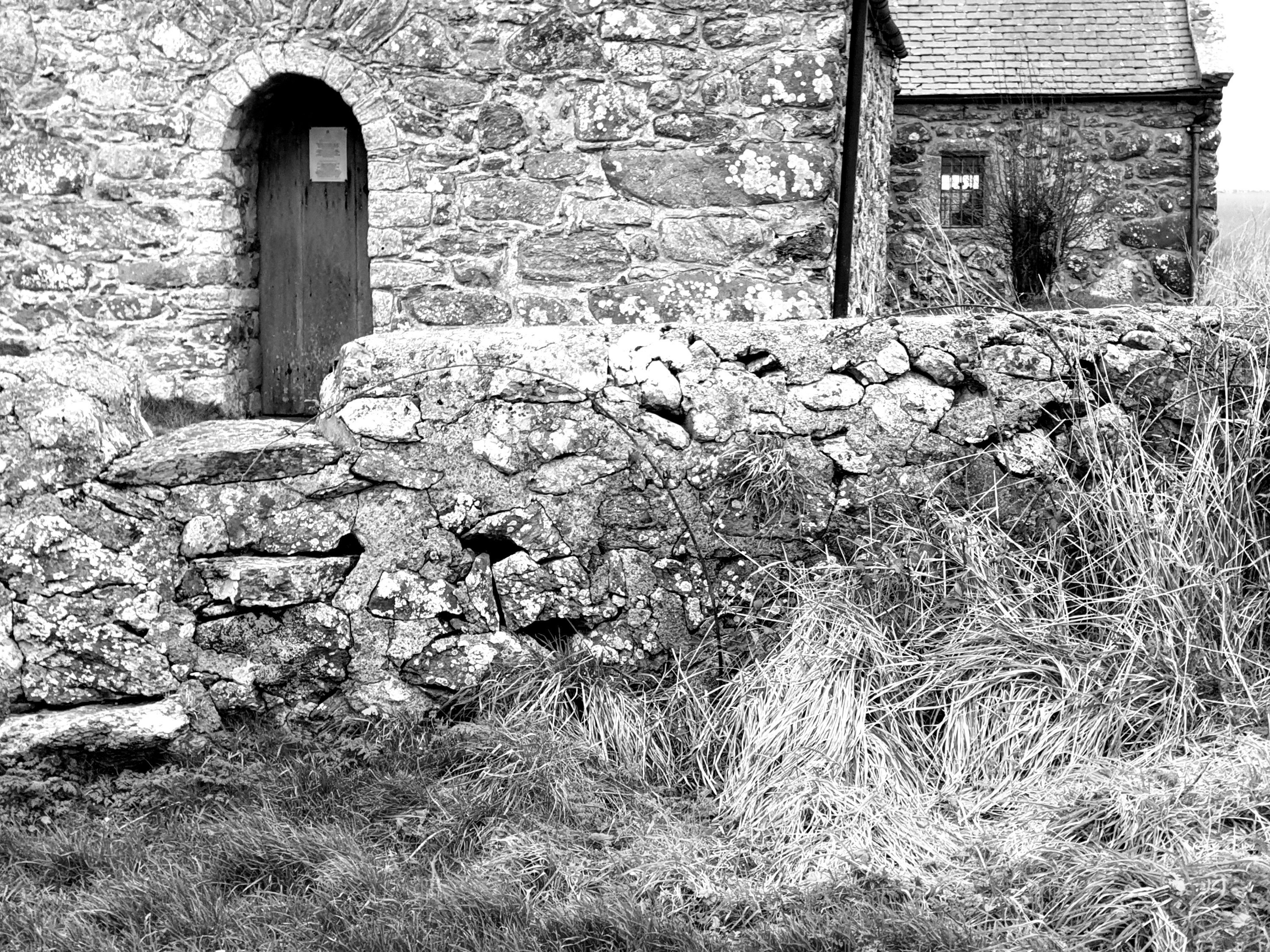
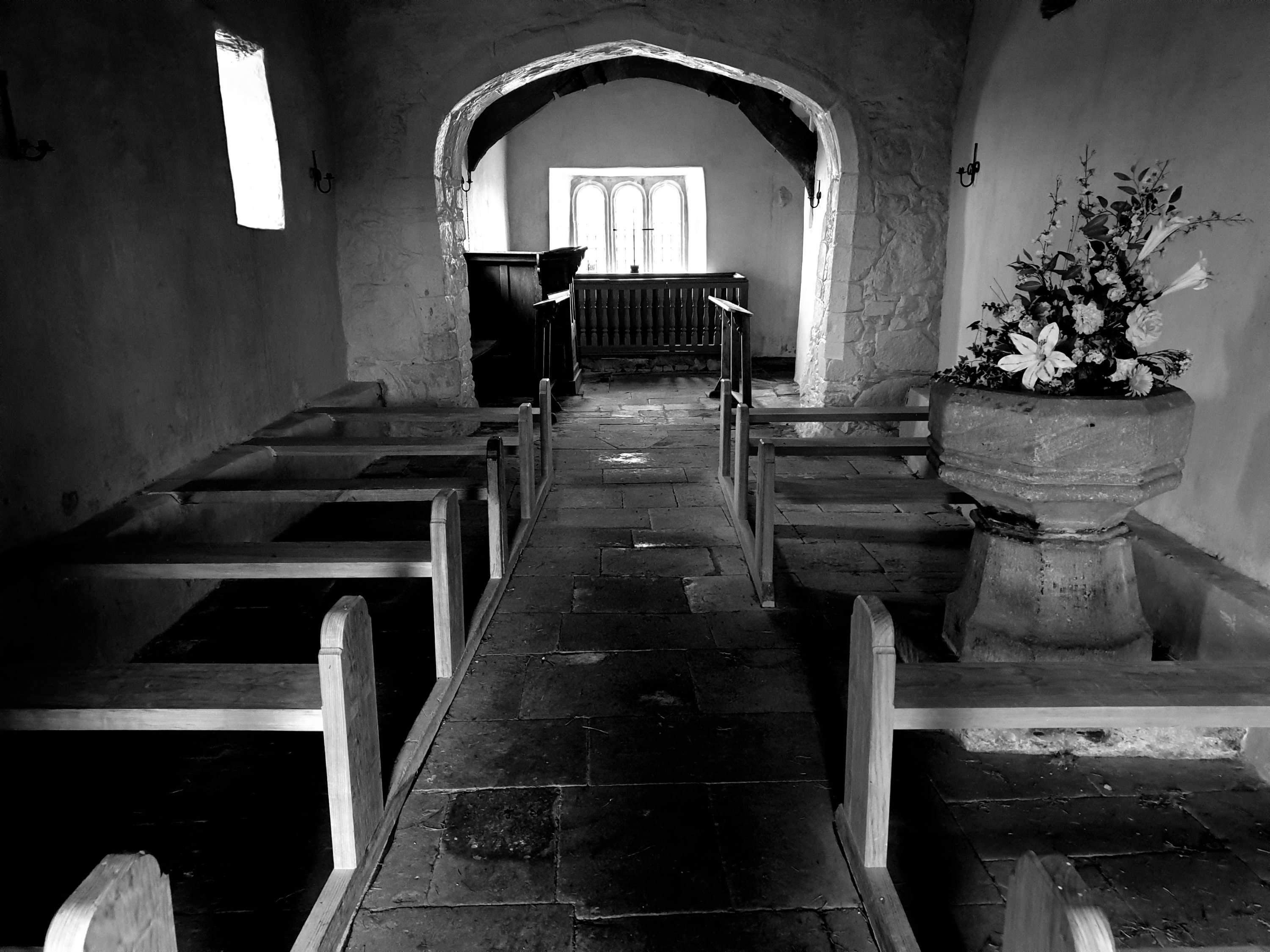
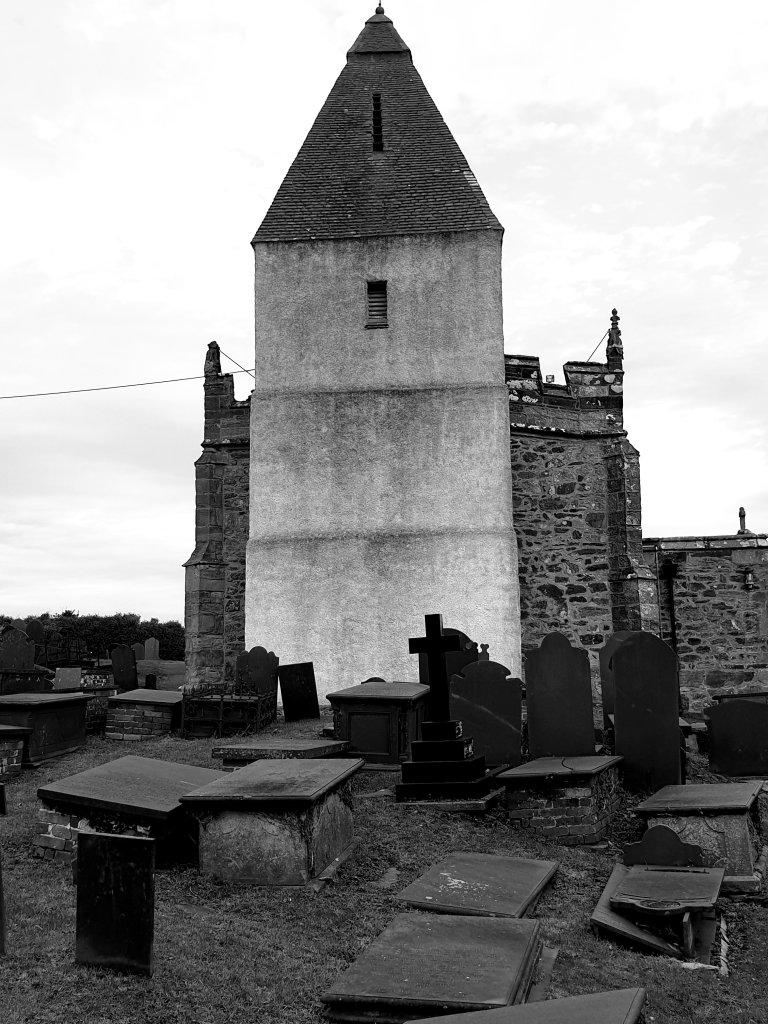
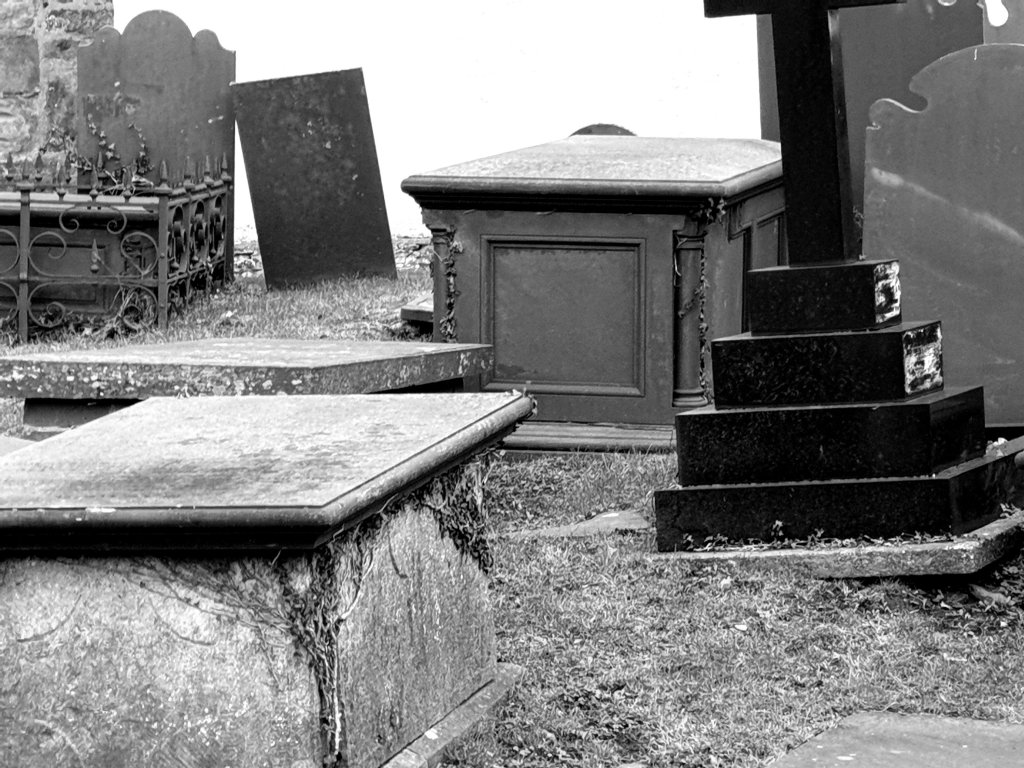
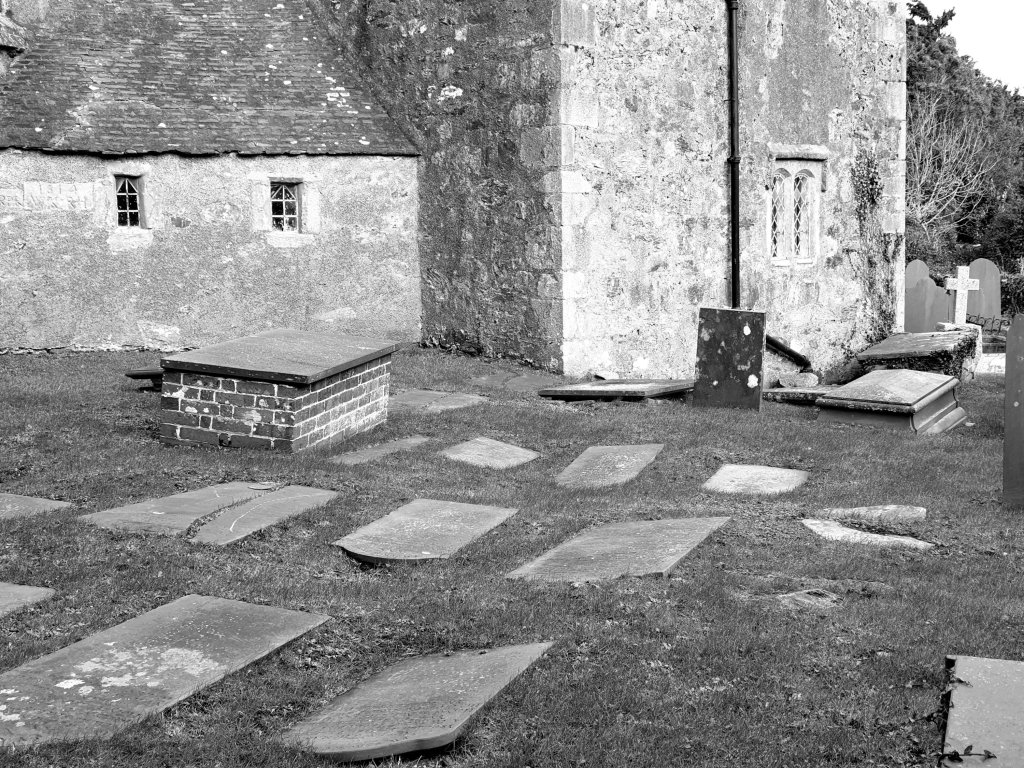
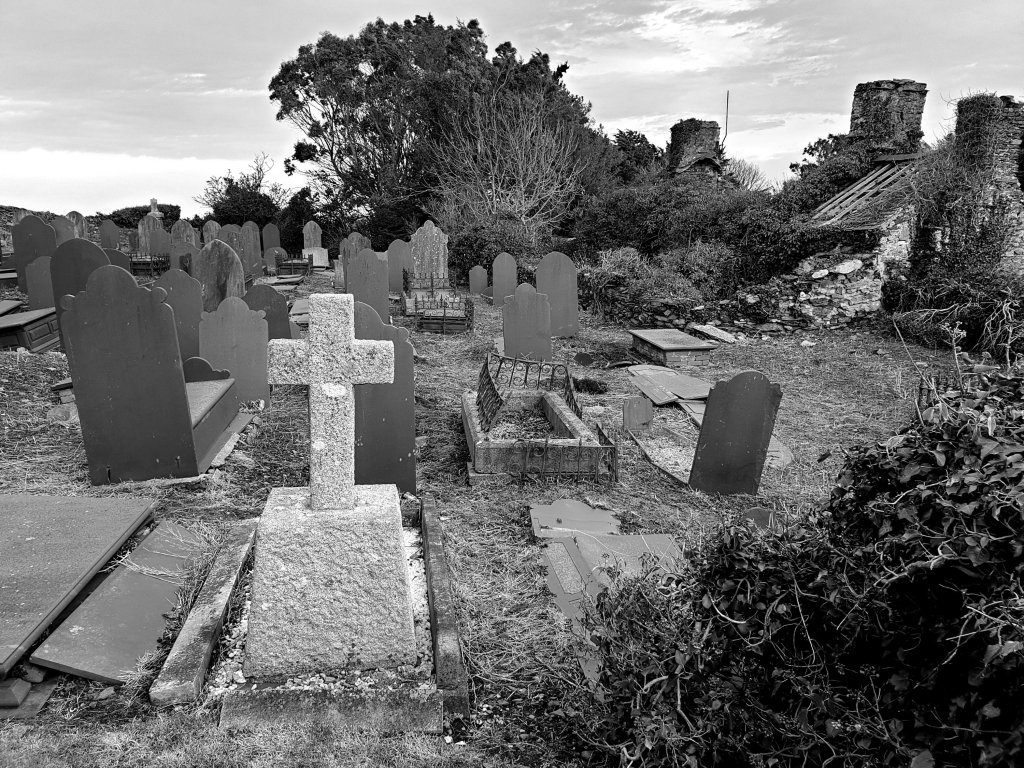
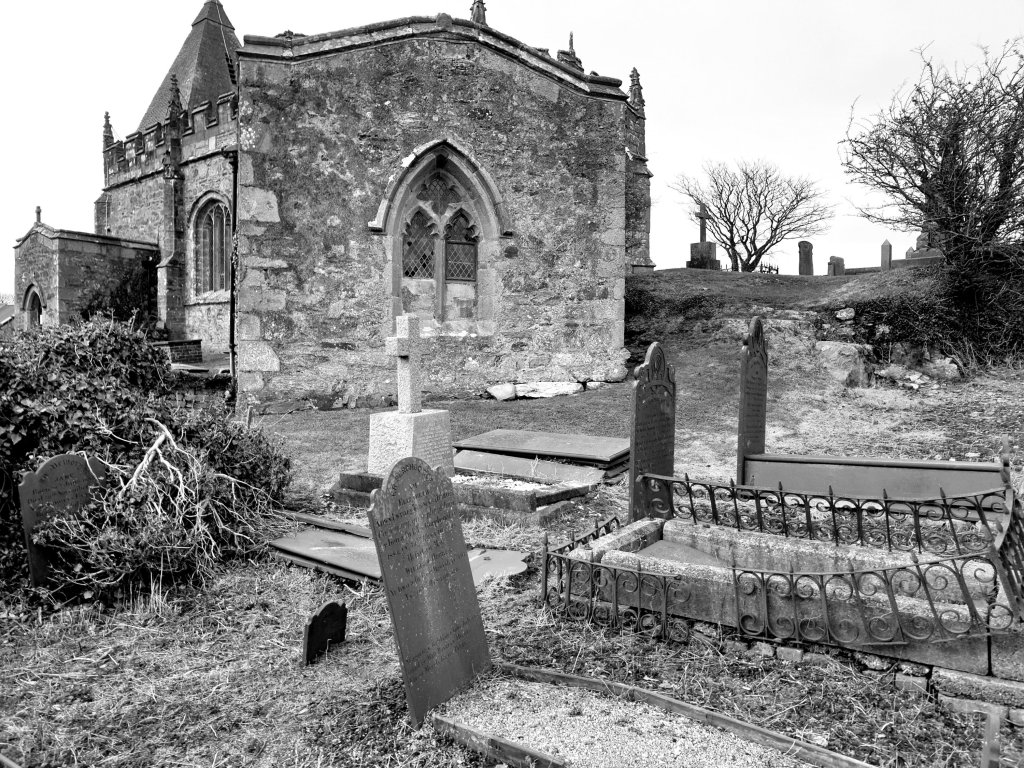
We went to the windswept north-west of the island, as far as can be, to see the church of St. Eilian, with its distinctive pyramidal, Romanesque tower. Of course, it was closed, but still atmospheric, with its slate tombs and shrine chapel added to the east end:-
Whitechapel Bell Foundry (24)
Anna Aslanyan, a young writer and translator, has written a melancholy account of the seeming inevitability of the loss of the Whitechapel Bell Foundry before the forces of insensitive global development, smashing up the existing use without testing or checking whether it is in some form still viable, as is legally required, and converting it into an entirely empty form of consumerism. I like the way the piece is written. I am quoted as saying what I think – that at heart Historic England doesn’t care for the relics of East London industrial development. They are focussed on the building only at the expense of the historic importance of its use, which may be a weakness in the way that Historic England is constituted.
We await Robert Jenrick’s verdict. He should call it in as a test case. Otherwise, it will go down as this generation’s Euston Arch.
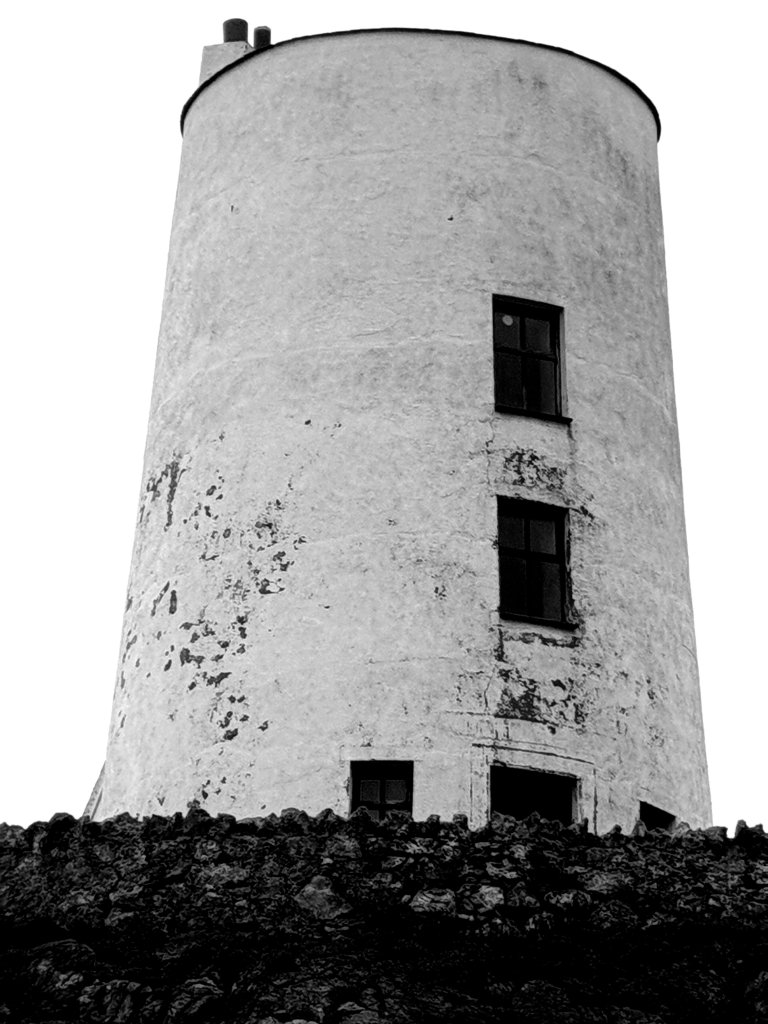
The Lighthouse
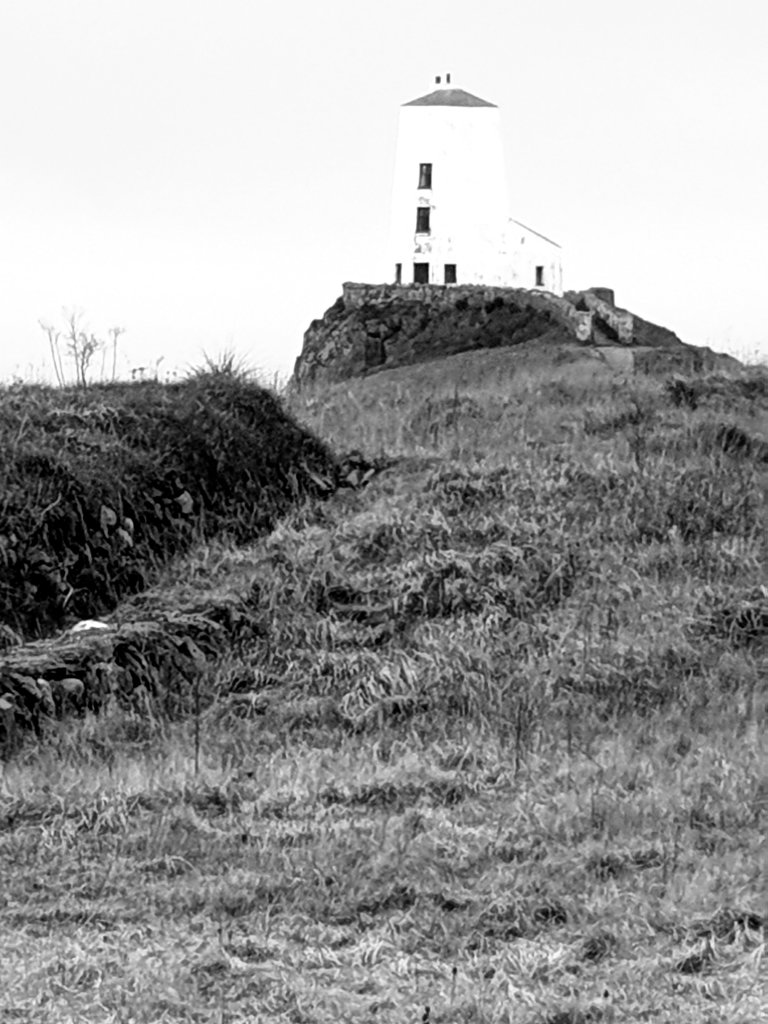
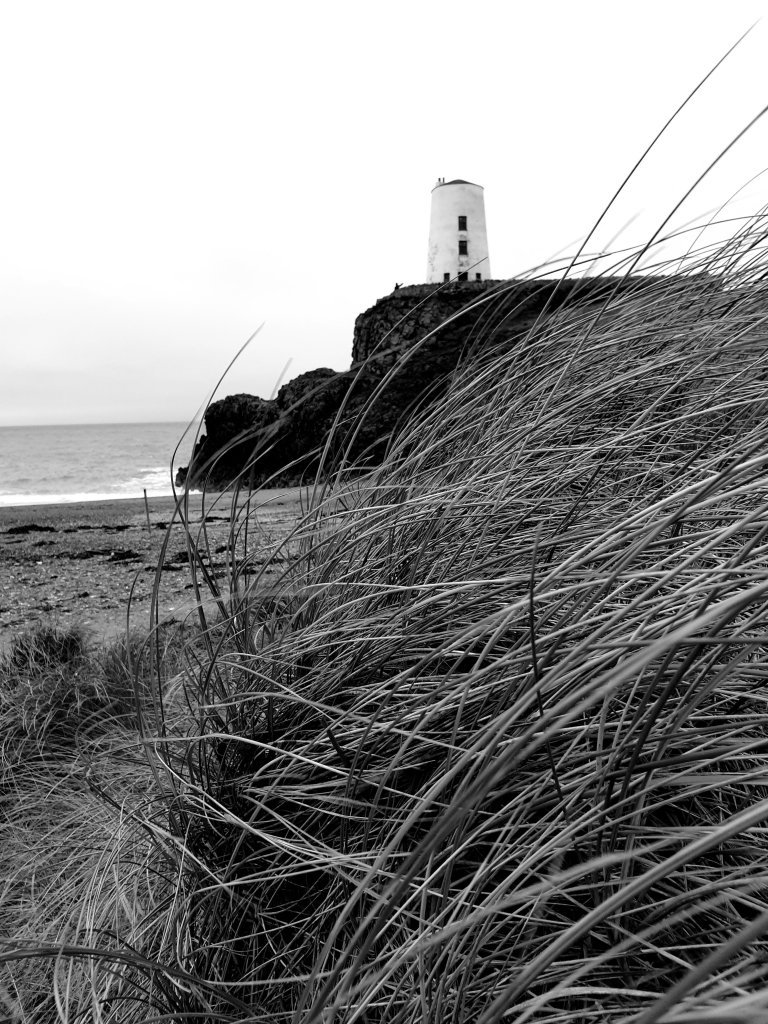
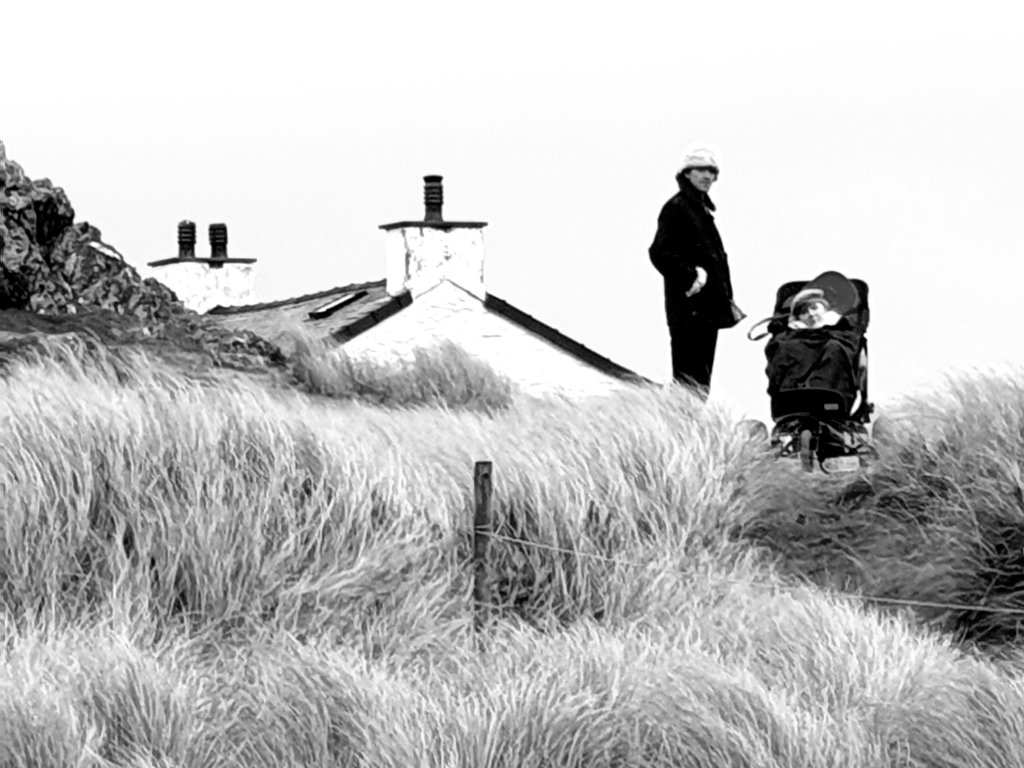
For us, the lighthouse at the end of Llanddwyn Island, built in 1824 by the Caernarvon Harbour Trustees, is a holy place, looking out from the rocks across the Irish Sea, with cottages next door which were still inhabited in the late 1960s:-
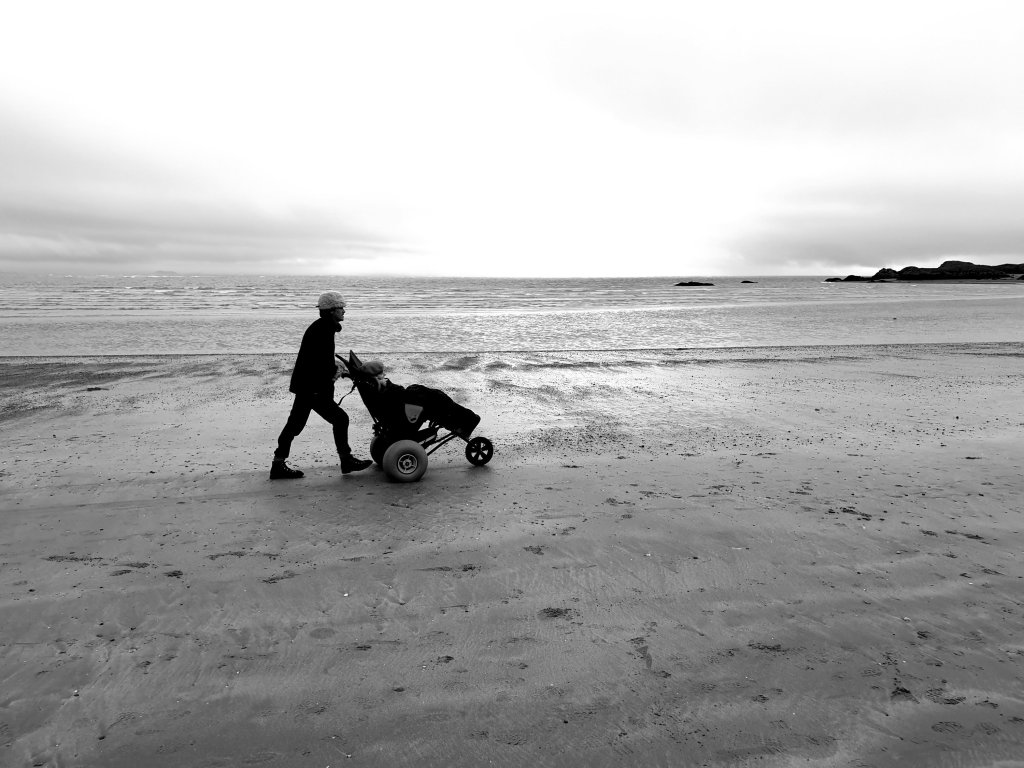
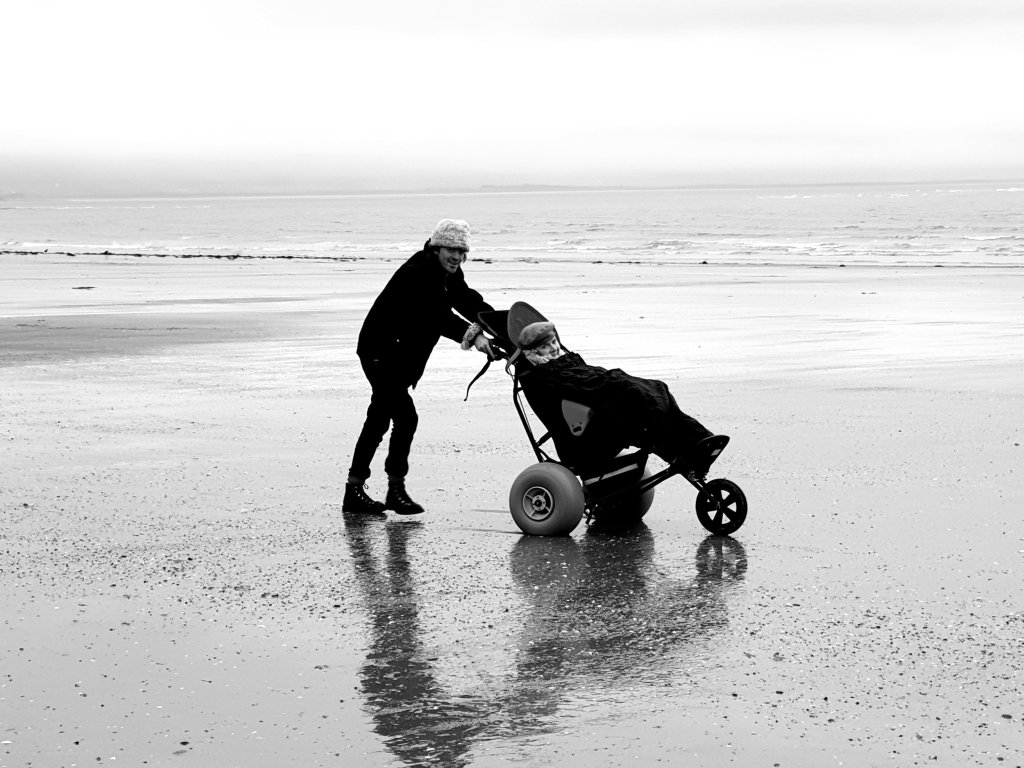
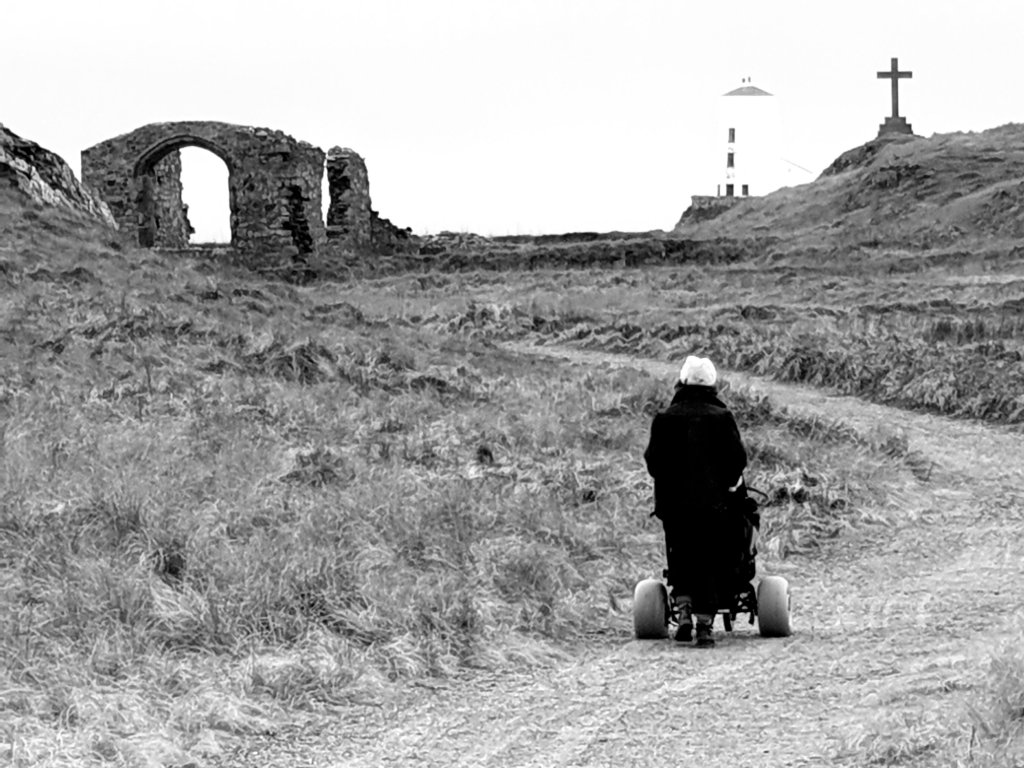
The Beach Buggy
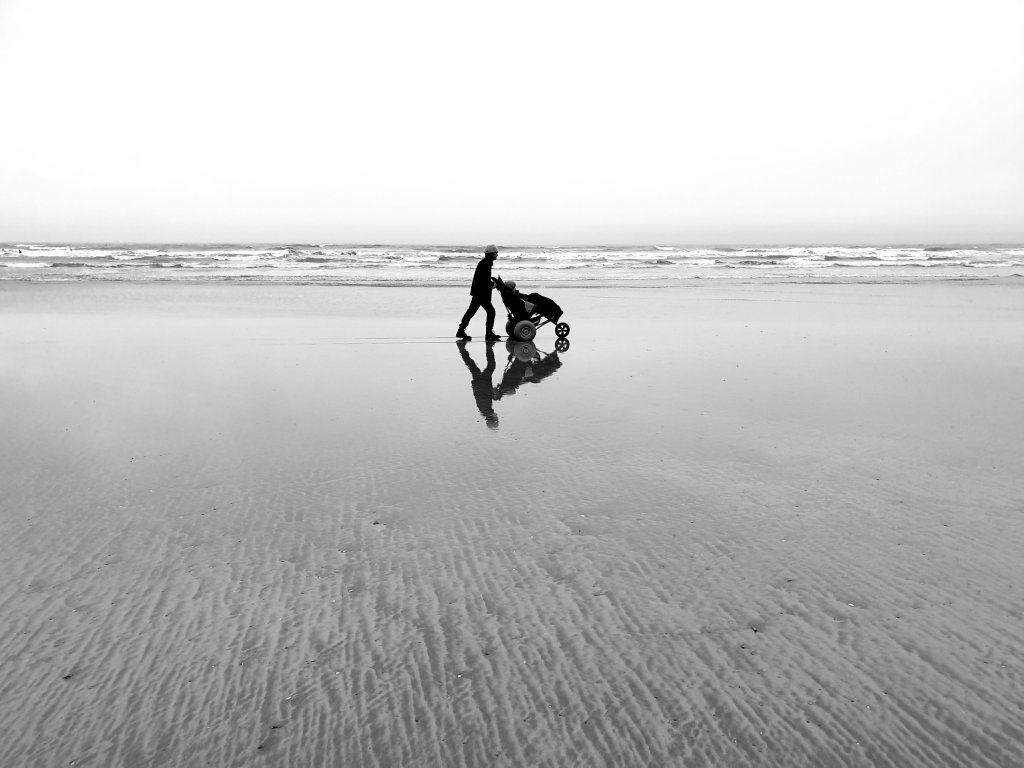
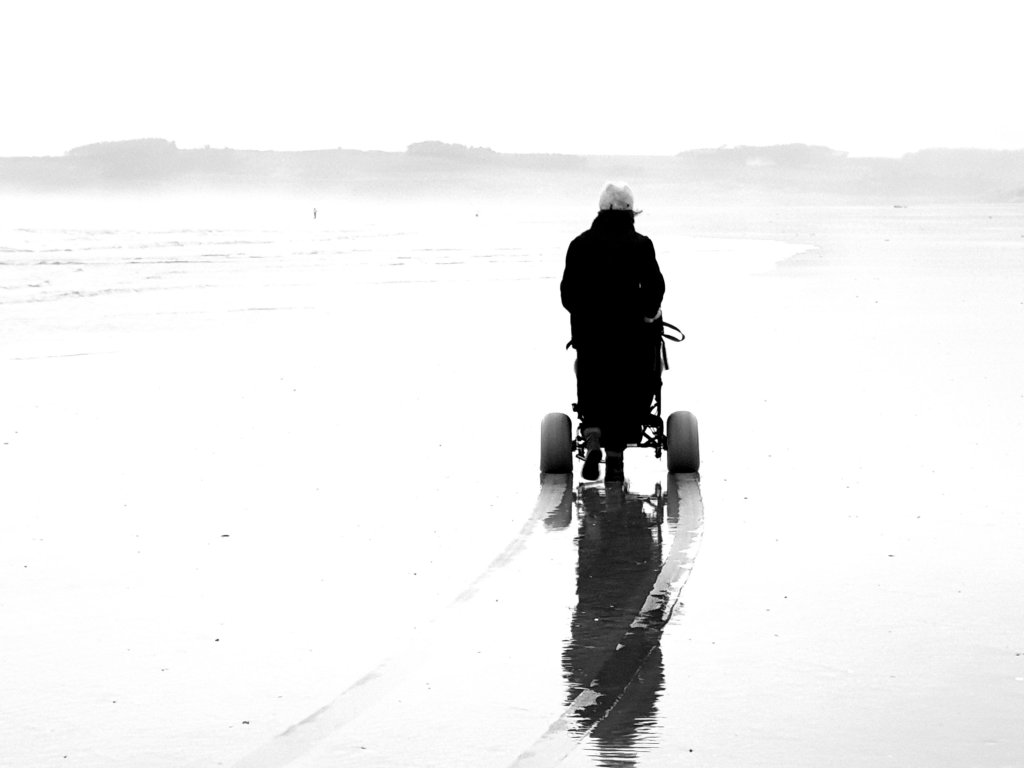
Our lives have been transformed by the acquisition of a great, big, beach buggy with outsize plastic tyres, made by a company called Delichon on an industrial estate outside Fordingbridge. We picked one up last week and today walked out to the lighthouse across the beach:-
Whitechapel Bell Foundry (23)
James Pickford has written a very fair-minded and thoughtful end-of-year account of the current state-of-play on the Whitechapel Bell Foundry.
He is, of course, correct that the developers have the benefit of the support of the Hughes family, who previously owned the Bell Foundry through four generations, and have, understandably, taken the view that if they were not able to run the Bell Foundry successfully, nobody else will (although it is perhaps worth pointing out that this view is not, and never has been, shared by Nigel Taylor, the former Senior Foundry man).
Their support for the redevelopment ignores the fact that the proposal from Factum Foundation and United Kingdom Historic Building Preservation Trust is to make bells as one part only of a more high-tech version of the Bell Foundry, maintaining existing skills and developing new ones, with the help of the very impressive University College’s Barlett Manufacturing and Cultural Exchange, taking the Foundry into the twenty-first century, but in a way which respects and develops the Foundry’s traditions.
Opponents of the new scheme infinitely prefer the idea of maintaining the site as a whole as a working Foundry using local labour, to the Raycliff scheme, which only has a tiny shrine to hand bells, which we think is extremely vulnerable in the long term, while much of the rest of the site is demolished and the ground floor of the historic part of the building converted into the café/bar of a boutique hotel, so that the new scheme effectively destroys the existing use and character of the site, as is clear in the illustration.
Anyway, as James correctly points out, the fate of the Bell Foundry now awaits the verdict of Robert Jenrick, who may well share the view of 80,000 campanologists that the Bell Foundry should be preserved.
A white-hot sliver of molten bronze slides down a channel into a ceramic mould, its 1,000C-plus heat warming the faces of surrounding visitors. A short while later, the mould’s rough surface is hacked away to reveal the unmistakable structure of a bell.
This display of the ancient craft of bell-making, held in December at the high-tech manufacturing arm of University College London in the former Olympic Park in Stratford, is part of a long-term campaign to save one of the UK’s oldest manufacturing companies.
UCL is among a group of institutions and individuals battling to revive the Whitechapel Bell Foundry, as a full-scale bell manufacturer in the heart of London as well as an art foundry and a crucible of skills for a high value manufacturing economy.
The centuries-old business forged Big Ben and the original Liberty Bell in Pennsylvania and was run for four generations by the Hughes family. But in 2017 they sold off the premises occupied by the business since 1747, citing the declining market for large bells, and moved the business elsewhere in a slimmed-down form.
The campaign for the site’s revival is being led by the UK Historic Building Preservation Trust, a heritage group that saved the Middleport potteries in Stoke with a £9m redevelopment, and Factum Arte, an international business making sculptures for artists and copies of ancient sites such Tutankhamun’s tomb.
But their alternative plan for a bell-making renaissance faces formidable obstacles — not least the fact that the building’s new owners already have their own well-developed scheme. The buyer, US investment group Raycliff, founded by the New York-based entrepreneur Bippy Siegal, aims to convert the Grade II listed building and its adjoining site into a boutique hotel, café and studios for creative businesses.

In November, planning permission for the hotel scheme was voted through at a heated public meeting of Tower Hamlets council’s development committee, attended by supporters from the rival camps, where the decision swung in Raycliff’s favour after the chairman exercised the casting vote. The Raycliff plan also has the support of Historic England, the statutory body, which has pointed to its inclusion of a small bell production unit, where hand bells made by the Hughes family under the Whitechapel Bell trademark will be cast, finished and sold.
A spokesman for Raycliff said that critics of the hotel scheme had often ignored the fact that the plan will reunite the building’s original bell-making business with its old premises. “The new owners recognise the significance of bringing back the original tenants and giving them a new home — in their old home,” the spokesman said.
The vote was a big setback for the campaign for an alternative, but its hopes have not been entirely extinguished. Robert Jenrick, housing secretary, made an unexpected move earlier this month by asking Tower Hamlets council to temporarily suspend its decision while he considered whether or not to “call in” the decision. Following the Conservatives’ election victory, Mr Jenrick is back in his job. He is likely to weigh both the historic importance of the site and the effect of the hotel scheme before his decision is expected early in the new year.
New voices are also being added to the list of well-known figures who have lent their support to the campaign, which already includes former Turner Prize winning artist Antony Gormley, Charles Saumarez Smith, former chief executive of the Royal Academy, and Tristram Hunt, head of the Victoria and Albert Museum.

Rory Stewart, the former Conservative minister who is now running as an independent candidate to be the next Mayor of London, has also thrown his weight behind the campaign, telling supporters gathered outside the foundry site on Whitechapel Road: “Anyone with any imagination seeing the possibilities of bell making, training . . . and a digital future could not possibly turn this down.”
He said the council’s decision was a “failure of planning imagination” and pointed to support from members of Whitechapel’s Bangladeshi community, as well as cultural figures and artists, for a full-strength foundry scheme. “In all the culture wars, right against left, and all the other wars of identity in London, this project is a very powerful symbol of identities coming together.”
At the UCL event, Peter Scully, technical director at UCL’s Bartlett Manufacturing and Design Exchange, said the bell had been made with a modern technique called “ceramic shell casting” — used by aerospace companies for making the high-precision exit blades on jet turbines — rather than the more labour-intensive, traditional technique of loam casting.

The former is a highly adaptable technique — and crucially repeatable — that gives technicians and students a window into advanced skills in areas such as 3D printing, computer-controlled milling, harmonics and metallurgy.
The plan to revive the Whitechapel Bell Foundry would provide a link between the ancient craft of bell-making and these technologies. Mr Scully said: “This is heritage going back 500 years. It’s an enormous opportunity for us to take that forward with all the disruptive technology that’s being used here.”
He also points to the cleanliness of modern manufacturing. The diesel oil that previously fuelled the furnaces of the bell foundry would be abandoned in favour of electrically powered furnaces using renewable sources, and electrostatic air filters used to scrub clean the fumes created in casting. “There’s no need to associate this with a filthy out-of-town industry,” he said.

Nonetheless, Raycliff’s plan has advanced in the face of these arguments. Its announcement that it would continue bell-making on the site, as well as carrying out fine art foundry work, came in February during the course of consultation on the scheme.
Such efforts allow the hotel scheme to argue its corner as a preserver of the site’s unique industrial heritage. Mr Jenrick’s move, however, suggests arguments over the Whitechapel foundry’s future are far from concluded.




You must be logged in to post a comment.