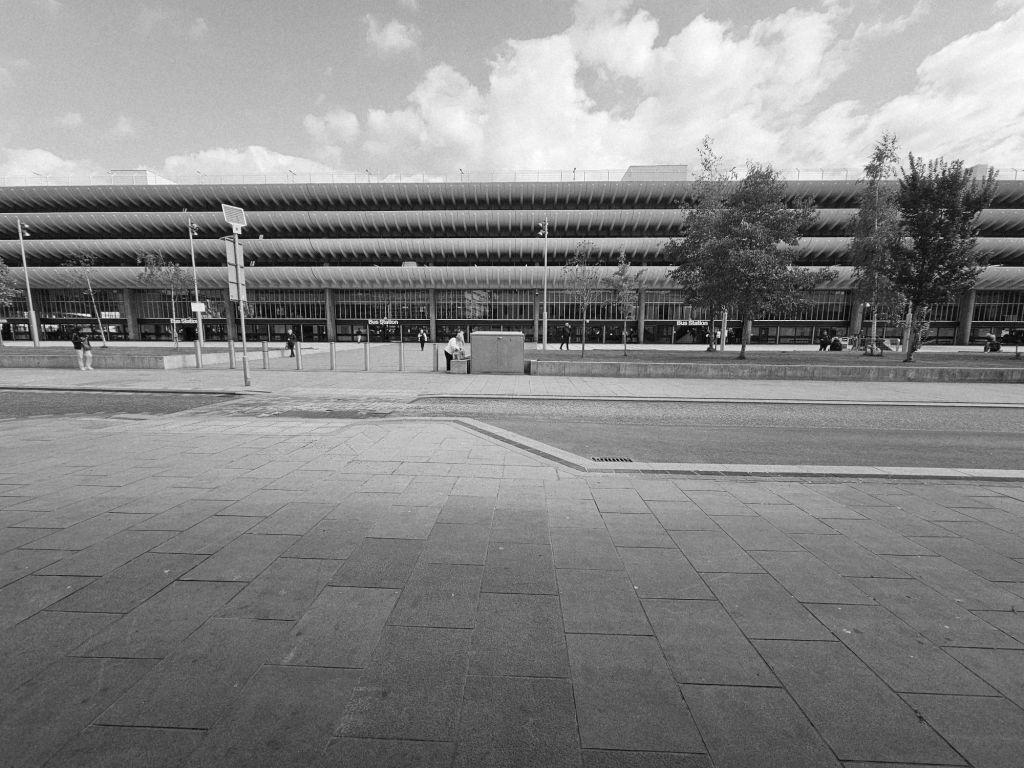
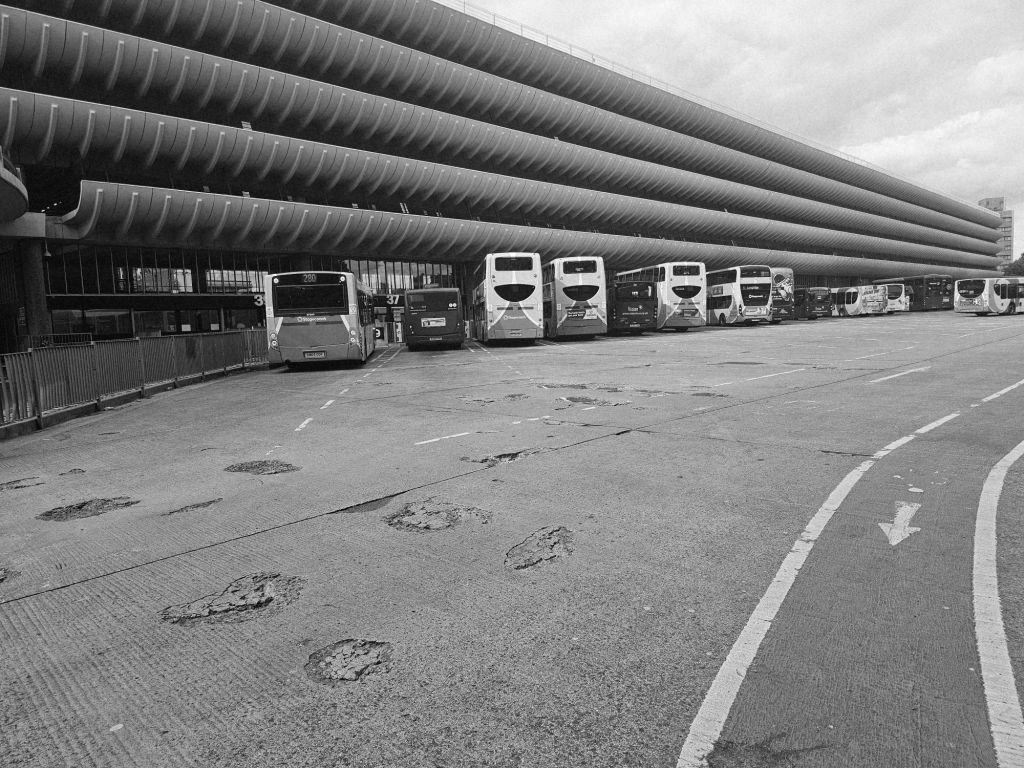
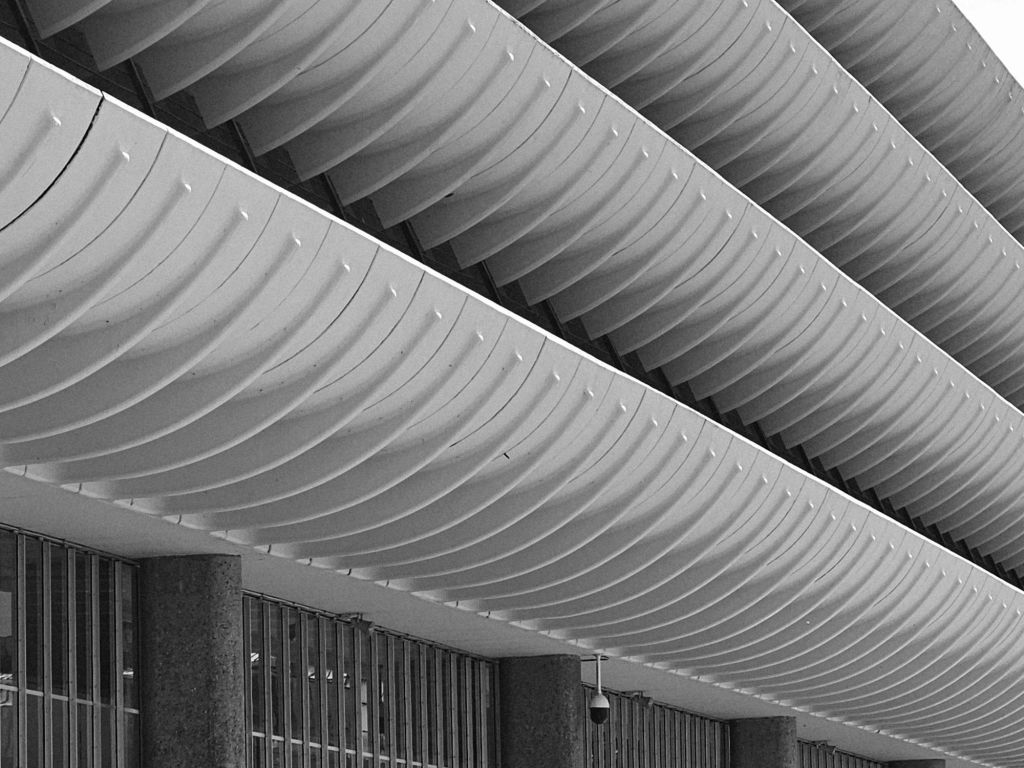
I had wanted to see Preston Bus Station, a heroic piece of late 1960s brutalism, designed by local architects, Keith Ingham and Charles Wilson, working for Building Design Partnership, originally a local firm, and Ove Arup.
It is indeed impressive:-
Odd to think that it was only listed relatively recently after being scheduled for demolition.
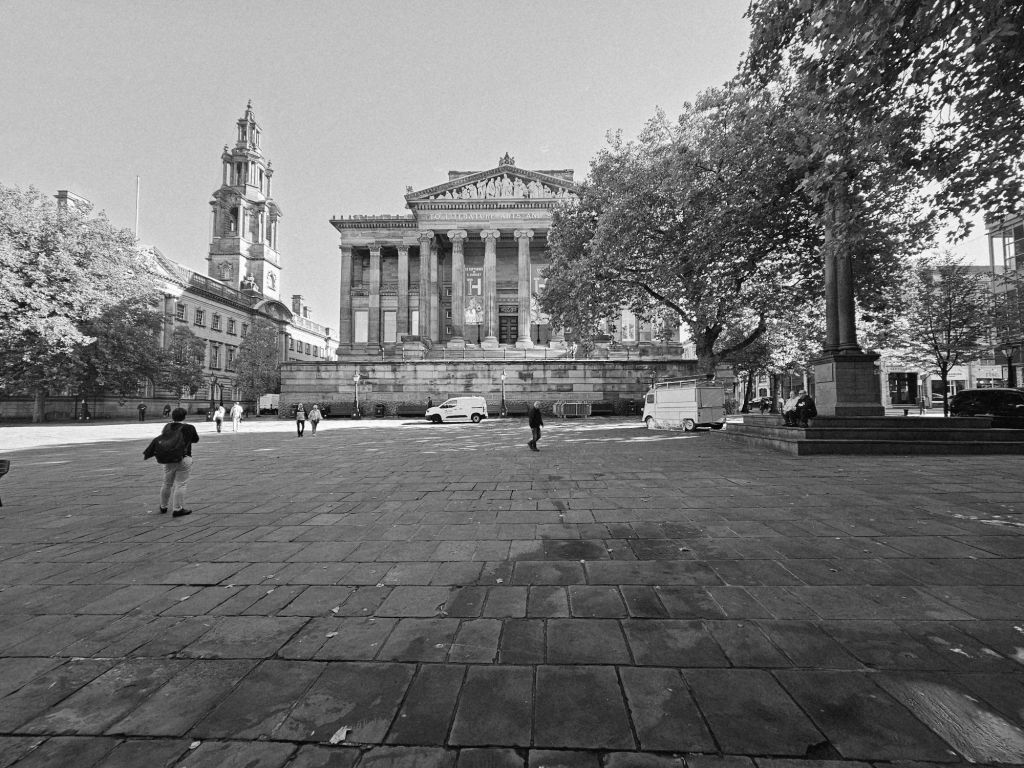
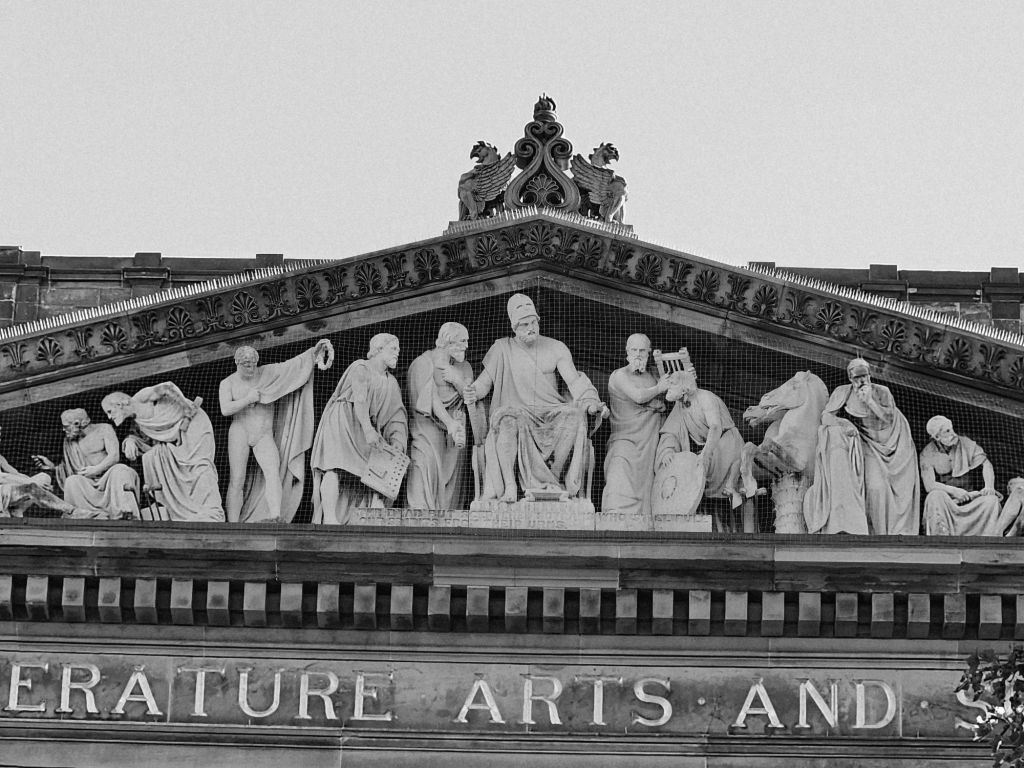
The Harris – a combination of museum, art gallery and public library – re-opens on Sunday after a £19 million renovation, part-funded by the National Lottery Heritage Fund, which gave £6.3 million.
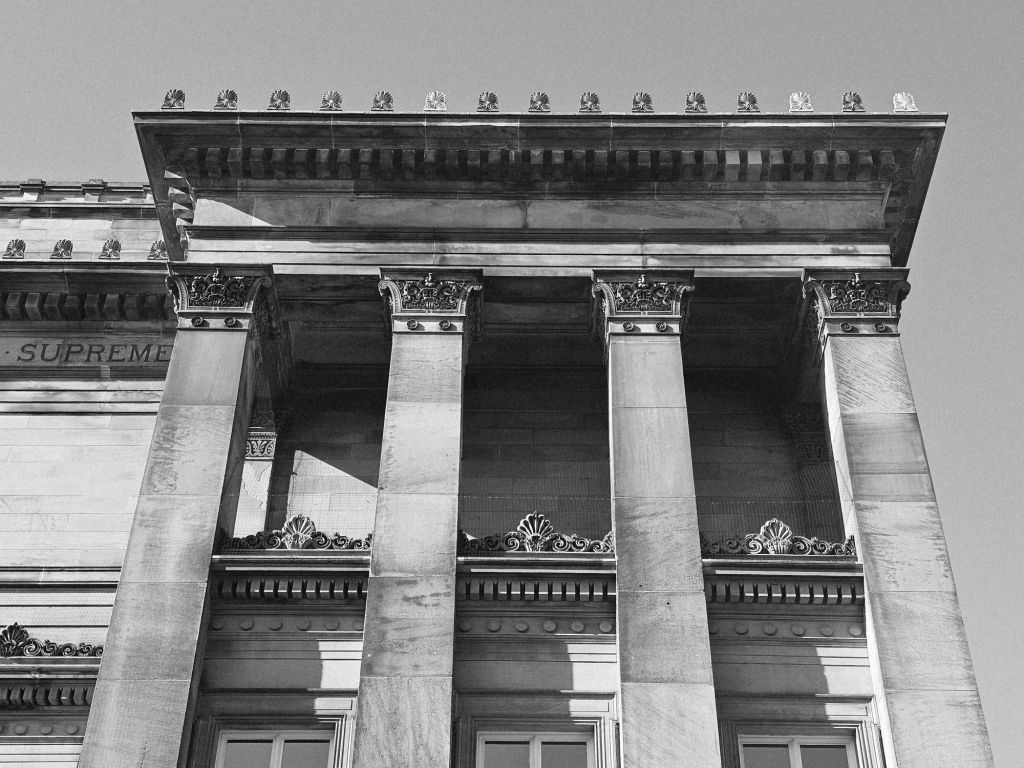
It’s a wonderful late Victorian building, designed by James Hibbert, described by Pevsner as ‘widely unknown’. He was actually the Mayor of Preston and was certainly able to design in a convincing Greek Revival style, as Pevsner, says, more like Glasgow than elsewhere in England:-
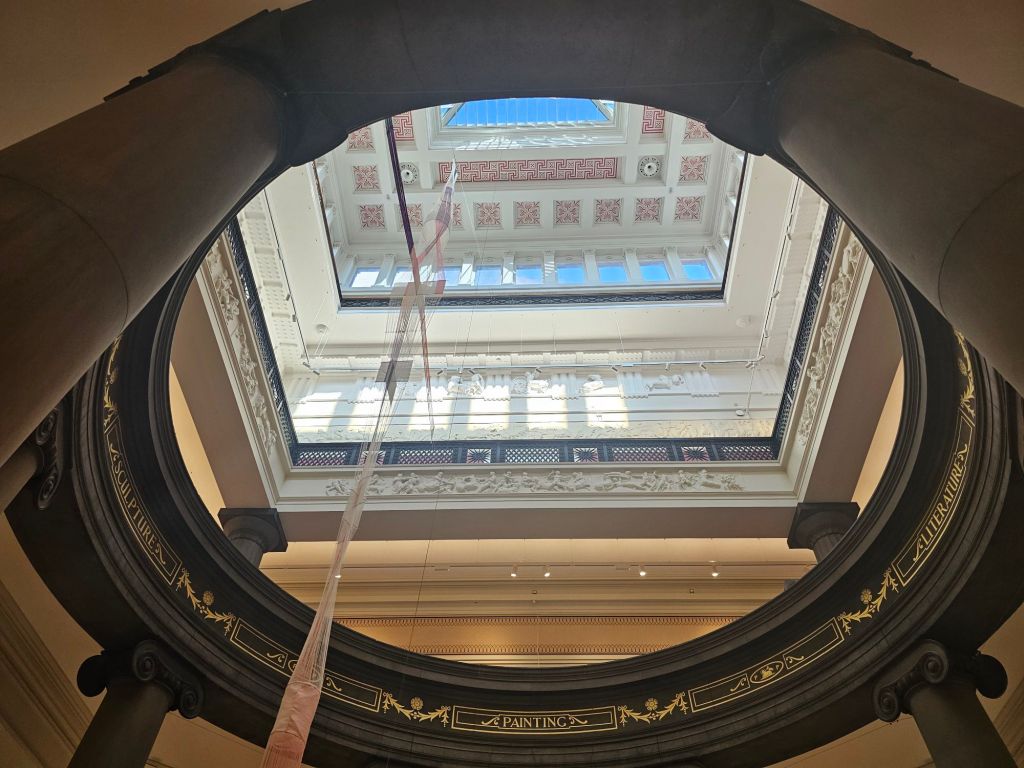
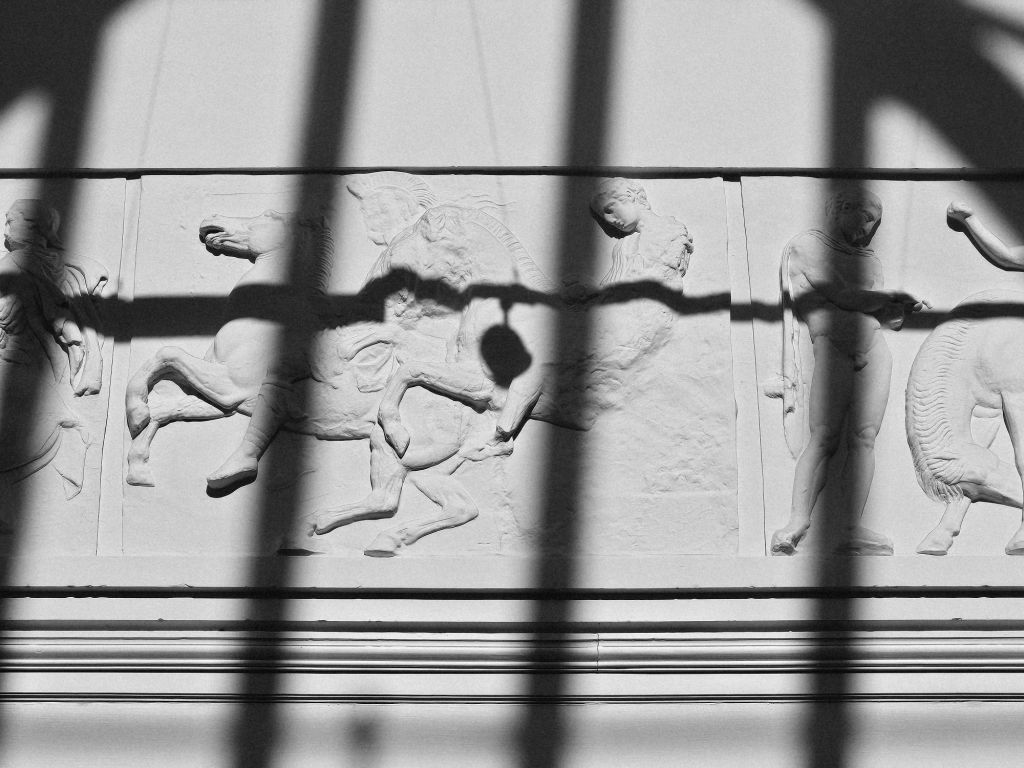
Inside is a wonderful triple-storey, top-lit atrium with casts of the Elgin marbles:-
And the frieze:-
I hope the exhibition of Wallace and Gromit will encourage people to visit.
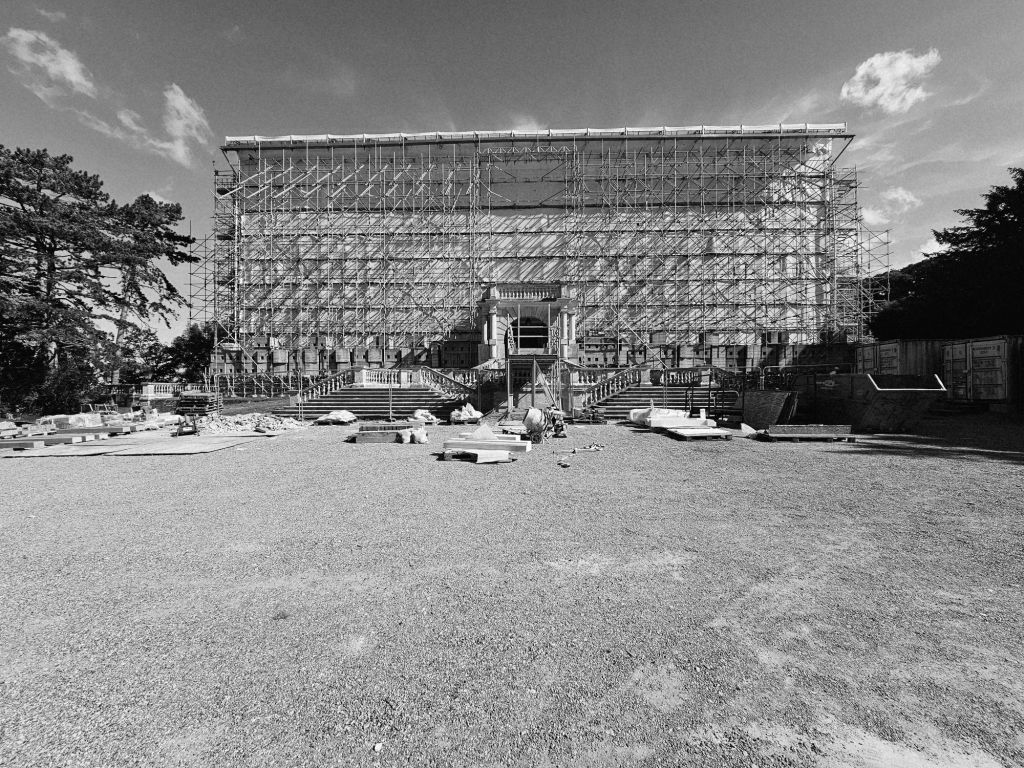
I spent the day at Clandon, an extraordinary and massive conservation project.
I don’t think I had registered the full extent of the damage: that so little was left apart from the exterior shell, with its amazingly beautiful brickwork left intact.
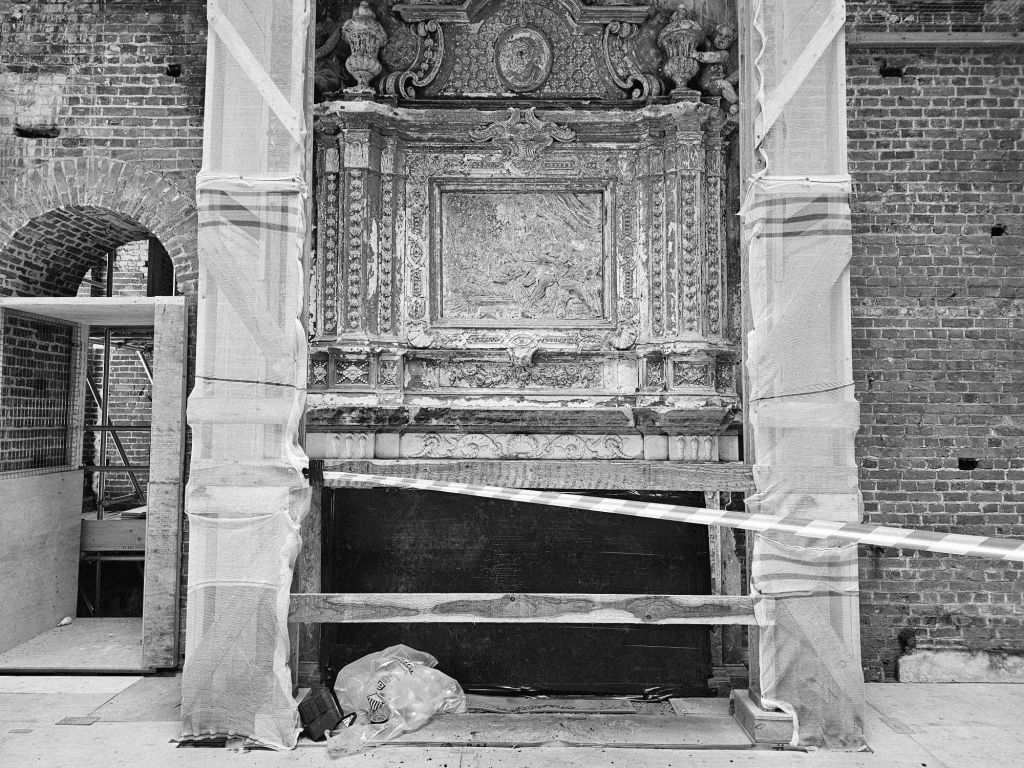
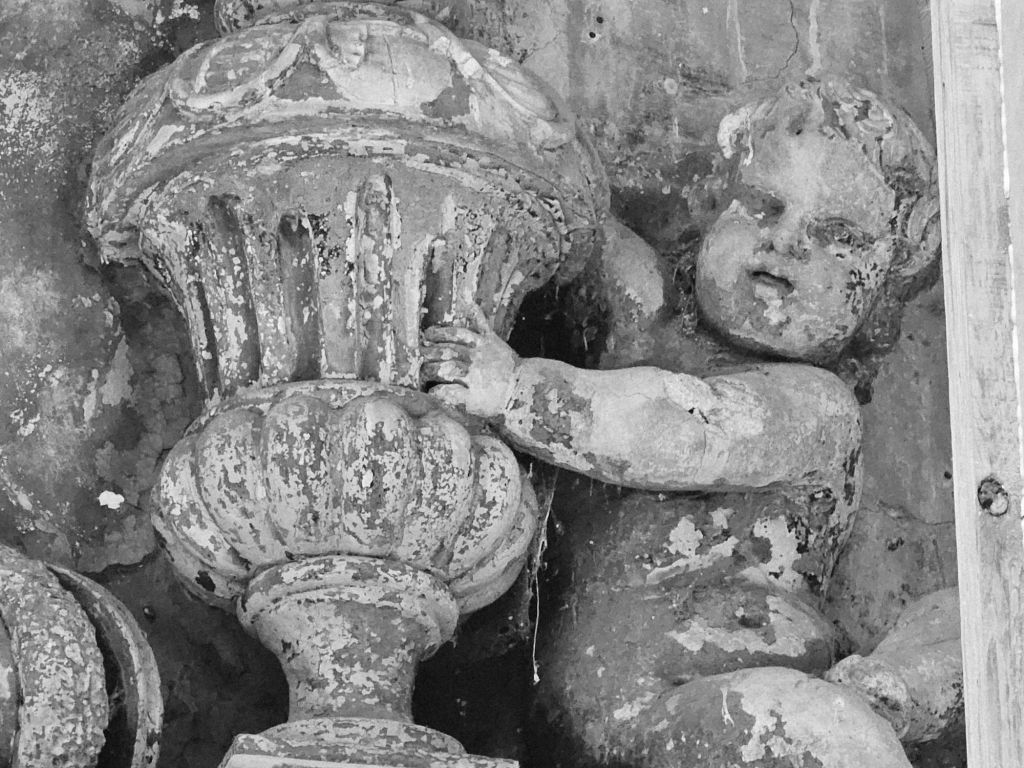
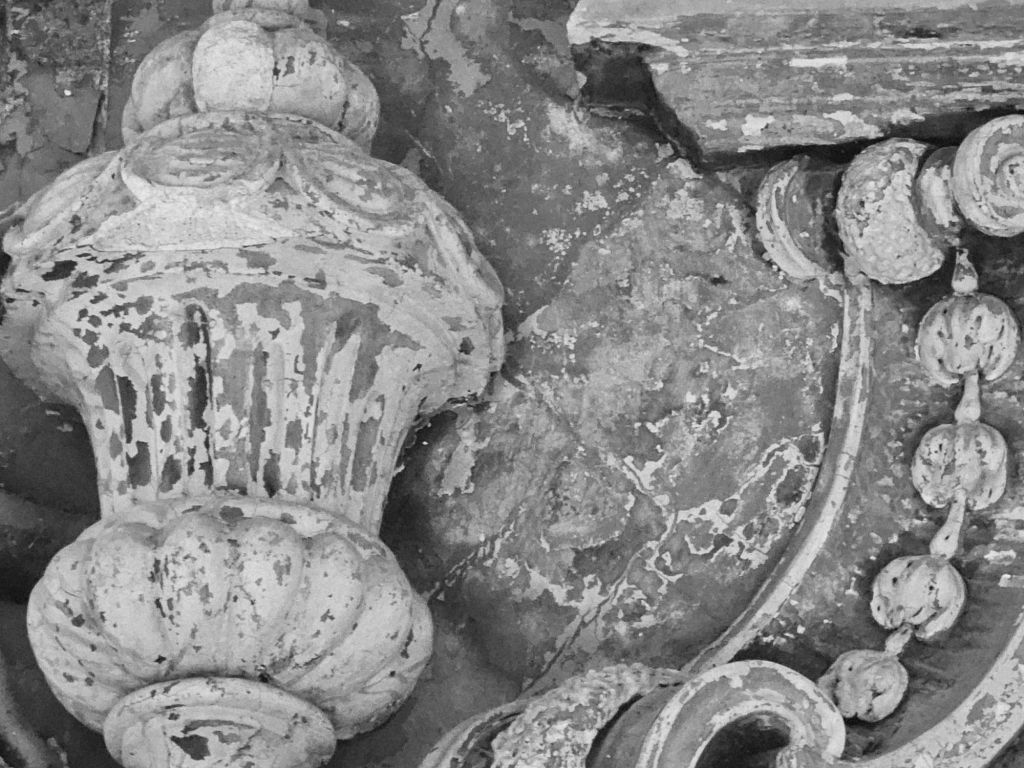
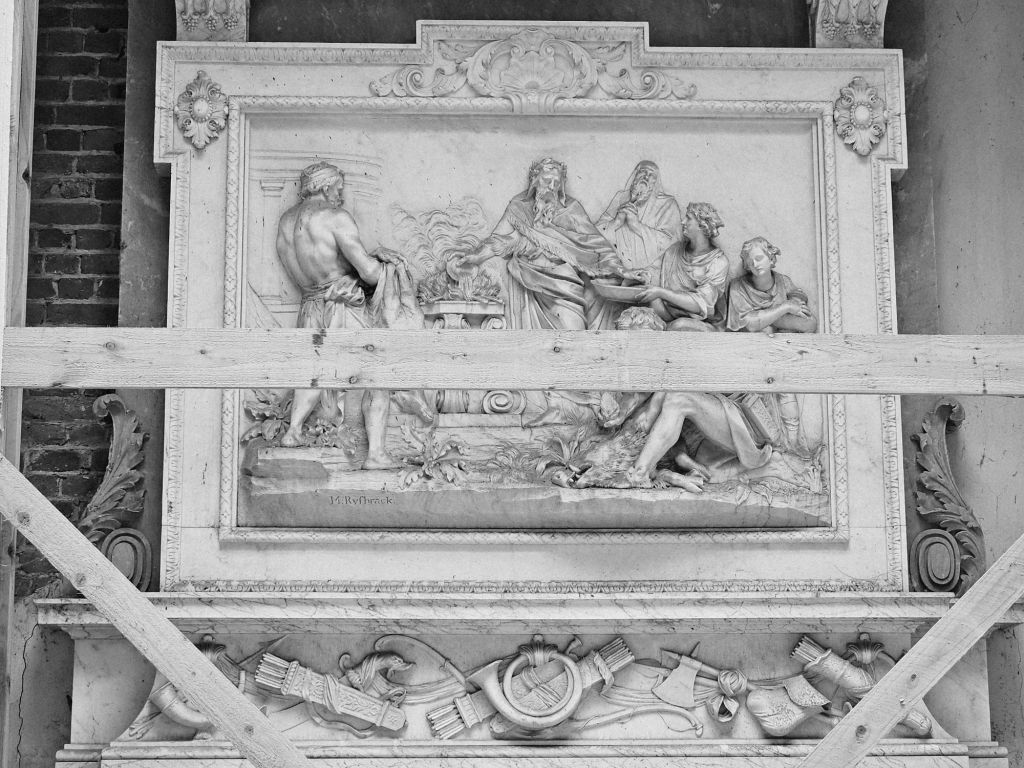
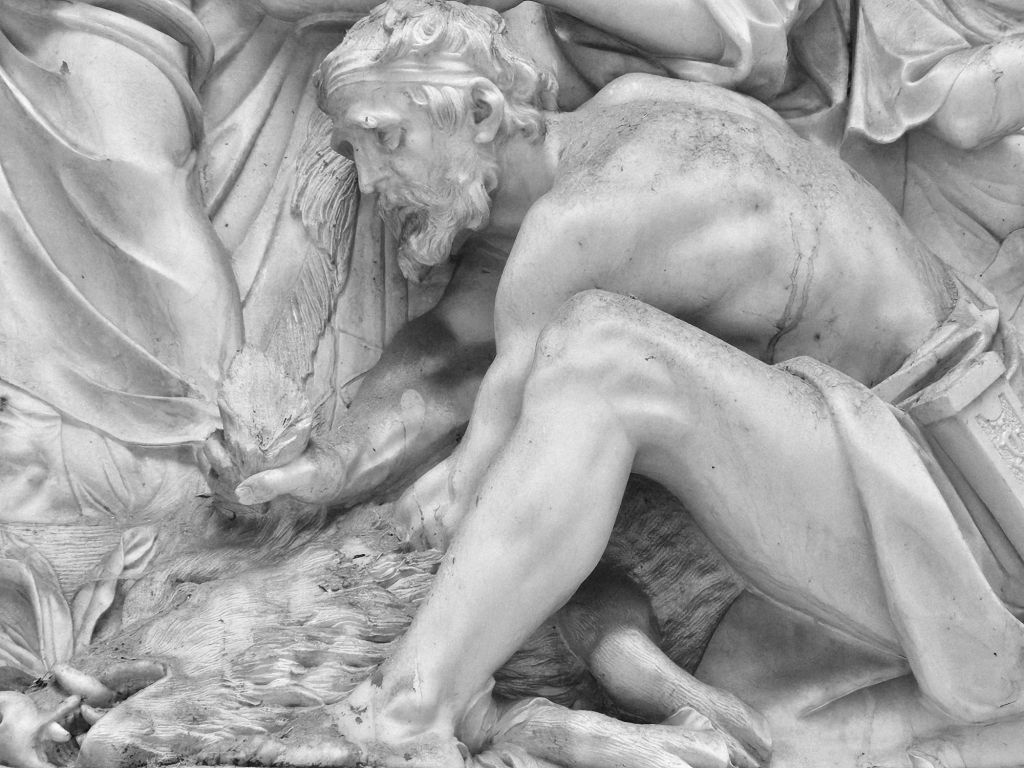
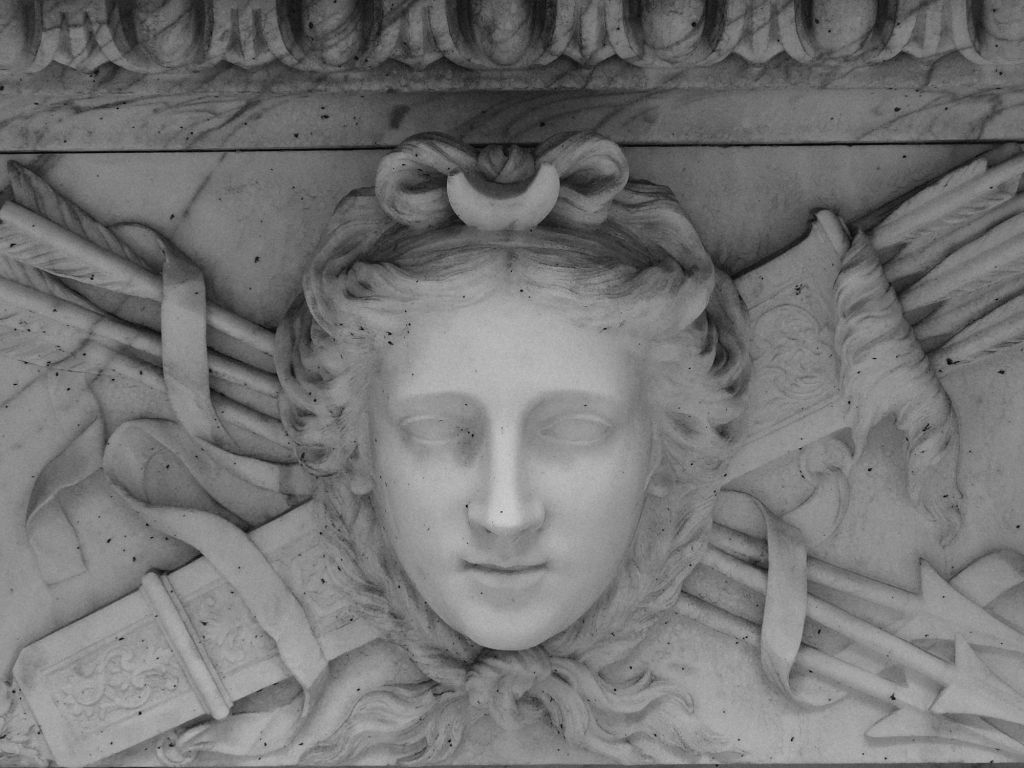
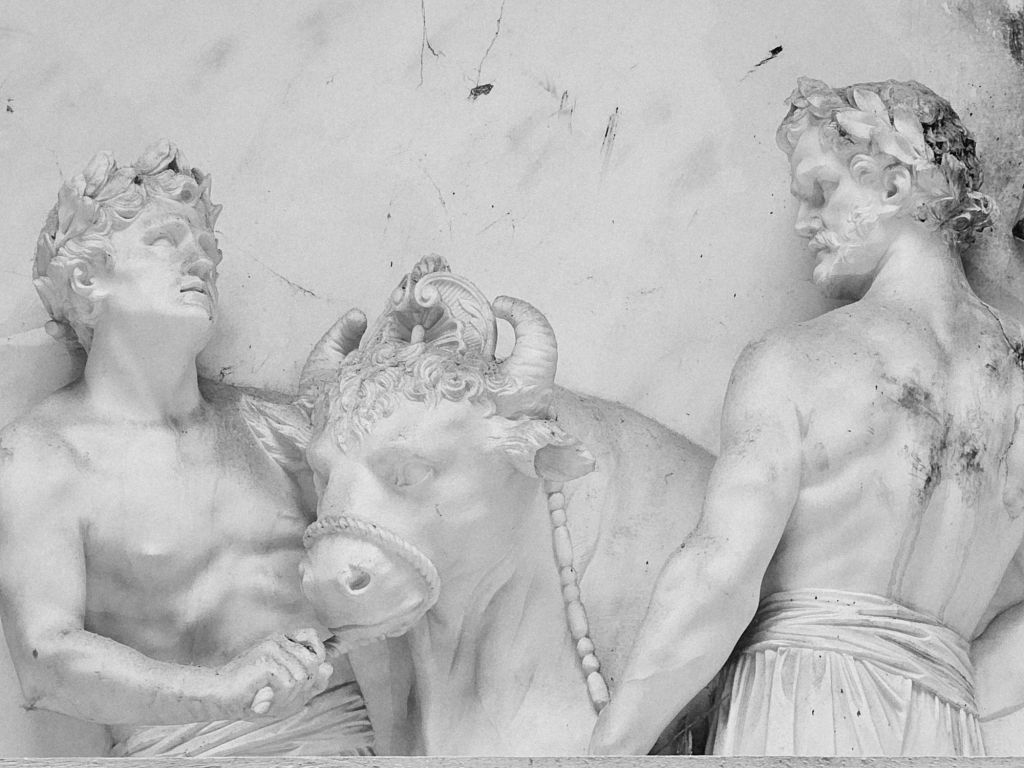
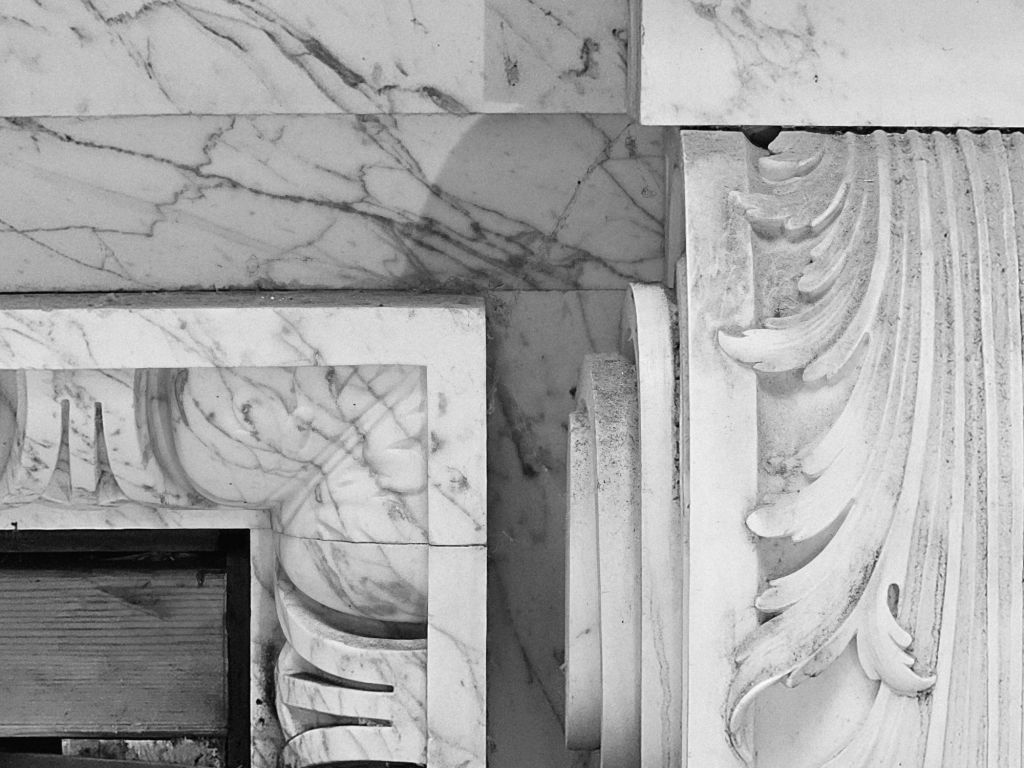
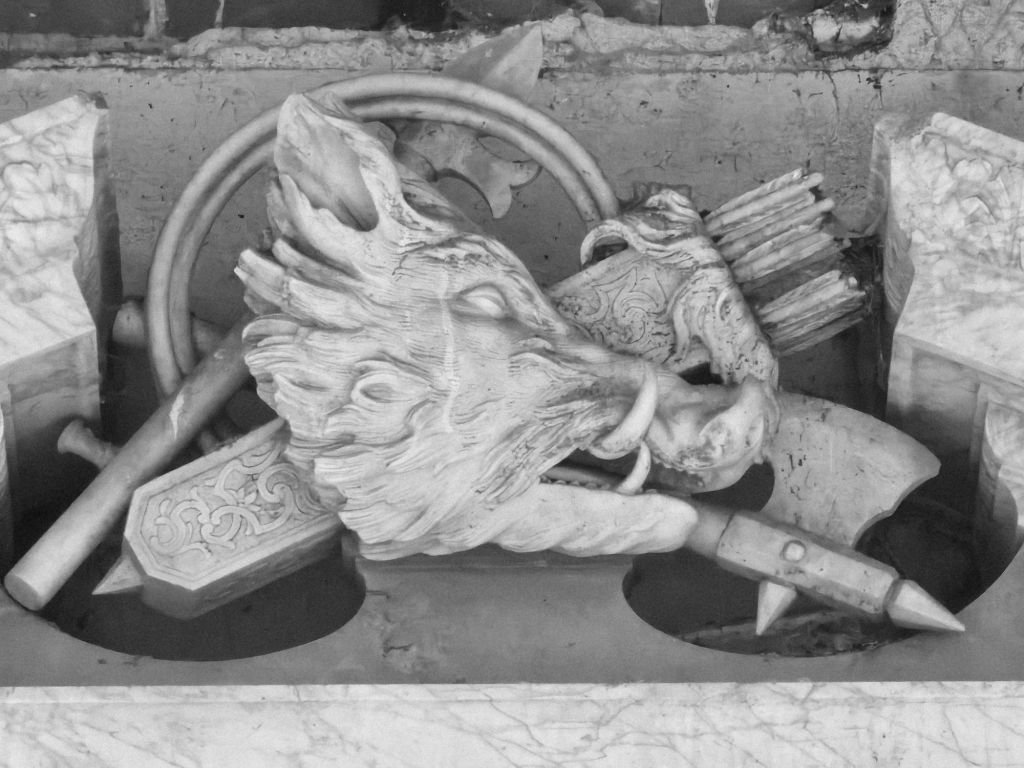
The major thing about Clandon was the Marble Hall which filled the central volume of the house, two storeys high. It has all gone, apart from the two great chimneypieces north and south by Rysbrack (signed). Of the great ceiling, presumed to be by Artari and Bagutti still, nothing apart from melancholy fragments survive.
Here is the exterior shell from the west, covered in scaffolding:-
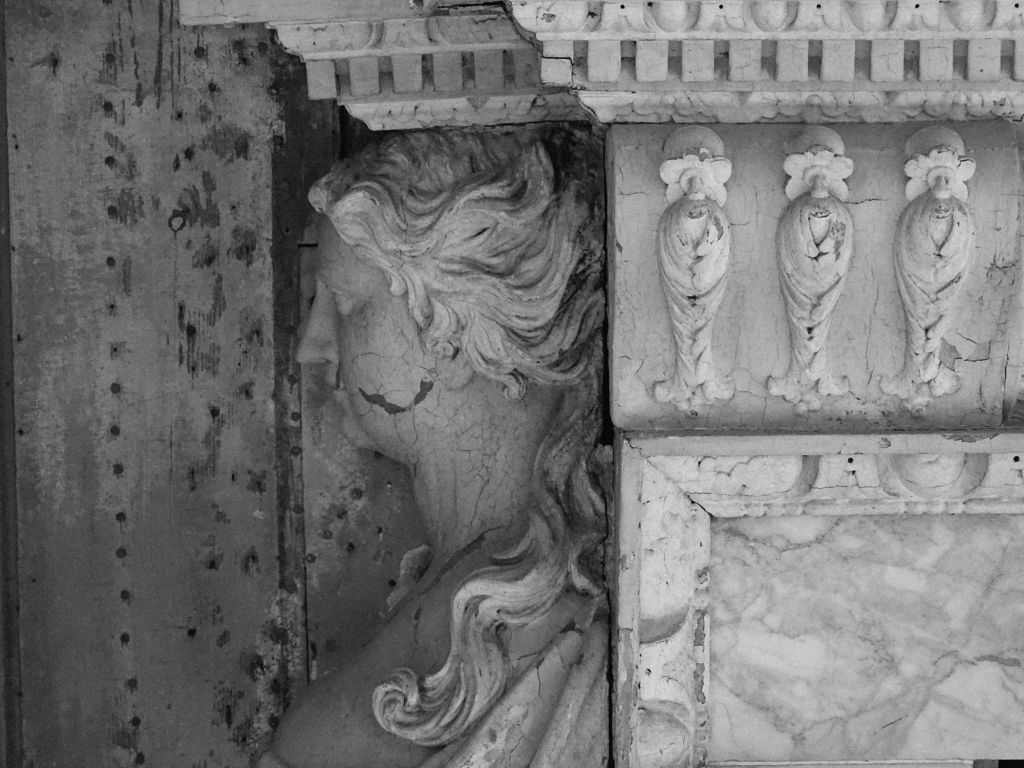
We entered from the east via what was the Saloon, with what’s left of a grand chimneypiece:-
Into the Marble Hall:-
Houghton is the only equivalent in terms of grand classicism.
The only plasterwork to survive is the ceiling of the Speaker’s Parlour:-
It is planned to re-open in 2029. The chimneypots were piled outside, waiting to be reinstated:-
Some time ago, I visited Culham Court Chapel, shown round by its architect, Craig Hamilton. I was impressed by it, although it’s unlike – perhaps because it’s so unlike – most contemporary architecture in being Catholic, private and essentially commemorative. I wrote it for the August/September issue of The Critic and the article has just appeared online:-
By chance, it coincides with the announcement of Martin Jennings as sculptor of the commemorative statue of the Queen on the Mall (actually just off the Mall in the entryway to St. James’s Park). It’s not clear whether it will be equestrian, as suggested in Norman Foster’s competition entry. Not an easy commission.
We went last night to a performance of How to be a Dancer in Seventy-Two Lessons at Sadler’s Wells East. I am not going to pretend that I am an aficionado of contemporary ballet, having so seldom been, but the work was amazing, very excitingly danced and if there are tickets left for tonight’s performance – there probably are because it’s a big theatre – I strongly recommend it.
Things are hotting up in terms of my forthcoming Vanbrugh book with the release of a podcast by Ambrose Gillick, called A is for Architecture.
He asks me a whole series of interestingly searching questions about Vanbrugh as an architect – his life, and the links of the world of the theatre to his work as an architect which you can feel me sometimes struggle to answer.
I don’t come across as knowing the answers, but I hope that makes it interesting, if you have the patience to listen to the end:-
In talking to Rowan Moore about Nick Grimshaw, I was asked about his musical interests. Then I spotted on Instagram an interview he did some time ago with Gramophone magazine and reproduce it as an important aspect of his character.
I went last night to a discussion about the forthcoming London Museum which is due to open some time next year – they are sensibly cagey as to when because it has obviously been a long and immensely complicated building project and there is still much to do, including the installation of all the displays.
I was very impressed. Asif Khan spoke first about the importance and interest of the site which is clearly of great importance, the site of a meat market since the 10th. century and of Bartholomew Fair. Paul Williams of Stanton Williams talked about the long process of the design of the new museum which will occupy two of the old buildings of Smithfield Market: the General Market to the west, apparently with a view through to the railway line, designed by Sir Horace Jones and built between 1879 and 1883; and the Poultry Market to the east which was burnt down in 1958 and reconstructed in a completely different way by Sir Thomas Bennett. They were originally going to occupy the Fish Market to the south, plus the General Market, but this didn’t provide enough space, so the Fish Market has been refurbished and is due to be let through open competition. The Poultry Market part of the project will not open till 2028.
The third speaker was Mell Allwood from Arup who spoke about issues of sustainability. In general, I have not been impressed by the City’s approach to sustainability, but this project has obviously been all about retaining the character and fabric of the existing buildings, led by the conservation architect, Julian Harrap, who, as I know from long experience, is very brilliant.
The fourth speaker (or commentator) was Deyan Sudjic, the former director of the Design Museum who spoke more generally about the changing character of museums.
Two things came across: the scale and ambition of the project; and the fact that it will be very different from a conventional museum, partly because the existing shops round the side of the building have been retained and will be let to partner organisations and because, like the V&A East Storehouse, it will be all about discovery and not so much about traditional display of the collection.
I thought that I might be nostalgic for the old Museum of London, but going into a late 1970s building which has not been occupied for several years was pretty gloomy and I was completely persuaded that the buildings of the new museum have been refurbished with the utmost sensitivity.
Here is an aerial view of the two buildings (Poultry Market to the right):-
This is West Poultry Avenue between the two buildings which will be the point of entry and has been retained as an internal street:-



You must be logged in to post a comment.