Ardtornish Castle (2)

So, here are the basic facts:-

Octavius Smith bought the estate of Achranich in 1845.  His father, William Smith, was a Unitarian MP and was Parliamentary Commissioner for Highland Roads and Bridges, which had introduced Octavius, his eighth son, to the remote parts of the Highlands, including Morvern.

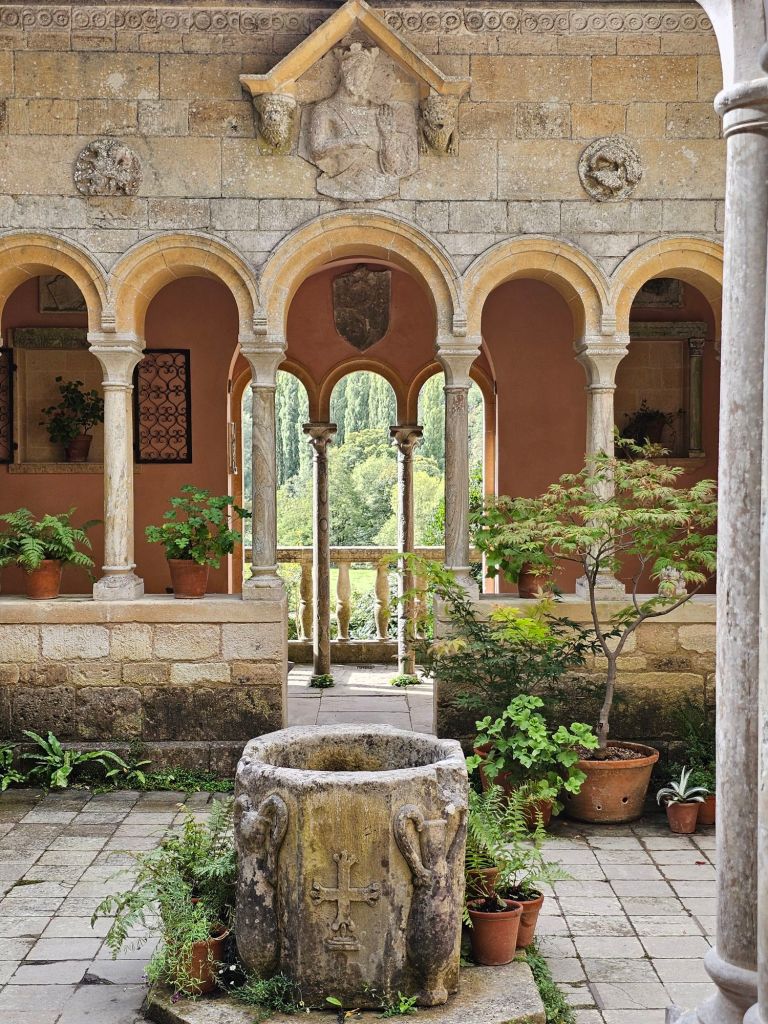
Octavius was an interesting figure.  He made money out of a distillery in Fulham, but spent part of the summer in Scotland.  He lost the use of an eye in an explosion while building a new house on the estate (he was a qualified civil engineer).  Of this, only the clock tower survives:-

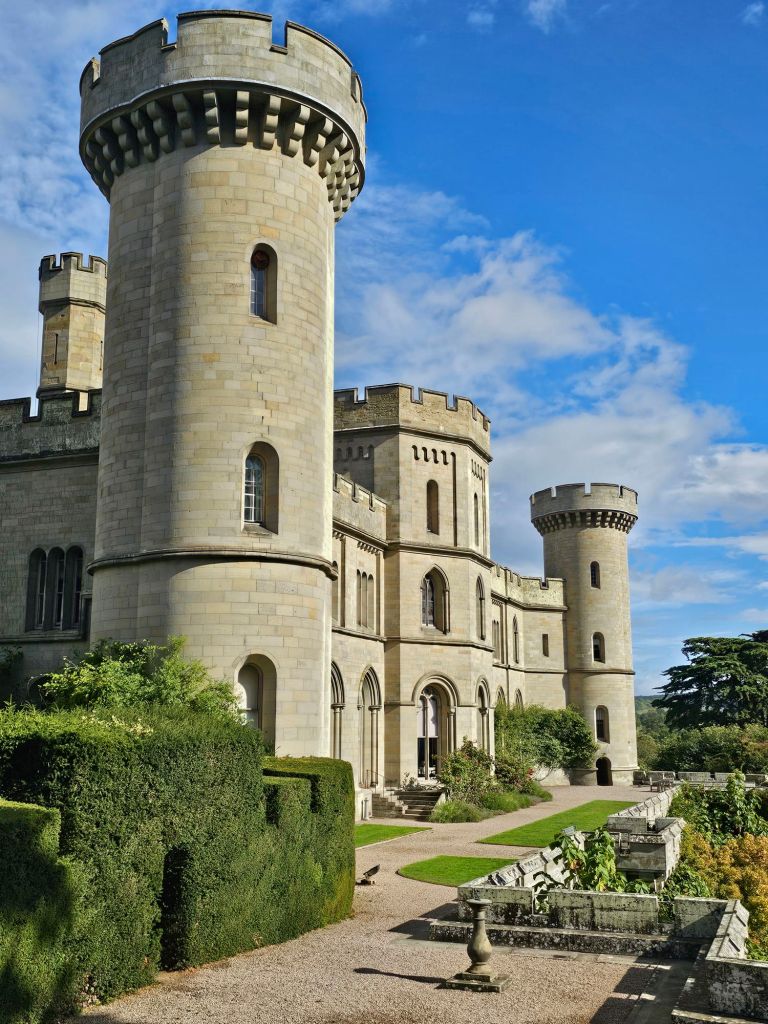
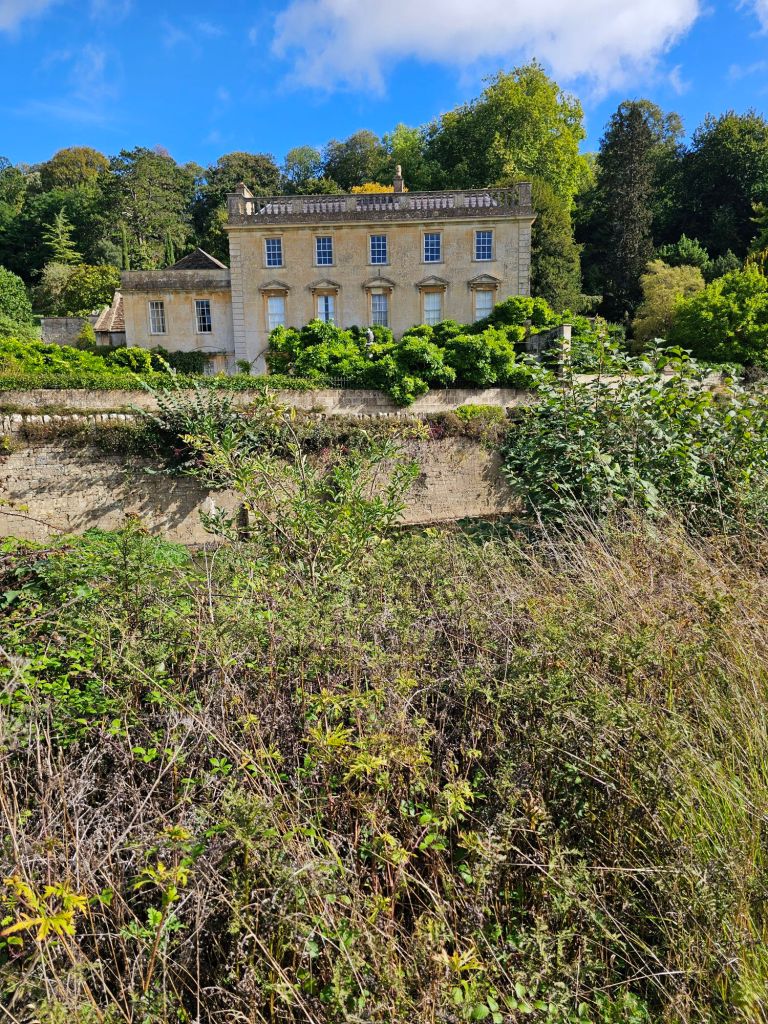
Octavius died in October 1871 and was succeeded by his second son, Valentine, who demolished his father’s house in 1884 and commissioned a new one from Alexander Ross, an architect-antiquary in Inverness who had travelled in Alsace.  This is the house as now:-

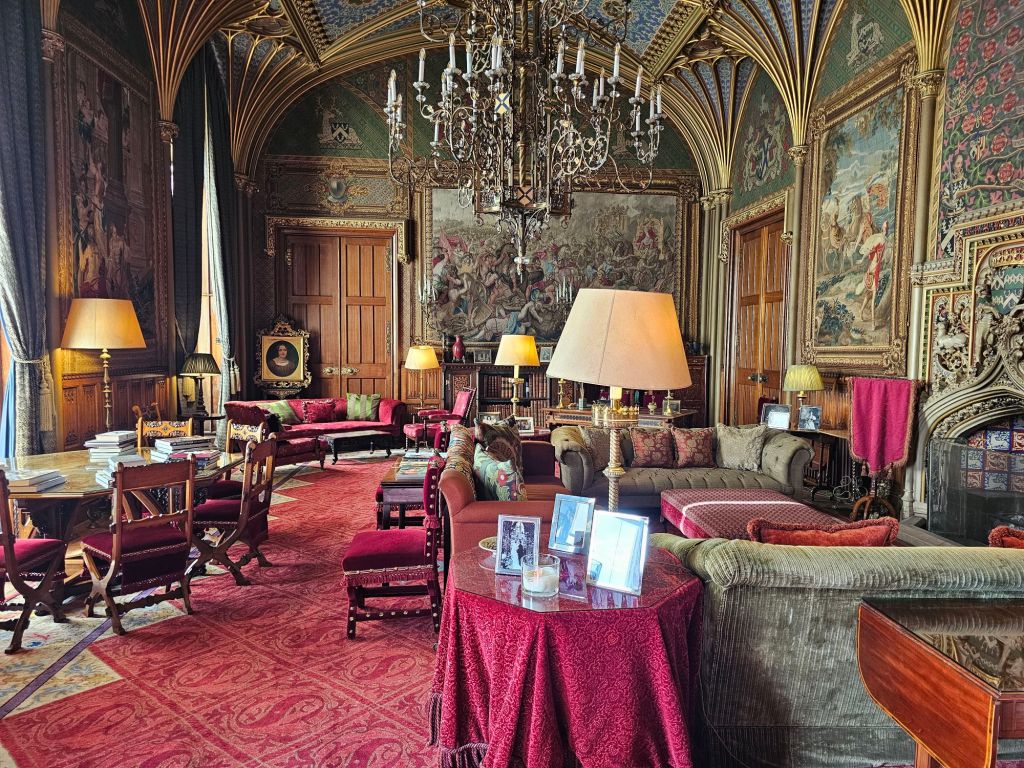
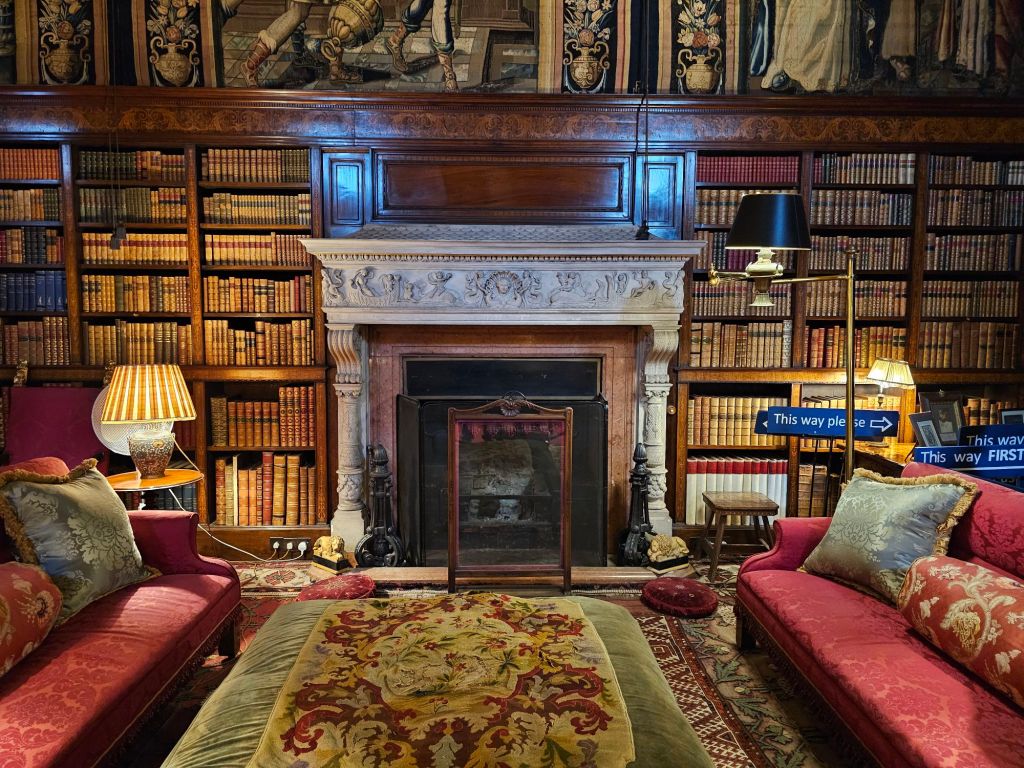
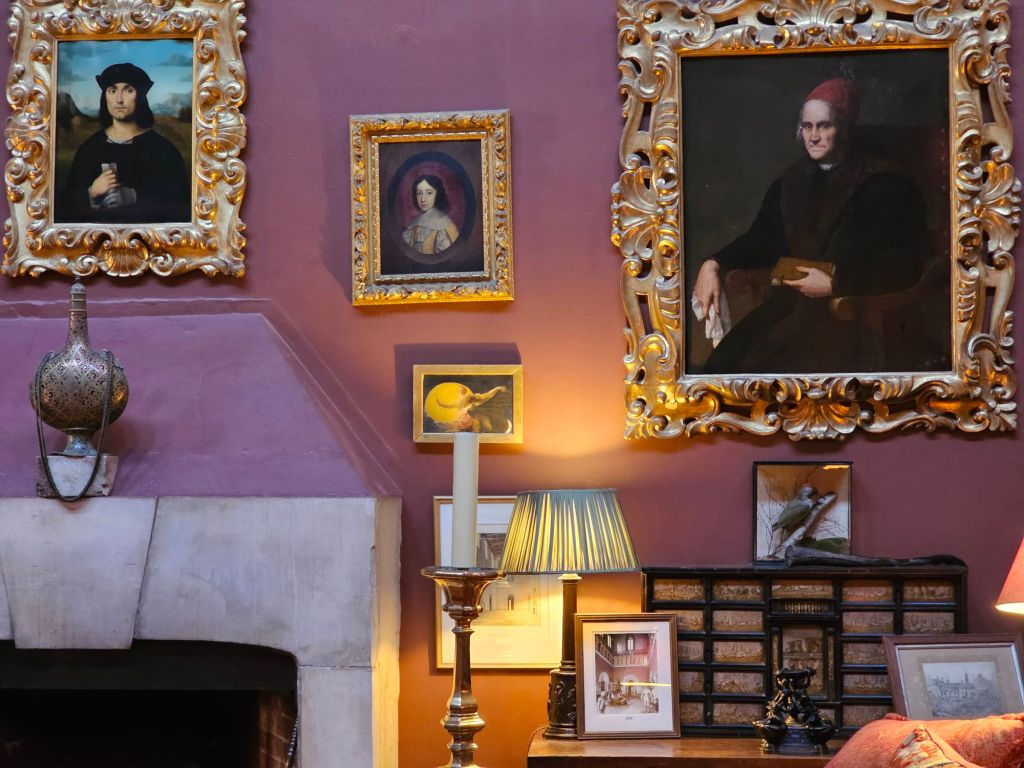
Valentine Smith died in 1906.  The interiors were then radically remodelled by his sister, Gertrude, following plans devised by John Kinross in 1908:-

She lived in the house with her son, Gerard, till 1929, and the following year, the estate was bought by Owen Hugh-Smith (no relation of Octavius) in 1930 on the recommendation of Sir John Stirling Maxwell.  He died in 1958.  The management of the estate was taken over by his daughter, Faith, in 1967.

Standard

St. Peter’s Seminary, Cardross

I stopped off en route to the Highlands to see what remains of St. Peter’s Seminary, Cardross, as grand a set of ruins as it’s possible to imagine:-

Designed by Isi Metzstein and Andy Macmillan of Gillespie Kidd and Coia in 1961 for 100 students, it was redundant almost from the beginning and closed in 1980.

Over the years, there have been plans to regenerate/restore it, but in its current state of nearly total dereliction, it is hard to imagine and on such a massive scale:-

Standard

Ardtornish Castle (1)

It’s an extremely long time since I’ve been to Ardtornish where we used to come and stay every summer, driving up from Surrey, staying en route in Dumfriesshire and then sometimes with other cousins at Laudale on Loch Sunart.

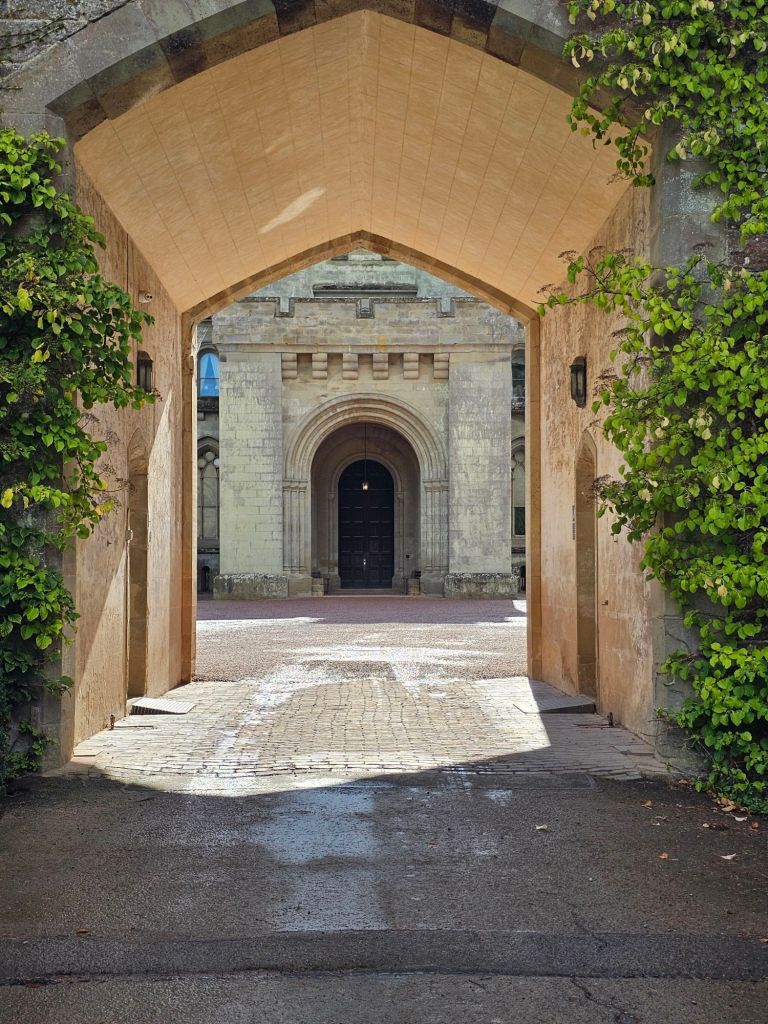
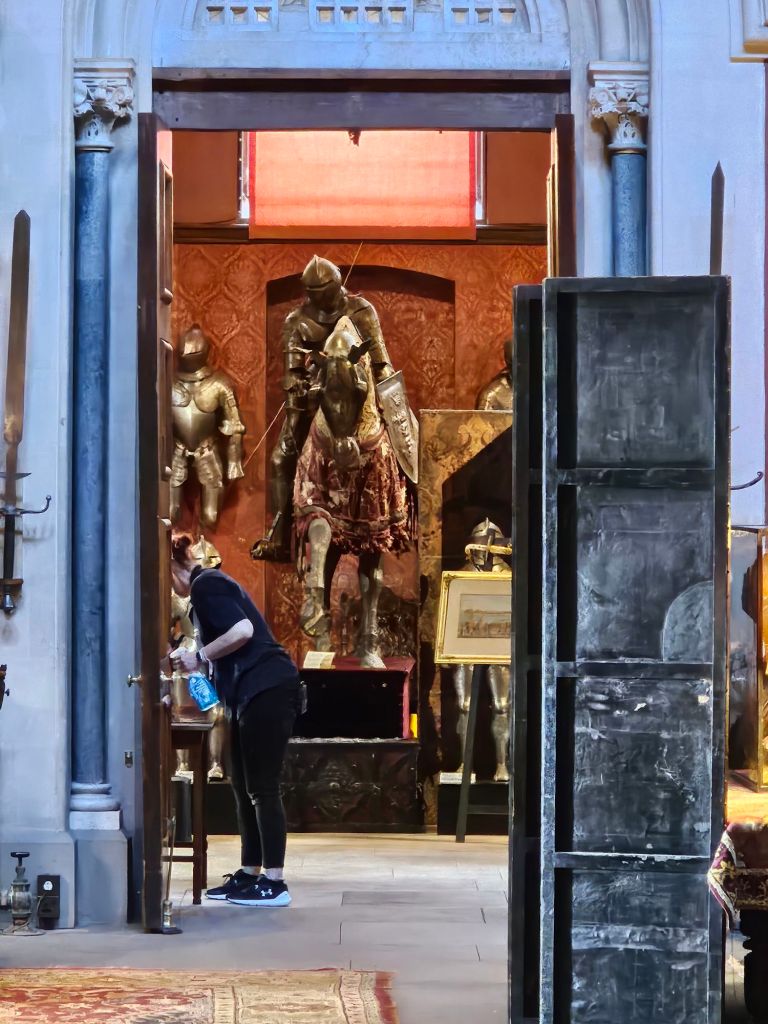
I remember it as a touch dour.  In fact, what I remember best are the servants’ bells as one comes in from the back yard:-

This is the house seen from its garden:-

And, more conventionally, it’s south front:-

Pevsner aka John Giffard is not polite. ‘A suburban villa afflicted with elephantiasis’.  ‘A gigantic but indistinguished villa with fastidiously detailed and very cold-blooded rooms worthy of a grand hotel’.

Tomorrow, I will learn more.

Standard

Simonsbath (2)

A lovely audience for Vanbrugh in Simonsbath, high up in remotest Exmoor. I now wish I had stopped to take photographs of the countryside as I drove across the middle of Devon, so amazingly unspoilt, a combination of deep dells and distant views. Just a bit scary because so many of the lanes are single track. The land still looking as it was photographed by James Ravilious.

Standard

Simonsbath (1)

If you happen to be near Simonsbath tomorrow evening, you can come and hear me talk about Vanbrugh:

https://www.simonsbathfestival.org.uk/events/sir-charles-saumarez-smith

Standard

Culham Court Chapel (1)

It was the greatest possible pleasure to be shown round Culham Court Chapel in South Oxfordshire by its architect, Craig Hamilton, today.  Such a thoughtful and beautifully detailed project, demonstrating the extraordinary craft skills which are still available – stonework, kneelers, vestments, everything drawn out and executed to the highest possible standard:-

Standard

Stepney’s

We tried out the new farm café today.  It opened last week and was PACKED, hardly surprising at 1 o’clock on a lovely, sunny Saturday.  It was a long wait for a bacon sandwich, but delicious when it came.

https://stepneycityfarm.org/at-the-farm/farm-cafe/?doing_wp_cron=1746884439.3286490440368652343750

Standard

Blue Anchor Brewery

As the eagle-eyed may have spotted in my Comments section, I have kindly been forwarded the marketing information for the Blue Anchor Brewery site on the Mile End Road.

This is a remarkable proposal and I feel badly that I was entirely ignorant of it:-

John Charrington established the Blue Anchor Brewery in Stepney in 1757. His younger brother, Henry, lived in the house next door to us and presumably supervised the work on site. It was the second largest brewery in London, but closed down in 1975 after Charrington had merged with Bass to create a conglomerate. The brewery was then demolished and developed as an unlovely retail park, most of it devoted to a car park. It is a very big and important site and how it is developed will have important consequences for the area, particularly since it is nearly next door to the Genesis Cinema also being developed.

What is currently proposed by AHMM in the outline planning is very similar to the development next to the London Hospital: big buildings set back from the road alongside newly created courtyards.

The obvious question is whether or not Queen Mary University have considered it as a possible site for student housing and additional teaching facilities. It is not very far away and they are keen to connect to the neighbourhood. It might lead to a less generic design.

Standard

Genesis Cinema (2)

The biggest risk in the development of the Genesis Cinema is going to be to the character and sense of seclusion of Bellevue Place, which runs up to the side wall of the Cinema and is currently not overlooked.  This is one of the more charming and best preserved bits of Stepney, a group of early nineteenth-century workers’ cottages tucked behind what was Spiegelhalter’s department store:-

Standard