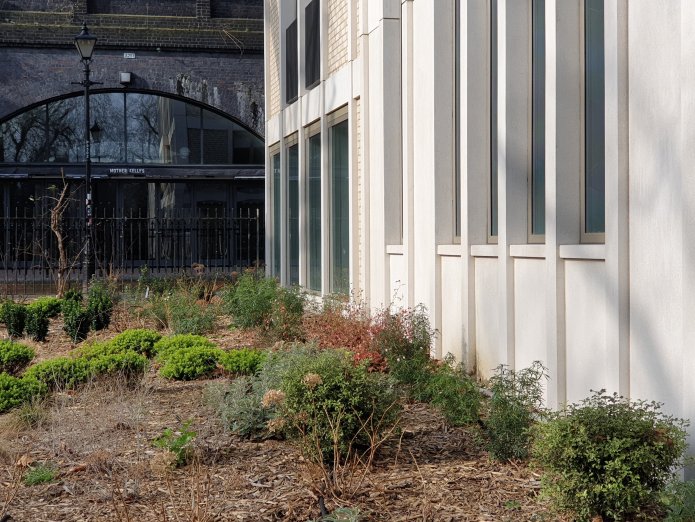
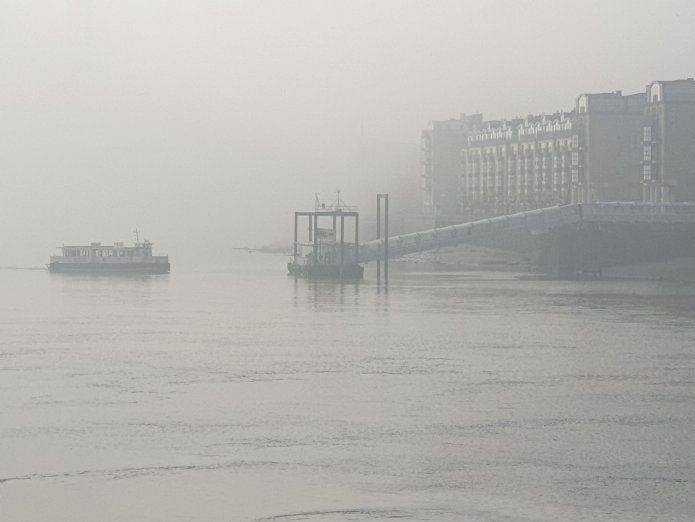
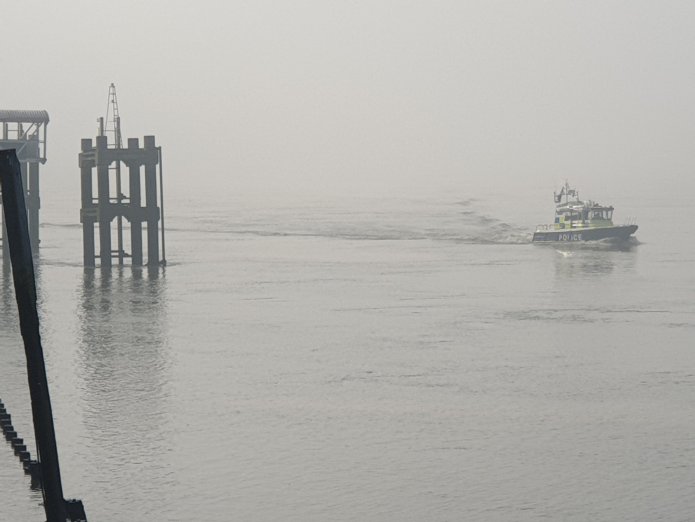
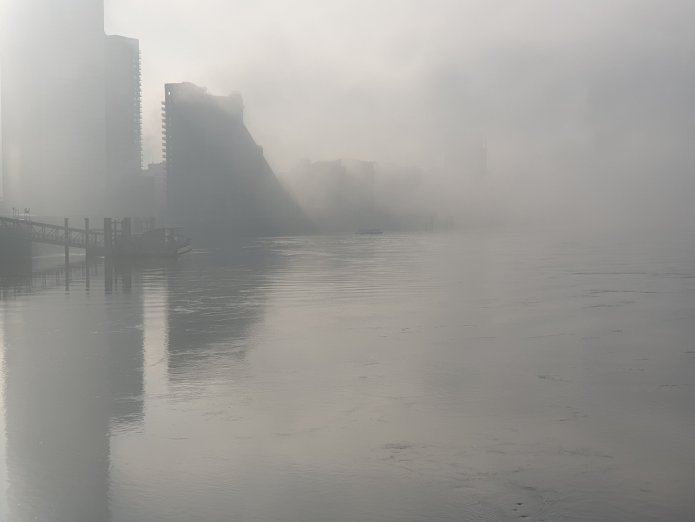
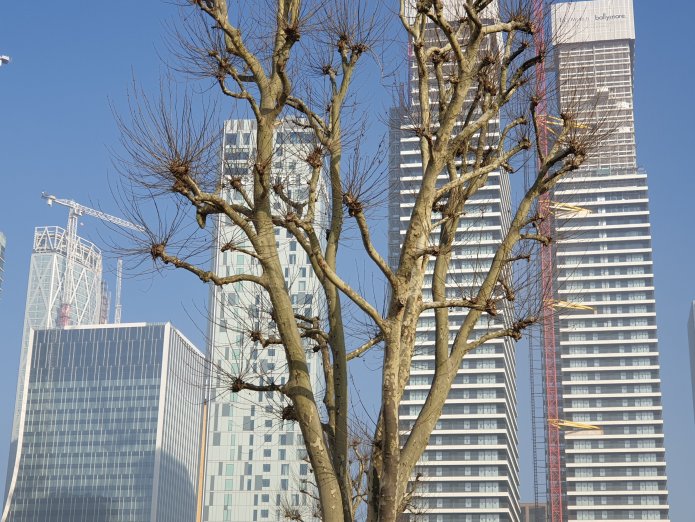
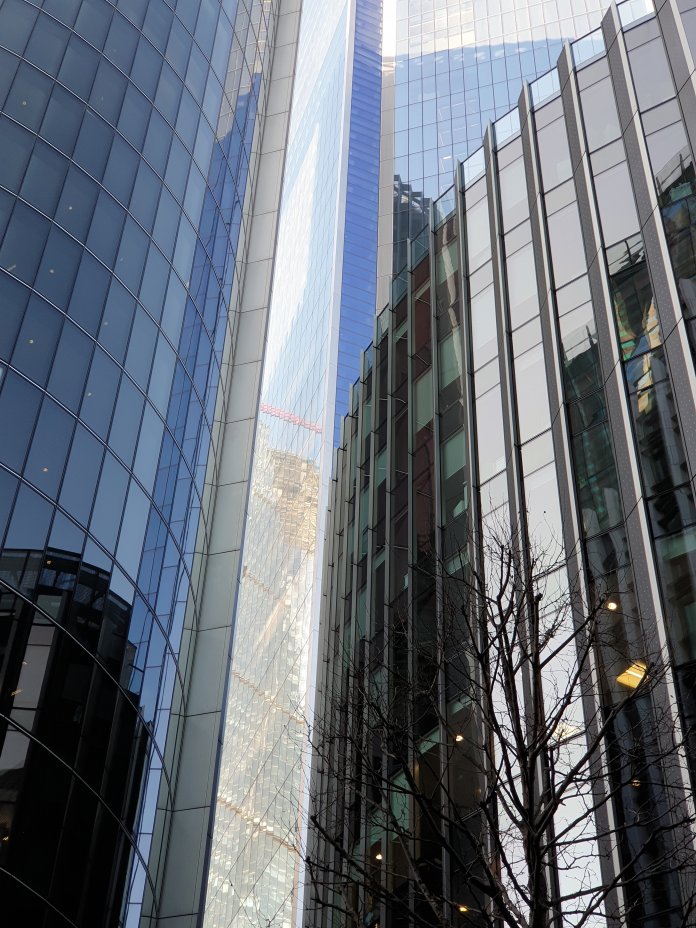
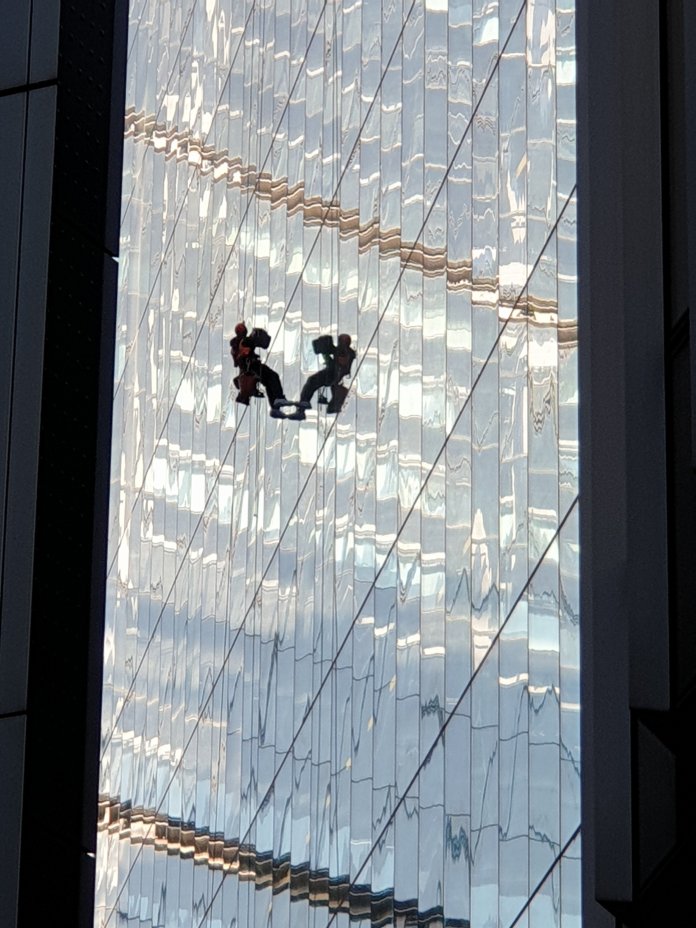
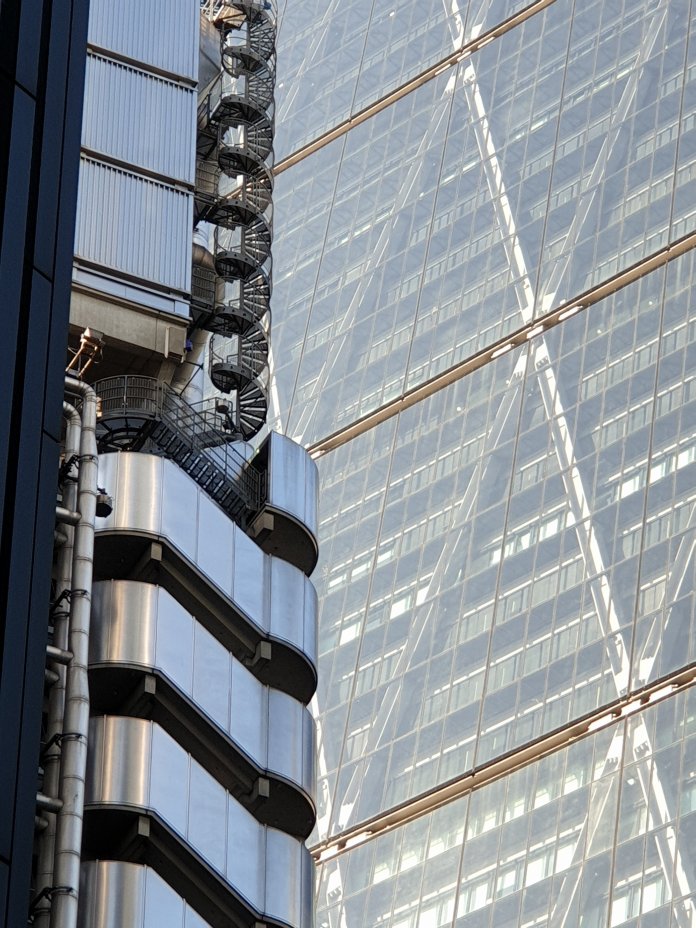
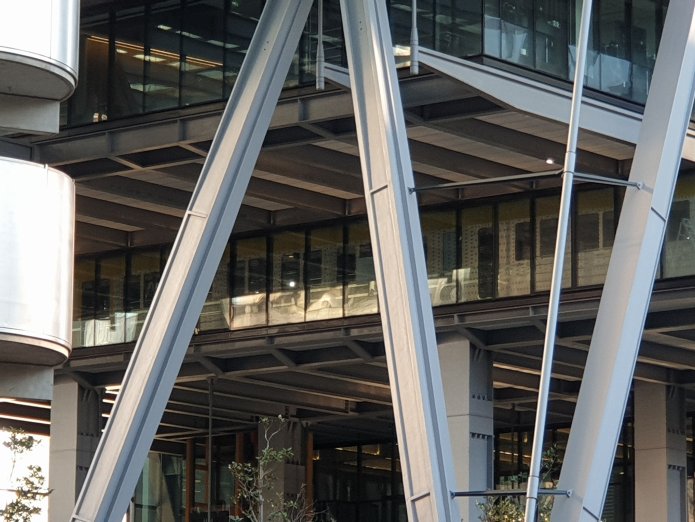
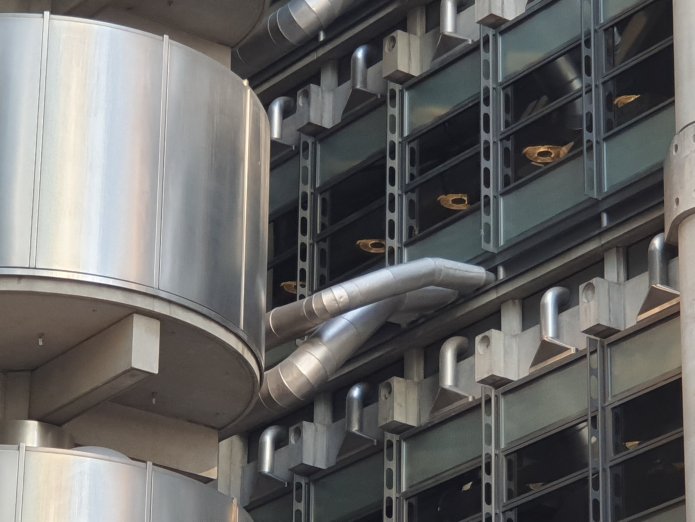
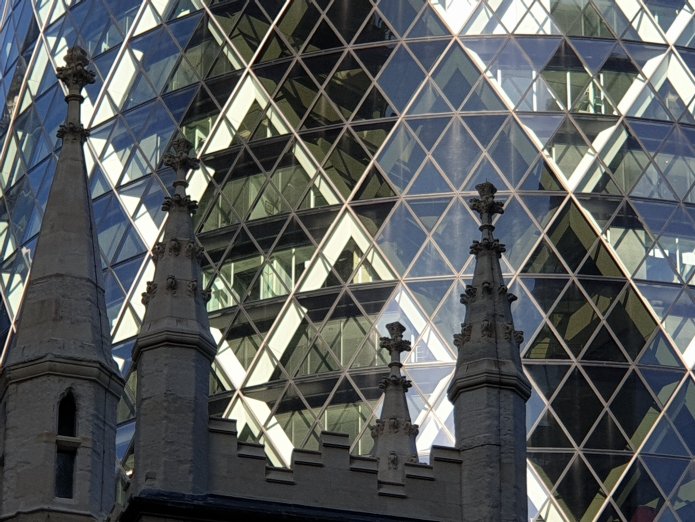
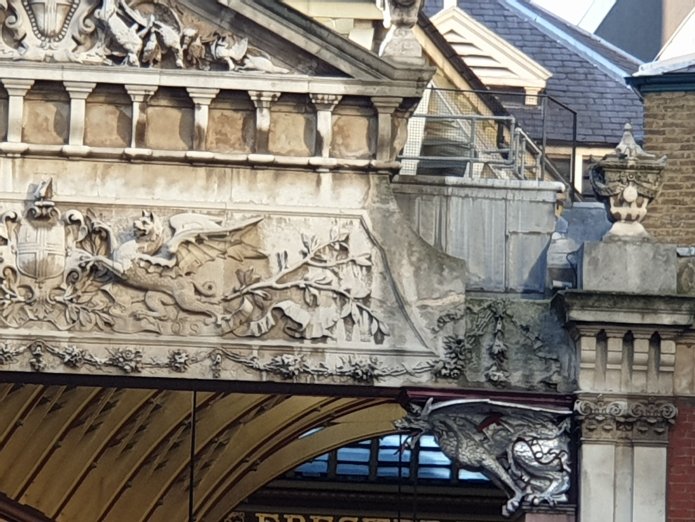
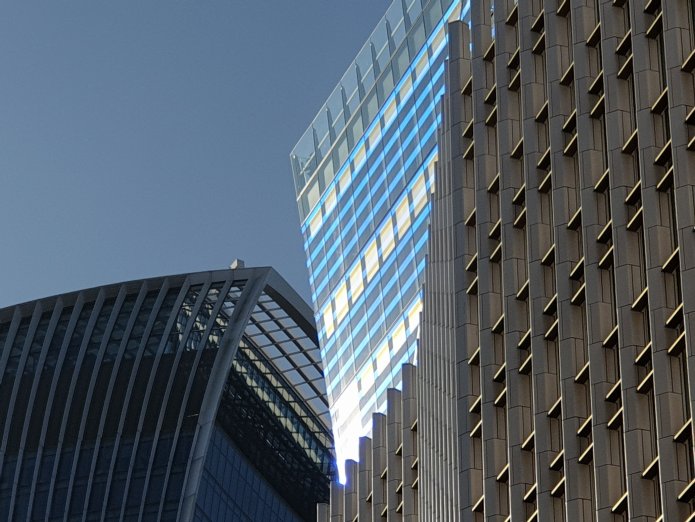
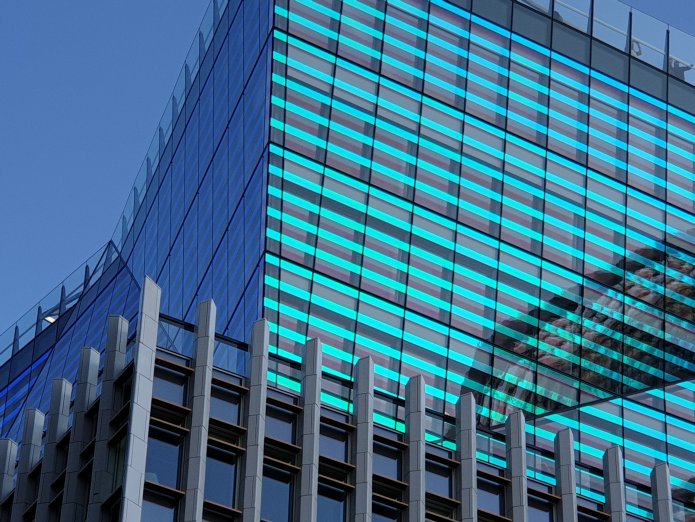
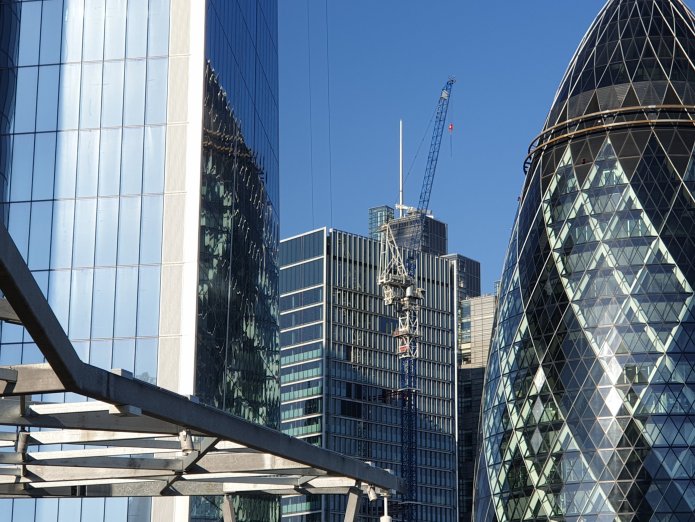
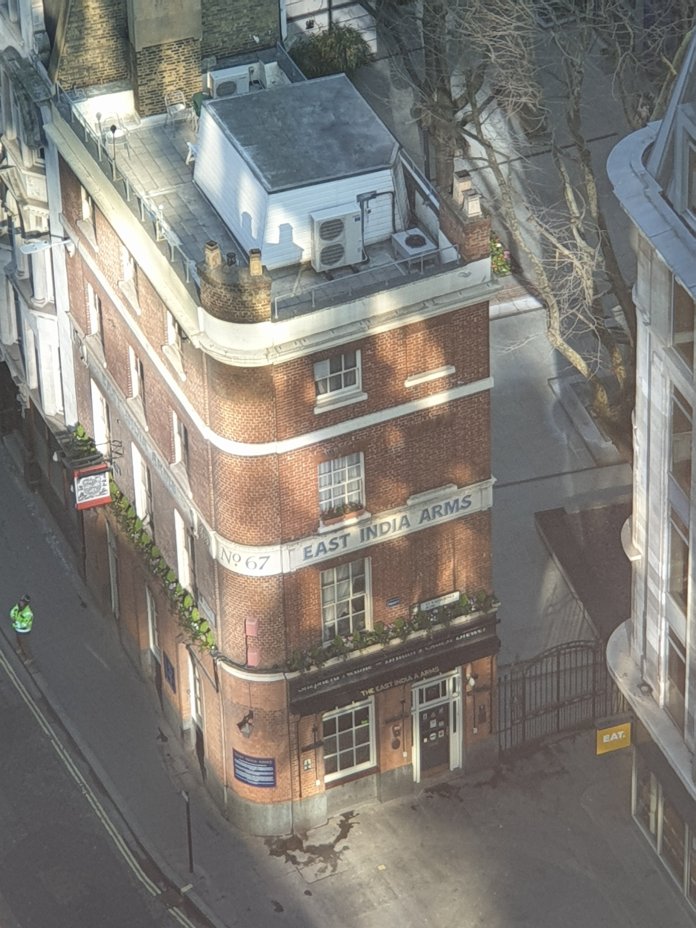
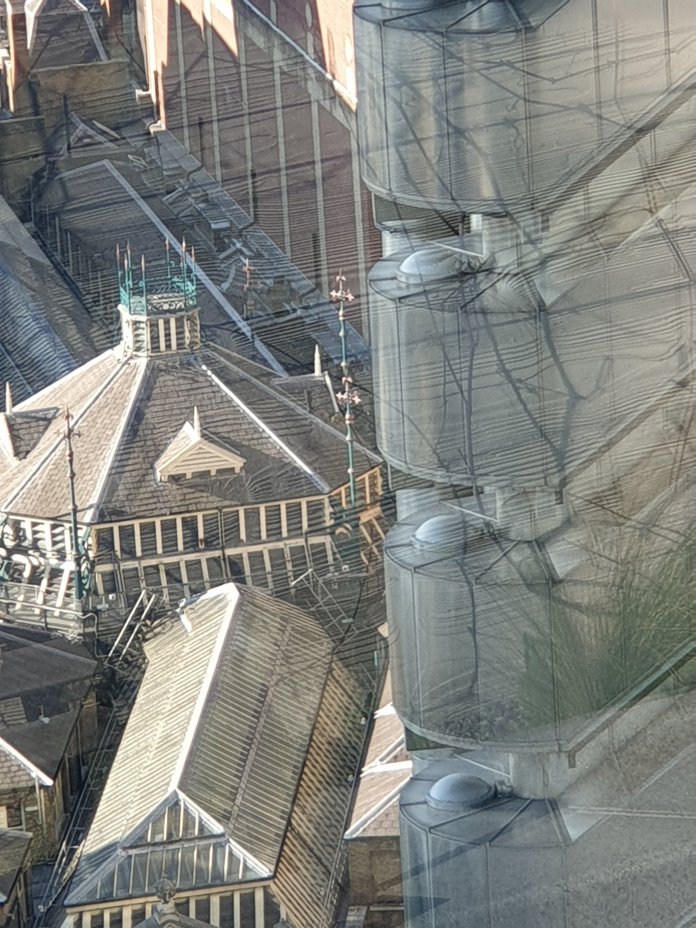
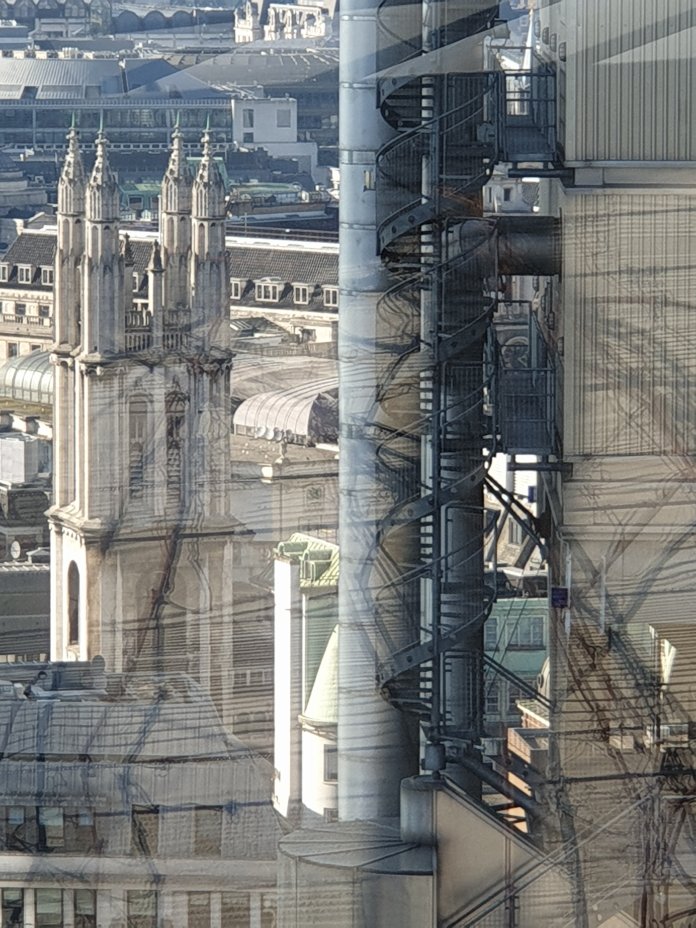
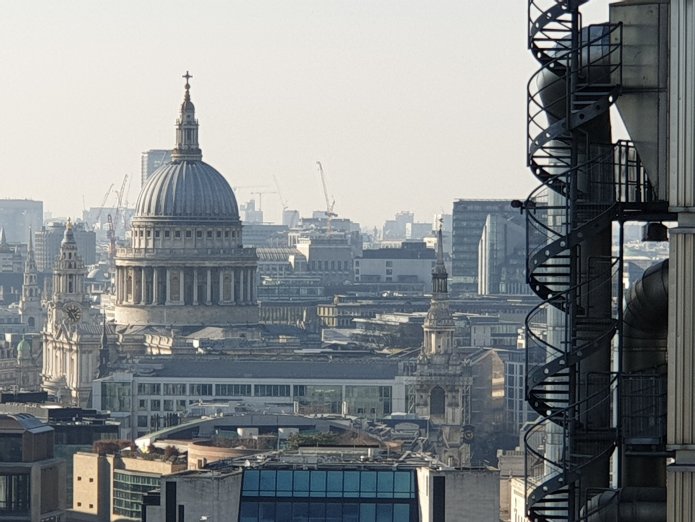
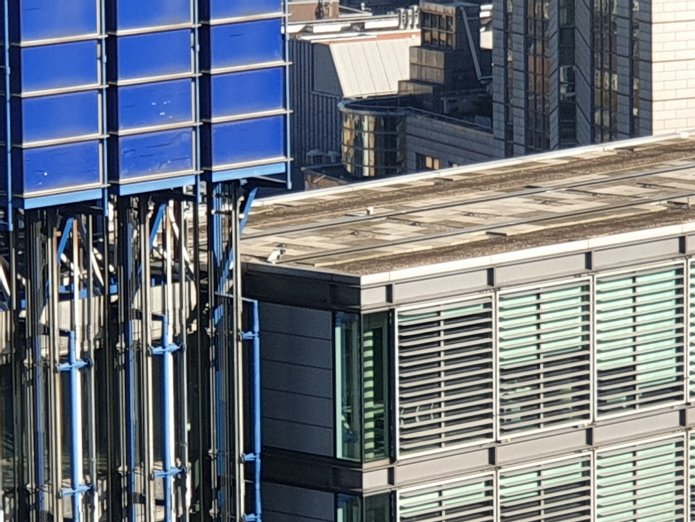
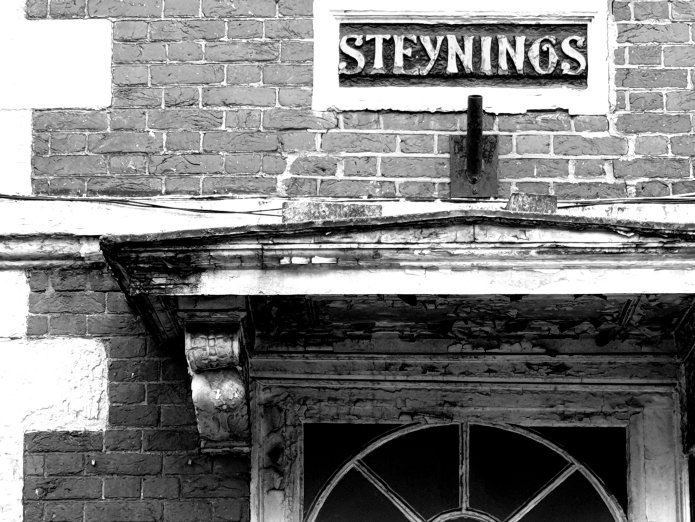
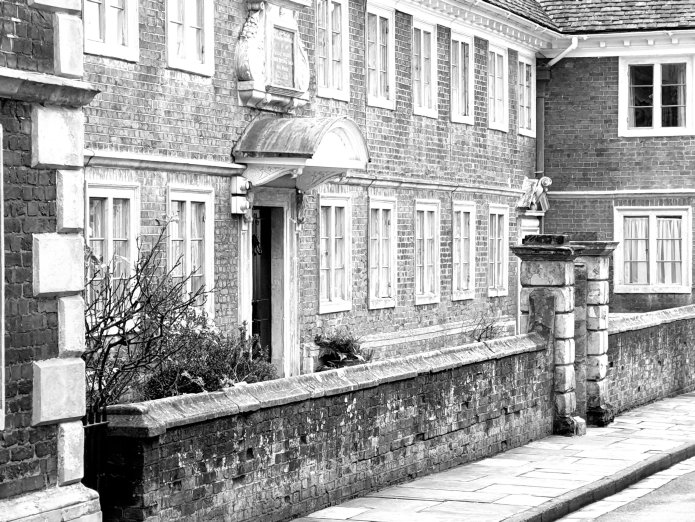
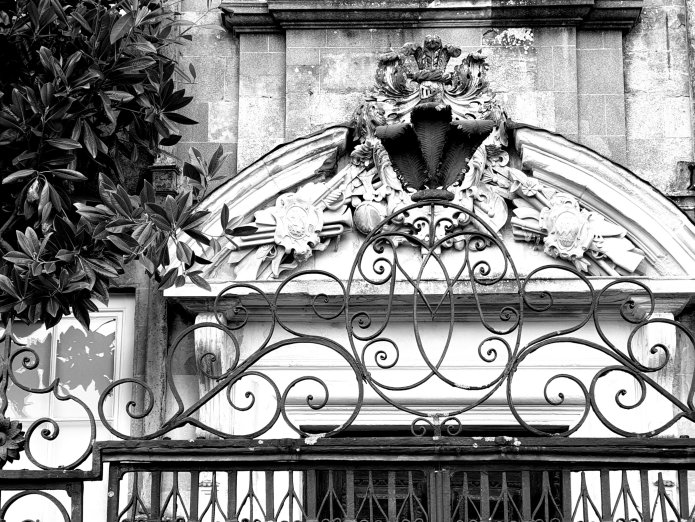
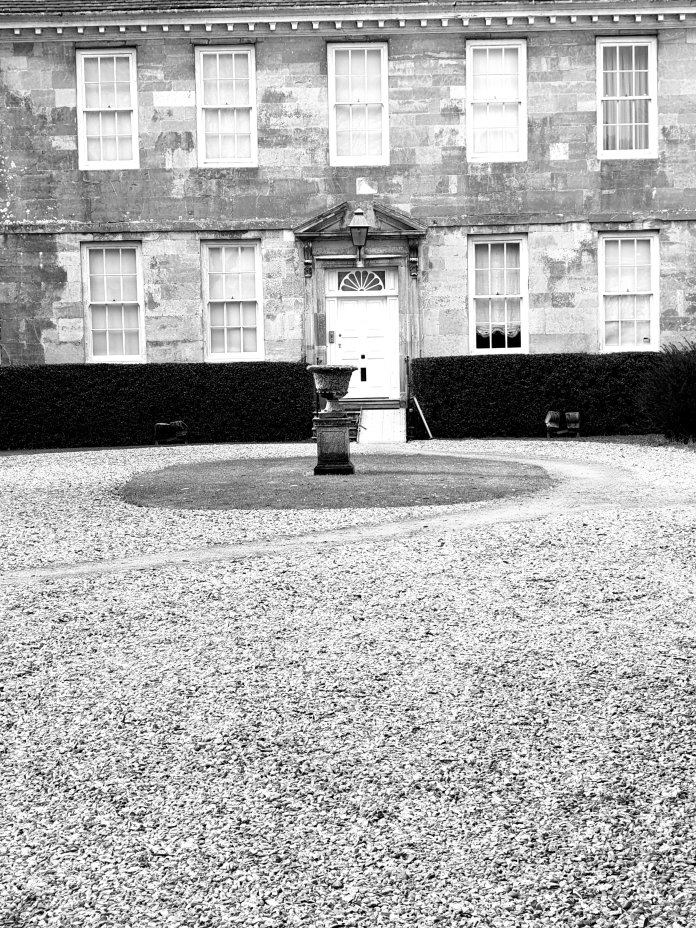
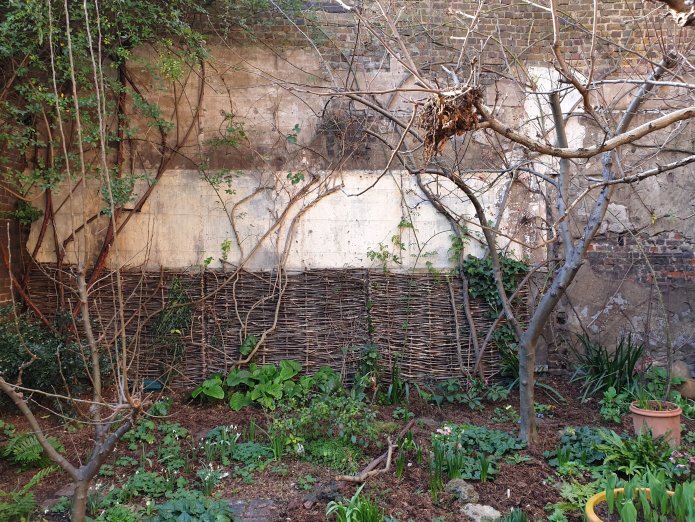
It was my first day in the new office.
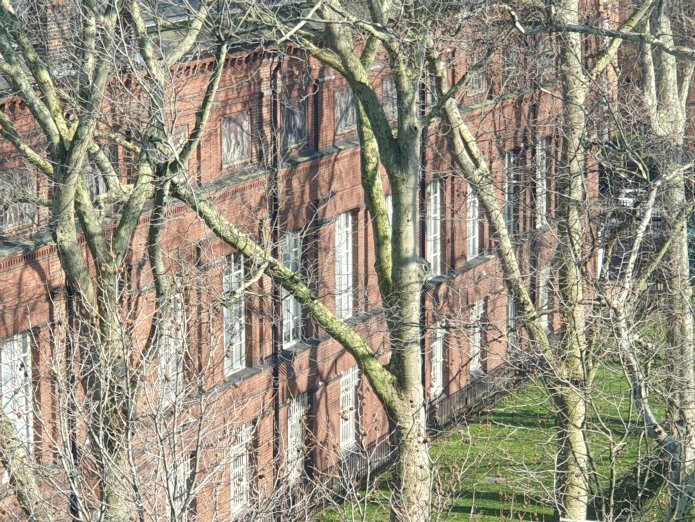
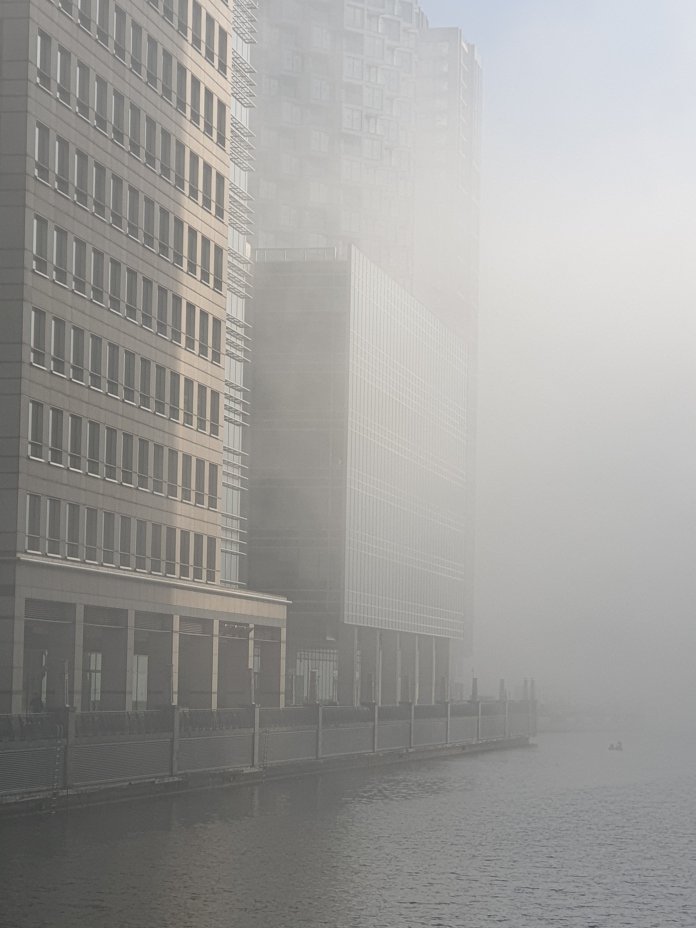
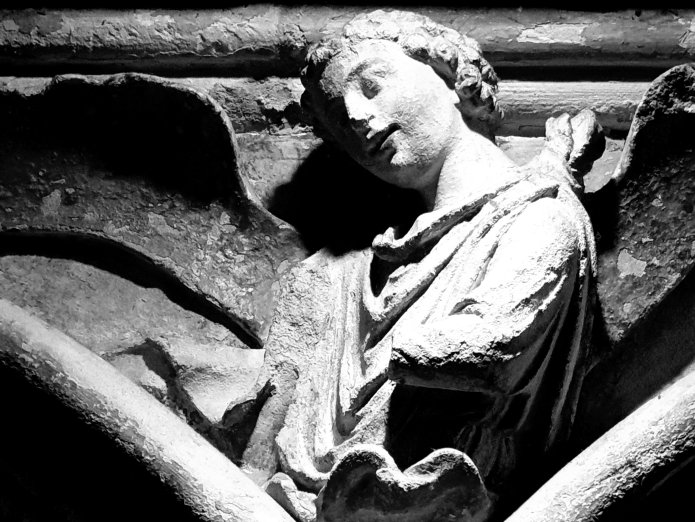
I am overlooked by Pitt the Younger (or maybe, more truthfully, I overlook him):-

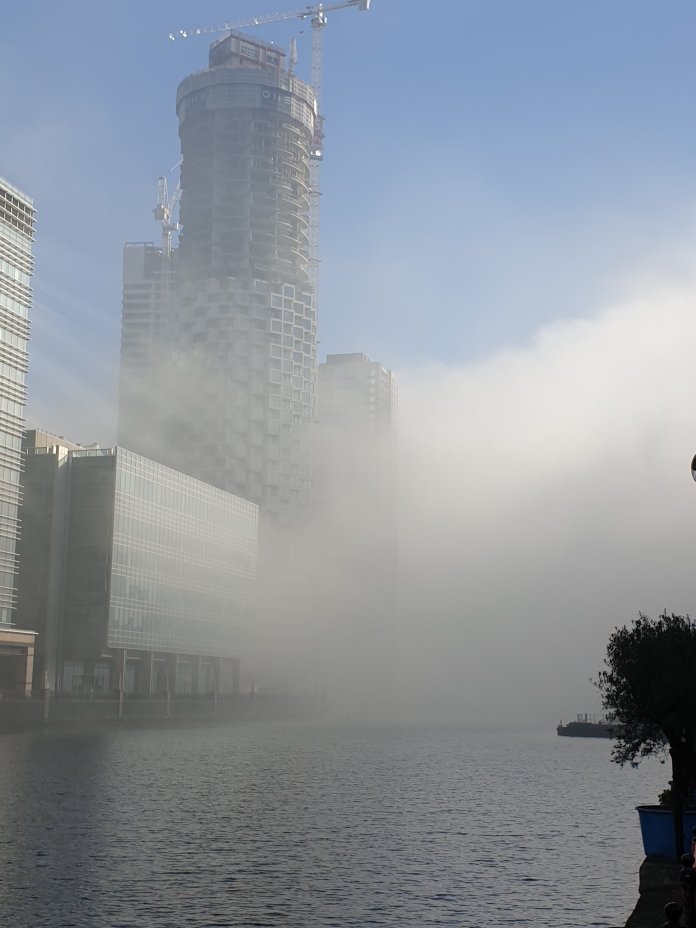
Nathalie is next door:-


And there’s a beautiful exhibition of the work of Chiharu Shiota downstairs, and Jonas Burgert as well:-


It was my first day in the new office.
I am overlooked by Pitt the Younger (or maybe, more truthfully, I overlook him):-

Nathalie is next door:-


And there’s a beautiful exhibition of the work of Chiharu Shiota downstairs, and Jonas Burgert as well:-


I have just been reading an interview with Deborah Marrow, the long-standing and immensely effective Director of the Getty Grant Program who is standing down after 35 years in post. I’m pretty sure they helped fund the new roof at St. Anne’s, Limehouse in the mid-1980s and have certainly been responsible for big building, conservation and publication grants ever since. I was a beneficiary of a small conference they organised in J.P. Getty’s villa north of Rome in 2000, which I don’t think they regarded as one of their big successes, but I look back on it as having been one of the best and most stimulating of such events. Since then, their big investment has been in Pacific Standard Time, creating a comprehensive exhibition programme about post-war art and design in West Coast museums. It’s an impressive track record, not to mention her two terms as interim President.
Thinking about last year has had the salutary effect of making me a bit more optimistic about the New Year:-
• I’ve got a new job which I’m looking forward to.
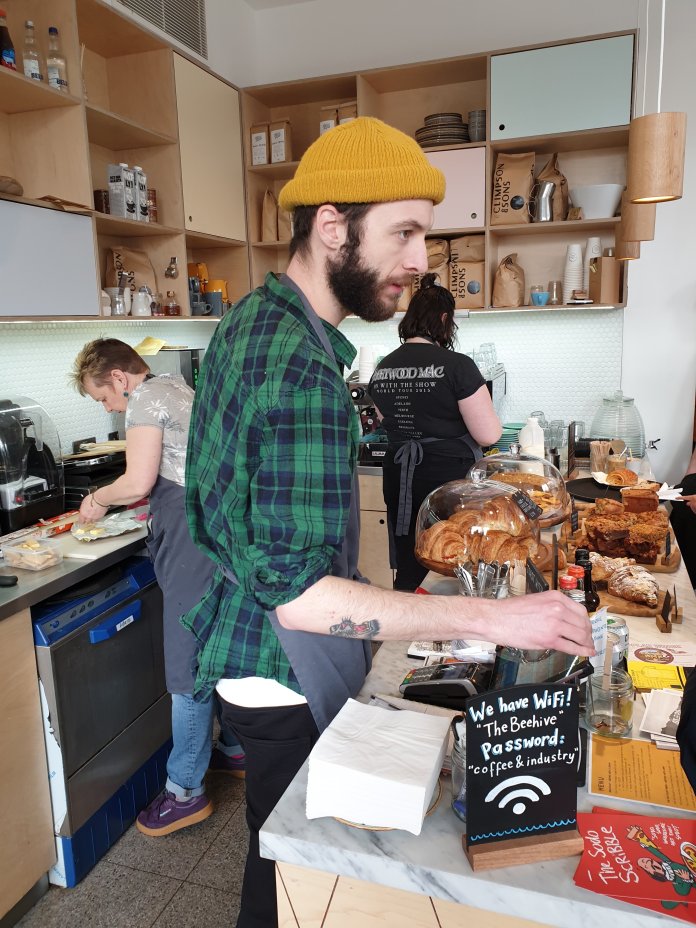
• There’s a new deli next door (Nathalie’s).
• I’ve joined a gym (like many other people’s New Year’s Resolutions).
• Tim Barringer is giving this year’s Mellon Lectures at the National Gallery.
• Viola Michelangelo opens at the RA in late January.
• There will be a new person to replace me at the RA in February.
• We may finally know what we’re doing (or not) about Brexit by March.
• In April, Sean Scully is showing new work in the National Gallery.
• Otto Saumarez Smith’s Boom Cities will be published by Oxford University Press on April 4.
• Romilly Saumarez Smith has an exhibition of her work opening at the Harley Gallery on April 6.
• In May, we’re going to stay in the Secular Retreat, Peter Zumthor’s house for Living Architecture in Devon.
• In the autumn, Tate Britain is doing a Blake exhibition, while the RA does Antony Gormley.
• Crossrail may open, making it possible to get from Whitechapel to Oxford Circus in eight minutes.
Much to look forward to….
Since the New Year seems likely to be filled with political anxiety, gloom and despondency, I have spent the afternoon thinking of some of the good things about 2018:-
• Visiting the Philadelphia Museum of Art.
• We spent our Easter holiday in Portugal which included a visit to the studio of Joana Vasconcelos, whose work was also featured prominently in the Octagon of the Summer Exhibition.
• I visited Brazil for the first time (I had never been to South America). I loved the liveliness, the sense of adventure of São Paulo, not to mention seeing the Glass House.
• The opening of the New RA, of course. The party was so crowded that I failed to see half the people.
• Ping-pong in the Lovelace Courtyard.
• I greatly admired – more than I expected – Ptolemy Dean’s ingenious addition to the triforium of Westminster Abbey (I didn’t expect to admire a modern addition to a great gothic building) and the beautiful way its collection has been displayed by Muma.
• Nick Grimshaw was awarded the RIBA Gold Medal.
• Hard to beat spending half an hour after closing time in the Sistine Chapel.
Not so good:-
• I never got to see Alison Wilding’s exhibition at the De La Warr Pavilion in Bexhill-on-Sea.
• The deaths of three architectural historians, only a bit older than me – Gavin Stamp, Colin Amery and David Watkin – not to mention Olivier Bell, Gillian Ayres and Bob Venturi.
Happy New Year !
I was pleased to discover the attached attractively meditative and gloomy picture of myself on Twitter, sitting in front of Thornhill’s copy of the Raphael Cartoons, with Reynolds in the distance. It was taken by Clare Hewitt for Apollo. She does a lot of work also for the Independent and New Statesman, all on analogue, which gives the images a particular aura:-
@clarehewitt_’s Tweet: https://twitter.com/clarehewitt_/status/1079408087067516929?s=09
Our last Anglesey excursion was to the Point beyond Penmon, where a lighthouse guards the entrance to the Menai Strait:-

There are two cottages for the lighthouse keepers, built by Trinity House in 1839:-

They look out over Puffin Island:-

Some mad fools were swimming in the bay:-

Then we drove back down the Strait:-

For those of you who do not necessarily have the energy or inclination to go through the 232 pages of the New Year’s Honours, here are some highlights: CBEs for Tacita Dean, Yinka Shonibare and Gillian Wearing; OBEs to Sonia Boyce and Alison Wilding; and MBEs to Ann Dumas, the curator of many of the RAs best exhibitions (in my time, From Russia, The Real Van Gogh and Painting the Modern Garden) and Bryan Kneale, now aged 88, a student of the Royal Academy Schools from 1948 to 1952, elected an ARA in 1970, and curator of the exhibition of the exhibition British Sculptors in 1972.
Congratulations to them all (and doubtless many others I have missed).
No trip to Anglesey is complete without a visit to Evans Bros. – the wonderful, comprehensively stocked hardware shop on two floors in Menai Bridge, with its acres of boxes on shelves and wooden floor:-


Sitting in a small cottage in north Wales, we only have access to a few, elderly DVDs. One is Disc Two of Clark’s Civilisation, so we watched the fifth episode THE HERO AS ARTIST on Michelangelo, Raphael and Leonardo. Of course, it is easy to disparage the pre-war, affected, Wykehamical enunciation, the posh suits, the de haut en bas of the delivery; but I was overwhelmingly admiring of the clarity with which he expounds the nature and character of the High Renaissance, the role of Pope Julius II, the iconography of the Sistine Chapel, the historical importance of Raphael, and the fertile curiosity of Leonardo. When he says that he has been studying Raphael’s Stanze for forty years, one believes him. And by the standards of modern presenters, he is in some ways, relatively tentative and unobtrusive, presenting what he described as ‘A Personal View’. Given that the programmes were so successful and introduced so many people to the close study of art, it’s odd that they have been, and still are, so vilified.
You must be logged in to post a comment.