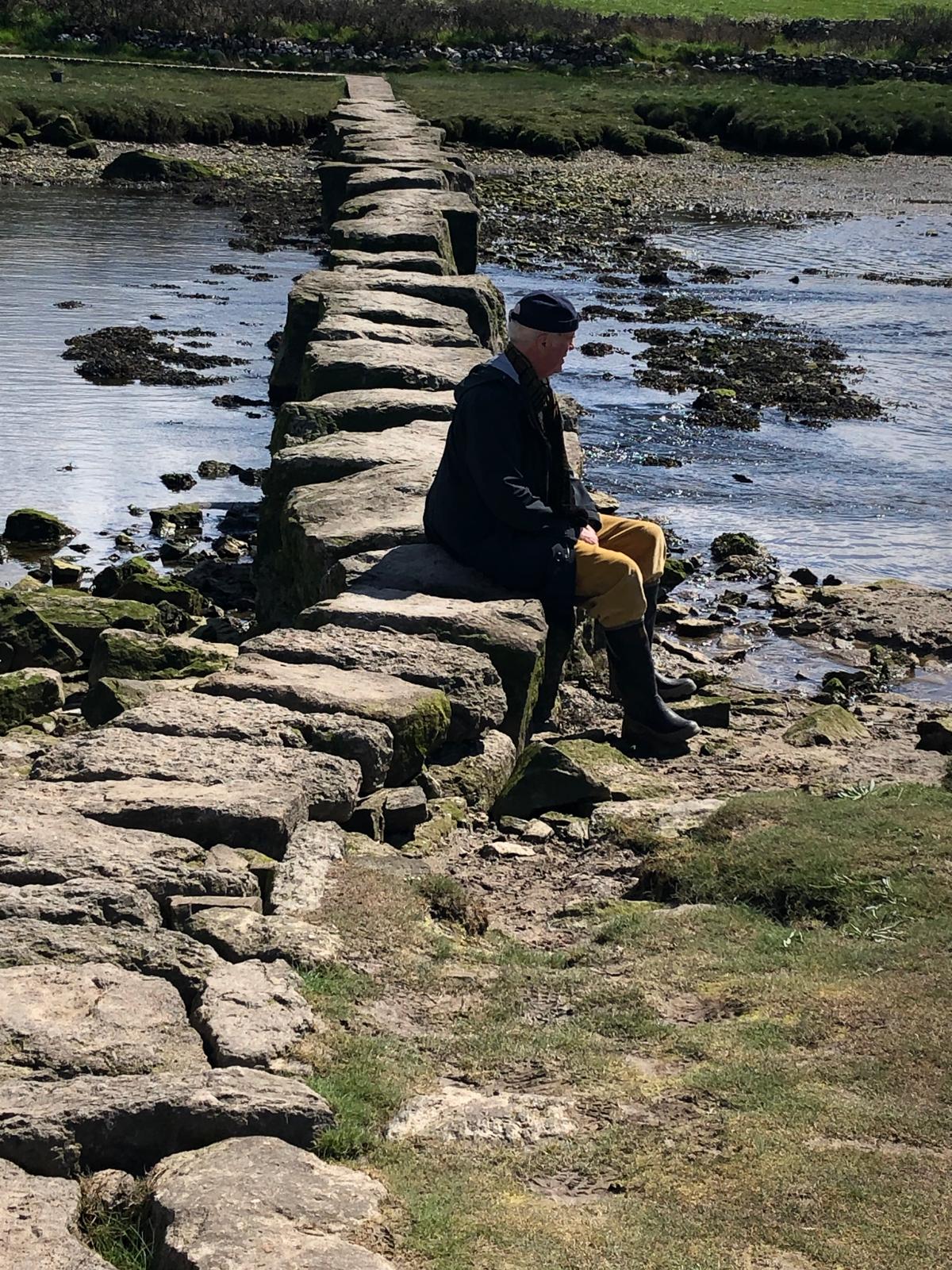
At the Whitechapel History Fest, I met Ron McCormick who was selling copies of the small photographic books he has produced with Café Royal Books, based on photographs he took while he was a postgraduate student at the Royal Academy Schools (Peter Greenham was Keeper and allowed him to make a darkroom) and living in Princelet Street: very atmospheric pictures of Jewish merchants and traders in Cheshire Street, Old Montague Street and Artillery Lane, pre-gentrification when the streets were still darkly atmospheric. You can see them online.
Author Archives: Charles Saumarez Smith
Whitechapel
I got back from the States in time to hear Dan Cruickshank give a bravura final talk in the Whitechapel History Fest, organised by the Survey of London upstairs in the Whitechapel Idea Store.
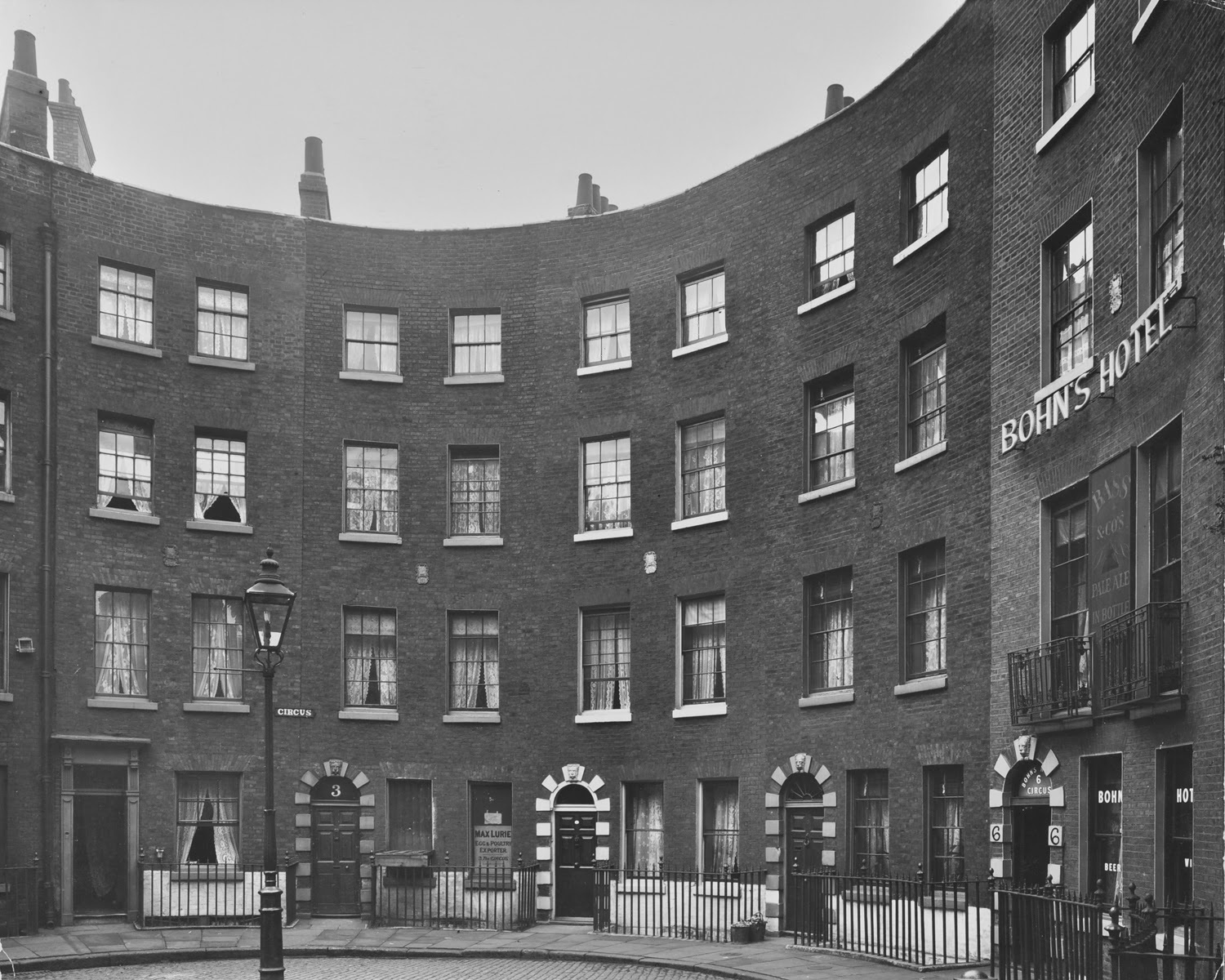
He described his peregrinations round east London in the late 1960s taking fine black-and-white documentary photographs of buildings which no longer exist, including Wellclose Square, just south of Wilton’s Music Hall, the Circus, Square and Crescent, designed by George Dance the Younger, just north of the Tower in the late 1760s (this is not one of Dan’s photographs), and the London Dock:-
Then, in 1976, he, Colin Amery and others squatted 5 and 7, Elder Street to prevent it being demolished by British Land and established the Spitalfields Trust, which has done nearly as many projects in Whitechapel as in Spitalfields, including (which I didn’t know about) the Durward Street Board School just north of Whitechapel Station.
He ended with a peroration on the risks of damaging new building development, including a startlingly gigantic new building proposed on the corner of Commercial Street and Whitechapel High Street which will dwarf the Whitechapel Art Gallery.
TEFAF
I ended my time in New York by going to TEFAF, an extension of the art fair held annually in Maastricht. The Armory, designed for the New York militia, is an impressive place for it:-
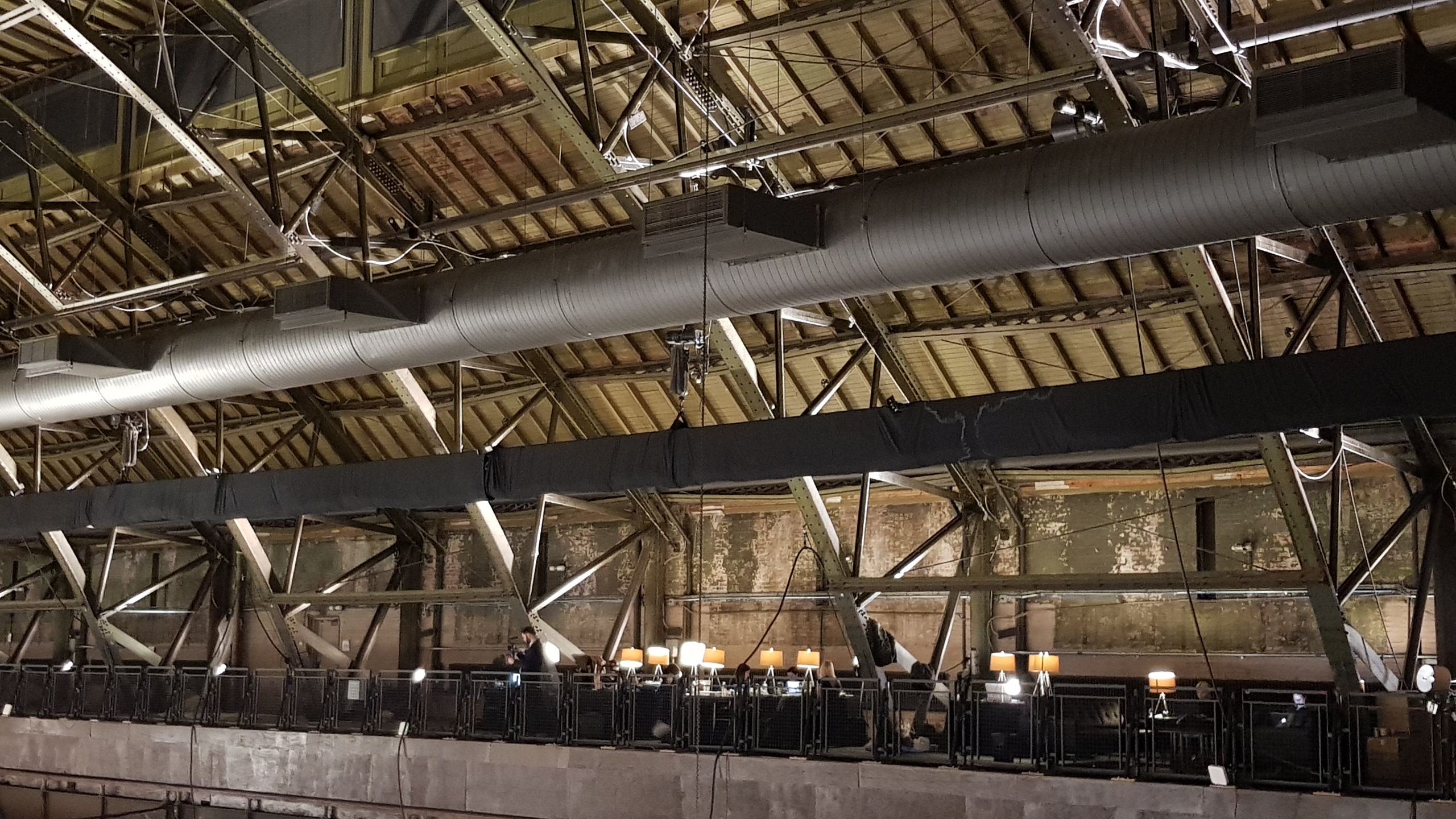
I always like the way Axel Vervoordt displays objects, using the shabby grandeur of the surroundings:-
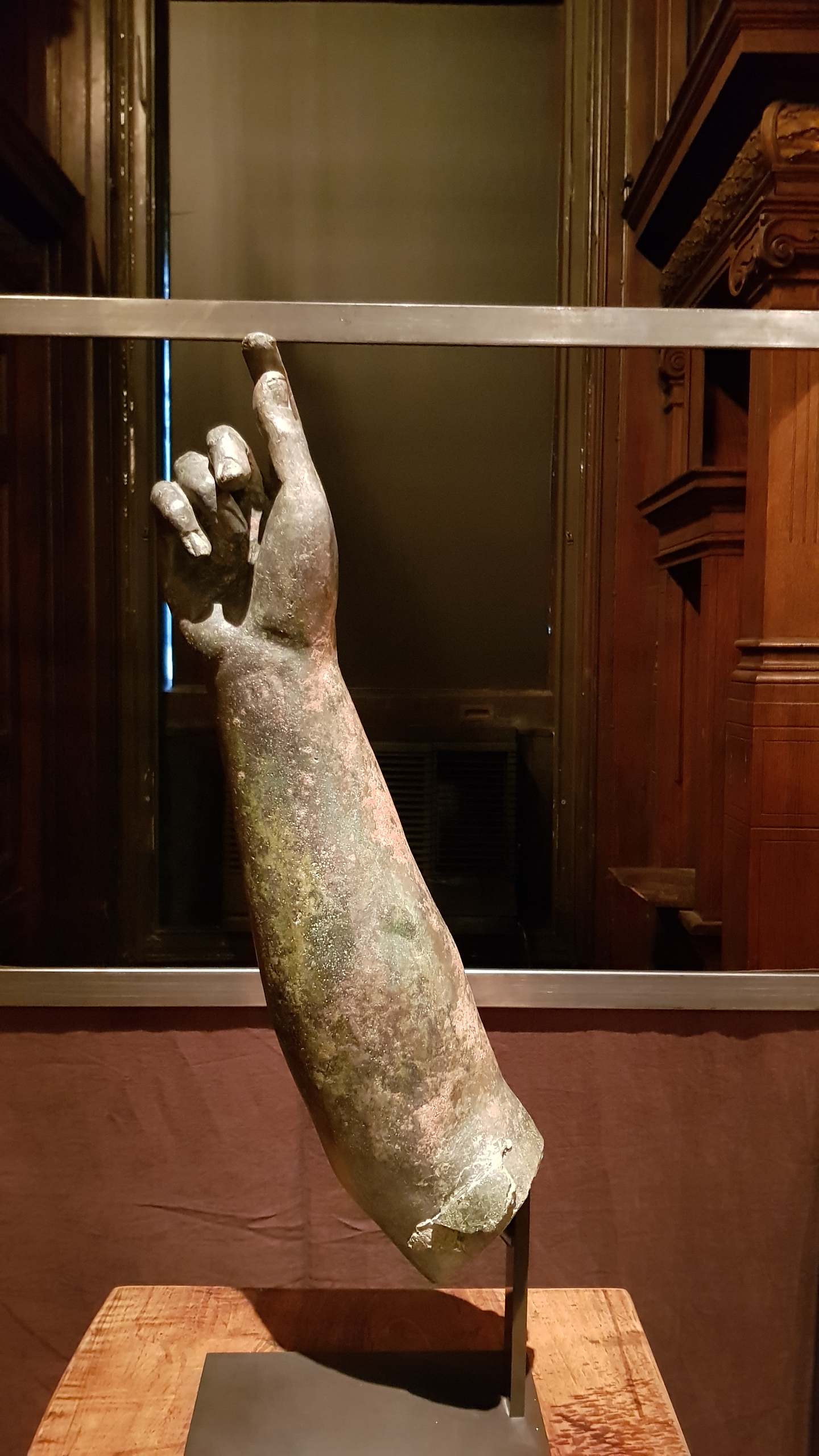
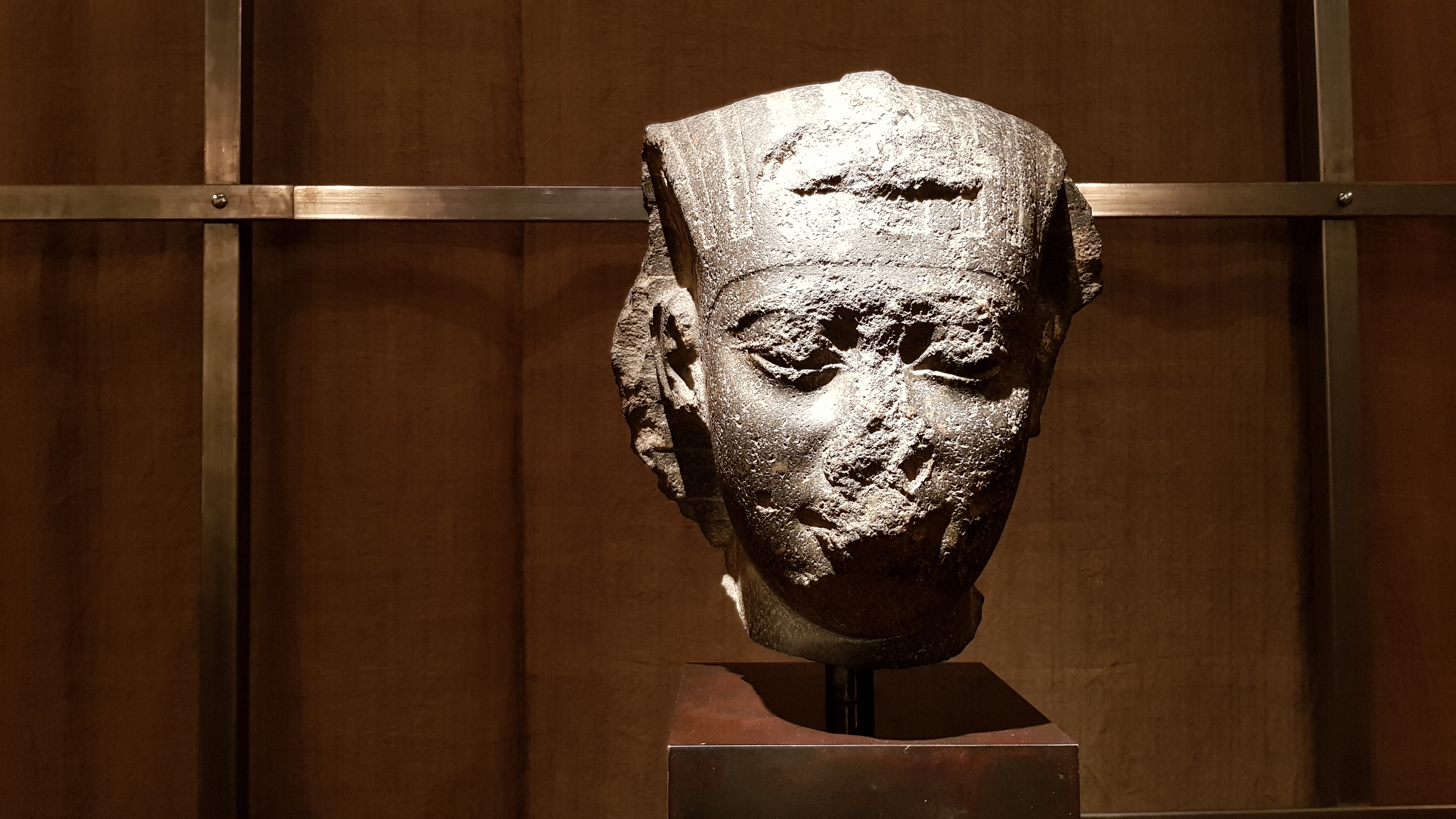
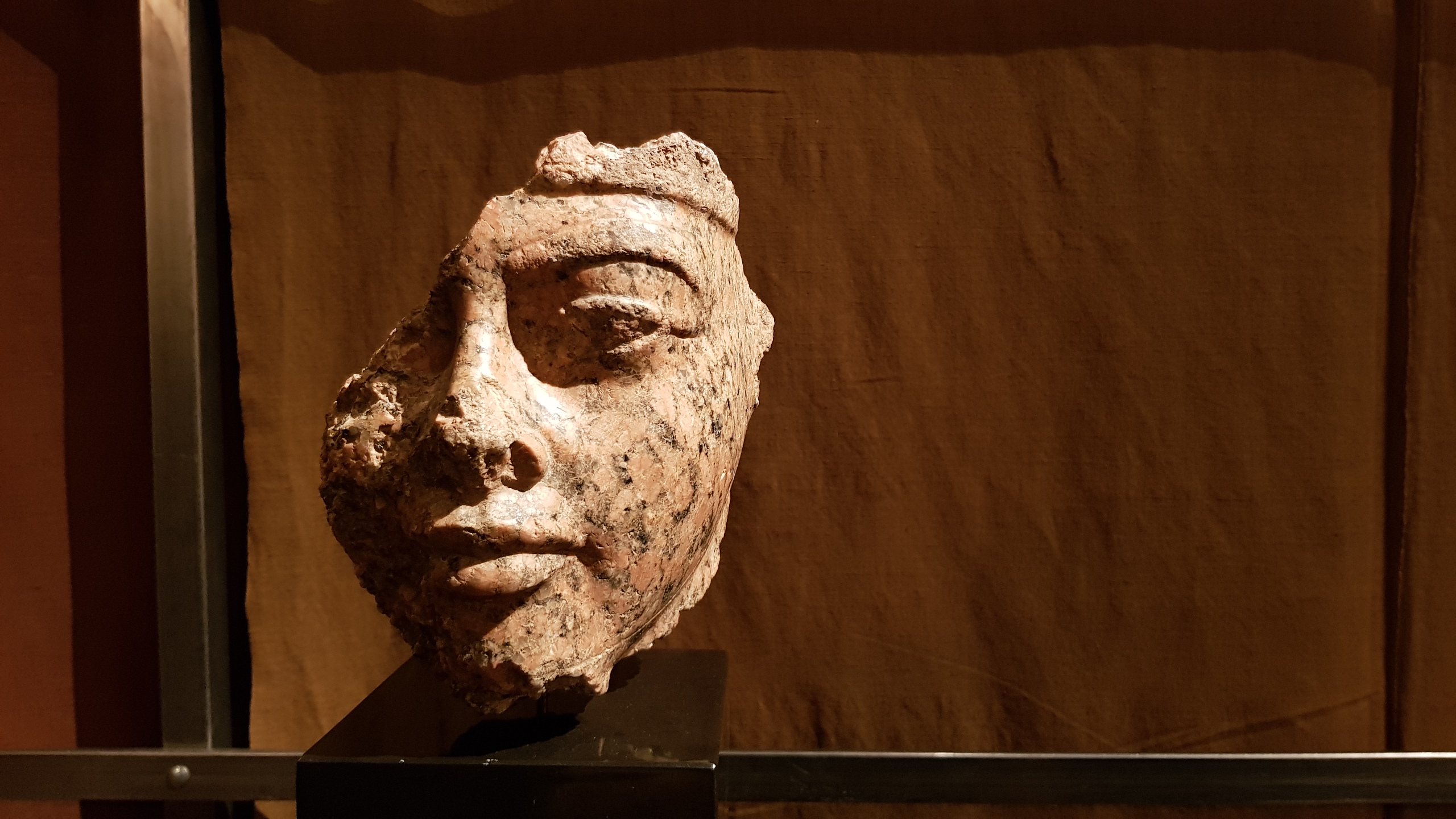
This is what I would have bought if I had the money:-
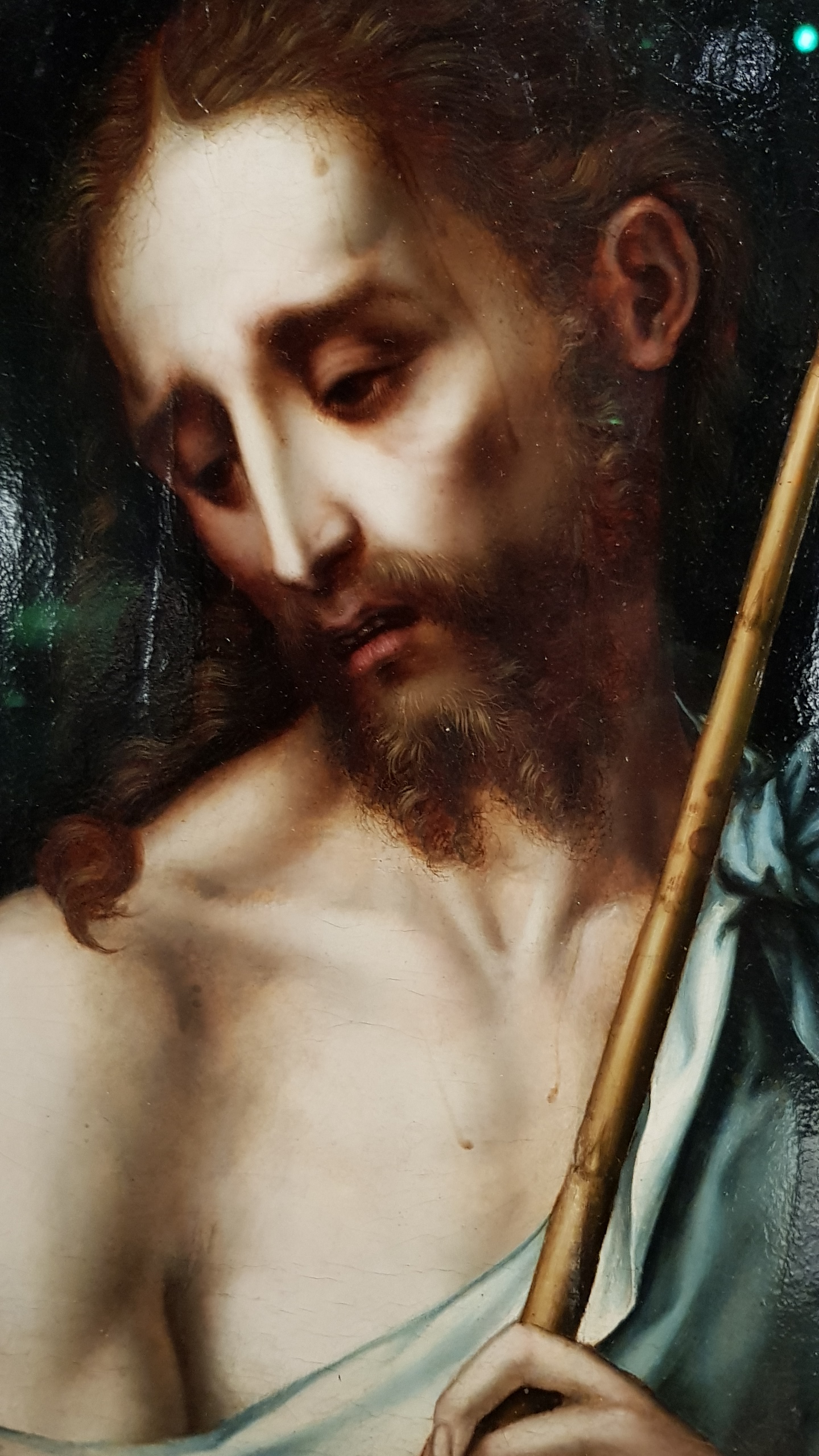
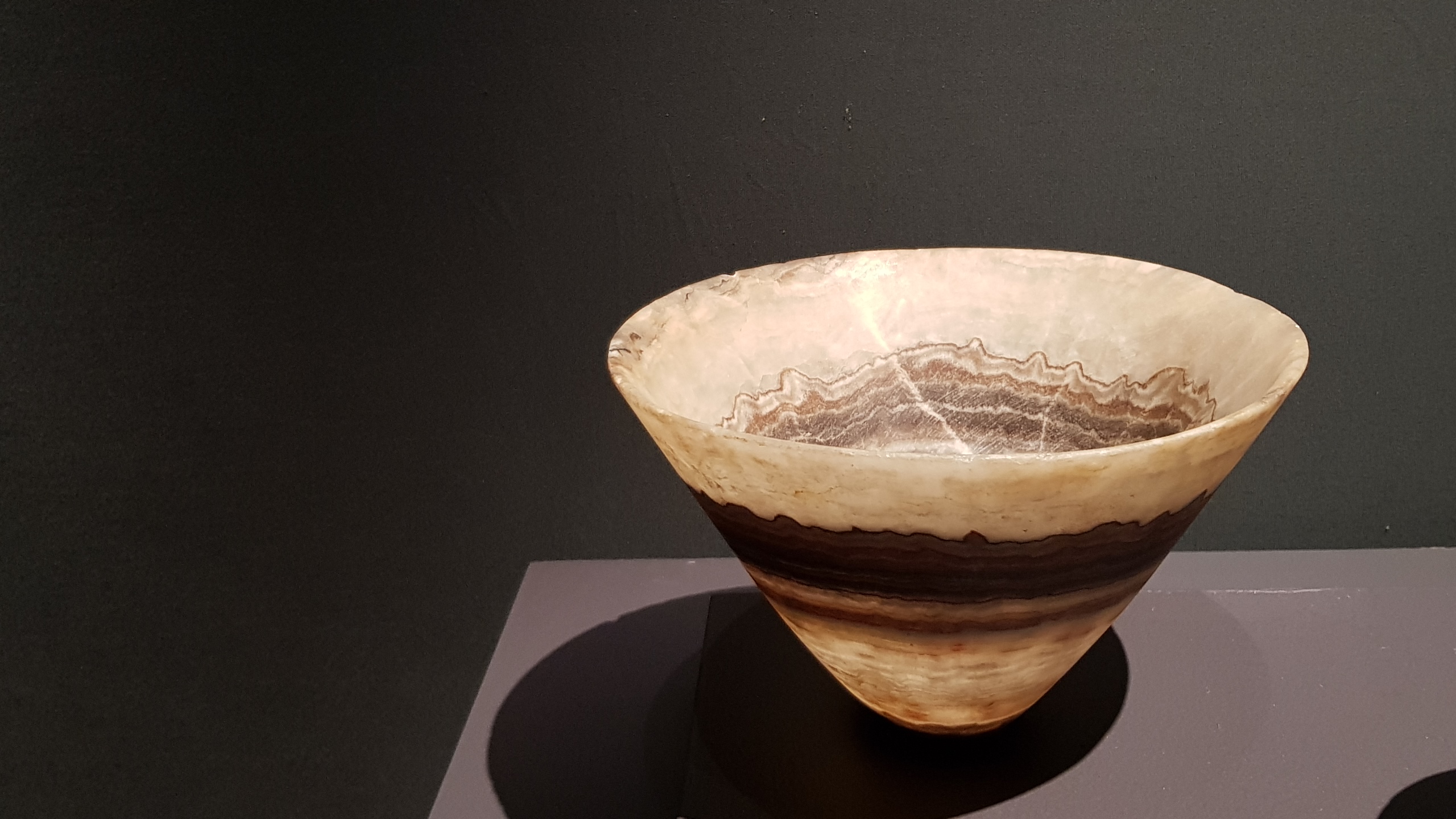
Two alabaster Bactrian bowls at Rupert Wace:-
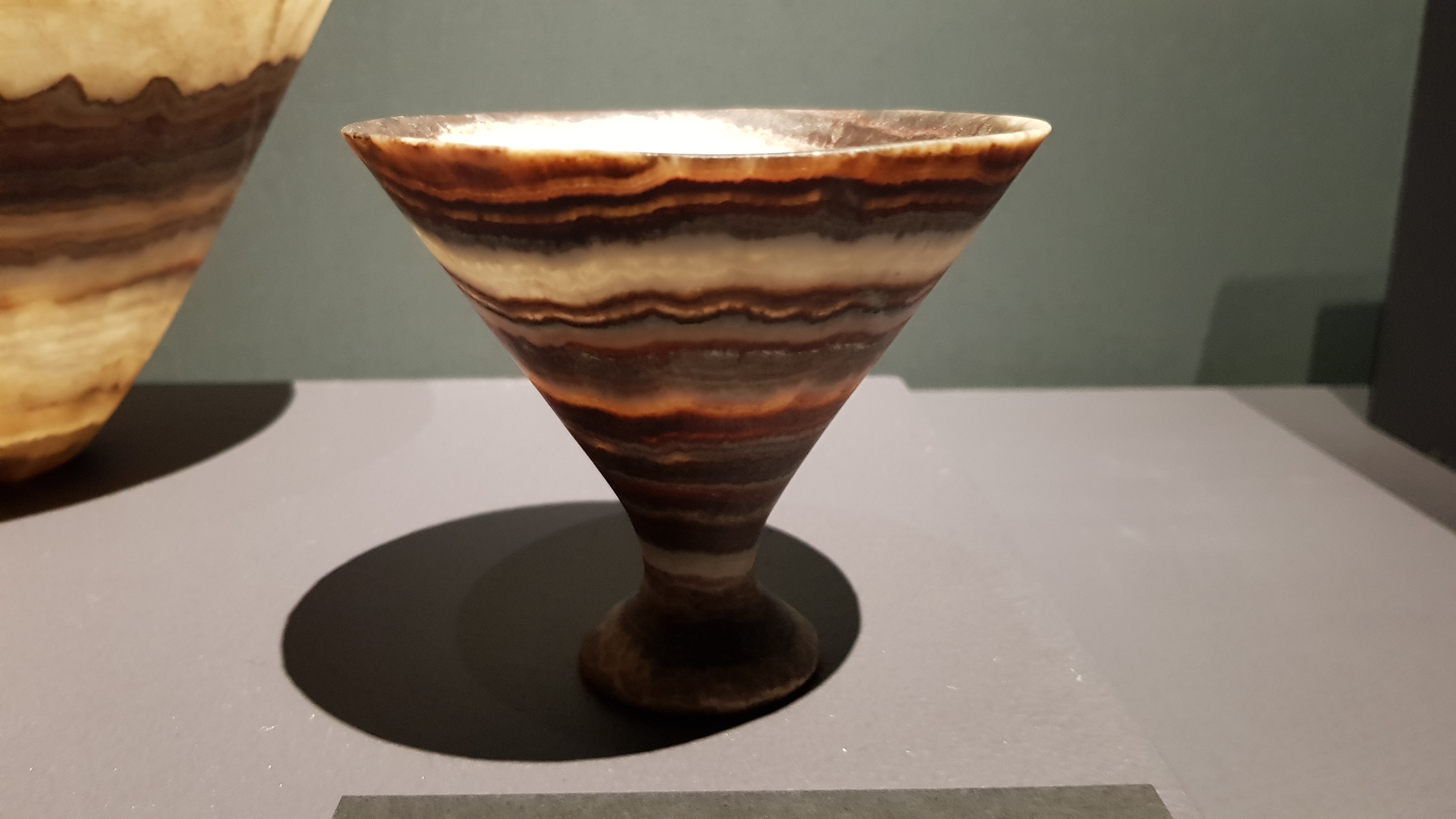
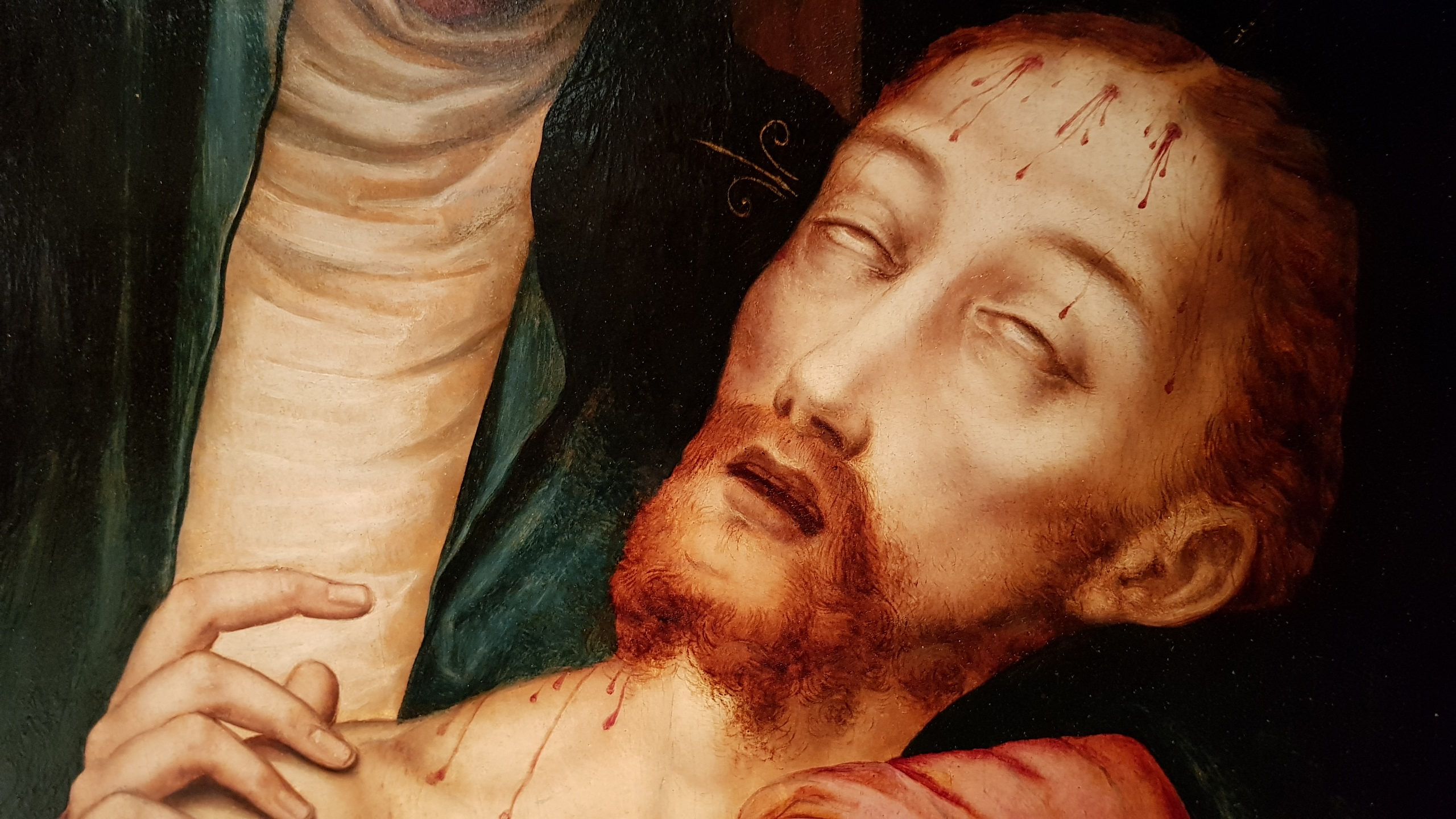
And a Pietà from Mullany:-
Klimt Schiele
In preparation for our own exhibition which opens next week marking the centenary of the death of Gustav Kimt and Egon Schiele (Klimt was 55, Schiele only 28), I thought I should go to see one of many rival exhibitions at the Neue Galeries, Ronald Lauder’s beautiful Secessionist gallery on 86th. Street. The Klimt drawings are not just mildly erotic, but spectacularly so in a sensual way, Schiele’s drawing style much more adventurous, vivid, tense, neurotic and sometimes rude. They are astonishing, as, I hope, our exhibition will be.
Armenia
I was pleased to have a chance to see the Armenia exhibition at the Metropolitan Museum, having long been both intrigued and perplexed by the existence of an early Christian nation at the foot of Mount Ararat, culturally rich traders at the crossroads of the eastern trade routes.
A sixth century capital from Dvin:-
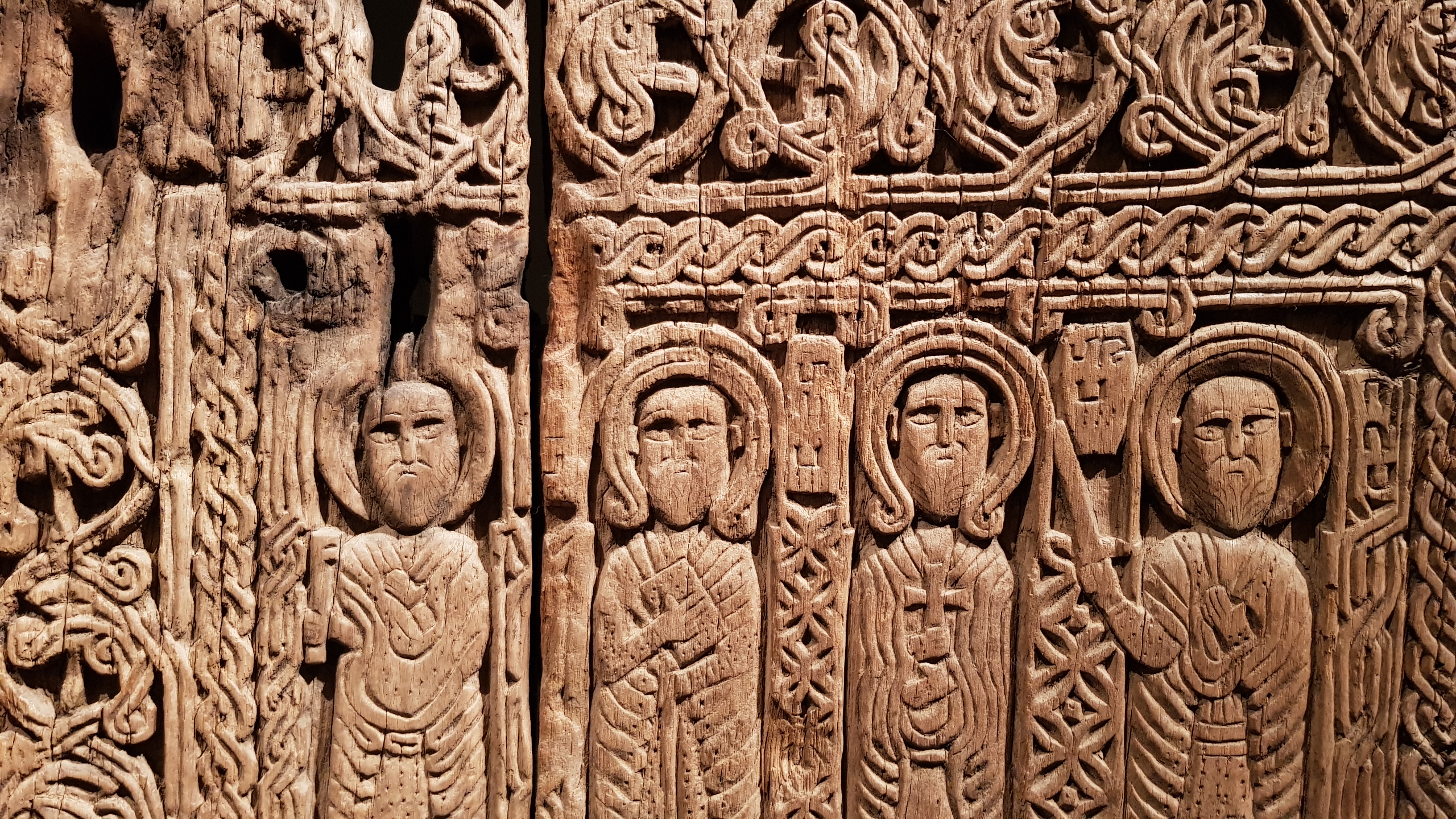
Carved doors from Mush:-
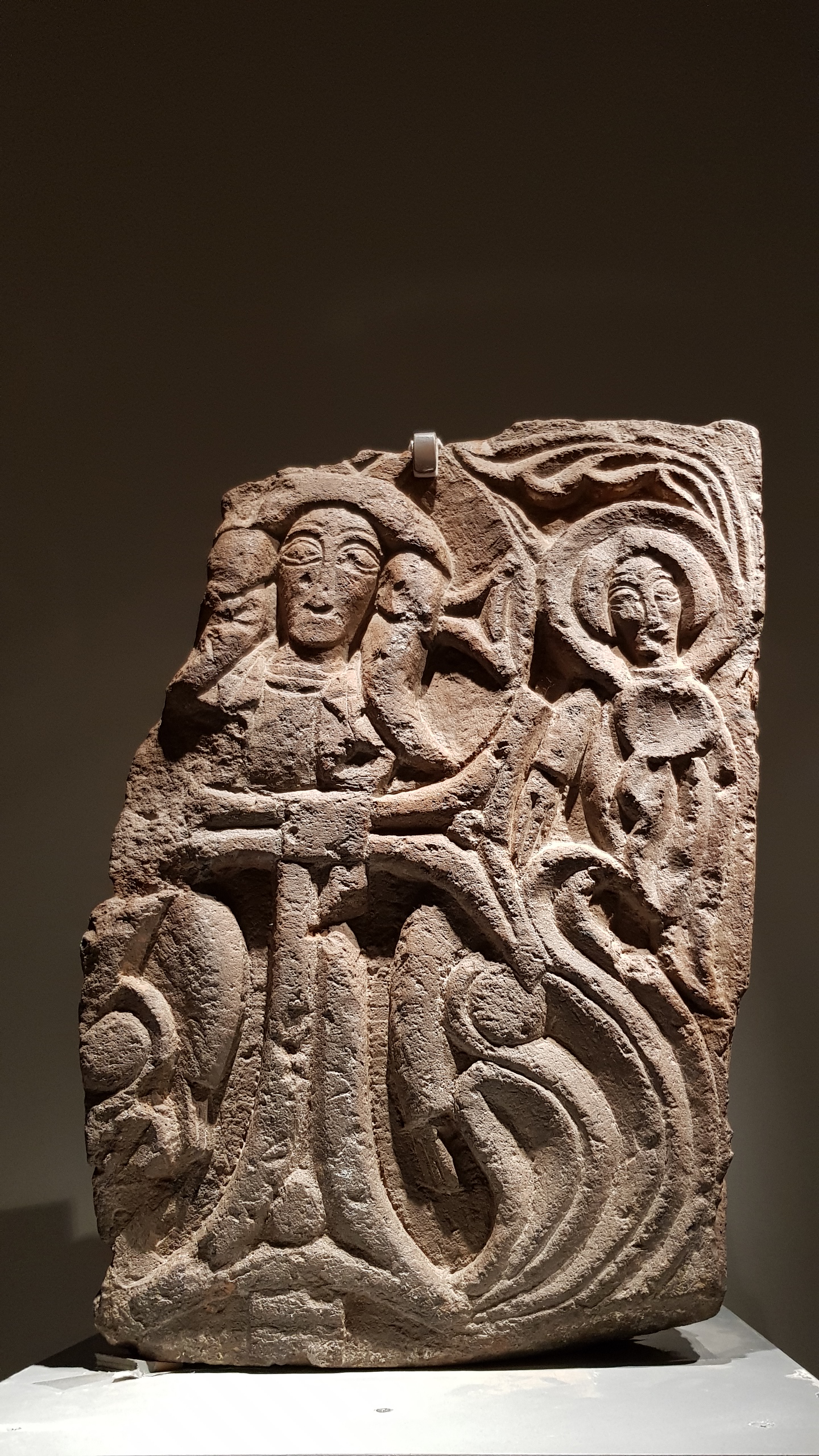
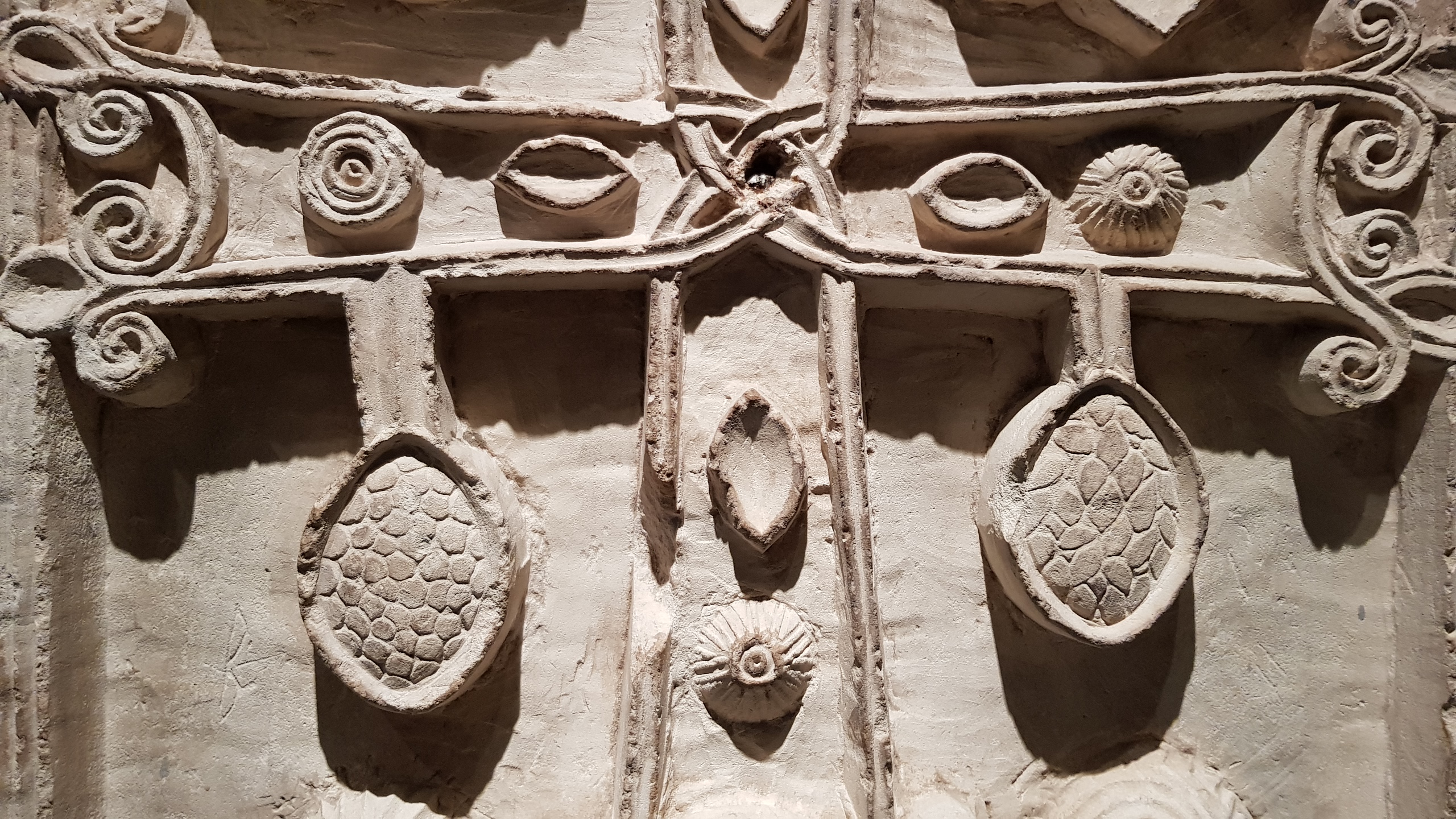
They established Cilicia on the Mediterranean in 1198 under King Levon. This is stone carving from Hromkla:-
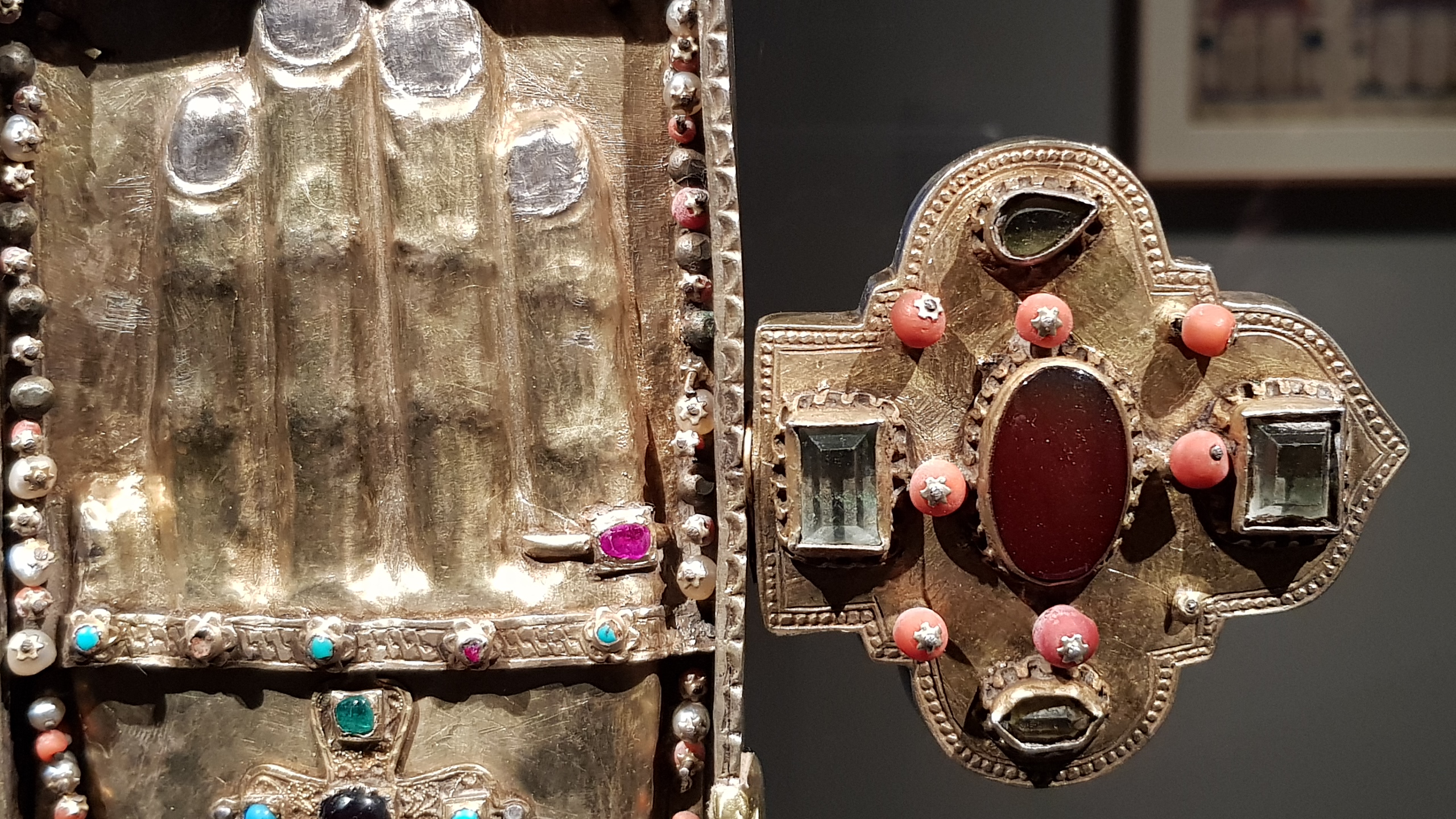
An incredibly beautiful Cilician reliquary cross:-
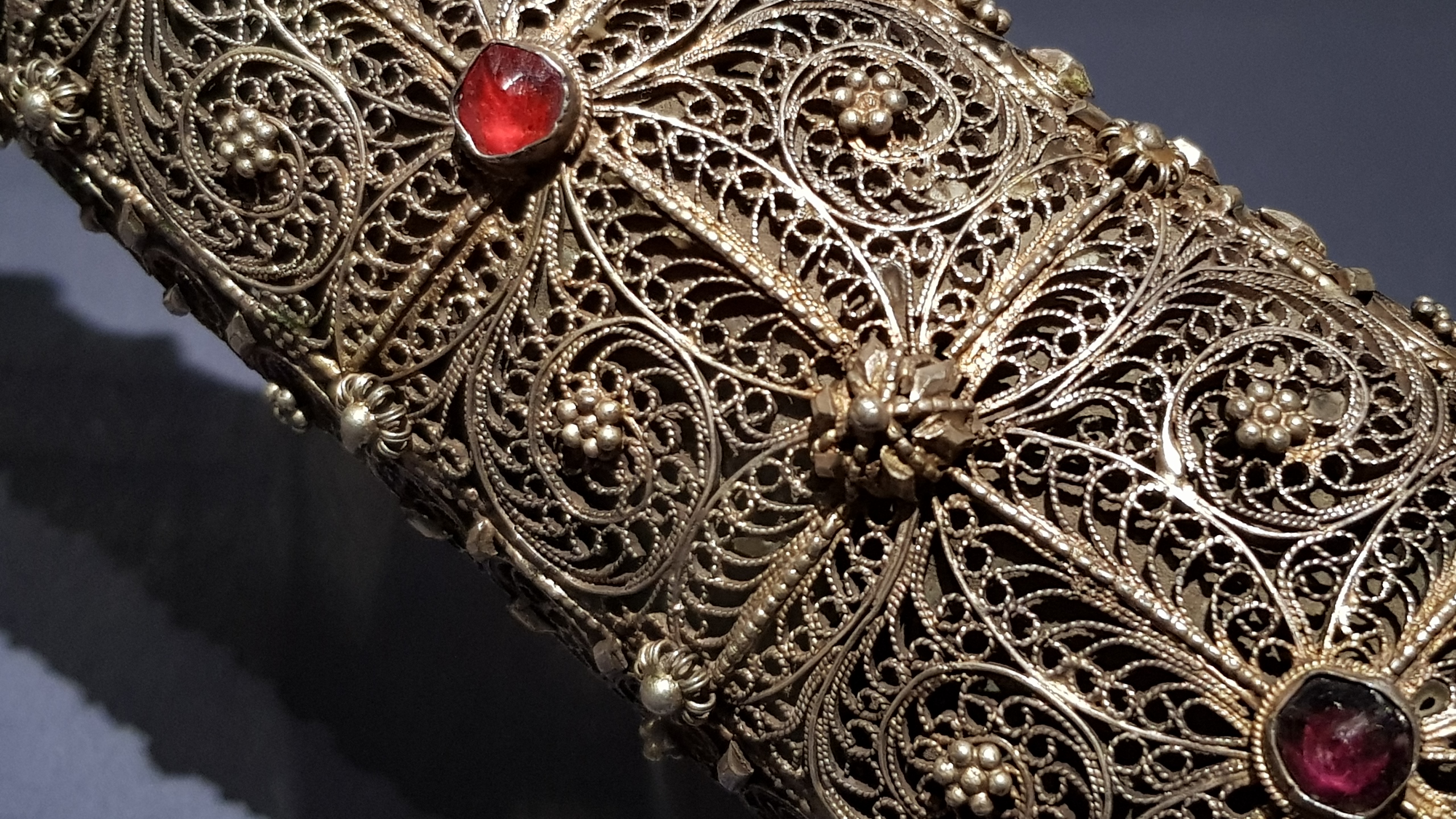
Details of a Arm Reliquary of Saint Sahak Partev, formerly in the monastery of Lim:-
In 1604, Armenian merchants were forced by Shah Abbas to move to Isfahan, where they continued to dominate the silk routes.
So, what happened ? They were wiped out by the Turks in the early part of the twentieth century, nor is there mention that there is still a state of Armenia and what relation it has to historic Armenian culture.
New York Public Library
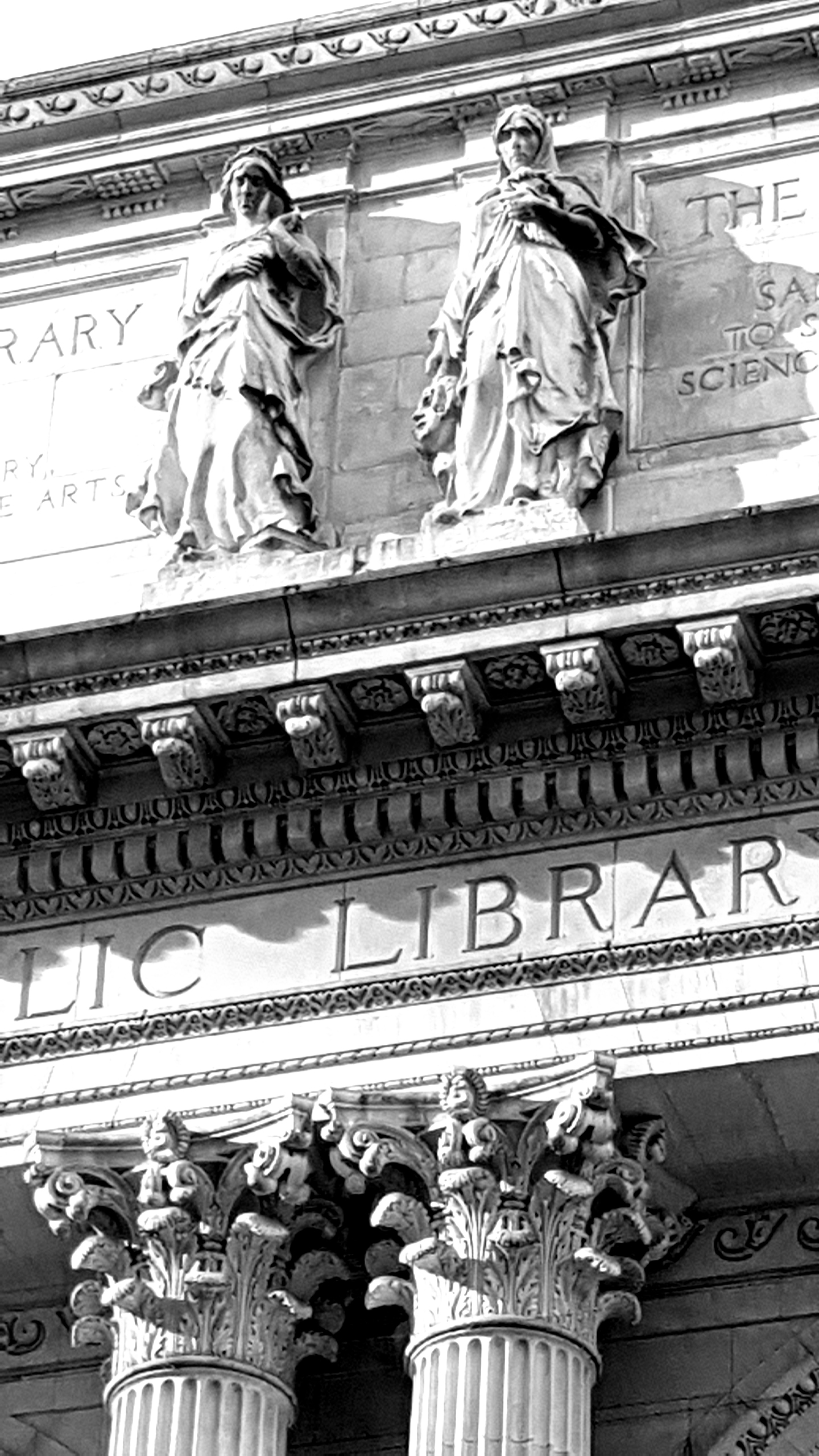
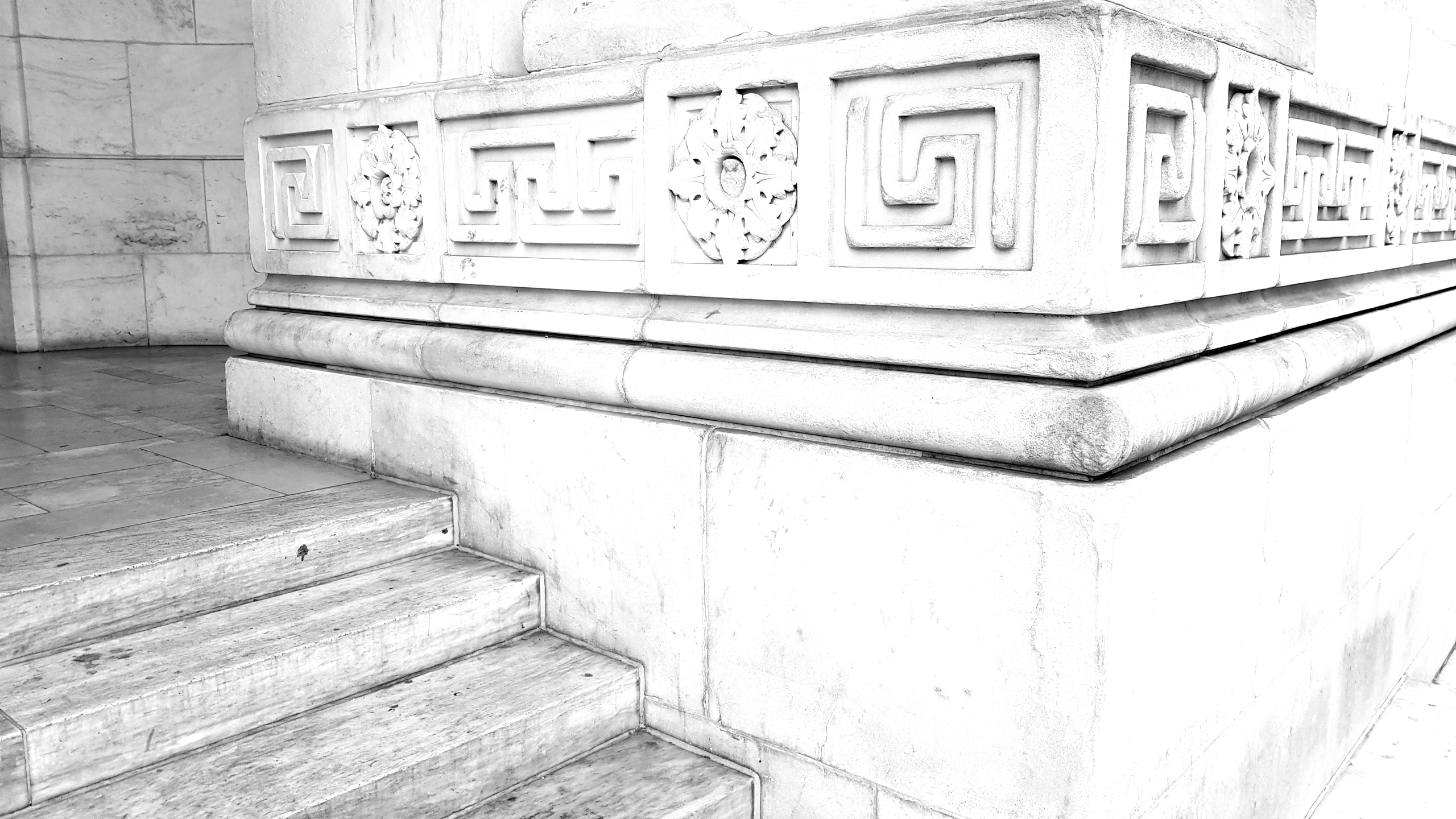
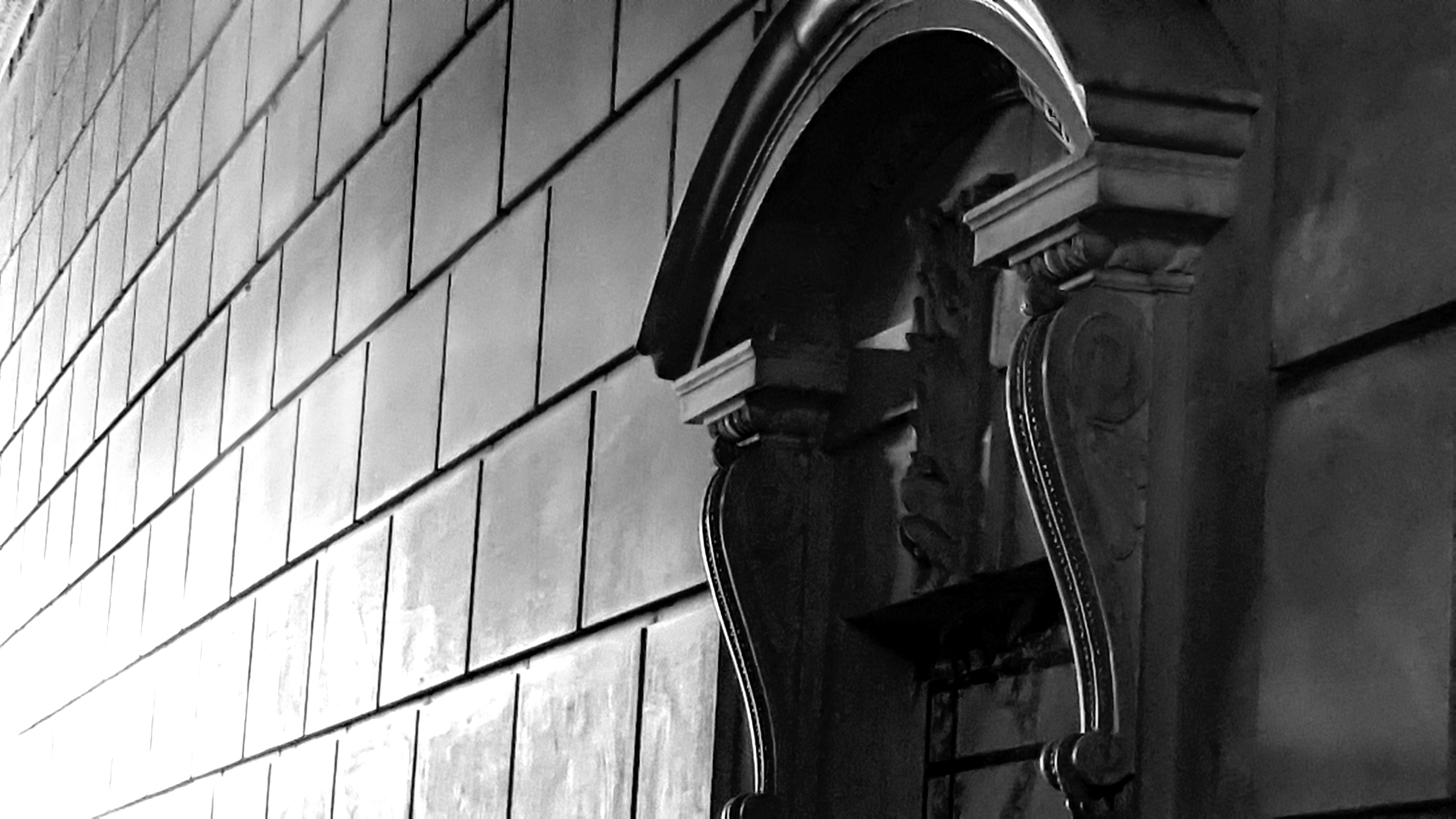
I called in on the New York Public Library to see the small Anna Atkins exhibition, but also because I had never really paid attention to its beaux arts magnificence. Designed by Carrère & Hastings, it opened in May 1911:-
The High Line
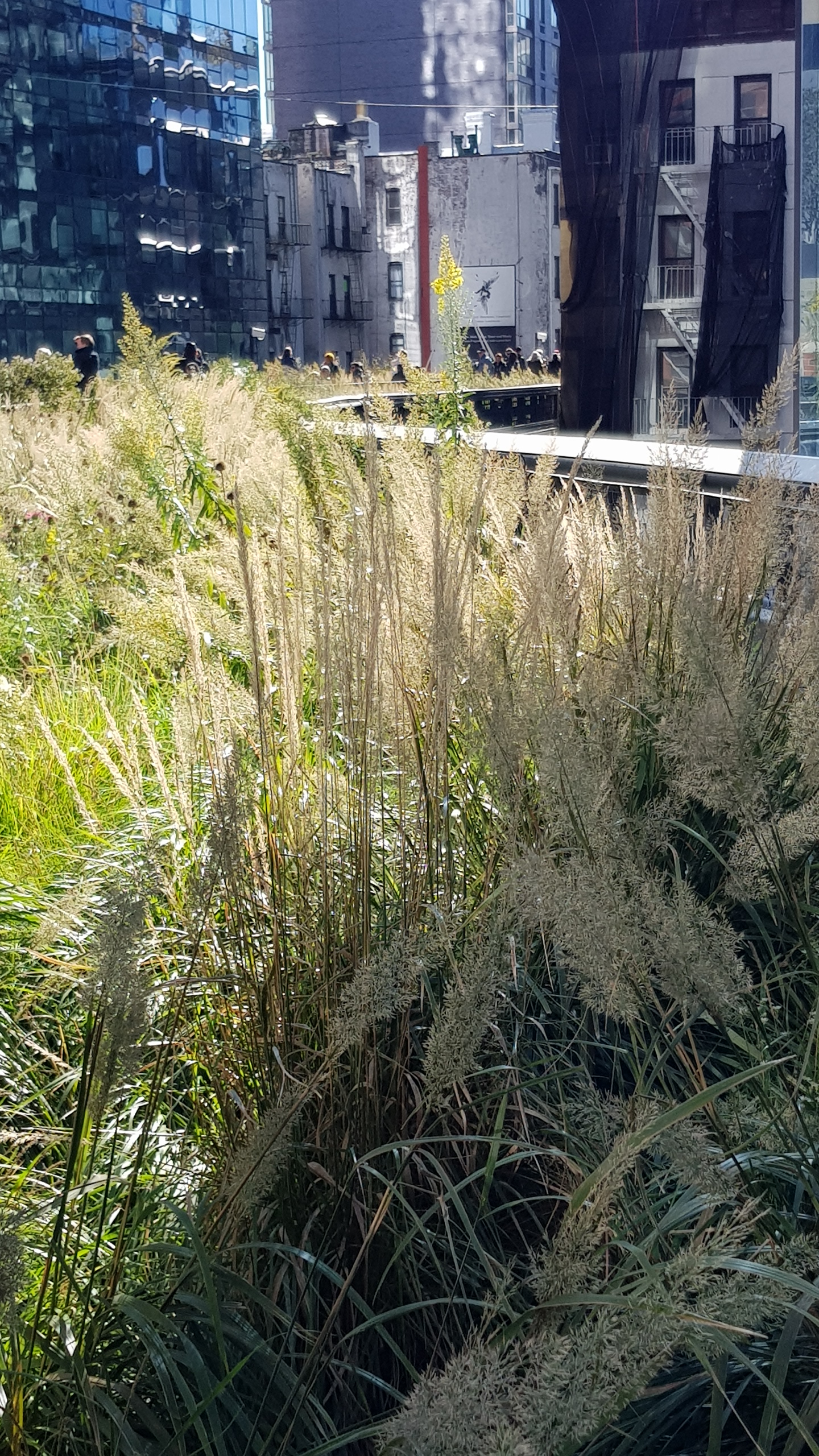
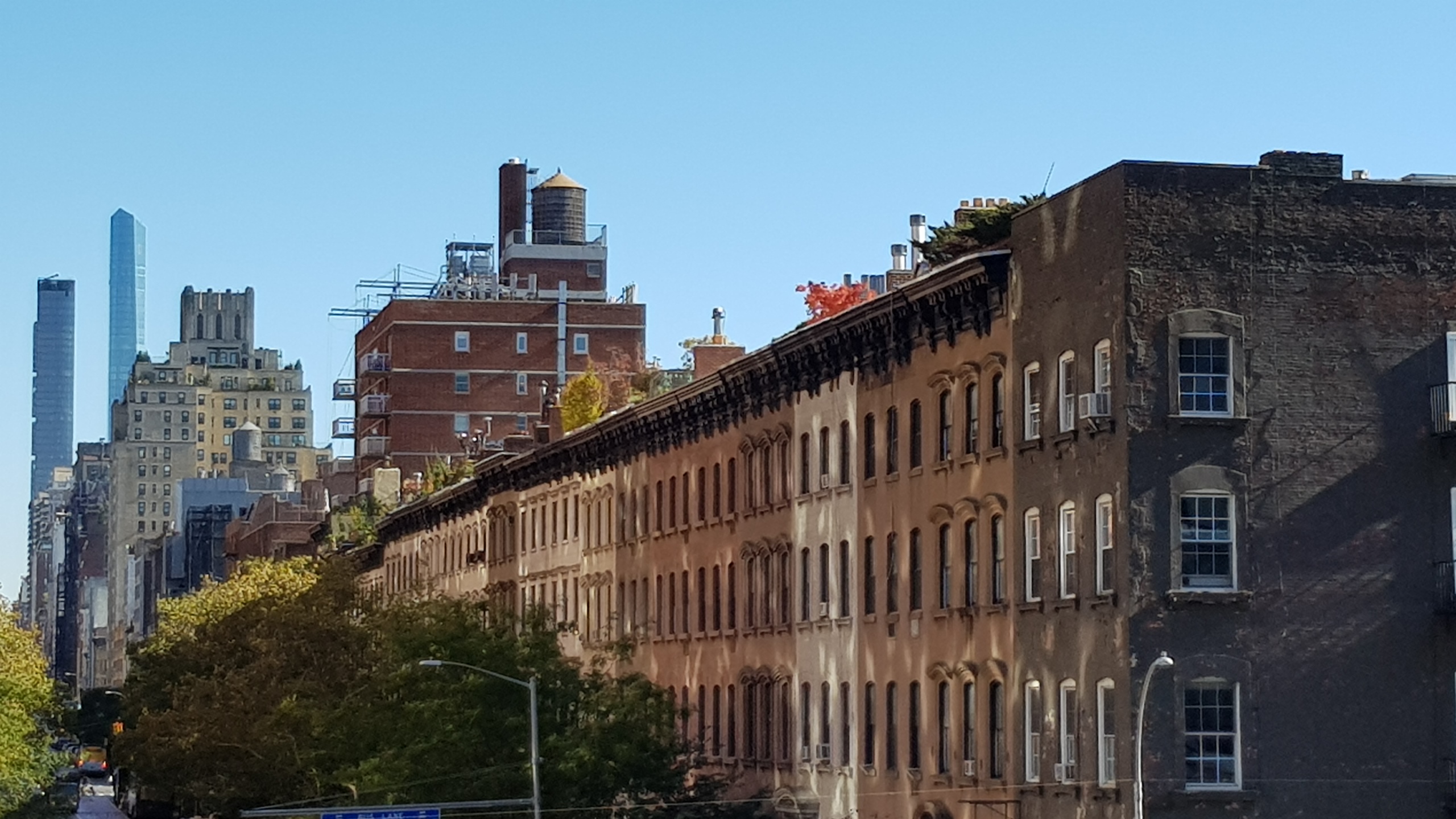
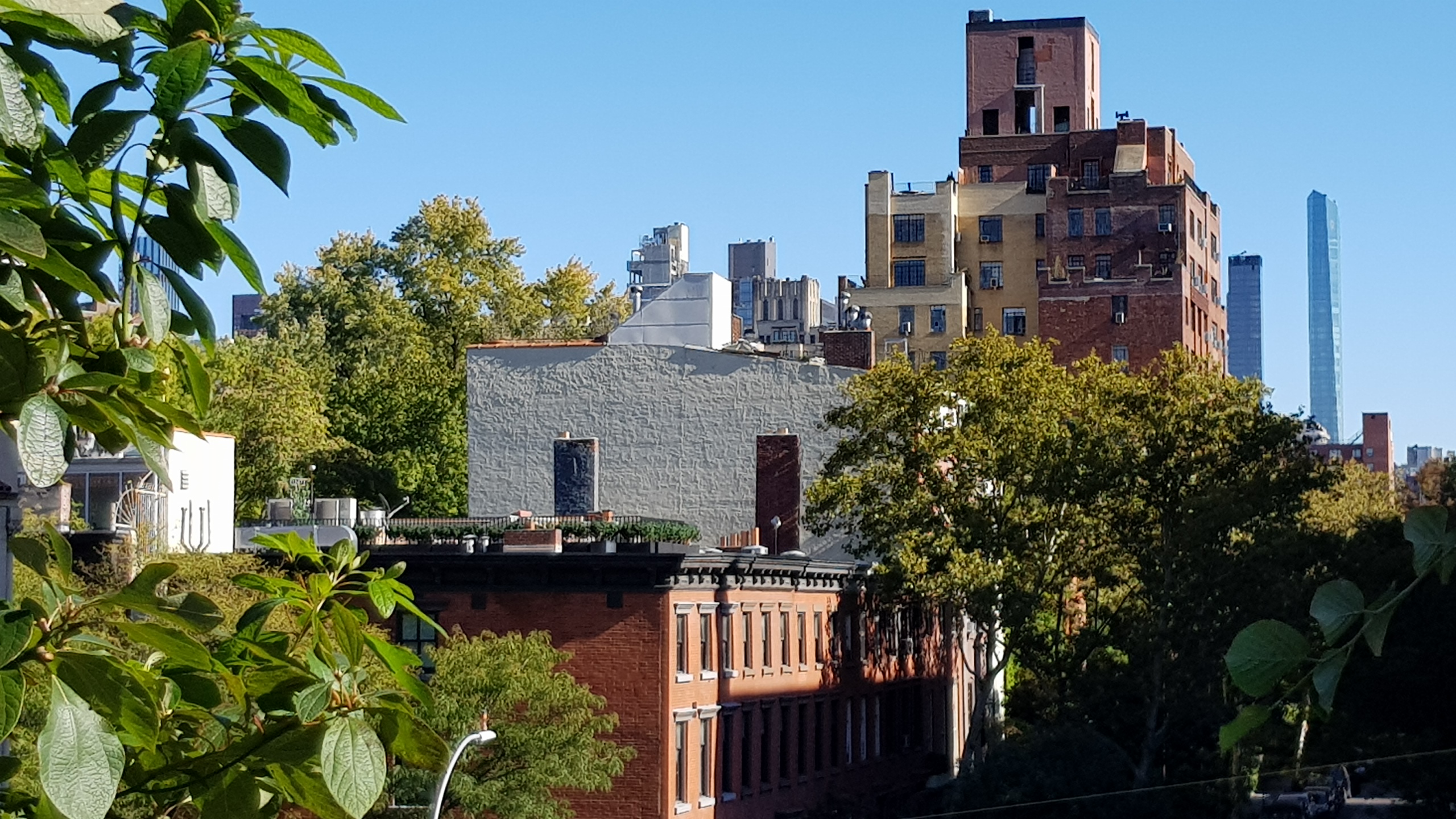
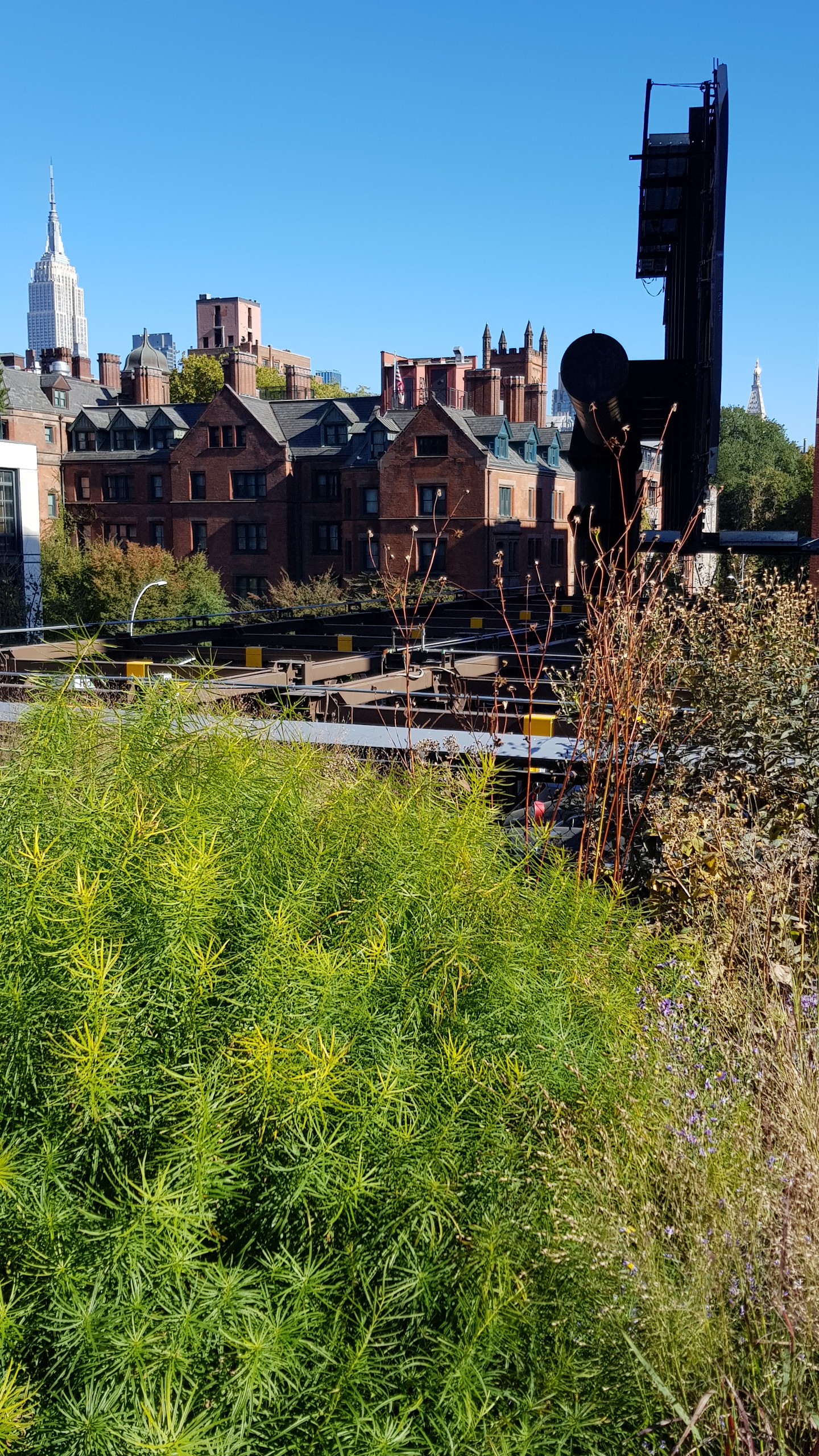
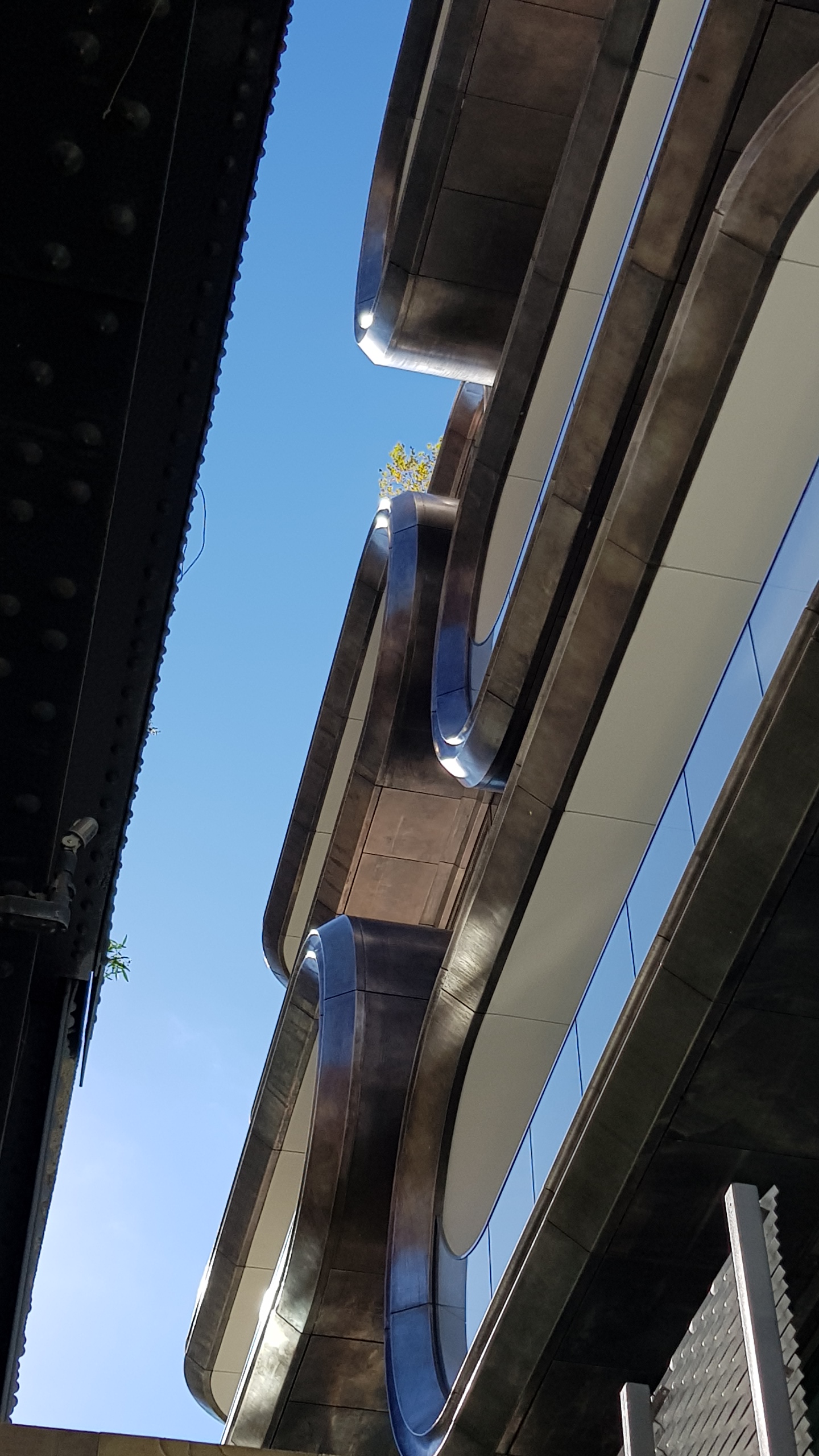
I walked from the New York Print Fair to the Whitney down the High Line, which I haven’t done in a while, weaving one’s way in amongst what has become a property developer’s dream, with planting by Piet Oudolf and vistas out down the streets of Chelsea:-
Dixwell Fire Station
In memory of Bob Venturi, I went to visit the Fire Station he (and Denise ? only Venturi and Rauch are credited) designed in a not very salubrious part of New Haven (I had forgotten that you only have to move one block away from the University and you are in a much less good neighbourhood). They had won the competition for a new Mathematics Building in 1969 to the consternation of the architectural establishment – ‘won from among 468 contestants by the iconoclast who had shocked the country as the apostle of the “ugly and ordinary”‘. I would have photographed the Fire Station, but a big truck drove up in front of it at the critical moment, so I am borrowing someone else’s image of it.
George Shaw
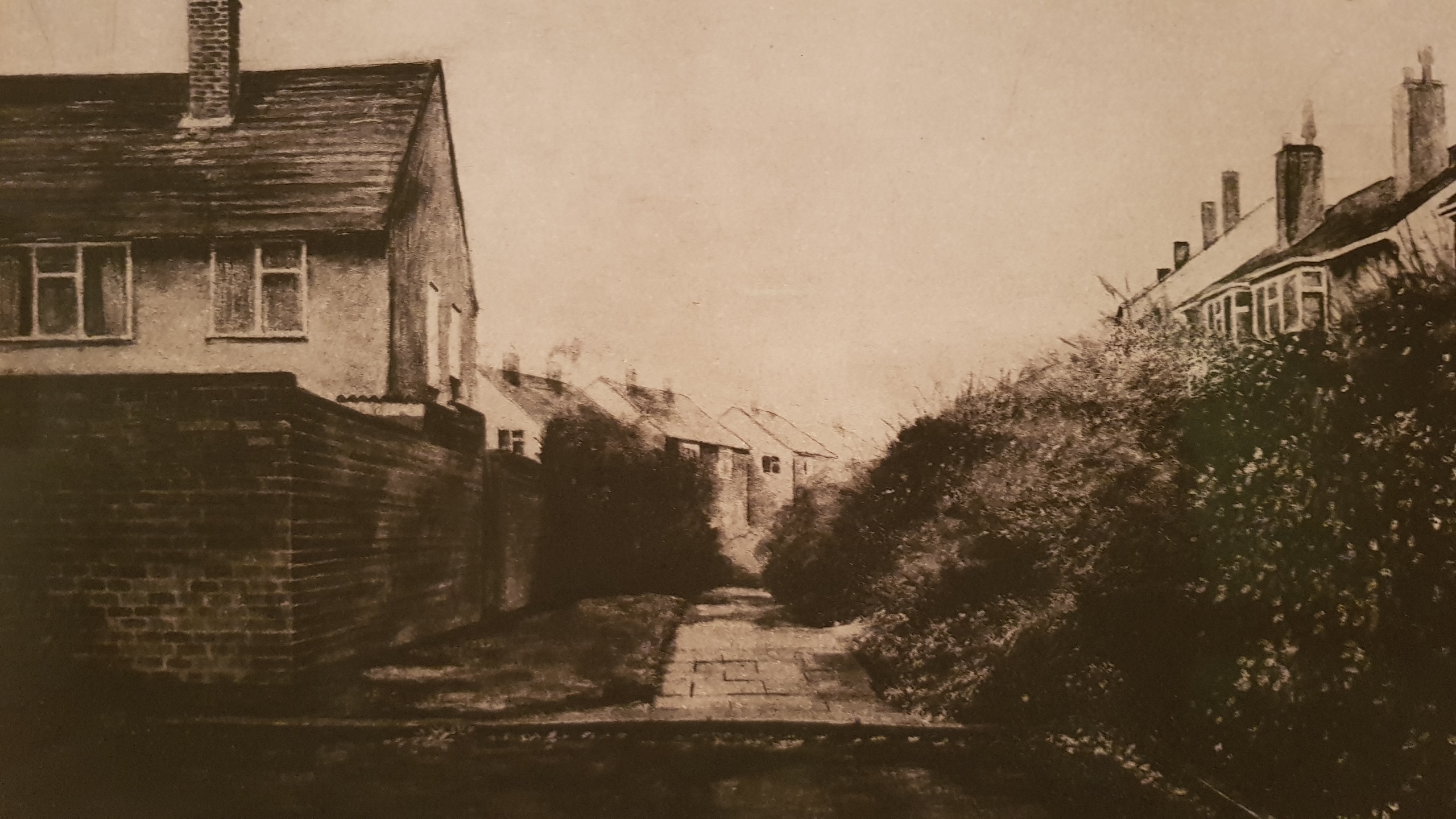
My last Yale post is about the work of George Shaw shown in an exhibition at the UCBA. I feel I should have known his work better: images of intense, post-war, humbrol-painted, dispassionate romanticism, the techniques of nature painting applied to the Coventry housing estate where he was brought up. Images of intense urban desolation. Caspar David Friedrich meets the suburbs.
There was a particularly beautiful portfolio, called Twelve Short Walks of what are described as etchings, but are presumably aquatints, using the technique of watercolour on the plate:-


Ruskin and the Idea of the Museum
Tristram Hunt was giving the Paul Mellon lecture on Ruskin and the Idea of the Museum. It was a very impressive way of exploring Henry Cole’s original mission and intent by contrasting it with the ideas and beliefs of his much more famous contemporary, John Ruskin, who did not like Cole, was hostile to the rigid method of teaching drawing in the Government Schools of Design and its doctrinaire and utilitarian intent. I had not realised that the first School of Design was established in 1837 in Somerset House in the Great Room as soon as the Royal Academy had vacated it, a very obvious symbol of the government’s determination to shift the teaching of drawing from the practice of art for its own sake to the benefit of industry and manufacture, a sterile methodology which William Simmonds experienced fifty years later just before the Schools of Design were turned into the Royal College of Art.


You must be logged in to post a comment.