Although I’ve never actually succeeded in logging on to the Times account, there is a good and clear account of the fundraising involved in our great building project in this morning’s Saturday Review by Richard Morrison, the Times music critic and a veteran of arts reporting (https://www.thetimes.co.uk/article/raising-the-curtain-on-the-new-royal-academy-hhglf77f7). It makes clear that we are still a bit short on the final amount we need to pay for the building. As of yesterday, we had raised £2,658,159 of the £3 million public appeal. 89%. It’s not too late to give on https://makeyourmark.royalacademy.org.uk
Author Archives: Charles Saumarez Smith
Cotton, Ballard and Blow
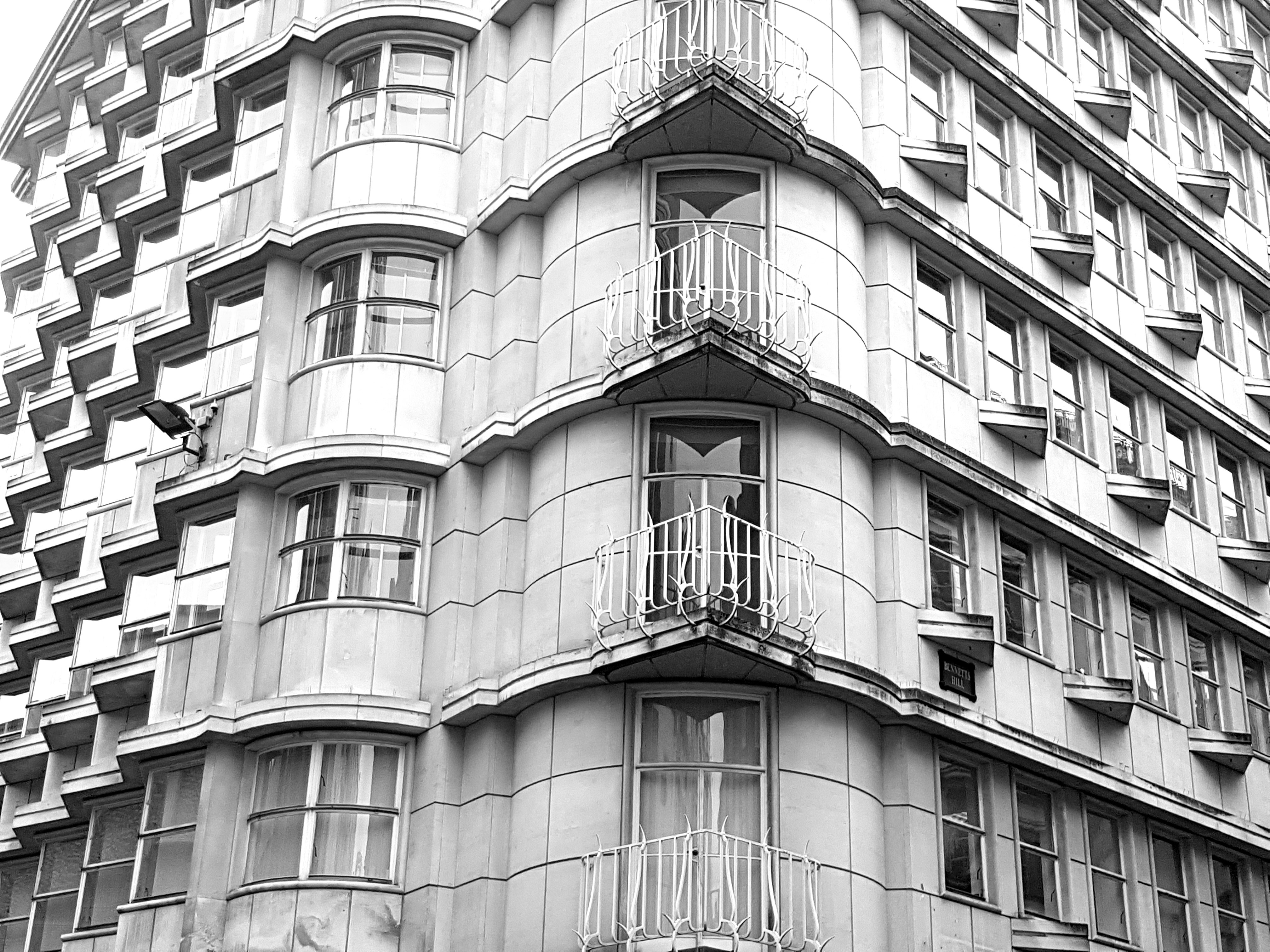
In answer to the question as to who were Cotton, Ballard and Blow, who designed Grosvenor House on Bennets Hill in central Birmingham, the answer seems to be that they were a firm of successful speculative architects, originally based in Birmingham, where Jack Cotton, one of the partners, was a well known property developer, without architectural training, who was said (by the Spectator in 1959) ‘to have done much building in Birmingham, little if any of which is said to have improved the look of that city’. They also worked in London where they were ‘responsible for much of the unimaginative and uncoordinated building in the new Notting Hill Gate’, as well as a scheme for developing the north side of Piccadilly. A member of the firm, Major ‘Trof’ Trofimov, the son of the Professor of Russian at Manchester, worked for them before taking over their practice in Newcastle. It sounds like they were prime suspects in the murky world of 1950s property development, but, like Seifert, were capable of producing occasionally interesting – as well as frequently appalling – buildings.
Grosvenor House, Birmingham
I had dinner last night in an amazing piece of Birmingham constructivism, not Festival of Britain, but Czech cubist. It might have been lifted straight from Prague. It was a speculative office development, designed by Cotton, Ballard and Blow (Cotton was a property developer), dated 1953, and originally occupied by Shell-Mex BP:-
Burlington House
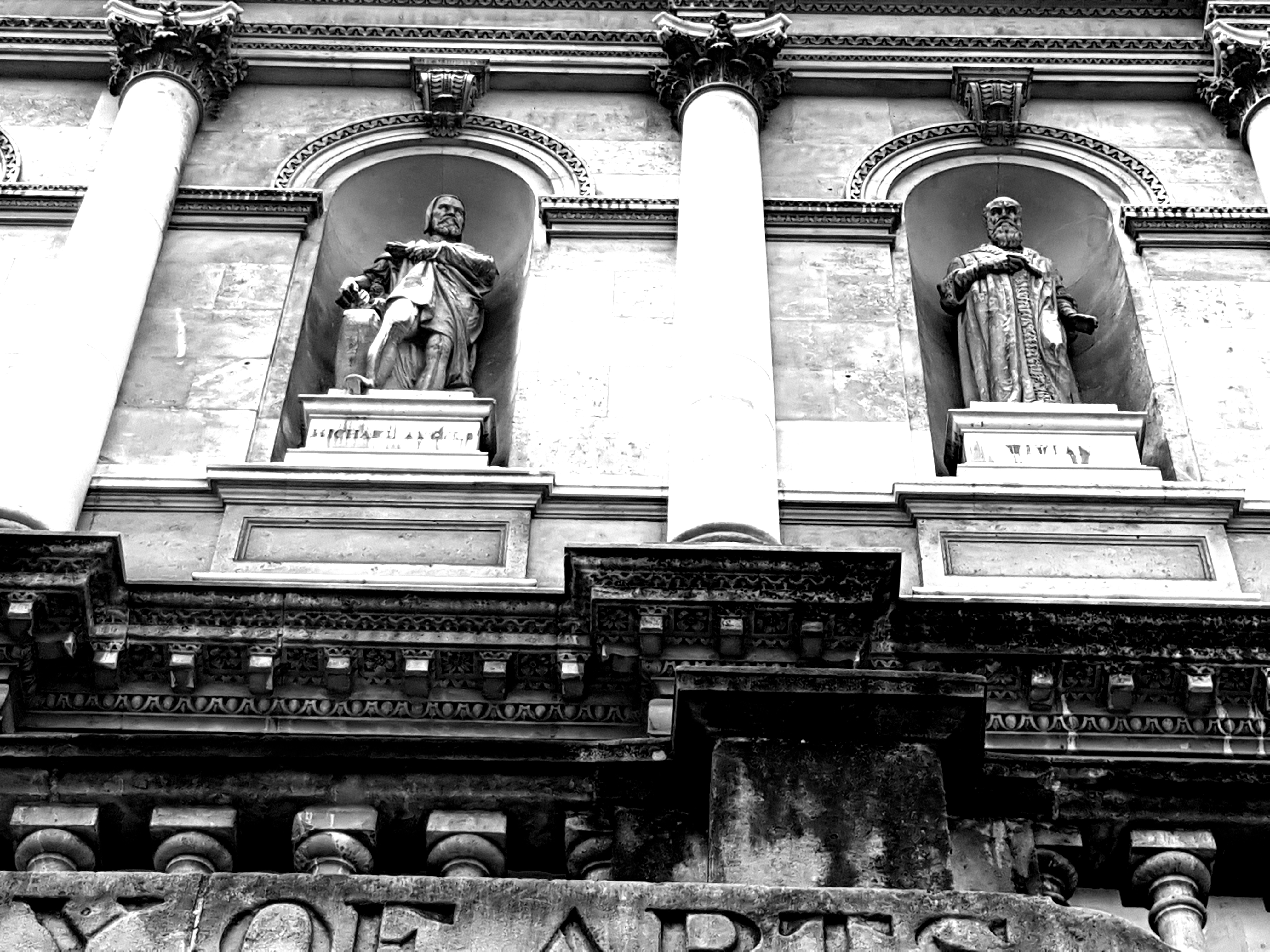
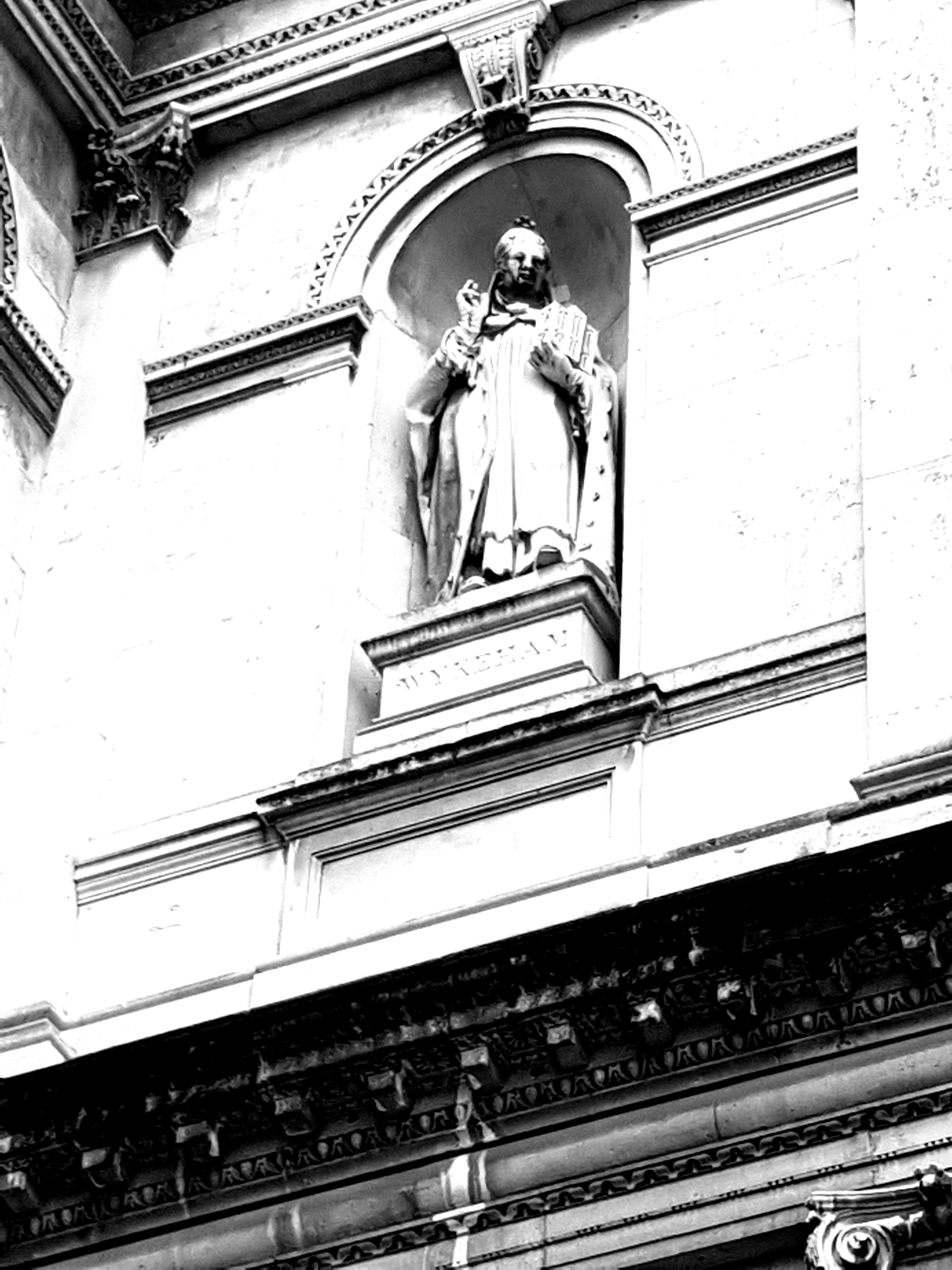
Strange how the wetness of the day brings out the character of the Burlington House façade. Or is it just that I’ve become more alert to it, having lectured on it at the Barber Institute last night ? Pennethorne was sufficiently impressed by it to have partially modelled his Burlington Gardens façade on it, after parliament had torpedoed his horrid gothic design (it was already three foot above ground before being vetoed):-
Google HQ
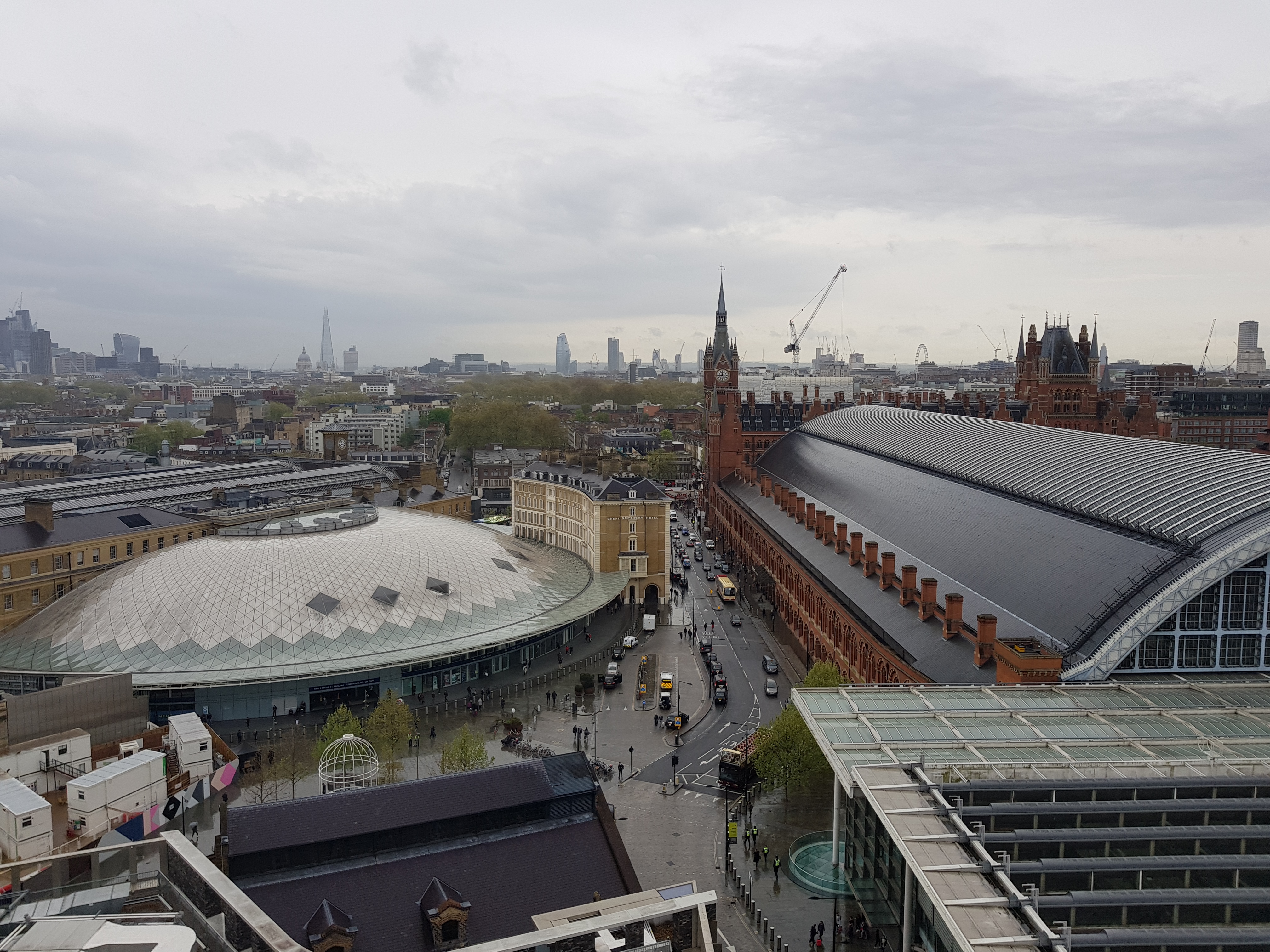
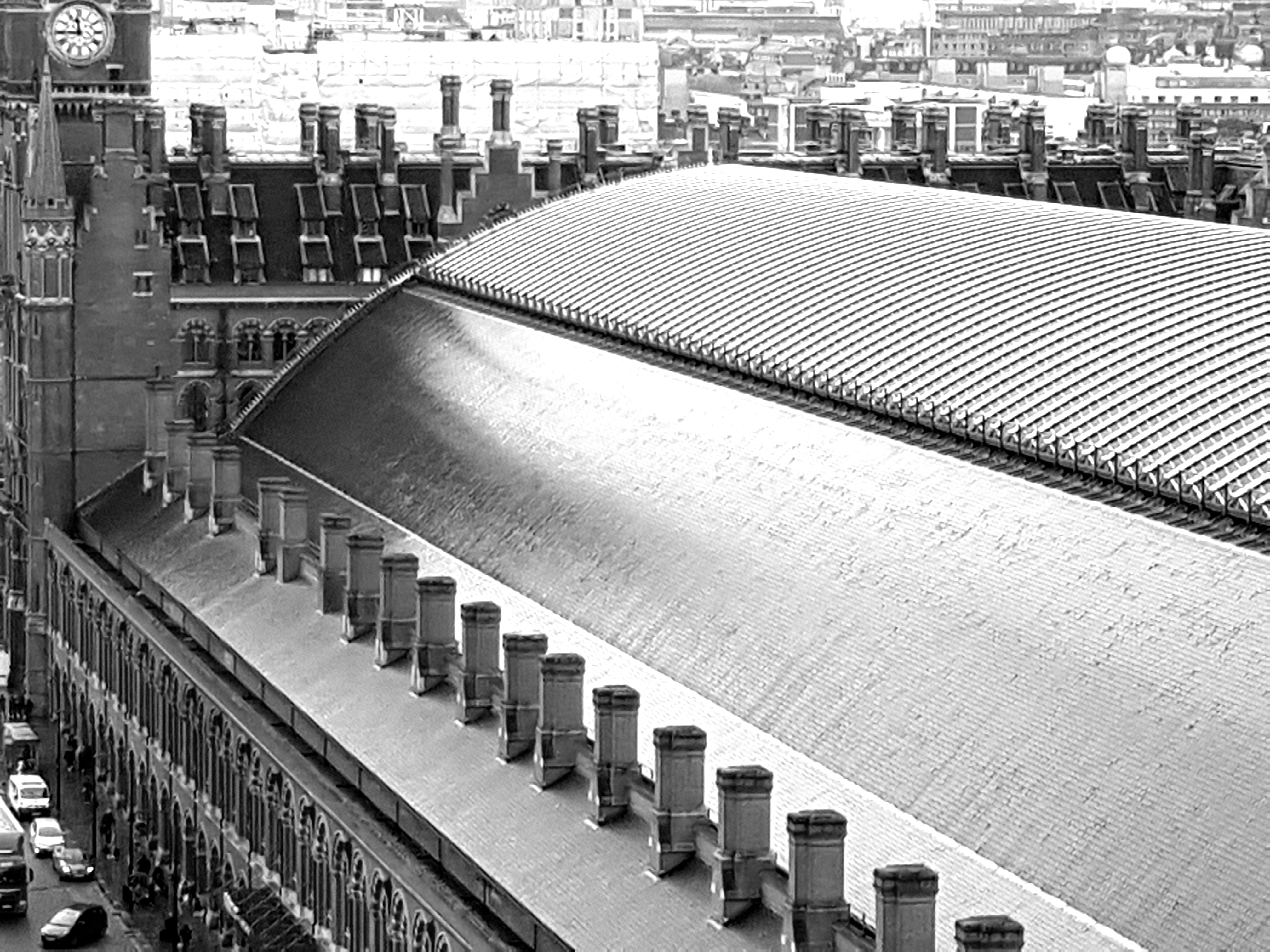
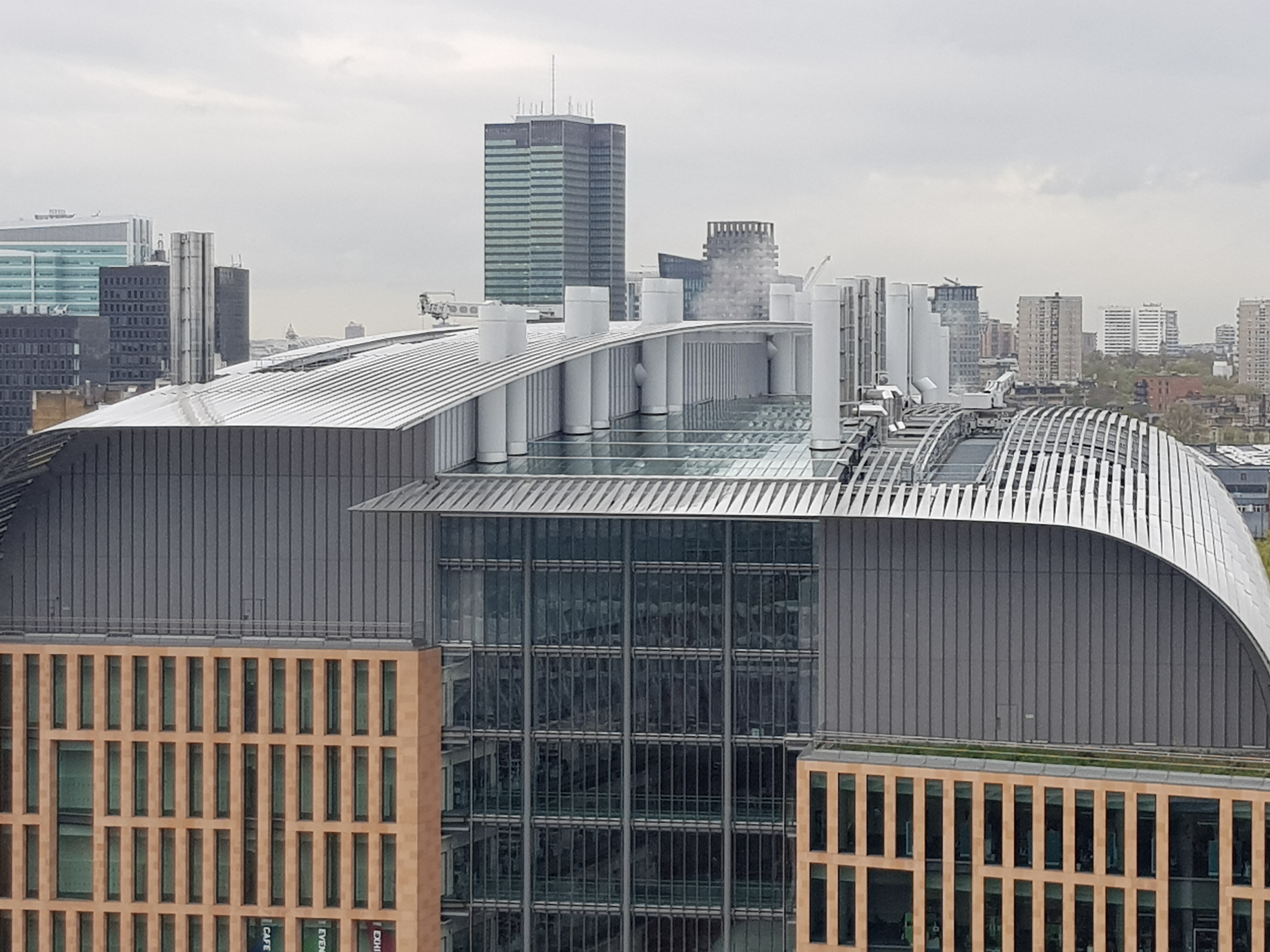
On a visit to the current Google HQ just north of King’s Cross (we glimpsed a model of the new one planned by Thomas Heatherwick RA), one has to sign an affidavit that one will not take photographs. But I was given special permission to take photographs from the balcony outside the Ninth Floor which has a fairly spectacular view out over the St. Pancras station train shed, designed by William Barlow, the Midland Hotel, Gilbert Scott’s masterpiece, John McAslan’s recent additions to King’s Cross, the Crick Institute, and the rest of central London to the South Downs in the distance:-
Academy Catalogues
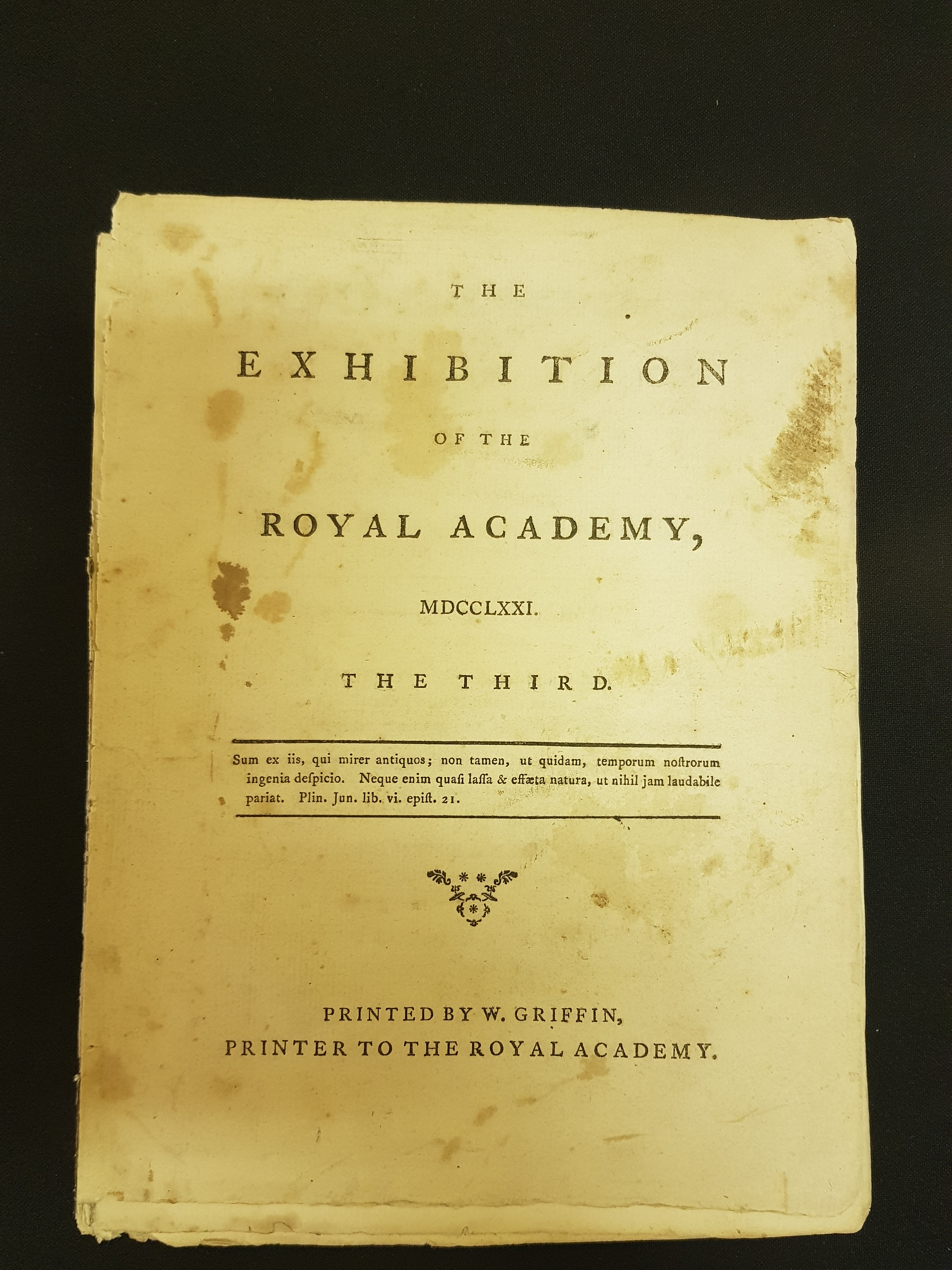
Downstairs the Barber has a case display of Royal Academy exhibition catalogues from their library, beginning with an early listing of the works in THE THIRD exhibition, held in 1771:-
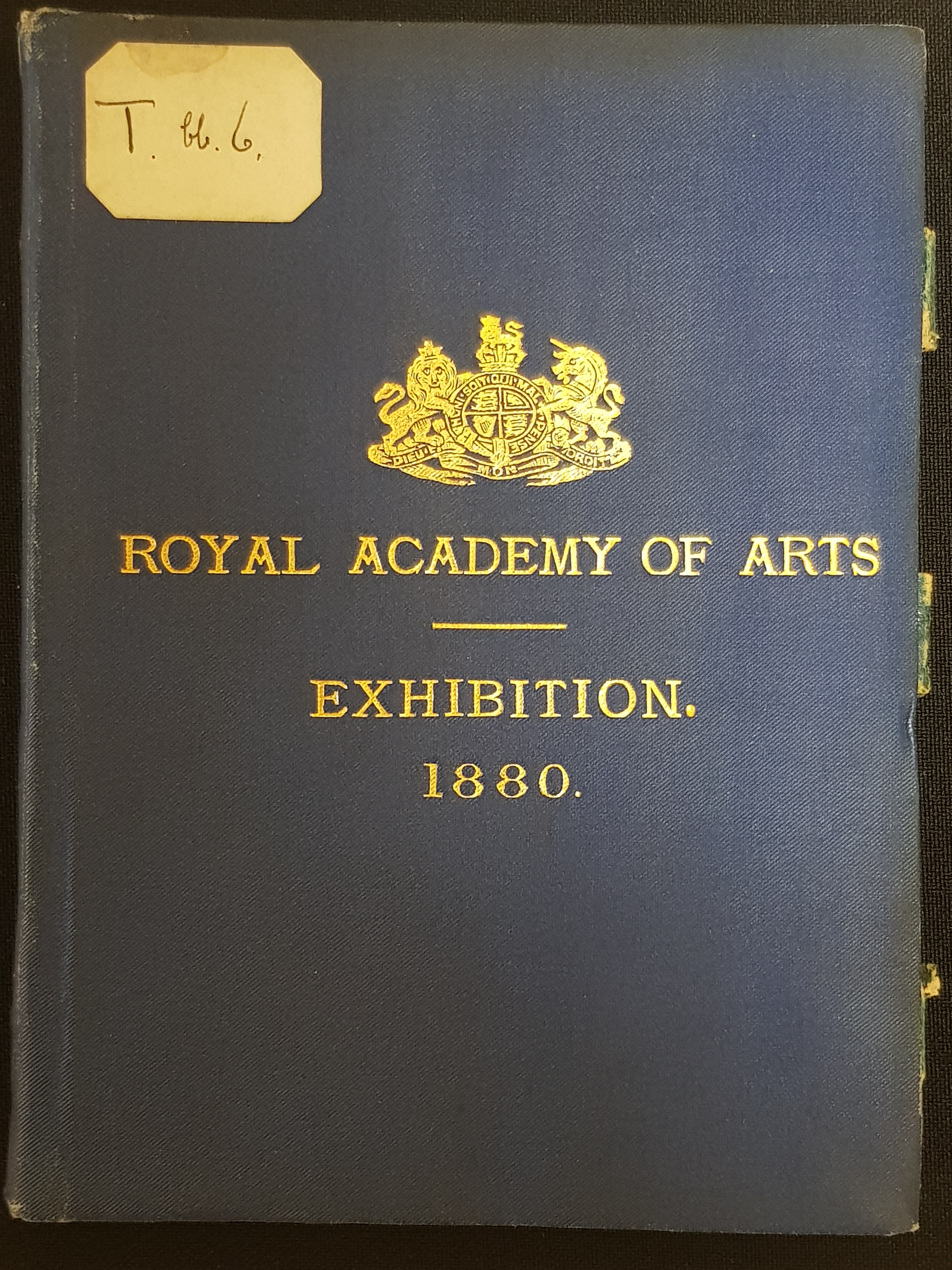
The catalogue had shrunk to a handlist by 1880:-
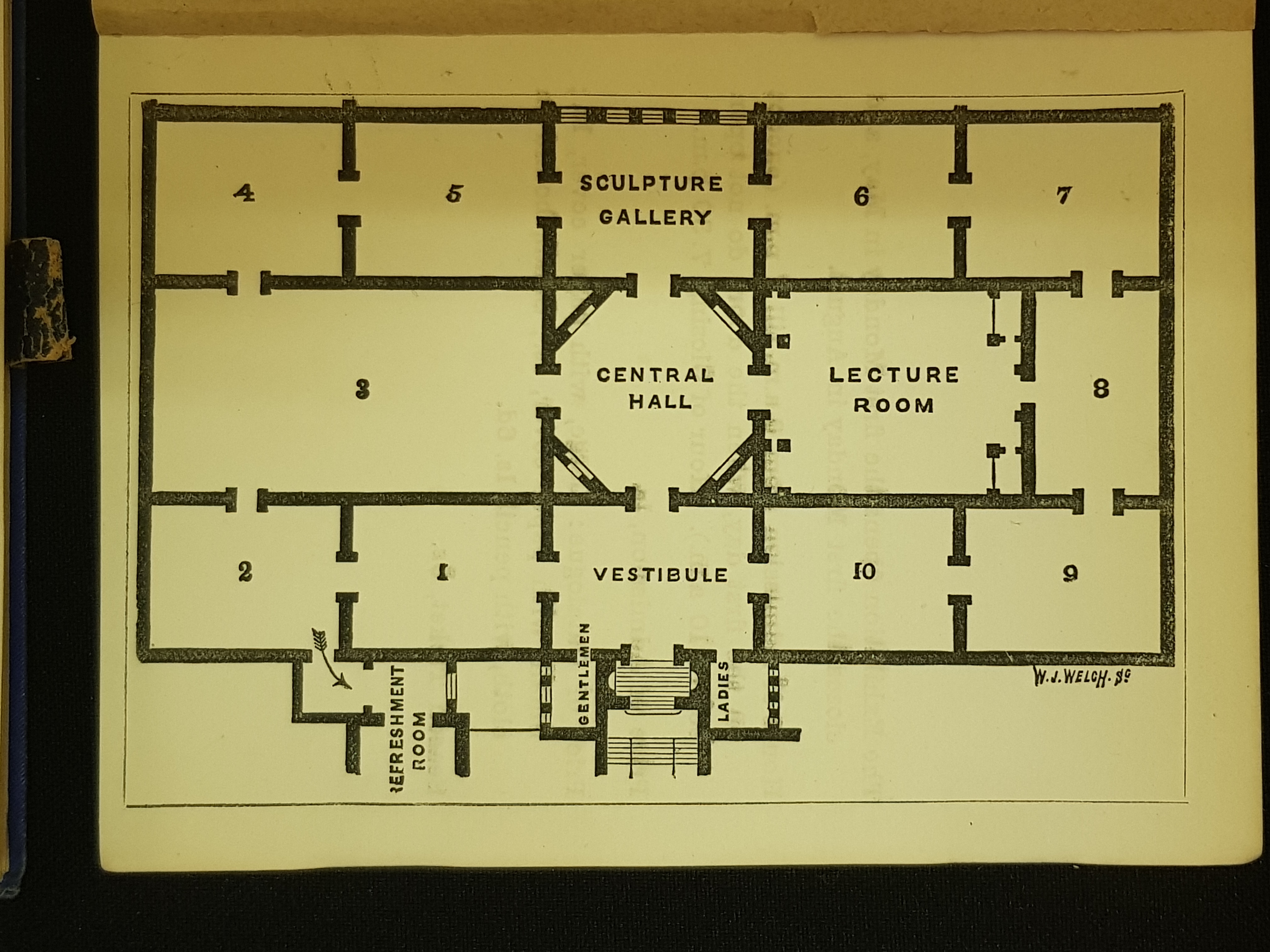
But at least it had a plan of the galleries, with a SCULPTURE GALLERY (the current Gallery 6) and a LECTURE ROOM next to the OCTAGON, as well as a route out of Gallery 2 into a REFRESHMENT ROOM:-
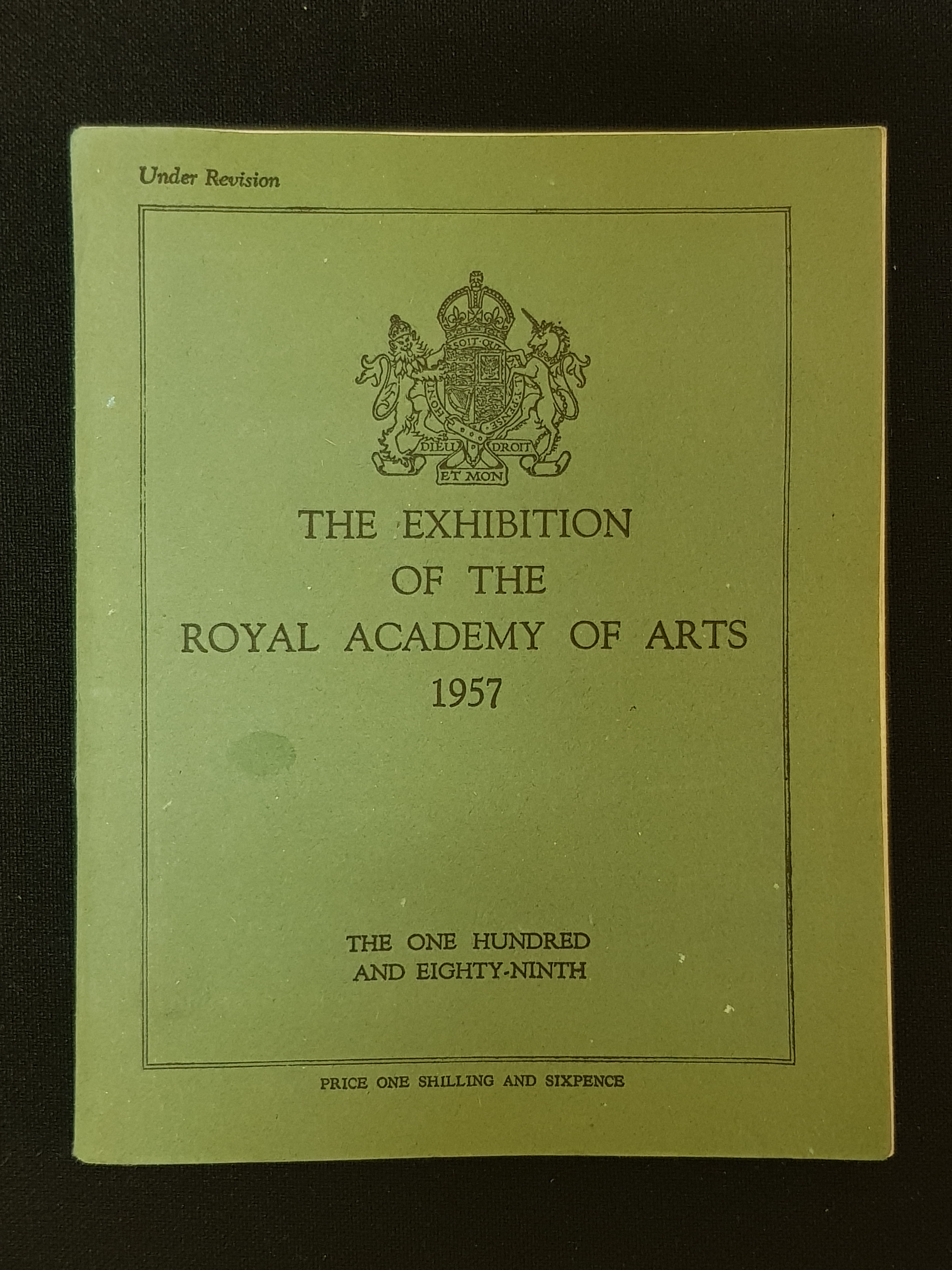
By 1957, it had shrunk further (was this to save on printing costs or was people’s eyesight better ?):-
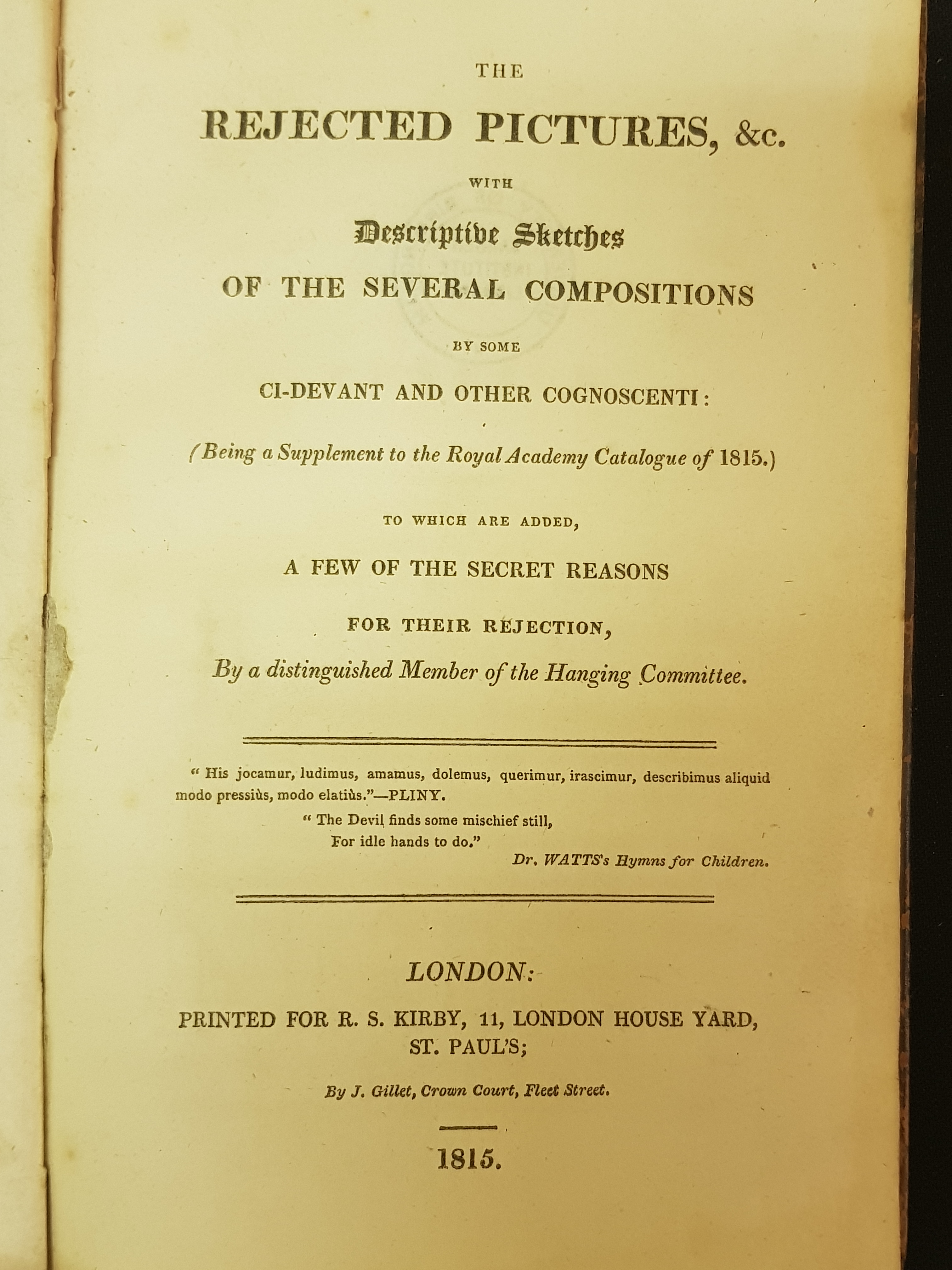
Then there is a curiosity. In 1815, someone printed a catalogue of The Rejected Pictures…by a distinguished member of the hanging committee:-
Sir Joshua Reynolds PRA
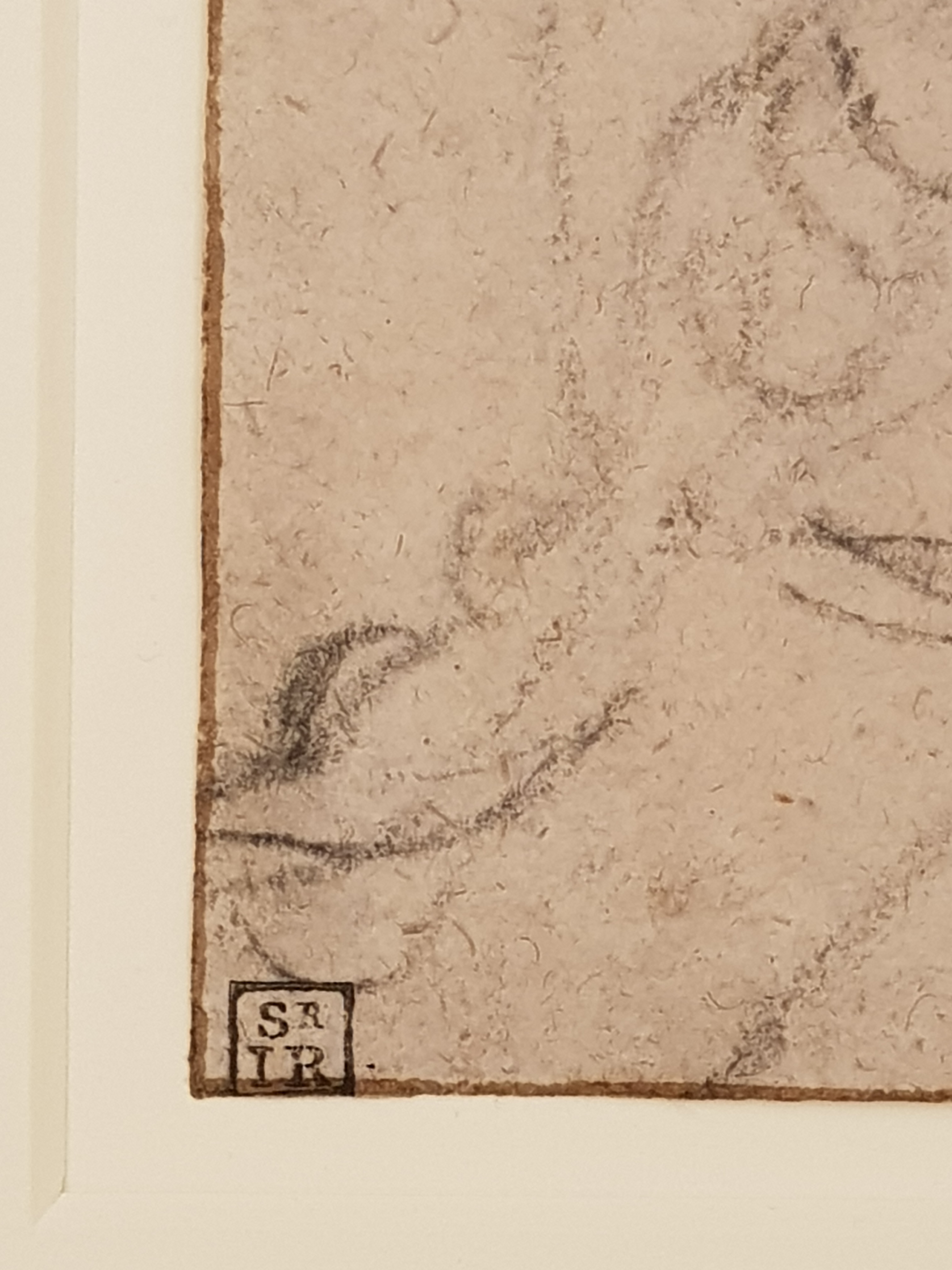
I was asked to give a lecture at the Barber Institute who have mounted a small, but choice display about Joshua Reynolds and his collection to celebrate the RA’s 250th. anniversary. Most people think of Reynolds only as a fashionable portrait painter, but he was also a passionate student of the history of art, hauntimg the auction rooms and buying work not least to strip them down and find out how they were painted. There’s a drawing attributed to Tintoretto with his collector’s mark clearly visible:-
Next door is a painting which Reynolds thought (most likely, wrongly) was by Rubens of his second wife, Hélène Fourment (also wrongly).
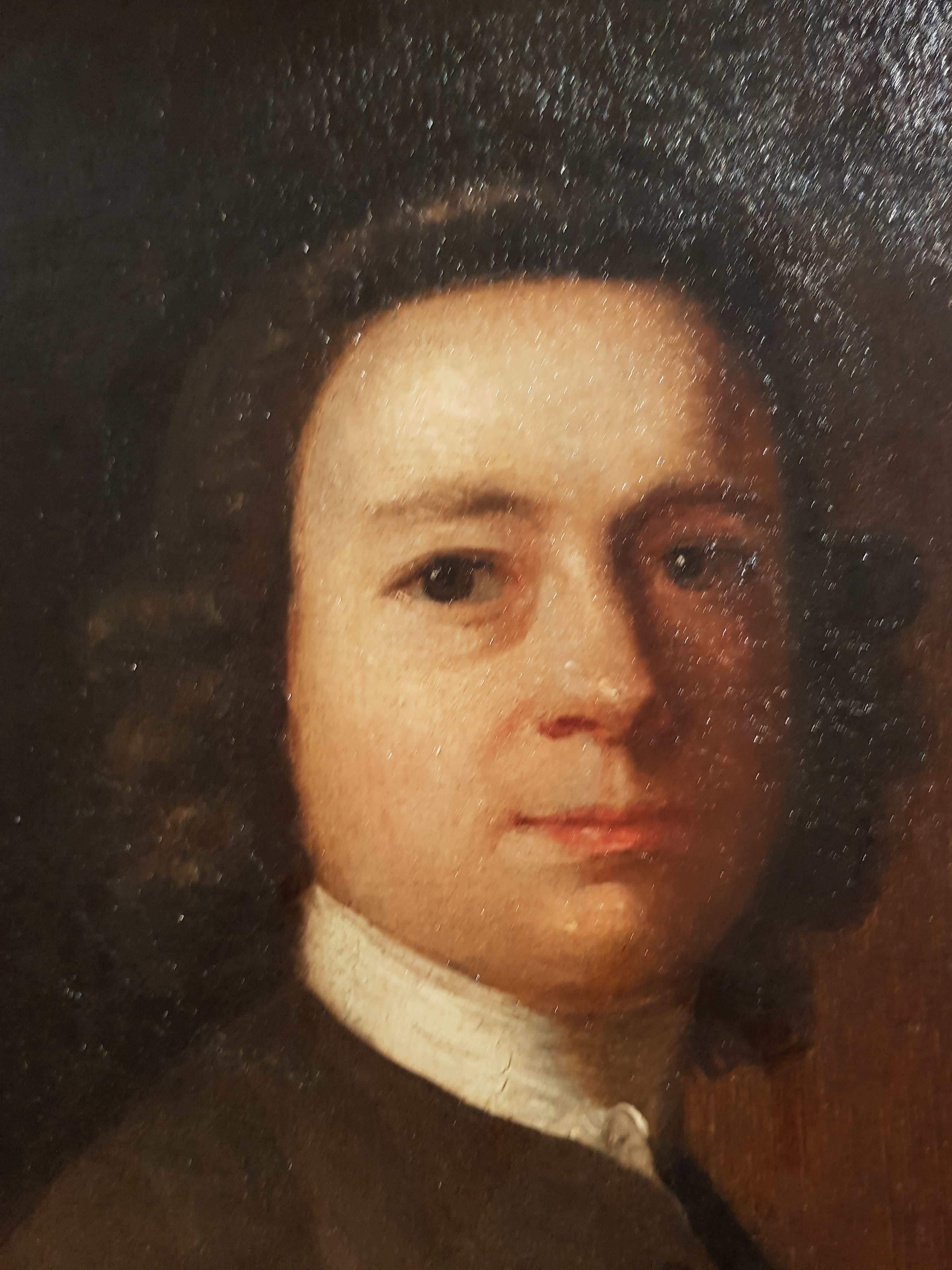
Then an early work, when he was a jobbing artist in Devonport:-
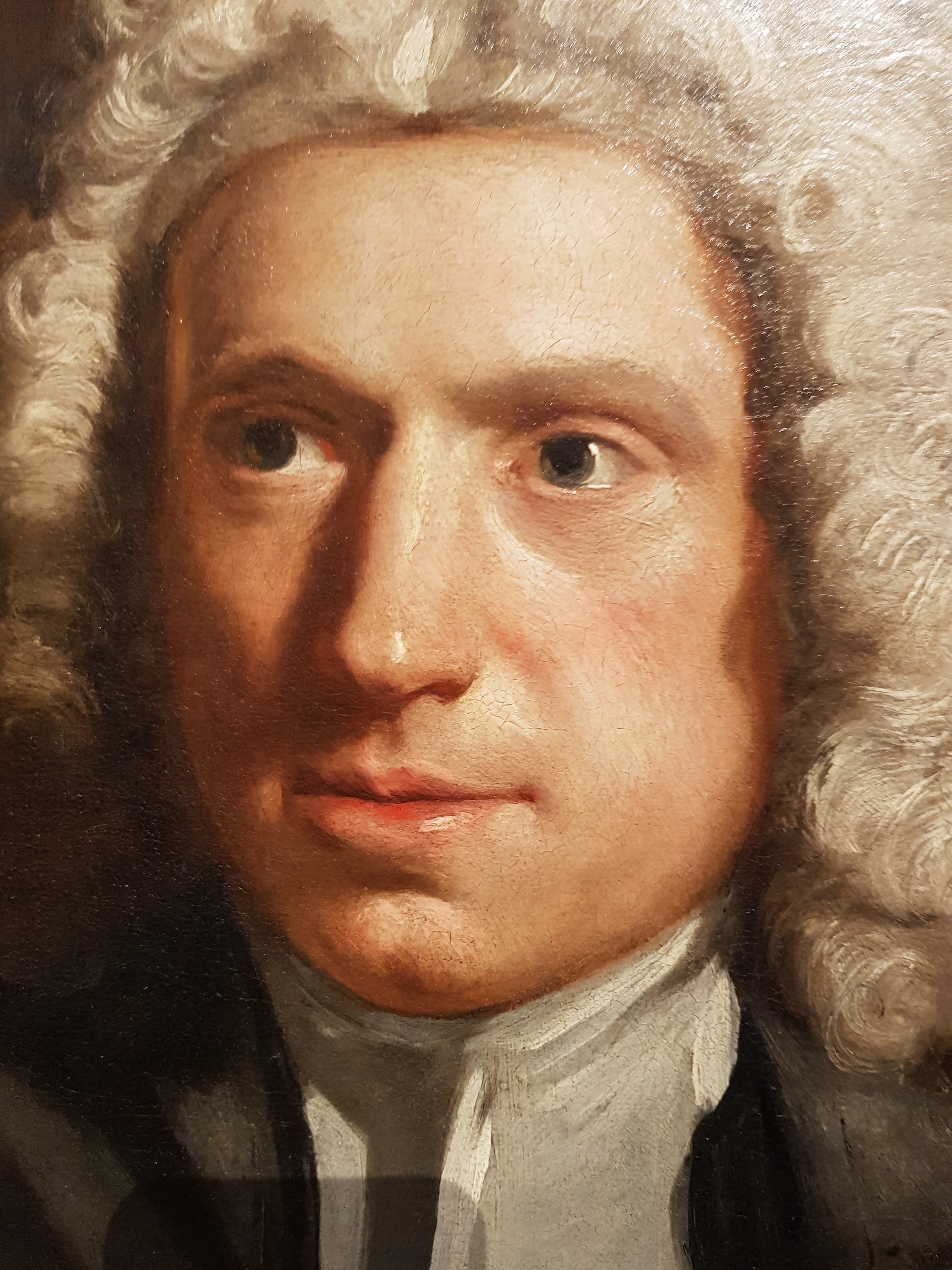
The Rev. William Beele, also from the late 1749s, when he went to Italy (what a vast improvement):-
The Gideon children, painted in the mid-1780s, for which he was paid £300, a huge sum:-
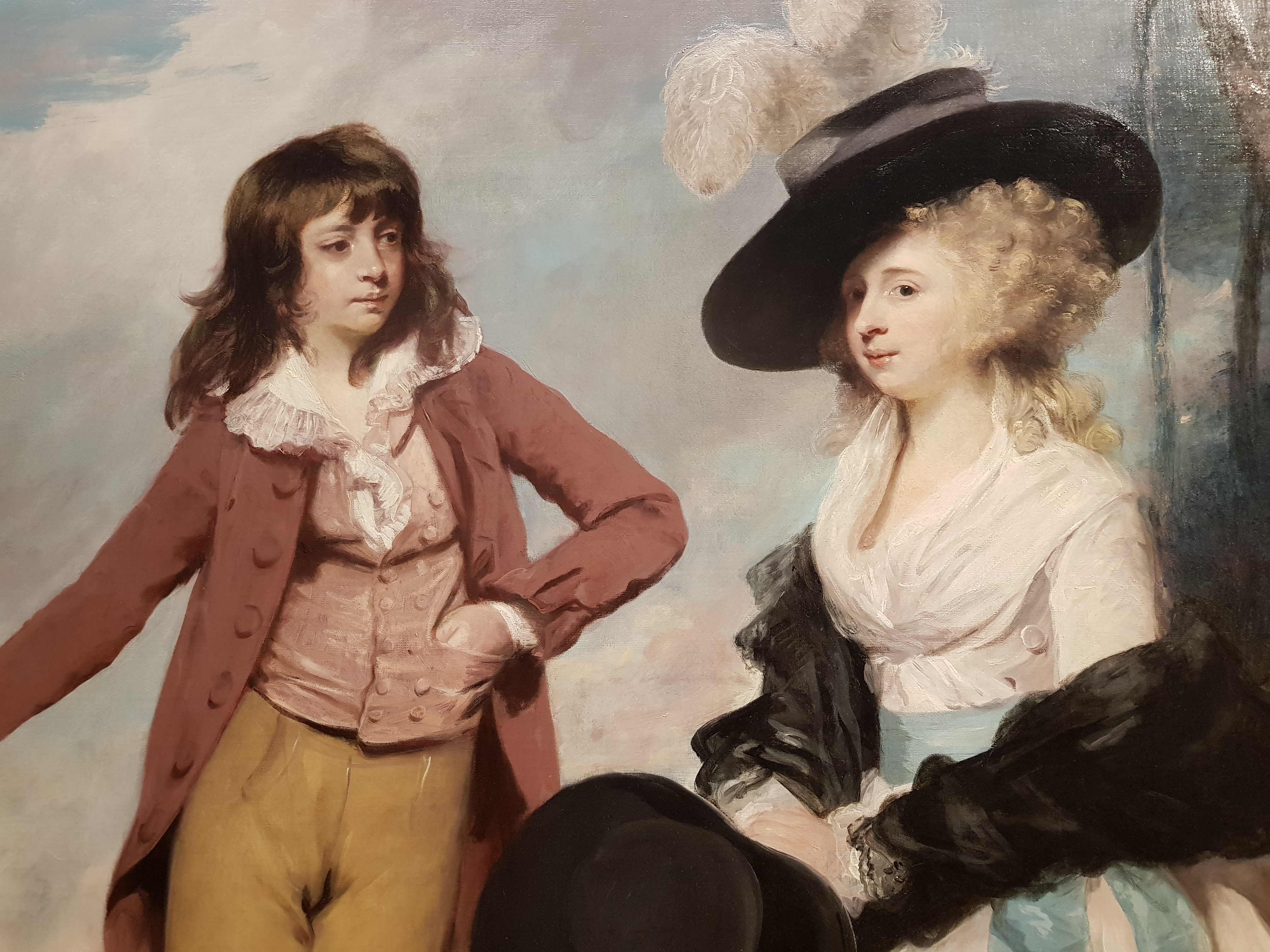
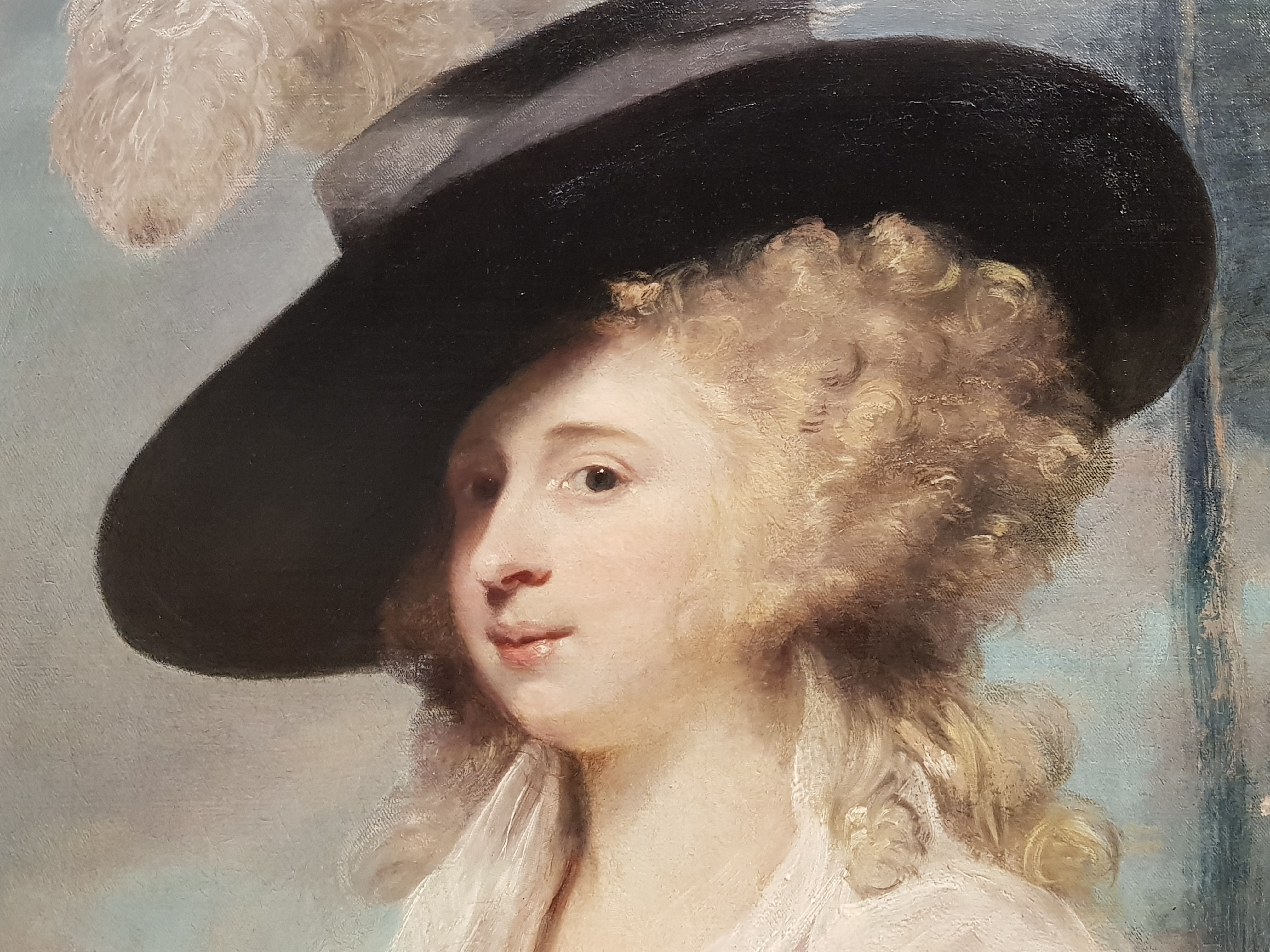
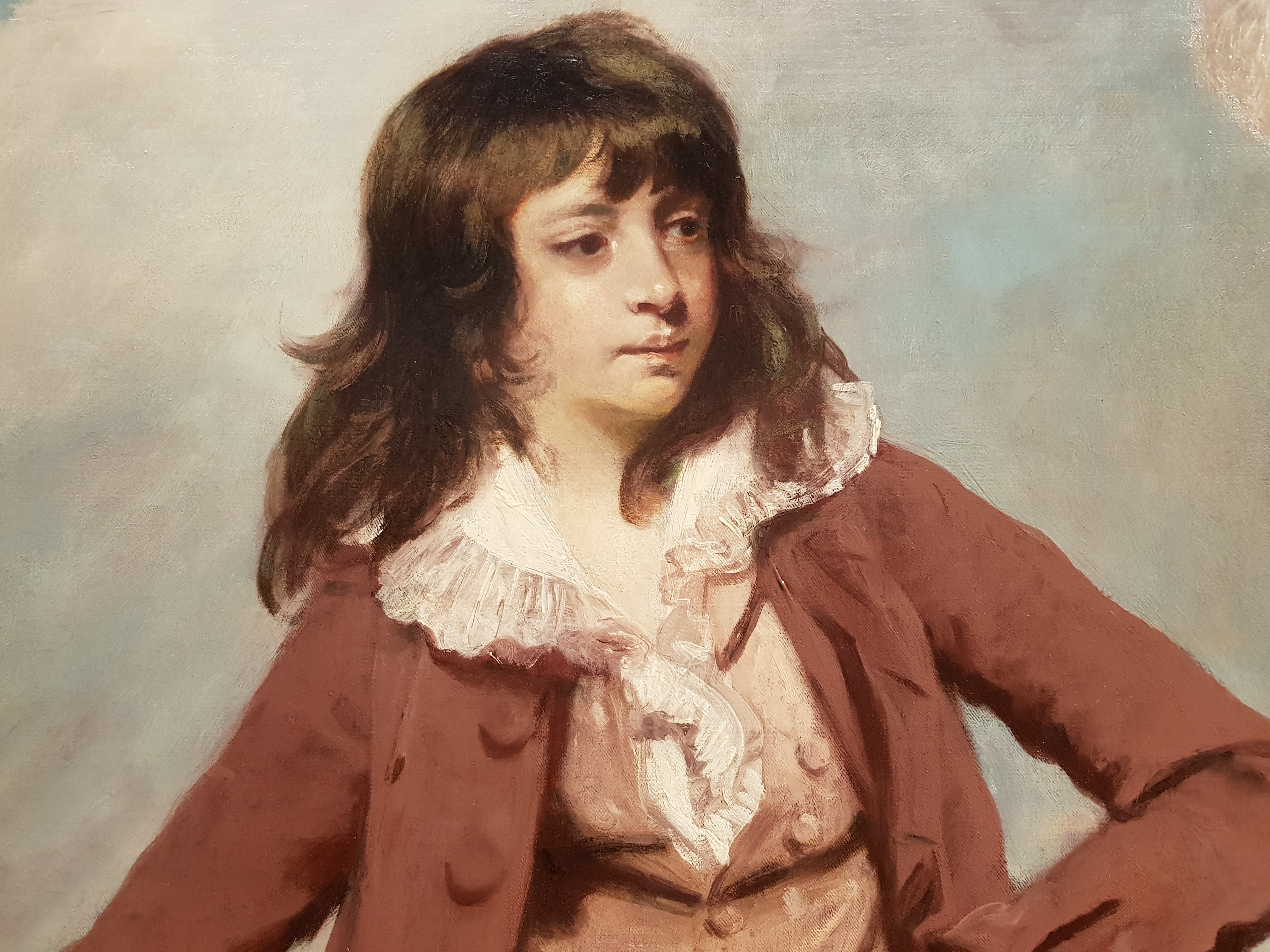
Then it was closing time.
Burlington House
I have found it harder than I expected to find a nineteenth-century photograph of the façade of Burlington House after Sydney Smirke had raised its height to add the extra diploma galleries on the leven above William Kent’s enfilade of rooms on the first floor. Smirke has had a bad press for adapting the eighteenth-century façade, designed by Colen Campbell, presumably under the eagle supervision of the third Earl, but surviving photographs of the façade pre-1868 show an oddly undistinguished building which Smirke enriched with height, statuary and flanking Venetian windows.
Anyway, today, by chance, I walked into the courtyard and found it unusually empty and the façade bannerless, so have recorded it as it would have been, more or less, in 1868:-

Benjamin West PRA
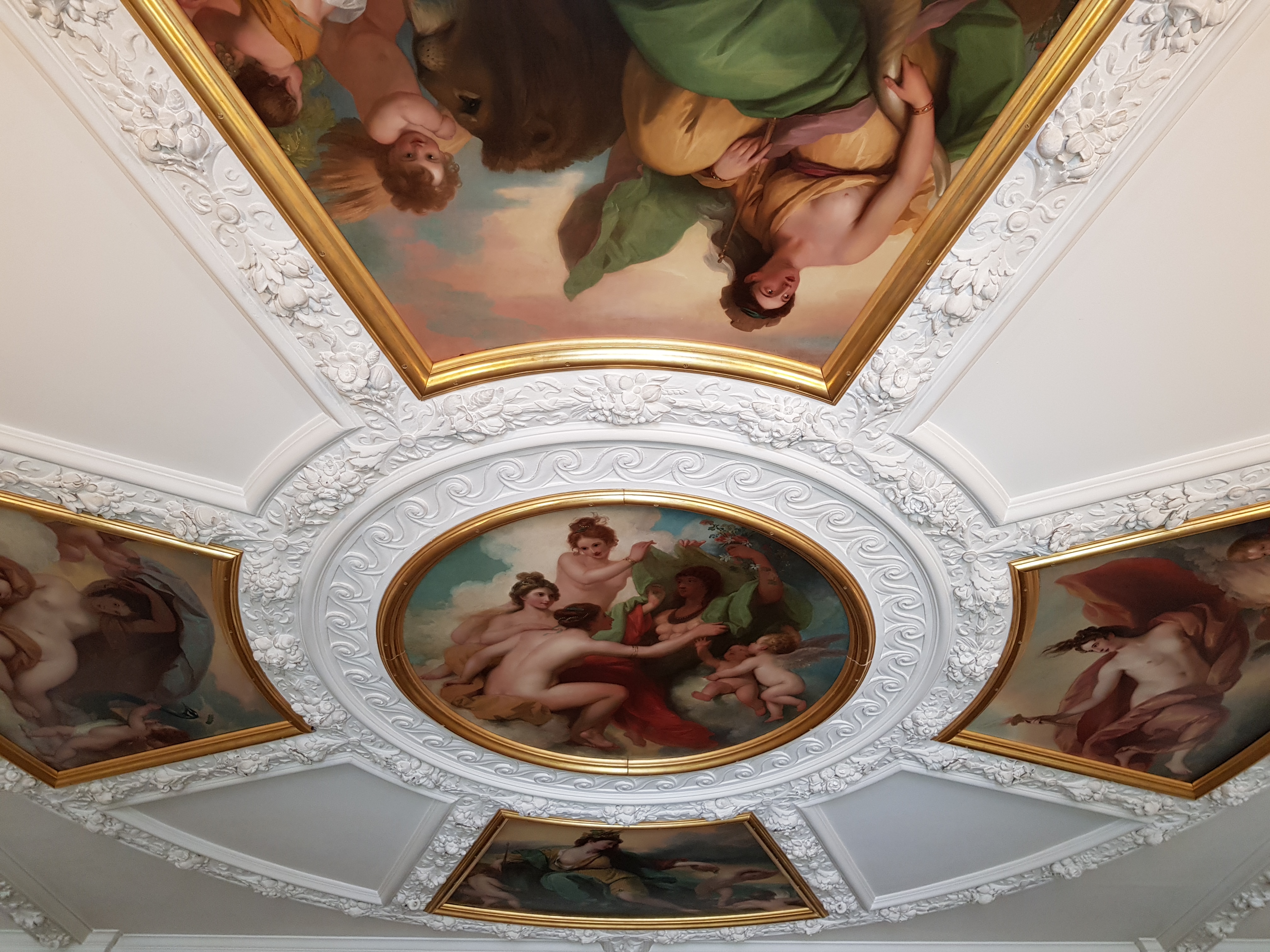
One of the benefits of writing my blog is that I learn something every day, including today, that I have muddled the authorship of the paintings in the Burlington House front entrance hall. The ones in the middle are not by Angelica Kaufman, but were commissioned from Benjamin West, but are now thought to be by Gilbert Stuart who was working in West’s studio from 1777 to 1782. The paintings only came to Burlington House when the Front Entrance Hall was reconfigured by T.G. (Anglo) Jackson in 1899. My apologies for the mistake:-
Angelica Kauffman RA
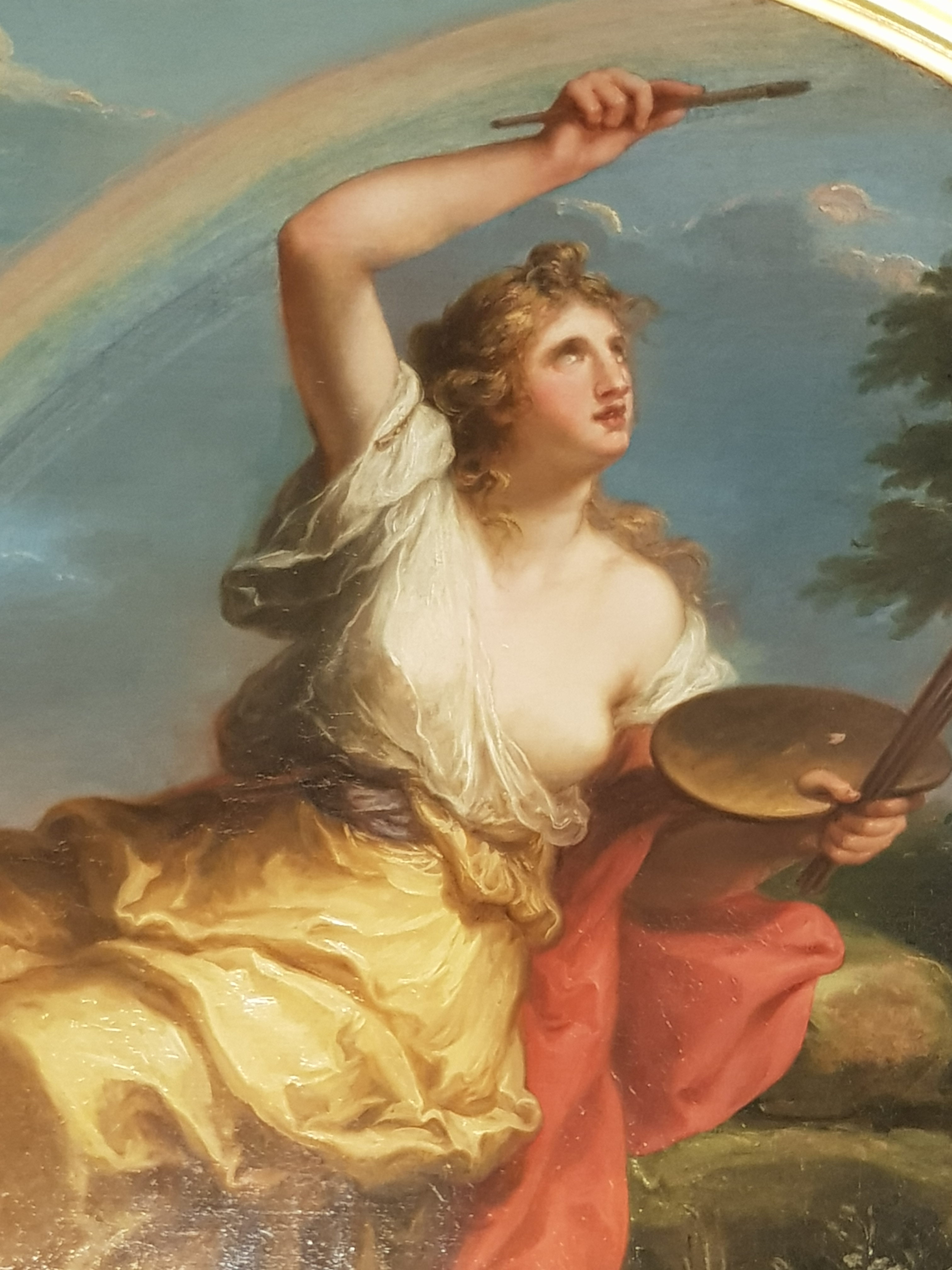
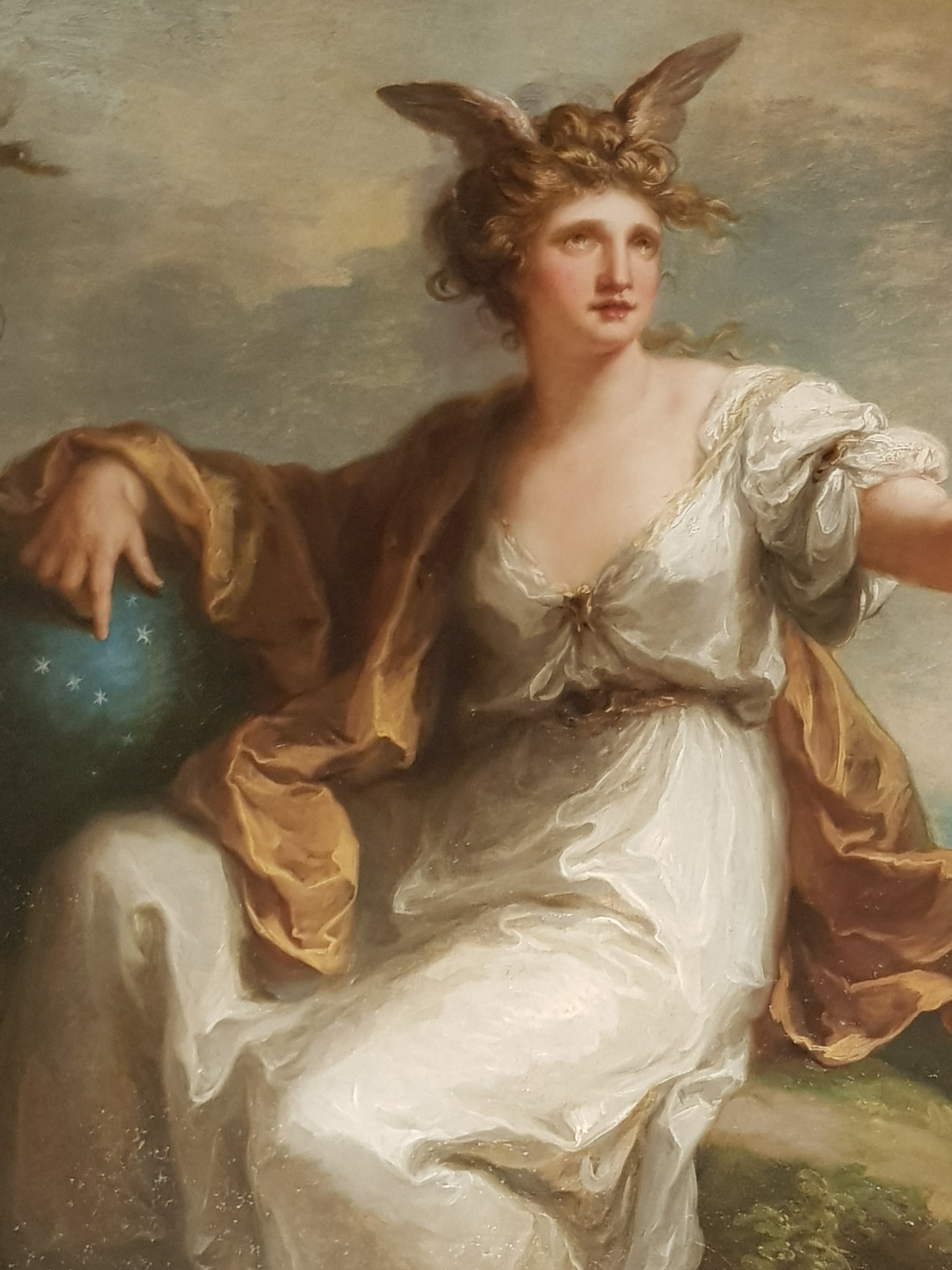
One of the things I really liked about the film about The Private Life of the Royal Academy was the extent to which it showed the work of the staff – curators, conservators, collections managers, our archivist heroically carrying the Roll of Obligation back and forth to meetings, the Head of Collections overseeing a hang in the General Assembly Room. The Angelica Kauffmans are shown being taken down from the corners of the front entrance hall in Burlingto House. They are the Four Elements of Art – Invention, Composition, Design and Colour – and were originally painted for the ceiling of the Council Room in Somerset House. Three of the four are now back in place.


You must be logged in to post a comment.