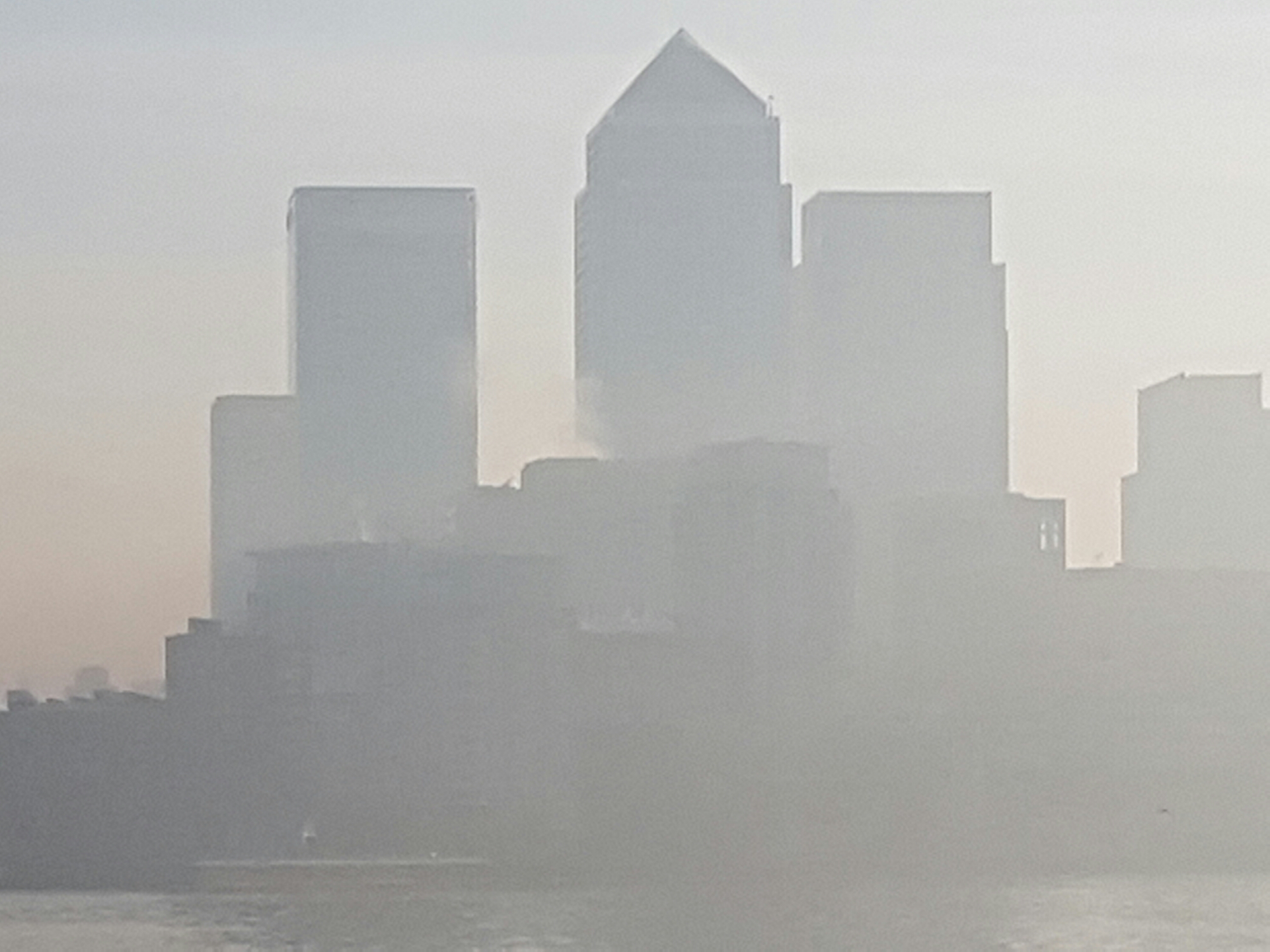
Encouraged by Larry Schaaf’s kind comment about my misty view of the Palace of Westminster last week (he is the great guru on Fox Talbot), I am posting an even mistier one I took of Canary Wharf last weekend, which demonstrates the compositional elegance of Cesar Pelli’s original tower, completed in 1991, which still holds its own even though it is now surrounded by grander, but blander other office buildings. Pelli is Argentinian, still alive and still designing tall buildings:-
Author Archives: Charles Saumarez Smith
The Streets of Stepney (2)
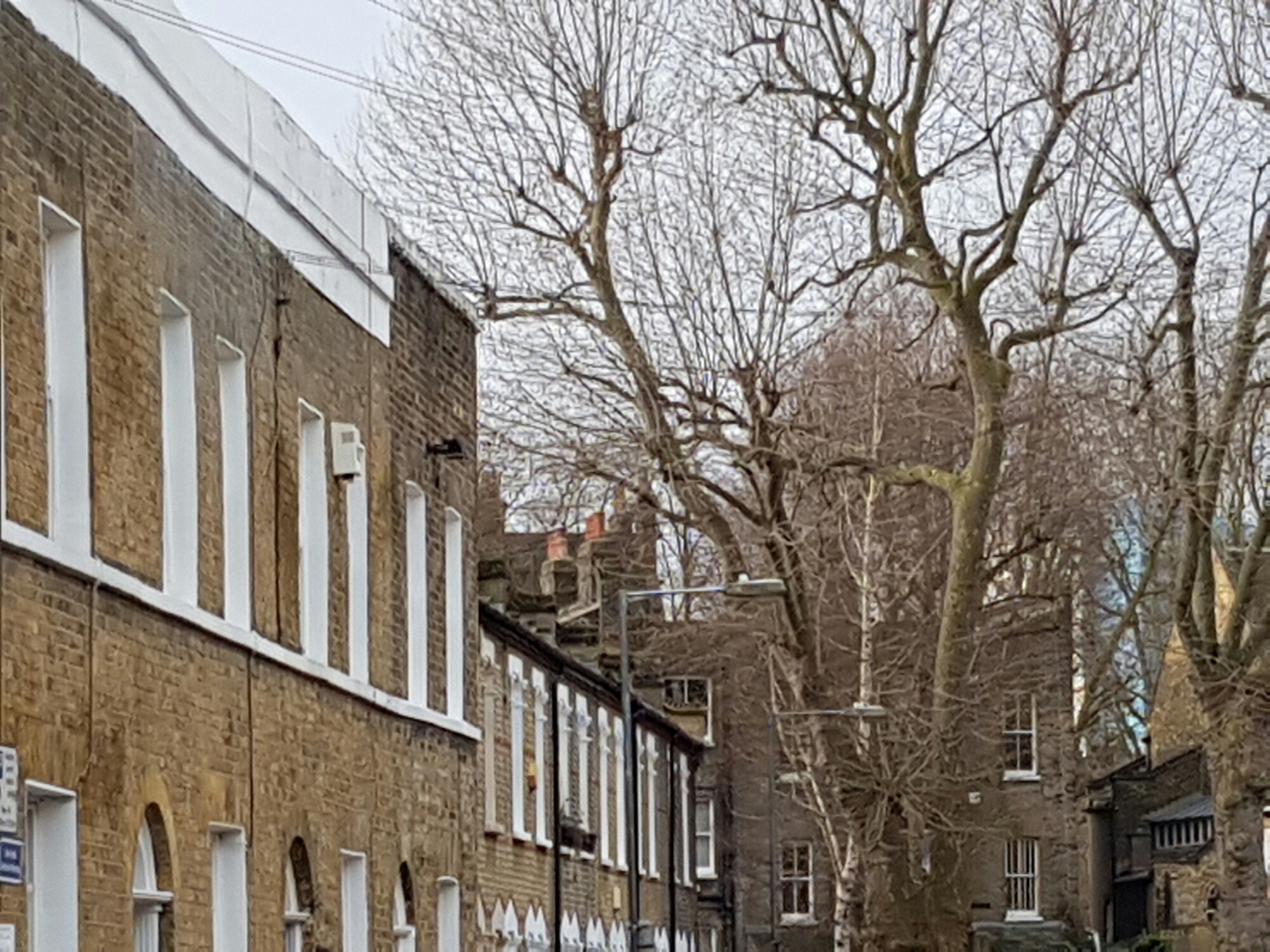
I went in search of any evidence of the square huts with eaves at the back of 37, Stepney Green, which used to shelter TB patients, presumably as facilities for the London Jewish Hospital which opened in 1919 and closed in 1979. In the 1980s, the huts were used for art classes. It took me time to find exactly where they are, but first looking at the end of Louisa Street, which has good surviving nineteenth-century workers’ housing:-
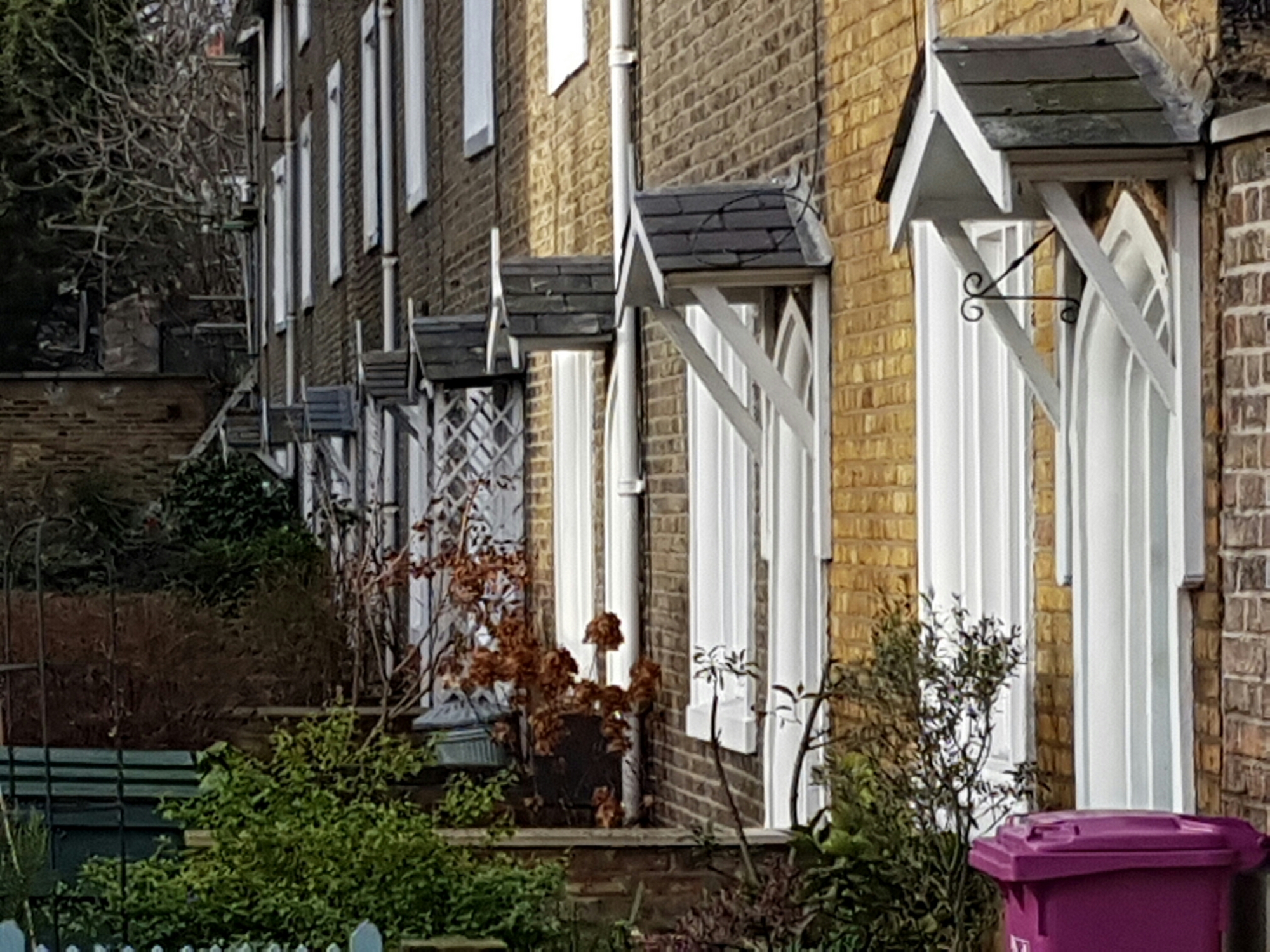
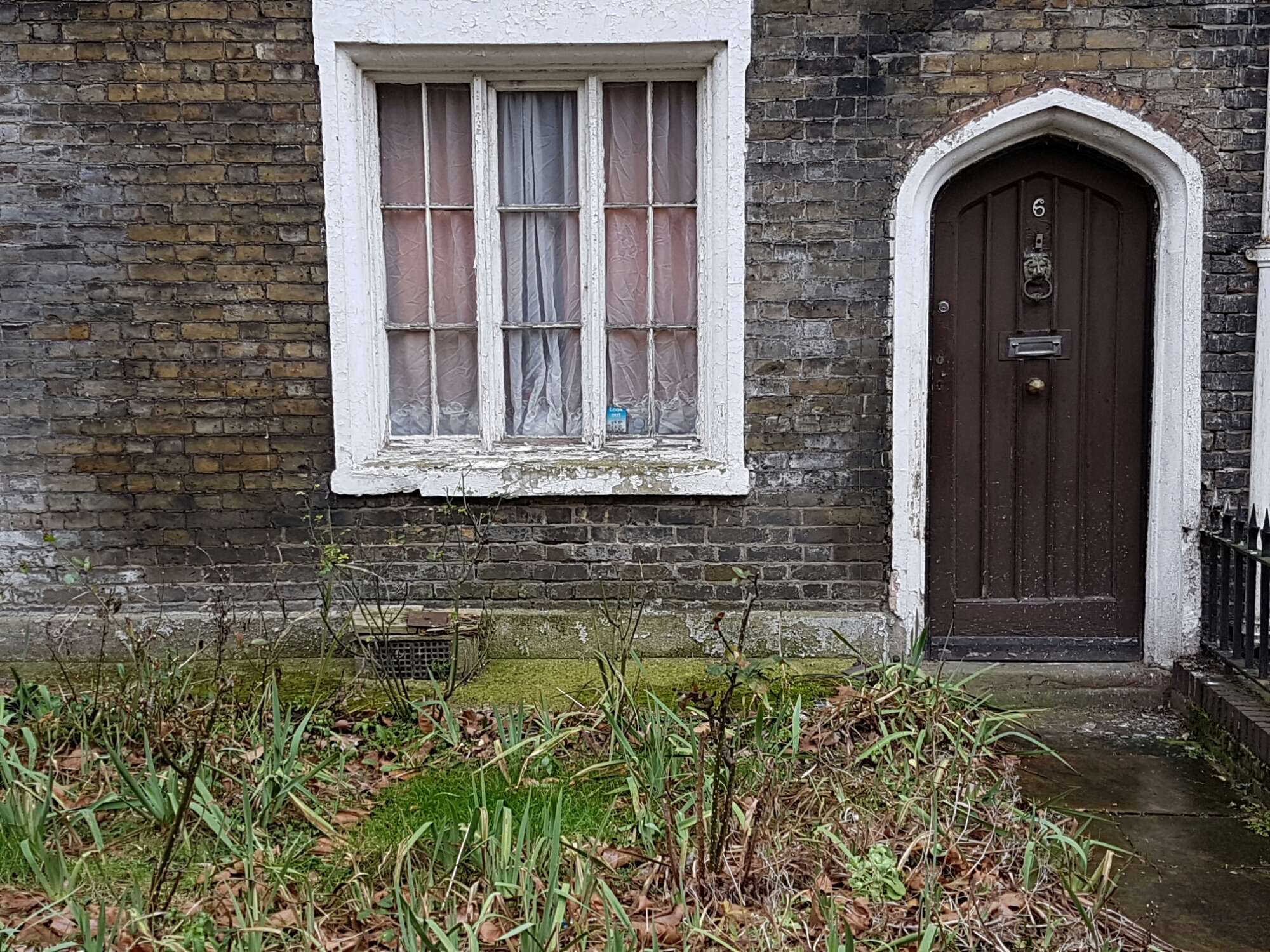
Then, I poked about Maria Terrace, slightly more upmarket with pretty gothic doorways and hoods, with one neglected:-
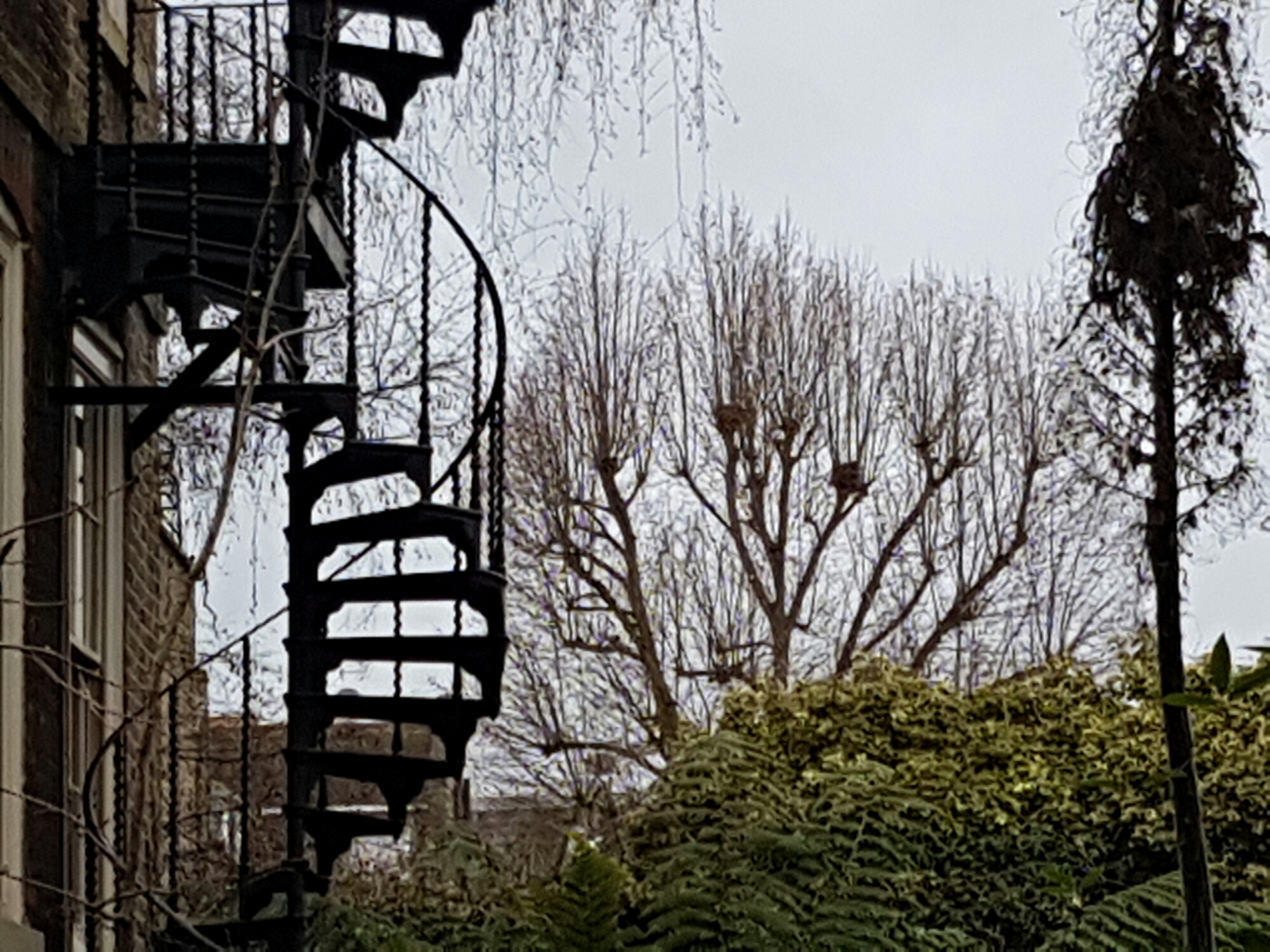
I couldn’t initially see any sign of them looking over the garden wall at the back of 37, Stepney Green:-
It was only later in the morning that I discovered that they are indeed still there, although nearly invisible, so I will have to wait to find out if I can explore further.
Opus Anglicanum
We managed to get to the tail end of the Opus Anglicanum exhibition at the V&A which shows off the great wealth of copes, chasubles, albs and orphreys which were embroidered in London by highly skilled, mostly male embroiderers, used in the elaborate Catholic liturgy of the middle ages and then preserved by the Catholic families like the Butler-Bowdens who ensured their survival until after emancipation. I hadn’t realised, because I hadn’t seen (there hasn’t been an exhibition at the V&A since 1963), how sophisticated the imagery is, meticulous and imaginative, at least the equal of the painting in Italy at the time.
The Exchange and Bullion Office
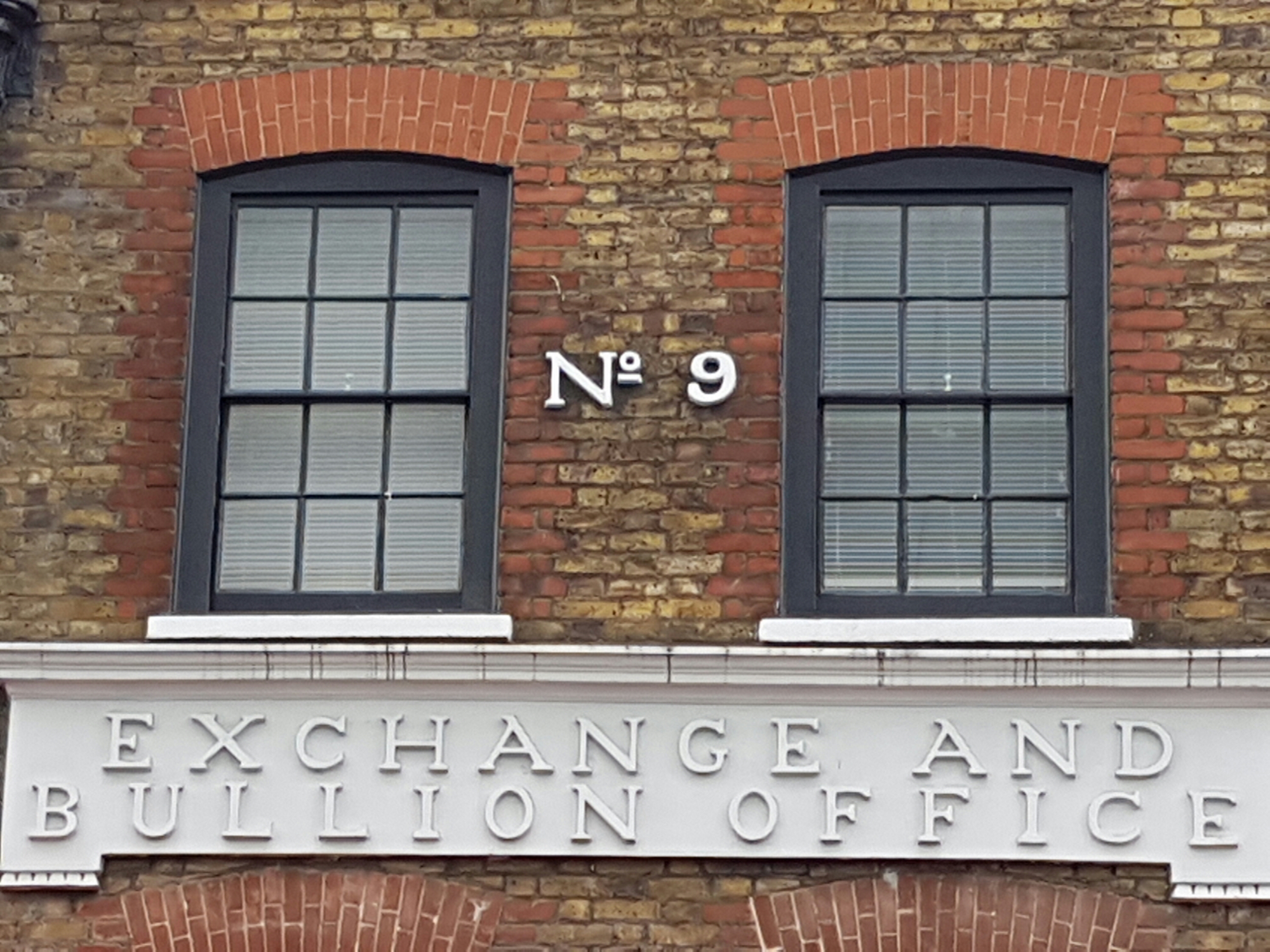
Chinatown is full of unexpected sites. One is the so-called Exchange and Bullion Office at No. 9, Wardour Street, a house dating from the late 1720s and subsequently occupied by a goldsmith called Benjamin Smart, who operated it as a so-called Bullion Office trading in gold bullion:-
5, Lisle Street
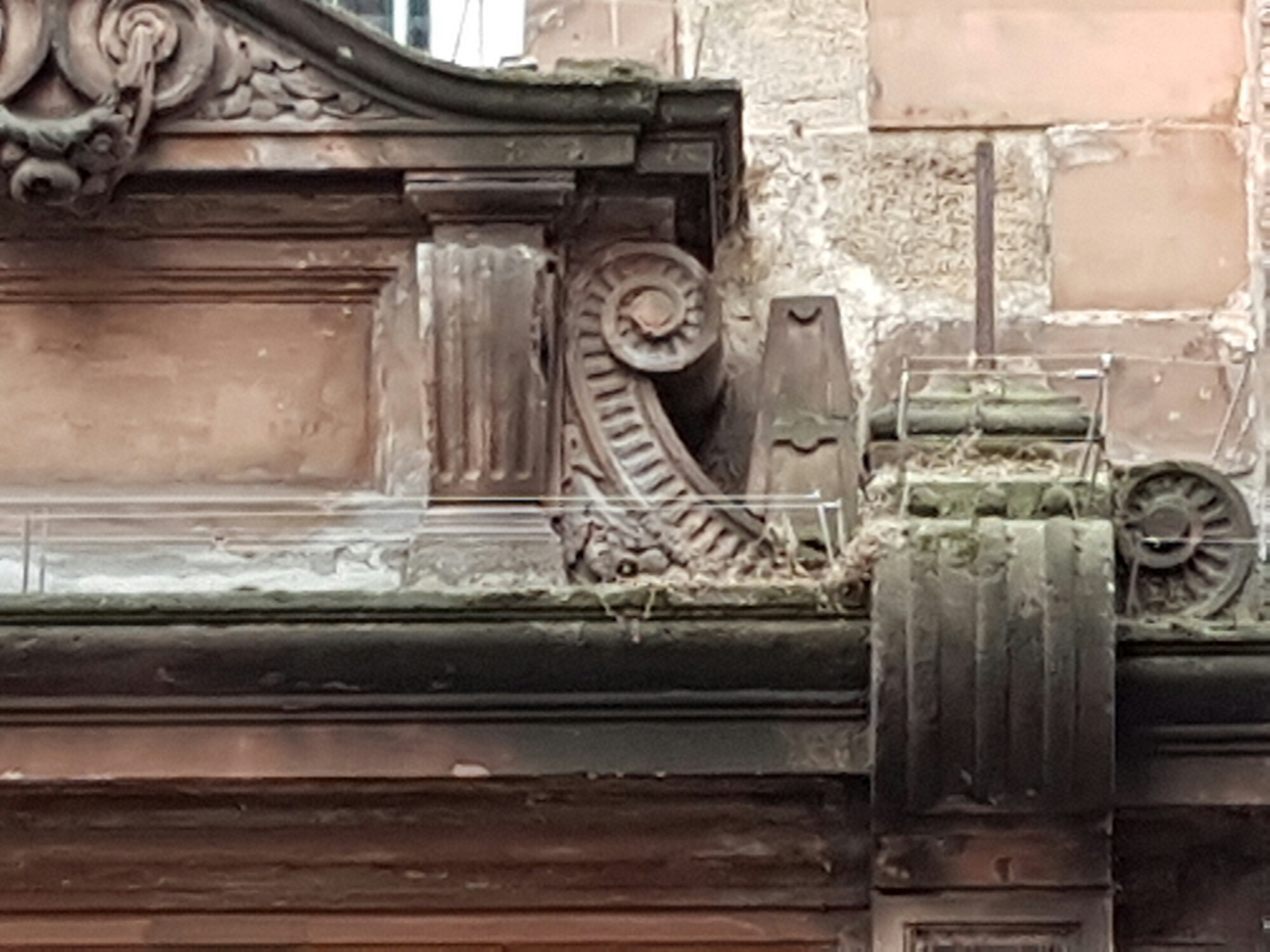
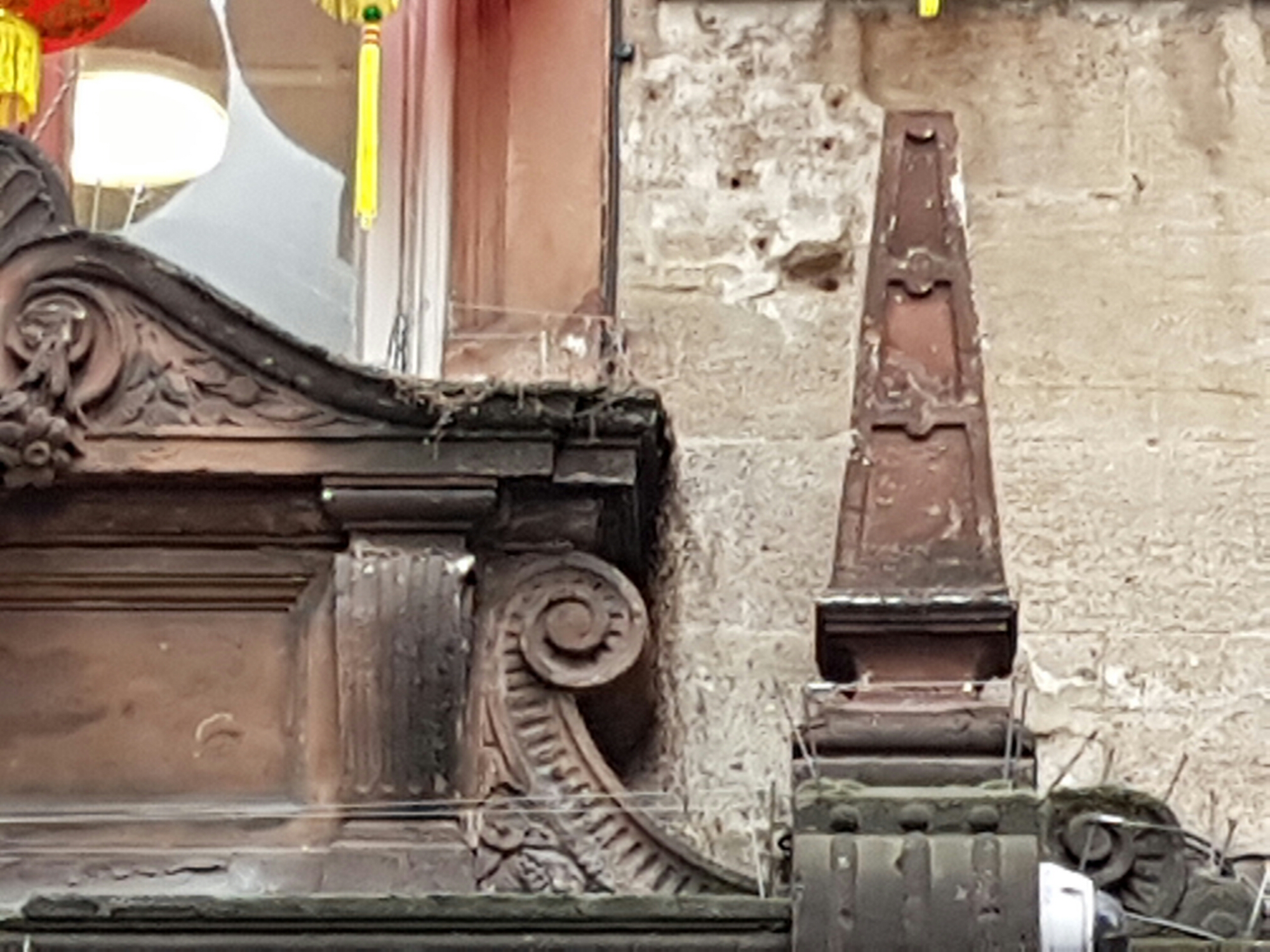
In walking back from the Nationaal Portrait Gallery to Piccadilly this morning, I noticed the detailing on a building on Lisle Street, visible as one looks north up Leicester Street from Leicester Square (next to the ill-starred St. John Hotel). It’s 5, Lisle Street, which turns out to have been the site of the Pic-nic Club. The current northern Renaissance building was designed by Frank Verity, a theatre architect, and was originally occupied by the French Club, then Pathé News, and since 1935 by St. John’s Hospital for Diseases of the Skin:-
The Palace of Westminster
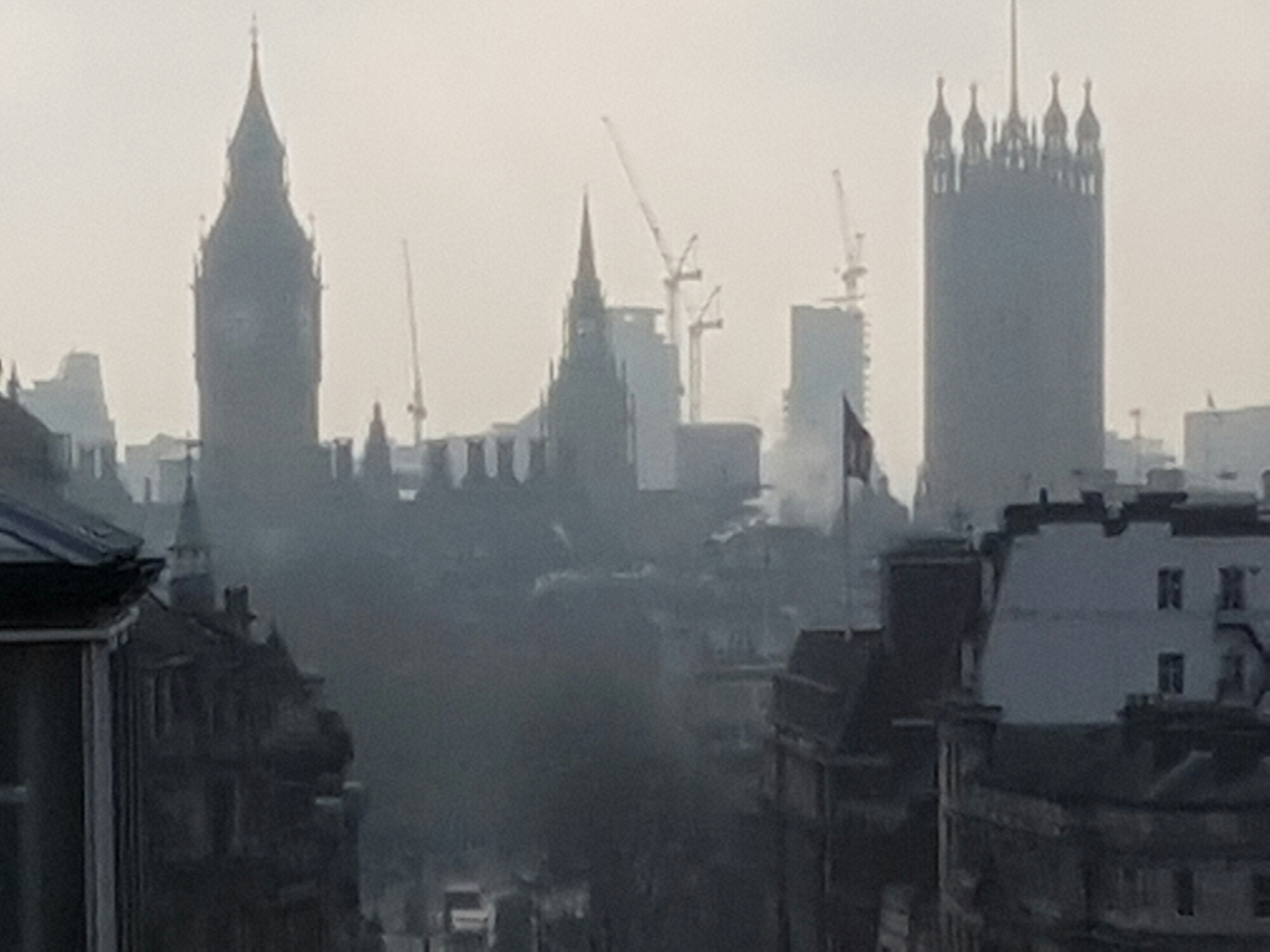
I looked out of the window of the Portrait Restaurant this morning (I was there for a tasting) and realised how much the new construction in Vauxhall is affecting the historic view of the Palace of Westminster down Whitehall. Instead of Pugin’s towers representing Imperial power on the skyline, you see the cranes of the new London:-
The third Earl of Burlington (1)
I was asked some tricky, but interesting questions about the Earl of Burlington this evening. What was the nature of his relationship with his mother ? His father died when he was only ten and his mother then had charge of the management of the house and estate. It’s much more likely that she was responsible for the commissions of work on the staircase by the fashionable Italian painters, Gianantonio Pellegrini and Sebastiano Ricci. So, it’s imaginable that he was the product of an over-dominant mother. Who advised him on the purchase of works of art in Rome ? Presumably then as now there were plenty of British artists and antiquarians who were happy to offer their services and advice to a wealthy young aristocrat, including William Kent and John Talman. Did he mind the criticism that was levelled at Chiswick of it being a bit too bijou ? I doubt it. He strikes me as having been pretty confident, if not arrogant. One of the first men of taste.
Friends of the Royal Academy (2)
While I am about it, I might as well record what I know about the foundation of the Friends of the Royal Academy in the hope that others can correct me. The key figures in the foundation were:- Hugh Casson, the sprightly then President, who had become President the year before; Griselda Hamilton-Baillie, the then Press Secretary; the mother of Gerald Libby, our Professor of Anatomy; and at least two others I think I know. But I would be interested in anyone who knows more about the circumstances of its foundation and to hear from them.
Friends of the Royal Academy (1)
This week we are celebrating the fortieth anniversary of the foundation of the Friends of the Royal Academy, which was, and remains, the bulwark of its funding. There were precedents. Les Amis du Louvre had been established in 1897 and the National Art-Collections Fund not long afterwards, originally as a way of providing acquisition funds for the National Gallery. Sir Sydney Cockerell founded the Friends of the Fitzwilliam Museum in 1909 in order to acquire works of art by purchase as well as gift. Then there was a long lull until the Friends of the Tate Gallery was established in 1957 and the Friends of the British Museum in 1968. But we like to think that the Friends of the Royal Academy is the first large-scale, democratic Friends’ organisation which exists not just to support purchases, but the institution as a whole. We could not exist without them.
Bancroft Road Public Library
I have been prompted by comments on my blog to find out more about what is being done to Bancroft Road Public Library. The answer is that there is no information online other than the fact that a firm of architects called Kennedy O’Callaghan have been commissioned to undertake its repair which it certainly needs. I assume it has got funding to renovate it following the outcry over its proposed sale to Queen Mary in 2008. The building is significant, designed as the local Vestry Hall by an architect called James Knight in 1862, about whom I can find out no other information, and only converted into a library in 1901. I’m reposting the photograph of its very fine Corinthian columns, which look as if it could be in the Roman Forum:-


You must be logged in to post a comment.