
After returning from Oxford, I looked out my copy of Town and Townscape which I must have bought in Blackwells soon after it appeared in 1968 and first got me to look closely at how cities are constructed. It’s got a period feel – of course – illustrated with black-and-white photographs of streetscapes full of the cars of the 1960s and in some cases much earlier. I hadn’t realised that he had published an earlier book Oxford Observed in 1952 and that, after teaching town planning in Durham, he set up a town planning consultancy in Oxford, annoyed that he hadn’t been made a Professor. He was the person who advocated putting a bypass across Christ Church Meadow and was also the person who first used the idea of townscape as distinct from landscape in a book called The Anatomy of a Village, published in 1946.
Author Archives: Charles Saumarez Smith
Basil Willey
I went to Oxford partly in order to hear one of Stefan Collini’s Ford Lectures, which was devoted to a deep and occasionally contemptuous analysis of Basil Willey’s Seventeenth-Century Background, which was first published in 1934 and still in print when I was a student in a Peregrine edition. I was made to feel badly that I had enjoyed and admired his books, particularly the later Nineteenth-Century Studies, which I remember as a highly literate and wide-ranging introduction to the relationship between literature and the history of ideas. At least I discovered this morning that Collini’s DNB entry on Willey is more sympathetic, although not without a sense that it was Willey who took Cambridge English in the direction of moralism.
Oxford
I only had time for a short walk round the centre of Oxford.
Up the High, which I can only ever see through the eyes of Thomas Sharp, the town planner, whose Town and Townscape, published in 1968, first taught me to look at the way streets are constructed:-

I had forgotten how extraordinarily baroque the entry portal to St. Mary the Virgin is, designed by Nicholas Stone in 1637 and paid for by Archbishop Laud’s chaplain:-
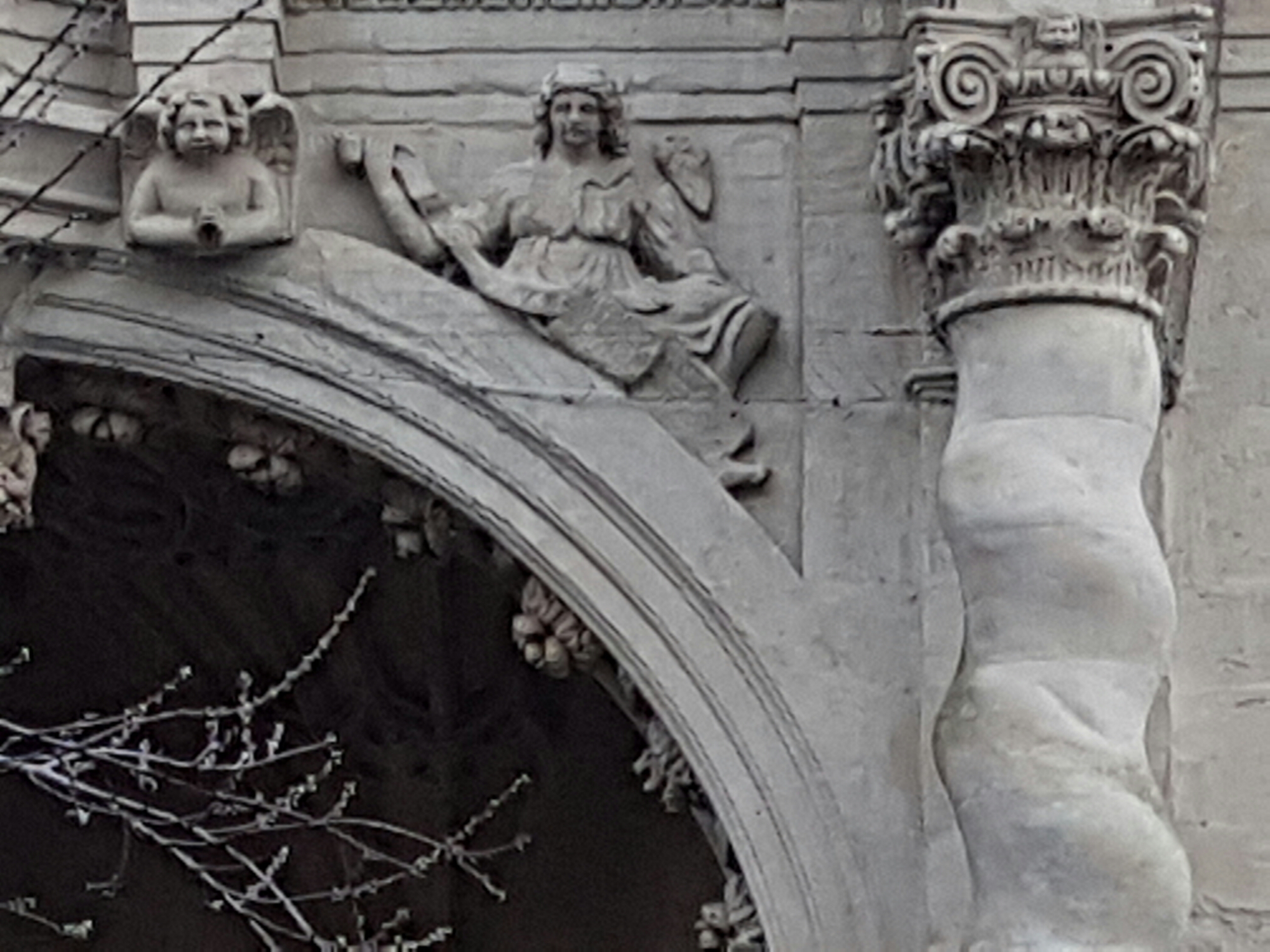


I deeply admire the Radcliffe Camera, designed by James Gibbs long after his style of Roman baroque had ceased to be fashionable:-

Then I slipped down New College Lane:-

Past the back of Queen’s where a new library by Rick Mather is being constructed alongside the old:-
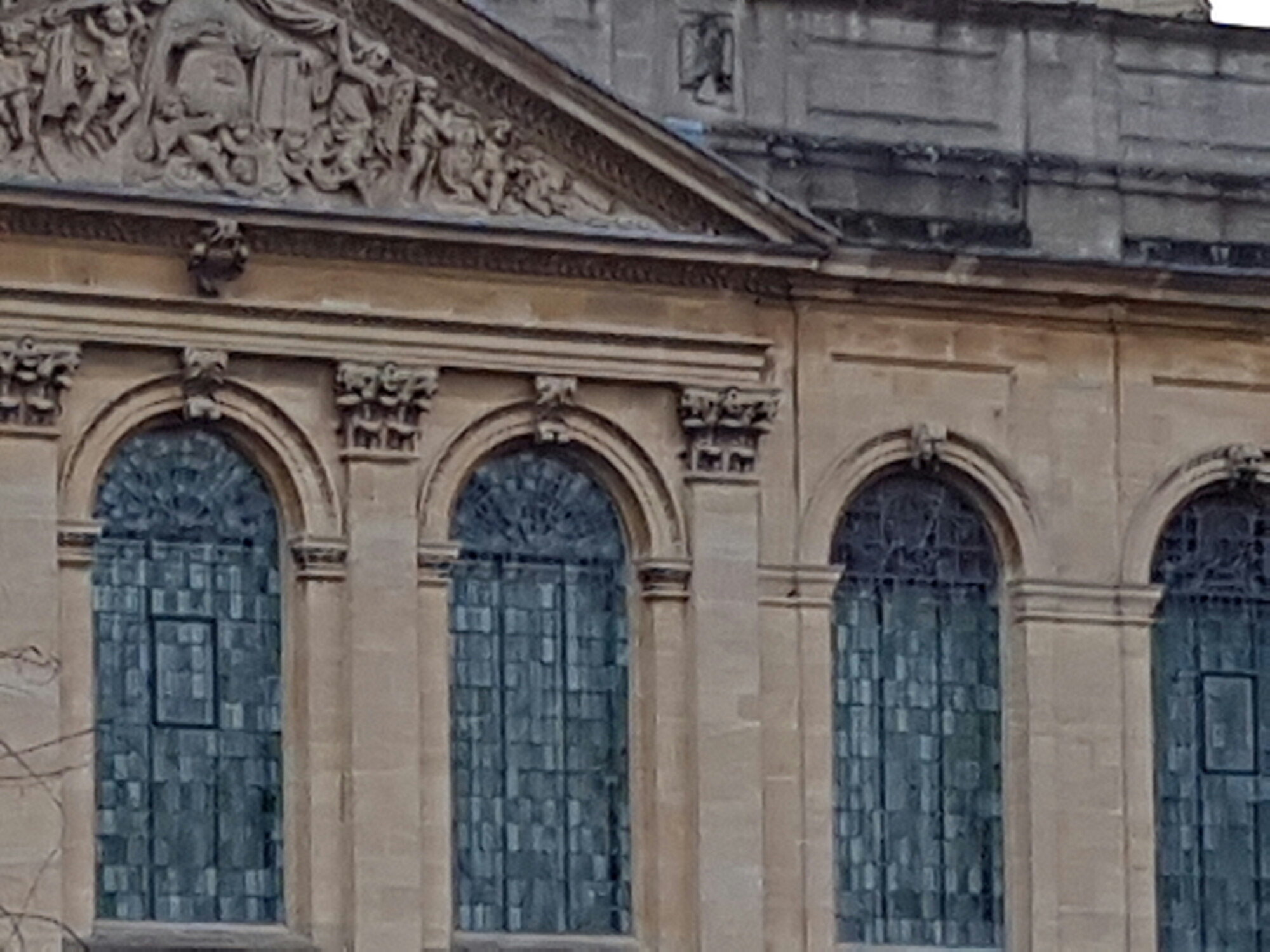
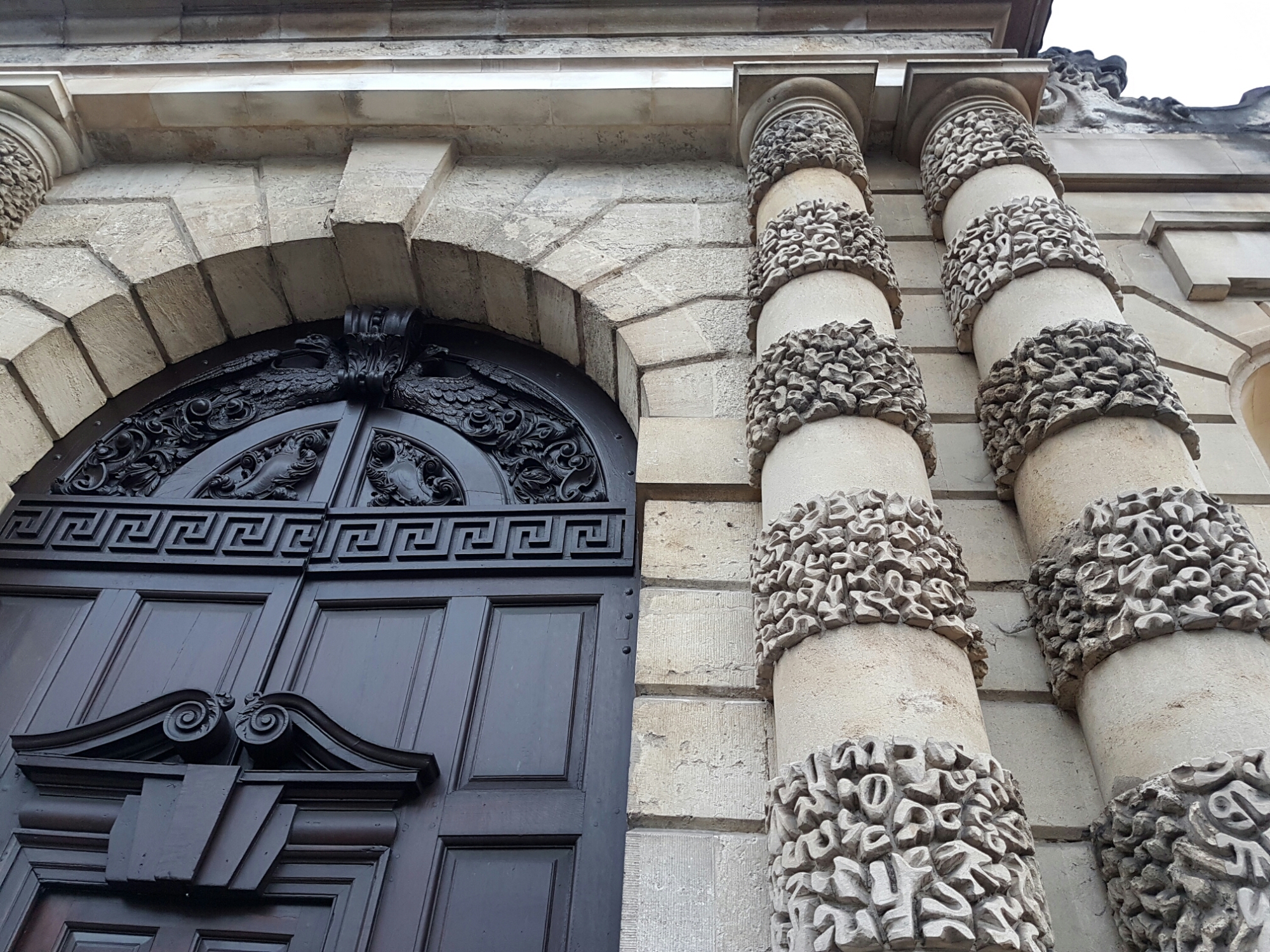
Back to its front door:-
Whitechapel Bell Foundry (3)
I passed the Whitechapel Bell Foundry this afternoon and realised that it is still open for the sale of hand bells, at least until the end of April when the business is going to move offsite and be preserved, while the premises will be comprehensively redeveloped.
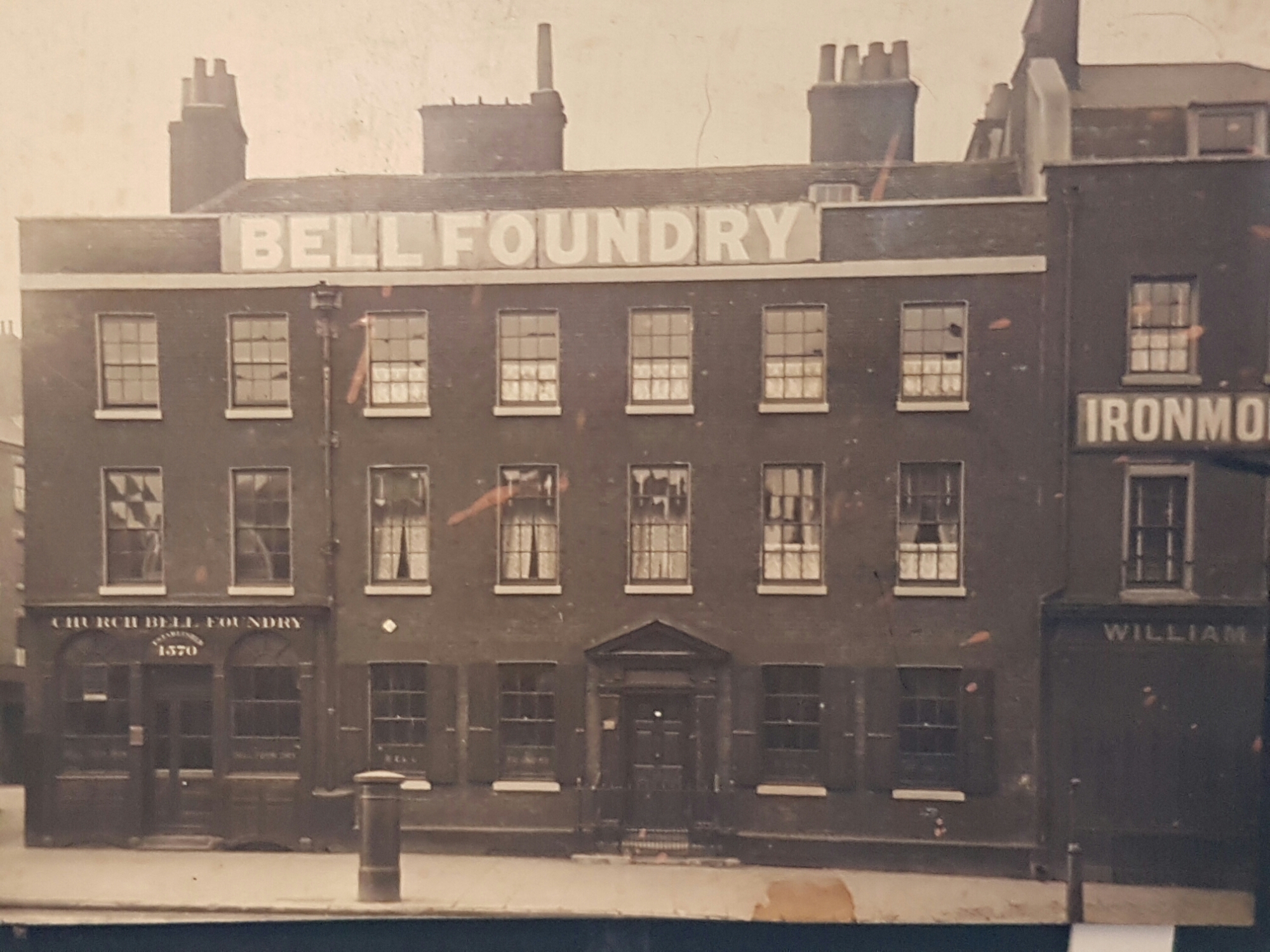
Photographs in the front room record how important the building is, both as a piece of working eighteenth-century architecture and, perhaps more importantly, as an example of industrial archaeology.
Here it is as it was in 1906:-
There is the surviving residue of historic working practices:-
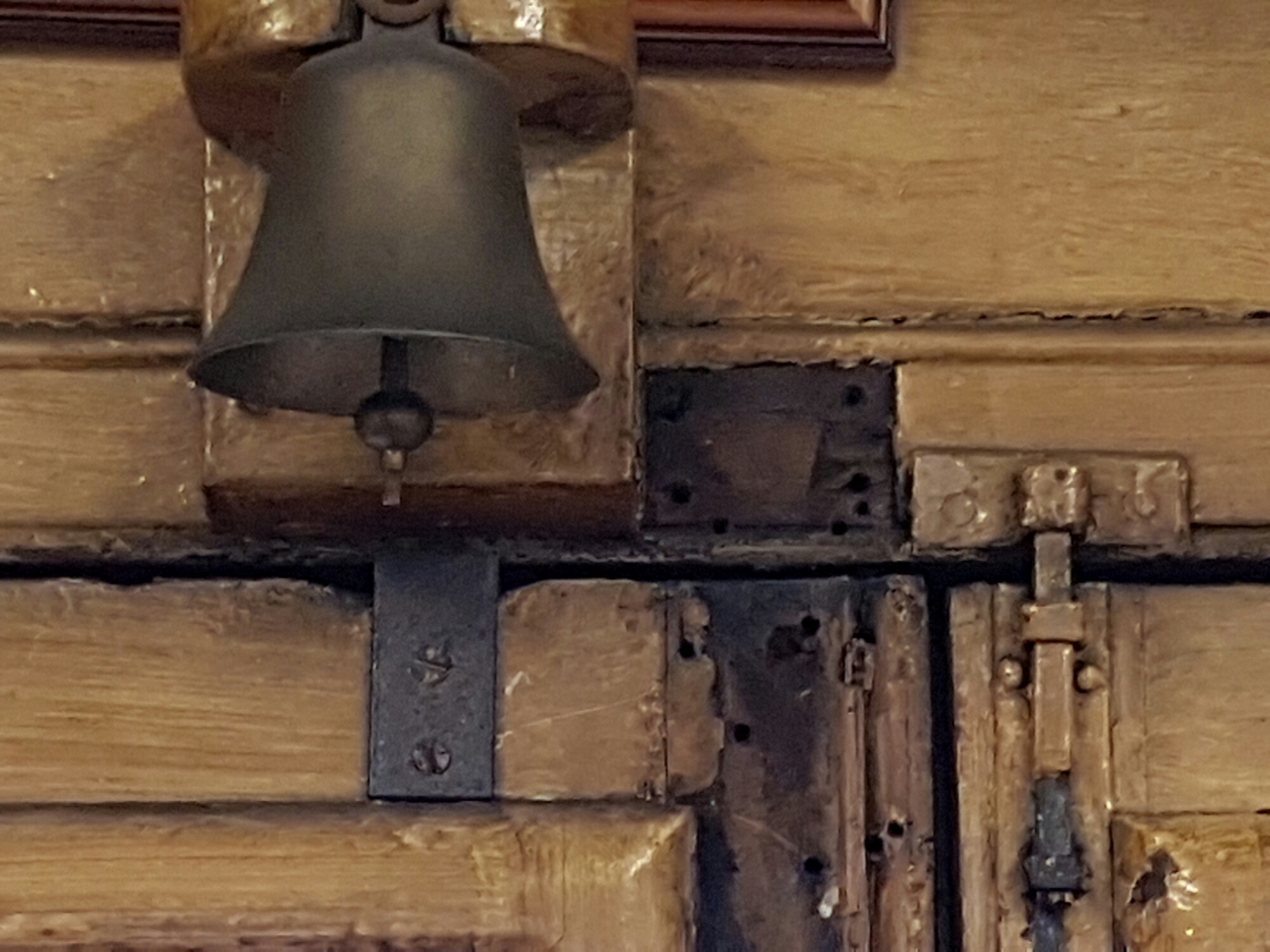
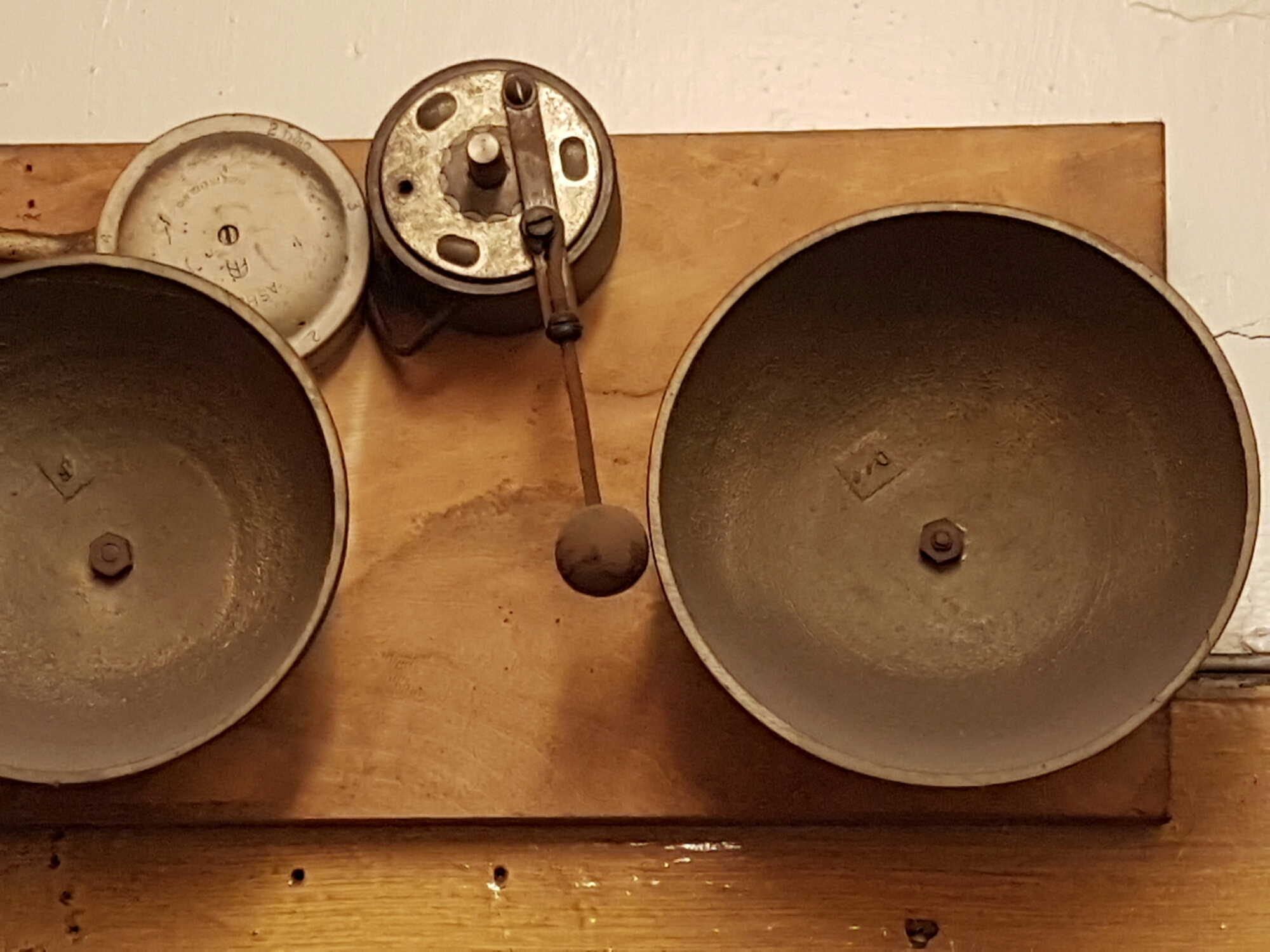
And bells in the back yard:-

Verde & Company
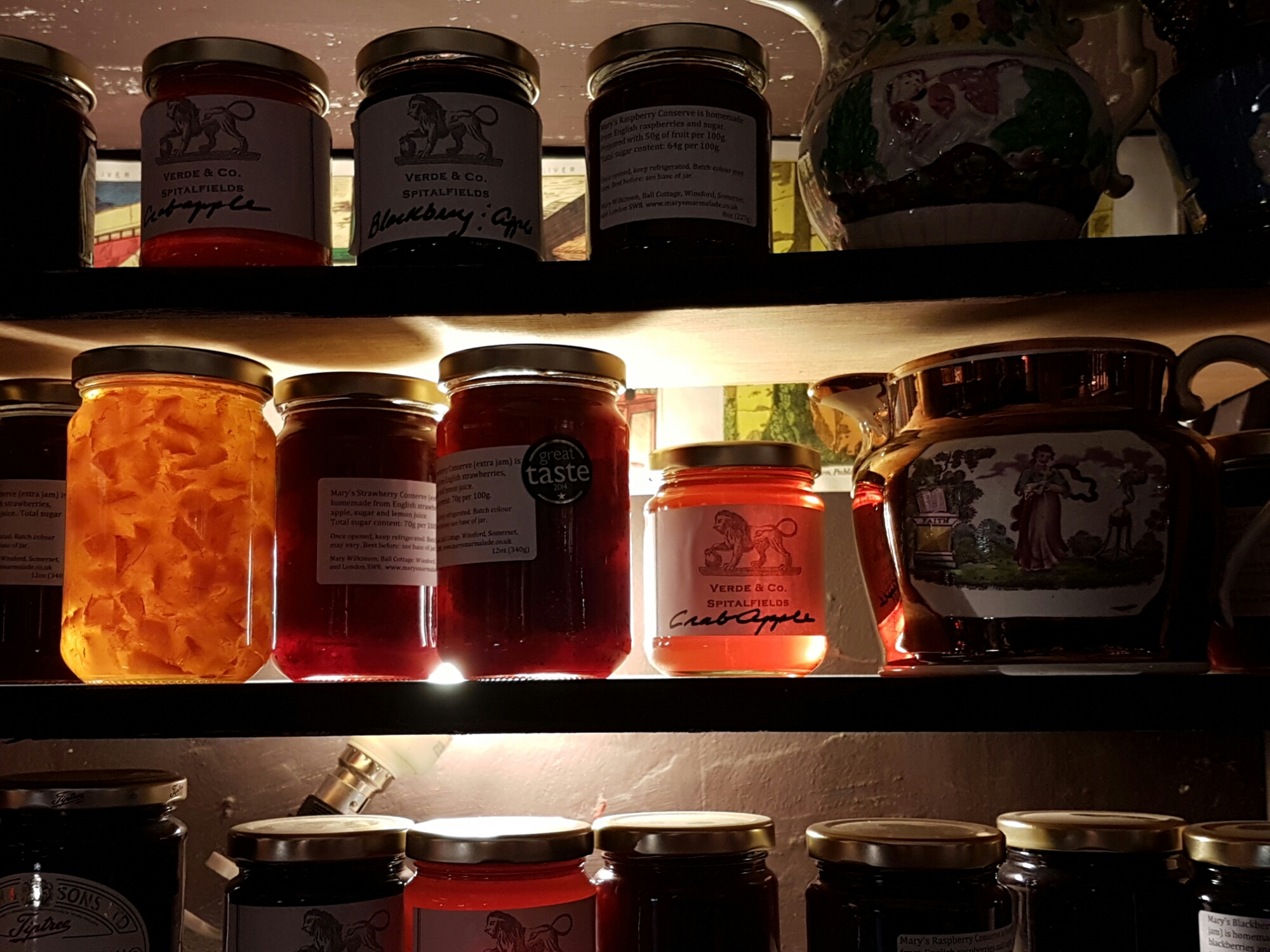
I happened to pass Harvey Cabaniss’s patisserie/chocolate shop/general supplier which is one of the best things about Spitalfields – full of the character that small specialist shops have brought to the area. It is now at risk of closure because of the gigantic hike in business rates starting on April 1st. which may drive out these small imaginative businesses by making them unaffordable. I hope this is something that Sadiq Khan is addressing, as well as Jeanette Winterson, who owns the building in which the shop is currently housed:-


Canary Wharf (2)
I have been involved in recording some radio programmes about the characteristics of East London which will be broadcast on Resonance FM in late April or May when my book comes out. What comes across is the extent to which Michael von Clemm’s realisation that it might be possible to build a version of a north American city out amongst the old banana warehouses of West India Docks was the moment of greatest transition. Either Piers Gough or Ellis Woodman made the point that the first great tower designed by Cesar Pelli follows the model of Egyptian funerary architecture: it’s a stele. It gives the development a monumentalism which is lacking in other London skyscrapers; and it’s clad in aluminium rather than marble to reflect the London sky:-

Piers Gough RA
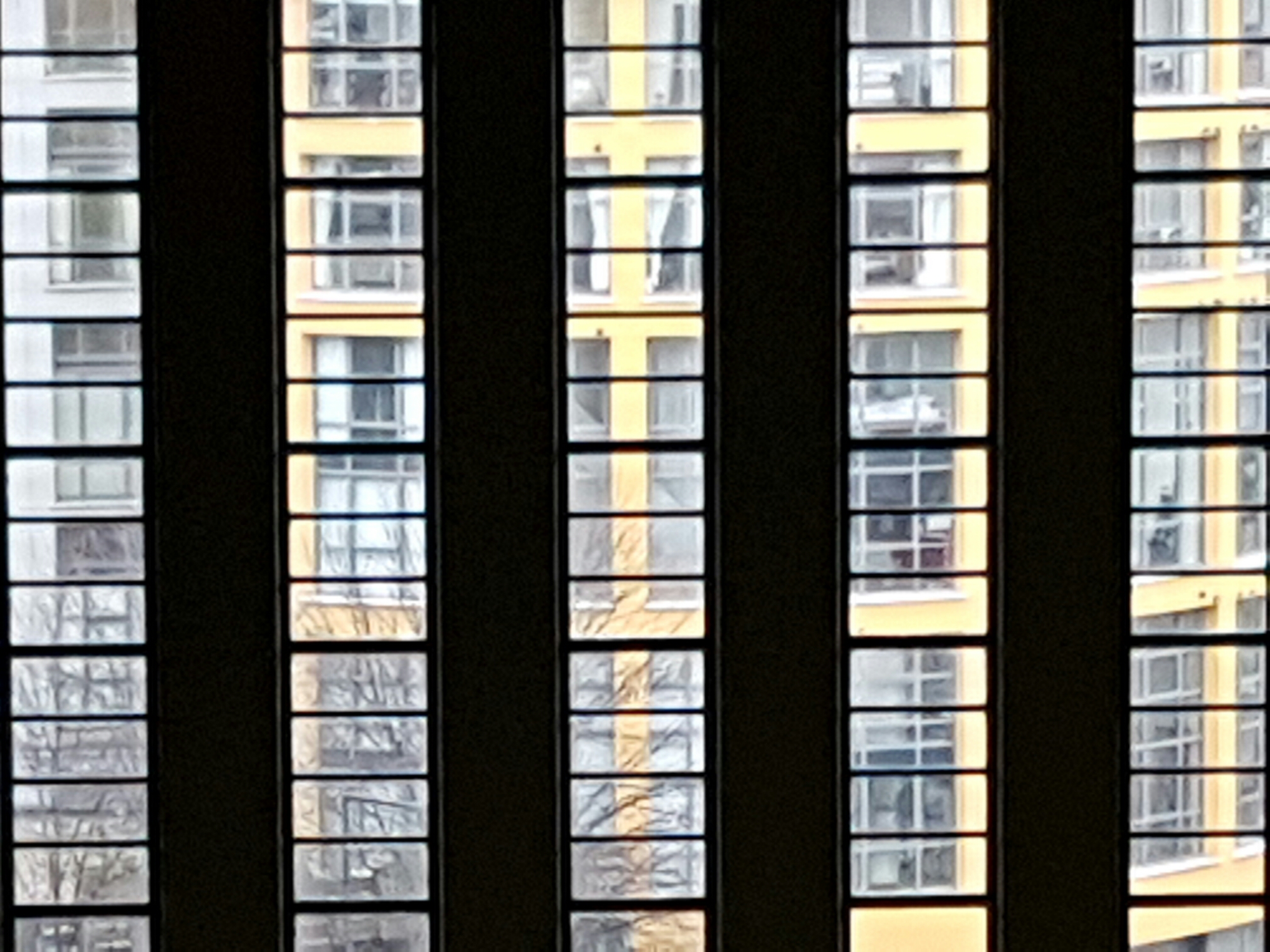
Piers Gough accused me yesterday of being more interested in old buildings than new. I’m not convinced this is true. So, in his honour I am posting pictures of one of the many buildings he has done in Bermondsey and Southwark, the yellow Bankside building which he did in 1999 for the Manhattan Loft Corporation just before the opening of Tate Modern:-

Anthony Green RA
I went this evening to the launch of Anthony Green’s exhibition Looking Back which is showing work from the full span of his career, stretching back to a period he spent in the United States on a Harkness Fellowship. As he said himself in a brilliant, funny and sometimes wry speech, he is thought of as an English Eccentric, but with a French mother and the product of the Slade under Coldstream, he is exceptionally knowledgeable and deeply informed about the history of art and talks about it with admirable freedom. He’s got an exhibition too at the RA, but I sadly missed its opening.
Artists’ Estates
We had an all-day event at the RA on Artists’ Estates – ‘Managing the Artists’ Legacy’ – which turned out to be wildly popular, particularly amongst artists concerned as to what to do about managing their inheritance. I was asked about relationships with museums and initially thought that I didn’t know the answer as I had no recollection of ever being approached by artists concerned about their legacy; but then I realised that there is a historical dimension to this. Reynolds has much less of a legacy because his great collection of paintings and drawings was turned down by the RA – I assume because they did not want to be burdened by the responsibility of managing a historic collection (or was it because they were resistant to him imposing his will on the organisation in his old age ?). On the other hand, they were only too happy to accept a gift of a work by Gainsborough from his daughter, Margaret, and a more generous gift of paintings and watercolours from Constable’s daughter, Isabel. Turner left a will which was famously tricky and contested by his family. Francis Chantrey left an extraordinarily generous will, and is now better remembered for his Bequest than his work. So, there are plenty of historic precedents, good and bad.
Les Enfants Terribles
We went yesterday afternoon to a performance of Philip Glass’s opera/ballet of Cocteau’s Les Enfants Terribles in honour of Glass’s 80th. birthday weekend. There was beautiful dancing, but I wasn’t convinced that the production conveyed the carnality of the attraction between brother and sister except in the highly abstracted and sensual dance round the bath at the beginning. Too many people on stage for the narrative.
 | Charles | Saumarez | Smith |
You must be logged in to post a comment.