
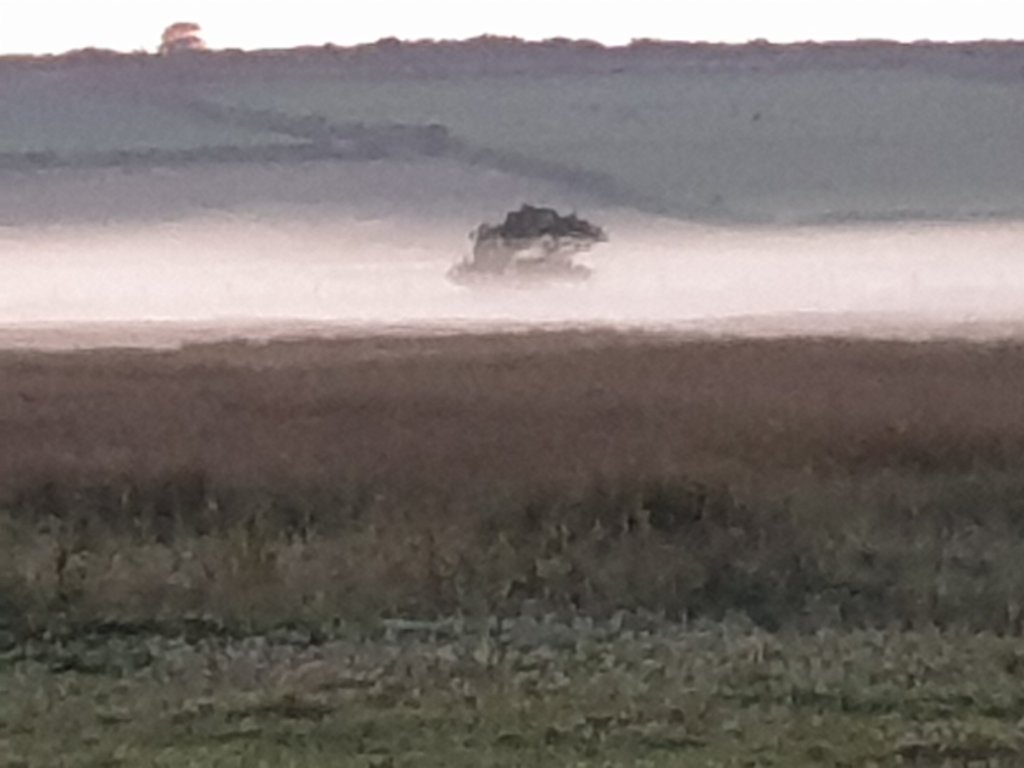
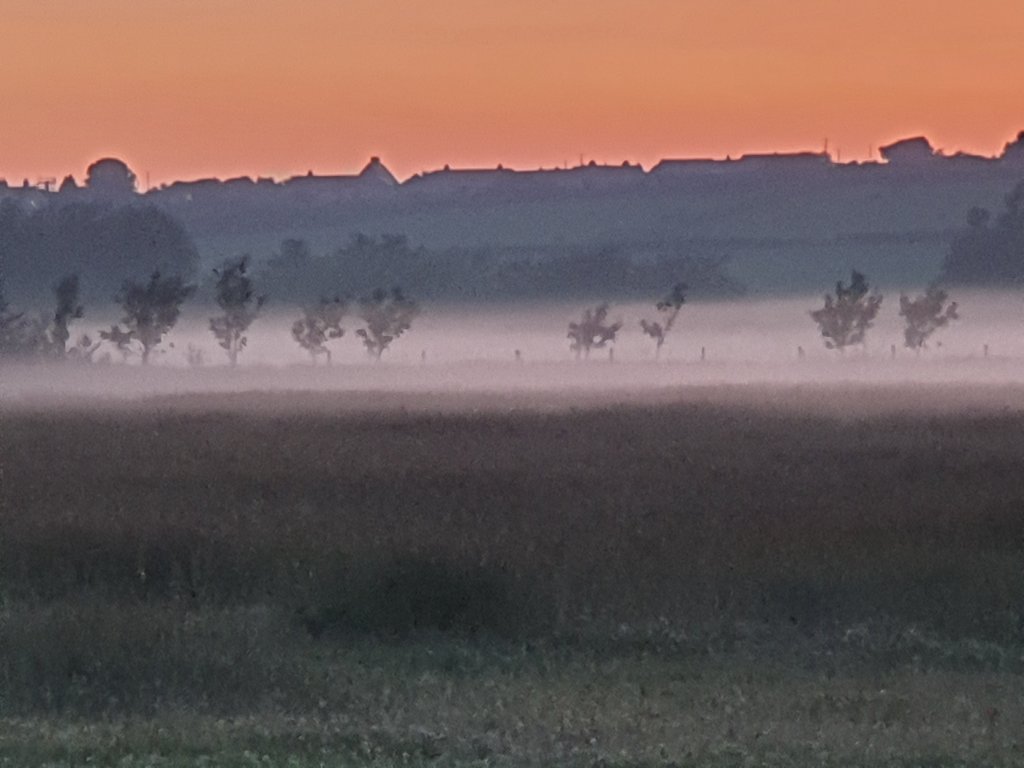
There was mist on the fields tonight after the sun had gone down. A clear night:-

It’s a great relief to be out of London, where there was an increasing sense of cognitive dissonance. On the one hand, there is a premature sense of celebration that the government has somehow beaten the virus through its vaccination programme, so that we can all celebrate Freedom Day and victory at football by abandoning any precautions, including social distancing and the wearing of masks; and, on the other, watching the statistics of rapidly increasing infection, the closure of local shops and restaurants ‘due to unforeseen circumstances’, and the fact that so many people are having to self isolate, particularly those with children at school and university. I suppose it is a calculated risk not to have to remain in any form of lockdown, but it may not be seen to have been such a great idea to those who get Long Covid, who may look back on the jubilation of the Tory backbenchers without quite the same enthusiasm, particularly once we have 100,000 cases a day as predicted.
I came across the attached article online this morning. It is a historically well informed argument, hardly surprising given its author, for the benefits of impoverished museums: more concentration on the art and less on the panoply of treating museums as visitor attractions; and sympathetic to a new generation coming into museums with counter-cultural political interests, upset by the dominance of trustees and the ways they make their fortunes.
https://www.artforum.com/print/202106/the-modest-museum-85771?s=09
We missed the programme about Coventry Cathedral which came out recently, but watched it last night (https://www.bbc.co.uk/iplayer/episodes/m000wvm3/coventry-cathedral-building-for-a-new-britain): a rather fascinating reconstruction from documentary footage of the process which led to the construction of a Brave New Cathedral after the destruction of the original from heavy bombing in the early stages of the war (there was German newsreel footage proudly reporting on it at the time). Basil Spence came out of it well, not least for his great generosity in employing so many significant artists, including Jacob Epstein, in spite of the hostility of the committee overseeing the work, and Graham Sutherland, whose east end tapestry is so remarkable. I remember being taken to see a documentary about the construction of the cathedral in the village hall of Pandy in 1962, the year it was consecrated, and the film brought back all the characteristics of democratic post-war optimism, even including Kenneth Clark.
We went to see the Charlotte Perriand exhibition at the Design Museum yesterday: quite a revelation and a beautifully organised and informative exhibition.
When she first presented herself to work for Le Corbusier, he said ‘We don’t embroider cushions here’. She had already designed a necklace out of ball bearings, ‘a symbol of my adherence to the twentieth-century machine age’:-

We liked the kettle in the room she designed in the late 1920s, all very austere and callisthenic:-


And the foldable stackable chair, designed in 1936:-

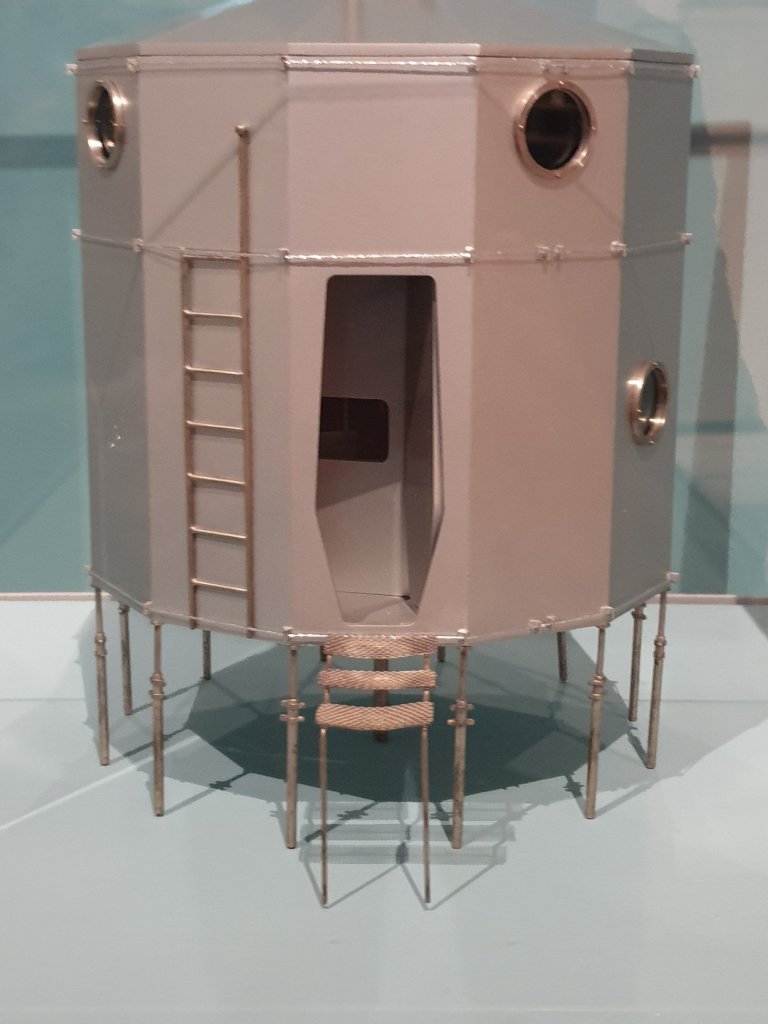
I wasn’t so convinced by her more organic work from the 1950s, but would definitely like to see Les Arcs. This is her Refuge Tonneau (1938):-
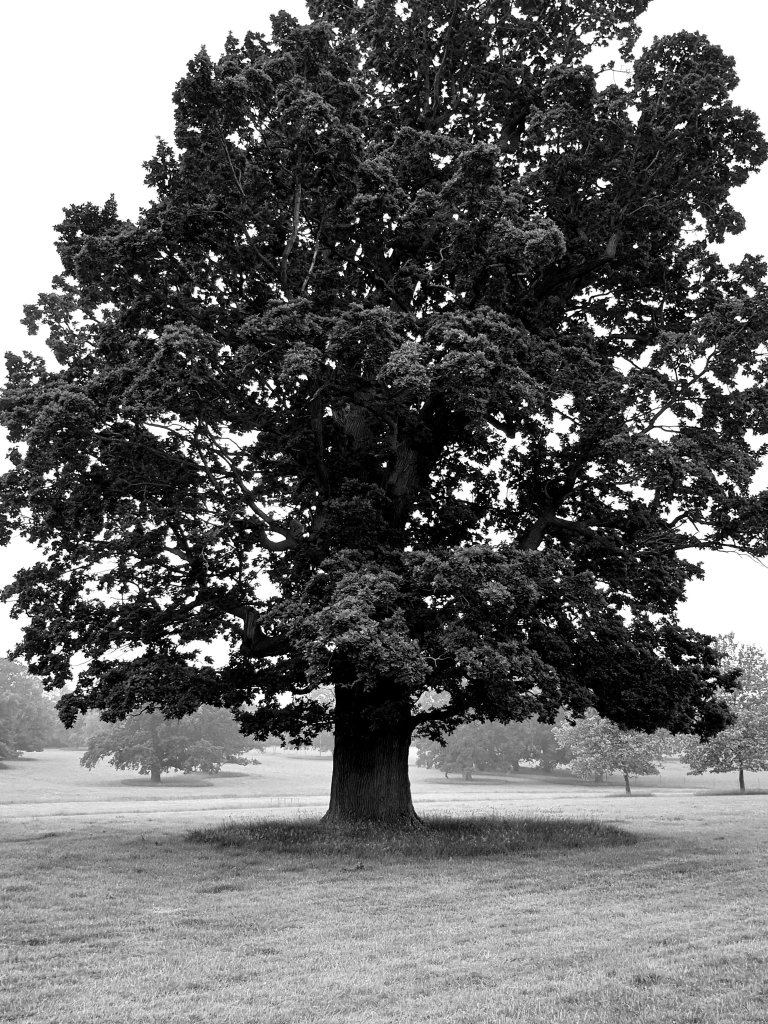
In the intervals of talks about Cedric Morris and the glories of the world’s trees, we explored the parkland at Helmingham – a magical, old established, totally unspoiled, ancient parkland, full of big, old, ancient trees:-
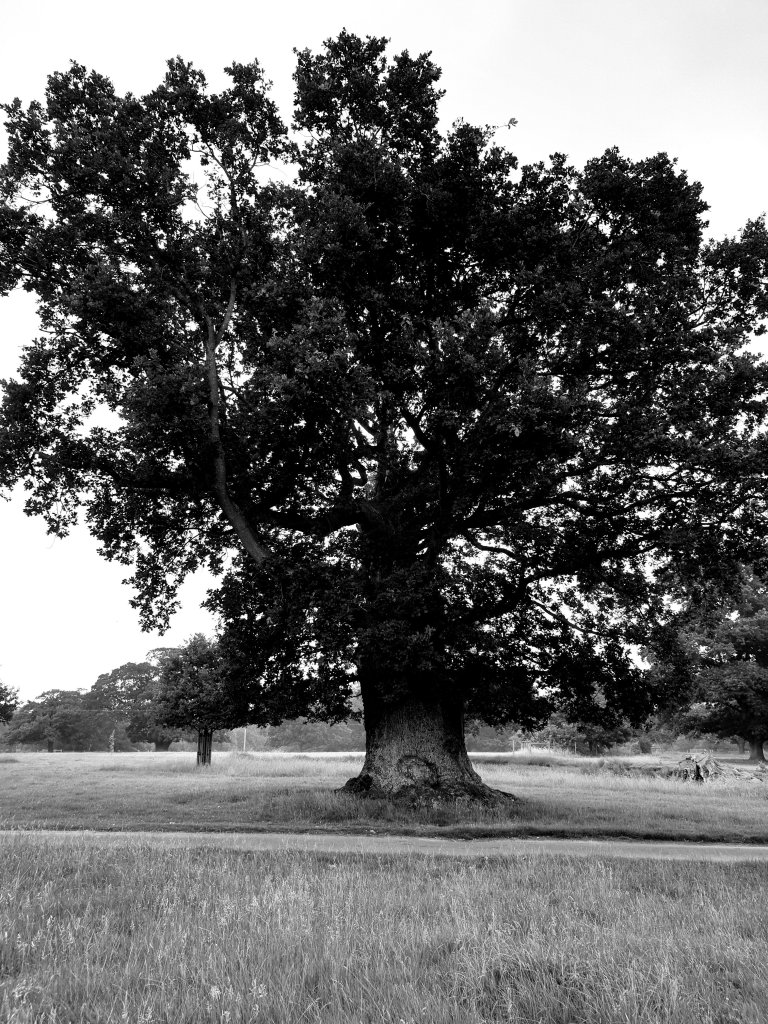
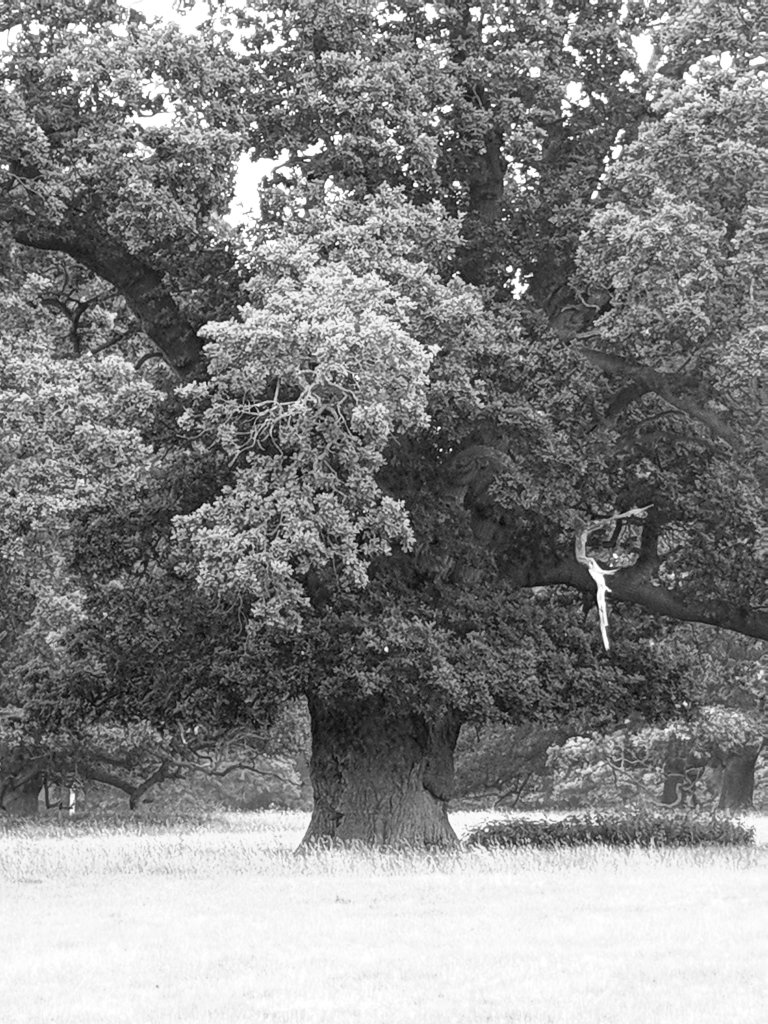
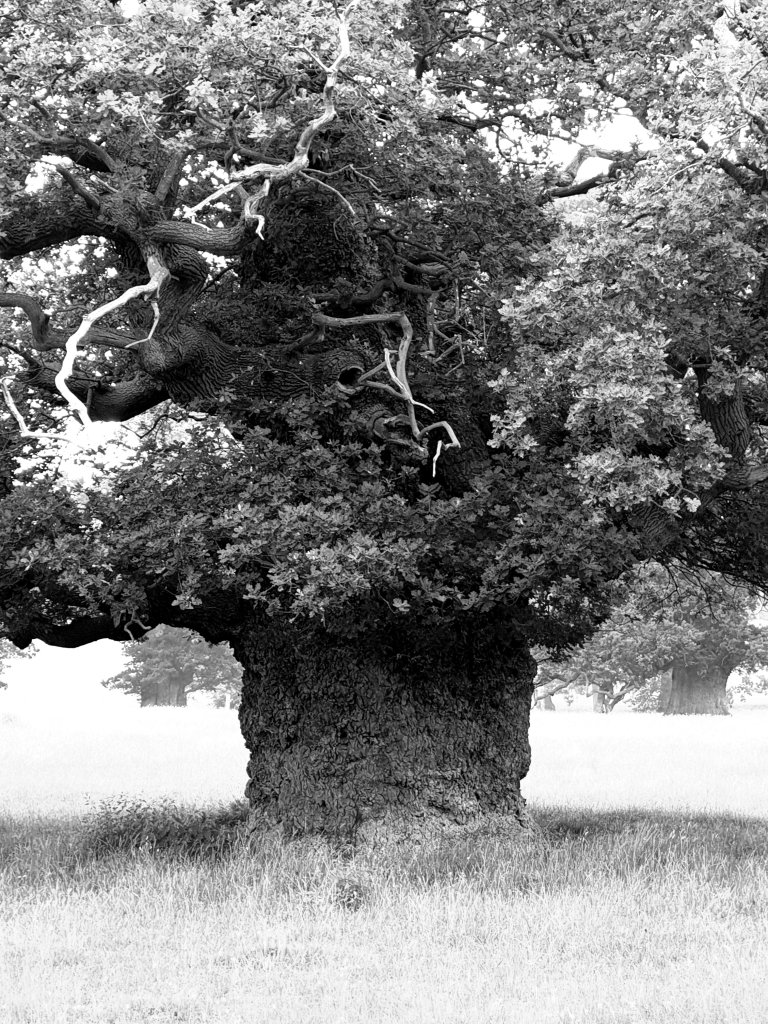


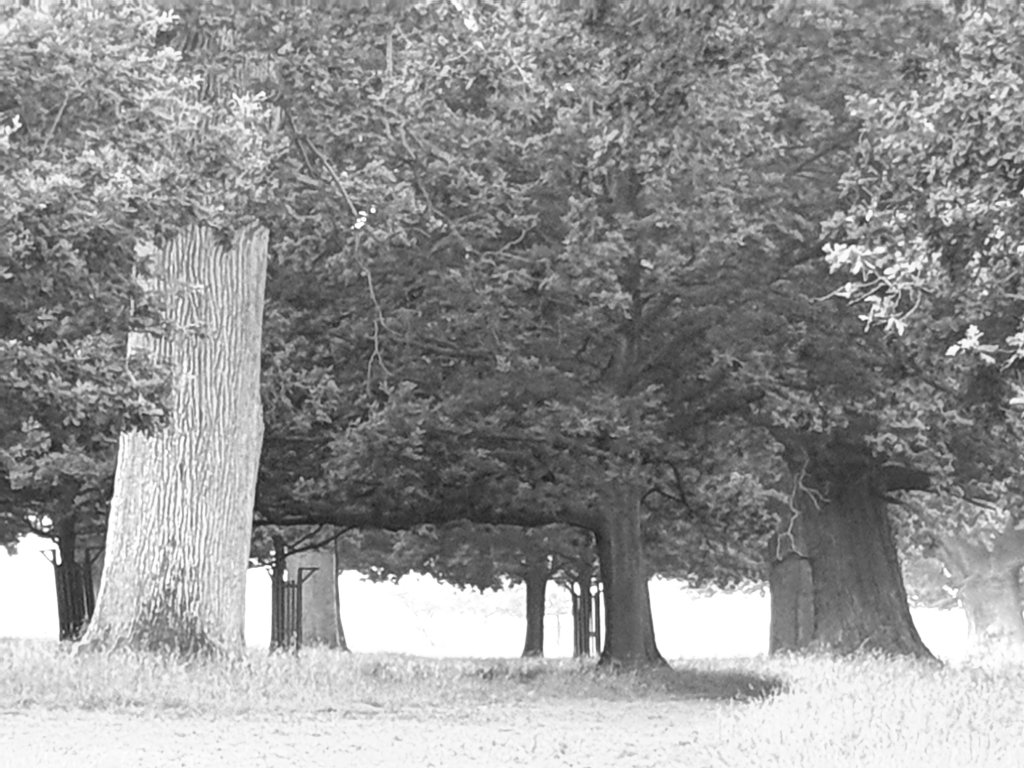

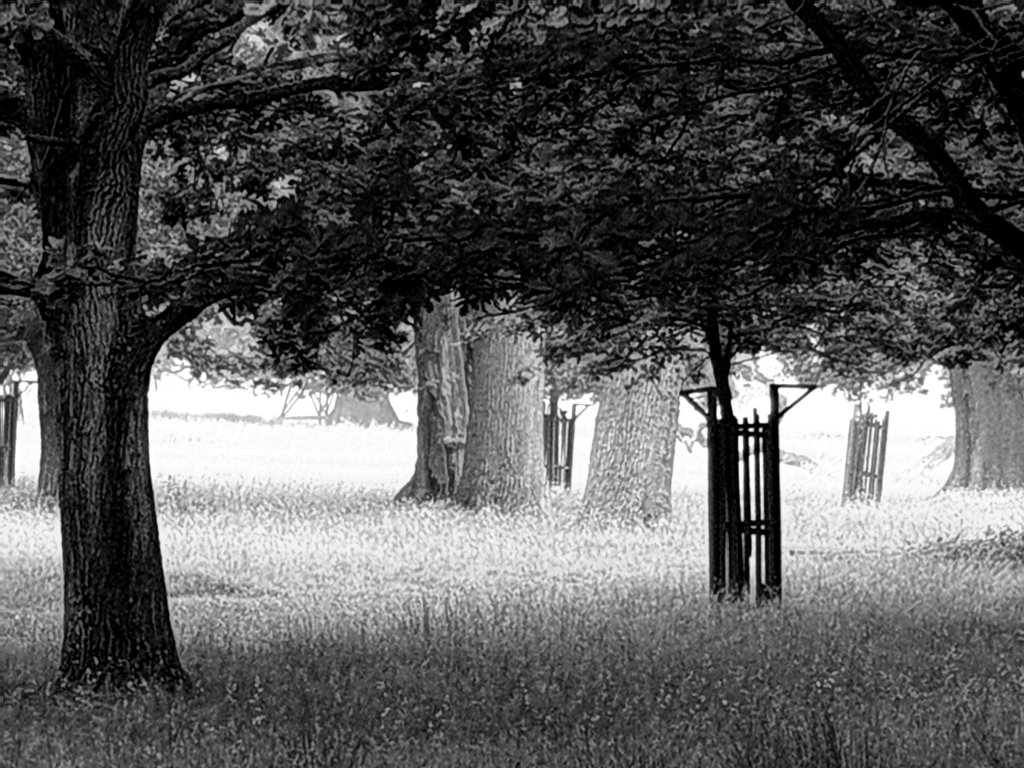
There were distant views of the house:-


Lots of orchids in the wild meadow at Helmingham.
Bee orchids:-
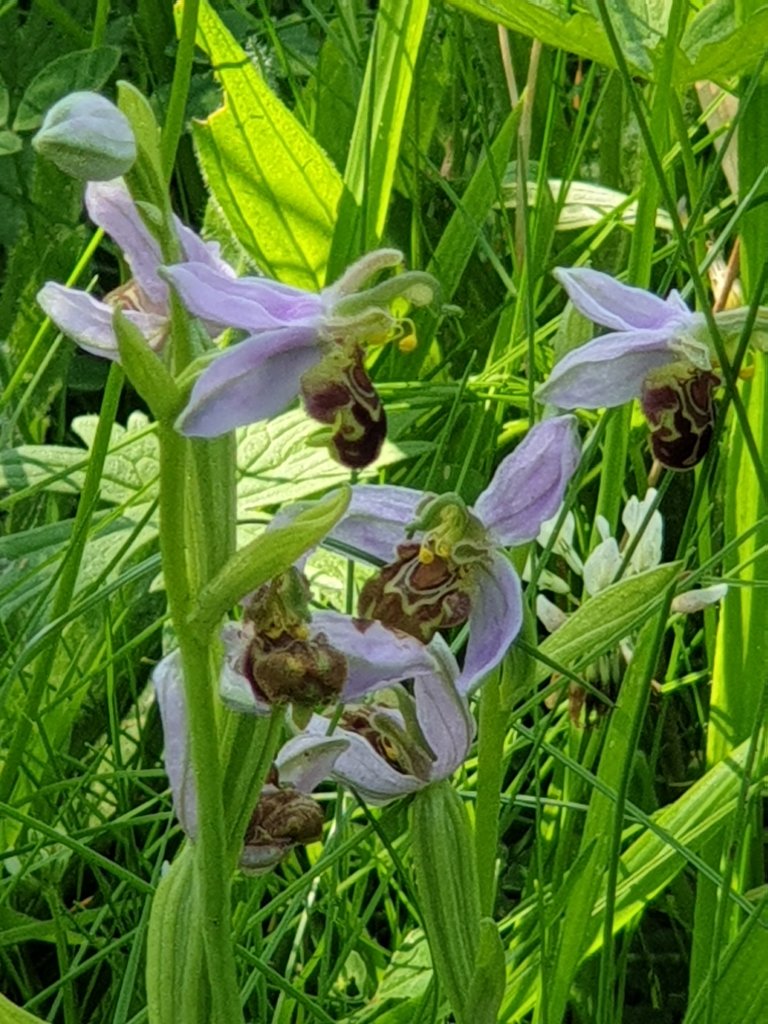
Pyramid orchids:-

Common spotted orchids:-

And white pyramid orchids:-

Helmingham Hall was a spectacularly beautiful setting for the Garden Museum’s annual festival, postponed from last year. An early Tudor moated house recooked by Anthony Salvin in 1840:-
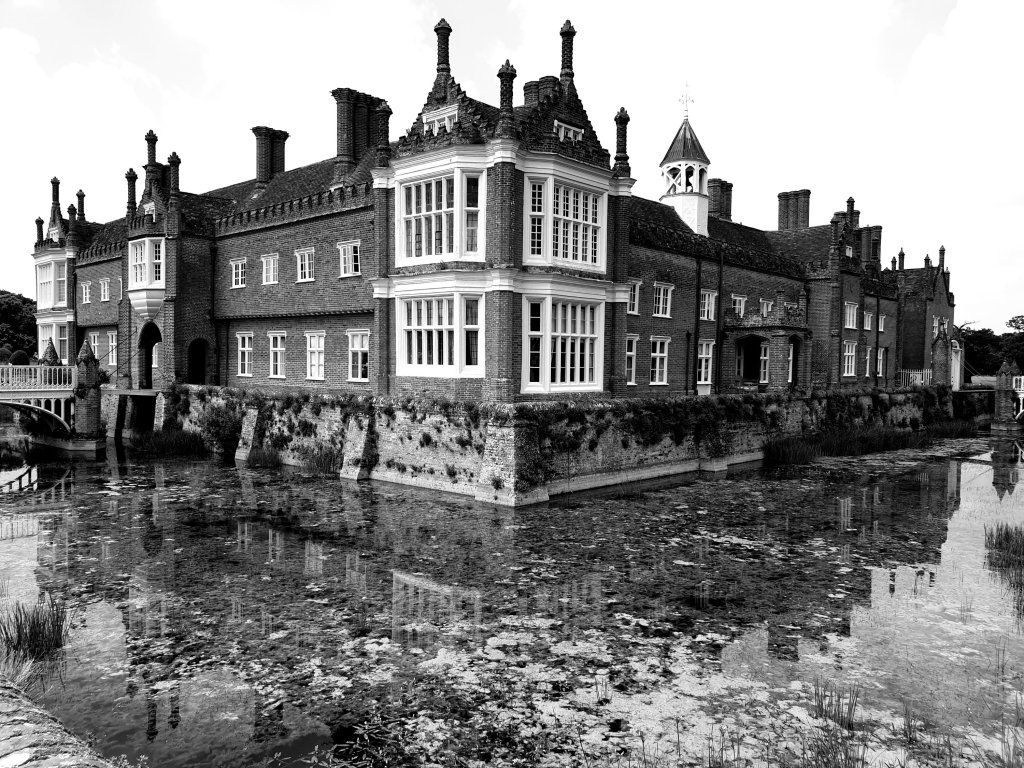
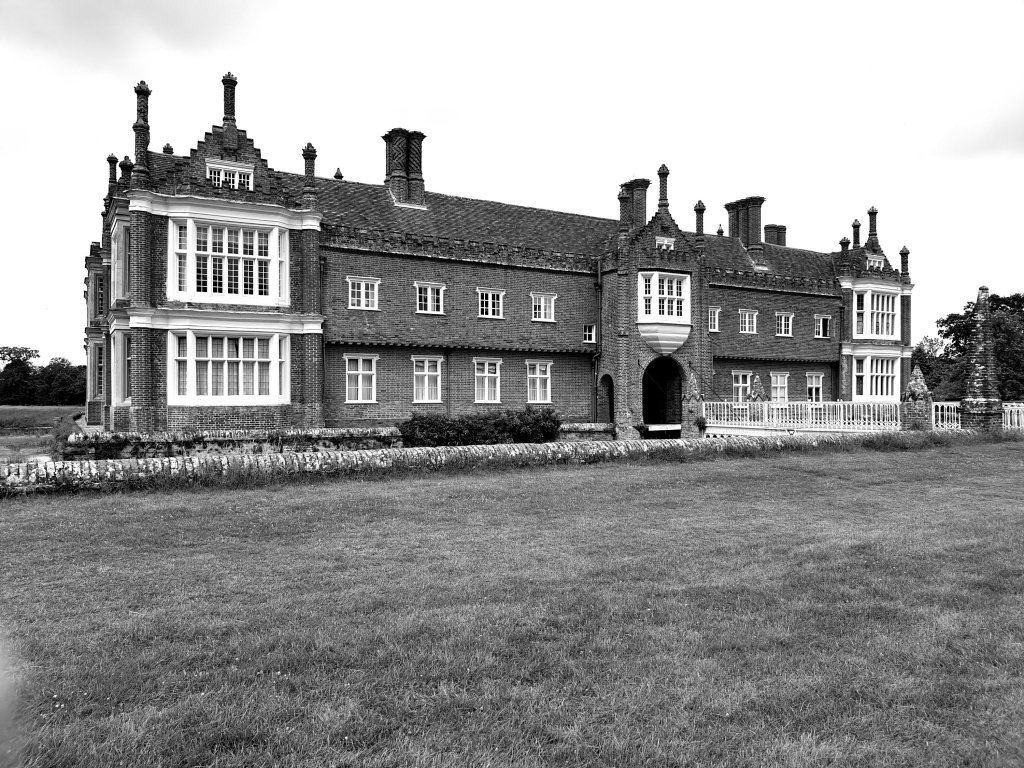
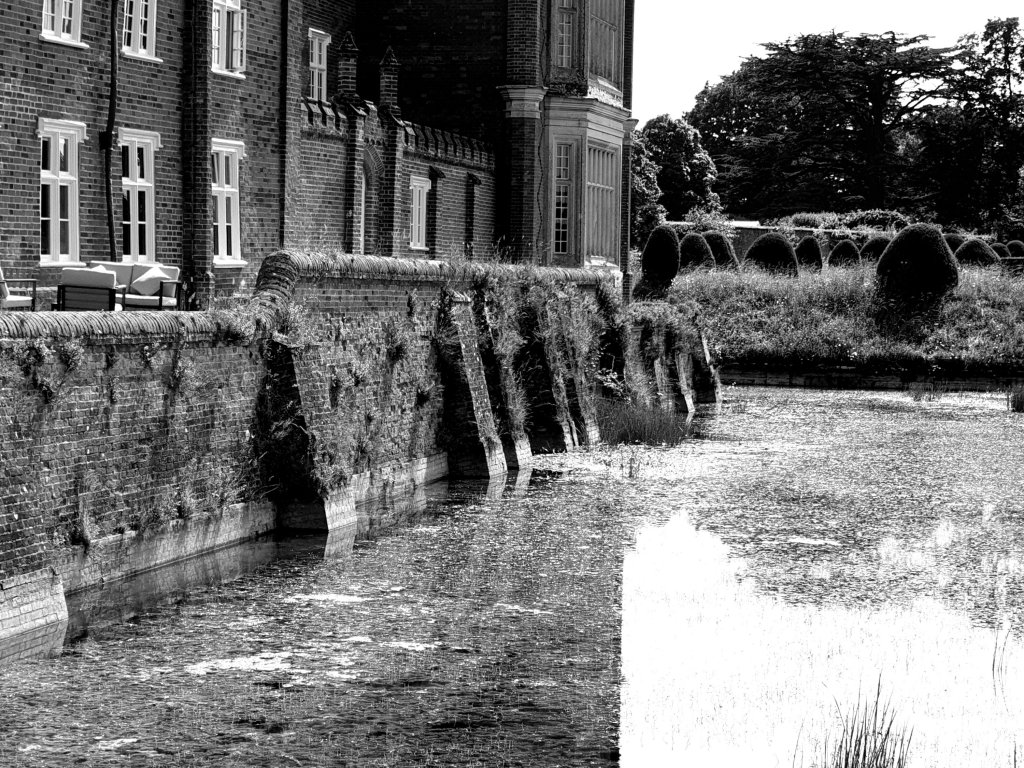

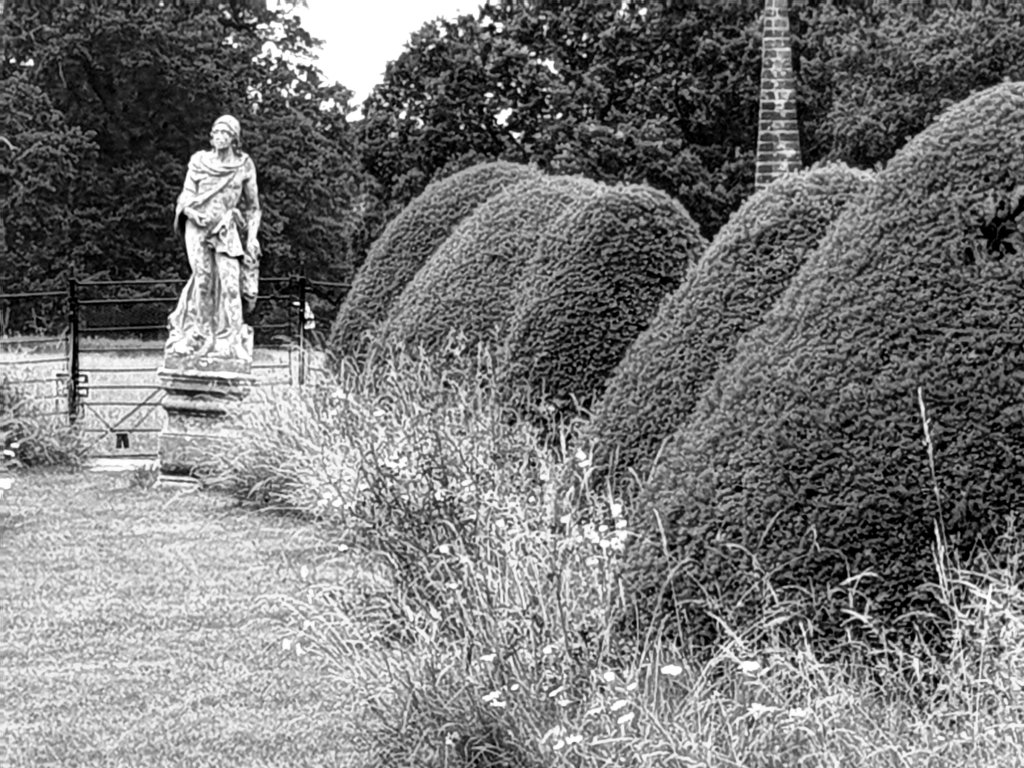
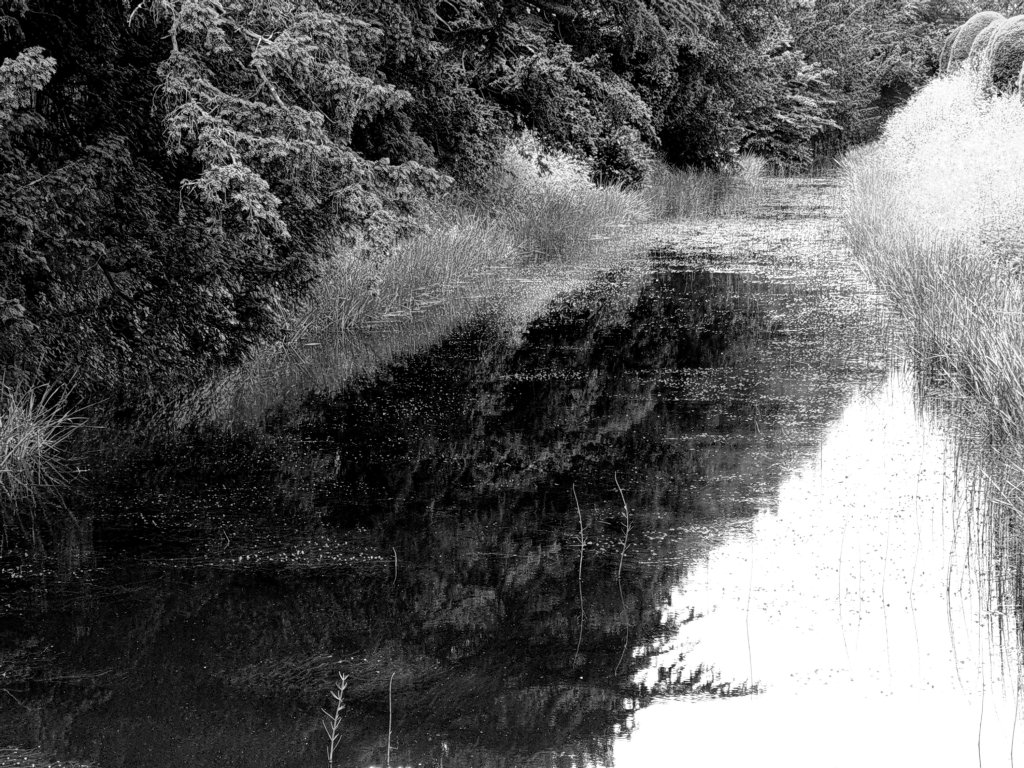
Everything about it was perfect – a compact, well ordered garden, opening out onto a spectacular deer park:-

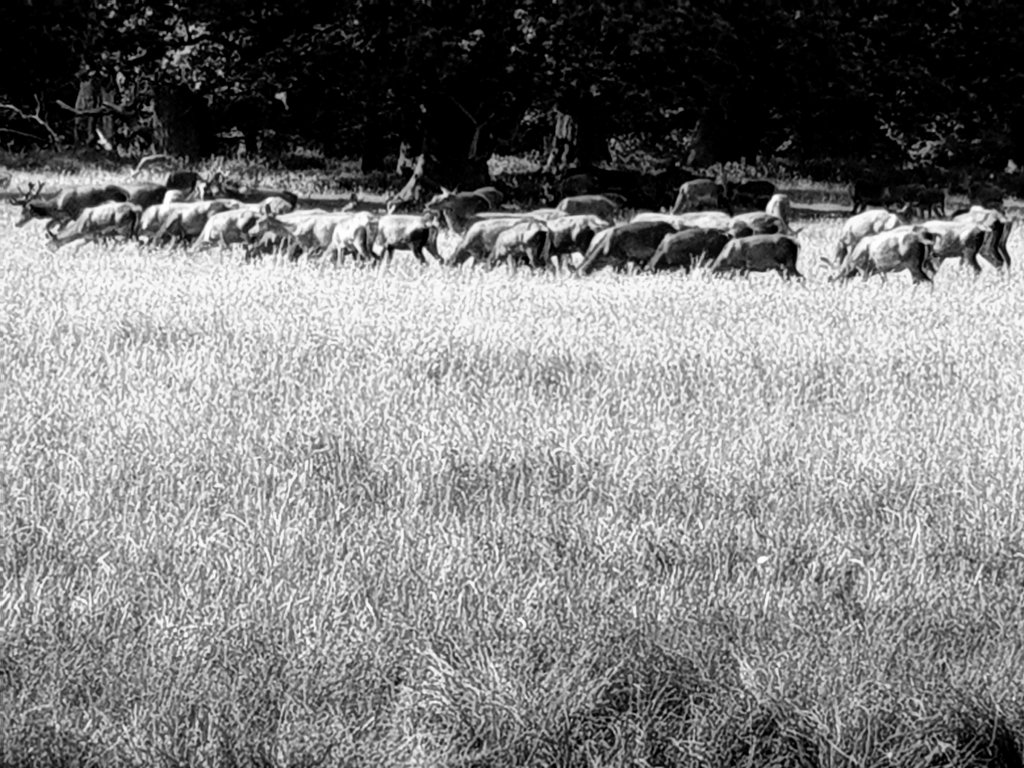
I half knew about the Line, the sculpture trail which stretches from the Olympic Park to the Millennium Dome or vive versa, but had never walked it until today. It’s an impressive way of connecting bits of East London which I did not previously know connected – partly because there is an obscure path stretching south from Three Mills past the gas holders to Cody Dock.
We started at the Dome:-
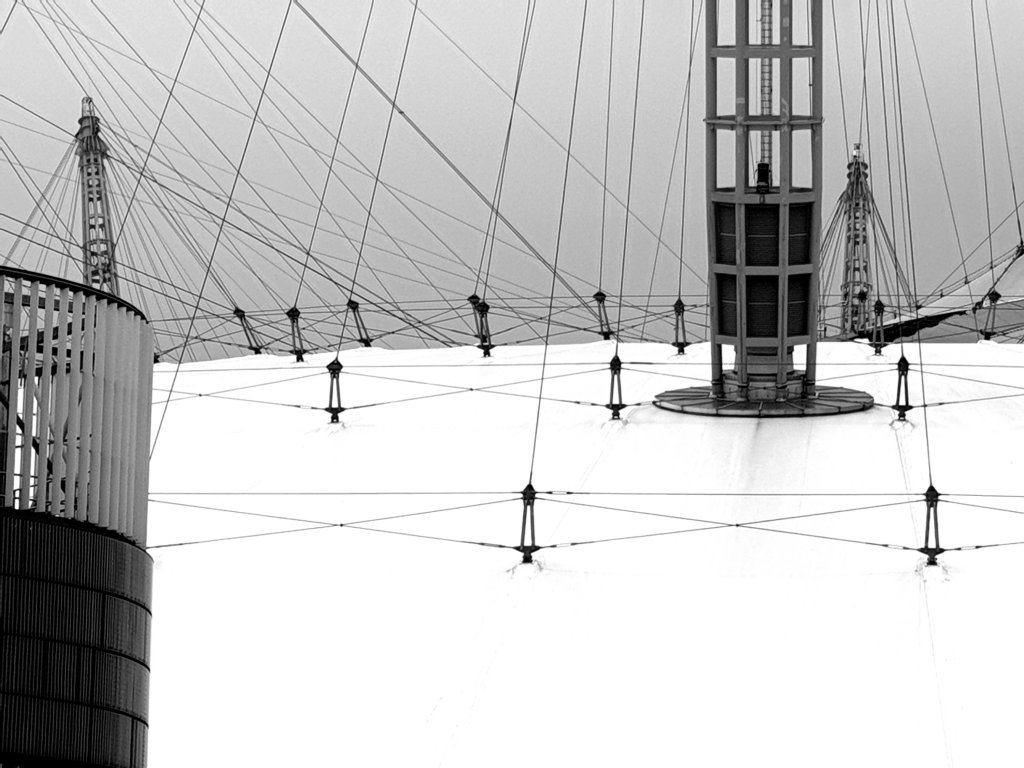
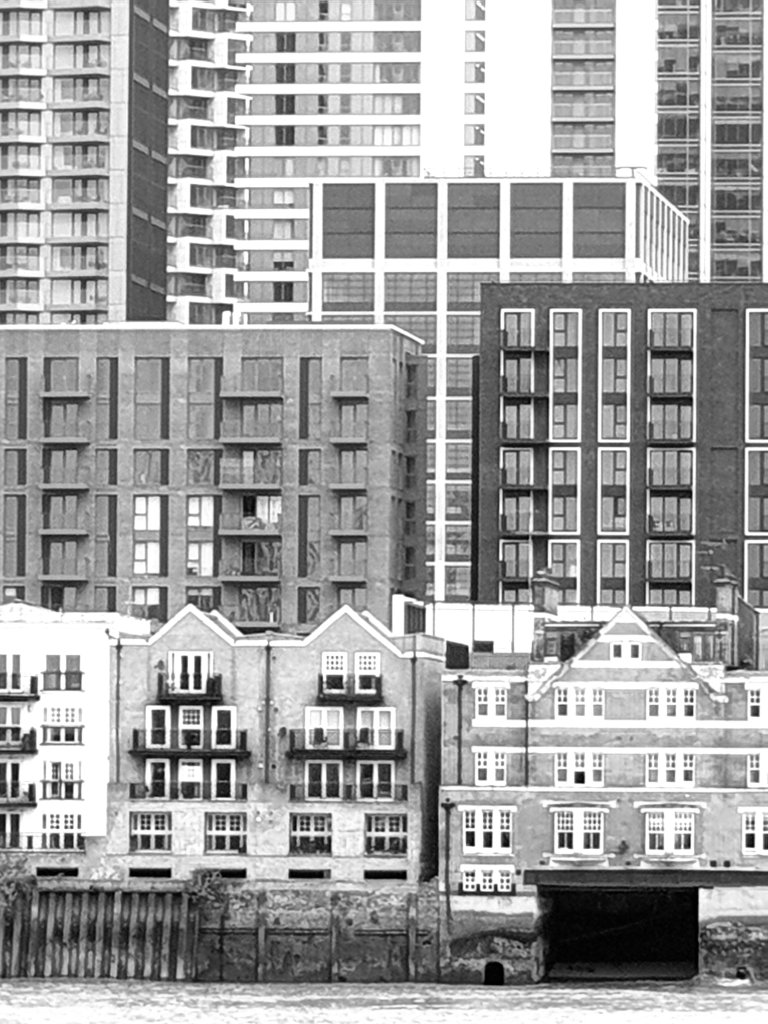
There is a remarkable view of Canary Wharf from the east (what used to be called the Valley of the Failure of Capitalism):-
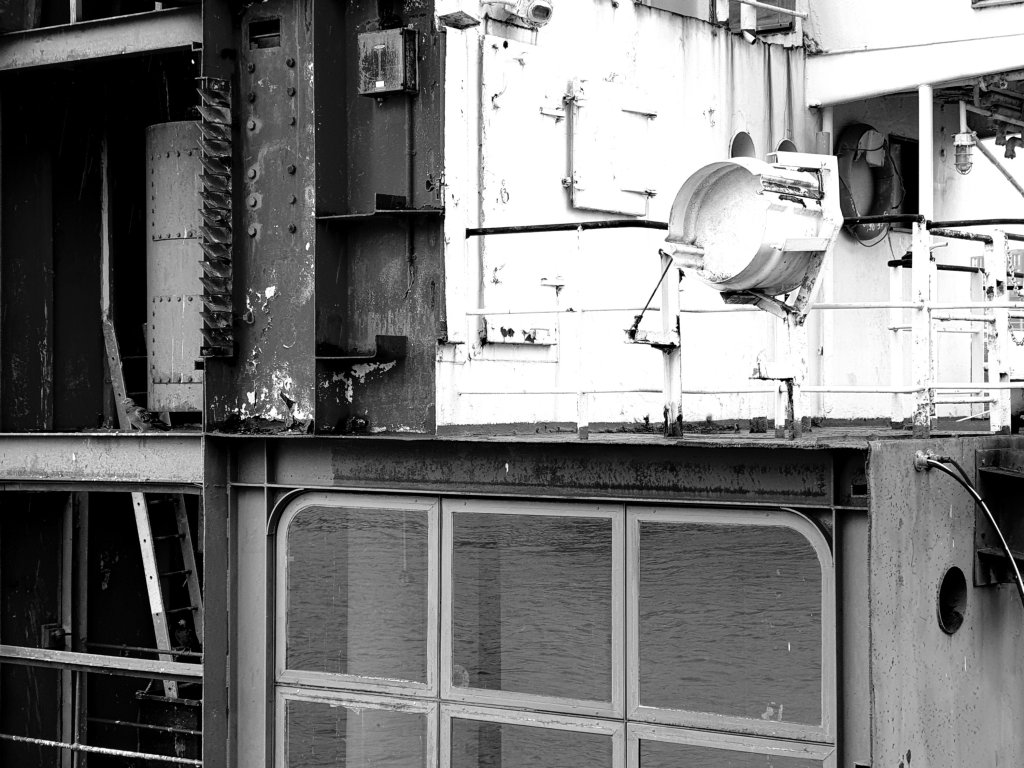
Richard Wilson’s Slice of Reality, which has been there since the Millennium:-
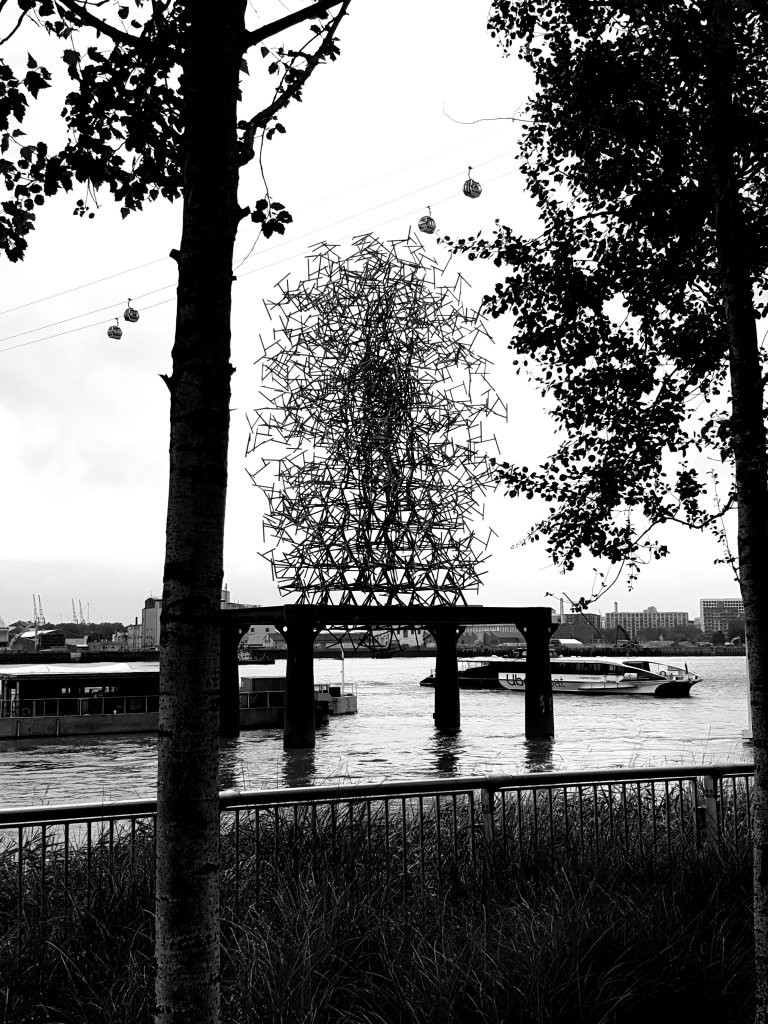
And Antony Gormley’s Quantum Cloud:-
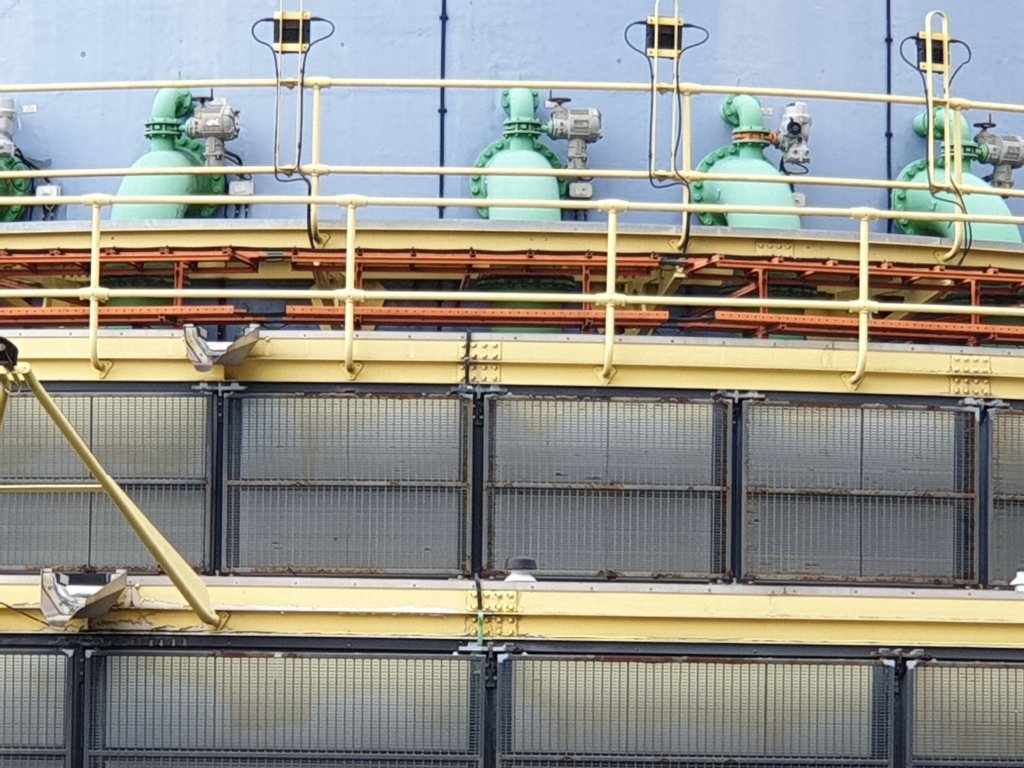
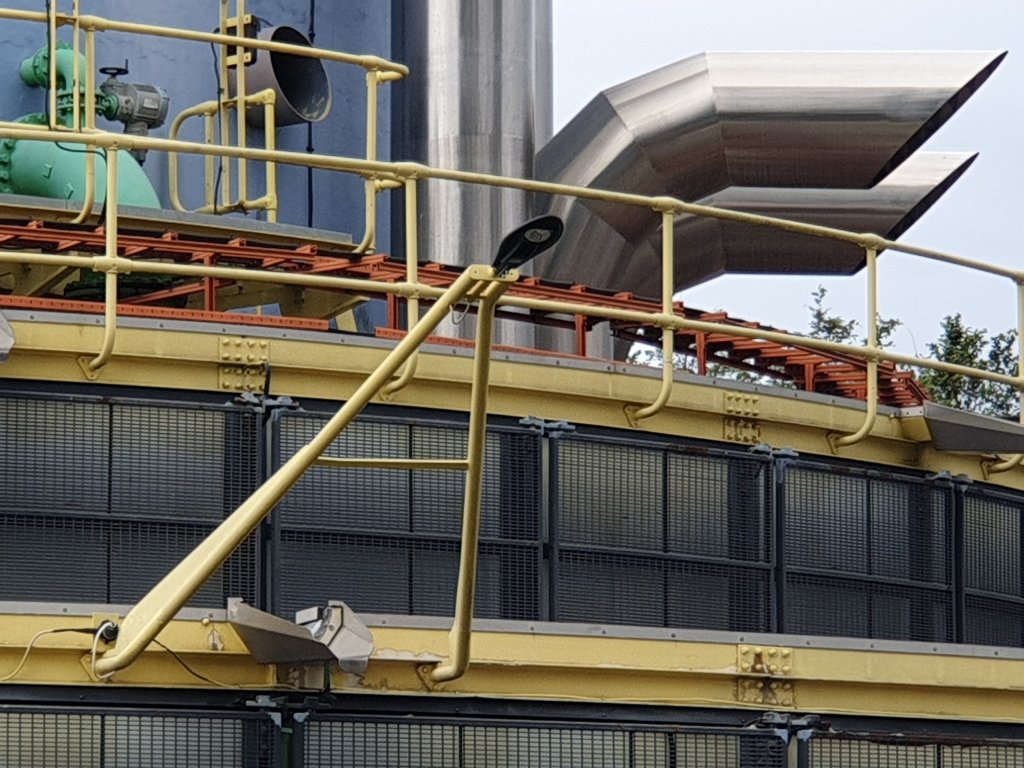
To the north of the river, there is a Richard Rogers’ pumping station, contemporary with John Outram’s on the Isle of Dogs:-
And then a walk up an obscure section of the River Lea:-
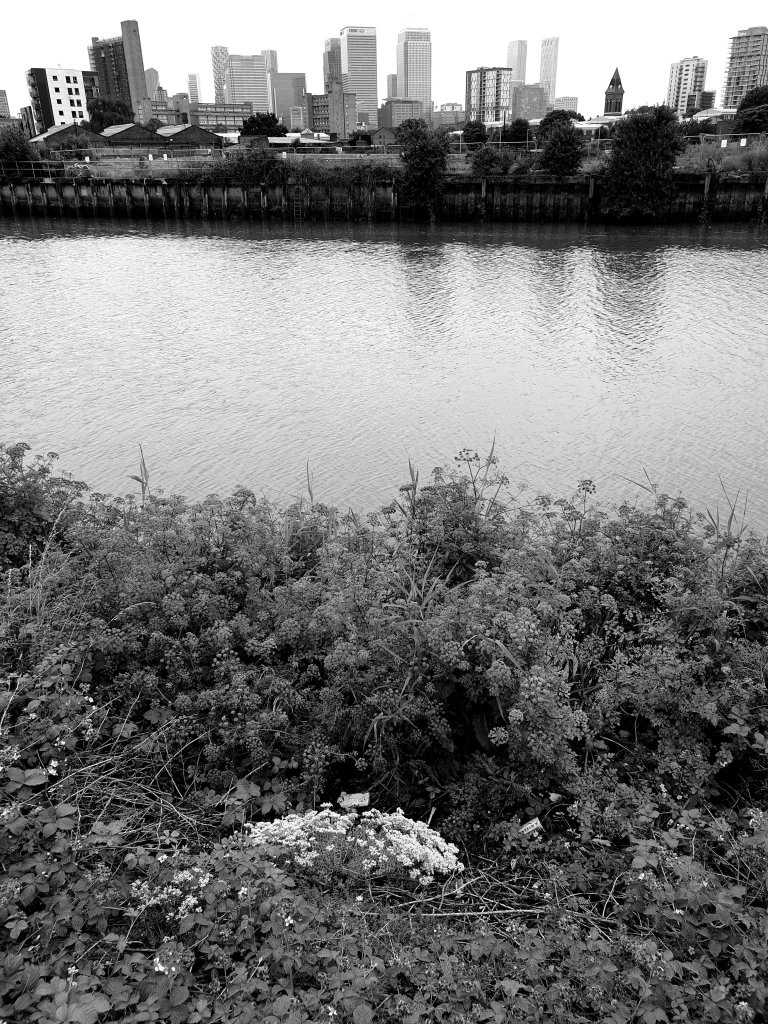
And a view of the Balfron Tower and the new developments of Canary Wharf beyond:-
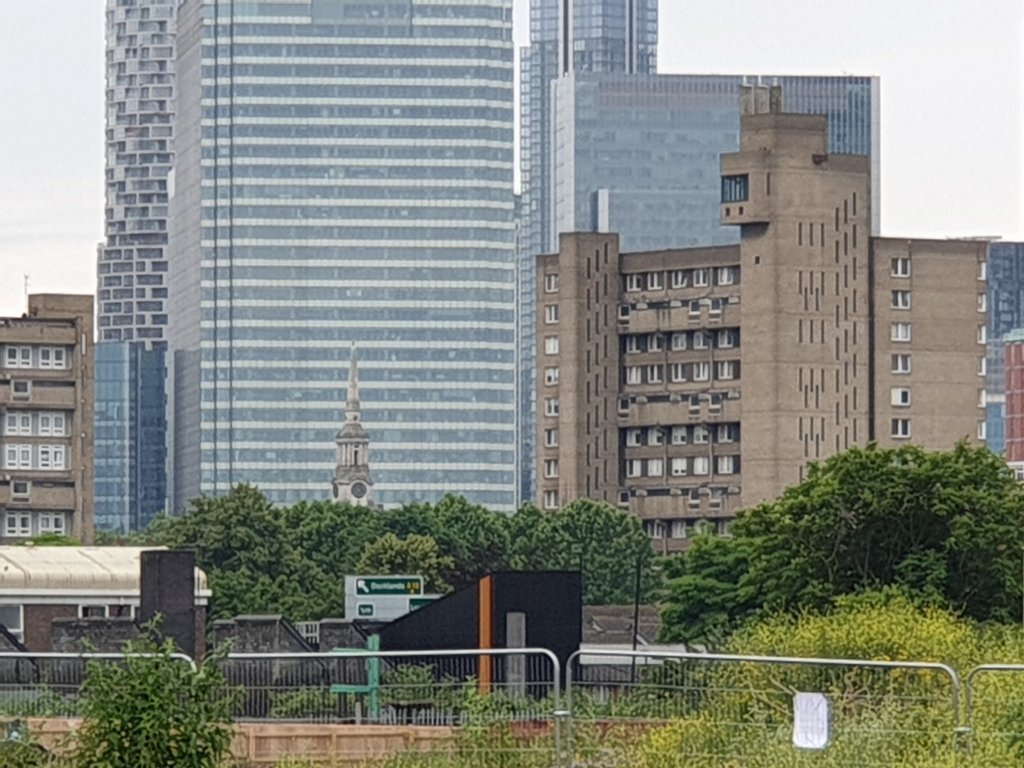
It says it’s only 2.4 miles, but it felt like a good way to explore some of the obscurer bits of East London.
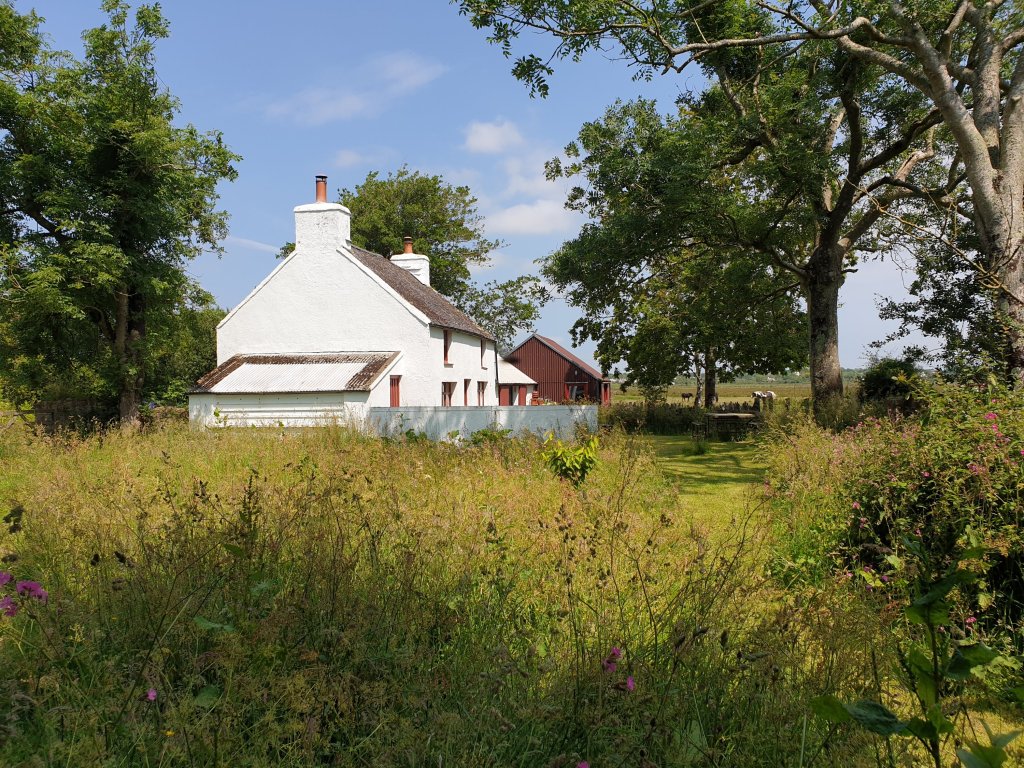
Close examination of the attached reveals that our cottage in Wales is on the shortlist for this year’s RSAW Architecture Awards (we were on last year, but they’ve carried us over to this year). It entailed a flying visit today to meet one of the judges in situ in order to commend the virtues of a small-scale rural project making a nineteenth-century cottage disabled accessible in such a way that it retains the character of the original. The sun shone. The grass has grown long and wild:-
 | Charles | Saumarez | Smith |
You must be logged in to post a comment.